
10 Excellent things to do in Rome, Italy | How to spend 48 Hours in Rome
They say all roads lead to Rome.
Well, truthfully, it took me quite a few years to take one of those famous roads that lead to Rome.
But instead of seeing that as a mistake, I choose to see it as an essential part of the journey.
You see, putting the trip off for longer than I should have, while hearing countless stories of Rome’s grandeur, made the moment I finally walked in its time-worn streets even more remarkable.
As Marcus Aurelius often reflected in his writings, patience and perseverance are virtues – qualities that this trip to Rome, in many ways, taught me to value.
Once the heart of one of the world’s most powerful civilisations, Rome is, indeed, every bit as grand as I imagined, and then some.
Elegant, timeless, and steeped in over 2,000 years of history, the Eternal City is a place where the past is not just remembered, but continues to feel alive in the present.
From the colossal Colosseum to the utterly fascinating Trevi Fountain, the ancient Roman Forum to the imposing Pantheon, Rome is as much an open-air museum as it is a living city, with some of the world’s most significant sites embedded within its historic cityscape.
In this in-depth guide, I’ll share the best things to do in Rome, ideal for first-time visitors and those spending a limited time in the Eternal City. It also covers my personal take on where to stay, when to visit, and more.
If you choose to use any of the links on this page, I may receive a small commission at no extra cost to you. By using these links, you’ll have a direct impact on WTSW and my ability to continue to create free insightful travel content for you. If you find any of my tips useful, you can support me by buying a virtual coffee here.
Where is Rome
Situated in the heart of Italy, the city of Rome is as enchanting as it is captivating, and is widely considered one of the absolute best capital cities in Europe, if not the best.
Famed as the epicentre of the Roman Empire, the Eternal City was once the seat of arguably the most powerful civilisation our world has ever seen, and has been the core of all things art, politics, philosophy, and religion for over 2,000 years.
Today, the city remains the political, cultural and historical heart of Italy, with heaps of captivating ancient ruins, exquisite architecture, Baroque fountains, and, of course, world-class cuisine, attracting millions of visitors year in year out.
Where to stay
Rome is elegant. It’s timeless. And luckily for us, its accommodations are no different.
With its reputation as one of the most spectacular cities in Europe, if not the world, some of the world’s most breathtaking accommodation options are found right here.
From luxury hotels marked by modern elegance to centuries-old historic buildings turned into unique once-in-a-lifetime boutique stays, Rome’s accommodation offerings, much like its historical sites, are truly something memorable.
To help narrow things down, I’ve picked my favourite out of the bunch:
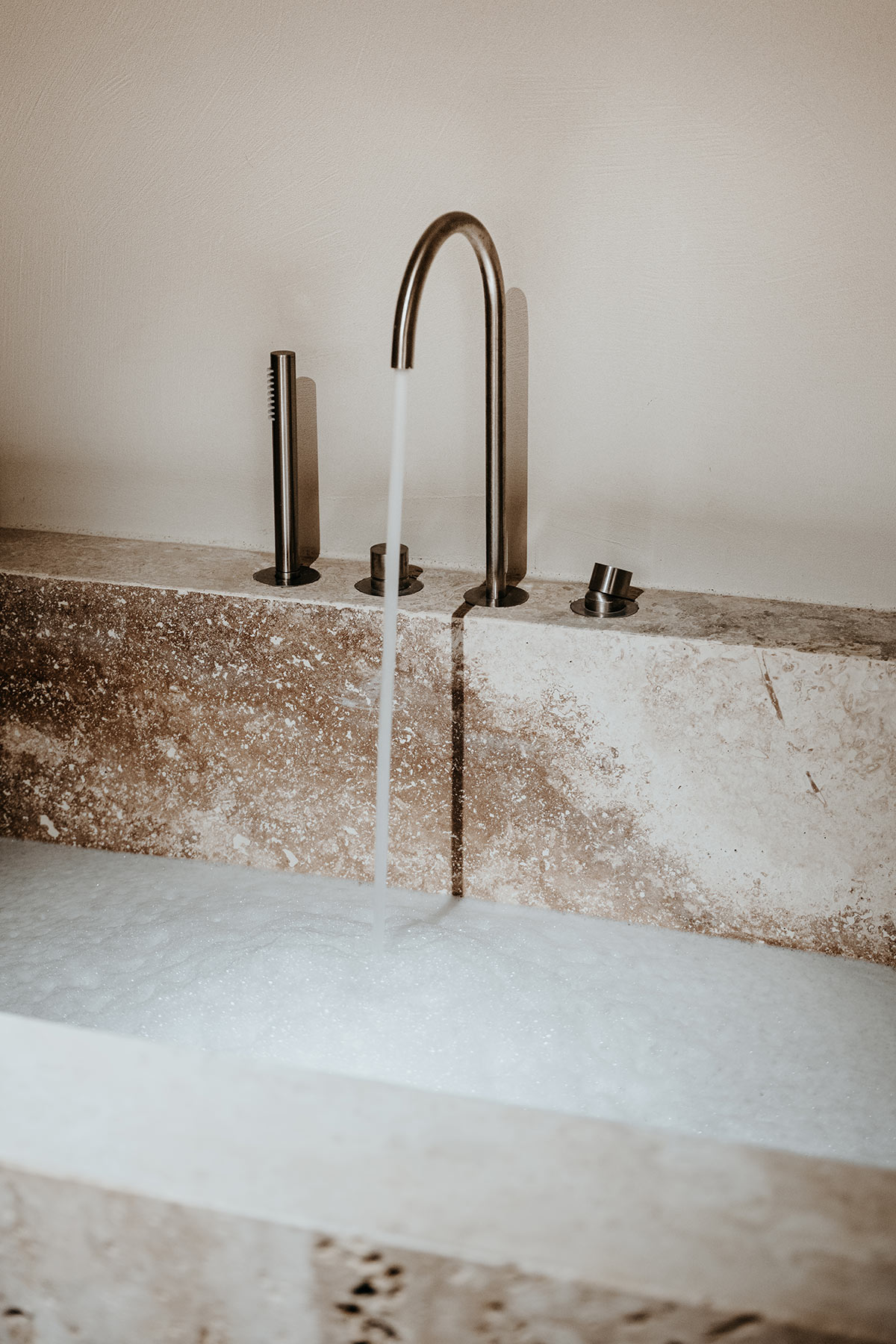
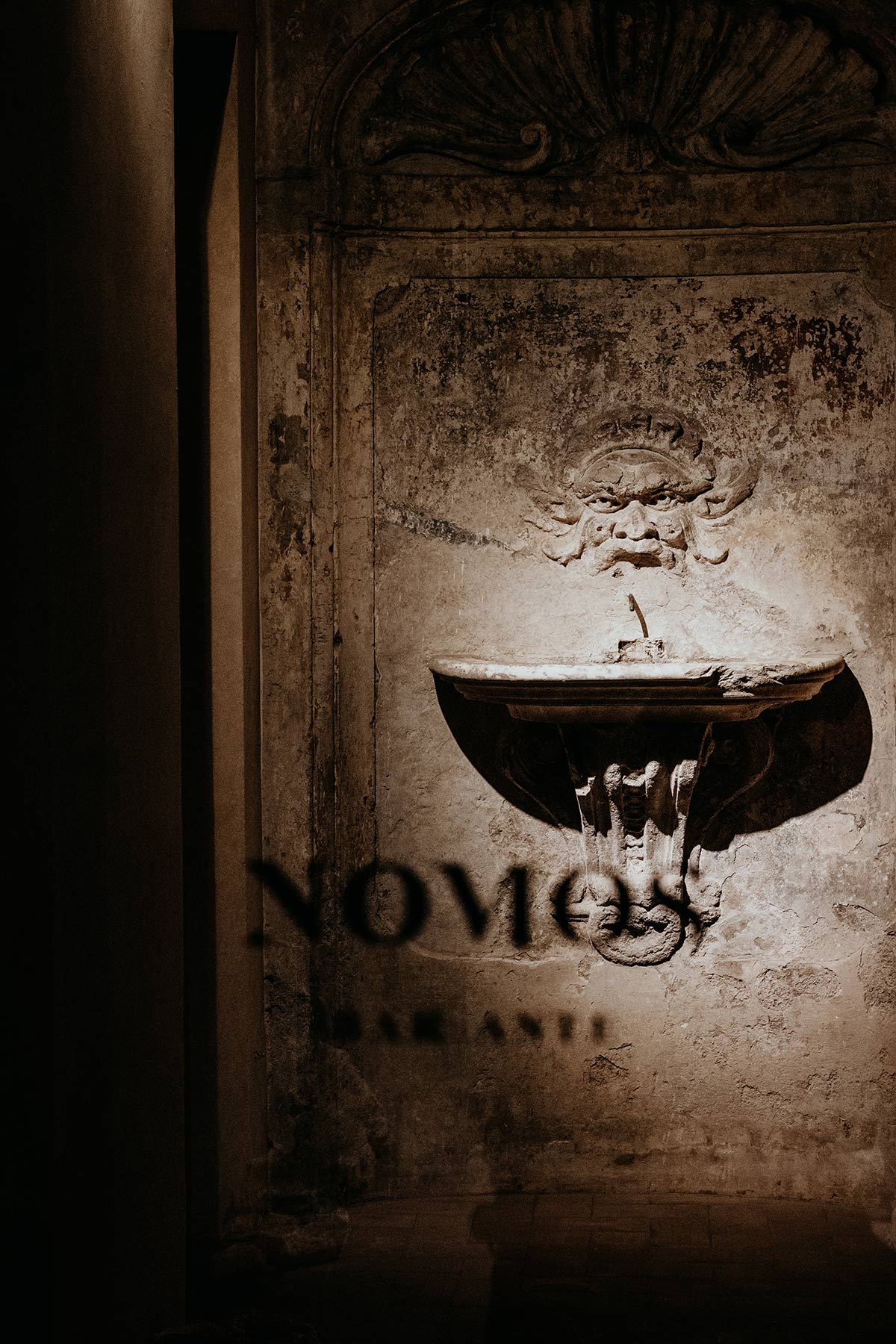
NOMOS hotel | Authentic, refined and intimate, this boutique hotel is as fascinating as any I’ve seen in Italy. Once a Franciscan monastery, NOMOS is a stylish retreat that reflects the timeless essence of Rome, while providing quiet luxury and an understated, yet sophisticated elegance throughout. Trust me, you won’t regret a quick peek here.
Relais Orso | Designed by Italian architect Danilo Maglio, Relais Orso is a luxury boutique hotel that effortlessly blends Renaissance architecture with contemporary design. Its prime location near Piazza Navona, Palazzo Borghese, and the Pantheon makes it a traveller’s favourite.
Eitch Borromini Palazzo Pamphilj | This restored 17th-century palace is situated directly along Piazza Navona and offers luxurious rooms and suites that are works of art in their own right. Each room is elegantly designed and equipped with all modern amenities, while also providing a fascinating glimpse into the building’s rich past.
10 Excellent things to do in Rome, Italy
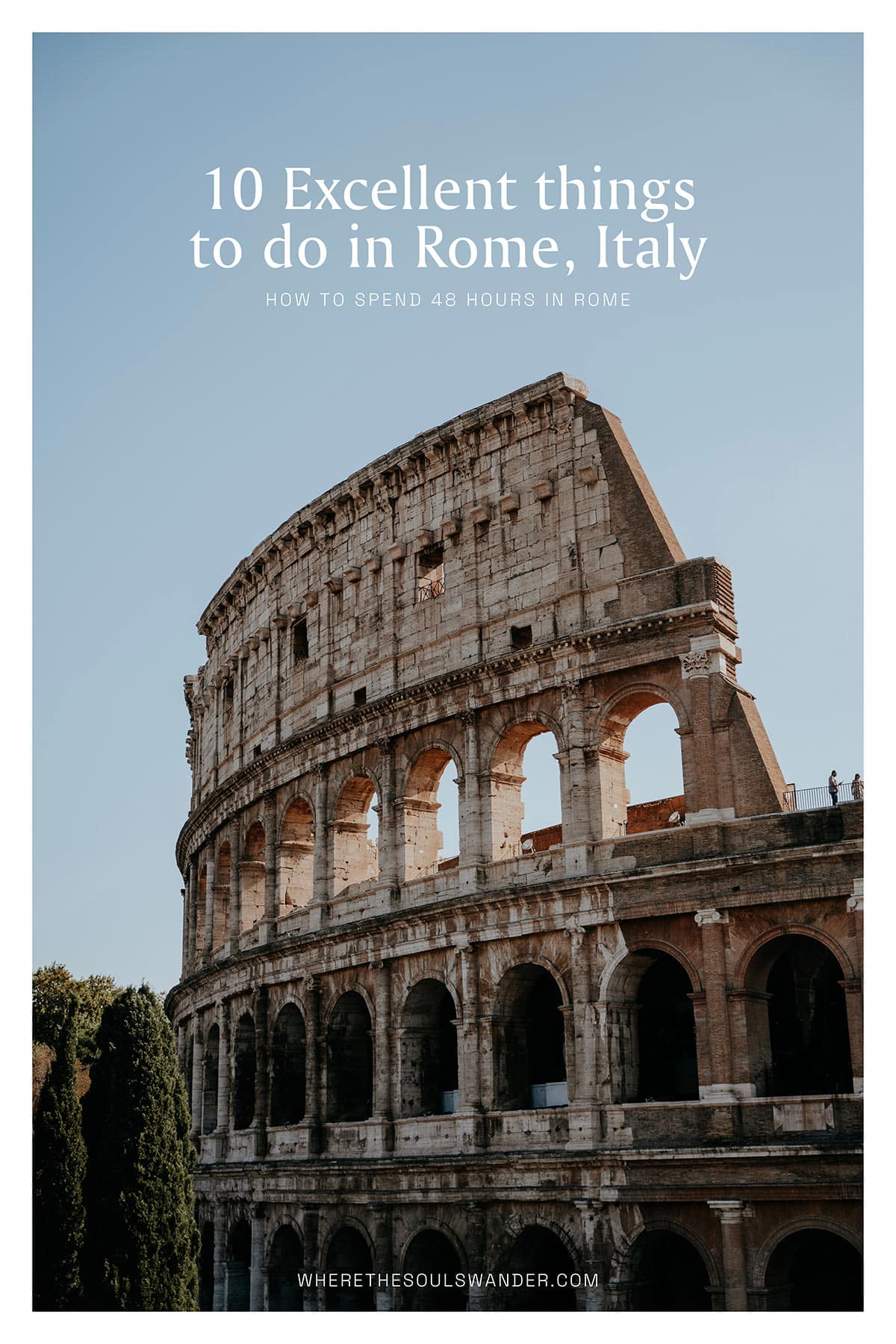
1. Get mesmerised by the Colosseum
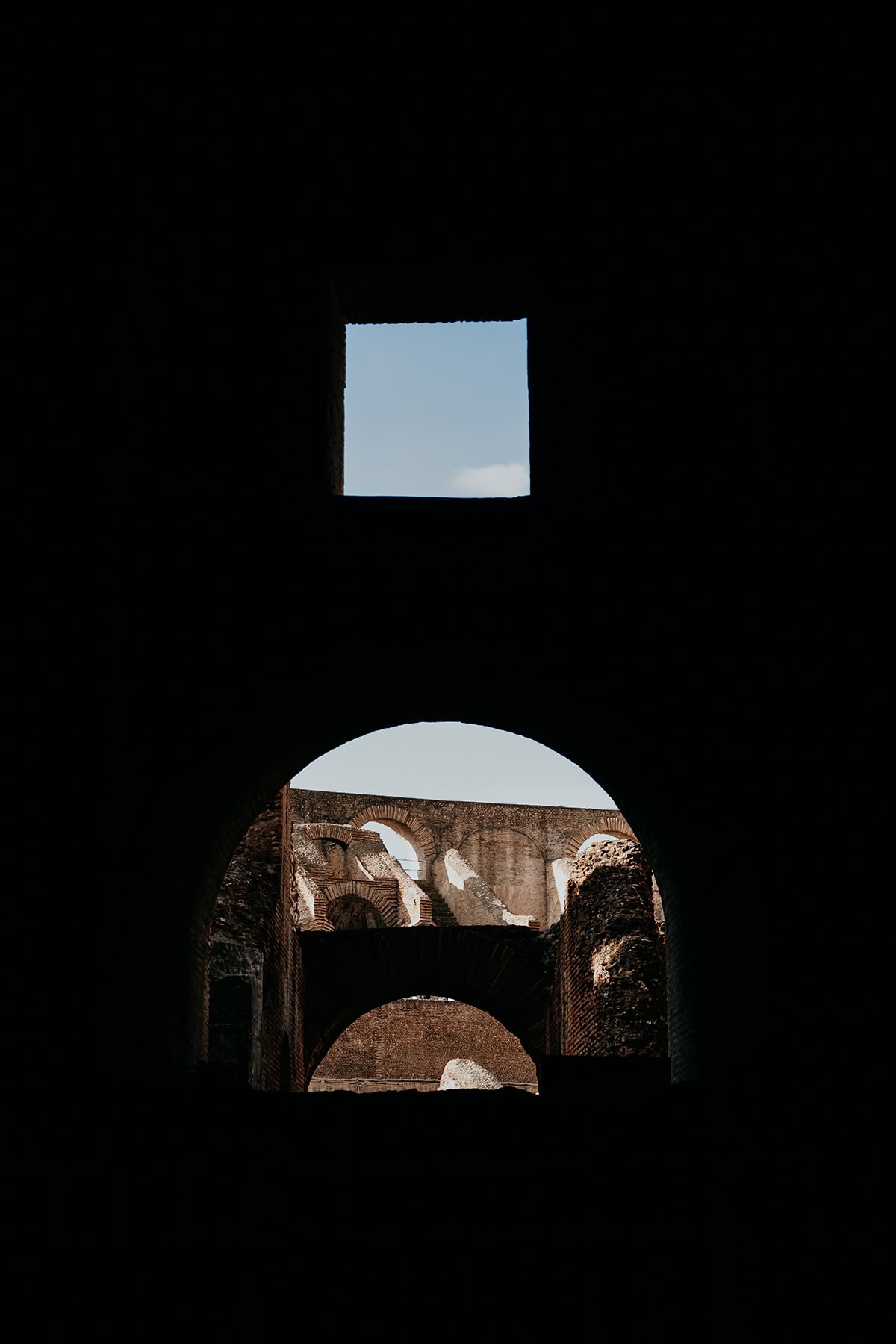
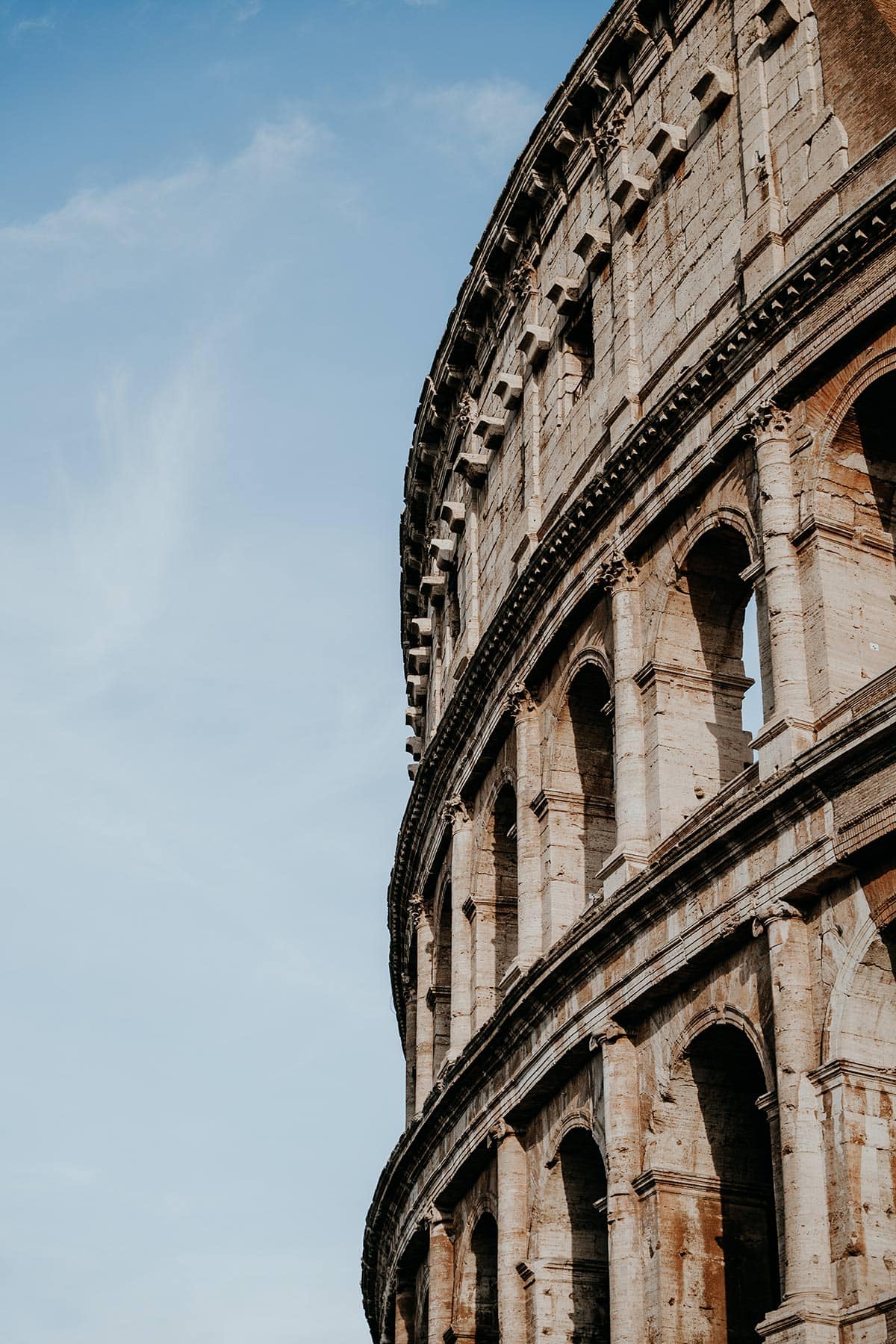
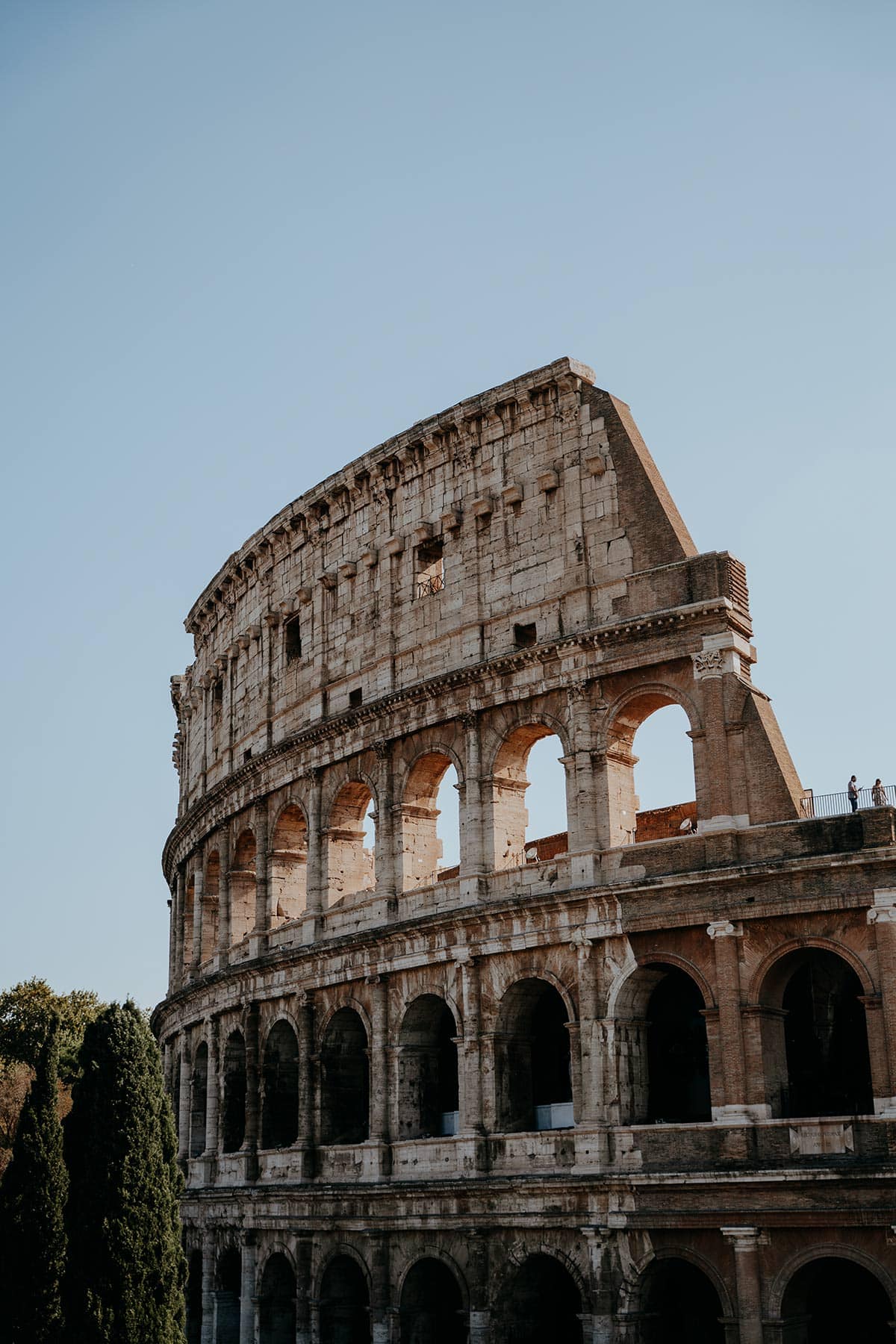
Think of Rome, and you instantly think of the famous Colosseum – it really is as simple as that.
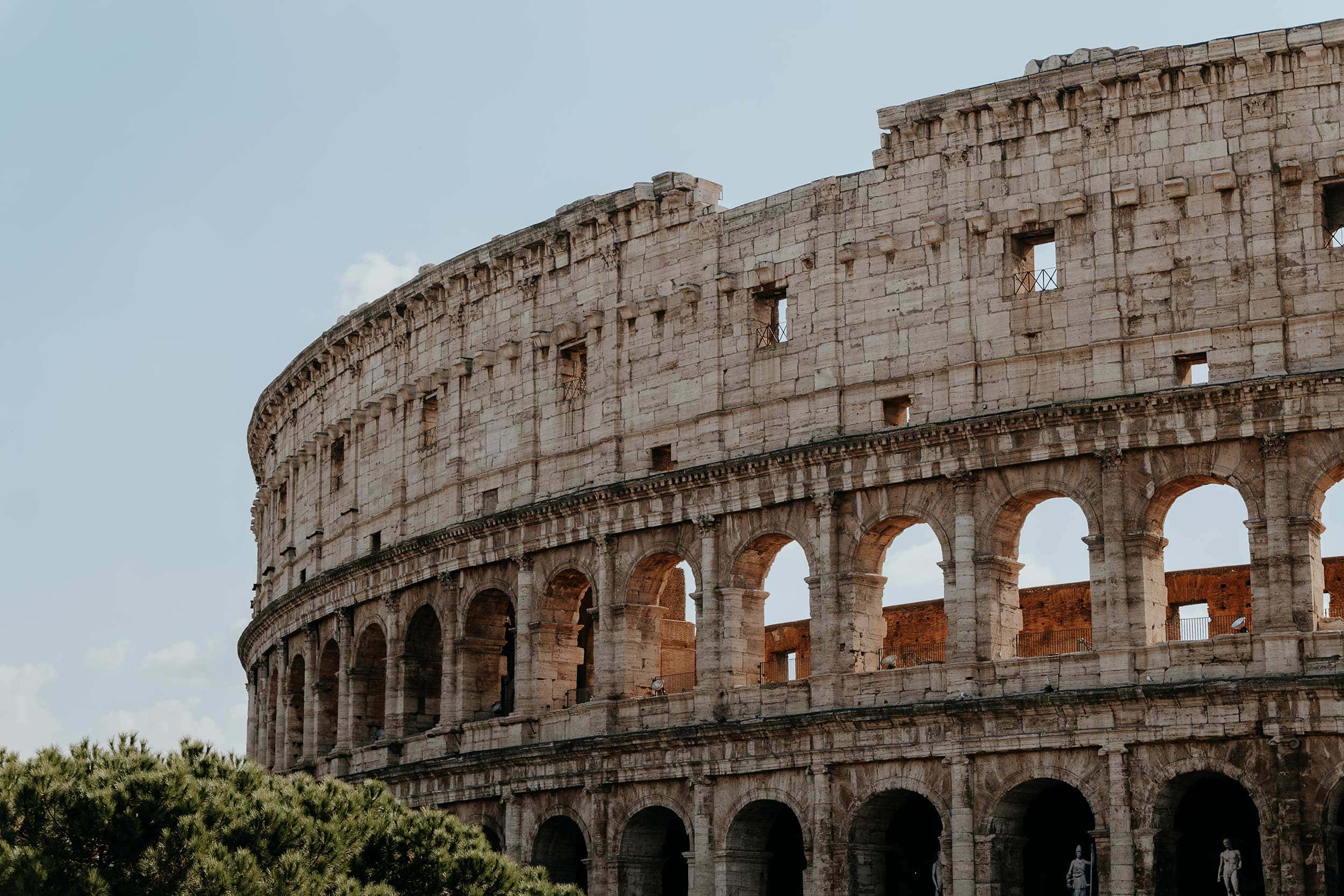
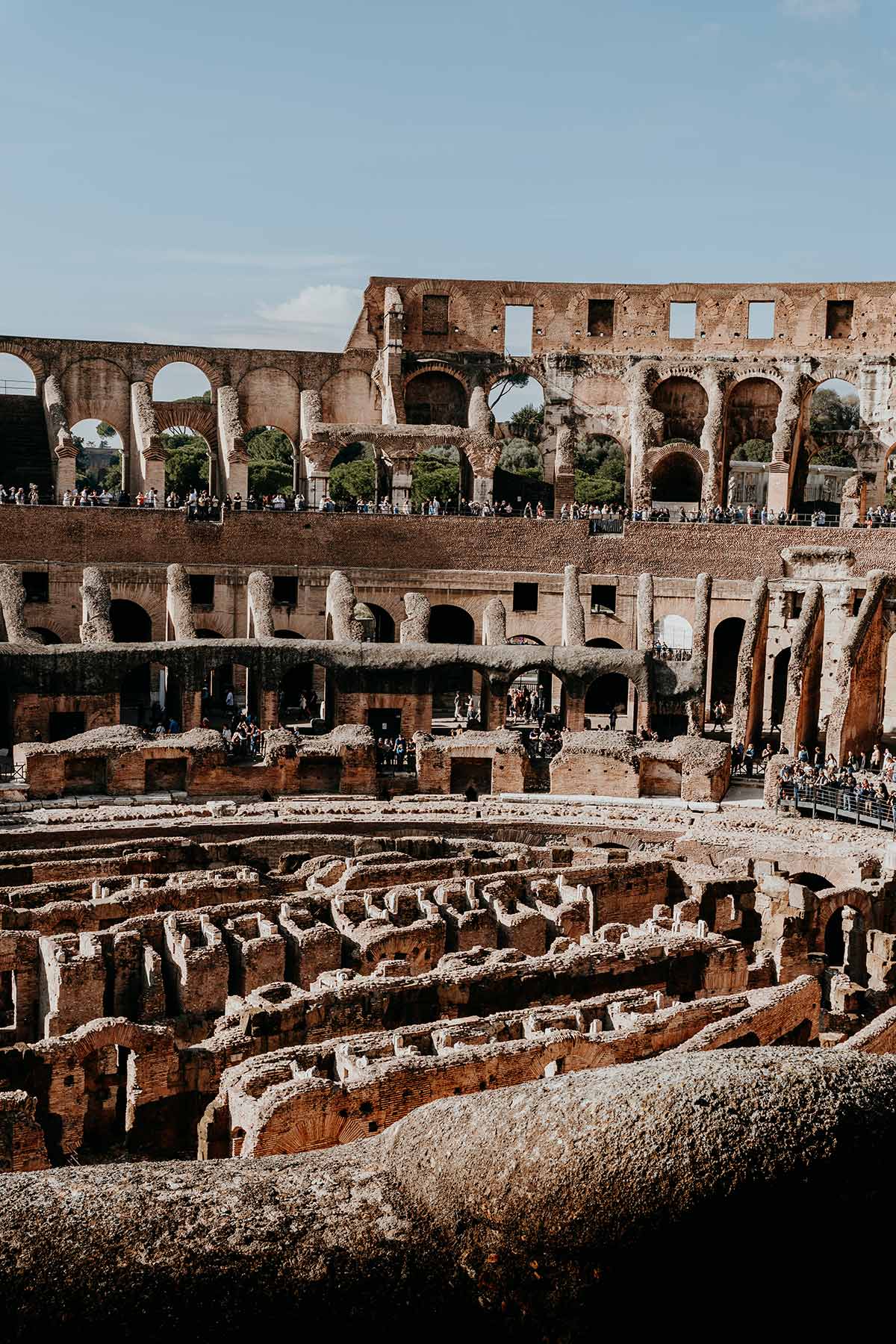
Captivating, commanding, and colossal in both scale and history, this masterpiece not only dominates the Roman skyline but also the imagination of the millions who dream of visiting it.
Built in AD 80 under the rule of Emperor Titus, the enormous arena hosted up to 50,000 spectators during its heyday, when gladiators, clad in sturdy armour, stepped into the arena to battle each other as entertainment – yes, it truly was as barbaric as we’ve seen in Gladiator.
Today, the Colosseum still welcomes an average of 25,000 visitors a day (that’s roughly 15 times more than Petra in Jordan), making it one of the most visited landmarks in the world.
Having overheard countless talks about overtourism in Rome (and Italy in general), I initially assumed that sharing the Colosseum with a huge crowd would diminish the experience.
While there’s no denying that it is busy, the visitor regulations were actually among the best I’ve ever experienced, with timed entries that effectively control the flow of visitors.
Visitors can opt for a standard admission ticket for access to the first and second levels, or an arena ticket that lets you stand where gladiators once battled.
Those keen to take things a step further can purchase an underground ticket and explore the hidden chambers beneath the Colosseum itself. There’s also a lesser-known option that includes access to the Attic (upper levels).
Where | The Colosseum
Opening hours | Daily from 0830 to 1630
Entrance fee | Starting at €26,- per person
Book | This official skip-the-line ticket to the Colosseum, Roman Forum, and Palatine Hill
2. Behold the phenomenal Pantheon
The Colosseum might be Rome’s ultimate tourist draw, but it was the phenomenal Pantheon that has become my absolute favourite.
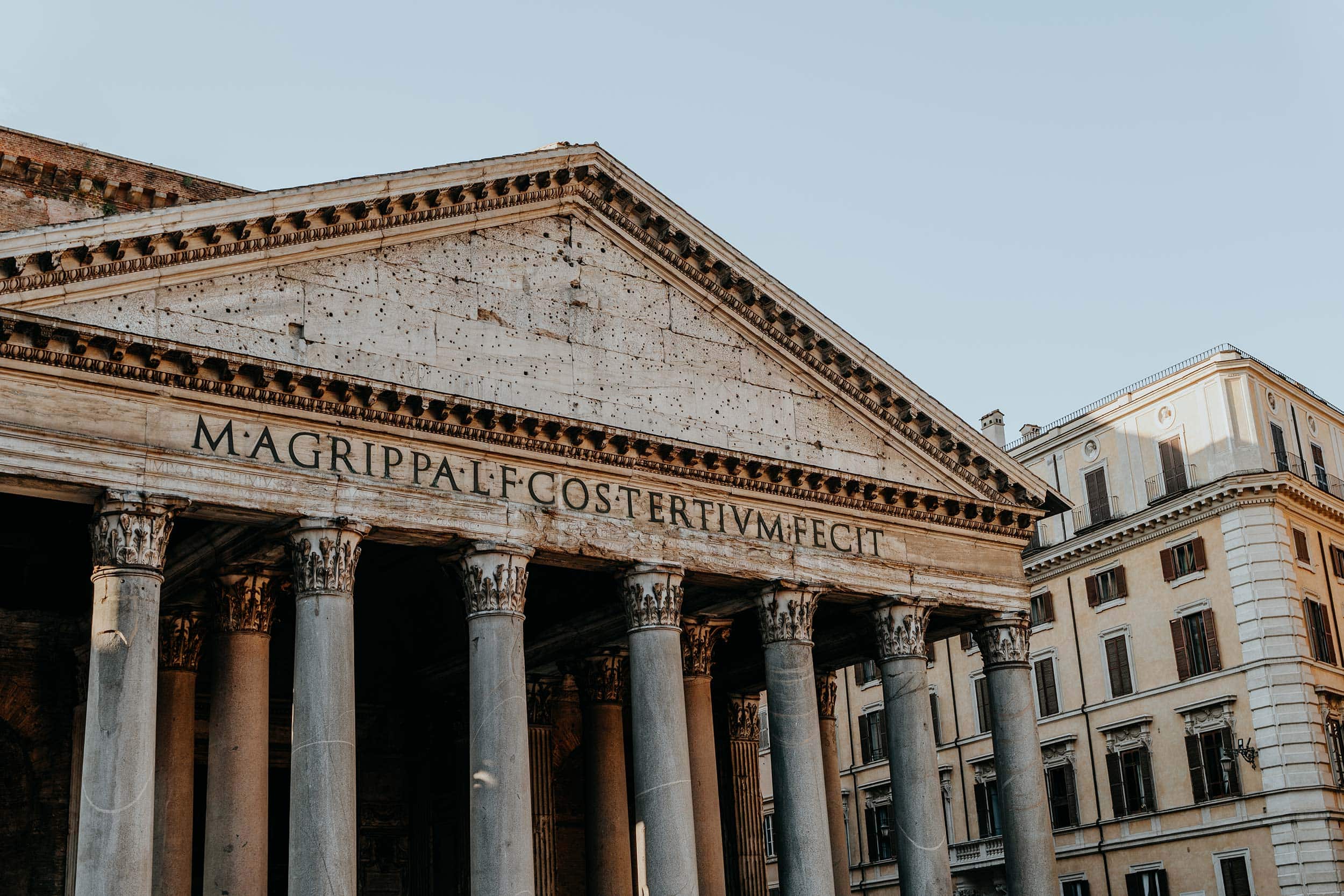
Without question, one of ancient Rome’s best-preserved monuments, the Pantheon is in a league of its own regarding its phenomenal engineering and architectural brilliance.
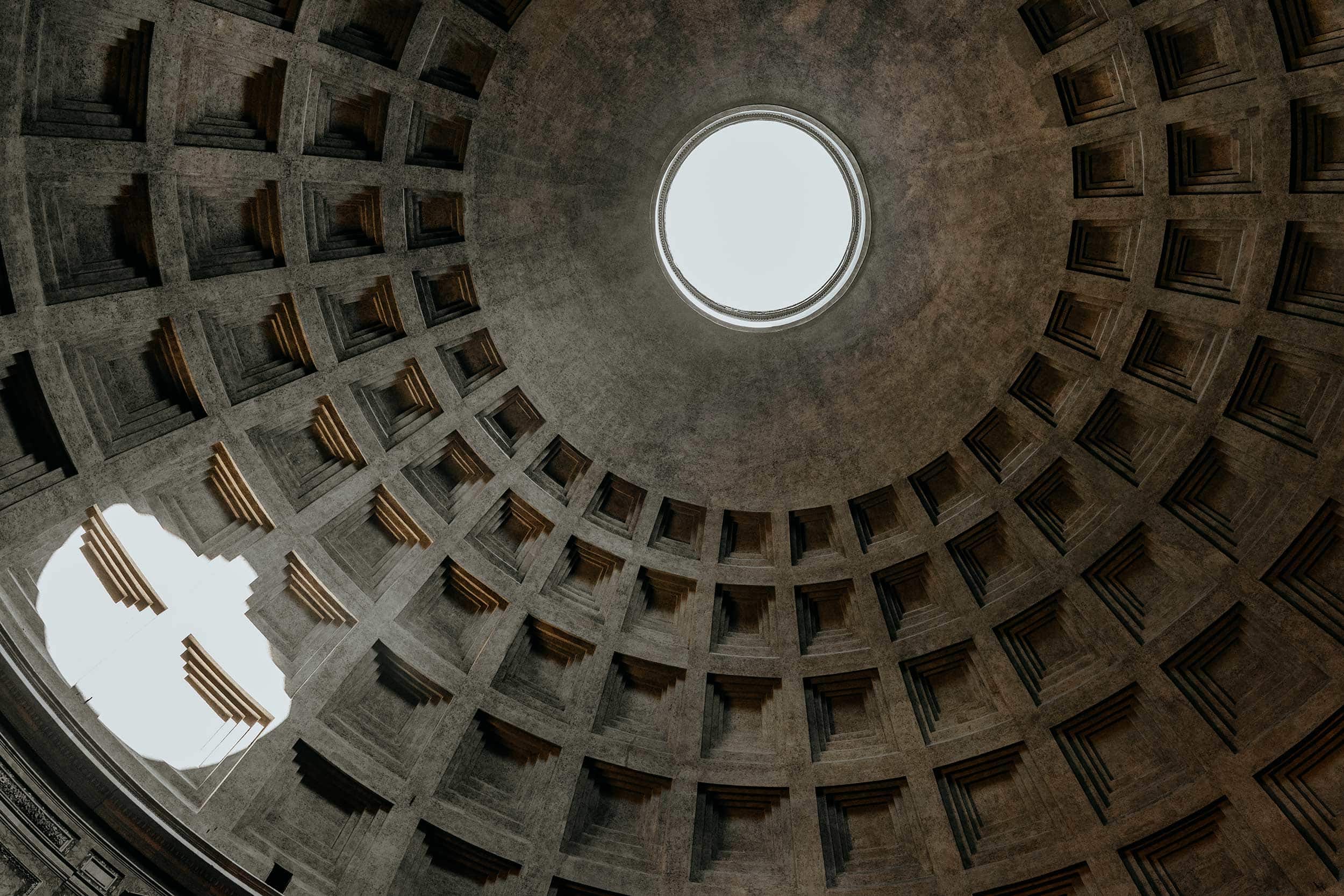
You see, the Pantheon is marked by the world’s largest unsupported concrete dome, complete with a central oculus of 9 meters in diameter – an achievement that continues to keep architects and engineers in awe today.
Initially constructed as a Roman temple, before becoming the Catholic church it is today, the Pantheon has, surprisingly, stood the test of time for nearly 2,000 years, an impressive feat for a building of this complexity and measure.
Its interior is remarkable, with intricate geometric patterns, massive Corinthian columns, and a colourful floor cut out of massive slabs of marble. On top of that, the Oculus is something mystical, letting in an enlightening beam of sunlight, transforming the Pantheon into one of Rome’s most spectacular spaces.
The exterior is equally impressive, and when admired from the picturesque Piazza della Rotonda, its humongous Corinthian columns and exquisite façade make for one of the most iconic scenes in all of Rome.
Where | Pantheon
Opening hours | Daily from 0900 to 1900
Entrance fee | €5,- per person
Book | This official entry ticket to the Pantheon
3. Stay at the astonishing NOMOS Hotel
There are only a few things that get me more hyped than finding accommodation that matches a city’s aesthetic.
So just imagine how thrilled I was when stumbling upon the astonishing NOMOS Hotel.
Situated in the heart of the lively – and relatively local – Regola district, NOMOS is a stylish retreat that effortlessly blends quiet luxury with the timeless elegance that depicts Rome.
It’s the type of stay that features in magazines like Condé Nast Traveler, one such stay where every little element is carefully considered and done with intention.
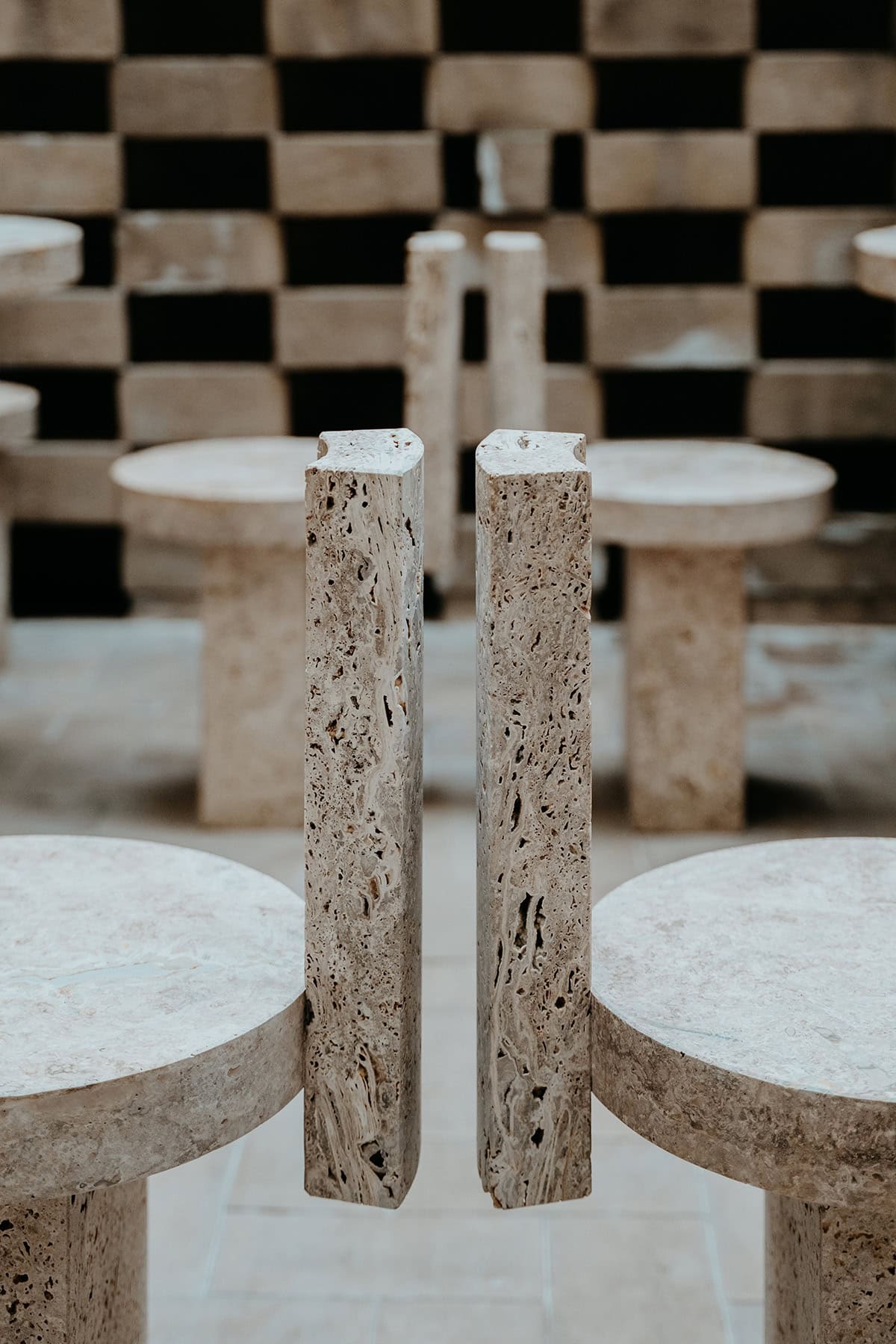
Set within a former Franciscan monastery, artist and designer Henry Timi envisioned that the use of simple, raw elements would elevate monastic austerity into authenticity, tranquillity, and effortless luxury.
How right Henry was.
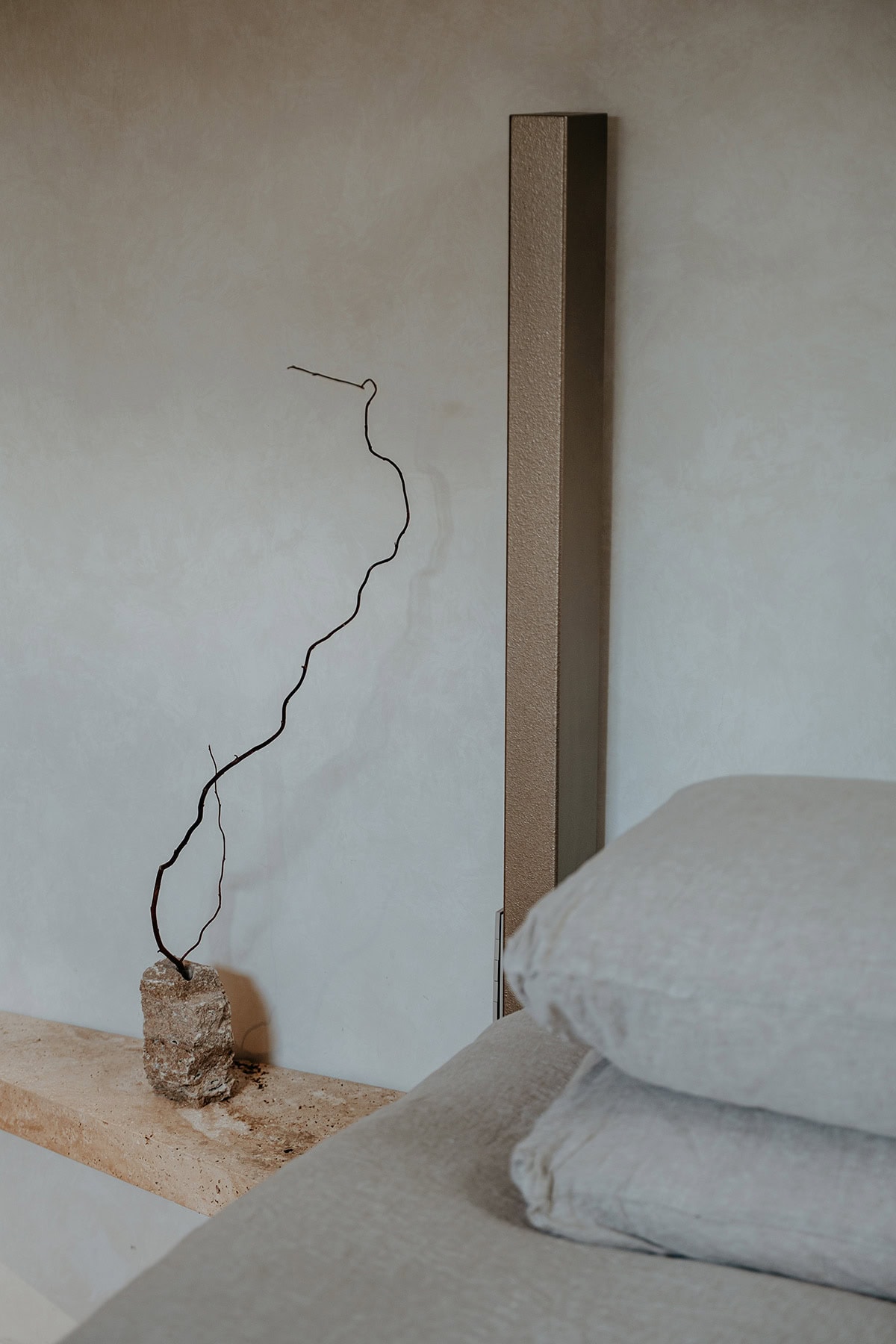
The rooms are downright astonishing, defined by soothing yet muted tones, earthy linens, thoughtful usage of both space and light, and a sense of simplicity that precisely expresses the craftsmanship that went into their creation.
Their in-house restaurant, Bar Ante, follows the same philosophy, reflecting a strong connection to its monastic past, where a pared-back, yet welcome interior invites you to be fully present in the moment. Here, renowned chef Giulio Zoli turns seasonal, high-quality local ingredients into refined dishes that strike the perfect balance between contemporary elegance and traditional Italian flavours.
As someone fond of minimalistic design, spending time at NOMOS was truly something special, with its stripped-down design resembling my perception of how ancient Rome may once have felt: refined and timeless, while leaving plenty of room for my imagination.
It’s also ideally located within walking distance of some of the absolute best things to do in Rome, including the Pantheon, Trevi Fountain, Castel Sant’Angelo, Vatican City, and the Colosseum.
Book | NOMOS Hotel
Cost | Luxurious doubles start at €300,- a night – highly depending on the season


4. Roam around Vatican City
The wonderful thing about visiting Rome is that you also get to add another country to your travel list.
Considered the smallest sovereign state in the world by both population and area, Vatican City is entirely encircled by Rome, yet has remained independent since 1929.
On February 11th of that year, the Lateran Pacts, an agreement between the Kingdom of Italy and the Holy See, were signed, making the Vatican a sovereign state, granting the Pope and the Holy See full independence.
Inscribed as a World Heritage site by UNESCO in 1984, Vatican City is the last absolute monarchy in Europe and is deemed one of the most sacred places in Christendom.
While it might be compact in size, it clearly doesn’t compromise on its historical, artistic, and architectural heritage.
From the marvellous Sistine Chapel with its world-famous Michelangelo-painted ceiling to the colossal St. Peter’s Basilica, which is seen from all over the Vatican, to the lush Vatican Gardens that take up nearly half of the state, the Vatican will inevitably leave a footprint on you.
With roughly 30,000 to 60,000 visitors a day (yup, that’s at least a 30x from its residents), it’s not hard to imagine how this tiny state will feel during the peak season. So, if you’re keen to visit the Vatican Museum and gaze at the fascinating Sistine Chapel, I can’t stress it enough to get your hands on this official skip-the-line ticket.
Where | St. Peter’s Basilica
Opening hours | Daily from 0700 to 1900
Entrance fee | Free
Where | Vatican Museums & Sistine Chapel
Opening hours | Monday to Sunday 0800 to 2000
Entrance fee | Starting at €20,- per person
Book | This official skip-the-line ticket to the Vatican Museums & Sistine Chapel
5. Admire the Trevi Fountain
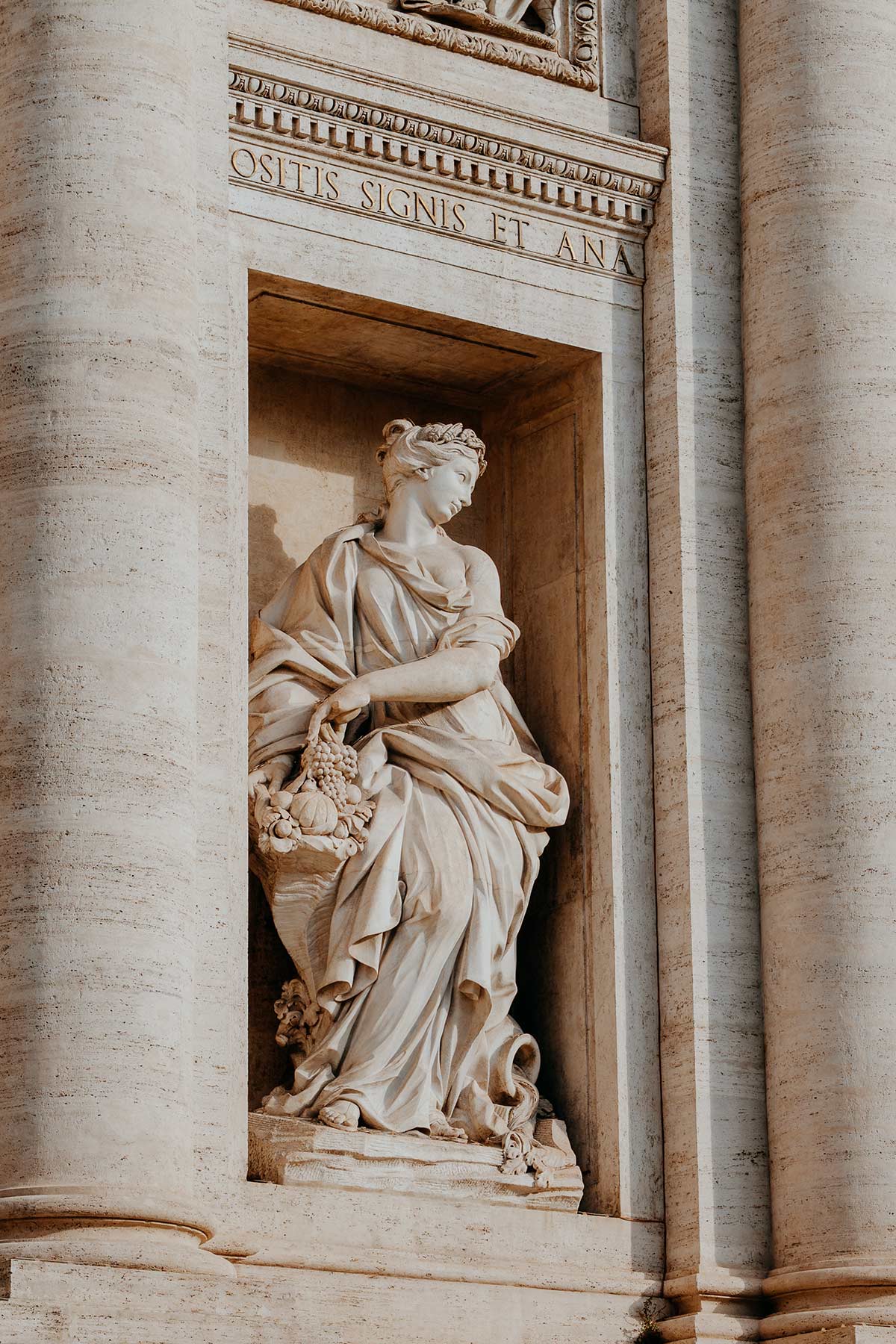
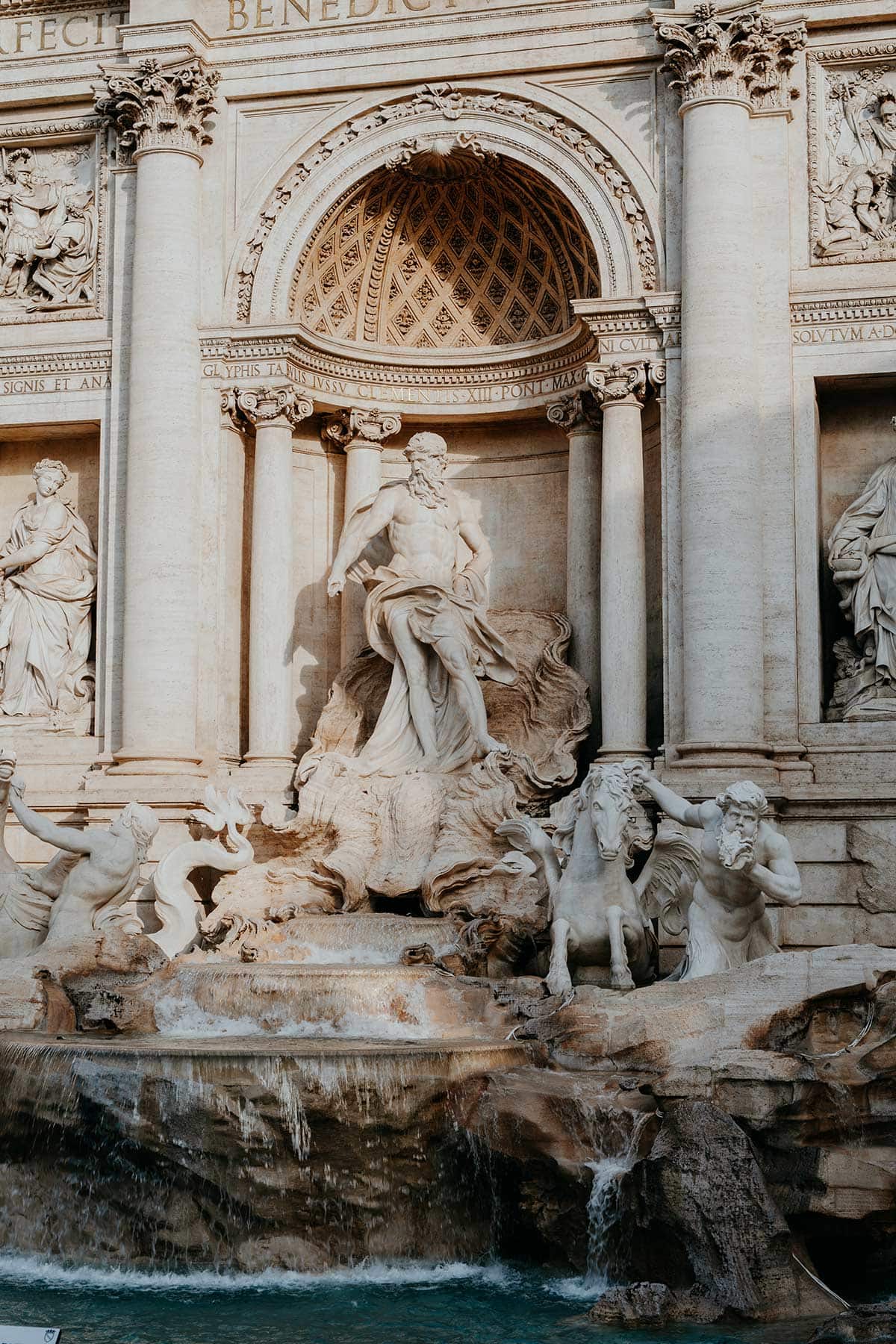
Rome is as much an open-air museum as it is a living city, with the majestic Trevi Fountain widely considered its chef-d’œuvre.
Arguably the most iconic fountain in the world, the Trevi Fountain stands proud against the colourful facades of Rome’s time-worn streets and is indeed as iconic as it gets.
You see, the Trevi Fountain is second-to-none, and once you behold its cascading turquoise waters and colossal Baroque sculptures, including an intriguing chariot-riding Oceanus with Tritons, in person for the very first time, I bet you won’t second-guess that.
Legend has it that tossing a coin over the left shoulder with the right hand will guarantee a safe return to Rome in the future. Not surprisingly, many would love this return, resulting in roughly €1.5 million worth of coins being tossed into the fountain each year.
That amount of money should give you an indication of how beloved this place actually is, so I’d highly recommend an early morning visit, when crowds tend to be a little thinner.
Also, I can’t stress it enough to stay alert for pickpockets in crowded areas as the Trevi Fountain.
Where | Trevi Fountain
Opening hours | All day – entrance to the internal perimeter differs throughout the week
Entrance fee | Free – €2,- to enter the internal perimeter
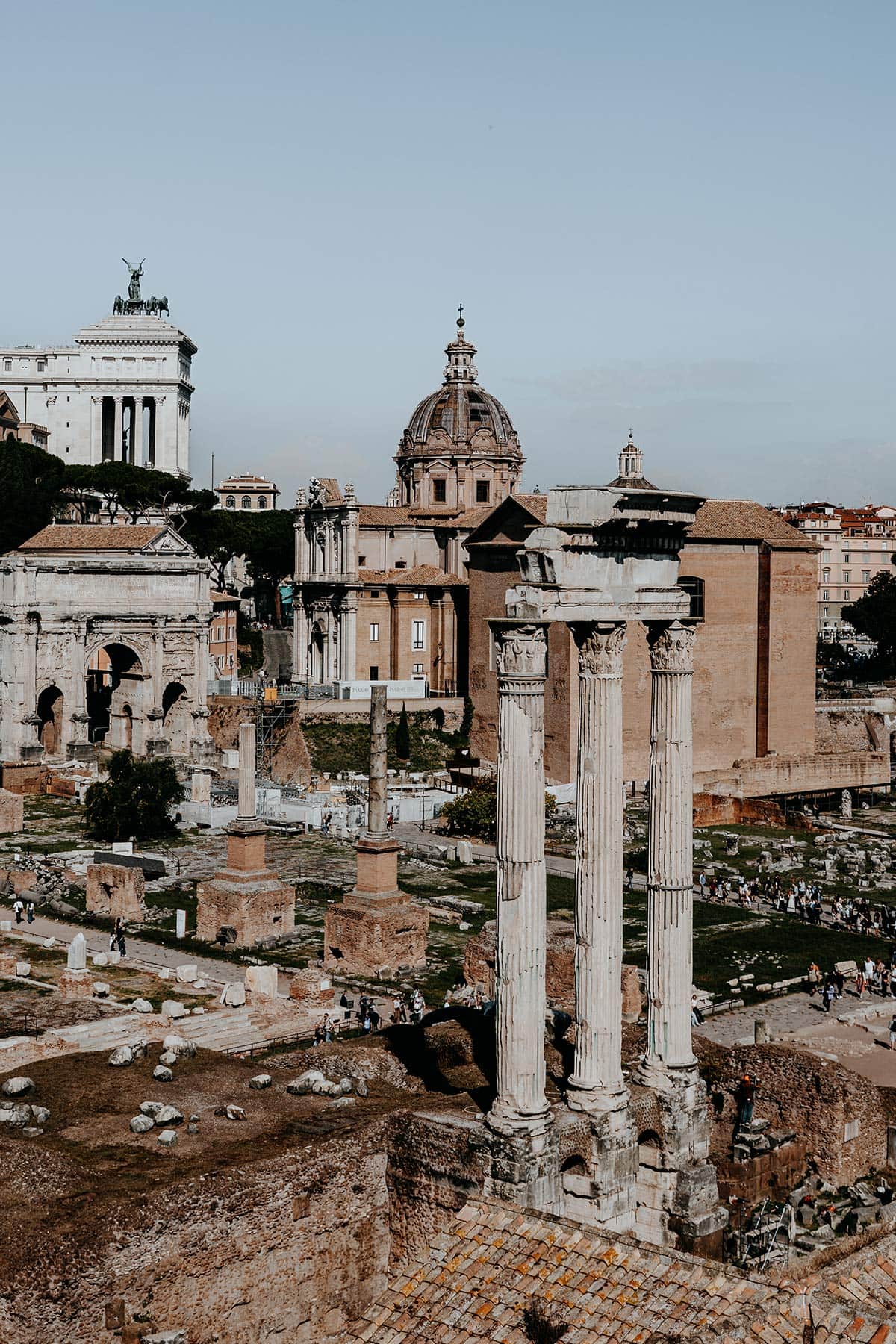
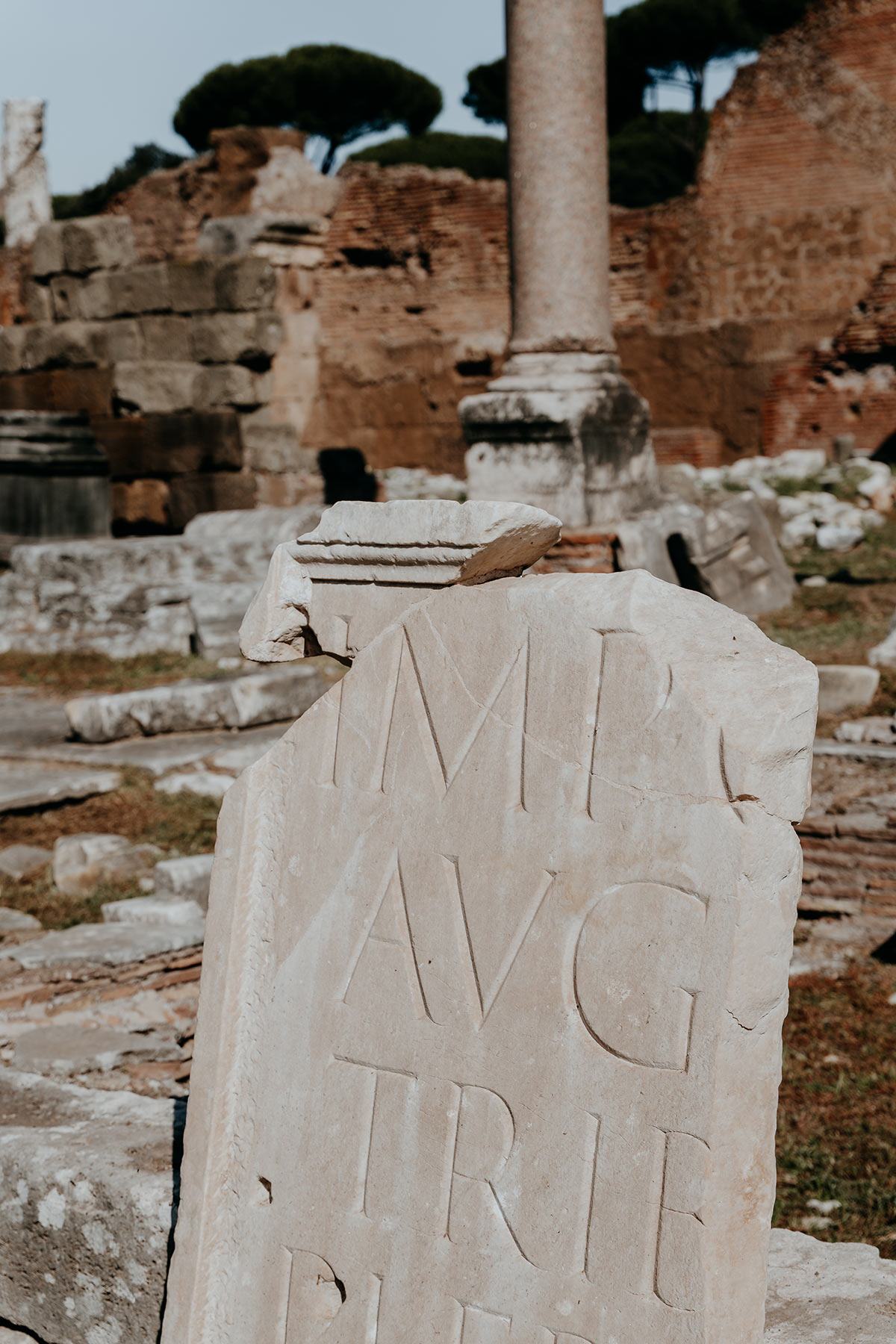
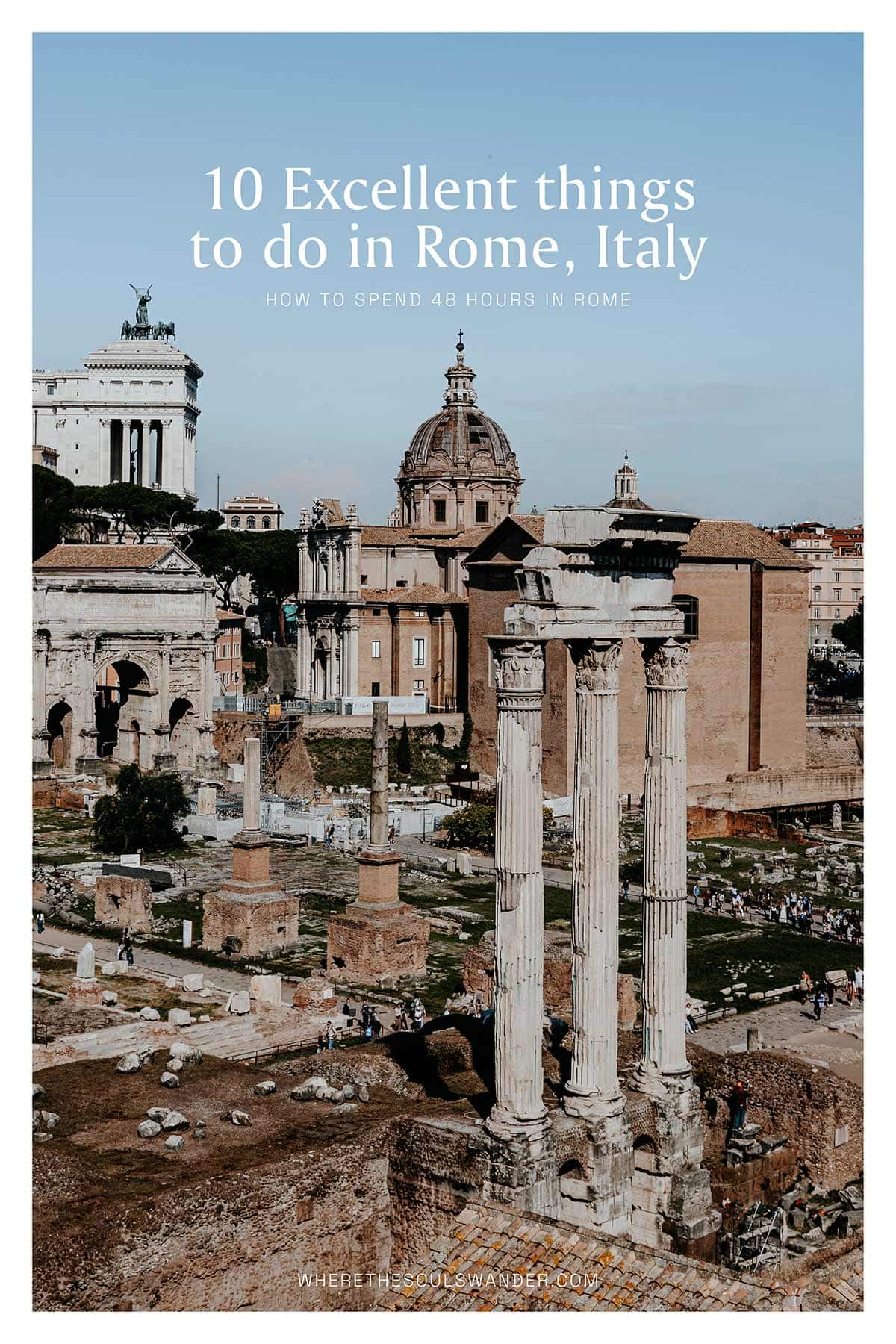
6. Roam the impressive Roman Forum
All roads lead to Rome.
At the height of the Roman Empire, vast territories across Europe, North Africa, and the Middle East fell under Roman rule, making Rome the political, economic, and cultural centre of one of the most powerful civilisations our world has ever seen.
At that time, all roads in Rome itself led to the imposing Roman Forum.
But it hadn’t always been like this. You see, the area had long been little more than a swamp taking up valuable land between the Palatine and Capitoline Hills, yet as Rome rapidly grew in both its power and influence, it became apparent that this land should serve a far greater purpose.
During the 7th century, the construction of the Cloaca Maxima (one of Rome’s earliest engineering masterpieces) paved the way for what would later become the beating heart of Roman civilisation: the Roman Forum.
Initially a bustling marketplace, the Roman Forum gradually evolved into the heart and soul of Rome, where market stalls made way for mesmerising temples, towering columns, and imposing government buildings, among which were the following;
- Curia Julia: the official meeting house of the Roman Senate,
- Rostra: a large public speaking platform for politicians, generals, and orators,
- Basilica Julia: used for law courts, public administration,
- Temple of Saturn: formerly housed the Aerarium Populi Romani – the Roman state treasury.
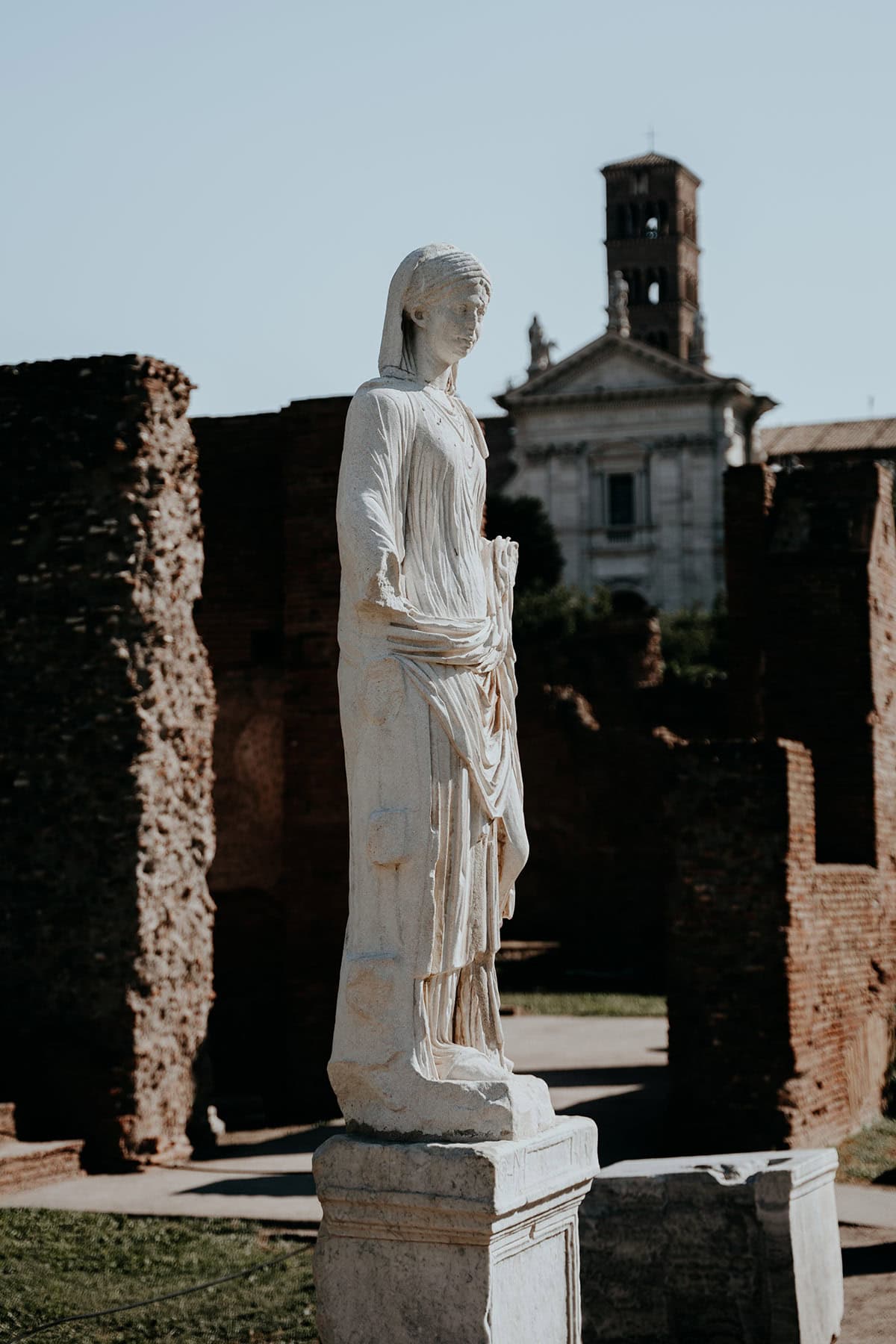
At present, Forum Romanum remains one of the most important things to do in Rome, with well-preserved ruins of ancient temples and basilicas, as well as time-worn arches and columns scattered across its vast grounds, providing a glimpse into the history of the Roman Empire.
Where | Roman Forum
Opening hours | Daily from 0900 to 1630
Entrance fee | Starting at €18,- per person
Book | This official skip-the-line ticket to the Colosseum, Roman Forum, and Palatine Hill
7. Visit the Castel Sant’Angelo
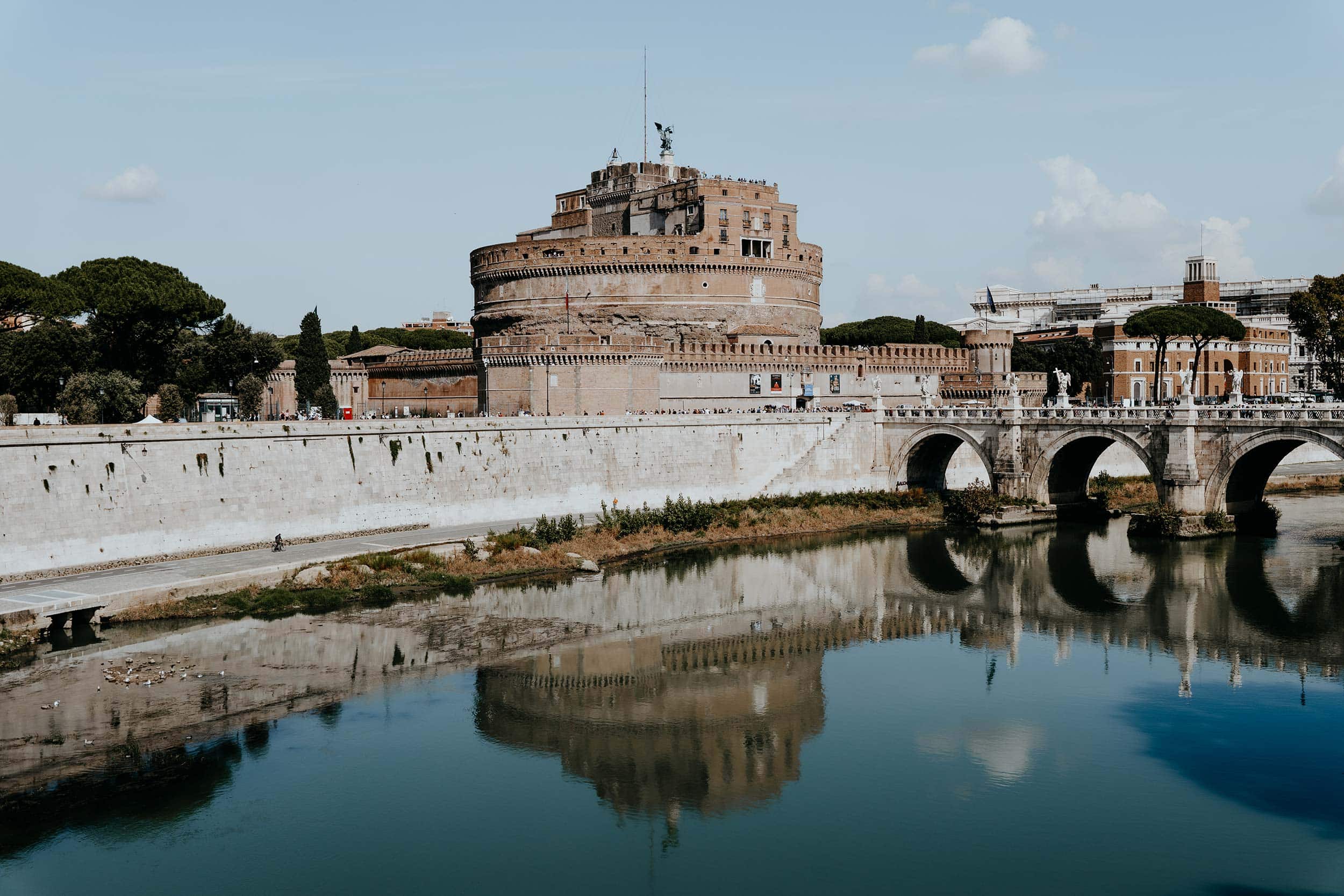
Located just a stone’s throw away from Vatican City, the nearly 2,000-year-old Castel Sant’Angelo is one of Rome’s most important historical sights.
Set strategically on the River Tiber, Castel Sant’Angelo has served many purposes throughout its lengthy history, from Emperor Hadrian’s mausoleum to the residence of the Pope in the event of a future siege – the Papal State even used it as a prison; famous prisoners include Giordano Bruno and Benvenuto Cellini, among others.
Talking about purpose, the castle also served as a fortified refuge to protect the pope, with an 800-metre-long corridor in the ‘Passetto di Borgo’ as an escape route, linking Vatican City with Castel Sant’Angelo.
At present, visitors can explore and behold these fragments of the past, with fascinating corridors, ancient time-worn rooms, a legendary tomb and scenic terraces overlooking the astonishing Roman skyline.
Sights I recommend visiting include:
- Statue of Archangel Michael
- The Panoramic Terrace
- Hadrian’s Tomb
- The Papal Apartments
- The Passetto di Borgo
The bridge leading to the castle is beautiful as ever, lined with impressive angel statues and together with the castle, they make for one of the most iconic things to do in Rome.
Where | Castel Sant’Angelo
Opening hours | Tuesday to Sunday from 0900 to 1930
Entrance fee | €16,- per person
Book | This official Castel Sant’Angelo entrance ticket with audio guide
8. Admire the Arch of Constantine
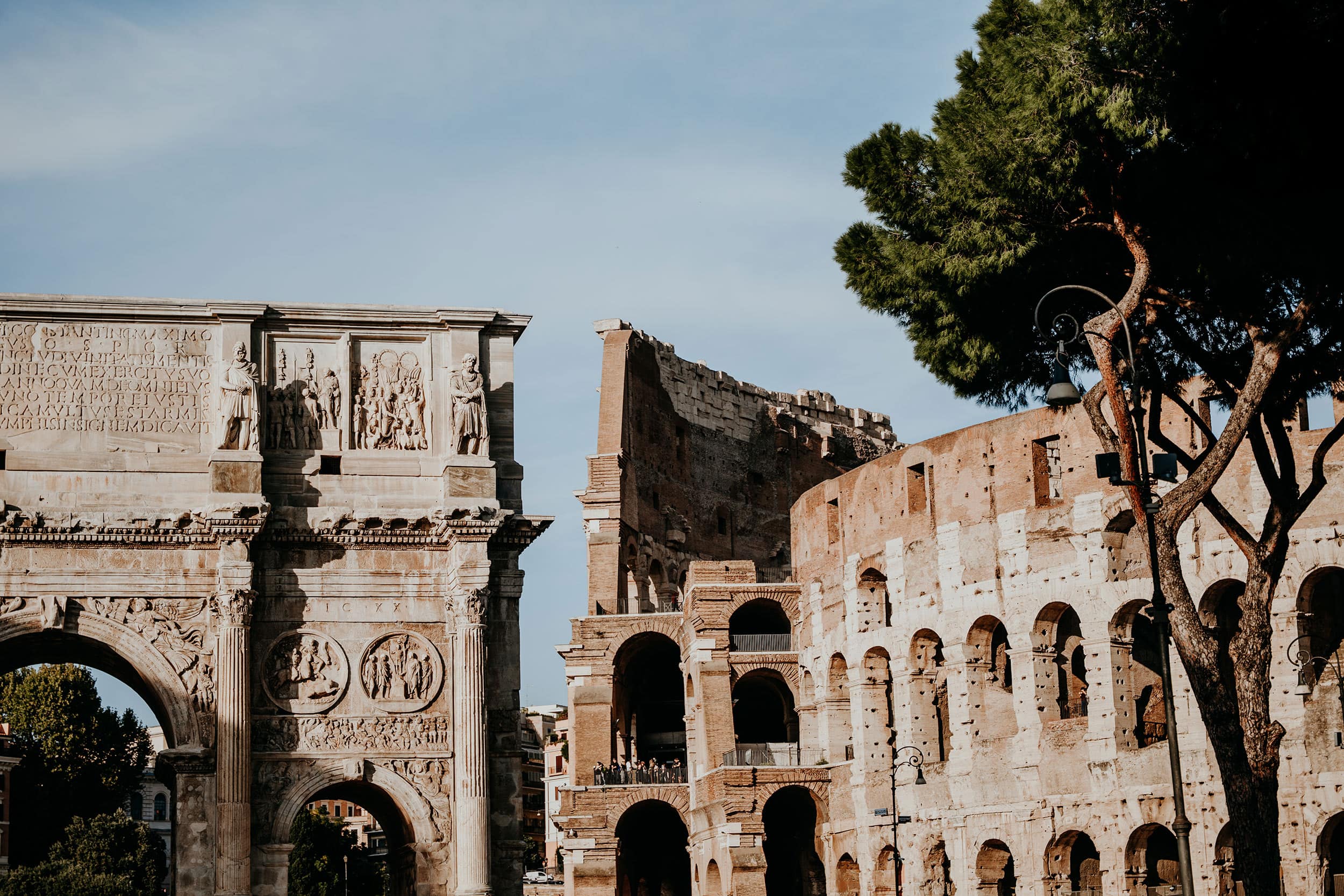
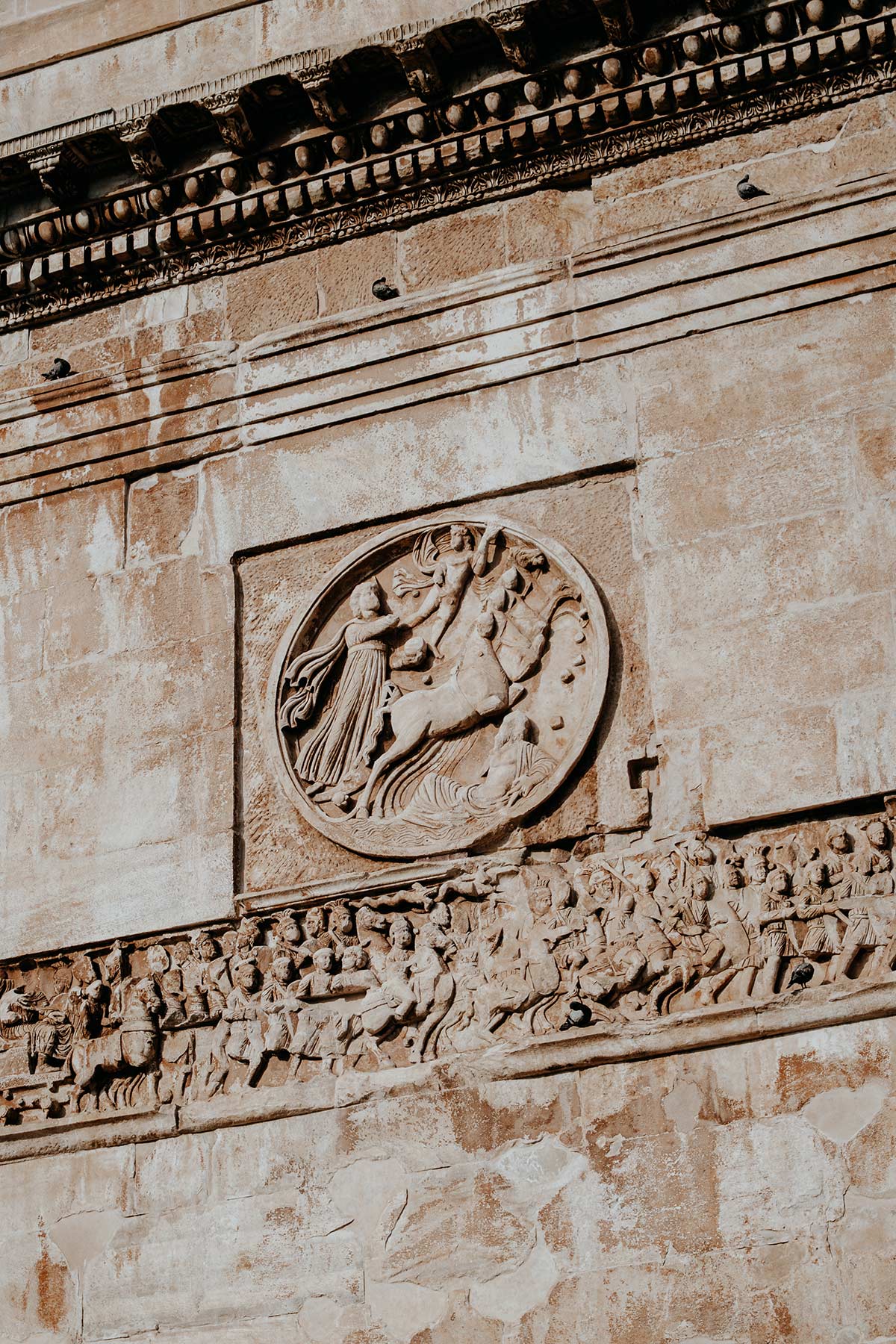
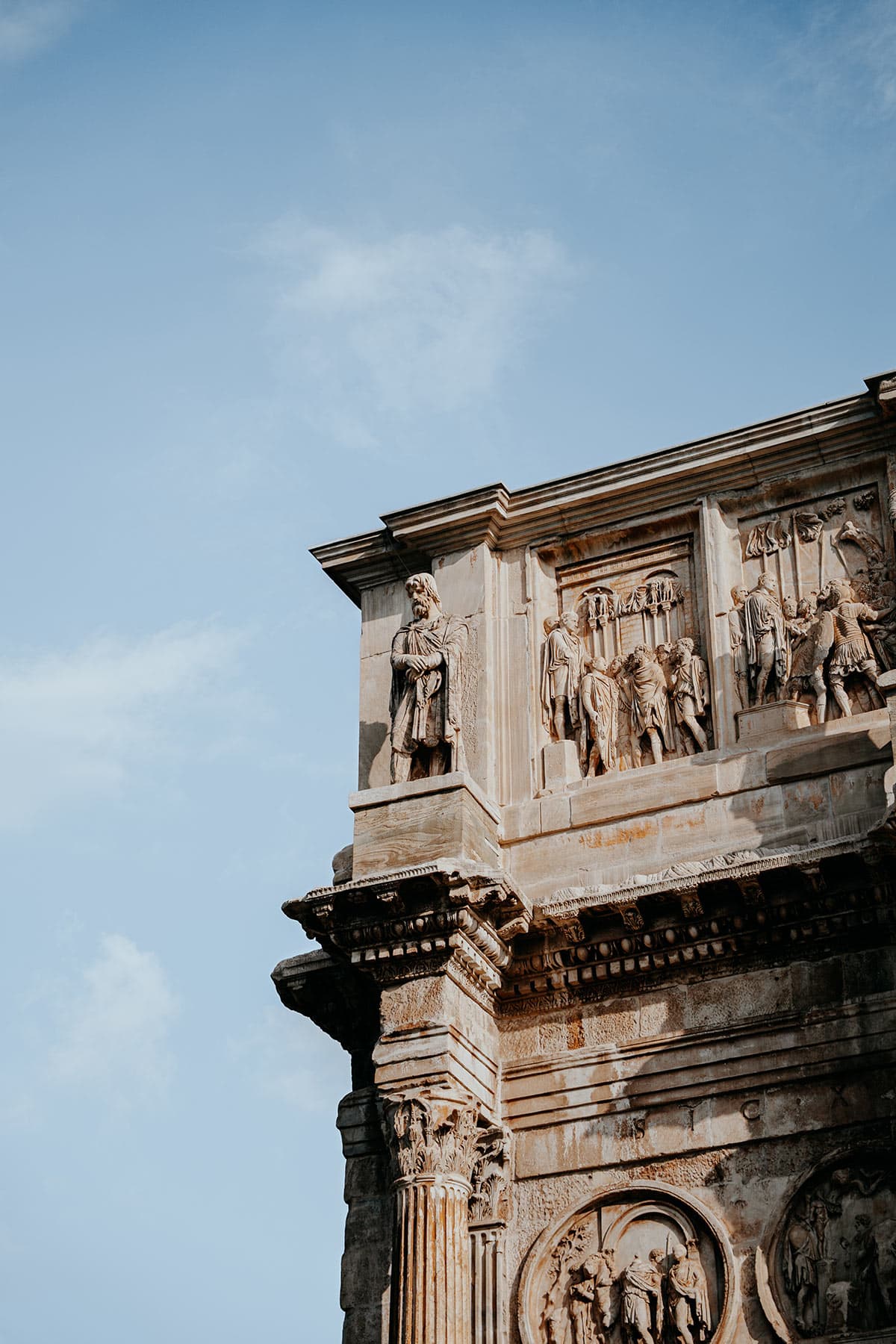
Standing tall between the Colosseum and Palatine Hill, the Arch of Constantine is considered one of Rome’s best-preserved triumphal arches, celebrating Emperor Constantine’s victory in AD 312.
It’s a powerful symbol of Rome’s imperial grandeur, while also marking a pivotal moment in history, as Constantine’s highly celebrated triumph at the Battle of the Milvian Bridge ultimately led to the rise of Christianity within the Roman Empire.
While framed by two of ancient Rome’s most iconic landmarks, the Arch of Constantine, or more specifically, a three-arch structure, easily holds its own, with intricate reliefs and statues telling the story of military triumph and political power.
Speaking of stories, the Arch of Constantine is often described as a ‘Copy-Paste’ monument, as its builders incorporated spolia (reused materials) from earlier imperial monuments, including those dating back to the reigns of Trajan, Hadrian, and Marcus Aurelius.
Now, more than 1700 years later, the Arch of Constantine remains a memorable reminder of Rome’s imperial past, and admiring its remarkable craftsmanship up close is an absolute must for everyone visiting ‘La Città Eterna’.
Where | Arch of Constantine
9. Step inside the awe-inspiring St. Peter’s Basilica
Though already mentioned briefly in the section on the Vatican, I believe the impressive St. Peter’s Basilica deserves far more than simply a passing reference.
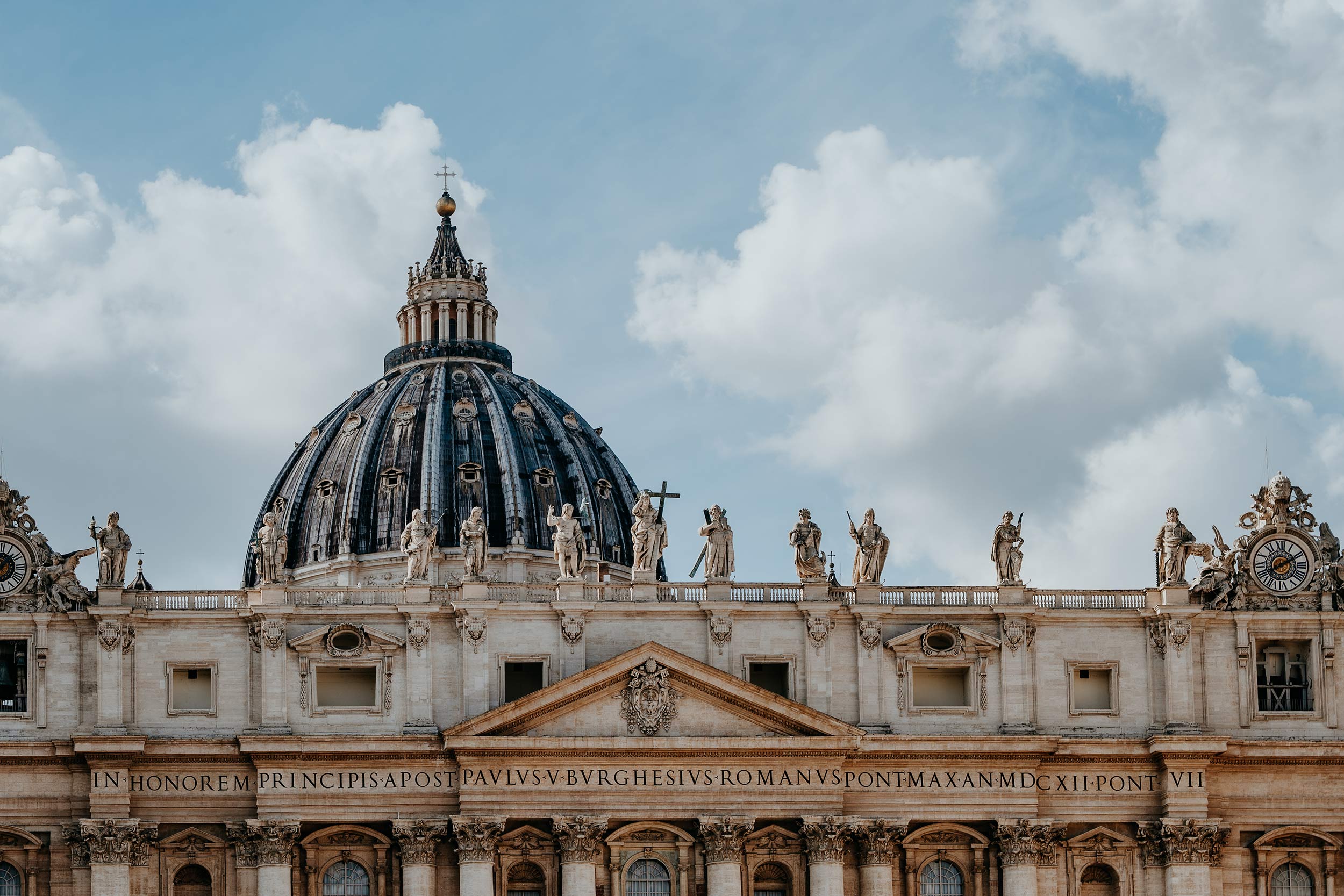
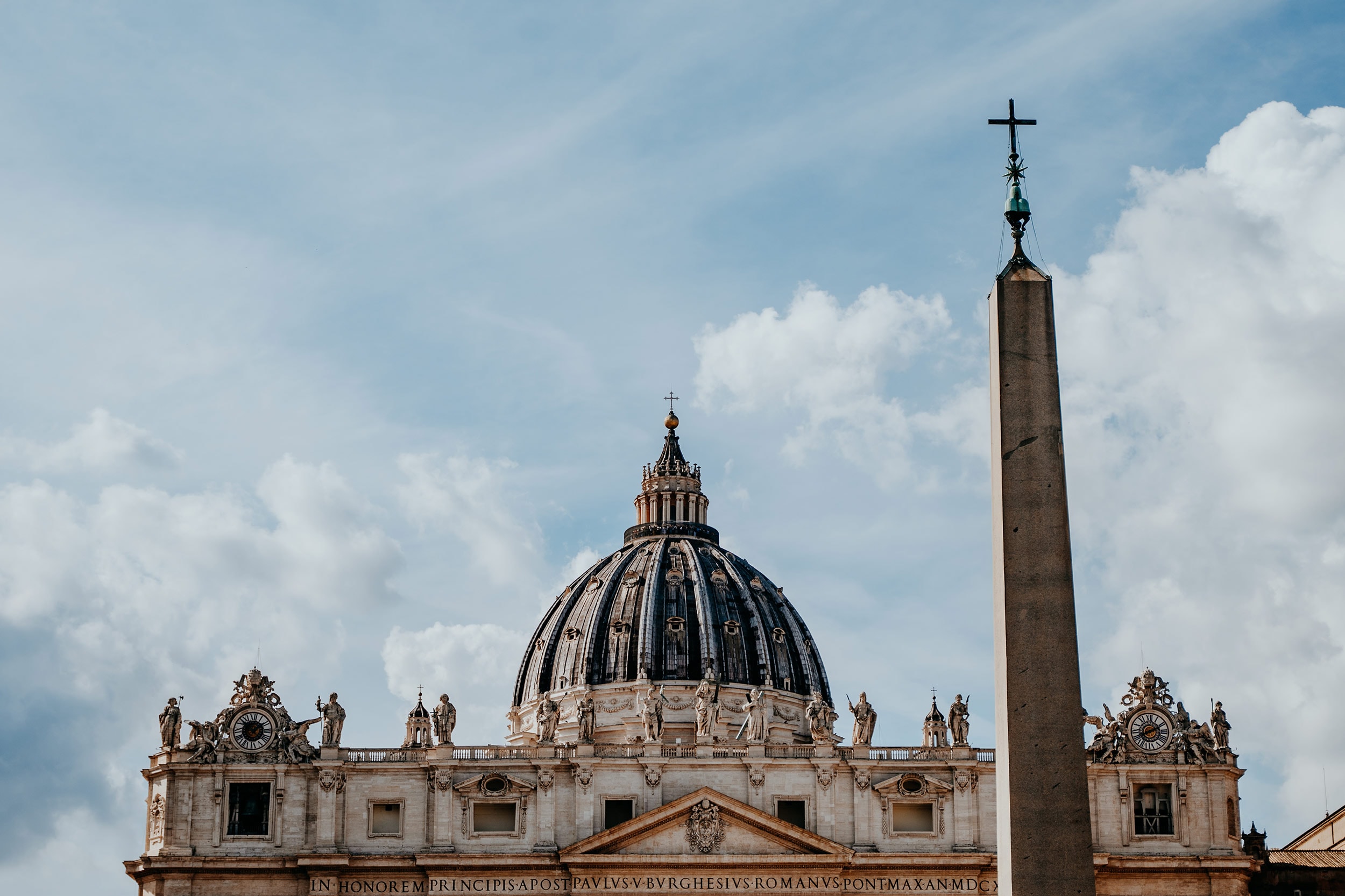
Deemed the largest church in the world (depending on the metrics used), St. Peter’s Basilica is truly mesmerising; it’s a masterpiece of immense scale, detail, and architectural brilliance.
Honestly, this masterpiece goes far beyond words or measurement.
Its monumental facade is seen from all over the Vatican, drawing visitors in to admire its intricate decoration, including numerous statues, grand Corinthian columns, and last but not least, Michelangelo’s majestic central dome.
Inside, visitors are met with equal grandeur; from Michelangelo’s world-famous – and incredibly fascinating – Pietà sculpture to the 95-foot-tall gilded bronze canopy of Bernini’s Baldachin and the immense mosaic-covered dome crowning the basilica, among others.
What’s more, its dome can also be ascended, rewarding those who make the 551-step ascent with some of the most stunning panoramic views across Rome and Vatican City; an experience that effortlessly ranks among the best things to do in Rome in its own right.
Where | St. Peter’s Basilica
Opening hours | Daily from 0700 to 1900
Entrance fee | Free, climbing the dome varies between €8,- and €12,-
Book | This 2-hour guided tour of St.Peter’s Basilica, including Dome Climb & Papal Tombs
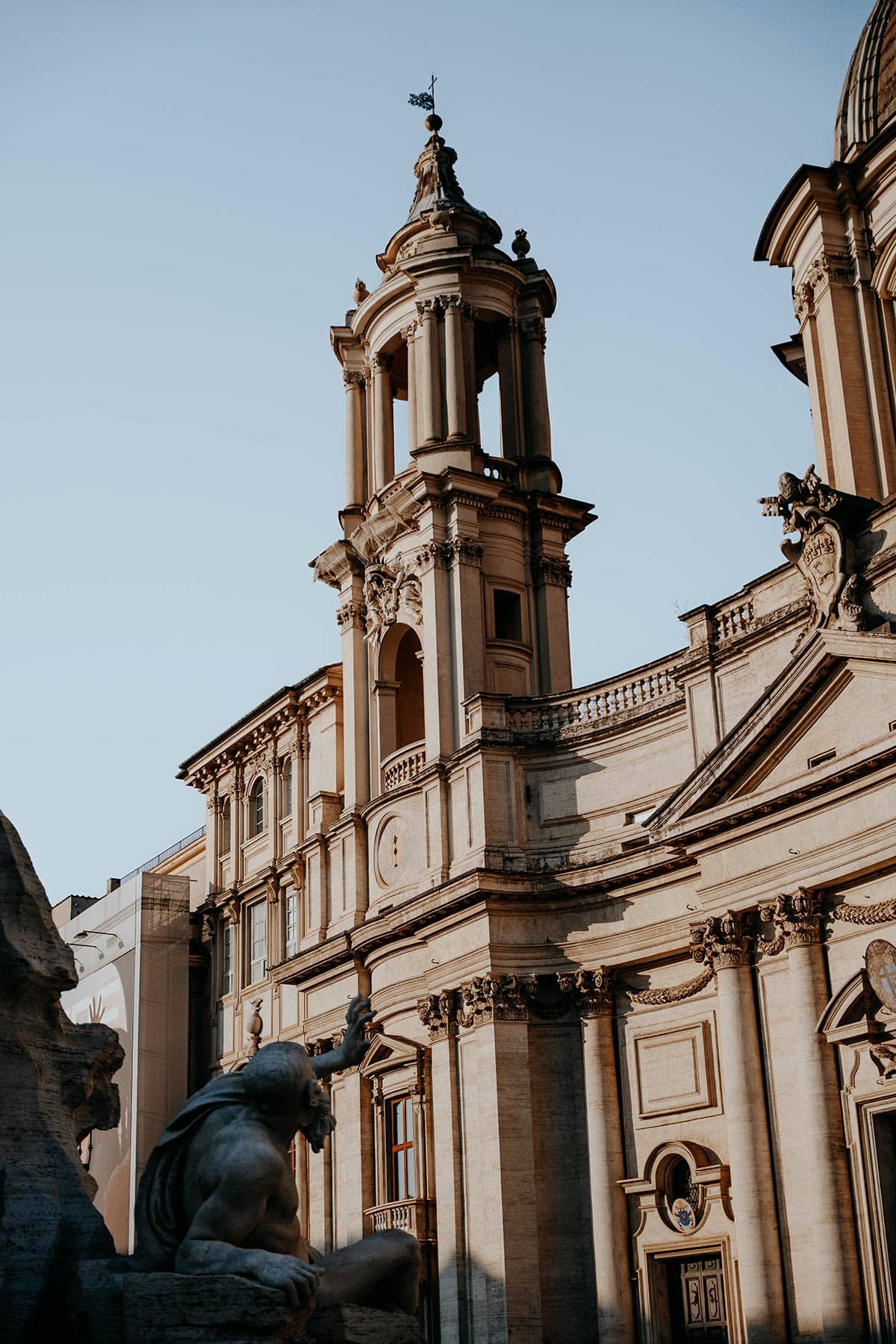
10. Admire the captivating Piazza Navona
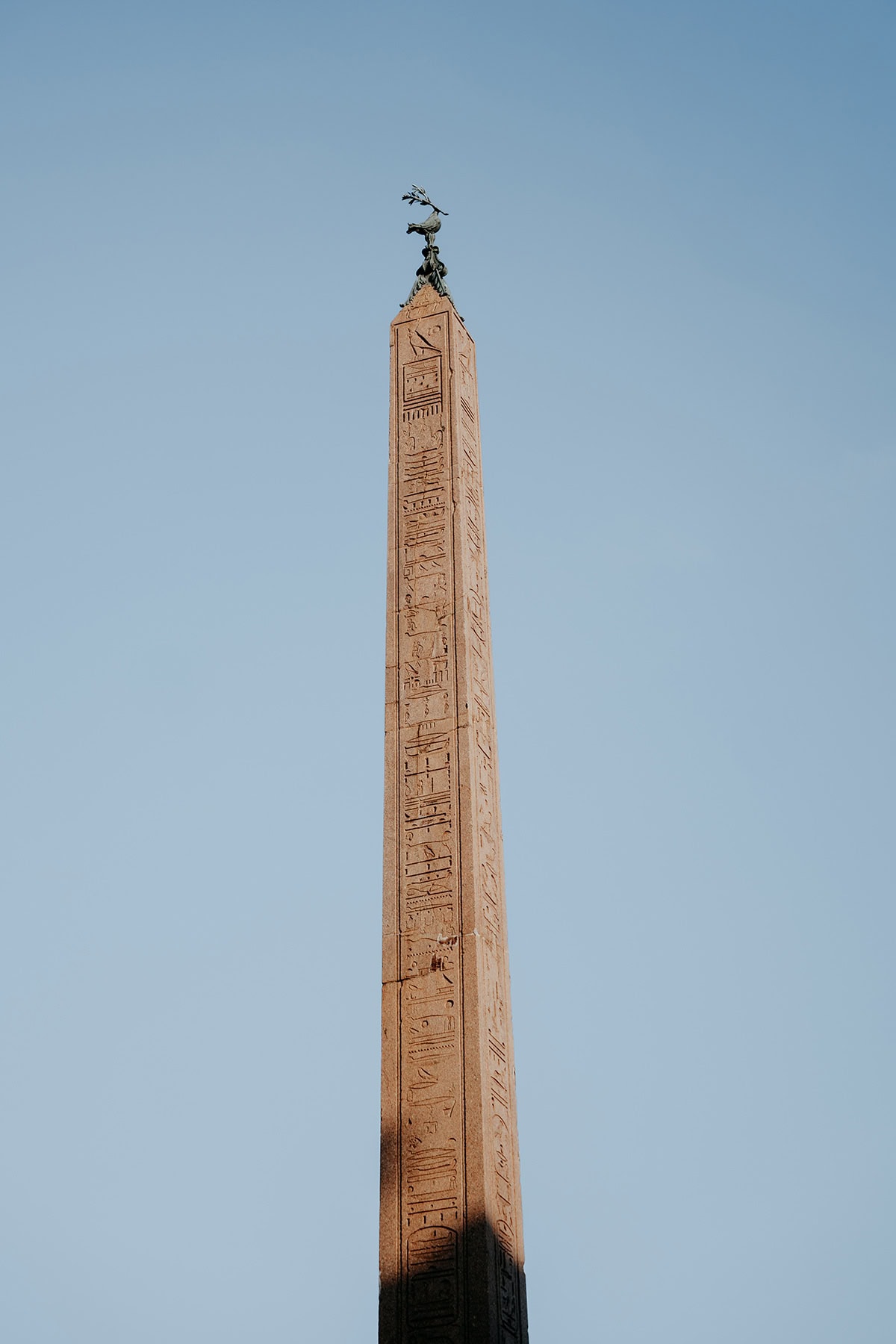
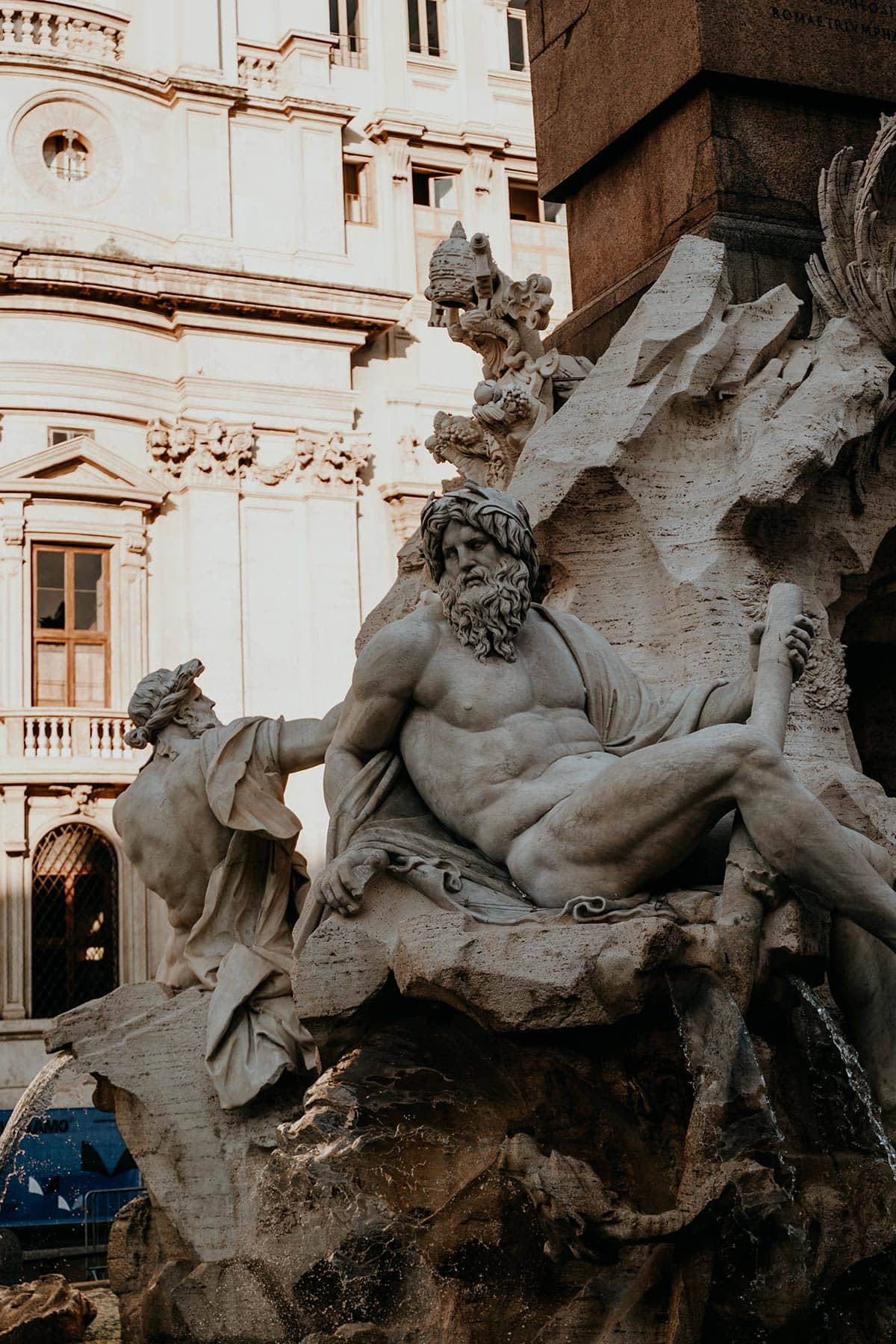
While there’s no shortage of mesmerising Piazzas in Rome, the grand Piazza Navona is without question one of the most elegant examples of Baroque Rome.
Flanked by remarkable landmarks such as the Church of Sant’Agnese in Agone, Pamphilj Palace, and the Nostra Signora del Sacro Cuore, the iconic oval-shaped square is home to some of Rome’s most fascinating Baroque masterpieces.
It’s a place where history buffs and architecture aficionados alike will effortlessly lose themselves, as every corner tells a story of various eras in the ‘Eternal City’s’ captivating history.
The square itself once housed the ancient Stadium of Domitian, a fascinating athletics stadium commissioned by Emperor Domitian and heavily inspired by those found in Ancient Greece.
In fact, the remains of the age-old stadium are buried roughly 4.5 meters below street level and are still very much accessible. If you’re keen to learn more, this 3-hour immersive underground plus piazzas tour offers a fascinating glimpse into its rich past.
On the surface level, the square is dominated by a set of truly astonishing fountains: the Fountain of the Moor, the Fountain of Neptune, and the Fountain of the Four Rivers by Bernini.
All in all, Piazza Navona is one of the most attractive public spaces in the city, making it an unmissable stop for anyone visiting Rome.
Where | Piazza Navona
Things to do in Rome | The essentials
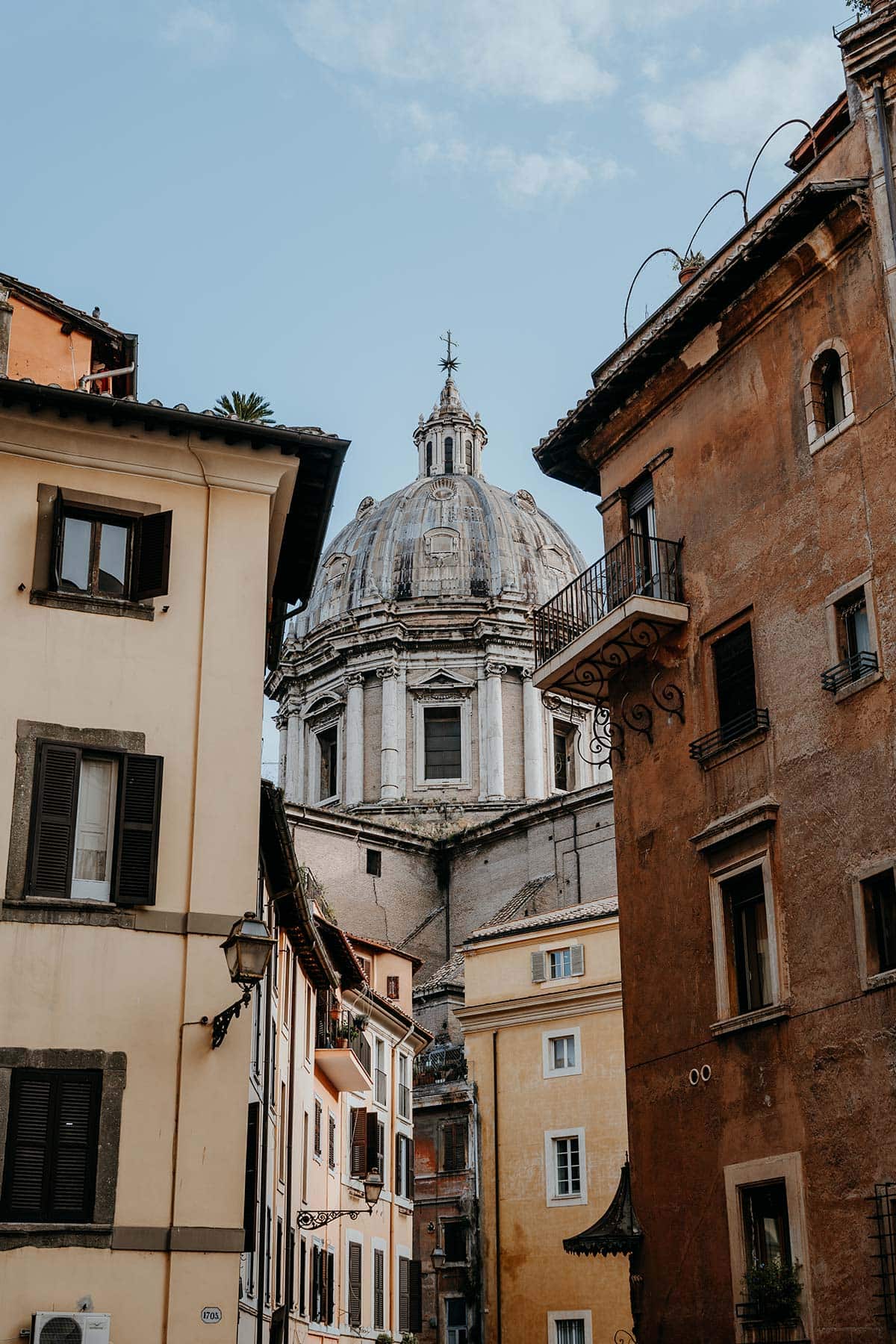
The best time to visit Rome
Everybody knows that Rome is one of the most visited cities in the world, resulting in it being crowded no matter the time of year.
However, during the shoulder months of spring – April to early June, and autumn – September to October, crowds are typically a lot thinner, while Rome still enjoys pleasant temperatures for slow explorations around the city.
During the European summer, even though temperatures frequently climb above the 35°C mark, Rome sees its most visitors, making major attractions such as the Colosseum, Trevi Fountain, and Vatican City exceptionally crowded.
I’ve personally visited Rome in October, and was positively surprised by how unexpectedly accessible it was to explore the many things to do in Rome, while temperatures still allowed for outdoor dining and comfortable wanders around the city.
How to get to Rome
With roughly 23 million tourist visits annually, Rome – and Italy in general – has perfected its tourism infrastructure, making travelling to the ‘Eternal City’ a walk in the park, no matter your starting point of travel or mode of transportation.
If you’re travelling internationally, you most likely arrive in Rome via Leonardo da Vinci International Airport (Fiumicino Airport), one of Europe’s best airports connecting Rome with major cities across Europe, North America, the Middle East, and Asia.
Those travelling through Italy as part of a wider itinerary could opt for Italy’s exceptional high-speed train network, linking Rome with the country’s best destinations, including Florence, Milan, Naples, Venice and Bologna, to name a few.
For train travel in Europe, I always opt for Omio, as it provides an easy-to-use platform where comparing routes, prices, and travel times across Italy’s leading train operators is easy.
While I’m typically a huge advocate of road trips, I’d only recommend going to Rome by car if you intend to drop off your rental car here. You see, both driving and parking are quite the challenge in Rome – but I leave that up to you. If you’re keen to rent a car, DiscoverCars is your best bet.
Safety in Italy | Travel insurance
When travelling this big, wide world, I never go on an adventure without my essential travel insurance sorted out, and though I never felt unsafe in Italy, I advise anyone to do the same.
While I believe it’s unlikely to experience any problems when following the suggestions in this guide, something unfortunate could happen at any given time, whether it’s an injury, a stolen camera, or an unforeseen cancellation.
For travel insurance, I use Heymondo, as they offer full COVID-19 coverage, as well as a handy app with 24-hour medical assistance.
Cheers!
I’ve been on this travel blogging journey since 2019.
If you appreciate what I do here, these are some ways you can support me.

Plan your Italy itinerary with these essential guides
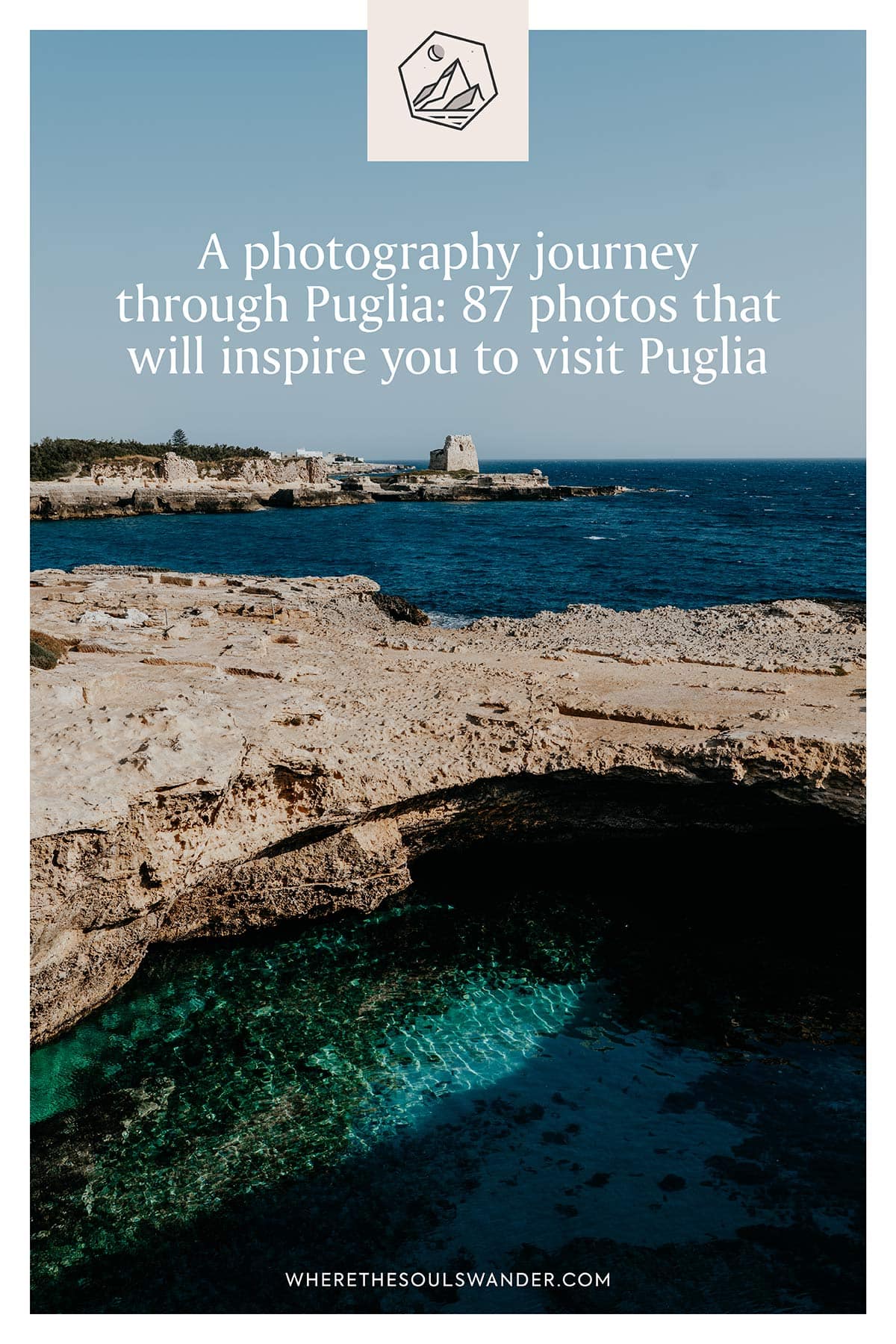
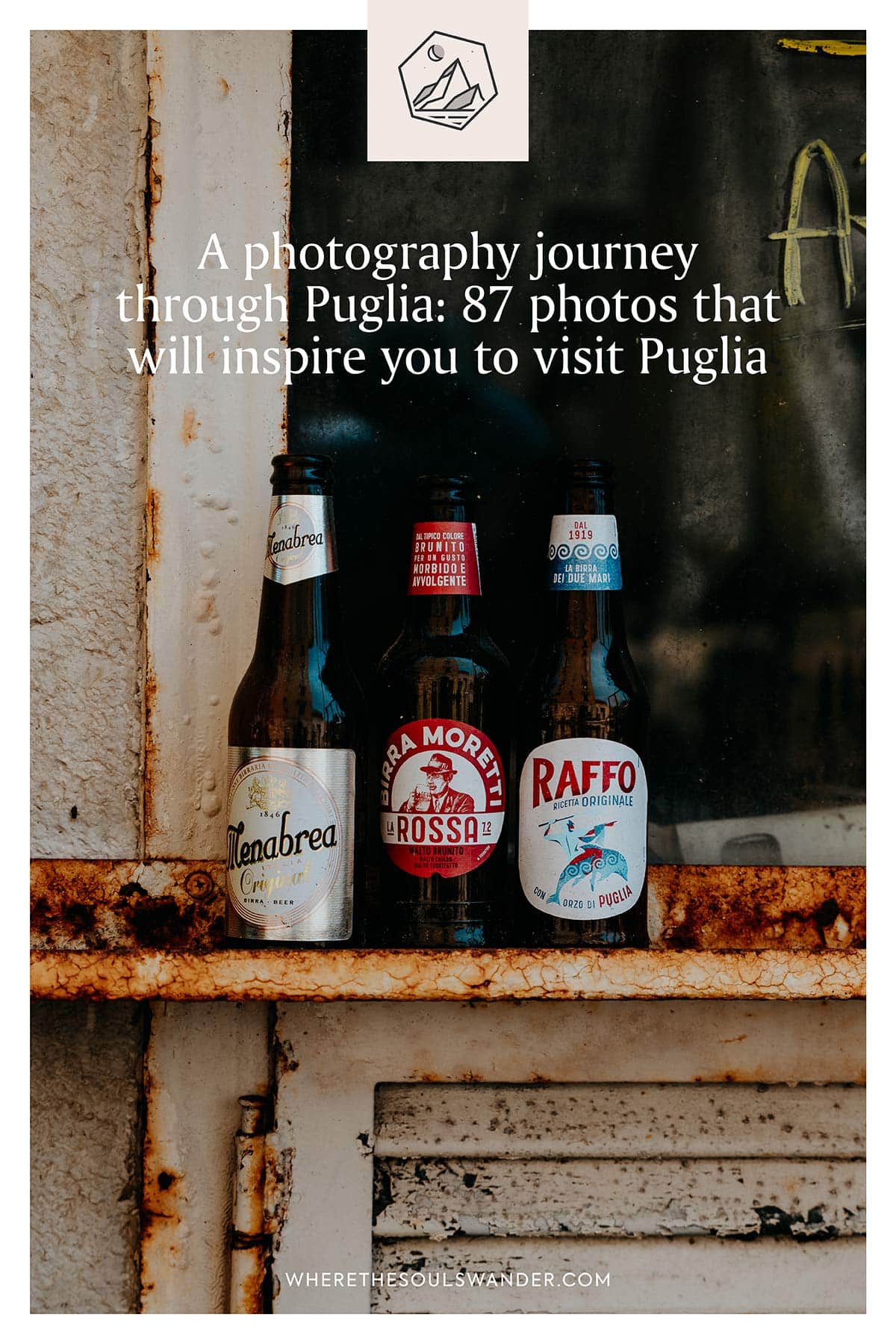
A Puglia photography journey: 87 photos that will inspire you to visit Puglia, Italy
At the ancient heel of Italy’s famous boot-shaped peninsula lies Puglia, a sun-soaked region defined by infinite stretches of coastline, enchanting historic towns, and a way of life that seems fairly unaffected by the hustle and bustle of the modern world.
Often overshadowed by Italy’s famous regions: Tuscany, Amalfi Coast, Sicily, and the Dolomites, Puglia has long been a hidden gem, quietly awaiting its moment to take the big stage.
In 2025, Puglia’s well-deserved moment finally came.
With a roughly +20% increase in international visitor numbers, there’s simply no way around the continuous rise of this amazing region in the south of Italy.
Rightly so.
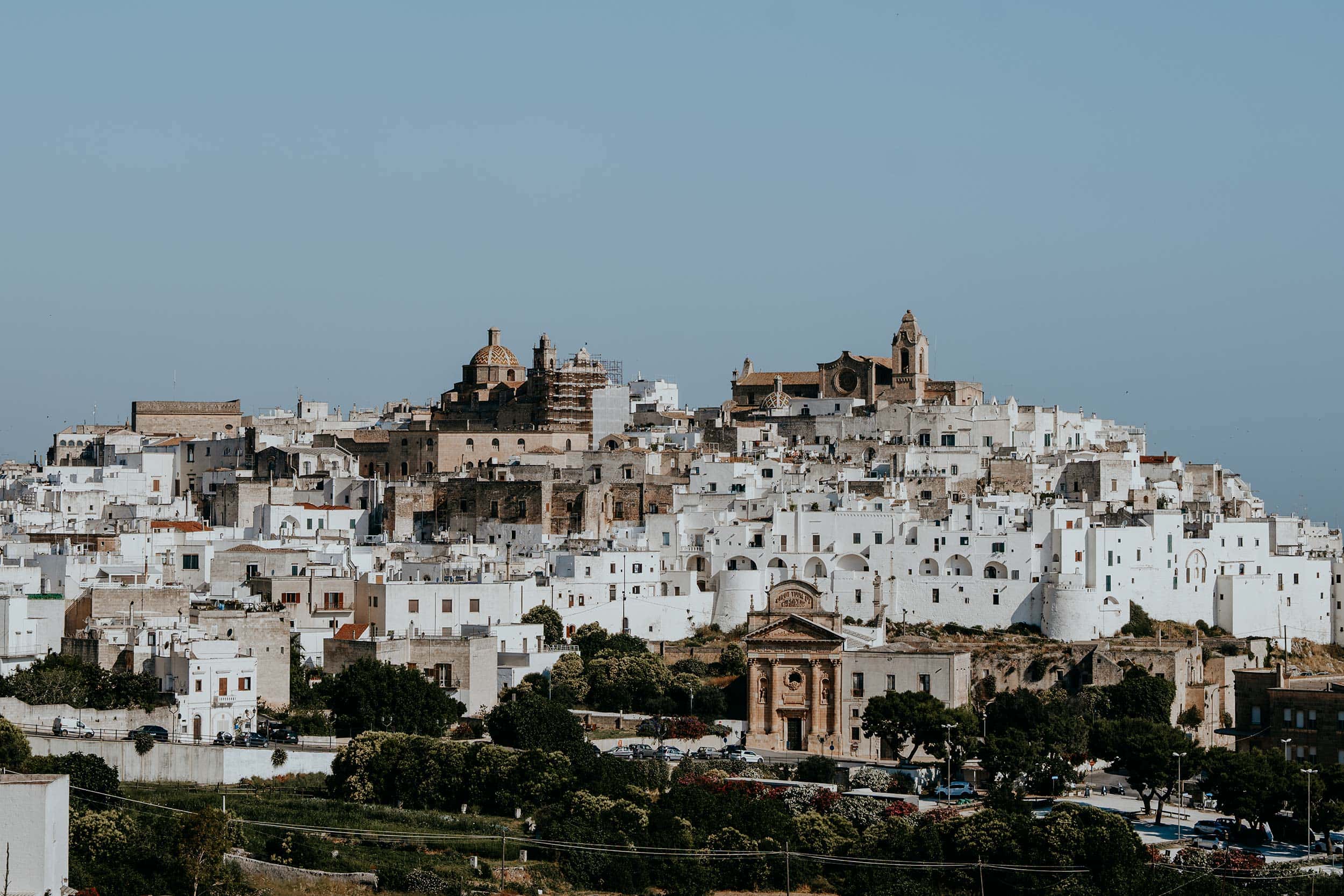
From the stunning coastlines at Torre Sant’Andrea and Grotte Della Poesia, to the time-worn streets of Monopoli, Ostuni, Gallipoli, and Bari, the lesser-known coastal towns of Giovinazzo, Peschici, and Otranto, to the iconic Trulli of Alberobello, Puglia is, simply put, sensational.
I’ve recently spent two weeks in Puglia, where I savoured its exceptional cuisine, delved deep into its traditions, explored the many ancient towns, and spent hours on end enjoying its stunning coast, and the verdict: I was truly amazed by it all.
To inspire fellow travellers to explore Puglia, I’ve put together my Puglia photography story – a well-curated collection of my favourite Apulian moments frozen in time – enjoy.
If you choose to use any of the links on this page, I may receive a small commission at no extra cost to you. By using these links, you’ll have a direct impact on WTSW and my ability to continue to create free insightful travel content for you. If you find any of my tips useful, you can support me by buying a virtual coffee here.
87 photos that will inspire you to visit Puglia
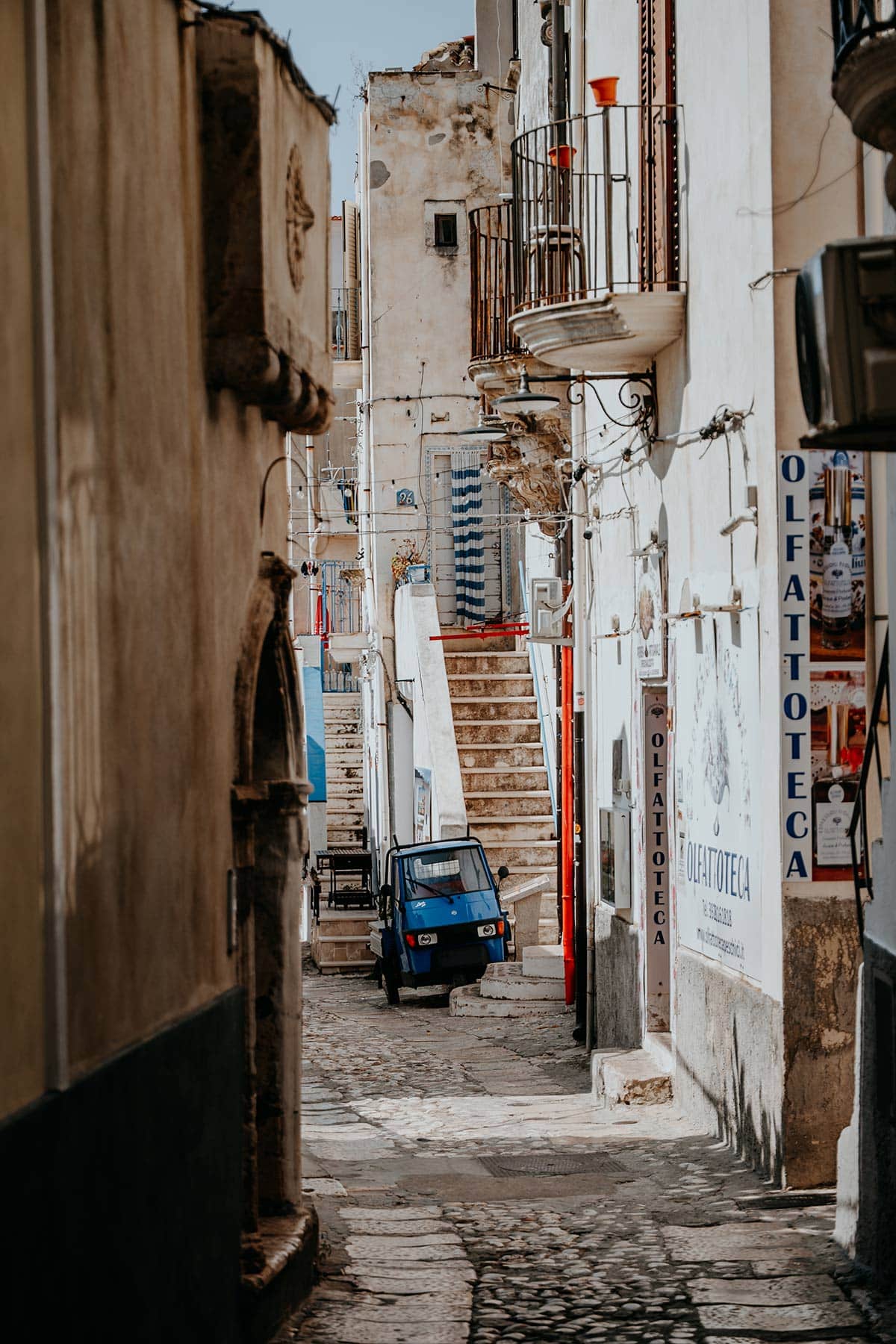
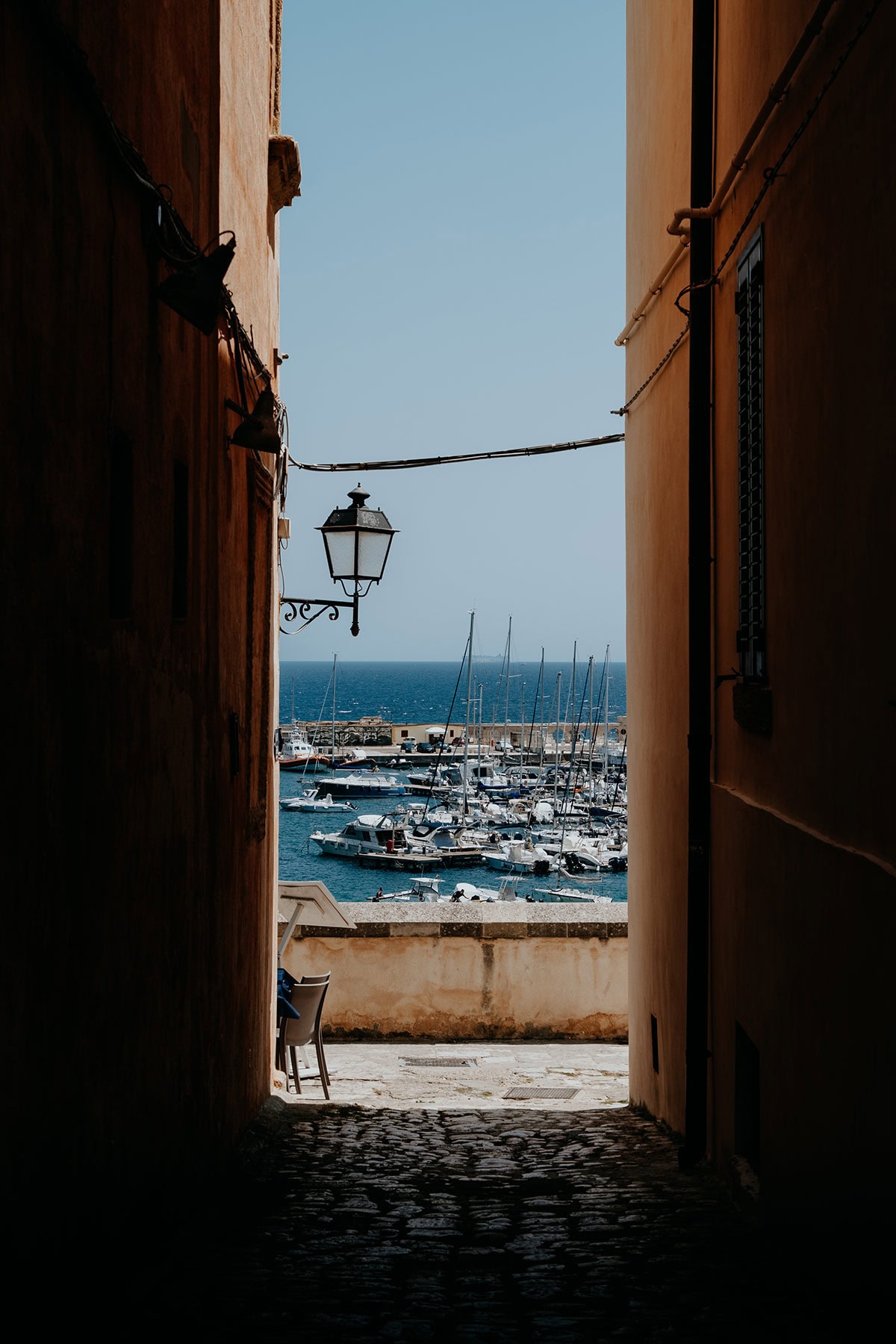
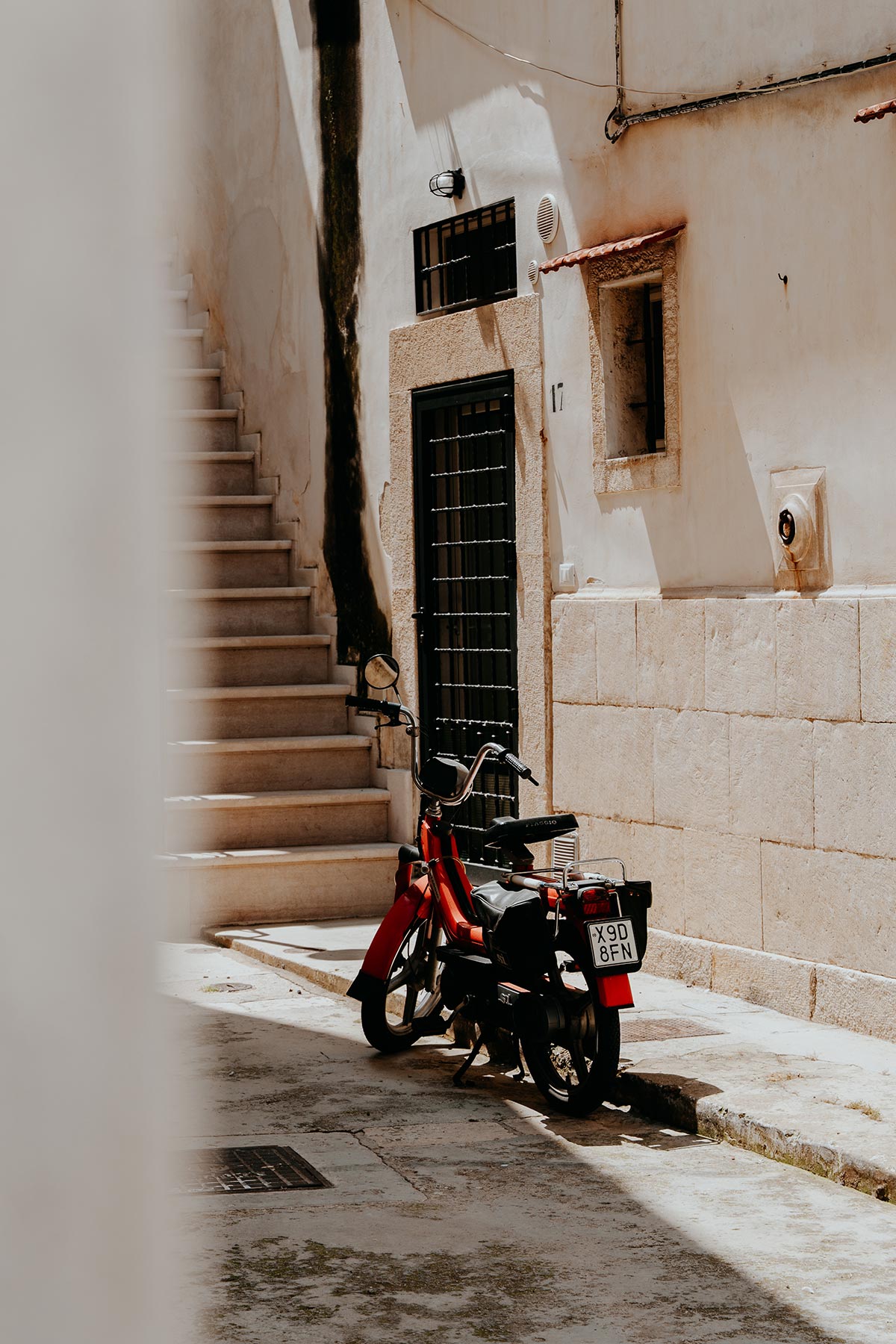
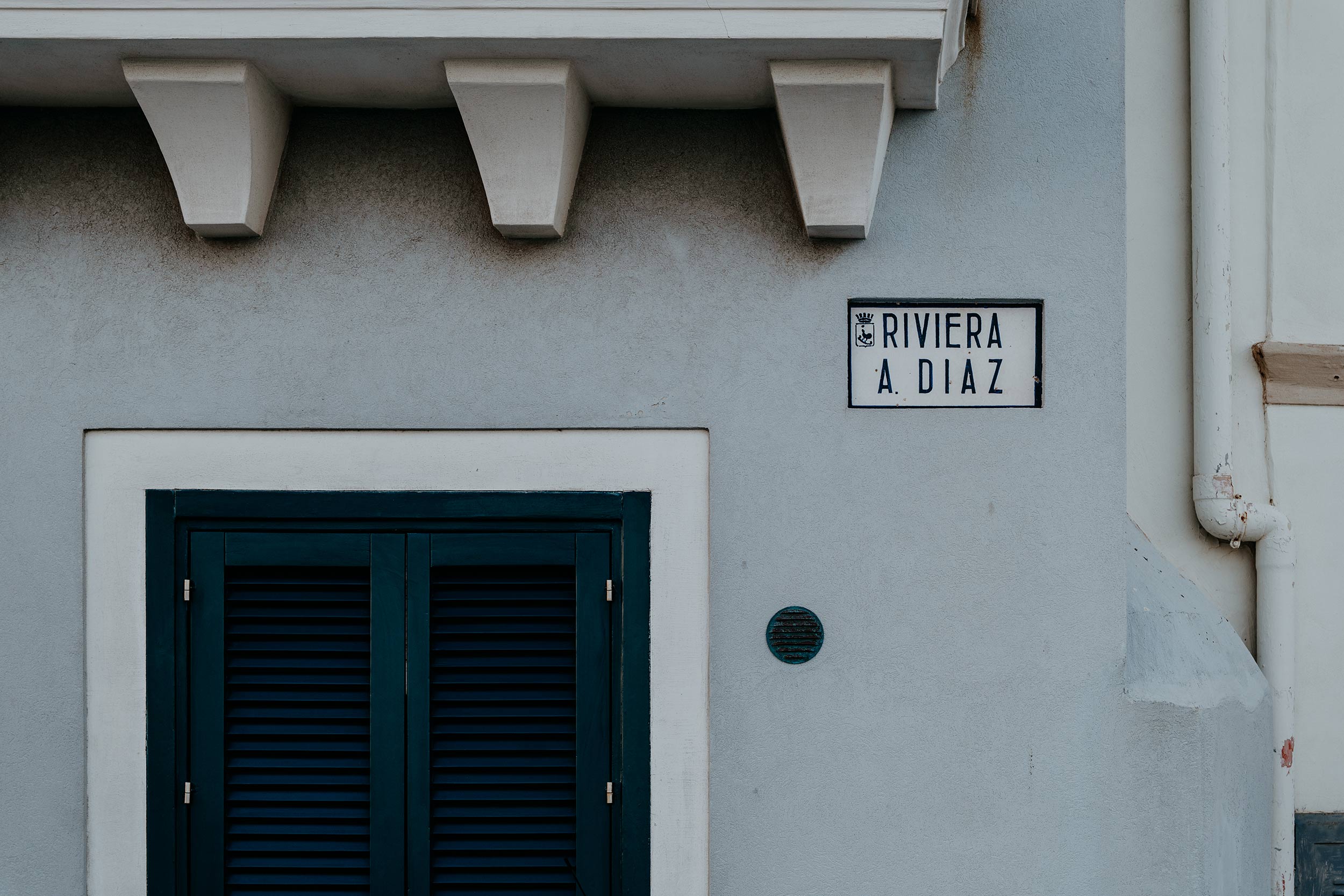
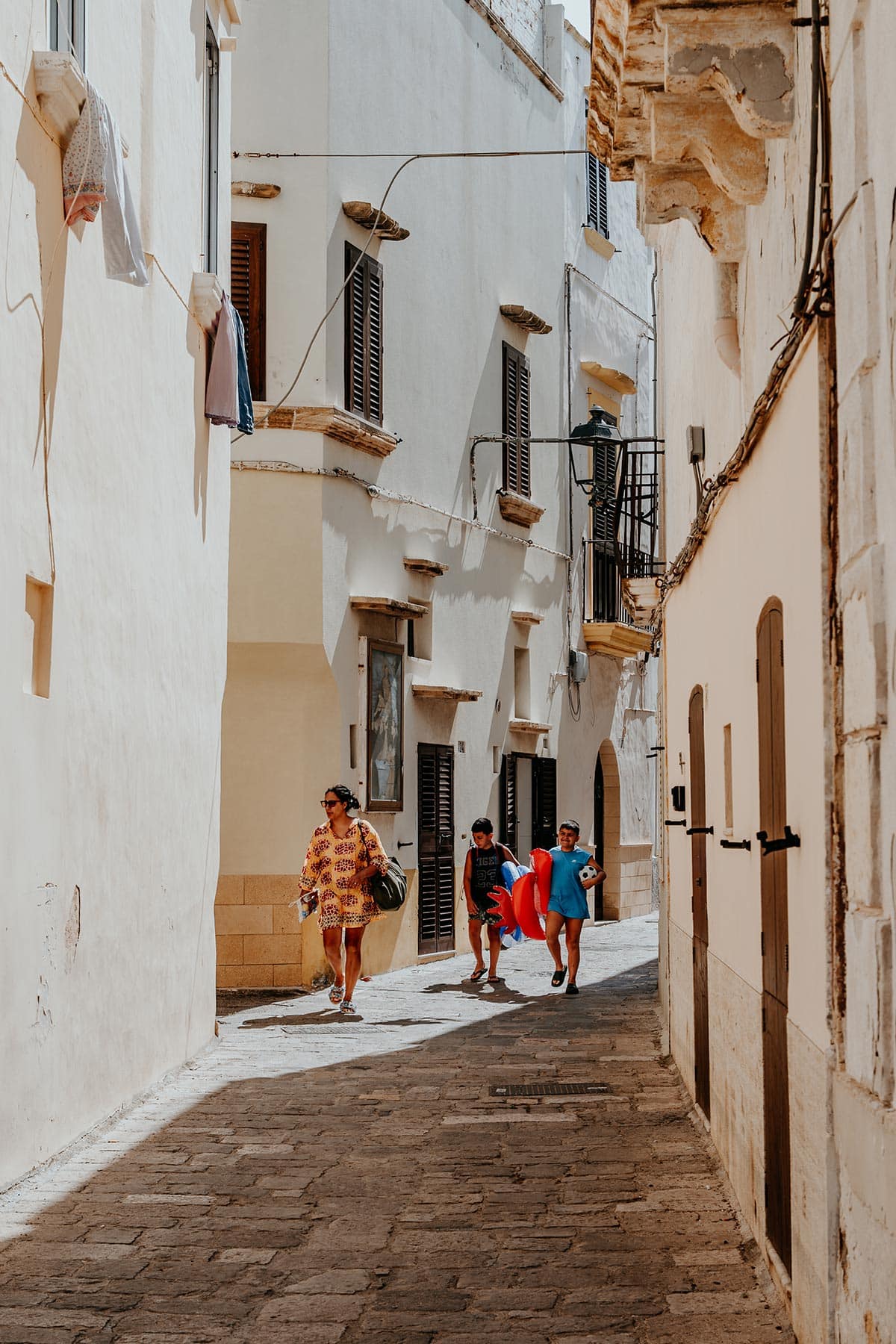
Puglia’s daily moments and charming streets
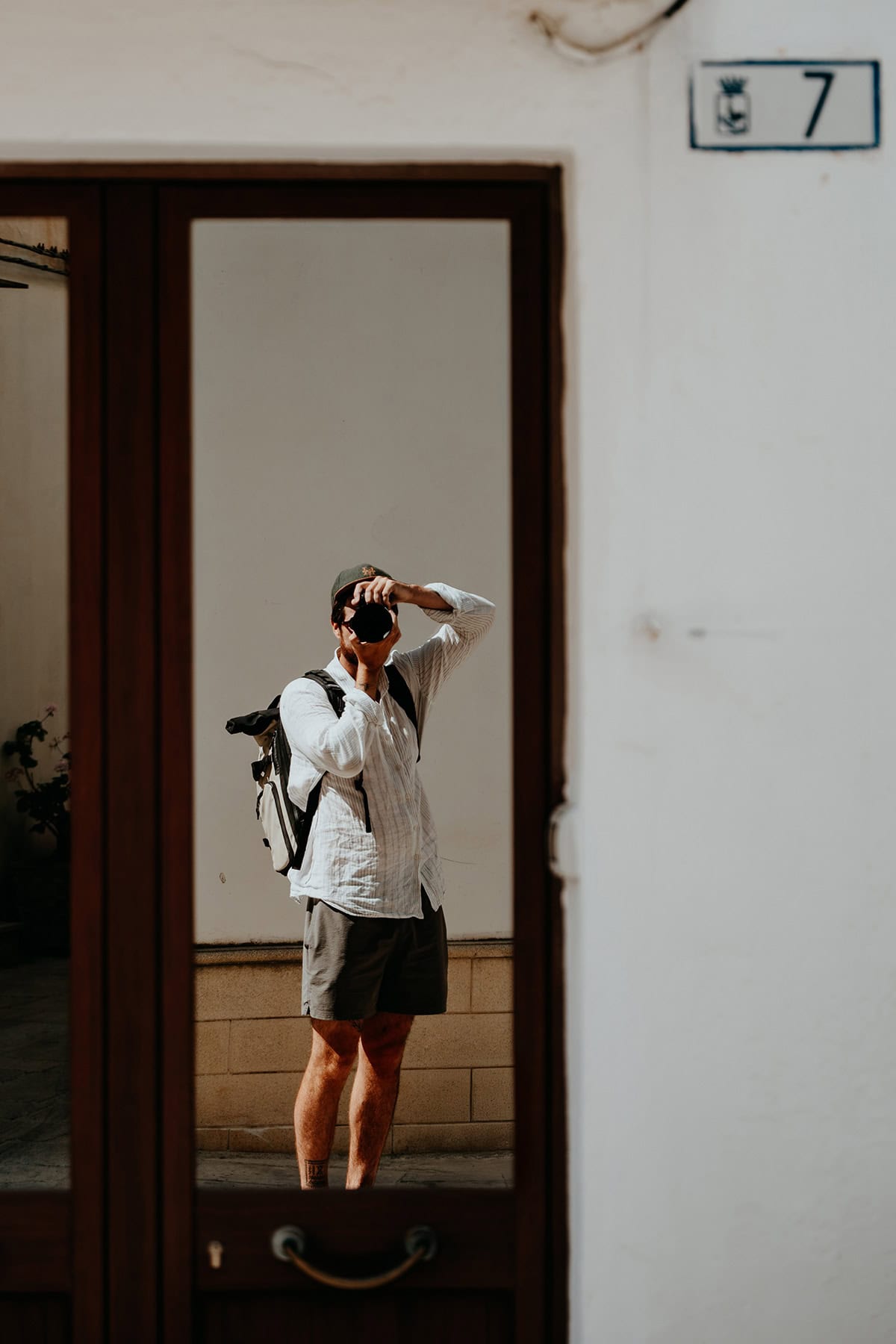
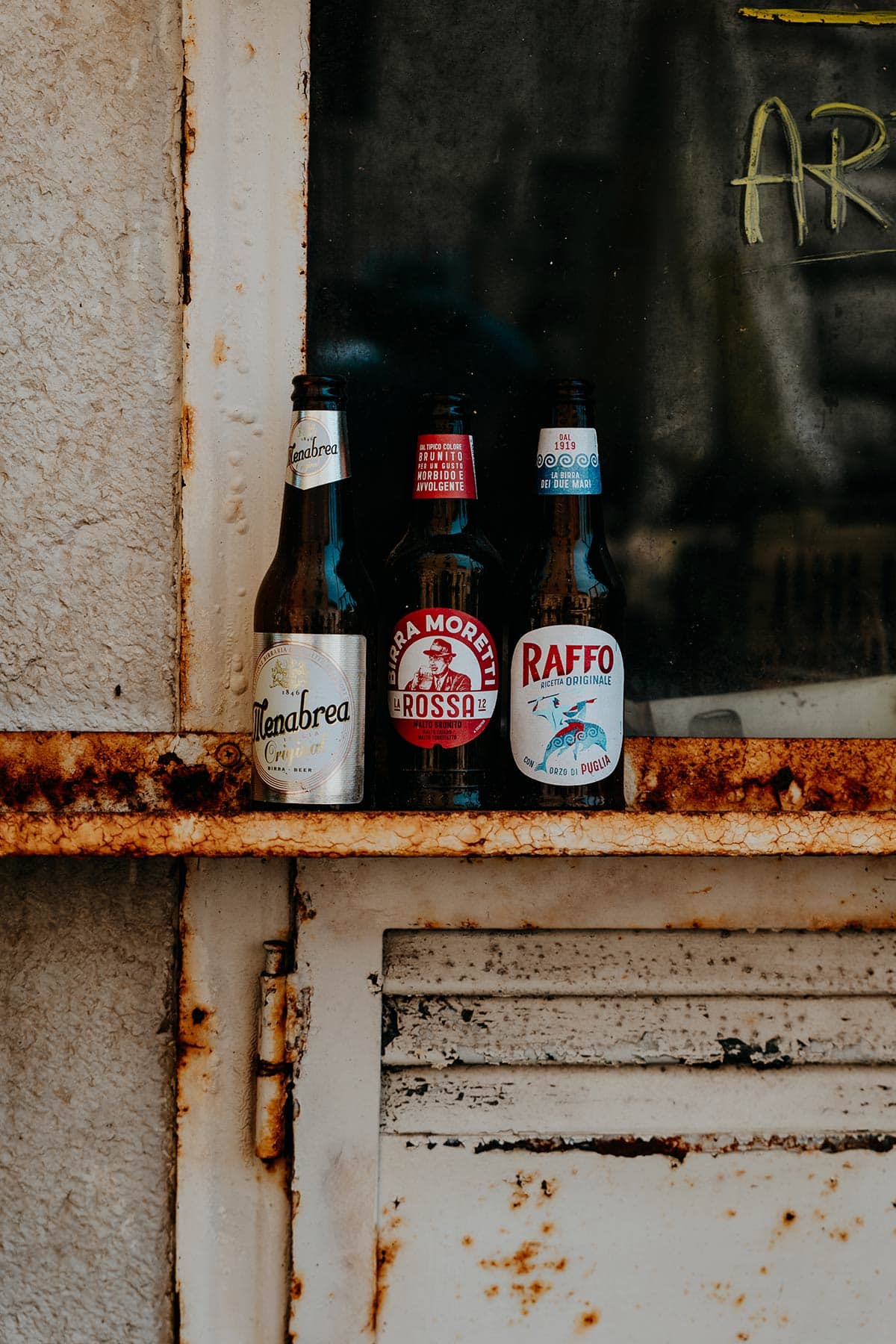
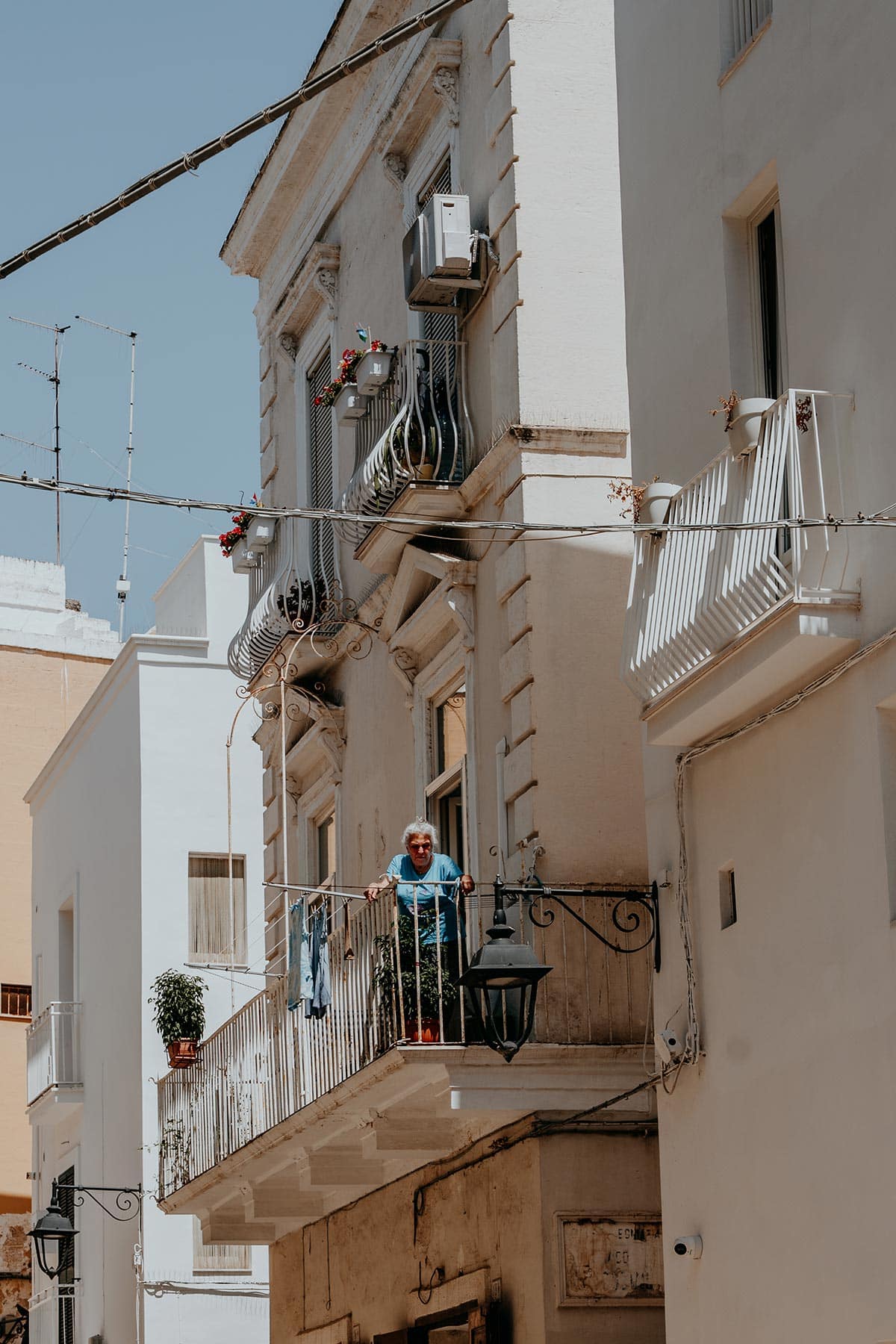
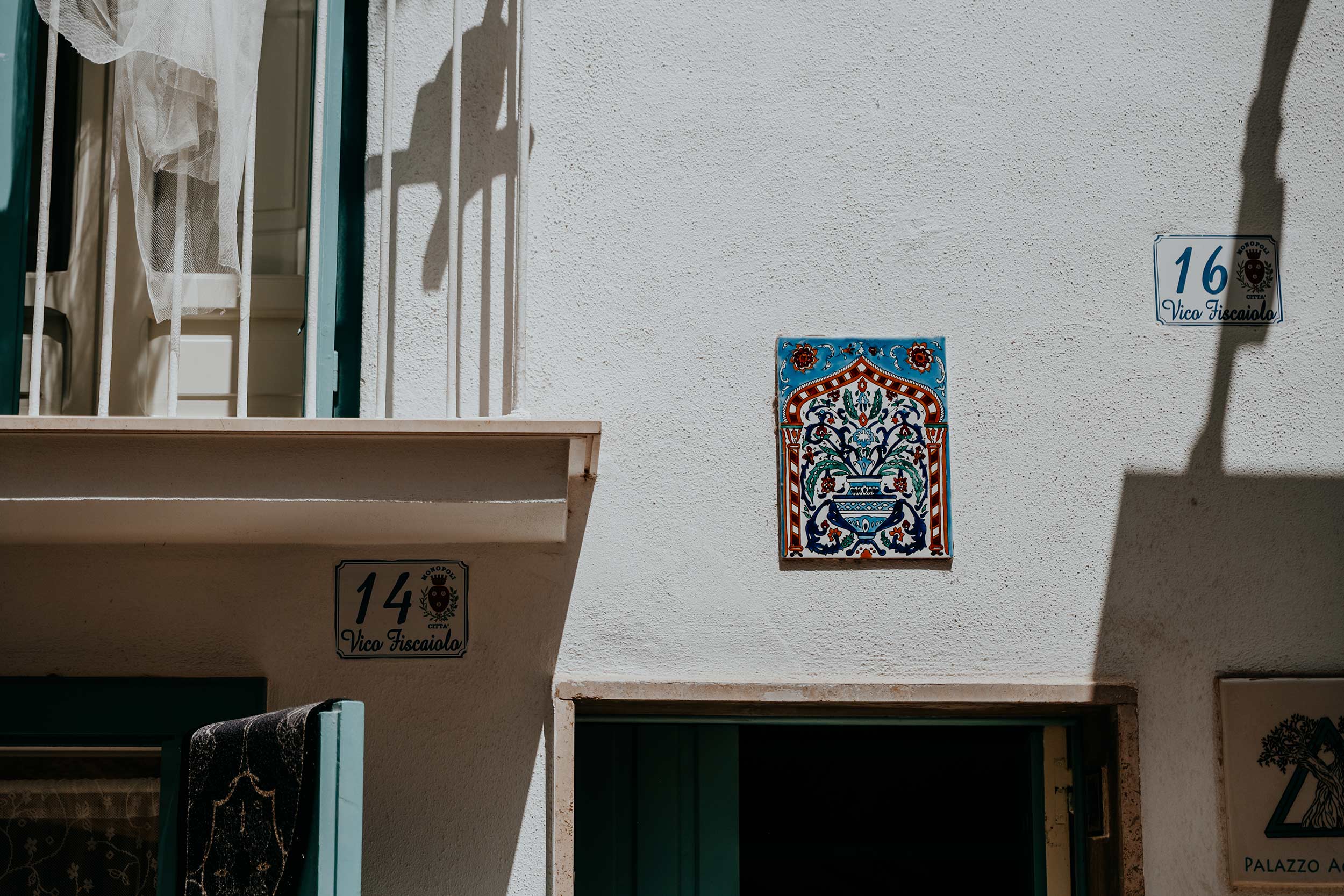
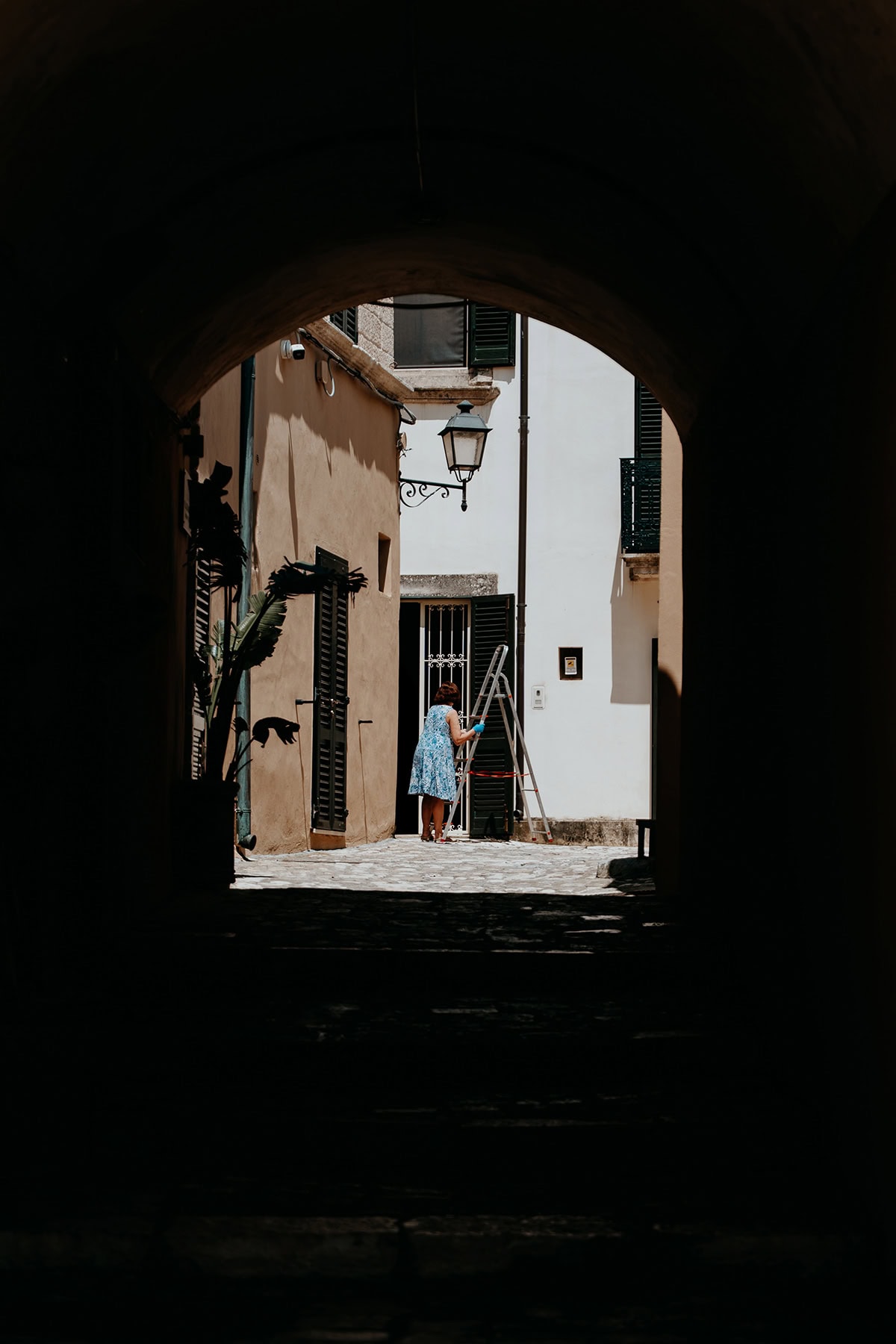
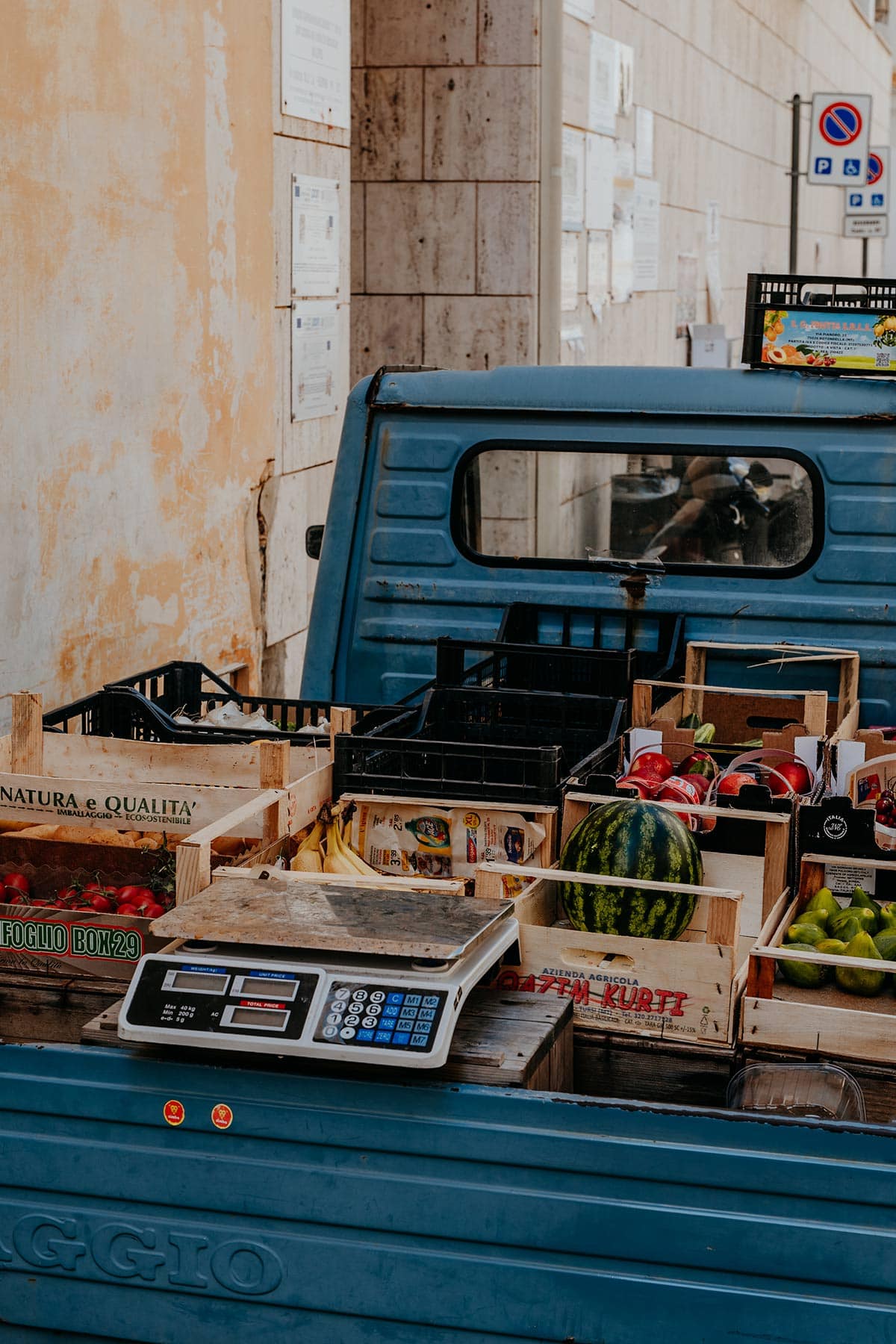
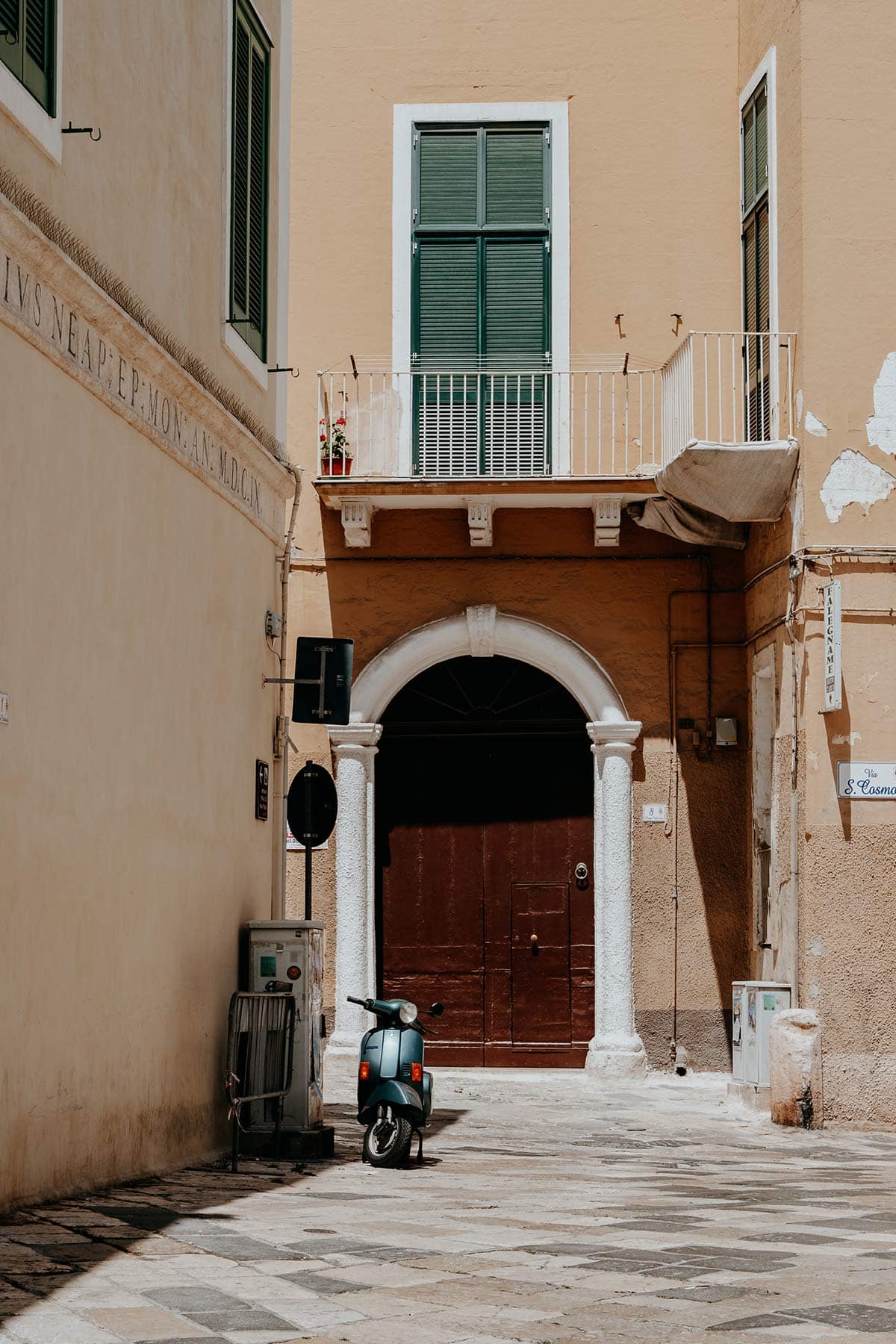
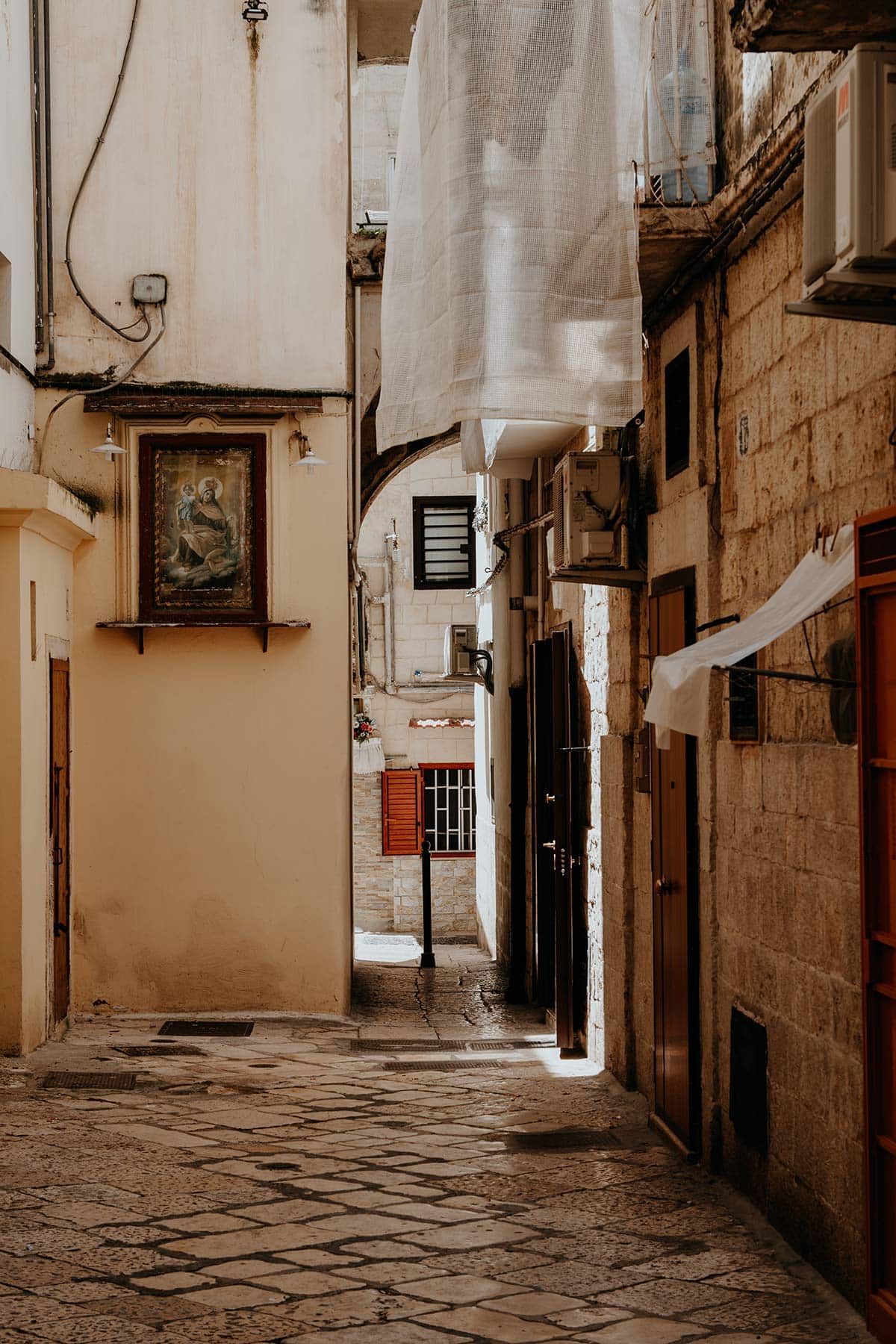
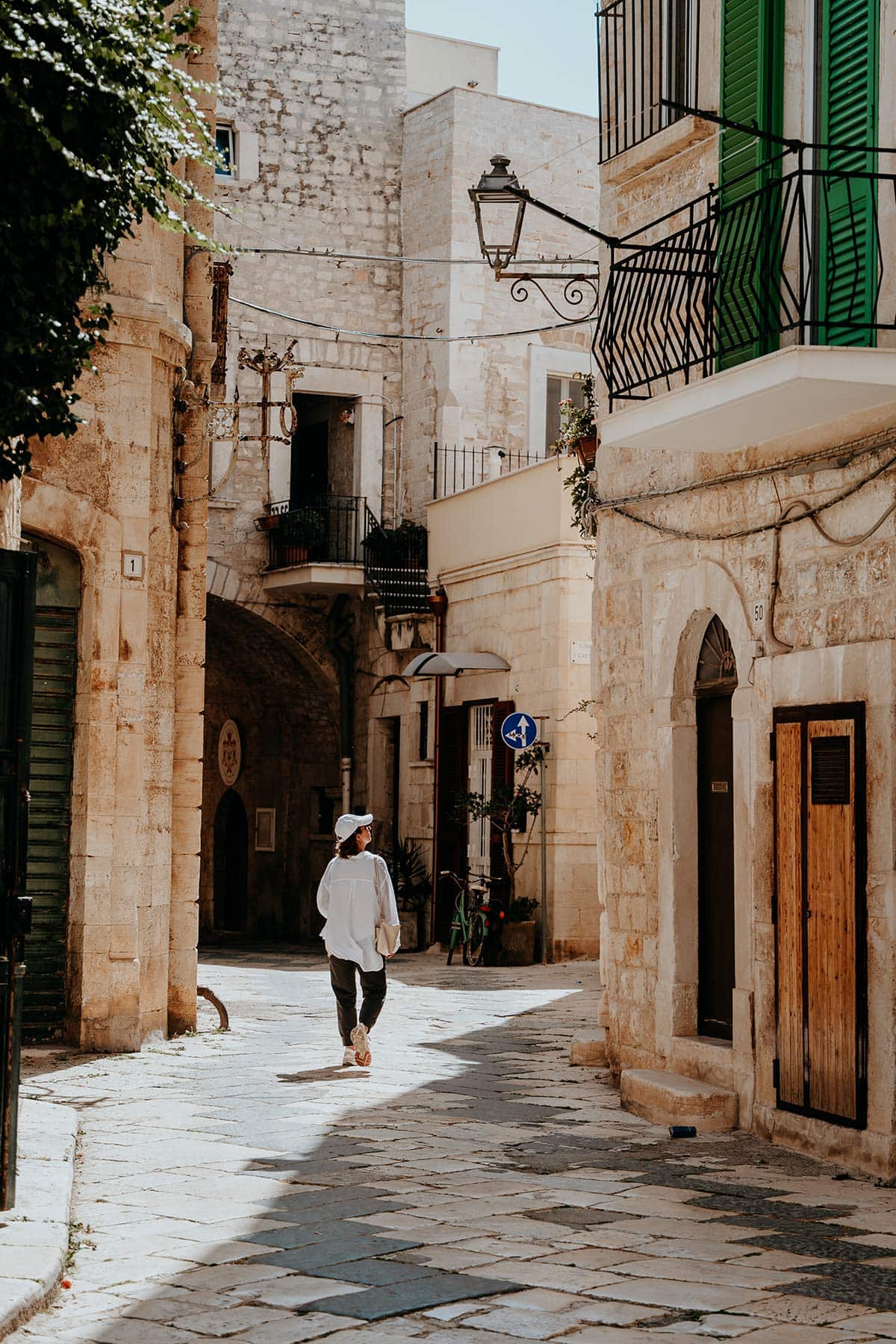
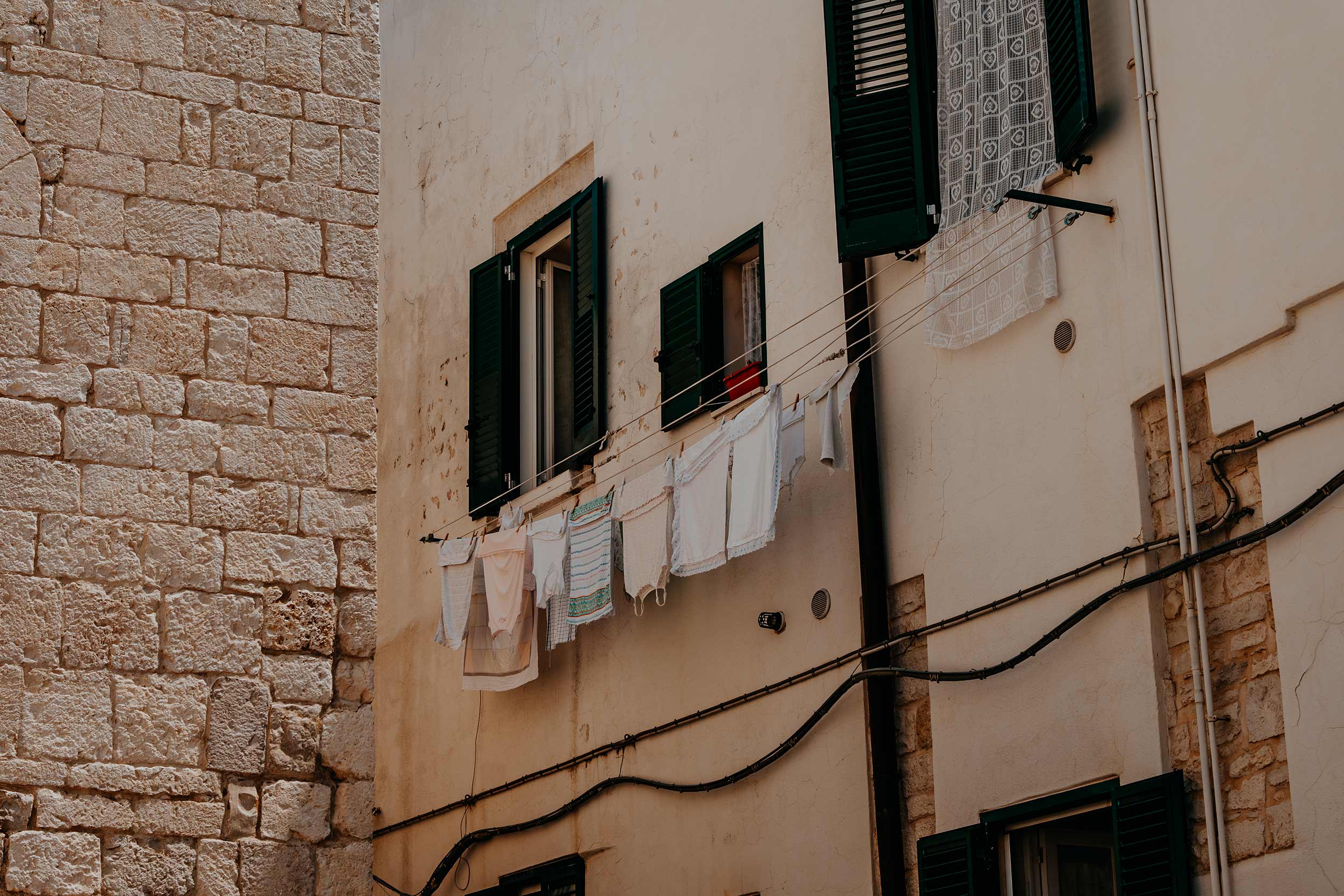
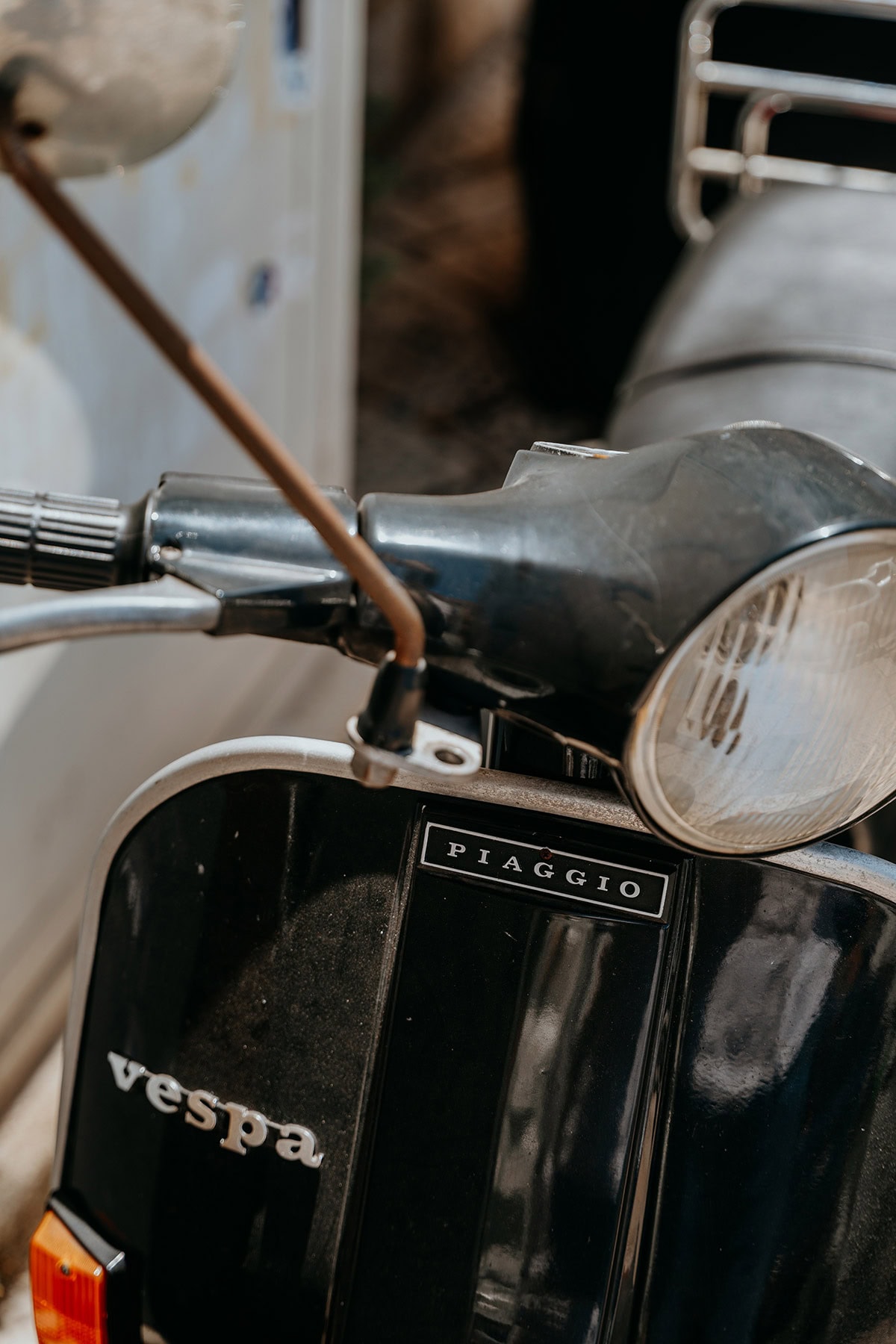
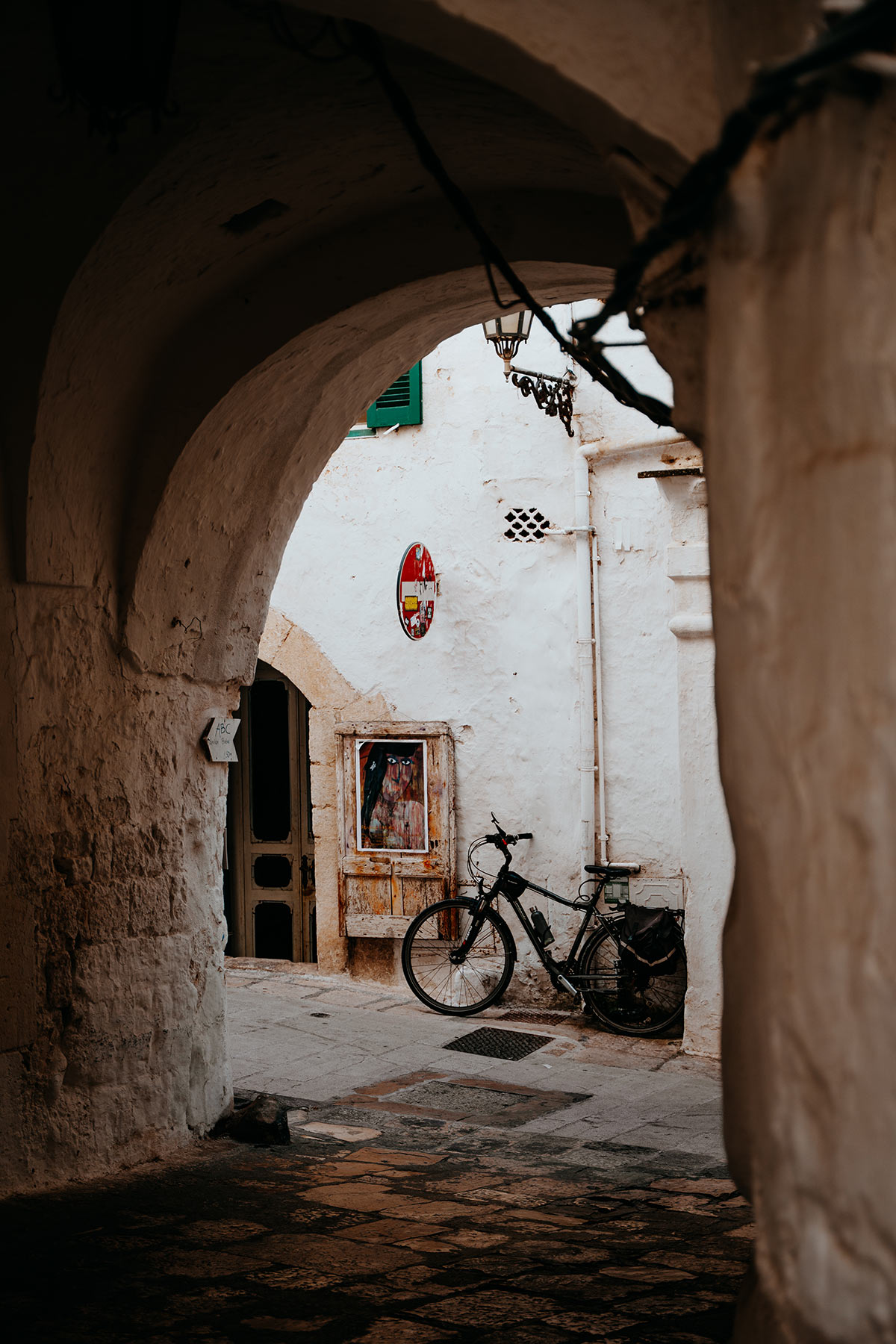
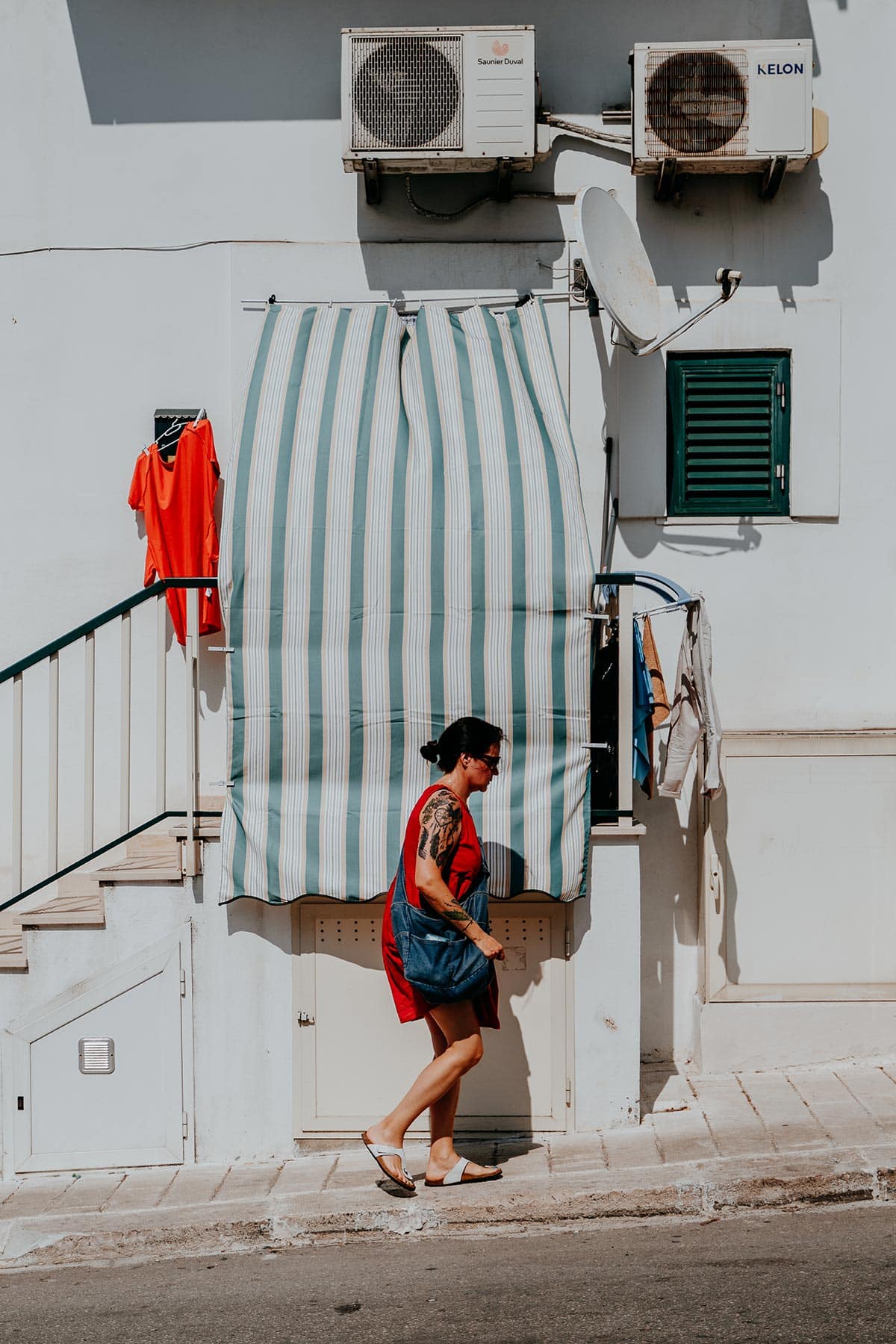
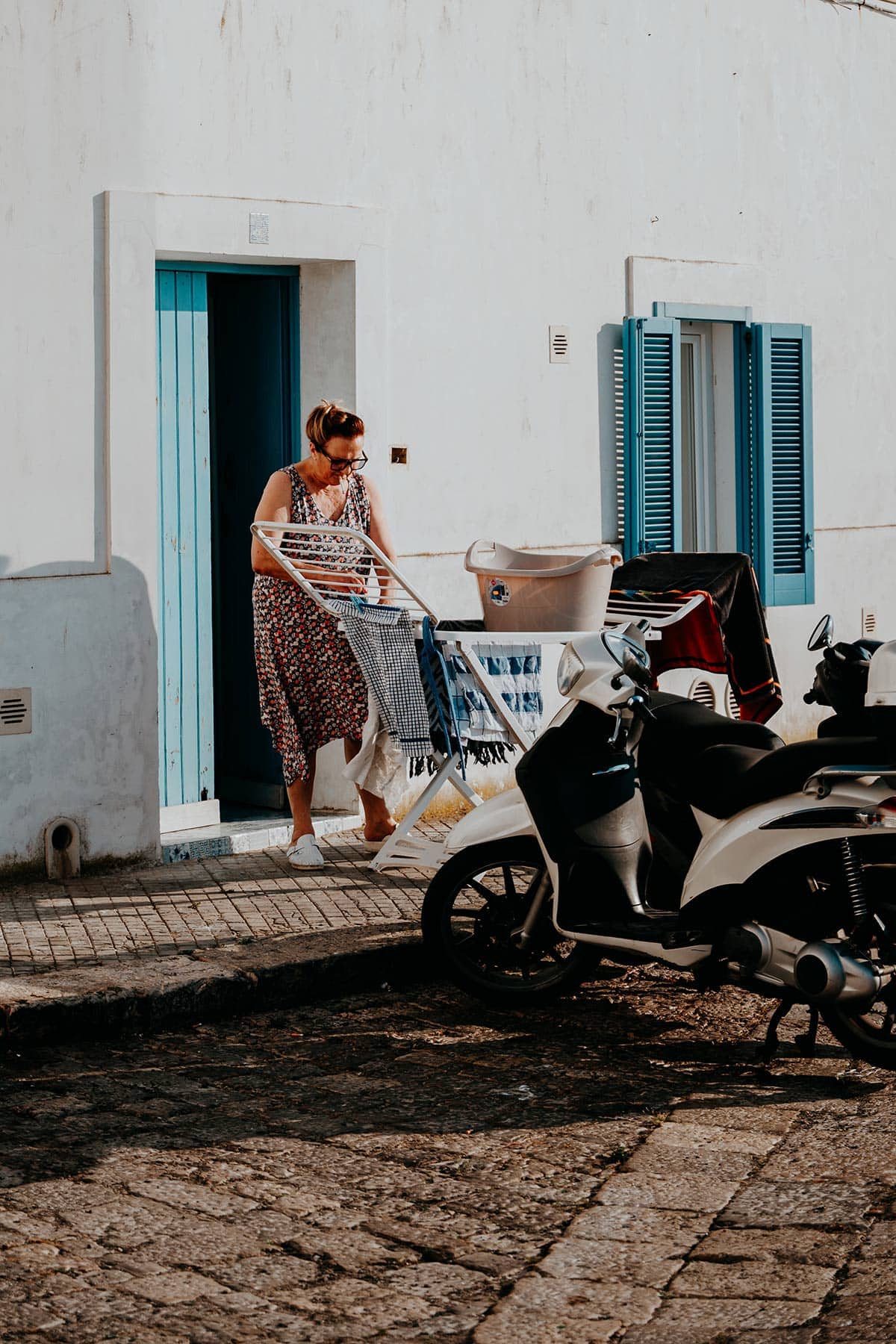
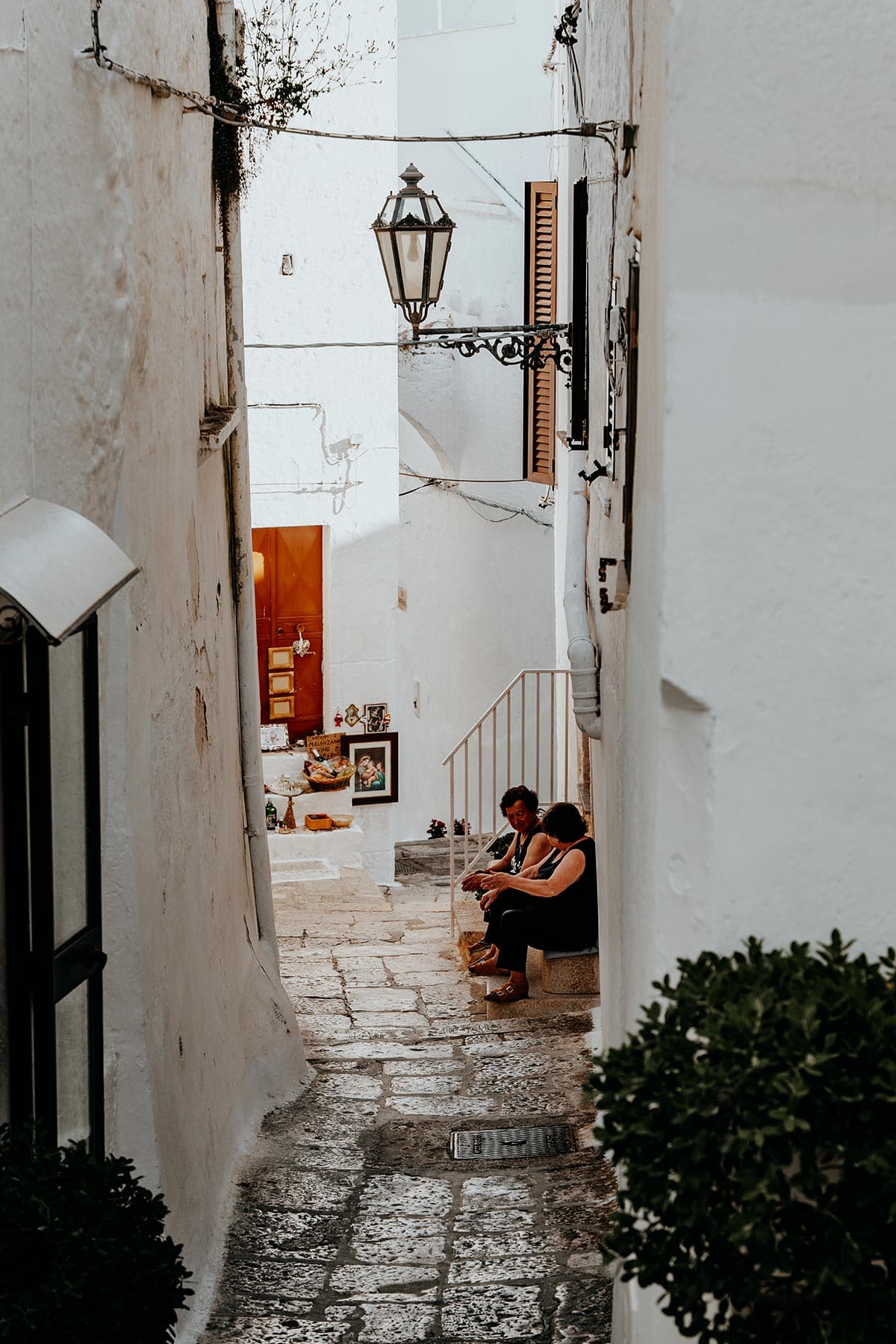
While Puglia’s architecture is downright stunning, it was the small, yet meaningful daily moments found wandering its charming cobblestone streets that stole my heart.
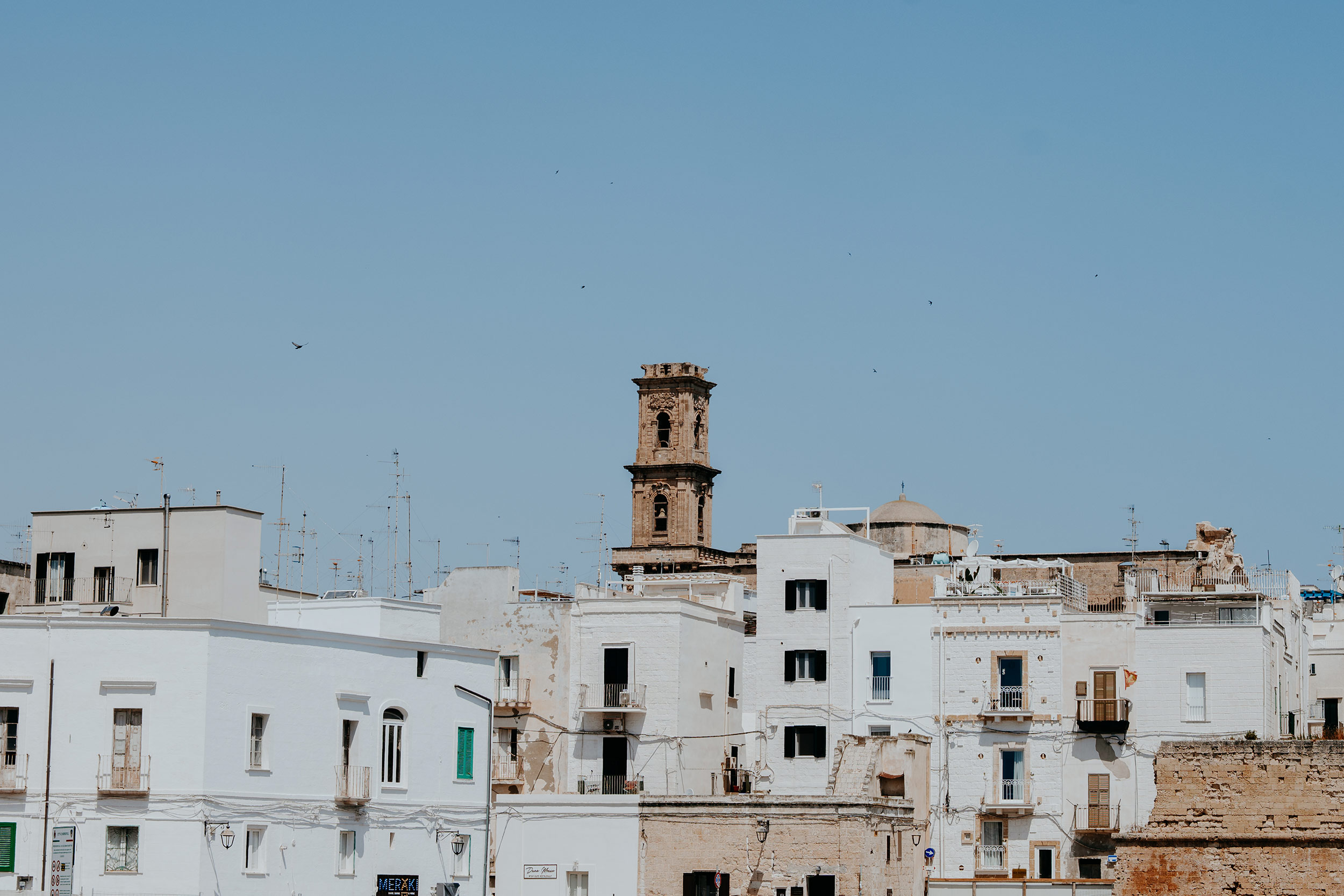
From the iconic Vespa mopeds parked at just about every corner to the authentic Italian washing lines hanging between the adorable, time-worn buildings, to the friendly locals going about their business, the ambience that prevails here is second to none.
In a similar fashion to the aromas of freshly baked pizza, authenticity lingers in the air here, and a precious, day-to-day moment is just around the corner, waiting to be captured in time.
It’s a photographer’s dream, and blending in with the daily rhythm of those who call Puglia home instantly got me in a flow state, making my photography journey here an effortless one.
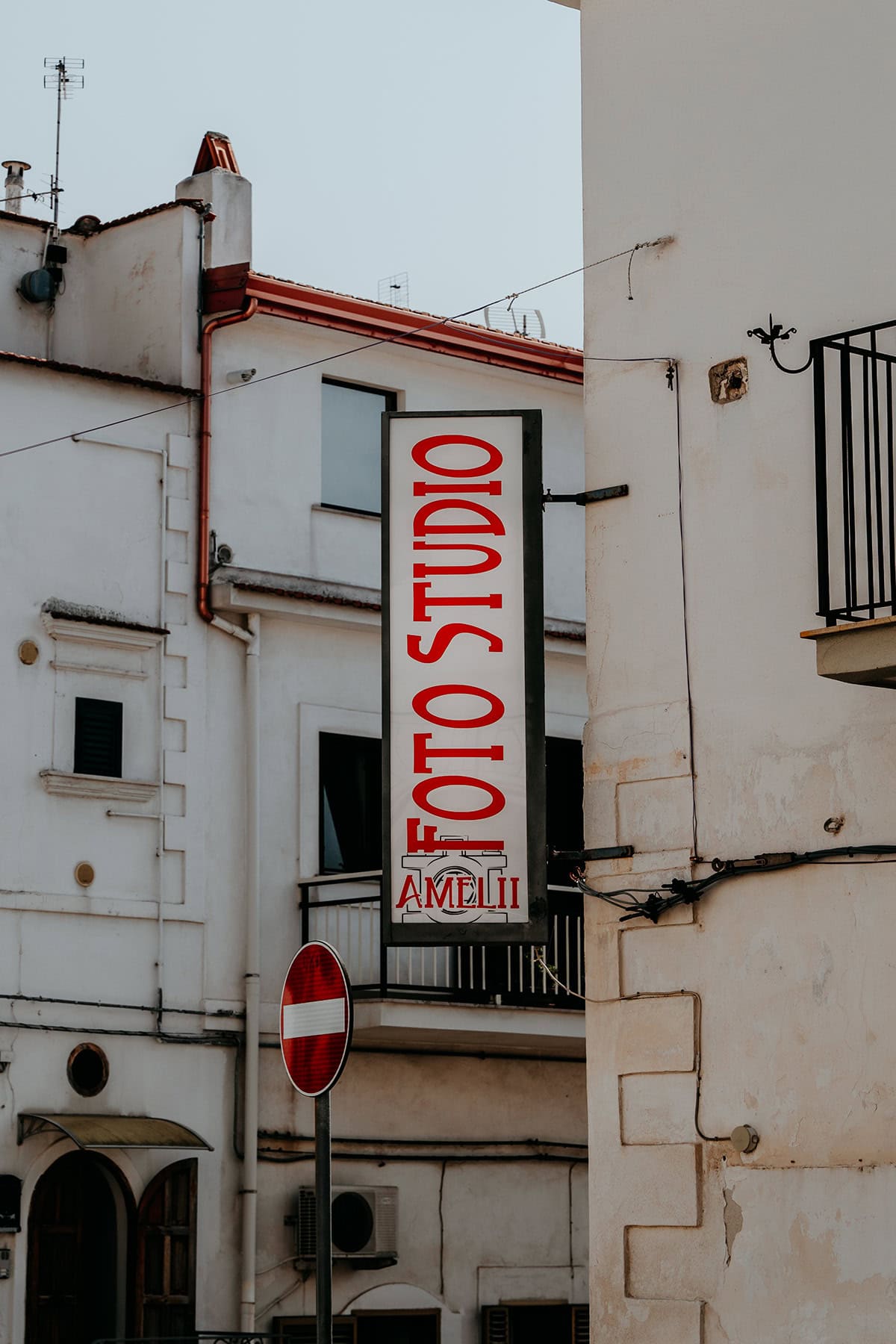

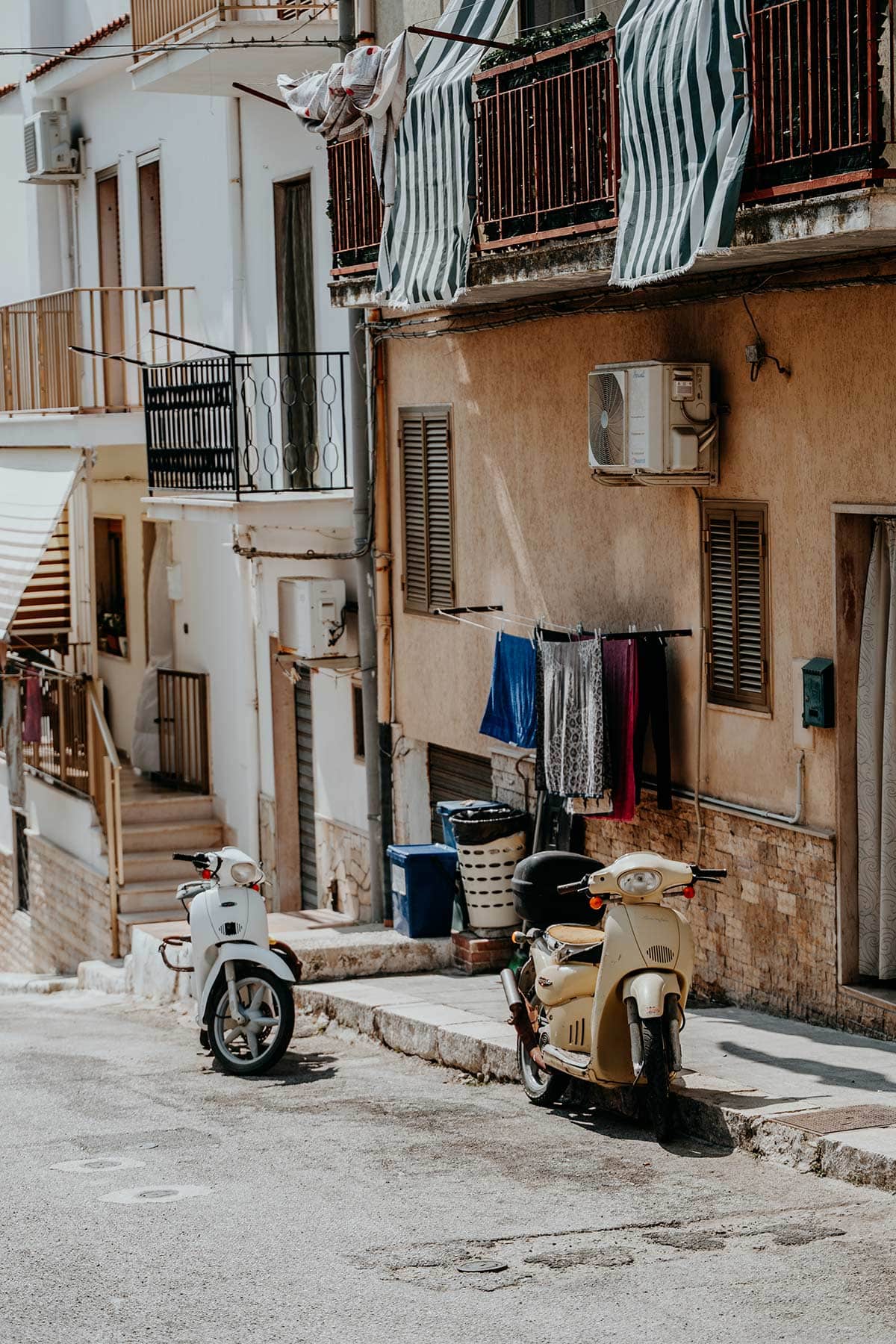
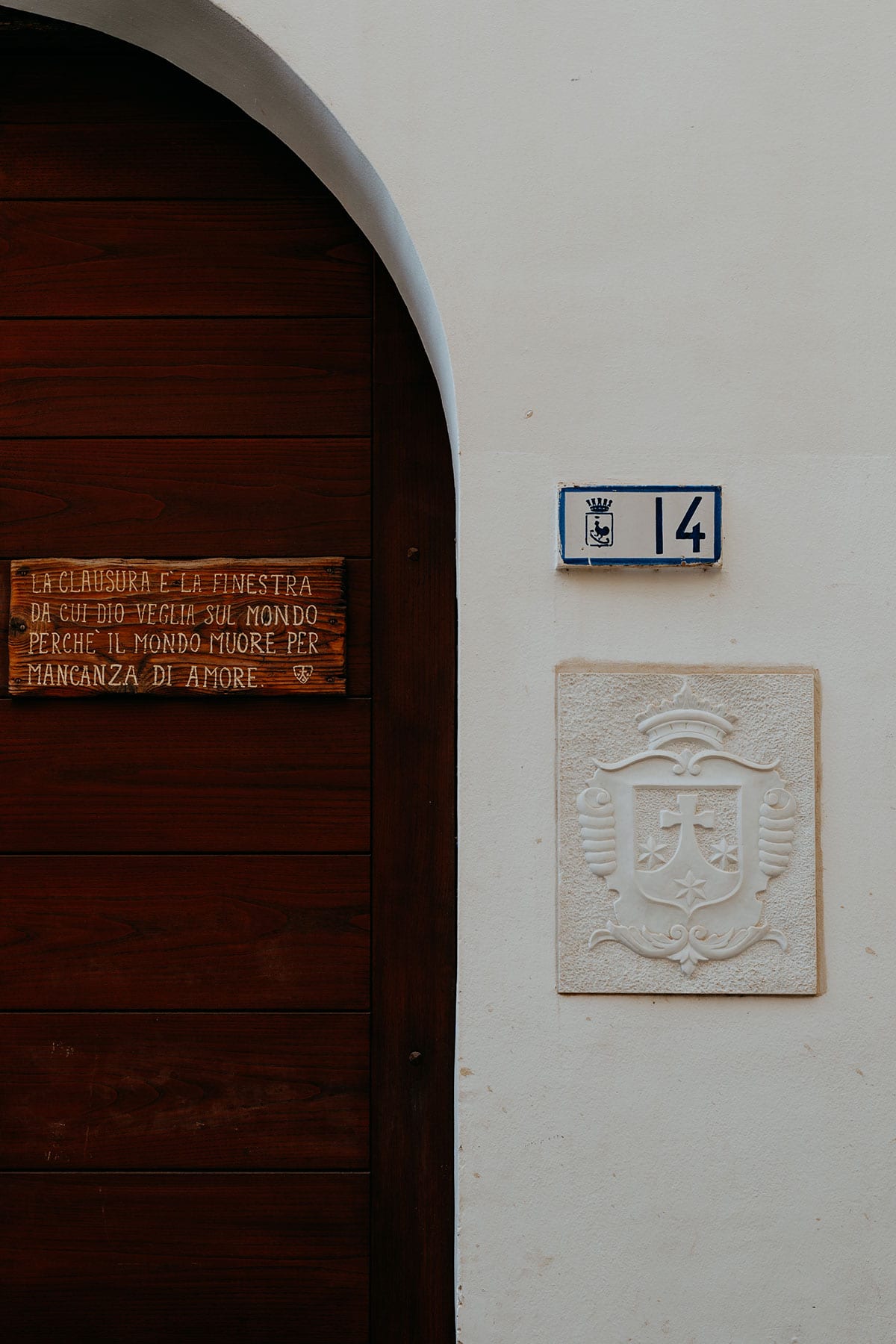
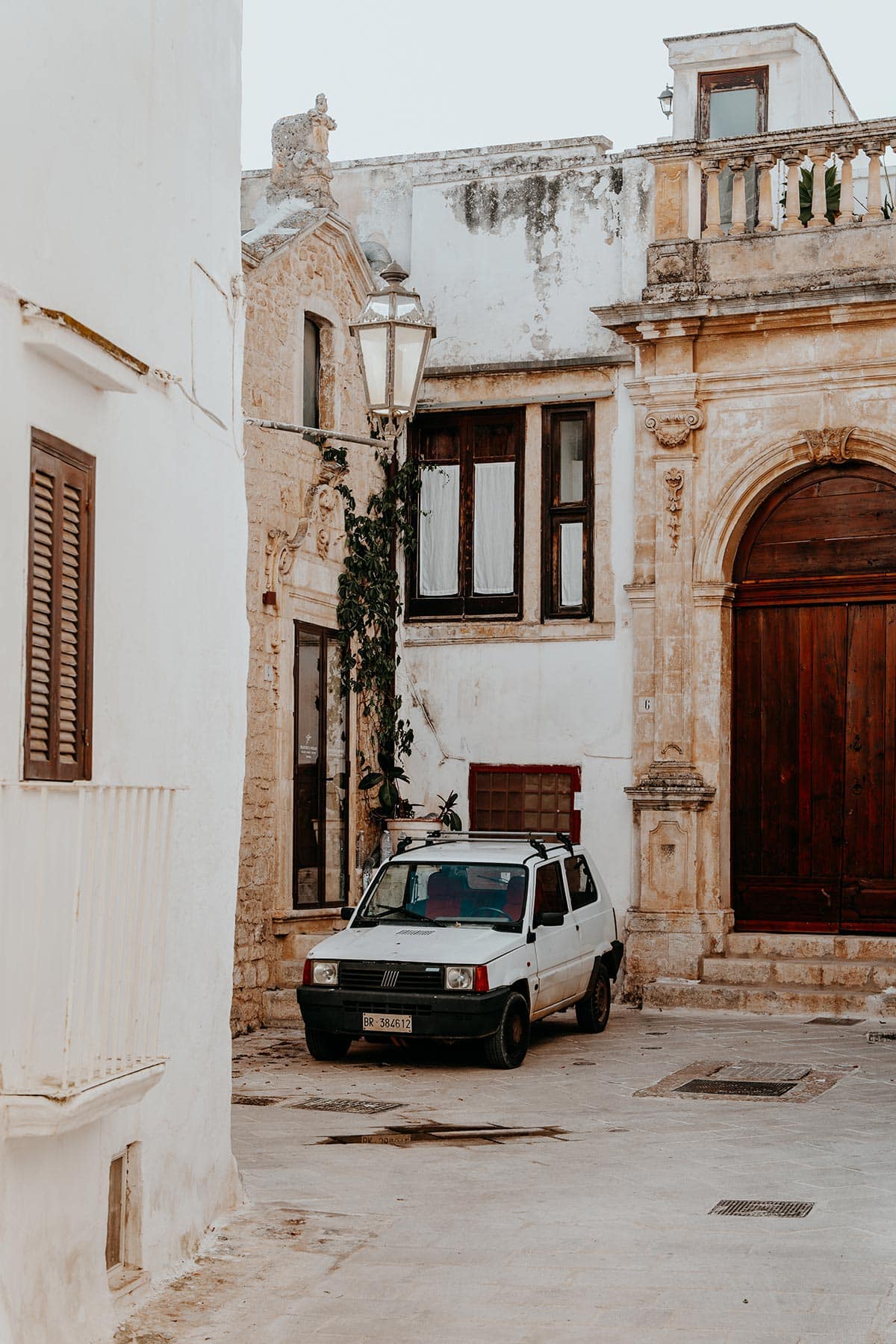
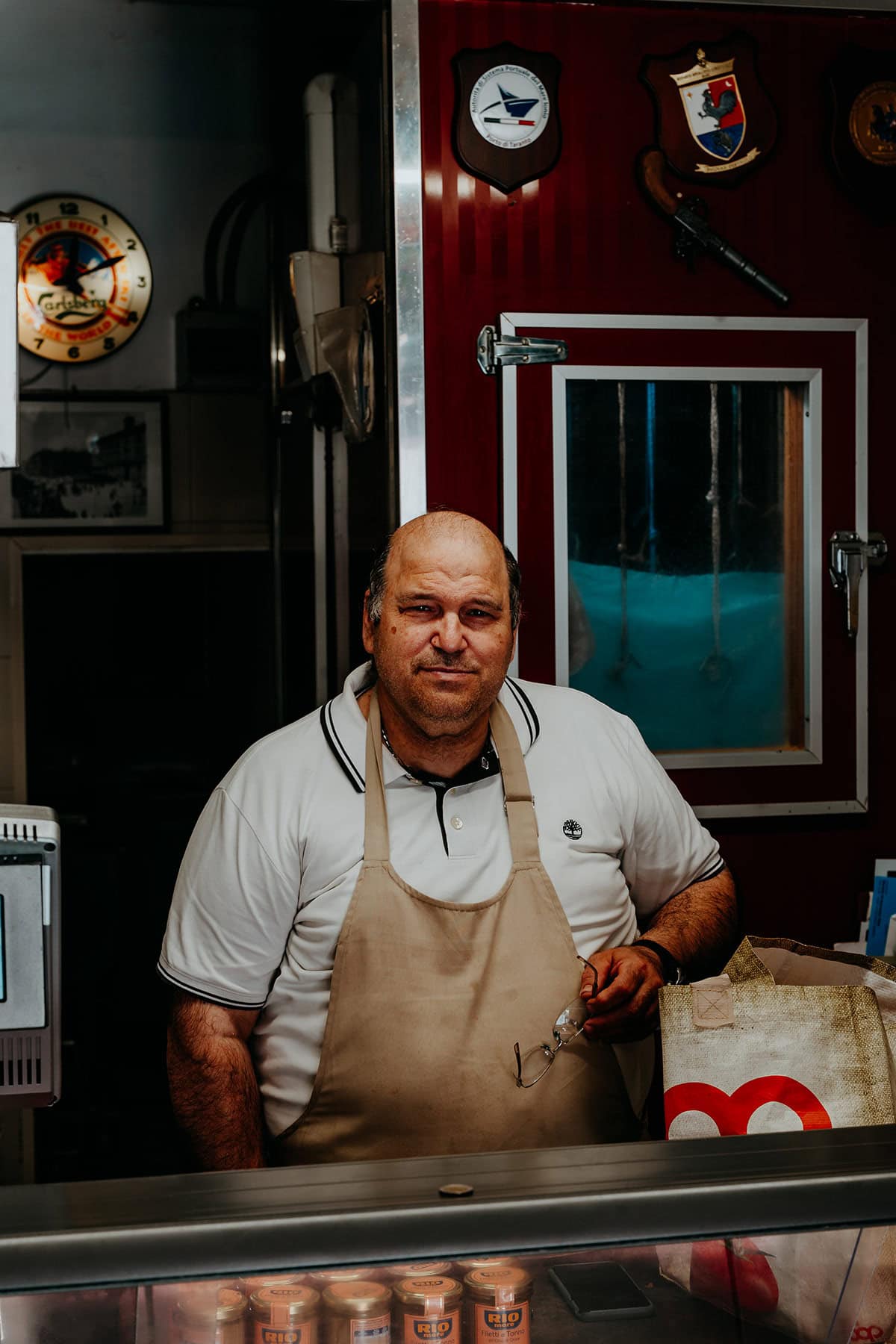
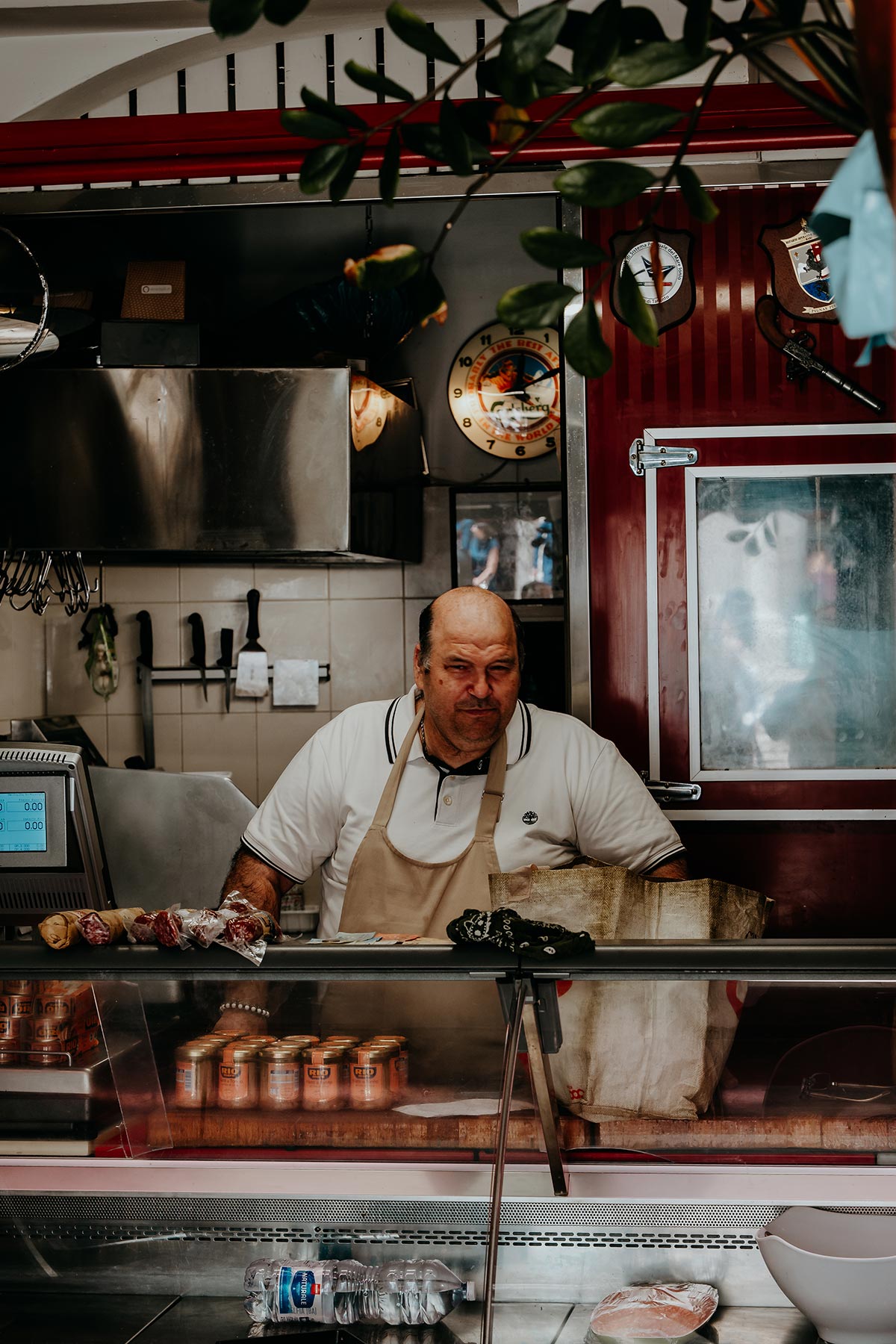
The people of Puglia
Life in the ancient heel of Italy moves in a captivating manner, as it’s shaped by age-old traditions, strong communal values, and a genuine warmth towards its visitors.
As a result, the people and their hospitality are less about being sophisticated and more about authenticity, pride and soul, which is something I truly value in interactions shared with others.
Those values offer travellers a unique glimpse into a lifestyle where family, food, and camaraderie hold significant importance, creating connections on a deeper level that feel both personal and timeless.
After spending 2 weeks in Puglia, it became clear that the Pugliese embody a similar warmth as the sun-soaked grounds they call home, and I truly admire them for that.


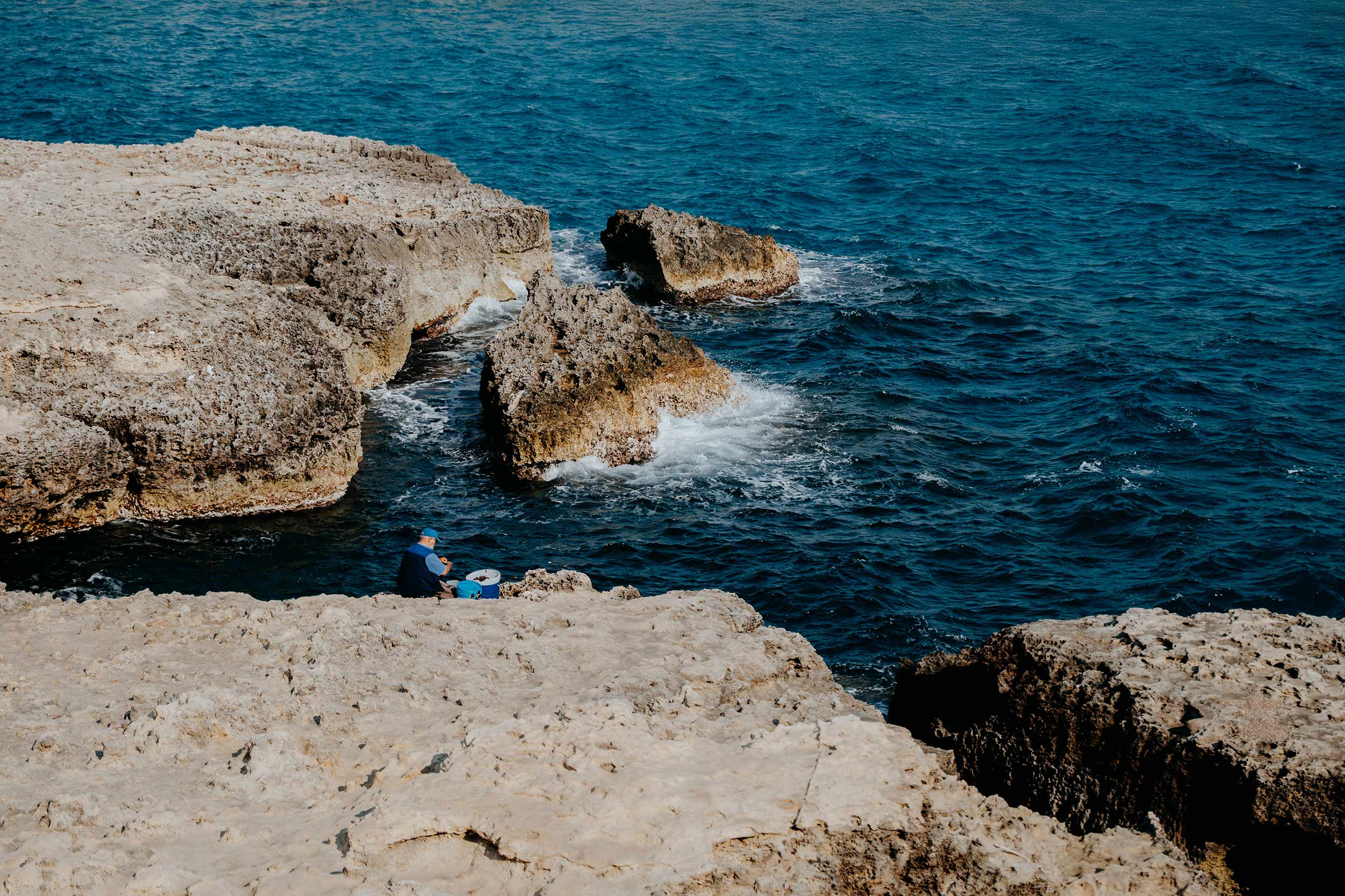
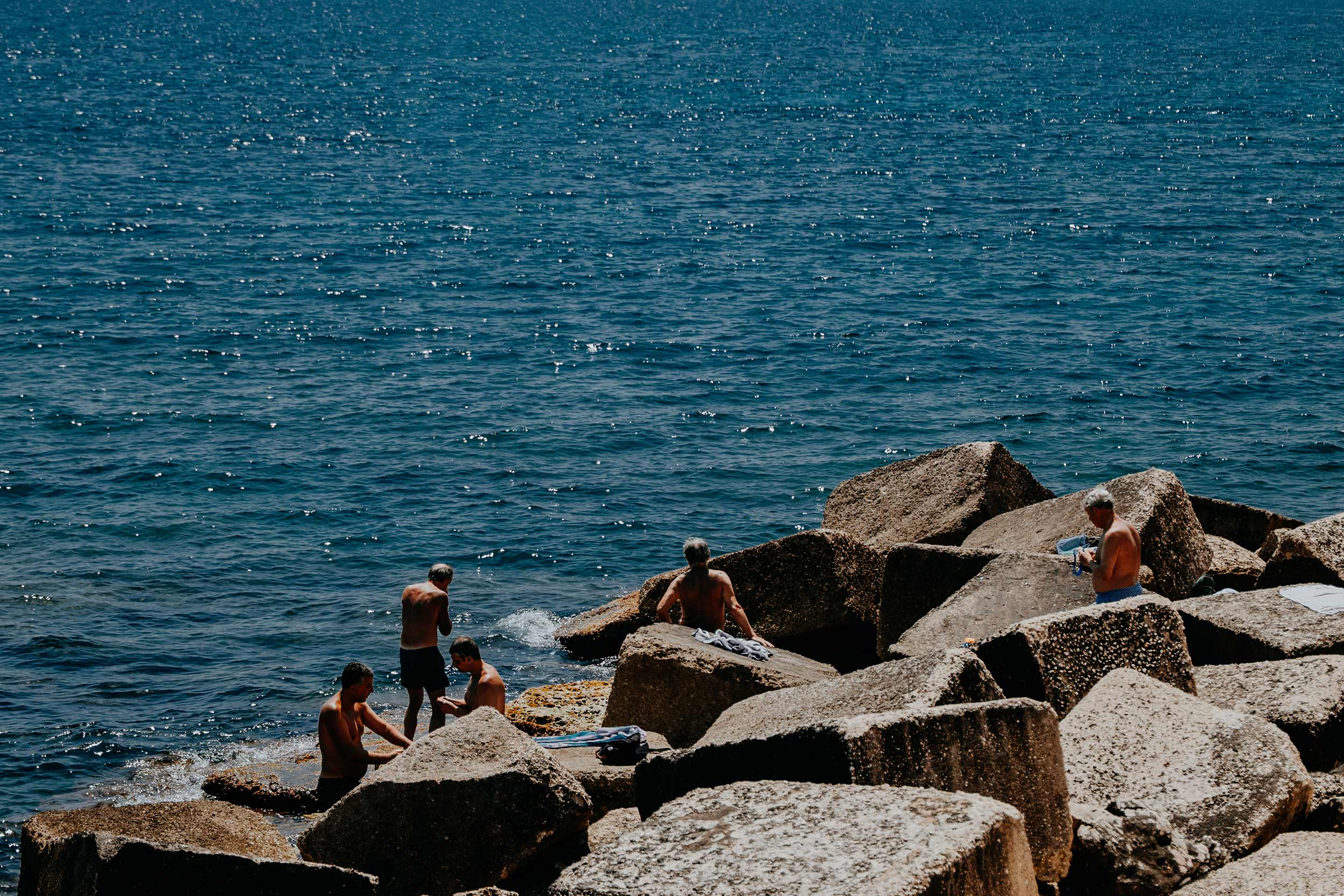
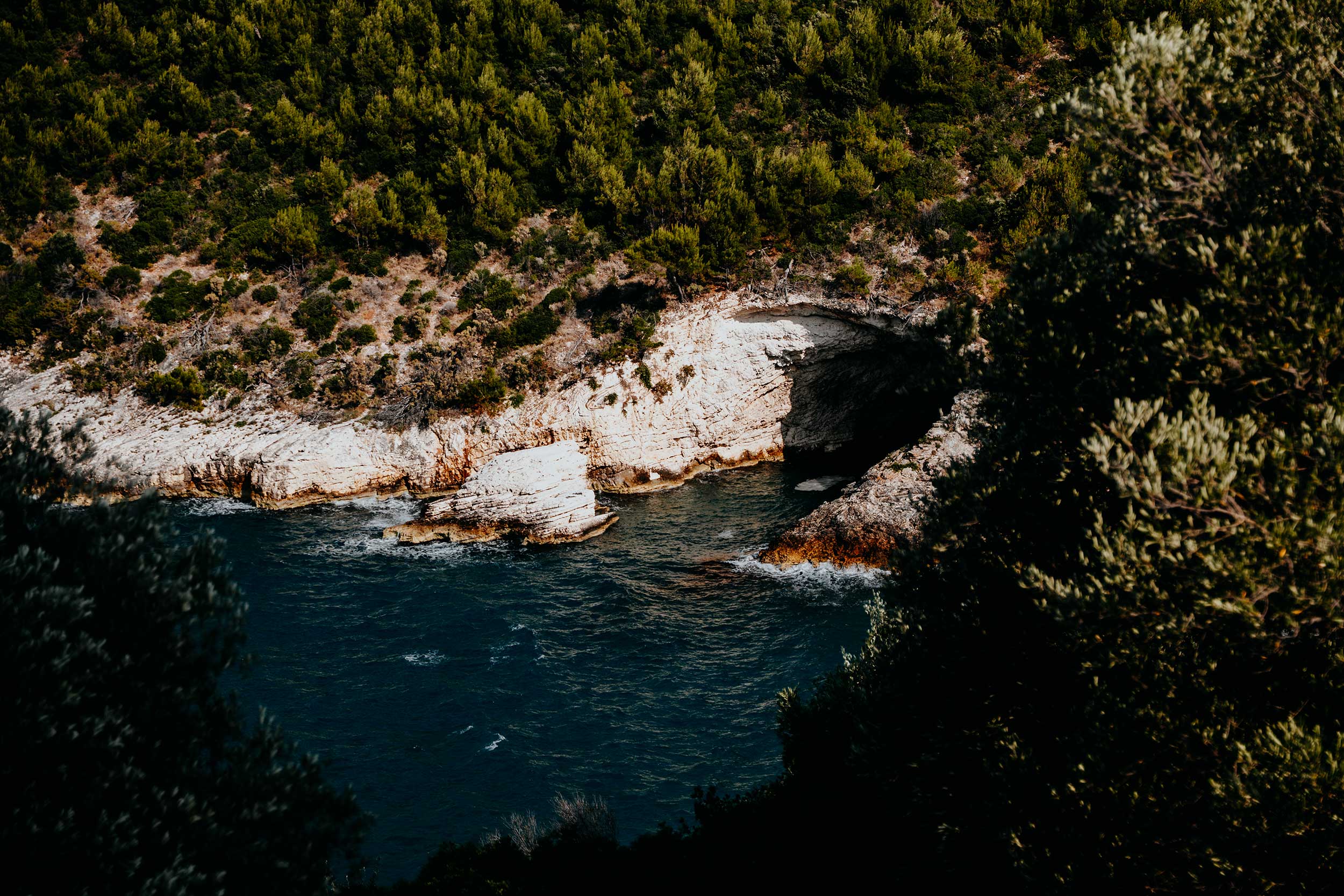
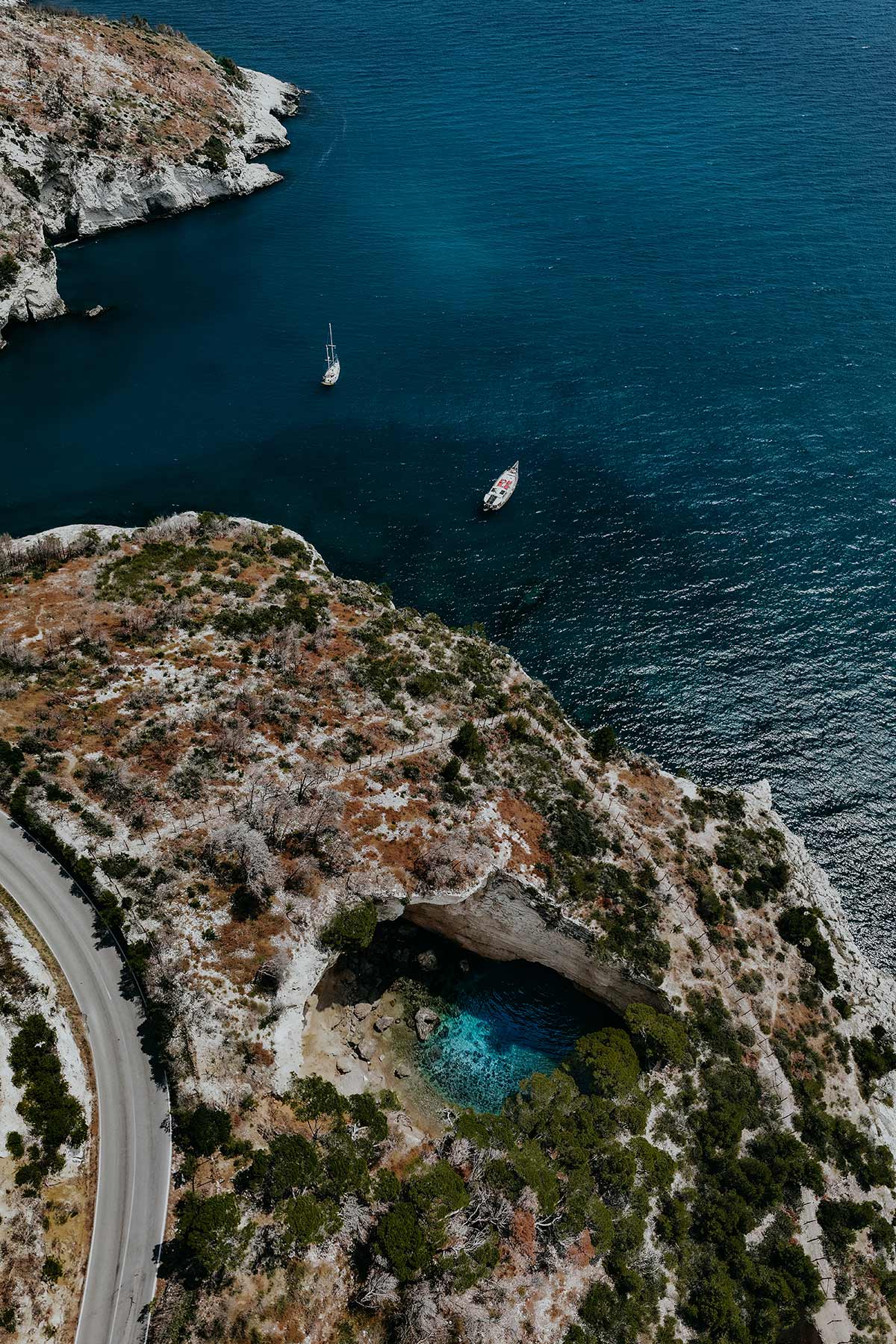
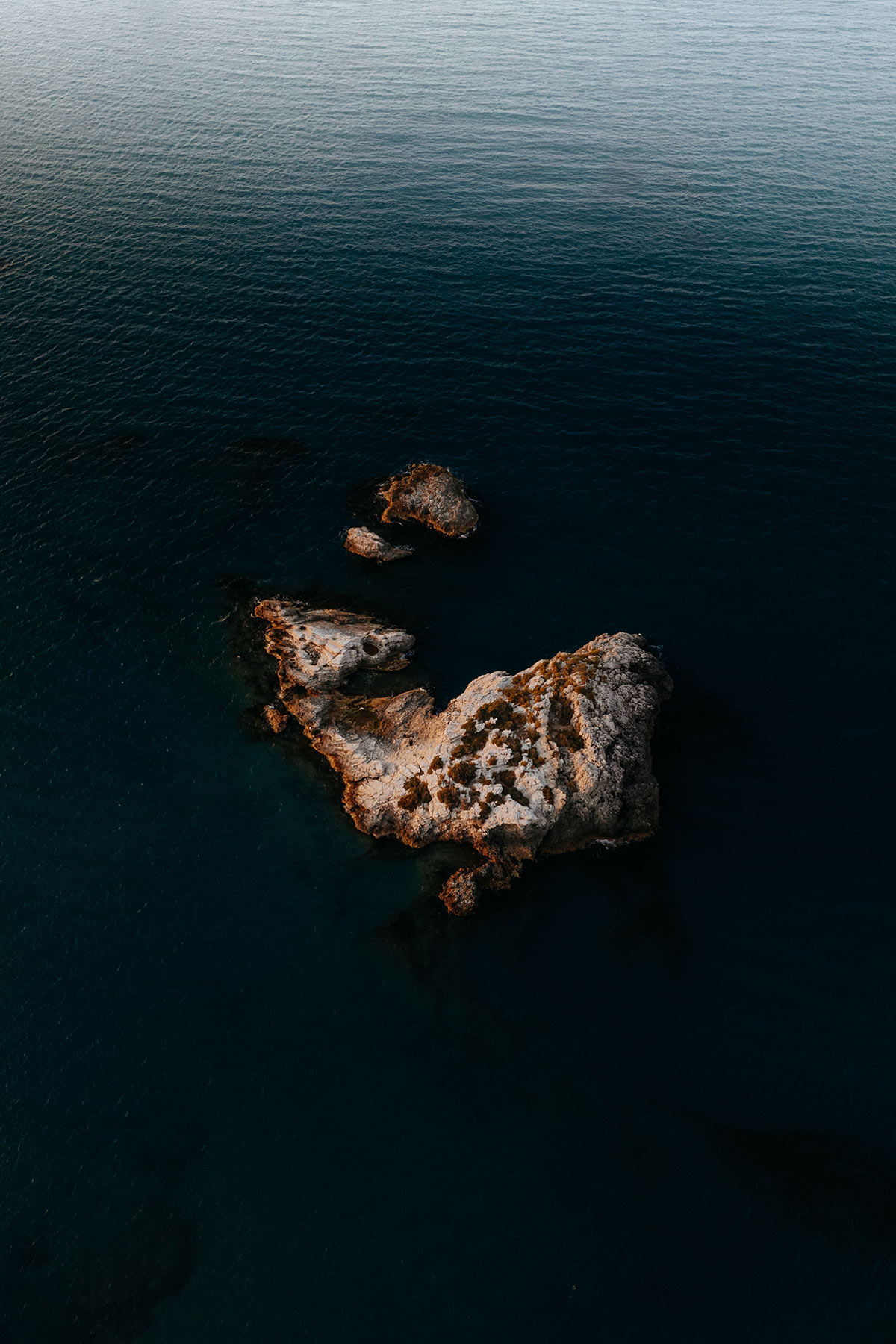
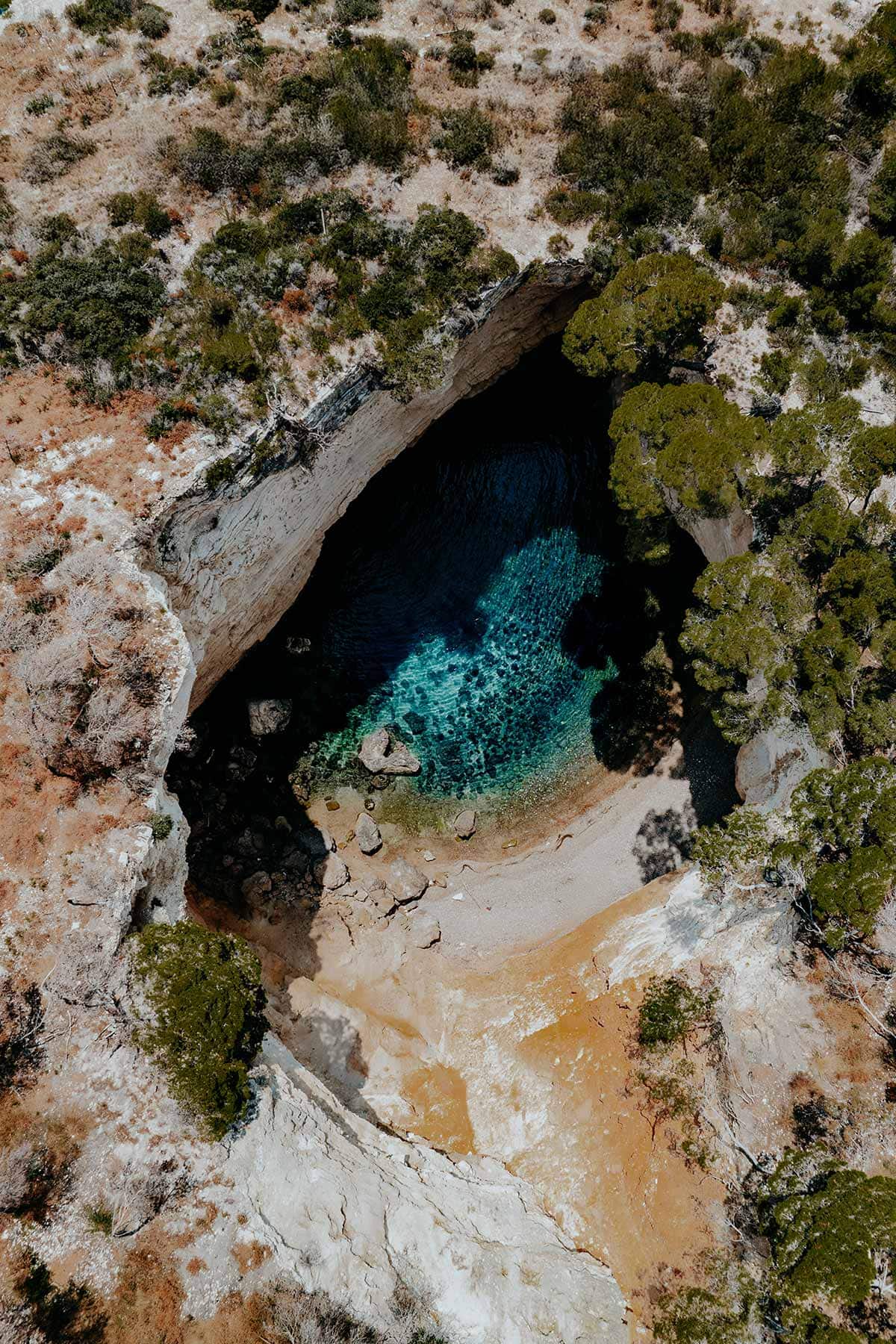
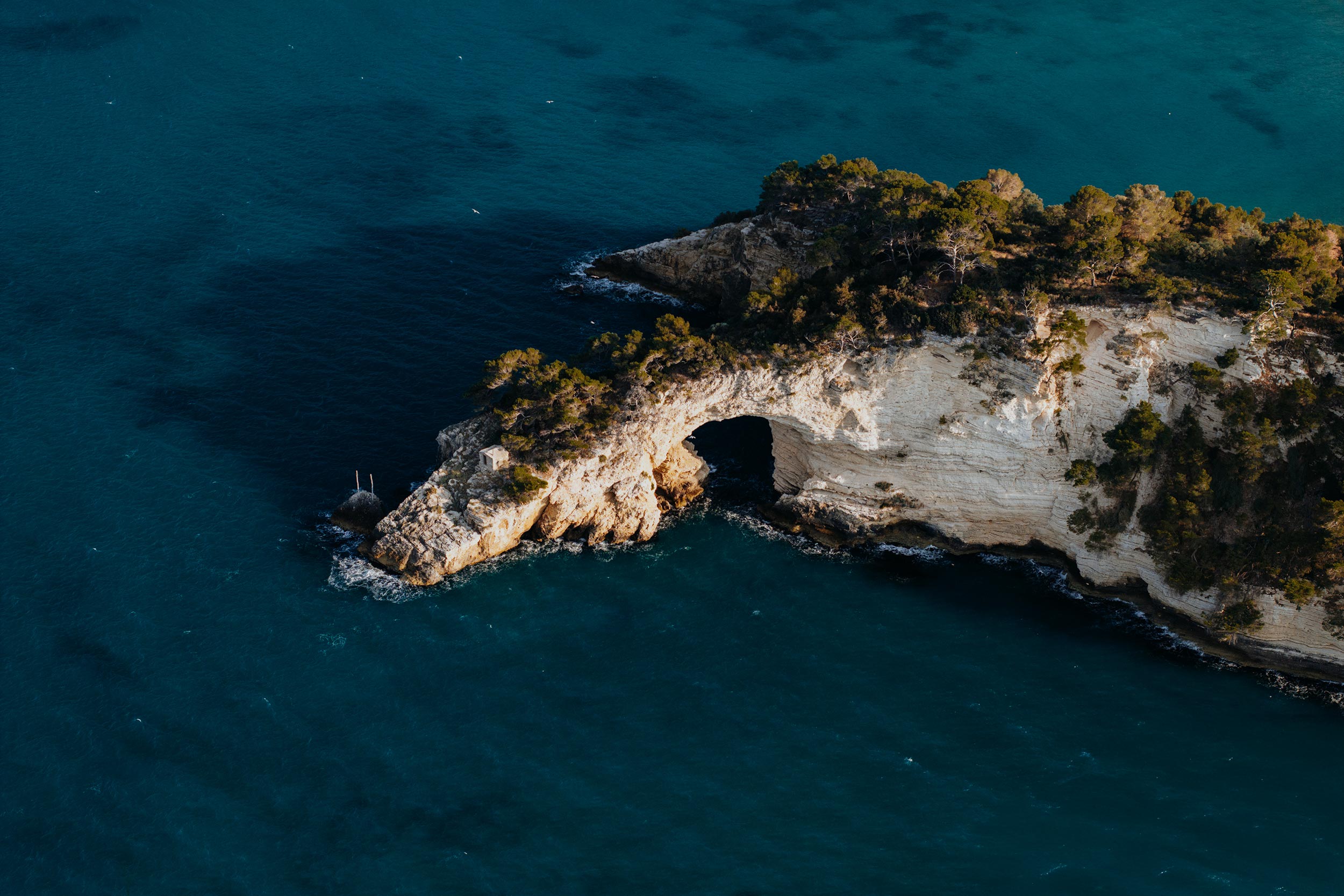
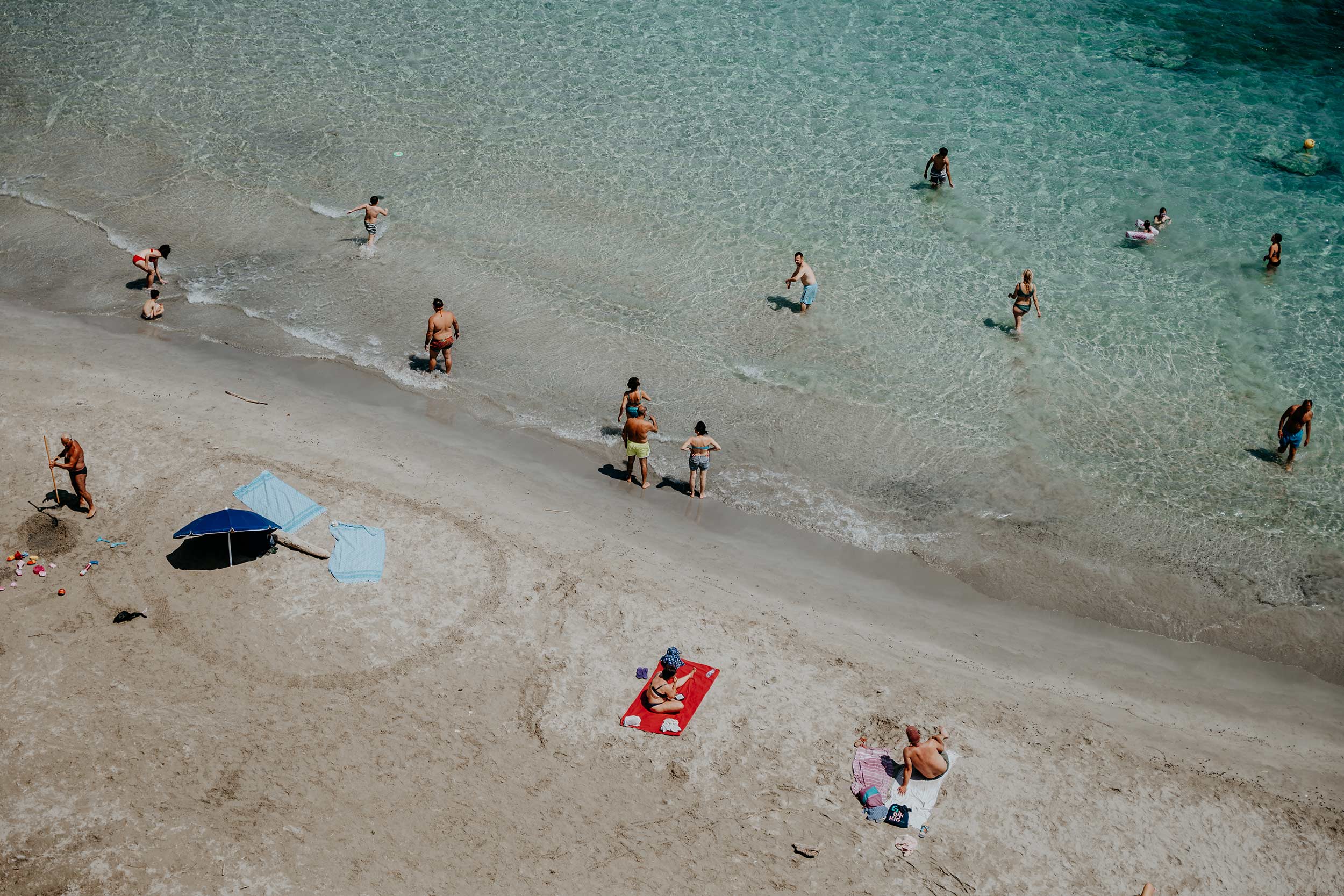
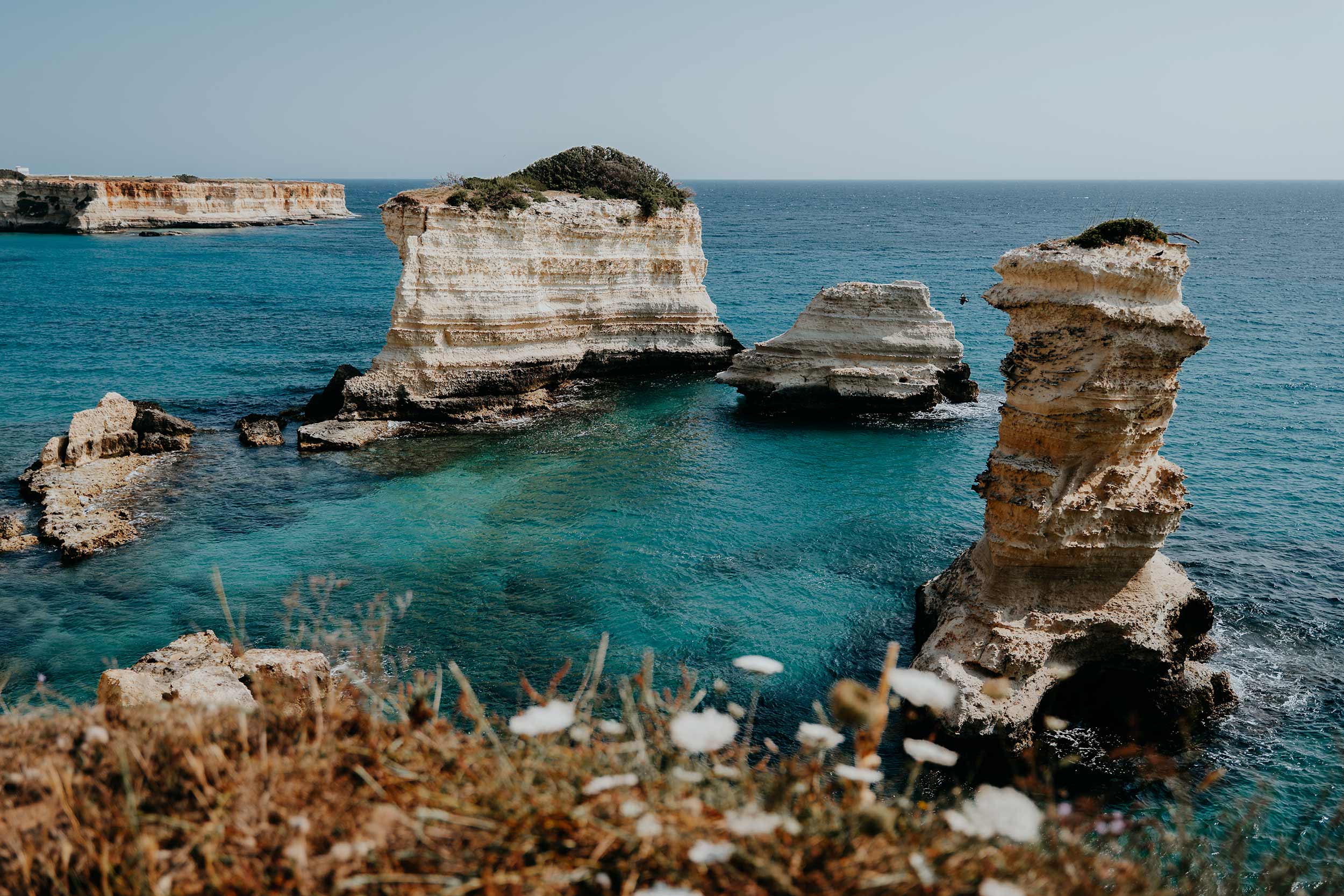
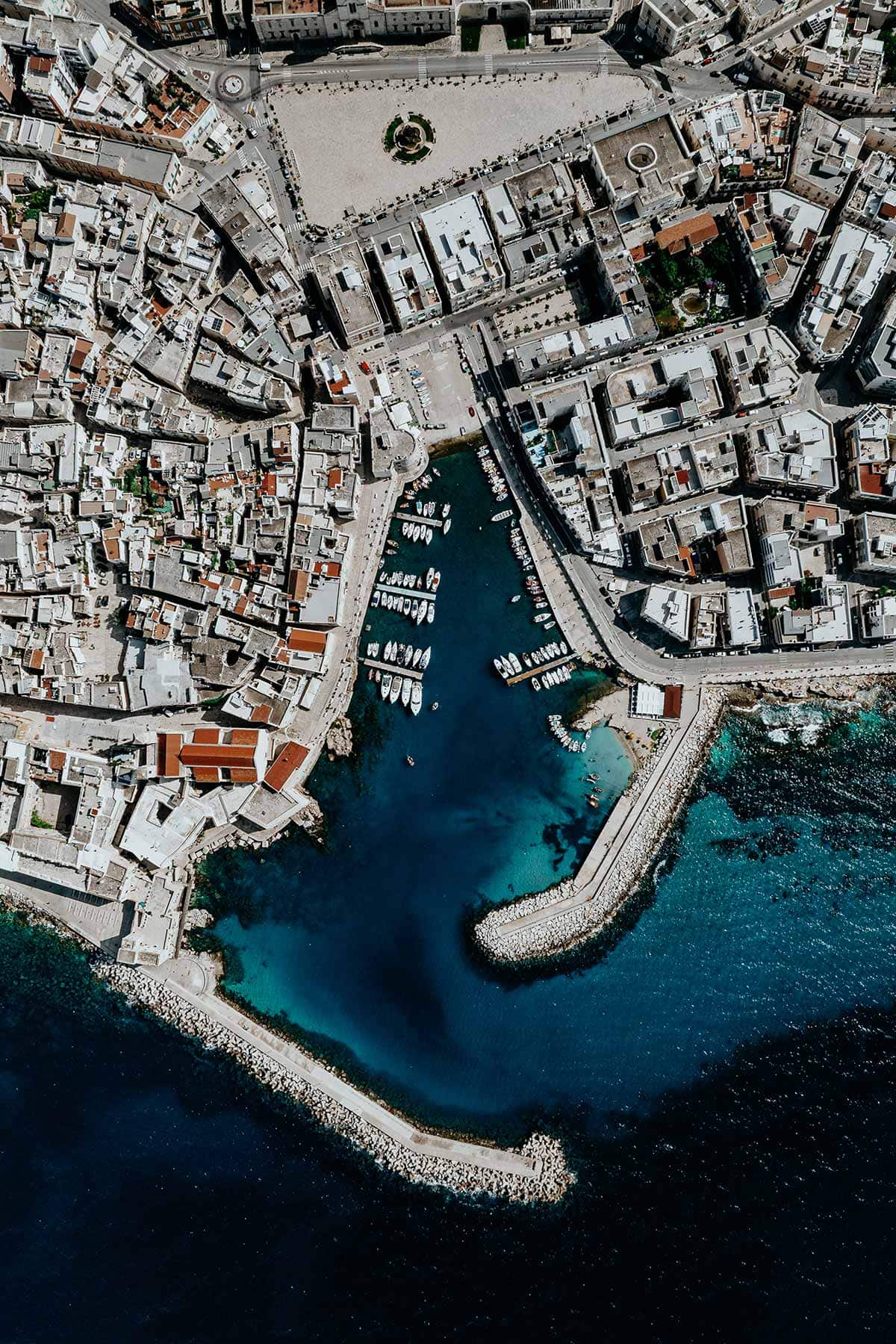
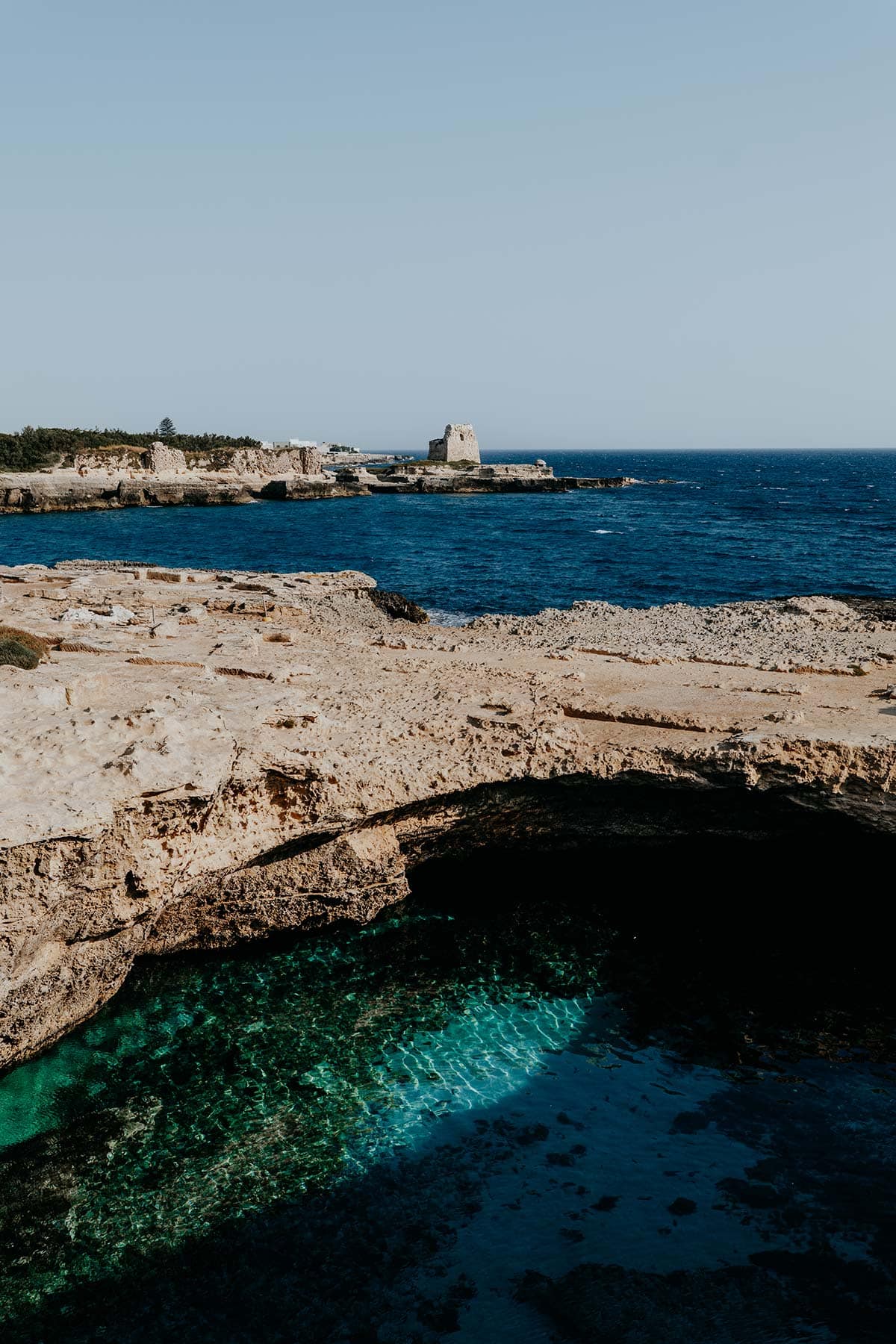
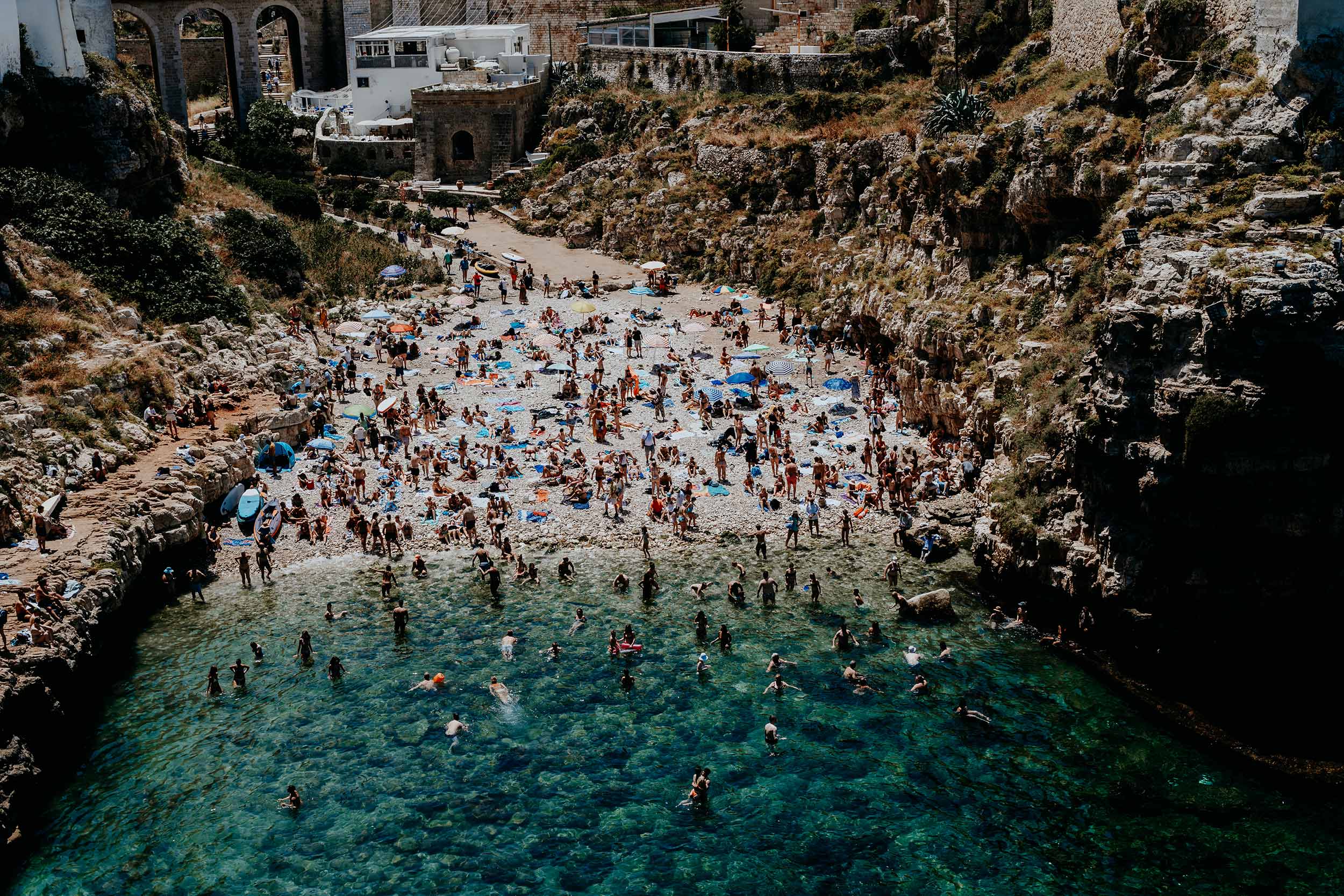
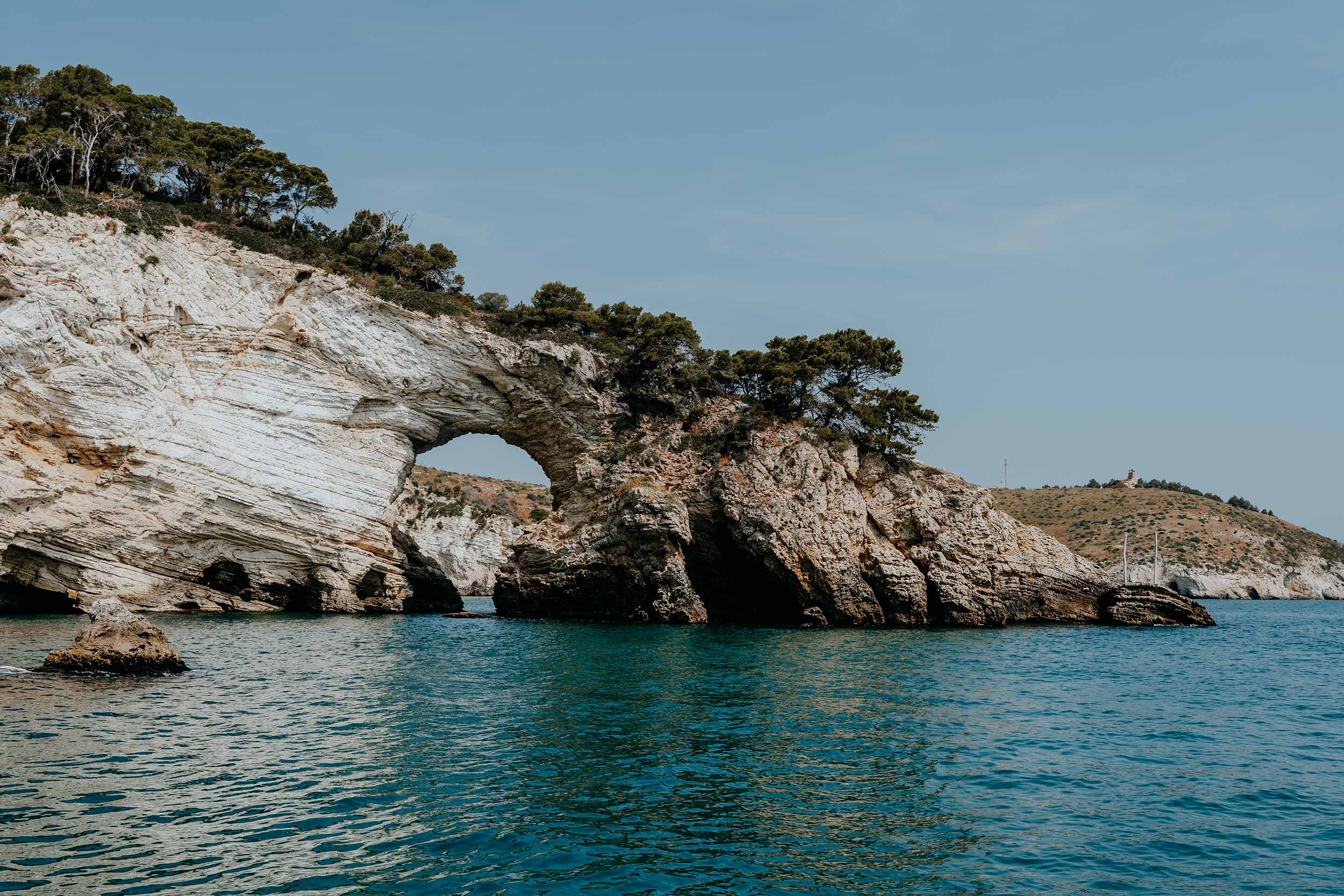
Puglia’s mesmerising coastline
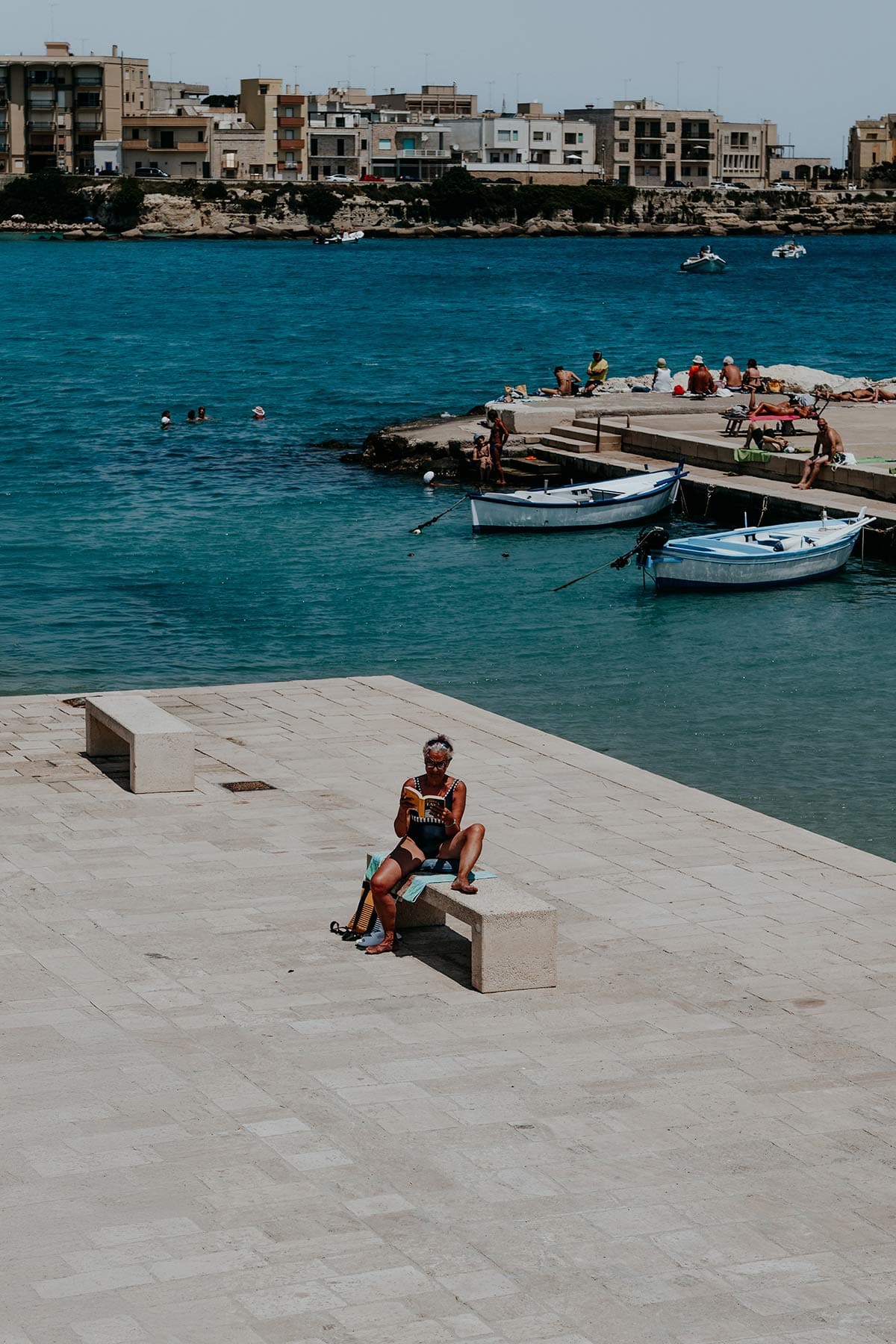
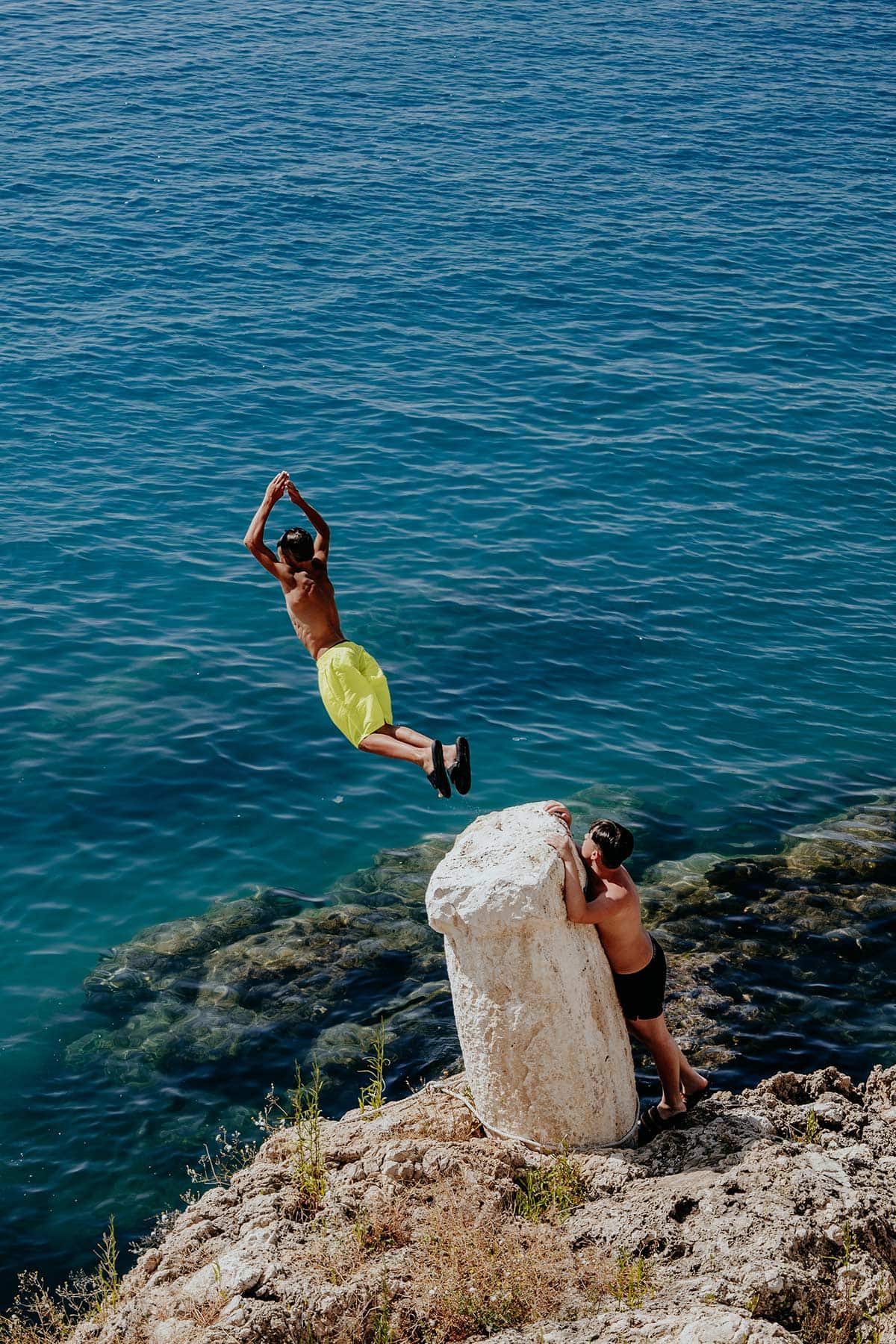
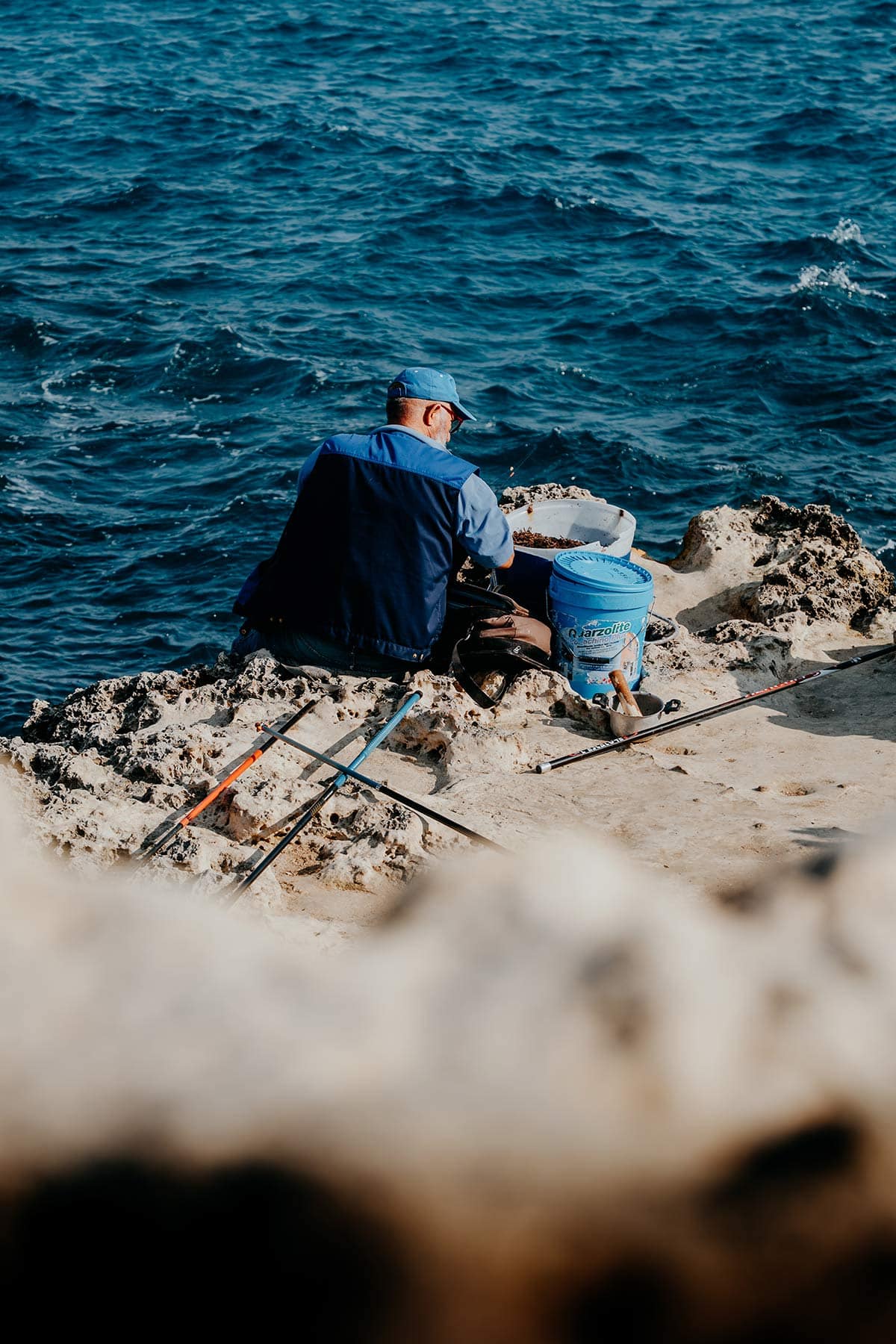
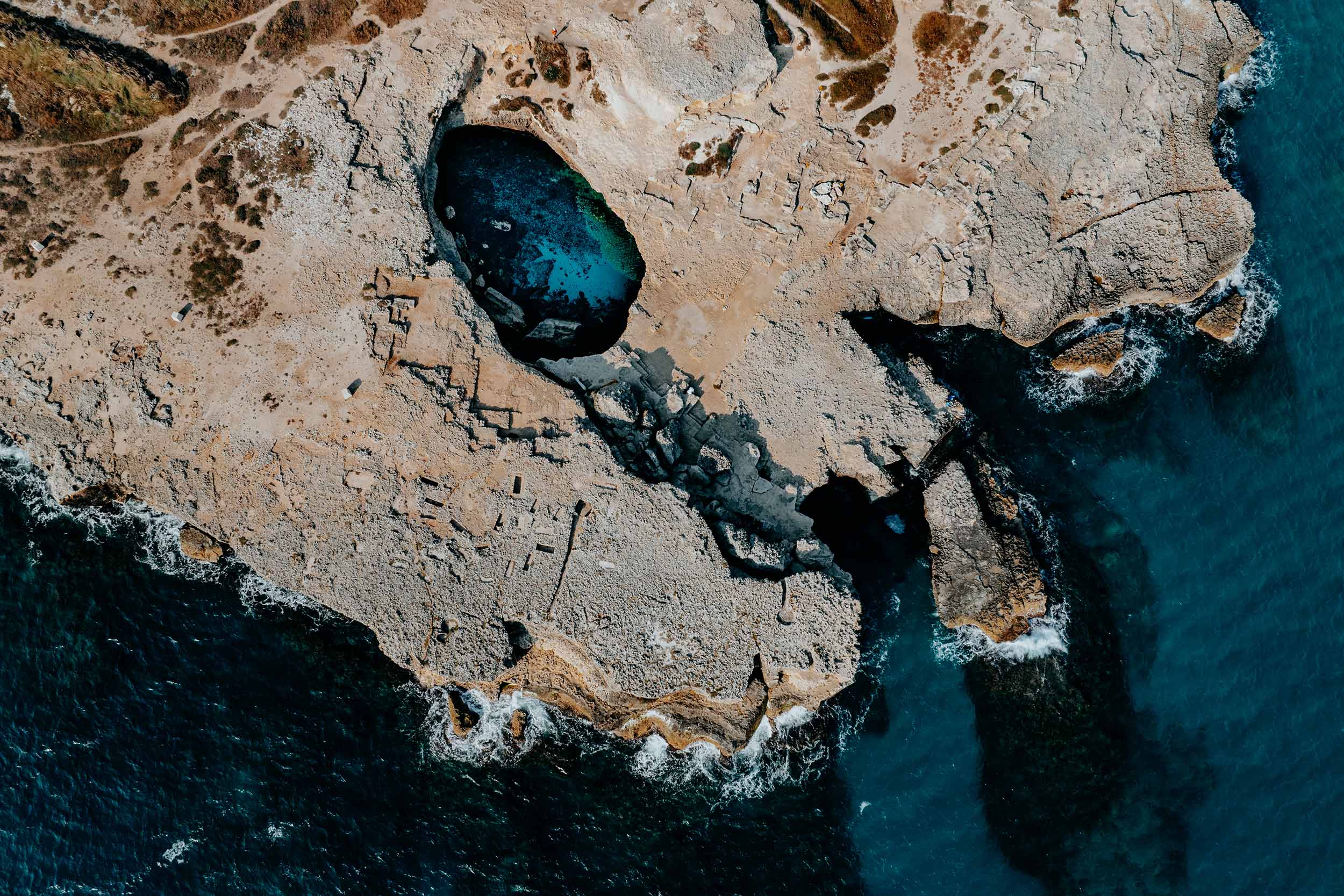
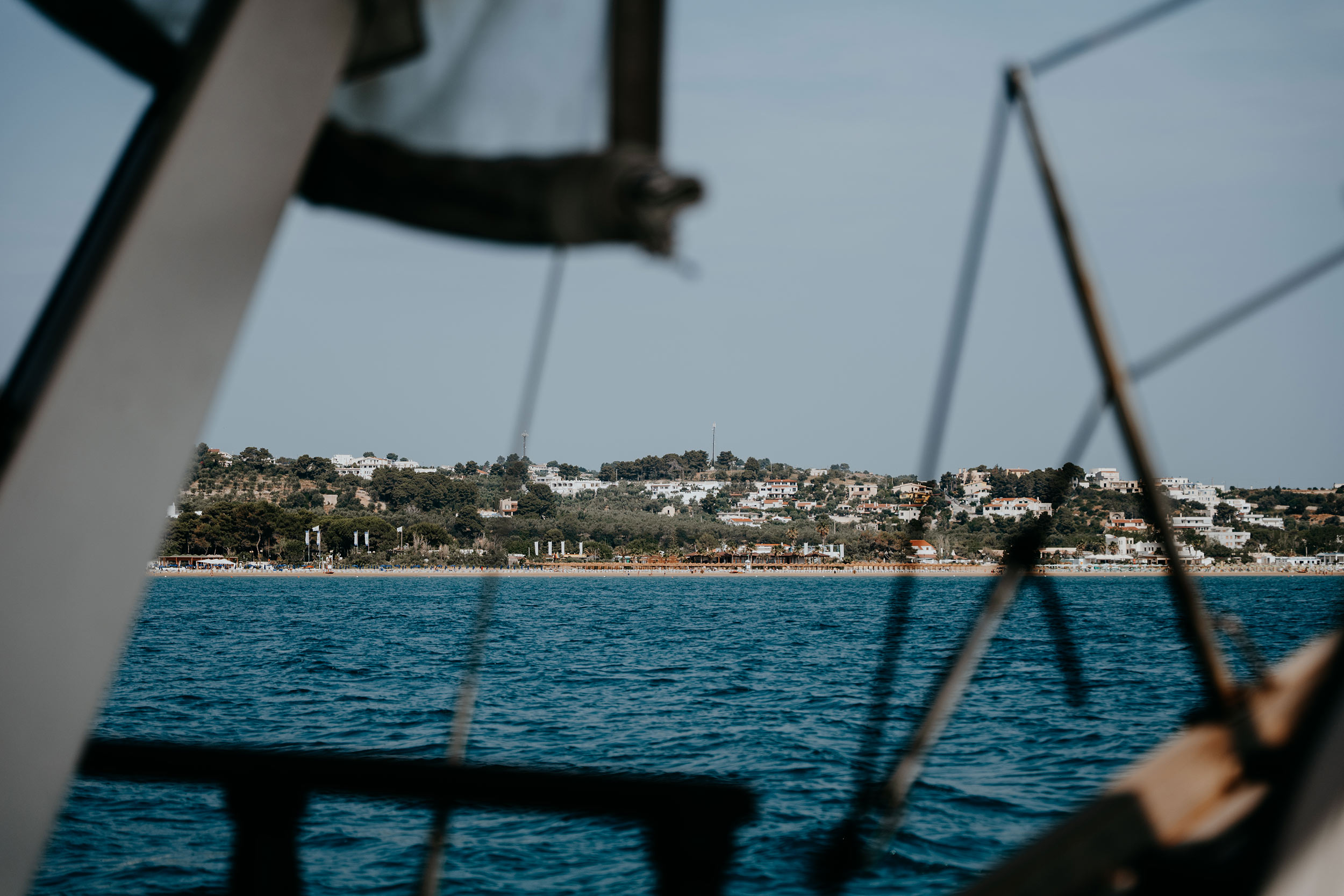
Deeply tied to both the Adriatic and Ionian seas, Puglia’s coastlines are a mix of picturesque cliffs, secluded coves, historic harbours, and endless stretches of Caribbean-esque sandy beaches.
The region’s crystal-clear waters fluctuate between emerald green and deep sapphire blue, luring you to unwind under the southern Italian sun for days on end.
From the iconic Cave of Poetry to the dramatic cliffs of Torre Sant’Andrea, the world-famous Cala Porto in Polignano a Mare, to the wonderful city beaches found in Otranto, Gallipoli and Monopoli, Puglia is absolutely wild when it comes to seaside excellence.
The good part?
These are merely a pinch of all the vibrant seaside escapes found along the roughly 800 kilometres of coastline in Puglia.

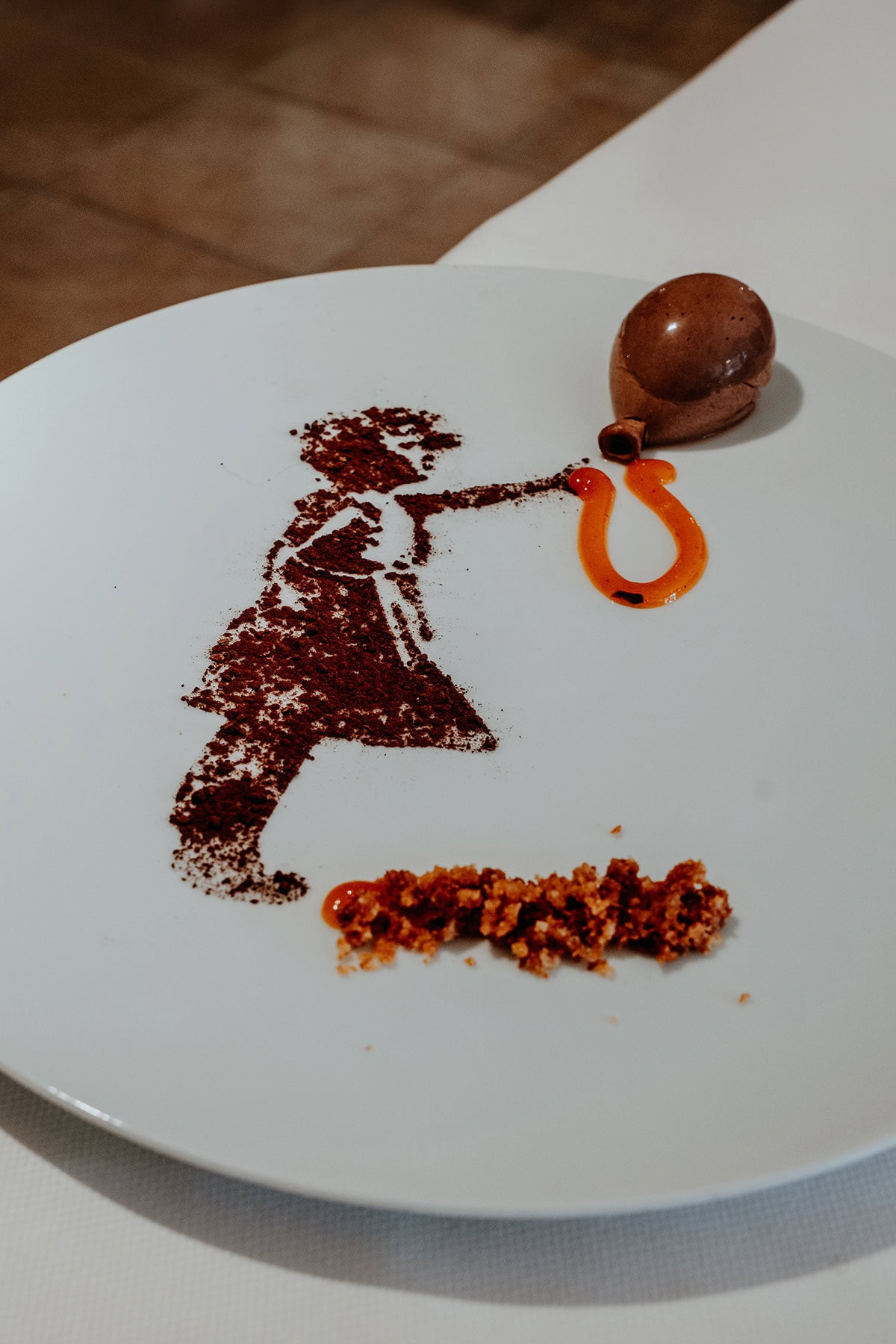
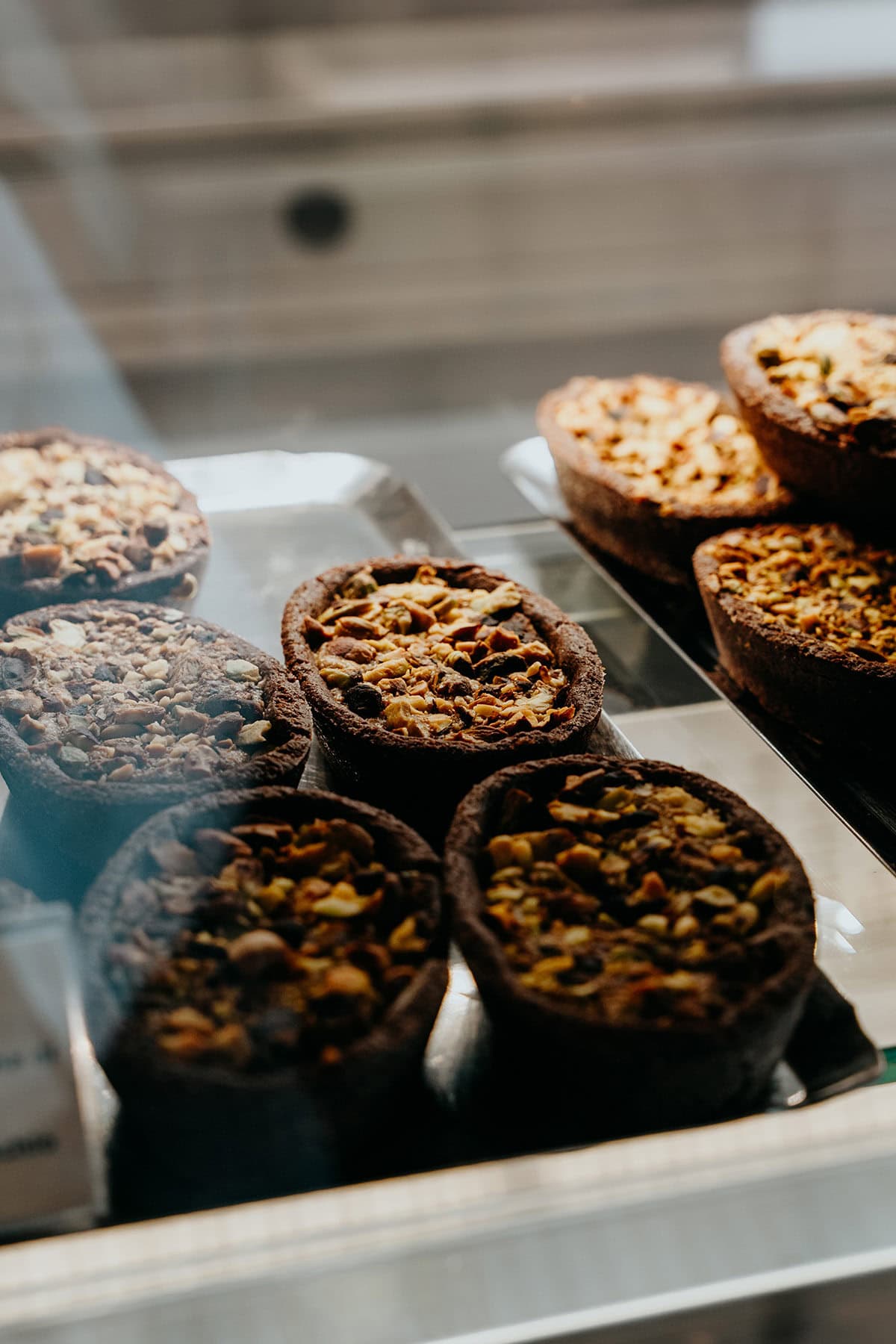
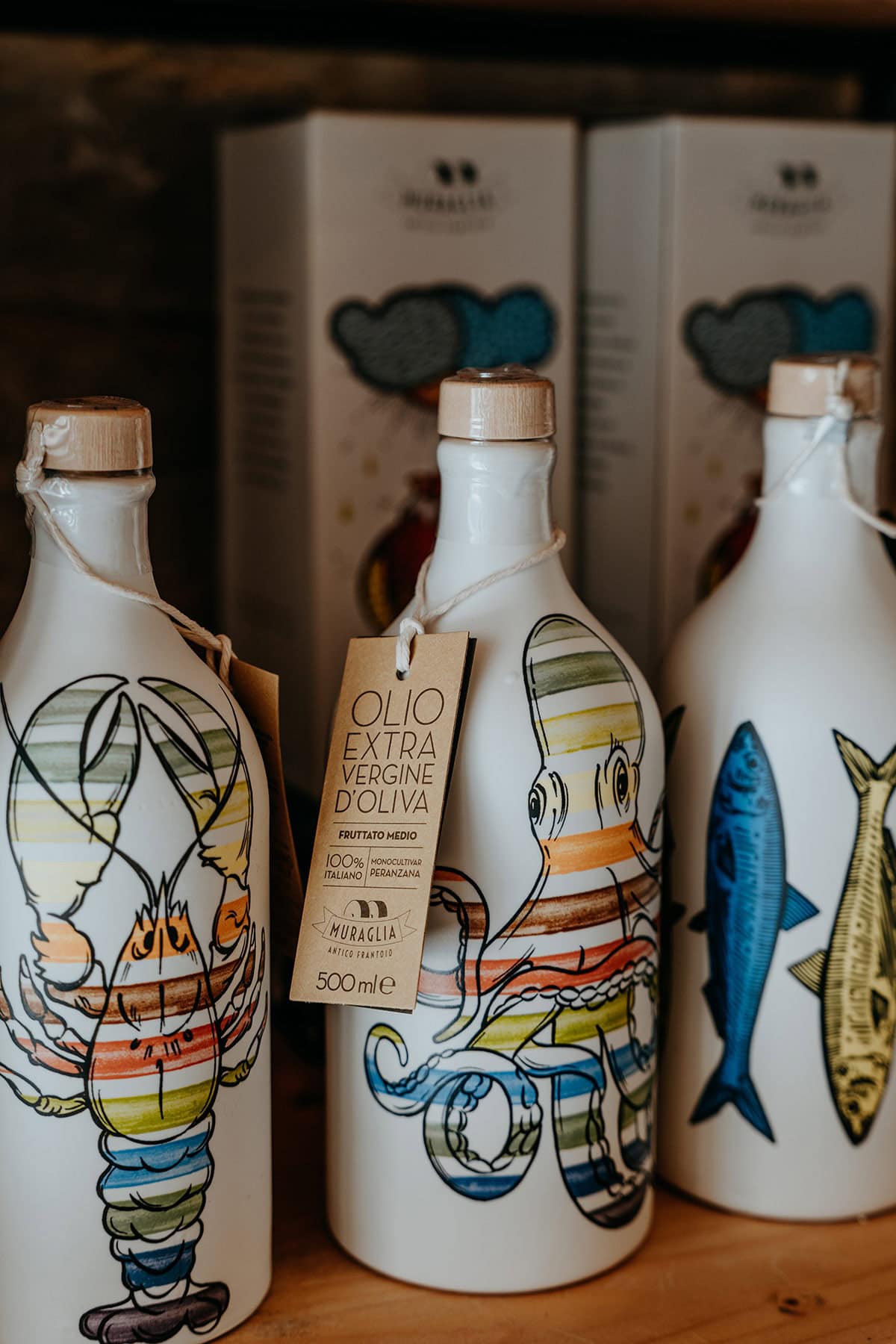
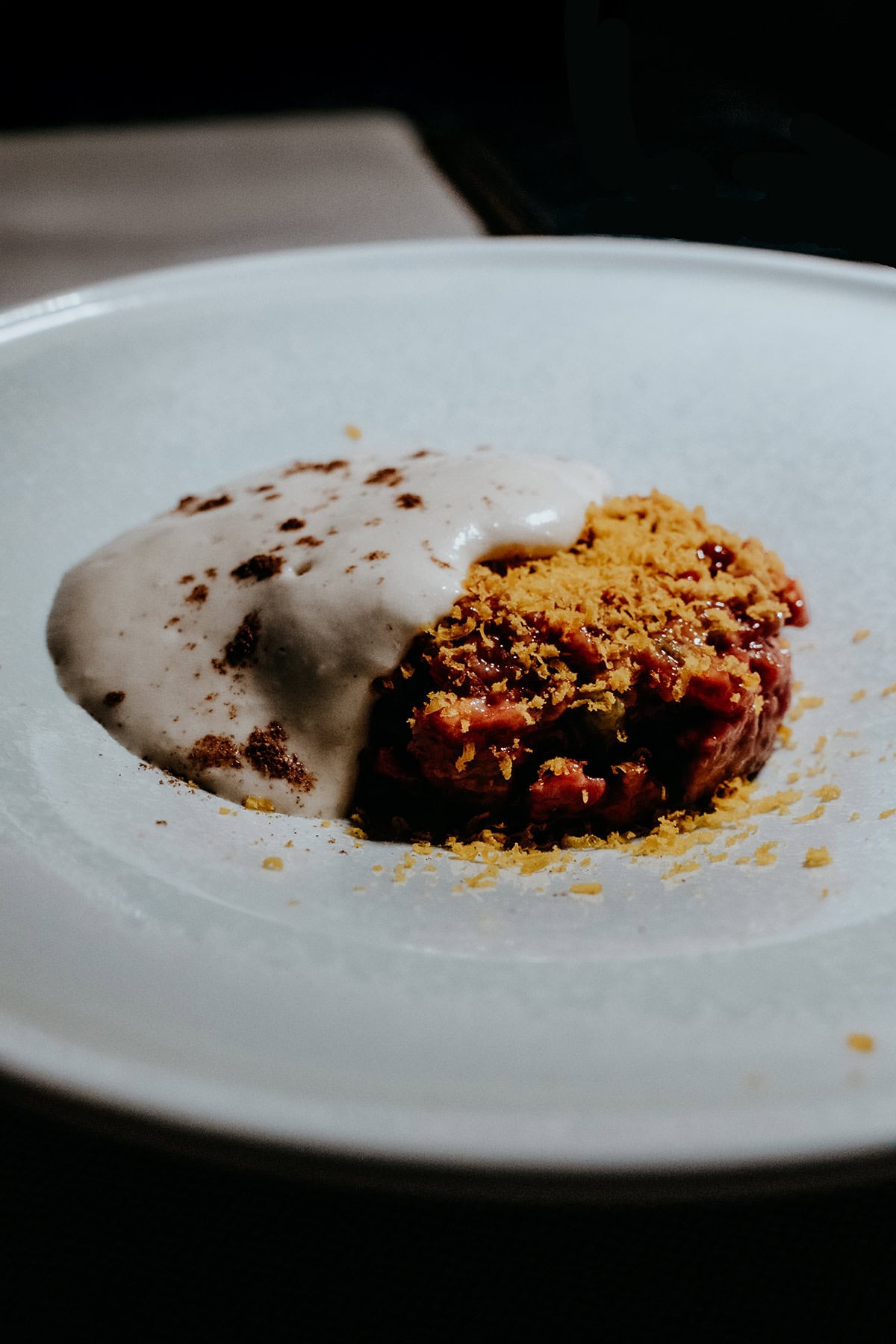
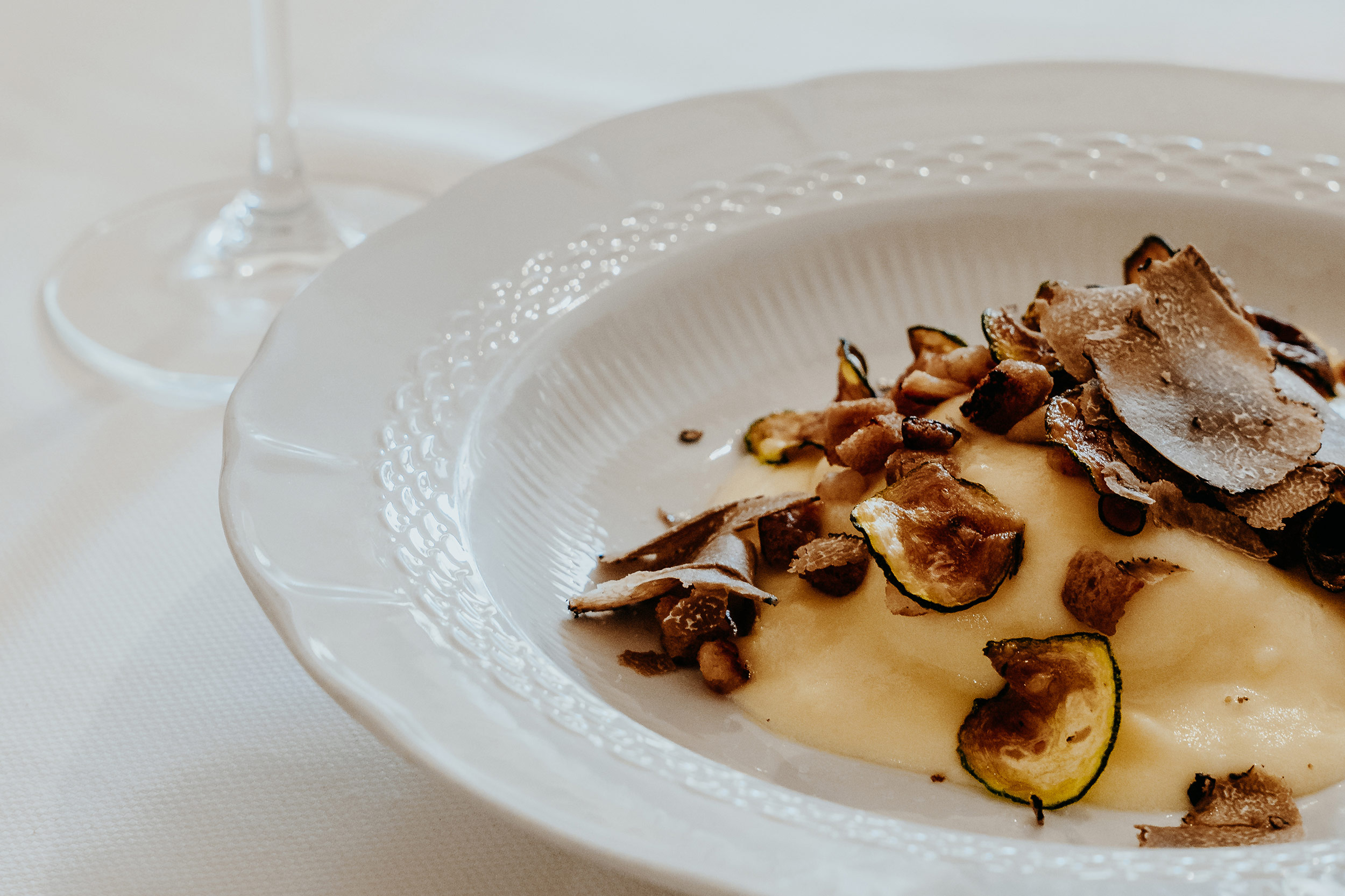
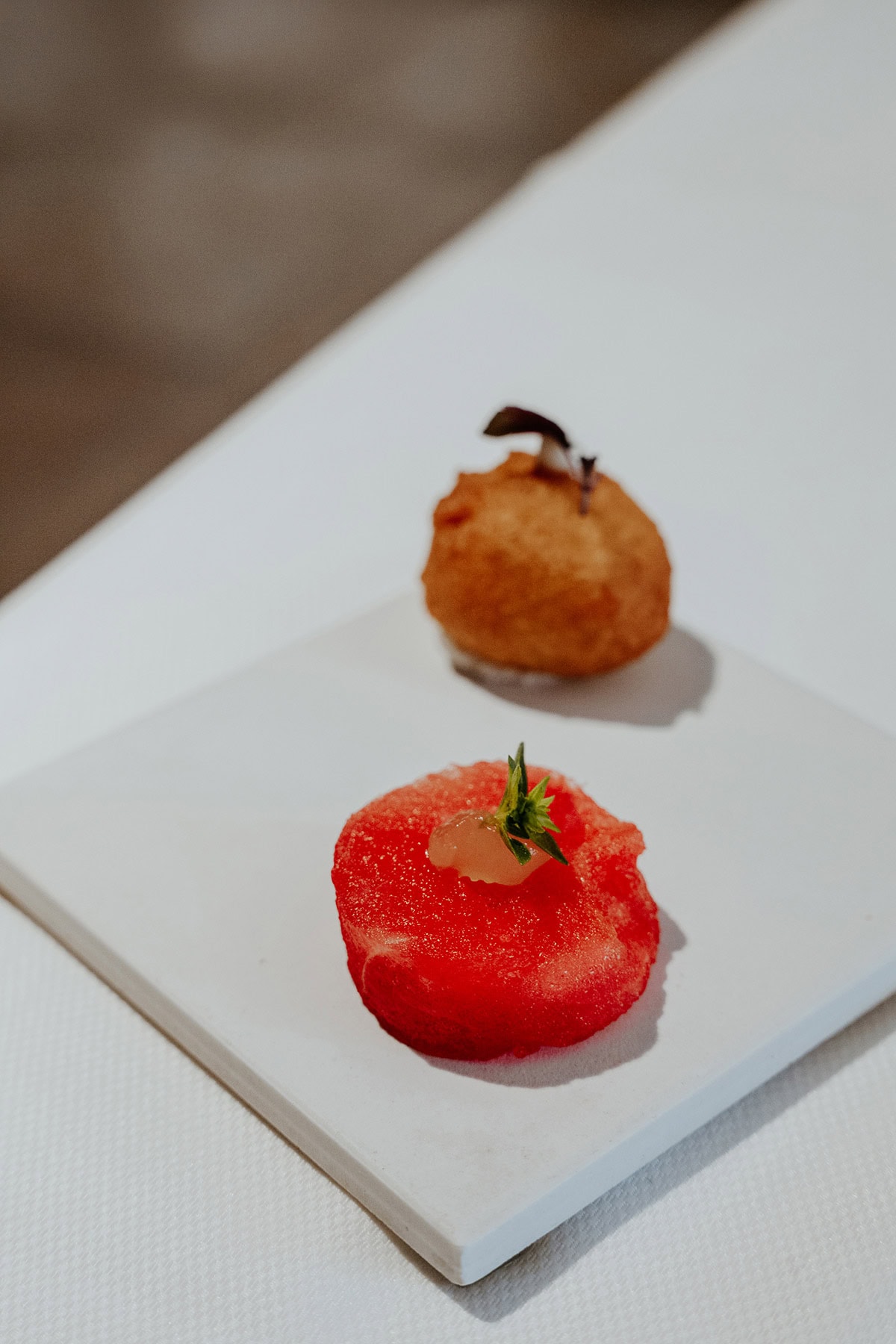
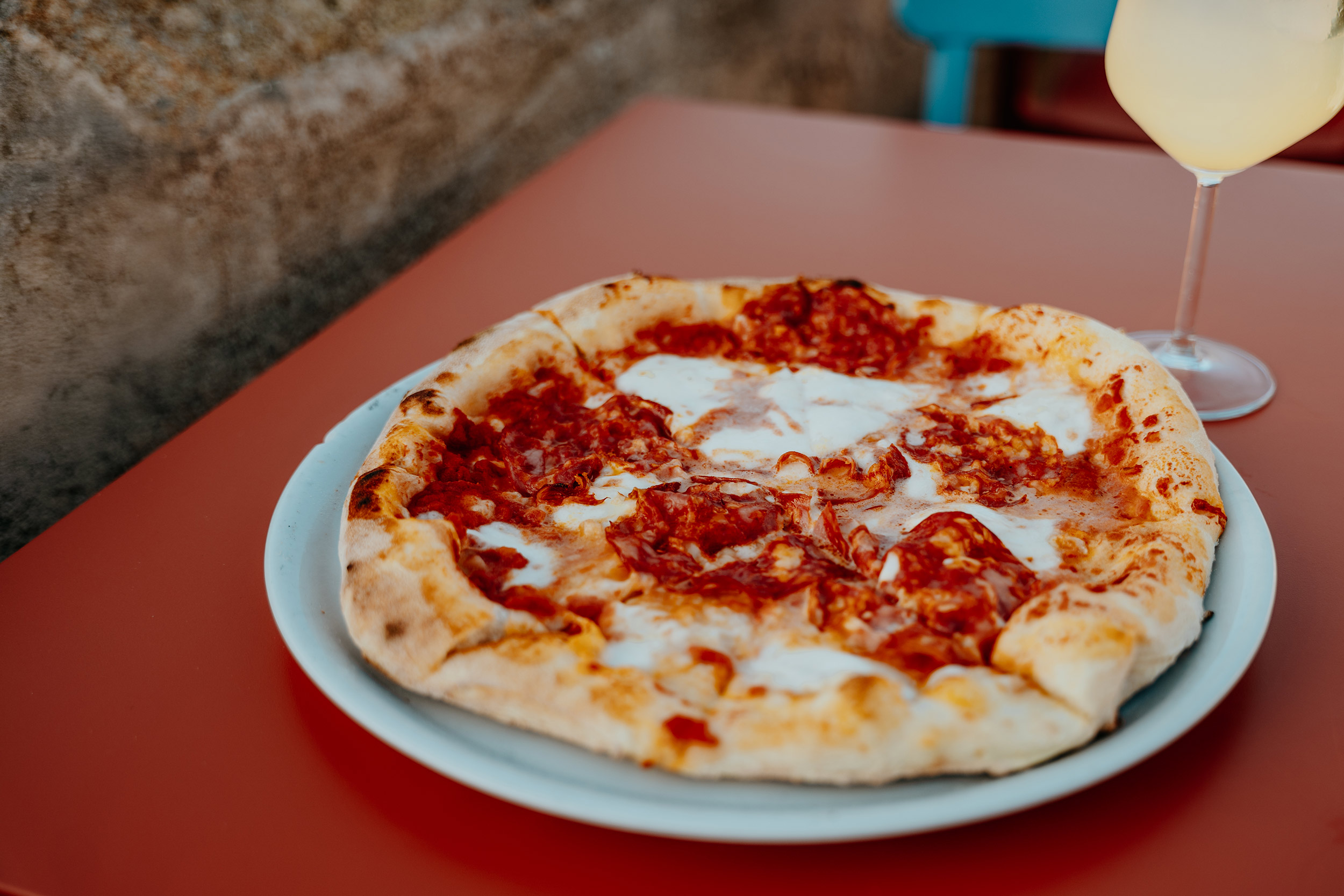
The flavours of Puglia
A celebration of rich, fresh ingredients sourced from its own grounds, rooted in simplicity, and marked by an authenticity that makes every dish stand out, the cuisine of Puglia is in many ways like its people; humble and not trying to impress, yet doing so in an effortless manner.
Traditional dishes as Orecchiette with tomato and ricotta, freshly baked focaccia drizzled in local olive oil, and creamy burrata cheese are truly exceptional and showcase the region’s devotion to homegrown and seasonal ingredients.
Then, of course, there is the core of Italian cuisine; think crusty Pizza Napolitana straight from the wood-fired brick oven, irresistible gelato offerings to cater to your sweet tooth, delectable pasta dishes crafted to perfection, and last but not least, heaps of doppio to make sure your caffeine levels stay balanced.
The above was essentially my diet for the entirety of my time in Puglia, hence why I was so determined to level up my fitness game as soon as I returned home to Valencia.
In my view, culinary traditions, local produce, and the distinctive flavours of a specific region offer an incredible insight into a destination and its people, and in the case of Puglia, this is nothing short of a delight!











Puglia’s architectural charm
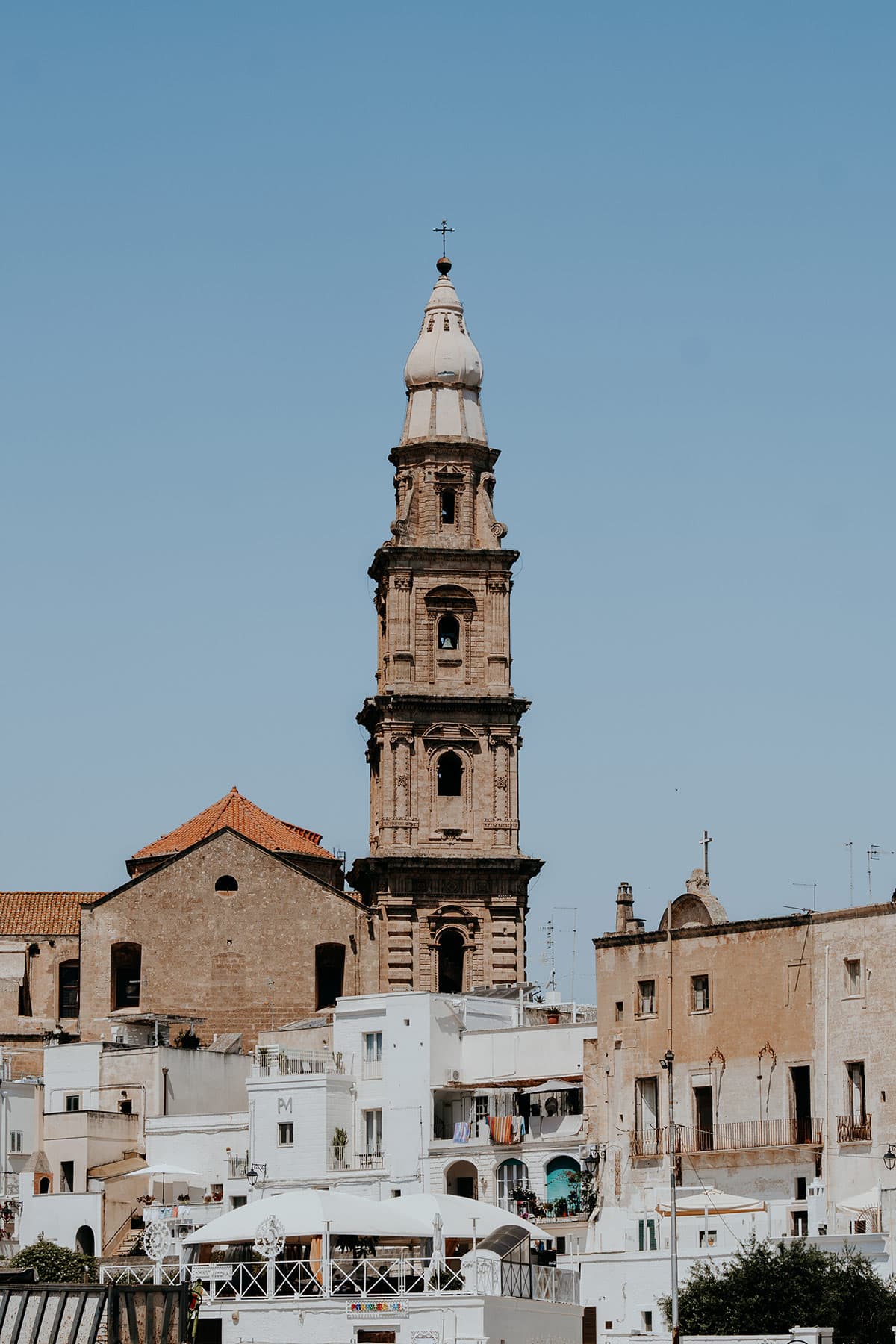
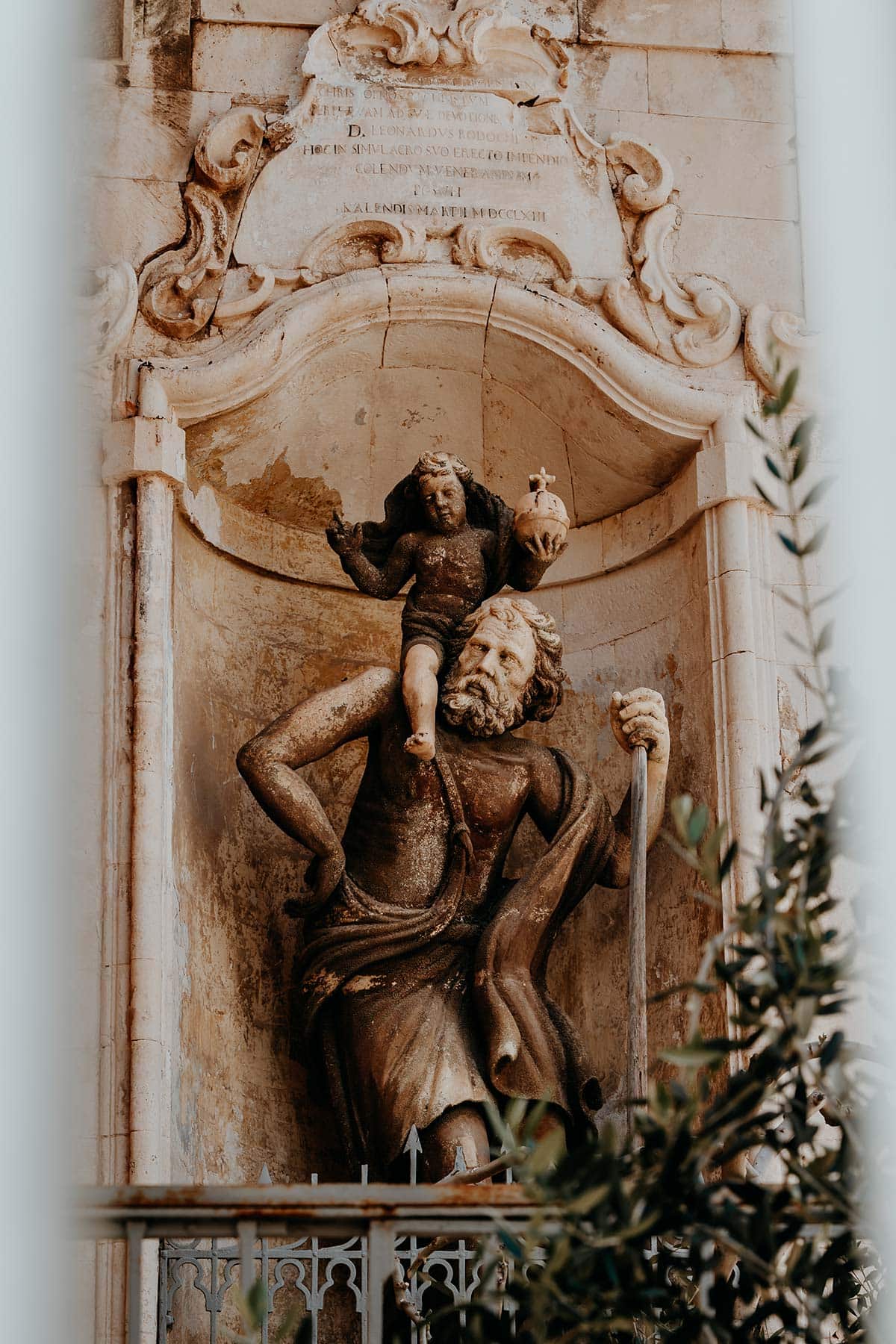
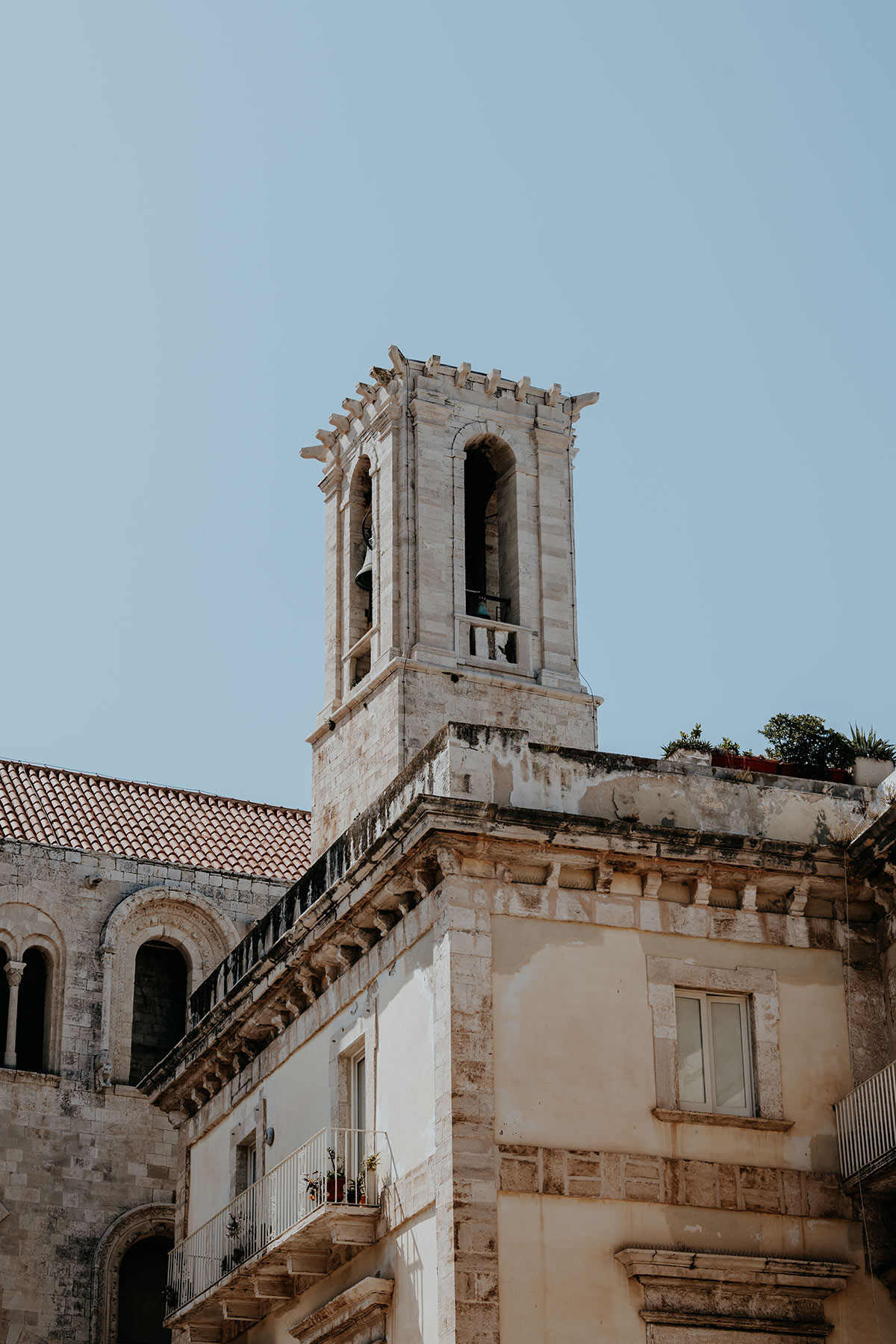
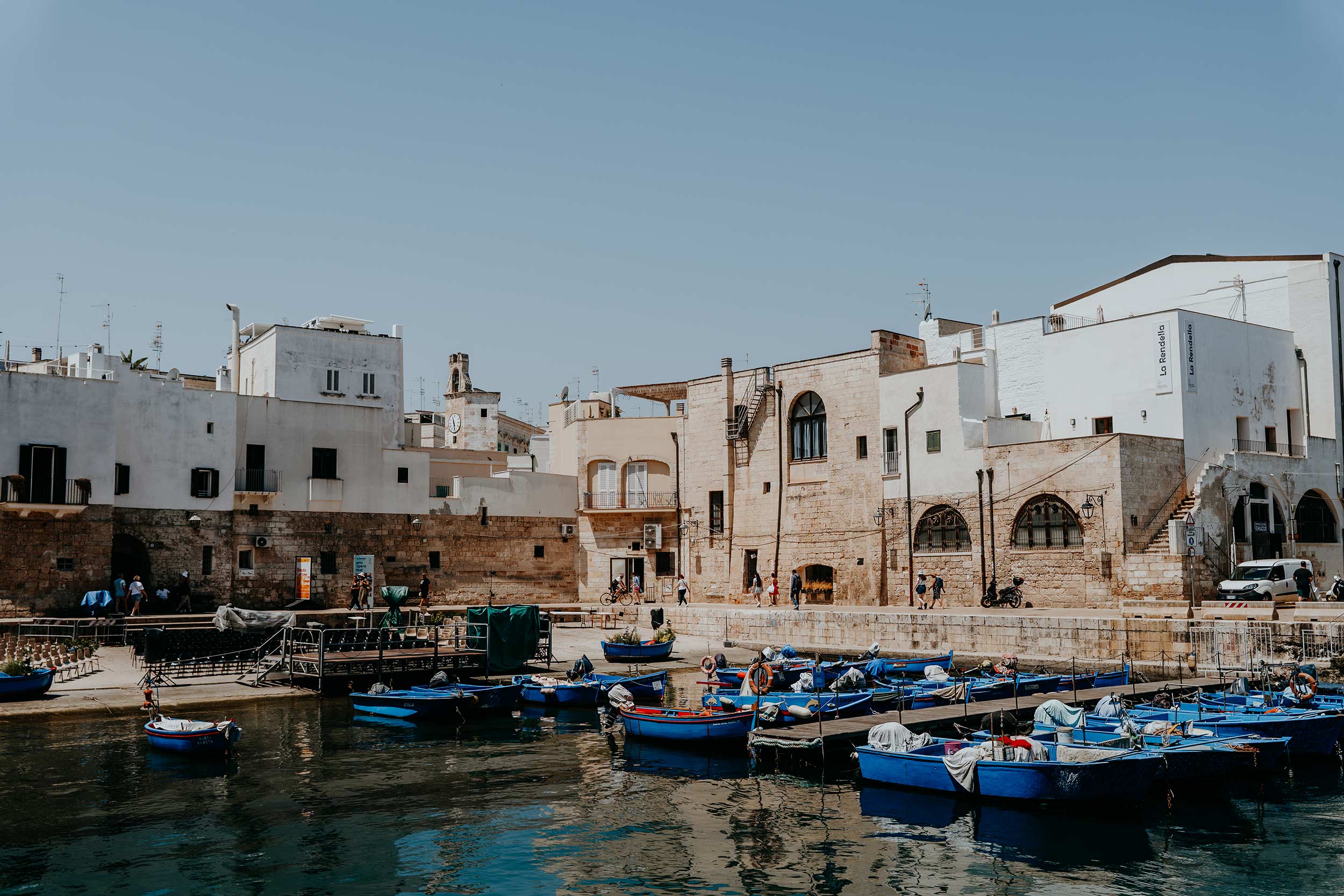
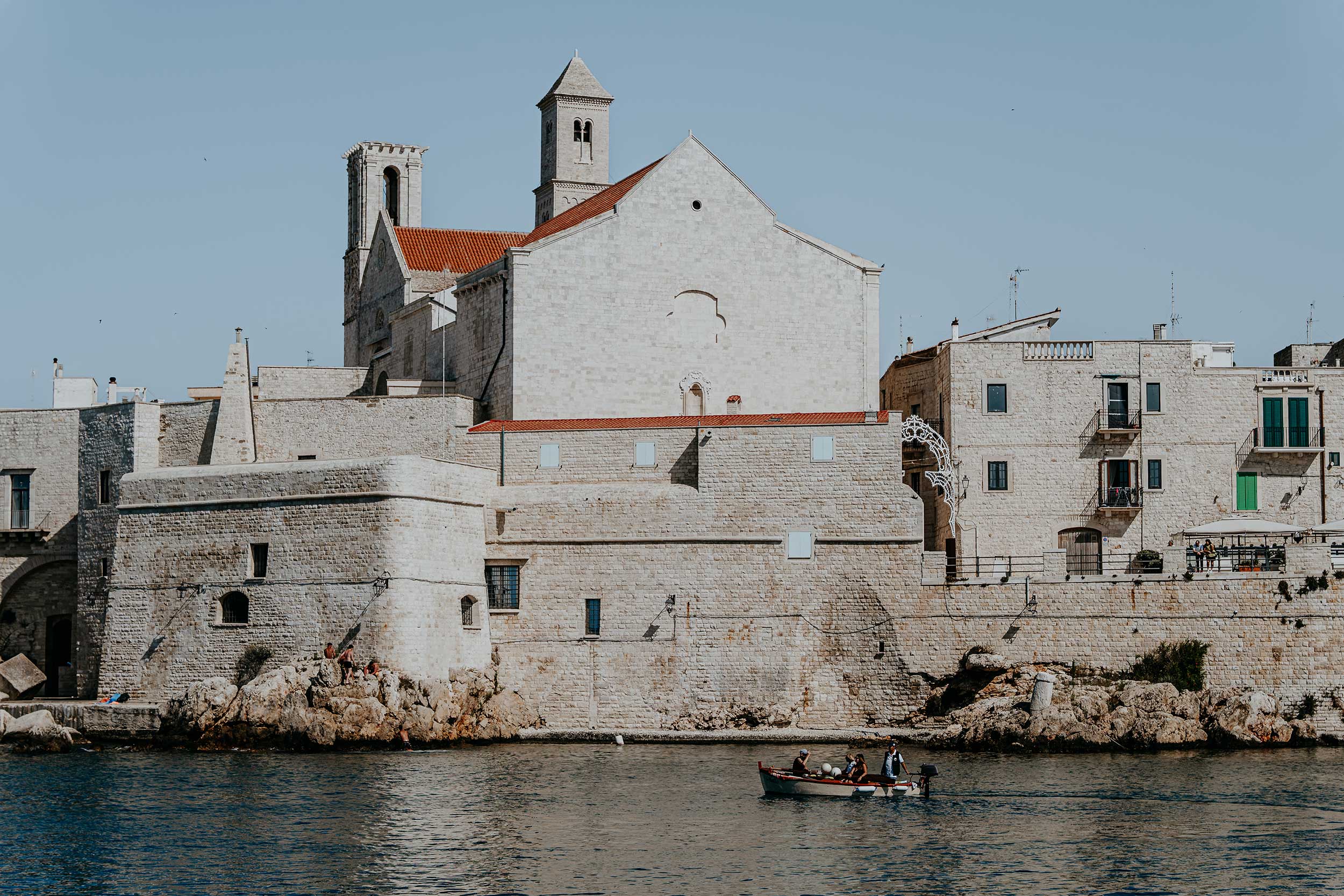
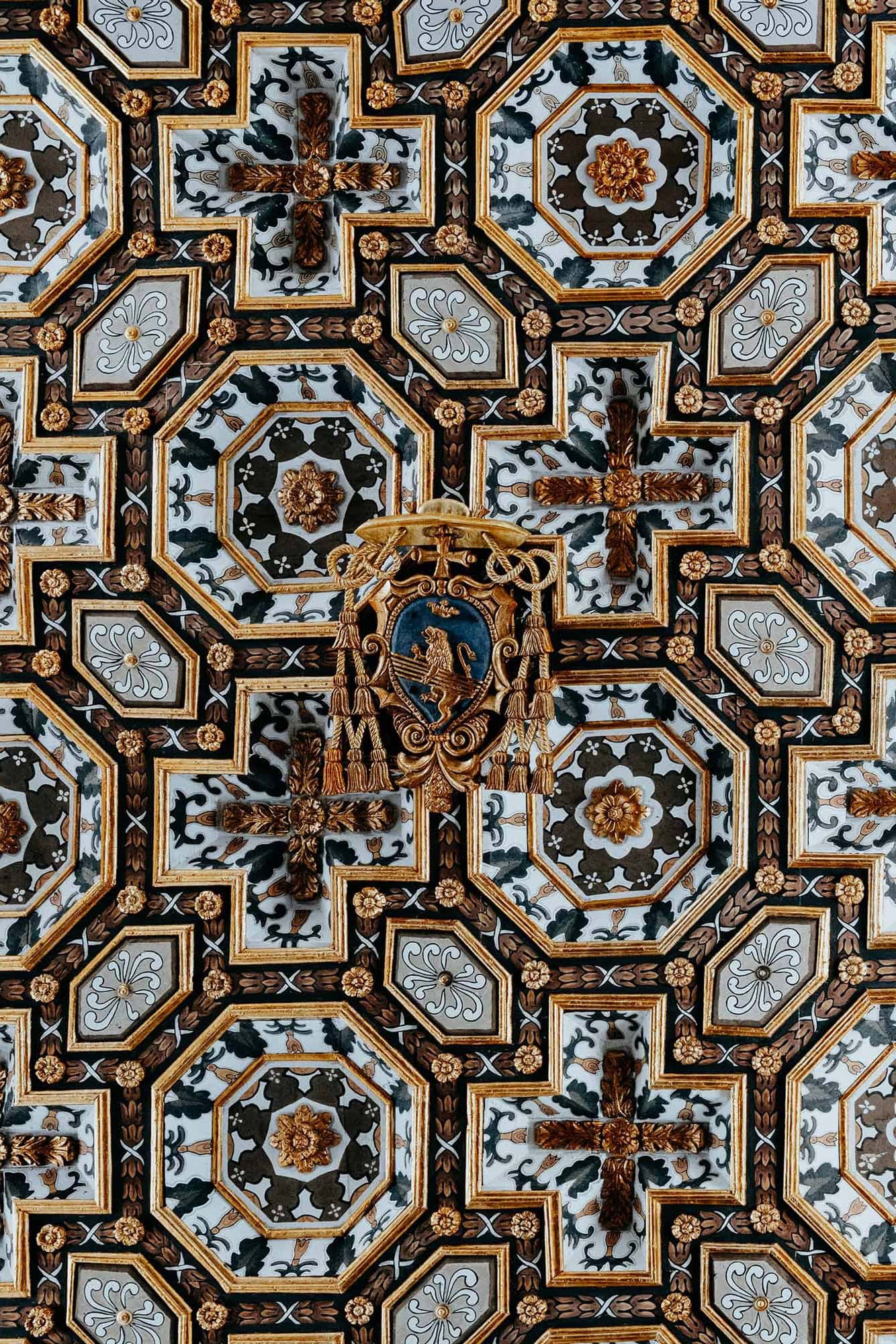
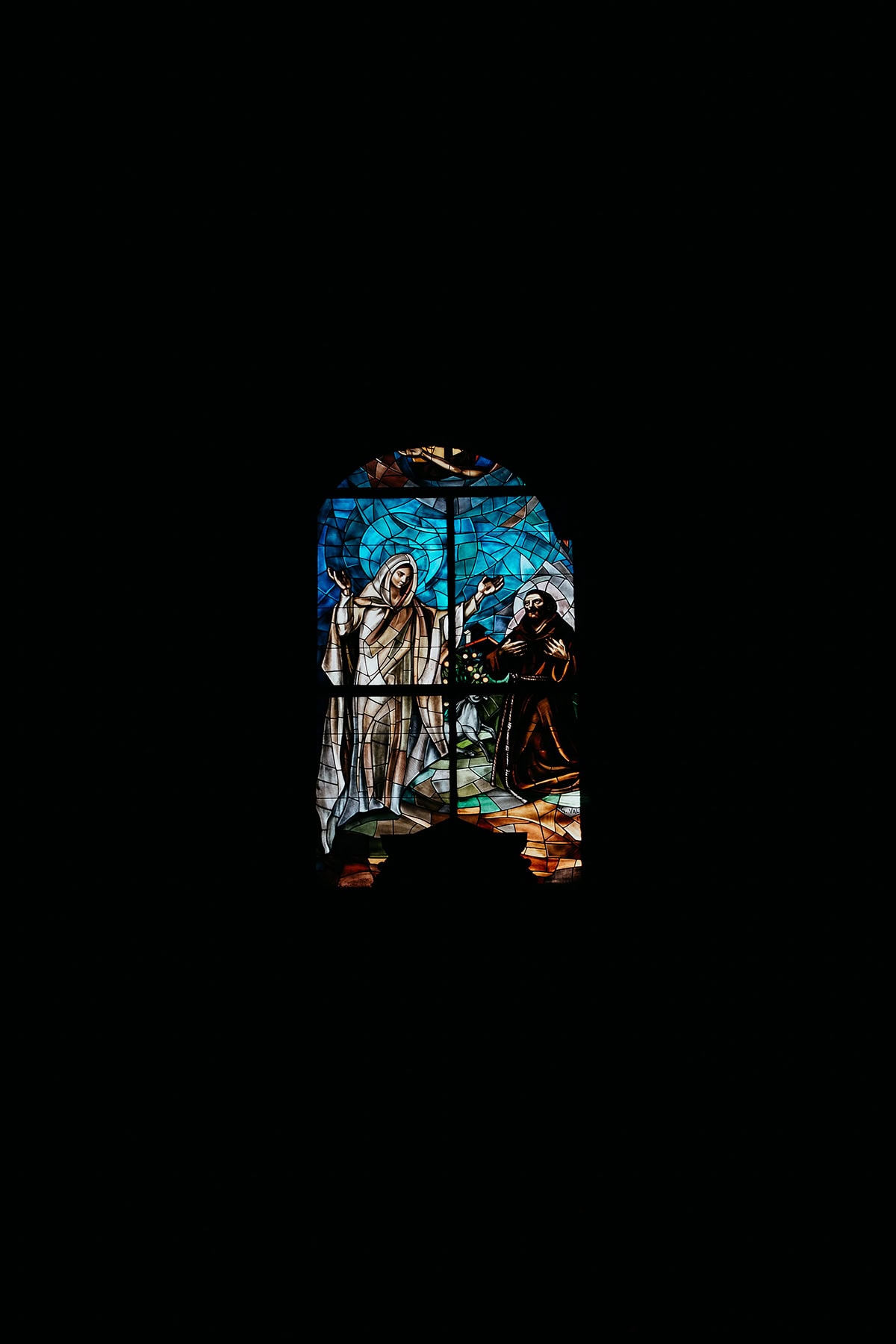
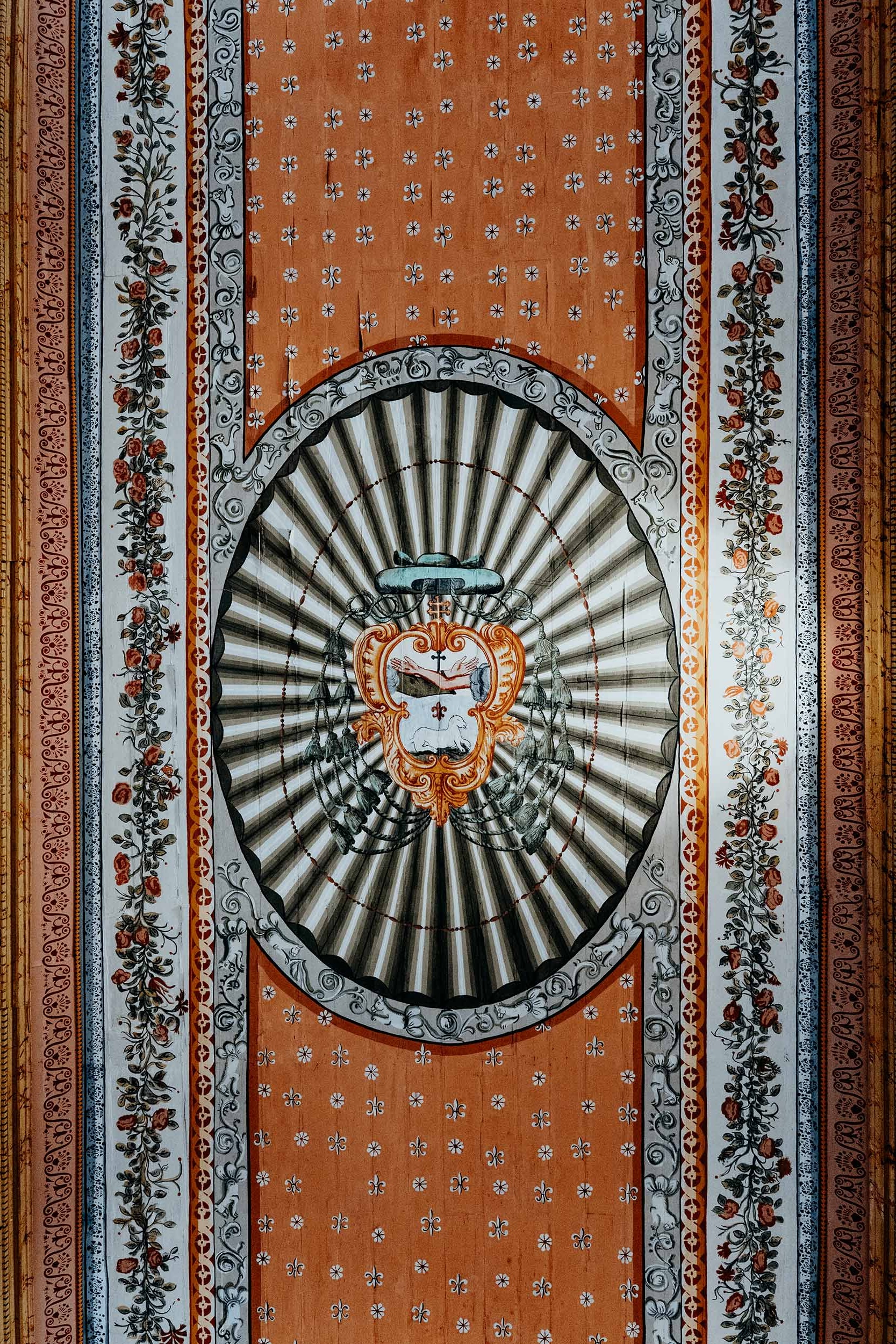
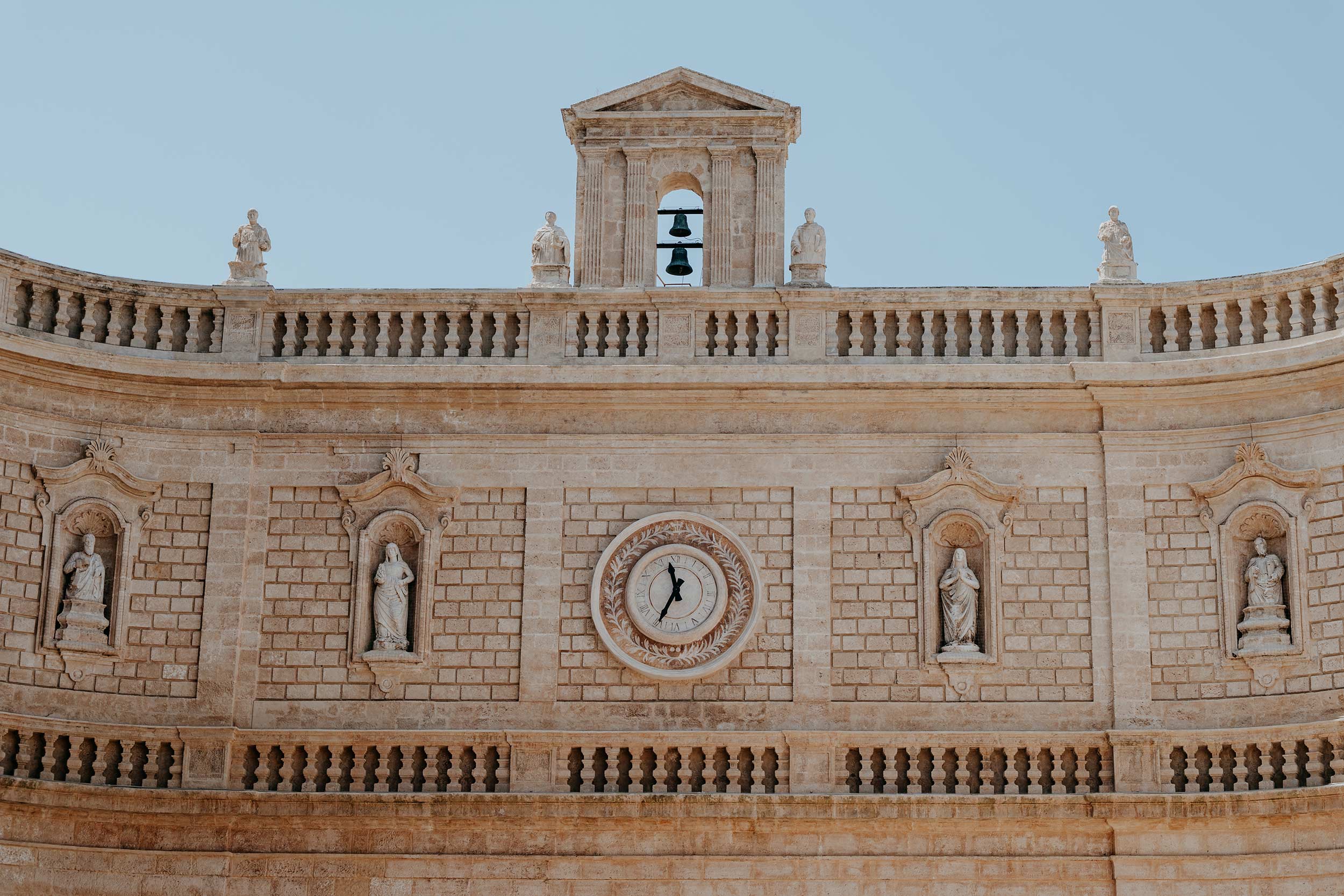
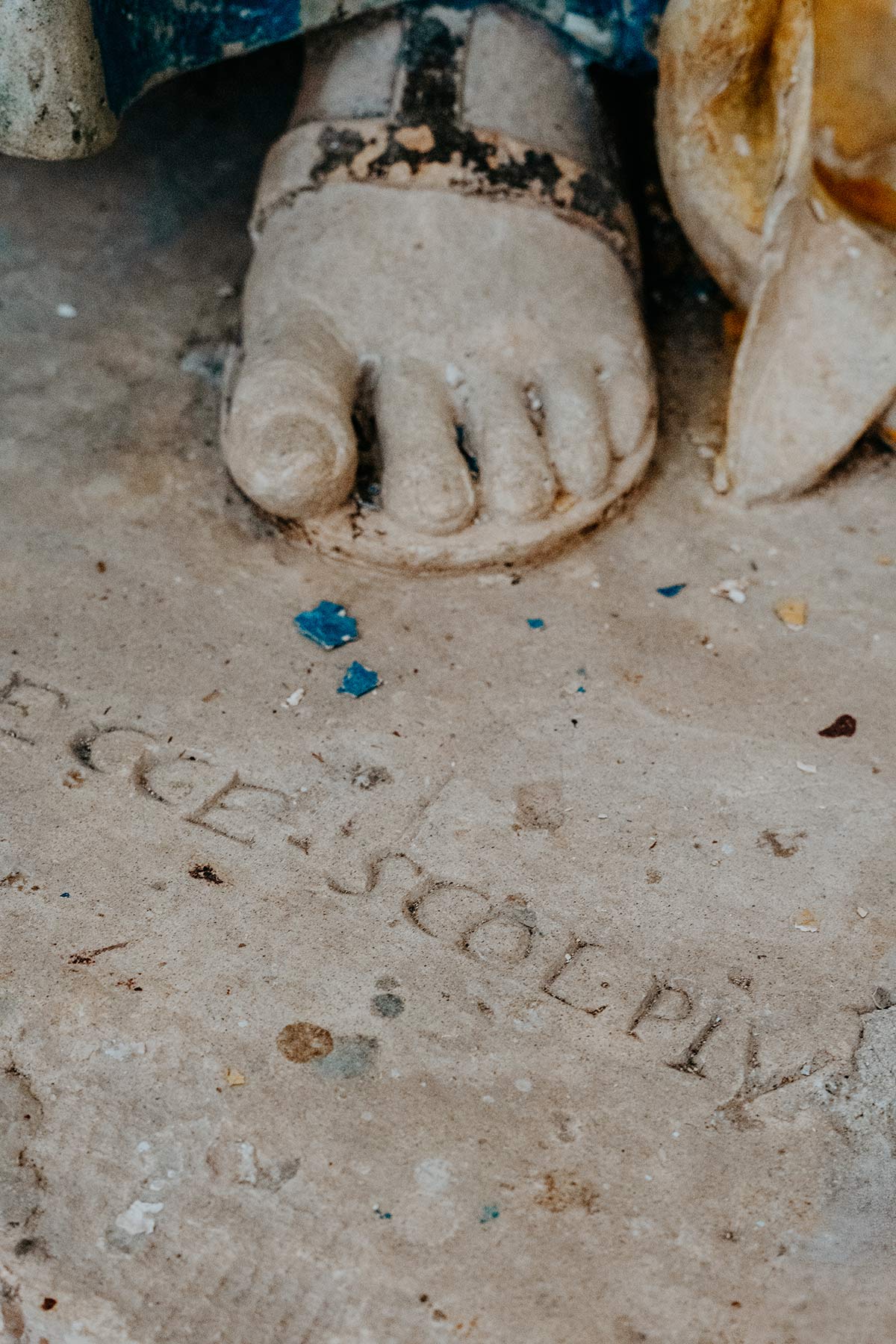
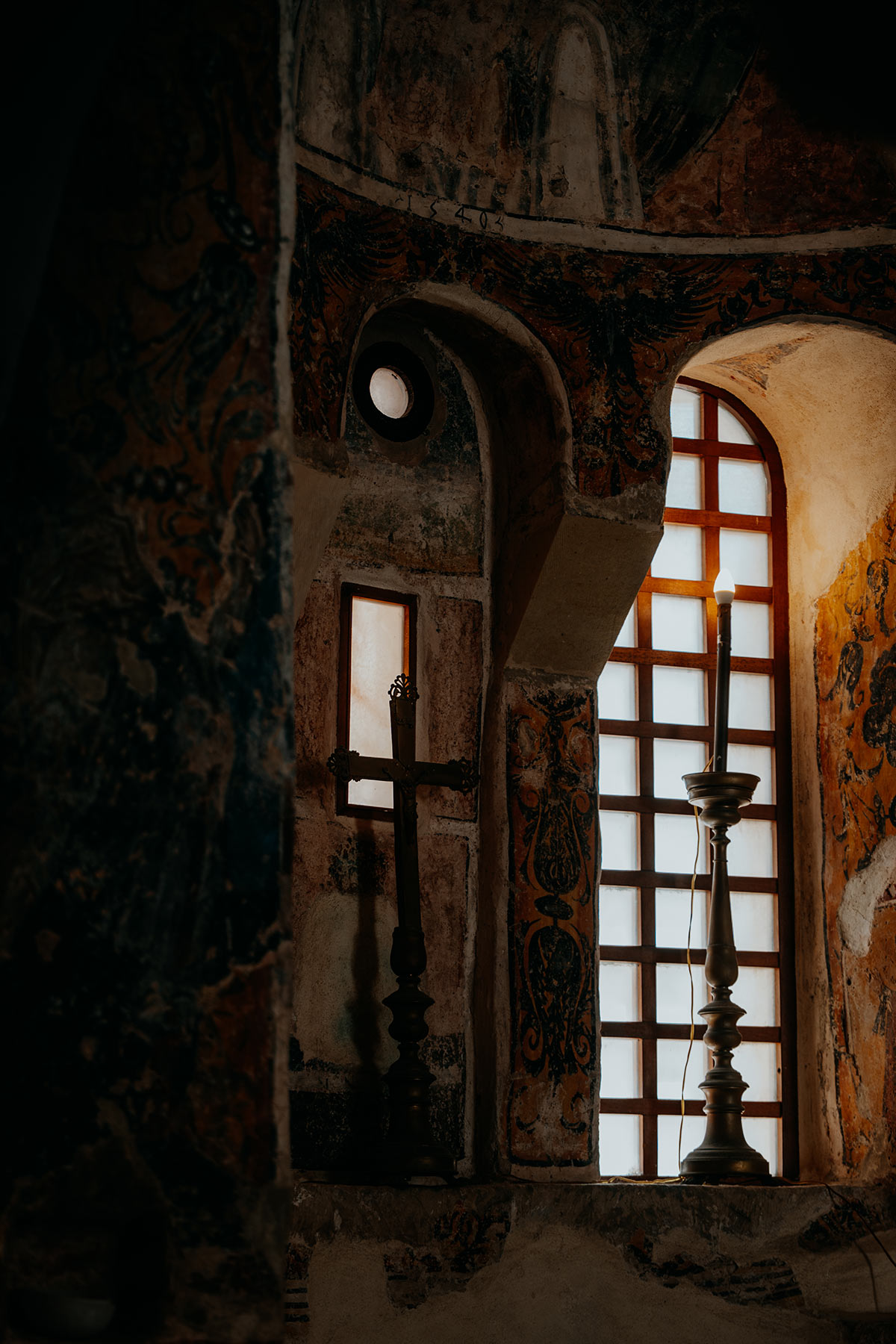
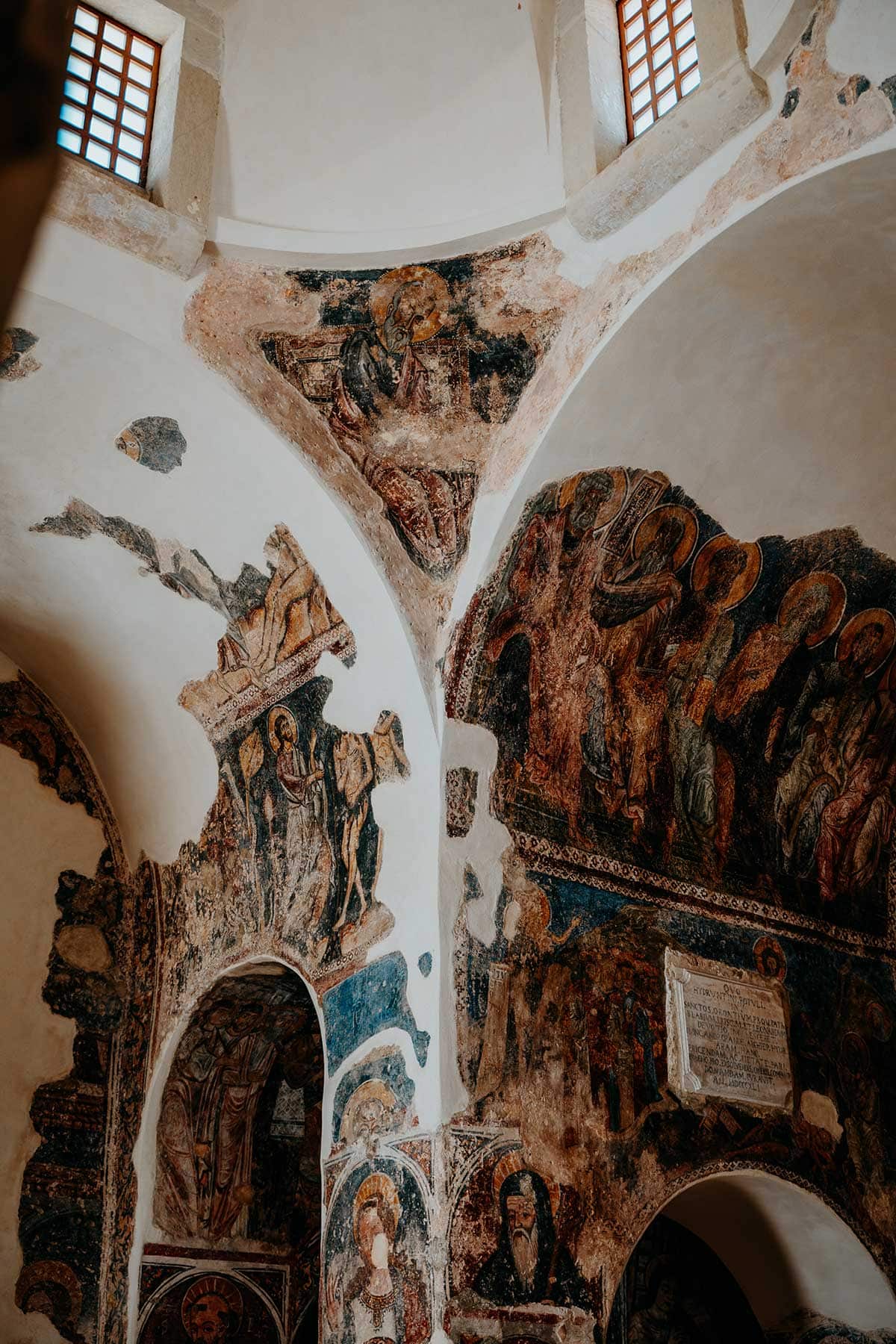
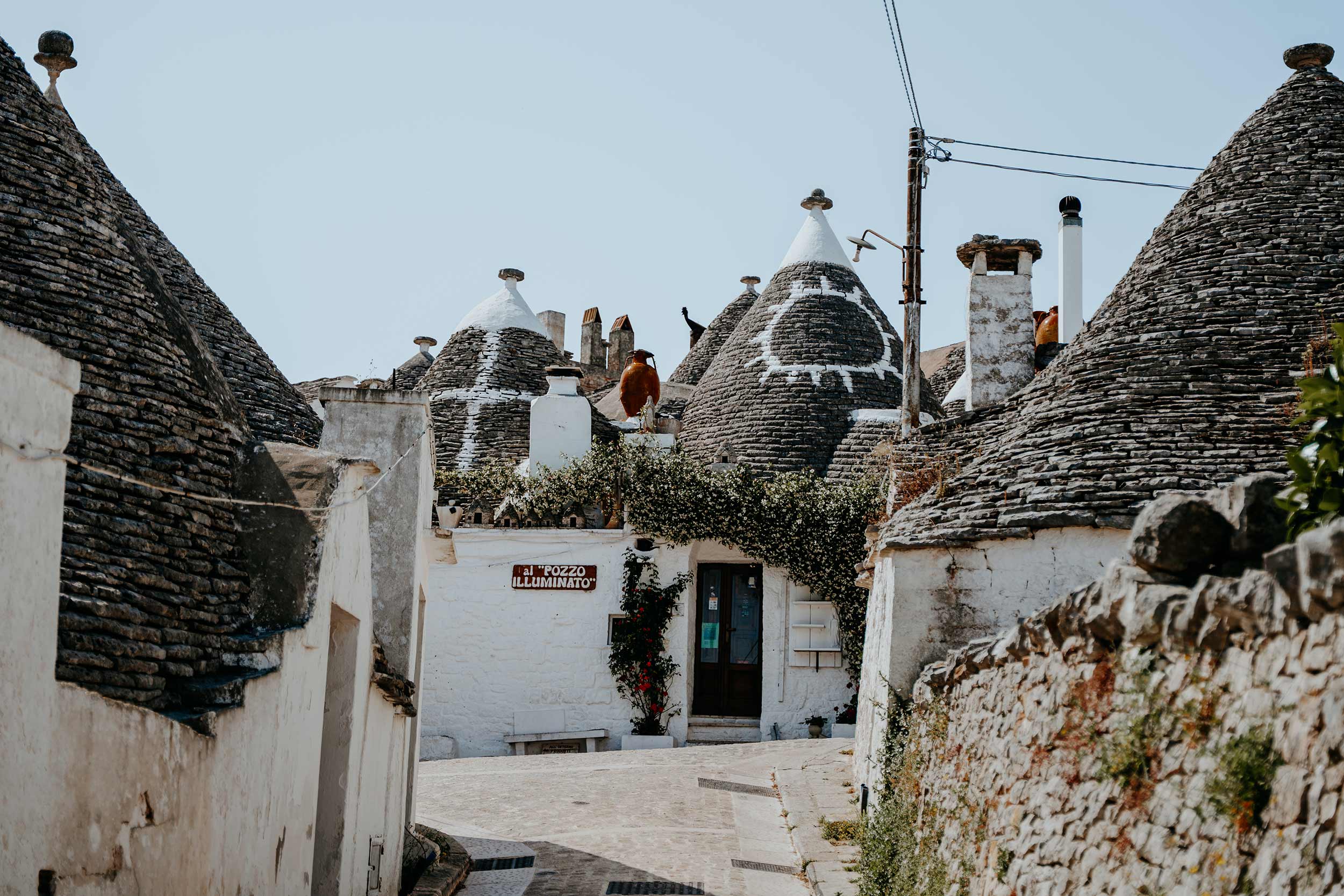
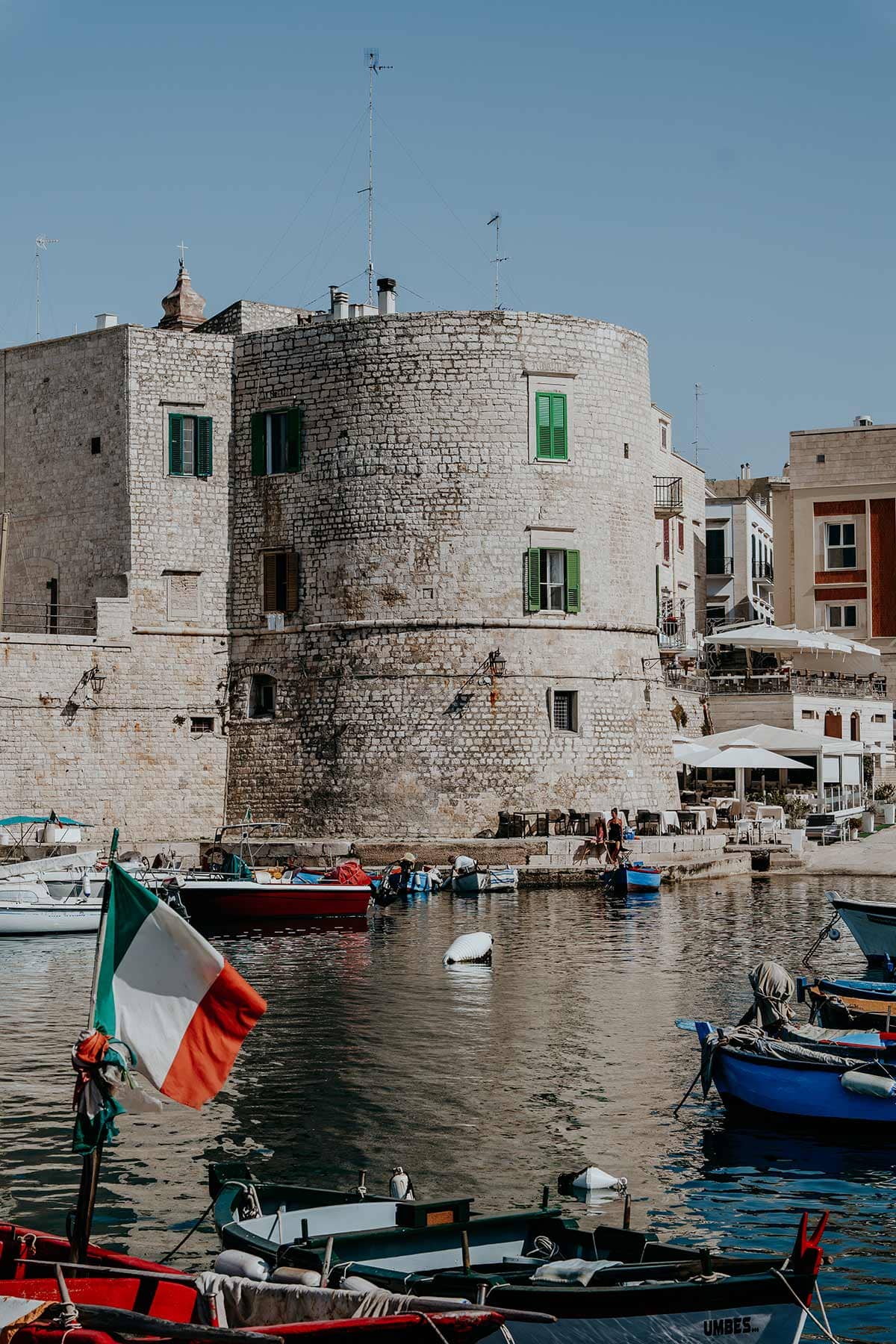
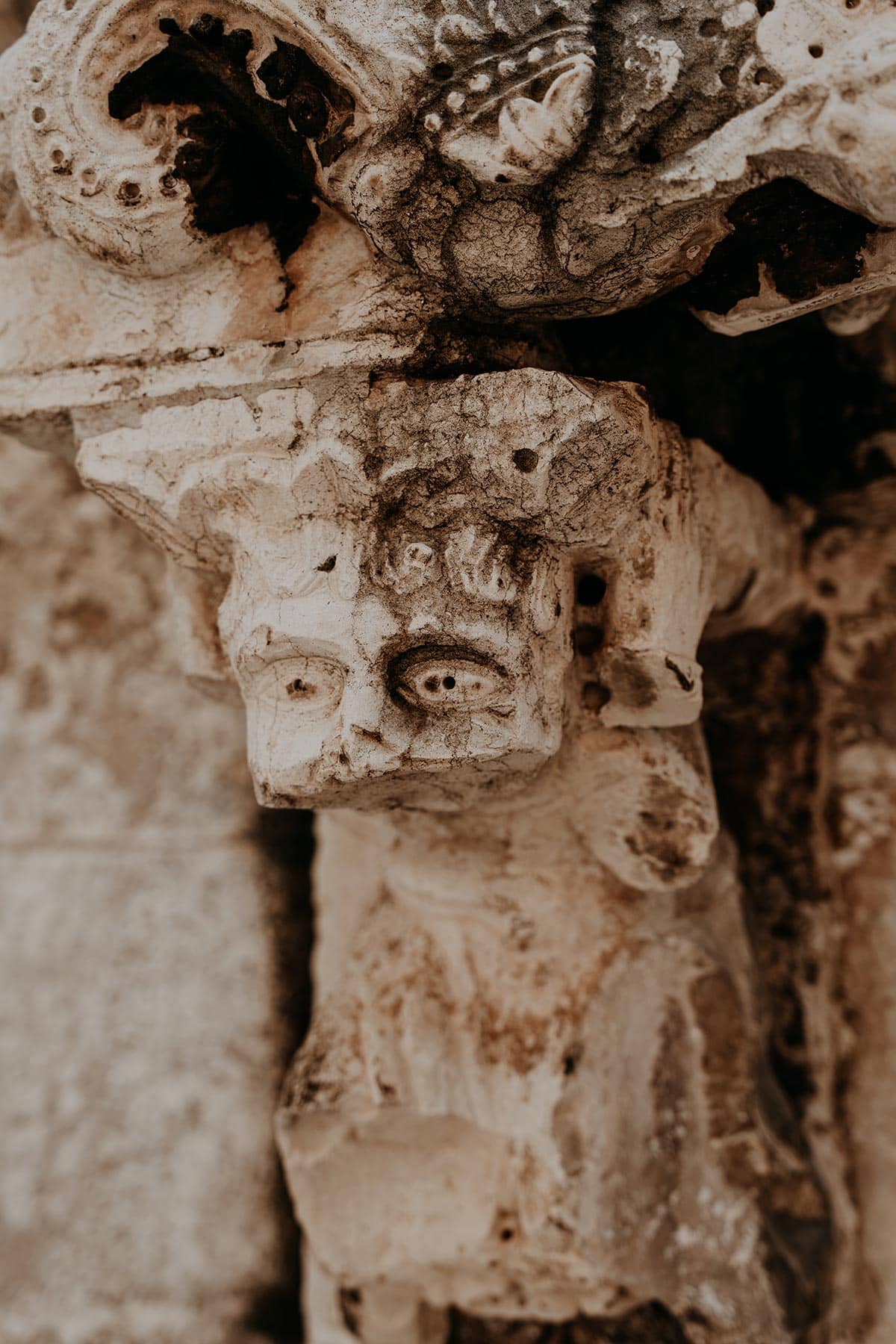
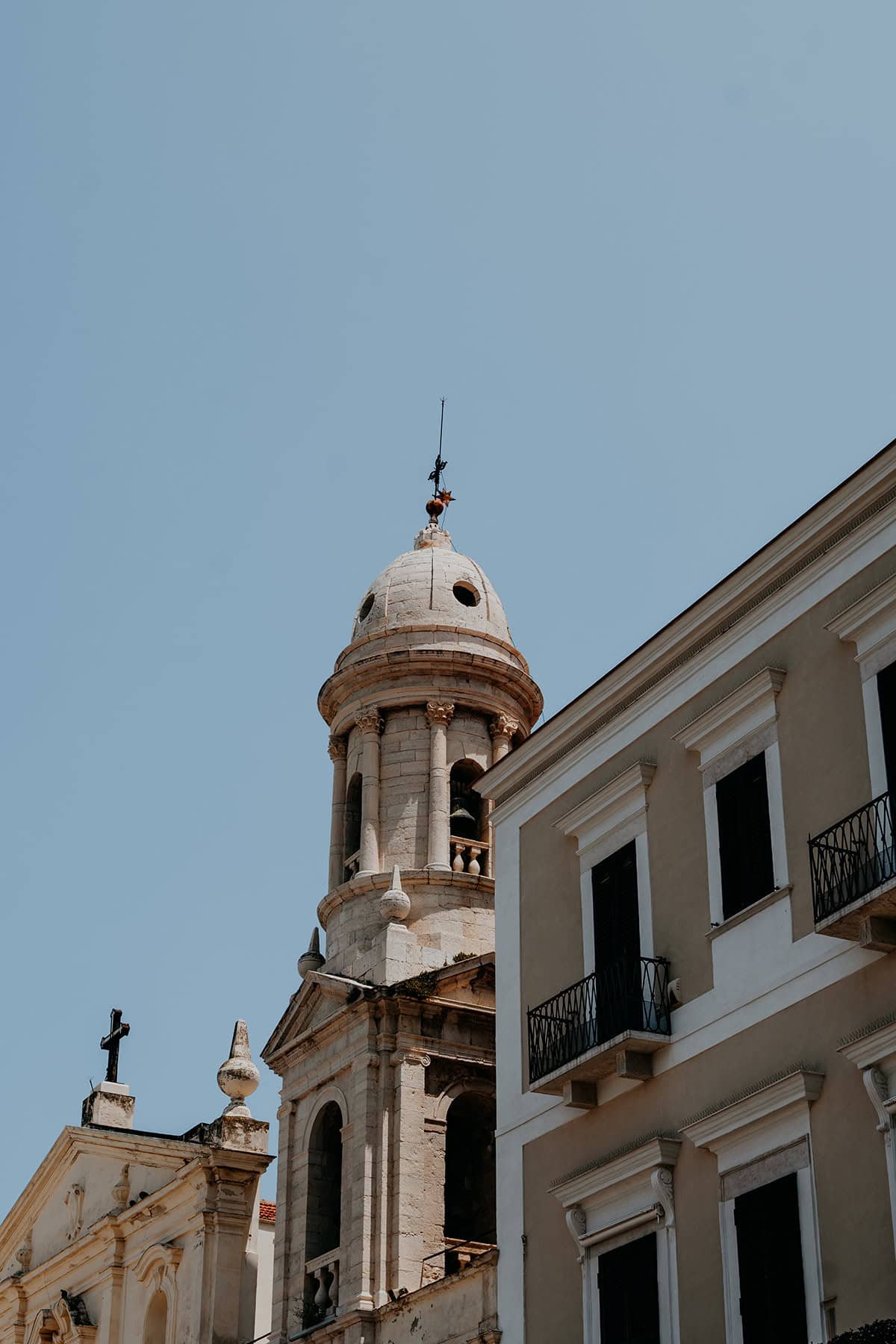
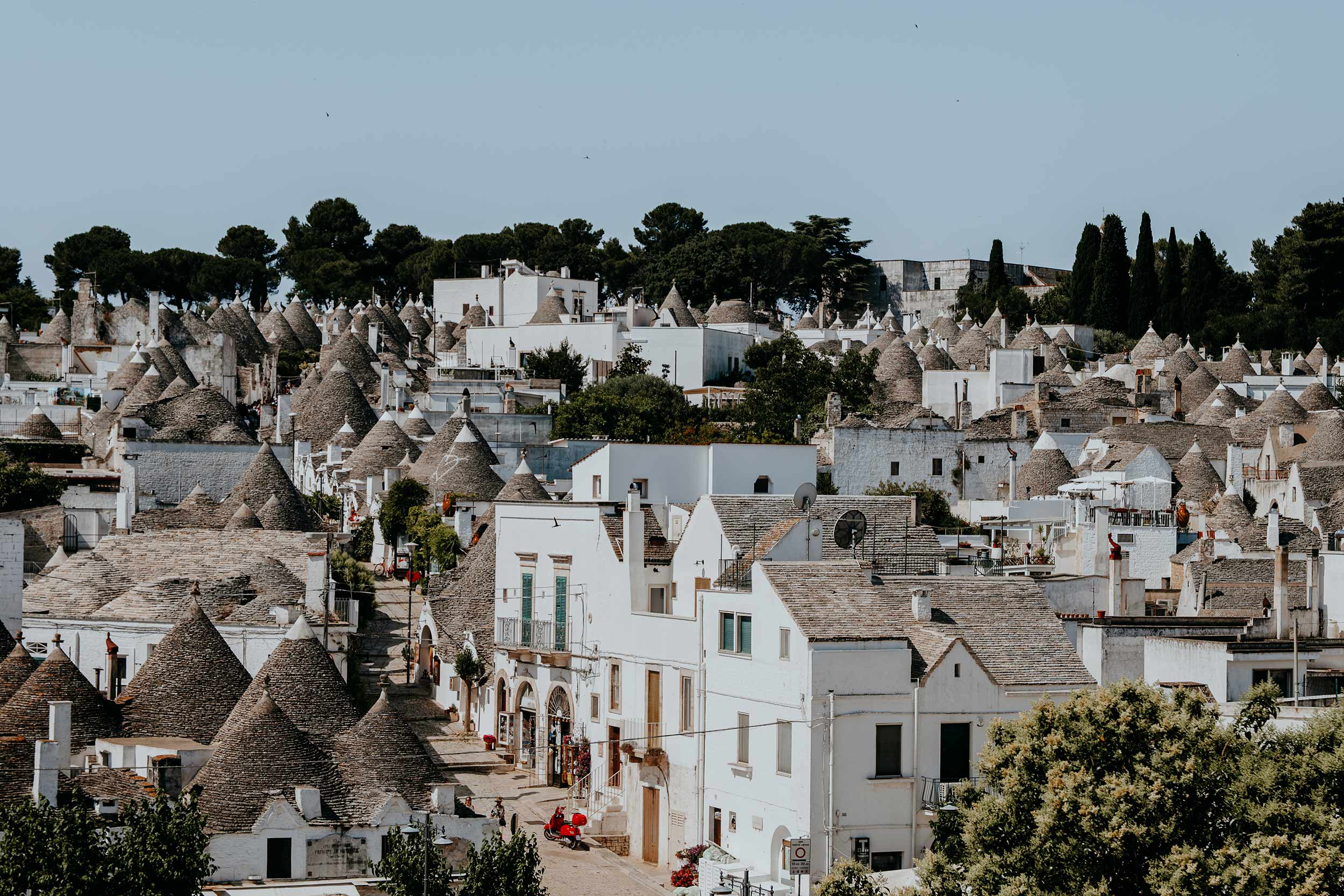
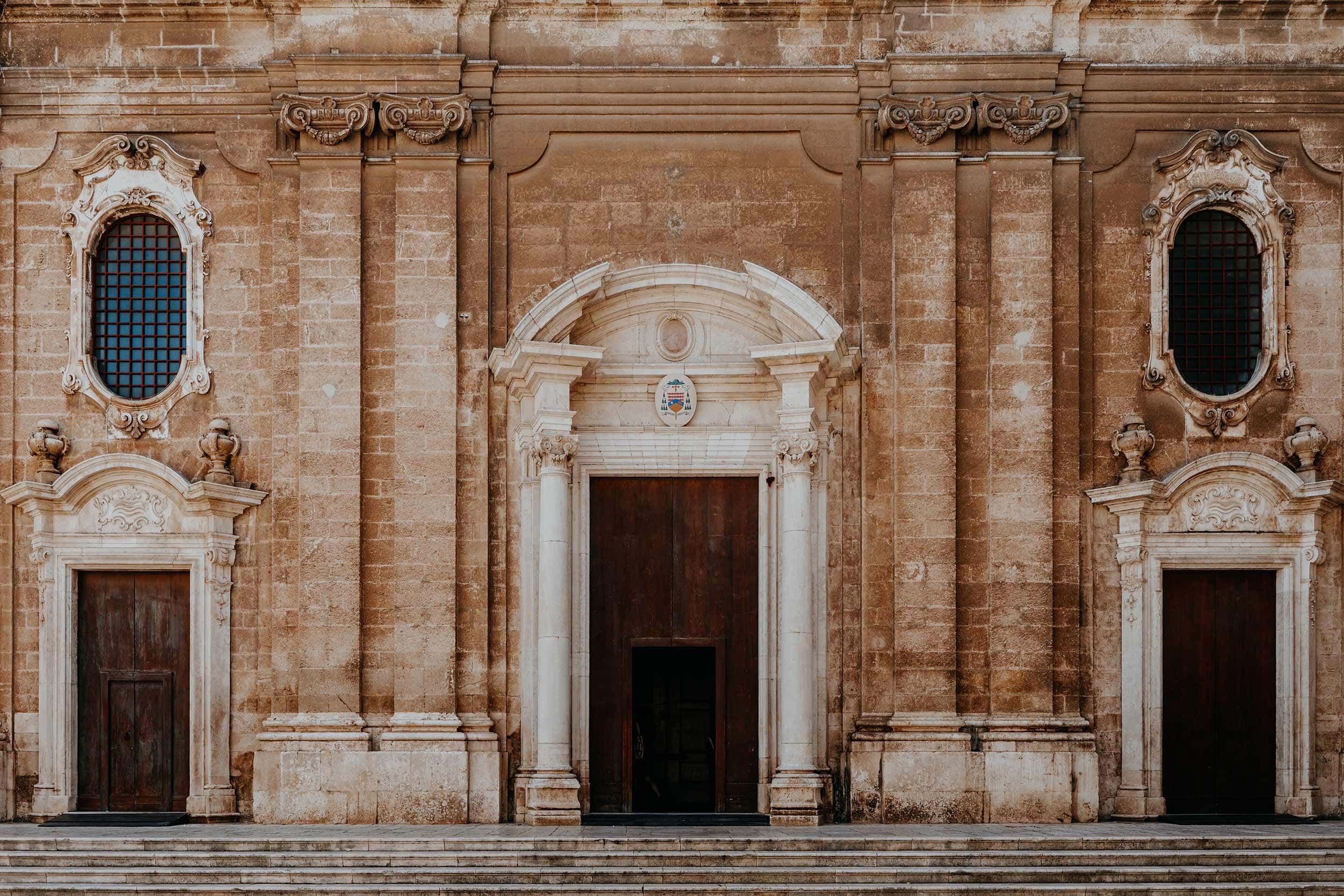
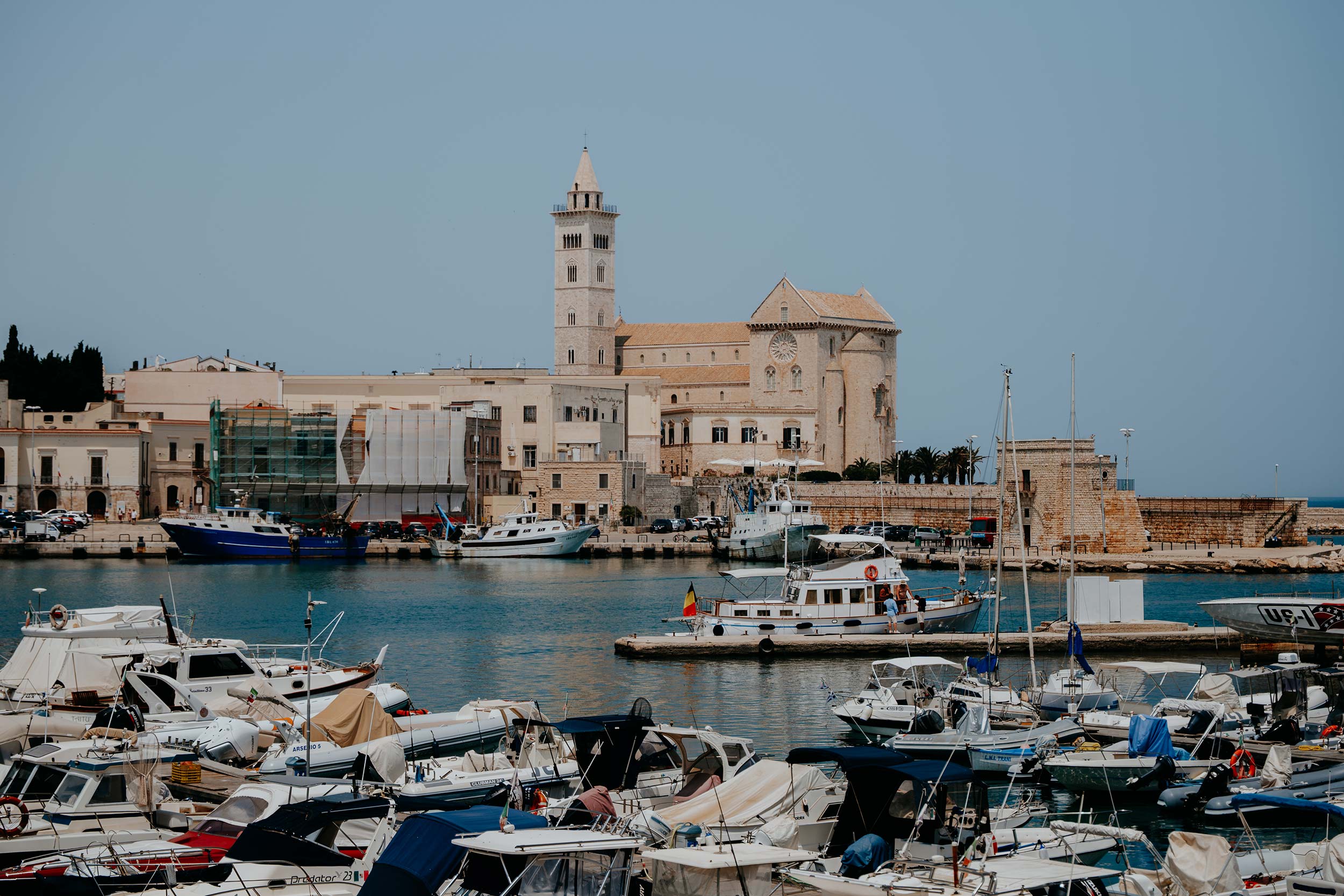
Puglia’s architectural charm is, without doubt, one of the region’s greatest draws, unveiling centuries of history where the influences of Greek, Roman, Byzantine, and Norman empires remain expressively visible today.
As a result of those influences, a broad architectural variety is found here; think Baroque masterpieces, Romanesque cathedrals, intricate mosaics dating to Byzantine times, and several cathedrals and fortresses built under Norman rule.
Whitewashed hill towns, mesmerising maze-like alleyways, and Puglia’s iconic masserias (fortified farmhouses) further enrich the region’s remarkable architectural charm, providing a captivating blend of historic grandeur and rustic simplicity.
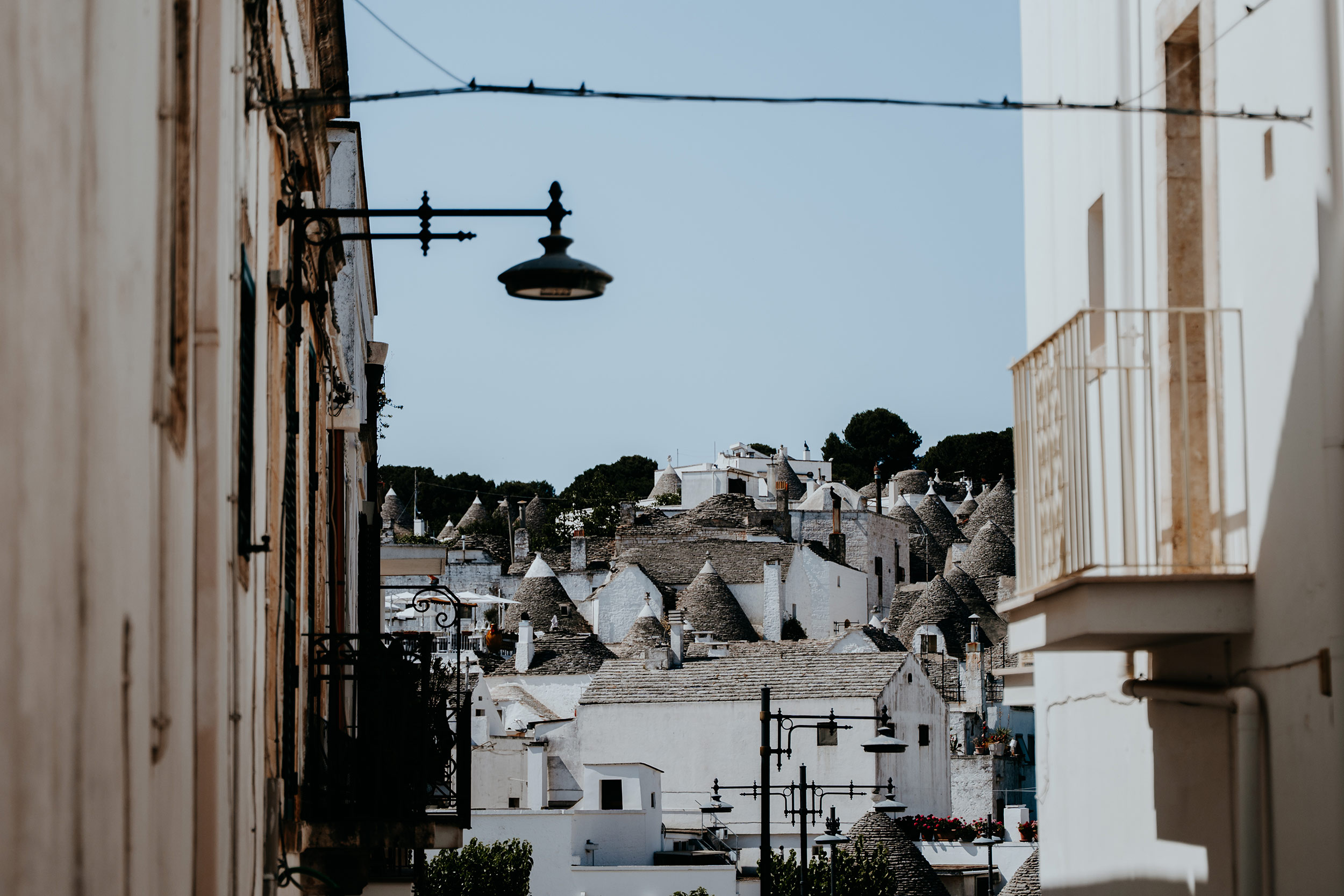
Easily the most iconic architecture is found in Alberobello, a UNESCO World Heritage site famed for its trulli, cone-shaped stone houses that look as if they’re lifted straight out of a fairytale.
While each style tells a story of its own, I believe, it’s the interplay of various architectural influences that makes this stunning region beneath the southern Italian sun flourish.
The travel photography gear that I used in Puglia
Puglia, and its many aesthetic features, offers superior photography opportunities, making it a playground for those wandering around with a camera in hand, with moments awaiting to be frozen in time happening almost continuously.
If you’re keen to make the most of your travel photography while exploring Puglia, I’d advise bringing your sharpest lenses or investing in some upgrades if you haven’t already.
If you like my Puglia photography, this is the gear I used to capture my adventures here:
Lumix S5II | Last year, after years of heavy use and plenty of travel adventures with my S5, I decided to upgrade to the Lumix S5II, and honestly, capturing sharp, high-quality images has never been easier.
SIGMA 24-70 F2.8 | Essentially mounted to my S5II for 90% of the time, the Sigma 24-70 F2.8 is an absolute beast, as it’s super fast, versatile and sharp, making it my go-to in every situation.
DJI Mavic 3 Pro | My partner in crime when it comes to aerial shots, the Mavic 3 Pro, with its 20MP 4/3 CMOS sensor and smooth flight performance, gives me opportunities I could’ve only dreamed of just a few years ago
If you’re keen to learn about my complete photography setup, you might want to check out my in-depth ‘What’s in my Camera Bag’ article here.

Safety in Italy | Travel insurance
When travelling this big, wide world, I never go on an adventure without my essential travel insurance sorted out, and though I never felt unsafe in Italy, I advise anyone travelling here to do the same.
While I believe it’s unlikely to experience any problems when following the suggestions in this guide, something unfortunate could happen at any given time, whether it’s an injury, a stolen camera, or an unforeseen cancellation.
For travel insurance, I use Heymondo, as they offer full COVID-19 coverage, as well as a handy app with 24-hour medical assistance.
Make sure you check it out – readers of WTSW receive 5% off any insurance policy.
Cheers!
I’ve been on this travel blogging journey since 2019.
If you appreciate what I do here, these are some ways you can support me.
Plan your Puglia itinerary with these essential guides