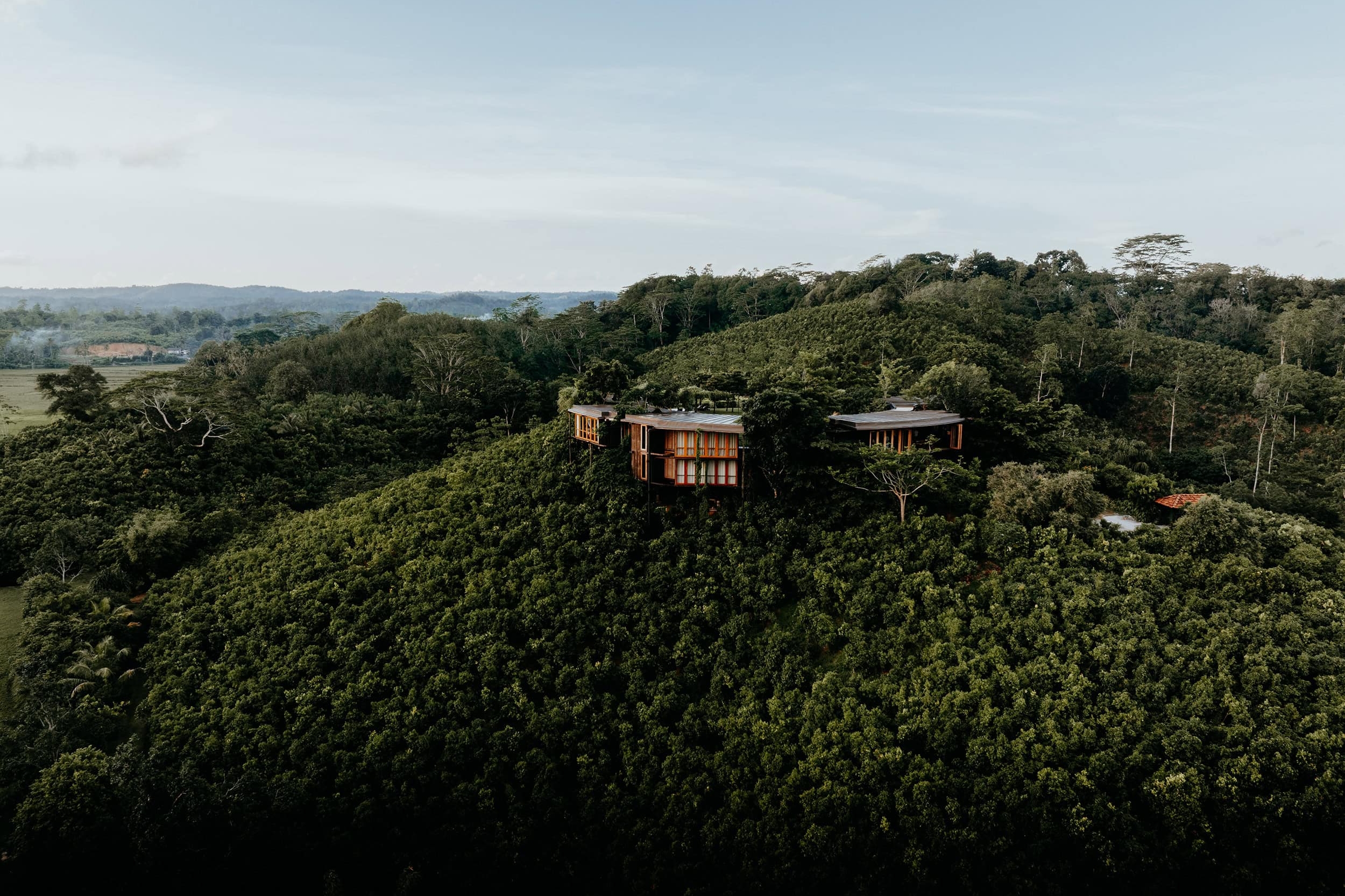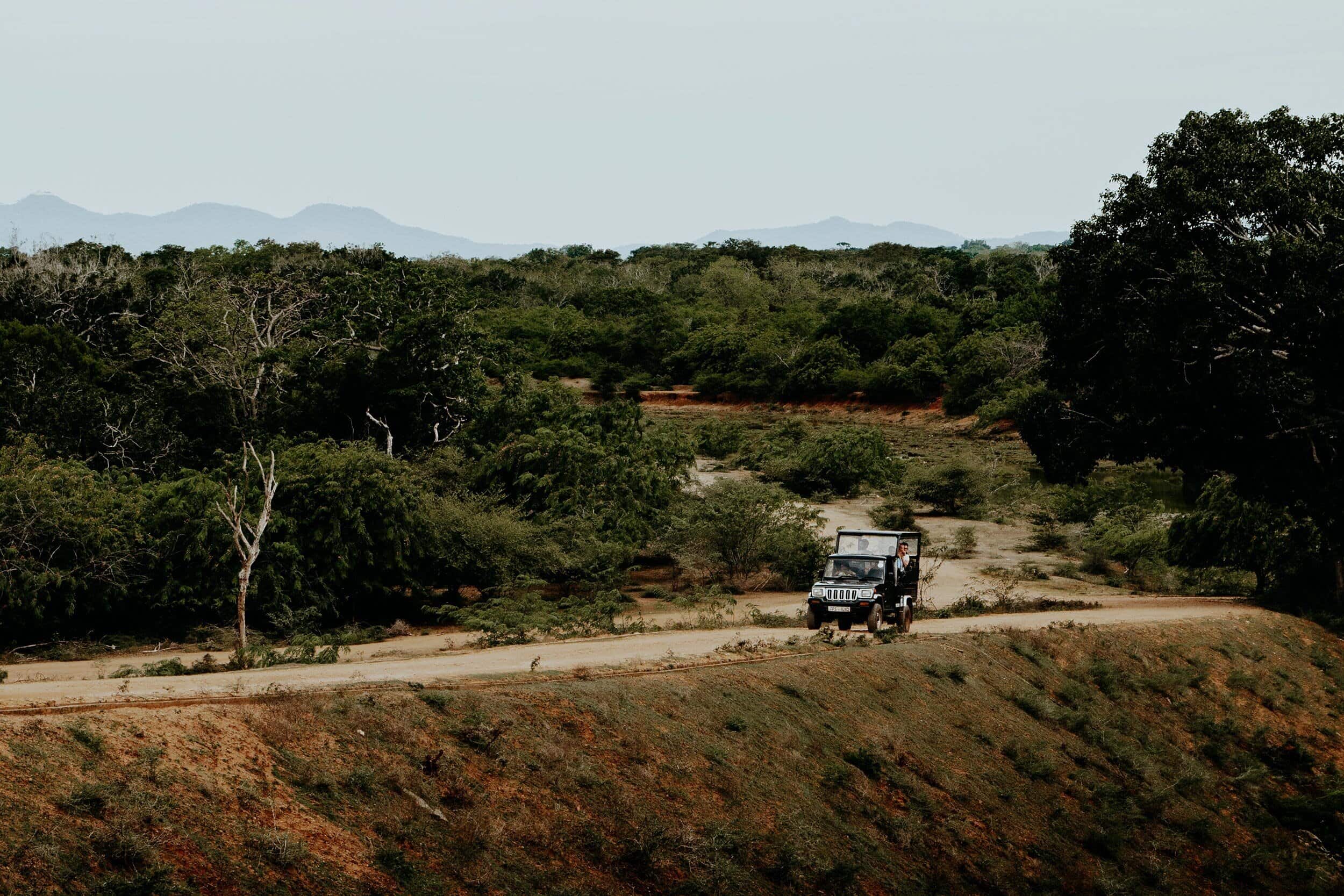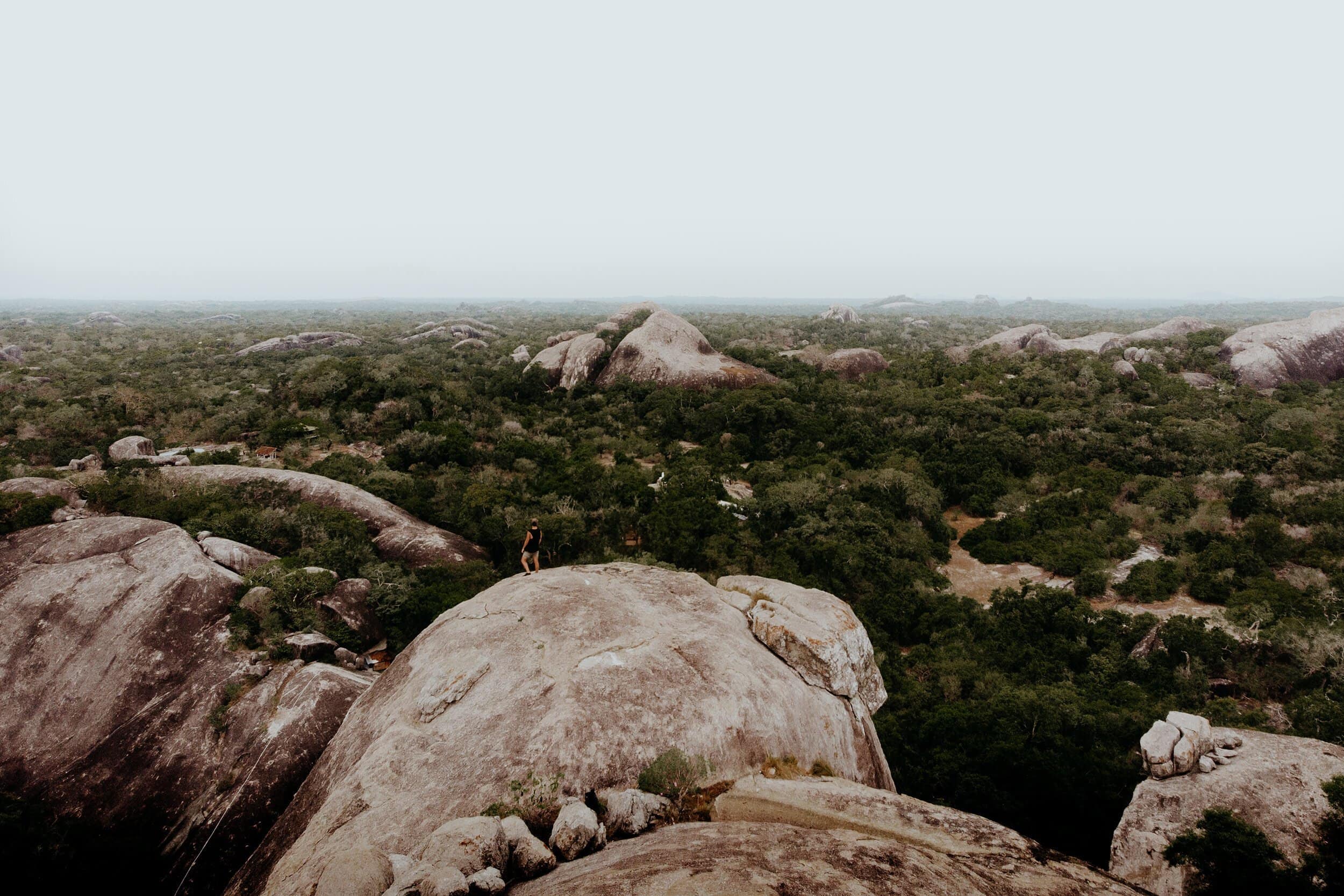

It takes a lot to be mentioned in the same breath as Yala National Park and Wilpattu National Park.
But Udawalawe National Park has managed to do just that – and rightly so.
Situated in southern Sri Lanka, between the vibrant south coast and the hill country of Ella, Udawalawe National Park is one of the island’s most treasured wildlife destinations.
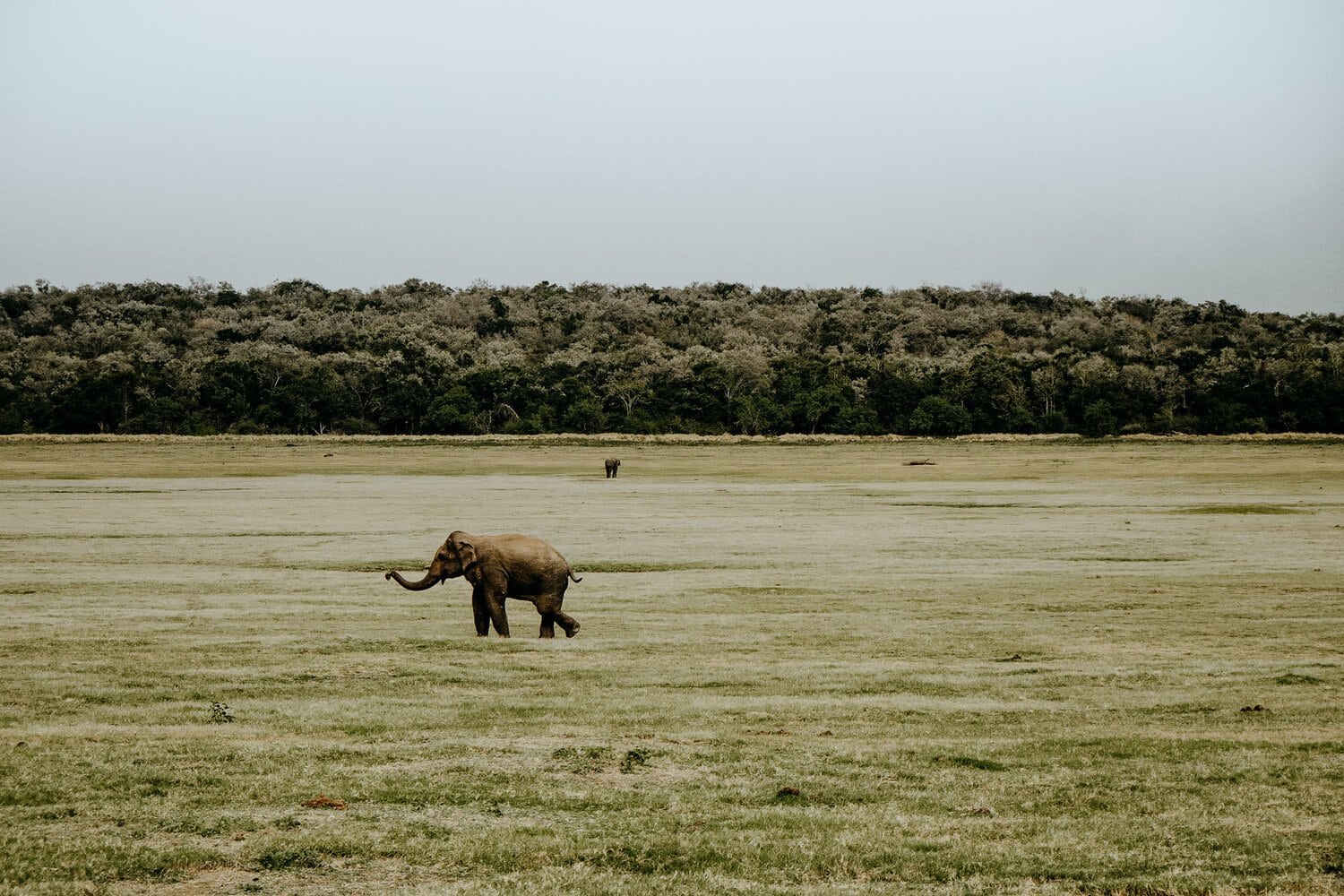
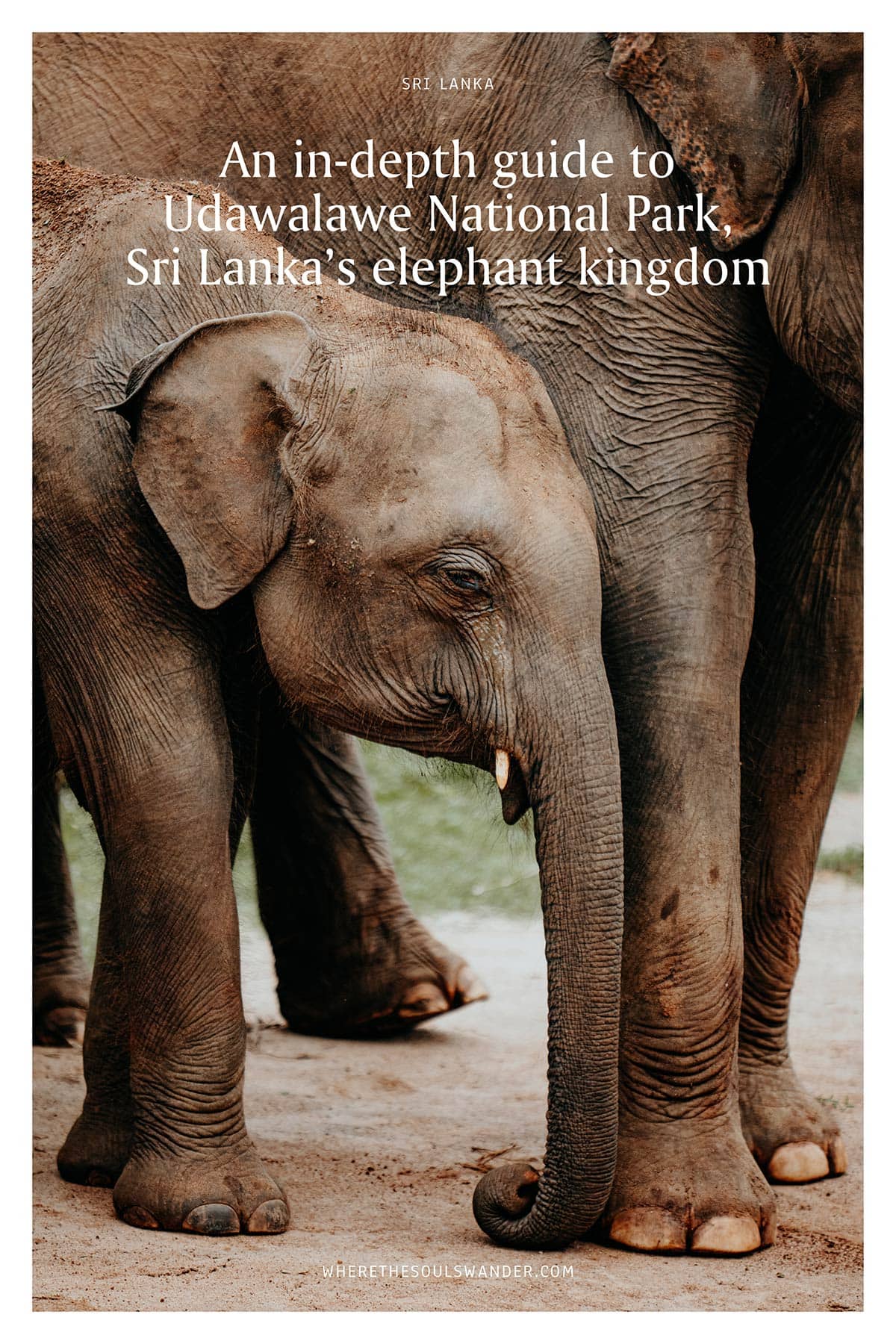
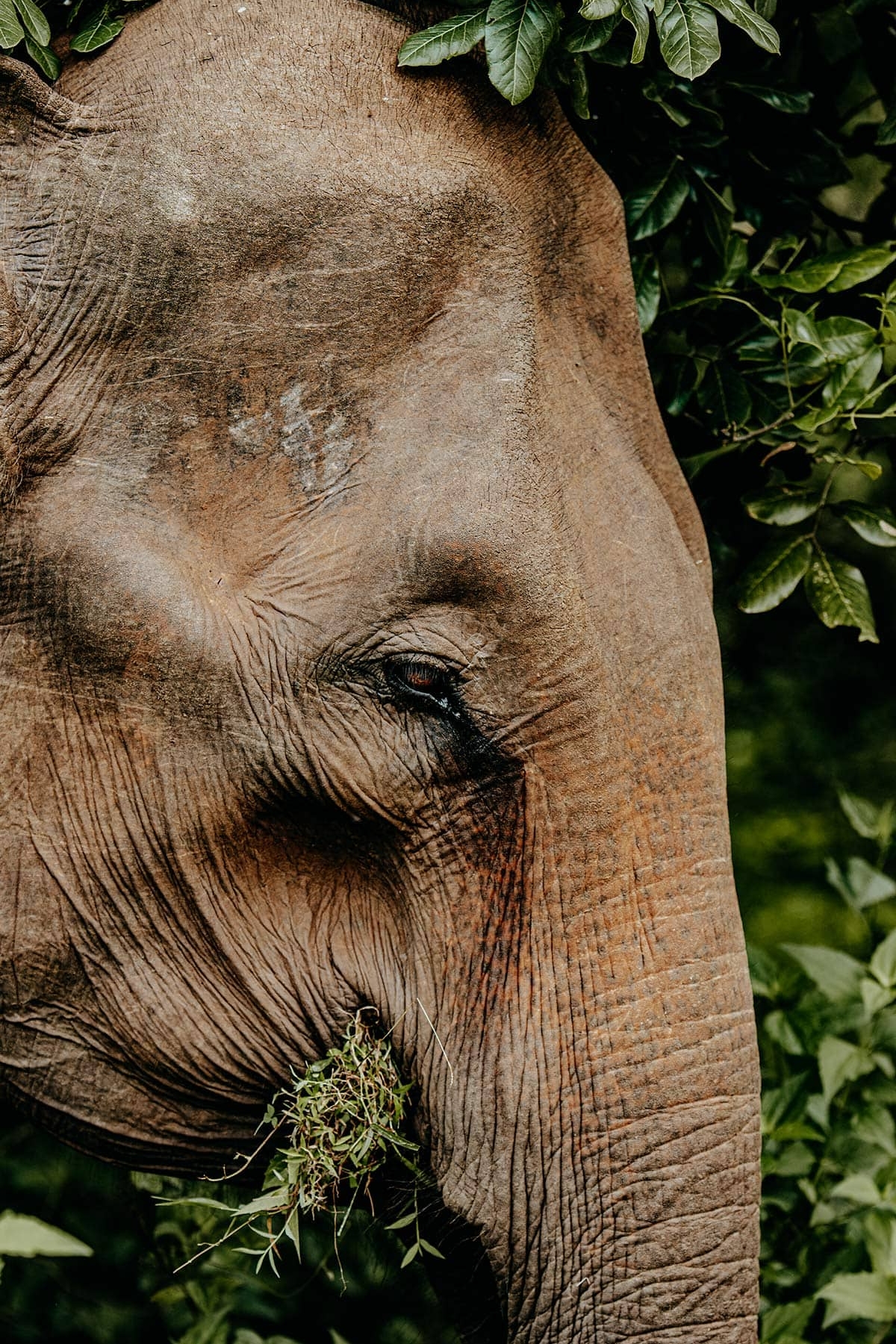
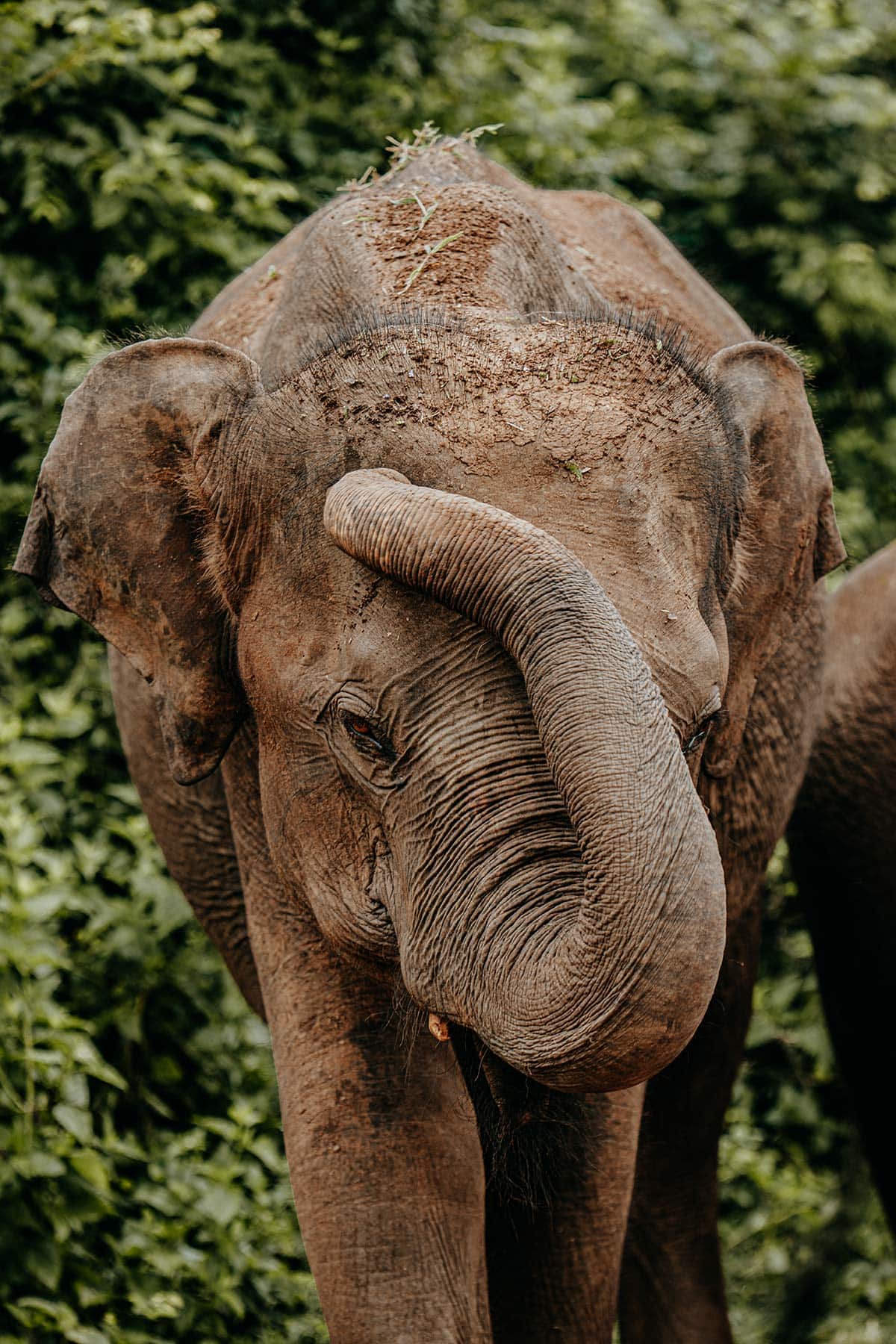
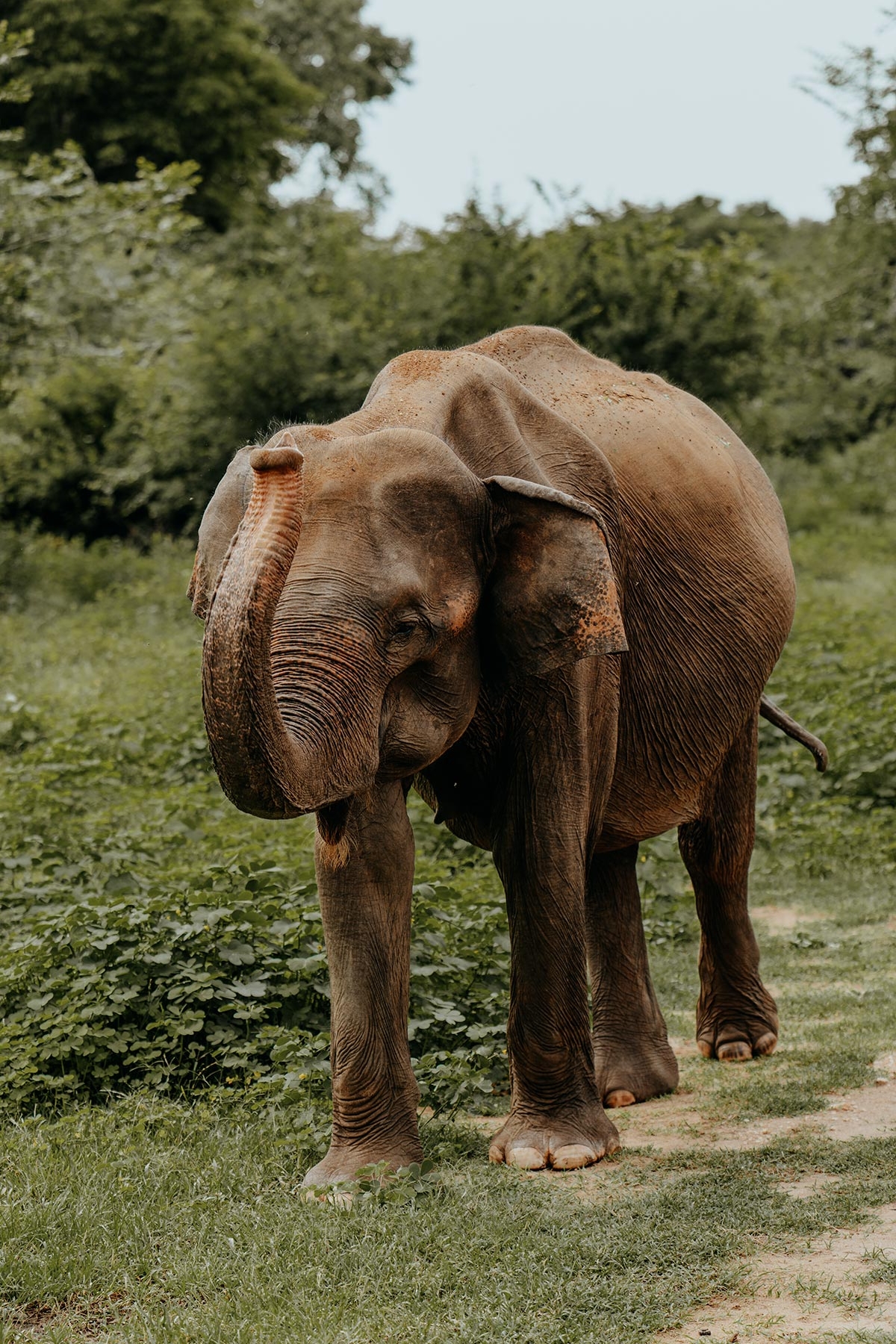
Home to a plethora of wild elephants, the park is also known as the kingdom of elephants, and seeing them with your own eyes for the first time is an experience you won’t easily forget.
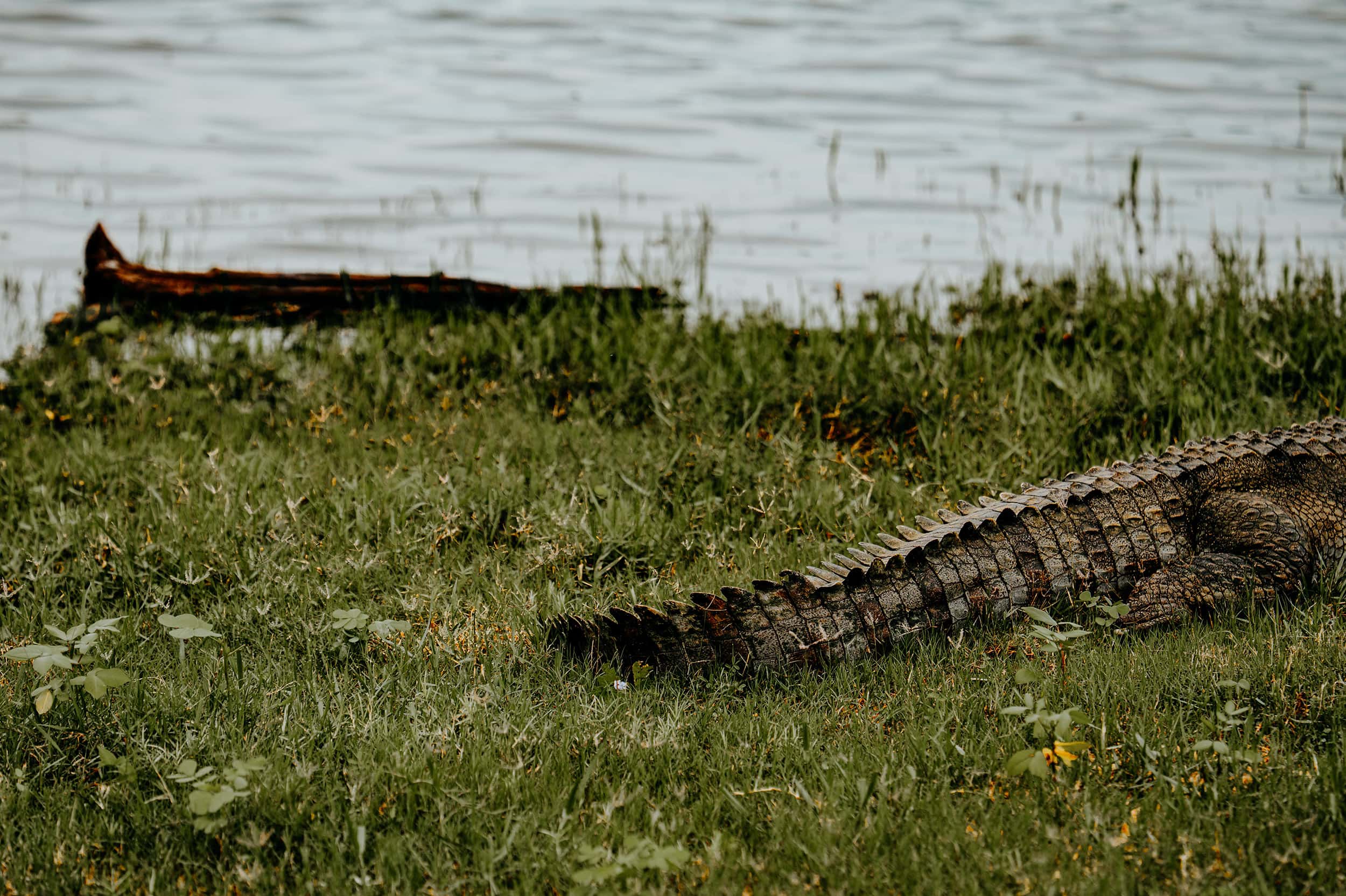
While elephants are Udawalawe’s main attraction, they are by no means the only wildlife roaming the park – crocodiles, water buffalo, spotted deer, wild boar, and monkeys can all be seen here. Leopards also inhabit Udawalawe, but despite being used to promote the park, spotting them is incredibly rare.
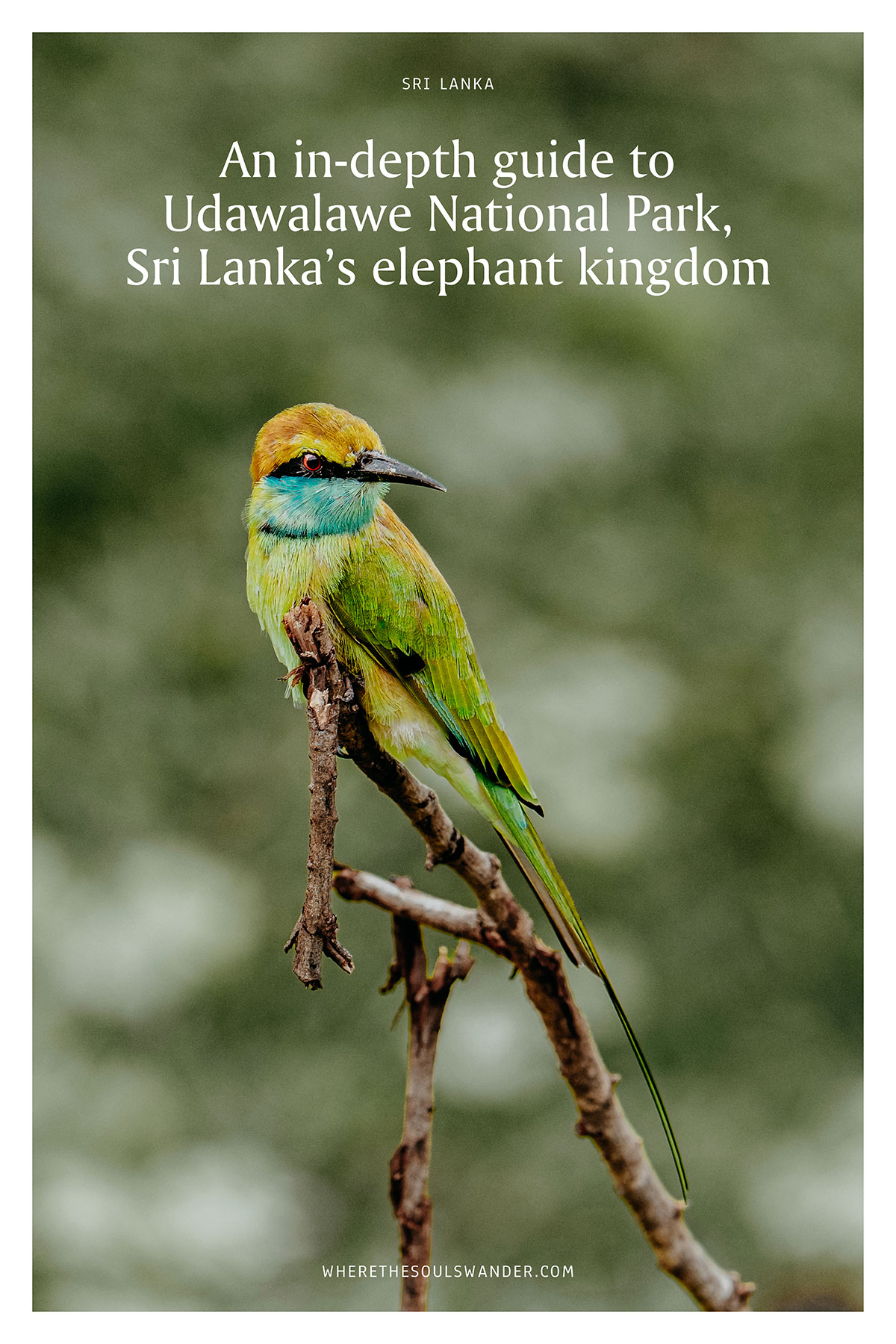
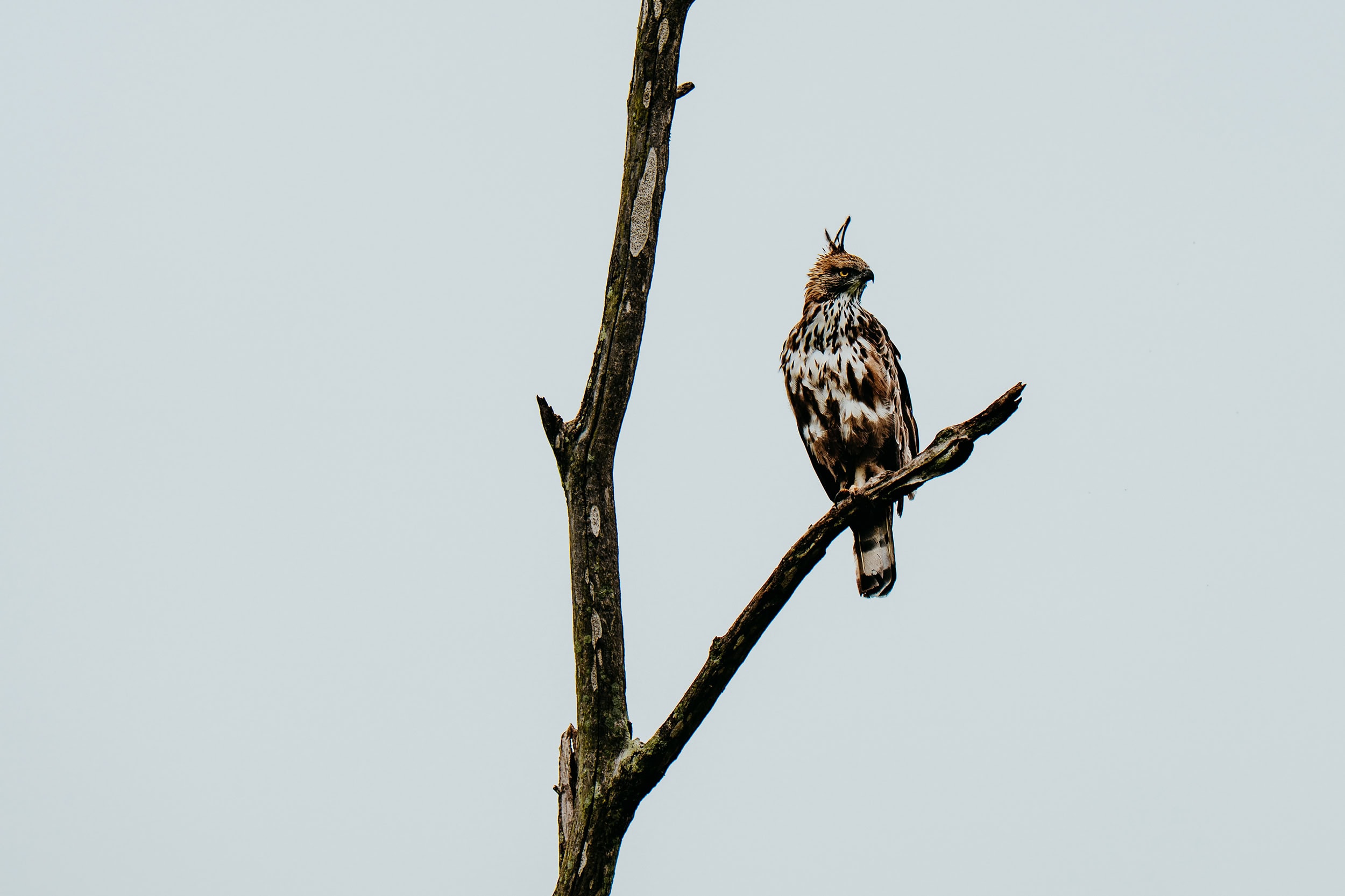
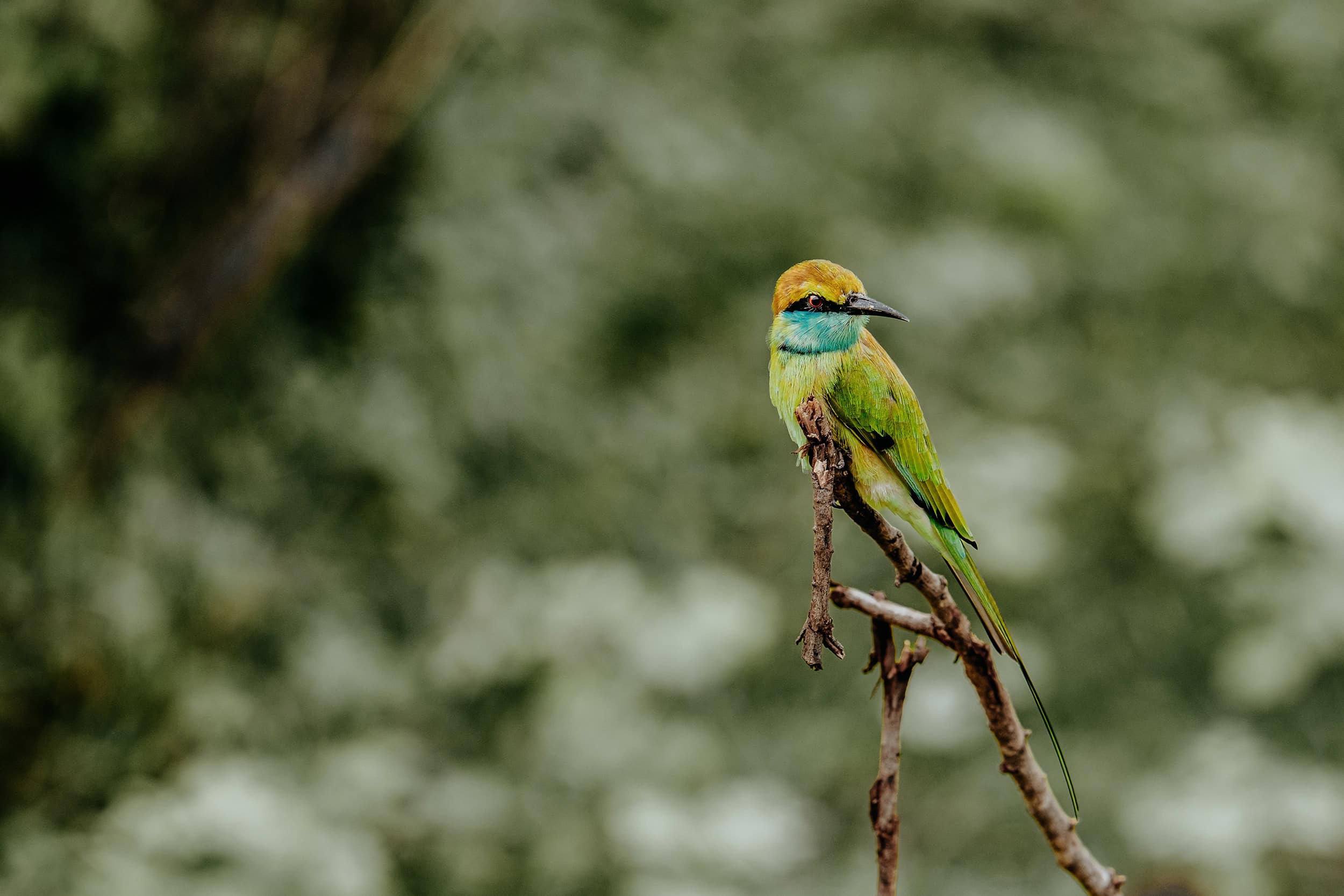
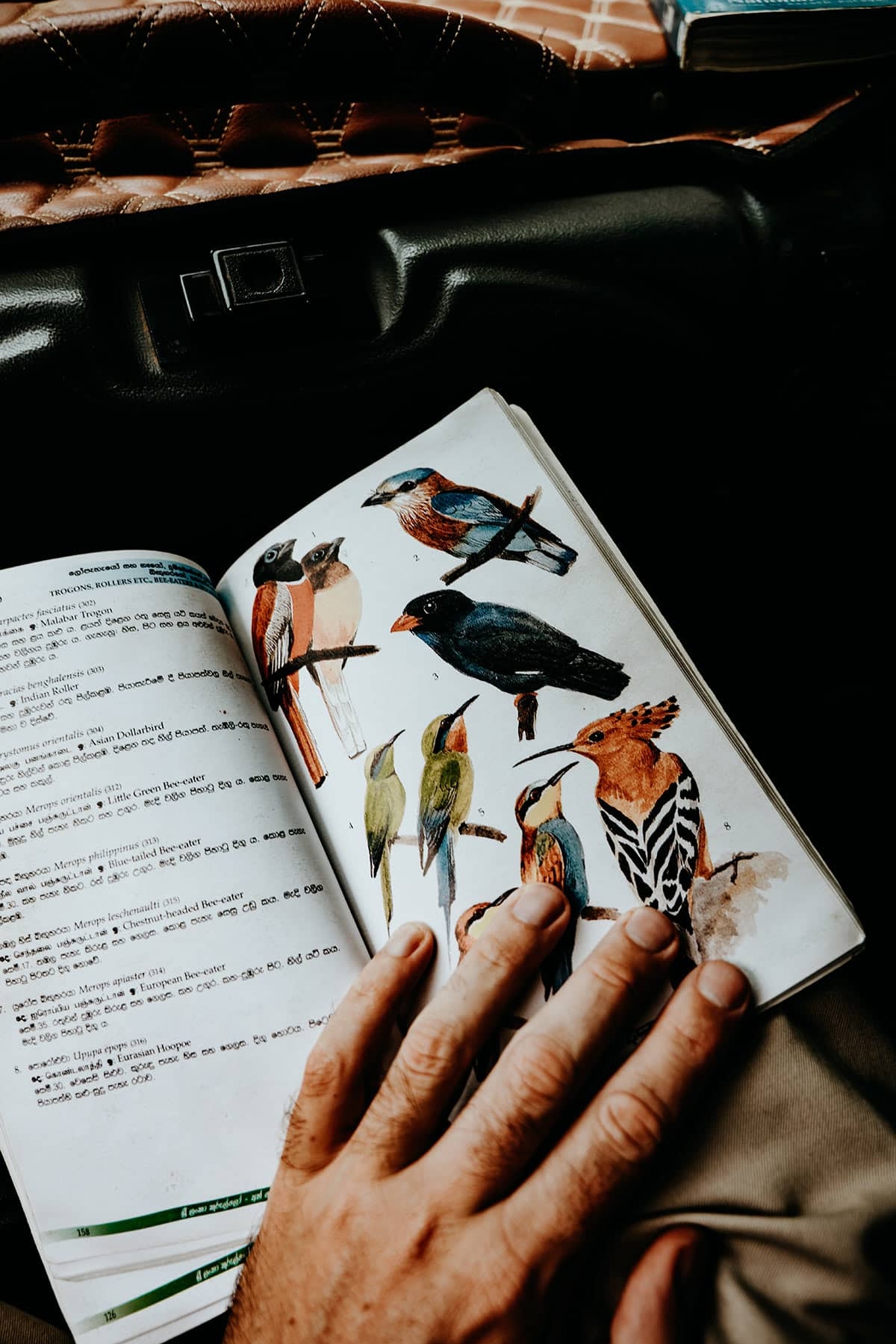
For bird enthusiasts, the park is equally exciting, with over 180 species to look out for, including bee-eaters, changeable hawk-eagles, painted storks, pelicans, kingfishers, and more.
The park itself has a distinctive, untamed feel to it, providing the perfect setting for a once-in-a-lifetime experience and travel stories to tell long after you’ve returned home.
In this guide to Udawalawe National Park, I walk you through all the essentials, including the cost, when to visit, how to get there, and most importantly, how to visit in a responsible manner.
Here’s everything you need to know before going on a safari in Udawalawe National Park.
If you choose to use any of the links on this page, I may receive a small commission at no extra cost to you. By using these links, you’ll have a direct impact on WTSW and my ability to continue to create free, insightful travel content for you. If you find any of my tips useful, you can support me by buying a virtual coffee here.
Where is Udawalawe National Park
Udawalawe National Park is located in southern Sri Lanka, between the lush hill country of Ella and the hotspots along Sri Lanka’s vibrant south coast.
Home to an abundance of elephants, the national park has become one of Sri Lanka’s leading safari destinations, attracting wildlife enthusiasts, backpackers and adventure travellers alike.
At roughly 100km from both Ella and Weligama, Udawalawe makes for an ideal stop on any Sri Lanka itinerary – especially given that most travellers visit both destinations.
Where to stay in Udawalawe
Unlike most of Sri Lanka, Udawalawe’s hotel scene is relatively limited.
Here, hotels are fairly simple, yet still offer the comfort you need for a good night’s rest before your early morning safari – just don’t expect the polished boutique hotels you’ll find elsewhere on the island.
Kalu’s Hideaway Udawalawe | One of the few boutique hotels in Udawalawe, Kalu’s Hideaway is a great option if you’re after a little more comfort and luxury.
Kottawatta River Bank Resort | A calm riverside resort with spacious rooms, a pool, an in-house restaurant and wonderfully friendly staff.
Jungle Paradise | Set among lush greenery, Jungle Paradise is a comfortable, well-kept stay with a pool and is conveniently located near the park entrance.
An in-depth guide to Udawalawe National Park
A brief history of Udawalawe National Park
Udawalawe National Park was established on 30 June 1972, following the construction of the Udawalawe Reservoir on the Walawe River.
Created to protect the reservoir’s catchment area while also serving as a sanctuary for animals displaced by the development project, Udawalawe National Park has since become a thriving habitat for wildlife.
Long before Udawalawe became a national park, the area was used for chena farming, one of Sri Lanka’s oldest agricultural practices, dating back thousands of years.
Today, Udawalawe spans 308 square kilometres and is home to elephants, water buffalo, deer, monkeys, an occasional leopard, and a wide variety of bird species.
In 2025, the park welcomed 368,871 visitors, including 170,890 local visitors and 197,981 international visitors, according to the Sri Lanka Tourism Development Authority’s 2025 report.
Udawalawe National Park opening hours
Udawalawe National Park is open year-round, with opening hours from 0600 to 1800.
As with all national parks in Sri Lanka, the opening hours are strictly enforced; the latest entry is set at 1630, and all visitors and vehicles must leave the park by 1800.
Is Udawalawe National Park worth visiting?
With so many national parks in Sri Lanka, it’s only reasonable to ask yourself this question.
Situated between the south coast and Ella, Udawalawe makes for the perfect stop and will elevate just about any Sri Lanka itinerary. Add to that the fact that the park is home to an abundance of elephants, including plenty of babies, and, to me, the answer should be a resounding yes.
Nicknamed the African savannah of Sri Lanka, Udawalawe is vast, open and characterised by grasslands, scrub and reservoirs, giving the park a distinctive, untamed feel and making it the perfect backdrop for wildlife in their natural habitat.
While often presented as a quieter alternative to Yala National Park, it is worth mentioning that Udawalawe has nowadays become a Sri Lankan highlight, attracting heaps of travellers, especially during the peak of high season.
Despite having its moment, Udawalawe National Park deserves all the attention, as its distinctive setting, variety of wildlife, and birds aplenty make it well worth a visit.
I’m pretty sure you won’t regret adding it to your Sri Lanka itinerary.
What animals could you see in Udawalawe National Park?
While Yala and Wilpattu are famed for their leopards, Udawalawe’s claim to fame is its elephants.
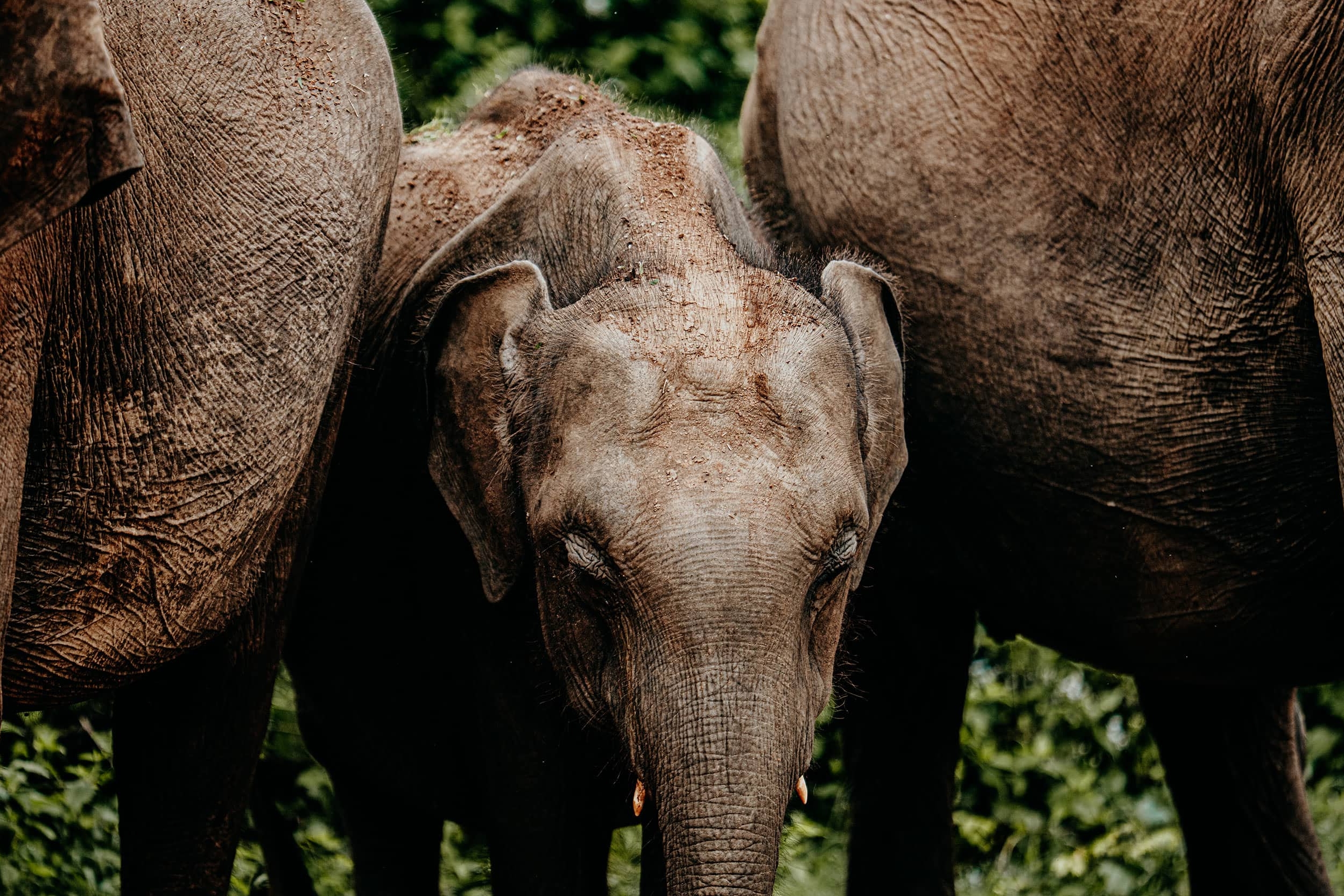
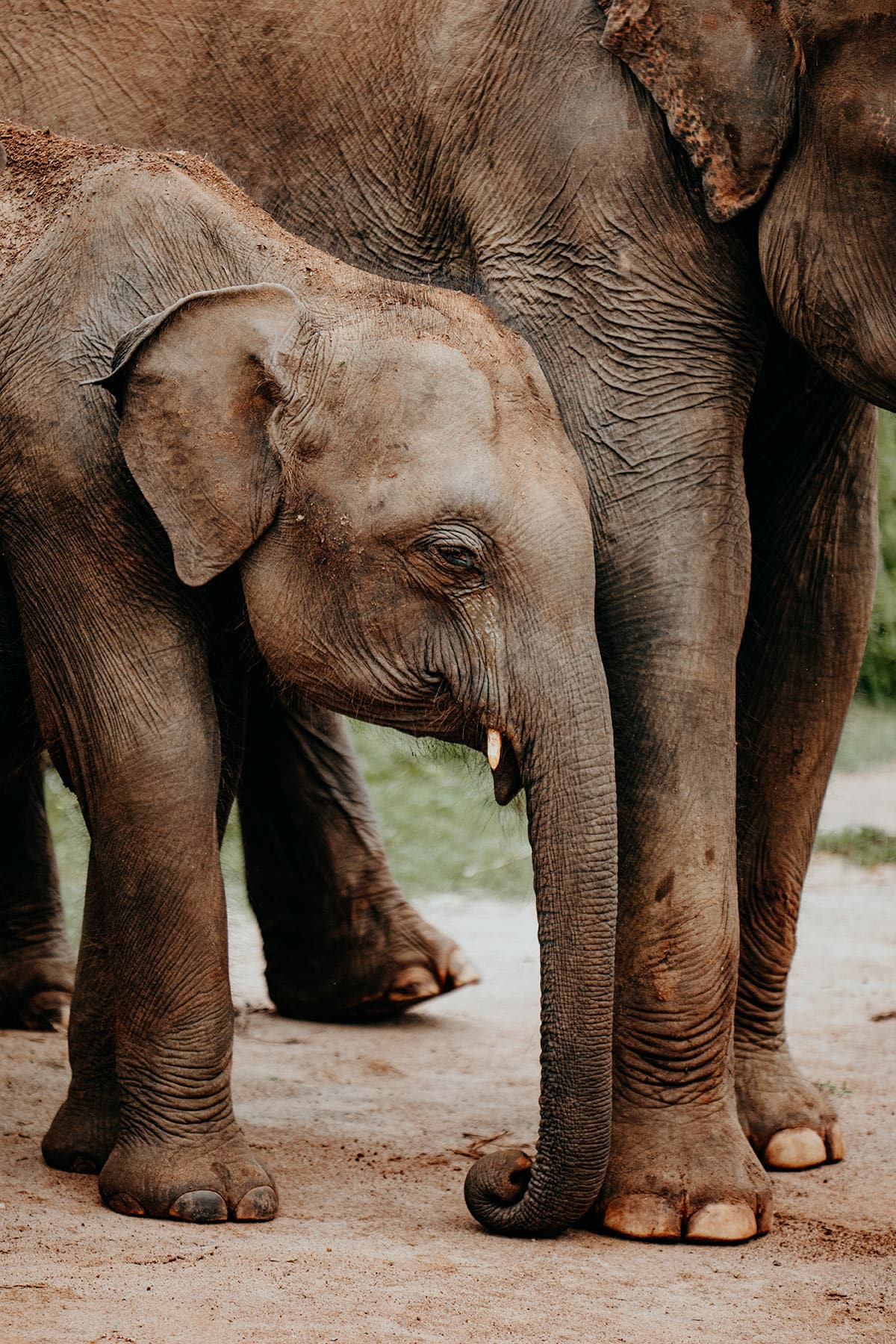
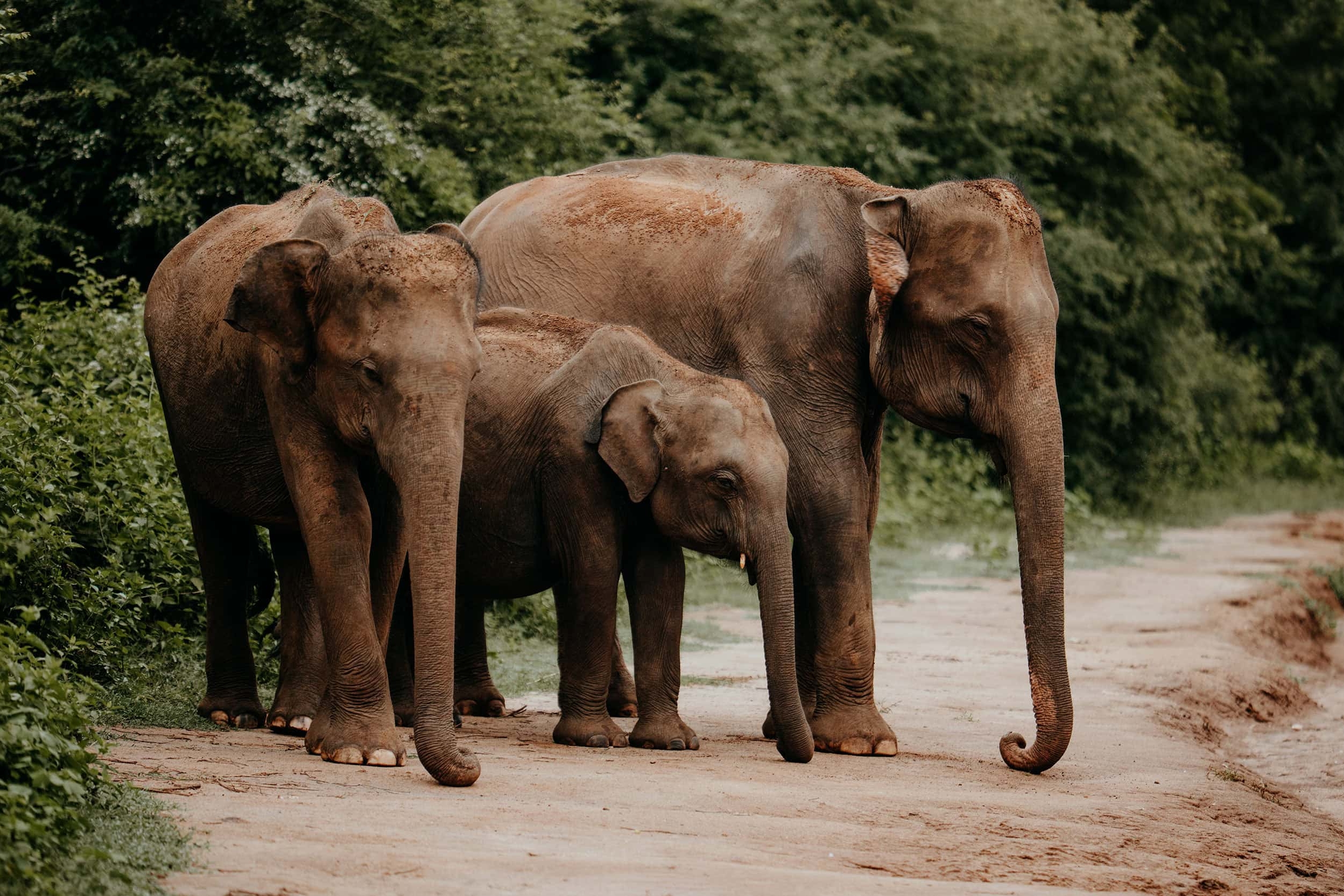
Roaming freely across its grasslands and open plains, an estimated 500–700 elephants call Udawalawe National Park home, making it one of Sri Lanka’s most sought-after destinations to see these gentle giants in their natural habitat.
But it’s not just elephants that call Udawalawe home.
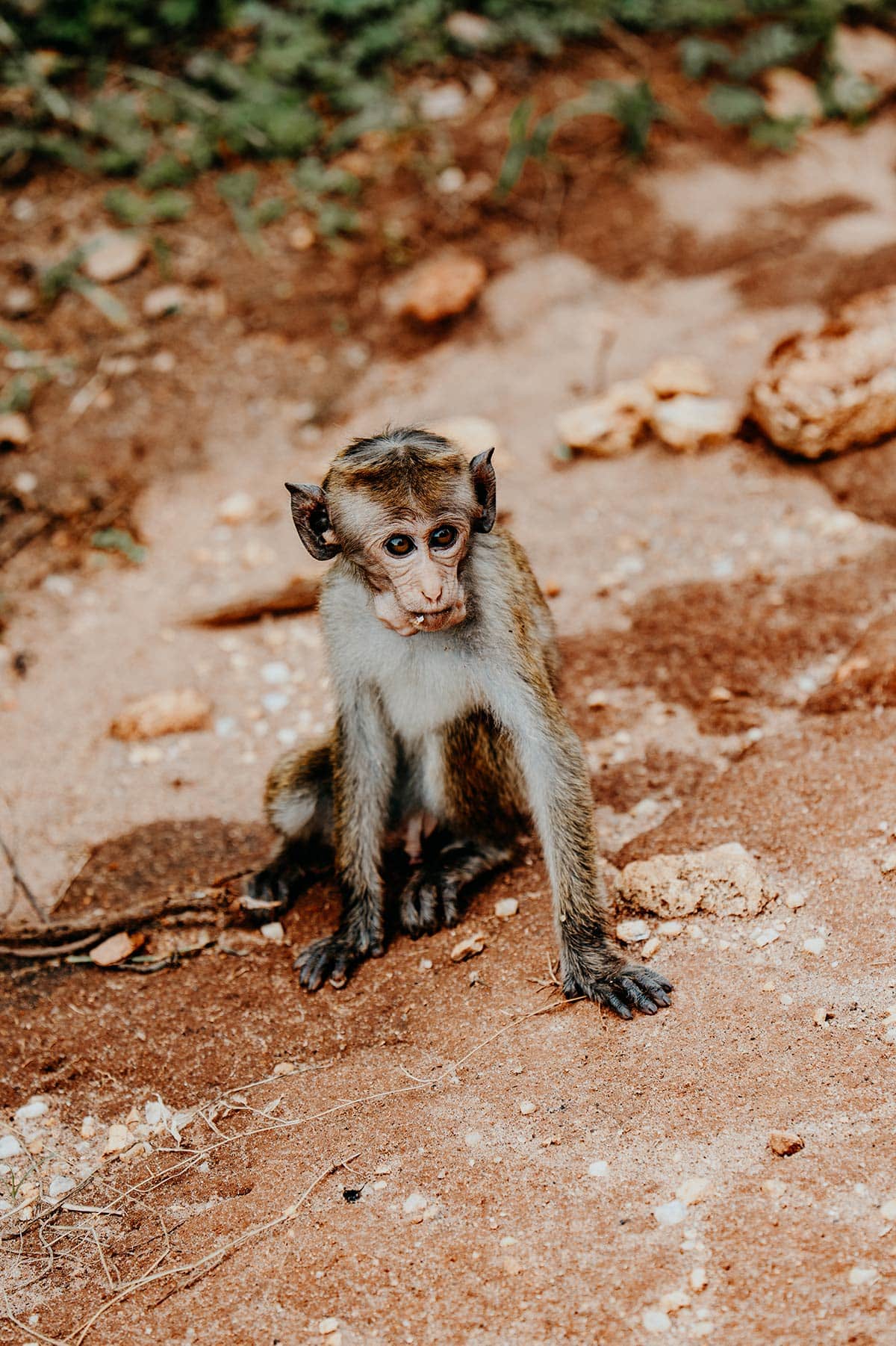
No, Udawalawe National Park is home to an abundance of wildlife; think wild boar, crocodiles, water buffalo, spotted deer, monkeys, and even the occasional leopard – although sightings are incredibly rare, so don’t get your hopes up.
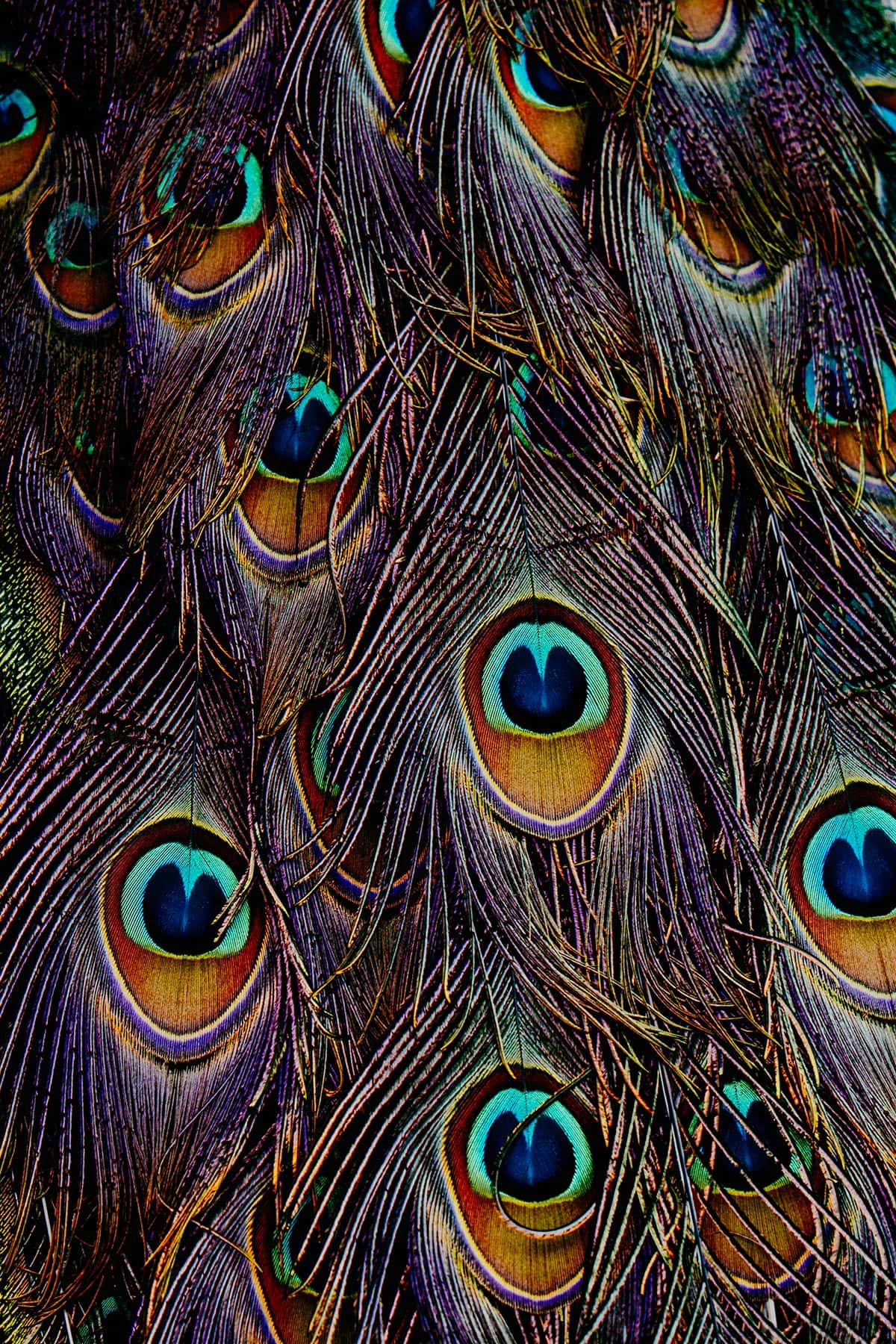
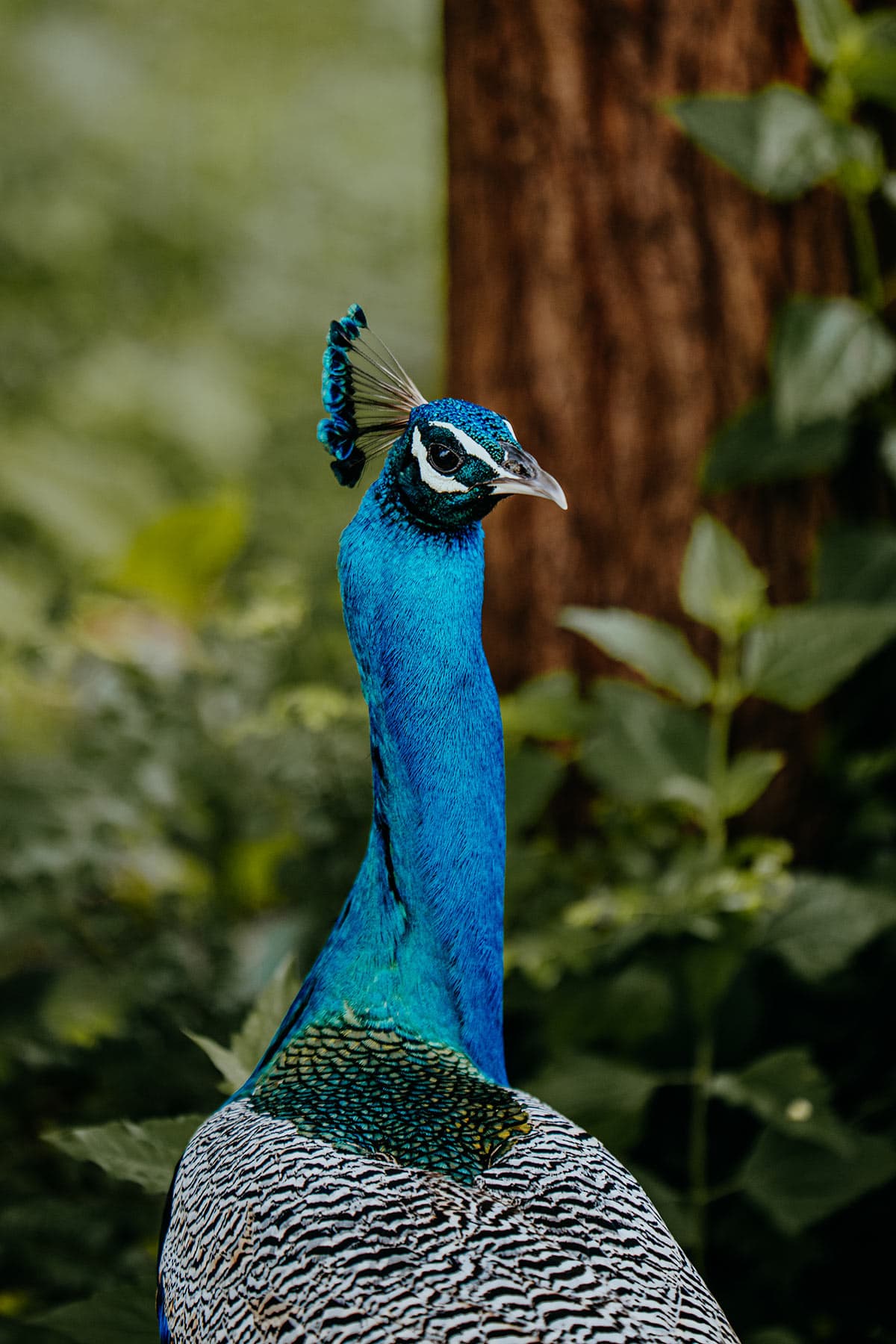
For bird lovers, Udawalawe National Park is a playground, with over 180 species of birds filling the skies with colour and song, including bee-eaters, peacocks, changeable hawk-eagles, painted storks, pelicans, kingfishers, and many more.
Then, for the seasoned birdwatchers, there are a few endemics to tick off your list: the Sri Lanka junglefowl, the red-faced malkoha, and the brown-capped babbler, to name but a few.
All in all, there’s a whole lot more to Udawalawe than elephants – so take that safari.
Udawalawe National Park safari | The essentials
How to visit Udawalawe National Park | Do you need a guide?
During my Udawalawe research, I kept coming across the same question: Do you need a guide to visit Udawalawe National Park?
In my opinion, the only right answer is yes, despite what the question might suggest.
You see, wildlife is unpredictable, and having someone who knows the park inside out really makes a huge difference to the overall experience.
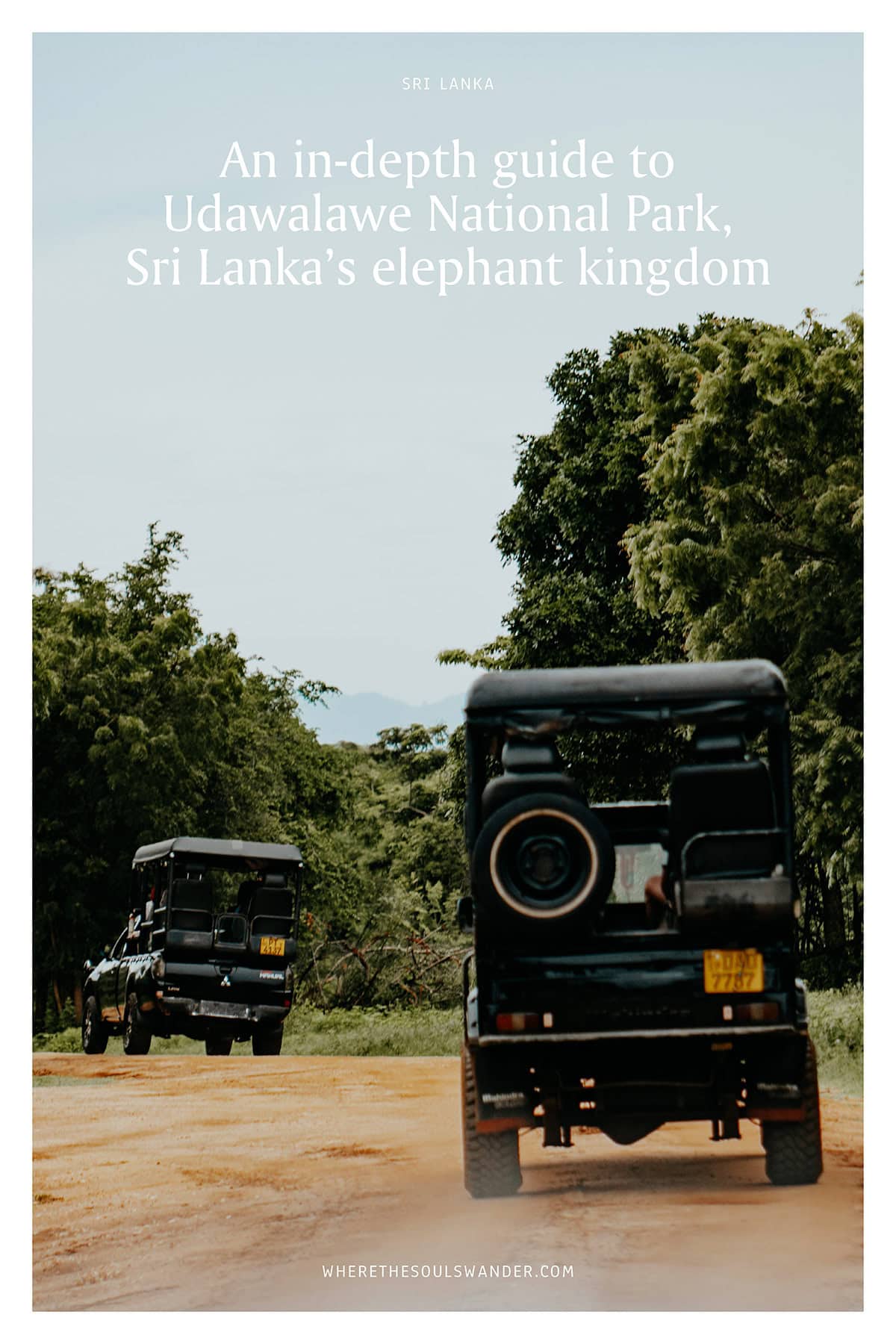
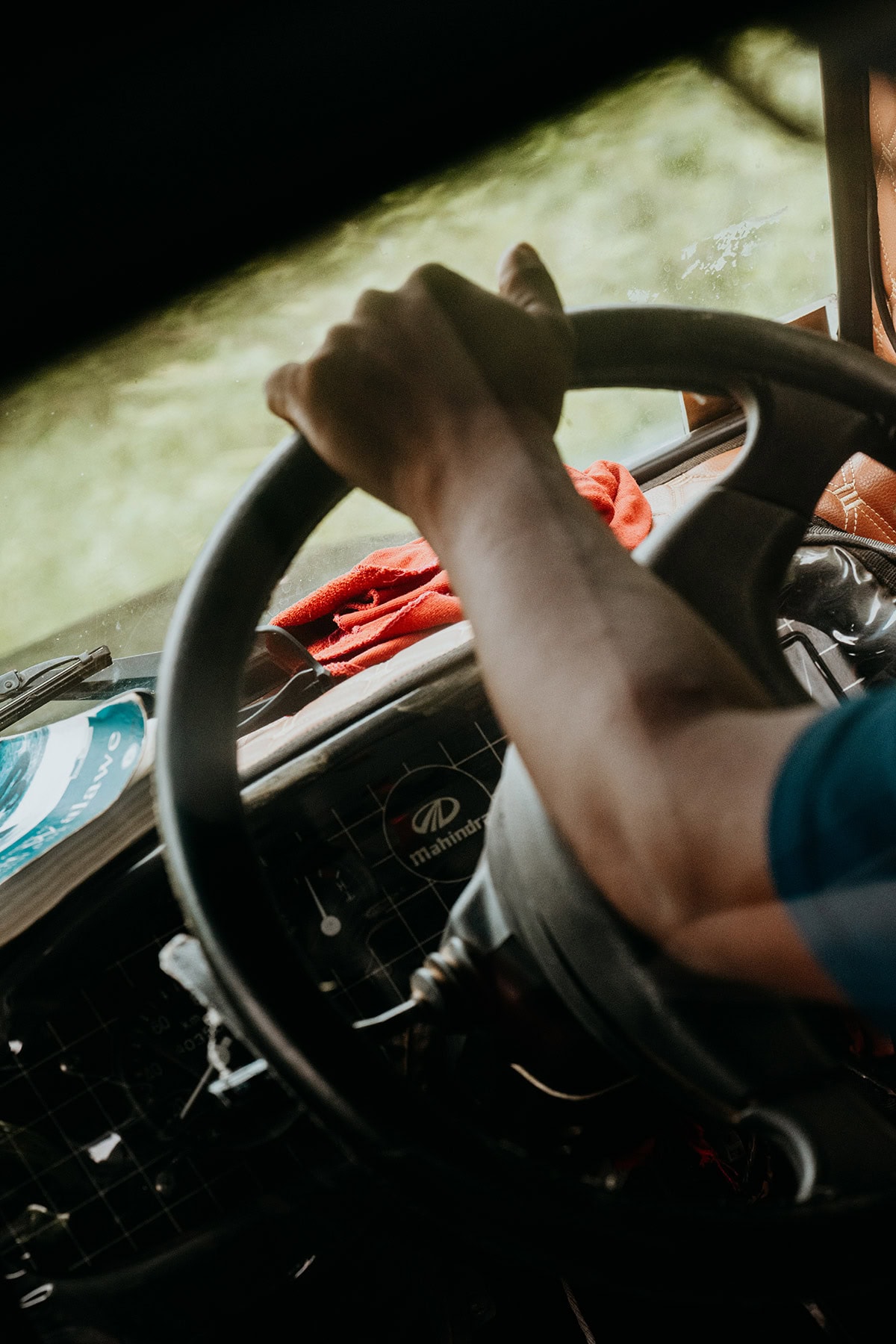
My guide, Prabod, has been a safari guide in Udawalawe for as long as he can remember, and shared his knowledge of the park and those who call it home with passion and enthusiasm. He also spoke English well enough to keep up a good chat and was always on the lookout for animals and birds.
But it’s not just knowledge guides bring to the table.
Hiring a safari guide also means you don’t have to worry about navigating the park, while their experience of the park and its wildlife helps keep your safari safe and ethical.
What’s more, guides keep other drivers in the loop by signalling when wildlife is spotted, giving you a better chance of seeing animals you might have missed otherwise.
All in all, I truly believe there’s no reason to do a self-driving safari in Udawalawe, so support local guides and reward yourself with an unforgettable wildlife experience.
The best time to visit Udawalawe National Park
Udawalawe’s weather can be unpredictable, and although it borders the Southern Province, its seasons are a little different, with rainfall from both monsoons.
Where the south is typically best visited from late November to April, Udawalawe has a shorter ideal timeframe; namely January to March, when a brief dry season hits the park.
During this time of drought, the park really comes alive, with heaps of wildlife gathering around the reservoirs as water becomes scarcer.
Then there’s another dry spell, which can last from mid-May to late September.
While not guaranteed, elephants are said to be really active during this spell, so if you happen to be on the island, it’s worth considering fitting Udawalawe into your itinerary.
If you’re eyeing a safari any time between October and early January, or from March to May, it’s crucial to stay on top of the weather, as heavy rain can turn a once-in-a-lifetime adventure into a full-blown disaster real quick.
I visited Udawalawe National Park in late October and had plenty of sightings while enjoying pleasant weather and zero rainfall – this goes to show that the above are just seasonal patterns, not guarantees.
Udawalawe National Park cost overview
When planning your Udawalawe National Park safari, you should take into account two main costs: the park entry fee and the safari jeep fee.
Since these fees are separate, factor both into your budget when planning a visit. Because, let’s be real, unexpected costs are never fun.
Park entry fees
First, there’s the official Udawalawe National Park entry fee, which varies depending on your age, nationality and the group size you’re travelling with.
At the moment of writing (October 2026), the entry fee is:
Single Foreign Adult | ~€40 (LKR 14,650)
Foreign Children (6–12 years) | ~€16 (LKR 5,980)
Children under 6 | Free
Note | The entry fee per person reduces depending on the group size.
Safari fees
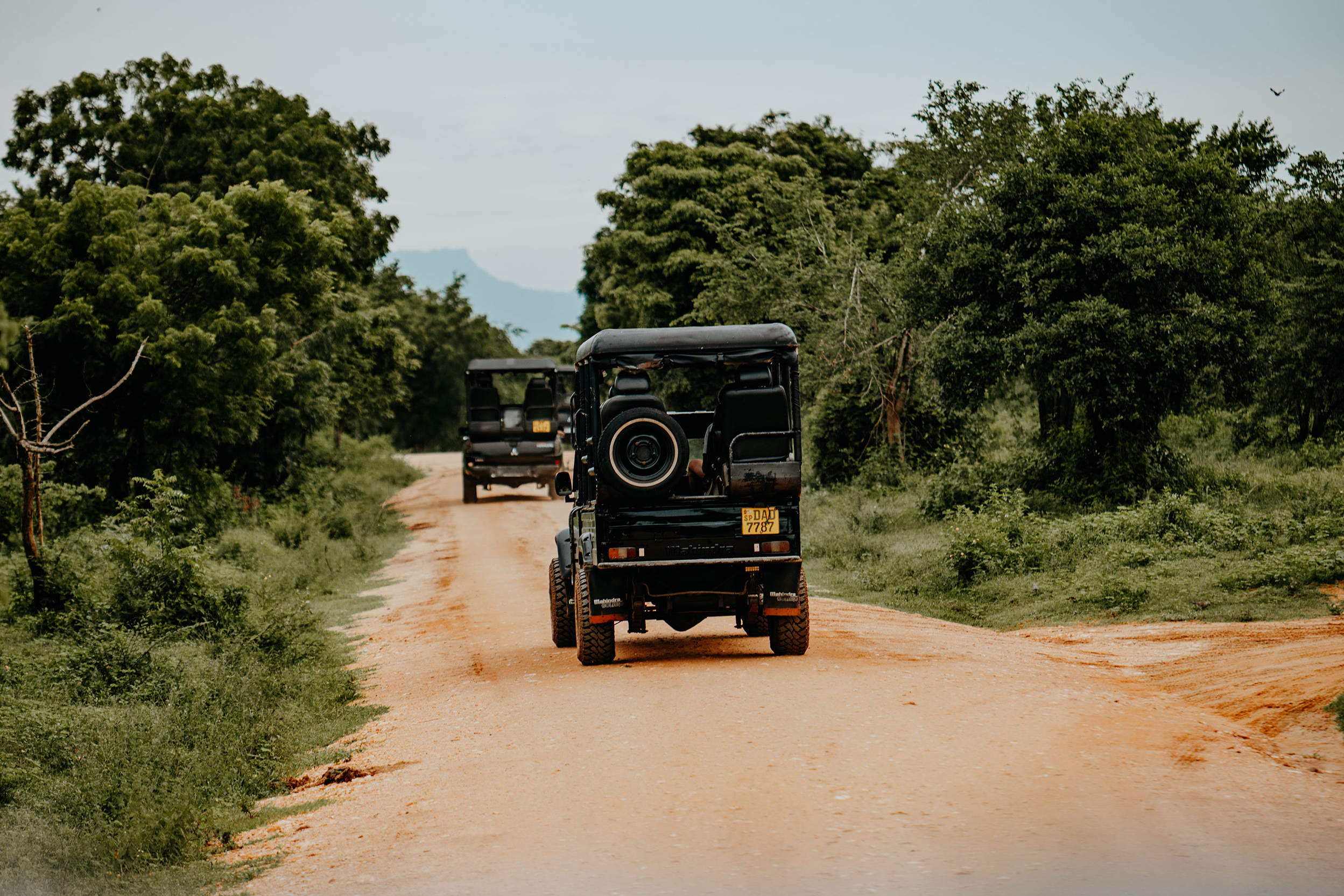
Then there’s the fee for hiring a jeep with a driver.
While the cost varies depending on the safari company, the duration of the safari, and the number of people per jeep, these prices should give you a rough idea of what to expect:
Half-day safari – 4 hours | €51 per jeep, up to 6 people – €32 for solo travellers
Full-day safari – 12 hours | €136 per jeep, up to 6 people
To make things easier, I highly recommend booking your safari in advance.
I personally booked this safari and was really pleased with my guide, who picked me up from the hotel, knew heaps about the park and its inhabitants, and made sure I saw wildlife aplenty before bringing me back to the hotel.
Note | Since the Sri Lankan rupee fluctuates quite a bit against the euro, all prices are in euros for reference. Keep in mind that the actual price may vary depending on the exchange rate at the time of your visit.
How to get to Udawalawe National Park
Udawalawe National Park is located in southern Sri Lanka, making it a convenient stop if you’re travelling between the famous hotspots in the south and Ella.
Depending on your preference, there are two common options to reach Udawalawe.
Firstly, and without question the most convenient option, is to book a private, air-conditioned car through PickMe. From Ella, the journey takes roughly 2-3 hours, while destinations along the south coast are typically within a 2-hour drive.
Expect prices to range from €30 from the south coast to €42 from Ella, or the equivalent in Sri Lankan rupees.
Those travelling on a budget can opt for the public bus instead. While only a fraction of the cost, getting to Udawalawe by bus requires extra effort and planning – plus you’ll probably have to change buses here and there.
By bus, the journey takes around 3.5 hours from the south, 5.5 hours from Ella, and 5-6 hours from Colombo, with tickets ranging from €0,90 to €1,40.
I opted for a private car through PickMe, which was straightforward, quick, and comfortable. It’s a great option if you share the ride with fellow travellers.
What to pack for a Udawalawe National Park safari?
Doing a safari comes with a unique set of needs, so a little extra research before the adventure can go a long way. Here are a few essentials that I’d recommend bringing along:
Bug repellent | First things first, never, ever venture into the wild without a quality bug repellent within arm’s reach. This eco-friendly option gets the job done – plus it smells decent too.
A reusable water bottle | Always first on my packing list, the Grayl Geopress is without question one of my best investments to date. This reusable water purification bottle lets me fill up on water from various sources while cutting down on single-use plastic – winner!
Sunscreen | Even if you’ve already caught some sun along the coast, don’t pass on the sunscreen; you’re out in the park for quite some time, and sunburn can, and often will, catch you off guard. This tallow-based sunscreen is worth looking into.
A hat | Even though I wear a cap most of the time, this could be a lifesaver for those who don’t, since being in the open sun all day can leave you at risk of heatstroke.
A powerbank and spare camera batteries | If, like me, you take heaps of photos throughout the safari, these are a no-brainer. This ANKER powerbank packs a punch.
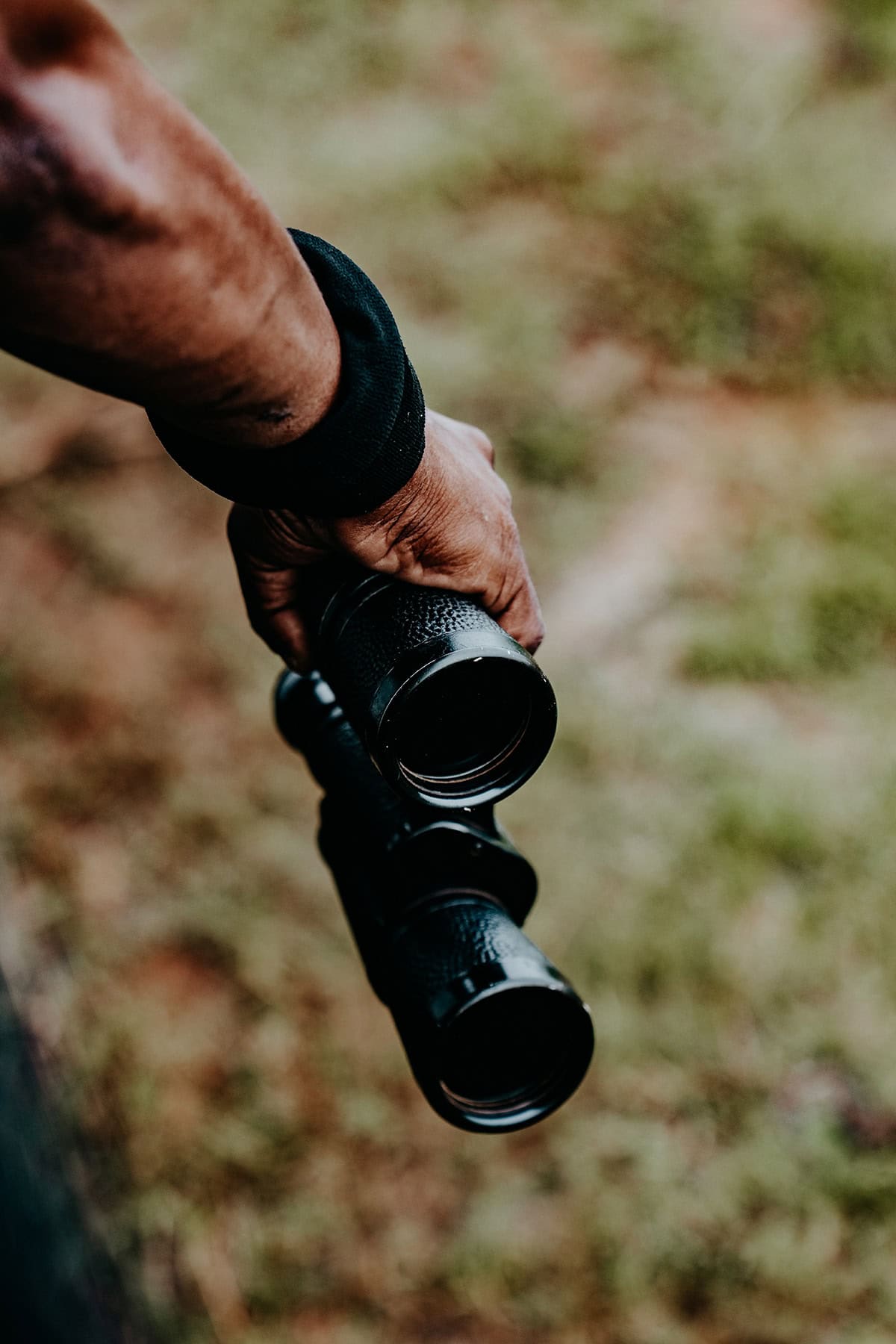
Photography gear | Last but not least, no trip to Udawalawe is complete without packing your best camera gear. Since wildlife and birds are often at a distance, I recommend bringing at least a 200mm lens. Make sure you see what’s in my camera bag here.
Safety in Sri Lanka | Travel insurance
Take it from me: never, ever underestimate the importance of having the right travel insurance.
While we all prefer our travels to run smoothly, things don’t always go to plan, whether it’s a surf injury, a stolen camera or an unforeseen cancellation.
Yes, it’s tempting to save a little money upfront, but when shit hits the fan, you’ll thank me.
After years of travel, these are the ones I turn to:
SafetyWing | Flexible travel insurance with medical coverage and selected travel protections, particularly suited to longer trips and digital nomads.
Heymondo | Travel insurance covering medical expenses, baggage and travel disruptions; WTSW readers receive 5% off any insurance policy.
Note | If you’re travelling with electronics, I can’t stress enough how important it is to double-check whether a policy covers theft or damage to cameras, laptops and phones.
Cheers!
I’ve been on this travel blogging journey since 2019.
If you appreciate what I do here, these are some ways you can support me.

Plan your Sri Lanka itinerary with these essential guides