

10 Awesome things to do in Unawatuna, Sri Lanka's backpacker beach town
Sri Lanka
10 Awesome things to do in Unawatuna, Sri Lanka's backpacker beach town
An essential guide to Unawatuna, Sri Lanka’s backpacker beach town, featuring the best things to do in Unawatuna, including Dalawella beach, a day trip to Galle and the iconic Stilt Fishermen.
Unawatuna has quickly become a fixture for travellers that visit Sri Lanka’s lively south coast, and after experiencing the laidback backpacker town myself, it’s easy to understand why.
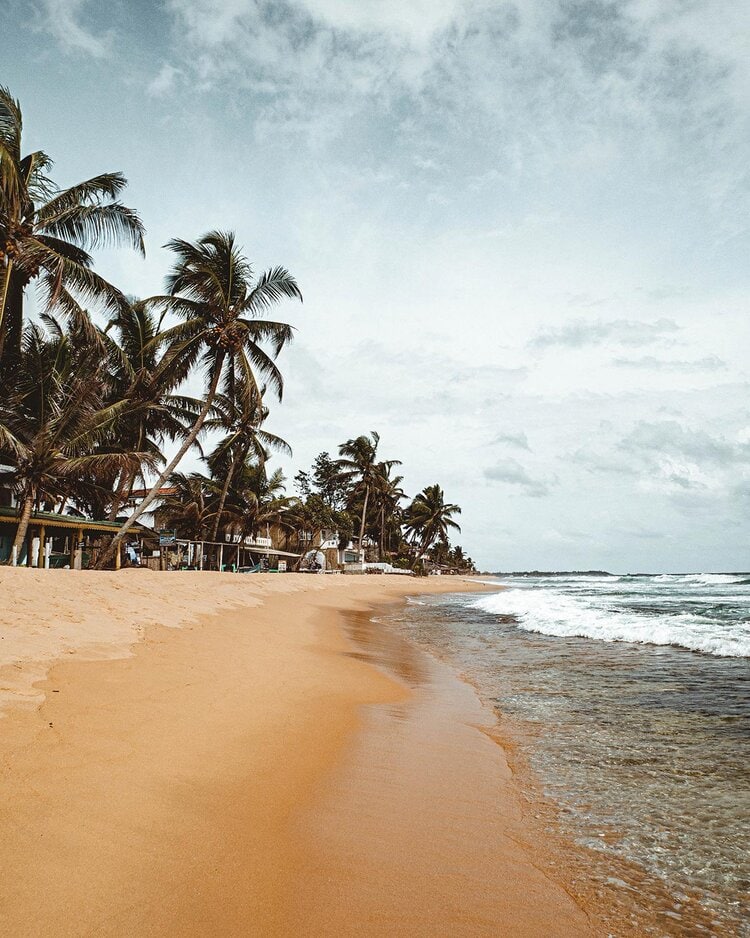
The trendy town has no shortage of palm-fringed beaches, including Unawatuna beach, jungle beach and my personal favourite, Dalawella beach. Therefore it’s not surprising that Unawatuna is considered the most popular beach destination in Sri Lanka.
But it isn’t just the paradisiac beaches that make Unawatuna an essential stop in your Sri Lanka Itinerary.
No, the beach town has heaps of entertaining activities, a great amount of trendy cafes & restaurants, and makes the perfect base for a day trip to Galle.
It’s safe to say that Unawatuna has something that suits every travel taste, which makes it a great town to spend a couple of days in.
That being said, here’s my guide with the very best things to do in Unawatuna – plus essential travel tips that help you get the most out of your adventures.
If you choose to use any of the links on this page, I may receive a small commission at no extra cost to you. By using these links, you’ll have a direct impact on WTSW and my ability to continue to create free insightful travel content for you. If you find any of my tips useful, you can support me by buying a virtual coffee here.
Where to stay in Unawatuna
Unawatuna is one of the most popular beach destinations in Sri Lanka, which automatically comes with a great number of good accommodations.
Due to its popularity, it can be quite a challenge to find accommodation that matches your travel style, prices are also slightly higher than you’re used to in Sri Lanka.
If you’re planning to visit Unawatuna during the high season, I recommend booking your accommodation a couple of weeks in advance.
Some of the accommodations I recommend include:
Epic Unawatuna | A rustic hotel that is influenced by Dutch colonial architecture. Offers spacious rooms with air-conditioning and a comfortable bed – plus extremely friendly staff and at only a few steps away from Unawatuna beach.
Bedspace Beach | A cosy apartment almost directly at Unawatuna’s palm-fringed beach. Situated above the famous Skinny Tom’s Deli Cafe that serves the exceptional breakfast that’s included in the price of the room. For that reason alone, it’s one of the best picks along the coast of Unawatuna.
Levels Unawatuna | If you’re after a bit more luxury, Levels offers stunning views overlooking Galle Bay, classic Sri Lankan-style rooms, and a great swimming pool. It’s also located only a stone’s throw from Unawatuna’s secluded Jungle beach.
Kingfisher Unawatuna | An attractive beachfront hotel that offers spacious air-conditioned rooms, large comfortable beds and a quiet stretch of beach that is excellent for swimming. Kingfisher also has a great in-house restaurant that serves top-notch seafood.
Alternatively, search for accommodation in Unawatuna on booking.com.
10 Incredible things to do in Unawatuna
1. Visit Dalawella Beach
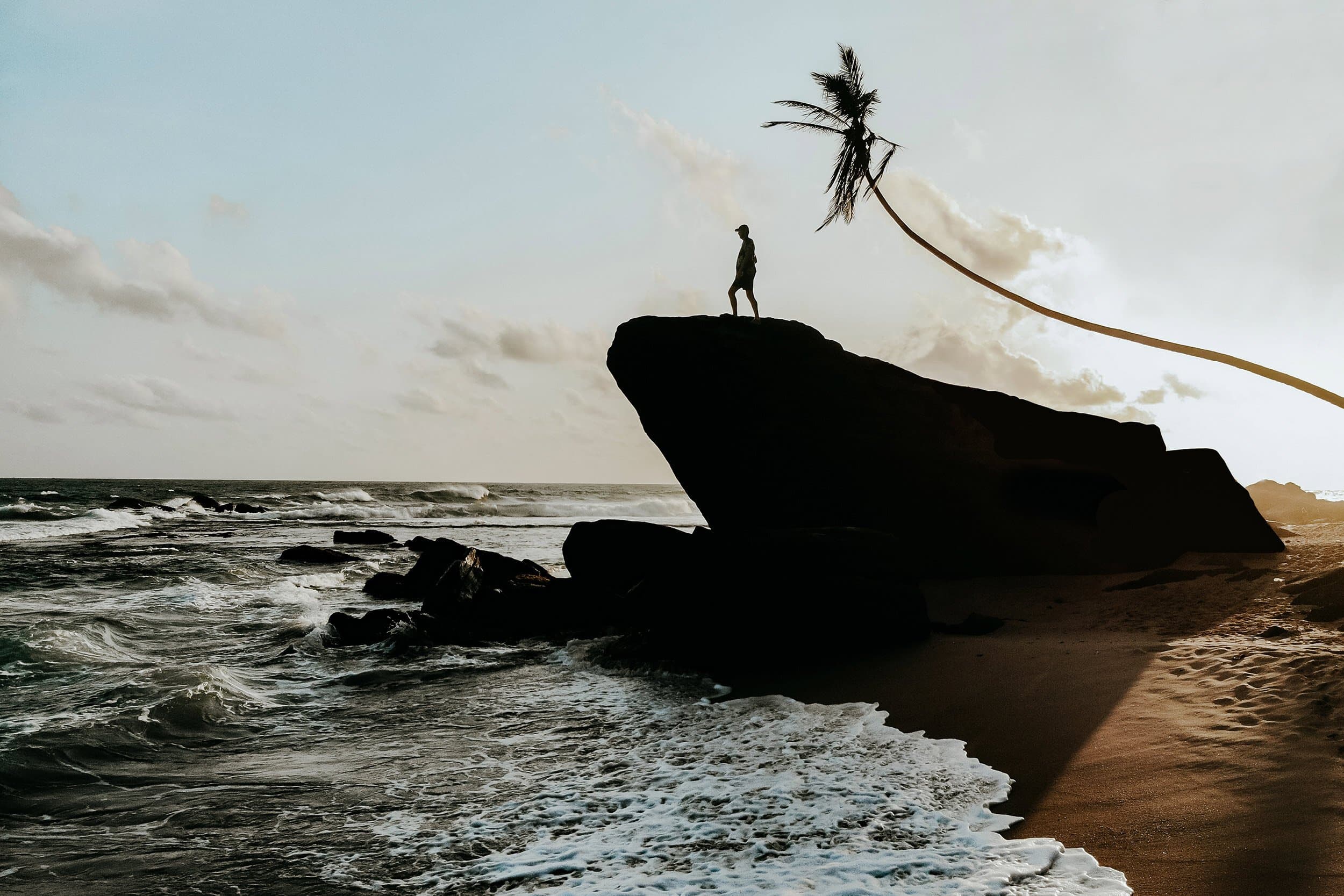
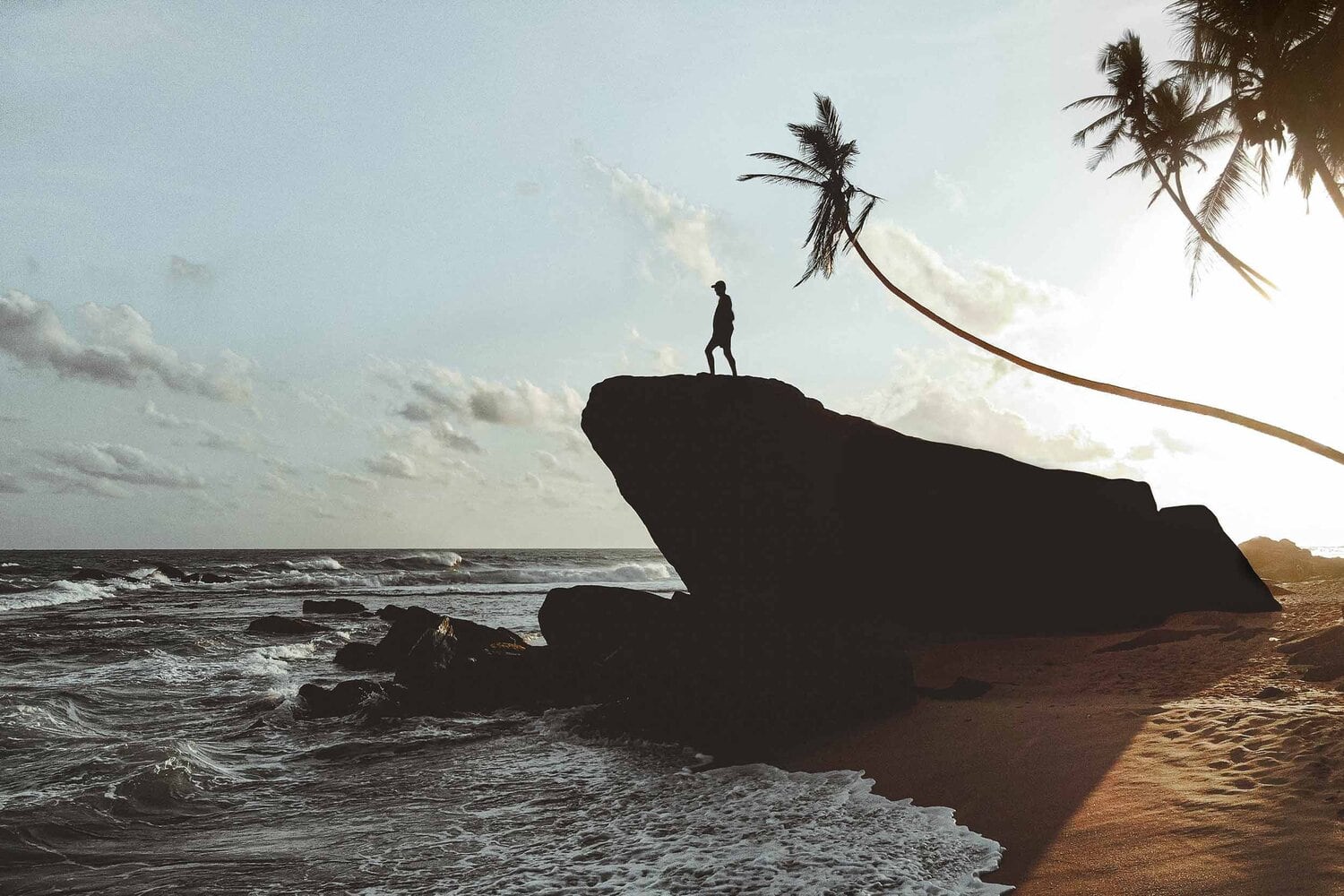
Just south of Unawatuna’s bustling main beach lies Dalawella Beach, one of my favourite beaches and probably the most famous and picturesque stretch of beach you’ll find in Sri Lanka.
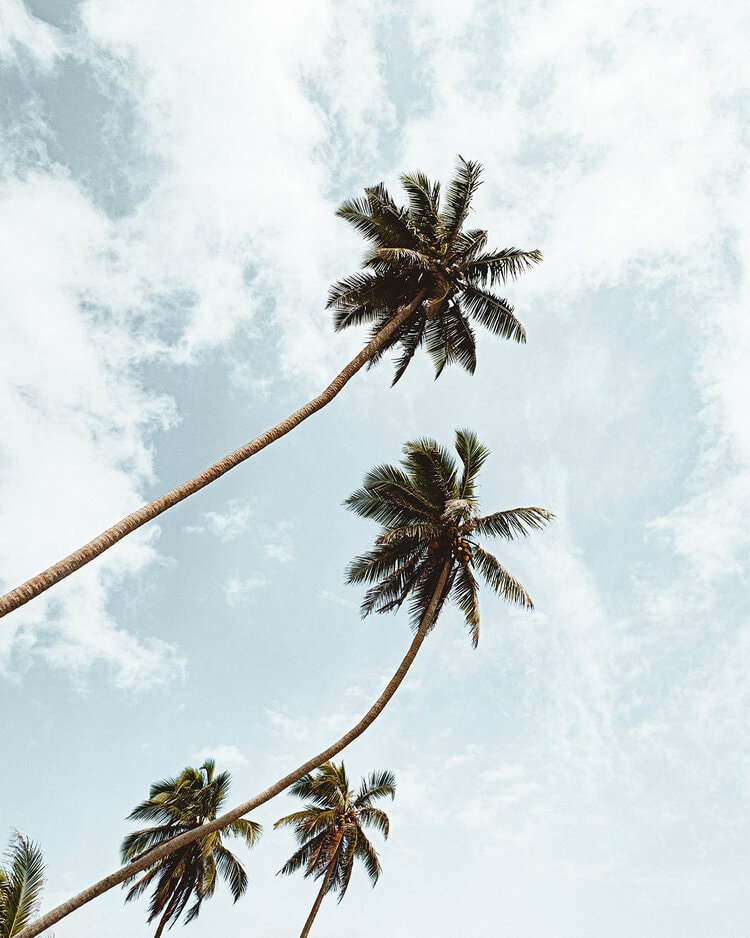
With an incredible scenic rock formation, a thrilling beach swing, and an abundance of low-bending palm trees, Dalawella Beach has become a picture-perfect hotspot in Sri Lanka.
If you’re into serious photography, it’s best to visit the palm swing early morning or during sunset. It is quite busy here all day, especially after it went viral on Instagram.
The palm tree swing is located at the Dream Cabana guesthouse and costs 500 LKR ($2.75) for 3-5 rope swings.
While it isn’t just the trendy palm tree swing that makes Dalawella Beach so popular, it is quite entertaining and surely one of the best things to do in Unawatuna.
Besides these trendy points of interest, Dalawella Beach is fairly quiet compared to Unawatuna Beach making it perfect for an early morning stroll, a refreshing dive and an afternoon of sunbathing.
Where | Dalawella Beach, Unawatuna
2. Learn to surf in Unawatuna
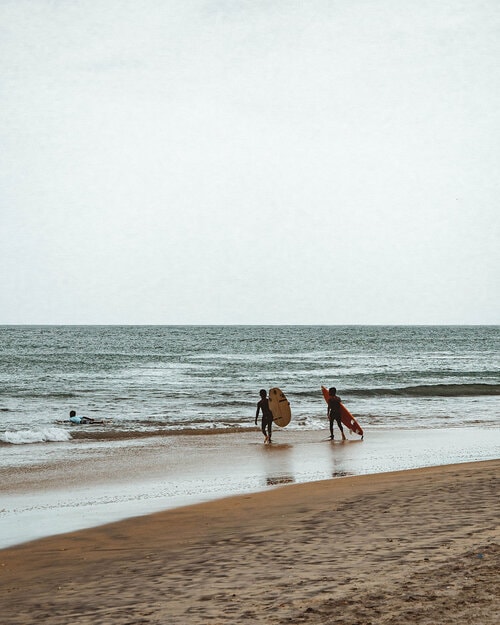
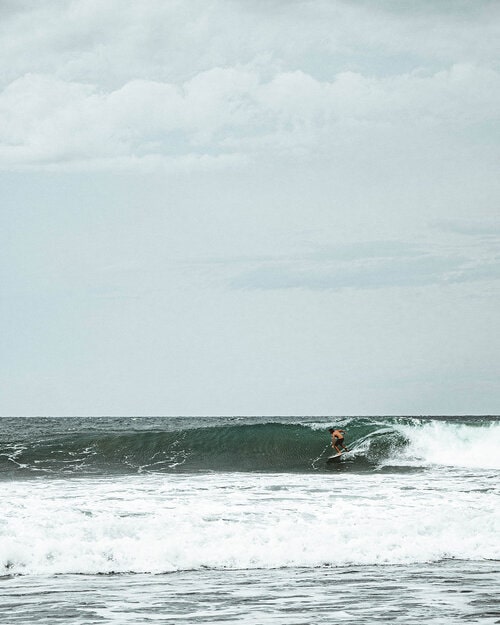
Although Unawatuna isn’t my favourite place to surf on Sri Lanka’s vibrant south coast, there is a beach that offers excellent waves for beginners who wish to learn the basics.
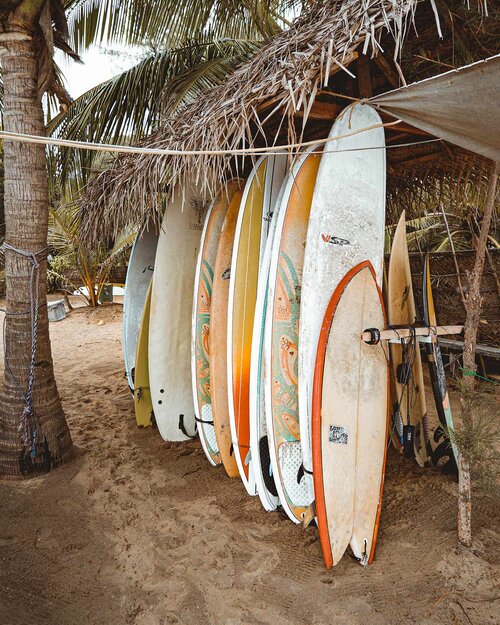
Bona Vista Bay is a small beginner-friendly beach that is located between Unawatuna and Galle. On both the beach and in the town, you’ll find surf schools that provide great instructors and board rentals.
Anyhow, if you’re eager to catch the best possible waves while in Sri Lanka, I deeply recommend heading towards Hikkaduwa, Mirissa (Weligama), or Arugam Bay. These coastal towns are considered some of the best surfing destinations on the island, and that’s for a good reason.
Where | Bona Vista Bay, Unawatuna
Surf lesson | 2.000 – 3.000 LKR, ($11 – 16) per hour
Board rental | 300 – 500 LKR, ($1.65 – 2.75) per hour
3. Admire the views from the Japanese Peace Pagoda
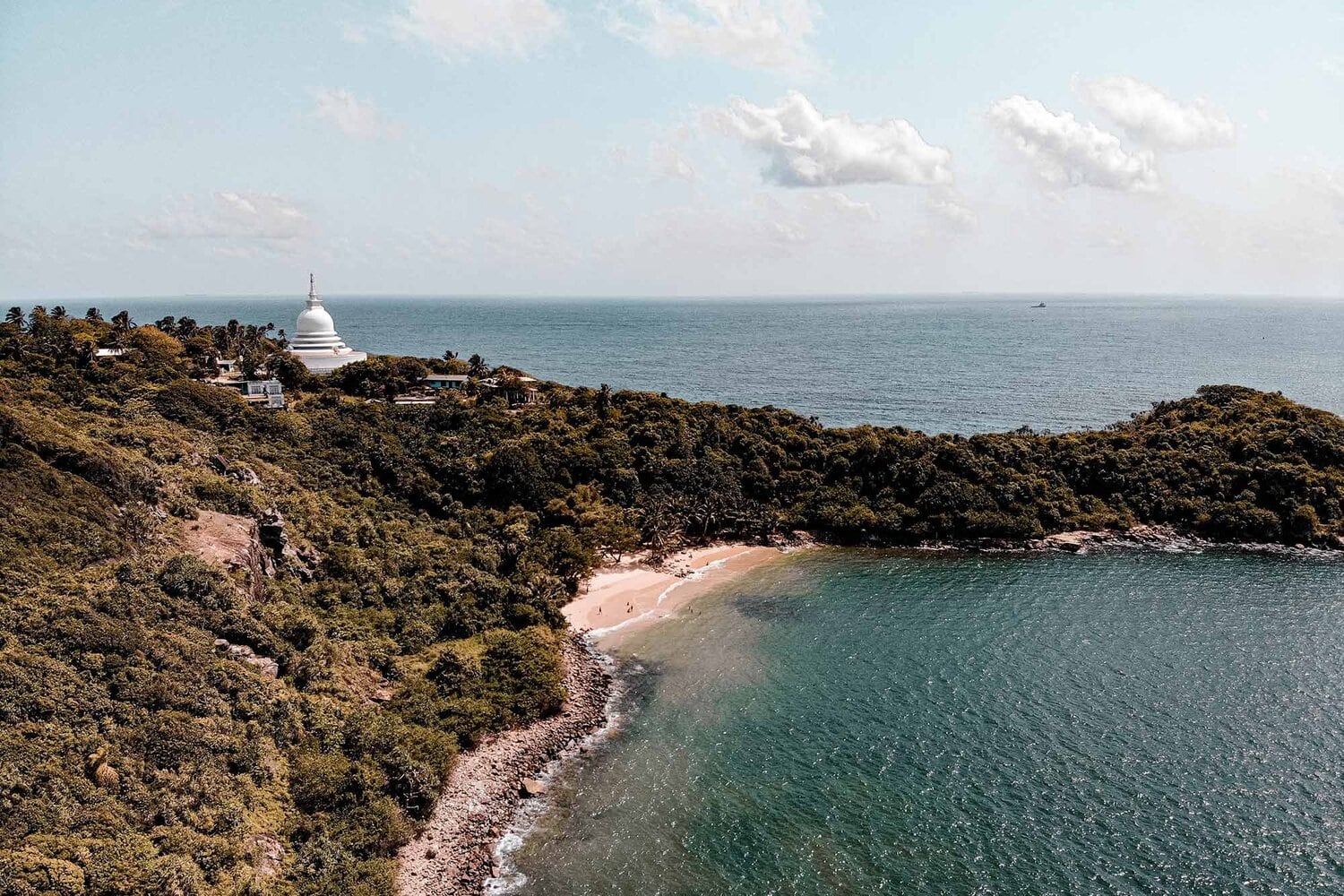
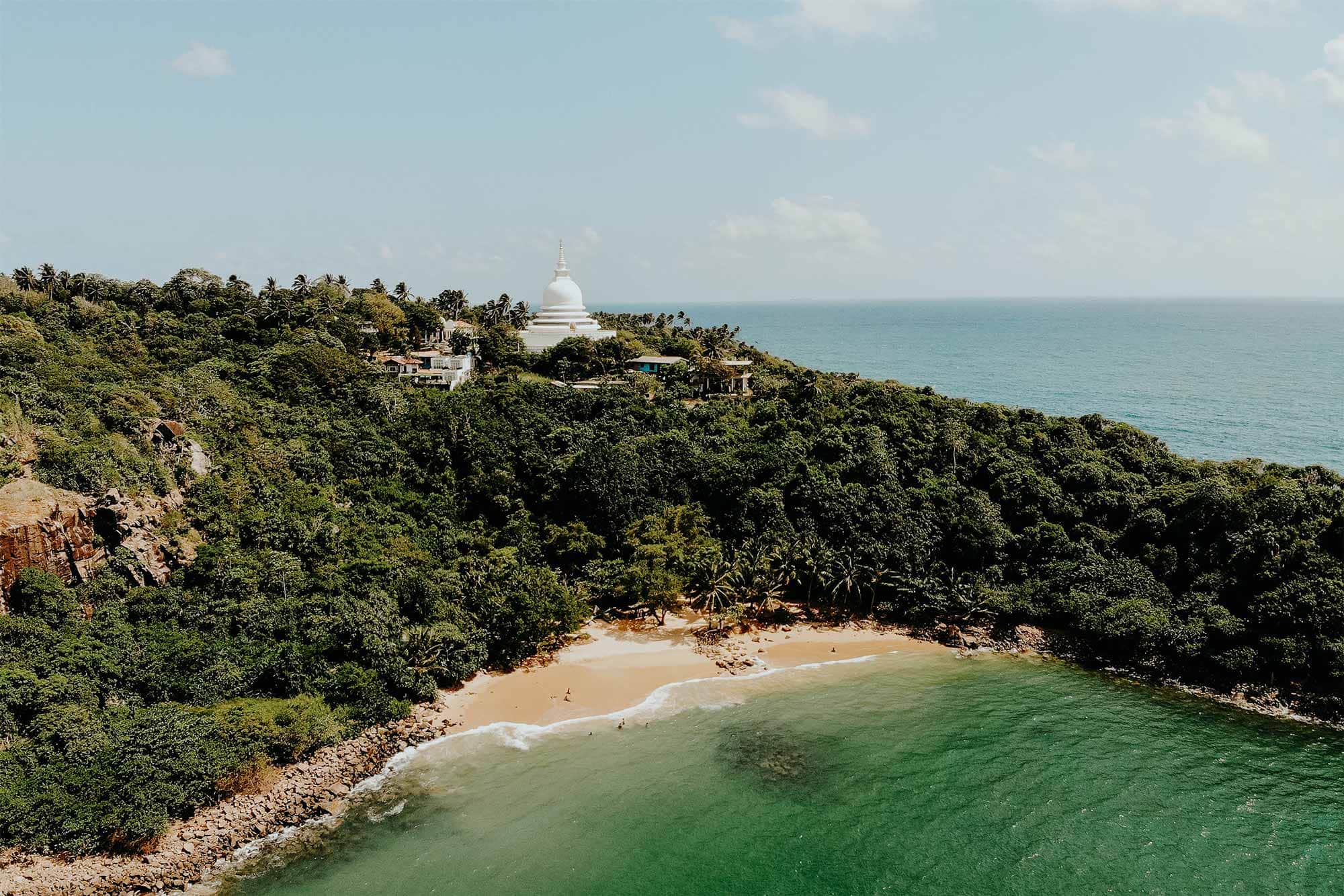
Established in a verdant forest above Unawatuna’s secluded jungle beach lies the Japanese Peace Pagoda, a round stupa that serves as a beacon of peace for people all over the world.
The Pagoda was built by the Japanese Mahayana Sect monks with the intention to unite people of all cultures and religions, and the minimal design radiates this in an elegant way.
Since it’s perched on the top of Rumasalla Hill, the views over Galle Bay and the Historic Galle Fort are simply amazing. For that reason, it has become one of the best things to do in Unawatuna, especially if you visit during sunset.
As always, keep in mind to visit the pagoda in a respectful manner and adhere to the religious customs.
Where | Japanese Peace Pagoda
4. Have brunch at Skinny Tom’s Deli
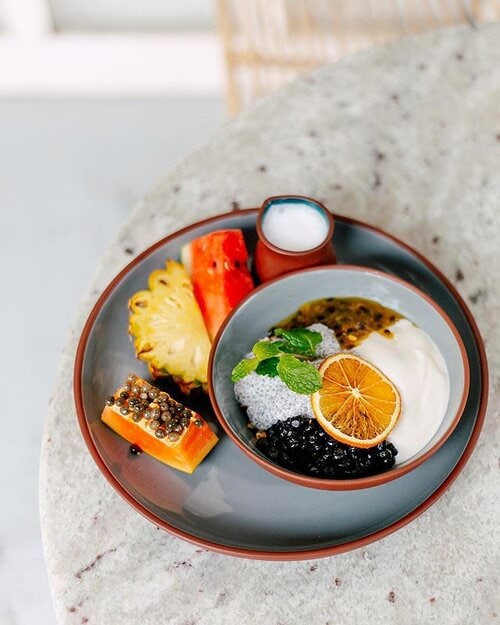
Let me get straight to it, Skinny Tom’s serves the best brunch in town.
The European-style café has a great reputation on Sri Lanka’s southern coast, which makes perfect sense given the excellent variety of Sri Lankan and international brunch options.
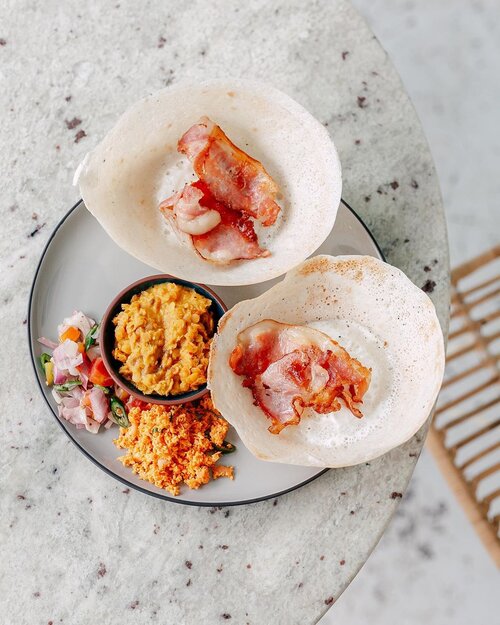
Dishes that are definitely worth trying include their life-changing bacon, dhal & egg hoppers, fresh eggs benedict toast, and if you have a sweet tooth, don’t forget to give their artisanal cake and dessert options a try.
They also serve exceptional coffee, fresh-pressed juices and handcrafted sodas, which are all too yummy to miss out on.
Skinny Tom’s Deli has a high reputation in Unawatuna, and I think you should visit at least once. If that’s the case, it’s almost inevitable that you’ll visit again.
Where | Skinny Tom’s Deli
Opening Hours | Daily 07:30 – 15:30
5. Chill and relax at Jungle Beach
Slightly off the beaten path lies Jungle Beach, a secluded stretch of beach that is considerably quiet compared to Unawatuna’s lively main beach.
When I heard of Jungle Beach from a fellow traveller, the beach immediately piqued my interest, and once I arrived in Unawatuna I decided to give it a visit.
After a 30-minute hike through the jungle, I set foot on Jungle Beach’s first beach, which was surprisingly crowded. And so I quickly realised that the ‘hidden’ beach had become extremely popular with both tourists and locals alike.
There is however a second more tucked-away beach, which is still pretty quiet and characterized by a charming tropical ambience. This one is also home to a small beach bar and is perfect for an afternoon of swimming and relaxing.
While Jungle Beach is pretty similar to Secret Beach in Mirissa, it’s definitely worth a visit when you’re in Unawatuna.
Where | Jungle Beach Unawatuna
6. Do a day trip to Galle Fort
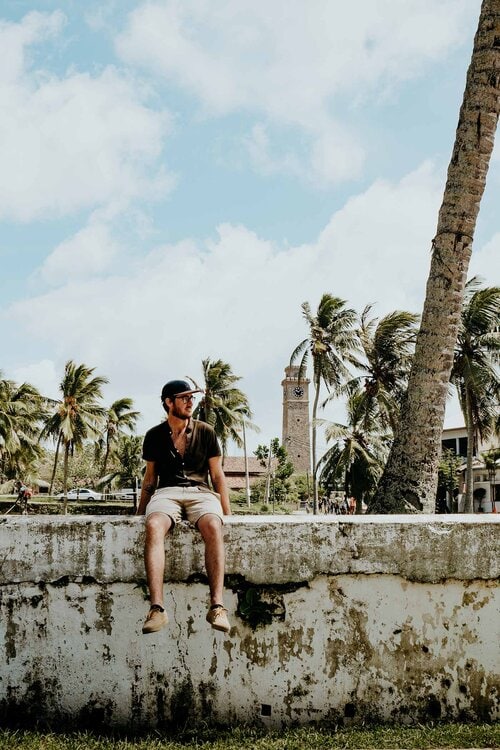
Perched on the cliffs of Sri Lanka’s spirited south coast, is the historic Galle Fort.
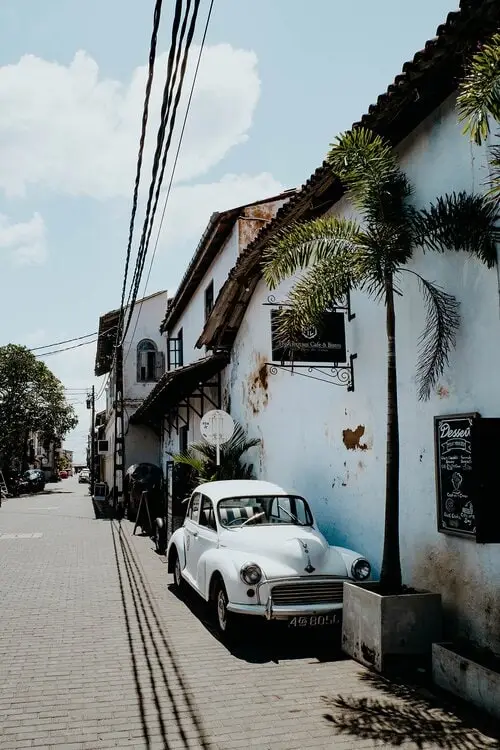
Galle Fort is a UNESCO World Heritage Site constructed by the Dutch in 1663, and taking a stroll along the narrow, authentic streets evokes the feeling of being in the VOC era.
The charm that defines the Galle Fort area today is realized by crumbling Dutch colonial buildings, trendy contemporary cafés, and an inviting, tropical atmosphere.
The historical fort area houses a bunch of breathtaking points of interest; the famous Galle Lighthouse, the Dutch Reformed Church, the subliminal interior, and the fort’s firm outer ramparts, just to mention a few.
The Galle Fort has an incredibly rich history, and if you ask me, it’s one of the things that shouldn’t be missed in your Sri Lanka itinerary. Galle makes a perfect day trip for those who are keen to explore the Fort.
Where | Galle Fort
7. Visit the sea turtle hatchery in Habaraduwa
Sri Lanka is known as the habitat of five distinct species of sea turtles, including Loggerhead, Olive Ridley, Green, Hawksbill, and Leatherhead turtles.
Although turtle hatcheries often have a bad reputation, the sea turtle hatchery in Habaraduwa looked as if they genuinely cared about the conservation of turtles.
The Habaraduwa Turtle Hatchery is a non-profit organisation that focuses on the conservation and protection of turtles that are endangered by extinction.
The caring people at the hatchery do their utmost to rescue and care for injured turtles, while also buying eggs from poachers to hatch and protect them from any danger.
After hatching, the baby turtles are supposed to be released in the ocean within four days, which creates the possibility for travellers to release one, which is an amazing experience.
Although we never know for sure, it seems that the sea turtle hatchery in Habaraduwa is a responsible and ethical organisation.
In the end, it’s up to you if you choose to visit a turtle hatchery in Sri Lanka.
Where | Sea Turtle Hatchery Habaraduwa
Cost | 500 LKR, ($2.75) entrance fee per person
Opening hours | Daily 07:30 – 18:00

8. Swim and unwind at Unawatuna Beach
Unawatuna Beach is one of the most popular beaches in Sri Lanka, and therefore favourite among locals and travellers alike.
Despite the fact that it is quite popular, the wide-stretched beach is still perfect for an afternoon of swimming, relaxing and sunset drinks.
The beach at Unawatuna offers a handful of spots that are great for swimming and a large stretch of the beach houses vibrant beach bars that provide sunbeds that are up for rent.
Since the beach connects perfectly with the vibrant main street of Unawatuna, it houses many trendy restaurants and bars, which ensures a laidback backpacker vibe throughout the entire town.
If being idle isn’t for you, take a relaxing walk to the Pagoda up north, which provides a stunning view over Unawatuna’s golden sanded coastline.
Where | Unawatuna Beach
9. Have dinner at Bedspace Kitchen
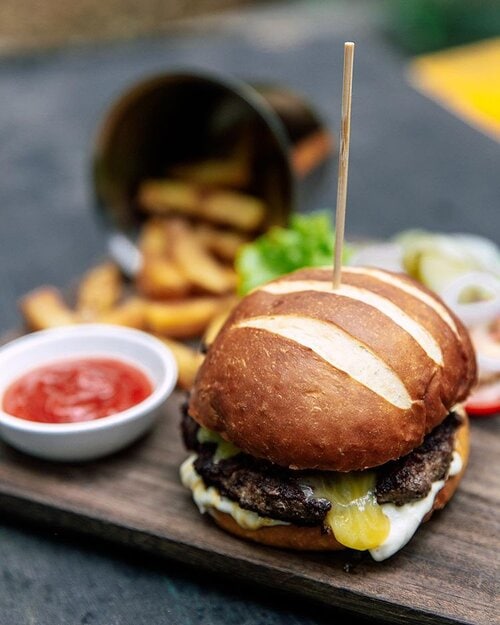
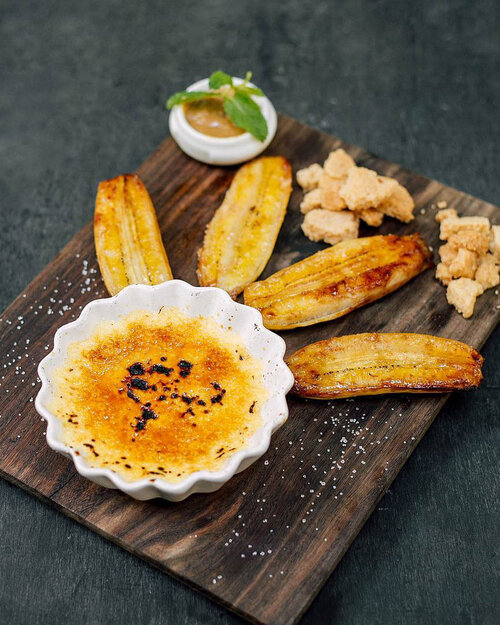
Tucked away in an elegant garden of calm at only a stone’s throw away from Unawatuna’s lively main road lies Bedspace Kitchen, a trendy fusion restaurant that serves the most excellent local and western dishes.
Their menu consists of a wide variety of top-notch dishes, including black pork curry, coconut lemon-grass soup, the Bedspace burger (which was extremely yummy), and pumpkin gnocchi, to mention a few.
But what appealed to me even more, was the fact that most of the used ingredients at Bedspace are organic and local produce, which is directly related to the help and support of the local community.
Although the food is slightly higher priced than elsewhere in Sri Lanka, Bedspace won’t disappoint and it’s definitely worth the splurge.
That said, it is wise to book ahead, as it is a wildly popular eatery.
Where | Bedspace Kitchen
Opening Hours | Daily 12:00 – 16:00 and 18:00 – 22:00
10. Admire the iconic stilt fishermen in Koggala
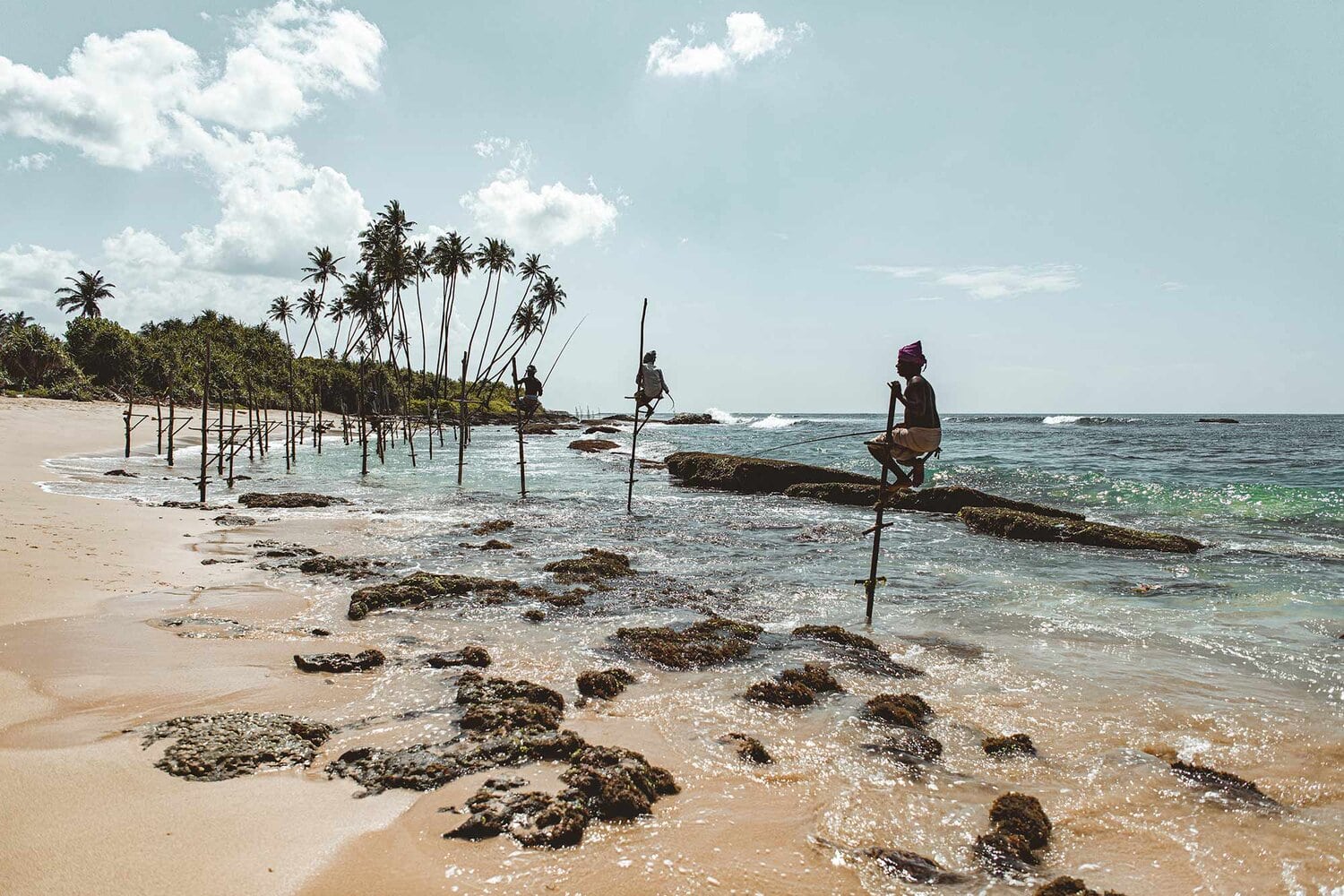
Stilt fishing is an iconic phenomenon, occurring just about everywhere along Sri Lanka’s entire southern coastline.
These groups of traditional fishermen sit far from the shore atop a creatively composed seat made of a pole, branches and twine, waiting to reel in their catch of the day.
Even though the stilt fishermen make it look effortless, it requires a great amount of skill, balance and most importantly, patience.
Unfortunately, the tradition slowly fades away, with the sad knowledge that it may well entirely disappear in the near future.
After the tsunami that hit Sri Lanka in 2004, much of the coastline has been irreparably harmed, which largely reduced the possibility of executing this authentic fishing technique.
As a result, many authentic stilt fishermen rent their stilts to men who pose as fishermen, with the goal of earning a living as a tourist attraction, which makes perfect sense if you ask me.
This traditional, yet extraordinary fishing technique is a tremendous element in Sri Lanka’s rich culture, and for that reason, not to be missed.
Where | Stilt Fisherman in Koggala
Cost | 500 LKR, ($2.75) per person
When | Daily 05:30 – 19:30
How to get there | Only 10 minutes north of Unawatuna and hard to miss if you take a scooter or tuk-tuk ride along the coastline of Unawatuna and Mirissa.
Things to do in Unawatuna | The essentials
The best time to visit Unawatuna
The best time to visit Unawatuna is from October to April with February – April as its absolute peak months. Unawatuna is significantly crowded during this period though, which makes great sense given the excellent circumstances to explore the town’s beautiful surroundings.
Even though Unawatuna has great weather year-round, it is completely common to experience more rainfall during the southwest monsoon that runs from May to September.
How to get to Unawatuna
By train
The train journey along Sri Lanka’s beautiful coastline is the most scenic (and the best) way to reach Unawatuna, especially if you’re planning to visit after Colombo, Hikkaduwa or Mirissa (Weligama Railway Station).
With an excellent train connection between Colombo Fort and Matara (which operates frequently), it’s quite straightforward. Just make sure to get off at the Galle train station, where it’s easy to take a local bus or tuk-tuk to Unawatuna, which costs you around 320 LKR ($1.70).
From Colombo to Galle | Cost 200 – 280 LKR, ($1.10 – 1.54) | Travel time +/- 3 hours
From Hikkaduwa to Galle | Cost 120 – 200 LKR, ($0.66 – 1.10) | Travel time +/- 30 minutes
From Weligama to Galle | Cost 110 – 160 LKR, ($0.60 – 0.88) | Travel time +/- 45 minutes
By bus
Unawatuna is situated on Sri Lanka’s vibrant south coast only 15 minutes away from the well-known Galle Fort. If you’re looking to visit Unawatuna after Hikkaduwa, Galle or Mirissa I highly recommend travelling by local bus.
Using local busses as your service of transport is very affordable and a great way to get a feel for the country and its people.
Local bus | From Hikkaduwa, Galle or Mirissa
Cost | Around 50 LKR, ($0.30) per person
Local bus from Colombo to Galle | For travellers on a budget, it’s also possible to take the local bus from Colombo to Unawatuna. This journey requires changing buses in Galle and takes significantly longer, making it quite exhausting.
Where | Bastian Mawatha Bus Station
Cost | 100 LKR, ($0.55) per person
When | Departs every 20 minutes
Travel time | Around 3.30 hours
Direct bus from Colombo to Galle | If you’re travelling from Colombo I recommend taking the train or opt for the more luxurious direct bus from Colombo to Galle (with air-conditioning) that leaves the Maharagama bus station. Keep in mind that this bus station is about 15 kilometres south of the city centre, making it quite difficult to get to during peak hours.
Where | Maharagama Bus Station
Cost | 400 LKR, ($2.20) per person
When | Departs every 15 minutes
Travel time | Around 1.45 hours
Stay safe in Sri Lanka | Travel insurance
Though Sri Lanka is perfectly safe for travellers, I always strive to sort out my travel insurance before arriving in a foreign country, and I highly advise anyone else to do the same.
Where we prefer that everything goes smoothly during our travels, something unfortunate can happen at any moment, whether it’s an injury or an accident on the road. When that happens, it is better to be safe than sorry.
Heymondo | Whether you’re going on a 3-week backpacking trip, or planning a long stay somewhere abroad, Heymondo has excellent insurance options either way – plus full COVID-19 coverage and a handy app with 24-hour medical assistance. Readers of WTSW receive 5% off any insurance policy, more information here.
Cheers!
I’ve been on this travel blogging journey since 2019.
If you appreciate what I do here, these are some ways you can support me.

8 Marvelous things to do in Mirissa, Sri Lanka's vibrant beach town
Sri Lanka
8 Marvelous things to do in Mirissa, Sri Lanka's vibrant beach town
Here’s my traveller’s guide to Mirissa, Sri Lanka’s vibrant beach town, featuring my favourite things to do, including the Coconut tree hill, Secret beach and a few dope surf spots – plus insightful travel essentials.
Mirissa is one of the most popular beach towns on Sri Lanka’s vibrant south coast and, in my opinion, an essential stop on any trip through Sri Lanka.
The lively town has everything a traveller desires, from Whale watching tours to surf lessons, and from trendy cafes to secluded stretches of beach.
Even though Mirissa is developing at a high pace (which brings more travellers), it is still one of my favourite beach destinations down south. This is mainly due to its laidback backpacker vibe and the many interesting things to see and do.
Here’s my detailed traveller’s guide to Mirissa, featuring everything you need – plus insightful travel tips, including where to eat and how to get to Mirissa.
If you choose to use any of the links on this page, I may receive a small commission at no extra cost to you. By using these links, you’ll have a direct impact on WTSW and my ability to continue to create free insightful travel content for you. If you find any of my tips useful, you can support me by buying a virtual coffee here.
Where to stay in Mirissa
Mirissa has no shortage of good accommodations, with options that suit every budget.
It can, however, be quite a challenge to find accommodation that fits your travel style during high season and therefore I recommend booking your stay a couple of weeks in advance.
Some of the hotels I recommend include:
Handagedara Colonial Villa | Beautifully decorated rooms, air-conditioning, a fantastic swimming pool and only a stone’s throw away from Mirissa beach. More information and availability here.
Satori Beach Hostel | One of the best beachfront hostels in Mirissa. Offers dorms, double rooms, and yoga sessions on the roof. More information and availability here.
Triple O Six | If you’re after a bit more luxury, Triple O Six offers elegant rooms, a swimming pool and the most friendly staff. It’s also located only a few steps from the famous Coconut Tree Hill. More information and availability here.
Mirissa Heights | The perfect option for a budget traveller who wants to stay close to the beach. Clean air-conditioned rooms, a comfortable bed and a good Quality-Price-Ratio. More information and availability here.
Alternatively, search for accommodations in Mirissa on booking.com.
8 Marvelous things to do in Mirissa, Sri Lanka
1. Admire Coconut Tree Hill, Mirissa
When it comes to iconic things to see and do in Sri Lanka, it will be the Coconut Tree Hill in Mirissa that appears on your radar, and that’s for a good reason.
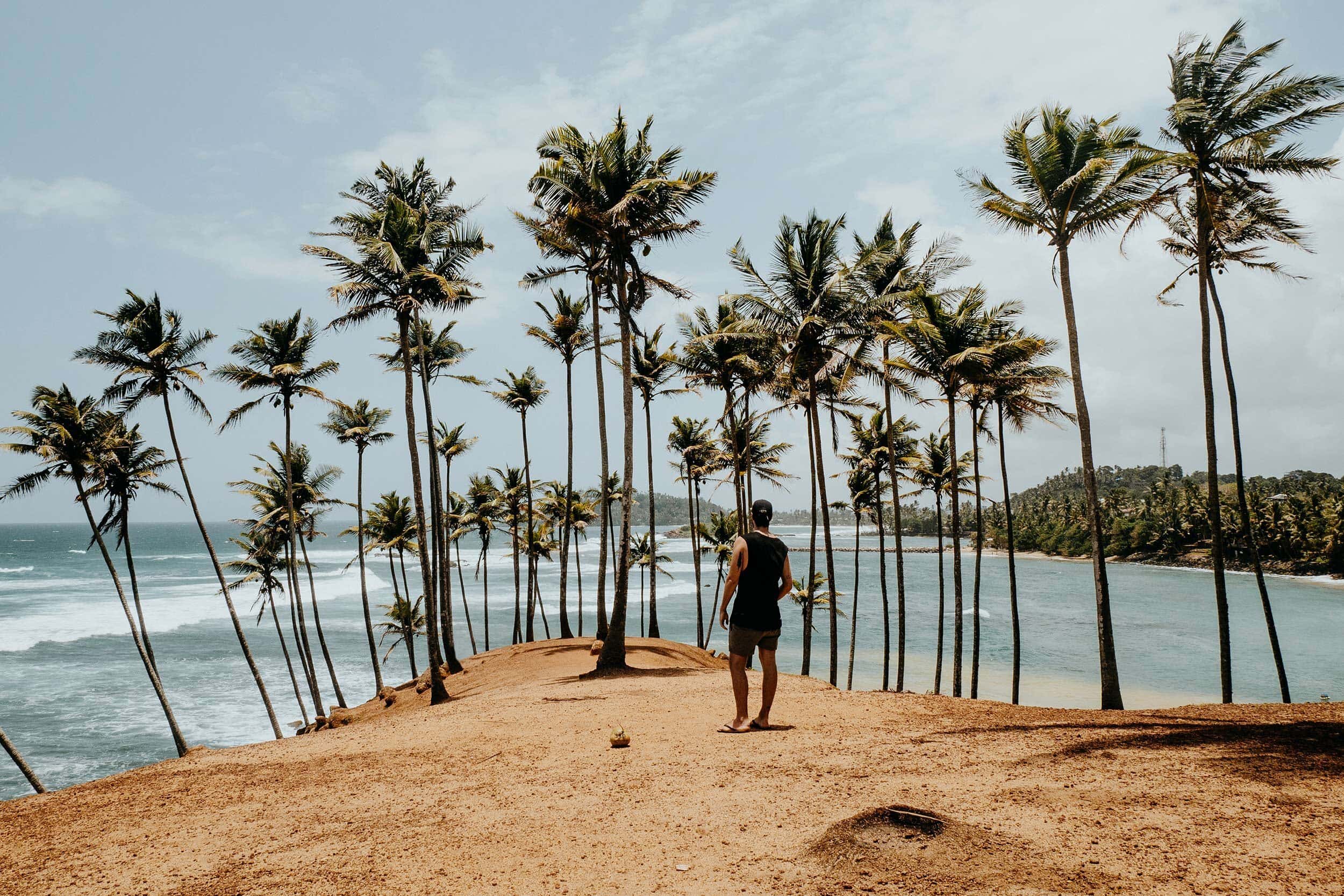
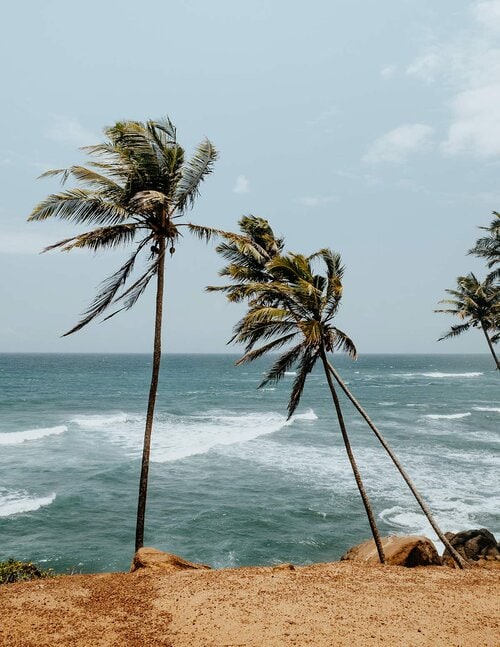
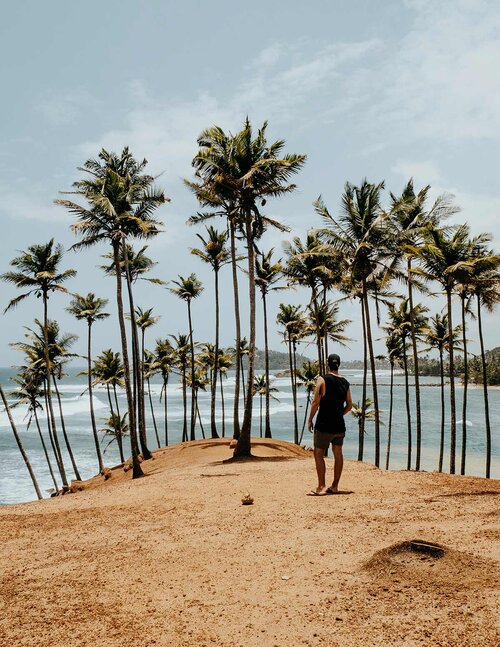
Coconut Tree Hill is a charming cliff that is characterized by a sea of swaying palms, jutting out of the elegant tangerine-coloured soil.
To reach the foot of the picturesque hill, take a serene 15-minute walk along Mirissa Beach before ascending to the amazing viewpoint at the top.
As it’s perched at the very end of Mirissa Beach, the views over the shimmering Indian Ocean and Mirissa’s stretched shoreline are simply breathtaking.
To experience the iconic hill in its full potential, it is highly recommended to visit first thing in the morning or during a glorious sunset.
Even though it’s quite overrun by tourists, it’s still hands down one of my favourite places in Sri Lanka.
Where | Coconut Tree Hill, Mirissa

2. Chill at Secret Beach
Secret Beach is a small secluded beach where jungle and sea blend together in a paradisiac manner, only just around the corner of Mirissa’s lively main beach.
After a local had praised it as one of the best things to do in Mirissa, I decided to go and see it with my own eyes.
What awaited was a picturesque golden sand beach with perfectly aligned palm trees and only a few people there to enjoy it, which slightly reminded me of Jungle Beach in Unawatuna.
A welcome addition to the hidden beach is a small beach bar, which makes Secret Beach the perfect place for an afternoon of sunbathing, swimming and eventually a sundowner.
While Secret Beach isn’t as secret as the name might suggest, it’s notably more peaceful than Mirissa Beach, and therefore definitely worthy of your visit.
Where | Secret Beach, Mirissa
How to get to Secret Beach | Grab a short tuk-tuk ride from Mirissa Beach, followed by a 200-metre hike to the entrance of Mirissa’s secluded stretch of beach.
3. Have brunch at Aloha Coffee Gallery
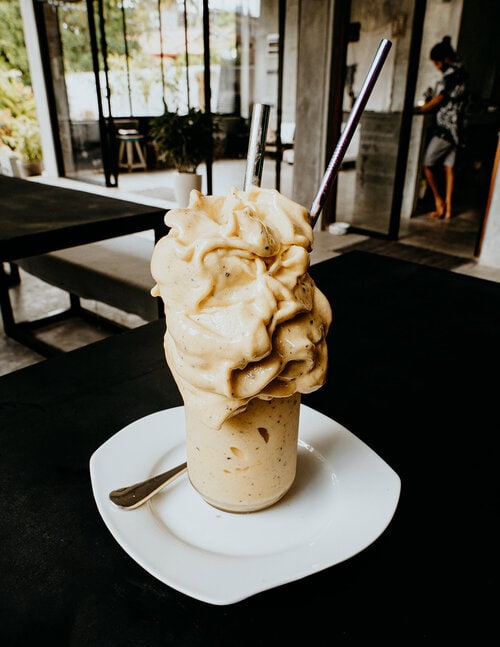
Located just a stone’s throw from Mirissa’s lively main street, Aloha Coffee Gallery is a trendy cafe that’s excellent for healthy breakfast, brunch and coffee breaks.
For those who like to indulge in fresh, nourishing and contemporary food, look no further, you just found yourself a new happy place along the palm-fringed shores of Mirissa.
Eating here feels like the perfect treat, as Aloha serves delicious smashed avocado toast (ask for their local one), nutritious smoothie bowls and lovely chia puddings. Not to mention the coffee they made for me, which was unquestionably the best I’ve had in Sri Lanka.
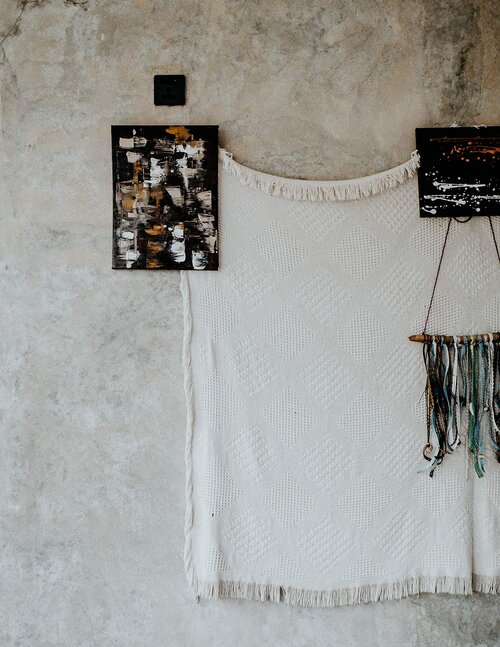
For me, Aloha easily was one of my greatest finds down south. The artistic interior, relaxing ambience, and excellent wifi make it an excellent workspace for digital nomads.
Aloha Coffee Gallery also puts a significant focus on sustainability, mitigating plastic waste, and the help of Sri Lanka’s stray dogs, which I deeply admire.
Where | Aloha Coffee Gallery
Opening hours | Monday to Saturday 09:00 – 15:00, Sunday closed
4. Learn to surf at Weligama Beach
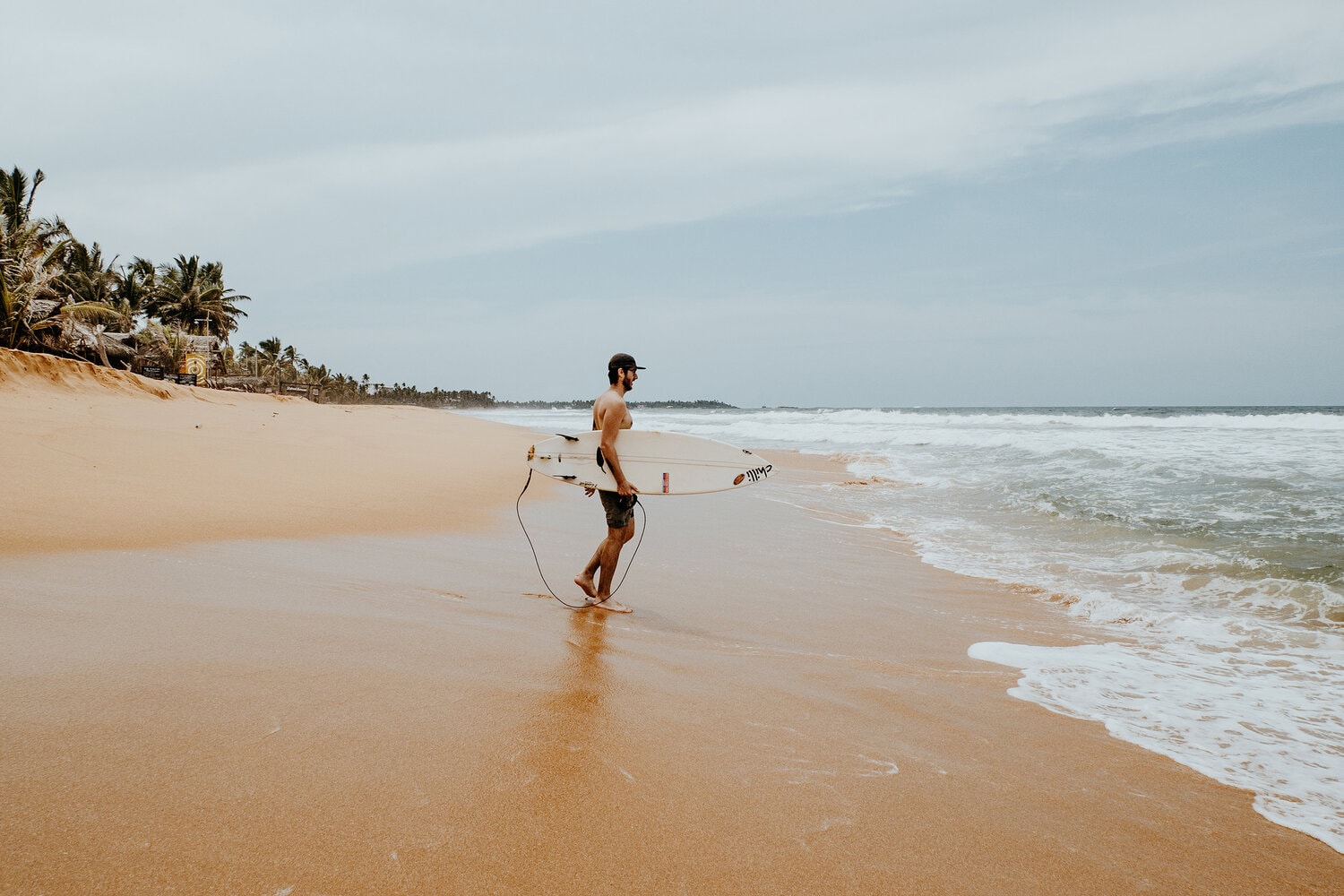
Mirissa is easily one of the leading surf destinations on Sri Lanka’s spirited south coast, and therefore perfect for beginners, intermediate and advanced surfers.
With decent waves rolling in year-round, a handful of excellent surf spots, and plenty of surf schools to choose from, Mirissa sounded like the perfect place for me to learn to surf.
If you’re a beginner like me, it is the Weligama Beach Break where you want to start your exciting new surf journey.
The two-kilometre long crescent-shaped bay is home to several excellent surfing schools, which provide lessons and board rental – plus the waves that break here, are commonly easy to learn on.
If you’re more advanced, head over to Mirissa beach, where you’ll encounter challenging left and right-handers. Do keep in mind that this break is mostly for intermediate and advanced surfers.
No matter what bay you plan to go, from my experience, it is best to surf first thing in the morning, as the waves can get pretty busy throughout the day.
Where | Beginners om Weligama Beach, intermediate and advanced om Mirissa Beach
A 1-hour lesson | 2.000 – 3.000 LKR, ($11 – 16)
Board rental | 300 – 500 LKR, ($1.65 – 2.75) per hour
Surfing season in Mirissa | Although the waves tend to be good year-round, the surf season in Sri Lanka moves from coast to coast. The season on the south coast runs from November to May, while the season on the east coast runs from April to October.
5. Admire the views from Parrot Rock
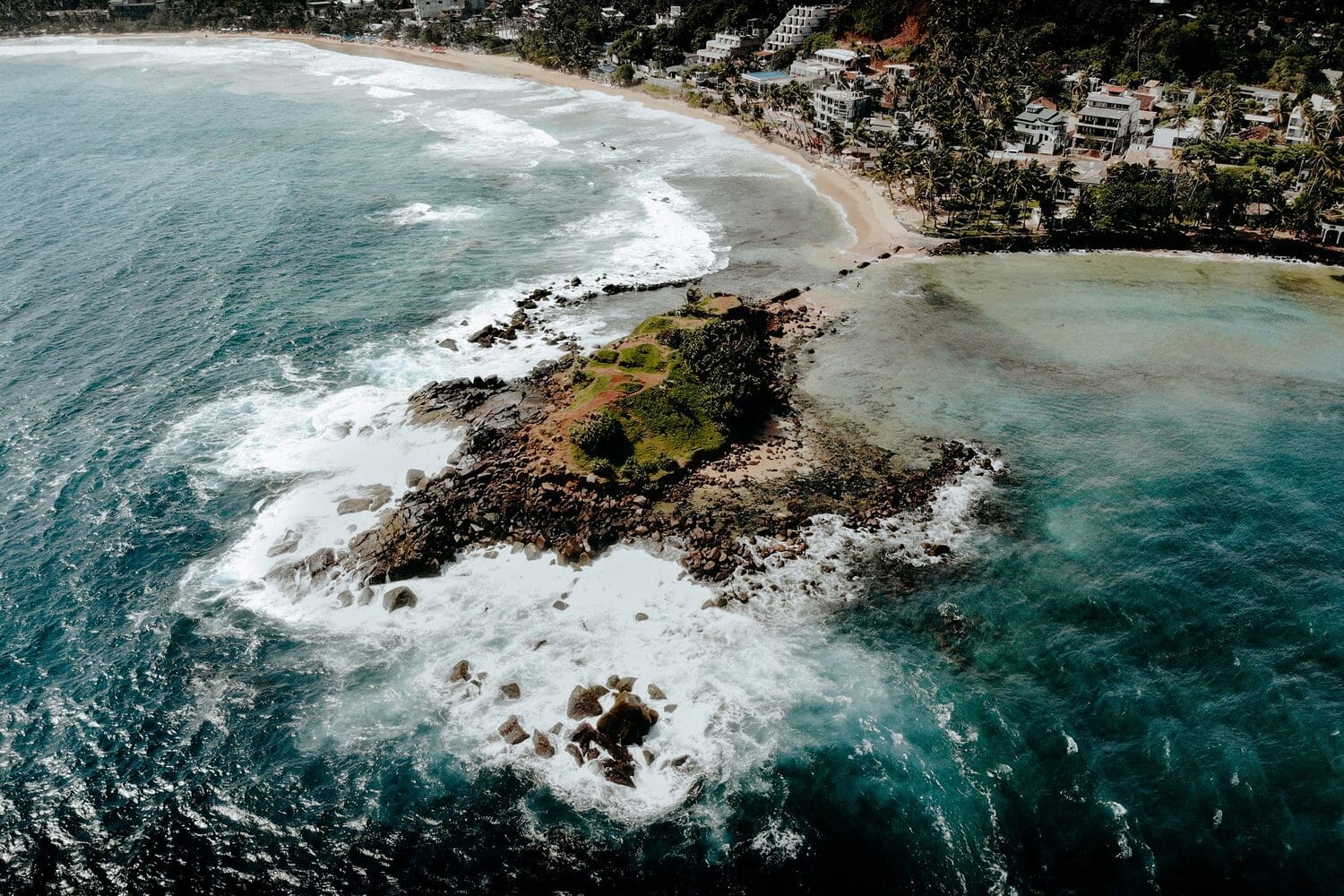
Set right on Mirissa Beach, Parrot Rock is a small secluded rock island that provides the most dazzling views of Mirissa’s entire golden sanded shoreline.
The viewpoint at the summit is the quiet getaway you desired, and that is just 5-minutes away from Mirissa’s beloved main beach. Parrot Rock is the perfect place to sit and watch the world go by, especially during golden hour when the sun gently drops below the horizon.
However, climbing to Parrot Rock’s viewpoint is quite an adventure at times.
To reach the foot of the island’s somewhat sketchy staircase, you’ll have to take a short walk through the water, which can be fairly rough and about knee-deep during high tide.
Even though climbing Parrot Rock is one of the best things to do in Mirissa, bear in mind to be careful of yourself and your belongings.
Where | Parrot Rock, Mirissa
6. Swim and relax on Mirissa Beach
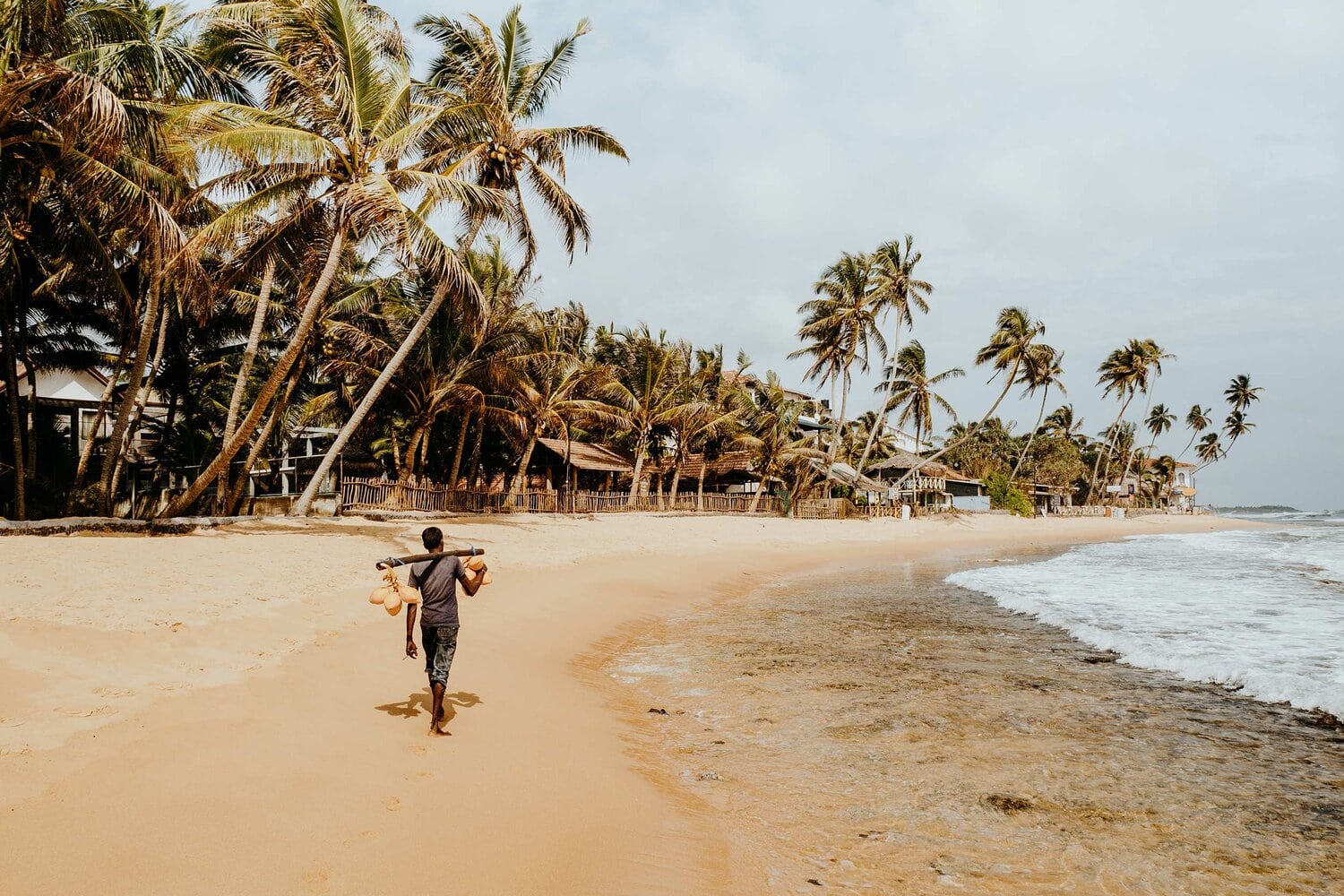
Whilst relaxing, swimming, and sipping on a king coconut slowly enhanced my daily ritual, it became clear why nothing equates to the palm-fringed coastline of Sri Lanka.
Mirissa Beach is said to be one of the best beaches on Sri Lanka’s south coast and believe me, that’s for a good reason.
Even though Mirissa Beach is slightly crowded, it still houses the laidback backpacker vibe that everyone is longing for – especially during golden hour.
As soon as the sunset illuminates the sky, beachside restaurants gradually come to life, more than happy to offer their happy hour deals, which attract both travellers and locals.
If you’re looking for a day’s activity on Mirissa Beach, a gentle beach stroll towards Parrot Rock and Coconut Tree Hill is your best bet.
So whether it’s a morning stroll or a sunset drink, Mirissa Beach is something you can’t miss out on.
Where | Mirissa Beach
7. Go whale watching in Mirissa
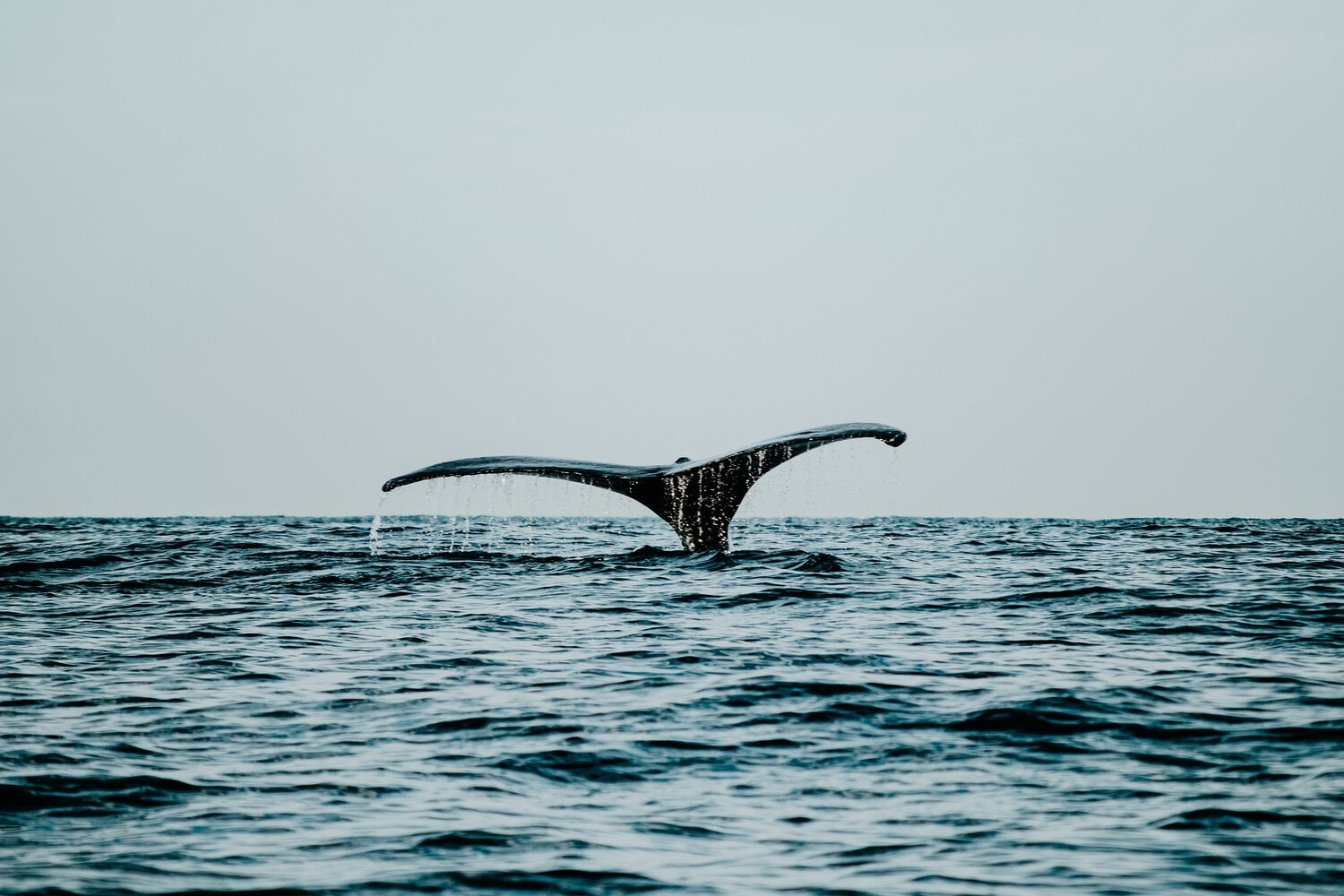
Mirissa is a famous Whale-watching destination, and it’s considered one of the best places to get up close and personal with majestic blue whales.
Aside from Blue Whales that migrate in the Indian Ocean, you’ll have a great chance of seeing Humpback Whales, Sperm Whales, Dolphins and Turtles in their natural habitat.
Early mornings during the peak season grant the highest chance for sightings, as the sea is calm in the morning and slowly becomes rougher in the afternoon. For that reason, whale watching tours start just after sunrise (between 06.00 and 07.00).
The whale watching season in Sri Lanka runs from November till April, with March and April as its peak to encounter blue Whales.
Rumour has it that some operators ignore to perform the Whale watching tours in a responsible and ethical manner. That and the fact that I travelled Sri Lanka in the offseason, made me decide not joining a tour.
If you do consider to join a whale watching tour, I’d recommend putting significant importance in finding a tour operator that focuses on responsible whale watching, Raja & the Whales for example.
Where | Raja & the Whales focuses on responsible whale watching.
Cost | Adult 9.800 LKR, ($54) per person | Children 4.900 LKR, ($27) per person
Duration of a Whale watching tour | 4 – 5 hours, depending on the sightings
When | Whale watching season in Sri Lanka runs from November till April.
8. Sunset drinks, bites and uplifting beats at Petti Petti
Set right on the beach, Petti Petti is an enchanting hide-out that will easily convince you to chill away the day.
One afternoon, when I had the good fortune to stumble upon it on my way back from the famous Coconut Tree Hill, the relaxing atmosphere immediately caught my eye.
With an elevated infinity pool, comfortable beanbags, and uplifting tunes, relaxing became the most productive thing I’ve done that entire afternoon.
Although it had only just opened its doors when I visited in 2019, Petti Petti had already become a remarkably popular place to sit and watch the world go by.
Petti Petti provides a great view over the Indian Ocean, an eclectic menu of decadent Western & Sri Lankan bites, and exquisite tropical cocktails, which makes it also the perfect place for sunset drinks and dinner.
Do keep in mind that this comfort comes with a slightly higher price than you’re familiar with in Sri Lanka. I personally came back twice, which is a good sign right?
Where | Petti Petti Mirissa
Opening hours | Daily 08:00 – 22:30
Where to eat in Mirissa
Mirissa has no shortage of delicious cafés and restaurants that offer everything a hungry traveller craves, from authentic rice & curry to burgers, and from sushi to nourishing smoothie bowls.
So whether you’re looking for a plant-based café or a local eatery, you’ll find many interesting options to satisfy your appetite.
I’d recommend you check out these restaurants in Mirissa:
Shady Lane
Shady Lane is a cosy cafe with an oasis of calm at only a few steps away from Mirissa’s buzzing main street. The cafe is specialised in nourishing smoothie bowls, avocado toast, and smoothies. Besides that, they serve good coffee and a bunch of other vegan options. Shady Lane has an excellent reputation, and that made great sense to me.
Where | Shady Lane Mirissa
Opening hours | Daily 08:00 – 15:00, Tuesday closed
Wood Space Mirissa
Wood Space is another outstanding cafe with great vibes and ‘feel-good’ food.
Go here if you’re looking for a nourishing breakfast, a late brunch, fresh-pressed juices or a great cup of coffee.
Where | Wood Space Mirissa
Opening hours | Daily 09:00 – 16:00
No1 Dewmini Roti Shop
If you crave authentic local flavours, look no further. The food here is not only exceptional but also extremely fresh and cooked with a great amount of passion. However, don’t even think of eating here if you want to miss out on the best Kottu Roti in Mirissa.
Even though there is a lot of hype around this place, it easily lives up to its reputation.
Where | No1 Dewmini Roti Shop
Opening hours | Daily 08:00 – 22:00
The Original Rocket Burger
It often occurs that one needs a short break from local delicacies while travelling, and after rice and curry for over a week, it was about time. This is where The Original Rocket Burger showed up.
I ordered the El Macho, which was absolutely delicious. The location directly at the beach was a welcome addition as well. Worth every rupee and is highly recommended if you’re looking for a good burger in Sri Lanka.
Where | The Original Rocket Burger
Opening hours | Daily 11:00 – 21:00
Things to do in Mirissa | The essentials
The best time to visit Mirissa
It is safe to say that the tropical climate ensures good weather year-round, yet there is a travel period that indicates the high season in Sri Lanka.
It is said that the best time to visit Mirissa is between November and April. The sea is reasonably calm during this period, which provides excellent circumstances for both surf lessons and whale watching.
Even though Mother Nature doesn’t always stick to our calendar, it’s common to expect more rainfall during the southwest monsoon that runs from May till September.
How to get to Mirissa
TRAIN | Going by train is a perfect option if you plan to visit Mirissa after Colombo, Hikkaduwa, Galle or Unawatuna.
A direct train operates frequently between Colombo and Matara. However, make sure to leave the train at Weligama, where you have to change for a local bus or tuk-tuk to Mirissa.
From Colombo to Weligama | Cost 160 – 480 LKR, ($0.85 – 2.55) | Travel time +/- 3.30 hours
From Hikkaduwa to Weligama | Cost 150 – 300 LKR, ($0.80 – 1.60) | Travel time +/- 1.15 minutes
From Galle to Weligama | Cost 150 – 300 LKR, ($0.80 – 1.60) | Travel time +/- 30 minutes
BUS | Mirissa is located on the south coast of Sri Lanka and is usually visited after Galle and Unawatuna Beach.
Travelling along the southern coast is quite straightforward, as there are good connections and the local busses are extremely cheap. It’s also one of the best ways to experience daily Sri Lankan life, which if you ask me is great entertainment.
If you’re travelling from Colombo, Galle or Unawatuna, I personally recommend taking a local bus, which either stops at Mirissa or at the Matara bus station. From Matara, it’s a short tuk-tuk ride to the city centre of Mirissa, which costs around 300 LKR, ($1.60).
Bus from Galle or Unawatuna to Matara
Cost | Around 150 LKR, ($0.80)
Travel time | Around 1 hour
TUK-TUK | Usually, I prefer the use of public transportation in Asia, but for this part of my trip, I grabbed a tuk-tuk. This was mainly because of the friendly guesthouse owner, who had an appointment in Mirissa and asked me to join him on his journey to Mirissa.
It turned out to be a win-win in the end.
He even stopped along the way, so that I could see the stilt fisherman in Koggala, which I already intended to visit on a day trip.
Tuk tuk from Unawatuna to Mirissa
Cost | 1,500 LKR, ($8.25)
Travel time | 45 minutes
Stay safe in Sri Lanka | Travel insurance
Take it from me: never, ever underestimate the importance of having the right travel insurance.
While we all prefer our travels to run smoothly, things don’t always go to plan, whether it’s a surf injury, a stolen camera or an unforeseen cancellation.
Yes, it’s tempting to save a little money upfront, but when shit hits the fan, you’ll thank me.
After years of travel, this is the insurance I turn to:
SafetyWing | Flexible travel insurance with medical coverage and selected travel protections, suited for longer trips and digital nomads. They also offer tailored plans for the duration of your trip, perfect for short getaways.

Note | If you’re travelling with electronics, I can’t stress enough how important it is to double-check whether a policy covers theft or damage to cameras, laptops and phones.
Users of Where the Souls Wander get up to 8 weeks of electronic theft coverage free – find the camera and use code ELECTRO to redeem the offer. For new Nomad Essential members only.
Cheers!
I’ve been on this travel blogging journey since 2019.
If you appreciate what I do here, these are some ways you can support me.
9 Incredible things to do in Isla Holbox, Mexico
Holbox is a tropical paradise that has no shortage of fine stretches of beach, bright street art and trendy hotspots. Here’s my guide to the idyllic island of Holbox, featuring the best things to do in Isla Holbox, where to stay, my favourite restaurants, as well as the best day trips on the island.
Only 20 minutes north of Yucatan Peninsula’s coastline lies Isla Holbox, Mexico’s pristine tropical island, and easily one of the most paradisiac islands we’ve ever set foot on.
After our touchdown in Cancun, we had one clear mission – to make our way to Holbox as quickly as possible. And once we eventually arrived, our body and mind felt at ease spontaneously.
Holbox provides relaxed island vibes in the finest possible way, mainly since it’s largely untouched by upscale tourism.
However, it isn’t just the tranquil atmosphere, pearl white stretches of beach, and the serenity of the Caribbean sea that defines the charm of the island.
No, Holbox’s real charm is that it’s recognized as one of the few places on Earth where you can actually swim with whale sharks.
It is, in fact, the tropical island you have always dreamed of, and for that reason an excellent stop throughout your road trip through Yucatan, Mexico.
Here’s my guide to Isla Holbox, including the best things to do in Isla Holbox, where to stay, how to get there, and all the essentials to fully enjoy this amazing island.
If you choose to use any of the links on this page, I may receive a small commission at no extra cost to you. By using these links, you’ll have a direct impact on WTSW and my ability to continue to create free insightful travel content for you. If you find any of my tips useful, you can support me by buying a virtual coffee here.
Where is Isla Holbox
Where to stay in Isla Holbox
Isla Holbox has no shortage of excellent accommodations, catering to both the likings and budgets of all sorts of travellers and their preferences.
Whether you’re looking for a luxury boutique hotel directly on the beach, a budget-friendly hostel, or something in between, the options here are aplenty, meaning you will easily find something that suits your needs.
I do advise you to search for your dream stay a little in advance, given Isla Holbox has become quite a popular travel destination of lately, especially during the peak season.
To get you started, I’ve listed some of my favourite options below, one of which is marked – this is the one I stayed at during my time on the island.
Spirit Holbox | Securing a private stretch of beach, offering enchanting ocean-view suites, as well as a stunning rooftop pool overlooking the vast ocean, Spirit Holbox is a great pick for those looking for comfort at a decent price. Deluxe doubles start at €98,- a night.
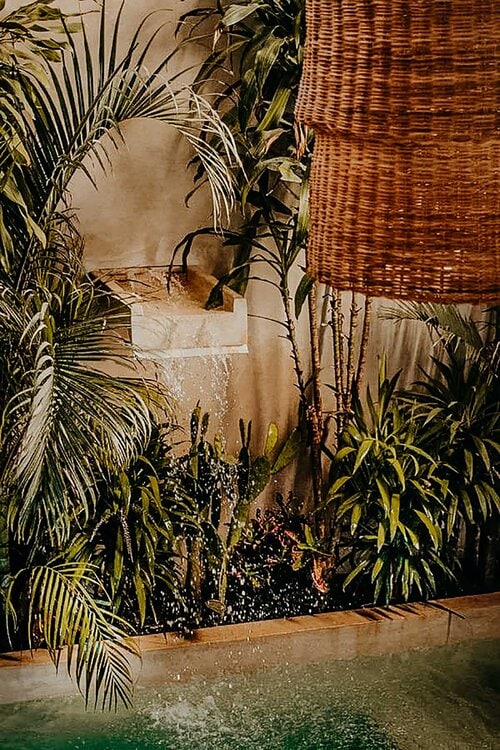
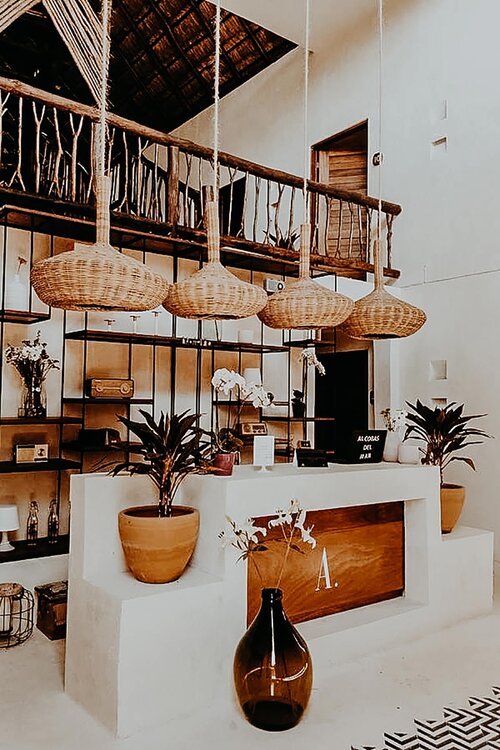
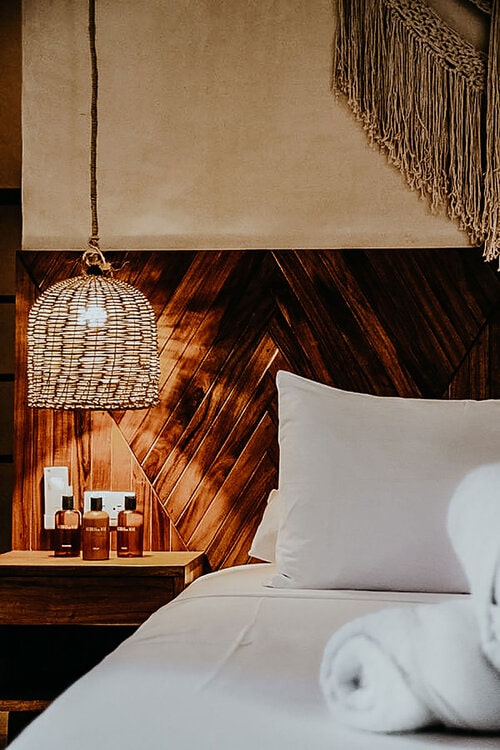
+ Alcobas Del Mar | Alcobas Del Mar is everything you expect a boutique hotel to be. The interior is made of concrete and wood, which is absolutely charming if you ask us. The overall atmosphere is extraordinarily calm and all rooms are spacious, air-conditioned and equipped with a comfortable bed and free toiletries. Ooh, and they have a serene indoor pool.
Spirit Holbox | Spirit Holbox secured a private stretch of Holbox’s secluded beach and offers enchanting decorated ocean-view suites. The hotel comes with a cosy terrace, a rooftop pool and a garden of calm. If your specifically looking for a beachfront hotel, look no further.
Hotel El Pueblito | A beloved hotel that has a great rustic interior and a large appealing swimming pool. The rooms are clean, spacious and most importantly, comfortable. The hotel houses a great atmosphere and has several common areas that are pleasing and inviting. It is also surprisingly close to the beach and Holbox’s main town.
If the above accommodations do not resonate with your travel preferences,
search accommodations in Tulum on booking.com.
9 Incredible things to do in Isla Holbox, Mexico
1. Cruise around the island on a bike
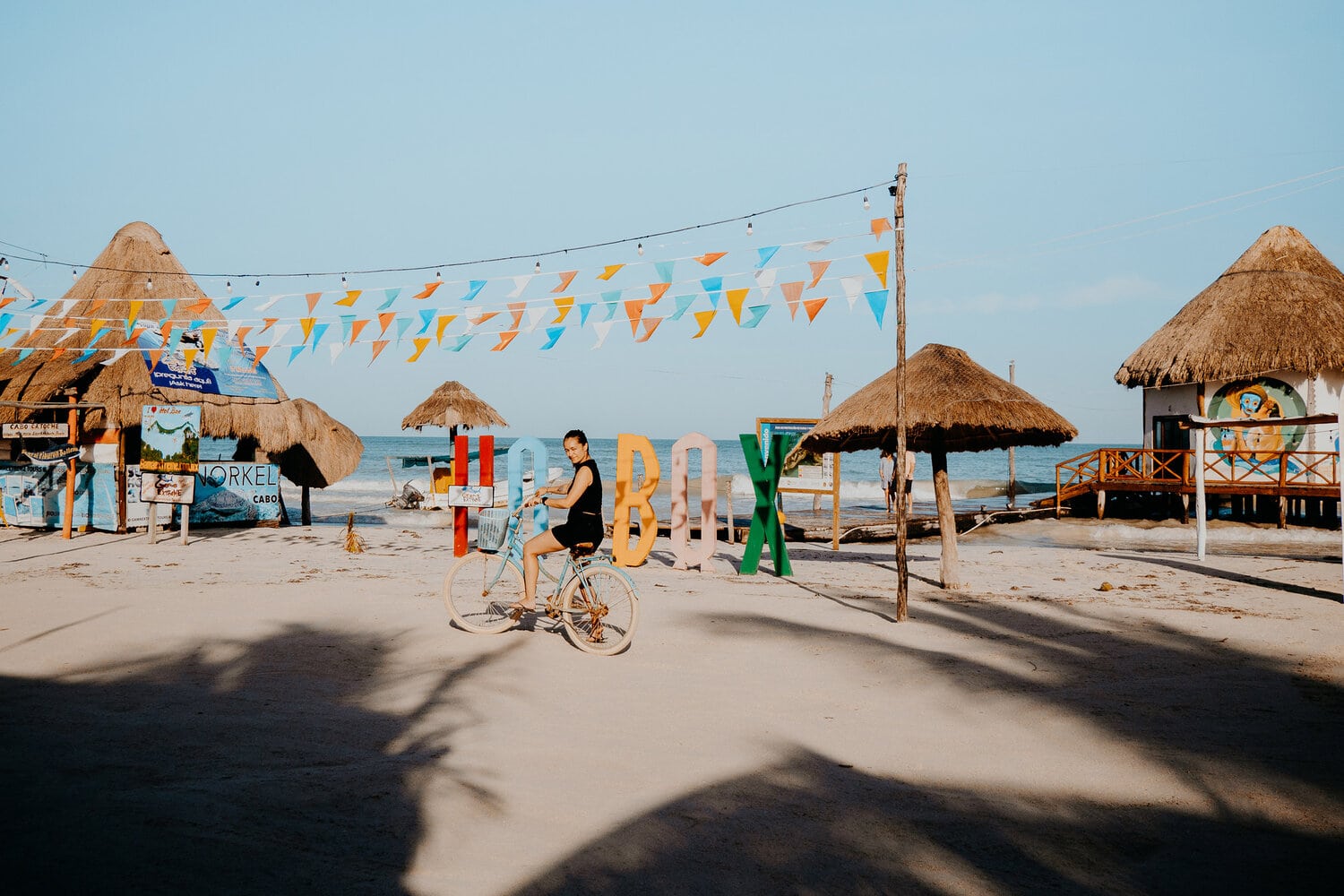
Biking along the tropical shorelines of Holbox was in many ways one of my favourite things to do in Isla Holbox, which might not come as a surprise given I’m Dutch, meaning biking is basically imprinted in my DNA.
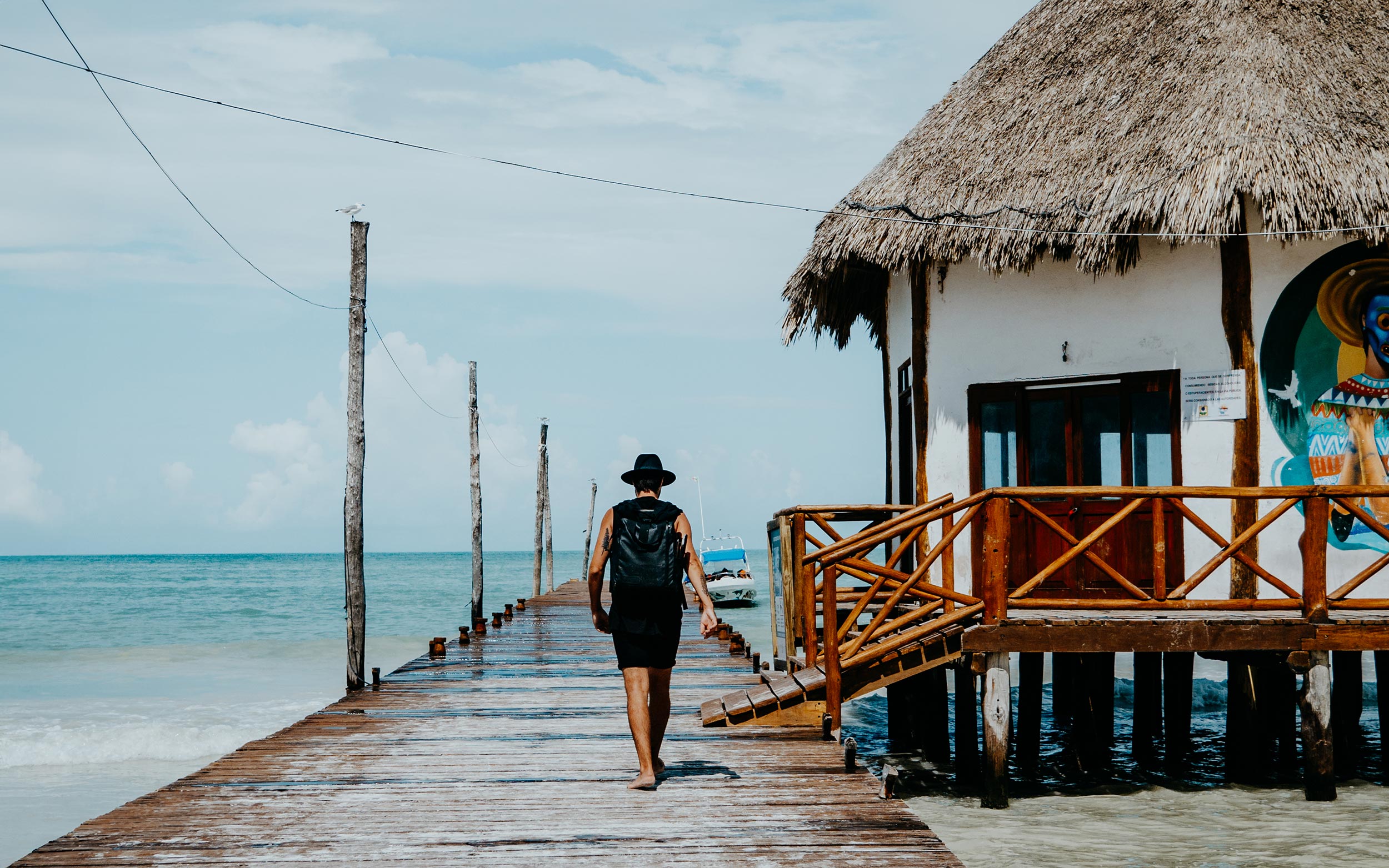
Isla Holbox is a car-free island that, regardless of the fact that everything is within walking distance, is perfect for two-wheeled adventures.
At only a 10-minute bike away from the sleepy town, you’ll discover fine stretches of beach, with nobody there to enjoy it, but you.
A bicycle comes in extremely handy if you plan to, visit the marvellous sandbar at Punta Mosquito, admire Holbox’s superb street art or just want to use it around the town and beach.
For us, the joy and freedom that comes with renting a bike, add up to Mexico’s tranquil island life and the vibe that accompanies it.
Cost | Bike rental, 150 MXN, ($8) for 24 hours
2. Explore the stunning sandbanks of Punta Mosquito
When we imagined what Mexico would be like, a tropical paradise with idyllic beaches and absurdly clear water repeatedly came to mind.
Punta Mosquito was exactly that.
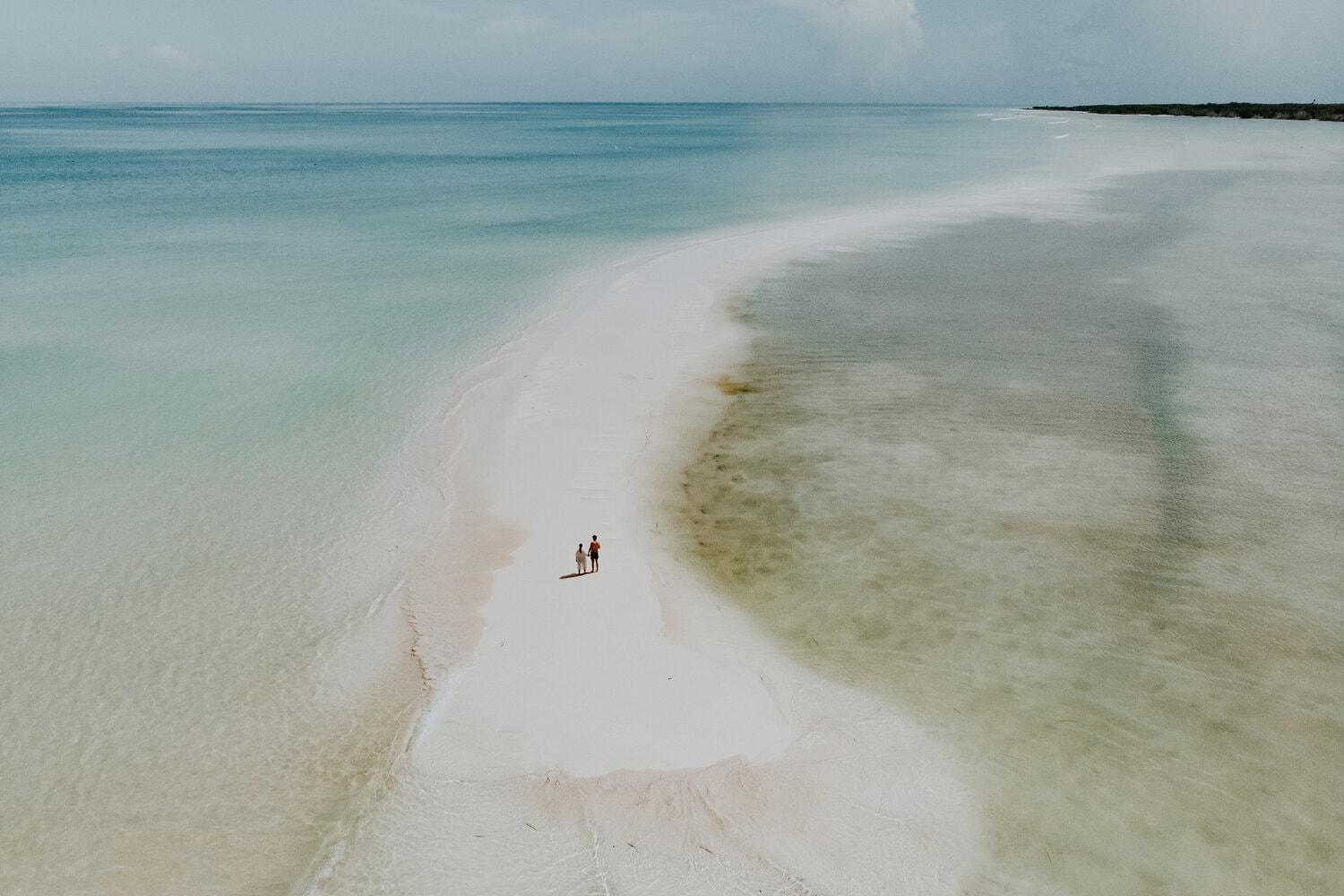
The splendour that characterizes Punta Mosquito is acquired by a pristine, secluded sandbar that stretches out along the idyllic shoreline of Isla Holbox.
The shallow turquoise water awaits under the bright Carribean sun, inviting you to take a peaceful walk on the widely stretched sandbar.
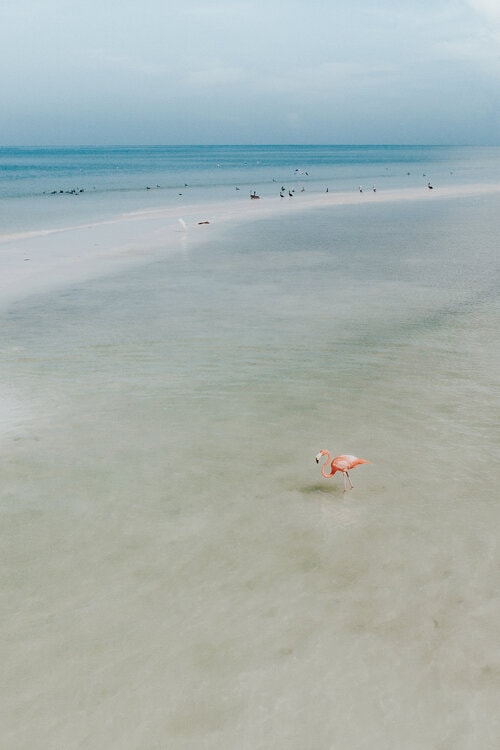
If you’re fortunate, you might even spot flamingos around Punta Mosquito.
For safety purposes, we’d highly recommend visiting Punta Mosquito during ebb tide, meaning you should go well before noon. Once the water level rises you may not be able to walk on the sandbar. We’d also suggest being extra careful regarding your electronic equipment.
Ooh, and don’t forget to bring enough bug repellent, it is named ‘Punta Mosquito’ after all, and that’s for a good reason.
Where | Punta Mosquito Holbox
3. Take an amazing 3 island tour in Isla Holbox
Imagine a short and relaxing private boat tour that takes you along the appealing nature that surrounds Holbox, that’s what this 3 Island Tour from Isla Holbox is all about.
The 3-hour tour is a calming experience and brings you, as the name might suggest, to 3 distinct islands, which are all extremely charming in their own way.
The 3 islands include:
Yalahau Cenote | The Yalahau Cenote is a crystal clear freshwater cenote, that invites you to jump in straight away. The cenote is fueled by groundwater, making it distinctly colder than the sea.
Isla Pajaros | A small deserted island that owes its name ‘Bird Island’ to the 35 bird species that house here throughout the year. It’s quite a spectacle to see so many different species of birds in their natural habitat.
Isla de la Pasion | Once you set foot on Isla de la Pasion, there’s a good chance you’ll see flamingos and Pelicans. It’s an unspoilt paradise, one you’ll obviously admire, especially if you’re a birdwatcher.
Punta Mosquito | In some cases, you’ll head to Punta Mosquito instead of Isla Pajaros, which is a great bonus, given it’s already in this list of things to do in Isla Holbox. This often depends on the number of flamingos you spot at Isla de la Pasion during the tour.
Book | This incredible 3-hour boat tour with VIP Holbox
Cost | 682 MXN, ($35) per person
Duration | Roughly 3 hours
3. Have lunch at Painapol
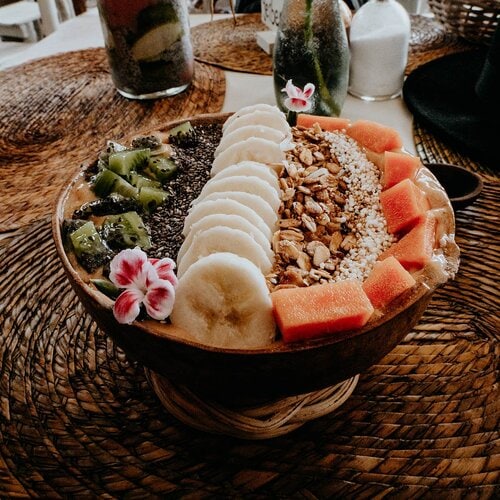
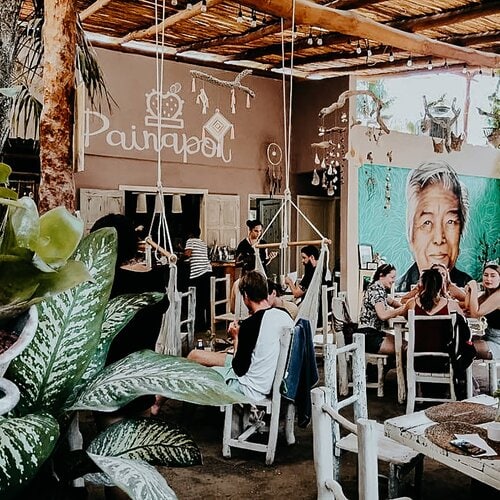
Painapol is a trendy vegan-friendly café that combines a laidback vibe with healthy and delicious food, which if you ask us is perfect for breakfast and lunch.
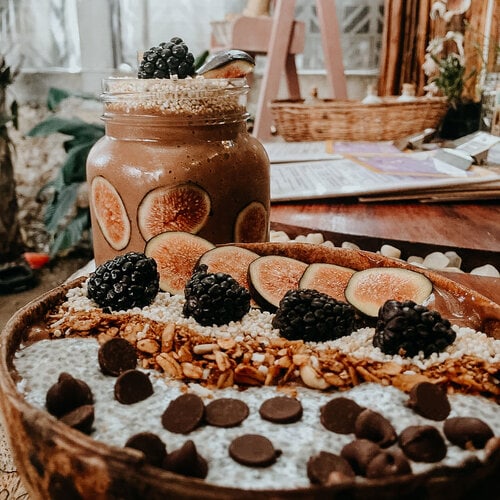
We pulled up here for a late afternoon lunch and treated ourselves to a true health feast, consisting of a large nourishing smoothie bowl, freshly made avocado toast, and two delicious smoothie jars.
Besides the aforementioned options, they serve plenty of other great healthy dishes, including a wide variety of vegan options, all for a reasonable price.
The café houses an artistic interior with swings, comfortable corners and a large colourful mural, making it a cosy place to hang out while enjoying a great cup of coffee or fresh-pressed juice.
Painapol has a good reputation on the island, and we truly believe that you should visit at least once.
Where | Painapol Holbox
Opening hours | Tuesday to Friday 08:00 – 17:00, Monday closed
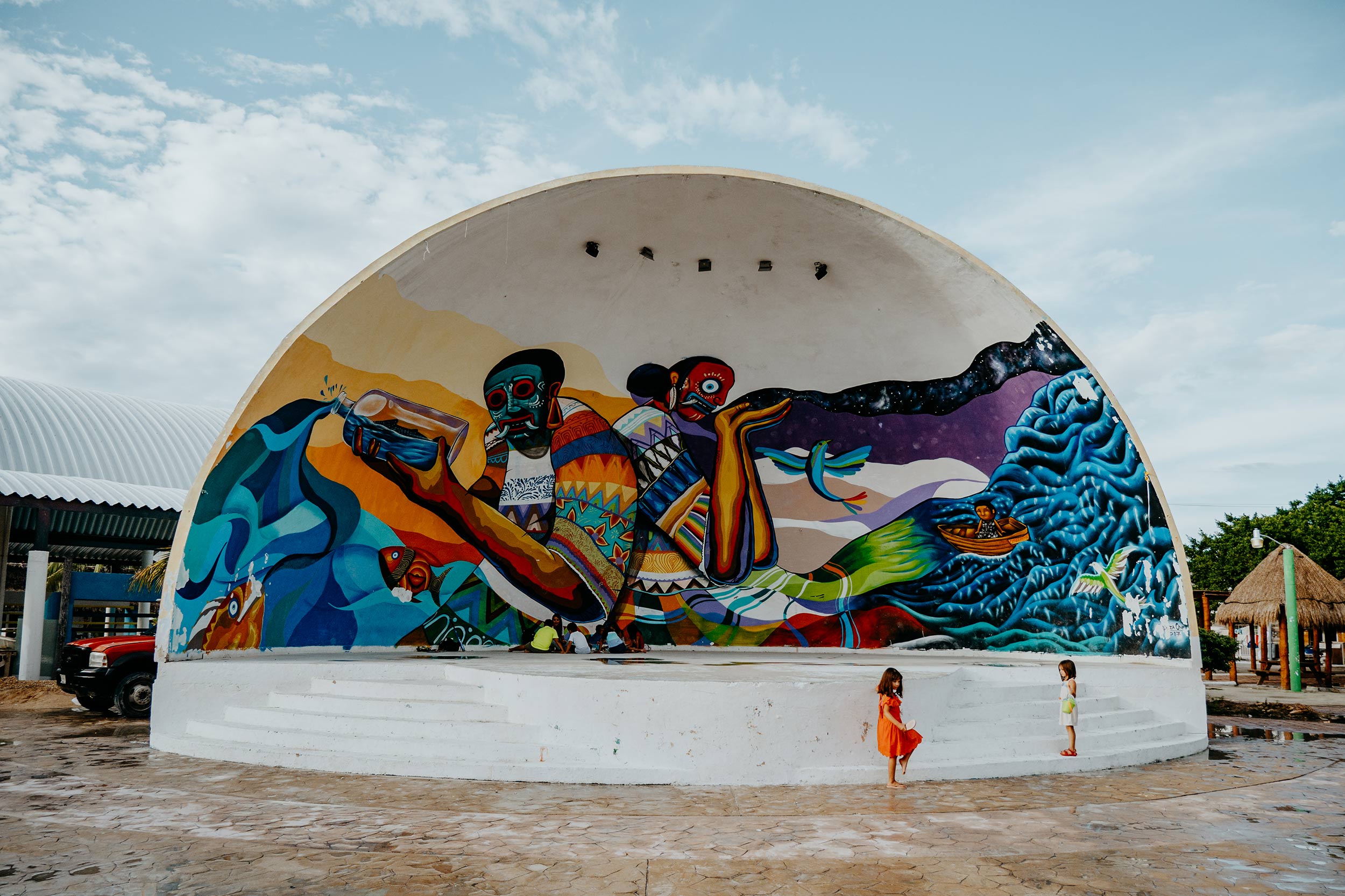
4. Marvel at Isla Holbox’s phenomenal street art scene
It makes great sense that Holbox makes you think only of paradisiac stretches of beach and the calming sound of waves that break on the shore, but there is more to the island.
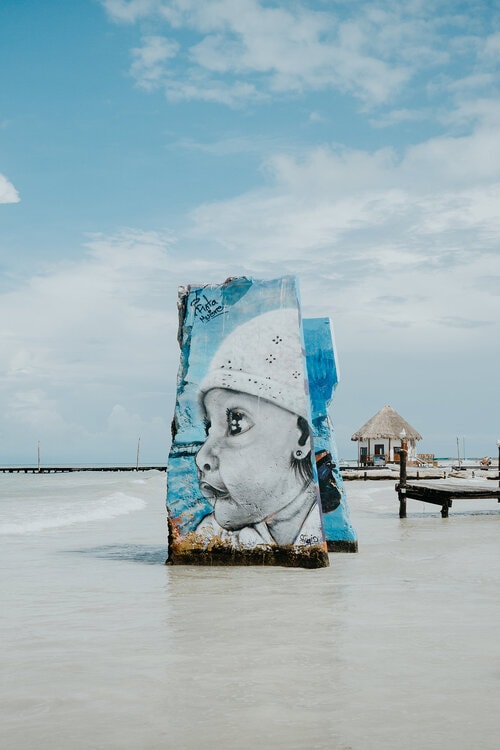
The charm of the island is not only caused by the tropical palms that pop up on about every corner but foremostly by the bright-coloured murals that illuminate the cosy little island town.
Isla Holbox is in fact, well-known for its booming street art culture, which we find undeniably charming.
Throughout the entire town, you’ll find artistically designed murals, making it a joy to explore the island again and again. Every time we wandered along the streets, we ran into a piece of street art that we hadn’t seen before.
Speaking of which, some of Holbox’s best street art is found on the beach.

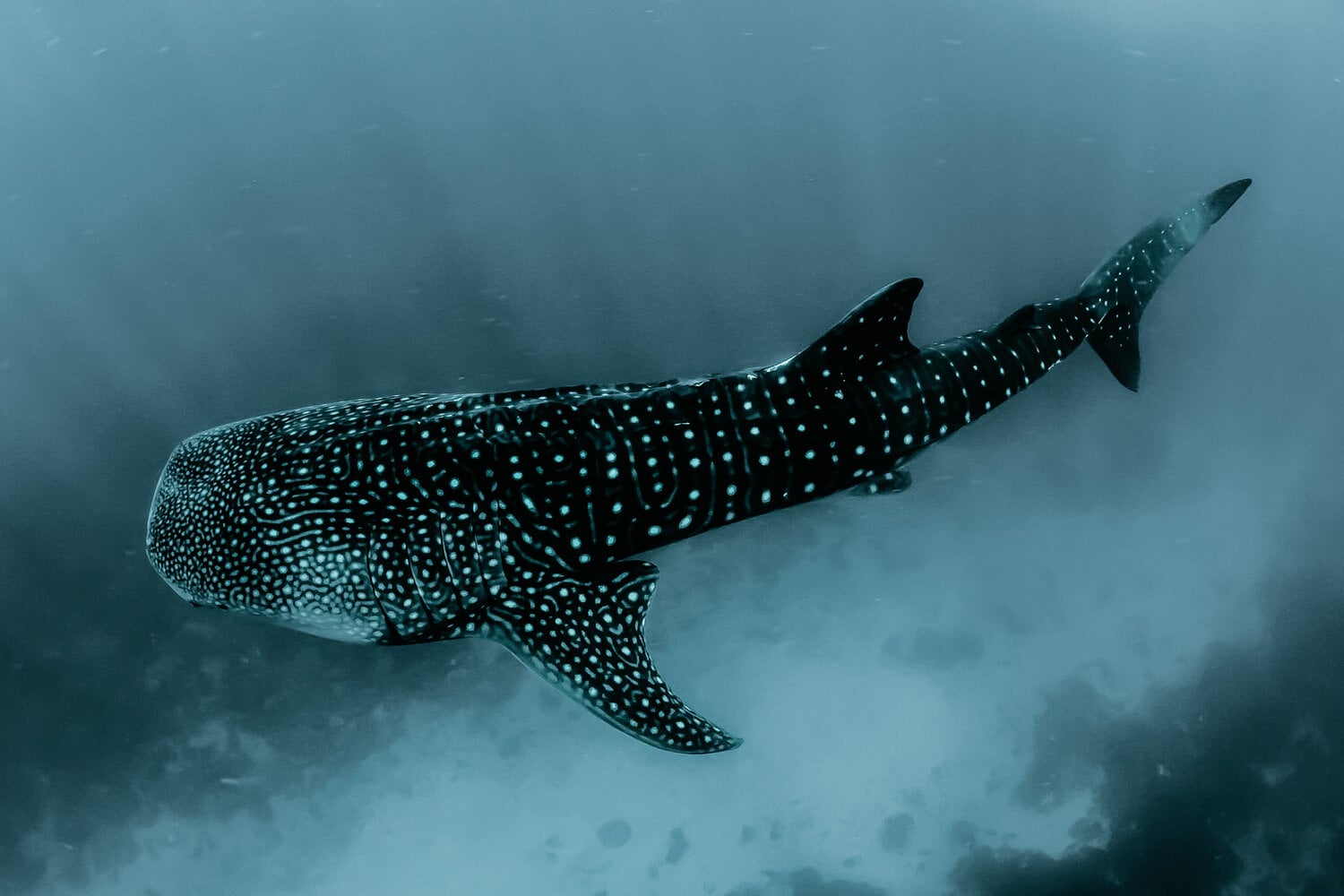
5. Swim with whale sharks
Isla Holbox is acknowledged as one of the few places on Earth where you can actually get up close and personal with whale sharks.
So if you had a long-time desire to swim with whale sharks in a responsible and ethical manner, Holbox might be the perfect destination for your next adventure.
Despite their somewhat frightening name, these majestic creatures are known to be completely harmless to people. Fortunately for us, their diet consists only of plankton, krill and other aquatic microorganisms.
It is said that swimming around whale sharks is one of the most thrilling and exceptional experiences ever. However, please keep in mind that the well-being of these creatures is far more important than your personal bucket-list experience.
If you’re considering joining a whale shark tour, we’d sincerely recommend putting significant importance on finding a tour operator who specialises in ethical tourism practices and nature conservation.
Where | VIP Holbox is well educated and places great value on the ethical side. More details here
Cost | Whale Shark Tours cost around 2,200 – 2,800 MXN, ($120 – 150) per person.
When | Whale Shark Season in Isla Holbox runs from late May till early September.
6. Unwind on Isla Holbox best beaches
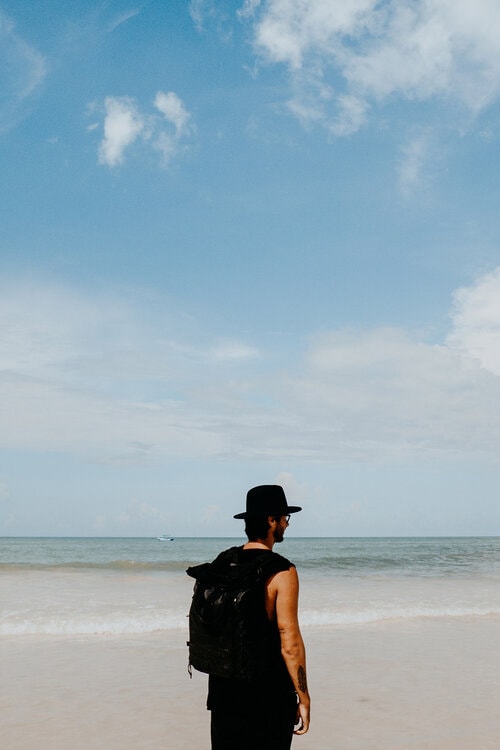
Very often, the best things in life are quite straightforward and if we had the drawback of using only one word to describe Holbox, it would definitely be: easygoing.
As soon as we had set foot on Holbox, the tranquil atmosphere that prevails on the island, made sure that life slowed down a pace or two.
The island houses a bunch of laidback beach clubs, of which we’d guarantee, you’ll stay longer than initially planned.
Which is exactly what we did.
We spent numerous hours with our feet dimpled in the sand, occasionally reading a book or taking a dip in the clear water – we were even caught napping away the afternoon.
And why not, it is a tropical holiday after all.
The best beach clubs on Isla Holbox
La Playa De Ñaña | Raices Beach Club and Marina | Restaurante & Beach Club Mandarina

8. Have dinner at Luuma Holbox
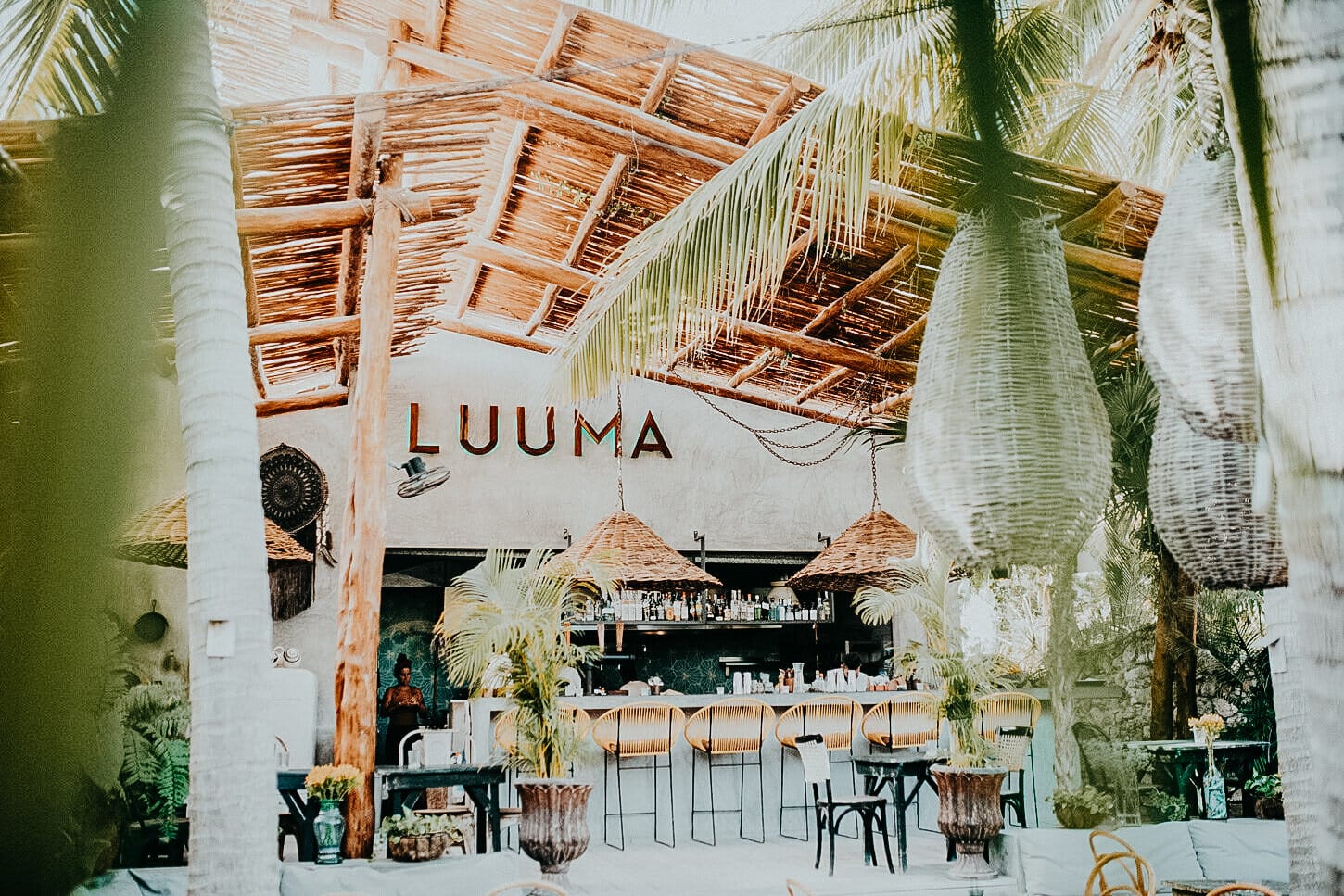
Even though Holbox is home to a broad selection of restaurants, I Believe it’s Luuma that stands out above the rest.
Luuma is a trendy restaurant that provides a tranquil ambience in a secluded outdoor garden, which is accomplished by a fine sand floor, illuminating lanterns, and an abundance of verdant palms.
But it isn’t just the admirable atmosphere that makes Luuma so sensational.
No, it is their eclectic menu of delicate bite-sized tapas and appetizing signature cocktails that get the job done.
Besides their amazing tapas, they serve unique worldly dishes based on fresh Mexican sourced ingredients – plus a handful of vegetarian and vegan options.
Eating here has a relaxing, yet sophisticated feel to it, and in our opinion, there is no other restaurant like this on the island.
Where | Luuma Isla Holbox
Opening hours | Daily 17:00 – 23:00
9. Sit down on a dock and watch the sunset
Sunsets on Isla Holbox are absolutely glorious, and not an afternoon on the island should pass by without admiring them.
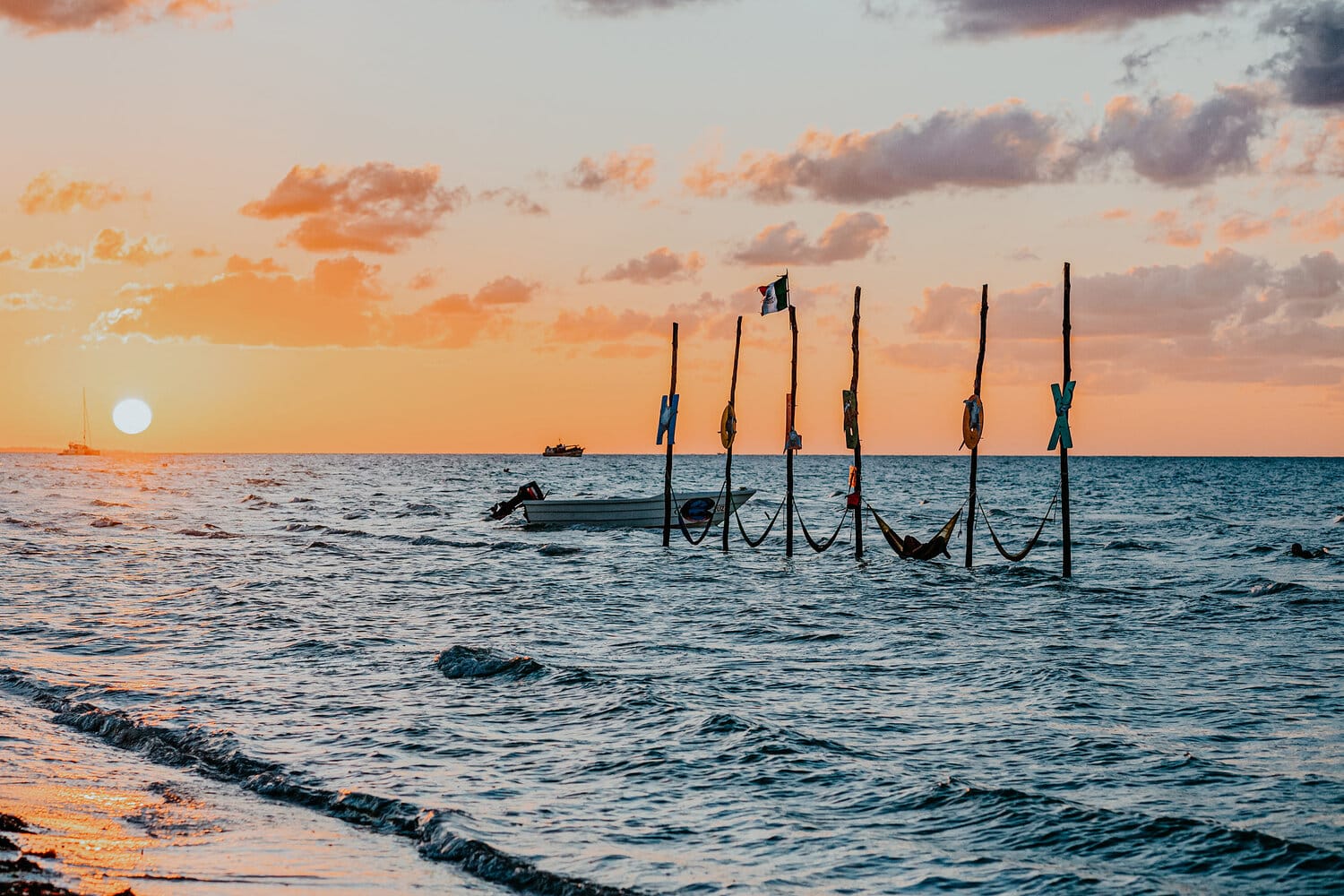
Punta Coco and Playa Holbox’s pier are clearly the places where you want to be when the sun slowly drops below the horizon.
Alongside the aforementioned spots, any spot on the island’s north shore, will be great to see the last rays of sunshine illuminate the sky.
Probably the best tip we can give, is to sit back, relax and take in nature’s daily show.
Where | Punta Coca and the pier at Playa Holbox
Where to eat in Isla Holbox | My favourite restaurants
Holbox has no shortage of excellent cafés and restaurants, by any means.
Some of my favourite restaurants on Holbox include:
Naay Salad Bar
Naay is a cosy cafe that serves ‘feel-good’ food, among which you’ll find salad bowls, fruit bowls and other vegan alternatives. Their biggest asset is a salad bar where you could create your own salad bowl by selecting from a list of vegetables, proteins and toppings, including falafel and tofu.
Where | Naay Holbox
Opening hours | Monday to Saturday 13:30 – 21:00, Sunday closed
Roots Pizza’s
If you’re craving for pizza while on Holbox, head over to Roots. The pizzeria is often considered the best on the island, and that’s for a good reason. Roots is well-known for its famous lobster pizza and also offers the opportunity to be creative by putting together your own pizza.
Where | Roots Pizza’s
Opening hours | Daily 12:00 – 23:30
Rosa Mexicano
A charming outdoor restaurant at the heart of Holbox’s spirited main square. Serves a wide variety of authentic Mexican dishes with a modern touch and is the perfect spot for a few late-night cocktails.
Where | Rosa Mexicano
Opening hours | Daily 08:30 – 22:30
Restaurante & Beach Club Mandarina
What’s a tropical holiday without dining directly at the beach while watching the sunset. Mandarina is a seaside restaurant that combines Mediterranean, South American and Caribbean flavours to create excellent and unique dishes. The sea view and use of local and homemade ingredients ensure that it’s one of the top restaurants on Holbox.
Where | Restaurante & Beach Club Mandarina
Opening hours | Daily 07:00 – 11:00, 12:00 – 17:00, 18:00 – 22:00
Things to do in Isla Holbox | The essentials
The best time to visit Isla Holbox
Even though the tropics are quite unpredictable when it comes to the weather, there is a travel period that is referred to as the high season.
The best time to visit Holbox is during the dry season that runs from December till May, with May being the hottest month.
The tropical climate that prevails on the island, provides high temperates throughout the year, but expect more rainfall during the rain and hurricane season that runs from May till October.
Like at most tropical destinations, the rainfall usually comes in heavy showers that go by reasonably quickly.
We ourselves visited Holbox in October and had good weather throughout our entire stay. One huge downside of visiting during this period is the number of mosquitoes you’ll encounter. But maybe that’s year-round though, we don’t know.

How to get to Isla Holbox
Isla Holbox is a tropical island north of Mexico’s Yucatán Peninsula and therefore best reached by boat. However, you’ll first need to journey to a small coastal town named Chiquilá, before you can take the ferry to the island.
Bus to Chiquilà | Chiquilá is easily reached by making use of the comfortable and punctual ADO buses. For up-to-date information, departure times and online reservations, visit the ADO website.
Ferry to Isla Holbox | The ferry from Chiquilà to Holbox is operated by 9 Hermanos and Holbox Express, running every 30 minutes, starting at 05:00 until 20:40.
Cost | A one-way ticket is 150 MXN, ($8) per person
Below you see two of the most common itineraries, both work vice versa.
From Cancun to Isla Holbox
Itinerary | Cancun – Chiquilà – Isla Holbox
Cost | Bus 286 MXN, ($15.40) per person – Ferry 150 MXN, ($8) per person
Travel time | Bus 2.20 hours – Ferry 20 minutes
Bus departure time | Cancun to Chiquilà – 08:15, 10:30 and 14:15 – Chiquilà to Cancun – 11:15, 12:40, 13:45 and 18:15
From Valladolid to Isla Holbox
Itinerary | Valladolid – Chiquilà – Isla Holbox
Cost | Bus 214 MXN, ($11.50) per person | Ferry 150 MXN, ($8) per person
Travel time | Bus 2.25 hours – Ferry 20 minutes
Bus departure time | Only once a day – Valladolid to Chiquilà – 09:50 – Chiquilà to Valladolid – 16:45
Stay safe in Mexico | Travel insurance
While Mexico is perfectly safe for travellers, I always strive to sort out my travel insurance before arriving in a foreign country, and I highly advise anyone else to do the same.
Where we prefer that everything goes smoothly during our travels, something unfortunate can happen at any moment, whether it’s an injury or an accident on the road. When that happens, it is better to be safe than sorry.
Heymondo | Whether you’re going on a 3-week backpacking trip, or planning a long stay somewhere abroad, Heymondo has excellent insurance options either way – plus full COVID-19 coverage and a handy app with 24-hour medical assistance. Readers of WTSW receive 5% off any insurance policy, more information here.
Cheers!
I’ve been on this travel blogging journey since 2019.
If you appreciate what I do here, these are some ways you can support me.

21 Wonderful things to do in Budapest, Hungary’s spirited capital city
Looking for things to do when spending a weekend in Budapest?
My guide to the best things to do in Budapest provides insightful travel tips, including where to eat, where to stay and what to see in Hungary’s charming capital city.
In the midst of our typical Dutch winter, we, once again, felt the strong desire to explore a new city. One thing led to another, and before we knew we were boarding a plane to Hungary’s vibrant capital city, Budapest.
Once arrived, Budapest’s unique character instantly fulfilled our desire.
Budapest is a creative and spirited city that combines trendy restaurants & cafes with authentic architecture and rich history.
From the famous thermal baths to its characteristic ruin bars, the capital city has something unique to do and discover for everyone – plus it’s relatively affordable.
To us, it’s surprising that Budapest is somehow, quite an underestimated city in Europe.
So if you’re seeking for a vibrant city break in Europe, Budapest will certainly pique your interest.
Here’s our traveller’s guide to spending a brilliant weekend in Budapest.
If you choose to use any of the links on this page, I may receive a small commission at no extra cost to you. By using these links, you’ll have a direct impact on WTSW and my ability to continue to create free insightful travel content for you. If you find any of my tips useful, you can support me by buying a virtual coffee here.
The Budapest Card | How to get around Budapest
It is surprisingly straightforward to explore Budapest on foot, and it is a great way to discover the city’s lively streets and buzzing districts.
However, we think for a city break, the distances between tourist highlights can be quite extensive; therefore, we believe it’s worth checking out the Budapest Card, which will basically be your key to the city.
The Budapest Card was designed to reduce expenses for travellers visiting Budapest. The card provides access to the city’s public transport, discounts on top attractions (including the thermal baths) and grants free access to 19 highly regarded museums.
Depending on the length of your stay, the card is available for between 1 and 5 days.
Book | Reap the benefits and grab yourself a Budapest Card in advance
Where to stay in Budapest
Luckily, Budapest isn’t lacking when it comes to accommodations; in fact, there are options that suit all budgets.
It can, however, be quite a challenge to find accommodation that fits your travel style during high season; therefore, we believe it is wise to book your stay a couple of weeks, or even months in advance.
Radisson Blu Béke Hotel | Exquisitely furnished rooms with air conditioning, a spacious bathroom ensuite and everything you need to unwind after a long day of sightseeing. On top of that, the hotel provides a pleasant bar and restaurant on-site – plus they happen to employ courteous and extremely accommodating staff.
BOX Studio in Ruin Pub District | A great spacious apartment that provides a private bathroom and a fully equipped kitchen. Located at the heart of Budapest’s lively ruin pub district and close to many popular points of interest.
The Loft Budapest | Uniquely designed rooms, large comfortable beds and a private bathroom with rainshower make this loft a steal when it comes to comfort. One extra benefit is its strategic location. The loft is located close to several good restaurants and cafes, three major metro lines and is surrounded by the top attractions of Budapest.
Economy Apartments | One of the great things we like about Budapest is that you’ll find comfortable rooms in every price range. The comfy Economy Apartments offer decent rooms and a private bathroom, while it is located in a prime location – plus it doesn’t bust your budget.
Alternatively, search for accommodations in Budapest on booking.com.
21 Wonderful things to do in Budapest
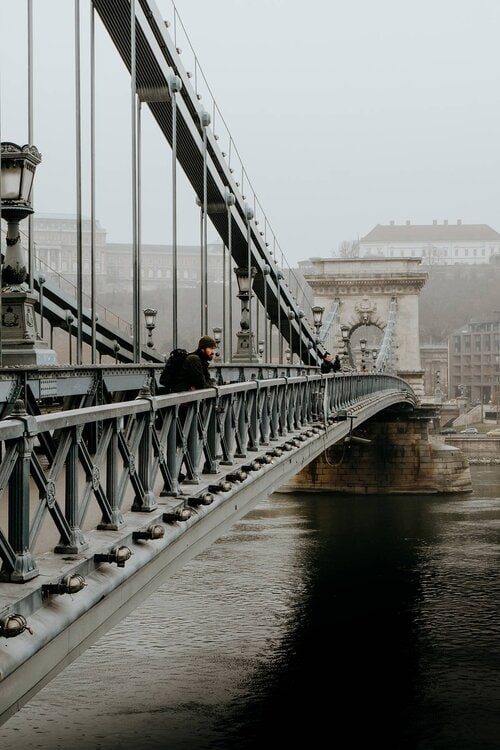
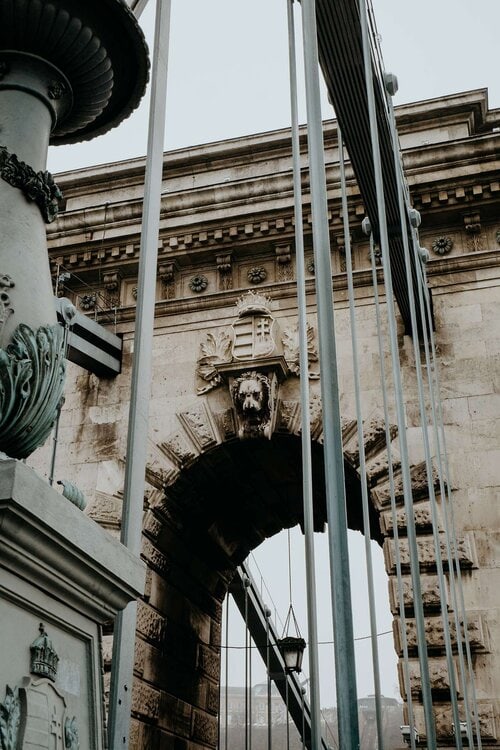
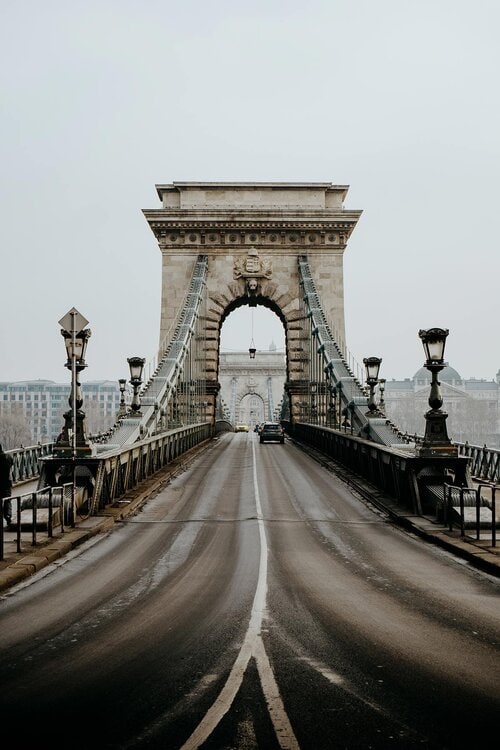
1. Admire the stunning Chain Bridge
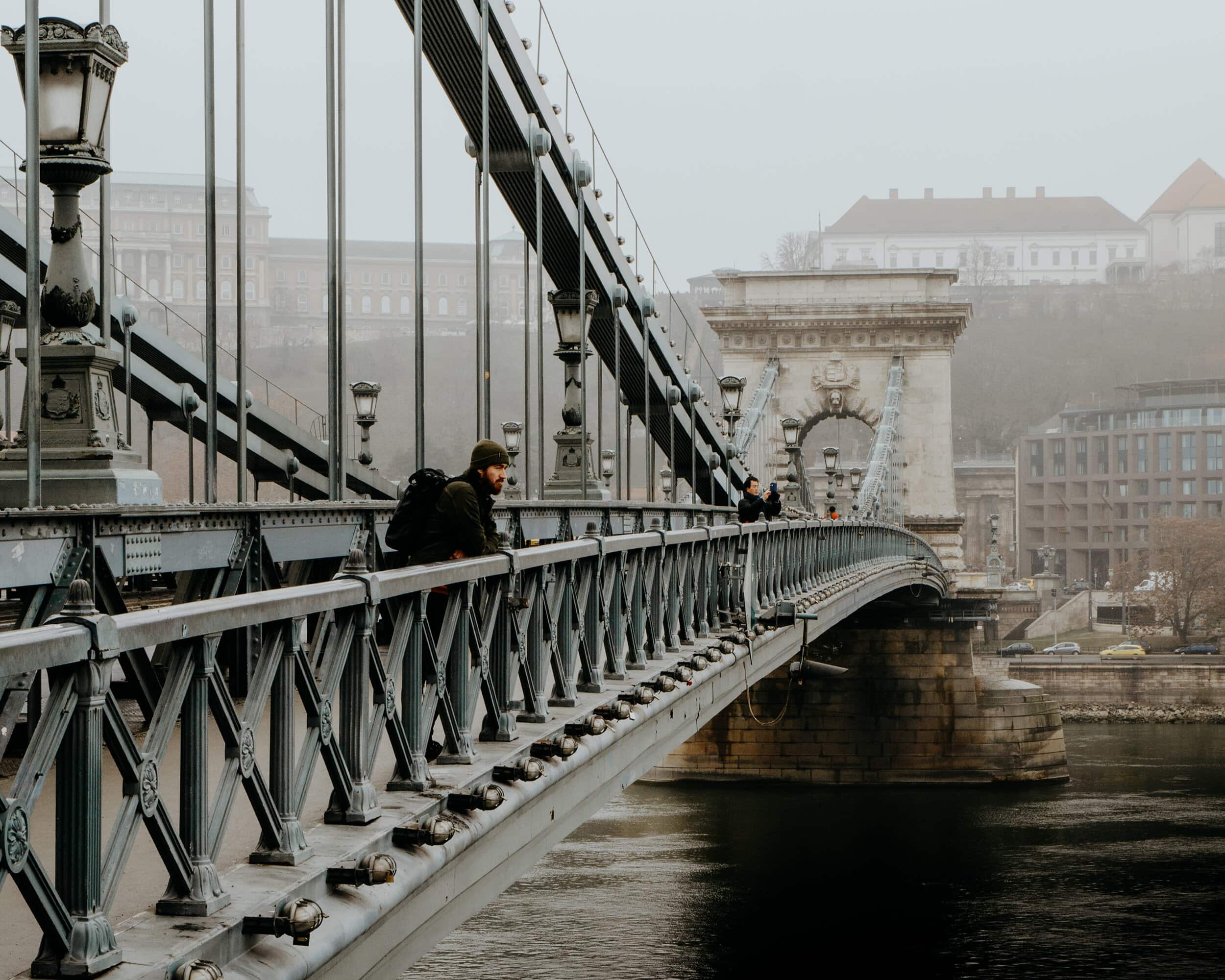
Besides the undisputed fact that it was the first permanent bridge that connected the districts of Buda and Pest, it genuinely is an iconic piece of architecture to both Budapest and Hungary.
Back in 1849, when the Chain Bridge opened, it was among the largest in the world and was therefore considered one of the wonders of the world during that time.
Unfortunately, the bridge was unable to cope with the German explosions during the Siege of Budapest in World War II. With great luck, the towers remained unscathed, which eventually initiated a reconstruction of the Chain Bridge in 1949.
Nowadays, it is unlikely to get bored by the captivating bridge. We ourselves crossed it numerous times while switching between Buda and Pest, and were intrigued by the architecture again and again.
Where | The Chain Bridge
2. Walk the Fisherman’s Bastion
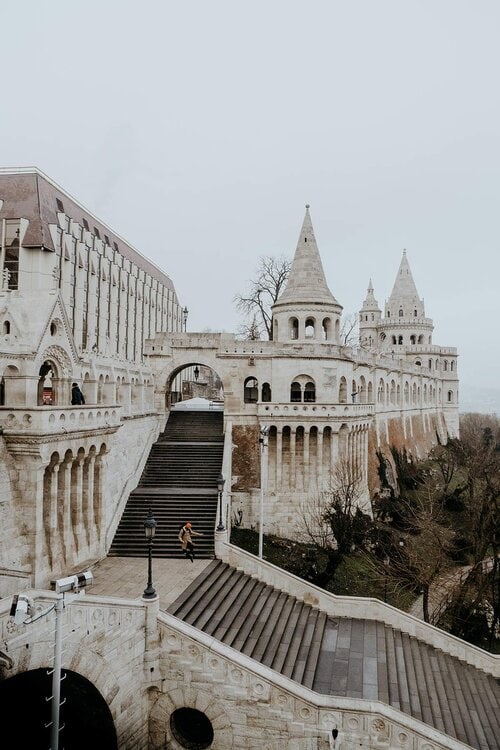
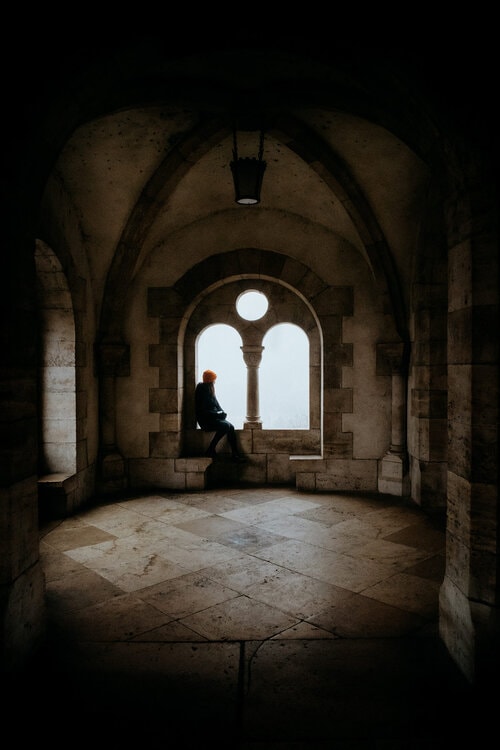
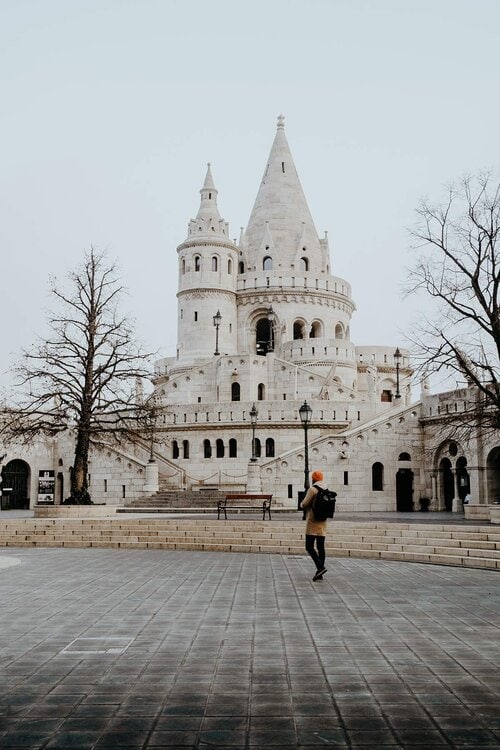
Established on the hillside of Budapest is the magnificently designed Fisherman’s Bastion.
With its breathtaking panoramic views over the entire city and its fairytale-like architecture, we quickly realised why it is one of the best-known historical sites in Budapest.
Legend has it that the ornate Fisherman’s Bastion owes its name to a medieval guild of fishermen, who were held responsible for preserving this part of the city.
On the upper terrace, you’ll find seven Hogwarts-like turrets, which symbolise the seven Hungarian tribes that founded contemporary Hungary in 895.
To beat the massive crowds that pass the Fisherman’s Bastion from dusk till dawn, we recommend a visit well before opening time. Going outside the opening hours has one other significant benefit: it grants free access to the bastion’s upper terrace.
Where | Fisherman’s Bastion
Entrance fee | 1.000 Hungarian Forint (€3,-) per person
Opening hours | Daily 09:00 – 23:00
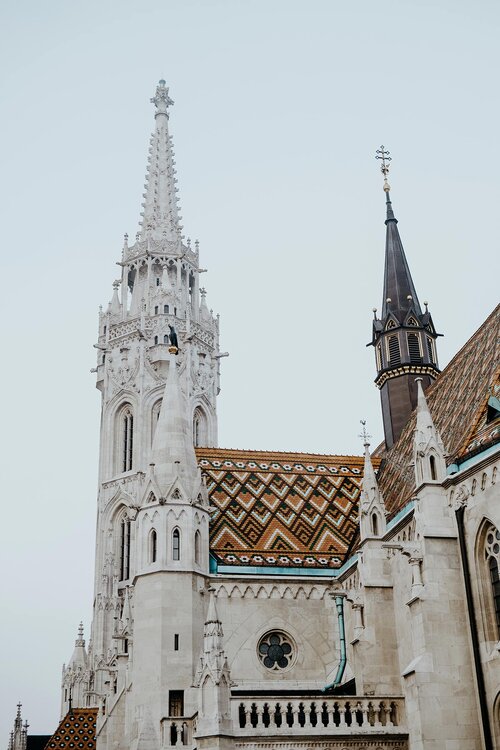
3. Marvel at the Mathias Church
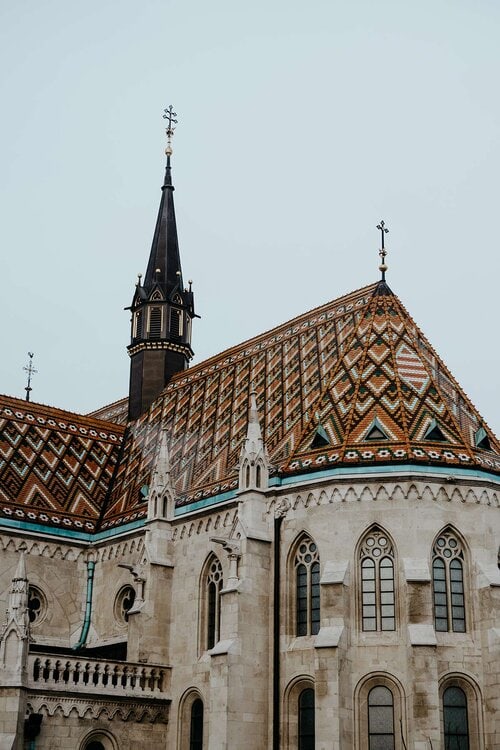
One of Budapest’s finest churches is the towering Matthias Church, found directly after the aforementioned Fisherman’s Bastion in Budapest’s medieval castle district.
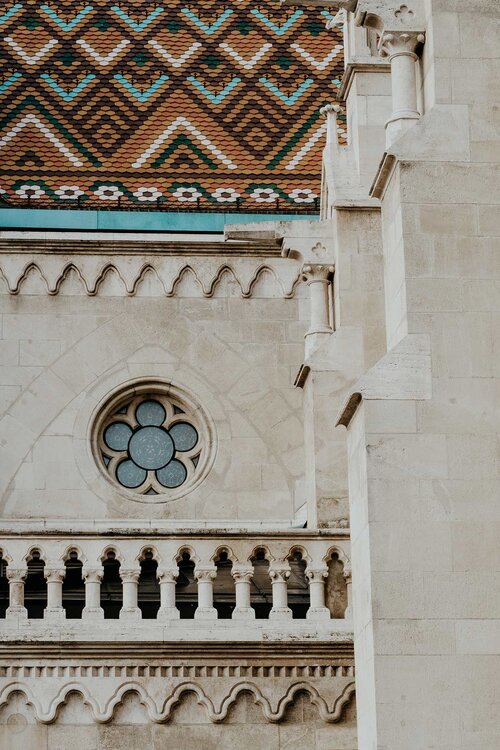
The splendour that characterises the Matthias Church is largely acquired by the beautifully coloured roof tiles and its distinctive geometric patterns.
The florid late Gothic style church holds captivating stories from more than 700 years of history while also housing an impressive ecclesiastical art collection.
The interior of the church is defined by its ornate details and is decorated with fascinating frescoes, including pieces that respectively represent the Renaissance and Ottoman reign.
If you have enough time, we sincerely advise taking a look inside.
Where | Matthias Church
Entrance fee | 1.000 Hungarian Forint (€3,-) per person
Opening hours | Monday to Saturday 09:00 – 17:00 and Sunday 13:00 – 17:00
Book | Guided Tour To The Matthias Church including Admission
4. Visit the Hungarian Parliament Building
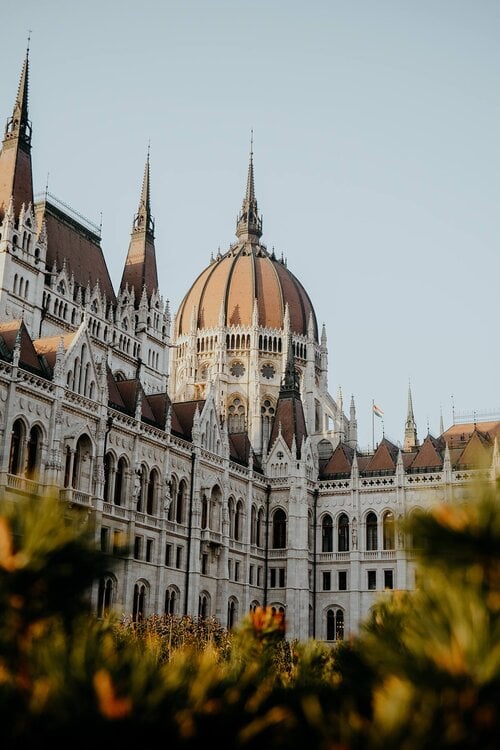
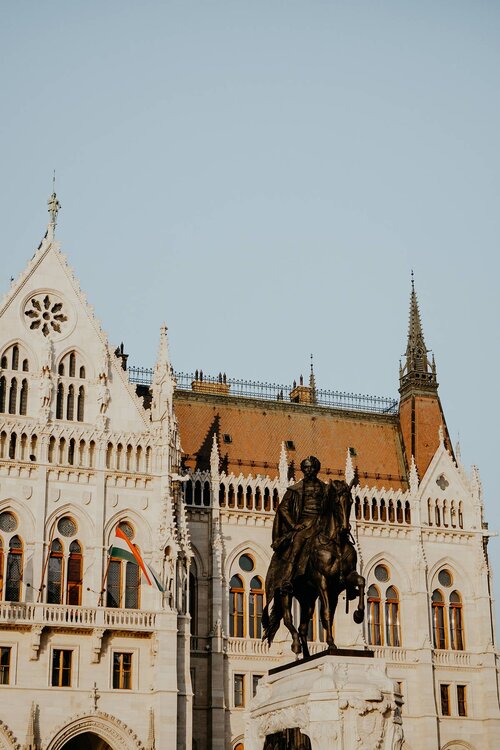
Standing tall on the eastern shore of the Danube is the majestic Hungarian Parliament Building, which is often referred to as one of the most attractive government buildings in the world.
Although the Hungarian Assembly still gathers here regularly, the Parliament welcomes visitors who desire to admire the building’s impressive architecture and opulent interior.
The interior of the building is absolutely breathtaking; the ornate Dome Hall, marble-lined Grand Stairway and the Holy Crown of Hungary just to mention a few.
The only way to gain entrance to the Parliament’s elegant interior is by joining a guided tour.
If you’re keen on joining a guided tour, I highly recommend booking your tour well in advance.
For those on a budget or tight schedule, the simple pleasure of roaming around the building is, without a doubt, worthy of your time.
Therefore, we recommend adding it to your schedule of things to do in Budapest.
Where | Parliament Building
Cost | Guided tours start at 5.400 Hungarian Forint (€16,-) per person
Opening hours | Monday to Friday 08:00 – 18:00 and Saturday to Sunday 08:00 – 16:00

5. Shoes on the Danube Promenade
For me, travelling is more than simply chasing beautiful destinations. I see it, in fact, as the perfect opportunity to learn, reflect and grow as a human being.
For that reason alone, I cannot emphasise it enough to pay a tribute to Budapest’s most touching monument.
On the banks of the Danube, you’ll find a memorial that reminds you of one of the most tragic events of the 20th-century, what therefore always remain a dark page in the history of mankind.
A trail of cast-iron shoes honours thousands of Jewish people that were forced to take off their shoes, before being executed during world war II.
Despite the cruel history that occurred along the riverbank, the sculptor succeeded in turning it into a serene place where people remember those who lost their lives.
Where | Shoes on the Danube Promenade

6. St. Stephen’s Basilica
If you ask us, a trip to Budapest simply wouldn’t be complete without bringing a visit to Hungary’s most sacred Catholic church.
The St. Stephen’s Basilica is designed in Neo-Classical-Style and is incredibly impressive through the inside and out.
It is the panoramic view from the church’s central dome, its valuable mosaic artwork and detailed frescoes, that ensures it to be one of the most significant tourist attractions in Budapest.
The church’s central dome reaches a height of 96 metres, which is exactly the same as the Budapest Parliament Building.
The equivalence of these significant buildings symbolizes that worldly, religious, and spiritual thinking, have the same value in Hungary.
This specific height also sets the tone for other buildings in Budapest, as it manifested the rule that buildings cannot be built higher than the aforementioned structures.
Where | St. Stephen’s Basilica
Entrance fee | Free, a donation of 200 Hungarian Forint (€0,60) is suggested at the entrance
Opening hours | Monday to Friday 09:00 – 17:00, Saturday 09:00 – 13:00 and Sunday 13:00 – 17:00



7. Taste Middle Eastern flavours at Mazel Tov Budapest
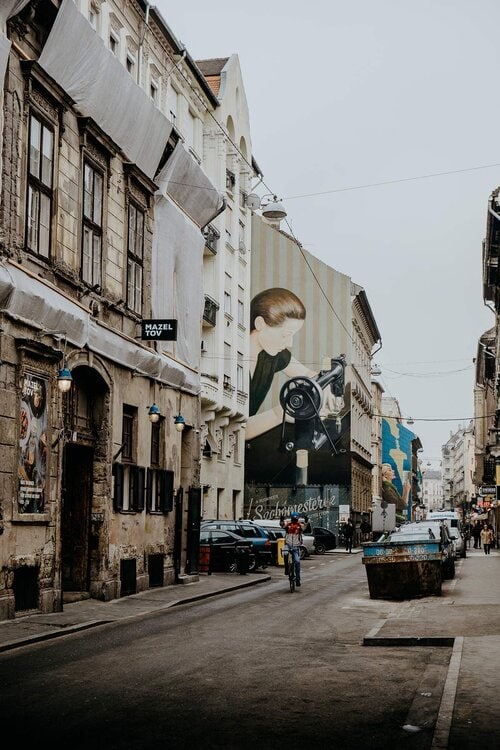
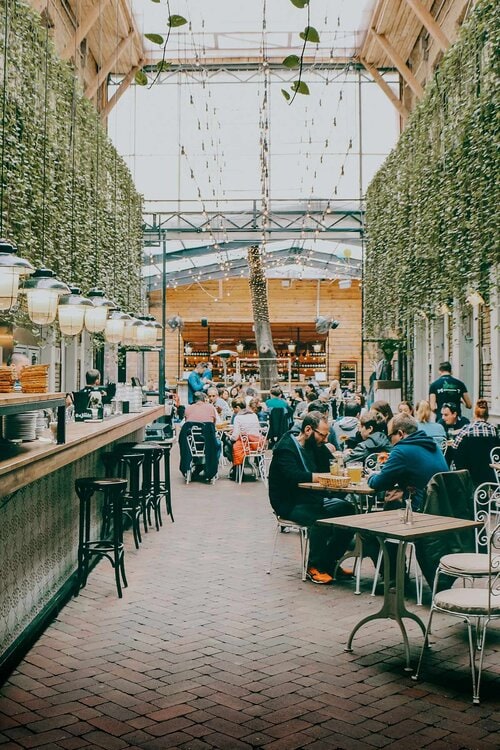
Tucked away in the lively streets of the Jewish Quarter, awaits a serene courtyard that houses possibly the most trendy restaurant in Budapest.
Mazel Tov is an open-hearted Israeli restaurant, that serves creatively composed Middle Eastern fusion dishes, which if you tell us, are incredible yum.
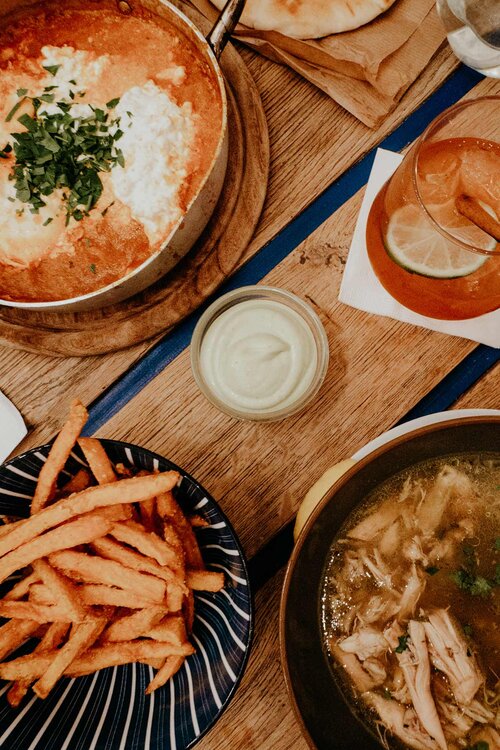
We savoured a rich Yemen style chicken soup, spicy sweet potato wedges with green pesto tahini and a freshly cooked Shakshuka, and were positively surprised by the delicious and characteristic flavours.
Not to mention their smoothly mixed signature cocktail, the ‘Tel-Aviv Nights’, which is by far the most delicate cocktail I have drunk so far.
Although Mazel Tov isn’t the traditional ruin bar you’ll expect in Budapest, it still houses a spirited atmosphere, and if you want to be sure of a table, we genuinely advise making a reservation in advance.
Where | Mazel Tov Budapest
Opening hours | Monday to Wednesday 11:00 – 01:00, Thursday to Saturday 11:00 – 02:00 and Sunday 11:00 – 01:00
8. Unwind in a thermal bath
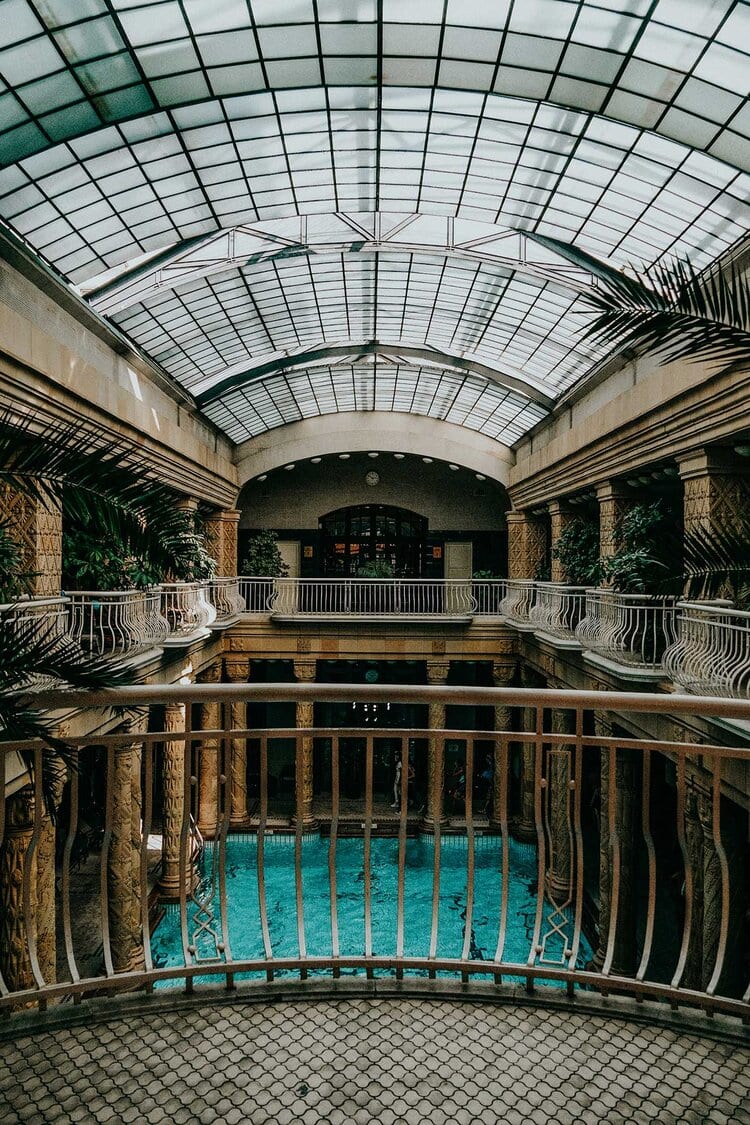
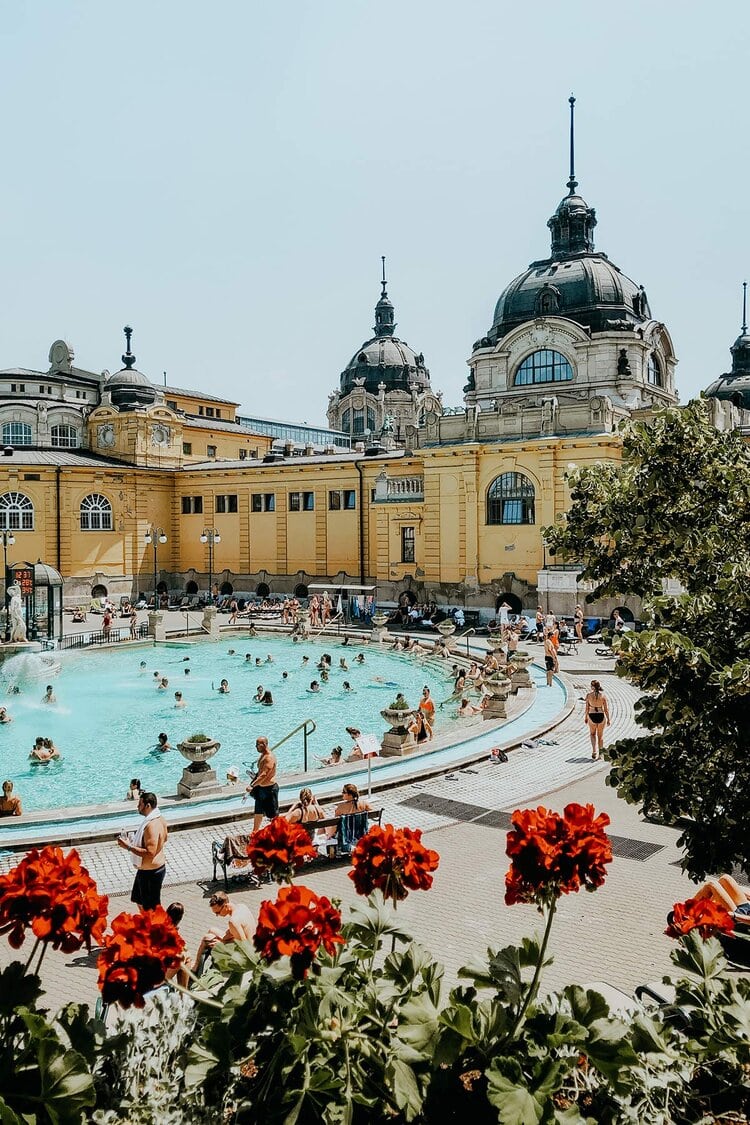
Budapest is often referred to as the ‘City of Baths’, which the city owes to the thermal baths that are fueled by approximately 120 natural hot springs.
Budapest’s rich bathing culture dates back as far as the 16th century, which is reflected in both the variety and abundance of mineral-rich thermal baths.
If you’re looking to unwind during your city break, there is no better way than a dip in one of the many mineral-rich thermal baths.
The best baths in Budapest include the Széchenyi, Rudas, Gellert, and Király baths, but there are more spread throughout the city.
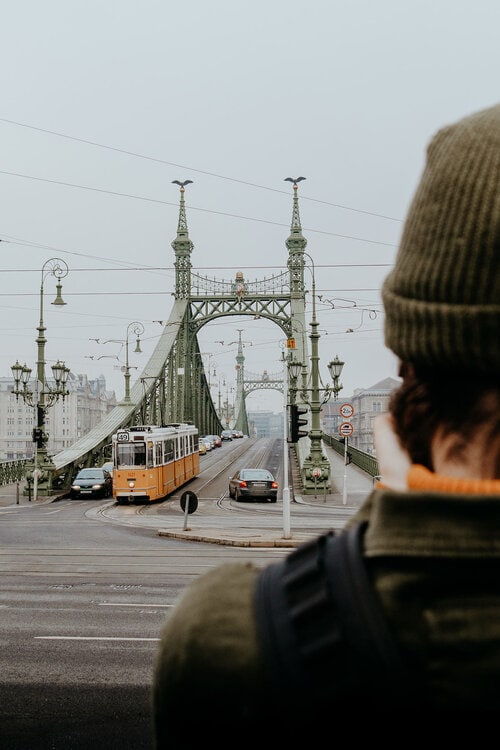
9. Walk the Szabadság Híd Bridge
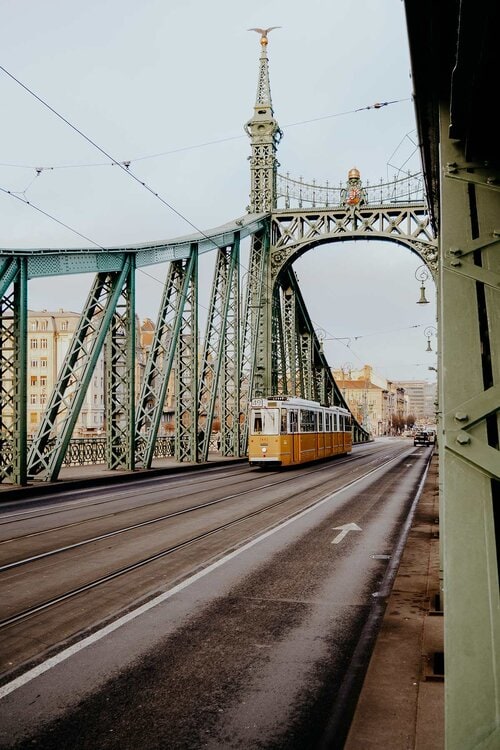
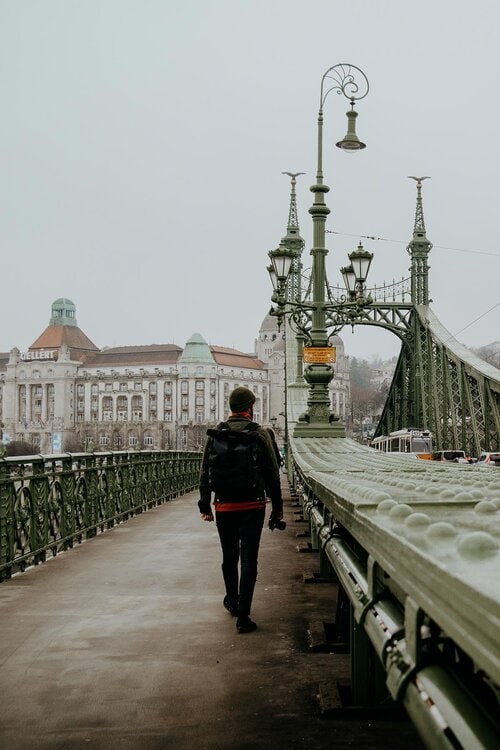
The Szabadság Híd Bridge is the shortest bridge you’ll encounter in the city centre, and despite its size, we think the bridge is just as spectacular as its beloved brother, the Chain Bridge.
The marvellous bridge is designed in Art Nouveau style and was the first bridge that made it possible for trams to cross the Danube.
Present-day it connects two of Budapest’s well-known public squares, which are Gellért tér and Fővám tér. On these squares, you’ll respectively find Gellért Hill and the Great Market Hall.
Make sure you witness the yellow trams slowly crossing the Liberty Bridge – as it might result in one of the most iconic photographs of Budapest.
Where | Szabadság Híd Bridge
10. Stroll through the Great Market Hall
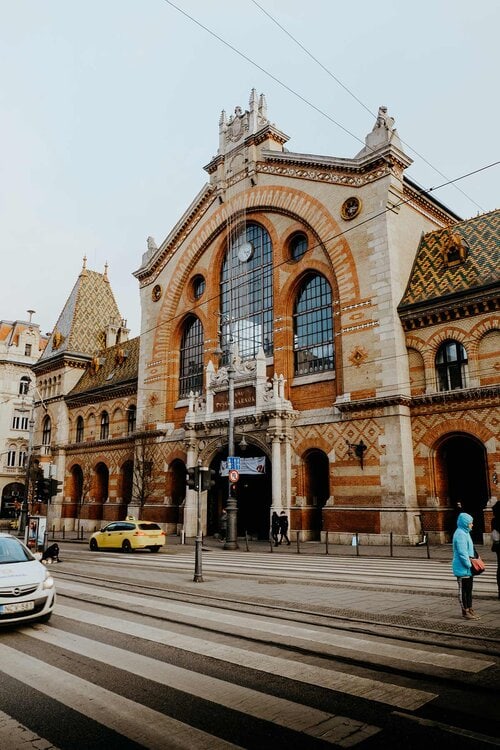
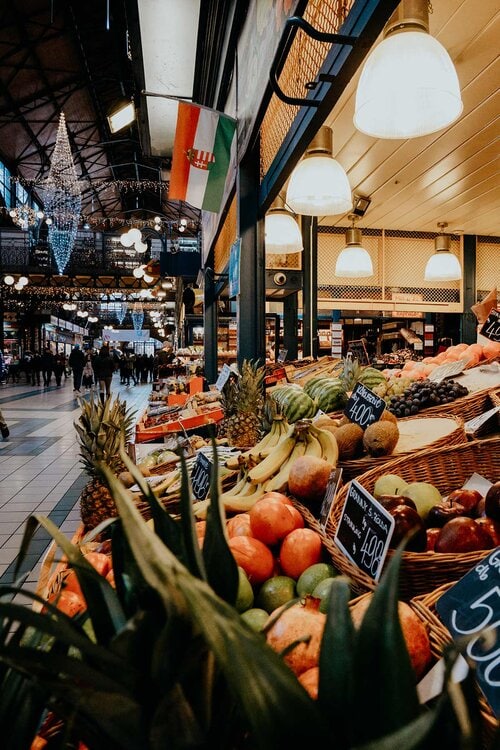
The Great Market Hall is a multi-story market that houses more than 100 perfectly aligned market stands, making it the largest indoor market in Budapest.
Even though the market is extremely popular among tourists, it somehow managed to preserve its authentic local atmosphere, which we think is quite charming.
While wandering around the market hall, you’ll notice a wide variety of locally grown produce such as fresh fruit, veggies, meat and traditional Hungarian delicacies – including lángos, Tokaj wines and Hungarian paprika.
On the upper section of the market, they sell handicrafts and typical souvenirs for prices specially designed for tourists, not our favourite part, to be honest.
To us, the Great Market Hall is the perfect place to get a feel for the city and its folk.
Where | Great Market Hall Budapest
Opening hours | Monday 06:00 – 17:00, Tuesday to Friday 06:00 – 18:00, Saturday 06:00 – 15:00, Sunday closed

11. Marvel at the Szabó Ervin Library
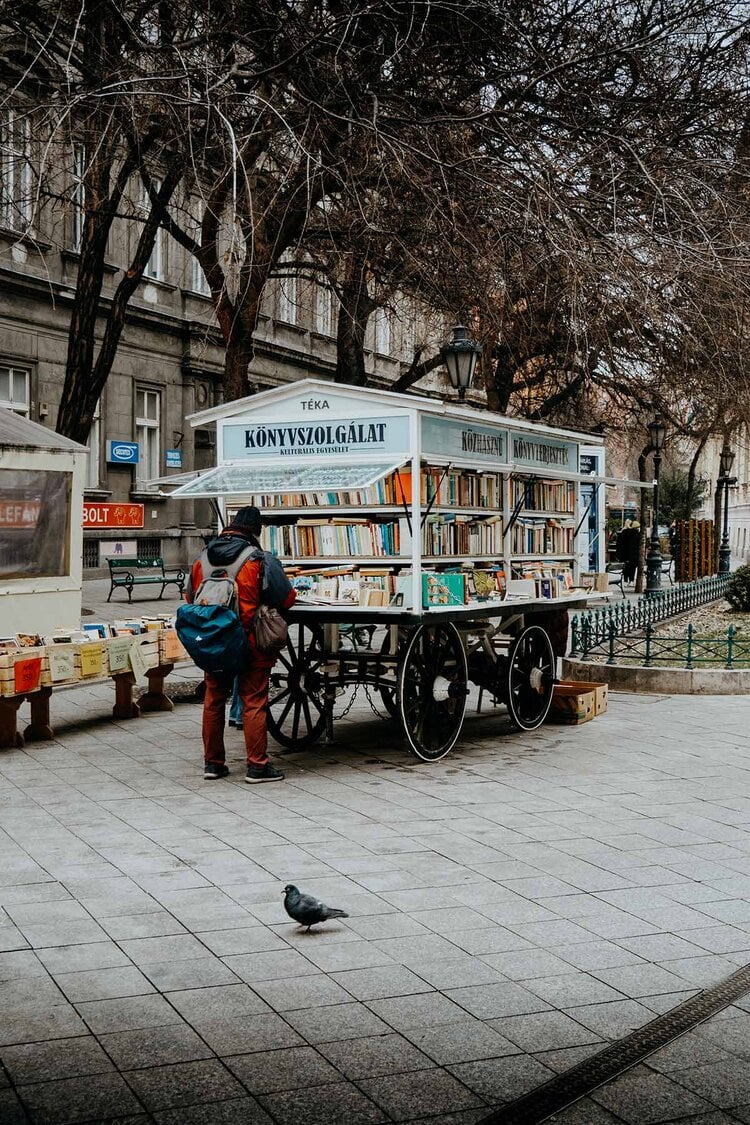
Although much information is published online these days, Budapest luckily still places significant value on its exceptional literature and elegant libraries.
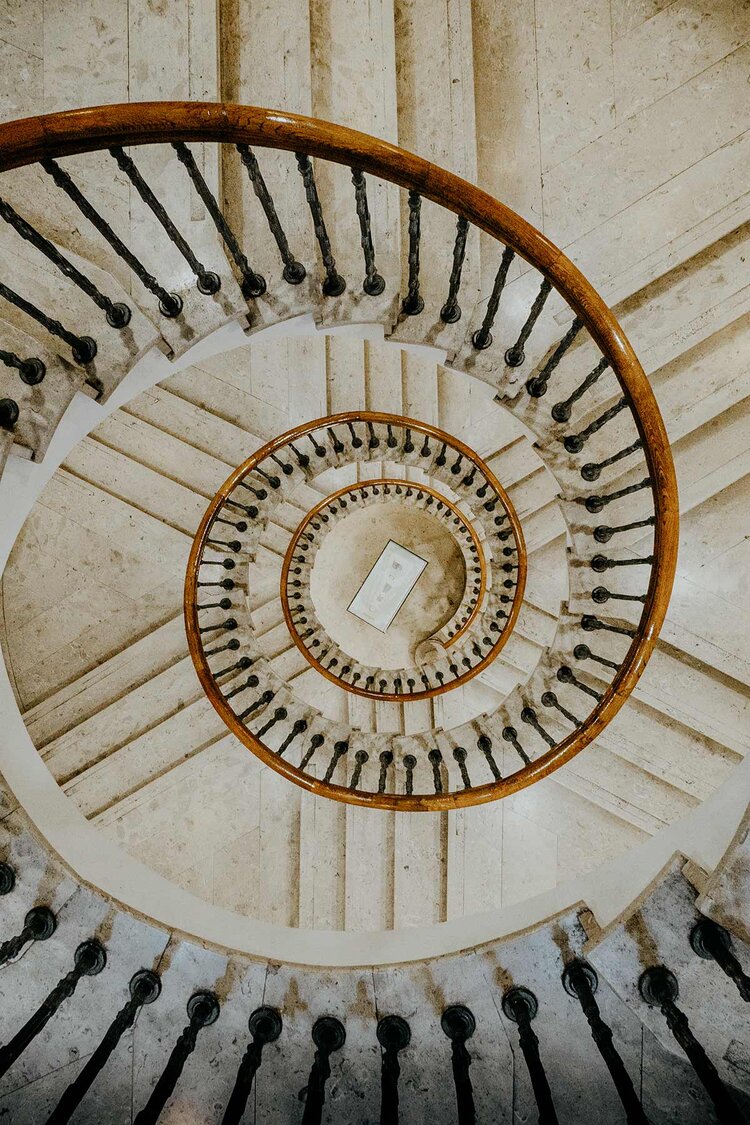
The Szabó Ervin Library is said to be the most impressive library in Budapest, and after wandering among the bookshelves ourselves recently, we are safe to say it’s true.
Before the Baroque building was transformed into Budapest’s largest public library, the building served as a private residence of the aristocratic Wenckheim family.
Since its opening in late 1931, the Szabó Ervin Library has become of significant national importance and has risen to become extremely popular among students, professors and academics.
The metropolitan library is still quite a hidden gem to those who travel to Budapest, and not only literally, but also figuratively.
We, accordingly, had a pretty tough time locating the library’s authentic and well-preserved reading rooms, but once we finally did, we were left mesmerised.
Where | Erwin Szabo Library
Entrance fee | 1.500 Hungarian Forint (€4,5) per person
Opening hours | Monday to Friday 10:00 – 20:00, Saturday 10:00 – 16:00, Sunday closed
12. Metro Lin M4 Budapest
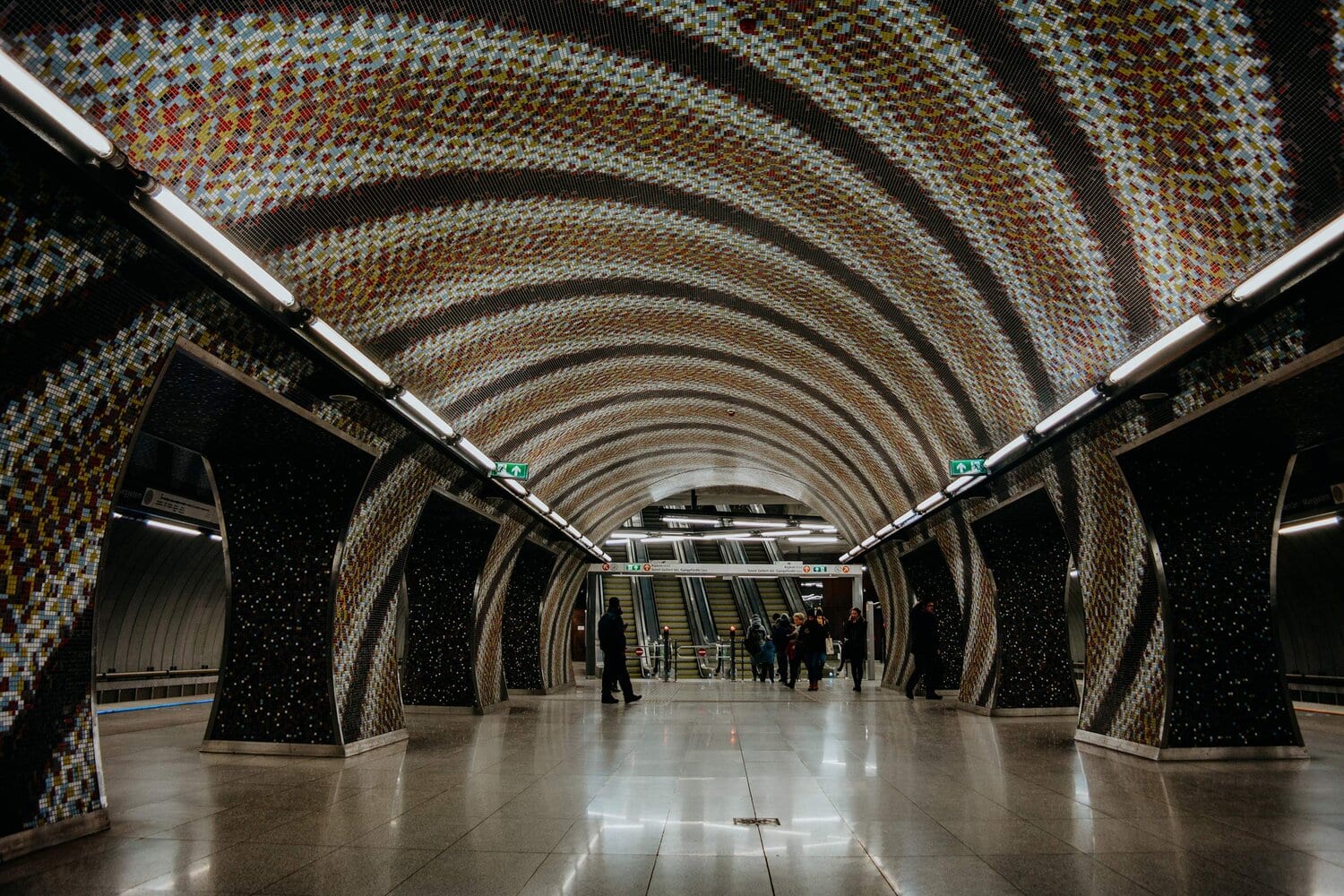
Budapest’s newest metro line is one of the world’s most innovative metro lines, while also being the city’s largest infrastructure project of the last decades.
Thanks to the aforementioned acknowledgement, it managed to win the RIBA Awards for International Excellence in 2018.
The minimal yet progressively designed M4 line includes 10 ingenious stations that are, one by one, characterised by their unique design and the ambience that accompanies it.
The fully automated M4 metro line operates with driverless trains, which basically means that you can take a seat in the front cabin if you wish.
If, like me, you appreciate modern design and infrastructure, we deeply recommend having a look at some of these stations.
All of the M4 stations are easily accessible by using the Budapest card, including our personal favourites, Szent Gellért tér and Fővám tér.
The new M4 line also connects with the previously existing M2 and M3 metro lines.
13. Have a coffee at New York Cafe
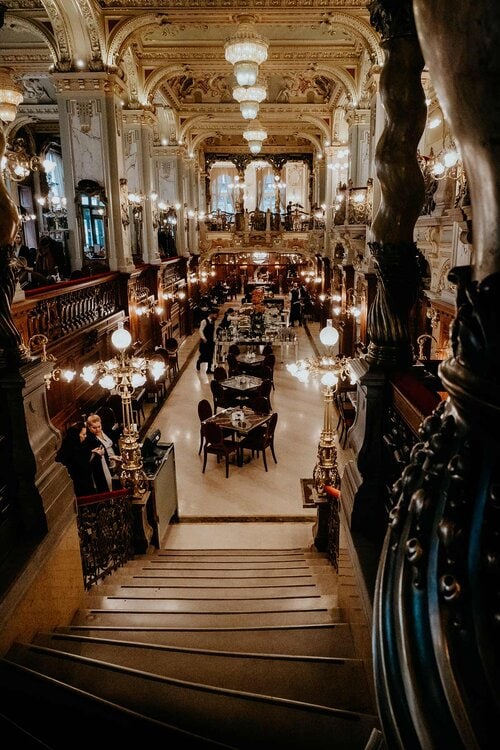
Budapest is home to the profoundly beloved New York Cafe, which is often considered the most beautiful coffeehouse in the world.
The extraordinary cafe that is designed in neo-Renaissance style is situated within the luxury New York Palace Hotel and occupies almost the entire ground floor.
The historic coffeehouse was once the creative heart of Budapest, and many writers, artists and editors gathered here to work on the most influential newspapers.
Today, the New York Cafe is admired by travellers from all over the world, and during our recent visit, we came to realise why.
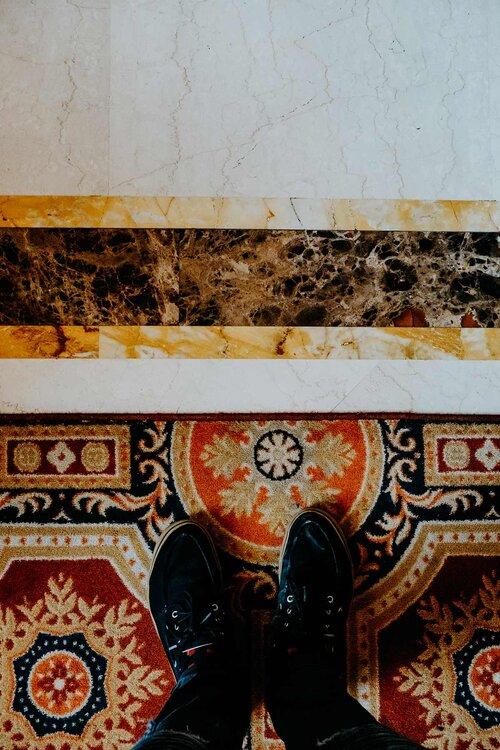
Although the prices are relatively high, the cafe itself, with its marble columns, opulent interior and spectacular frescoes, easily lives up to its famous reputation.
It truly felt as if we stepped on a ’60s movie set, and it was a delight to take in the vibe.
Where | New York Cafe Budapest
Opening hours | Daily 08:00 – 00:00

14. Take the funicular to the Castle District of Budapest
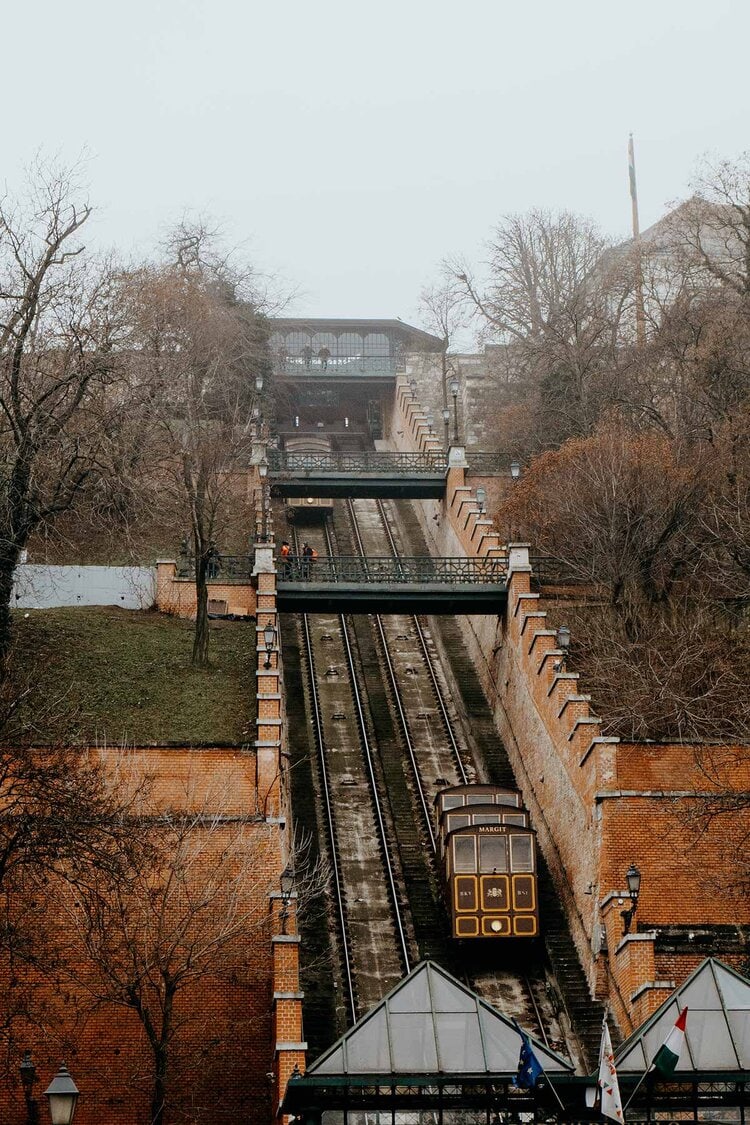
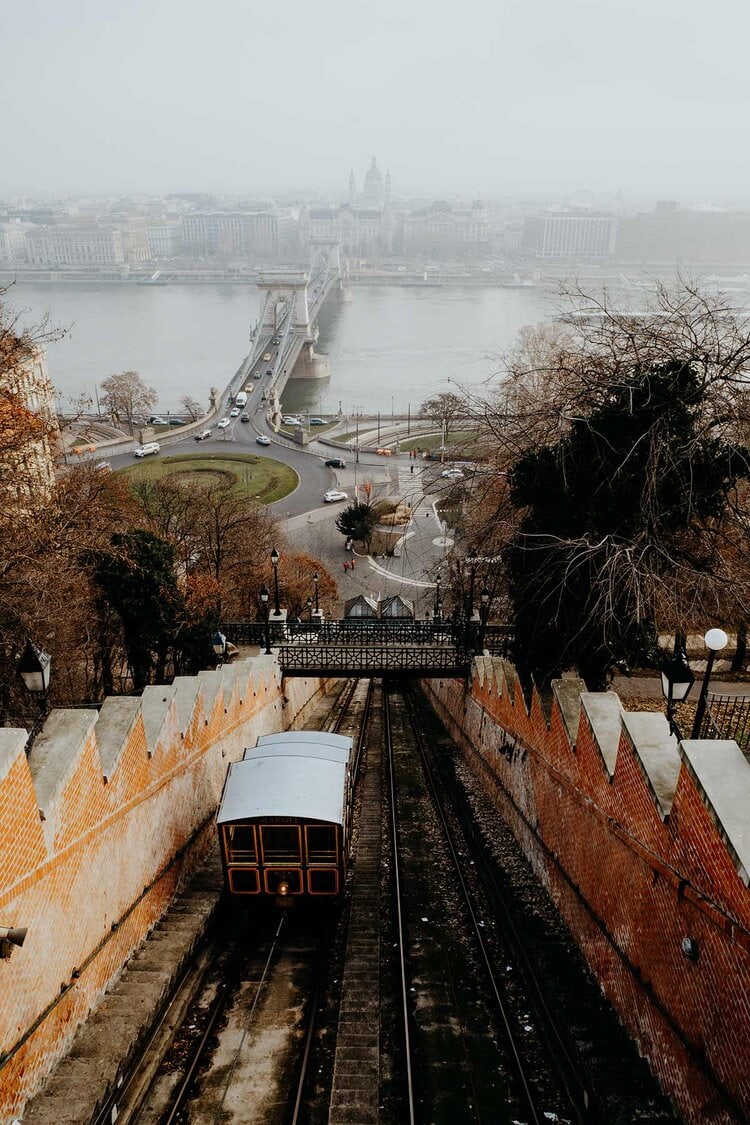
At the foot of Buda Castle, you’ll encounter a historical cable car that transfers people from Adam Clarke Square to the summit of Budapest’s castle district.
The authentic Funicular is well-preserved and retains most of its original design, which dates back as far as the 19th century.
Despite the fact that the funicular is extremely charming, we personally think that the 3-minute ride is too short to be enjoyed and therefore not worth the money.
Instead, you could take a gentle 10-minute walk that will easily take you to the summit of the castle district.
If you somehow do consider making use of the funicular, the cars run every 5 to 10 minutes.
Where | Funicular to Budapest Castle District
Cost | One way 1.200 Hungarian Forint (€3,50) | Return 1.800 Hungarian Forint (€5,30)
Opening hours | Daily 07:30 – 22:00
15. Visit Buda Castle
Buda Castle is an eye-catching 13th-century palace that also happens to house the Hungarian National Gallery, the Castle Museum and the National Library.
If you’re willing to receive a glimpse of Hungary’s rich history, walk among the cobblestone pathways that guide you along various distinct architectural elements that date back from Medieval, Baroque and Modern times.
The sensational panoramic views from the summit, make sure that Buda Castle is one of the best vantage points in the city.
The amazing scene over both the Danube and Pest district is something you should definitely take in, especially during sunset.
Where | Buda Castle
Entrance fee | Free, entrance to the Hungarian National Gallery and Castle Museum is free with a Budapest Card
Opening hours | The courtyards are open 24/7
Book | Reap the benefits and grab yourself a Budapest Card in advance

16. Walk the Jewish Quarter
The Jewish Quarter is unquestionably the liveliest and most dynamic neighbourhood in Budapest, and it’s still developing at a rapid pace.
The buzzing streets of the Jewish Quarter are home to an intriguing mix of trendy places, which I assure you, will pique your interest.
Situated throughout the entire neighbourhood are artisanal bakeries, trendy cafes, hip restaurants, impressive graffiti murals, and, not to mention, Budapest’s notorious ruin bars.
We still think the charm of wandering through its artistic streets and alleyways was the main reason I fell in love with this exciting part of Budapest.
Where | Jewish Quarter
Book | Budapest Grand Half-Day Jewish Heritage Tour
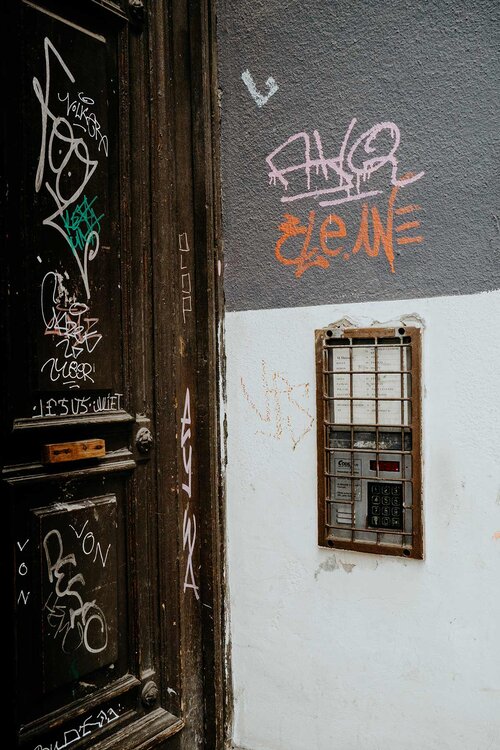
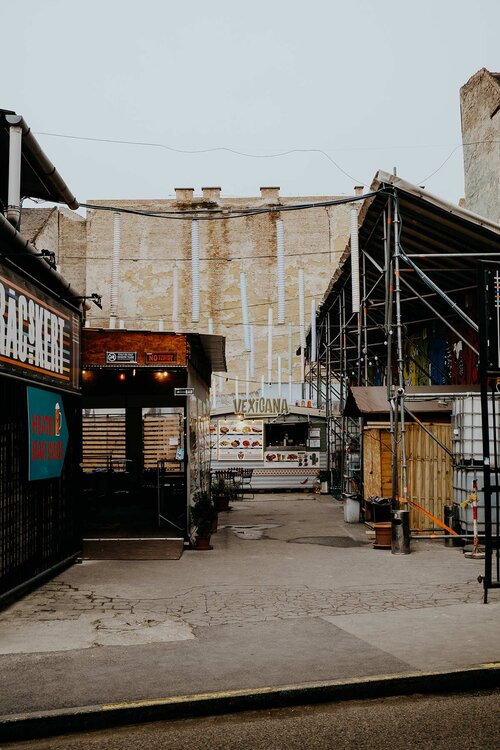
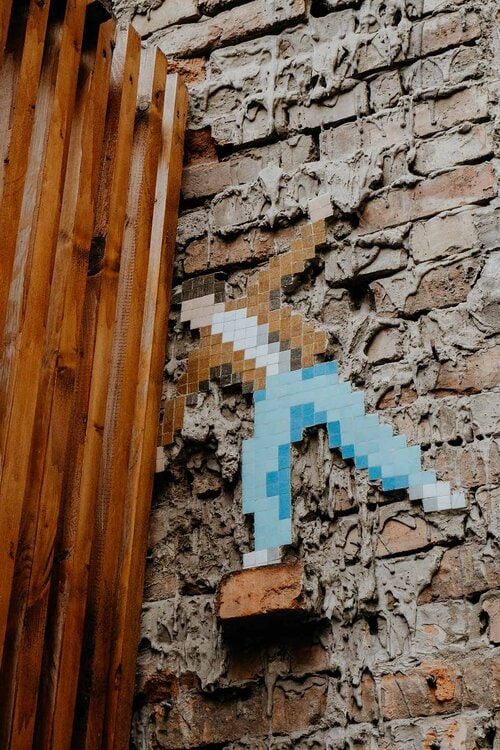
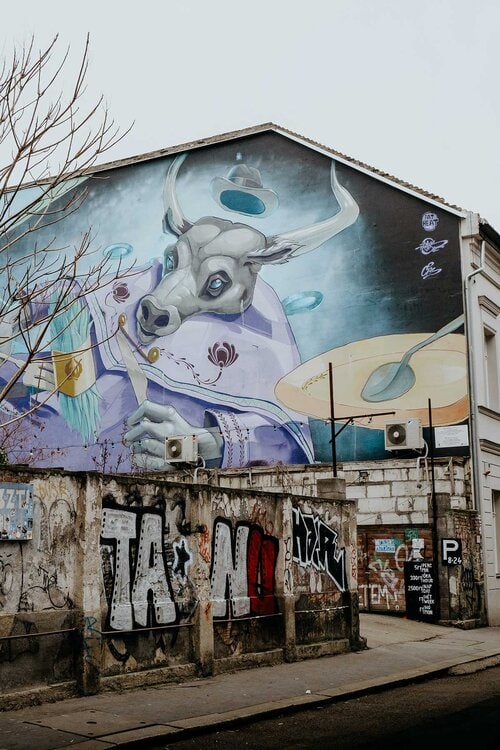
17. Admire Budapest’s street art scene
With amazing murals popping up on just about every corner, Budapest is rapidly becoming known for its refreshing street art scene.
The Jewish Quarter, in particular, is home to an abundance of creatively designed murals made by local and international graffiti artists.
The great thing about street art is that, as you wander around the city, you might surprisingly notice a wall fully covered by an amazing mural.
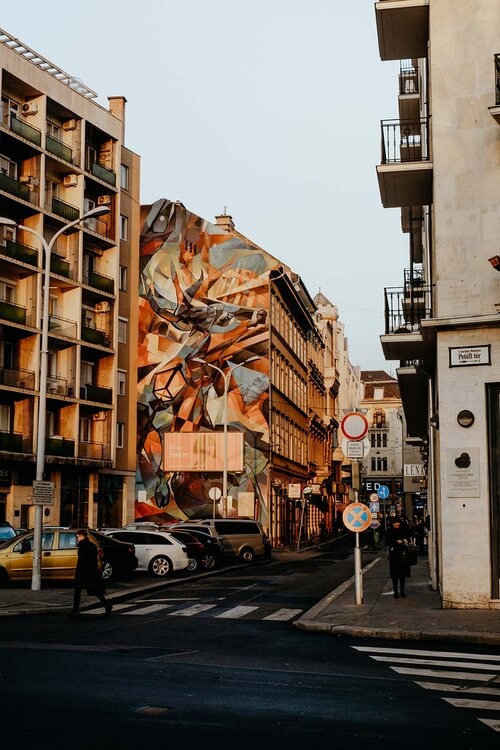

18. Grab a drink in one of Budapest’s iconic ruin bars
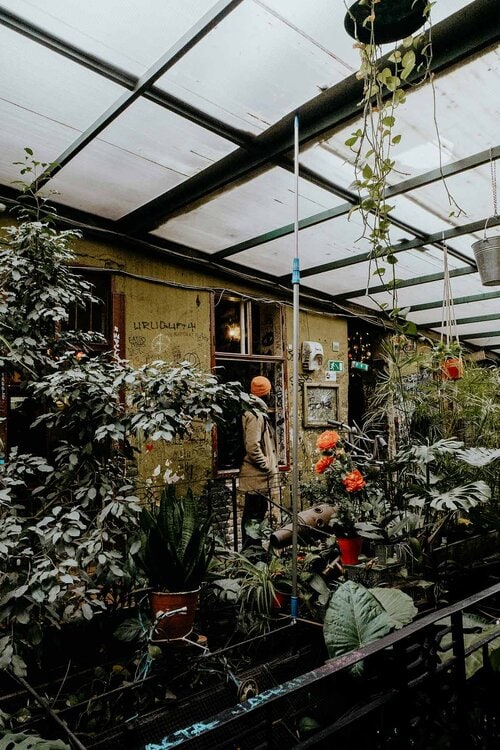
Budapest is probably best known for its iconic ruin bars, and that’s for a good reason.
The city is home to a ton of contemporary bars that are established in abandoned residential buildings and urban decay in the 7th district.
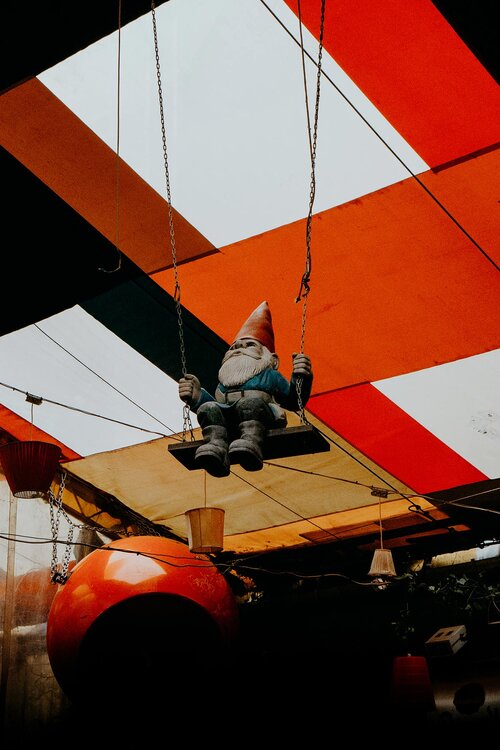
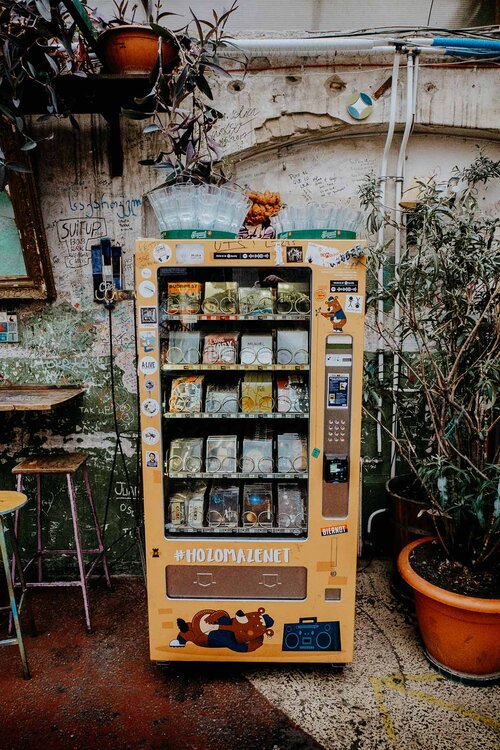
These unique bars are filled with thrift-shop furniture, a young and creative atmosphere, and of course, lot’s of affordable craft beers to choose from.
Some of our favourites include:
SZIMPLA KERTMOZI
Szimpla was one of the first ruin pubs that opened its doors in the 7th district of Budapest, and until this day, it is still by far the most authentic of its kind.
The atmosphere is mainly created by the mismatched interior that looks like it came straight from a flea market.
We think it’s great to visit Szimpla Kert during the day. You could take a beer, a quick bite (try their Black Sabbath burger, if you dare) and wander around the unusual building while admiring its characteristic interior.
It is incredibly picturesque if you ask us!
ESSENTIALS
Where | Szimpla Kertmozi
RED RUIN BAR
The Red Ruin Bar is a communism themed bar that tries to enlighten the country’s political past with a sense of self-mockery and humour.
The pub is decorated with red bricks, shining neon lights and humorous and sarcastic propaganda posters that refer to communism.
We think it’s both powerful and funny how they try to embrace the past and look at it from this perspective.
ESSENTIALS
Where | Red Ruin Bar
We hope to visit Budapest again sooner or later, there are so many exceptional ruin bars left to be discovered.
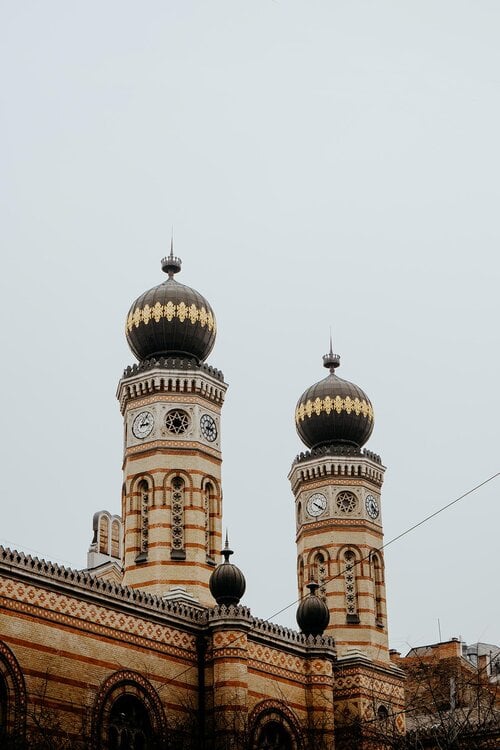
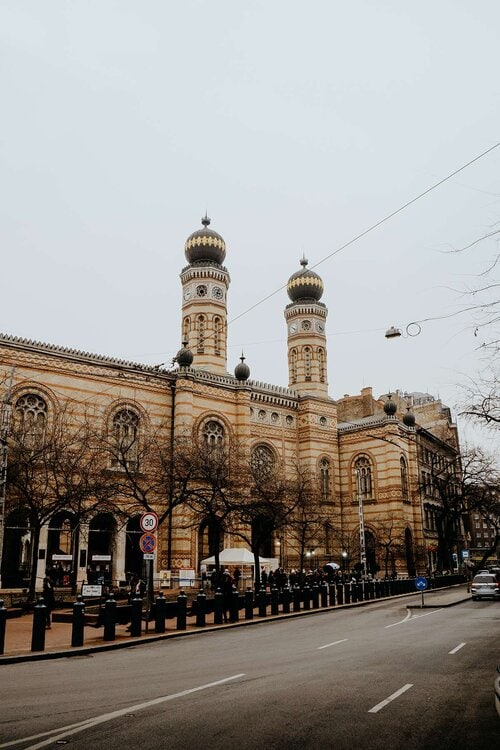
19. Visit the Dohany Street Synagogue
The Great Synagogue on Dohany Street is Europe’s largest synagogue and is located directly at the heart of Budapest’s buzzing Jewish Quarter.
Although we’re not religious ourselves, we often admire the extremely detailed architectural aspects of spiritual and sacred buildings, and for that matter, Budapest doesn’t disappoint.
The main facade boasts exquisite brickwork, two exceptional polygonal towers and an elegant stained glass rose window above the entrance.
The synagogue has a mysterious, yet breathtaking interior, which combines Byzantine and Moorish elements, including the sumptuous organ and the impressive Holy Ark.
Where | Dohany Street Synagogue
Opening hours | Sunday to Thursday 10:00 – 16:00, Friday 10:00 – 14:00, Saturday closed
Entrance fee | 5.000 Hungarian Forint (€15,-) per person. You’ll get a 10% discount with the Budapest card
20. Climb Gellért Hill
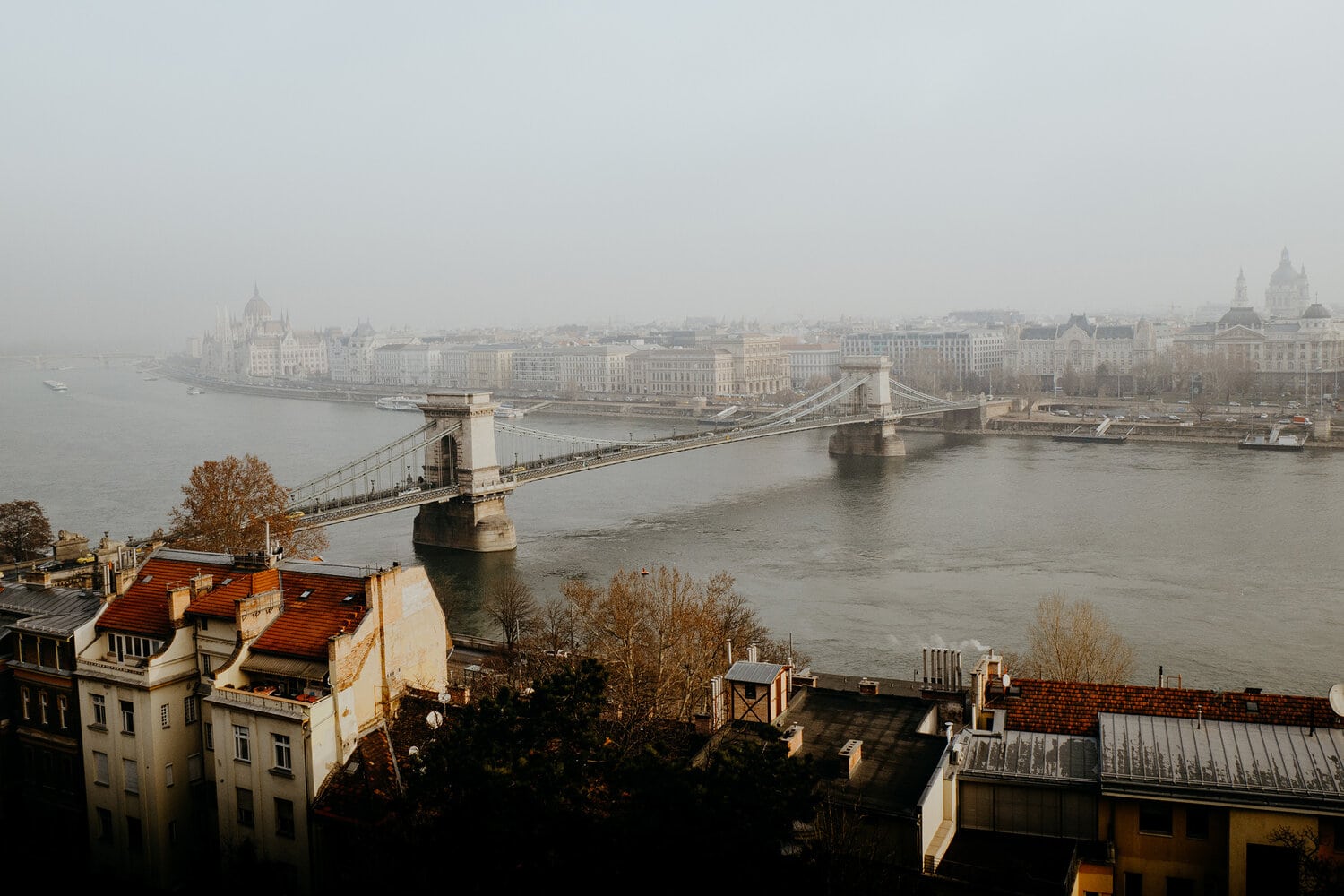
It is said to be the most scenic perspective of the city as it reveals the entire skyline of Budapest, including the untamed Danube that separates Buda and Pest.
Perched atop of the 235-metre high hill and visible from multiple parts of the city is the towering Liberty statue.
The statue of a woman holding a palm leaf commemorates those who sacrificed their lives for the independence, freedom, and prosperity of Hungary.
Gellért Hill will definitely add a little extra value to your city break to Budapest, so make sure to climb the steep hill, especially if you have some unplanned time in your travel schedule.
Where | Gellért Hill
21. Explore Heroes Square
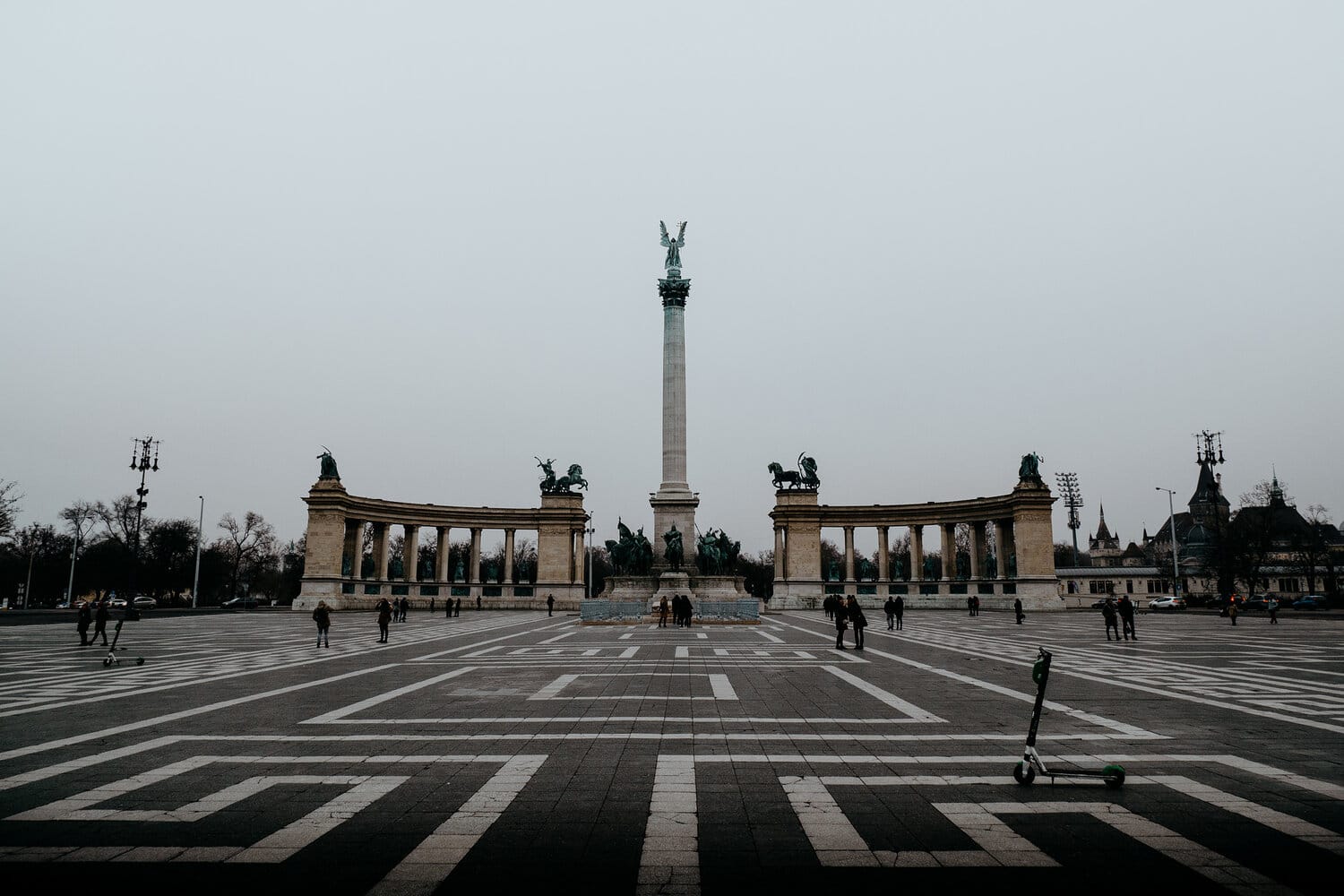
At the stretch of Budapest’s lush city park lies the impressive Heroes’ Square.
The grand square is home to 14 impressive statues that respectively honour the lives of those who were of significant importance throughout the rich history of Hungary.
In the centre of the square, you’ll mark the towering Millennium Monument, a 36-metre high column topped by a golden Archangel Gabriel, displaying the Hungarian crown.
The rich history that is found at Heroes’ Square is enhanced by the creative company of the Museum of Fine Arts and the Hall of Art.
Where | Heroes Square
Things to do in Budapest | The essentials
My favourite day trips and tours in Budapest
If you’re after an organised tour to discover Budapest, here are some of my favourites
Currency in Budapest
Even though Hungary is part of the European Union, it still uses its own currency instead of the Euro, which is the Hungarian Forint (HUF).
The Budapest exchange rate at the time of writing is as follows: 100 Hungarian Forint is equal to €0,30.
What I have noticed is that the most reliable way to save on commissions is to pay with your credit or debit card.
Cash withdrawal
The very first thing that drew my attention when I arrived in Budapest was the number of ‘independent ATMs’ that were established throughout the tourist area of the city.
I noticed that it has become quite a trend for vendors to install an independent ATM outside their stores. It is generally known to be an easy way to earn money.
From our previous travel experiences, we learned the hard lesson that those machines charge an absurd withdrawal fee and hold your money until the exchange rate is in the owner’s favour; therefore, I can’t emphasise it enough to ignore them.
How to get from Budapest Airport to the city centre
It is really easy to get from Budapest Airport to the city centre with the public bus; this also applies the other way around.
Bus 100E | Bus 100E goes directly from Kalvin Ter M to Budapest Airport. The price for a ticket is 900 Hungarian Forint (€2,70) and can be purchased at the machines at the bus and metro stations.
Bus 200E | The second option can be done with your Budapest travel card and is therefore free of charge. Take bus 200E to Nepliget and change there to the bus heading for Budapest Airport.
Both options work vice versa. We deeply recommend being at the station 10 minutes ahead of the departure time, especially if you have a flight to catch.
Stay safe in Budapest | Travel insurance
When travelling this big, wide world, I never leave home before I’ve sorted out my travel insurance, and I would highly recommend anyone travelling to do the same.
Though I think it’s unlikely to experience any troubles when following the advice in this guide, something unfortunate can happen at any time, whether it’s an injury, a stolen camera, or an accident on the road (yes, we had one).
For travel insurance, I always use Heymondo, as they offer full COVID-19 coverage, as well as a handy app with 24-hour medical assistance. Make sure you check it out – readers of WTSW receive 5% off any insurance policy.
Cheers!
I’ve been on this travel blogging journey since 2019.
If you appreciate what I do here, these are some ways you can support me.
Plan your next adventures with my latest guides
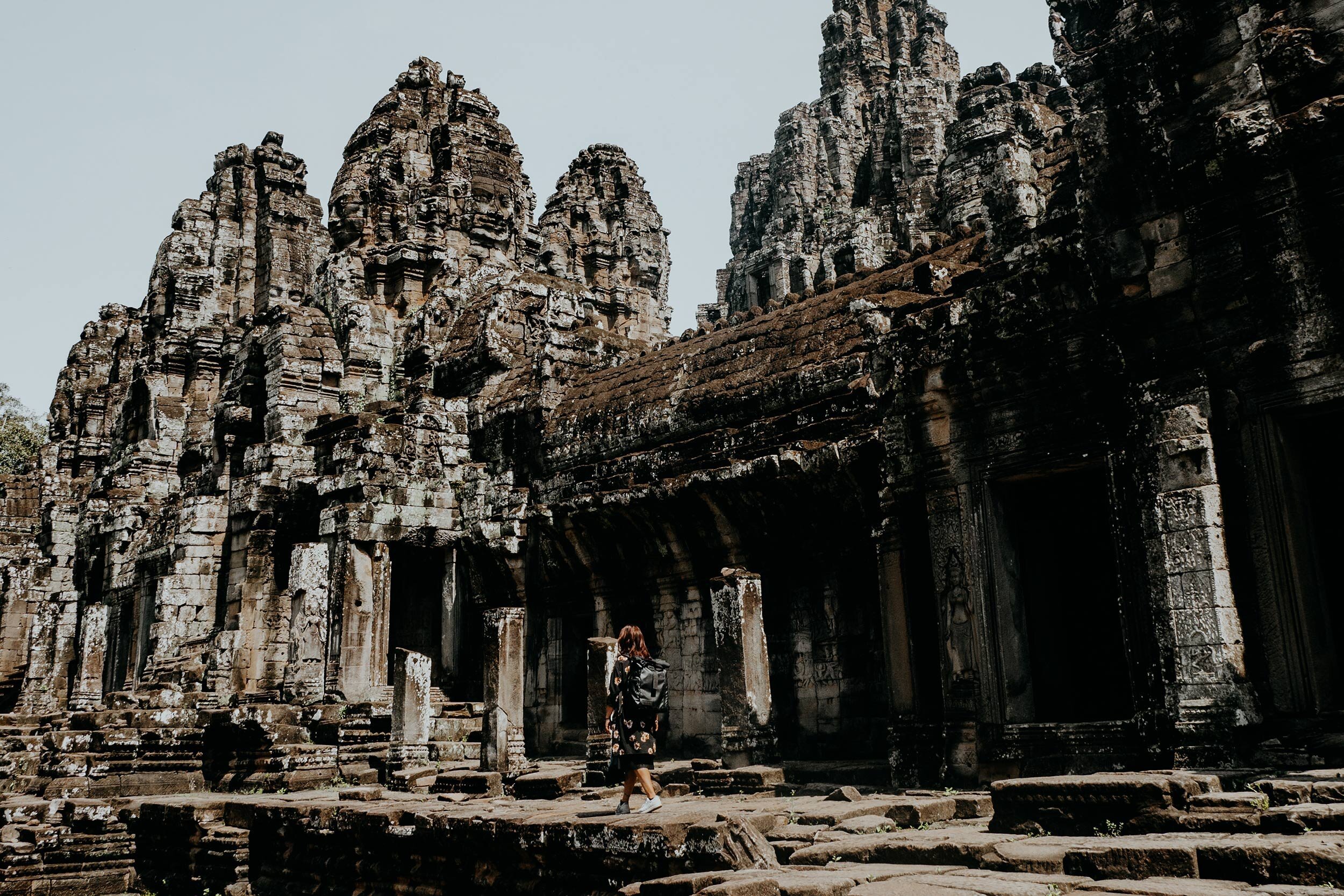
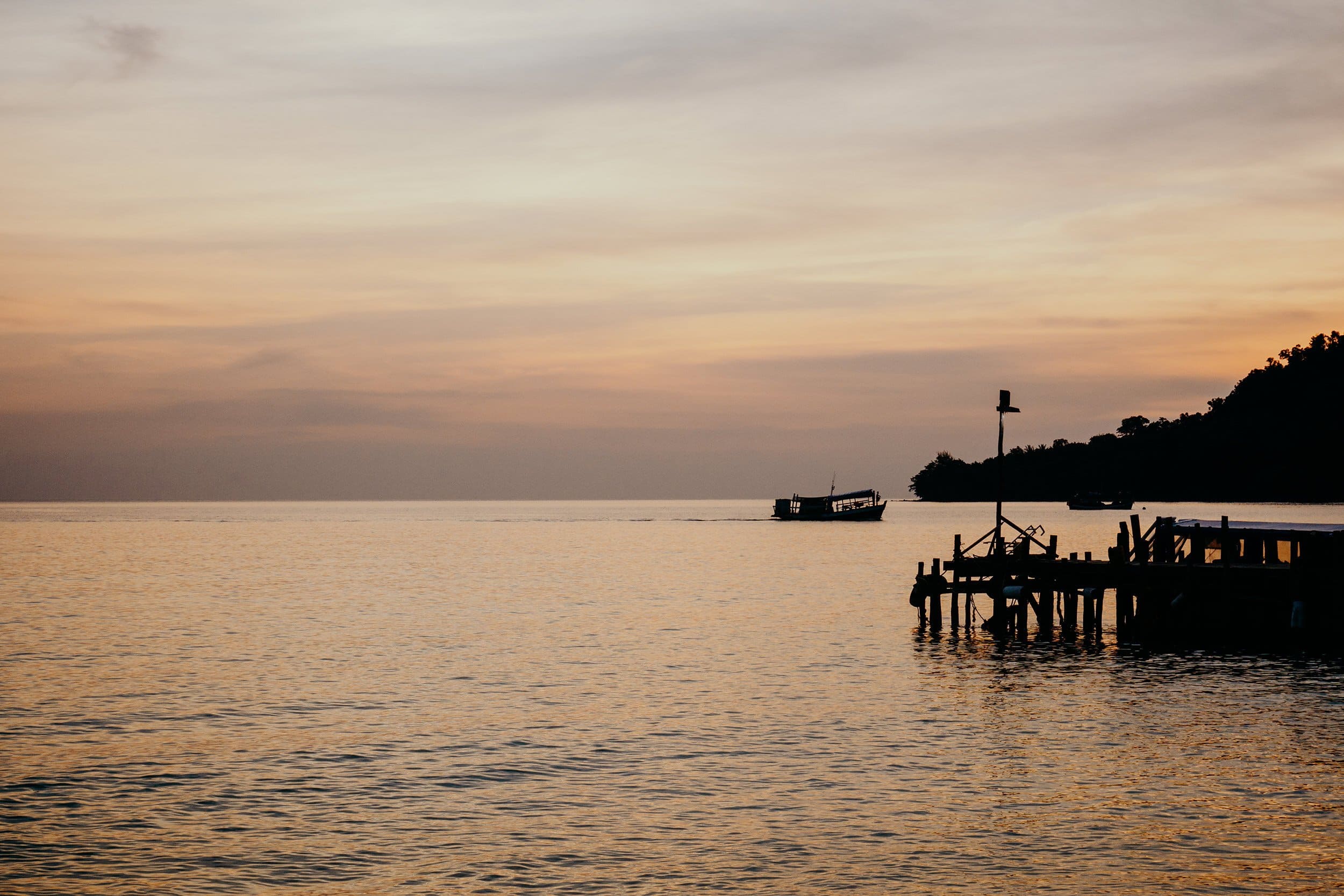

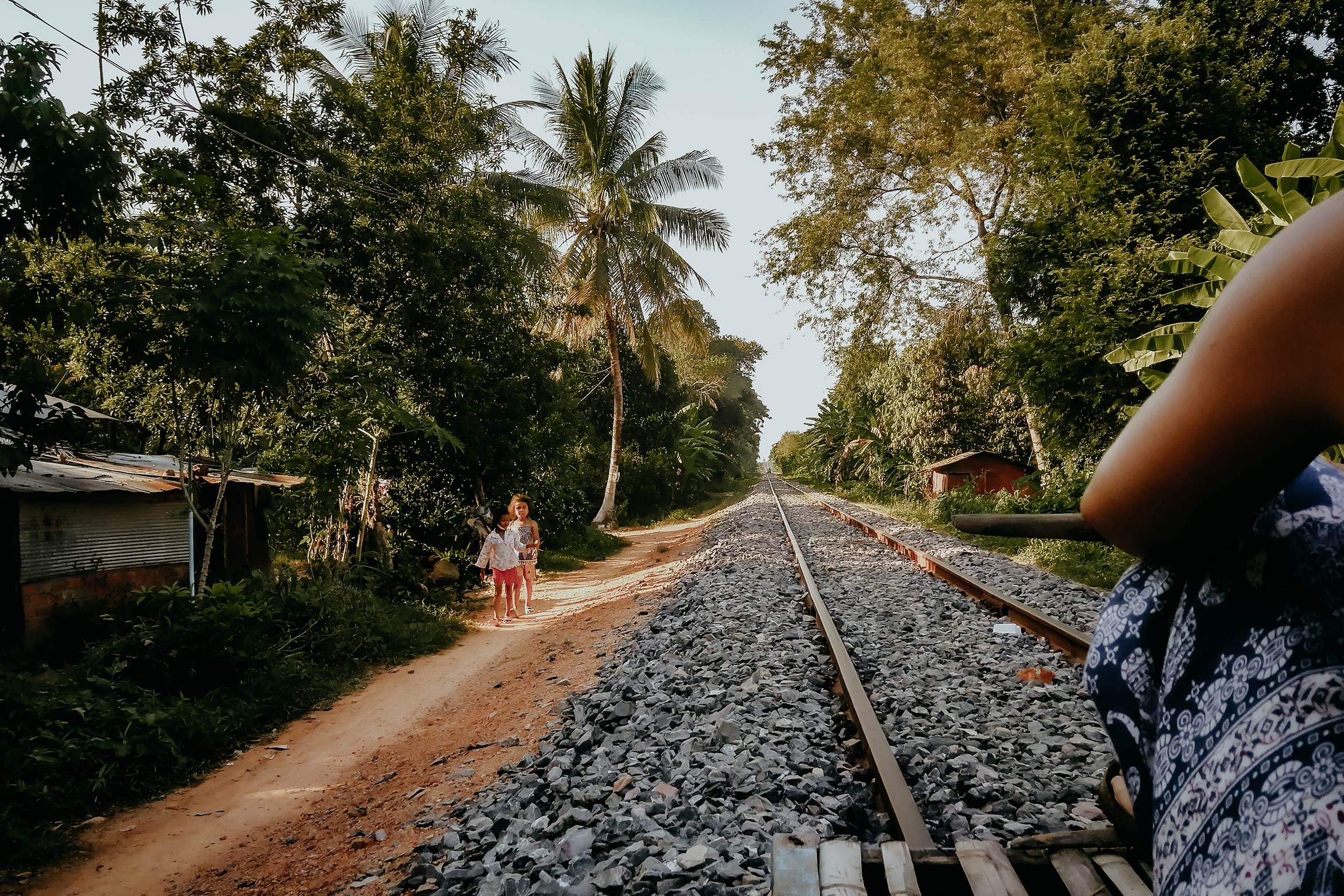
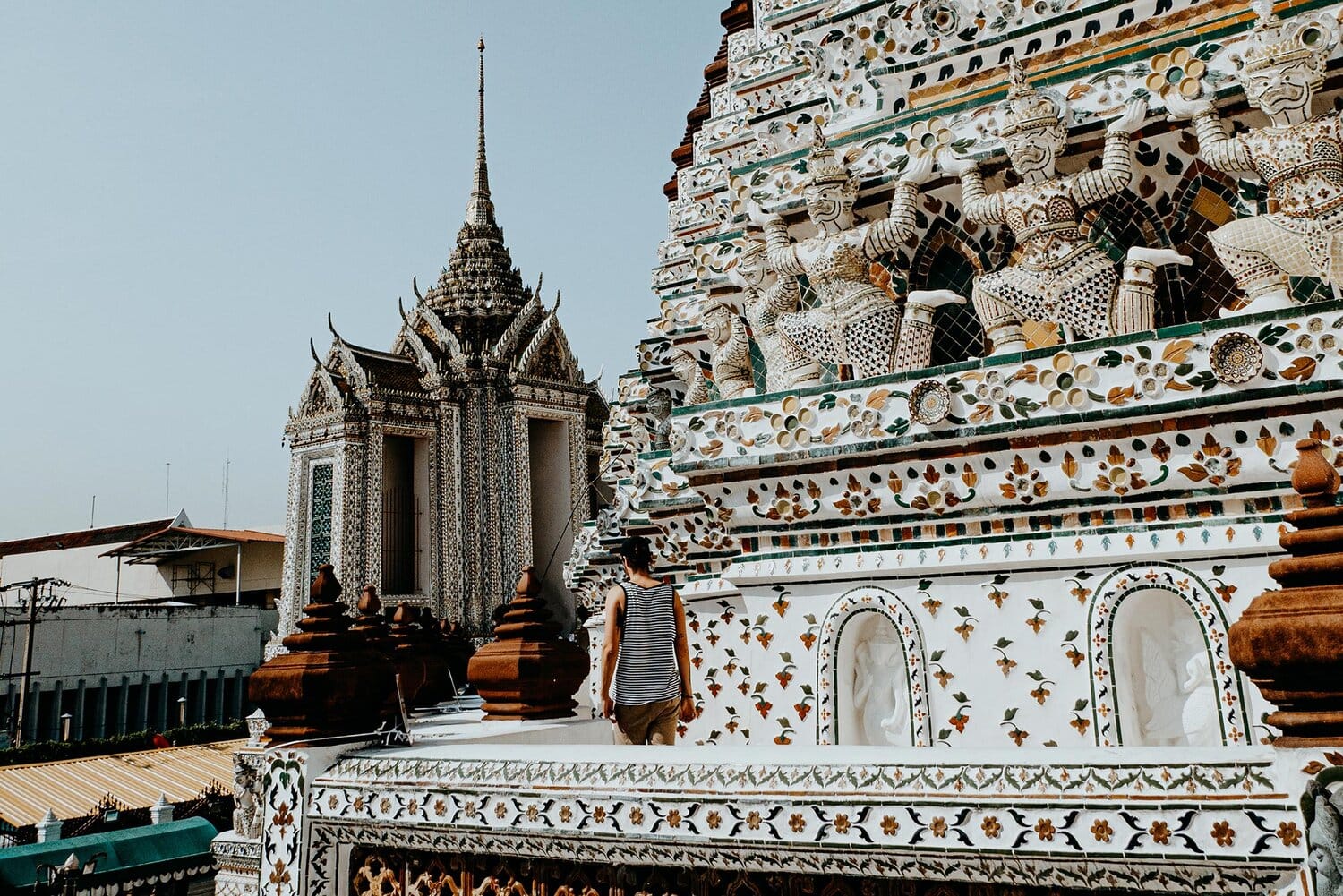
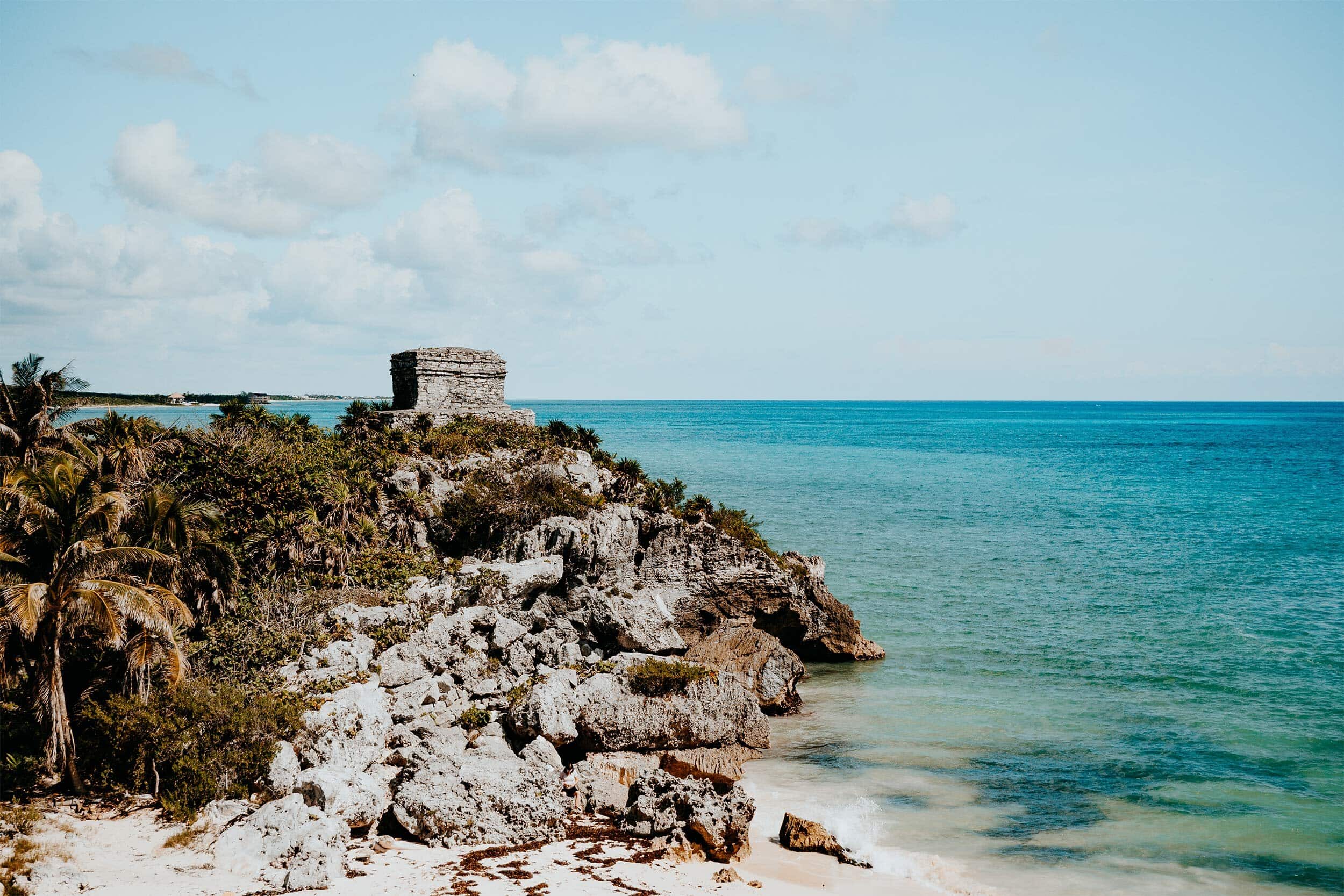
10 Awesome things to do in Tulum, Mexico
Tulum has rapidly become Mexico’s most trendy beach destination, attracting travellers from all over the globe, and after visiting recently, it is easy to understand why.
Charmed by the most delicate stretches of white-sand beach, inviting crystal clear waters, and a tranquil ambience that will effortlessly make you feel at ease, Tulum is easily one of Mexico’s best destinations for those looking to kick back and relax.
While I normally prefer to explore lesser-known destinations, I didn’t want to miss out on this one, so I went to see what Tulum had to offer.
Quite frankly, I was positively surprised after spending several days in the most popular and photogenic town of Mexico’s famous Riviera Maya.
In fact, Tulum is a town that makes a perfect base for some of the best experiences in Yucatán.
Think of impressive Mayan ruins, a wide array of picturesque cenotes, as well as a great selection of good restaurants and bars – not to mention that Tulum is home to some of the most innovative hotels and resorts in the whole of Mexico.
That said, here’s my traveller’s guide to Tulum, where I cover all the nifty details to have a wonderful time, including the best things to do in Tulum, where to stay, as well as some insider tips that make your stay unique.
If you choose to use any of the links on this page, I may receive a small commission at no extra cost to you. By using these links, you’ll have a direct impact on WTSW and my ability to continue to create free insightful travel content for you. If you find any of my tips useful, you can support me by buying a virtual coffee here.
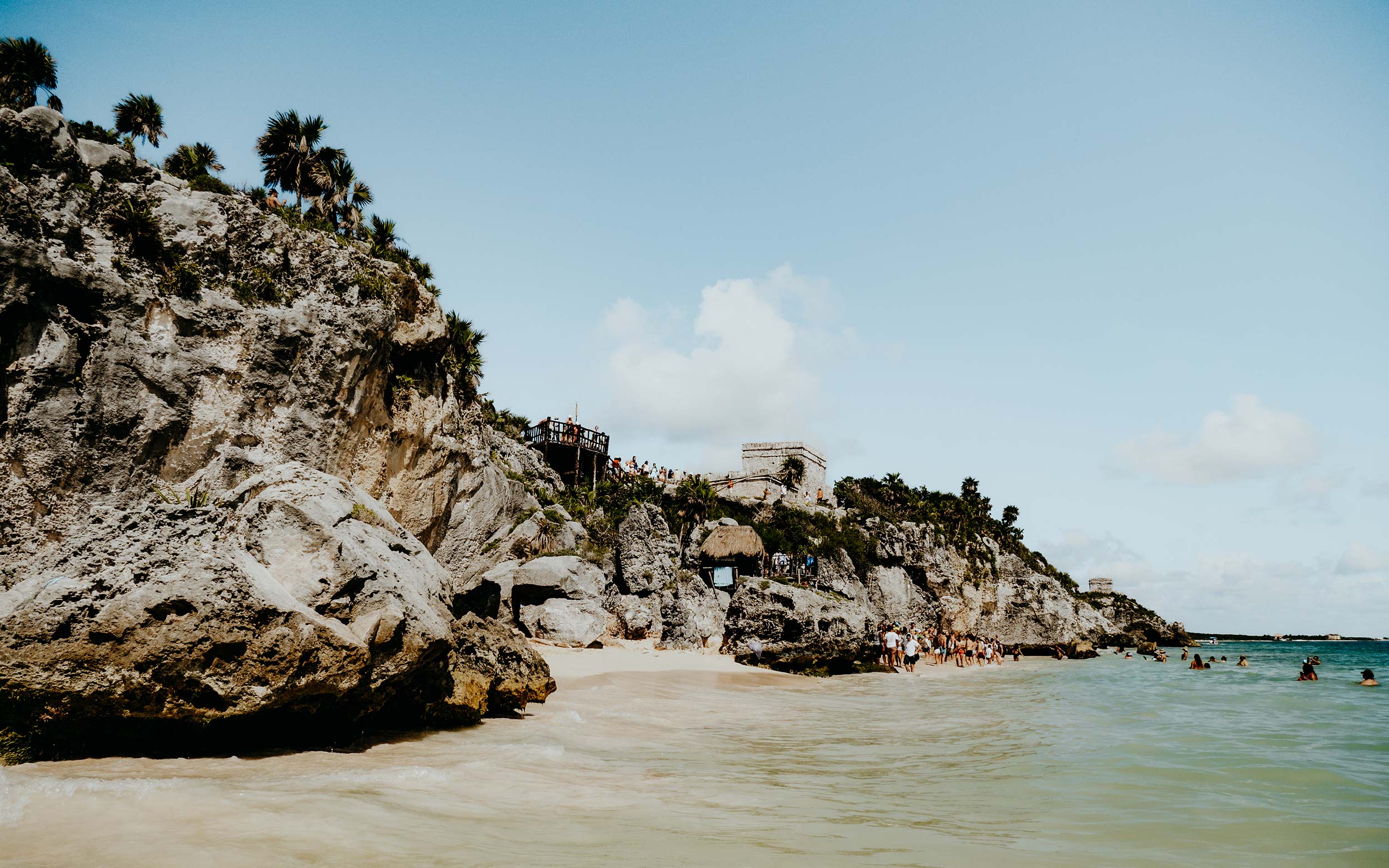
Where is Tulum
Tulum is located in the state of Quintana Roo on Mexico’s popular Yucatán peninsula, about two hours drive from Cancun.
With its white-sand beaches, densely forested jungle, and some of the most stunning sunset points in Yucatán, Tulum is considered one of the best beach destinations in Mexico.
Where to stay in Tulum
When it comes to accommodation in Tulum, there are heaps of brilliant options to choose from.
Whether you’re after a pillow in an affordable hostel, an upscale eco-friendly resort, a boutique hotel next to the sea, or something in between, I’m pretty sure you’ll find an option that suits your travel preferences and budget.
To help you out, I’ve listed a couple of my absolute favourites below, some of which are marked – these are the ones where I stayed myself.
+ Una Vida | Tucked away in the lush jungle of Tulum is Una Vida, an outstanding set of luxurious villas that are marked by the most incredible bohemian-style design – you should definitely click the link to see how awesome this place is. Adjacent to these elegant villas is a serene garden that features two incredible zen-like pools, and a spacious common area. And though it sounds like you’re in a remote paradise, you’re still at only a stone’s throw away from the trendy bars and restaurants of Tulum.
Elements Tulum Boutique Hotel | Located within a short walk of Tulum’s lively city centre, Elements is a charming boutique hotel that provides elegant rooms that are unrivalled in terms of comfort. A large outdoor pool, various breakfast spreads, and a set of complimentary bicycles to take around town, make Elements one of the best options in Tulum.
+ Turquoise Petit Hotel Tulum | Set in the heart of Tulum, this charming boutique hotel offers exceptional value for the money, with luxurious suites starting at just $95 a night. The rustic-style rooms (the artwork is awesome) are spacious, air-conditioned and utterly comfortable. There are also two outdoor pools and a lush garden – something that’s always appreciated.
Habitas Tulum | Internationally known as one of the best Eco-resorts in Tulum, Habitas grants travellers a once in a lifetime experience, by combining the magical environment of Tulum Beach with world-class facilities and hospitality. It also features a large ocean-facing pool, a private stretch of beach, and a high-end wellness centre. Do keep in mind that this luxury comes at a price – Habitas is an absolute splurge.
Mayan Monkey Hotel & Hostel | Unquestionably the best hostel in Tulum, Mayan Monkey provides semi-private bunk beds, a large outdoor pool, and an in-house restaurant and bar. All rooms come with air-conditioning, and a great breakfast spread is presented every morning. Throw in the fact that it’s just $35 a night, and Mayan Monkey is an absolute champ.
Tubo Tulum Hostel | An excellent option for those after something a little different, Tubo offers tube-like rooms based on a unique eco-friendly concept. Alongside the characteristic tubes, you’ll have a cosy common area, making it a perfect place to meet up with fellow travellers. Tube rooms start at around $38 per night.
If the above accommodations do not resonate with your travel preferences, search accommodations in Tulum on booking.com.
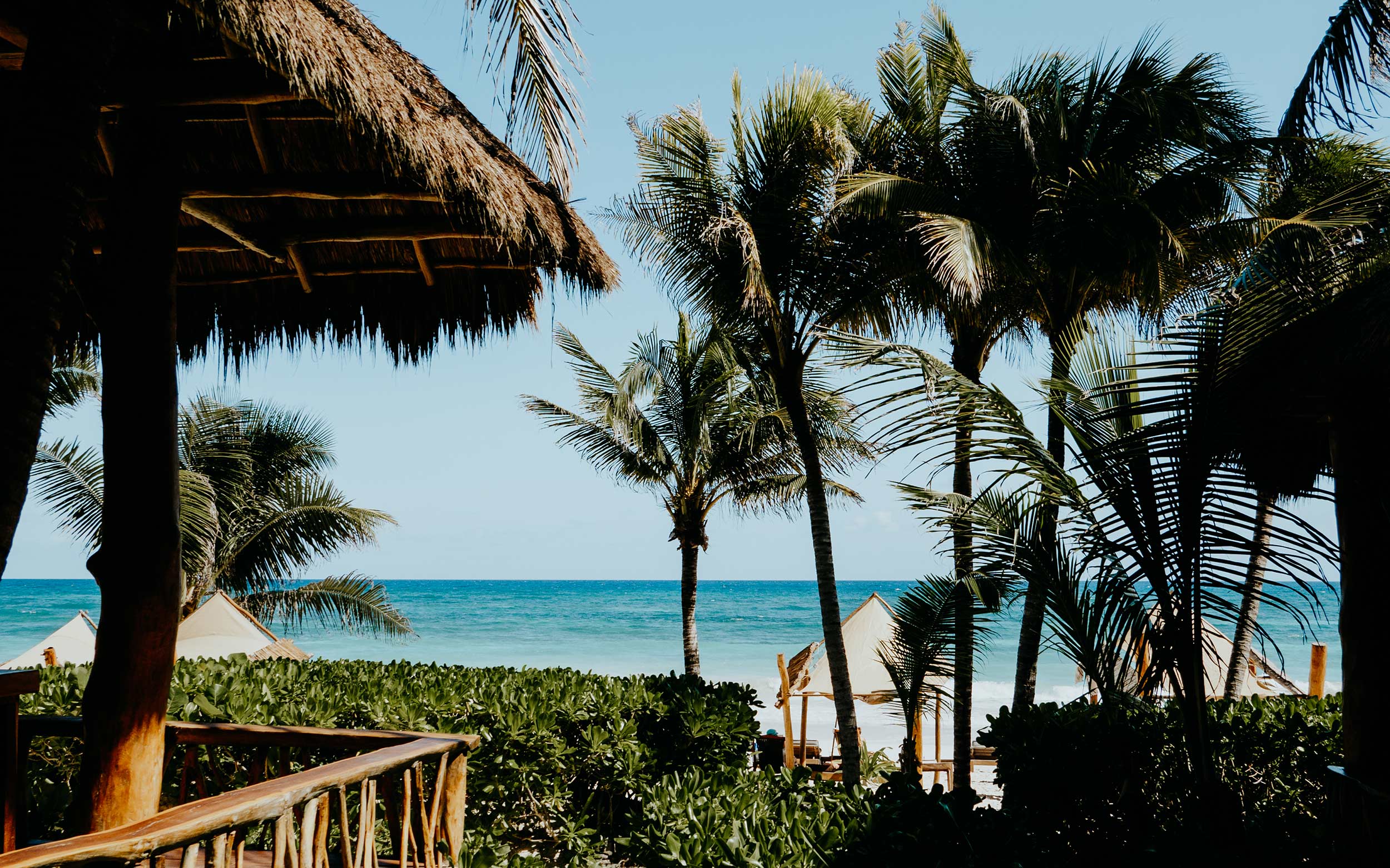
10 Awesome things to do in Tulum, Mexico
1. Behold the aesthetic IK Lab Art Gallery
Established within the renowned Azulik ecological resort, IK Lab is an impressive art gallery that is, without doubt, the most aesthetically pleasing museum I’ve ever stepped foot in.
Designed by Jorge Eduardo Neira Serkel on behalf of the great-grandson of famous art collector Peggy Guggenheim, this distinctive gallery became a huge success from the moment it opened its doors at the beginning of 2018.
Upon entering, you’re asked to take off your shoes, which brings the experience to a whole nother level.
Cool concrete floors alternate with rough curved bejuco vines, that are crafted in wave-like shapes. Those traditional vines have been used since ancient times by Mayan artisans, which piqued the interest of the designer.
The changing texture underneath your feet, an aromatic breeze of incense, and IK Lab’s incredible aesthetic design elements further increase the gallery’s mystical ambience.
With its design inspired by nature, the IK Lab art gallery is not just your typical museum, and for that reason, I highly believe it is one of the more unique things to do in Tulum.
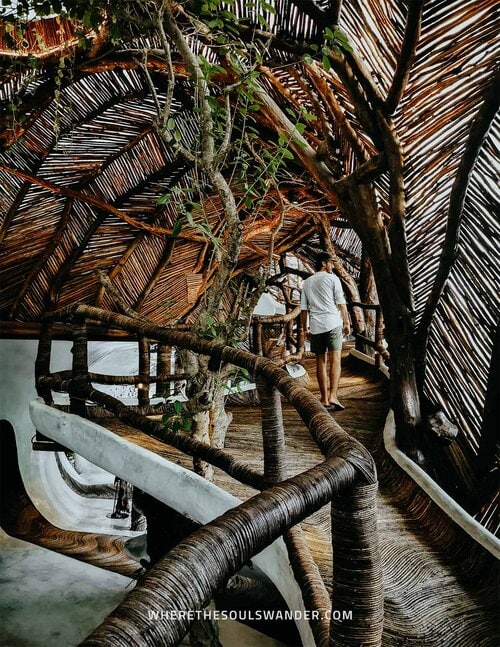
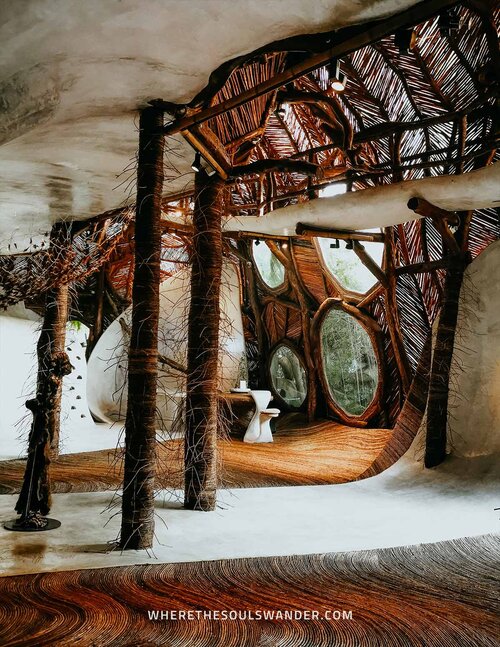
2. Visit the paradisiac Tulum Ruins
Perched atop the edge of a steep cliff, overlooking the Caribbean Sea are the picturesque Tulum ruins, a site that should be high on your list of things to do in Tulum.
The ancient Mayan town of Tulum was once of significant importance, as it functioned as one of the major trading hubs of the Mayan civilization. Goods that were traded often here include cacao beans, turquoise, cotton and jade.
In comparison to other archaeological sites in Yucatán – Chichen Itza, Coba and Uxmal to name a few, the Tulum ruins are rather unique, and roaming around the complex feels as though you’ve stepped straight into a scene of Pirates of the Caribbean.
The reason for this is a phenomenal tropical ambience, acquired by picture-perfect ocean views, steep rugged cliffs, and heaps of lush palm trees.
However, with Tulum still rising in popularity, the ruins can be a bit overrun at times – therefore I can’t stress it enough to visit the Tulum ruins first thing in the morning. For those who want to learn more about its history, I highly recommend this guided tour of the Tulum Ruins.
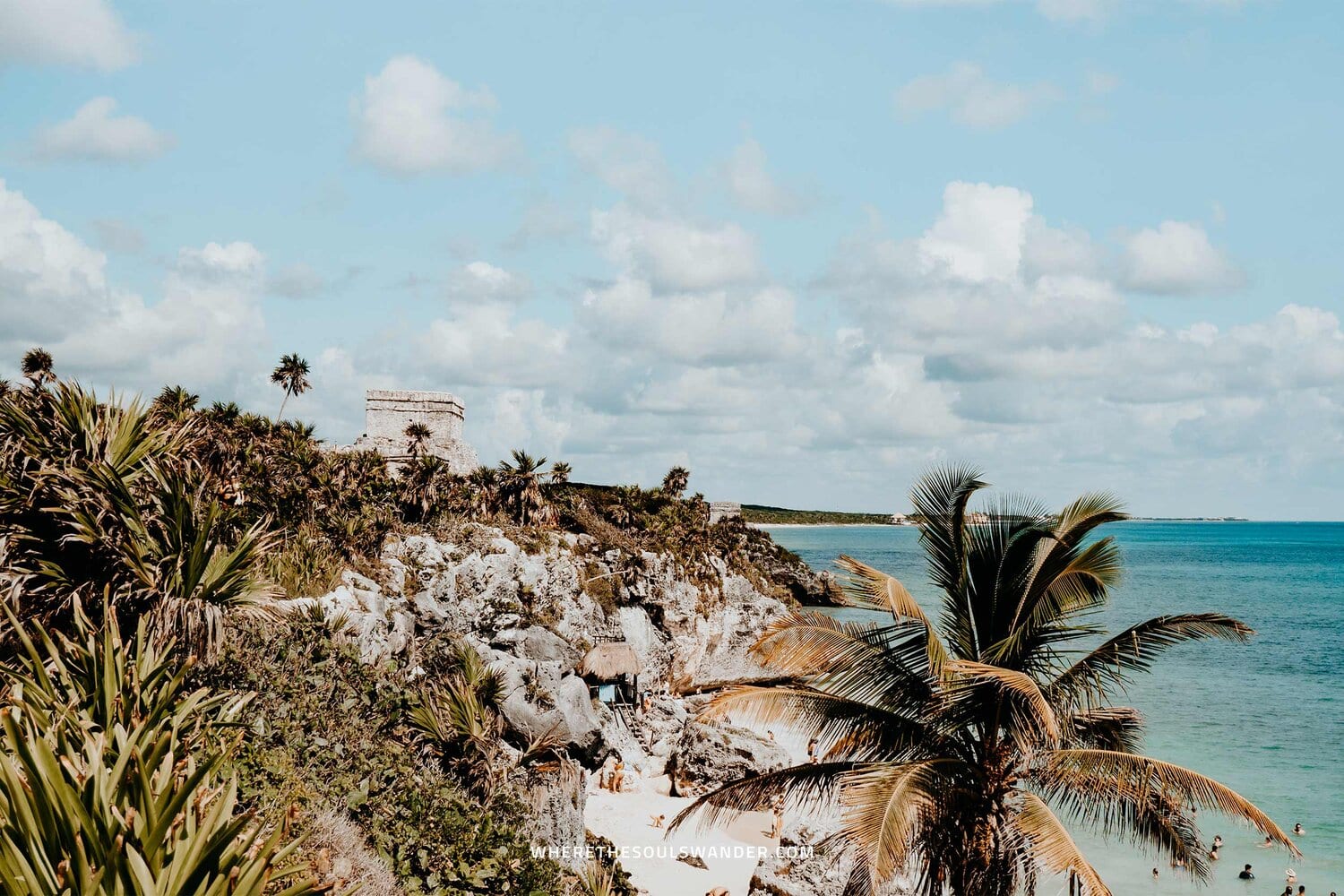
3. Take a swim at the Gran Cenote
The incredibly scenic Gran Cenote is among the most attractive cenotes in the Riviera Maya, and luckily for you, it is situated only a stone’s throw away from the town centre of Tulum.
Gran cenote is a large open-air cenote with an idyllic cave-like ambience. The cenote is well-known for its crystal clear groundwater, which is supplied from the many underground rivers that lead to the centrally positioned basin.
The marvellous cenote is home to an abundance of small fish and freshwater turtles. The Gran cenote is unquestionably the most popular cenote when it comes to snorkelling, diving and cave-diving, therefore it is extremely busy throughout the day.
What many people don’t know, including ourselves, is the fact that there is a second cenote. This smaller cenote is way more peaceful and just as beautiful.
The less-crowded cenote is easily accessed by swimming through a natural tunnel full of exquisite stalagmites and stalactites. If this option sounds too adventurous, opt for the easy way and take the stairs.
Although it is quite busy throughout the day, I liked my time at Gran Cenote. Still, I recommend visiting right after the doors open.
4. Stop by the famous ‘Follow that Dream’ sign
While cruising along the dusty roads alongside Tulum Beach, you’ll most likely notice a broad spectrum of inspiring road signs.
The best known of these signs is the ‘Follow That Dream’ sign, an uplifting road sign that has rapidly become one of the most popular Instagram hotspots in Tulum.
And I must admit, I deeply admire the creative and conscious approach that Olivia Steele manifested with her ‘Public Display Of Awareness’ street art project.
Other signs that are part of this powerful project in Tulum, state the following insightful mantras; Stay Present, If Not Now, When?, Know Thyself and Be Here Now.
It doesn’t matter if you’re into serious photography or just trying to nail your next Instagram shot, Tulum has an endless amount of creative photography possibilities, and those inspiring signs are definitely one of them.
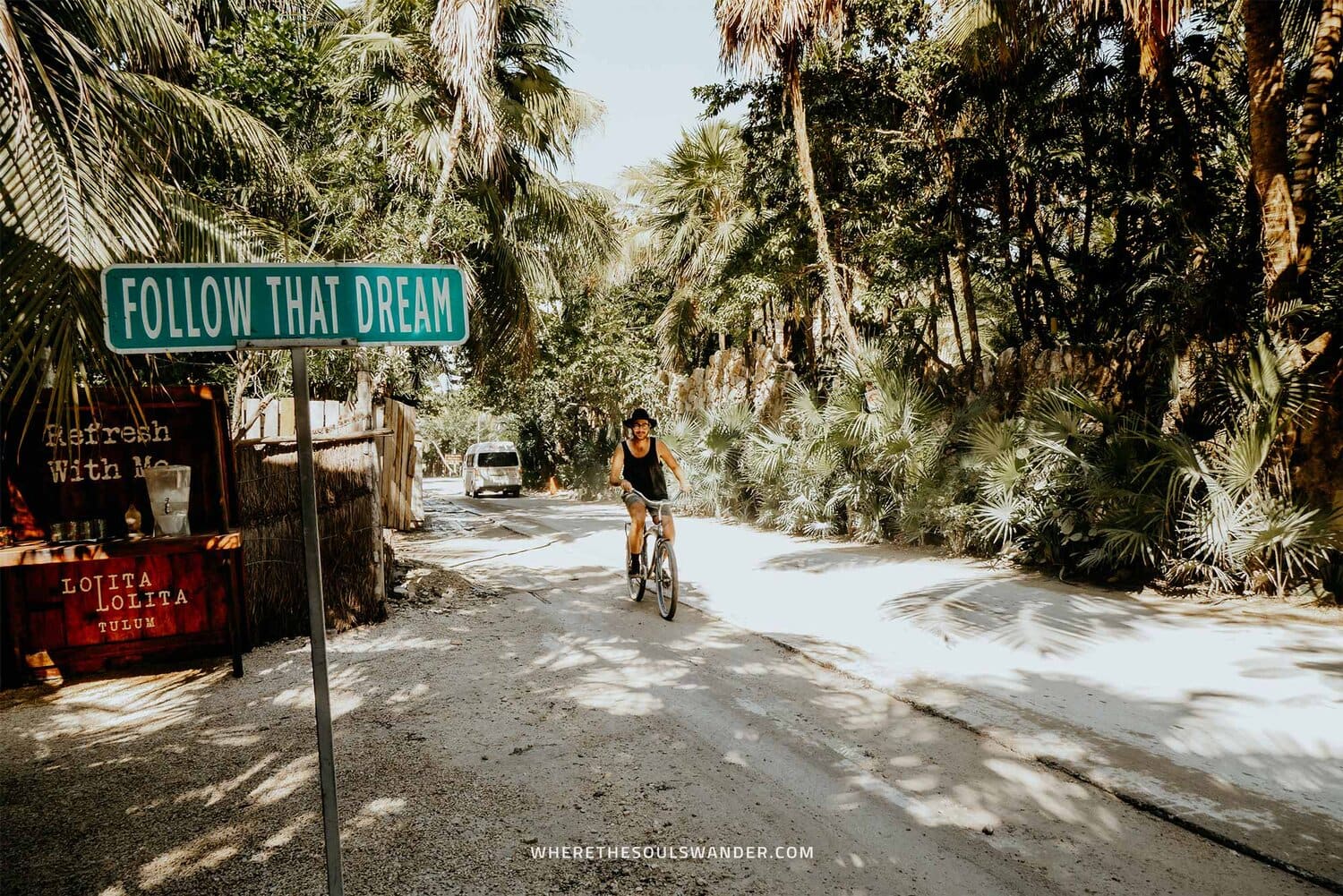
5. Admire Ven a La Luz Tulum
As you might have noticed throughout this guide, it is clear that Tulum is a breeding place for progressive contemporary artists and their inspiring art installations.
One of the best-known installations is the towering wooden sculpture that is positioned at the entrance of Raw Love and AHAU Tulum.
The picturesque Ven a La Luz sculpture, created by Cape Town artist Daniel Popper, symbolises the deep-rooted connection between human beings and nature.
The 10-meter high sculpture was originally designed to raise awareness for the sensitive ecosystem in Tulum before it was placed as decoration at AHAU Tulum.
We can assure you that this elegant sculpture attracts people from dawn till dusk, so if you’re looking to have some photography freedom, head there as early as possible.
6. Relax at La Eufemia Beach Club
With so many luxurious resorts established at Tulum Beach, it can be quite a challenge to find your slice of paradise while travelling on a budget.
Luckily, it is La Eufemia that secured a stretch of sand at Tulum’s popular Beach.
La Eufemia Beach Club is, without a doubt, our happy place when it comes to relaxing after a full day of exploring in and around Tulum.
A well-balanced mix of affordable prices and a laidback vibe, make the beach club extremely beloved among locals and travellers.
We’d spend numerous afternoons at La Eufemia and recommend checking it out if you’re in for some well-deserved relaxing time, a badass sunset and a few cold drinks supplemented by delicious local bites.
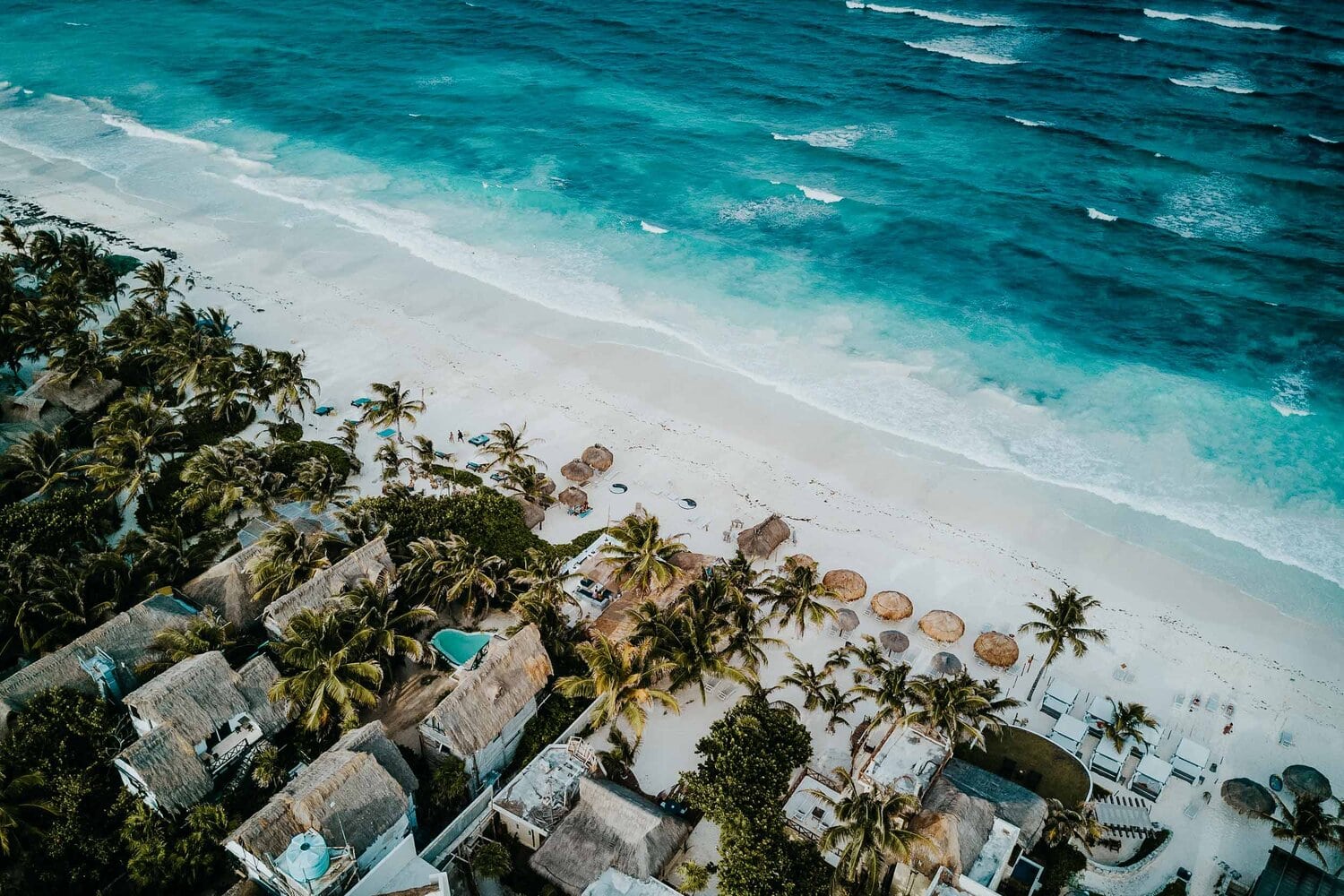
7. Have a nutritious lunch at Raw Love Cafe
Nestled between the beach and dense jungle is Raw Love Café, a trendy café that is deemed to be one of the best places to energize your body in Tulum.
At Raw Love, they serve a bunch of healthy vegan dishes that are primarily based on superfoods, making it an excellent café to have breakfast and lunch.
The trendy café is best known for its nutritious smoothie bowls, which we can say are pretty yum. However, they serve so much more nourishing dishes and bites.
Think of traditional dishes served as a healthy vegan alternative, including raw pad thai, zucchini pasta and portobello burgers. Not to mention the boosting healing shots, fresh smoothies and lovely organic coffee.
All this gets enhanced by Raw Love’s laidback ambience, a garden full of palm shade and a glimpse of the best stretch of beach you’ll find along the coast of Tulum.
8. Explore the incredible ruins of Chichén Itzá
Once the bustling epicentre of Mayan civilization, Chichén Itzá is nowadays acknowledged as Mexico’s number one historical landmark, and that’s no wonder – it is a new wonder of the world after all.
The phenomenal Chichén Itzá is a vast complex that holds a bundle of imposing structures, with the magnificent El Castillo pyramid as one of the main reasons travellers flock to Mexico.
The Mayan people were extremely diligent when it came to mathematics and astronomy, which clearly reflected in the consciously designed structures you’ll see at Chichén Itzá today.
Now you’re reading this Tulum guide, I assume you most likely have a wonderful trip to Tulum planned. If that’s the case, I highly recommend you visit the ruins of Chichén Itzá too.
Though it’s totally possible to visit independently from Tulum, I believe the best way to visit is by joining a guided tour of Chichén Itzá.
9. Jump in Cenote Calavera
Cenote Calavera is relatively undiscovered compared to other more popular cenotes in the Riviera Maya. That doesn’t mean the cenote isn’t impressive, it is in fact, quite an adventurous one.
The appealing cenote is entered by jumping into a perfectly round sinkhole, if this sounds scary, opt for the wooden ladder.
If you’re adventurous, like me, this most likely sounds interesting to you. Next to the cenote’s main opening are two small cracks where you could drop through.
Like many other activities in Tulum, I think it is best to visit early morning or late afternoon.
With so many cool features, including a rope swing, you won’t be disappointed – I genuinely think it is one of the best cenote’s you could visit in Tulum.

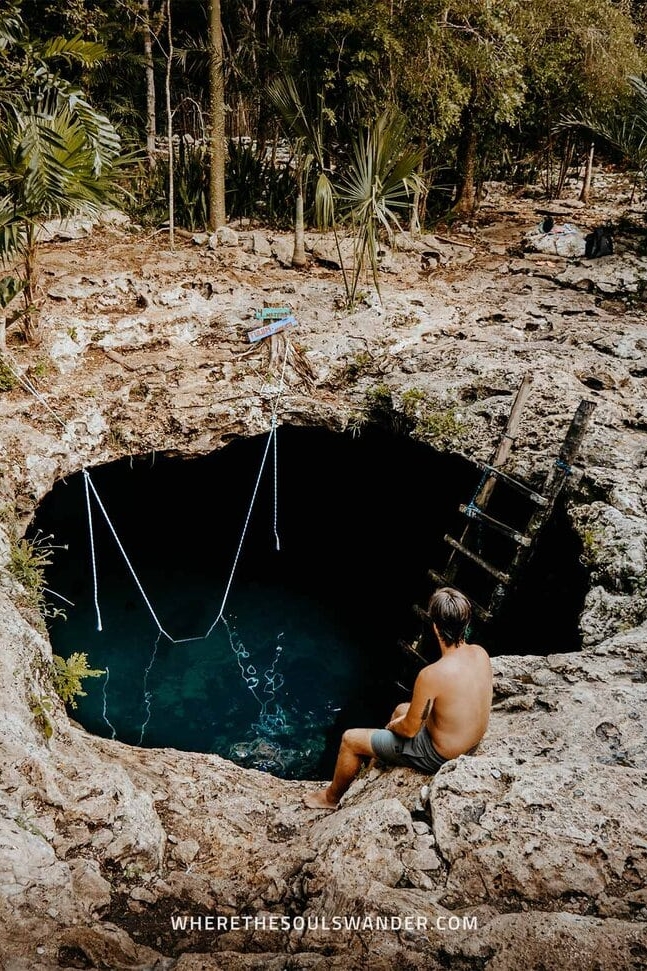
10. Grab a burger at Bonita Tulum
Despite the fact that I have an affection for local cuisine, I every now and then crave a good burger.
This is where Bonita Burger Bar came and saved the day. A wide variety of creatively composed burgers, including delicious vegan options, made it kind of difficult to choose at first.
Luckily, you can’t go wrong here. Bonita Burger Bar is excellent when it comes to flavour and seasoning, which results in unique, juicy, yet crispy burgers. It is even possible to customize your burger with extra toppings as you wish.
Additionally, I’d recommend grabbing some self-cut fries on the side, which come with four amazing homemade dips.
The venue itself has a charming outdoor terrace, where you’ll be able to play a handful of games, including one of my favourites: Jenga. That and the sincere staff make the trendy burger bar perfect to hang out while enjoying the best burgers and signature-crafted beers.

Things to do in Tulum | The essentials
The best time to visit Tulum
Situated at the heart of the attractive Caribbean, Tulum enjoys a pleasant tropical climate year-round, making it a top-notch destination for travellers from all over the world.
Whereas it’s basically possible to visit Tulum at any time of year, I believe the best time to visit Tulum is during the peak season that runs from November to April.
During this time of year, the weather is warm and pleasant, while there’s also barely any rainfall, making it the perfect period for both relaxing and exploring.
Additionally, I would recommend planning your trip in the off-season months of October and May. I visited Tulum in late October and had the fortune to enjoy excellent weather my entire trip, as well as the advantage of fewer people around.
One word of caution though, as with most tropical destinations, it isn’t guaranteed that you’ll get to experience good weather during the off-season.
How to get to Tulum
FLIGHTS | HOW TO GET TO TULUM
If you’re planning to visit Tulum, you most likely enter Mexico by plane through the Cancun International Airport, which is located around 1,5 hours drive north of Tulum.
For flights to Cancun, I would suggest the use of Skyscanner. Not only is their website easy to use, but they also offer a large variety of airlines – plus the possibility to find good rates.
After arriving in Cancun, it is pretty straightforward to get to Tulum, especially if you consider making use of one of the options I listed below.
CAR | HOW TO GET TO TULUM
The popular Yucatán Penisula is one of the safest areas in Mexico, making it the perfect destination for an adventurous road trip – which obviously, also includes a few days in Tulum.
When sorting out car rentals in Yucatán, I would advise checking out DiscoverCars.
With excellent service, additional insurance, and a wide selection of cars to choose from, DiscoverCars is, in my opinion, easily the most convenient pick – ooh, and rates are pretty good too!
BUS | HOW TO GET TO TULUM
Public transport is one of the most popular means of transport, if not the best option to travel around Yucatán.
ADO, Mexico’s main bus company is an excellent company where I travelled with on several occasions. I can say from first-hand experience, that their services are of great quality.
Not only are their busses comfortable, airconditioned and clean, but they also service the major cities in Mexico, including Cancun, Tulum, Playa Del Carmen and Valladolid.
For more information, departure times and online reservations, visit the ADO website.
Stay safe in Mexico | Travel insurance
While Mexico is perfectly safe for travellers, I always strive to sort out my travel insurance before arriving in a foreign country, and I highly advise anyone else to do the same.
Where we prefer that everything goes smoothly during our travels, something unfortunate can happen at any moment, whether it’s an injury or an accident on the road. When that happens, it is better to be safe than sorry.
Heymondo | Whether you’re going on a 3-week backpacking trip, or planning a long stay somewhere abroad, Heymondo has excellent insurance options either way – plus full COVID-19 coverage and a handy app with 24-hour medical assistance. Readers of WTSW receive 5% off any insurance policy, more information here.
Cheers!
I’ve been on this travel blogging journey since 2019.
If you appreciate what I do here, these are some ways you can support me.
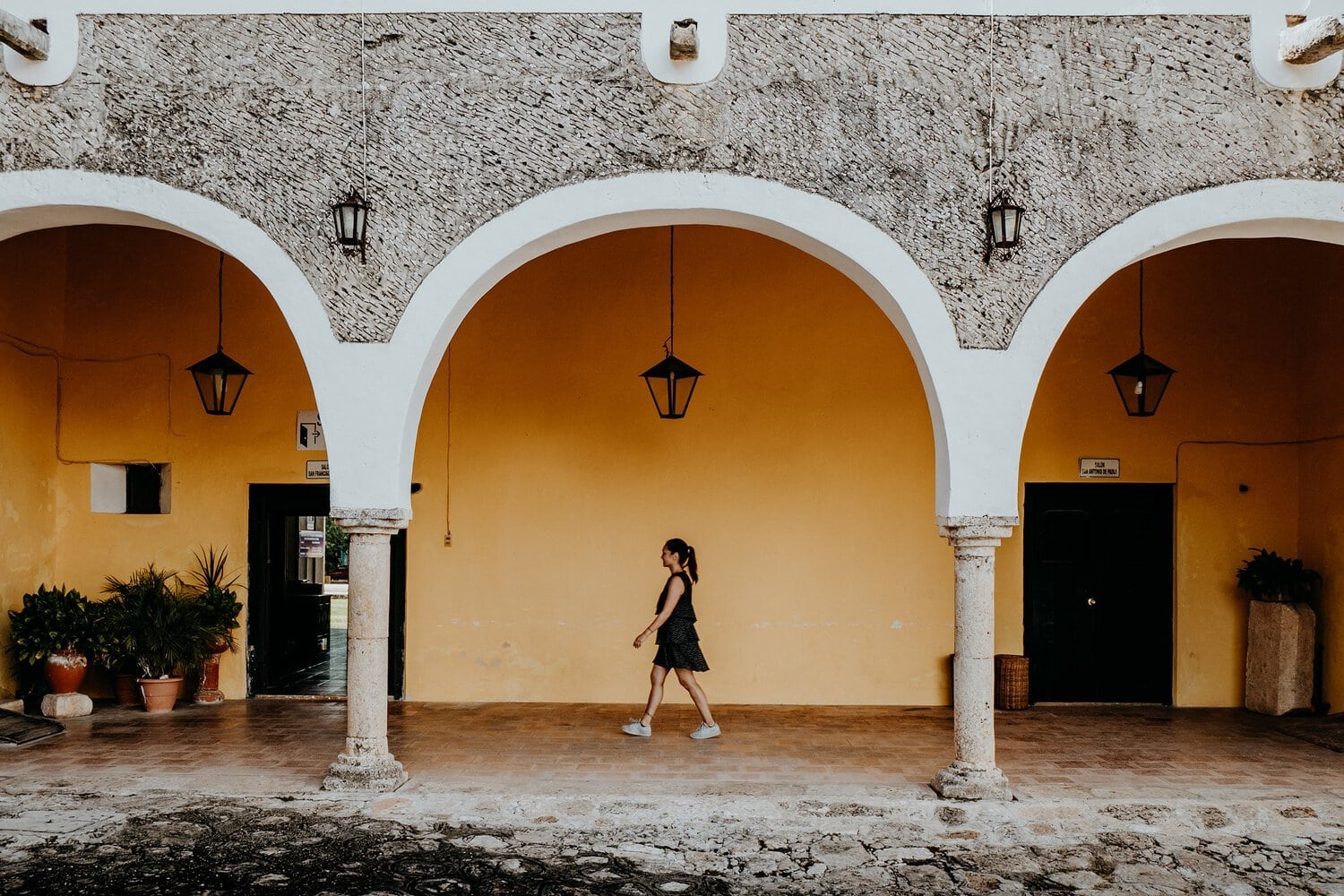
11 Awesome things to do in Valladolid, Mexico's colourful colonial town
Discoveries from my time in the authentic colonial streets of Valladolid, Mexico. I’ve put together a detailed guide, including the best things to do in Valladolid, day trips, cenotes near Valladolid, traditional Yucatan food recommendations and more – plus insightful travel tips.
Valladolid, a lively town that is rich in Spanish colonial architecture, pastel-coloured walls and more importantly, there is a story around every corner.
The cosy little town is a good base to explore some of the best cenotes near Valladolid, not to mention the potential day trips to Chichen Itza, The Balankanche Caves and Ek Balam.
In this guide, we walk you through the best things to do in Valladolid, including how to get around, where to stay and eat – plus insightful travel tips based on our first-hand experiences.
If you choose to use any of the links on this page, I may receive a small commission at no extra cost to you. By using these links, you’ll have a direct impact on WTSW and my ability to continue to create free insightful travel content for you. If you find any of my tips useful, you can support me by buying a virtual coffee here.
Where is Valladolid
Valladolid is located at the heart of Mexico’s popular Yucatán region, and at only a short drive away from the incredible Chichén Itzá complex.
It is good to note that Valladolid is situated in a different time zone than Quintana Roo (Tulum, Playa and Cancun). For that reason, the clock goes back one hour if you’re travelling to Valladolid.
Where to stay in Valladolid
Given Valladolid’s increasing popularity among backpackers, the lively colonial town is teeming with accommodation options fitting all budgets and travel styles.
Whether you’re looking for a budget-friendly base for your day trip to Chichén Itzá, or a more comfortable hotel to start off your explorations in town, accommodation can be a real treat here.
I’ve listed a few of my personal favourites below, some of which are marked – these are the ones where I stayed myself.
+ Hotel Casa Bamboo | If you’re looking for an absolute steal, this is the place for you. Situated only a short walk from Plaza e Parque Francisco Canton, Casa Bamboo offers spacious air-conditioned rooms, a comfortable kingsize bed, and a great boutique-style design. The hotel also has a number of complimentary rental bikes at hand. Doubles start at $44 a night.
Hotel Posada San Juan | A super stylish hotel with wooden furniture, air-conditioning, an outdoor pool, and a hammock to relax in. Also, there is a great breakfast included, which makes $111 for a double room an excellent value. Make sure you check the link to see how awesome the design of this place is – unfortunately, I missed out on this one.
+ Hotel & Suites Country | Every now and then, I can’t help to opt for a slightly more luxurious hotel, and in Valladolid, this turned out to be Hotel & Suites Country. Set within a tranquil neighbourhood only just from Valladolid’s main square, this hotel offers excellent rooms, fully equipped with a kitchen, air conditioning, and a dining area. Add their spacious sundeck and a large outdoor swimming pool, and you’ll instantly realize why I picked it in the first place.
+ Hostal Tunich Naj | Located in the heart of Valladolid, this budget-friendly hostel provides a wide array of comfy rooms, both shared and private. On top of that, there is a spacious common area, ideal for backpackers looking to make new travel buddies. Doubles start at only $18 a night.
Alternatively, search for accommodations in Valladolid on booking.com.
11 Awesome things to do in Valladolid, Mexico
1. Plaza e Parque Francisco Canton
Most colonial cities in Spanish America are built around a central positioned plaza, this is also the case in Valladolid. Bringing us to Plaza e Parque Francisco Canton.
Whether it is day or night, there is always something going on here, something I truly admire.
Mingle yourself among the locals who often gather here to dance to traditional Mexican music. The lively atmosphere makes the plaza an excellent venue for people-watching.
The main square is home to a handful of street vendors, who mainly sell souvenirs, churros and drinks.
Also, next to the square, you’ll find great street food stalls at El Bazaar Municipal, where you can eat delicious Yucatan food for little money.
Where | Plaza e Parque Francisco Canton
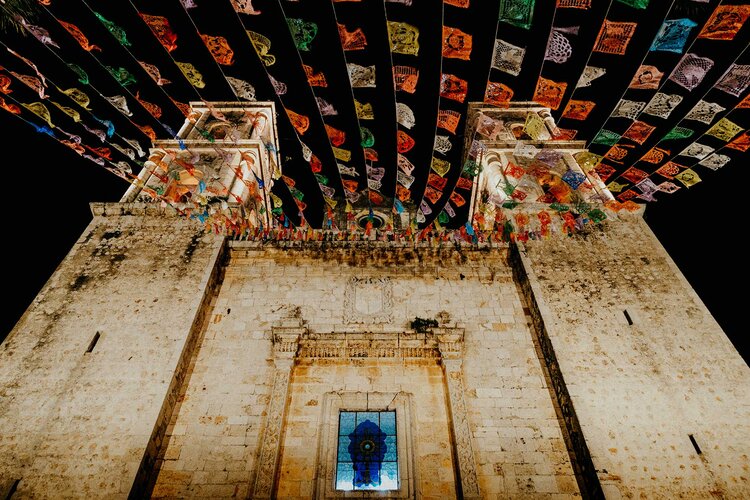
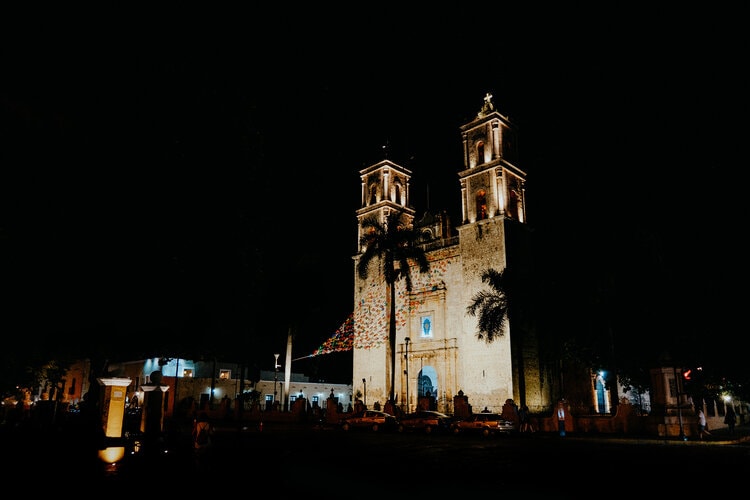
2. Admire the Cathedral of San Gervasio
Rising tall above Plaza e Parque Francisco Canton is Valladolid’s most iconic site.
The cathedral of San Gervasio is a charming centuries-old church that magnifies Valladolid’s rich colonial ambience.
Besides its attractive appearance, it has one great additional benefit, the towering cathedral is positioned directly at the heart of town and therefore the best starting point to explore Valladolid.
Where | The cathedral of San Gervasio
3. Visit Chichén Itzá
The now world-famous Mayan ruins of Chichén Itzá are, without doubt, one of the best things to see in Mexico, and if you are thinking of visiting from Valladolid, you’re in for a huge advantage.
Tucked away in a dense jungle only 45 minutes away from Valladolid, this former Mayan city was once the heart of Mayan civilization before being declared a New Wonder of the World.
The impressive Mayan city holds a series of well-preserved architectural masterpieces and is, in addition to its captivating history, a dream canvas for those into photography.
There are plenty of outstanding structures that I suggest visiting, like the mesmerizing El Castillo pyramid (obviously), the Temple of the Warriors, the Wall of Skulls, and the Grand Ball Court to name a few.
But as with most UNESCO-listed sights, keep in mind that you’ll be sharing your experience with many other like-minded travellers. Though this isn’t a problem by any means, it could be slightly harder capturing your next viral Instagram post.
That’s where Valladolid’s strategic position comes in handy.
While most opt to visit Chichén Itzá as part of a guided tour from Cancun, Playa or Tulum, a visit from Valladolid allows you to be there way before those large groups arrive – winner!
+ Read more | A travellers guide to Chichén Itzá, Mexico
Where | Chichén Itzá
Entrance fee Chichen Itza in 2024 | 614MXN ($36.02) per person
Opening hours | Daily 08:00 – 16:30
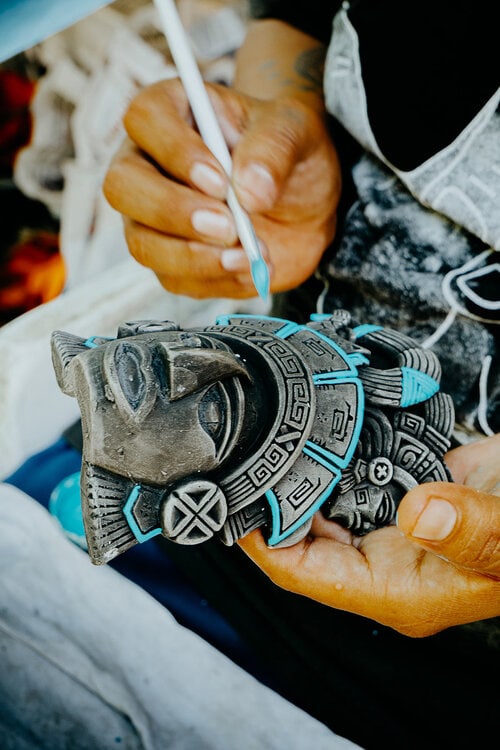
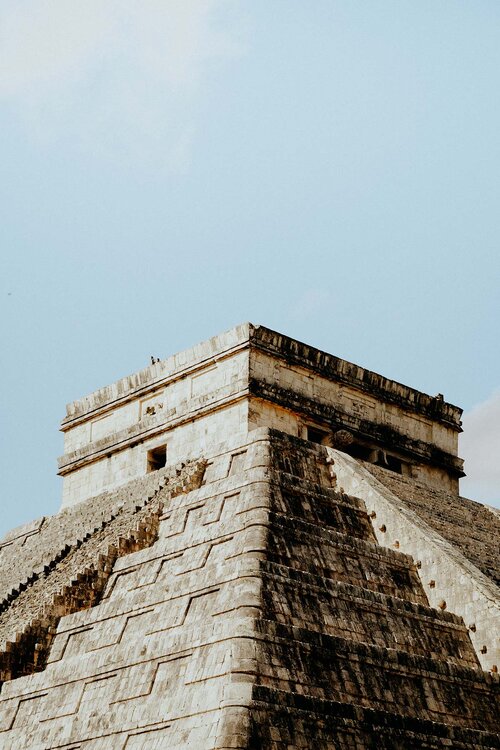
4. Walk the rainbow street of Calzada de los Frailes
It won’t be long before rainbow street in Valladolid pops up on your Instagram feed.
Although the insta-worthy street is home to trendy restaurants, cafes and boutique stores, it is surely not the main reason for travellers to come by.
It is the vibrant colour palette, ornate doorways and colonial architecture that enhances the street to a highlight in your Mexico Itinerary.
The charming little streets at Calzada de Los Frailes are probably the most picturesque streets we’ve seen throughout Yucatan.
Where | Calzada de Los Frailes
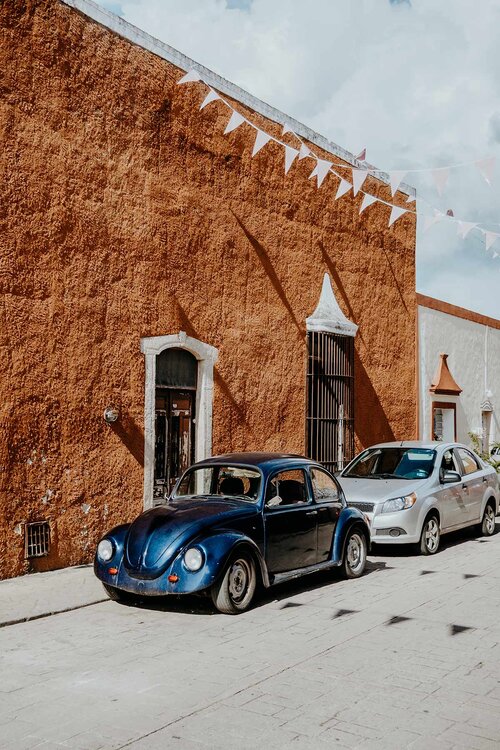
5. Visit Convento de San Bernardino de Siena
At the extension of Calzada de Los Frailes, you’ll find the approximately 500-year-old Convento de San Bernardino de Siena.
The monastery is full of authentic elements and we’d deeply recommend taking a look inside.
The centuries-old colonial walls, its peaceful courtyard and the rich history of both the convent and region, made it unexpectedly one of the best things we did in Valladolid.
Where | Convento de San Bernardino de Siena
Cost | Entrance fee 30 MXN, ($1,60) per person
Opening hours | Daily 08:00 – 18:00
Lightshow | From Wednesday till Sunday. Spanish starts at 21:00, English at 21:20
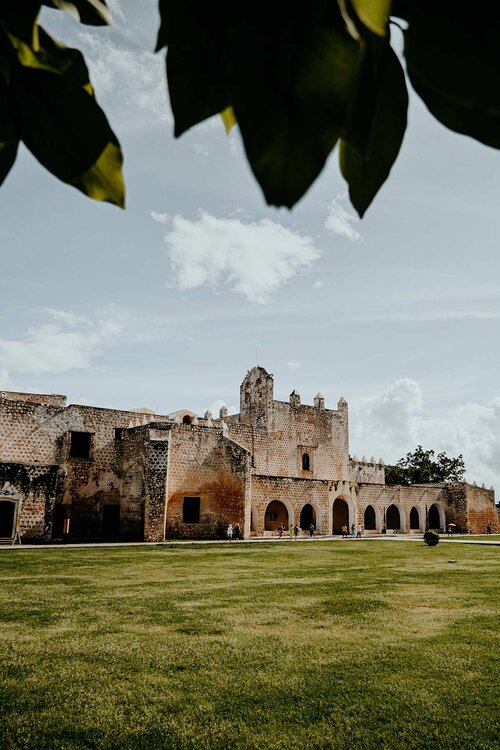
6. Sample unique flavours at Wabi Gelato
If one thing is true, it would be the love we share for gelato.
One of the first things we do when travelling to a new country is hunting down its best gelaterias.
In Valladolid, this turned out to be Wabi Gelato.
With a great passion for their craft, they realize unique flavour sensations, including our personal favourite, Limón y chile Xcatic.
With only a handful of flavours, varying from time to time, the artisan gelateria lives up to its name.
Where | Wabi Gelato, Valladolid
Cost | 40 MXN ($2,10) per scoop
7. Explore Mercado Municipal in Valladolid
For us, a huge part of our travel experiences is creating a connection with the local people, therefore we always aim to visit at least one authentic market throughout a trip.
The colourful Mercado Municipal is full of positive energy, friendly vendors, and most importantly, unique things to taste, see and discover.
Cheerful vendors sell a wide variety of goods, think of leather products, spices, handicrafts, fresh fruit, vegetables and more.
The profoundly respected Mercado in Valladolid is considered to be the best market in Yucatan.
And to be honest, I believe it’s true. I’ve couldn’t wish for a better introduction to both Valladolid and Mexican local life.
Where | Mercado Municipal, Valladolid
Opening hours | Daily 05:00 – 16:00
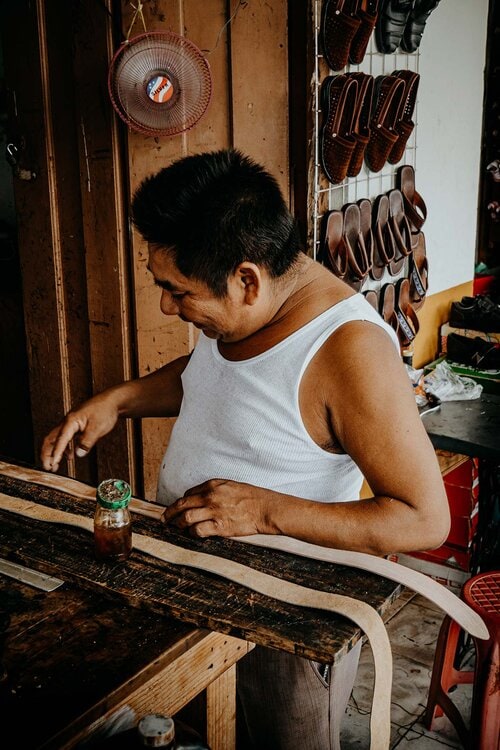
8. Discover the cenotes in and around Valladolid
For us, Valladolid felt like a gateway. The town’s beautiful surroundings are home to heaps of impressive cenotes, including some of the best in Yucatan.
Cenote Suytun
Cenote Suytun is a picturesque cenote that manifests a mysterious underworld atmosphere.
A small crack in the ceiling, that is formed by stalactites, is largely accountable for the aforementioned atmosphere, making it the cenote’s number one asset.
The crack provides a marvellous light beam, shining directly on a stone platform in the centre of the turquoise water basin.
The Suytun cenote is a true photography playground and looks even more breathtaking in person.
If like us, you take your photography seriously, we’d highly recommend a visit first thing in the morning.
Where | Cenote Suytun
Cost | Entrance fee 120 MXN ($6,40) per person
Opening hours | Daily 09:00 – 17:00
Cenote Zaci
Only just arrived in Valladolid, energized by our curious minds, we immediately entered explore mode.
Without an organized plan, we wandered our way through the lively, colourful streets. Suddenly, when Glenn, who is relatively tall, looked over a decayed wall, we stumbled on something we’d never seen before.
We unexpectedly encountered Valladolid’s very own cenote.
Cenote Zaci is a large semi-open cenote that provides a scenic view and an even better place to swim, directly at the heart of the city.
Zaci isn’t necessarily our favourite cenote, however, the price and location are very inviting.
Where | Cenote Zaci
Cost | Entrance fee 30 MXN ($1,60) per person
Opening hours | Daily 08:00 – 17:30
Cenote Samula
Cenote Samula is a large cave-like cenote located in a small town named Dzitnup, near Valladolid.
The cavernous freshwater basin is a mystic but scenic cenote and therefore beloved among photographers.
The natural sinkhole’s only light source is a small hole in its limestone ceiling, giving it an obscure atmosphere.
A visit to Samula is easily combined with cenote X’keken, that is located on the opposite side of the road.
Both cenotes are accessible and safe for swimming.
Where | Cenote Samula
Cost | Entrance fee 125 MXN ($6) per person
Opening hours | Daily 08:00 – 19:00
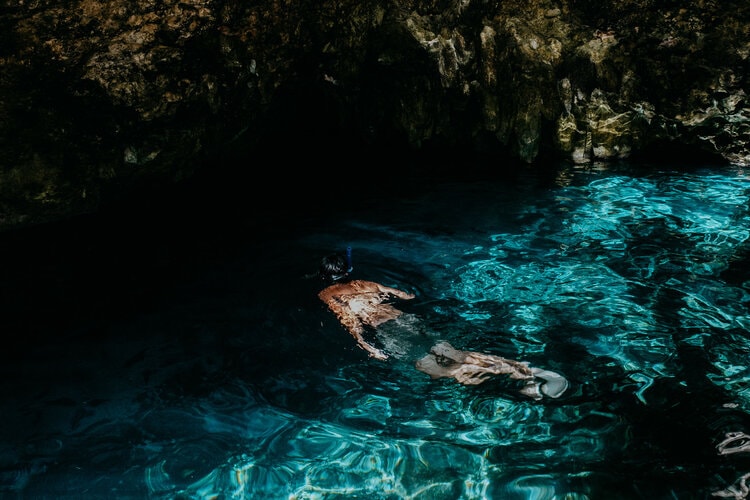
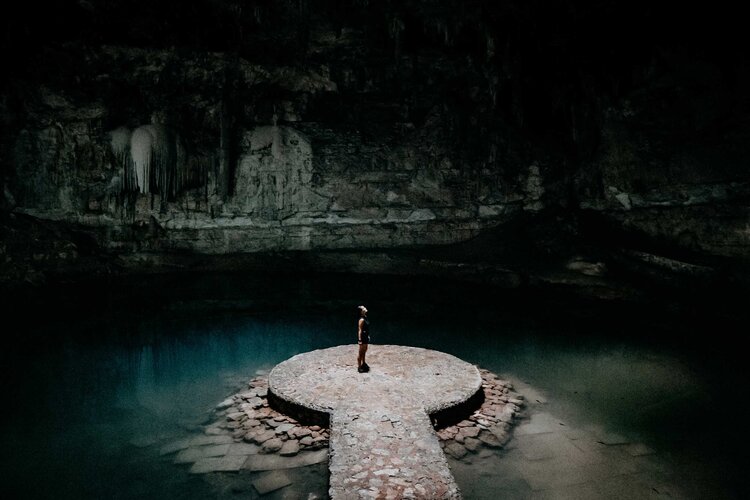
9. Eat authentic Yucatan cuisine
One aspect we deeply appreciate when we make the acquaintance of a new culture is the ability to try their local food.
We’ve learned that authentic Yucatan food is based on strong native Mayan influence. Despite a few significant similarities, it is noticeably different from traditional Mexican food.
For the best traditional Yucatan flavours, we’d recommend the following restaurants and signature dishes.
Where to eat in Valladolid
Where others pick a restaurant based on the menu, we prefer venues where locals favour eating.
Las Campanas | Lively and authentic restaurant directly at Valladolid’s main square. Serves a bunch of traditional Yucatan food options, along with one of our favourites, Panuchos. The overall ambience is exceptional and they play live music from time to time.
El Atrio del Mayab | The perfect place to sit down after a long day of exploring. Their charming courtyard ensures a tranquil atmosphere while the waiters provide traditional specialities flavoured by fresh Mayan herbs and spices. Due to its popularity, it is pretty common to wait for a table.
Yerbabuena del Sisal | A trendy restaurant based on fresh Yucatan ingredients. One of the few restaurants in Valladolid that serves organic and vegan options. Perfectly suitable for healthy smoothies, breakfast and brunch.
Yucatan dishes you don’t want to miss out on
Panuchos | A fried tortilla stuffed with mashed black beans. Topped with a variety of ingredients, including shredded chicken, avocado, tomato, pickled red onions and our personal favourite, cochinita pibil.
Cochinita Pibil | Pork marinated with annatto and the juice of Seville oranges, wrapped in a banana leaf and then slowly cooked in a traditional underground pib oven. Often served with tortillas, pickled red onions, habanero chillies and refried black beans. Locally known as the Yucatan version of pulled pork.
Sopa de Lima | A post-colonial Yucatan food based on limetta, a unique bittersweet lime that can be found throughout Yucatan. The soup is a well-blended mix of chicken and tomato, brought on flavour by habanero peppers. Served with crispy tortilla strips on the side.
Al Pastor | Not particularly a Yucatecan speciality, but still incredibly popular in Yucatan. Taco Pastor is a Lebanese Mexican fusion dish based on marinated pork, grilled and sliced off a shawarma spit. The best way to eat it, and our favourite, is on a tortilla, garnished with slices of pineapple, onions, and chopped cilantro. Ooh, and don’t forget to add some spicy habanero sauce.
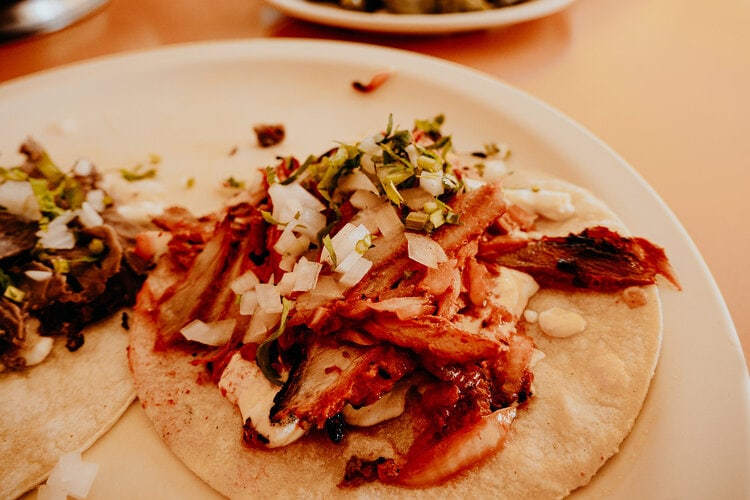
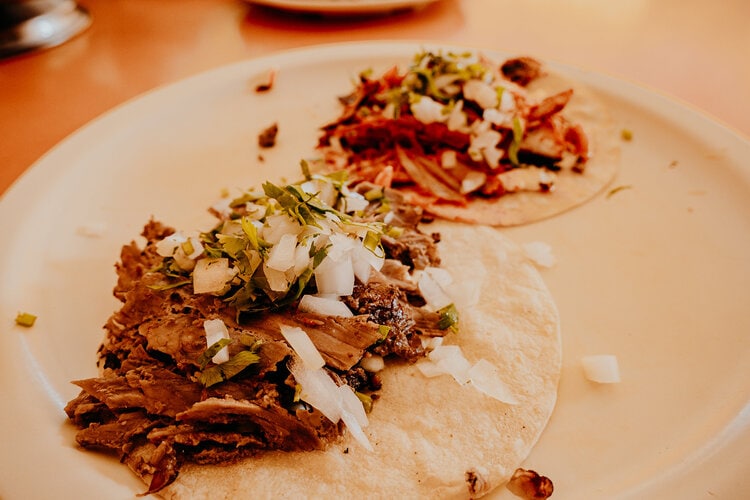
10. The Balankanche Caves
Only just outside of Valladolid you’ll find an approximately 3,000-year-old cave, safely hidden under the soil.
In this case, we’re talking about the Balankanche Caves, the most important caves for Mayan offerings.
Balamcanche was essentially used by the Maya people to worship two sacred Mayan Gods – Chaac, the God of Rain and Tlaloc, the God of Water.
The mysterious cave, that is largely formed by stalactite and stalagmite, still houses more than hundreds of interesting artefacts that were used in ceremonies over 800 years ago.
If you’re interested in both the history and culture of the Mayan people, we’d deeply recommend a stopover at the 700-metre-long caves of Balamcanche.
Where | The Balankanche Caves
Cost | Entrance fee 141 MXN ($7,50) per person
Opening hours | Daily 09:00 – 17:00
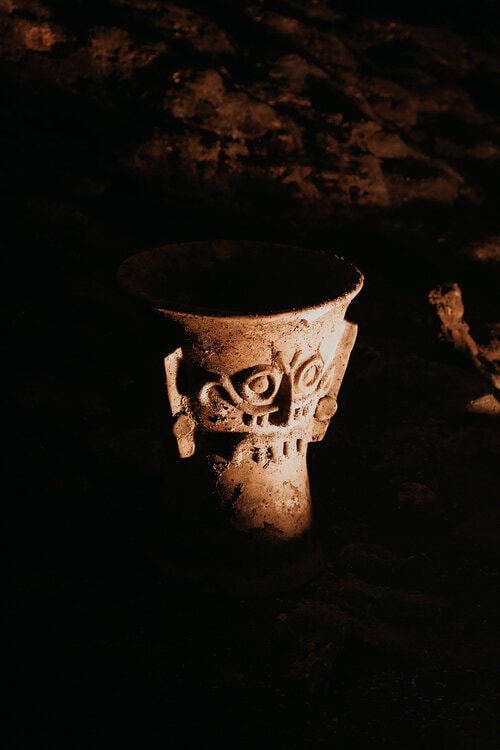
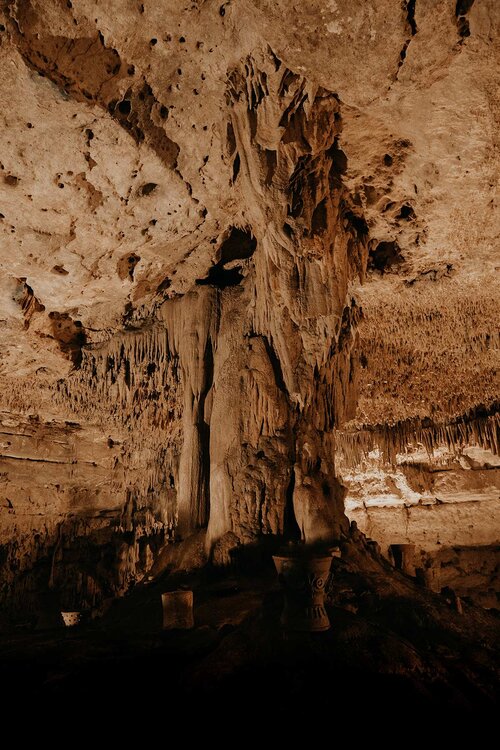
11. Visit the Mayan ruins of Ek Balam
The Mayan ruins of Ek Balam are still quite off the beaten path compared to Chichen Itza. What makes Ek Balam stand out from the other Mayan ruins is the fact you can still climb the ruins.
Therefore, the undisputed highlight of Ek Balam is the 31-metre-high pyramid of the Acropolis. As soon as you reach the upper platform you’ll have an amazing overview of both the ruins and the surrounding jungle.
Although the archaeological site is rather small, it is unquestionably worth stopping by.
Where | Ek Balam
Cost | Entrance fee 413 MXN ($20) per person
Opening hours | Daily 08:00 – 17:00
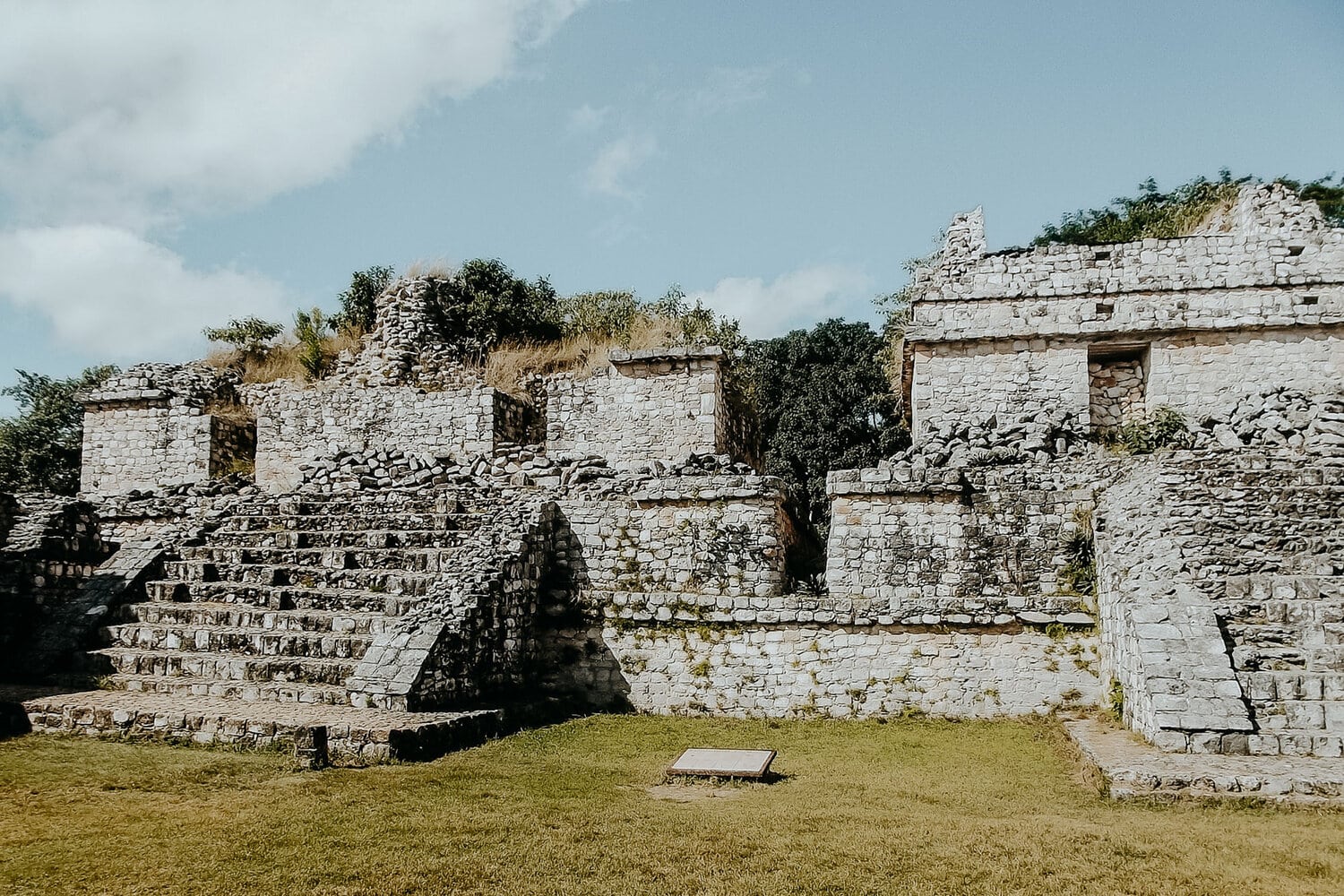
Things to do in Valladolid Mexico | The essentials
My favourite day tours & activities in and around Valladolid
If you’re after an organized tour to discover Valladolid and surrounds, here are some of my personal favourites.
How long to stay in Valladolid Mexico
Valladolid is home to an abundance of things to see and do, not to mention the possible day trips in the area.
To enjoy the colonial town at its full potential, we’d recommend making Valladolid your base for at least three days.
The chance is high you’ll find yourself staying a little longer, the tranquil and authentic ambience ensures you slow down your travels.
How to get around Valladolid
On foot | Valladolid is a cosy little town and therefore perfectly explored by foot. The town is abundant with Spanish colonial architecture, pastel-coloured walls and most importantly, there’s a story around every corner.
Car | When we were planning our day trips from Valladolid, we sadly stumbled on the fact that there wasn’t a car rental company established in town. Car rental would’ve made day trips much easier, luckily we found suitable alternatives to visit Chichen Itza, Las Coloradas Pink Lake, Ek Balam and Grutas de Balankanche.
Bycicle | With a bunch of impressive cenotes, in and around Valladolid, a bicycle can come in really handy. If you plan to visit cenote Suytun or cenote Samula, we’d highly recommend considering a bicycle. We also profoundly loved biking around town.
Cost | 100 MXN, ($5) for 24 hours.
Scooter | With no car rental companies available in Valladolid, renting a scooter is your best option. Our personal advice is to rent a scooter just after lunch. This gives you the freedom to spread your activities over 2 days, making it way more relaxing. If you plan it wisely, you can explore the cenotes near Valladolid in the afternoon and rise early the next morning to visit Chichen Itza, Grutas de Balankance or Ek Balam.
Cost | 500 MXN, ($25) for 24 hours.
How to get to Valladolid
We’d personally recommend public transport when travelling through Yucatan Penisula, Mexico. We mainly travelled with ADO and found their service comfortable, clean and punctual.
Here you’ll find a few examples on how to use public transport to get to Valladolid.
From Isla Holbox to Valladolid
Isla Holbox – Chiquila – Valladolid
Cost | Holbox Express or 9 Hermanos – 150 MXN ($8) per person | ADO bus – 214 MXN, ($11) per person – Ferry departure times | Daily, 05:00 – 20:40. Leaves every 30 mins – Bus departure times | Once daily – 1745 – Travel time | Around 4 hours
From Cancun to Valladolid
Cost | ADO bus – 192 MXN, ($10) per person – Travel time | Around 2.15 hours
From Tulum to Valladolid
Cost | ADO bus – 156 MXN, ($8) per person – Travel time | Around 1.30 hours
From Merida to Valladolid
Cost | ADO bus – 252 MXN, ($13.50) per person – Travel time | Around 2.15 hours
For more information, departure times and online reservations, visit the ADO website.
Stay safe in Mexico | Travel insurance
While Mexico is perfectly safe for travellers, I always strive to sort out my travel insurance before arriving in a foreign country, and I highly advise anyone else to do the same.
Where we prefer that everything goes smoothly during our travels, something unfortunate can happen at any moment, whether it’s an injury or an accident on the road. When that happens, it is better to be safe than sorry.
Heymondo | Whether you’re going on a 3-week backpacking trip, or planning a long stay somewhere abroad, Heymondo has excellent insurance options either way – plus full COVID-19 coverage and a handy app with 24-hour medical assistance. Readers of WTSW receive 5% off any insurance policy, more information here.
Cheers!
I’ve been on this travel blogging journey since 2019.
If you appreciate what I do here, these are some ways you can support me.
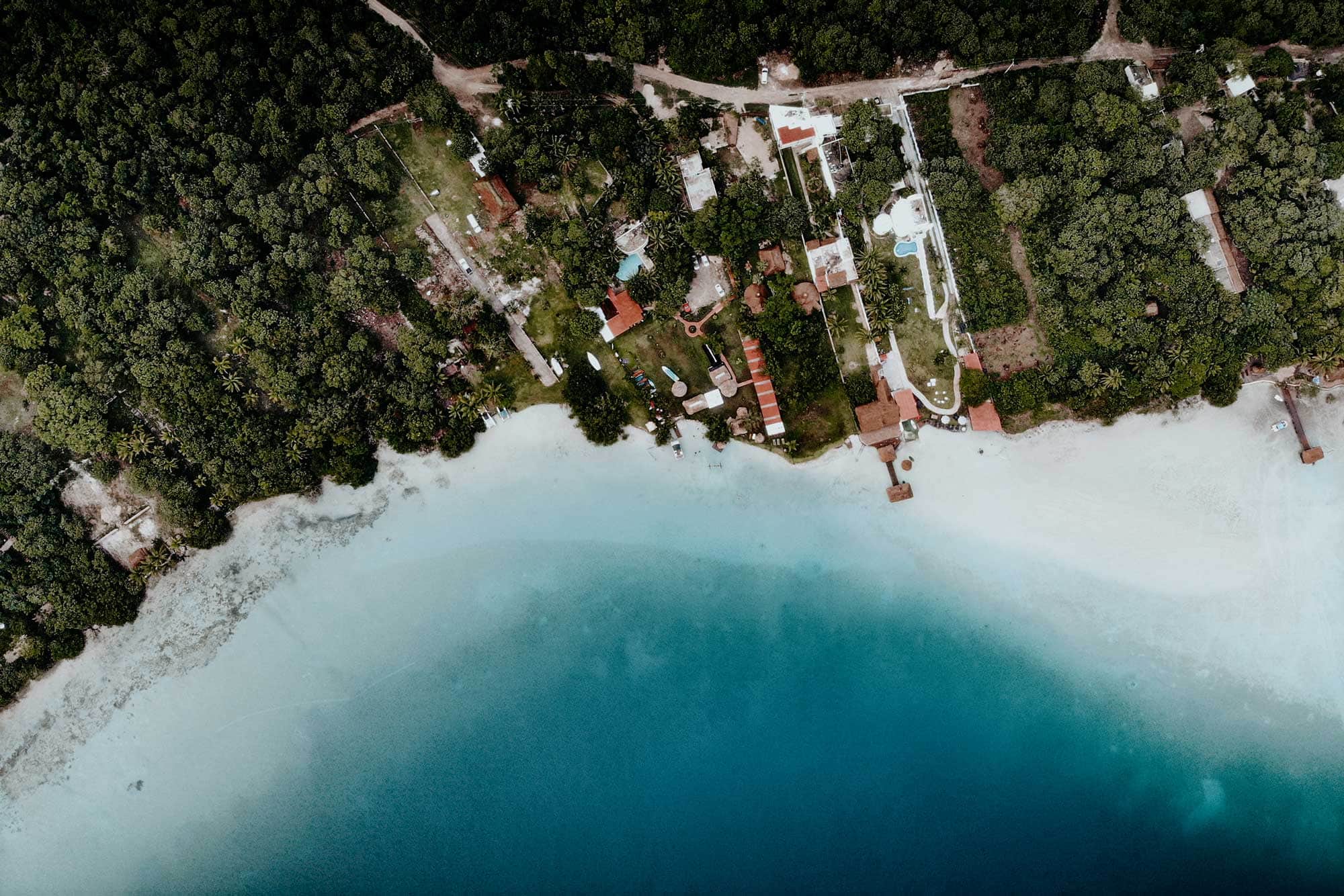
7 Incredible things to do in Bacalar, Mexico
Situated in the very south of Quintana Roo is Bacalar, a charming little town that is perched on the edge of an amazingly picturesque Lagoon.
Although I sincerely believe that Bacalar is one of the best places to visit in Yucatán, it is, somehow luckily, still largely untouched by upscale tourism, making it feel like your private slice of paradise in Mexico.
The Bacalar Lagoon is a place of sheer natural beauty, were amusing water-based activities and relaxing go hand in hand, and after my recent visit, I can assure you that you’ll have a great time.
So while you’re here, I’ll make sure you add Bacalar as a stop in your Yucatán itinerary.
Here’s my take on the best things to do in Bacalar, including the best activities on the lagoon – plus travel essentials and tips to help you make the most out of your time here.
If you choose to use any of the links on this page, I may receive a small commission at no extra cost to you. By using these links, you’ll have a direct impact on WTSW and my ability to continue to create free insightful travel content for you. If you find any of my tips useful, you can support me by buying a virtual coffee here.
Where is Bacalar
Where to stay in Bacalar
Though Bacalar is located a bit off the beaten path compared to other destinations in Yucatán, you’ll have no problem finding good accommodation.
In fact, Bacalar is home to a great variety of interesting options, including cosy apartments, inviting budget-friendly hostels and luxurious hotels that are situated right on the edge of the town’s famous lagoon.
Azul 36 Hotel | To be honest, I was pretty surprised when I noticed that Azul 36 Hotel was priced at only €34,- a night for two people, which I believe to be an absolute bargain. The best part though, this has no influence on the quality by any means. For those seeking extra comfort, well-designed rooms, and an excellent pool to chill away the day, look no further, Azul 36 Hotel is easily one of the most comfortable options in Bacalar.
Eco Camping Yaxche | Perched on the edge of the stunningly beautiful Bacalar Lagoon is Eco Camping Yaxche, a brilliant eco-friendly camping that provides all the tools for those who are interested in taking part in adventurous activities on the lagoon. I stayed here for 2 days and had an excellent time, partly thanks to the top-notch hospitality.
Urban Bacalar Hotel | Situated at the heart of town, encircled by the very best things to do in Bacalar, Urban Bacalar Hotel stands out by providing the most welcoming staff, excellent double rooms, and a large outdoor pool. The rooms are spacious and light and are characterized by many elegant design features.
The Yak Lake House | A trendy contemporary hostel on the edge of the beautiful Bacalar Lagoon, the Yak Lake House is a vibe on its own, offering fantastic modern rooms, both shared and private. On top of that, it is home to a large sundeck, and organizes fun day trips, while also situated only a stone’s throw from the very best restaurants in Bacalar. In my opinion, The Yak Lake House is an absolute winner!
Yaxche Centro Hostal | At only a short walk of Bacalar Centro Historico, Yaxche Centro Hostal offers excellent dorm rooms, comfortable private rooms and a spacious campsite, making it one of the best budget-friendly accommodations in Bacalar. Yaxche also offers a free shuttle service to their private beach club next to the lagoon.
Alternatively, use booking.com to find accommodations in Bacalar.
Safety in Mexico | Travel insurance
When travelling this big, wide world, I never go on an adventure without my essential travel insurance sorted out, and though I felt safe in Mexico, I recommend anyone travelling here to do the same.
Though we’d rather not think of the things that could go wrong, there’s always a chance that something happens, and when that’s the case, it is better to be safe than sorry.
SafetyWing | For travel insurance, I personally use SafetyWing, as they cover medical expenses, theft and damage, while also providing a handy app with 24-hour medical assistance.
A great insurance option for flexible travellers, SafetyWing offers great coverage for longer trips and digital nomads. With the option to purchase while already abroad, straightforward pricing, and reliable medical coverage, it’s the ideal choice for those constantly on the move.
Make sure you check it out here.
7 Incredible things to do in Bacalar, Mexico
1. Set sail on the Bacalar Lagoon
Setting sail with Bacalar Sailing was the perfect start to my time in Bacalar.
When the sail caught its first wind, the catamaran slowly started flowing over the water, it was a sensational experience.
Flooded by interesting facts from our passionate captain, we were guided to some of the most appealing corners of the lagoon.
All of this while we enjoyed fresh fruits and a couple of chilled Corona’s, lovely right?
Along the way, we’d stopped several times – meaning there was plenty of time to go swimming, snorkelling and relaxing.
By joining a boat tour in Bacalar, you’ll experience the exceptional Bacalar Lagoon in its full potential, while your body and mind come at ease, for that reason alone, I would highly recommend it.
Sailing the Bacalar Lagoon is after all one of the most popular things to do in Bacalar, and that’s for an excellent reason if you ask me.
Update | For those keen to sail the lagoon with a larger group, Bacalar Sailing recently bought a new sailboat, meaning they can now accommodate up to 10 people.
Where | Bacalar Sailing
Departure | Daily 10:00 and 14:00
Duration | 3 hours
Cost | 650 MXN ($31) per person. This includes a dry bag, snorkelling set, fresh fruits, and water.


2. Take a kayak around the Bacalar Lagoon
If you’re an adventurous traveller like me, you most likely also desire to uncover the pristine Bacalar Lagoon at a slower pace. If that’s the case, I’d highly recommend renting a kayak.
Not only does it provide the freedom to discover the most mesmerizing corners of the lagoon, but it will also help to burn the extra calories you gained by indulging in the most delicious Mexican food – more on that later.
As I mentioned before, the Bacalar Lagoon has no shortage of fascinating things to see – some of my favourites include El Canal de Los Piratas, Cenote Negro and Bird Island, just to mention a few.
But it’s not solely the points of interest that make the Bacalar Lagoon the breathtaking spectacle that it is.
Along the way, you’ll notice how the lucid water beneath your kayak gently fluctuates between a wide array of turquoise and blue shades. The reason for this is a phenomenal play between the sun, clouds, and the lagoon’s idyllic limestone soil.
In my view, a trip to Bacalar simply wouldn’t be complete without an adventurous kayak trip on its stunningly appealing lagoon, so make sure you don’t miss out on this exciting activity.
Where | The Yak Lakehouse
Cost | 150 MXN ($7.20) per hour – tandem kayaks are also available for rent
3. Enjoy an exceptional lunch at Enamora Bacalar
For those who are interested in the best breakfast, brunch and lunch joint in Bacalar, look no further, Enamora Bacalar is exactly that – and more!
Located only a short walk from Bacalar’s lively main square is Enamora, a trendy coffee shop that has a clear purpose to let you walk away in a satisfied and joyful state of being.
This was clearly also the case when I stopped by for a late lunch.
Their comprehensive menu is full of incredible options. Think savoury sandwiches, nourishing smoothies, as well as high-quality coffee, including my absolute favourite, a coconut latte.
Although a lunch at Enamora Bacalar truly is a delight for the taste buds, the real draw for me was the fact that they serve lots of organic and vegan options. Not to mention that they serve exceptional freshly baked pastries.
For the aforementioned reasons, I cannot stress enough to visit at least once while you’re in Bacalar.
Where | Enamora Bacalar
Opening hours | Daily 08:00 – 15:00
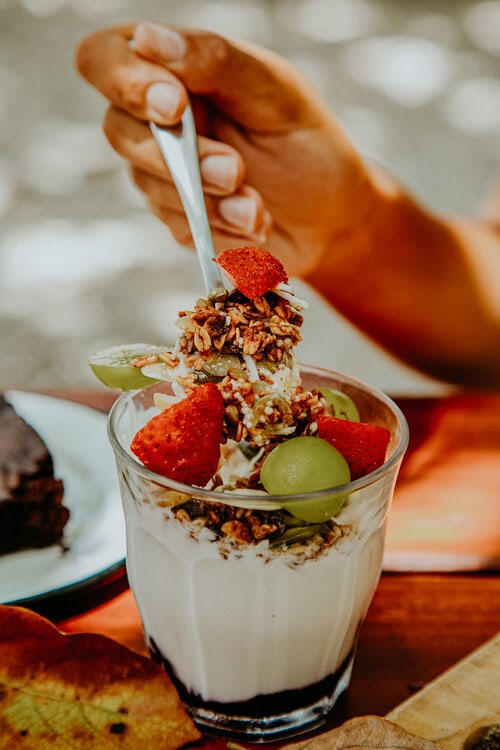
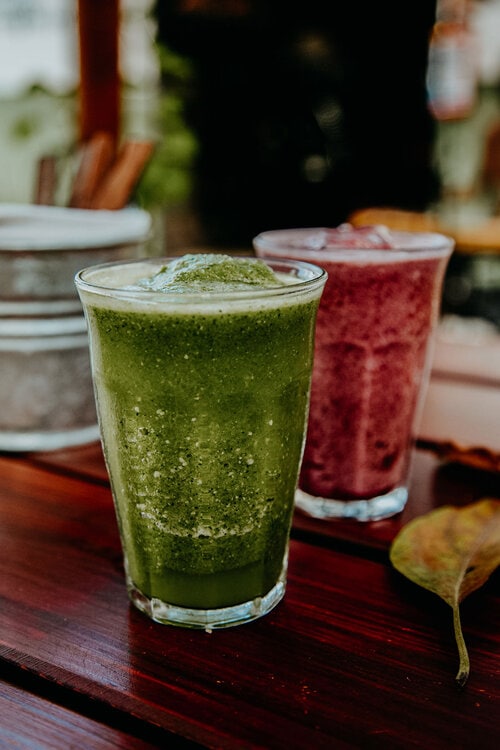
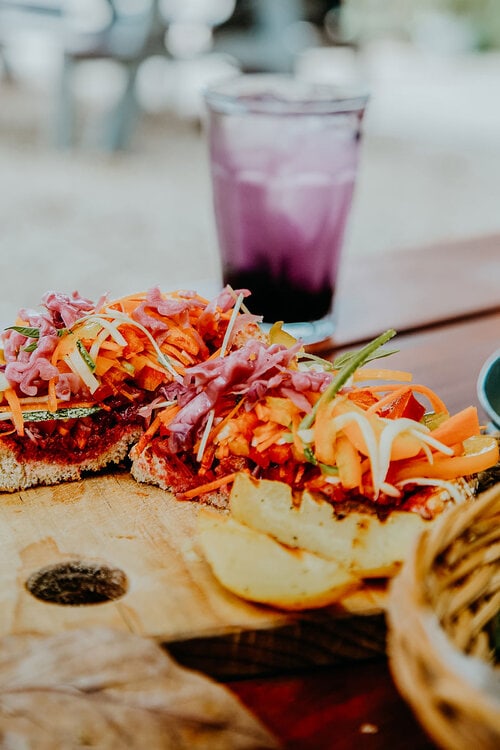
4. Paddle the lagoon during sunrise
When it comes to exciting things to do in Bacalar, stand-up paddling should definitely be on top of your list, especially when done during a marvellous Bacalar sunrise.
Stand Up Paddling rapidly made a reputation for itself over the last couple of years. As a result of this, you’ll find quite a lot of companies that provide this wonderful activity in Bacalar.
Luckily for me, Uziel from Yaxche Bacalar organized a phenomenal 2-hour sunrise excursion.
For someone who never set foot on a paddleboard before, it came as a welcoming surprise when I eventually ventured (slightly inconvenient though) over the untouched lagoon of Bacalar.
As I paddled my way into the unknown, the gentle morning sun slowly enlightened the lagoon. And I have to admit it, to this day, this is still one of the most spectacular travel experiences I’ve ever had.
Yes, you heard me right – it was bloody awesome!
For those on a tight time schedule, I believe this is the one thing you should definitely be doing in Bacalar – but I leave that up to you.
Where | Yaxche Eco Camping and Hostel
Cost | 200 MXN ($9.50) per hour
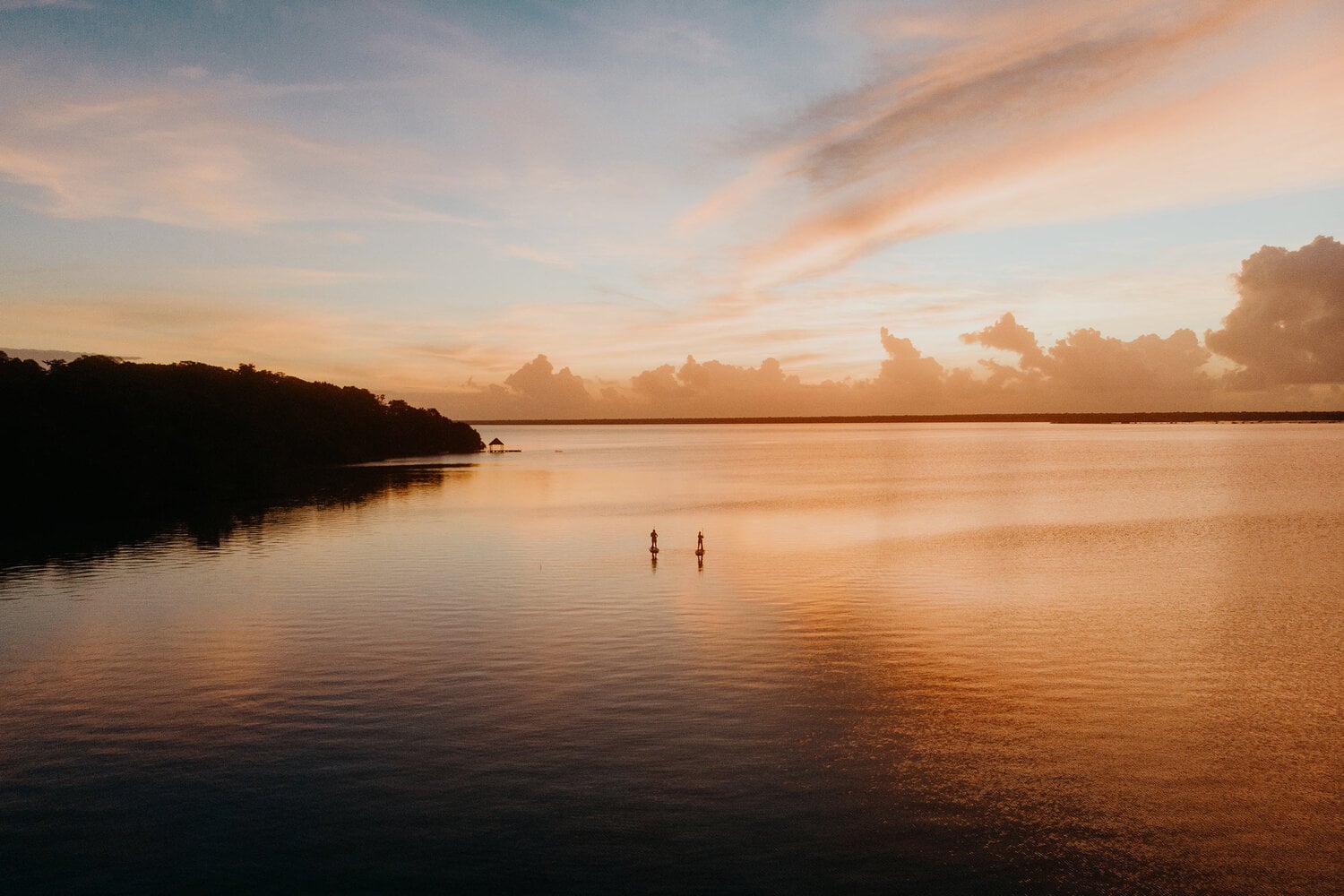
5. Get a dose of adventure at Los Rápidos Bacalar
Set within only 15 minutes of Bacalar Town is the unique Los Rápidos Bacalar, an unbeatable destination that is charmed by crystal clear waters and fascinating stromatolites.
But it is the natural current that really sets Los Rápidos apart from the far calmer Bacalar Lagoon, making it an excellent place for those after a more adventuresome travel experience.
The aforementioned natural flow of the water allows travellers to do interesting activities such as kayaking or drift snorkelling – both extremely entertaining and definitely worthy of your time.
However, If you’re not looking to be very active, I still recommend stopping by – the area is one of the most beautiful sceneries in Bacalar – plus it’s home to a bunch of hammocks, where you can easily chill away an afternoon.
Ooh, and the idyllic setting of Los Rápidos makes a superb backdrop for your next Instagram post.
Where | Los Rápidos Bacalar
Cost | 100 MXN ($4.70) per person
How to get to Los Rápidos Bacalar | Jump aboard a short taxi ride, costing around 140 MXN ($6.60) one way.
Snorkelling gear | As far as I know, renting snorkelling gear isn’t an option here, therefore it is wise to bring your own.
6. Spend a day relaxing at the Bacalar Lagoon
The stillness that triumphs over the incredible Bacalar Lagoon is so enchanting, that it instantly invited me to do perfectly nothing.
Life is simple here, and I absolutely love it.
And though the activities on the lagoon are utterly amusing (and not to be missed), a lazy day spent next to the Bacalar Lagoon is easily one of my favourite things to do in Bacalar.
Therefore, I highly recommend setting down your towel at one of the many piers, bringing a good book – and of course, some of your favourite snacks, and only move when you believe it’s time to take a dive into the lagoon.
Additionally, there is Cenote Cocalitos, a beautiful part of the lagoon where you’ll notice a large range of exquisite stromatolites (living rocks that are considered among the oldest living organisms on the planet).
Cenote Cocalitos is a place where you’ll easily spend an afternoon – the water here is crystal clear and the swings are ideal for hanging out, making it perfect for those who prefer to combine relaxing and sightseeing.
Do however keep in mind that stromatolites are living rocks, meaning they should be left alone at all costs. Sadly, some people still feel the urge to touch the stromatolites, even with clear warning signs.
Where | Cenote Cocalitos, Bacalar Lagoon
Opening hours | Daily 09:00 – 18:00
Cost | 35 MXN ($1.85) per person
7. Admire the historical For San Felipe in Bacalar
Settled at the heart of Bacalar, overlooking the stunningly beautiful Bacalar Lagoon is Fort San Felipe, a historic fortress that was built to protect Bacalar from the notorious pirates that were active in the Caribbean.
Constructions of the fortress began in the year 1725, in order of Antonio de Figueroa y Silva, the governor of Yucatán during that time. Nearly 8 years later, the construction was completed and ready to fulfil its purpose, namely defending and protecting the people and their wealth.
Today, Fort San Felipe is pretty much equal to the impressive fort it was during its peak days. As a result, the historical landmark was turned into a museum, providing visitors a glimpse of Bacalar’s rich and unique history.
By visiting the museum, you’ll see and learn about some of Bacalar’s most interesting memories, including the times of the pirates, native Mayans, as well as Spanish settlers. It also exhibits some well-preserved items, such as muskets and sabres of the pirates that invaded Bacalar.
So, if you’re keen to learn about Bacalar’s captivating history like me, a visit to Fort San Felipe is one of the best things to do in Bacalar. For those on a tight budget, a walk around the fortress should be done.
Where | Fort San Felipe, Bacalar
Opening hours | Daily 09:00 – 19:00, closed on Monday
Cost | Adults 100 MXN ($4.70) per person, children 60 MXN ($2.80) per person
Where to eat in Bacalar
Long before travelling to Yucatán, Mexico, I knew that food would play a massive role as far as my overall travel experience – and believe me, it did.
Though I already mentioned Enamora Bacalar above, I felt that I had to shine my light on two other excellent restaurants that I think are worth visiting in Bacalar.
TAQUERÍA CHRISTIAN’S | After a handful of local recommendations, it was time to drop by Taquería Christian’s, a cosy taquería just of Bacalar’s lively Zocalo – and one that definitely lives up to its hype.
Packed with locals and travellers alike, this traditional taquería serves the most delicious Taco Pastor, making it one of my favourite Mexican restaurants that I’ve visited during my Yucatán trip.
Don’t forget to top it off with some nachos and freshly-made guacamole.
•••
Where | Taquería Christian’s Bacalar
Opening hours | Daily 18:30 – 00:00
SISIMITE BACALAR | Favourite among locals and tourists, Sisimite Bacalar is by far one of the most trendy restaurants in Bacalar, serving a mix of high-level local and Western food.
In addition to the excellent food (you should certainly try their burger), Sisimite Bacalar differentiates itself with a magnificent ambience, a stylish cocktail bar, as well as affordable prices.
So whether you’re visiting for a proper meal or some late-night drinks, Sisimite Bacalar will deliver either way – accordingly make sure you’ll visit at least once.
•••
Where | Sisimite Bacalar
Opening hours | Unfortunately, Sisimite Bacalar is currently closed due to the global pandemic.

Things to do in Bacalar | The essentials
The best time to visit Bacalar in Mexico
Like most travel destinations in the appealing Caribbean, Bacalar provides a welcome tropical climate, making it a year-round travel destination.
However, in my view, the best time to visit Bacalar is during the months of November to April when the temperature is pleasant, and little to no rainfall occurs – exploring Bacalar and its untouched surroundings is perfect in this period.
One word of warning – due to Quintana Roo’s geographical location, Bacalar is subject to a rainy season that usually runs between May and October. Though the prices are slightly lower during the rainy season, I wouldn’t recommend visiting Bacalar during this period.
How to get to Bacalar
By car | Rolled down windows, the most mesmerizing views, a Lonely Planet guide on the dashboard, and your favourite tunes in the background – doesn’t that sound like a dream trip?
Fortunately, the Yucatán Peninsula is the perfect size for those after an adventurous road trip.
So, if you’re keen to discover the most fascinating places in the Yucatán area, renting a car is easily your best option – plus it’s significantly easier to plan day trips.
For car rental in Yucatán, Mexico, I would highly recommend using Rentalcars.com – they offer great services, additional insurance, and a broad selection of cars, all at a convenient rate.
By bus | Public transport in Yucatán is a popular manner of transport among locals and travellers alike, and that’s little wonder. It is in fact, one of your best options to travel around Mexico.
Mexico’s main bus company is ADO, an excellent company that I travelled with on several occasions. From first-hand experience, it is safe to say that their services are of great quality.
Not only are their busses comfortable, airconditioned and clean, but they also service all the major cities in Mexico, including Cancun, Tulum, Playa Del Carmen and Valladolid.
Cheers!
I’ve been on this travel blogging journey since 2019.
If you appreciate what I do here, these are some ways you can support me.
A guide to the Sacred City of Polonnaruwa | 9 Incredible things to do in Polonnaruwa, Sri Lanka
A guide to the Sacred City of Polonnaruwa | 9 Incredible things to do in Polonnaruwa, Sri Lanka
With an abundance of ancient places in Sri Lanka, it can be quite a mission to pick the right one. Luckily for you, it’s exactly this guide that makes the decision simple.
Most travelers find it difficult to choose between Anuradhapura and Polonnaruwa, so was I. When the day arrived to pick one, my intuition told me to go for Polonnaruwa. And up until this day, I’m still impressed by the atmosphere that prevails in the ancient city.
A well-mixed brew of impressive shrines, picturesque temples, and elegant Buddha statues is that which makes the ancient city of Polonnaruwa a highlight in every Sri Lanka Itinerary.
In this guide, you’ll find useful tips, including its history, the entrance fee and a detailed list of what to see in Polonnaruwa.
With that being said, let’s find out what makes Polonnaruwa this unique.
If you choose to use any of the links on this page, I may receive a small commission at no extra cost to you. By using these links, you’ll have a direct impact on WTSW and my ability to continue to create free insightful travel content for you. If you find any of my tips useful, you can support me by buying a virtual coffee here.
Where is Polonnaruwa
A Brief History of Polonnaruwa
In the midst of the Chola dynasty at the end of the 10th century, Polonnaruwa was the chosen one to become the capital of the Chola kingdom. For roughly three centuries, the ancient city of Polonnaruwa served as the capital for both the Chola and Sinhalese Kingdoms.
Chosen over Anuradhapura, Polonnaruwa had one big advantage, it was strategically positioned in the heart of Sri Lanka. Surely, those benefits made a difference in the protection against the rebellion of the Ruhunu Sinhalese kingdom.
Eventually, in 1070, it was the Sinhalese king Vijayabahu who drove the Cholas of the teardrop-shaped island. He also chose to hold Polonnaruwa as the capital of the Sinhalese kingdom.
Under Sinhalese rule, Polonnaruwa reached its absolute glory. Unfortunately, this wasn’t everlasting. Early 13th century, Sinhalese power moved to the western side of the island, where we now find Colombo.
The ancient city of Polonnaruwa was left abandoned, not knowing it would be declared a UNESCO World Heritage site in 1982.
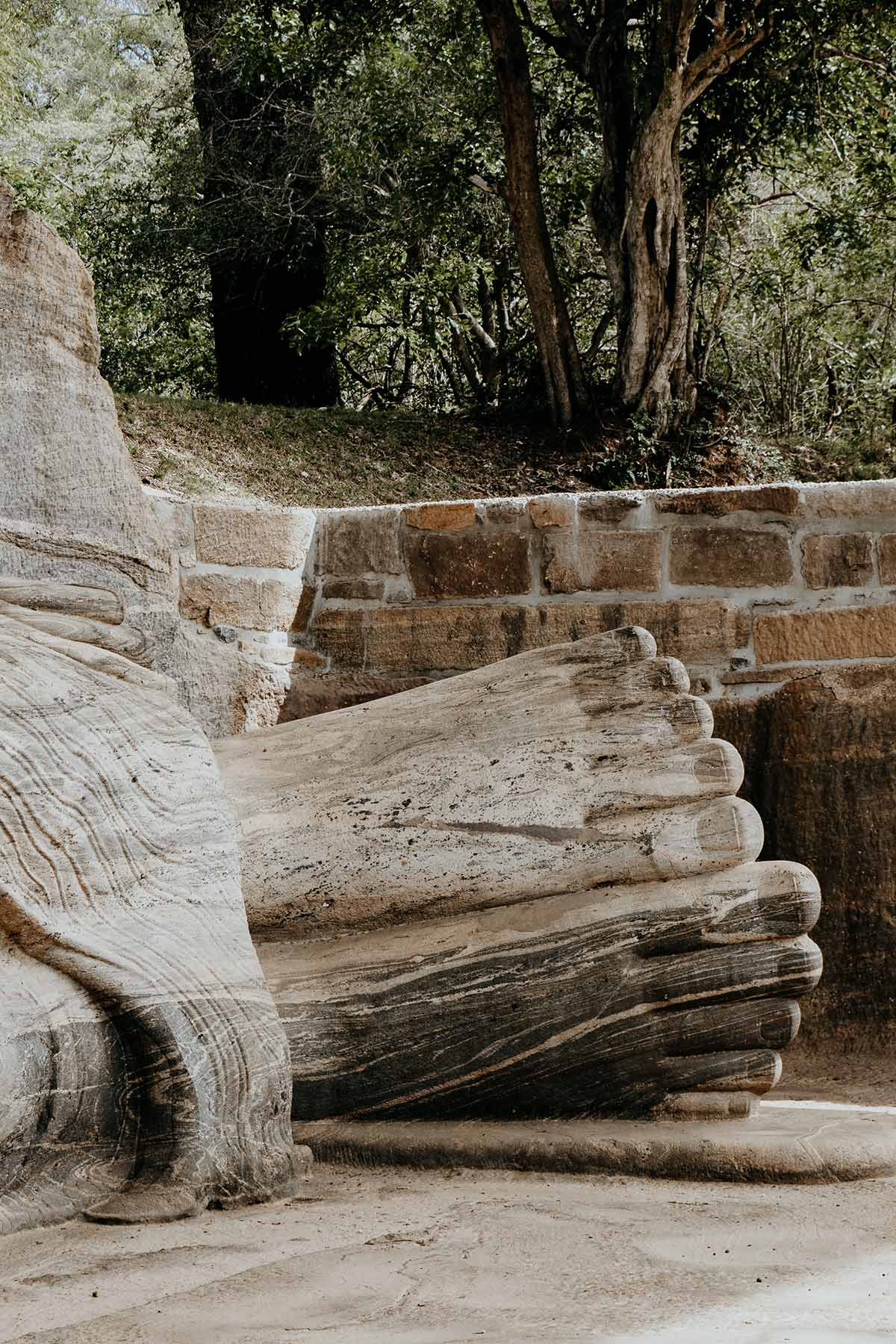
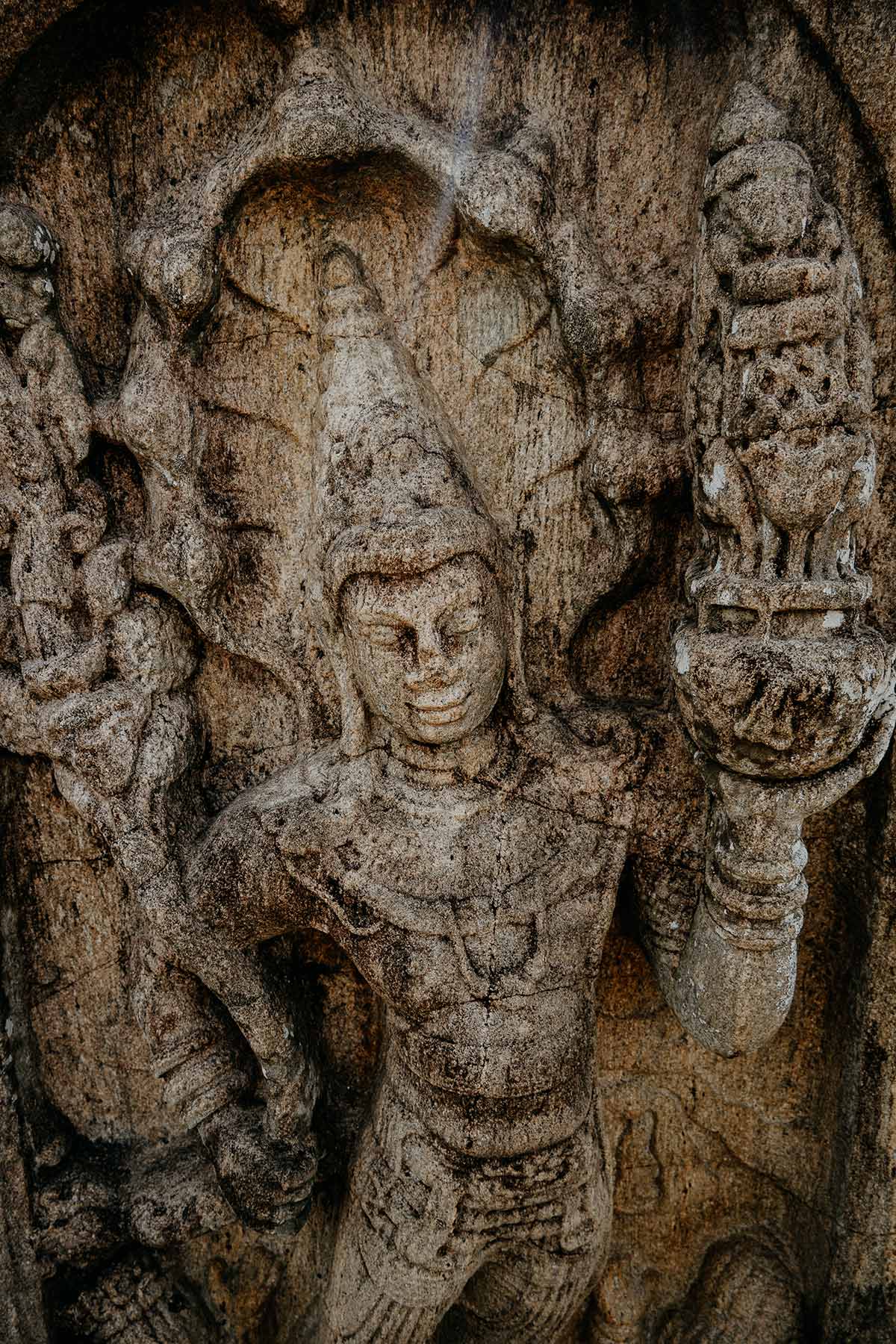
Where to stay near Polonnaruwa
Ekho Lake House | A stylish hotel directly at a scenic lake, with a great pool, and near the archaeological site of Polonnaruwa. More information and availability here.
Mahanuge Hotel Polonnaruwa | A luxurious hotel located inside the ancient city. Everything you need for a combination of relaxing and exploring. More information and availability here.
Alternatively, search for accommodations in Polonnaruwa on booking.com.
The Polonnaruwa entrance fee 2024
At the moment of writing – September 2024, the entrance fee to the Sacred City of Polonnaruwa is 7.520 LKR ($25) per person, which is quite pricey by Sri Lankan standards.
For children, the price is halved and comes down to 3.760 LKR ($12.5).
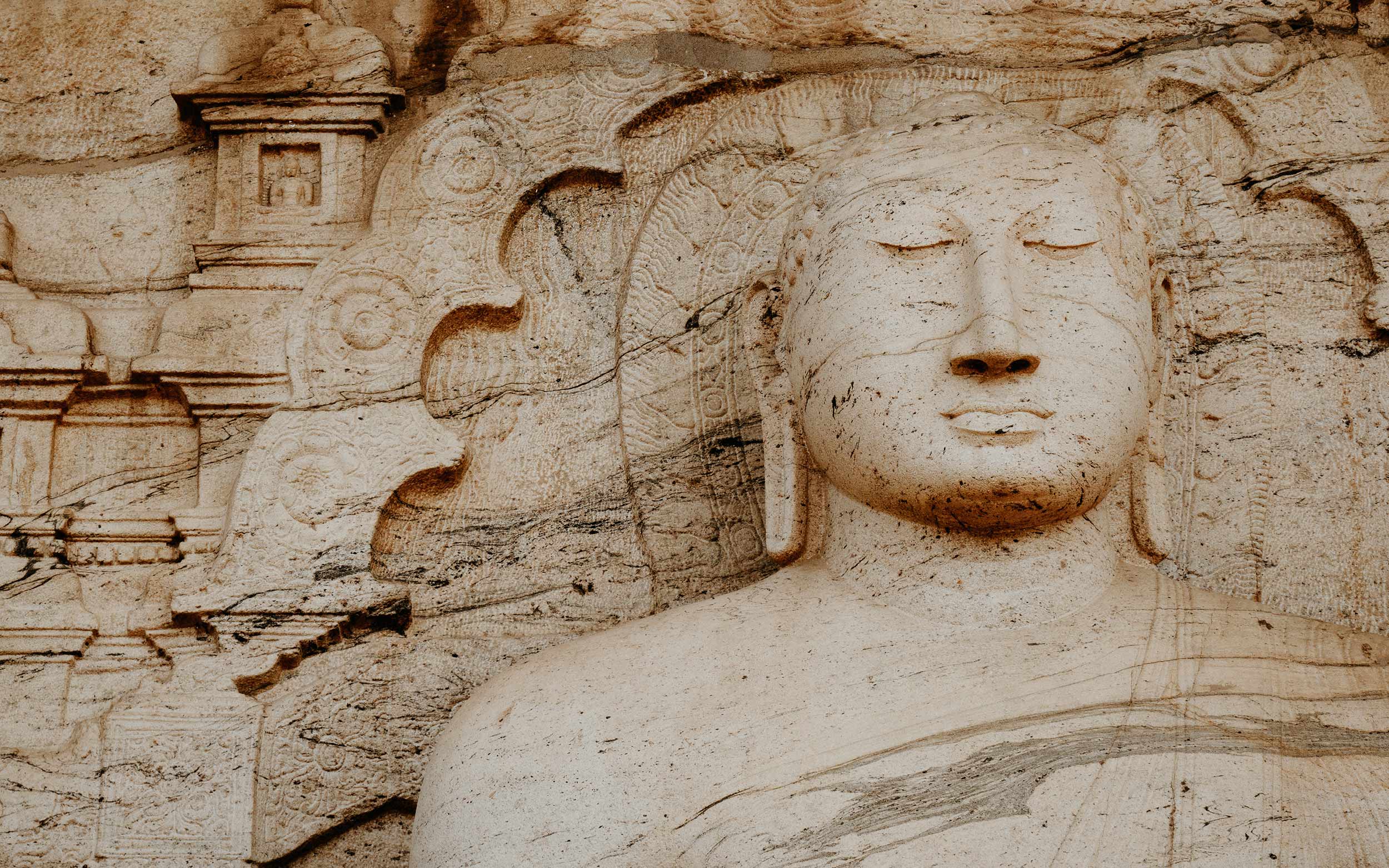
9 Incredible things to do in Polonnaruwa
It’s the ruins, shrines, and temples that attract travellers to Polonnaruwa, that’s for sure.
As you start exploring you notice how well-preserved the ancient city really is. This is mainly because of the materials that were used during the renovation.
The Polonnaruwa ruins are formed by unique stupas, well-preserved temples, and harmonious-looking buddha statues.
The temple complex of Polonnaruwa has one big advantage, it’s fairly small compared to Anuradhapura. This ensures that you can easily explore it by bicycle.
With that being said, here are the temples you should absolutely visit in Polonnaruwa.
The Polonnaruwa Archaeological Museum
Your adventures start off at the Polonnaruwa Museum, and not only for a history upgrade.
I’ve been told the museum is the only place to get a valid entrance ticket.
My advice? Don’t risk buying your tickets elsewhere.
1. The Sacred Quadrangle – Dalada Maluwa
An impressive bundle of ruins is safely positioned on a raised-up platform.
The Sacred Quadrangle is an imposing area where you’ll find an abundance of well-preserved buildings. With around 10 magnificent structures, it is hands-down the best introduction to the history of Polonnaruwa.
The quadrangle is home to the Sathmahal Prasadaya, Thuparama Image House, Hetadage, Bodhi Tree Shrine, and the well-known Polonnaruwa Vatadage.
Altogether a must-see. Let’s get into detail on a few of the structures found at the Sacred Quadrangle.
2. The Polonnaruwa Vatadage
Let’s start with the aesthetically pleasing Polonnaruwa Vatadage.
Legend says it was built to house the significant ‘Sacred Tooth Relic’, that is nowadays kept in Kandy.
The two-tiered circular Vatadage is a high-end structure in this type of architecture.
The Vatadage is strategically designed to protect a small dagoba that is positioned at the heart of the structure. The dagoba is surrounded by four Buddha statues, each facing one entrance.
What’s even more impressive, is the amount of decoration and detail. Each Stairway is decorated with an elegant moonstone, not to mention the stone carvings throughout the Vatadage.
3. The Hatadage at the Sacred Quadrangle
The Hatadage is positioned next to the Vatadage and is very intriguing to witness with your own eyes.
The Ancient Relic Shrine is in bad shape, nevertheless, it is fascinating to wander around.
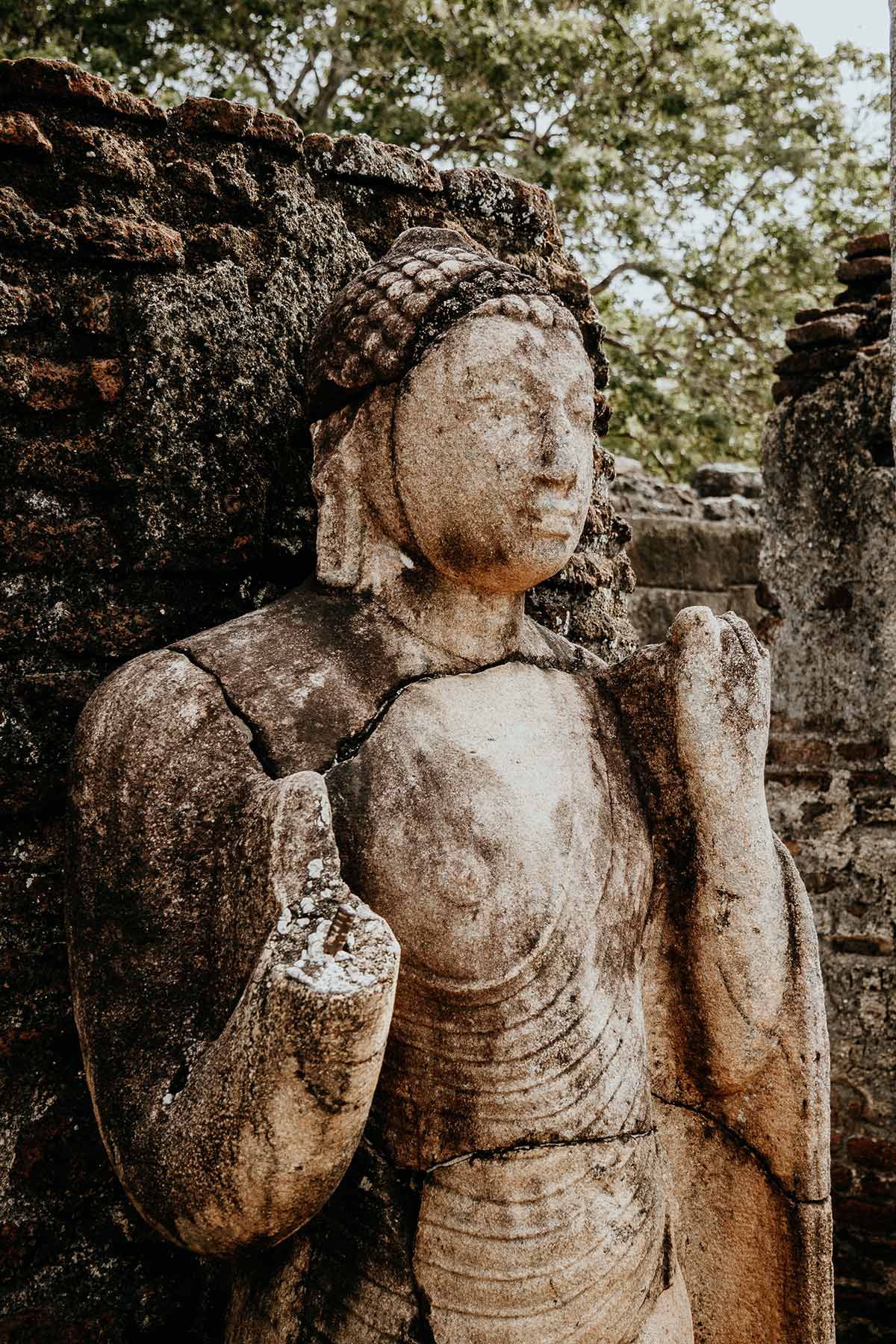
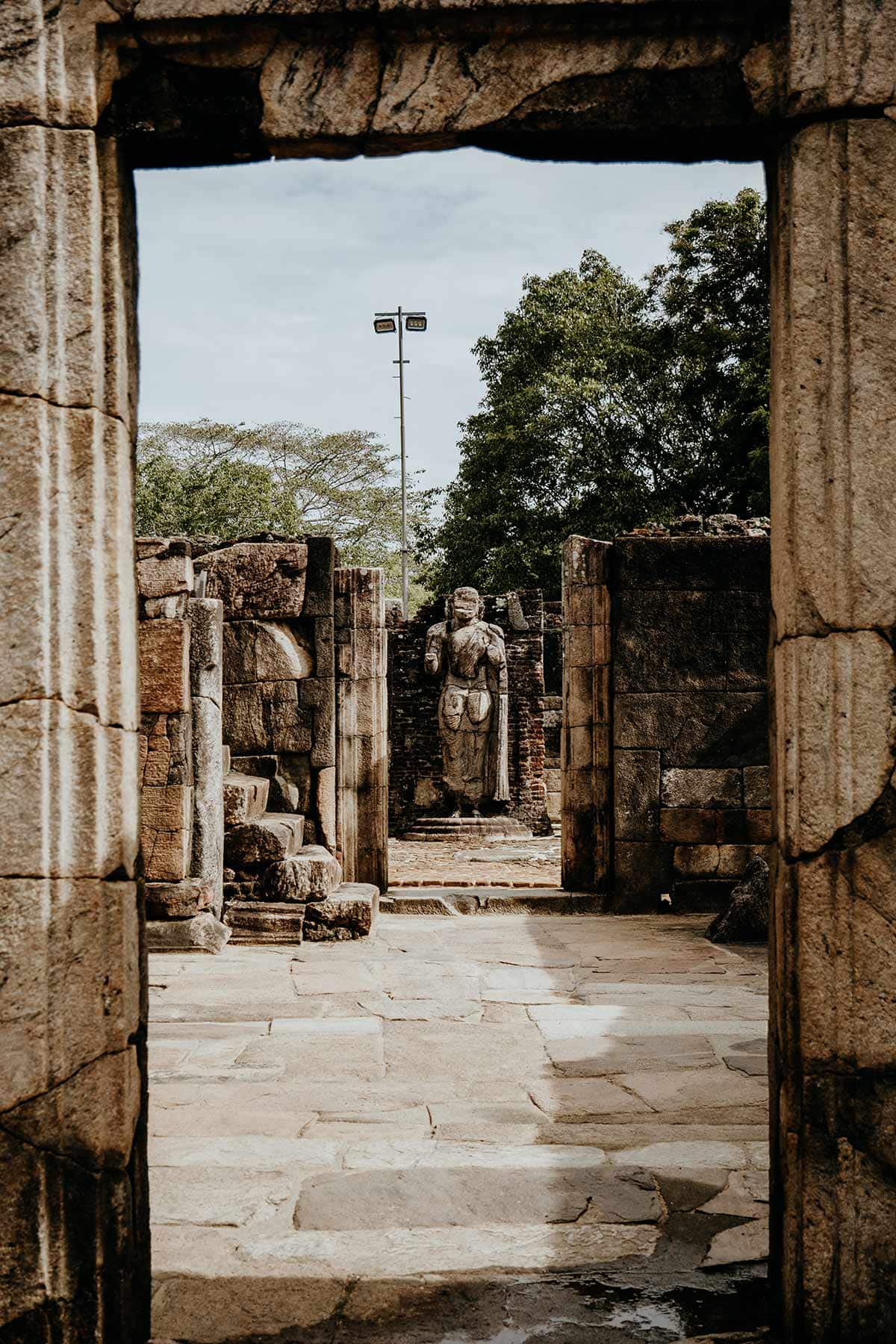
4. The humungous Banyan Tree an the ancient Vishnu Shrine
What I personally found to be very attractive is the imposing Banyan tree at the Ancient Vishnu Shrine.
The large buttress roots of the Banyan tree are there to reveal itself above the dusty soil.
From this perspective, it’s phenomenal to see how the power of nature works. In particular, the way the tree took over part of those ancient ruins.
A stop-over at the impressive tree next to the Vishnu Devale is as easy as it gets. You’ll pass it along the way from the Sacred Quadrangle to the Gal Vihara.
5. The Gal Vihara Buddha Statues
The four giant Buddha statues, directly carved out of a large granite rock facade, are one by one of artistic value.
Therefore it isn’t surprising that particularly those masterpieces attract travellers to the ancient city of Polonnaruwa.
The story goes around that one of the four statues isn’t actually Buddha. It was supposed to be his grieving apprentice after Buddha’s passing.
It should concern the 7-meter high standing statue, so pay extra attention to his facial expression.
It is the Gal Vihara that stands out in the ancient city. Its uniqueness, both aesthetically and in size, makes it my favourite site in the ancient city of Polonnaruwa.
Trust me, it is the one thing you can’t miss in Polonnaruwa.
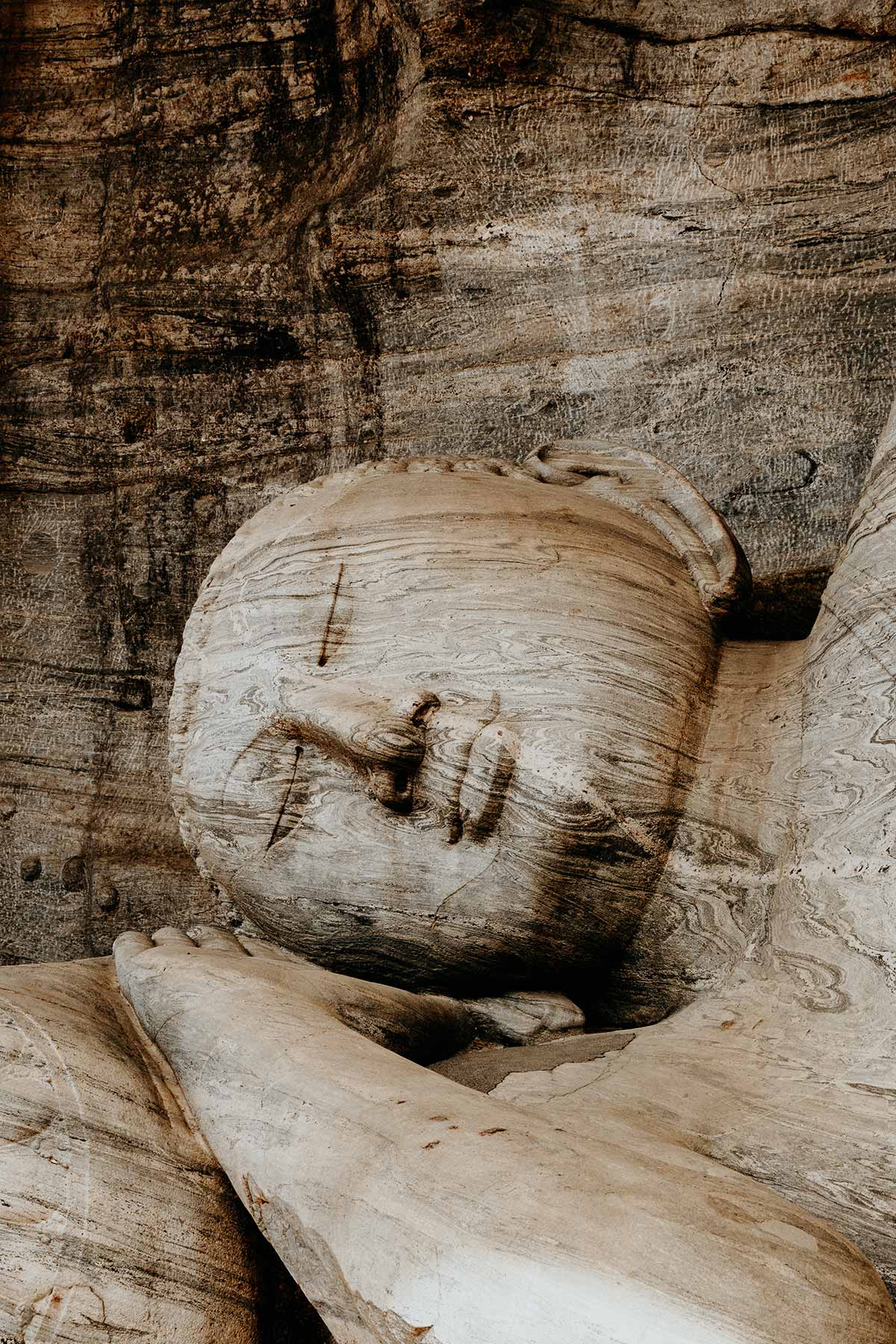
6. The Lankatilaka Temple
With its walls reaching an impressive height of 17 meters, the Lankatilaka Temple stands tall against its backdrop.
The large image house is home to a giant Buddha statue made out of bricks. Sadly the upper part of the statue and roof was devastated a couple of centuries ago.
The unique features in the design of Lankatilaka are hands-down a reason worth visiting.
It is the design of the stairways that is uncommon. Every step of the stairway is only 10 centimetres wide, which makes it hard to climb in the way that we are used to.
The reason for this unique design?
With significant short steps, the only way to climb down is sideways. In this manner, it’s impossible to turn your back towards the Buddha statue, which is considered disrespectful in Buddhism.
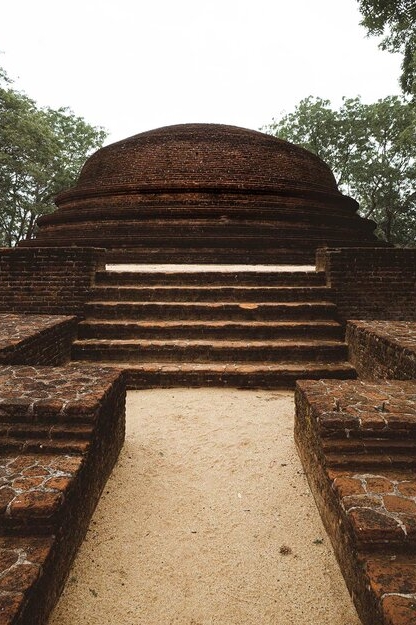
7. Rankoth Vehera Stupa
Most of the Polonnaruwa area is formed by ancient temples and shrines, making the Rankoth Vehera stand out even more so.
As a matter of fact, the Rankot Vihara is the largest stupa in Polonnaruwa. Not to mention that it is entirely made of bricks.
A walk around the stupa makes you realize how huge it is. It is clear that this has been a tough job.
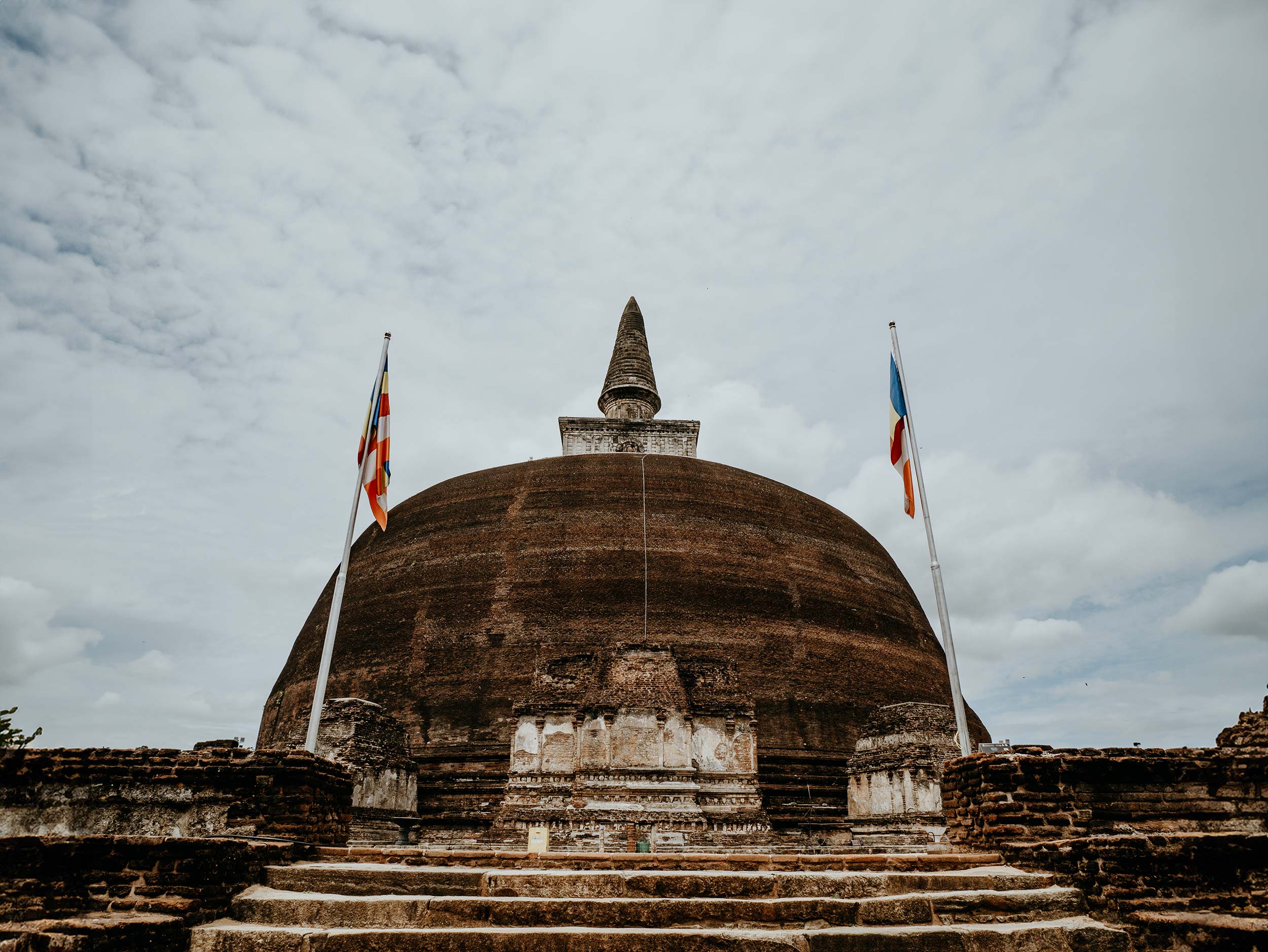
8. Pabalu Vehera Stupa
The unusually shaped Pabalu Vehera stupa, made of brownish bricks contrasts richly with the dense green jungle.
The mix of well-preserved and wrecked components, and a jungle-ish environment, create the feeling of a Tomb Raider-like scene.
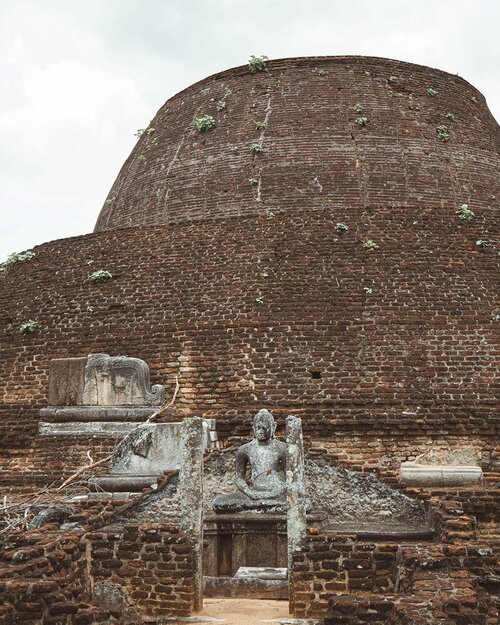
9 . Combine it with the Minneriya National Park
A visit to the ancient city of Polonnaruwa takes only a morning of your time and is easy to combine with a jeep safari in the Minneriya National Park.
A trip to a national park is one of my highlights and should be in every Sri Lanka itinerary.
In the Minneriya National Park, you’ll find yourself among wild elephants, which will be the experience of a lifetime.
Besides elephants, the famous park also is home to leopards, Sloth bears, Spotted deer, Sambar deer, and wild buffaloes.
How to get to The Minneriya National Park | Most safaris include a hotel pickup and drop off.
Cost | Entrance Minneriya National Park – 3.500 LKR, ($19) per person | Guide + Jeep – 7.000 LKR, ($38) per jeep
Or by joining a private Polonnaruwa + Minneriya day tour from Dambulla (including entrance fees). For prices and availability click here.
Other interesting ruins worth visiting in Polonnaruwa
Mentioned above are only eight impressive structures I recommend in Polonnaruwa. Others that are really worth visiting are the Royal Palace, the Audience Hall, the Kiri Vehera Stupa and the Thivanka Image House.
The Sacred city of Polonnaruwa | The essentials
How to get around Polonnaruwa
Rent a bicycle | What I like about Polonnaruwa is the fact you can easily explore it by bike. The ability to discover what the city has to offer with a cooling breeze is both fun and energetic.
Cost | 400 LKR, ($2.25) per bicycle
Hire a tuk-tuk with a guide | Taking a tuk-tuk driver as a guide is a good alternative to seeing the ancient city, especially if you’re in a hurry. Personally, I think renting a bicycle is so much more fun.
Cost | 1.200 LKR, ($6.5) per tuk-tuk. Generally, there is enough space for two people per tuk-tuk.
How to get to Polonnaruwa
Keep in mind that Kaduruwela is considered the Polonnaruwa new town. Depending on the location of your hotel you can ask the bus driver to stop in Polonnaruwa.
The easiest way is by joining a private Polonnaruwa + Minneriya day tour from Dambulla (including entrance fees). For prices and availability click here.
From Sigiriya to Polonnaruwa
Bus | Sigirya – Inamaluwa – Polonnaruwa – Kaduruwela | After a short tuk-tuk journey from Sigiriya to Inamaluwa jump on the bus to Kaduruwela.
Cost | Tuk-tuk from Sigiriya to Inamaluwa 500 LKR, ($2.8) | Bus from Inamaluwa to Polonnaruwa 200 LKR, ($1) per person
Travel time | 1.5 hours
From Dambulla to Polonnaruwa
Bus | Dambulla – Polonnaruwa – Kaduruwela | Take a direct bus that heads for Kaduruwela from the Dambulla Main bus stop. The bus leaves every 20-30 minutes starting from 7 am.
Cost | Bus from Dambulla to Kaduruwela – 220 LKR, ($1) per person
Travel time | 1.5 to 2 hours
From Trincomalee to Polonnaruwa
Bus | Trincomalee – Habarana – Polonnaruwa | A quite difficult journey. From Trincomalee take a bus heading for Dambulla or Colombo.
Tip | Before entering, ask if the bus driver stops in Habarana and if there is a connection to Polonnaruwa. Generally, you’ll find buses that stop in Polonnaruwa at the Habarana Junction.
Cost | Bus from Trincomalee to Habarana – 120 LKR, ($0.70) | Bus from Habarana to Polonnaruwa – 80 LKR, ($0,50)
Travel time | 4 hours
From Colombo to Polonnaruwa
Train | Colombo Fort – Polonnaruwa | A rough journey that is packed and heads out to the east coast of Sri Lanka. Personally, I recommend visiting Kandy and Sigiriya in between.
Cost | 2nd class: 350 LKR ($2) per person, 3rd class: 200 LKR ($1) per person
Travel time | 6.5 hours
Train times from Colombo Fort to Polonnaruwa | 06:05, 19:00. For more information about train times click here.
Stay safe in Sri Lanka | Travel insurance
Though Sri Lanka is perfectly safe for travellers, I always strive to sort out my travel insurance before arriving in a foreign country, and I highly advise anyone else to do the same.
Where we prefer that everything goes smoothly during our travels, something unfortunate can happen at any moment, whether it’s an injury or an accident on the road. When that happens, it is better to be safe than sorry.
Heymondo | Whether you’re going on a 3-week backpacking trip, or planning a long stay somewhere abroad, Heymondo has excellent insurance options either way – plus full COVID-19 coverage and a handy app with 24-hour medical assistance. Readers of WTSW receive 5% off any insurance policy, more information here.
Cheers!
I’ve been on this travel blogging journey since 2019.
If you appreciate what I do here, these are some ways you can support me.