

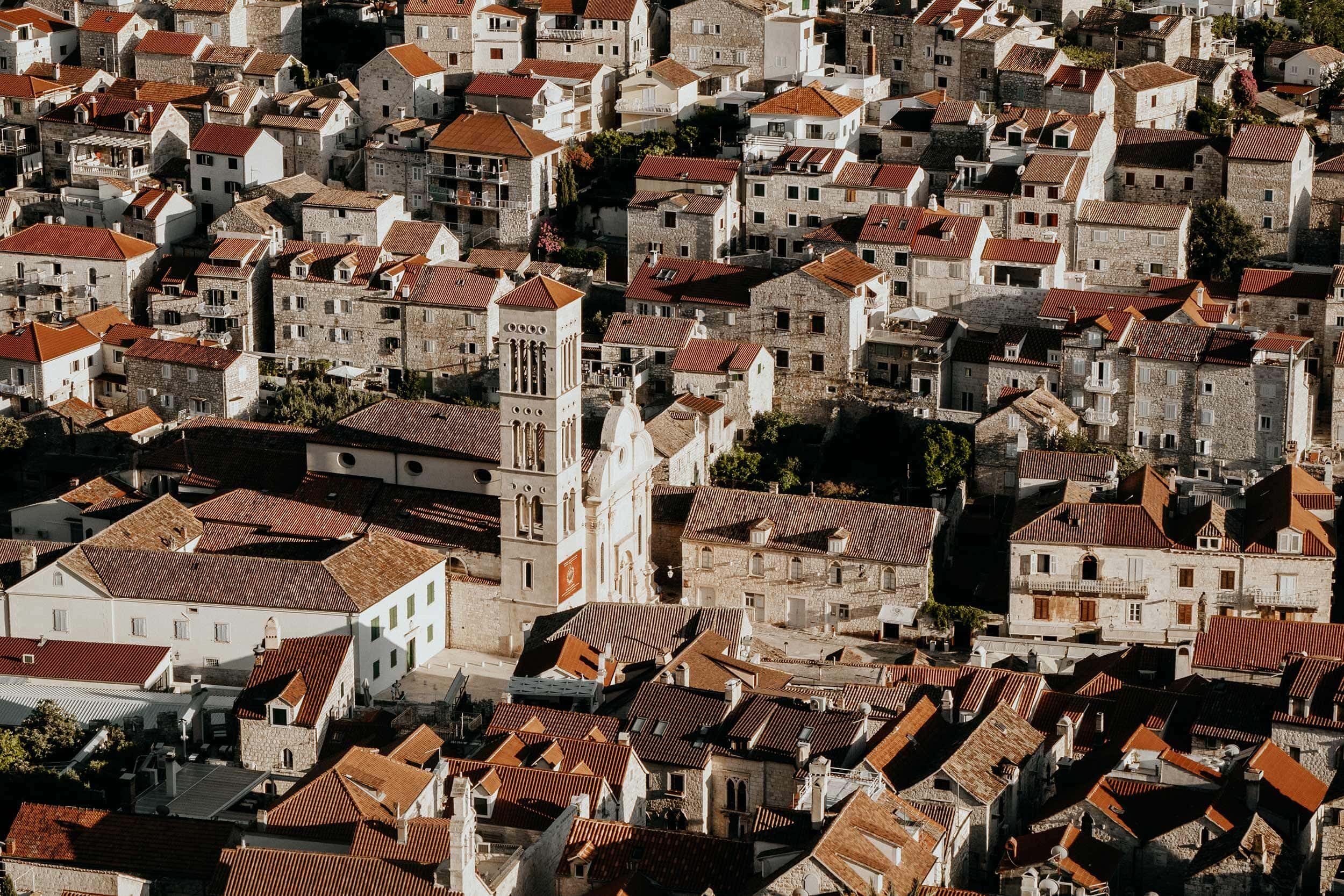
13 Incredible things to do in Hvar, Croatia
Situated in the midst of the Adriatic sea, just off Croatia’s beloved Dalmatian coast is Hvar, a paradisiac island that is really up there with the best of ‘em.
At present, Hvar is among Croatia’s most visited islands, and that’s no wonder if you ask me!
From the twisting cobblestone laneways of Hvar old town to the turquoise waters of the Pakleni islands, the with lavender covered hills of Brusje to the world-class pebble beaches and coves, Hvar truly is like no other island I’ve ever set foot on.
But to me, there are a myriad of other things that contribute to Hvar’s charm.
Think mouth-watering Dalmatian cuisine, well-preserved ancient fortresses, stunning Venetian architecture, and authentic local villages dotted throughout the island.
Not to mention that the island spoils visitors to some of the most stunning sunsets in the Mediterranean.
To help you plan your own trip to Hvar, I’ve put together this guide, including all the best things to do in Hvar, the finest Hvar beaches, and where to stay – plus all the essential travel information to help you make the most of your trip here!
If you choose to use any of the links on this page, I may receive a small commission at no extra cost to you. By using these links, you’ll have a direct impact on WTSW and my ability to continue to create free insightful travel content for you. If you find any of my tips useful, you can support me by buying a virtual coffee here.
Where is Hvar
Hvar Island is poised between the islands of Brac and Korcula in the midst of the Adriatic Sea, just off the popular Dalmatian coast of Croatia.
Nicknamed the island of sunshine, Hvar is considered the sunniest spot in Croatia, as well as the country’s most luxurious beach destination.
Where to stay on Hvar
Hvar is by far one of the most popular destinations for travellers to Croatia.
As a result, you’ll find loads of excellent accommodation options. Think cosy apartments, budget-friendly hostels, fancy oceanfront resorts and everything in between.
However, if you’re looking to stay in Hvar Town, make sure you have your accommodation sorted out as soon as possible.
The old town is quite popular among travellers, which makes it sort of challenging to find accommodation that suits your travel style and budget, especially during the peak summer months.
To help you out, I’ve listed a few of my personal favourites below, some of which are marked – these are the ones where I stayed myself.
+ Villa San Marco | During my first time on the island, I stayed 3 nights here. This small family-run guest house felt like a home away from home and offered me exactly what I needed to rest and enjoy the island. The room comes with a comfortable double bed, air-conditioning, a small kitchen, and an excellent bathroom. On top of that, I was given a lot of insider tips from the friendly host.
Apartments Villa Tudor | If you’re after a bit more luxury, look no further, Apartments Villa Tudor is exactly that, and even more. Located only 100 meters from the action, this apartment is charmed by excellent design, a comfortable double bed, and an overall spacious layout. An outstanding option for couples and families.
Apartments Juric | Situated slightly out of Hvar Town, Apartments Juric offers a bit more tranquillity, while still having the most popular things to do in Hvar at your doorstep. The apartment itself has a spacious layout, is air-conditioned, and has an excellent bathroom ensuite. Altogether a perfect apartment if you’re after a calmer place to stay.
+ White Rabbit Hostel | Nestled in a picturesque alley just off Hvar’s historic main square, White Rabbit is a welcoming hostel that offers comfortable shared rooms for a great price. The hostel has a spacious common room and air-conditioning, and is close to all the best things to do in Hvar. I visited White Rabbit because I was keen to end my Croatia trip on Hvar, and had an excellent time there.
13 Incredible things to do in Hvar, Croatia
1. Explore the narrow laneways of Hvar Old Town
Early morning walks when the whole island was still asleep, was easily my favourite thing to do in Hvar.
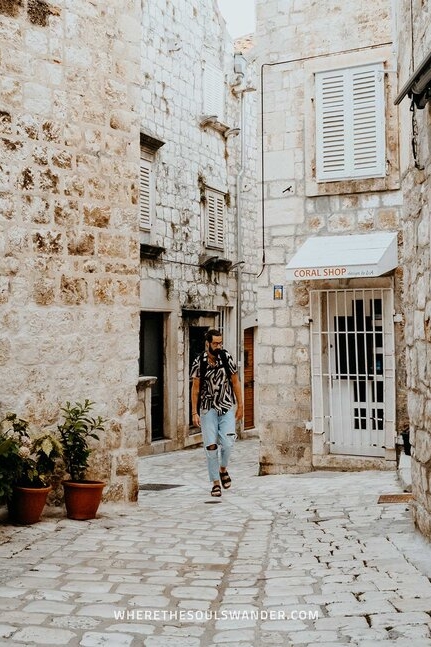
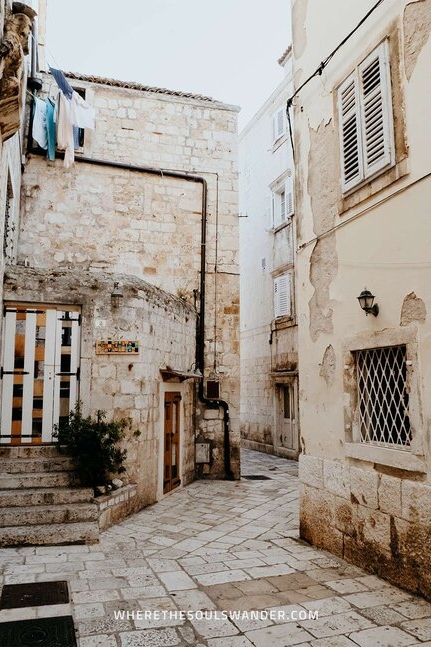
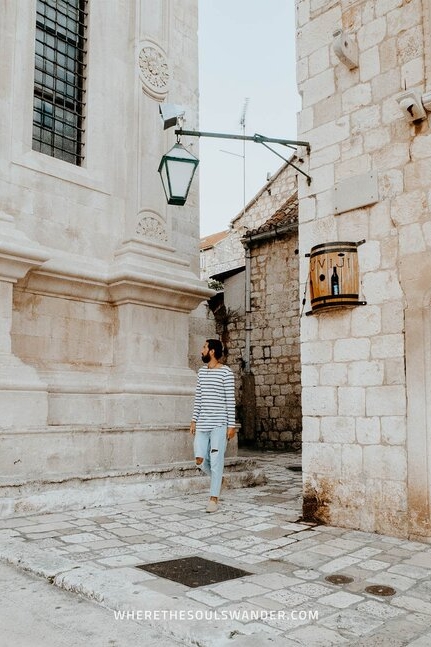
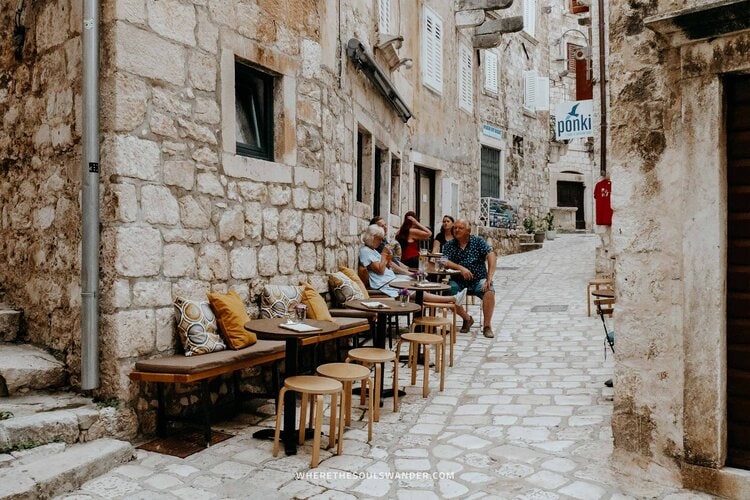
Charmed by intriguing Venetian architecture and narrow cobblestone laneways, Hvar’s medieval old town was an open invitation to experience a unique and authentic side of Hvar.
Throughout my entire stay on the island, I’d set my alarm at 05:30, happy and energized to discover the twisting laneways of Hvar’s old town – all while the morning sun slowly started to illuminate the rustic buildings, and the locals began their daily activities.
To fully experience this side of town, I’d suggest walking slowly and be curious to watch the stories unfold around each and every corner. Also, I encourage to get lost on purpose rather than using a map.
2. Admire the views from the Hvar Fortress
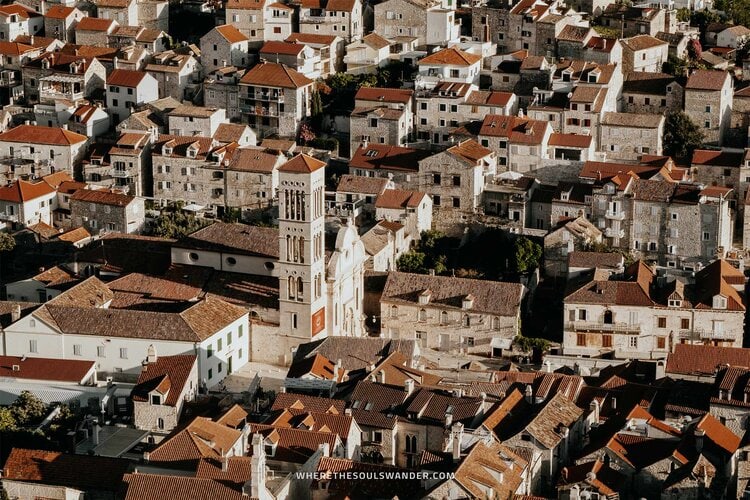
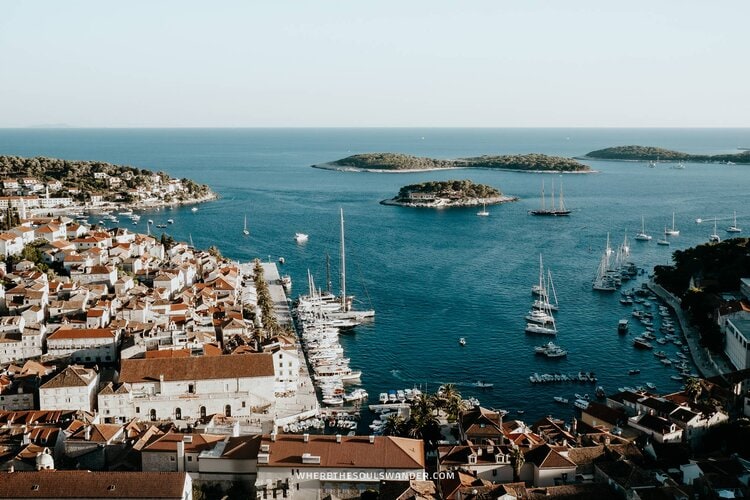
Hands down the best views over both Hvar Town and the picturesque Pakleni Islands are obtained when hiking to the summit of the rustic Hvar Fortress.
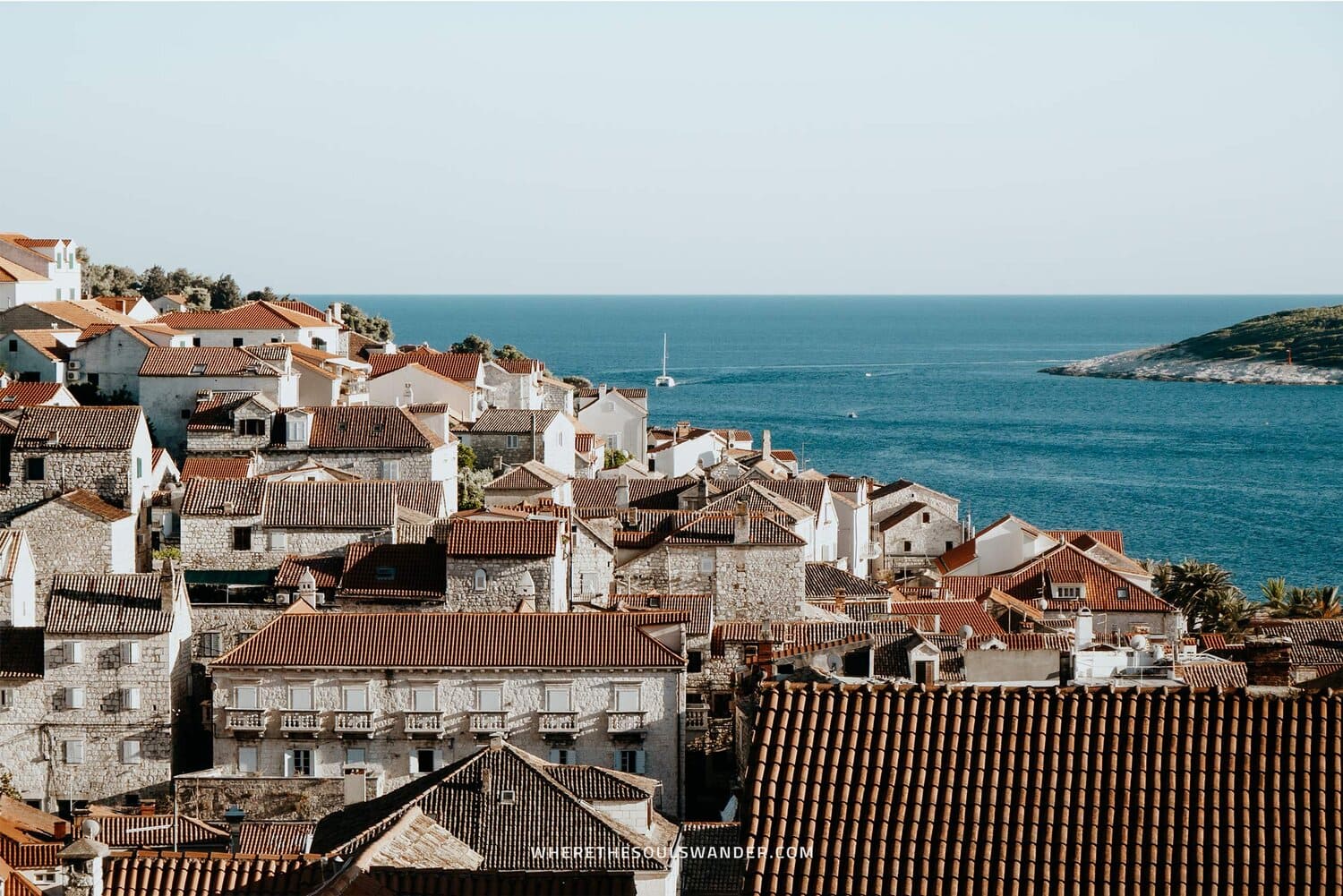
Perched high on the hill above Hvar Town, overlooking the town’s iconic tangerine-coloured roofs and appealing harbour, Hvar Fortress is a medieval stronghold that dates back as far as the 6th century.
It is often said that the one that controlled the Mediterranean, gained power over one of the most significant trading routes, which connects Southern Europe, North Africa, Levant, and Anatolia.
For that reason, the Hvar Fortress has been occupied by many, including the Illyrians, Romans, Byzantines, Venetians, and Austrians.
At present, the fortress is an impressive reminiscence of the original construction that was built under Venetian rule in the 13th century. Since it has been further modified by Spanish engineers in the 14th century, it is also named the Spanish Fortress of Hvar.
To get to the fortress, take a gentle walk from St Stephen’s Square, through the picture-perfect laneways and up several steps, followed by a winding trail through a flourishing pine forest.
Make sure you have your camera in hand throughout the entire trail. Believe me, it’s not only the stunning views from the top that make visiting the fortress one of the best things to do in Hvar.
Where | Hvar Fortress
Opening hours | Daily 08:00 – 21:00 – from April to October
Cost | 60 HRK (€8,-) per person
3. Relax at one of the many excellent Hvar beaches
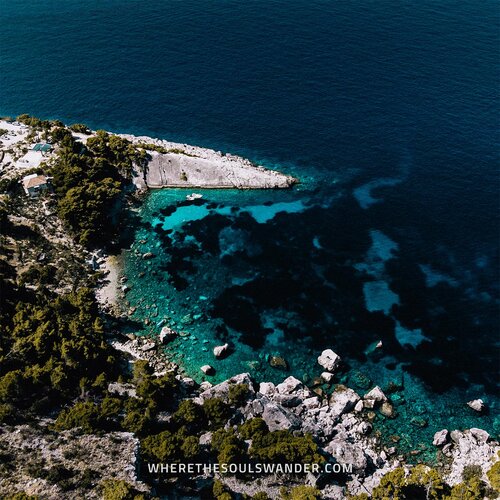
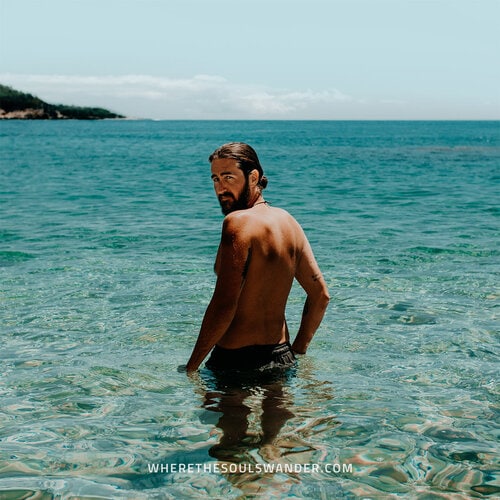
It is no wonder that an idyllic island in the midst of the Adriatic Sea houses a bunch of the most beautiful beaches in Croatia.
Dotted along the coastline of Hvar, you’ll discover incredible beaches, each more beautiful than the last.
Think remote coves, picturesque pebble bays, trendy beach clubs, and everything in between – Hvar Island has plenty of relaxing beachside options, suiting every traveller and their desires.
Some of my favourite Hvar beaches include:
POKONJI DOL
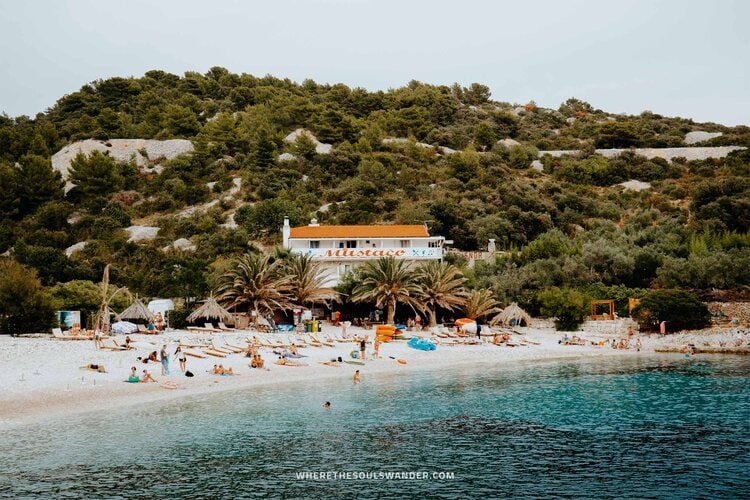
Located only a short walk from Hvar Old Town, Pokonji Dol is a charming pebble beach that is both accessible and comfortable – which makes it one of my favourite beaches on the island.
Also, this pebble cove is home to a great dock to lay down your towel, an excellent local restaurant in Mustaco, and fewer travellers around compared to other beaches close to Hvar Town. On top of that, there is a large number of affordable sunbeds for hire.
Where | Pokonji Dol
Cost sunbed hire | 80 – 100 HRK, (€10,75 – 13,30) per day
MEKICEVICA BEACH
Mekicivica Beach, poised between Pokonji Dol and Milna, is the hidden beach you have always dreamed of.
With a completely secluded pebble cove and absurdly clear turquoise water, and only you can enjoy it, Mekicivica Beach is hands down one of the best beaches on Hvar.
In merely 15 minutes through a dense pine forest, you walk to this small, yet paradisiac stretch of beach. Additionally, Mekicevica Beach is accessed by a boat that leaves from the docks in Hvar Town.
Where | Mekicevica Beach
Cost boat to Mekicevica Beach | Around 50 HRK (€6,70) for a return trip
MALO ZARACE BEACH
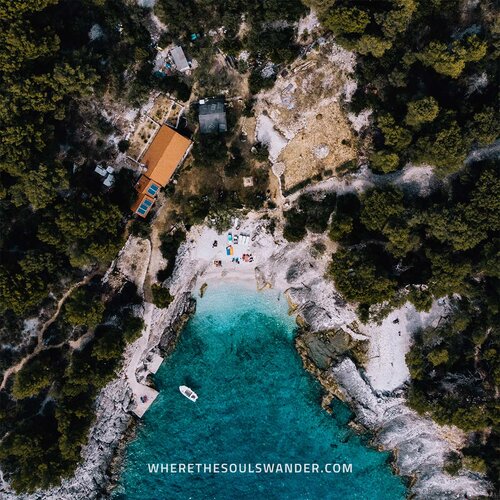
When it comes to the best Hvar beaches, Malo Zaraće Beach will always be a topic of conversation.
Flanked by insane rocky cliffs lies Malo Zarace Beach, a secluded beach that is, fortunately yet to be discovered by mass tourism.
Do note that this exceptional rock formation splits the coastline of Zarace into two coves; Malo Zarace and Velo Zarace. The first one is less visited and in my opinion easily the better of the two.
Though Zarace is located at a 20-minute drive from Hvar town, I’m one hundred per cent sure that you’ll be delighted by the unique landscape, clear turquoise water, and relaxing overall ambience.
Where | Malo Zarace Beach
4. Enjoy Hvar Square and admire the St. Stephen’s Cathedral
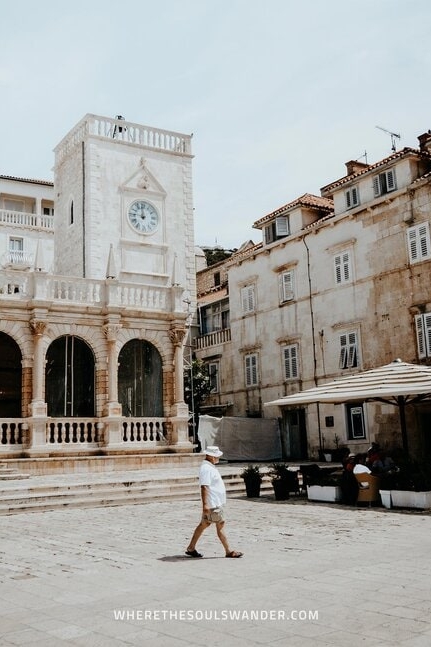
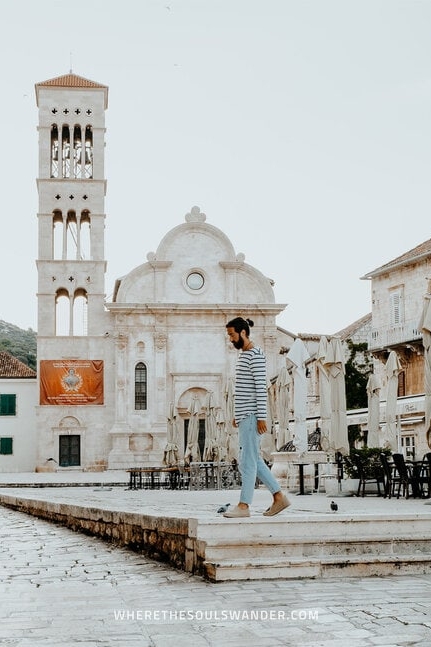
Said to be the largest square in Dalmatia, the Hvar Square is a broad town square that is deemed the beating heart of the old town.
On warm summer evenings, travellers and locals gather here in large numbers to admire the wonderful Venetian and Renaissance buildings or to sit down at one of the many cafes and restaurants that lie adjacent to the square.
However, for the best local cuisine, it’s better to dive a little deeper into the laneways of the surrounding old town. Not only are the best bars and restaurants found here, but you also save up significantly on your food bill.
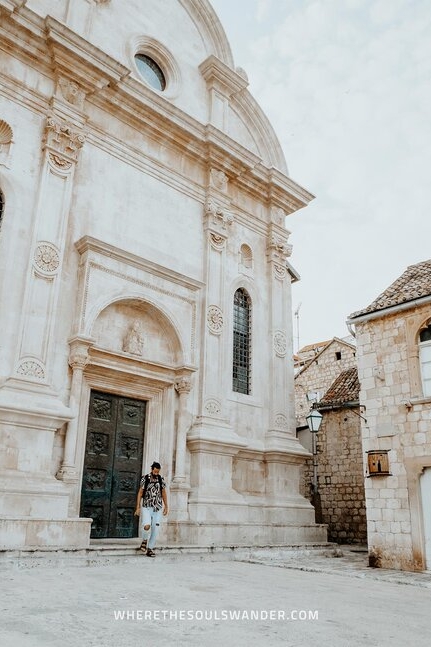
But for me, the biggest draw of Hvar Square was the array of impressive ancient buildings; the Cathedral of St. Stephen, the bell tower, the Arsenal, and the Venetian Loggia in the extension of the square.
In the east of the square, the St. Stephen’s Cathedral is the absolute highlight. With its baroque design elements, picturesque bell tower and typical Dalmatian architecture, this 16th-century cathedral remains one of Hvar’s top historic sights.
Sitting down at Hvar Square to see daily life unfold, was one of my favourite things to do in Hvar.
Where | St. Stephen’s Cathedral, Hvar
5. Enjoy creative contemporary cuisine at Fig Hvar
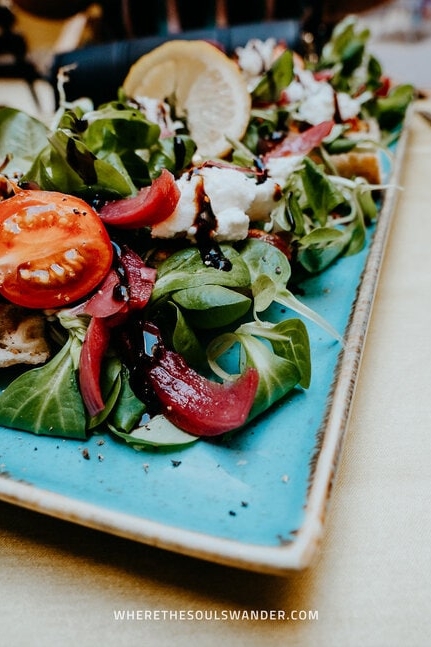
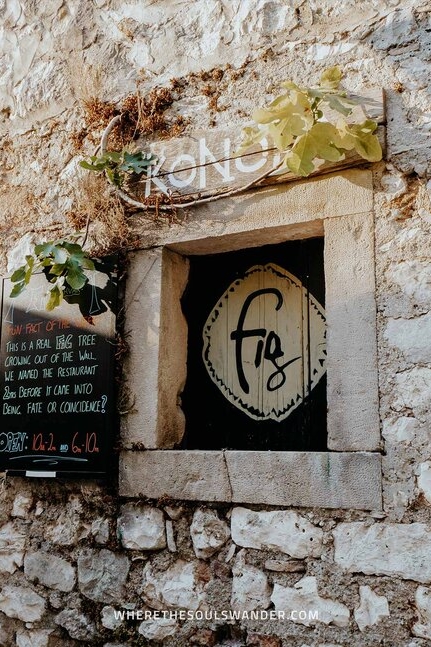
One morning, while strolling through the picturesque cobblestone streets of downtown Hvar, I stumbled upon Fig, a cosy restaurant whose menu teased me with the most delicious locally grown dishes.
At that very moment, I realized that I’d found an excellent place to have dinner later that day.
I pulled up here for a late dinner and treated myself to the Chimichurri Potatoes and the Mexican Pulled Pork, which were both very tasteful.
Upon arriving, there was a small waiting queue, which to me, indicates that a place lives up to its reputation. After a short wait, my table was ready and the waiter offered me a drink on the house.
Modest as I am, I ordered the red house wine, by which the waiter recommended the locally grown Tomic Plavac wine, which turned out to be the best wine I sampled during my Croatia trip.
That said, Fig is a place you simply don’t want to miss out on.
In the end, I came here to try the breakfast too – which makes for a good reason to stop by.
Where | Fig Hvar
Opening hours | Daily 10:00 – 14:00 & 18:00 22:00
6. Appreciate Hvar’s iconic Franciscan Monastery
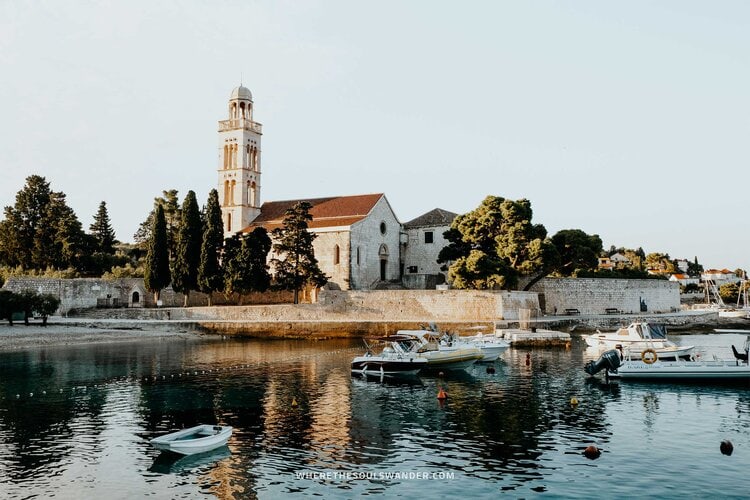
Encircled by a peaceful garden of aged cypress trees, overlooking a good-looking cove, this 15th-century monastery is one of Hvar’s most recognizable buildings, as well as my favourite.
Inside, the Franciscan monastery houses a small, yet impressive museum that showcases antique laces & coins, nautical charts, and a valuable edition of the Ptolemy’s Atlas, which was printed in 1524.
The real draw though is the Last Supper; an appealing 8 by 2,5-metre work of art that was composed by Venetian painter Matteo Ingoli at the end of the 16th century.
If you’re like me and enjoy a seaside stroll in the early morning or late afternoon, I’m sure you will be charmed by the Franciscan Monastery time and time again.
Where | Franciscan Monastery, Hvar
Opening hours | Daily 10:00 – 12:00 & 17:00 – 19:00
Cost museum | 30 HRK (€4,-) per person
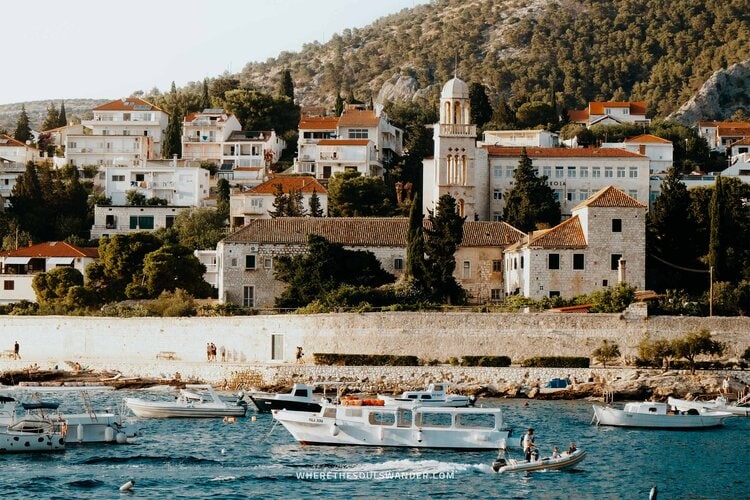
7. Uncover the stunning Pakleni Islands
The one thing that repeatedly became the topic of conversation when I chatted with the Hvar locals, was a boat trip to the Pakleni Islands, and that’s for an excellent reason.
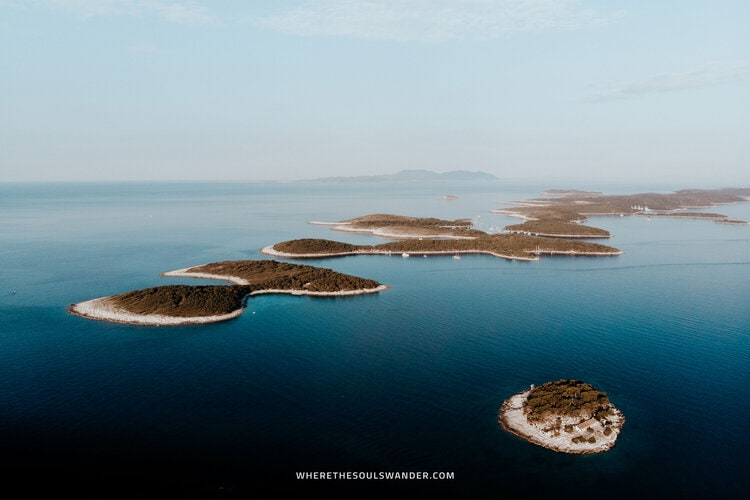
The ‘picture-perfect’ Pakleni Islands is a bundle of 16 islands, scattered throughout the clear turquoise waters as opposed to the stunning coastline of Hvar Town.
If you’re keen on exploring the Pakleni Islands, rent yourself a small Pasara boat and navigate the calm Adriatic sea, in search of the most stunning beaches and deserted coves.
At first, I was quite surprised when I heard that you don’t need a license – or any experience to rent and operate a small Pasara boat. You do however get a short instruction, where you learn all the basics to operate a boat in a responsible manner.
If you’re not feeling comfortable with operating a boat, alternatively make use of the taxi boats that depart at the main harbour of Hvar Town.
A 15-minute transfer brings you to one of the major islands in the archipelago, including Jerolim, Sveti Klement, Marinkovac, and Mlini Beach.
Where | Pakleni Islands, Hvar
Cost boat rental | Starting at 400 HRK (€54,-) for a Pasara boat
Cost taxi boat | 60 HRK (€8,-) return
Recommended tour | Experience one of the most unique natural phenomena in the world with the Blue & Green Cave Day Tour From Hvar.

8. Take in the views from the Napoleon Fortress
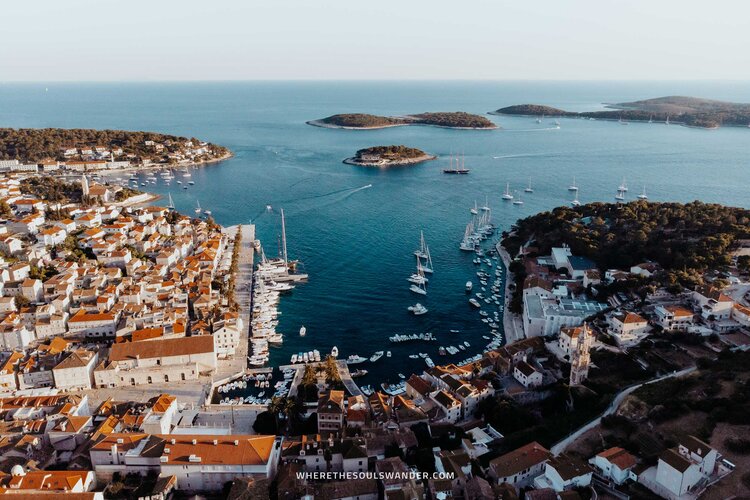
Climbing the Hvar Fortress might be the number one thing to do in Hvar, it is the higher-positioned Napoleon Fortress that provides even more spectacular views.
The French fortress, better known as the Napoleon Fortress, is situated just west of the popular Spanish fortress, and hiking to the summit takes roughly 30 minutes when starting from Hvar old town.
Once you arrive at the top, you’ll be welcomed by some of the most stunning views Hvar Island has to offer, showcasing both Hvar town and the Pakleni Islands in the distance.
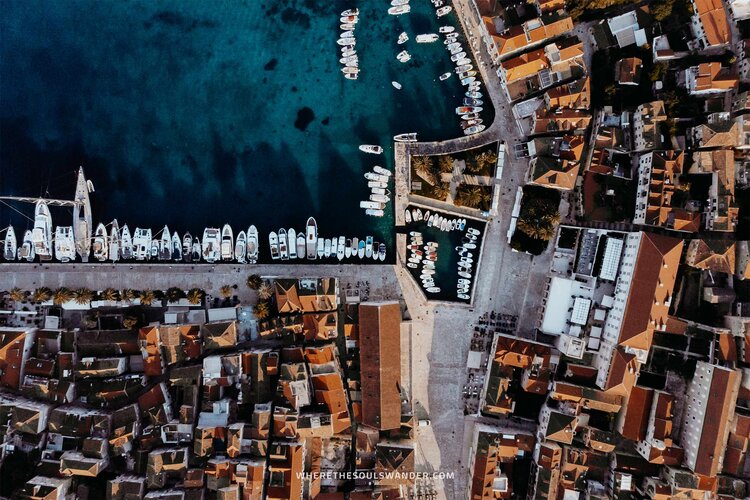
If you’re interested in climbing the fortress, I have one recommendation: make sure you visit the Napoleon Fortress during the golden hour. It is truly a magnificent experience to see the streets of Hvar Old Town bathed in the most soothing glow of golden hues.
In my honest opinion, this place and its views are unrivalled, and although many people consider skipping it, I would say not to, but hey, it’s up to you!
Where | Napoleon Fortress, Hvar
Cost | Free
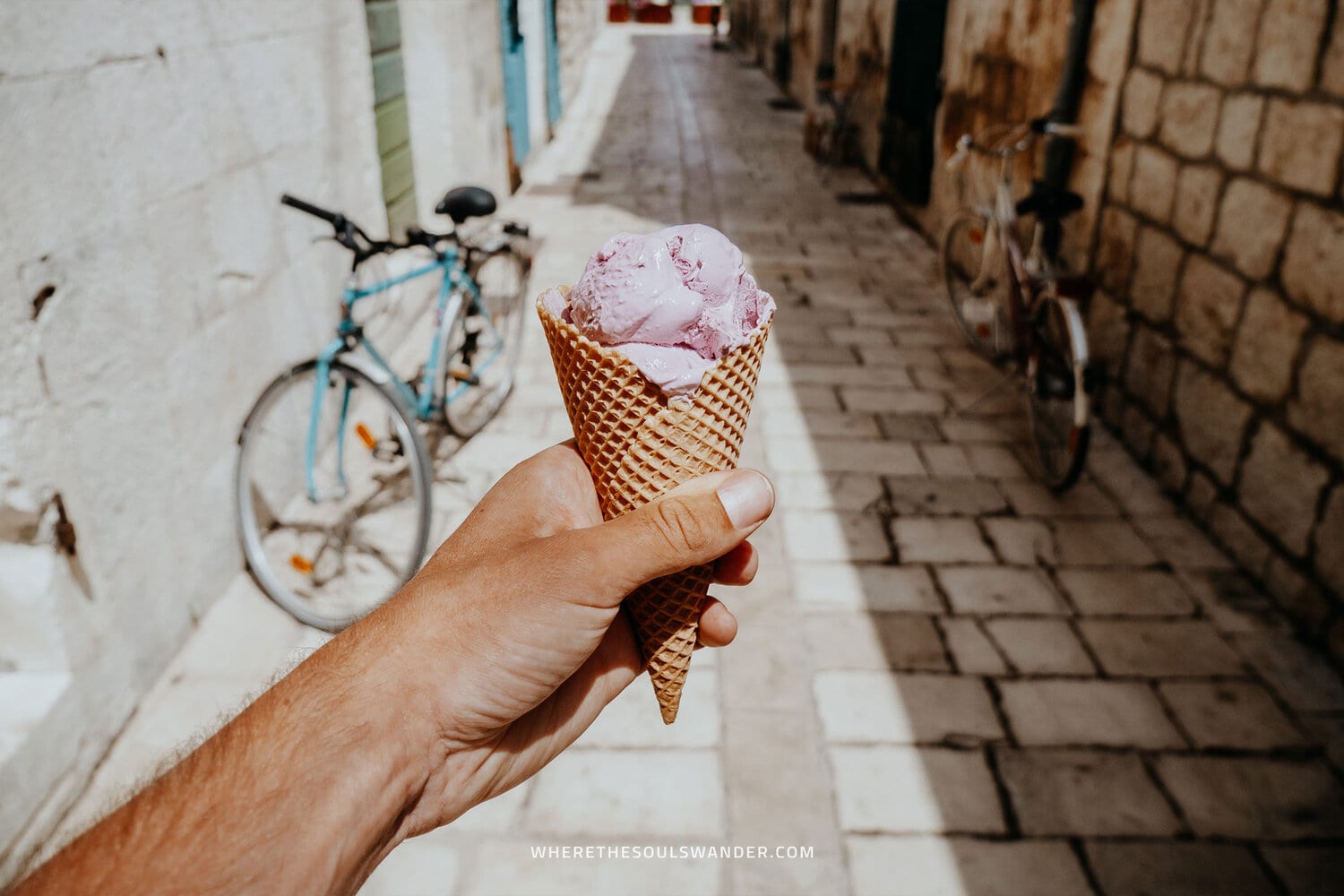
9. Sample Lavender ice cream, Hvar’s local delicacy
When it comes to unique flavours, lavender ice cream really is up there with the best of them.
As soon as I heard of this local phenomenon, I had only one mission: to try to get my hands on the best lavender ice cream on the island.
At first, I was a bit sceptical, but after my first scoop, I was instantly hooked to the subtle, yet refreshing floral flavour that lavender ice cream had to offer.
Since that moment, not a day went by without this local refreshment, often in combination with an extra scoop (or two) of other delish flavours.
After spending five days on the island, I came to the conclusion that my personal favourite lavender-flavoured ice cream is found at Pharos, a small gelato boutique on Stari Grad’s Riva.
However, if you’re solely staying in Hvar town, yet still are curious to taste this delicacy, make sure to head over to Slasticarna in the harbour of the old town.
That said, make sure to try at least one scoop of this local refreshment, before leaving the island.
10. Walk the old town of Stari Grad
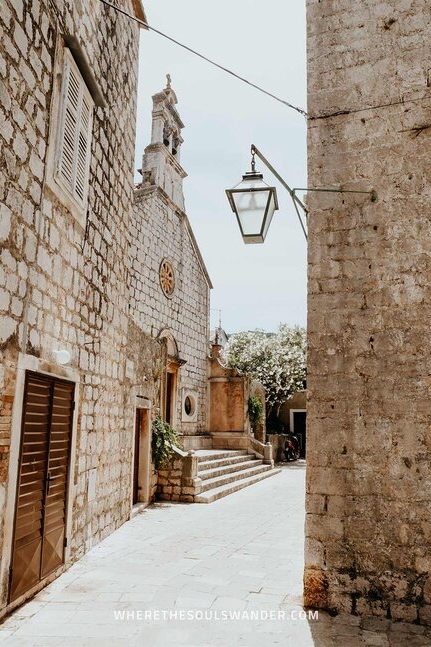
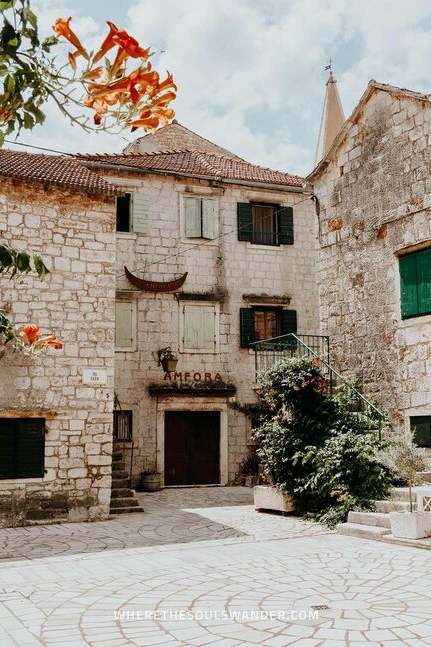
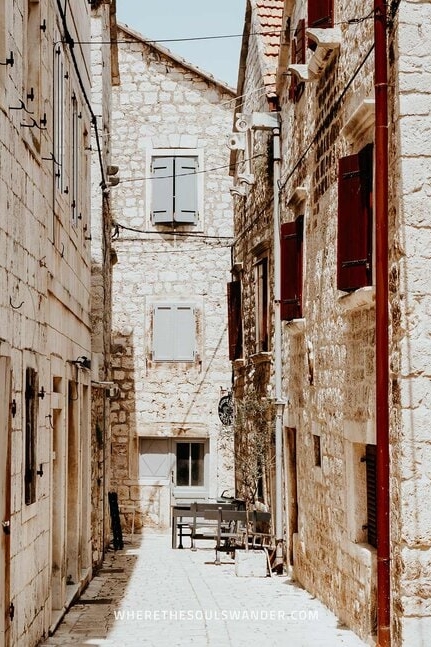
For those keen to explore an authentic side of Hvar, look no further, Stari Grad – literally meaning ‘old town’ – is the perfect place to feel the ‘real’ Hvar vibe.
The oldest town on the island, Stari Grad is an excellent alternative destination, just northeast of the bustling city centre of Hvar Town – and serves as a quiet summer day trip.
Stari Grad’s small town centre is charmed by quiet laneways, rustic white-washed buildings, historical churches, and a wide array of small locally owned boutiques and restaurants.
During my visit, I really enjoyed roaming through Srinjo Kola, a vibrant street that runs straight through the heart of town. This lively laneway is home to a great number of restaurants and cafés, souvenir shops, as well as an authentic alternative tourist board in ‘The Hvar Island Concierge’.
So, if you’re on the Island for a couple of days, make sure you take some time to experience this ‘untouched’ side of Hvar too.
Where | Stari Grad, Hvar Island
11. Enjoy a refreshing drink at Backlane Hvar
One day, when I came back to the hostel after a relaxing beach day on Pokonji Dol, I got into a chat with a friendly guy named Enrico.
After a short chat, we decided to go for a walk in search of a place to have a few drinks and we luckily stumbled upon BackLane.
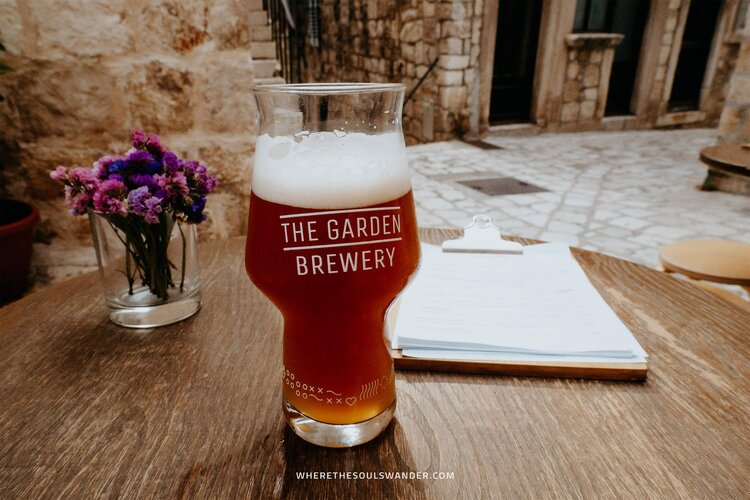
Set in a charming alley of Hvar Old Town, BackLane is a lively bar that specialises in craft beers and cocktails, all based on locally grown organic ingredients.
Since the beginning of 2020, the bar, run by three childhood friends, opened a small brewery just 200 meters from BackLane’s doorstep, resulting in a handful of delightful beers that are crafted to perfection.
Once we were seated, I ordered their locally brewed IPA, an excellent beer that is defined by a hoppy flavour and refreshing aromas. Which to me is the perfect treat during a hot summer’s evening.
On top of that, BackLane offers an authentic local setting, the most friendly staff and a great amount of knowledge when it comes to their craft, which makes it not only an excellent bar to sample local craft beers but also to sit down and chat with the Hvar locals.
Where | BackLane, Hvar Town
Opening hours | Daily 09:00 – 01:00
12. Visit the Lavender fields in Brusje
With a fragrance like no other, Lavender is a healthy aromatic plant that has been used on a daily basis since ancient times.
Nicknamed the island of lavender, Hvar once produced 8% of the world’s total lavender production.
If you follow the old road from Hvar Town for 15 minutes – or the smell of fresh lavender in the air, you’ll reach Brusje, a small village that is home to the majority of Hvar’s violet-coloured lavender fields.
Originally founded as a shepherd settlement in the 16th century, Brusje is now a village that is entirely committed to the production of lavender and rosemary etheric oils.
If you’re keen to see the lavender fields in Brusje, make sure you visit the island in June or July, when it’s the ideal time to see those lavender fields in full bloom.
This is also when the annual two-day Lavender Festival in neighbouring Velo Grablje occurs, which I sadly had to miss due to heavy rain showers and thunder.
Where | Brusje, Hvar Island

13. Enjoy the ultimate summer afternoon at Konobo Mustaco
Tucked away on Pokonji Dol – one of my favourite Hvar beaches – is Konobo Mustaco, a buzzing beach restaurant that has everything for the ultimate summer getaway feeling.
This locally-run restaurant is an incredible place to sit at any time of day, yet it is most popular for beachside breaks, a late afternoon snack, and sunset drinks.
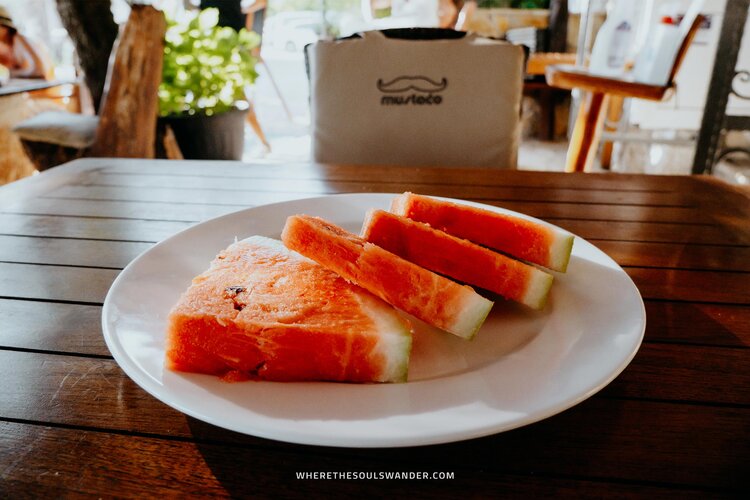
It is said that the best things in life are often pretty simple, so do as I did and order a plate of fresh watermelon and enjoy a relaxing afternoon at one of Hvar’s finest beaches.
But Mustaco isn’t only a place to seek shelter from the sizzling Mediterranean heat; it is also a great place to sample excellent traditional Dalmatian cuisine, especially for those who fancy freshly caught seafood.
On top of that, Mustaco has a large number of sunbeds for hire, perfect for those after an afternoon of swimming, tanning and relaxing – which for me, turned out to be one of my absolute favourite things to do in Hvar.
Where | Konobo Mustaco
Opening Hours | Daily 09:00 – 17:00
Cost sunbed hire | 80 – 100 HRK, (€10,75 – 13,30) for the day
Things to do in Hvar | The essentials
The best time to visit Hvar
Hvar is known to enjoy great weather year long, as it is considered one of the sunniest places in the whole of Europe.
As a result of these great circumstances, it can be extremely hot during the peak season of July and August. These summer months are also the time when the harbour is inundated with yachts, and travellers flock to Hvar in great numbers (roughly 20,000 daily visitors).
For that reason, I believe that the absolute best time to visit Hvar is during the shoulder seasons that run from April to June and from September to October.
During shoulder seasons the days are long, the temperature good, and little to no rainfall occurs, making it relaxed and enjoyable to explore the island at its full potential.
On top of that, you’ll notice significantly smaller crowds, resulting in the food and drink prices turning out slightly cheaper than during the peak season – which is a great addition.
How to get to Hvar
Whether you plan to travel around, or solely come to Croatia for Hvar, your journey most likely involves setting foot in one of the country’s most popular seaside cities; Split or Dubrovnik.
I’ve had a wonderful time in both cities, which you can read more about in my detailed Croatia itinerary.
FLIGHTS | HOW TO GET TO HVAR
If you’re planning a trip to Hvar, you probably enter Croatia via plane through Split or Dubrovnik, as both cities have an airport that host the majority of European and international airlines.
For flights to Split or Dubrovnik, I would recommend checking out Skyscanner. Their website is user-friendly, holds a great variety of airlines and grants the possibility to find great deals.
FERRY | HOW TO GET TO HVAR
You’ll be surprised how easy it is to actually get to one of Croatia’s stunningly beautiful islands.
The journey is operated by ferry, and services frequently throughout the day between most of the islands, including Brac, Hvar, Korcula, and Mjilnet, as well as the popular coastal towns of Split and Dubrovnik.
Besides the wide array of destinations, these ferries are also comfortable, affordable and punctual.
The main operators that service the islands are Jadrolinija and Krilo, and it is easy to book your tickets online. Alternatively, purchase your tickets at the ticket booth in the concerned harbour.
From my experience, I’d highly recommend booking your tickets in advance, especially during the peak summer months.
How to get from Split to Hvar | The ferry from Split to Hvar departs from the first pier at the main harbour in Split (closest to both the ticket booth and the Split town centre).
Always make sure that you’re at the right terminal by checking the number that is indicated at the dock. If you’re not completely sure, feel free to ask the ticket vendor.
The journey itself is pretty straightforward and takes roughly an hour.
Where | Split Ferry Port
Cost Split to Hvar ferry | 55 – 110 HRK (€7,40 – 14,80) one way, depending on the operator
Travel time | Roughly 1 hour
Split to Hvar ferry departure times | 07:40, 08:30, 09:00 11:00, 11:30, 13:00, 15:00, 16:00 and 17:00.
How to get from Dubrovnik to Hvar | If you’re keen to visit Hvar from Dubrovnik, you’ll have to go to the Dubrovnik ferry port, located in the neighbourhood of Gruz, roughly 25 minutes from Dubrovnik Old Town.
To get to the ferry port, grab a local bus at the Pile gate leaving for Gruz. Bus lines that operate in this area include no 1a, no 1b, and 3. More information on Dubrovnik bus lines here.
Once you arrive at the ferry port, it takes around 3 to 3,5 hours by ferry to reach the shores of Hvar.
Keep in mind that this route is serviced exclusively by Krilo, and departs once daily at 16:30.
Where | Dubrovnik Ferry Port
Cost Dubrovnik to Hvar ferry | 230 HRK (€30,70) one way
Travel time | 3 hours and 10 minutes
Dubrovnik to Hvar ferry departure times | Once daily at 16:30
How to get from Dubrovnik to Hvar | If you’re keen to visit Hvar from Dubrovnik, you’ll have to go to the Dubrovnik ferry port, located in the neighbourhood of Gruz, roughly 25 minutes from Dubrovnik Old Town.
To get to the ferry port, grab a local bus at the Pile gate leaving for Gruz. Bus lines that operate in this area include no 1a, no 1b, and 3. More information on Dubrovnik bus lines here.
Once you arrive at the ferry port, it takes around 3 to 3,5 hours by ferry to reach the shores of Hvar.
Keep in mind that this route is serviced exclusively by Krilo, and departs once daily at 16:30.
Where | Dubrovnik Ferry Port
Cost Dubrovnik to Hvar ferry | 230 HRK (€30,70) one way
Travel time | 3 hours and 10 minutes
Dubrovnik to Hvar ferry departure times | Once daily at 16:30
Safety in Croatia | Travel insurance
While Croatia is completely safe for travellers, I always aim to enter a foreign country with my travel insurance sorted out, and I highly advise anyone else to do the same.
Where we prefer to assume that everything runs smoothly during our travels, the reality is often that something can go wrong at any given moment – when that happens, it is better to be safe than sorry.
For travel insurance, I use Heymondo, as they offer full COVID-19 coverage, as well as a handy app with 24-hour medical assistance. Make sure you check it out – readers of WTSW receive 5% off any insurance policy too.
Cheers!
I’ve been on this travel blogging journey since 2019.
If you appreciate what I do here, these are some ways you can support me.

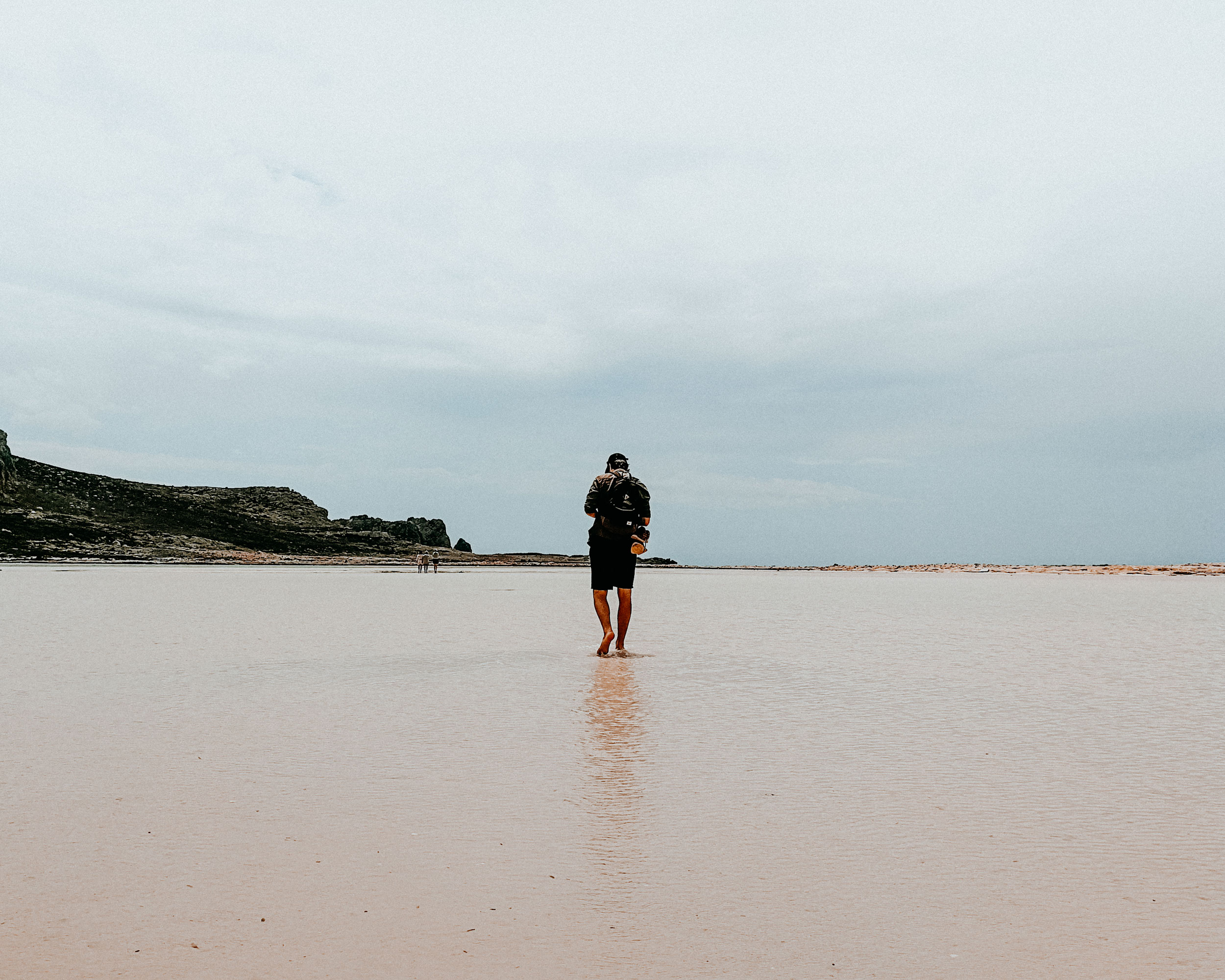
A travellers guide to Balos Beach, Crete’s incredible beach (updated 2022)
Post updated 04-08-2020 | Crete is well-known for its white-sanded beaches and crystal clear Mediterranean sea, Balos Beach is no different. This guide contains everything to help you visit this paradisiac stretch of beach in the best possible way.
If you’re keen on uncovering Balos Beach, you’ll surely be welcomed by one of the most charming landscapes Crete has to offer.
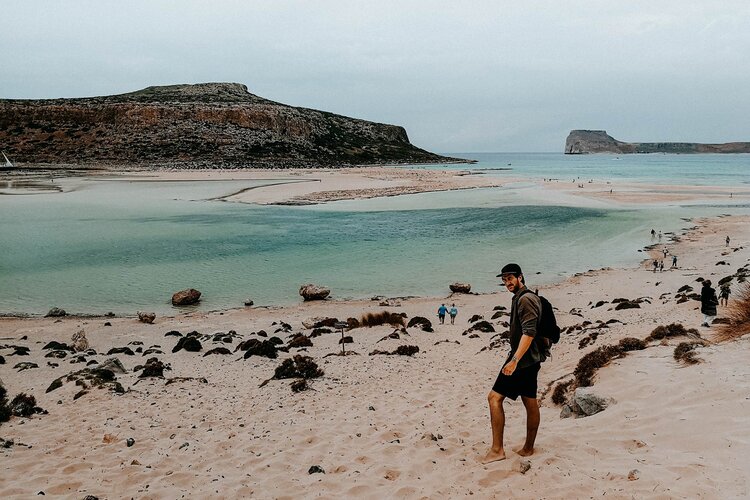
Think exotic white-sanded beaches, shallow turquoise waters, and an incredibly picturesque backdrop, formed by Tigani and Gramvousa in the distance.
Although situated in the very northwest of Crete, between Kissamos and Gramvousa, Balos Beach feels like a tropical paradise in the midst of the Caribbean sea.
For that reason alone, it is considered one of the best beaches in the Mediterranean, and therefore an absolute must-see on any Crete trip.
If you’re preparing for a day trip to Balos Beach (which I think you should), look no further, this traveller guide includes everything you need to know, from how to get there, what to pack, and the best guided tours & boat trips – plus essential travel information.
A traveller's guide to Balos Beach, Crete
Where is Balos Beach
Balos Beach is a stunningly picturesque stretch of beach (arguably the best in Crete), situated in the very northwest of Crete, poised between Kissamos and Gramvousa.
Although Balos Beach is pretty remote, 191km from Heraklion, 116km from Rethymno, and 56km from Chania, it is clearly one of the favourite Crete beaches for travellers from all over the world.
How to get to Balos Beach
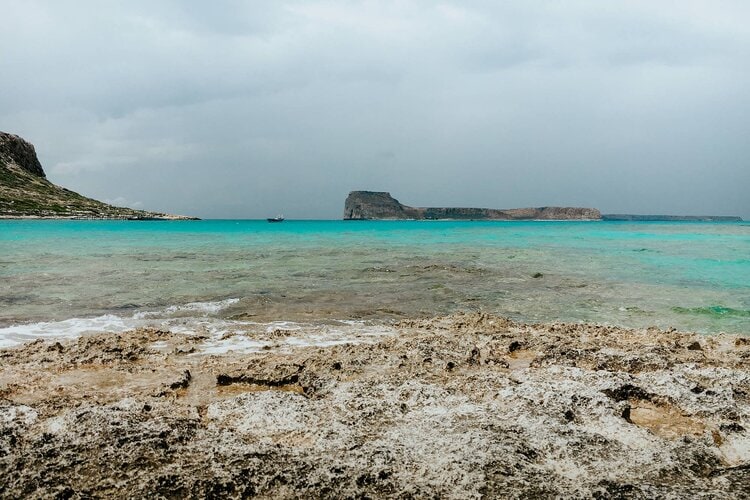
Crete makes the perfect island for a banging road trip, and if you’re keen on exploring every corner of the island, renting a car is easily the best thing you could do.
If you’re planning to do so, you’ll have all the freedom to visit Balos Beach as early as possible – plus it’s significantly easier to explore other interesting places on Crete.
For car rental on Crete, I would recommend checking out DiscoverCars. They offer excellent service, additional insurance, and a broad selection of cars, all at an affordable price.
The journey itself is pretty straightforward, as the roads on the island are in excellent condition. However, do keep in mind that the last 10 kilometres, starting at Kissamos, are off-road and bring you along a steep cliff edge.
If you drive slowly and conscious, it isn’t a big deal, yet it can be a bit challenging during the high season, when significantly more people visit Balos Beach by car.
That said, when planning to drive to Balos Beach with a rental car, check if you’re insurance is covering off-road driving. In most cases, this isn’t a problem, yet it’s better to be safe than sorry.
How to hike Balos Beach
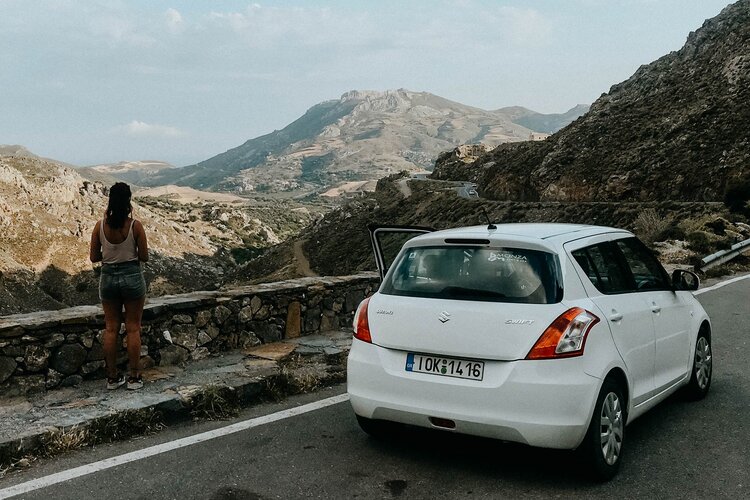
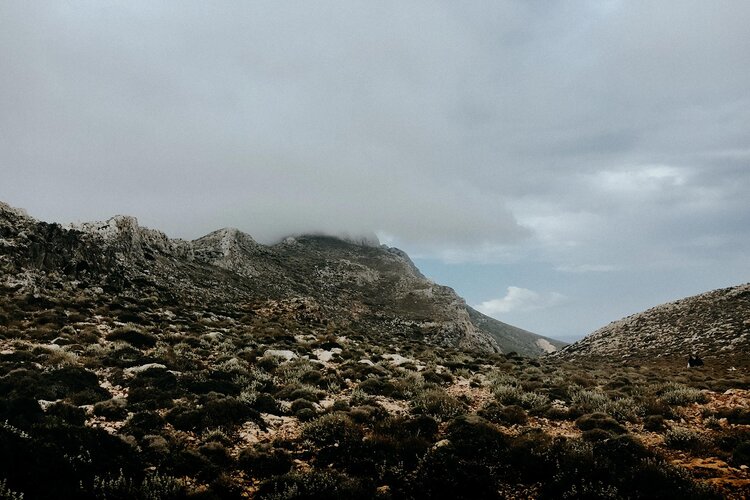
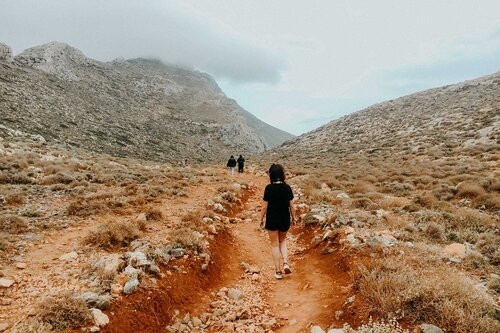
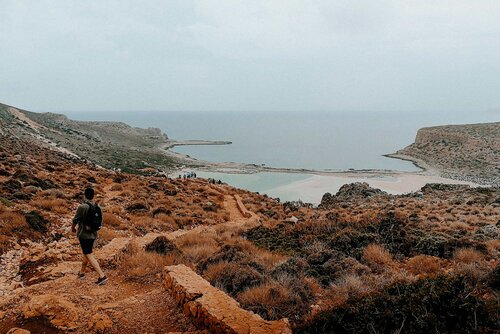
Once you reach the car park and are ready to go, take a moderate 25-minute hike down before arriving at the beach.
Along the way, you’ll pass several fascinating viewpoints, hordes of friendly-looking mountain goats, and a stall that offers donkey rides down to the beach.
If you’re following this blog for a bit longer, you probably already know that I aim to travel in the most ethical way possible. For that reason, I would sincerely discourage using animals as a form of transport.
I did the hike at a slow pace, resulting in an excellent experience, with plenty of time to take some photos along the way, and I would highly encourage you to do the same!
Although the hike isn’t the most challenging, it is good to wear decent sneakers and bring extra drinking water (preferably a reusable water bottle). Additionally, I would recommend bringing something to cover your head from the sizzling Mediterranean sun.
Join a Balos Beach tour
If a self-driving trip isn’t your cup of tea, that’s alright, there’s a great variety of guided tours available, including full-day trips, organised boat trips, and combinations of both.
Joining a guided tour comes without the hassle of driving off-road and saves you a short hike down – plus you won’t have to drive all the way back after an afternoon of swimming and relaxing.
On top of that, most tours include a visit to the charming island of Gramvousa, which makes the trip the absolute highlight of your time on Crete.
I saved you time by doing some proper research and making a list of the best Balos Beach tours.
The Balos Beach tours I recommend include:
From Heraklion: Full-Day Balos and Gramvousa Tour | A great 12-hour day trip to Balos Beach and Gramvousa.
Balos Beach and Gramvousa Day Tour from Chania | The absolute best option to visit Balos Beach from Chania.
From Rethymno: Balos Beach and Gramvousa Island | The best full-day tour to Balos Beach from Rethymno.
Setting foot on Balos Beach
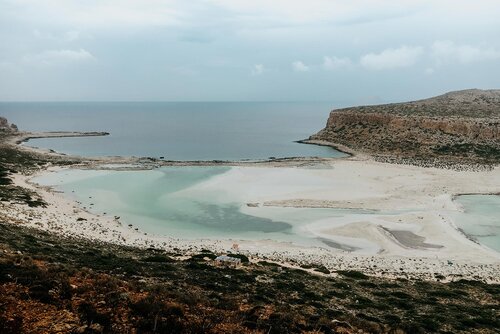
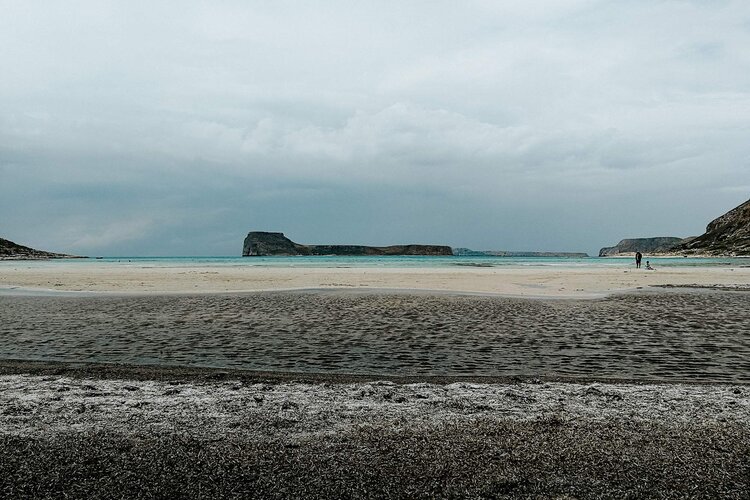
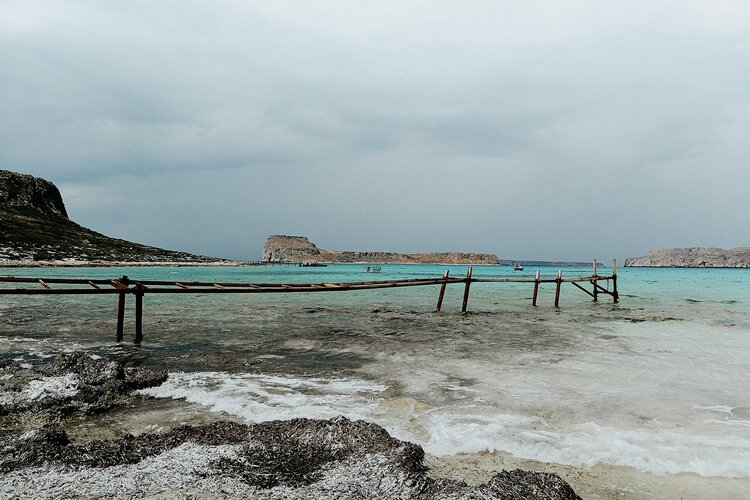
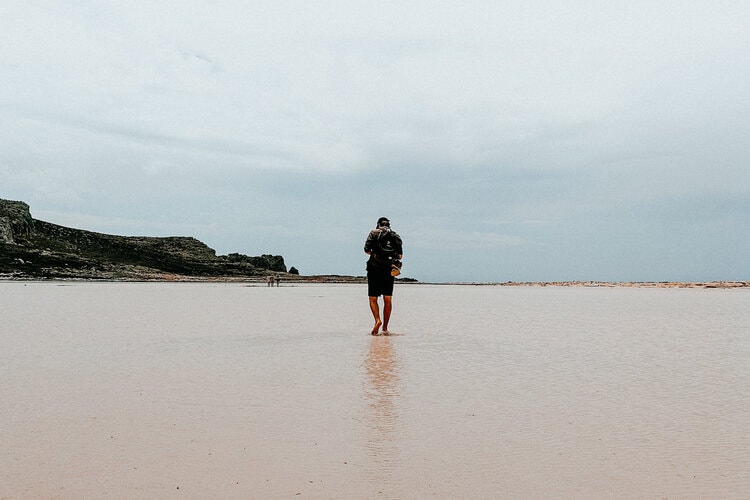
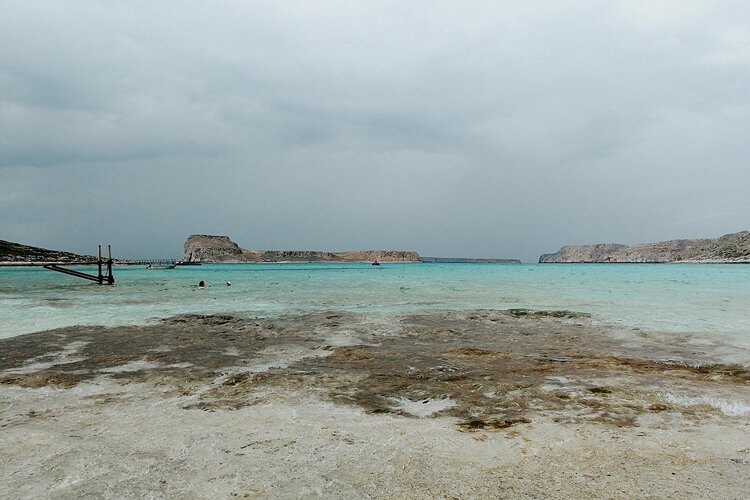
Following your journey, it is finally time to set foot on the incredibly appealing sands of Balos Beach, and trust me, arriving at the beach with no one else around is truly a mesmerising experience.
Think exotic white sand, shallow turquoise waters, and stunningly beautiful scenery, with views of Tigani and Gramvousa in the distance.
Be prepared to be left in awe by the impressive colour palette of the water and the pure beauty of the unique landscapes that surround you.
Other great beaches on Crete
Being the largest island in Greece, Crete comes with a coastline of approximately 1.046 km, resulting in a great variety of incredibly picturesque beaches, all with impressive, clear turquoise water.
Some of my favourite Crete beaches include:
Elafonissi Beach | Named one of the world’s top 25 beaches by TripAdvisor in 2014, Elafonissi Beach is a charming beach that is well known for its pink sand.
Located in the southwestern part of the island, Elafonissi was only known by locals not so long ago. At present, it is one of the absolute favourite Crete beaches to travellers and locals alike.
Where | Elafonissi Beach
Falassarna Beach | Situated at only a 20-minute drive from Kissamos, Falassarna Beach is a large stretch of fine-sanded beach that is among the best beaches in Crete. Famous for its turquoise waters, this beach is perfect for an afternoon of relaxation. On top of that, it’s great if you’re into windsurfing.
Where | Falassarna Beach
Preveli Beach | Charmed by a river that flows directly into the sea, while also dividing the coastline, Preveli Beach is a small yet incredible beach. The real draw, though, it is significantly less busy than the aforementioned beaches, making it an excellent place to enjoy some alone time under the Mediterranean sun. Next to it, you’ll find the Preveli Monastery, which is more than worthy of your visit.
Where | Preveli Beach

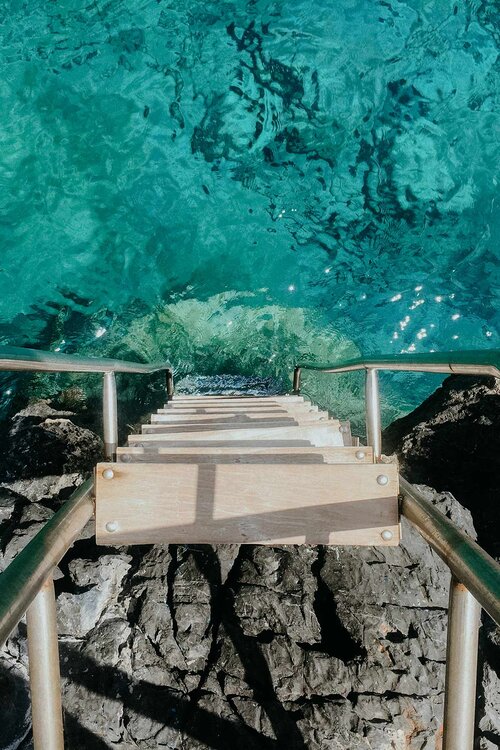
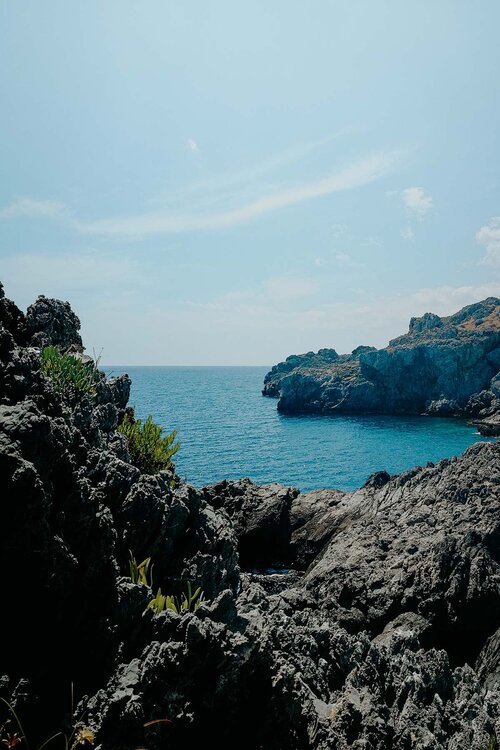
Balos Beach | The essentials
Where to stay on Crete
Chania
Porto Veneziano Hotel | Close to the Venetian harbour of Chania but not in the busiest part of town. With a panoramic view over the sea and harbour, excellent rooms and quality service, this is one of the finest places in Chania.
Rethymnon
Ammos Suites | An aparthotel that has everything you need. The design of the room looks great, and each room has a balcony or sun terrace. They have an outdoor swimming pool and the beach is within 10-meter walking distance. The town centre of Rethymnon is located within 800 meters.
Plakias
Kalypso Cretan village resort & spa | If you come mainly to relax, this place is amazing. Located between the mountains and directly at sea, this hotel provides the most stunning scenes. With facilities like an infinity pool, a private beach where you can dive and a spa, this place will help you ease your body and mind. If you stay at Kalypso, it would be wise to rent a car if you want to explore the island.
Heraklion
Abaton Island Resort & Spa | This is one of the finest-looking resorts on the island. They offer luxurious guesthouses, suites and villas. The design is inspired by the surroundings, and all accommodation options offer either an outdoor terrace, a private pool or an outdoor hot tub.
Alternatively, use booking.com to find accommodations in Crete.
The best time to visit Balos Beach
If you’re after good weather, the summer months from July till early September will be your best bet. Do keep in mind that the prices are considerably higher, and expect way more travellers around.
In my opinion, the best time to visit Crete is during shoulder season, think May, June, September, and early October.
We visited Crete and Balos Beach in May, and had great weather throughout the entire trip – plus we had the advantage that the prices were slightly lower, as well as the fortune to escape the crowds.
The best time of day to visit Balos Beach
Balos Beach is at its absolute best in the early morning, when the exotic white-sanded beach is not yet flooded with travellers and locals alike.
Alternatively, the afternoon is great for sunbathing, swimming, and relaxing, so make sure you bring a good book and some snacks.
Do bear in mind that it will be significantly busier than in the morning, as tourists from guided tours and boat trips will set foot on the coastline of Balos. The good news, though, they often stay for a short amount of time, resulting in an almost empty beach afterwards.
Safety in Greece | Travel insurance
While Greece is totally safe for travellers, I always aim to enter a foreign country with my travel insurance sorted out, and I highly advise anyone else to do the same.
Where we prefer to assume that everything runs smoothly during our travels, the reality is often that something can go wrong at any given moment – when that happens, it is better to be safe than sorry.
Heymondo | Whether you’re going on a 3-week backpacking trip or planning a long stay somewhere abroad, Heymondo has excellent insurance options either way – plus full COVID-19 coverage and a handy app with 24-hour medical assistance. Readers of WTSW receive 5% off any insurance policy; more information here.
11 Incredible things to do in Mérida, Yucatán’s capital of culture
Consecutively proclaimed to be Yucatán’s capital of culture, Mérida is an authentic city that has become an unmissable stop on any Mexico itinerary. This traveller’s guide covers everything you need to know, including what to see and do, where to stay – plus essential information and insightful travel tips.
Since its conquest by the Spanish in 1542, Mérida has been recognized as Yucatán Peninsula’s capital of culture, and that makes perfect sense to me.
Once you step foot in Mérida, you’ll intuitively feel that the city is one of a kind.
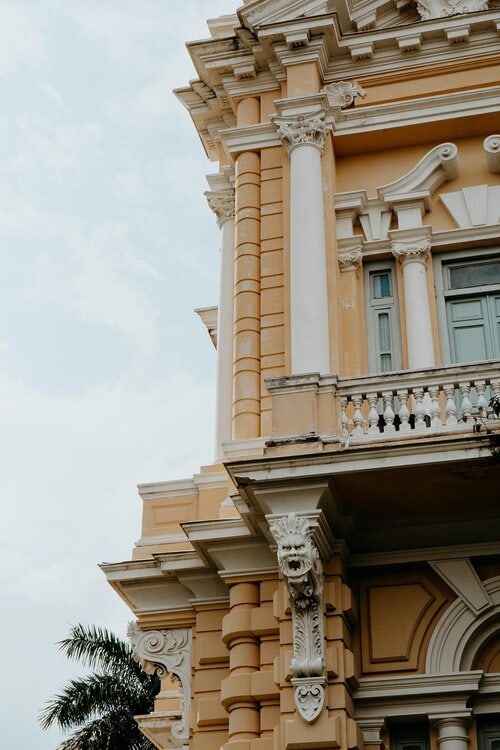
Situated in the northwest part of the state, Mérida is a lively town with a charming historic centre that is characterised by the most striking colonial architecture, tranquillizing central plazas, and bustling local markets.
Its true appeal though, is its mouth-watering Yucatecan cuisine, a great variety of interesting things to see and do, the most friendly people, and intriguing Mayan customs and culture, that is still very much present within the historic centre of town.
Although Mérida wasn’t my favourite place in Mexico (this indicates how great the region is), a trip to Yucatán is incomplete without a visit to the region’s charming capital.
For that reason, I sincerely recommend spending some time wandering its picturesque, colonial streets, while learning about the region’s rich and captivating culture.
To help you make the most out of your time in Mérida, I’ve put together this detailed guide, including the best things to see and do, where to eat, and where to stay, as well as essential information and a few helpful tips.
If you choose to use any of the links on this page, I may receive a small commission at no extra cost to you. By using these links, you’ll have a direct impact on WTSW and my ability to continue to create free insightful travel content for you. If you find any of my tips useful, you can support me by buying a virtual coffee here.
Where to stay in Mérida
Mérida is a popular stop for travellers uncovering Yucatán, resulting in a great selection of excellent accommodations.
Despite that Mérida is quite a big city, teeming with vibrant laneways and plazas, it is still pretty straightforward to find a hotel that offers both comfort and a relaxing setting.
Yet due to the city’s popularity, it can occasionally require some extra effort to find an option that meets your travel budget.
Fortunately, I saved you some time and made a list of my favourite accommodations, including some of the best budget-friendly options.
Casona 61 | This beautiful hotel is situated right at the heart of Mérida, only a stone’s throw away from all the best things to see and do. On top of that, it features air-conditioned rooms and an outdoor swimming pool.
Hotel Flamingo Mérida | Comfortable modern rooms at an excellent price-quality ratio – plus an excellent pool to escape Mérida’s sizzling heat.
Hotel Colon Mérida | Located directly in the lively streets of Mérida, Hotel Colon offers great rooms, comfortable double beds, and a large outdoor pool.
Hotel Maya Yucatán | Nestled in Mérida’s cheerful Santa Lucia neighbourhood, Hotel Maya Yucatán is surrounded by trendy cafés, inviting boutiques, and several places of interest. Perfect for those on a budget, it has comfortable rooms and a refreshing outdoor pool.
Alternatively, use booking.com to find accommodations in Mérida.
11 Incredible things to do in Mérida, Yucatan
1. Explore the marvellous Plaza Grande
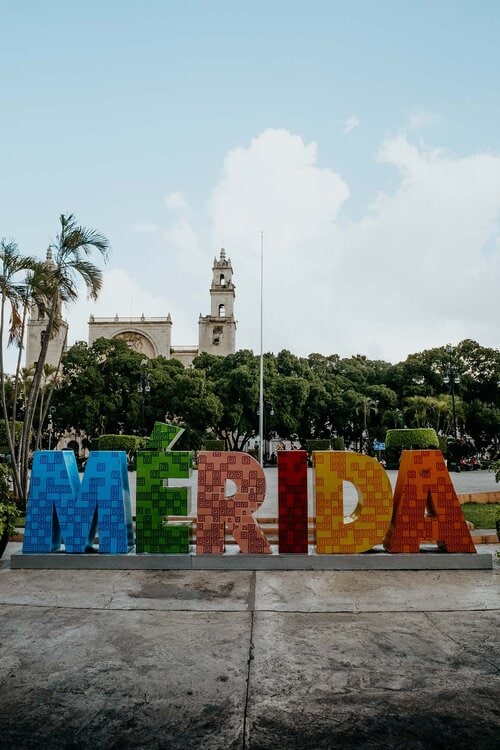
There is always something going on at Mérida’s marvellous Plaza Grande.
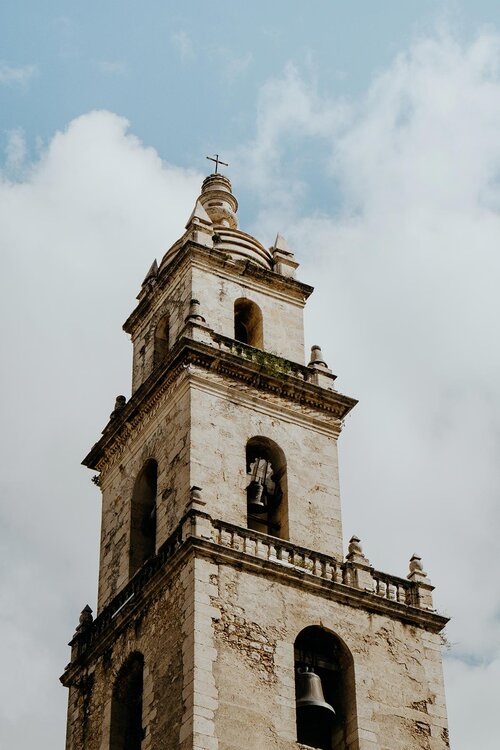
The broad central square in Mérida is charmed by the surrounding colonial buildings, the Catedral de San Ildefonso, and is abuzz twenty-four-seven.
Framed by opulent palms, and packed with friendly locals and backpackers alike, Plaza Grande is the heart of all things history and culture. For that reason, it is the starting point to explore Mérida’s most notable landmarks.
Some of my favourite historical buildings at Plaza Grande include; the Catedral de Mérida, Casa de Montejo, Palacio Municipal, and El Palacio de Gobierno. The good news though, they are all completely free to visit, so make sure you visit at least one of them.
All these buildings come to attention when joining a free walking tour of Mérida. Still, I think it is better to visit them on your own, allowing you to admire and explore each building at a slower pace.
Where | Plaza Grande, Mérida
Free walking tour Mérida | Daily, 10:00 and 17:30, starting at Museo Casa Montejo. The walking tour is in both English and Spanish. For more information, visit the free tour website.
2. Admire Monumento a la Patria
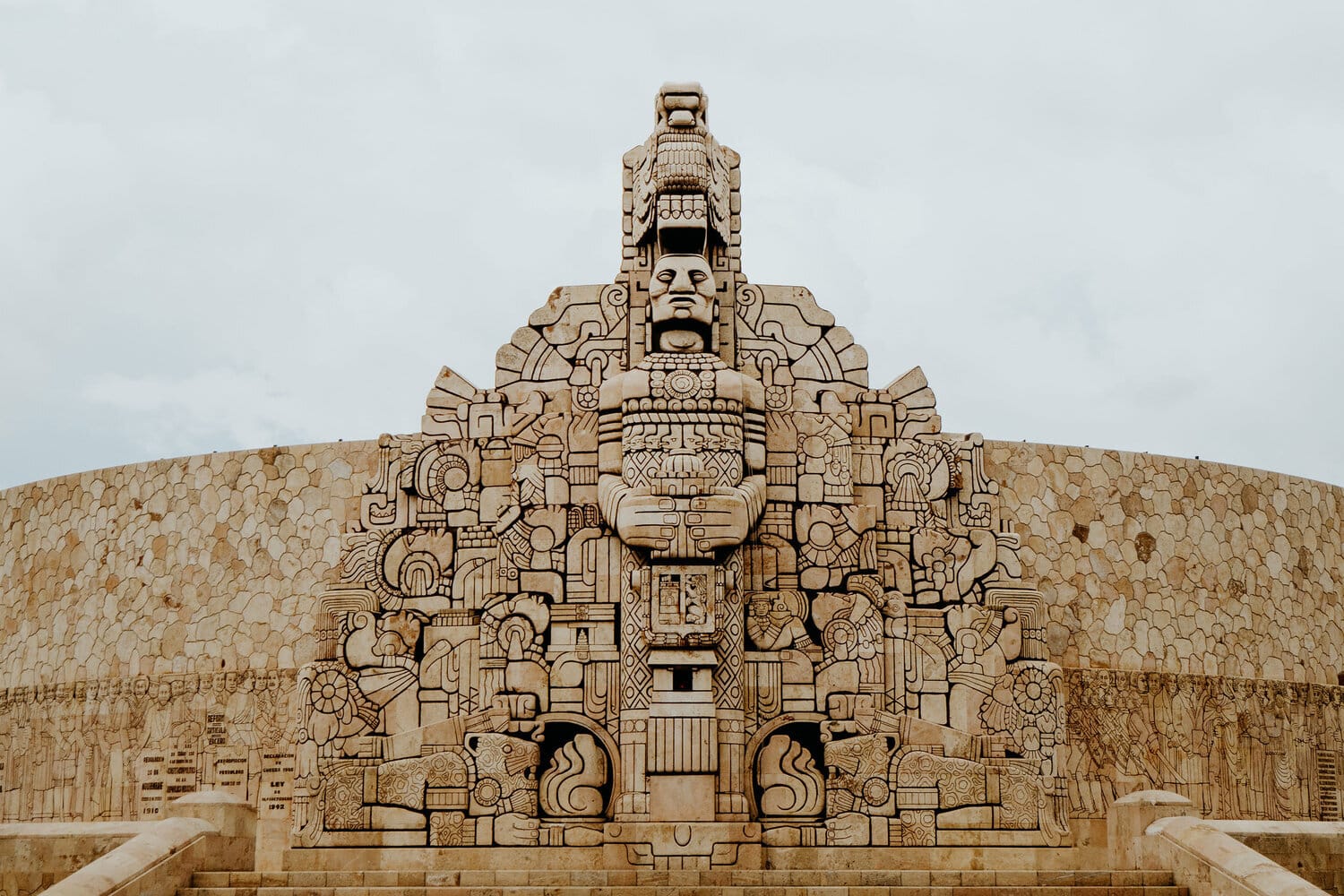
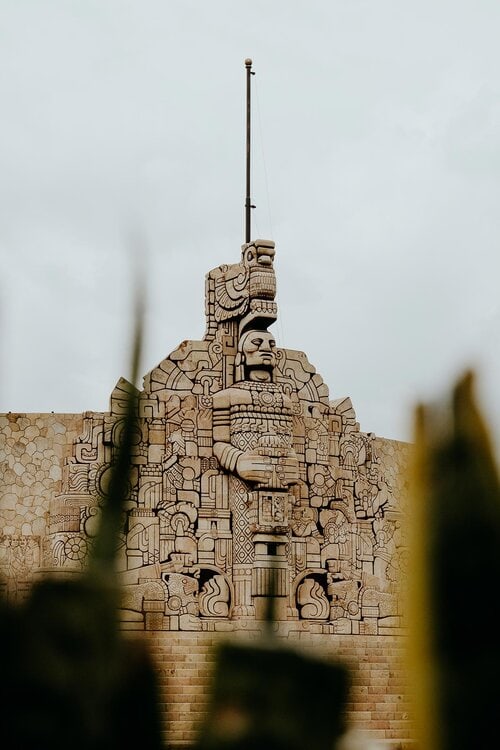
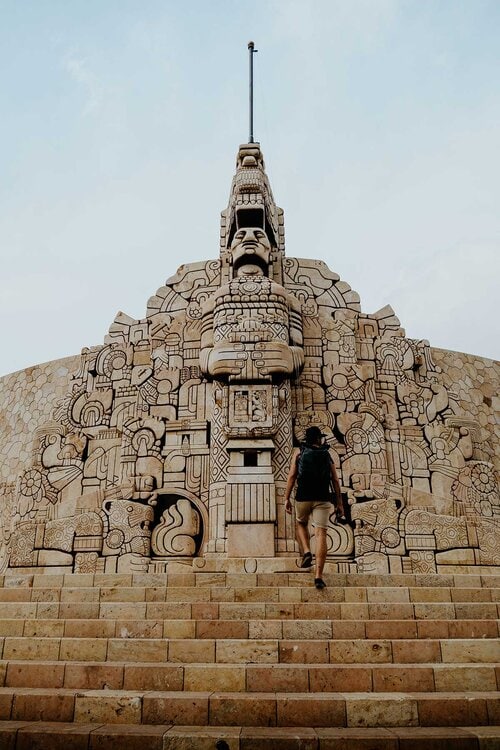
At the end of the famous Paseo de Montejo lies the iconic Monumento a la Patria, one of my favourite things to see in Mérida.
Sculpted and managed by Colombian artist Rómulo Rozo, it took roughly 12 years to complete the construction of the ornate Monumento a la Patria.
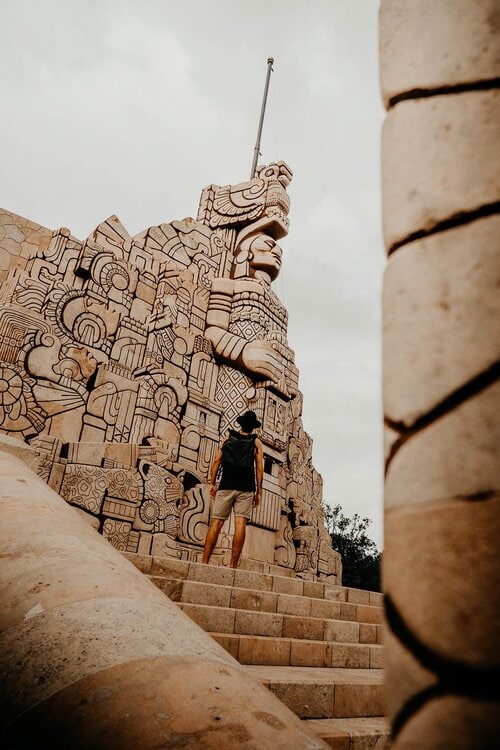
A short walk around the impressive monument reveals more than 300 hand-carved figures that tell the rich history of Mexico, from as early as the creation of Tenochtitlán, to the midst of the 20th century.
Along the way, you’ll notice several Maya figures, including a chac-mool, a sacred Ceiba tree (Mayan Tree of Life), a couple of jaguars, and even the city shield of Mérida.
If you’re keen to learn about the intriguing Maya history, make sure to drop by. Trust me, Monumento a la Patria is one hundred per cent worthy of your time!
On top of that, it makes the most impressive backdrop for your next Instagram post.
Where | Monumento a la Patria
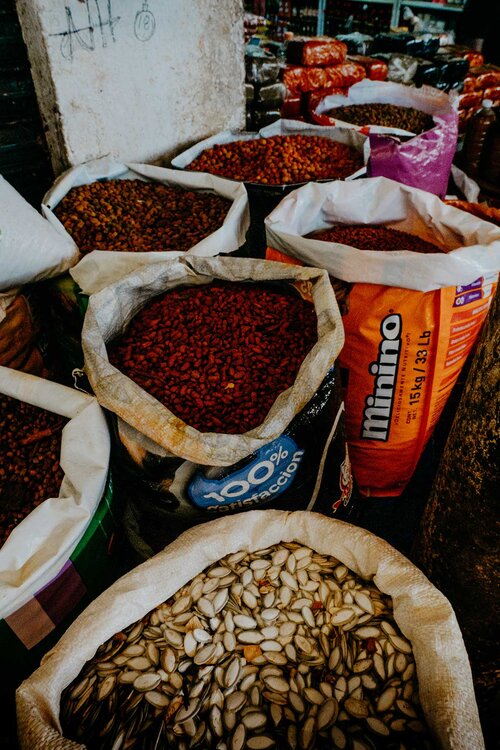
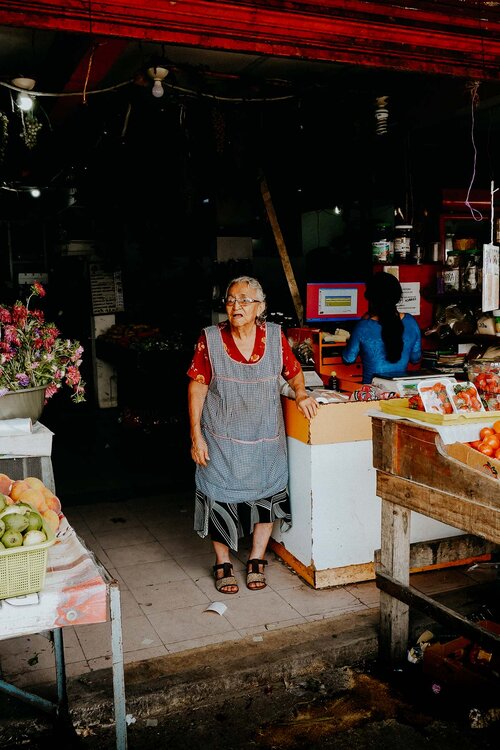
3. Take a stroll around Mercado dos Lavradores
One of my favourite ways to get a feel for a city and its people is by roaming around the local market in search of a delicacy or produce.
Nestled in the lively streets of the historic Santa Maria area is Mercado dos Lavradores, an average-sized covered market where you find plenty of market stores selling all sorts of local produce, including fruits, vegetables and fish to name but a few.
While all products found here are of tremendous quality, there was one section that particularly caught my attention, namely the exotic fruit section.
Though I’m entirely sure you stumble upon fruits you’ve never seen before, I’d highly advise not to sample every tempting-looking piece of fruit – Mercado dos Lavradores is somewhat notorious in terms of prices.
If you have all sorts of fruit cravings after your visit to Mercado dos Lavradores (which makes sense), make sure you visit one of the street vendors instead, as they often offer the same fruits at a friendlier price.
Another thing worth noting is that Mercado dos Lavradores is closed during the weekends.

4. Sample Merida’s best gelato at Pola Gelato Shop
Set in the colourful streets of Mérida’s Santa Lucia neighbourhood is POLA Gelato Shop, a must-visit for anyone looking to taste the most exceptional flavours of ice cream.
If like me, you avoid consuming dairy, you’re most likely familiar with the struggle to find good vegan ice cream during your travels. Fortunately, POLA Gelato solves this problem, they’re basically wizards when it comes to their craft.
As a result, you’ll have a great variety of inventive flavours to choose from. Think Sour Orange with Cherries, Cinnamon with Caramelized Pineapple, Blue Cheese with Apple Compote, and my favourite: Chili Chocolate.
On top of that, they serve a selection of classic flavours, including Vanilla, Lime, and Chocolate.
But what I liked most, and why I came back (twice), was the way Pola combines classics elements with local flavours that characterize Mérida.
Make sure you stop by, trying these distinctive flavours is easily one of the best things to do in Mérida.
Where | POLA Gelato Shop
Opening hours | Monday – Saturday 12:00 – 22:00, Sunday 11:00 – 22:00
Cost | 35 MXN, ($1,55) per scoop



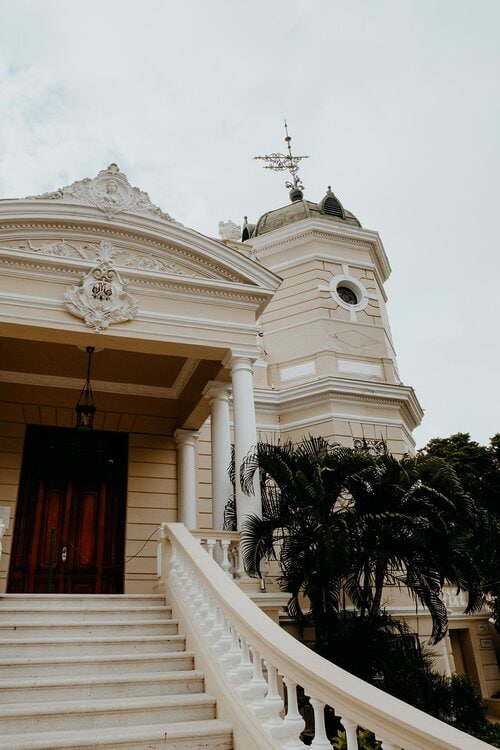
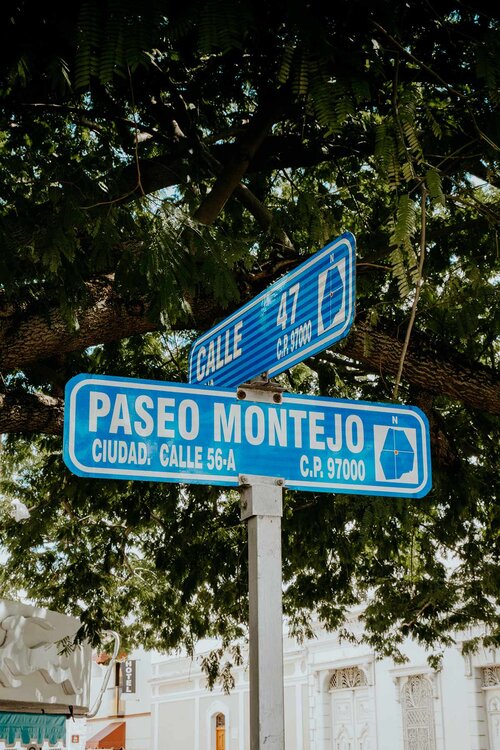
5. Admire the architecture on Paseo de Montejo
Visiting Mérida without walking along the scenic avenue of Paseo de Montejo is, in my opinion, an absolute no-go.
The wide avenue of Paseo de Montejo is often referred to as the Champs-Élysées of Mérida, and is home to authentic colonial mansions, inviting boutiques, vibrant restaurants, and iconic museums.
Museums that I recommend visiting along Paseo de Montejo include:
Palacio Canton | Built in the early 1900s, Palacio Canton is a former mansion that highlights the best colonial architecture in Mérida. Since its renovation in 2012, the opulent Palace has been re-opened as a museum, allowing visitors to examine a bunch of intriguing Mayan and Yucatecan artefacts.
Cost | 60 MXN, ($2,65) per person. The entrance fee varies, depending on temporary exhibitions.
Opening hours | Daily 08:00 – 17:00, Monday closed
Quinta Montes Molina | Surrounded by a vast lush garden is Quinta Montes Molina, a luxurious mansion of remarkable grandeur. Built during the Porfirio Díaz period by successful Cuban businessman Don Aurelio, the stately mansion is a great representation of the wealth that came with the henequen boom in Yucatán. At present, visitors are allowed to access the mansion and admire the eclectic architecture and neoclassic tendencies.
Cost | 85 MXN, ($3,70) per person
Opening hours | Monday – Friday 09:00, 11:00, and 15:00, Saturday 09:00, and 11:00, Sunday closed. Quinta Montes Molina is only open to visitors who join a guided tour.
Make sure you keep your eyes open when walking along Paseo de Montejo, there are many more incredible mansions to see. Some of my favourites include Casa Vales, Casa del Minarete, Casa Gemelas, and Casa Peón de Regil.
6. Visit the impressive ruins of Uxmal
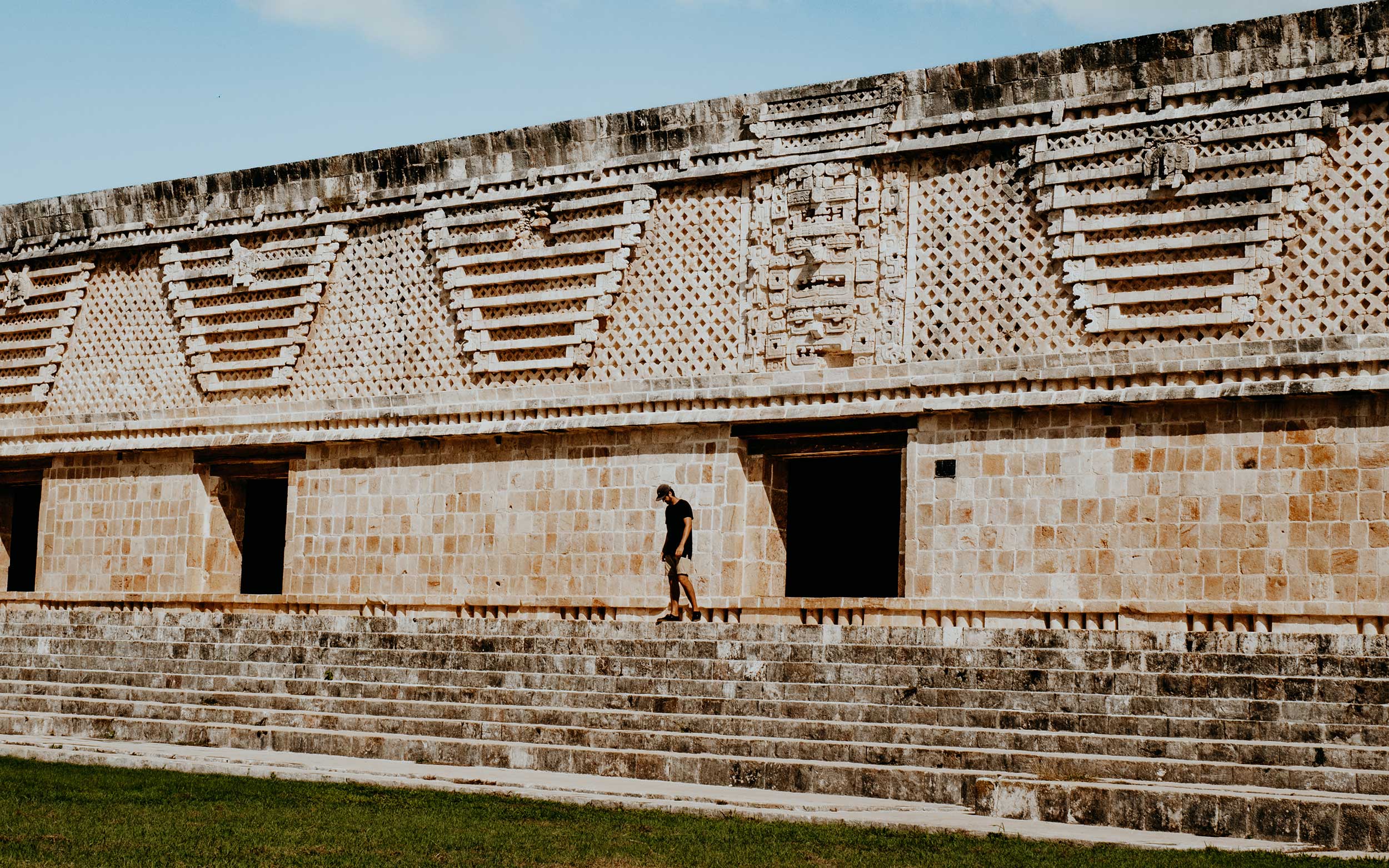
Where most travellers head only to Chichén Itzá (yes, it is exceptional), I was, quite frankly, more hyped to head for the incredibly ornate ruins of Uxmal.
Situated at only a stone’s throw away from Mérida, and encircled by lush jungle lies Uxmal, an ancient Mayan city that is easily one of the best-preserved archaeological sites in Yucatán.
Upon arrival, you’ll notice that the spacious complex is made up of a bundle of exhilarating structures, all expressing the cities former historical opulence
These structures are of incredible grandeur; the Pyramid of the Magician, Governor’s Palace, and the Great Pyramid, should surely not be missed during a visit to Uxmal.
The real draw though, is a unique possibility to ascend to the summit of the Great Pyramid. Here you’ll have the most impressive panoramic views over the entire city and surrounding jungle.
For these exact reasons, I advise anyone who is visiting Mérida to embark on an adventurous day trip, exploring the ruins of Uxmal.
Where | Uxmal Ruins, Yucatán
Entrance fee | 413 MXN, ($18.85) per person
Opening hours | Daily 08:00 – 17:00
Recommended tour | Uxmal ticket with Welcome Hospitality Suite
7. Eat your heart out at Mercado 60
At only a stone’s throw away from the popular Santa Lucía park, an energetic open-air food court exists.
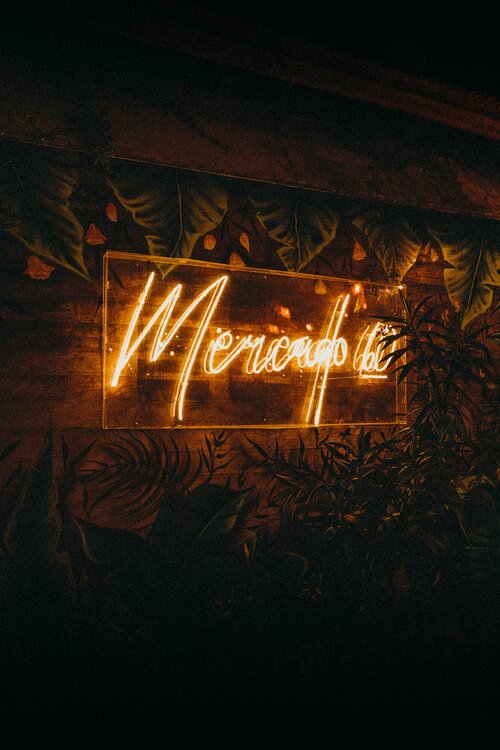
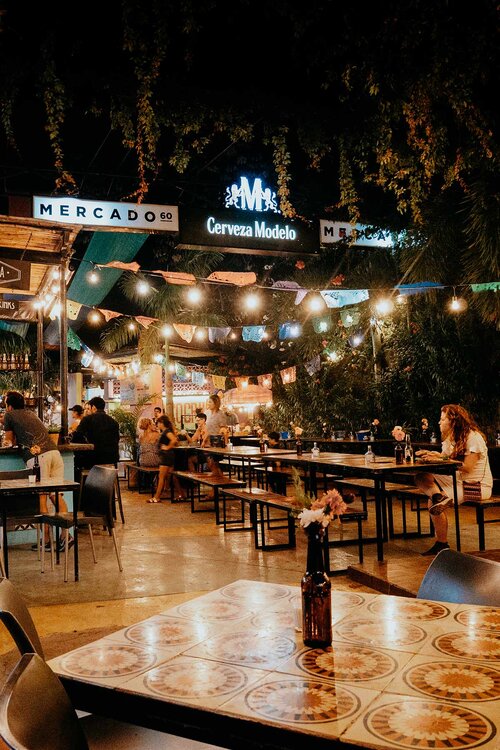
Tucked away in an atmospheric garden, and charmed by zigzagging string lights, glowing neon signs, and extended sharing tables, Mercado 60 is a must-visit for every seasoned foodie.
Every night, the garden comes alive with trendy cocktail bars, mouth-watering street food stands, and cheerful live bands playing the most relaxing melodies. As a result, it is teeming with joyful locals and travellers, that all seem to have the time of their lives.
No matter what food you’re after, I’m sure you’ll find it at Mercado 60.
The gastronomic Valhalla brings together 18 different restaurants, offering a wide variety of culinary comfort food, including Asian, American, Italian, French, and of obviously Mexican.
Some of my favourite food stands include:
Ichi Sushi | Serves excellent Sushi and Ramen. Make sure you try their Chipotle Ramen or Habanero Black Ramen.
La Burger House | If you crave an excellent, juicy burger, La Burger House it is.
El Ring Con Wings | All things wings – plus fried onion rings and wedges, simple but very yummy.
Where | Mercado 60, Mérida
Opening hours | Daily 18:00 – 01:00

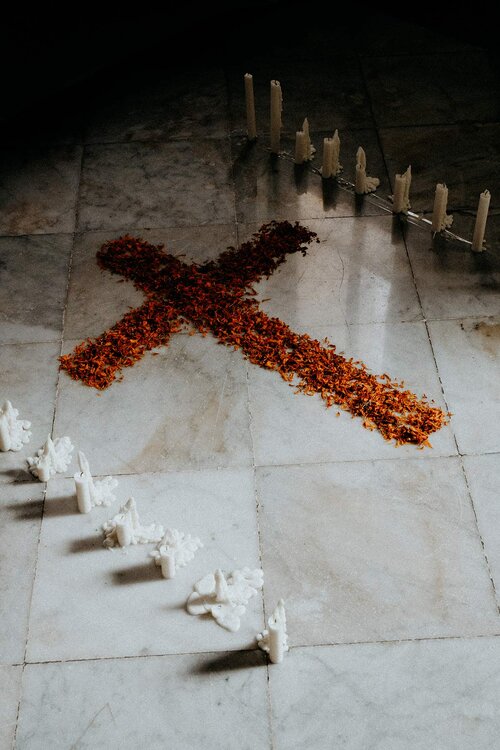
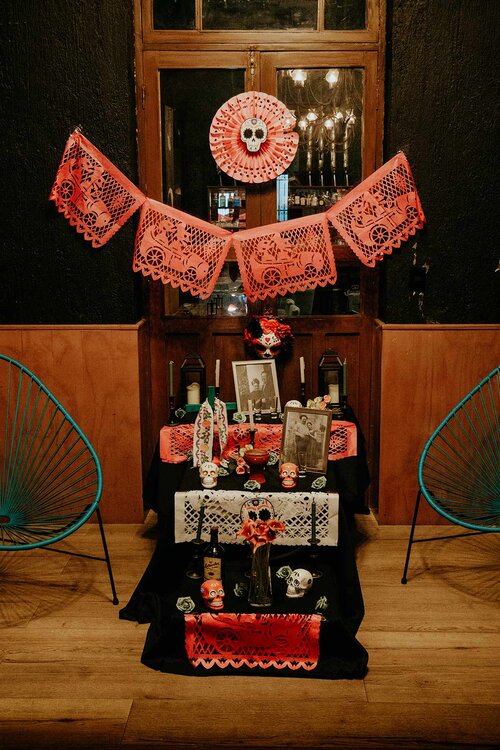
8. Celebrate Hanal Pixán – Dia de los Muertos
Despite that it is inevitable, death is a topic that most people seldom talk about.
Not in Mexico though. On the contrary, they embrace and celebrate it.
Every year from October 31 to November 2, Dia de Los Muertos occurs, a traditional Mexican holiday, where family and loved ones gather to remember those who are no longer among them.
All of this is based on Mexican culture, where death is seen as a natural sequence in the cycle of life. For that reason, Mexican people choose to celebrate, accept and support the spiritual journey of deceased relatives, instead of lingering in grief and sadness.
I can only say that I deeply admire this philosophy, as it fully resonates with my personal spiritual beliefs.
If there’s one thing you shouldn’t miss during Hanal Pixán (Mayan name for Dia de Los Muertos), it will surely be Paseo de Animas, a mesmerizing parade where hundreds of people take part in, all with gorgeous sugar skulls painted on their faces.
Unfortunately, I was informed of the incorrect timetables, resulting in missing the entire parade. Make sure you don’t let this happen to you.
When | From 31 October till 2 November

9. Grab a morning coffee at Manifesto Mérida
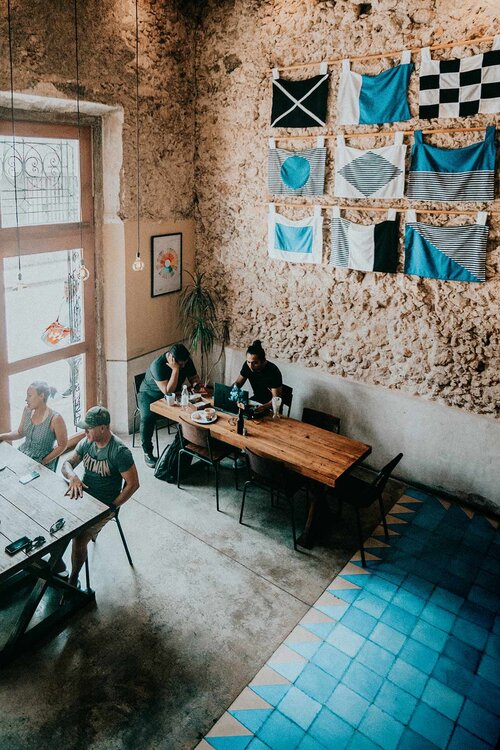
Run by two warm-hearted people from Calabria, Italy, Manifesto brews the most delicious coffee, by merging exquisite Italian Barista techniques along with top-notch Mexican beans.
As soon as you set foot in Manifesto you’ll feel there is a somewhat hipster-ish, yet extremely relaxing vibe going on – making sure you feel welcome every time of the day.
The trendy café features attractive contemporary design; an elevated ceiling, rustic wooden details, and an ornate pattern of tiles, while still showcasing its former colonial charm.
All this makes Manifesto not only an outstanding café to treat yourself on a coffee and smashed avocado on toast, but also to grab your laptop and get some digital work done.
One afternoon, while enjoying a delicious latte with almond milk, I dotted out my adventures to the ruins of Uxmal (read my detailed guide here!). With fast free WIFI, this was a welcome find before I resumed exploring Mérida.
Where | Manifesto Mérida
Opening hours | Monday – Friday 08:00 – 21:00, Saturday – Sunday closed

10. Shop till you drop
Roaming through the streets of Mérida taught me one thing – the entire city centre is dotted with inviting boutique stores, artistic handicraft shops, and impressive art galleries.
Whether you’re after a fresh guayabera (button-up shirt), a Panama hat, or a handcrafted souvenir, I’m sure you’ll happen to find something that draws your attention.
The majority of shops are found at Paseo de Montejo, yet I recommend strolling through every corner of the trendy Santa Lucia neighbourhood. Believe me, some of the best stores are found right here.
Some of my favourite stores include:
Happening Mérida | Located along the lively Paseo de Montejo, Happening Mérida is a trendy concept store that sells unique clothing, accessories, and home decoration.
Where | Paseo de Montejo 468, Mérida
Folks Mérida | If you’re a fan of button-up shirts that are slightly different, this is your place. Think colourful prints, distinctive patterns, and smooth textures. On top of that, they sell a wide variety of excellent clothes, both for men, women and children.
Where | Calle 55, Parque Santa Lucia
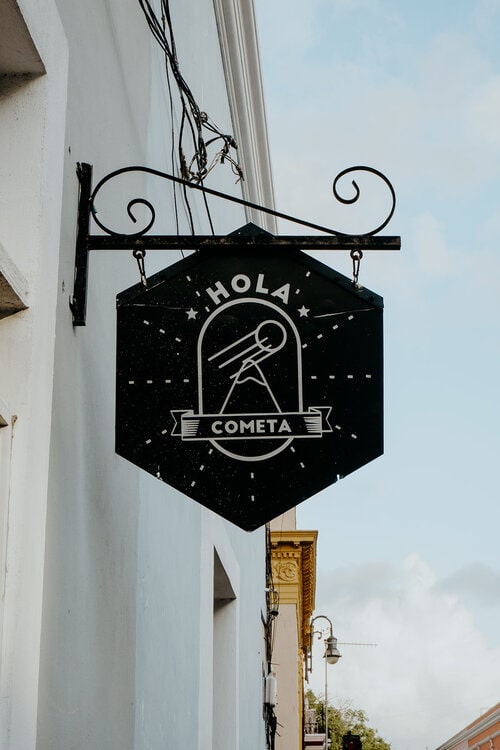
Hola Cometa | Perfect for creative, arty souvenirs, selling postcards, patches, and other inventive gadgets.
Where | Calle 55 510A, Parque Santa Lucia
Amerindio Hombre | Sells well-crafted men’s clothes and accessories, including button-up shirts, bracelets and Panama hats. Ooh, don’t forget to see their leather goods, they are on a whole nother level.
Where | Calle 62, Parque Santa Lucia

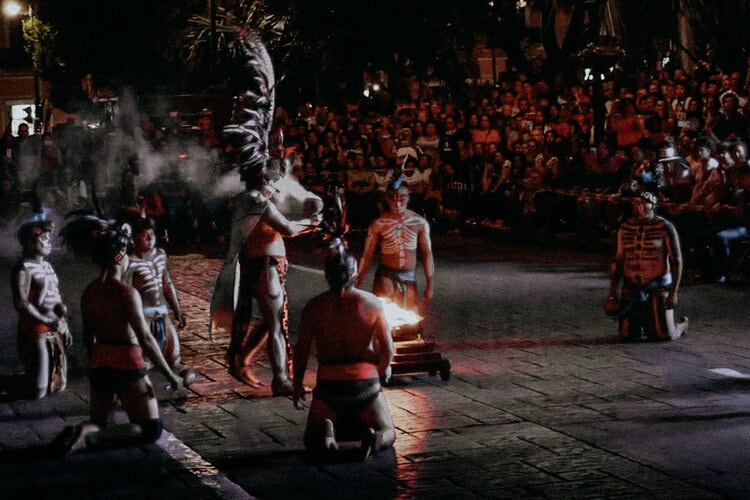
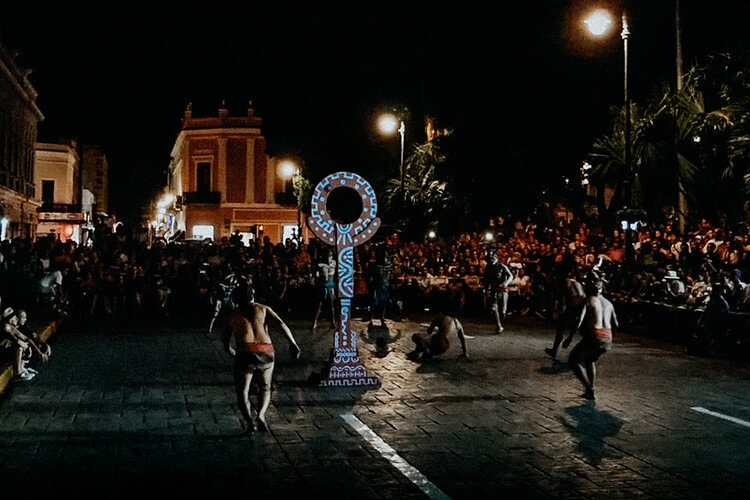
11. Witness Pok ta Pok, an ancient Mayan ball game
Every Friday night, the avenue in front of Catedral de Mérida is brimming with locals and travellers, all wanting to receive a glimpse of Pok Ta Pok, an exciting ancient Mayan ball game.
First played roughly thousands of years ago by ancestral Mayan citizens, Pok Ta Pok was part of an intriguing, sacred ritual, pitting good against evil.
Two teams, each of four male players, are faced against each other, aiming to manoeuvre a five-pound ball through a stone hoop, using only their hip or thigh.
Legend has it, that the winners were sacrificed to gratify the gods – which was then seen as a great honour to Mayan people.
At present, the game is still played with a great amount of pride (luckily, without the sacrifices), as it is of great importance to the people of Yucatán and their captivating culture.
Attending this unique ball game is in my opinion, one of the best things to do in Mérida.
Where | Catedral de Mérida
When | Every Friday from 20:30. Make sure you get to the cathedral a little early.
Things to do in Merida | The essentials
The best time to visit Merida, Mexico
Like most countries in the Caribbean, Mexico has great weather year-round.
But do bear in mind that the rainy season runs from May till October. It is a common fact that tropical destinations are often unpredictable during this period.
I visited Mérida during Día De Los Muertos (what a unique experience that is), and had great weather throughout my entire stay – plus I noticed that the prices were slightly lower than in the high season.
That said, the absolute best time to visit Mérida is between November and April, with November providing the best weather to tick off the best things to din Mérida and its surroundings.
How to get to Mérida
ADO bus | Mérida is super easy to reach, especially if you use the ADO busses. Public transport in Yucatán is comfortable, affordable and punctual. It sincerely is among the best I’ve ever used during my travels.
From Valladolid to Mérida
Where | Valladolid Bus Terminal
Cost | 240 MXN, ($10.40) per person
Travel time | The journey takes roughly 2 hours
From Campeche to Mérida
Where | Campeche Bus Terminal
Cost | 278 MXN, ($12) per person
Travel time | Expect the journey to take around 3.5 hours
For additional information, up to date timetables, and online reservations, visit the ADO website.
Car | If you’re travelling from Valladolid via car, it’s a pretty straightforward journey. As soon as you leave Valladolid, head for Mérida by following the 180D and 180O. This journey takes roughly 2 hours.
Yucatán is one of the safest regions in Mexico, making it perfect for an adventurous road trip.
By renting a car, you have all the freedom to adjust your itinerary – plus it’s significantly easier to plan day trips.
For car rental in Yucatán, I would recommend checking out DiscoverCars, as they offer excellent service, additional insurance, and a broad selection of cars, all at an affordable price.
Safety in Mexico | Travel insurance
While Mexico is perfectly safe for travellers, I always strive to sort out my travel insurance before arriving in a foreign country, and I highly advise anyone else to do the same.
Where we prefer that everything goes smoothly during our travels, something unfortunate can happen at any moment, whether it’s an injury or an accident on the road. When that happens, it is better to be safe than sorry.
Heymondo | Whether you’re going on a 3-week backpacking trip, or planning a long stay somewhere abroad, Heymondo has excellent insurance options either way – plus full COVID-19 coverage and a handy app with 24-hour medical assistance. Readers of WTSW receive 5% off any insurance policy, more information here.
Cheers!
I’ve been on this travel blogging journey since 2019.
If you appreciate what I do here, these are some ways you can support me.

My 3-week Mexico itinerary: Uncover the absolute best of Yucatán
Uncover the best of Yucatán with my 3-week Mexico itinerary, including what to see and do, the best day trips, where to stay, and the best time to visit – plus all the essentials to help you have an incredible time.
Mexico is, without a doubt, the best possible introduction to travelling in Latin America.
At the moment, the Yucatán Peninsula in Mexico is among the most popular travel destinations in the world, and that’s for a good reason.
From the well-preserved ancient Mayan ruins to the mysterious underworld-ish cenotes, the paradisiac stretches of palm-fringed beaches, to the bright-coloured streets of authentic colonial towns, Yucatán is absolutely superb.
In addition to all this beauty, there is the most mouth-watering local food, excellent weather year-round, and the captivating and ever-present Maya culture, that was way ahead of their time.
After spending 3 weeks in Yucatán, I’ve crafted together my detailed Mexico itinerary – all based on my personal travel experiences, to ensure you’ll uncover the absolute best things to see and do in Yucatán.
On top of that, you’ll find advice on where to stay, and how to get around – plus travel essentials and helpful tips, to help you make the most out of your time in Yucatán, Mexico.
If you choose to use any of the links on this page, I may receive a small commission at no extra cost to you. By using these links, you’ll have a direct impact on WTSW and my ability to continue to create free insightful travel content for you. If you find any of my tips useful, you can support me by buying a virtual coffee here.
Where is the Yucatán Peninsula Mexico
Yucatán is an incredibly picturesque region situated on the eponymous Yucatán Peninsula in the most southern part of Mexico, and is encircled by the Gulf of Mexico and the Caribbean Sea.
This particular part of Mexico was once home to the famous Maya civilization and shares borders with both Guatemala and Belize.
The popular Yucatán region is split into three states, including Yucatán, Campeche, and Quintana Roo, and is considered one of the best destinations in the Caribbean.
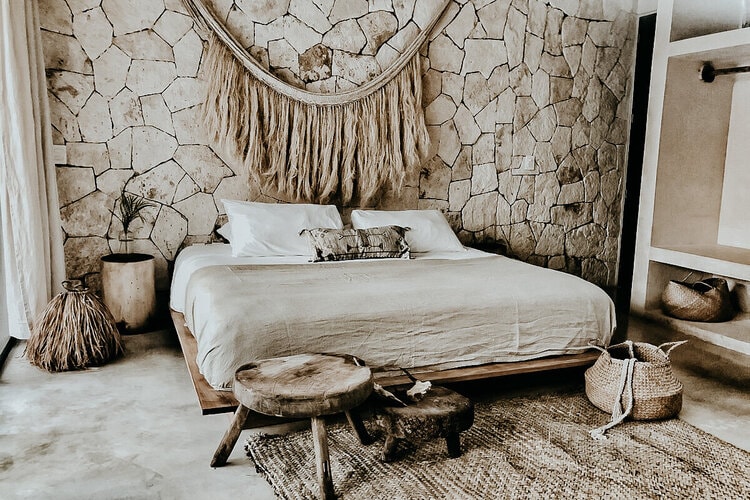
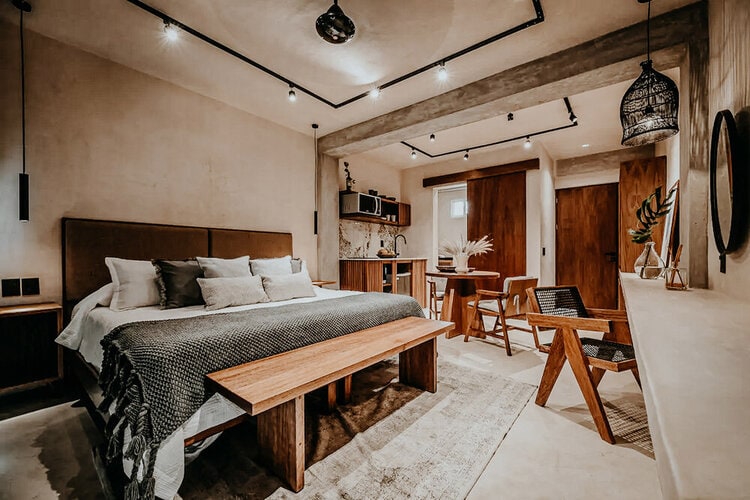
Where to stay in Yucatán, Mexico | Yucatán accommodation
The popular Yucatán Peninsula is continually claiming its name as one of the best travel destinations in the Caribbean, and accordingly, accommodation to fit any budget can be found here.
Think backpacker-friendly hostels, homey Airbnbs, and luxury hotels – but also some of the most progressive Eco-resort with your private slice of beach next to the mesmerizing Caribbean Sea.
When planning your trip, bear in mind that the cost of accommodation ranges anywhere between $20 – $250 a night.
Booking.com
As a solo traveller, my favourite website to find accommodation is booking.com.
Not only is it home to an extensive range of great accommodations, but it’s also super easy to use, not to mention that options to fit any budget are found here.
On top of that, you can cancel your booking at any given time, without any cost – perfect if you suddenly wish to adjust your Mexico itinerary.
That said, if you’re looking for a hostel, apartment or hotel, make sure to search for an option that fits your requirements on booking.com.
My 3-week Mexico itinerary | Daily overview
Day 1 | Arrival in Cancun
When you’re planning a road trip through the Yucatán Peninsula, it is almost inevitable that your flight won’t arrive at the Cancún International Airport. It is, therefore, no surprise that Cancún will be the first stop on this Mexico itinerary.
To me, Cancún felt a bit too inauthentic, which doesn’t necessarily match my travel preferences. However, due to my late arrival, I decided to spend one night here, before moving to Isla Holbox.
For that reason, I can’t give my honest opinion on Cancún. What I do know, is the fact that it’s a great city to relax and get your bearings after a long and exhausting flight.
Even though there are a lot of negative words spoken when it comes to Cancún, it simply wouldn’t be fair to go with the masses and put a negative stamp on it.
CANCÚN | ESSENTIALS
Where | Cancún, Quintana Roo
Where to stay in Cancún | After a long flight, I always try to search for the most comfortable, budget-friendly accommodation possible. For Cancún, this was Terracaribe Hotel Boutique, which I highly recommend.
Alternatively, use booking.com to find accommodations in Cancún.
How to get around Cancún | Cancún is easily explored by foot. Alternatively, take a local bus or taxi.
Day 2 – 4 | Isla Holbox, Mexico’s idyllic island
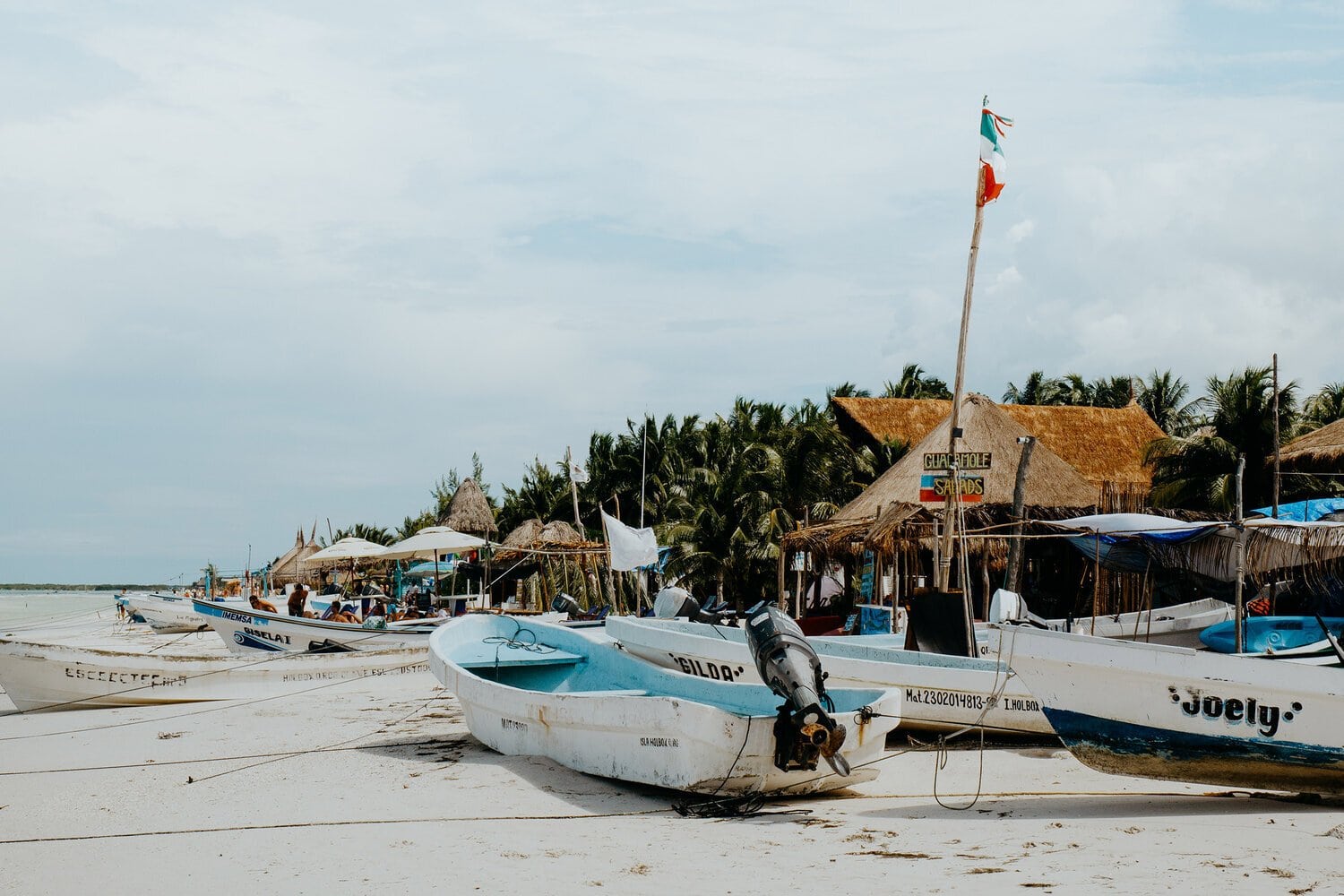
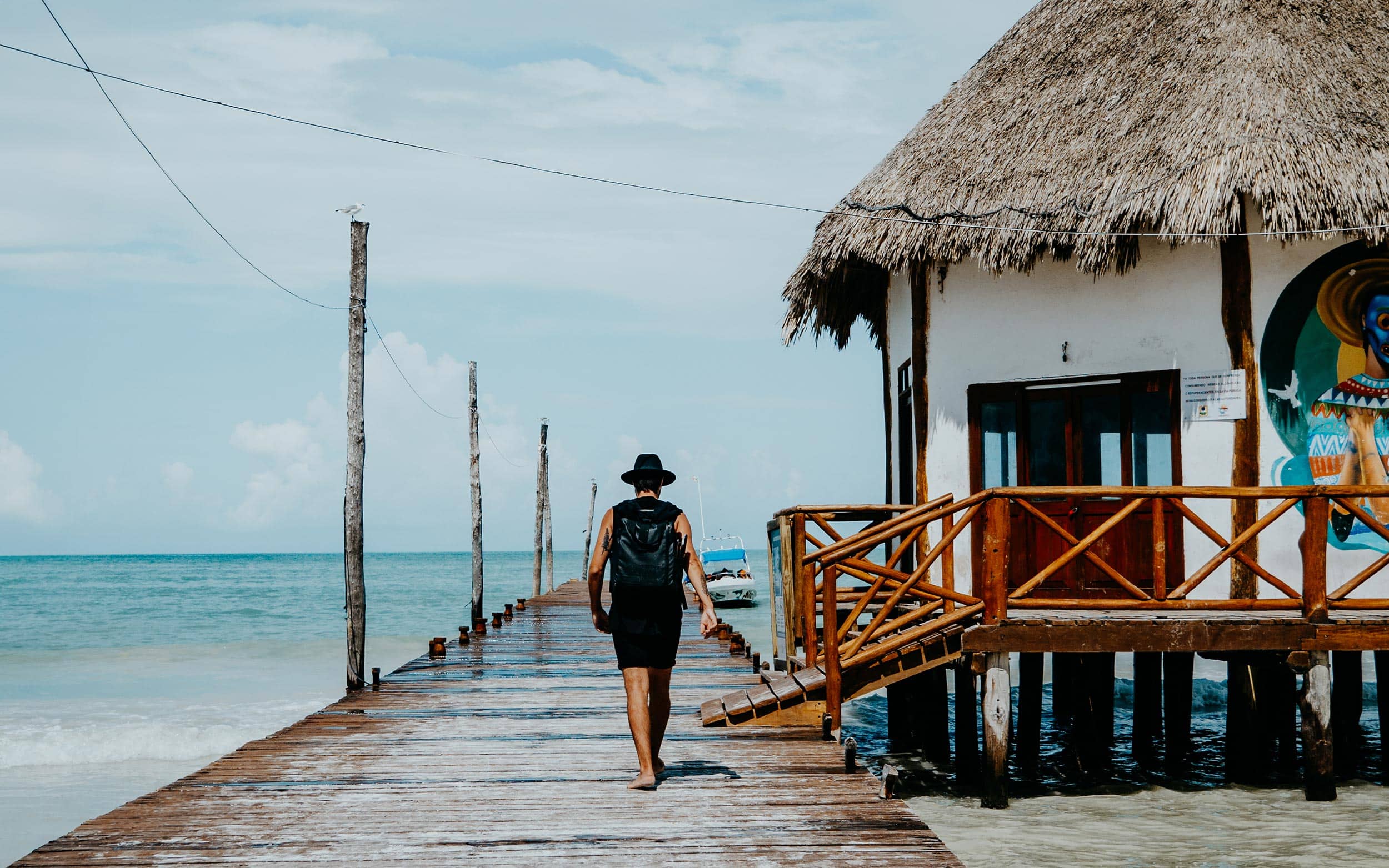
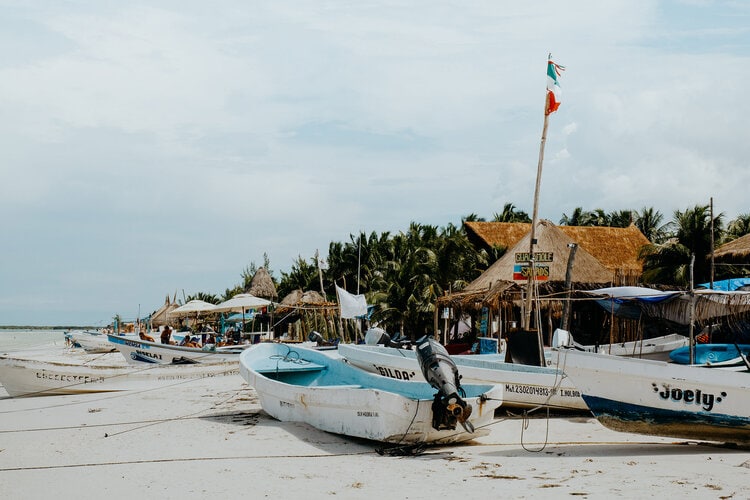
After acclimating to the tropical heat in Cancun, it’s time to unwind at the pristine beaches of Isla Holbox, one of the few places in Yucatán that are still largely untouched by upscale tourism.
Although I think it won’t be a hidden gem much longer, the island is developing at a rapid pace, which will eventually result in greater popularity among locals and backpackers alike.
But for now, Isla Holbox is everything you expect a tropical island to be.
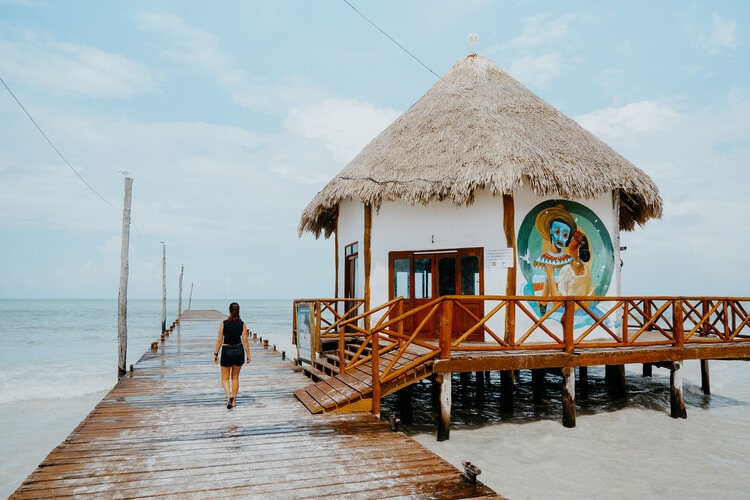
Think beautiful stretches of white-sanded beach, family-run cafés & beach clubs, a tranquil atmosphere, and a booming street art scene. Not to mention that it’s completely car-free and inhabited by a great variety of tropical wildlife.
Isla Holbox is surely one of the most paradisiac islands I’ve ever set foot on
All this makes Holbox an excellent place to start off your Mexico adventures. But be warned, the laidback island vibes will seduce you to spend 3 weeks here. I strongly recommend spending three days on Holbox, this is perfect for exploring the best of the island and its tropical surroundings.
ISLA HOLBOX | MUST-SEE ATTRACTIONS
Punta Mosquito | At only a 20-minute bike ride away from Holbox town lies Punta Mosquito, a widely stretched sandbar that is defined by its pearl-white sand and absurdly clear water. To me, Punta Mosquito is without question the most idyllic place on the island. For your own safety, I’d recommend visiting during ebb tide, once the water level rises you may not be able to walk back to the beach.
Holbox’s street art scene | Isla Holbox is well-known for its booming street art scene, which illuminates almost the entire town. Bright-coloured murals pop up on about every corner, and walking through the streets to admire them is one of the best things to do on Holbox.
Curious about all the things to see and do in Isla Holbox – check out my detailed guide here.
ISLA HOLBOX | ESSENTIALS
Where | Isla Holbox, Quintana Roo
Where to stay in Isla Holbox | I stayed at Alcobas Del Mar and Spirit Holbox. Additionally, I would recommend staying at AWA Holbox Hotel Boutique.
Alternatively, use booking.com to find accommodations in Isla Holbox.
How to get from Cancun to Isla Holbox | Jump aboard a direct ADO bus from Cancun to Chiquilà (departs at 08:15, 10:30 and 14:15), before taking the ferry from Chiquilà to Isla Holbox. The journey takes around 3 hours.
How to get around Isla Holbox | Isla Holbox is completely car-free and is most-fun explored by bicycle. Alternatively, take a walk or hire a golf cart taxi.
Day 5 – 8 | Valladolid, Yucatán’s colourful colonial town
Just west of Isla Holbox lies Valladolid, a sleepy town that stole my heart from the moment I arrived.
Charmed by its authentic atmosphere, enchanting colonial architecture, and bright pastel-coloured laneways, Valladolid is easily my favourite stop on this 3-week Mexico itinerary.
But it is definitely not only the picturesque town and its lovely colonial streets that make Valladolid so popular among travellers.
Valladolid makes an excellent base to explore some of the best cenotes in Yucatán, not to mention that it is located at only a 45-minute drive from Chichen Itza, Mexico’s most significant Mayan ruin.
This charming colonial town makes you feel at home away from home – plus there is plenty to see and do, both in and around Valladolid. This is exactly why I would recommend spending at least three days here, allowing you to see the best of Valladolid and its surrounds.
VALLADOLID | MUST-SEE ATTRACTIONS
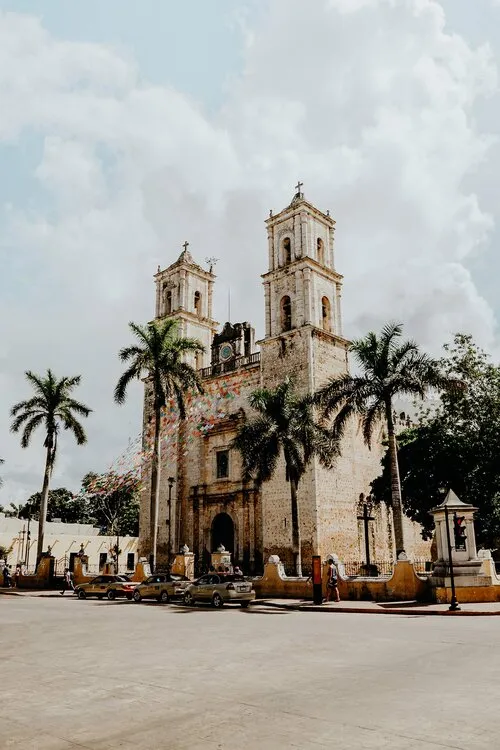
The Cathedral of San Gervasio | Directly at the heart of Plaza e Parque Francisco Canton is the enchanting cathedral of San Gervasio, Valladolid’s most iconic landmark. The centuries-old church is a delight for the eye and adds to Valladolid’s rich colonial atmosphere. If you ask me, a must-see in Valladolid.
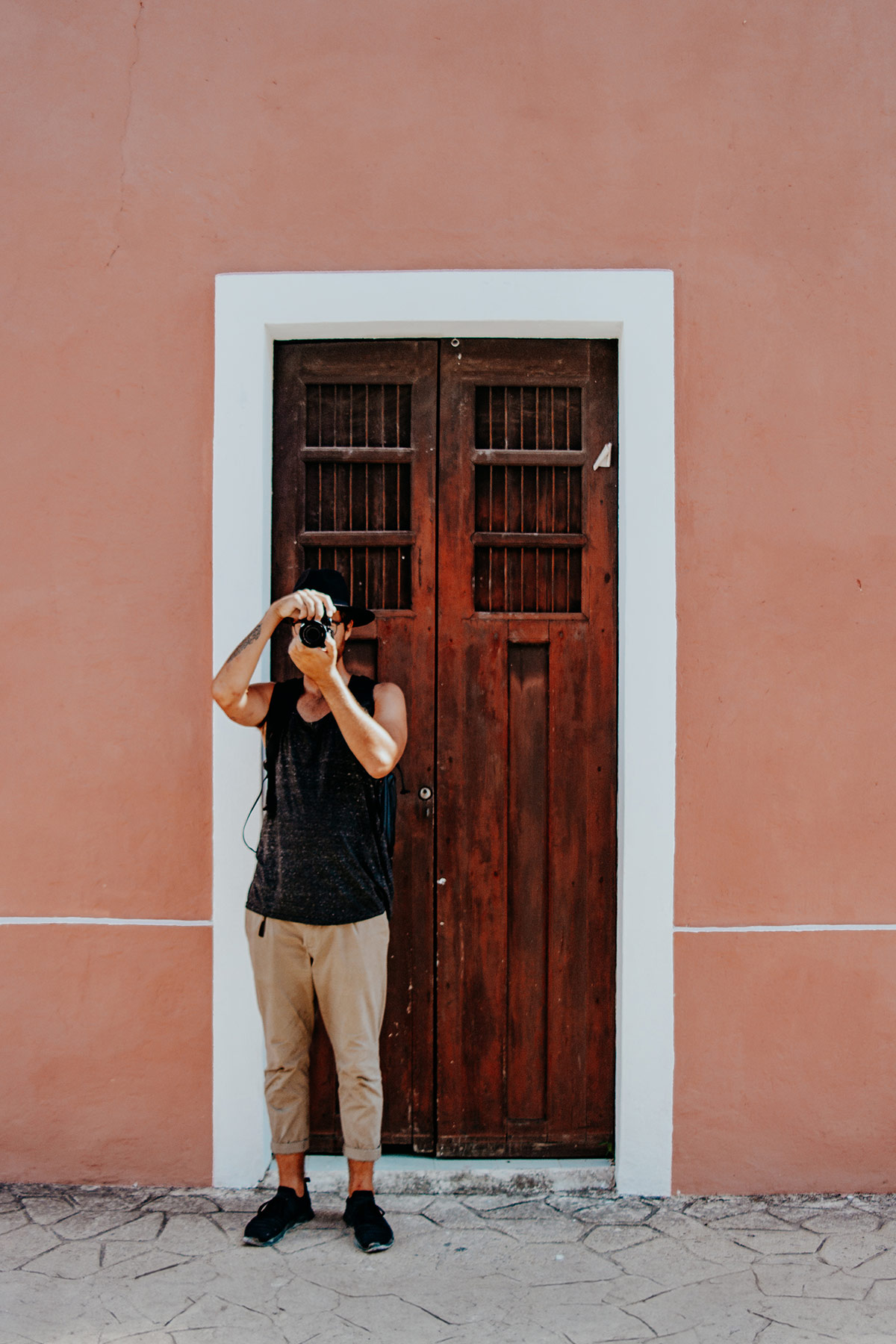
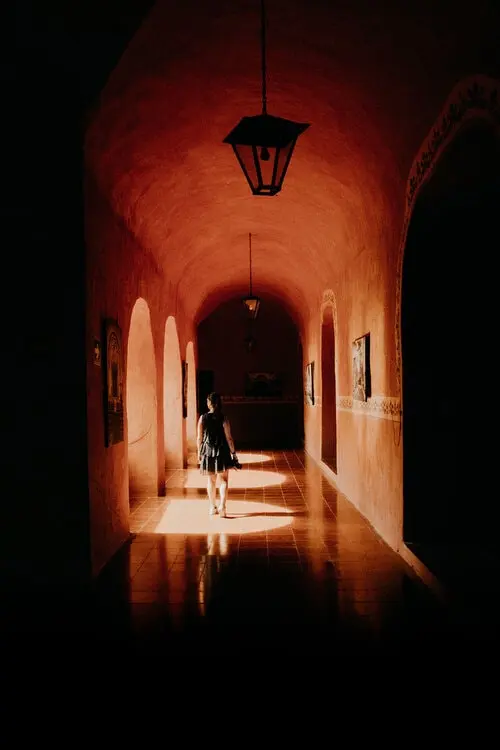
Calzada de Los Frailes | Walk among the cobblestone alleys of Calzada de Los Frailes and discover ornate doorways, colonial architecture, and a vibrant colour palette. This Insta-famous street is probably the most picturesque street that you’ll come across in Yucatán.
Cenote Suytun | Cenote Suytun is by far the most mysterious scenery you’ll find in this Mexico itinerary. The picturesque cave-like cenote houses a mystical underworld-ish vibe and is a dream for every photographer. If like me, you take your photography seriously, I’d highly recommend visiting first thing in the morning.
Keen to read about all the things to see and do in Valladolid – check out my detailed guide here.
VALLADOLID | ESSENTIALS
Where | Valladolid, Yucatán
Where to stay in Valladolid | Valladolid has a broad selection of excellent accommodations and I would highly recommend Hostal Tunich Naj, Hotel Casa Bamboo, and Hotel & Suites Country.
Alternatively, use booking.com to find accommodations in Valladolid.
How to get from Isla Holbox to Valladolid | Take a ferry from Isla Holbox to Chiquilà (departs every 30 minutes from 05:00 till 20:40). Once you arrive in Chiquilà, take the direct bus to Valladolid, which departs once daily at 17:45. Expect the journey to take around 4 hours.
How to get around Valladolid | Valladolid has a small city centre that is effortlessly navigated by bicycle or foot. For day trips around Valladolid, I recommend making use of cheap Colectivo taxi buses.
Day trip | Chichén Itzá, Mexico’s most famous Mayan Ruins
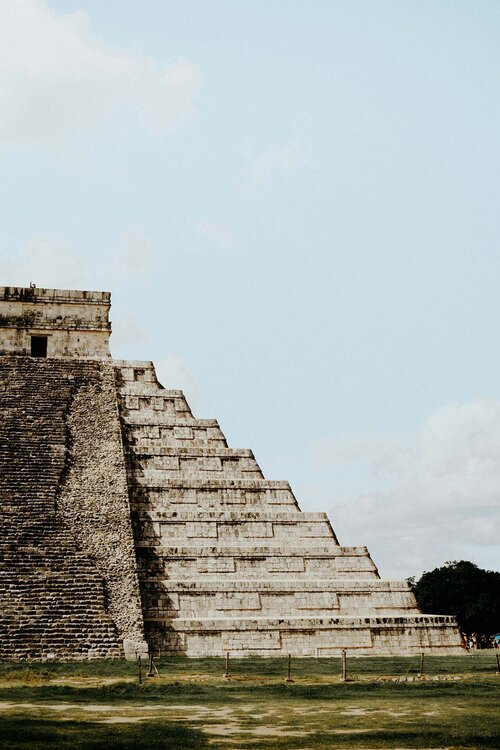
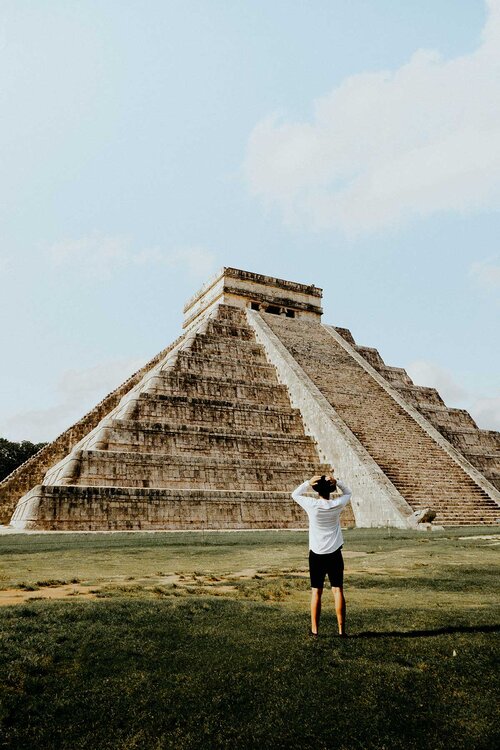
I’m sure it won’t come as a surprise to see the phenomenal ruins of Chichén Itzá on this Mexico itinerary. And let’s be real, a trip to this ancient Mayan city is an absolute must when travelling through Yucatán.
Chichén Itzá was once the bustling epicentre of Mayan civilization. At present, the ruins are restored in the same manner as the city’s glorious past. For those two reasons, Chichén Itzá is acknowledged to be one of the most important ancient ruins in the whole of Mexico.
Every day, thousands of travellers visit to catch a glimpse of the complex’s magnificent structures, among which you’ll discover ornate stepped pyramids, majestic temples, columned arcades, and various other structures & shrines.
If you’re keen on a chance to have the marvellous El Castilo all to yourself, I highly recommend visiting Chichén Itzá as a day trip from Valladolid. The town’s strategic position makes it easy to visit Chichén Itzá at sunrise, which ensures that you’ll be one of the first to enter the complex.
That said, you might also want to double your advantage by combining the above tips with a skip the line ticket.
CHICHÉN ITZÁ | ESSENTIALS
Where | Chichén Itzá
Entrance fee | 481 MXN, ($25) per person
Opening hours | Daily 08:00 – 16:30
How to get from Valladolid to Chichén Itzá | Colectivo’s leave Calle 46 every 30 minutes from 07:00 till 18:00. The journey from Valladolid to Chichén Itzá takes roughly 45 minutes.
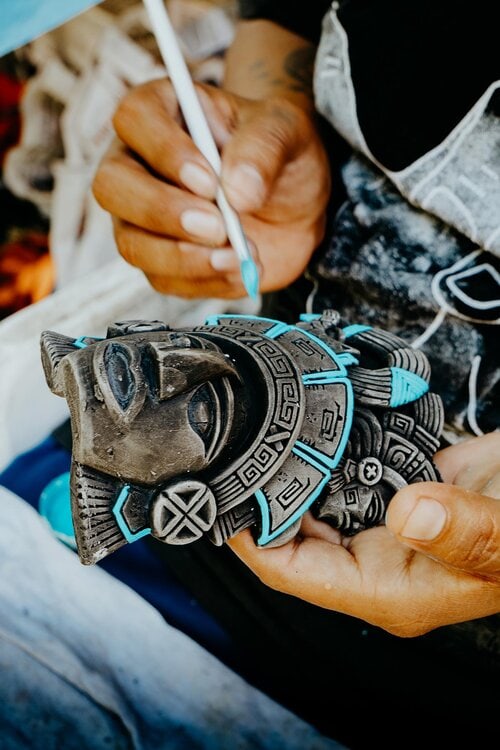
Day 9 – 12 | Mérida, Yucatán’s capital of culture
Following an adventurous day trip to the ruins of Chichen Itzá, it’s time to leave Valladolid and embark on a short bus ride to Mérida, Yucatán’s capital of culture.
Once you arrive in Mérida, you’ll intuitively notice that the city has a pretty unique feel to it. The city’s historic centre houses a vibrant yet serene atmosphere is home to the most friendly people, and the fascinating Maya culture is still ever-present, which is a delight to witness.
As a result, there are enough great things to see and do in Mérida, including some of the best things to do in Yucatán. Think lively local markets, historical monuments, and broad central plazas, just to mention a few.
Although Mérida wasn’t my favourite place in Yucatán, it is still an interesting city to learn about the region’s rich and captivating culture.
However, I would recommend spending at least three days here. This will allow you to see all the best places in Mérida – plus you have a spare day to visit the ruins of Uxmal.
MÉRIDA | MUST-SEE ATTRACTIONS
Paseo de Montejo | You can’t visit Mérida without taking a stroll along the scenic avenue of Paseo de Montejo. The famed avenue is often referred to as the Champs-Élysées of Mérida, and is home to a bunch of vibrant restaurants, inviting boutique stores, and two outstanding museums, which are Casa Museo Montes Molina and Palacio Canton.
Monumento a la Patria | At the end of the renowned Paseo de Montejo avenue lies the iconic Monumento a la Patria. A walk around this impressive monument reveals more than 300 hand-carved figures that reflect the story of Mexico from the creation of Tenochtitlán all the way to the mid 20th century. If you’re curious about history like me, Monumento a la Patria is a must-see in this Mexico itinerary.
Plaza Grande | Taking a break at one of Mexico’s many plazas is one of my favourite things to do in Yucatán. What’s even better is the fact that Plaza Grande is considered one of the most charming Plazas in Mexico. Simply sit down, take in the authentic ambience, and watch the world go by, sounds excellent right?
Curious about all the things to see and do in Mérida – check out my detailed guide here.
MÉRIDA | ESSENTIALS
Where | Mérida, Yucatán
Where to stay in Mérida | Mérida has no shortage of great accommodations and I would recommend Casona 61, Hotel Colon Mérida, and Hotel Maya Yucatán.
Alternatively, use booking.com to find accommodations in Mérida.
How to get from Valladolid to Mérida | Take a direct bus from Valladolid to Mérida. The journey takes around 2 hours. For up-to-date timetables, visit the ADO website.
How to get around Mérida | The easiest way to navigate Mérida is on foot. Alternatively, rent a bicycle.
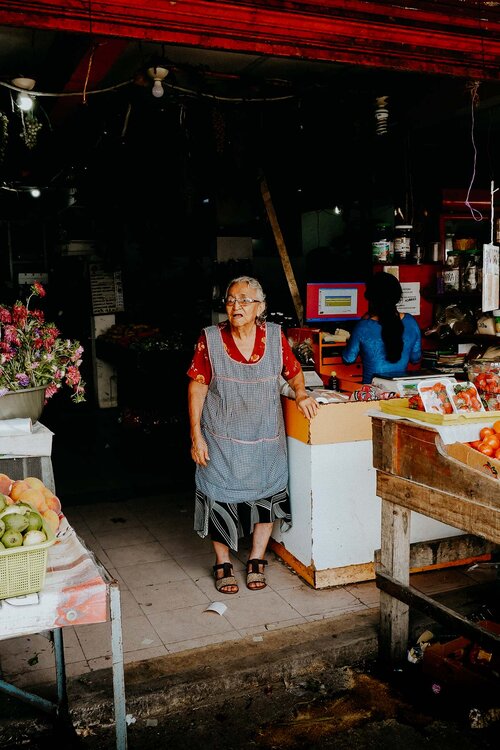
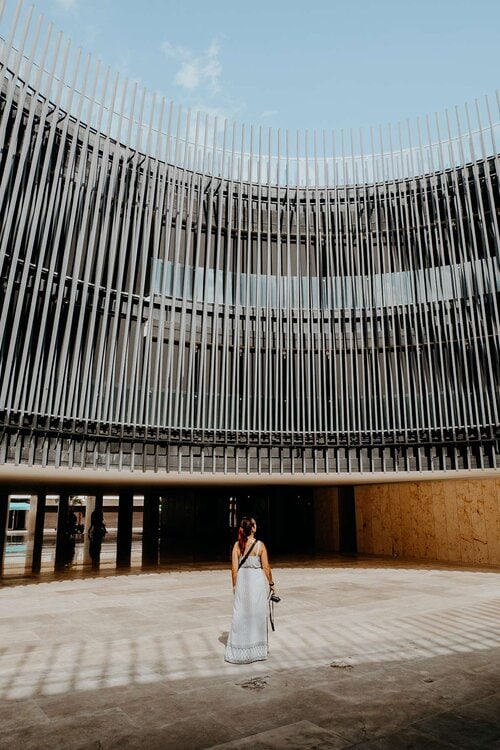
Day trip | Uxmal, the best Mayan ruins in Yucatán
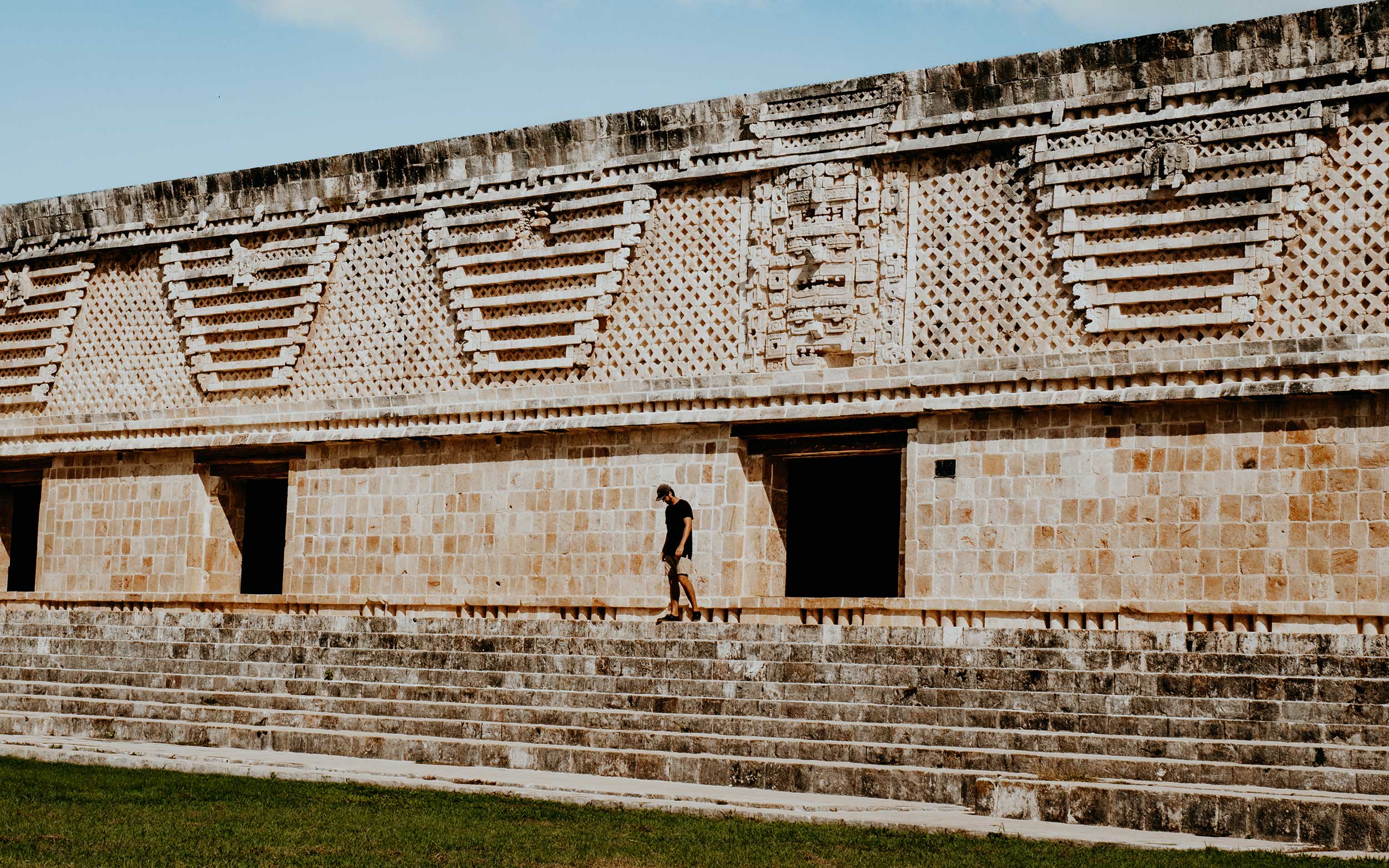
With an excellent geographical location, Mérida makes the perfect base for an adventurous day trip to the well-preserved ruins of Uxmal.
Situated only just south of Mérida and surrounded by a dense jungle lies Uxmal, an ancient Mayan city that is arguably one of the best-preserved archaeological sites in Yucatán.
Made up of a bundle of imposing structures, Uxmal is a broad complex that was once amongst the largest cities in Mayan civilization. Legend has it that the city housed around 15,000 inhabitants at its peak.
At present, the city continues to live up to its former and well-deserved reputation, which is no wonder to me.
The structures at Uxmal are absolutely breathtaking; the Pyramid of the Magician, the Governor’s Palace, and the Great Pyramid, just to mention a few. At Uxmal, It is even possible to climb the last-mentioned, resulting in a panoramic view of the entire complex.
Even though Chichen Itzá is the most popular ancient Mayan ruin in Yucatán, it is the ruins of Uxmal that appealed to me the most, and for that reason, I highly recommend visiting.
UXMAL | ESSENTIALS
Where | Uxmal Ruins, Yucatán
Entrance fee | 413 MXN, ($18.85) per person
Opening hours | Daily 08:00 – 17:00
How to get from Mérida to Uxmal | The cheapest option is by bus. Jump aboard a direct bus (Autobuses Sur Mexico) to Uxmal, leaving at the Tame Bus Station in Mérida. I highly recommend booking a round trip at a cost of 152 MXN ($6,85) per person. The journey should take around 1.5 hours.
Bus times from Mérida to Uxmal | 09:05, 10:40, 12:05, 14:00 and 17:05.
Bus times from Uxmal to Mérida | 09:20, 12:30, 15:15, 17:40 and 20:15.
For up-to-date timetables, visit the Rome2Rio website
Day 13 – 15 | Bacalar, Mexico’s unique lagoon
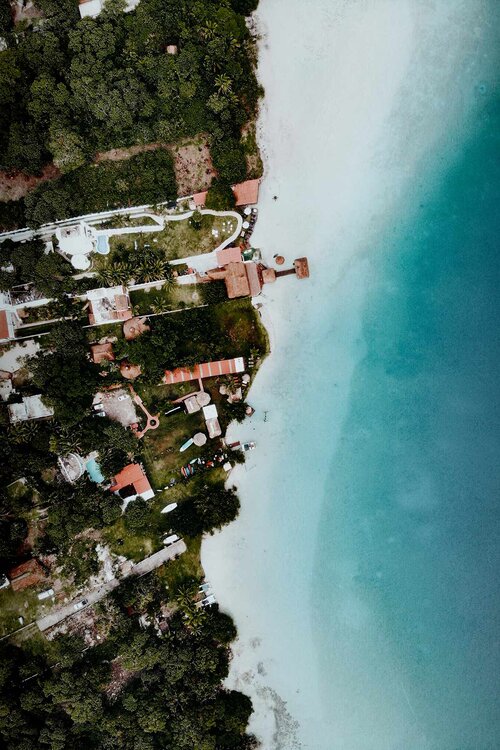
After experiencing the charming colonial cities of Valladolid and Merida, it is time to venture to Bacalar, a sleepy town that is perched on the edge of a pristine lagoon in the very south of Quintana Roo.
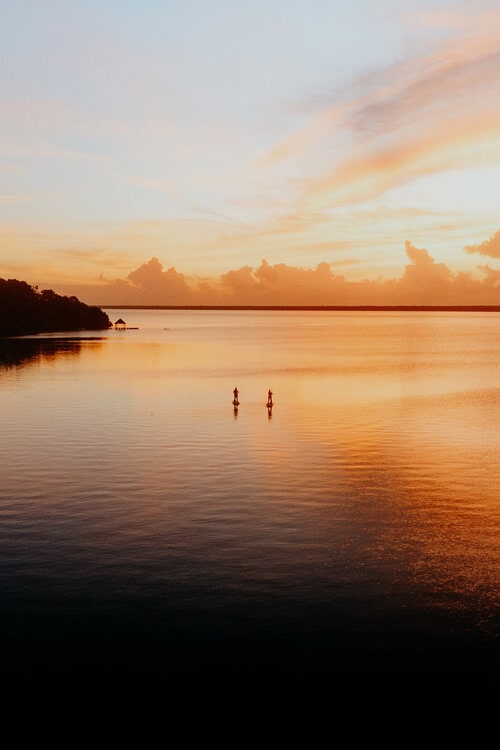
The picturesque Bacalar Lagoon is one of Mexico’s best-kept secrets, and clearly the heart of all action for backpackers that travel to Bacalar. In this magical waterfront town, it is all about the lagoon and the activities that take place on it.
Whether you visit Bacalar to take part in the amusing activities that take place on the lagoon, or simply to relax and admire its charm, I can assure you it will be a great time either way.
I would recommend spending at least two days in Bacalar. By doing so you have all the time to unwind and feel the magic the lagoon has to offer. For me, Bacalar was easily one of my favourite places on this Mexico itinerary.
BACALAR | THE HIGHLIGHTS
Sailing on Laguna de Bacalar | If you’re keen on exploring the beautiful Bacalar Lagoon, I would highly recommend joining a sailing tour. And for that matter, Bacalar Sailing is hands down your best option. During a 3-hour tour, there is plenty of time for swimming and snorkelling, you learn a bunch of interesting facts about the lagoon – plus you’ll get guided to some of the most fascinating corners of the lagoon by a passionate captain.
Bacalar Rapids | Only 5 minutes away from Bacalar, it is possible to try a unique and adventurous activity. The Bacalar Rapids is well-known for its natural current, allowing guests to exercise drift snorkelling. The Rapids is a 300-metre-long maze-like stream that is characterized by crystal clear water and exquisite stromatolites. Once you’re done being active, grab a hammock, sit back, and enjoy the stunning scenery around you.
Keen to read about all the things to see and do in Bacalar – check out my detailed guide here.
BACALAR | ESSENTIALS
Where | Bacalar, Quintana Roo
Where to stay in Bacalar | I stayed at Yaxche Centro Hostal and would additionally recommend Kulu Tubohostel Bacalar and Hotel Vlandré Bacalar.
Alternatively, use booking.com to find accommodations in Bacalar.
How to get from Mérida to Bacalar | Take a direct Ado bus from Mérida to Bacalar. The Yucatán Peninsula has great public transport that is both punctual and reliable. Expect this journey to take around 4.5 hours.
How to get around Bacalar | Navigating Bacalar by foot is your best option, as the distances are quite short. If you’re interested in visiting the Bacalar Rapids or Bacalar Lagoon, I recommend grabbing a taxi.
Day 16 – 20 | Tulum, Yucatán’s trendy beach town
Think of Yucatán and you’ll unquestionably think of Tulum, Mexico’s most popular seaside town, and arguably one the most trendy places to sit down, relax and work on your tan in Mexico.
Defined by the most picturesque stretches of beach, a charming Mayan ruin, and a laidback tropical vibe, Tulum made the perfect destination to end my three weeks in Mexico.
The spirited town has a lot to see and do – it is home to some of the best cenotes in Yucatán, holds a great variety of contemporary cafés & restaurants – plus there’s a booming party scene going on here.
Although Tulum often felt a bit too commercial for my liking, it is absolutely worthy of your visit.
I recommend spending three days here, allowing you to fully relax and explore Tulum and its enchanting surroundings.
TULUM | MUST-SEE ATTRACTIONS
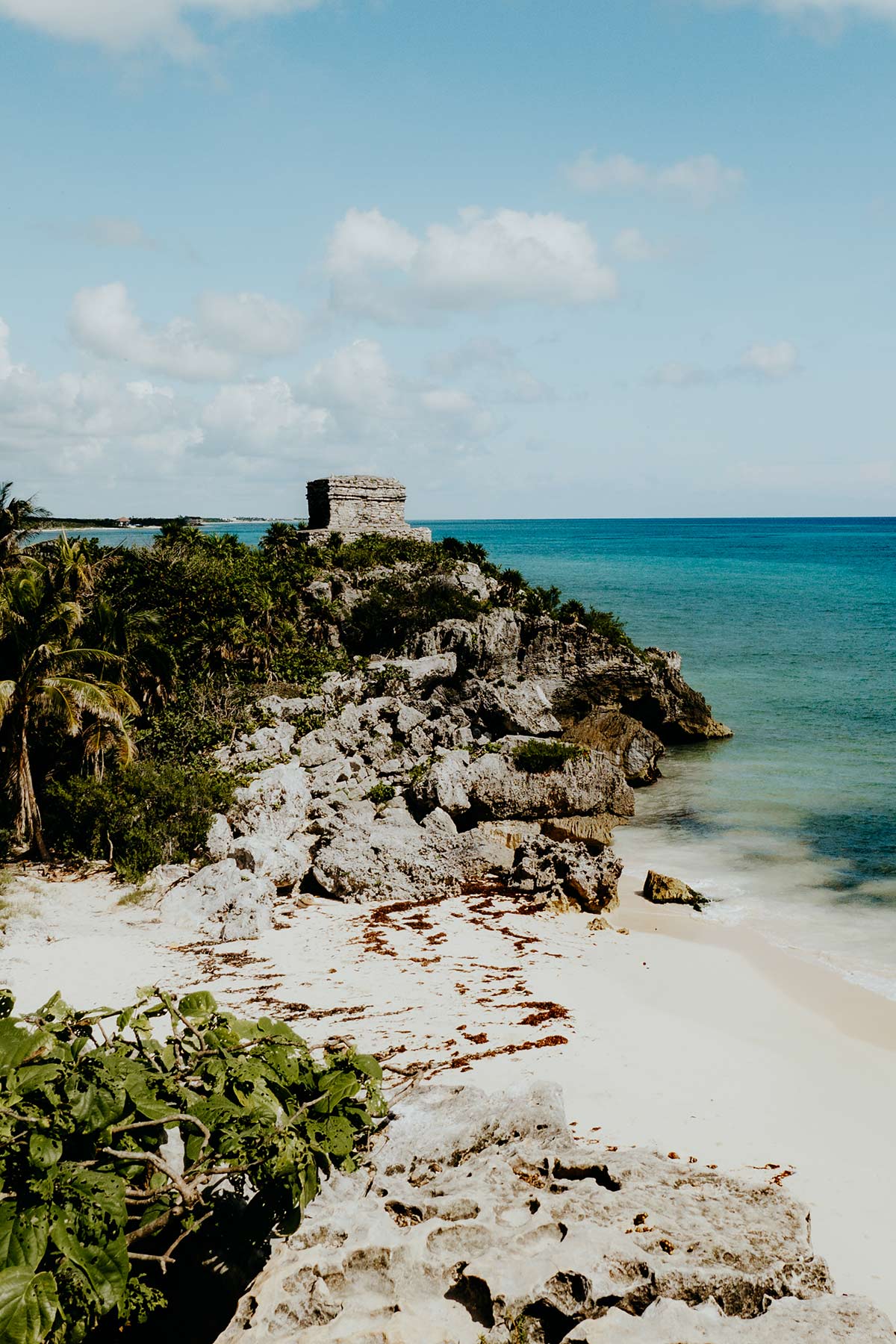
Tulum Ruins | Nestled atop a steep rocky cliff, overlooking the turquoise Caribbean sea are the incredibly scenic ruins of Tulum. The intriguing ruins are one of the best-preserved coastal Mayan ruins in Mexico, and easily the number-one tourist attraction in Tulum. For that reason and Tulum’s sizzling heat, I strongly recommend visiting the ruins first thing in the morning.
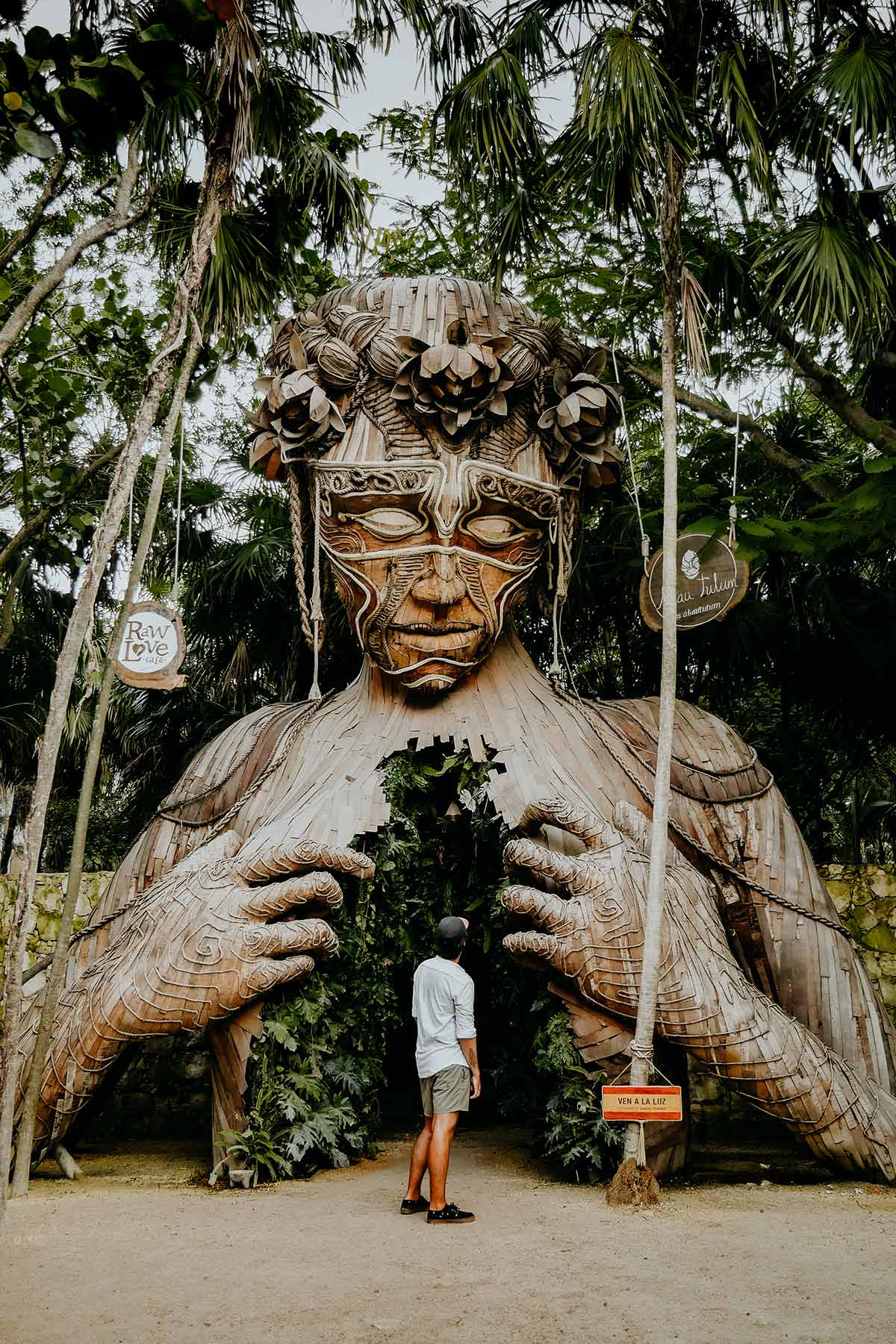
Ven a La Luz Tulum | Tulum is well-known as a breeding ground for progressive contemporary artists and their inspiring art installations. One of them is the ornate Ven a La Luz, a towering wooden sculpture that was originally designed to raise awareness for Tulum’s sensitive ecosystem. Located at the entrance of Raw Love and AHAU Tulum, and the perfect backdrop for your next Instagram post.
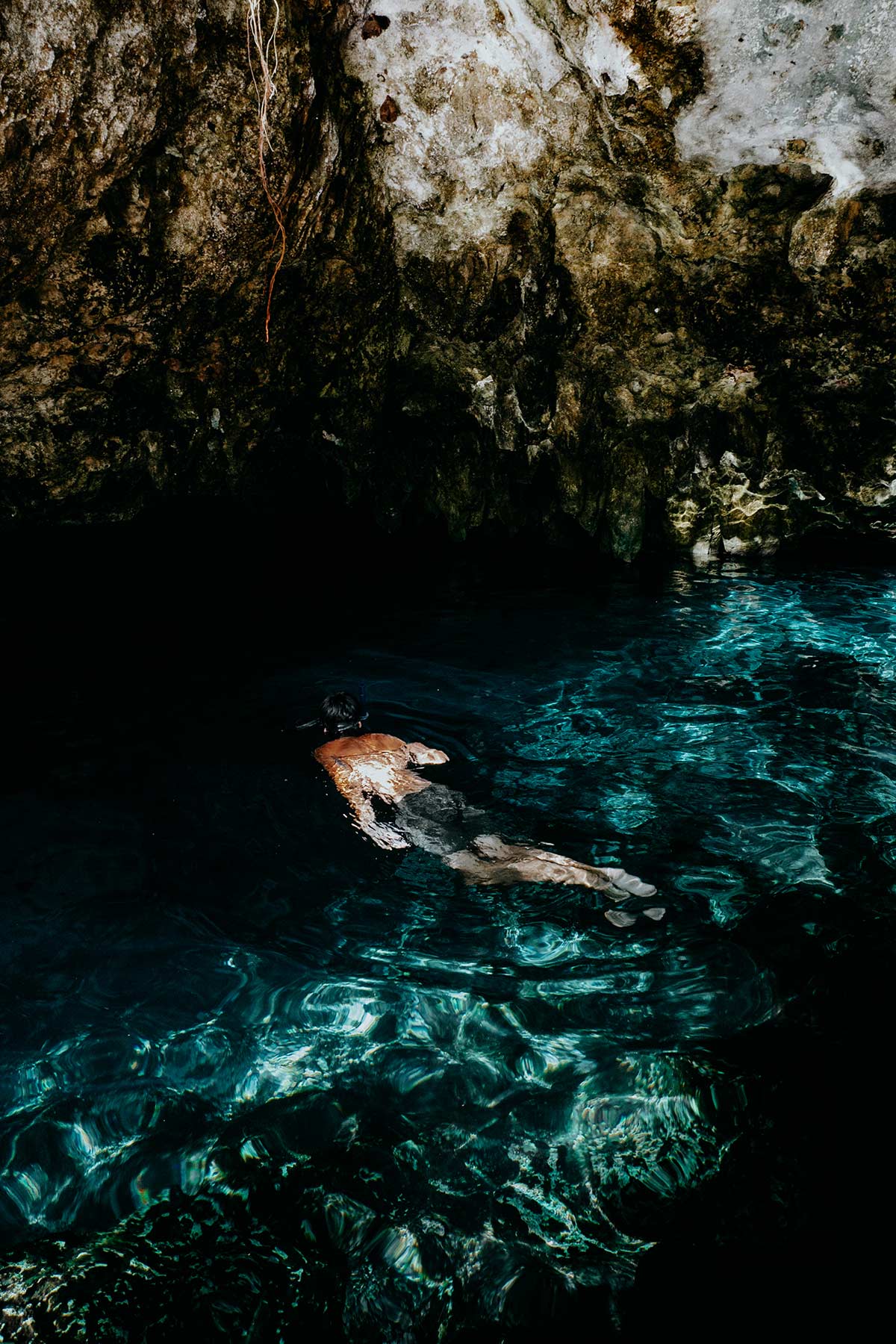
Gran Cenote | It is safe to say that the Gran Cenote is among the most attractive cenotes in Tulum. Located at only a 10-minute bike ride from the Tulum city centre, Gran Cenote is a large open-air cenote that is characterized by its crystal clear groundwater, and a mysterious cave-like ambience. Be warned though, it is insanely busy during the day, therefore I recommend visiting early in the morning or late afternoon.
Curious about all the things to see and do in Tulum – check out my detailed traveller’s guide here.
TULUM | ESSENTIALS
Where | Tulum, Quintana Roo
Where to stay in Tulum | Tulum has some of Yucatán’s finest accommodations and I would highly recommend Aruma Hotel & Boutique, Elements Tulum Boutique Hotel, and Habitas Tulum.
Alternatively, use booking.com to find accommodations in Tulum.
How to get from Bacalar to Tulum | Take a direct bus from Bacalar to Tulum, this is by far the easiest option. The journey takes around 2 hours.
How to get around Tulum | The city centre of Tulum is easily navigated by foot, but it’s way more fun to explore Tulum by bicycle. Alternatively, grab a taxi to bring you up and down to the Tulum Beach area.
Day 21 | Playa del Carmen, time to leave Mexico
After 3 weeks, of exploring just about every corner of Yucatán, it is time to head for Playa Del Carmen, the last stop on this Mexico itinerary, before heading to the airport.
Playa Del Carmen’s excellent location makes it a lot more convenient to travel to Cancún airport than let’s say Tulum, especially if you have an early morning flight to catch.
To prevent unnecessary difficulties regarding your return journey, make sure you arrive in Playa Del Carmen one day before your flight.
Since you have one day left to spend in Playa Del Carmen, make sure you have a relaxing day at the beach, soaking up the last rays of the Caribbean sun, with a cold Corona in hand.
The next day it is, unfortunately, time to head to the airport and wave goodbye to Mexico.
How to get from Playa Del Carmen to Cancún airport | Jump aboard a direct bus from Playa Del Carmen to Cancún airport, departing every 30 minutes. The journey takes around one hour.
For up-to-date timetables, visit the ADO website.
PLAYA DEL CARMEN | ESSENTIALS
Where | Playa del Carmen, Quintana Roo
Where to stay in Playa del Carmen | The last night before a flight, I always try to pick the most comfortable, budget-friendly accommodation possible. For Playa del Carmen, I would highly recommend Hotel Colibri Beach.
Alternatively, use booking.com to find accommodations in Playa del Carmen.
How to get from Tulum to Playa del Carmen | The direct bus from Tulum to Playa del Carmen departs every hour. The journey takes an hour.
How to get around Playa del Carmen | Playa del Carmen is best navigated on foot.
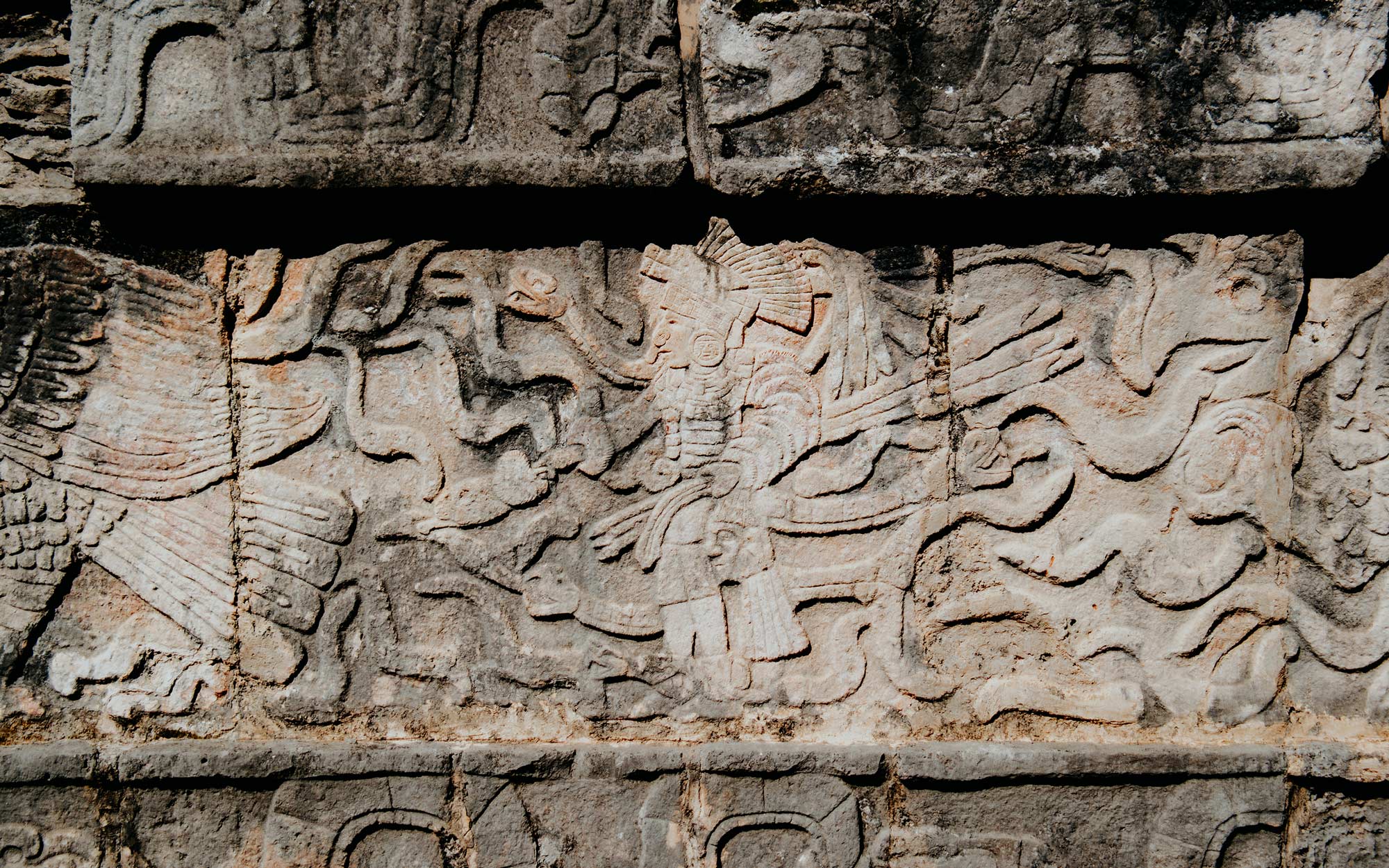
Mexico itinerary | The essentials
The best time to visit the Yucatán Peninsula in Mexico
Like most countries in the Caribbean, Mexico has great weather year-round, resulting in an average temperature of around 25°C.
Although the temperature is pleasant nearly every day, there is a season that is considered the high season. For that reason, the best time to visit Yucatán is between November and April, with November providing the best weather to explore Mexico’s must-see attractions.
Keep in mind to avoid visiting during March and April – when Spring Break occurs, and Yucatán is packed with US college students that come solely to indulge on alcohol and parties.
A Mexican holiday you do want to be aware of is Día De Los Muertos (Day of the Dead), which takes place from October 31 till November 2.
I’ve followed this Mexico itinerary from late October till November and had the fortune to experience Día De Los Muertos, had great weather throughout my entire trip, and noticed that the prices were slightly lower than in the high season.
That said, do be aware that good weather is not guaranteed during this period.

Transport | How to get around Yucatán
The Yucatán Peninsula is easily the most popular destination in Mexico, and that is partly due to the fact that it makes an excellent destination for a road trip.
If you’re keen to uncover all the best destinations in the Yucatán area, renting a car gives you all the flexibility to do so, while it is also far easier to plan day trips.
For car rental in Yucatán, Mexico, I would recommend DiscoverCars. They offer excellent service, additional insurance, and a broad selection of cars, all at an affordable price.
Money Essentials | Currency in Mexico
Mexico’s official currency is the Mexican peso, a currency that is indicated by MXN and MX$. The notes that are currently in circulation include 20, 50, 100, 200, 500 and 1,000 pesos.
Make sure you have a fair amount of notes in lower denominations, especially if you’re keen to buy souvenirs at local traders, or plan to use local busses, colectivos, and taxis.
Exchanging currency in Mexico | I would highly discourage buying Mexican pesos either ahead of time or at the airport. I can tell from personal experience that I perpetually end up getting a bad exchange rate, both in the country of departure and at the airport.
The exchange rate at the time of writing | $1 equals 22.64 MXN, and €1 equals 25.31 MXN.
For up-to-date exchange rates, visit the XE website.
ATM’s in Mexico | ATM services are found widespread across Mexico and are largely reliable. As usual, I’d highly recommend withdrawing the local currency to avoid unnecessary costs.
Stay safe in Mexico | travel insurance
While Mexico is perfectly safe for travellers, I always strive to sort out my travel insurance before arriving in a foreign country, and I highly advise anyone else to do the same.
Where we prefer that everything goes smoothly during our travels, something unfortunate can happen at any moment, whether it’s an injury or an accident on the road. When that happens, it is better to be safe than sorry.
Heymondo | Whether you’re going on a 3-week backpacking trip, or planning a long stay somewhere abroad, Heymondo has excellent insurance options either way – plus full COVID-19 coverage and a handy app with 24-hour medical assistance. Readers of WTSW receive 5% off any insurance policy, more information here.
Cheers!
I’ve been on this travel blogging journey since 2019.
If you appreciate what I do here, these are some ways you can support me.
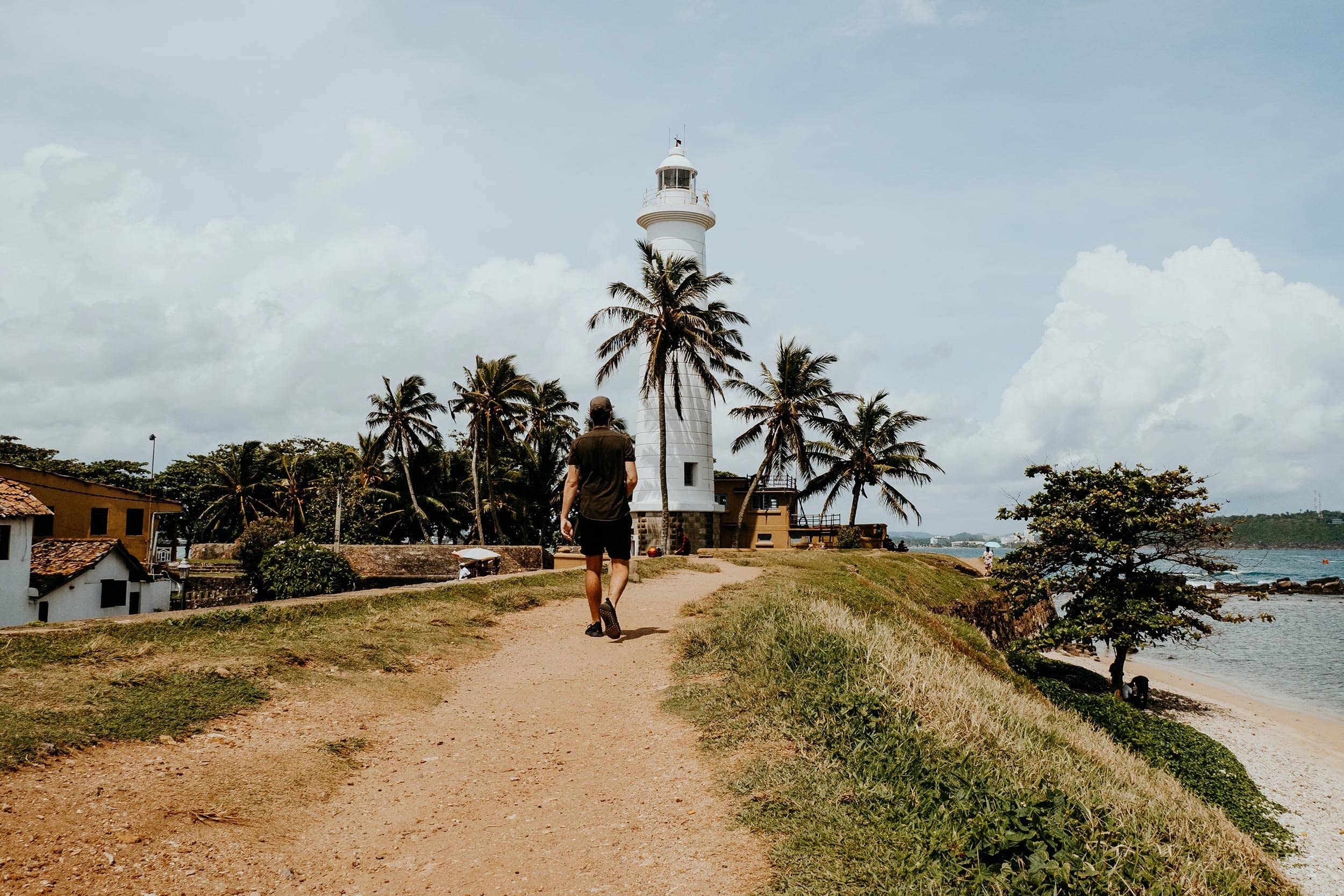
7 Incredible things to do in Galle Fort, Sri Lanka's colonial fortress
Colonial grandeur, an inviting tropical vibe, and as authentic as can be, that’s Galle Fort in a nutshell. Here’s my traveller’s guide to Galle Fort, featuring what to see and do, where to stay, and where to eat – plus insightful travel tips.
The number of travellers that visit Galle has increased rapidly in the last few years, and I can easily understand why.
Colonial grandeur, an inviting tropical vibe, and as authentic as can be, the historic Dutch fortress in Galle, simply can’t be missed in your Sri Lanka itinerary.
Constructed by the Dutch in 1663, Galle Fort was once of significant importance, when it functioned as Sri Lanka’s leading trading port throughout the Dutch Golden Age.
The charm that characterizes the fort area today, is realized by decayed colonial buildings, lively, cobblestone laneways, and trendy contemporary cafés.
Galle Fort is home to a bunch of breathtaking things to see and do; the famous Galle Lighthouse, Dutch Reformed Church, its incredible interior, and many boutiques that are found throughout Pedlar Street.
To me, it is no surprise that the scenic Galle Fort has been acknowledged as a UNESCO World Heritage site, as it continues to amaze travellers with its rich and captivating history.
Whether you plan to visit on a day trip, or keen to stay a couple of days exploring every inch of the fortress, this guide covers everything you need to make the most of your time in Galle Fort.
If you choose to use any of the links on this page, I receive a small commission at no extra cost to you. By using these links, you’ll have a direct impact on WTSW and support me to continue to create free insightful travel content for you. If you find any of my tips useful, you can support me by buying a virtual coffee here.
Where is Galle Fort
Where to stay in Galle Fort
Galle is no stranger to excellent accommodations, both within and outside the Galle fort.
The enchanting fortress is home to an abundance of elegant hotels, many of which have a great colonial feel to them, not to mention the charming rooms and unique private courtyards they offer.
Whether you choose to stay within the Fort, or just outside, depends largely on your travel budget.
To help you experience the Galle Fort in its full potential, I made a list of my favourite accommodations, including some of the best budget-friendly options.
Bastille | Comfortable rooms with a classical design for an excellent price-quality ratio. Located right on the lively streets, which are packed with cafes, boutiques and places of interest.
The Bungalow – Galle Fort | A 17th-century bungalow that offers a unique, colonial ambience and great comfort. Located in the heart of Galle Fort.
The Heritage Hotel Galle Fort | A vintage, luxurious boutique hotel in the centre of the UNESCO World Heritage site of Galle Fort. Offers spacious rooms, and comfortable beds, and the staff is as friendly as it gets.
The Bartizan Galle Fort | Nestled within the charming Galle Fort – this heritage hotel provides a great mix of colonial elements and modern luxuries. Staying here is a unique and opulence experience.
Alternatively, search for accommodations in Galle Fort on booking.com.
7 Incredible things to do in Galle Fort, Sri Lanka
1. Follow the ‘Fort Walk’ and overlook the Galle Fort interior
There are plenty of reasons to follow the popular ‘Fort Walk’, but what fascinated me most, was the incredible view you’ll get when you walk atop of the outer ramparts of the fort.
The towering outer ramparts provide the most picturesque views over the fort’s iconic tangerine-coloured rooftops, charming interior, the infinite-looking Indian ocean, and Galle’s famous International Cricket Ground.
The 3-hour walk starts at the historical Clock Tower and brings you along all the significant landmarks within the fort; the Galle Lighthouse, Old Dutch Hospital, Meeran Mosque, and the All Saints Church, just to mention a few.
If you’re like me and plan to explore every inch of the historic Galle Fort, I’d highly recommend to do this impressive promenade first thing in the morning or late afternoon.
Where | The Clock Tower, Galle Fort
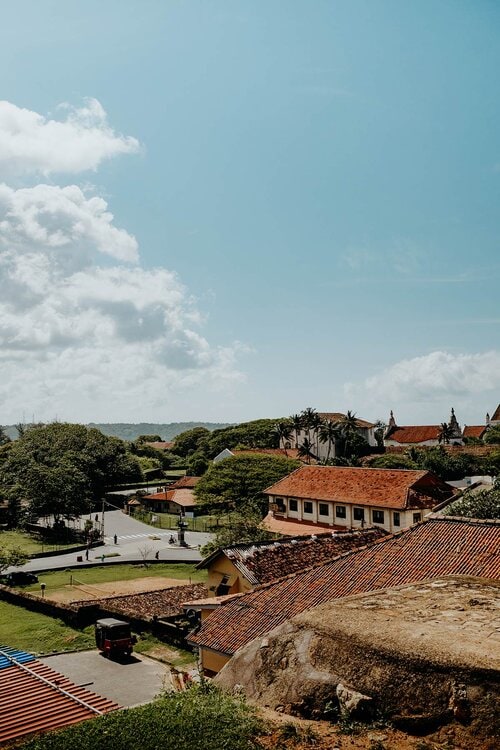
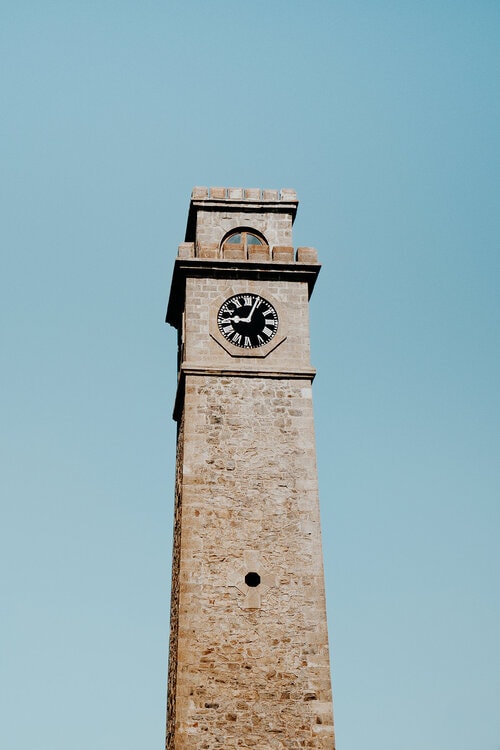
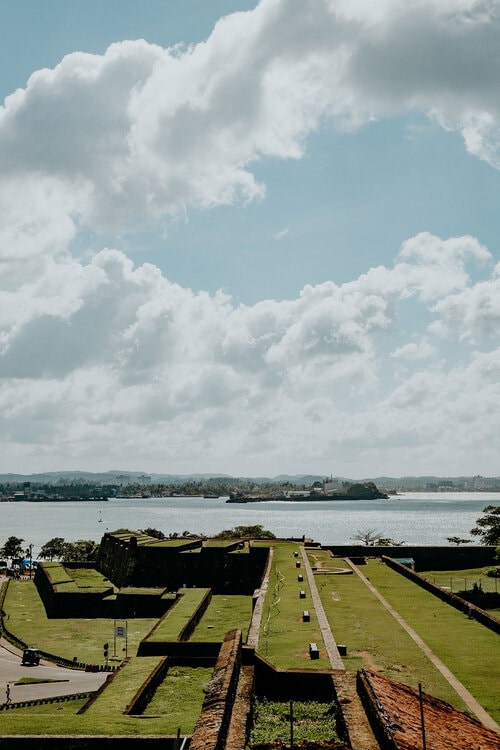
2. Admire the incredible Galle Fort Lighthouse
Travellers have flocked to Galle Fort for years, and since the iconic Galle Lighthouse went viral on Instagram, its popularity has reached a whole new level.
Perched on the most southern ramparts of the fortress, and encircled by palms is the famous Galle Lighthouse: a picturesque structure with the shimmering Indian Ocean as its backdrop.
The historical lighthouse was first constructed by the British in 1848, yet the current construction isn’t the original version of the lighthouse.
As a consequence of an unfortunate event, the construction went up in flames in the middle of 1936, thankfully, it was successfully reconstructed in 1939.
Today, the Galle Lighthouse is undisputedly the most iconic landmark of the fortress, and thus a must-see in Galle Fort.
Where | Galle Lighthouse
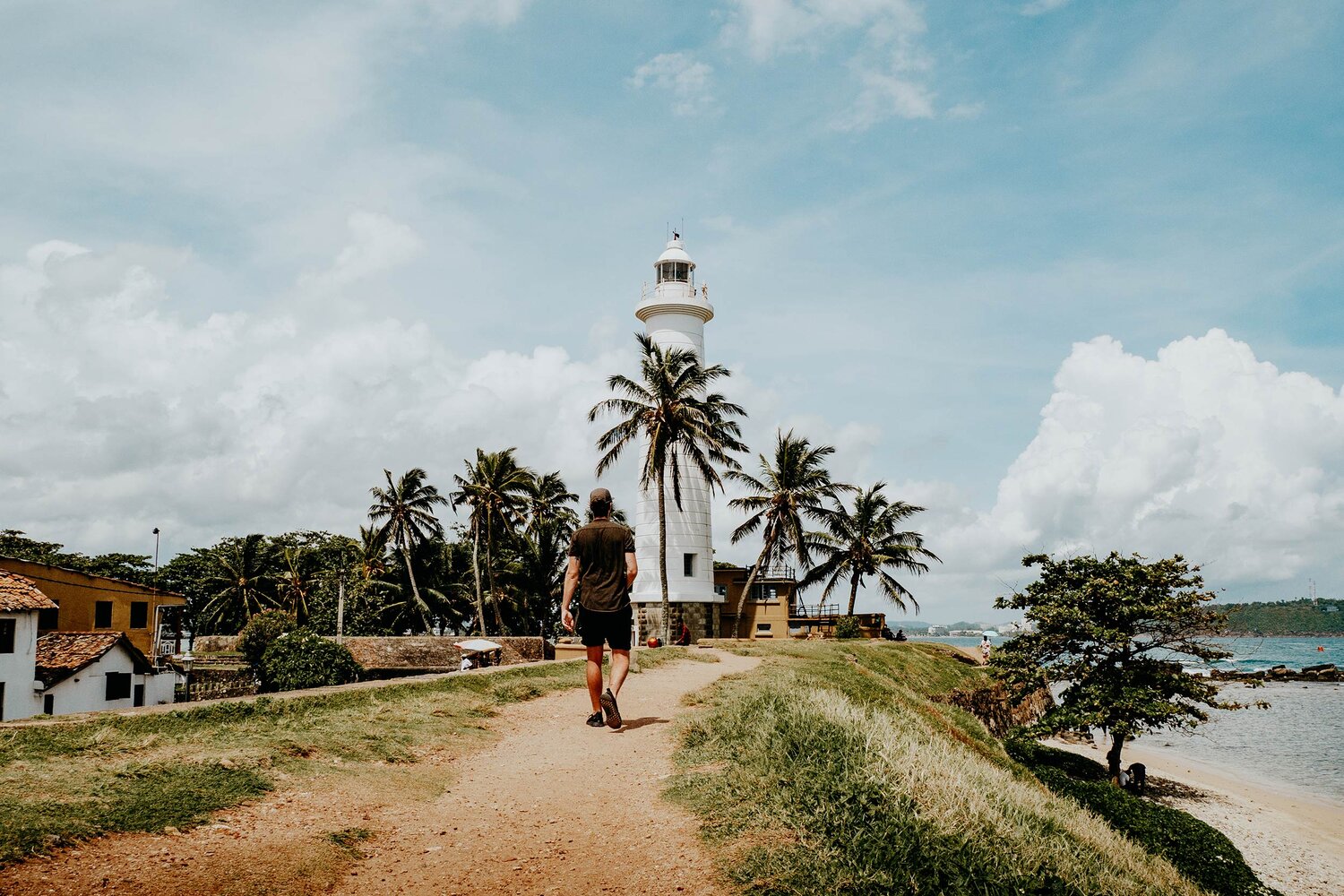
3. Roam through the narrow laneways of Galle Fort
Galle Fort has no shortage of breathtaking colonial buildings, and wandering through its narrow, cobblestone laneways is unquestionably one of the best things to do in Galle.
The charm that defines Galle Fort, is the fact that these crumbling, colonial buildings result in a completely different atmosphere than elsewhere in Sri Lanka.
Everywhere you look, colonial buildings define the fort’s captivating and VOC-like character, it is, therefore, no surprise that Galle Fort was named a UNESCO World Heritage Site.
Some of the most fascinating landmarks in Galle Fort are:
Old Dutch Hospital | What was once established as a hospital, has now been developed into a thriving shopping and dining area. The Dutch Hospital was built in the 17th century and is considered one of the oldest buildings in Galle Fort.
The Dutch Reformed Church | One of the oldest Protestant churches in Sri Lanka, dating back as far as 1755. If it wasn’t for the Fort’s robust ramparts, the church would have been wrecked by the 2004 Boxing Day Tsunami.
Meeran Mosque | Facing Galle lighthouse, the Meeran Mosque is a mesmerizing piece of architecture, combining baroque, British Victorian, and Islamic detailing. Was built in 1904, to serve Galle’s local Muslim community.
All Saints Church | An impressive Anglican church that was built in the Victorian Gothic Revival style. The church’s most striking feature is its incredibly, detailed stained-glass windows. The All Saints Church dates back as far as 1868.
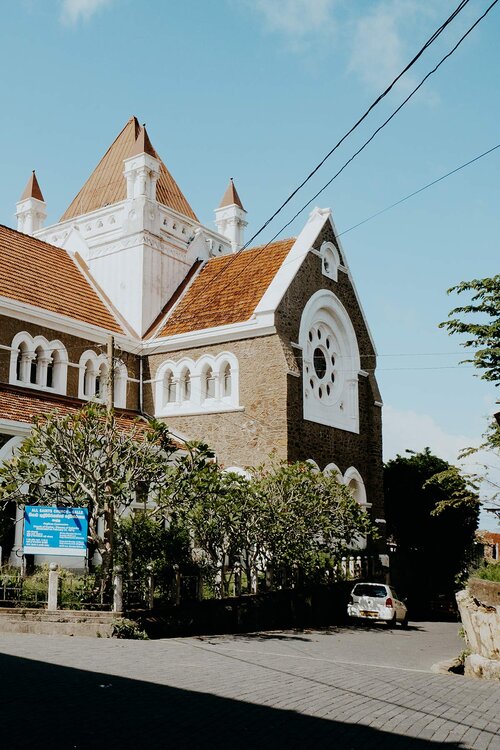
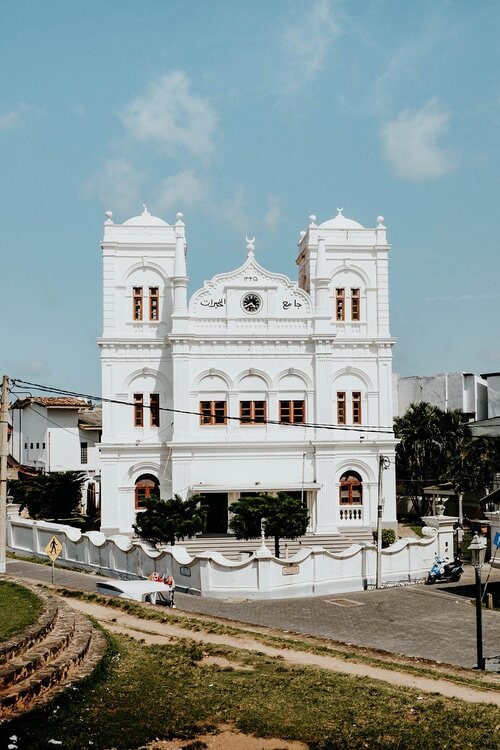
4. Have a chat with the Galle Fort locals
Clearly, the best way to get a feel for Sri Lanka is by simply having a chat with its local people. Not to mention the captivating stories you might hear – it’s sincerely a great opportunity to learn about the country’s rich culture and history.
One of the goals I’d set for my trip through Sri Lanka was to create meaningful interactions with the locals while documenting portraits in the most genuine way.
Being brave enough to have a sincere conversation, or asking someone’s portrait is rather challenging at times, especially given the language barrier.
But if one thing is for sure, it is the fact that Galle Fort is one of the best places to chitchat with Sri Lanka’s people – who are arguably one of the friendliest in the world.
Don’t be shy, and make sure you start a conversation, it’s one of the best experiences in Sri Lanka.
5. Shop on Pedlar Street
Whether you’re after a unique souvenir, beautifully produced handicrafts, or natural health & beauty products that are based on the healing rituals of Ayurveda, Galle Fort is where you want to be in terms of shopping in Sri Lanka.
Pedlar Street in specific, has no shortage of fascinating stores, such as art galleries, handicraft stores, spas, boutiques, and gem stores. If, like me, you appreciate arts and crafts, roaming around Pedlar Street to admire the craftsmanship is one of the best things to do in Galle.
But don’t expect to find a bargain, Galle Fort is one of the most popular places in Sri Lanka, which inevitably means that you won’t get the best price.
Some stores I enjoyed visiting include:
Barefoot | An iconic shop that houses an exceptional atmosphere. Barefoot sells a wide selection of traditional artisan handicrafts, including fabrics, linen, clothes, and gifts.
Stick no Bills | Widely known for its retro ‘Ceylon’ poster art, and one of my favourite stores in Galle Fort. Stick no bills makes a great store to buy yourself or a loved one a souvenir.
Orchid House | An inviting boutique that is all about hospitality. Orchid House is specialized in gemstones, spices & tea, and also sells a broad variety of handicrafts.
Where | Pedlar Street, Galle Fort
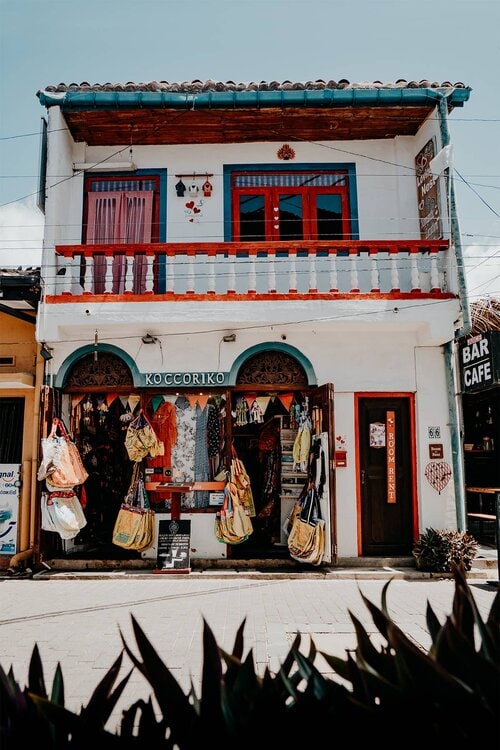
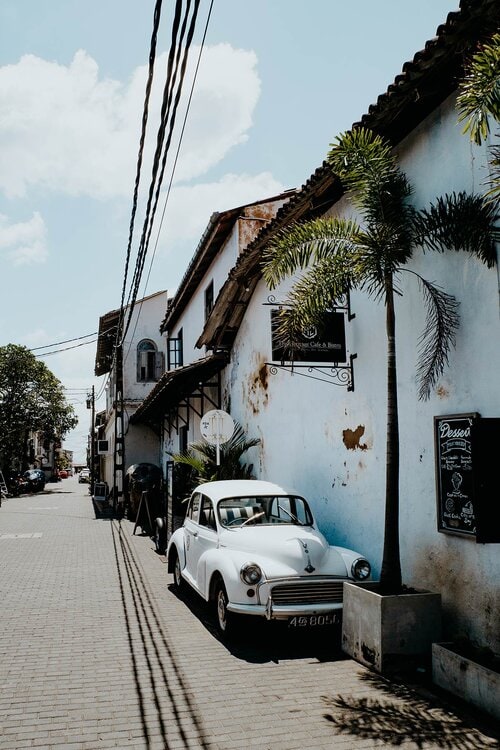
6. Watch sunset from the Galle Fort Walls
After an active day exploring everything Galle Fort has to offer, it’s time to venture for the fort’s walls to watch a glorious sunset reflect upon the shimmering Indian Ocean.
Every day around sunset, locals and travellers alike flock to the fort’s walls, which turns it into a cheerful happening.
The atmosphere here is extremely energetic; kids are playing all sorts of games, kites are floating high in the coloured sky, and travellers chat and relax while watching the world go by.
I highly recommend finding yourself a spot atop of the western part of the wall – ending your day here is mesmerizing and unquestionably one of the most delightful things to do in Galle Fort.
Where | Western walls of Galle Fort
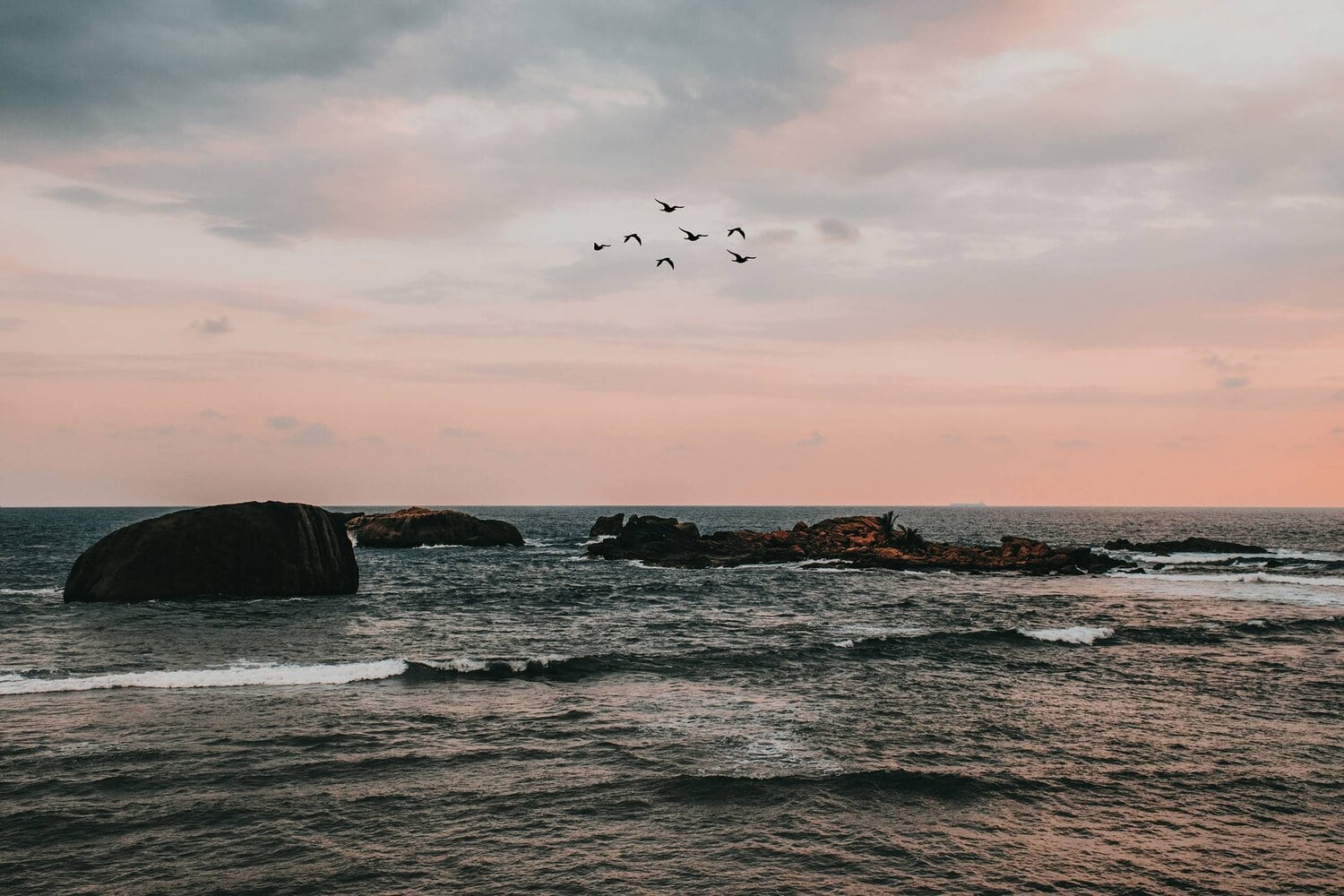
7. Explore the Galle Markets
You’ll have to admit it, the atmosphere found in a local market is often unrivalled in terms of authenticity and is perfect for becoming familiar with a country’s culture. This is clearly also the case within the buzzing Galle Markets.
Just outside Galle Fort, you’ll notice several authentic markets that sell a wide variety of local produce, such as delicious tropical fruits, the finest vegetables, freshly caught fish, and high-quality spices and herbs.
A stroll along the markets in Galle is excellent if you’re looking to expand your spice collection, or stock up on fruits to fuel your adventures in the fort – plus it’s the best way to experience the hustle and bustle of daily life in Sri Lanka.
Where | Galle Markets, Galle
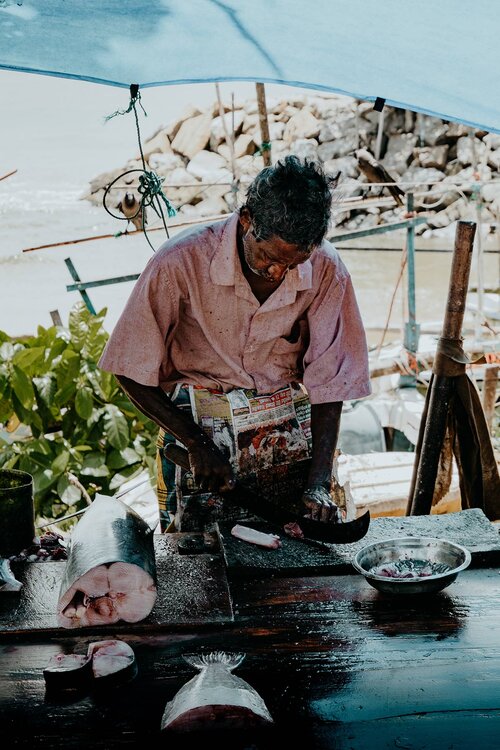
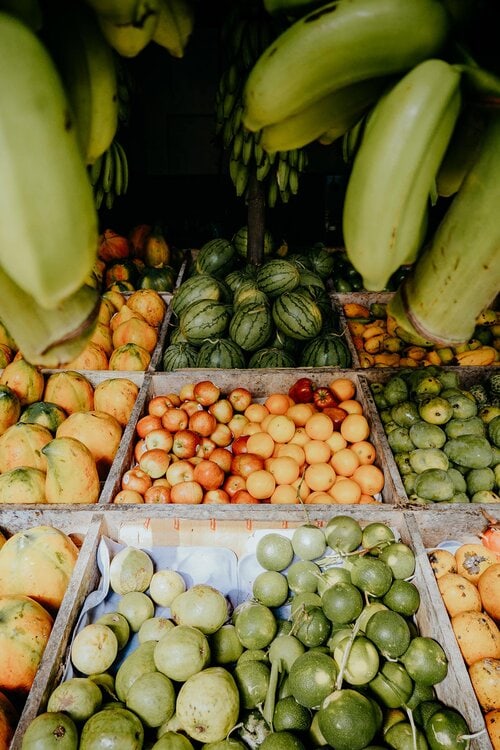
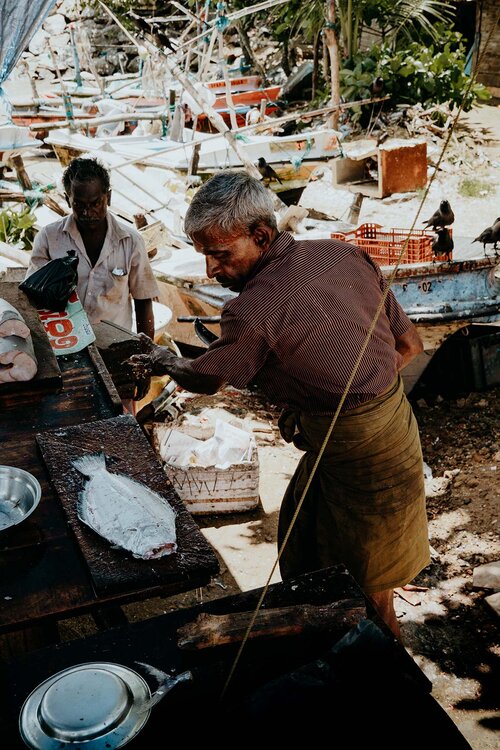
Things to do in Galle Fort | The essentials
Where the eat in Galle Fort | The best restaurants in Galle Fort
It’s easy to find a restaurant that suits your preference when you’re surrounded by a wide variety of excellent eateries.
I truly believe that some of Sri Lanka’s most unique restaurants are found within the ramparts of the lively Galle Fort – there’s just something magical about the colonial ambience within the fortress.
Some of the restaurants I enjoyed visiting are:
Chambers Restaurant | Serves the most delicious Mediterranean food, including Lebanese, Moroccan and Middle-eastern dishes. The food here is mouth-watering, but keep in mind, it’s more expensive than you’re used to in Sri Lanka.
Poonie’s Kitchen | A great café where locally sourced produce is used to make the most delicious and nourishing contemporary dishes. Best known for their Instagrammable ‘salad Thali’, a must-eat when you plan to eat at Poonie’s.
The Indian Hut | Perfect for flavourful, Indian dishes – plus it’s really affordable. Longtime readers of WTSW might remember my affection for spicy curries. If you prefer spicy food like me, I’d recommend you head over to the Indian Hut.
Coconut Sambol | Similar to its eponymous dish, Coconut Sambol is extremely yum! Clearly one of the best Sri Lankan restaurants within Galle fort. They serve an all-you-can-eat buffet, which includes several delish curries, rice, and my all-time favourite; coconut sambal. If you fancy ginger, make sure you try their homemade ginger beer.
The best time to visit Galle Fort
The best time to visit Galle is from October to April, with February – April as the absolute peak months. During this period there is low rainfall and great overall temperature, which makes it pleasant to explore Galle Fort and surrounds.
Do be aware that Galle is significantly more crowded this time of year.
Galle is often considered a year-round destination, yet it is completely common to experience more rainfall during the southwest monsoon (May till September).
I personally visited Galle Fort in September and was fortunate enough to have the best of both worlds. Do keep in mind that travelling during the shoulder season doesn’t always guarantee good weather.
How to get to Galle Fort
By train | The train journey along the picturesque coastline is easily the most scenic (and best) way to get to Galle, especially if you’re planning to visit after Colombo, Hikkaduwa or Mirissa (Weligama Railway Station). With a great train connection between Colombo Fort (stops in Hikkaduwa) and Galle, it’s quite straightforward, just make sure you avoid travelling during the peak hours.
From Colombo to Galle
Where | Colombo Fort Railway Station
Cost | 200 – 280 LKR, ($1.10 – 1.54)
Travel time | Around 3 hours
From Hikkaduwa to Galle
Where | Hikkaduwa Railway Station
Cost | 120 – 200 LKR, ($0.66 – 1.10)
Travel time | Around 30 minutes
From Mirissa (Weligama Railway Station) to Galle
Where | Weligama Railway Station
Cost | 110 – 160 LKR, ($0.60 – 0.88)
Travel time | Around 45 minutes
By bus | If you’re looking to visit Galle after Hikkaduwa, Unawatuna or Mirissa, I highly recommend travelling by local bus. Using local busses as your service of transport is cheap and a great way to get a feel for the country and its people.
Local bus from Hikkaduwa, Unawatuna or Mirissa
Cost | 50 – 150 LKR ($0.30 – 0.80) per person
Travel time | 0.5 – 1 hours
Direct bus from Colombo to Galle | If you’re planning to travel from Colombo, I recommend taking the train or opt for the more luxury direct bus from Colombo to Galle (with air-conditioning), which leaves from the Maharagama bus station. Keep in mind that this bus station is about 15-kilometres south of the city centre, making it quite difficult to get to during peak hours.
Where | Maharagama Bus Station
Cost | 400 LKR ($2.20) per person
Travel time | 1.5 – 2 hours, departs every 15 minutes
Local bus from Colombo to Galle | For those on a budget, it is also possible to take the local bus from Colombo to Galle. This journey takes significantly longer, making it quite an exhausting trip.
Where | Bastian Mawatha Bus Station
Cost | 100 LKR ($0.55) per person
Travel time | 3 – 3.30 hours, departs every 20 minutes
Stay safe in Sri Lanka | Travel insurance
Though Sri Lanka is perfectly safe for travellers, I always strive to sort out my travel insurance before arriving in a foreign country, and I highly advise anyone else to do the same.
Where we prefer that everything goes smoothly during our travels, something unfortunate can happen at any moment, whether it’s an injury or an accident on the road. When that happens, it is better to be safe than sorry.
Heymondo | Whether you’re going on a 3-week backpacking trip, or planning a long stay somewhere abroad, Heymondo has excellent insurance options either way – plus full COVID-19 coverage and a handy app with 24-hour medical assistance. Readers of WTSW receive 5% off any insurance policy, more information here.
Cheers!
I’ve been on this travel blogging journey since 2019.
If you appreciate what I do here, these are some ways you can support me.
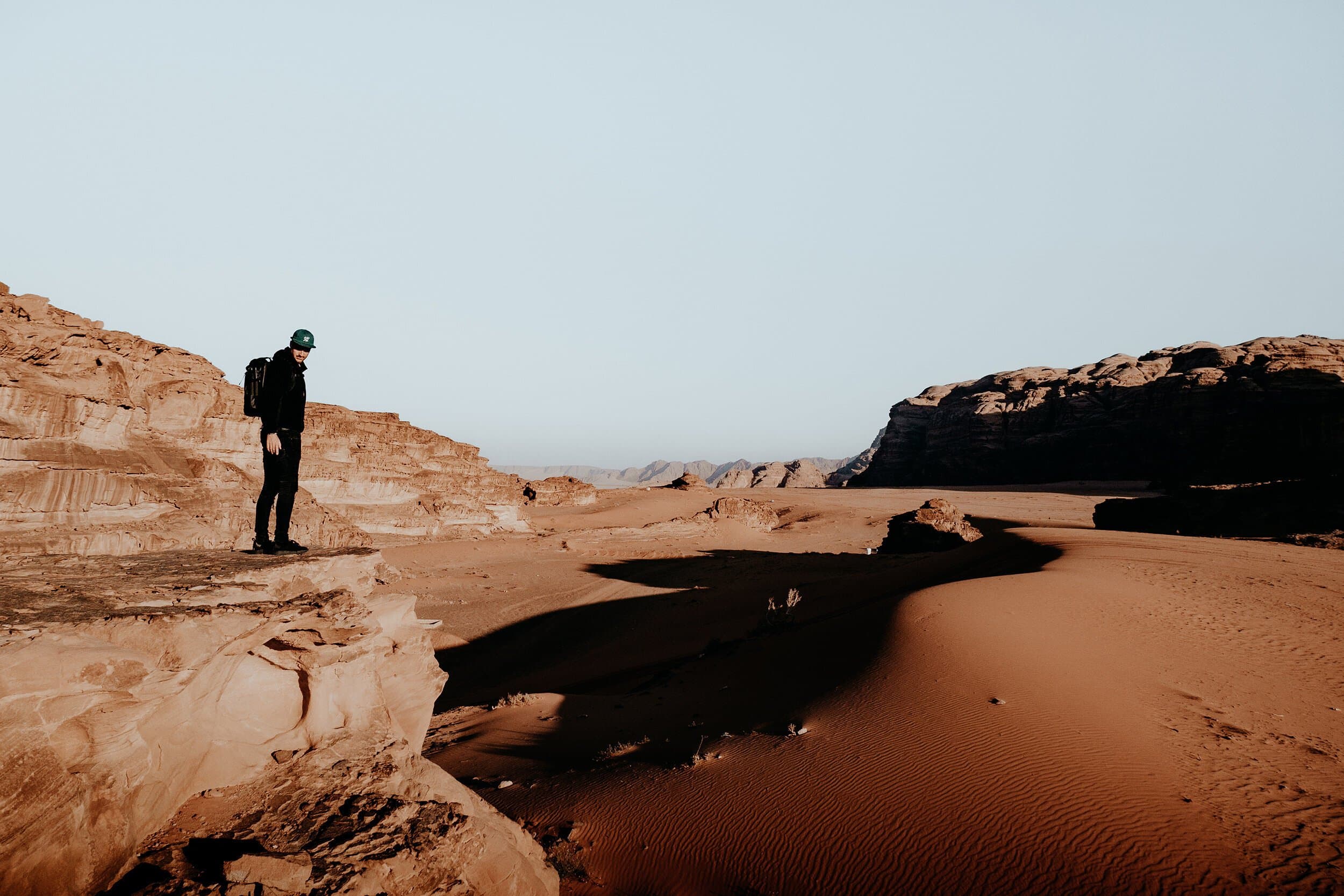
42 Incredible photos that will inspire you to visit Jordan
Here is my photography story of Jordan, an incredible country that captivated me with its unrivalled nature.
In terms of sheer natural beauty, Jordan will always be a topic of conversation.
Jordan holds some of the most impressive natural phenomenons in the world. Think of the moon-like dunes of Wadi Rum, the extraordinary Dead Sea, and Jordan’s largest natural reserve: the Dana Biosphere Reserve.
Yet there is only one thing that comes to a travellers mind when they think of Jordan, and that is the ancient city of Petra. Poised between the dry desert and towering mountains is an ancient Nabatean city, entirely carved out of sandstone, and easily one of the most enchanting places I’ve ever seen.
But Jordan is way more than its number-one attraction. I’ve spent time, wandering through the narrow streets of downtown Amman, I explored the well-preserved remnants of the Roman ruins in Jerash, and roamed around the rippled sand dunes of Wadi Rum, all with camera in hand.
To present the best possible look and feel of this captivating country, I share with you my Jordan photography story – a collection of 42 photos that inspire you to visit Jordan.
42 Photos that will inspire you to visit Jordan
The ancient city of Petra and its surroundings
Only a few UNESCO heritage sites come close to the ancient city of Petra in terms of mysterious, ancient structures.
The charm that defines Petra is realised by ancient temples, carved out of red-rose sandstone, and despite the crowds, it’s one of the most exhilarating things to see on a Jordan itinerary.
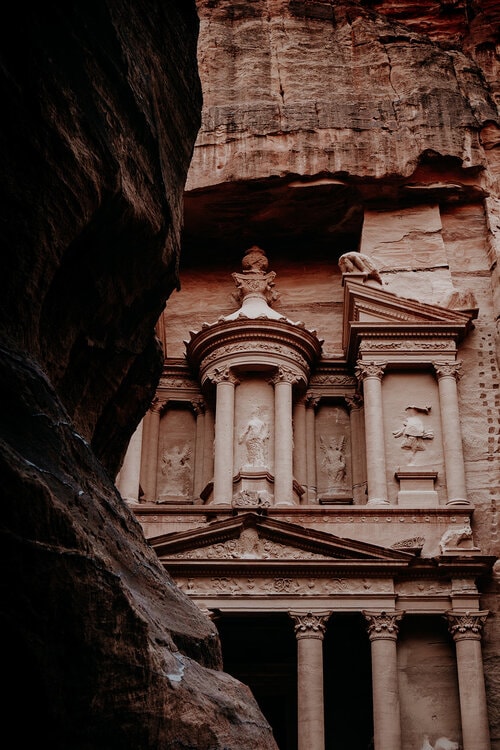
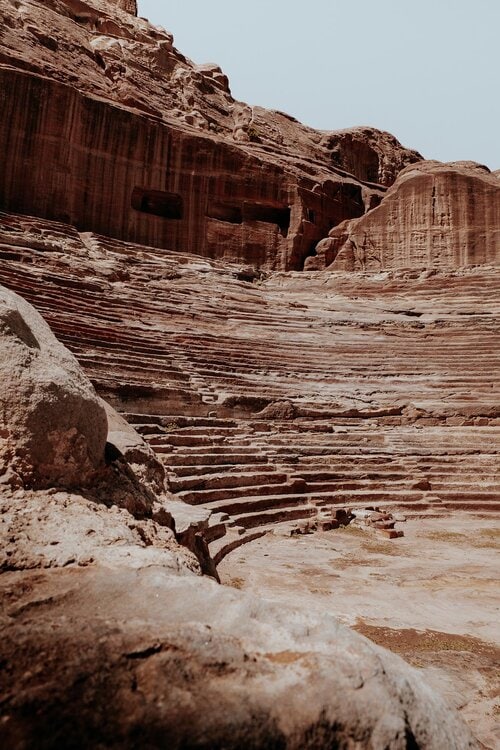
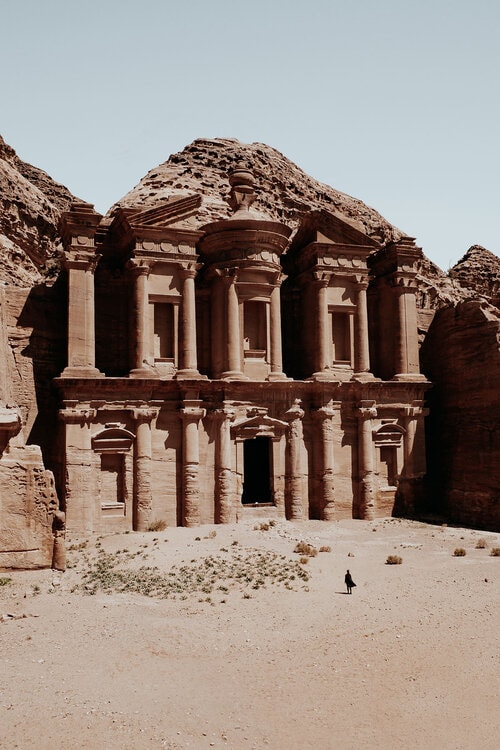
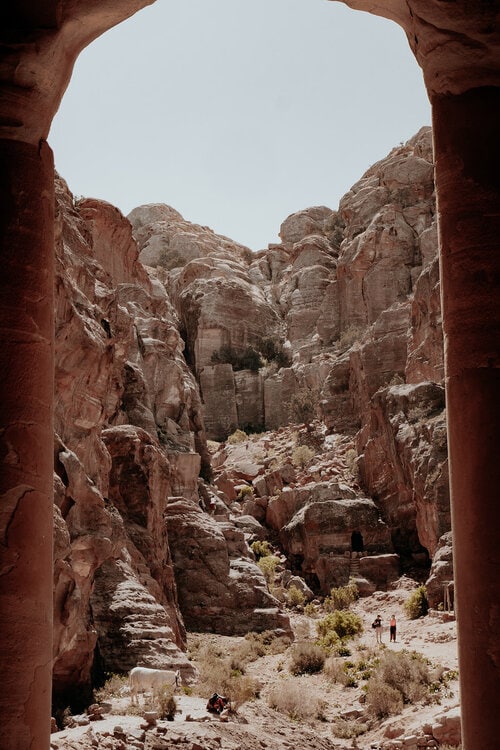
The hustle and bustle of downtown Amman
Downtown Amman has no shortage of rustic, narrow laneways, bustling bazaars, the characteristic smell of fresh herbs & spices, and the most impressive points of interest – a true delight to any curious wanderer.
At first, the city felt pretty overwhelming, but once I got my bearings, Amman slowly revealed that it holds beauty around every corner.
Make sure you’ll give Amman a well-deserved chance before travelling to your next destination – the city has a great number of impressive things to see and do.
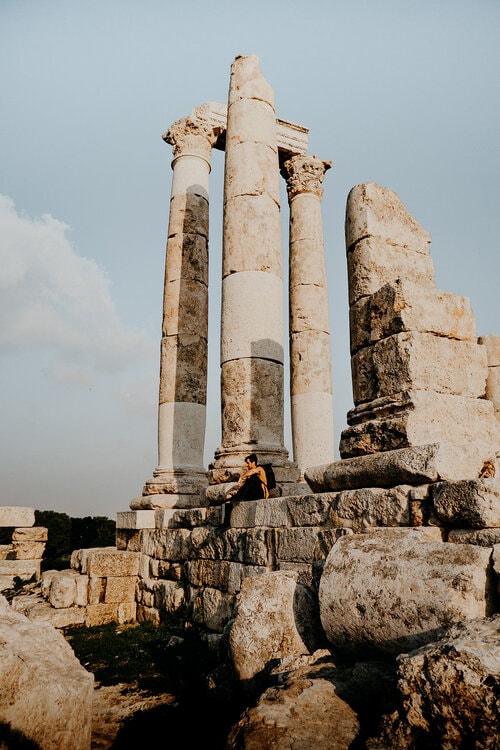
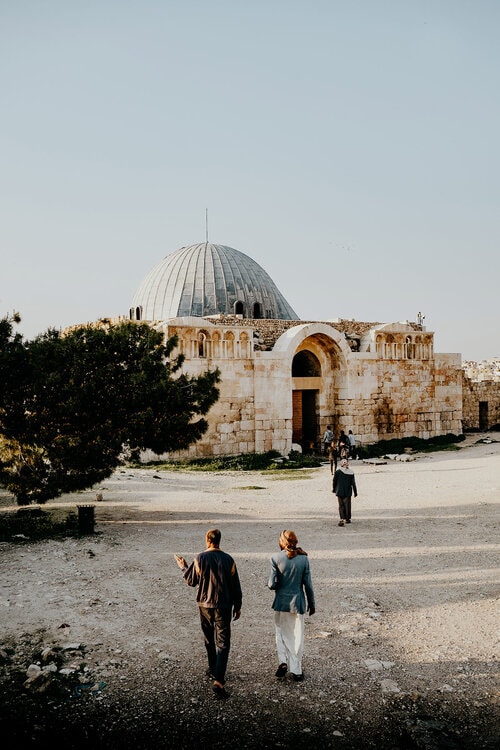
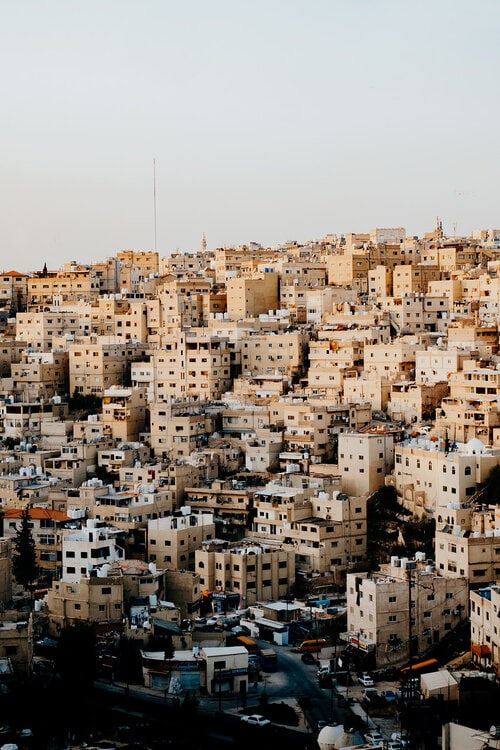
The Dead Sea, Jordan’s unique natural phenomenon
The Dead Sea is one of the most fascinating encounters between land and sea, yet it is something else that makes the sea so unique.
With almost 10 times the amount of salt as the ocean, the Dead Sea is often referred to as an extraordinary natural phenomenon.
As a result of the high salinity, travellers get invited to have a once-in-a-lifetime experience: the chance to float on the water of the Dead Sea. What more can I say?

The moon-like dunes of Wadi Rum
Situated in the midst of the Arabian desert is the Wadi Rum, a majestic, extensive scenery that is famed for its red rippled sand dunes and enormous, scenic rock formations.
If you’re in for an off the beaten path adventure, jump aboard a jeep and roam around the iconic Wadi Rum desert, which is often called ‘The Valley of the Moon’.
To me, Wadi Rum is unrivalled regarding sheer natural beauty, and one of the most unearthly sceneries in the world.

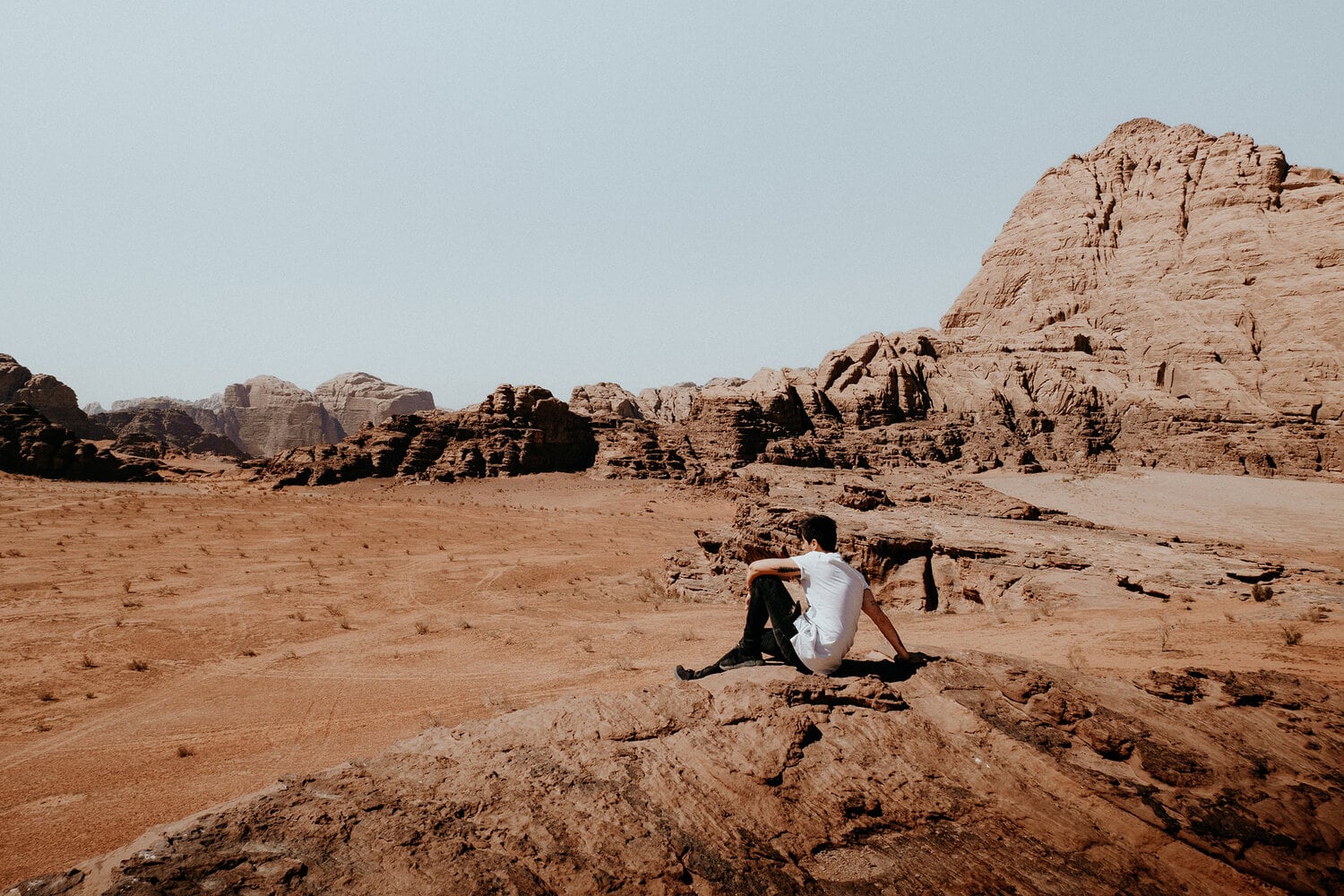
THE ROMAN RUINS OF JERASH
Known today as the largest and best-preserved Roman ruins outside of Italy is Jerash: an ancient archaeological site that is incredibly picturesque and definitely worthy of your visit.
Jerash is in fact, the second most popular site in Jordan, right after Petra.
Make sure you visit the ruins of Jerash as a day trip from Amman – it’s only a 1-hour drive and trust me, it won’t disappoint.
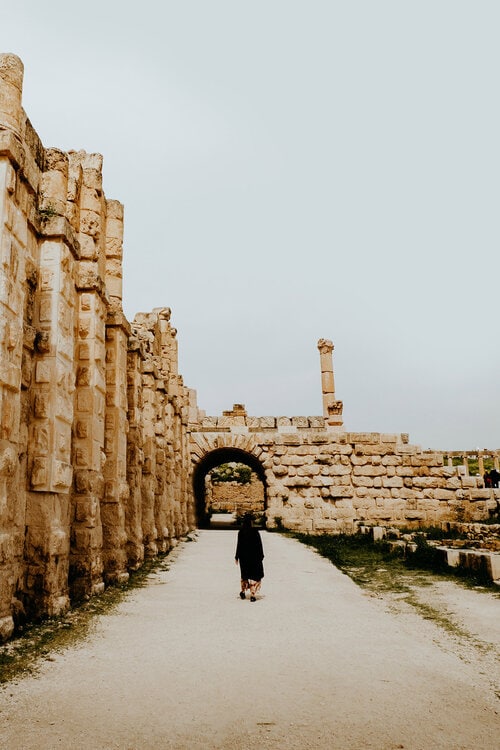
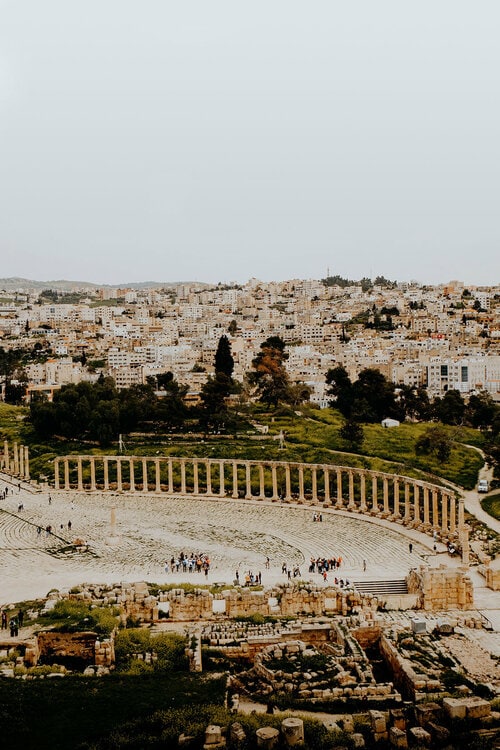
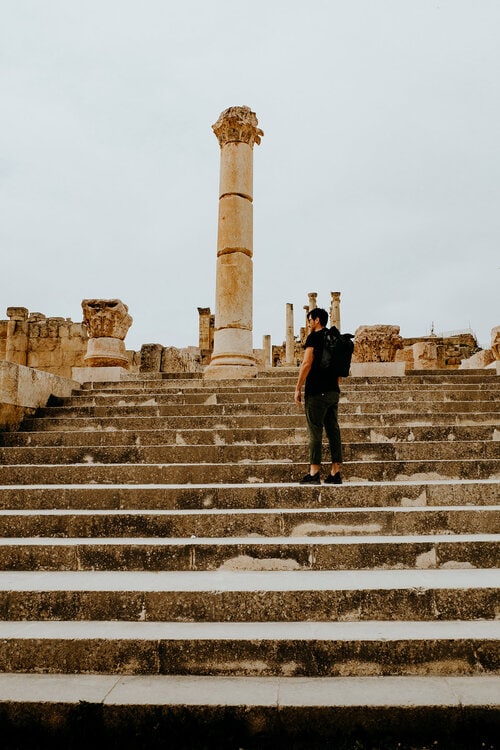
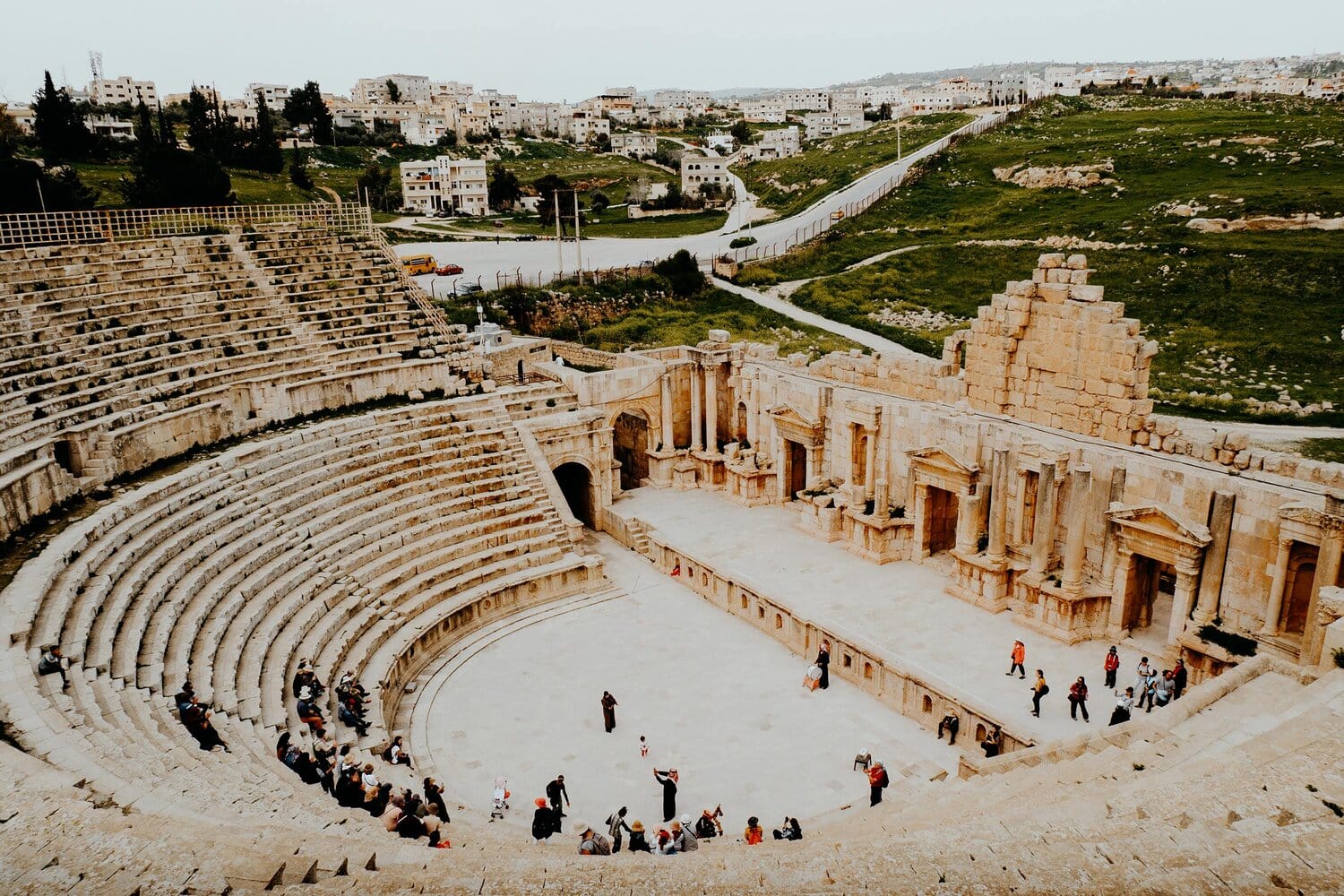
The travel Photography gear that I use
Jordan’s natural beauty is unrivalled, and if you want to make the most of your travel photography while exploring Jordan, I’d recommend investing in some serious photography gear.
If you like my travel photography, this is the gear that I use to capture my adventures:
Lumix S5II | Last year, after years of heavy use and plenty of travel adventures with my S5, I decided to upgrade to the Lumix S5II, and honestly, capturing sharp, high-quality images has never felt easier.
SIGMA 24-70 F2.8 | Essentially mounted to my S5II for 90% of the time, the Sigma 24-70 F2.8 is an absolute beast, as it’s super fast, versatile and sharp, making it my go-to in every situation.
DJI Mavic 3 Pro | My partner in crime when it comes to aerial shots, the Mavic 3 Pro, with its 20MP 4/3 CMOS sensor and smooth flight performance, gives me opportunities I could’ve only dreamed of just a few years ago
If you’re keen to learn about my complete photography setup, you might want to check out my in-depth ‘What’s in my Camera Bag’ article here.
Saftety in Jordan | Travel insurance
When travelling this big, wide world, I never go on an adventure without my essential travel insurance sorted out, and though I felt completely safe in Jordan, I recommend anyone travelling here to do the same.
Though you would rather not think about the things that could go wrong, there’s always a chance that it might happen, and when that’s the case, it is better to be safe than sorry.
For travel insurance, I use Heymondo, as they offer full COVID-19 coverage, as well as a handy app with 24-hour medical assistance. Make sure you check it out – readers of WTSW receive 5% off any insurance policy too.
Cheers!
I’ve been on this travel blogging journey since 2019.
If you appreciate what I do here, these are some ways you can support me.
The ultimate 3-week Sri Lanka itinerary | The best of Sri Lanka
Uncover the absolute best of Sri Lanka with this detailed 3-week itinerary. This itinerary covers all the best things to see and do – including the best beaches & surf breaks, must-see attractions, and impressive ancient World Heritage Sites.
You’ll be hard-pressed to find an island that amazes travellers as much as Sri Lanka.
Sri Lanka’s natural beauty is unrivalled – from the beloved gold-sanded beaches on the southern coast to mysterious mountain towns in the idyllic hill country to the dense, wildlife-rich jungles of Yala National Park.
There is simply a myriad of reasons to travel to Sri Lanka, and the world’s most scenic train ride is absolutely one of them. Not to mention that Sri Lanka occupies some of the most vibrant cultural heritage sites, including a colonial seaside fortress, lush tea plantations, and multiple ancient cities which include Kandy, Polonnaruwa and Sigiriya.
You could easily say that Sri Lanka’s unique experiences and breathtaking landscapes go hand in hand, and it’s my intention to help you plan, and make the most out of your journey. I’ve put together the best possible itinerary to spend 3 weeks in Sri Lanka.
My 3-week Sri Lanka itinerary is a detailed introduction and covers all the best things to see and do – plus additional guides that help you throughout your trip. Now the only thing left for you to do, is soaking up beautiful Sri Lanka and its magical experiences.
If you choose to use any of the links on this page, I may receive a small commission at no extra cost to you. By using these links, you’ll have a direct impact on WTSW and my ability to continue to create free insightful travel content for you. If you find any of my tips useful, you can support me by buying a virtual coffee here.
My 3-week Sri Lanka itinerary | Daily Overview
Day 1 | Colombo, Sri Lanka’s somewhat chaotic capital
Sri Lanka’s vibrant capital makes an excellent first destination in your Sri Lanka itinerary, especially if you look at the fact that it is located just 45 minutes from the Bandaranaike International Airport.
With nearly 620,000 inhabitants, Colombo is considered Sri Lanka’s biggest city. Unfortunately, this comes with the side note that the city is rather intoxicating, and often too overwhelming to fully enjoy.
Although Colombo isn’t the most captivating city in terms of must-see attractions, I think you shouldn’t just skip over it. I would recommend spending at least one day here to experience the hustle and bustle of Sri Lankan everyday life.
COLOMBO | MUST-SEE ATTRACTIONS
The Red Mosque (Jami Ul-Alfar Mosque) | Located in the narrow streets of Pettah, Jami Ul-Alfar Mosque is one of the few must-see attractions in Colombo. The mesmerising mosque is charmed by a distinct colour pattern, towering minarets, and ornate domes that can be seen from quite a distance. It’s utterly breathtaking to see the towering mosque appear while strolling through the lively streets of Pettah.
Barefoot | Barefoot is an iconic shop, gallery, bookshop, and courtyard café in the heart of Colombo’s spirited fort area. The vibrant café is tucked away in a garden of calm and serves a wide variety of delicious dishes, while the shop sells traditional artisan crafts like fabrics, linen, clothes and gifts. Barefoot also houses a unique bookstore that offers a great selection of books on art, architecture, photography and spirituality.
The streets of Pettah | Pettah is considered one of the oldest districts in Colombo and a stroll through its narrow streets is quite the experience. The Pettah market is an excellent area to get a feel for the country and its people. While you’re there, make sure to grab a bite at one of the many street food stalls. Bear in mind that these streets are very chaotic and overwhelming, therefore it is best to give in, and go with the flow.
COLOMBO | THE ESSENTIALS
Where | Colombo
Where to stay in Colombo | I recommend Lavonca Boutique Hotel, a small, comfortable hotel in the heart of Colombo. Alternatively, use booking.com to find accommodations in Colombo.
How to get around Colombo | Colombo is quite an extensive city and somewhat challenging to navigate by foot. The easiest way to get around is by making use of the famous tuk-tuks, which are found at about every corner. To avoid unnecessary costs, use the PickMe app, or arrange a price with your tuk-tuk driver in advance.
Day 2 – 3 | Galle Fort, a colonial seaside fortress
After experiencing the hustle and bustle in Colombo, it’s time to embark on a scenic train journey in the direction of Sri Lanka’s spirited south coast.
During this 3-hour journey from Colombo Fort to Galle, you’ll get spoiled by views of vivid sceneries, as well as authentic local villages and the island’s golden-sanded coastline.
Once you arrive in Galle, you’ll quickly come to realize why it is such a beloved destination. The seaside town was once of significant importance and is still largely visited for its historical Galle Fort, a UNESCO World Heritage site that continues to amaze travellers.
The Dutch Colonial fort in Galle has a rich and captivating character. With lively, narrow streets, decaying colonial buildings, trendy contemporary cafés, and an appealing, tropical ambience, Galle Fort is, in my opinion, a must-see in any Sri Lanka itinerary.
GALLE FORT | MUST-SEE ATTRACTIONS
Galle Fort Lighthouse | The Galle Fort Lighthouse is framed by tropical palm trees and is one of the many picture-perfect scenes in Sri Lanka. For that reason alone, it’s one of the things that shouldn’t be missed within the ramparts of the historical Galle Fort.
The Galle Markets | Just outside Galle Fort, you’ll notice several authentic markets that sell a wide variety of fruit, fish and spices. By visiting these local markets you have an excellent chance to taste delicious tropical fruits, and stock up on high-quality spices – plus you become familiar with Sri Lankan culture.
Galle Fort interior | Taking a stroll through the narrow, colonial streets of the fort was by far one of the best things I did during my time in the Galle Fort. By doing so, you come across a collection of decaying colonial buildings, which makes it seem as if you’re living during the VOC era.
GALLE FORT | THE ESSENTIALS
Where | Galle Fort, Galle
Where to stay in Galle Fort | Galle has no shortage of good accommodations, both in and outside the fort. I would highly recommend The Heritage Hotel Galle Fort and 50 CHURCH STREET – GALLE FORT. Alternatively, use booking.com to find accommodations in Galle.
How to get from Colombo to Galle Fort | The easiest and most scenic travel option is from Colombo Fort to Galle by train. The direct train operates frequently (about 10 times a day) and takes around 2.5 – 3 hours.
How to get around Galle Fort | Galle Fort is easily explored by foot. If your accommodation is slightly remote, make use of the accessible tuk-tuks.
Day 4 – 5 | Unawatuna, Sri Lanka’s backpacker beach town
Situated at only a 10-minute drive from Galle lies Unawatuna, one of Sri Lanka’s most popular coastal towns and the first proper beach destination in this itinerary.
Unawatuna has rapidly become a fixture for travellers who visit Sri Lanka and trust me, that’s for a good reason. The trendy beach town is home to a laidback backpacker vibe and has no shortage of palm-fringed beaches, contemporary cafés, and irresistible beachfront restaurants.
Accordingly, I would recommend spending a few nights here, it has some of the island’s most beautiful beaches after all.
UNAWATUNA | MUST-SEE ATTRACTIONS
Dalawella Beach | Dalawella Beach is an extremely picturesque stretch of beach and without a doubt one of my favourite beaches in Sri Lanka. The charm that defines Dalawella Beach is realized by a scenic rock formation, exciting beach swings and plenty of low-bending palm trees. Make sure you visit early morning or during sunset.
Skinny Tom’s Deli | Only head over to Skinny Tom’s Deli, if you’re keen on tasting the best brunch in town. This European-style café has a great reputation on the southern coast and serves life-changing bacon, dhal & egg hoppers, fresh eggs benedict toast, and delicious artisanal cakes and desserts.
Jungle Beach | Although it’s located slightly off the beaten path, Jungle Beach is an exceptional place for an afternoon of relaxing, swimming and tanning. Make sure you take a look at the Japanese Peace Pagoda, which is situated in the lush jungle right above the secluded beach.
UNAWATUNA | THE ESSENTIALS
Where | Unawatuna
Where to stay in Unawatuna | Unawatuna has great accommodations in every price range and I would highly recommend Levels Unawatuna and Green Escape Unawatuna. Alternatively, use booking.com to find accommodations in Unawatuna.
How to get from Galle Fort to Unawatuna | Take a 10-minute drive by local bus from Galle Fort to Unawatuna. Alternatively, take a tuk-tuk.
How to get around Unawatuna | Unawatuna is easily navigated by foot. If you’re keen to explore the surrounding towns, make use of the affordable tuk-tuks, or rent a scooter.
Day 6 – 7 | Mirissa, a tranquil beachside paradise
After unwinding at one of the tropical beaches in Unawatuna, it is time to continue your journey along the island’s beloved south coast.
Mirissa is an energetic beach town that has not gone unnoticed by backpackers and travellers alike. It has, in fact, become quite an unmissable destination in Sri Lanka itineraries.
The beach town is all about riding waves, paradisiac stretches of beach, trendy cafés and the tranquil ambience that characterizes it. But what really highlights Mirissa is that it’s deemed to be one of Sri Lanka’s best places to get up close and personal with Blue Whales.
MIRISSA | MUST-SEE ATTRACTIONS
Coconut Tree Hill | Coconut Tree Hill is without a doubt among the most iconic things to see in Sri Lanka. The tangerine-coloured cliff is extremely popular and well-known for its sea of swaying palms and views over the shimmering Indian Ocean. I’d recommend stopping by earlier in the day or during a glorious sunset.
Parrot Rock | Only just off Mirissa’s main beach is Parrot Rock, a small secluded rock-island that provides the most stunning views over the town’s golden-sanded shoreline. Make sure you climb to the summit, it’s one of Mirissa’s best spots to sit and watch the world go by.
Surfing in Weligama | With decent waves rolling in year-round, Mirissa is one of the leading surf destinations on Sri Lanka’s south coast. The vibrant town is home to excellent surf schools that provide lessons and board rental. The waves in Mirissa are perfect for beginners, intermediate and advanced surfers.
MIRISSA | THE ESSENTIALS
Where | Mirissa
Where to stay in Mirissa | Mirissa has many excellent accommodations and I would highly recommend The Spice House Mirissa and Triple O Six. Alternatively, use booking.com to find accommodation in Mirissa.
How to get from Unawatuna to Mirissa | Jump aboard a direct train from Unawatuna to Mirissa that operates frequently (about 5 times a day). Expect the journey to take around 0.5 – 1 hour.
How to get around Mirissa | Walking around town is your best option as the distances are quite short. For surfing in Weligama, I would recommend taking a tuk-tuk.
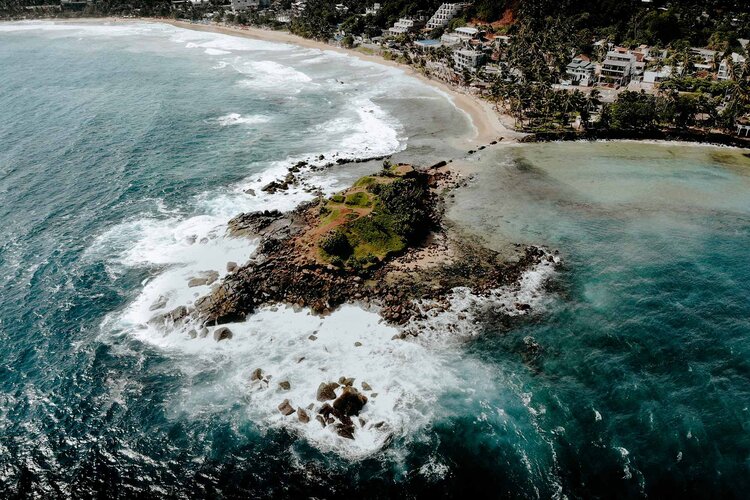
Day 8 | Yala National Park, Sri Lanka’s best safari destination
From the moment I booked my flight to Colombo, I was excited about one specific thing, travelling to the wildlife-rich jungles of the Yala National Park to experience my first-ever safari.
The incredible Yala National Park, situated on the island’s south-eastern coastline, is famed as Sri Lanka’s most popular national park and is unquestionably a must-see on any Sri Lanka itinerary.
The park is home to dense jungles, sandy dunes, wide stretched grasslands and several lakes and lagoons. This distinct landscape is the perfect habitat for a great variety and density of wildlife, which results in the potential sighting of leopards, elephants, Black Sloth bears, Fishing cats, Red Slender loris and crocodiles.
In totality, the national park is home to 44 species of mammals, 215 species of birds and 46 species of reptiles, which makes an excellent reason to jump aboard a jeep and roam around the jungles of the park. Believe me, it’s one of the most fulfilling adventures in Sri Lanka.
It’s easy to book your Yala National Park safari through your accommodation in Tissamaharama. I would recommend joining a morning safari, this increases the potential of leopard sightings.
YALA NATIONAL PARK | THE ESSENTIALS
Where | Yala National Park
Where to stay in Yala National Park | Tissamaharama has great accommodations (both in and outside the park) and I would highly recommend Thaulle Ayurveda Resort and Cinnamon Wild Yala. Alternatively, use booking.com to find accommodations in Yala National Park or Tissamaharama.
How to get from Mirissa to Yala National Park | For this journey, the local bus is the easiest and cheapest option. Head to Matara, and here change to a direct bus to Tissamaharama. The journey can be quite intense and takes around 3.5 hours.
Entrance fee in 2024 | 11.000 LKR, ($37.50) per person.
Half-day jeep safari costs | 14.000 – 17.000 LKR ($47.60 – 57.80) per jeep, with a maximum of 6 people.
Day 9 – 10 | Arugam Bay, a laidback surfer town
Travelling to Arugam Bay requires quite a long and exhausting journey, as it is pretty off the beaten path compared to other destinations on this Sri Lanka itinerary. That being said, I truly believe that the detour is worth every minute of it.
Slightly hidden on Sri Lanka’s untouched east coast, with Yala National Park as its neighbour, lies Arugam Bay: one of the island’s leading surf destinations. With great bays, excellent surf breaks, stunning natural sceneries, and trendy cafés, there’s enough to see and do in Arugam Bay, therefore, I would recommend staying at least two days.
ARUGAM BAY | MUST-SEE ATTRACTIONS
Kudumbigala Monastery | Just 45 minutes from Arugam Bay’s spirited main street is the Kudumbigala monastery, a sacred place where locals come to practise deep meditation techniques. In addition to those mysterious, spiritual vibrations, you’ll find a viewpoint that provides the most stunning panoramic views of the entire region.
Muhudu Maha Viharaya | Known as the temple of the ocean, Muhudu Maha Viharaya is a charming white Buddhist stupa, overlooking Pottuvil’s sandy dunes and shimmering ocean. Fortunately, the temple is out of range of the regular tourist area, so it gives an authentic glimpse of Sri Lanka’s daily life. As always, follow religious customs and visit in a respectful manner.
Elephant Rock | Acknowledged as one of the best surfing breaks in the area, and a great place to sit and watch the world go by, especially during the golden hour. Elephant Rock gives a marvellous view over the bay and its wave-riding surfers, certainly a must-see in Arugam Bay.
ARUGAM BAY | THE ESSENTIALS
Where | Arugam Bay
Where to stay in Arugam Bay | Arugam Bay has no shortage of great accommodations. For surfing, I’d highly recommend The Spice Trail – another excellent option is Bay Vista. Alternatively, use booking.com to find accommodation in Arugam Bay.
How to get from Yala National Park to Arugam Bay | Local bus is the cheapest option. Do keep in mind that this is one of the most exhausting bus journeys in Sri Lanka – plus it requires changing bus up to three times. Alternatively, hire a tuk-tuk or arrange a taxi with the PickMe app. The journey can take up to 6.5 hours.
How to get around Arugam Bay | If you’re looking to explore the surrounding area, I would highly recommend renting a scooter. Alternatively, walk or make use of tuk-tuks.
Day 11 – 13 | Ella, Sri Lanka’s extraordinary hill country
After learning to ride the waves in Arugam Bay, it’s time to head for Sri Lanka’s mysterious mountains and one of my favourite places in the country, the sleepy town of Ella.
Around 1,041 metres above sea level and hidden in Sri Lanka’s peaceful hill country is Ella: a small town that is encircled by charming tea plantations, towering mountains and rushing waterfalls.
If you’re a nature & adventure enthusiast like me, Ella’s incredible sceneries will surely blow your mind. I enjoyed this town so much, that I’ve ended up staying slightly longer than initially planned. Therefore I’d always recommend adding some flexibility to your Sri Lanka itinerary.
ELLA | MUST-SEE ATTRACTIONS
Ella Rock | It is no surprise that Ella Rock is one of the must-see attractions in Ella as it provides breathtaking views of Little Adam’s Peak, Ella Gap and the mysterious hill country of Ella. If you’re a seasoned hiker, you certainly feel hyped for the somewhat challenging Ella Rock hike. Do bear in mind that the best time to hike up Ella Rock is around sunrise.
Nine Arch Bridge | The now-famous Nine Arch Bridge is single-handedly responsible for the largest part of travellers that come and visit Ella. Tucked away between the dense jungle and tea plantations; this stunning piece of architecture impresses both travellers and locals on a daily basis. The scene becomes even more remarkable when the famous blue train slowly navigates its way across the bridge.
Little Adam’s Peak | As the name implies, Little Adam’s Peak is named after its taller and better-known brother, Adam’s Peak. The hike to the summit of Little Adam’s Peak guarantees the most excellent overview of both Ella Rock and the infinite-looking Ella Gap. It’s therefore little wonder that it’s such a popular attraction in Ella.
ELLA | THE ESSENTIALS
Where | Ella
Where to stay in Ella | Ella has some of Sri Lanka’s finest accommodations and I would recommend Rawana Den, 98 Acres & Spa and Mountain Heavens. Alternatively, use booking.com to find accommodation in Ella.
How to get from Arugam Bay to Ella | Take a bus to Monoragala, before changing to the bus that heads for Wellawaya. Here take the bus to Ella. If you’re fortunate, you may catch a direct bus between Arugam Bay and Wellawaya. Since the journey is quite chaotic, alternatively hire a tuk-tuk or arrange a taxi with PickMe. The journey can take up to 4.5 hours.
How to get around Ella | Ella is an easy town to navigate by foot. Alternatively, jump aboard one of the many tuk-tuks.
Ella to Kandy, the most scenic train ride in the world
Ask anyone who jumped aboard the famous Ella to Kandy train and they all answer the same – this scenic train journey is one of the absolute highlights in any Sri Lanka itinerary.
Secure yourself a window seat and witness the train meandering through mysterious woodlands, authentic local towns and leafy tea plantations. This seven-hour journey is one of the most spectacular train rides in the world, so make sure you enjoy every moment of it.
ELLA TO KANDY TRAIN JOURNEY | THE ESSENTIALS
Where | Ella Railway Station
Costs | 2nd class: 270 LKR ($1.50), 3rd class: 180 LKR ($1). If you prefer to book your ticket in advance, visit 12go.asia.
Train times from Kandy to Ella | 06:40, 09:24, 10:57 and 12:48. For up-to-date timetables, visit the Seat61 website.
Day 14 – 15 | Kandy, the city of kings
Following the breathtaking train journey, you’ll arrive in Kandy, a vibrant city that is of major significance to Sri Lanka’s rich, captivating culture and history. It is, therefore, more than rightly so named, the city of kings by its locals.
Sri Lanka’s second-largest city is famed for its most important spiritual site, the Temple of the Sacred Tooth Relic; which according to Sri Lankan legends houses a tooth of the Buddha.
Although many travellers tend to visit Kandy in a hurry, I think there are quite a few fascinating places to see and appreciate in Kandy. I would highly recommend spending at least two days exploring the lively city and surroundings.
KANDY | MUST-SEE ATTRACTIONS
Temple of the Sacred Tooth Relic | Right at the heart of Kandy and next to the Kandy Lake is the Temple of the Tooth Relic, Sri Lanka’s most important Buddhist shrine. The best time to visit is during a Buddha Puja ceremony, when pilgrims from all over the world reflect, sing and bring offerings to deepen the appreciation of the Buddha and his teachings.
Royal Botanical Gardens of Peradeniya | For me, it’s always impressive to see a large urban city park in the midst of a lively city, the Royal Botanic Gardens of Peradeniya is exactly that. The verdant gardens are home to over 4,000 species of plants, including palm trees, medicinal plants, orchids and spices. A peaceful morning walk is a perfect activity to escape the sizzling heat and chaos of Kandy.
Bahirawakanda Temple | Located atop the Bahirawa Kanda hill and to be seen from the whole of Kandy lies the majestic Bahirawakanda Temple. The towering Buddha reaches a height of 27 metres and is considered one of the largest Buddha statues in Sri Lanka. Make sure you snap some shots of the panoramic views of Kandy.
KANDY | THE ESSENTIALS
Where | Kandy
Where to stay in Kandy | I stayed at Range Hotel Kandy and Cafe Aroma Inn. Additionally, I would recommend Dumbara Peak Residence. Alternatively, use booking.com to find accommodation in Kandy.
How to get from Ella to Kandy | Jump aboard the famous Ella to Kandy train. It’s cheap and considered the most scenic train ride in the world – 2nd class: 270 LKR ($1.50), 3rd class: 180 LKR ($1). If you prefer to book your ticket in advance, visit the 12go.asia website.
How to get around Kandy | Kandy is easily explored by foot. I’d recommend grabbing a tuk-tuk for attractions that are situated just outside the town.
Day 16 – 17 | Sigiriya, Sri Lanka’s eight wonder of the world
It’s time to head further North to the Ancient City of Sigiriya, one of my all-time favourite places in Sri Lanka, and an unmissable destination on this itinerary.
It is little surprise that Sigiriya is loved by so many, it has essentially everything a traveller yearns for. The town is surrounded by nature, has no shortage of breathtaking sceneries and houses the authentic ambience of a local village.
The real draw though is the Ancient Sigiriya Rock Fortress, one of the country’s most famous landmarks, and often stated as the eighth wonder of the world.
It is safe to say that being surrounded by Sigiriya’s idyllic nature has a therapeutic effect on both body and mind. Therefore, I’d recommend spending a few days to explore and unwind in this magnificent area.
SIGIRIYA | MUST-SEE ATTRACTIONS
Sigiriya Rock Fortress | Sigiriya’s natural beauty is unrivalled – and that is largely by means of the Sigiriya Rock Fortress. Witnessing this unique, ancient fortress, should be on every Sri Lanka bucket list, whether viewed from Pidurangala Rock or up close and personal.
Pidurangala Rock | The Sigiriya Rock Fortress might be the number one attraction in Sigiriya, it’s the incredible view from Pidurangala Rock that stole my heart. Hiking the summit of Pidurangala Rock has rapidly become a must-do activity for travellers and locals alike. To experience the mesmerizing view at its full potential, make sure to visit at sunrise or sunset.
SIGIRIYA | THE ESSENTIALS
Where | Sigiriya
Where to stay in Sigiriya | I stayed at Hotel Sigiriya multiple times and I felt at home every single time. If you’re a creative like me, this is an inspiring place where you surely want to stay. Alternatively, use booking.com to find accommodation in Sigiriya.
How to get from Kandy to Sigiriya | Take a bus to Dambulla, where you change for the bus that heads to Sigiriya. Alternatively, hire a tuk-tuk from Dambulla to Sigiriya (1,000 LKR – $5.50). The journey takes around 2.5 hours.
How to get around Sigiriya | Walking around town is your best option as the distances are quite short. Do be aware that elephants often roam around the jungles. Alternatively, hire a bicycle to explore the stunning surroundings.
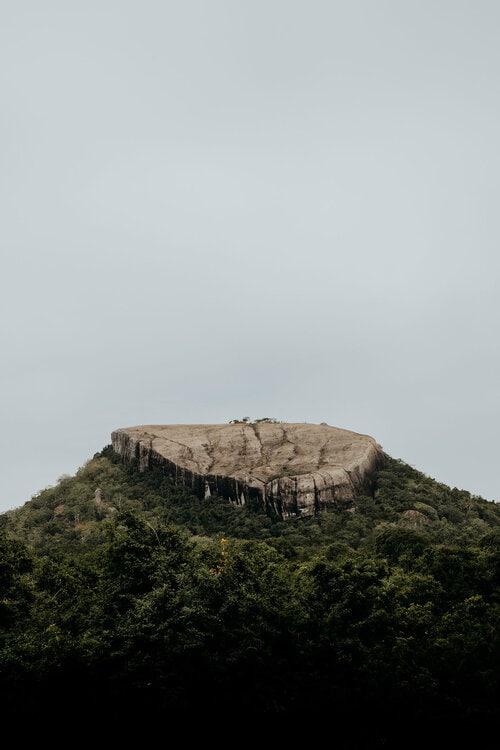
Day trip | Kaudulla National Park | The gathering of Elephants
Sigiriya is conveniently located and makes the perfect base for an exciting day trip: a jeep safari in Kaudulla National Park.
Poised between Sigiriya and Trincomalee, Kaudulla National Park is one of Sri Lanka’s best national parks, and home to over 200 wild elephants, including a newborn. The extensive wildlife park is often referred to as; The Gathering, the world’s largest gathering of Asian elephants.
It’s easy to book your Kaudulla National Park safari through your accommodation in Sigiriya. I would recommend joining an afternoon safari, right after you spend the morning visiting Sigiriya Rock Fortress or Pidurangala Rock.
KAUDULLA NATIONAL PARK | THE ESSENTIALS
Where | Kaudulla National Park
How to get from Sigiriya to Kaudulla National Park | By safari jeep. A safari tour always includes pick-up and drop-off at your accommodation.
Entrance fee in 2024 | 7.350 LKR ($25).
Half-day jeep safari costs | 9,500 – 10900 LKR ($32.50 – 37.50) per jeep, with a max of 6 people.
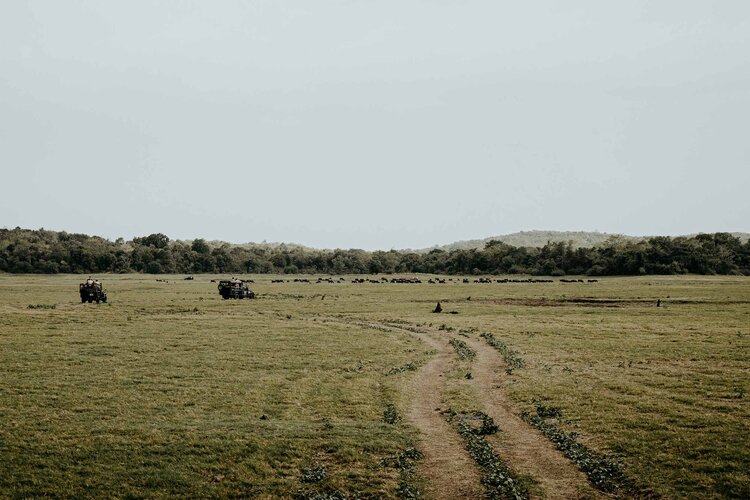
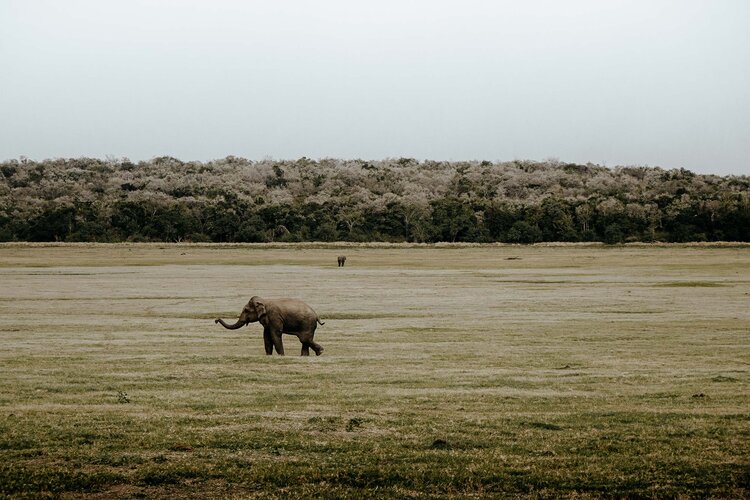
Day 18 | Polonnaruwa, Sri Lanka’s ancient capital city
Part of Sri Lanka’s glorious cultural triangle and only an hour away from Sigiriya is the ancient city of Polonnaruwa, an impressive UNESCO World Heritage site that makes for one of the best stops on any Sri Lanka itinerary.
Present-day, this ancient city has no shortage of grandeur, whether it’s the remains of temples and religious buildings, impressive shrines, or elegant Buddha statues. The ancient city of Polonnaruwa features some of the most impressive ruins in Sri Lanka – which is a true pleasure to seasoned travellers.
I’ve heard many backpackers who experience difficulties when choosing between Anuradhapura and Polonnaruwa. When I followed my intuition and chose Polonnaruwa, it felt like the right decision, and up until this day, I’m still delighted with it – even after visiting the Angkor temples in Cambodia.
POLONNARUWA | THE ESSENTIALS
Where | Polonnaruwa
Entrance fee | Adult 4,550 LKR ($25), children 2,275 LKR ($12.50).
Opening hours | 07:00 – 18:30 daily.
Where to stay in Polonnaruwa | I stayed at Hotel Lake Park and would additionally recommend Giritale Hotel and Mahanuge Hotel Polonnaruwa. Alternatively, use booking.com to find accommodation in Polonnaruwa.
How to get from Sigiriya to Polonnaruwa | Take the local bus to Inamaluwa, before changing to a direct bus that heads for Polonnaruwa. The journey should take no longer than 1.5 hours.
How to get around Polonnaruwa | The most fun way to explore Polonnaruwa is by bicycle. Alternatively, hire a tuk-tuk that guides you around the complex.
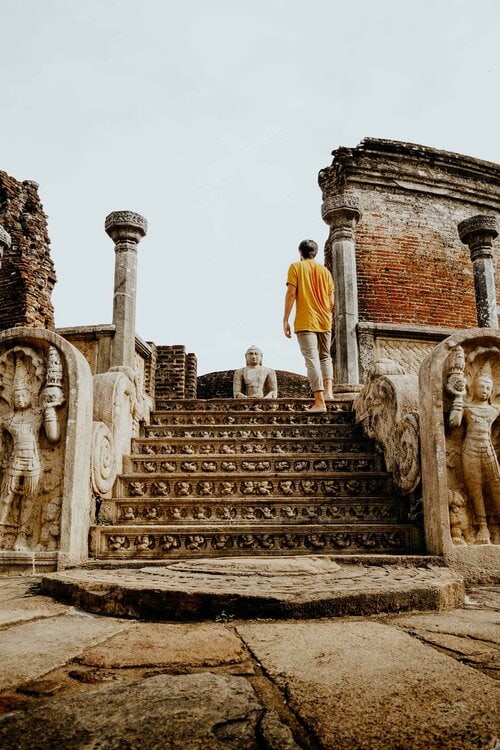
Day 19 – 20 | Trincomalee, Sri Lanka’s undiscovered East coast
After soaking up all that Polonnaruwa has to offer, it’s time to venture further east to the pristine, undiscovered beaches of Trincomalee and surrounds.
Trincomalee, often called Trinco by the locals, is a relaxed coastal town that is less frequently visited by travellers and backpackers alike. Even so, I sincerely feel that its beaches aren’t inferior to most of the must-see beaches on Sri Lanka’s beloved south coast.
But what really distinguishes Trincomalee is the fact that it’s deeply influenced by Tamil culture, resulting in a completely different atmosphere than elsewhere on the island. Trinco is thus, no stranger to vivid, breathtaking Hindu temples, and I would highly recommend attending at least one of them.
TRINCOMALEE | MUST-SEE ATTRACTIONS
Koneswaram Temple | The colourful Koneswaram Temple holds the upper area of Fort Frederick and is a must-see in Trincomalee. The fascinating temple is dictated by its main shrine, a large vivid statue of the Hindu god Shiva, and faces one of the world’s largest natural harbours. If you plan to visit, remember to respect religious customs.
Nilaveli Beach | Just 20 minutes north of Trincomalee you’ll find Nilaveli Beach, a secluded beach that is said to be among the best beaches in Sri Lanka. The sleepy town and its eponymous beach are still largely undiscovered to backpackers and houses an authentic local atmosphere. Nilaveli may be a little off the beaten path, but it is worth visiting, and a great place to grab a coconut while watching the world go by.
Sri Pathirakali Amman Kovil | Trinco may be renowned for its pristine beaches, it is the incredibly ornamented Hindu temples that amazed me the most. Established adjacent to the Trinco bus station is one of them, the Sri Pathirakali Amman Kovil, a work of art that is dedicated to the Hindu goddess Bhadrakali. To fully experience the temples, I’d recommend taking a peaceful walk in and around the buildings.
TRINCOMALEE | THE ESSENTIALS
Where | Trincomalee
Where to stay in Trincomalee | Trincomalee has excellent accommodations and I would highly recommend Amaranthe Bay Resort & Spa and Trinco Blu by Cinnamon. Alternatively, use booking.com to find accommodation in Trincomalee.
How to get from Polonnaruwa to Trincomalee | From Polonnaruwa’s main station, take the local bus to Habarana, before changing to a direct bus that heads for Trincomalee. The journey takes around 3.5 hours.
How to get around Trincomalee | If you’re looking to explore the surrounding area, I would highly recommend renting a scooter. Alternatively, go walking or hire one of the many tuk-tuks.
Day 21 | Negombo, time to leave Sri Lanka
It’s time to leave Trinco and board the train that brings you from Trincomalee to Negombo (departs once a day at 06:50).
This scenic train journey is the last glimpse you’ll have of this unique, captivating country. It’s a great moment to reflect and appreciate the fascinating adventures you’ve had during your 3 weeks in Sri Lanka.
To avoid unnecessary problems, make sure you arrive in Negombo one day prior to your return flight. By doing so, you ensure yourself a stress-free journey to the airport.
NEGOMBO | THE ESSENTIALS
Where to stay in Negombo | The last night before a flight, I always try to pick the most comfortable, budget-friendly accommodation possible. For Negombo, I would highly recommend Ayur Ayur Resort & Ayurveda Retreat. Alternatively, use booking.com to find accommodation in Negombo.
How to get from Trincomalee to Negombo | Take the direct train from Trincomalee station to Gampaha station. From there, hire a tuk-tuk or arrange a taxi with the PickMe app to bring you to your accommodation in Negombo. The journey can take up to 9 hours.
Train times from Trincomalee to Negombo | Train departs once daily, 06:50. To avoid unnecessary problems, make sure you arrive in Negombo one day prior to your return flight.
Sri Lanka itinerary | The essentials
Weather in Sri Lanka | The best time to visit Sri Lanka
Although Sri Lanka is just a small island, it is quite a challenge to figure out the best time to visit.
Sri Lanka’s weather is somewhat confusing and dictated by two individual monsoon seasons, and since they alternate, it’s important to plan where you want to go. Due to this distinct climate, there’s always a part with good weather, making Sri Lanka a year-round travel destination.
May – September | The absolute best time to go and visit Sri Lanka’s undiscovered northern and eastern areas.
December – March | Sri Lanka’s popular south and central areas have excellent weather this time of year.
I did this Sri Lanka itinerary in September and was lucky to enjoy the best of both worlds. That said, be aware that travelling during the shoulder season doesn’t always ensure good weather.
Money essentials | The currency in Sri Lanka
Sri Lanka’s official currency is the Sri Lankan Rupee, a currency that is indicated by LKR and Rs. The notes that are currently in circulation include Rs10, Rs20, Rs50, Rs100, Rs500, Rs1000, Rs2000 and Rs5000. Make sure you have enough notes in lower denominations, especially if you plan to stroll the markets and hire tuk-tuks.
Exchanging currency in Sri Lanka | I would sincerely recommend you avoid buying Sri Lankan Rupees either ahead of time or at the airport. I made the mistake of buying upfront, and since the Rupee isn’t rated as a major currency, I ended up getting a bad exchange rate.
The exchange rate at the time of writing – November 2024 | $1 equals 294 LKR, and €1 equals 315 LKR. For up-to-date exchange rates, visit the XE website.
ATMs in Sri Lanka | ATM services are found throughout most popular tourist areas and work well. To avoid unnecessary costs, I’d highly recommend choosing the local currency when withdrawing money.
Fee-free ATM | I used The People’s Bank on many occasions, and had no commission whatsoever.
Stay safe in Sri Lanka | Travel insurance
Though Sri Lanka is perfectly safe for travellers, I always strive to sort out my travel insurance before arriving in a foreign country, and I highly advise anyone else to do the same.
Where we prefer that everything goes smoothly during our travels, something unfortunate can happen at any moment, whether it’s an injury or an accident on the road. When that happens, it is better to be safe than sorry.
Heymondo | Whether you’re going on a 3-week backpacking trip, or planning a long stay somewhere abroad, Heymondo has excellent insurance options either way – plus full COVID-19 coverage and a handy app with 24-hour medical assistance. Readers of WTSW receive 5% off any insurance policy, more information here.
Cheers!
I’ve been on this travel blogging journey since 2019.
If you appreciate what I do here, these are some ways you can support me.
My Sri Lanka photography journey | 46 Stunning photos that will inspire you to visit Sri Lanka
My Sri Lanka photography journey | 46 Stunning photos that will inspire you to visit Sri Lanka
Sri Lanka is an extremely photogenic country that has many stories to tell. This is my Sri Lanka photography story, with 46 of my favourite photos from a month spent exploring this charming island in the Indian ocean.
Ask any travel enthusiast who visited Sri Lanka and they’ll all agree on this – photography and Sri Lanka are like a passport and travelling, inseparable and made for each other.
Sri Lanka is incredibly picturesque and I’m still extremely grateful that I was fortunate enough to spend a full month exploring this extraordinary country.
I spent time, wandering along exotic palm-fringed beaches on both the south and east coast, went on an early morning safari in the dense, wildlife-rich jungles of the Yala National Park, and visited magnificent ancient World Heritage sites in Kandy, Sigiriya and Polonnaruwa.
It is, therefore, no surprise that Sri Lanka became one of my favourite destinations in the world. I want you to see and feel what I experienced during this amazing trip, so here are 46 photos that will clearly inspire you to visit Sri Lanka.
46 Stunning photos that will inspire you to visit Sri Lanka
Sri Lanka’s palm-fringed beaches
It is no longer a secret that Sri Lanka has some of the best palm-fringed beaches in the world.
Along Sri Lanka’s entire coastline, you’ll find popular beach towns that provide excellent surf breaks, trendy cafés and a charming backpacker atmosphere. Sri Lanka is quickly becoming a fixture for travellers from all over the world, and that’s for a good reason.
From Unawatuna and Mirissa down south to Arugam Bay and Trincomalee on the island’s untouched east coast, it’s merely impossible to go wrong in Sri Lanka.
Sri Lanka’s outstanding natural sceneries
Sri Lanka is a tiny teardrop-shaped island in the midst of the Indian Ocean, which, despite its size, has no shortage of outstanding natural scenery.
It is safe to say that being around Sri Lanka’s natural beauty had a therapeutic effect on both my body and mind. The sceneries are utterly sensational; the Ancient Rock Fortress in Sigiriya, the lush, peaceful hills of Ella and the dense jungles of the Yala National Park, to mention a few.
Sri Lanka is one of those countries that stands out in all aspects. The country’s many natural highlights are unique and, without doubt, something that will blow your mind.

Sri Lanka’s cultural beauty
Influenced by many, yet extremely authentic and distinct. Sri Lanka has an amazing culture that is shaped by several eras throughout the country’s rich history.
Religion, colonial occupation and the production of tea have been the primary influences, while neighbouring India also played an essential role in the development of contemporary Sri Lanka.
Sri Lanka’s culture is deeply influenced by its religion, which translates into ancient Buddhist cities, brightly coloured Hindu temples, artistic mosques, and, you will even encounter ornate Christian churches.
In other words, there’s no shortage of incredible World Heritage sites, among which you’ll notice Kandy – the city of kings, the ancient city of Polonnaruwa, the Sigiriya rock fortress and the Dutch Galle Fort, which was fortunate enough to survive the Boxing Day tsunami in 2004.
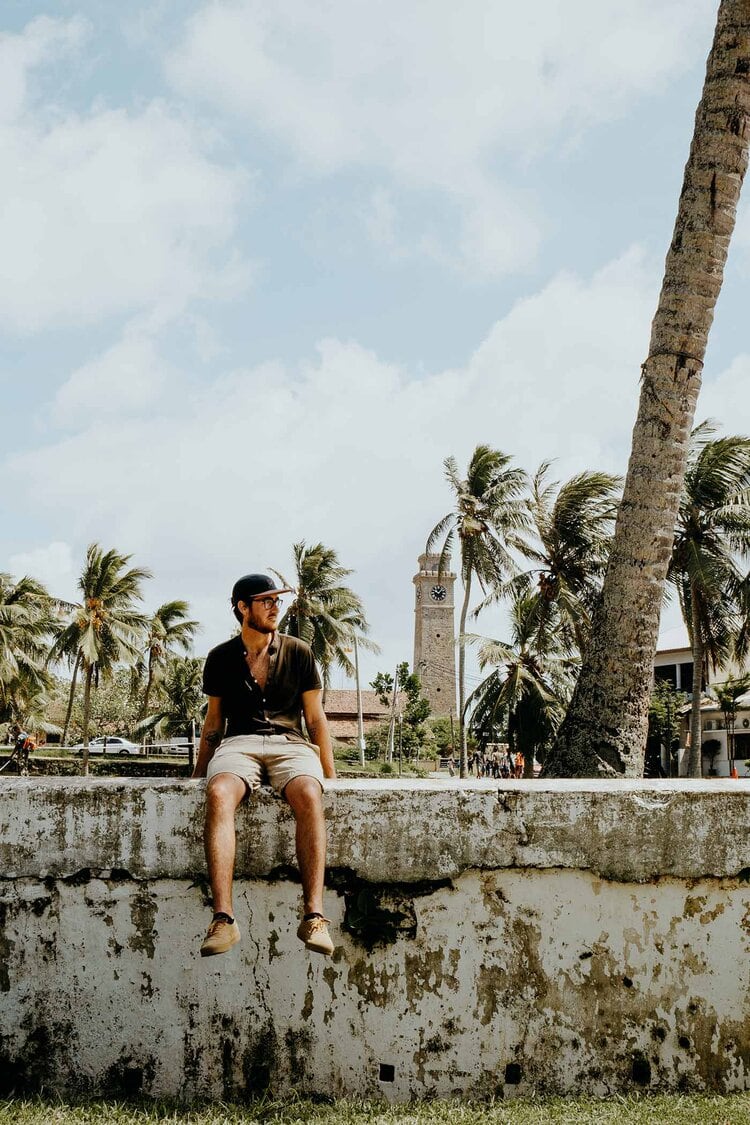
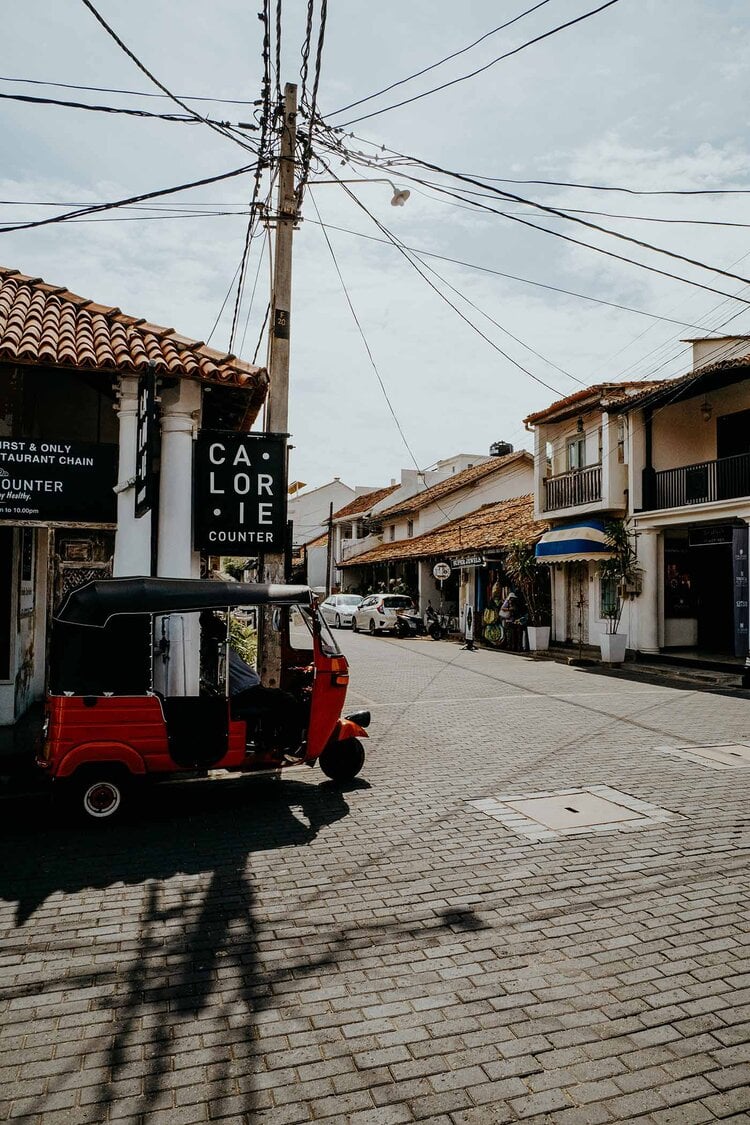
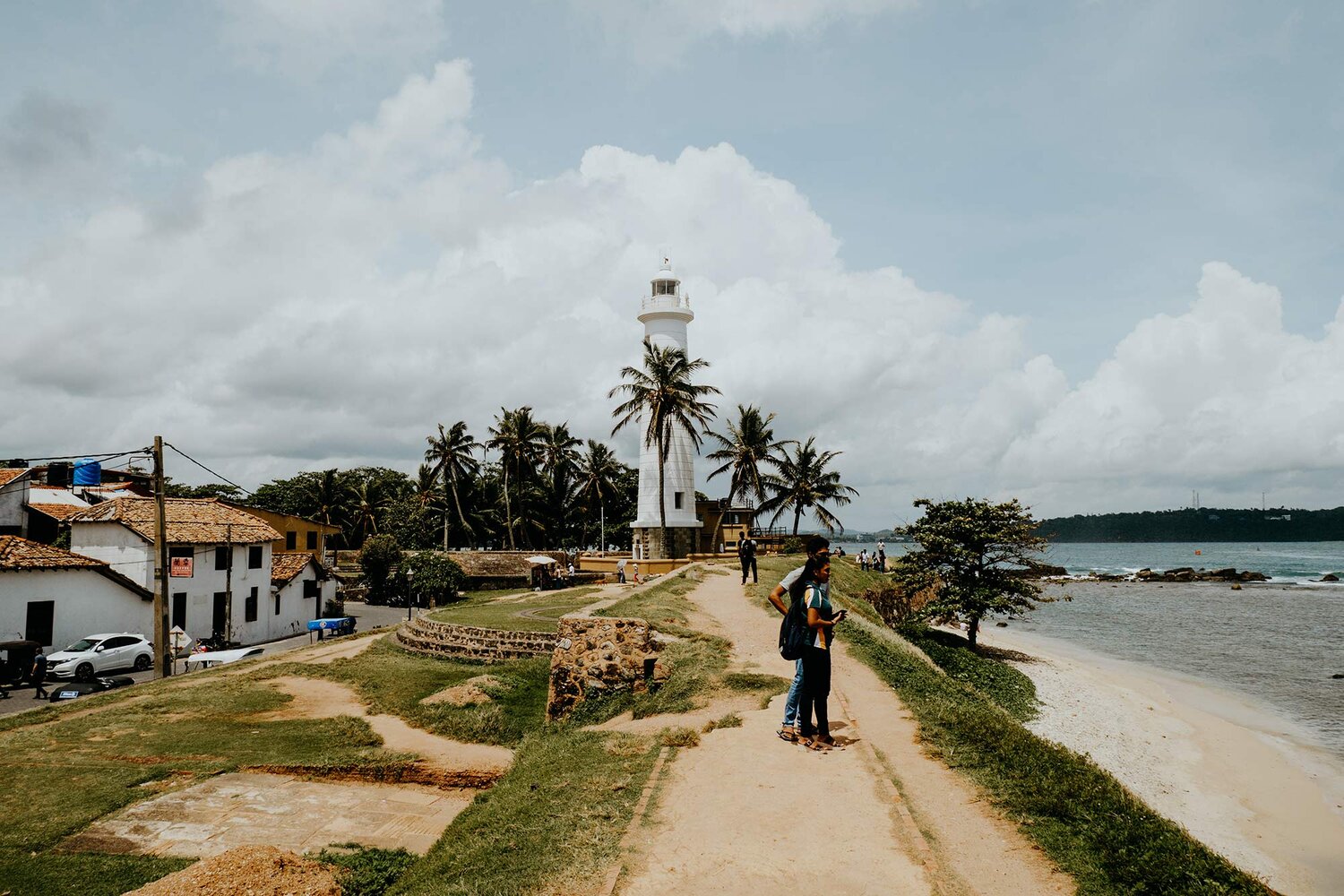
The travel photography gear that I used in Sri Lanka
As mentioned above, Sri Lanka is extremely photogenic. If you want to make the most of your travel photography while exploring Sri Lanka, I’d recommend investing in some serious photography gear.
If you like my photography, this is the gear that I used to document my photography story of Sri Lanka.
Lumix G85 | The Lumix G85 captures excellent photos and video – plus it doesn’t break the bank.
SIGMA 16mm, F1.4 | The SIGMA 16mm is well-known for its excellent depth of field and is one of the best budget prime lenses on the market.
DJI Mavic Air | The DJI Mavic Air is a brilliant drone that is compact and produces the most incredible aerial footage. In my opinion, the perfect combination for documenting travel photography.
If you’re curious to learn more about my complete photography setup in 2025, make sure you take a look at my ‘What’s in my Camera Bag’ guide here.
Cheers!
I’ve been on this travel blogging journey since 2019.
If you appreciate what I do here, these are some ways you can support me.