
A photography journey along the Silk Road: 57 photos that will inspire you to visit Uzbekistan
A photography journey along the Silk Road: 57 photos that will inspire you to visit Uzbekistan
When it comes to ancient architectural brilliance, not many places tend to rival Uzbekistan.
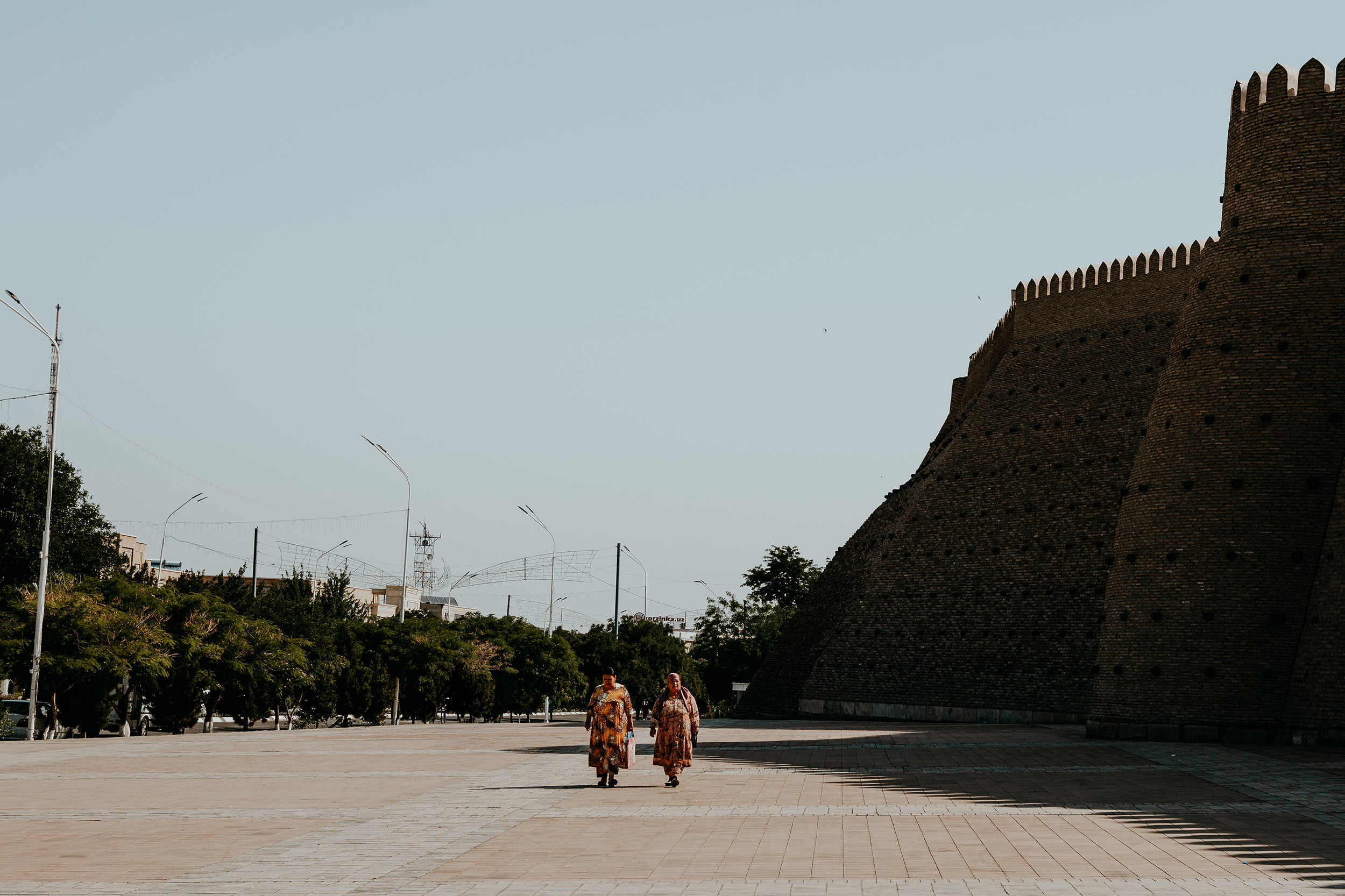
I’ve spent two weeks uncovering Uzbekistan, where I delved deep into the country’s rich and captivating Silk Road history, and was left truly amazed by the immense beauty of it all.
From the grandeur of Samarkand’s famous Registan Square to the perfectly preserved Po-i-Kalyan complex in Bukhara, from the museum-like city of Khiva to the mystical charm that simply lingers in the air here – Uzbekistan is truly something special.
While those architectural masterpieces are something out of the ordinary, this wonderful country is also much more than the legacy this iconic trading route left behind.
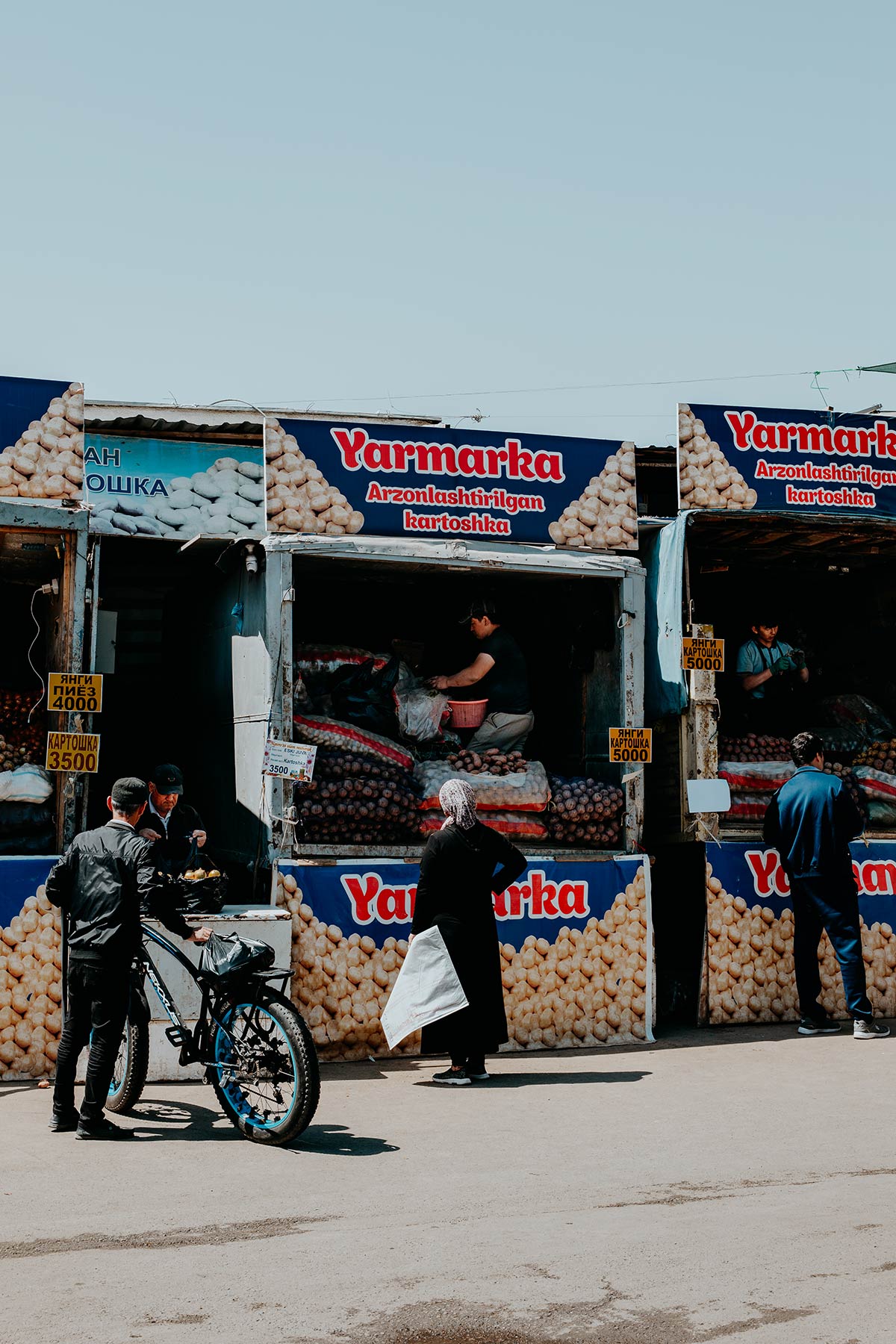
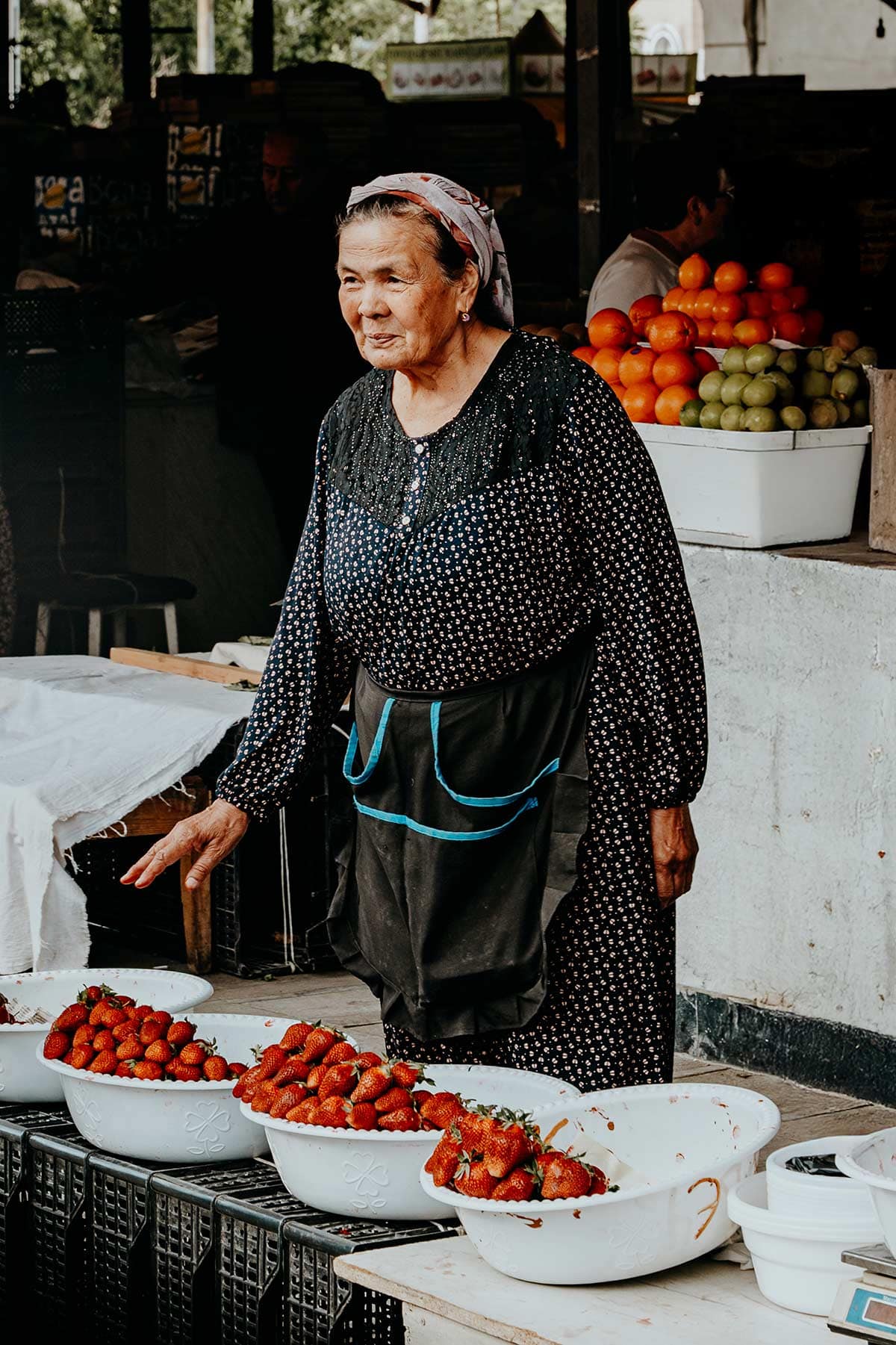
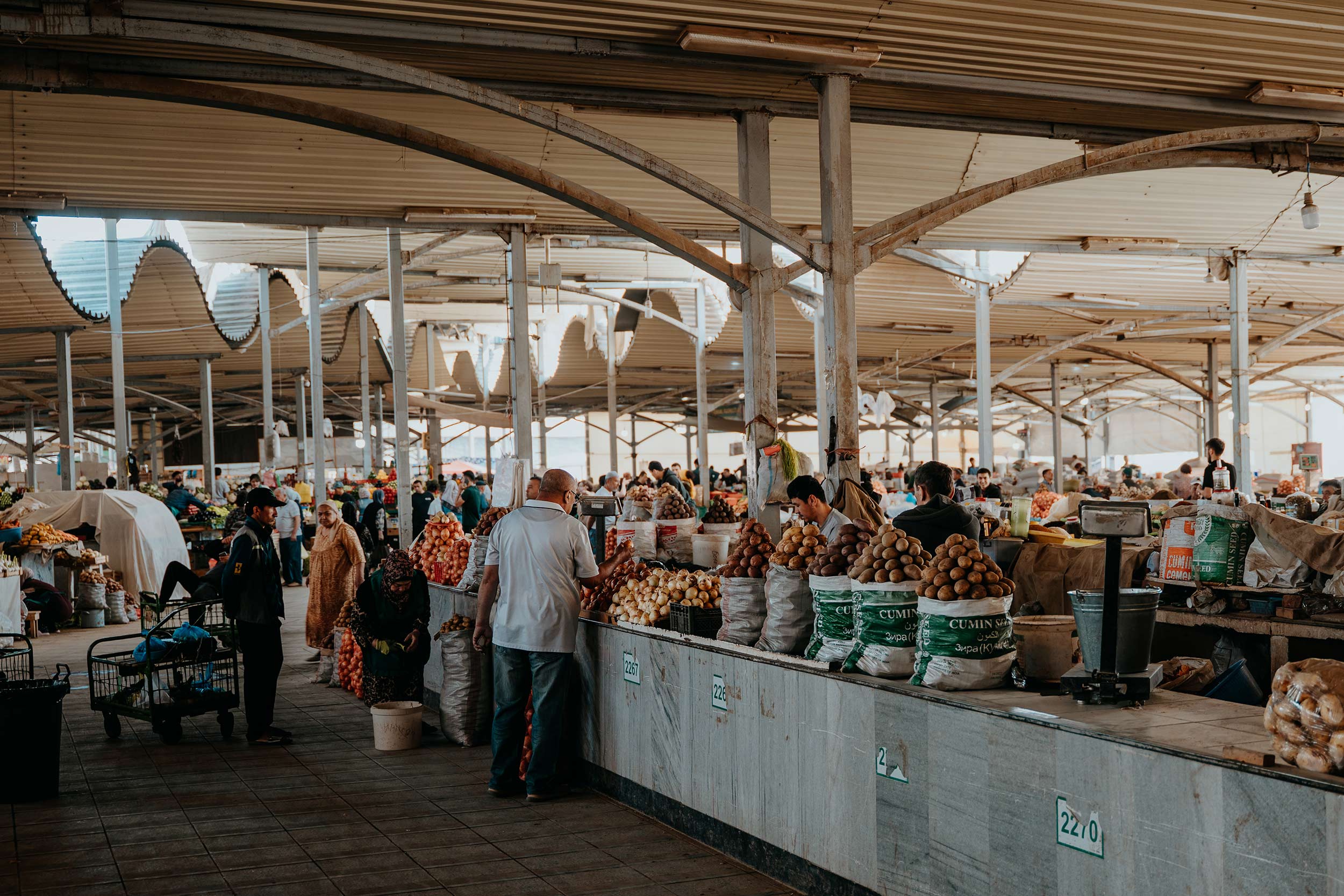
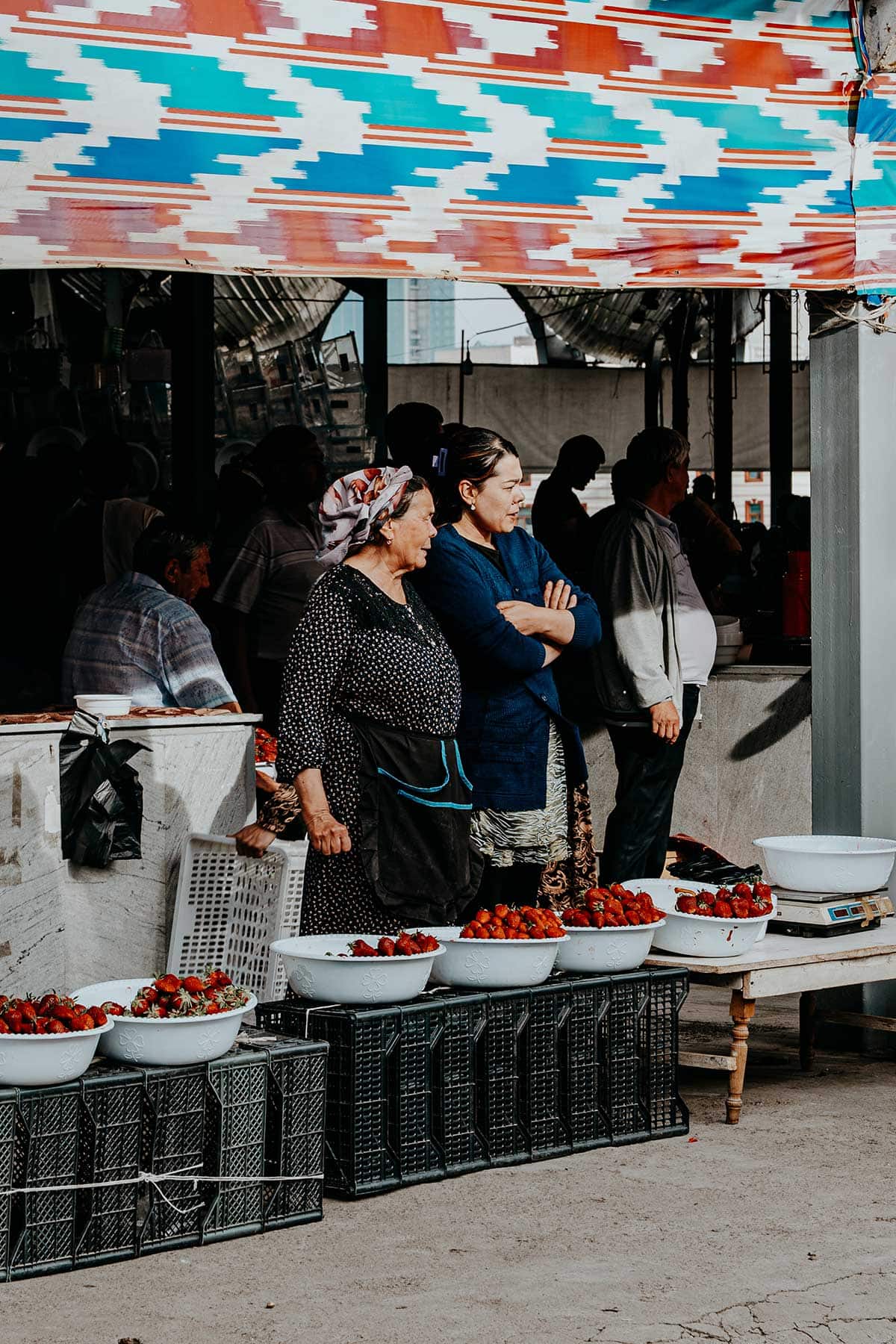
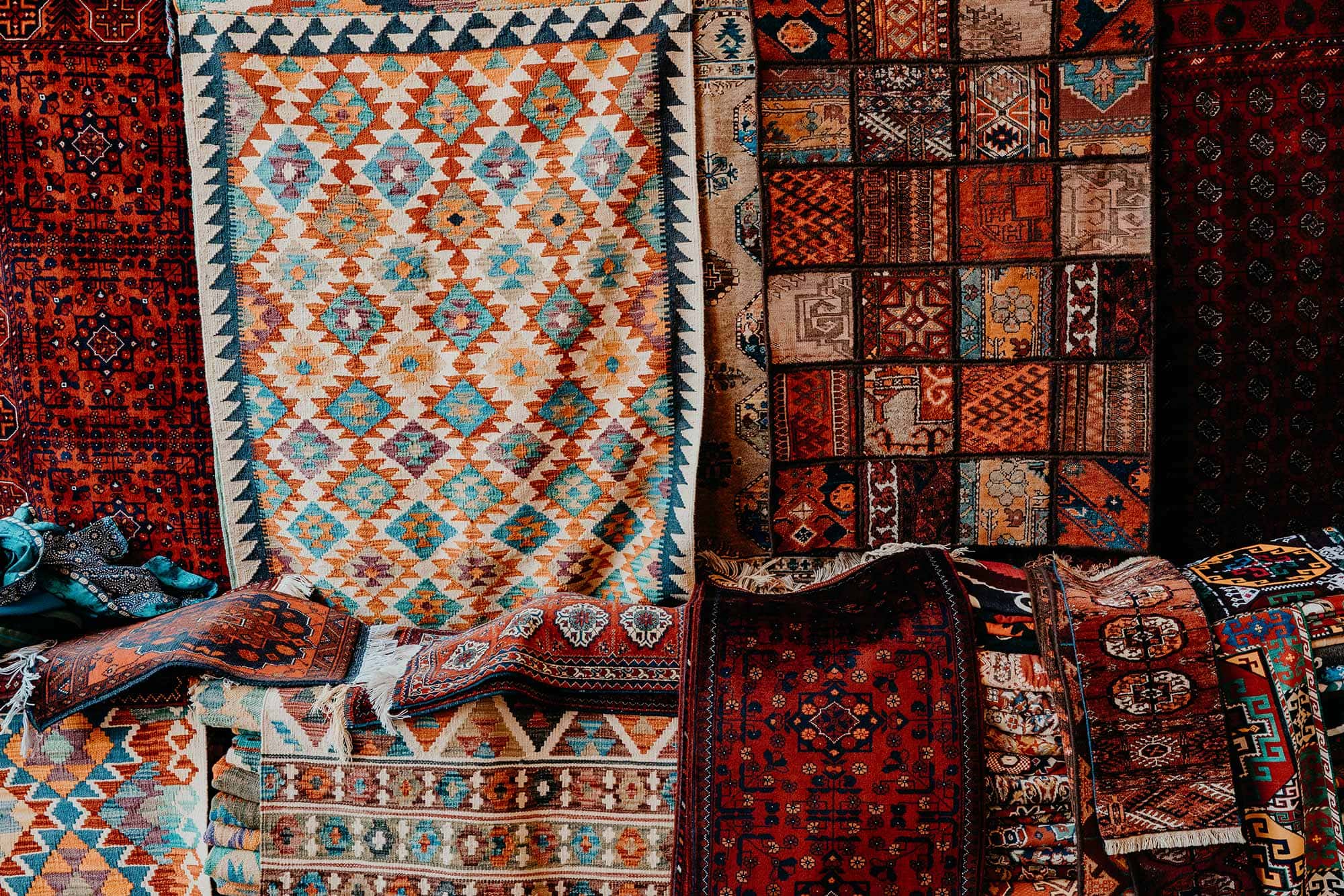
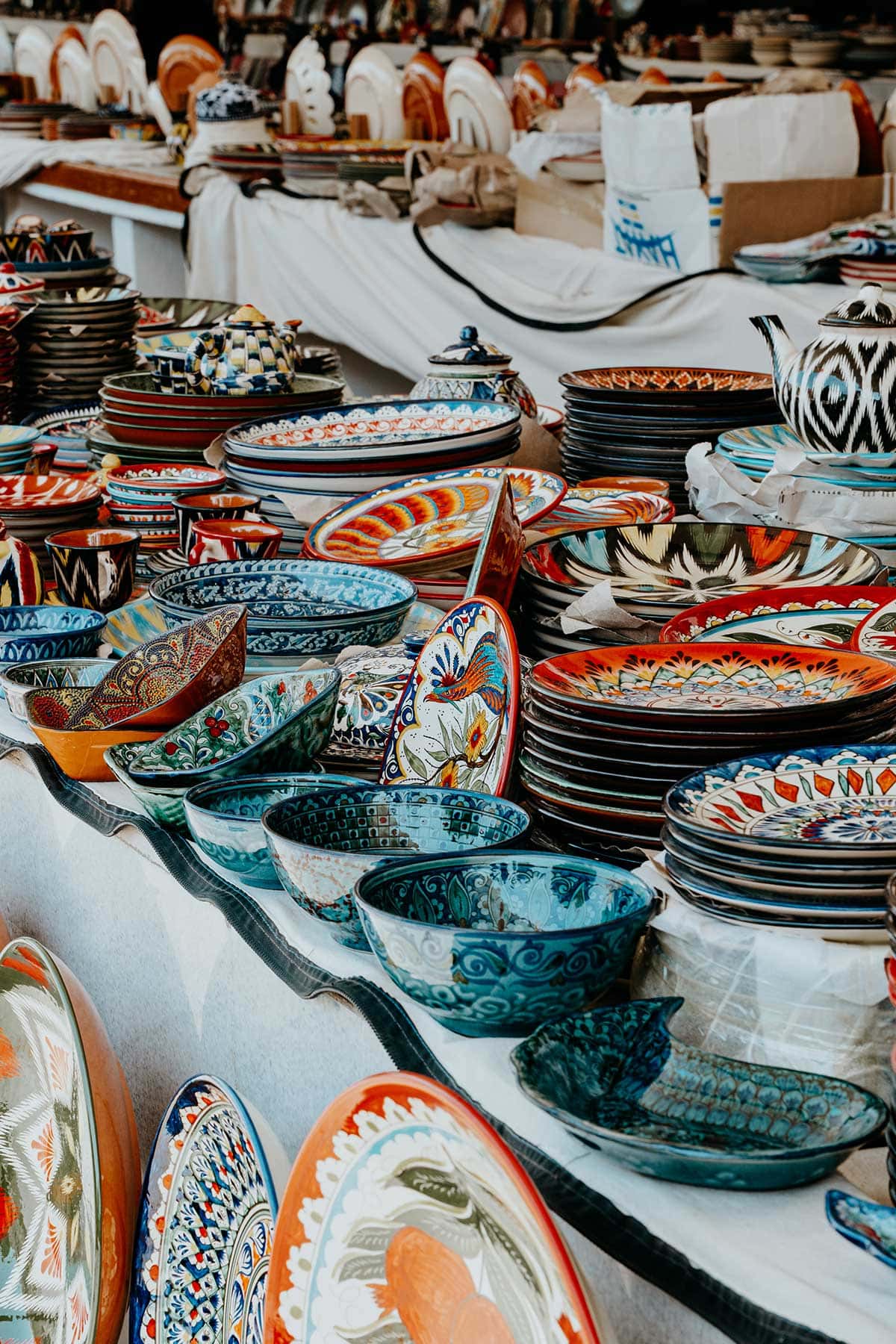
I’ve been wandering through the maze-like laneways of the old towns, experienced Central Asia’s daily life at the many typical, yet super authentic bazaars, ate a little too much of the mouthwatering cuisine, and had the pleasure of meeting the most friendly people you can imagine, which I proudly display to you through the means of my photography.
To encourage fellow travellers like yourself to discover Uzbekistan’s charm, I’ve put together this Uzbekistan photography story – a collection of my favourite photos taken in Uzbekistan.
If you choose to use any of the links on this page, I may receive a small commission at no extra cost to you. By using these links, you’ll have a direct impact on WTSW and my ability to continue to create free insightful travel content for you. If you find any of my tips useful, you can support me by buying a virtual coffee here.
57 photos that will inspire you to visit Uzbekistan
Uzbekistan’s captivating architectural splendour
When it comes to architectural magnificence, Uzbekistan will always be a topic of conversation.
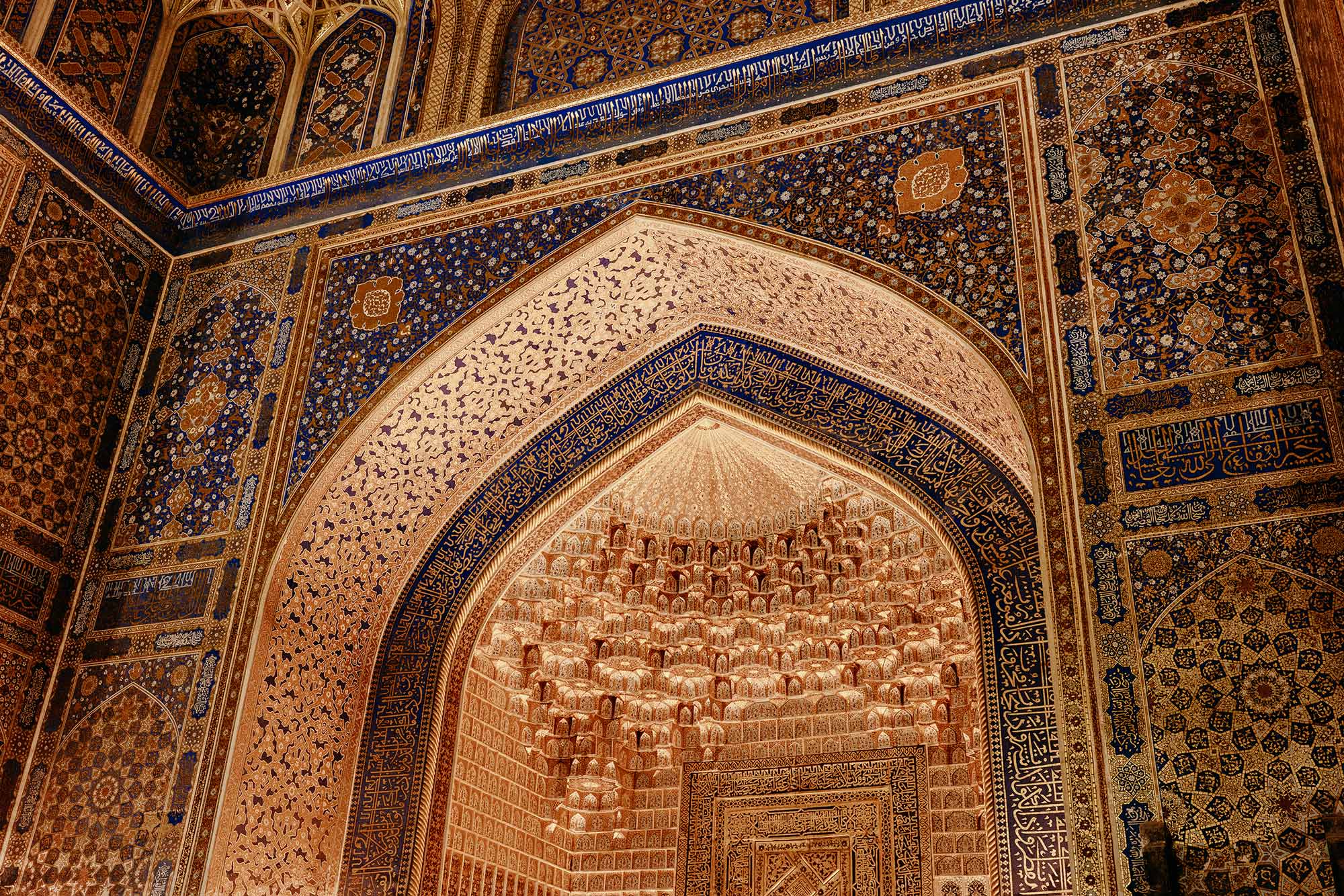
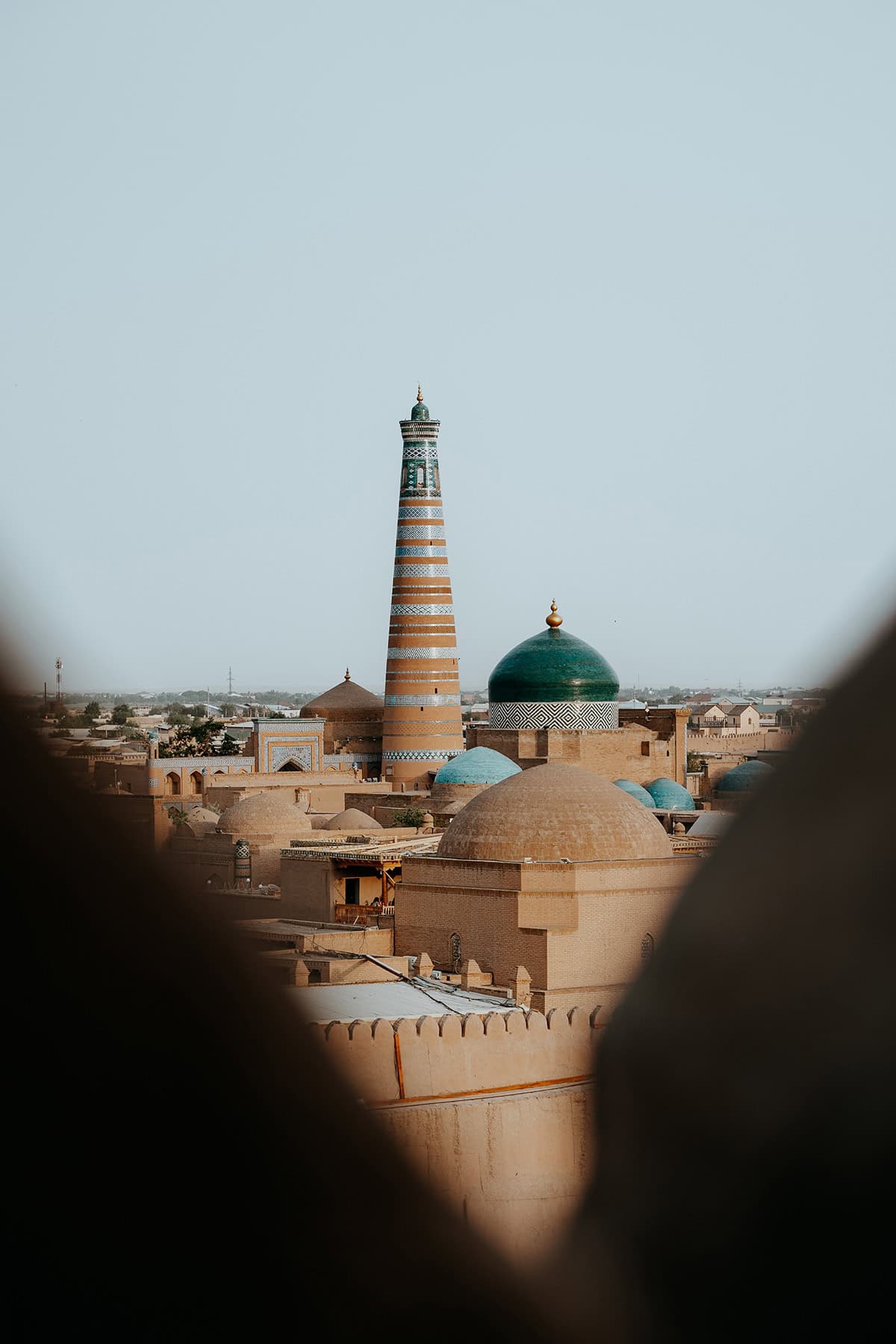
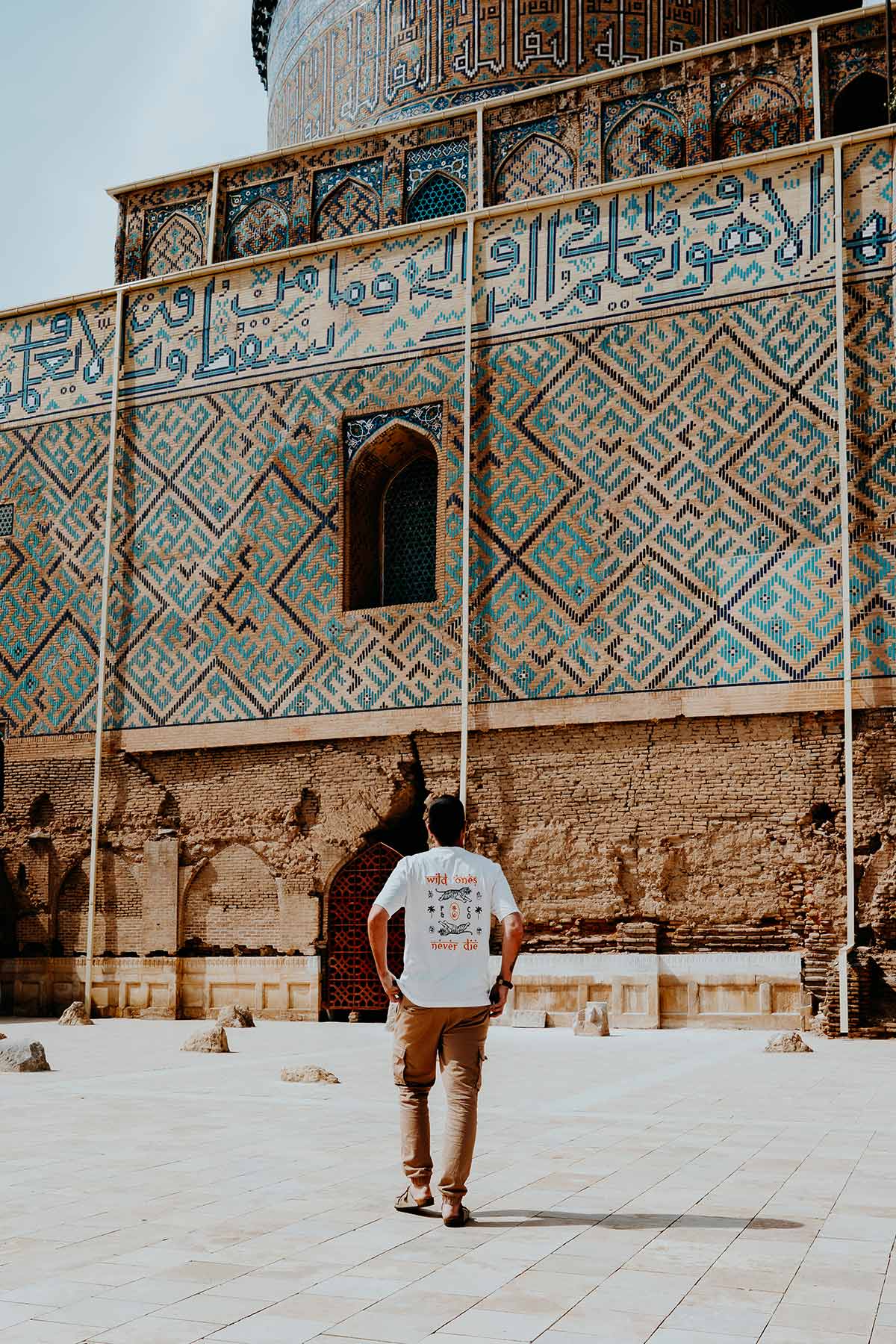
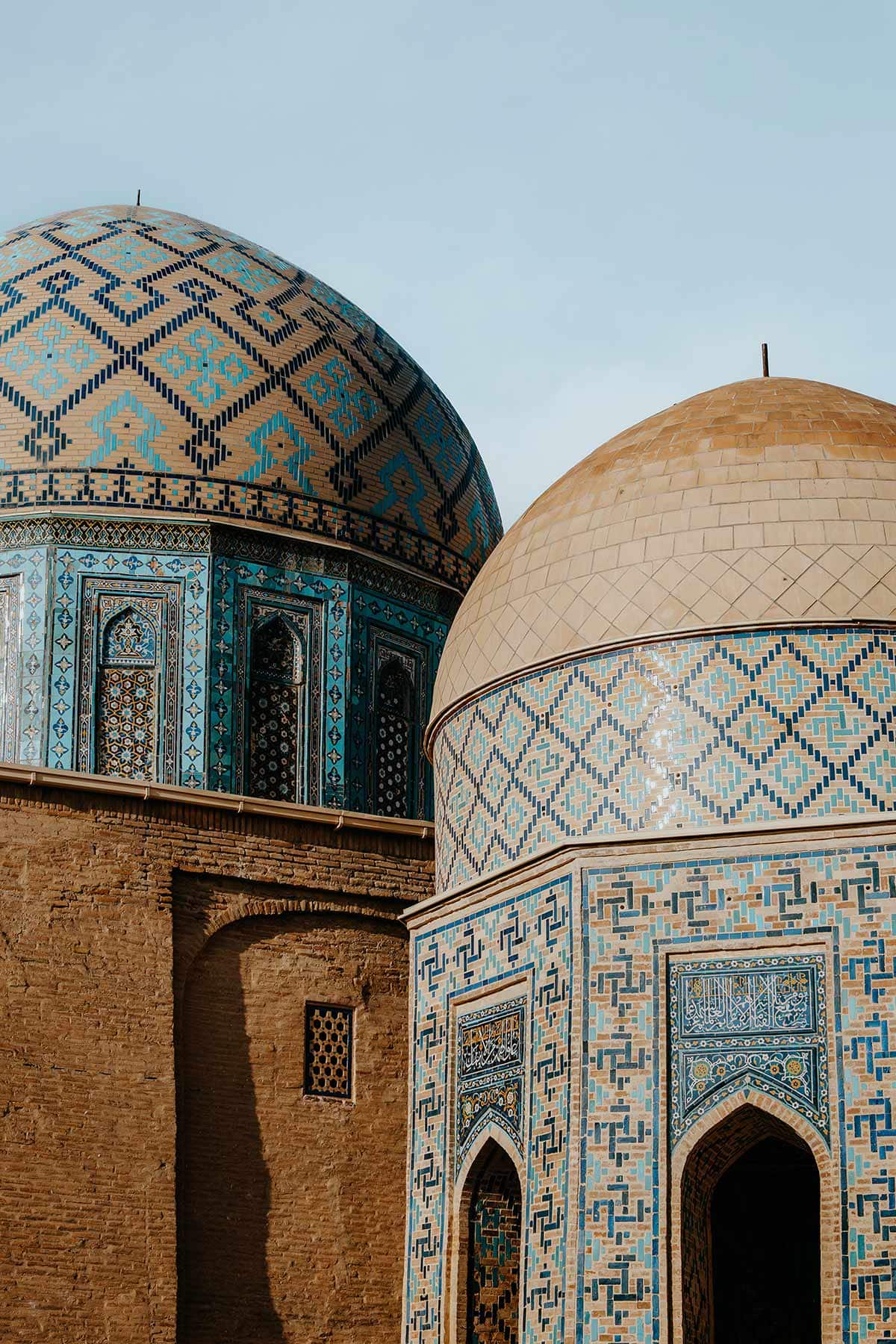
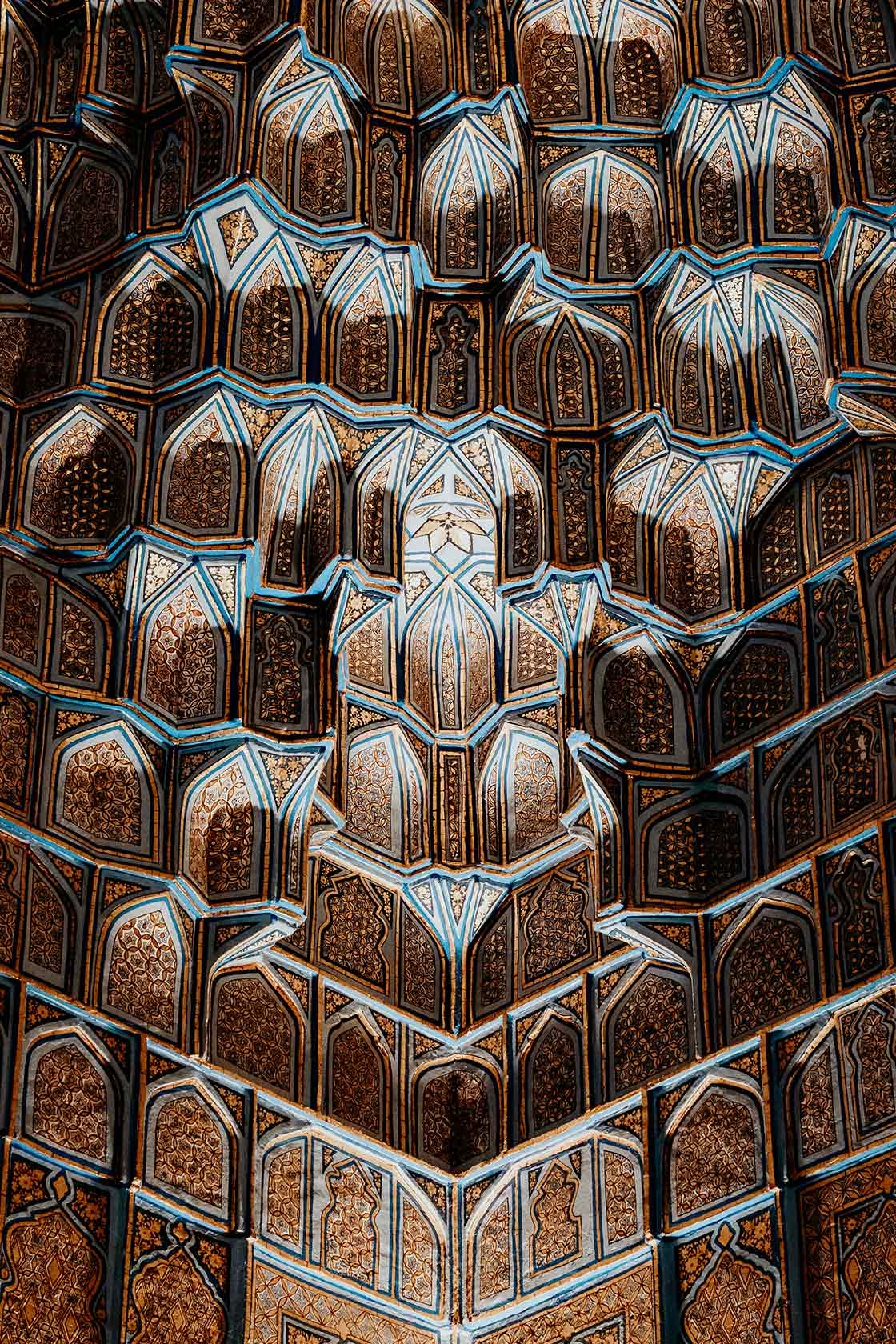
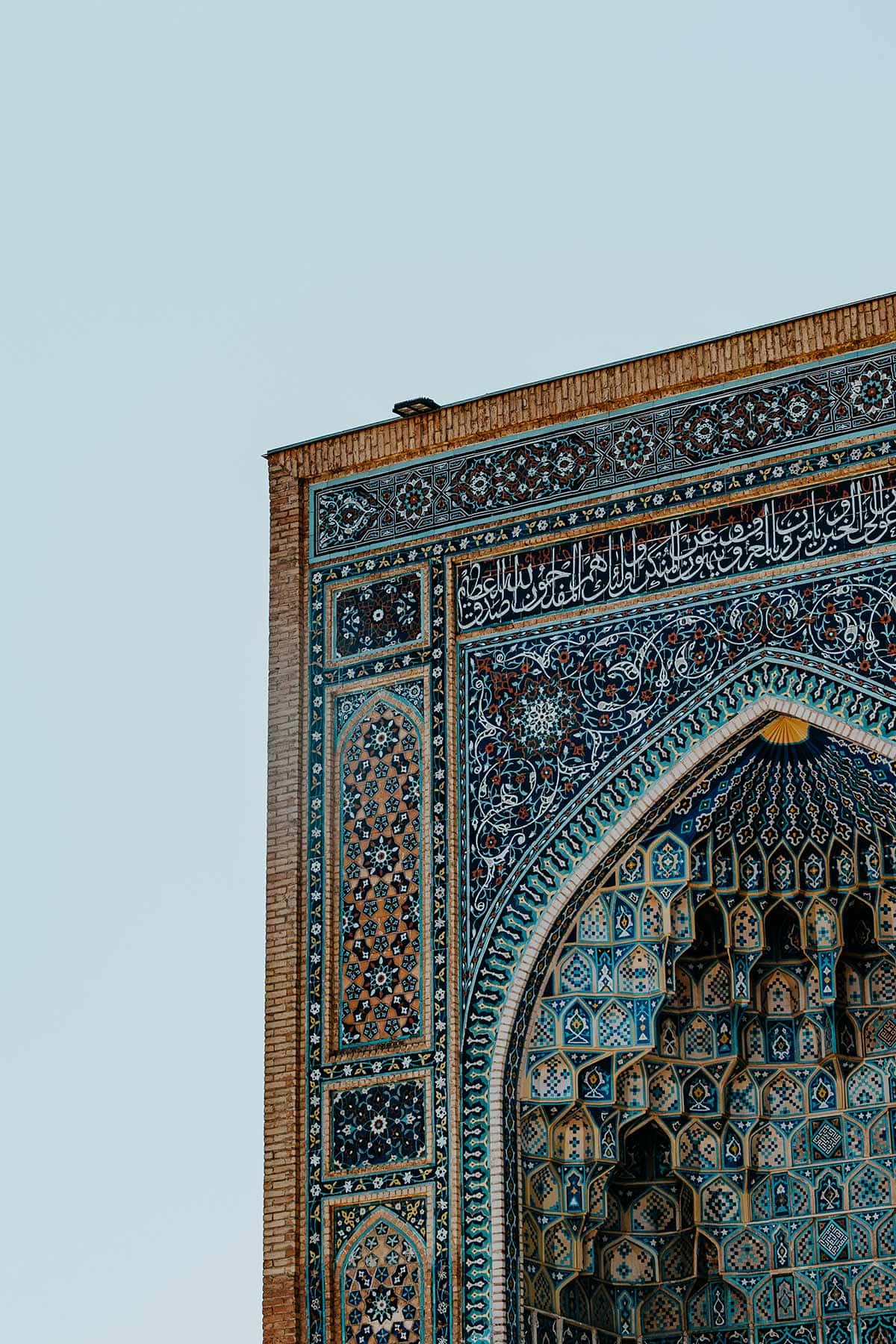
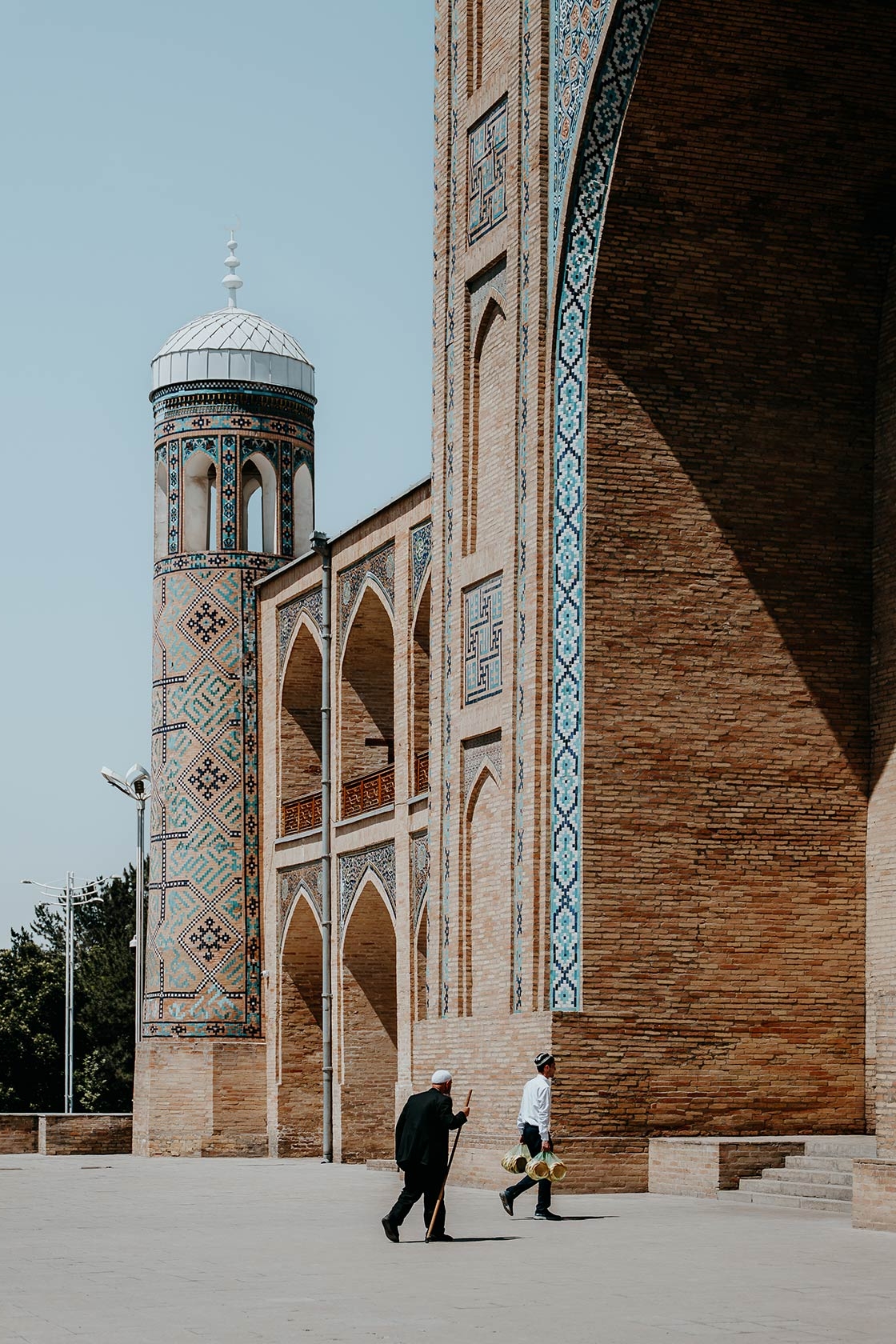
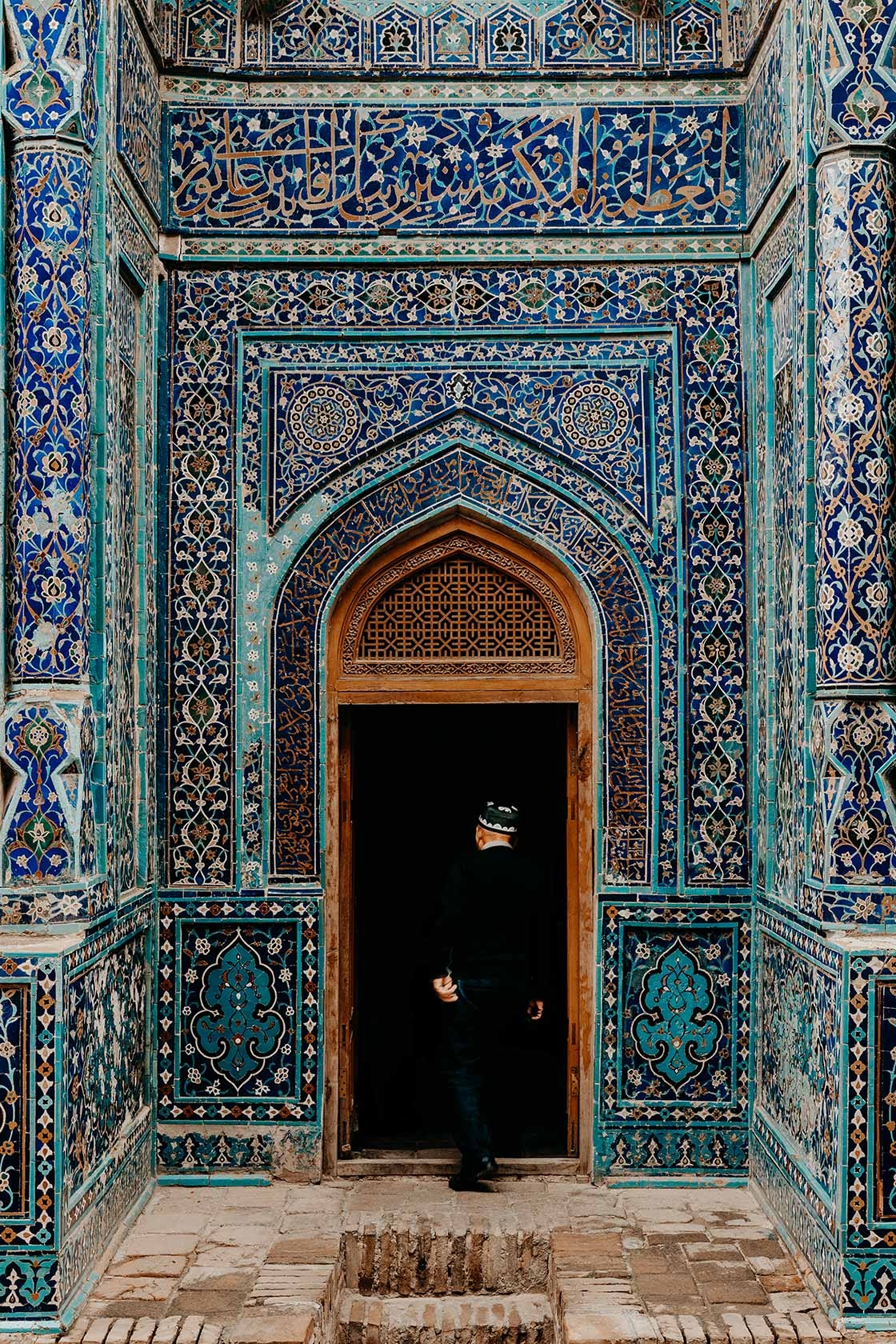
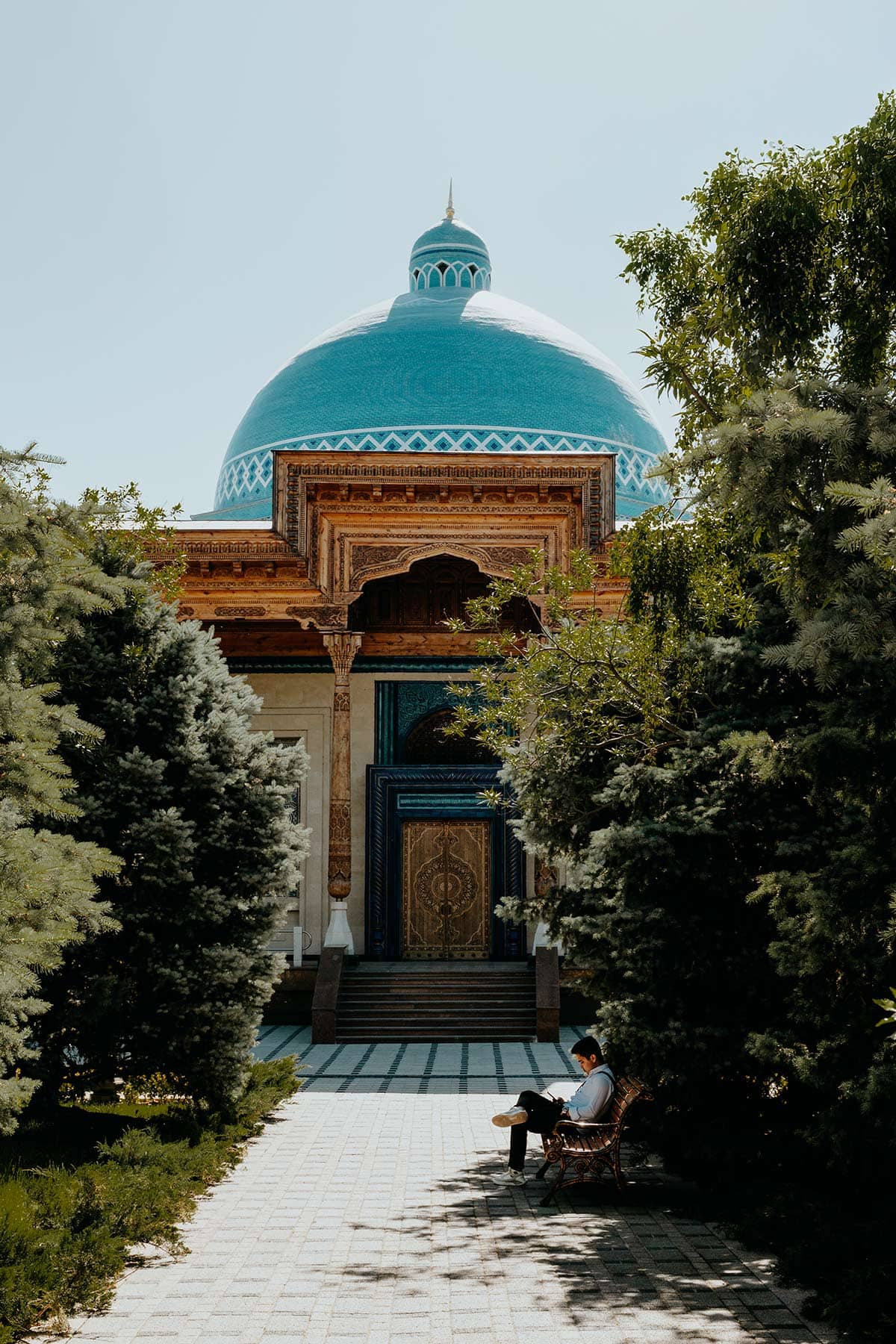
You see, the charm that defines Uzbekistan is greatly due to its cultural heritage, as heaps of Silk Road architectural masterpieces are dotted throughout the alluring old towns of Tashkent, Samarkand, Bukhara, and Khiva.
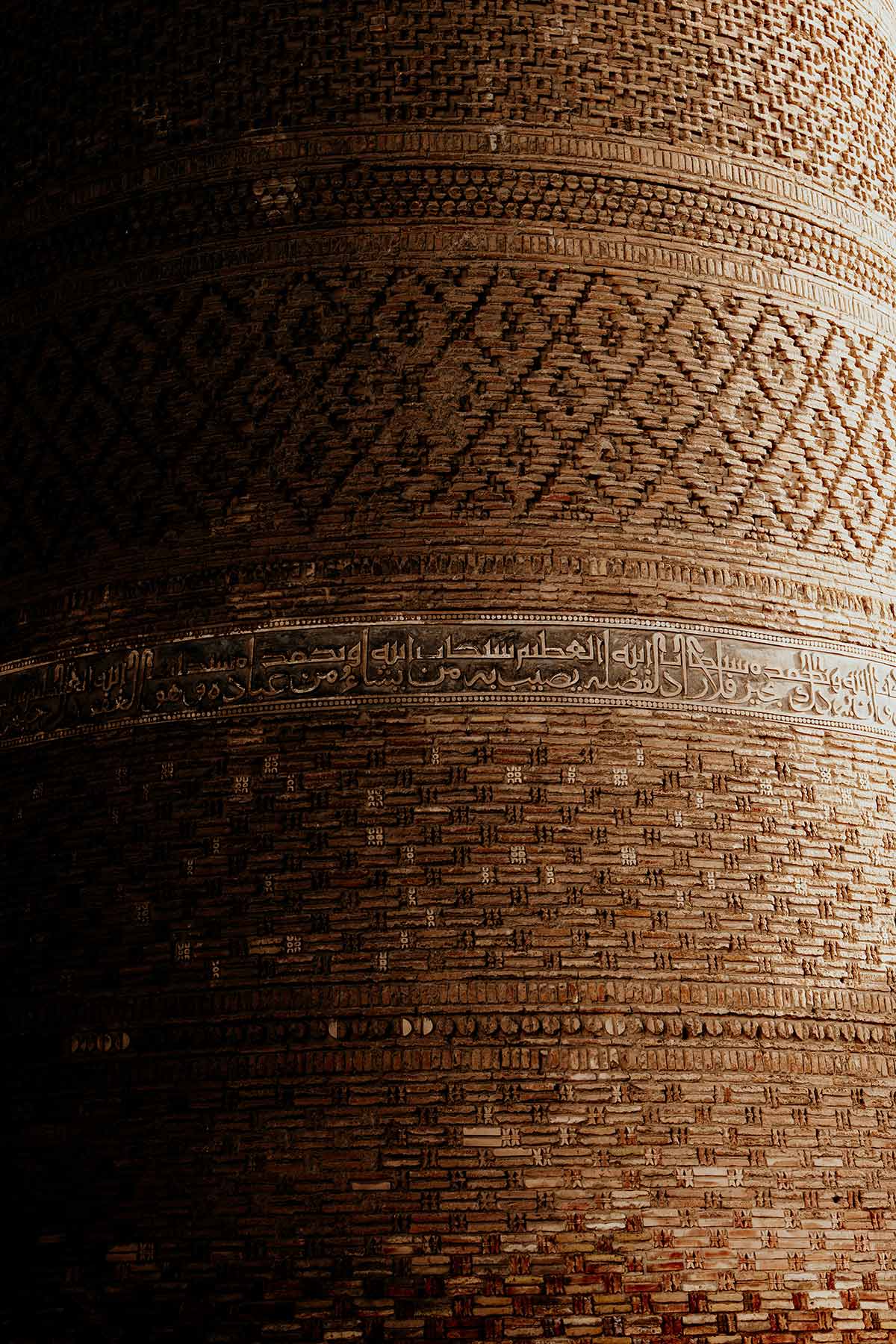
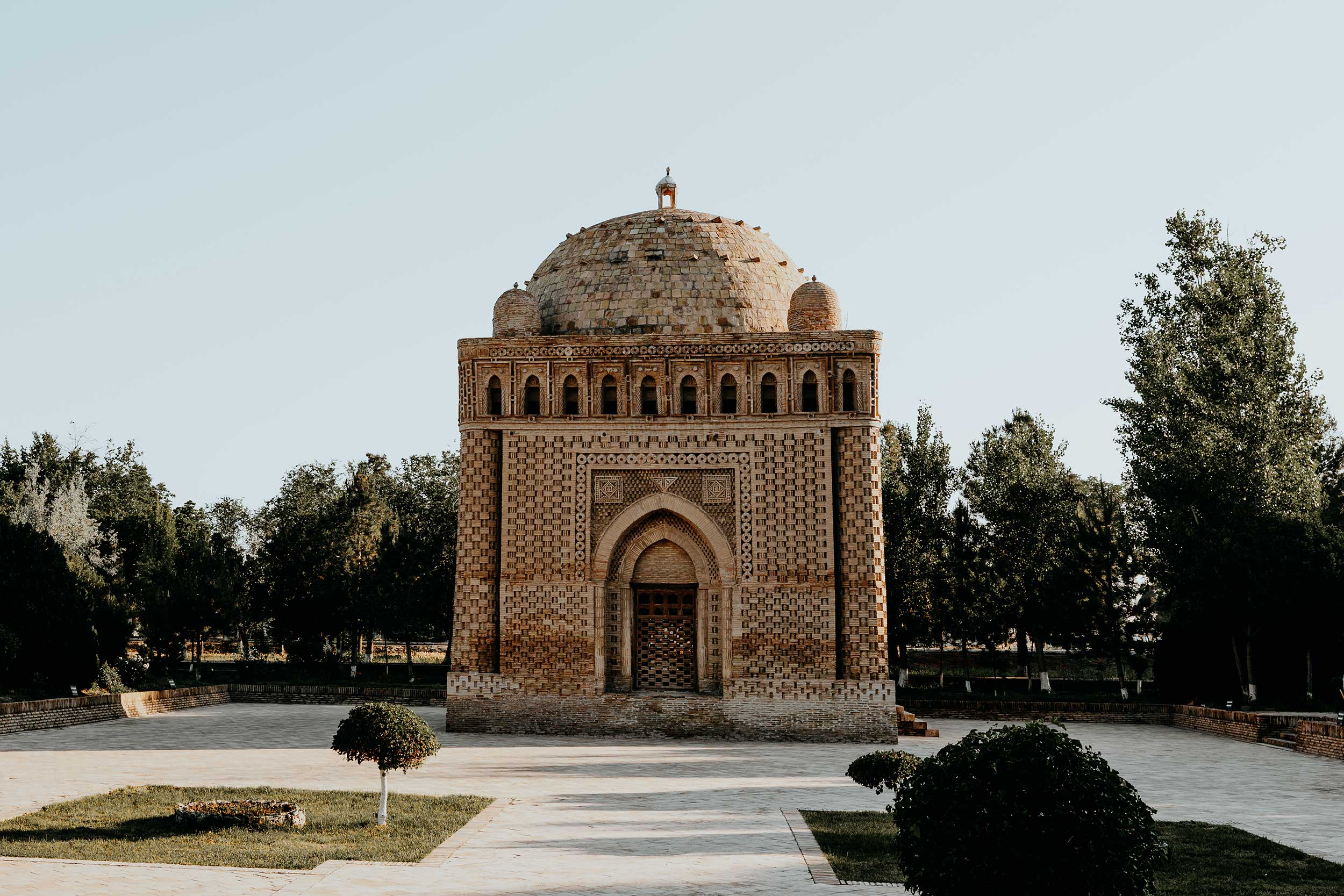
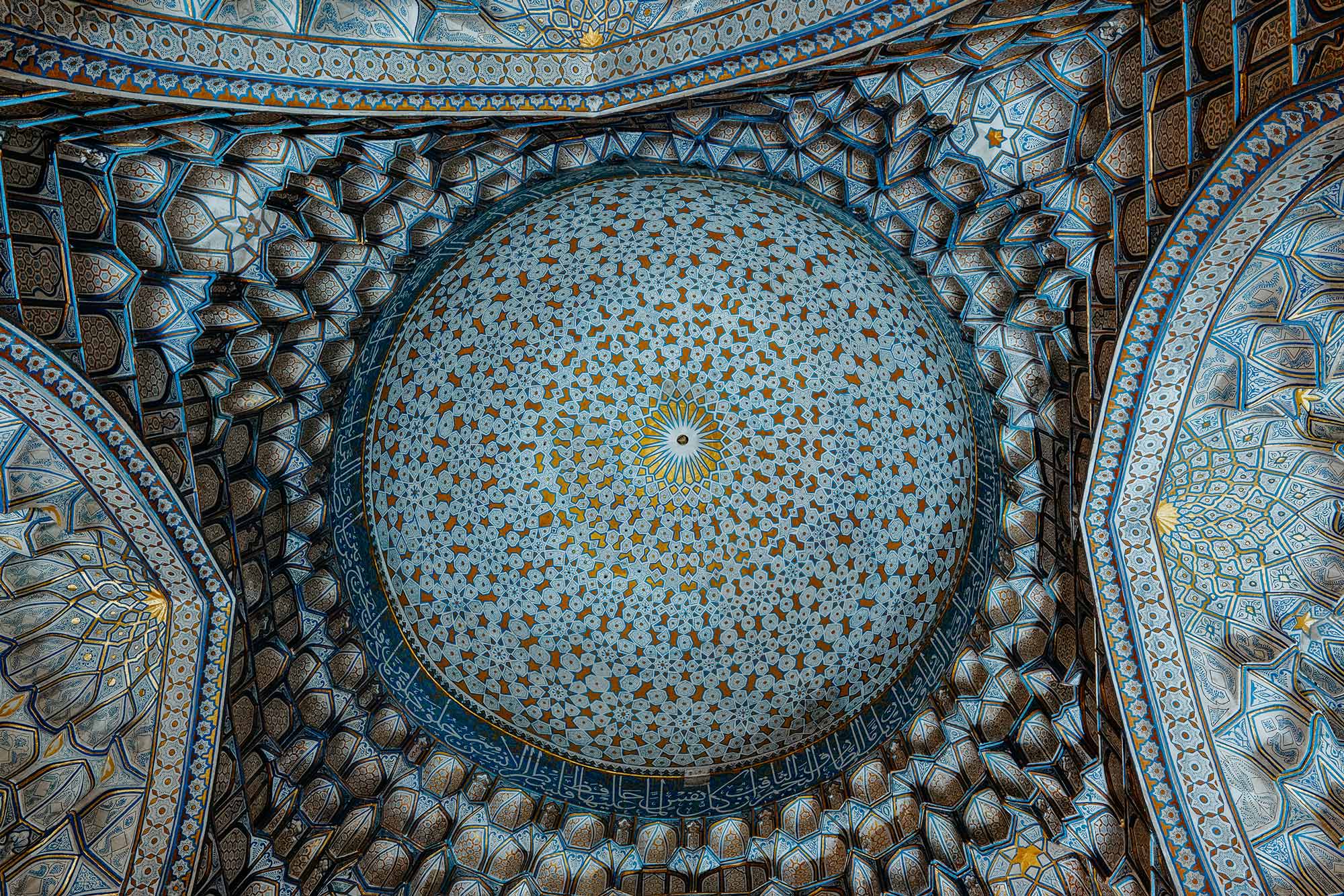
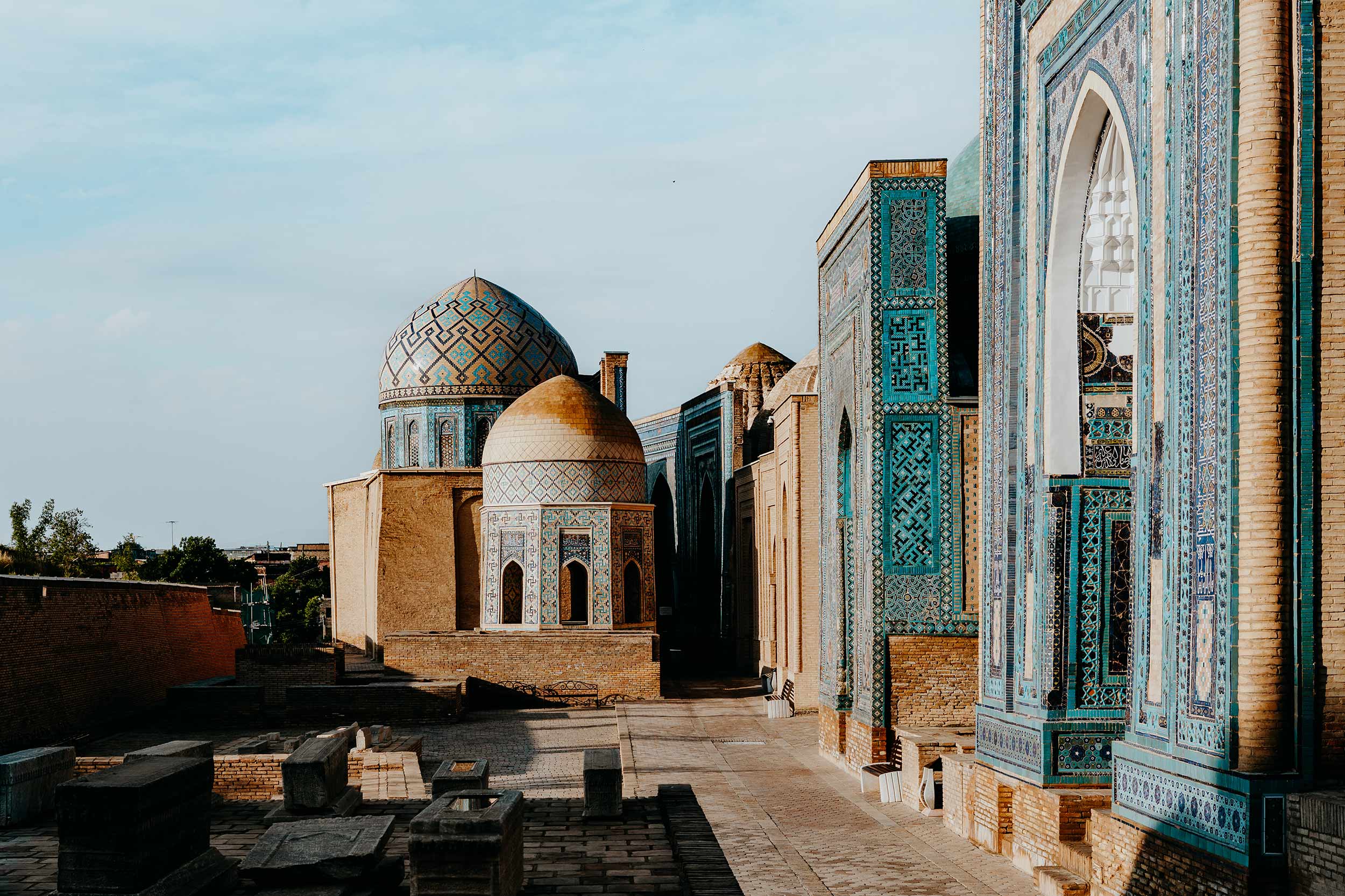
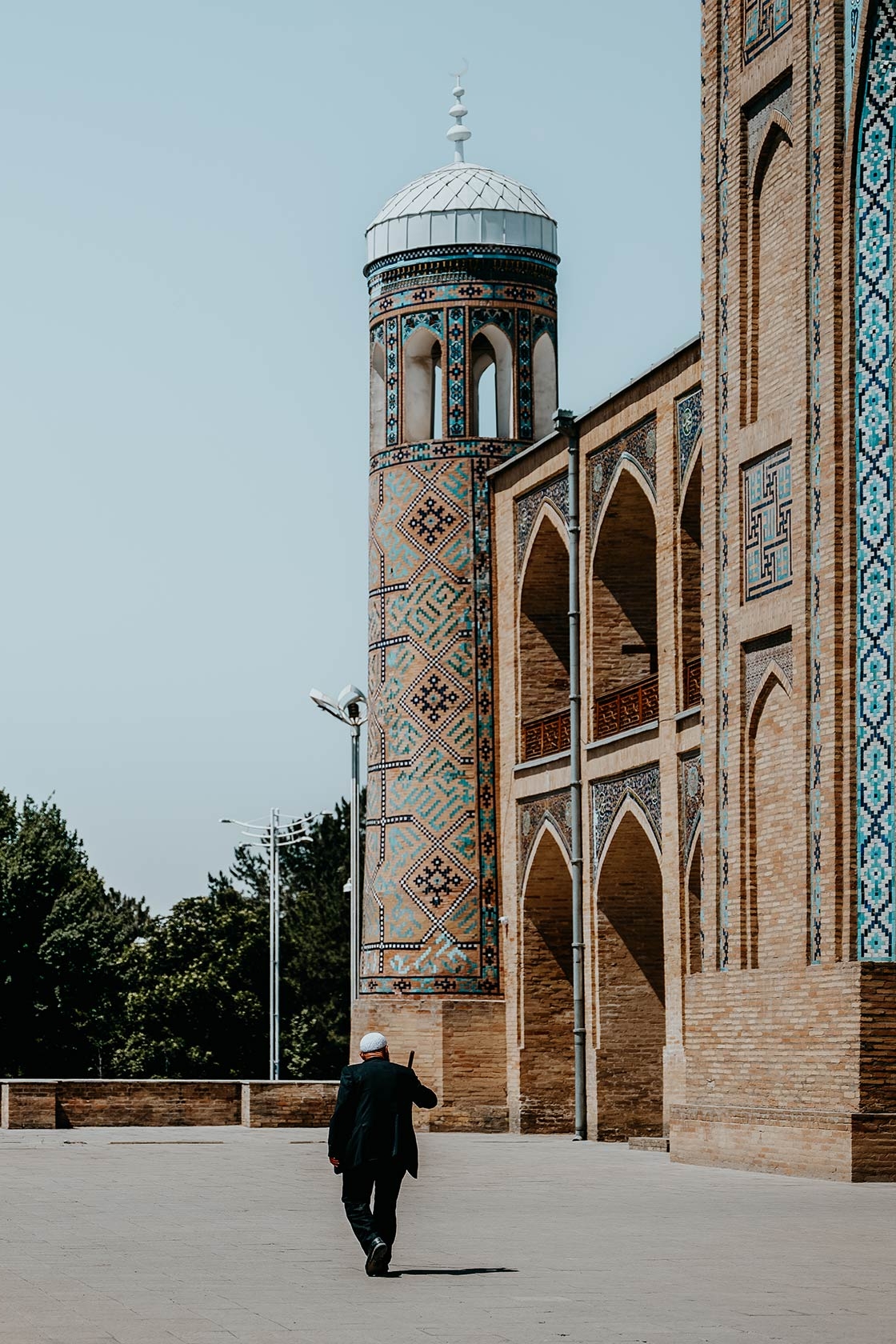
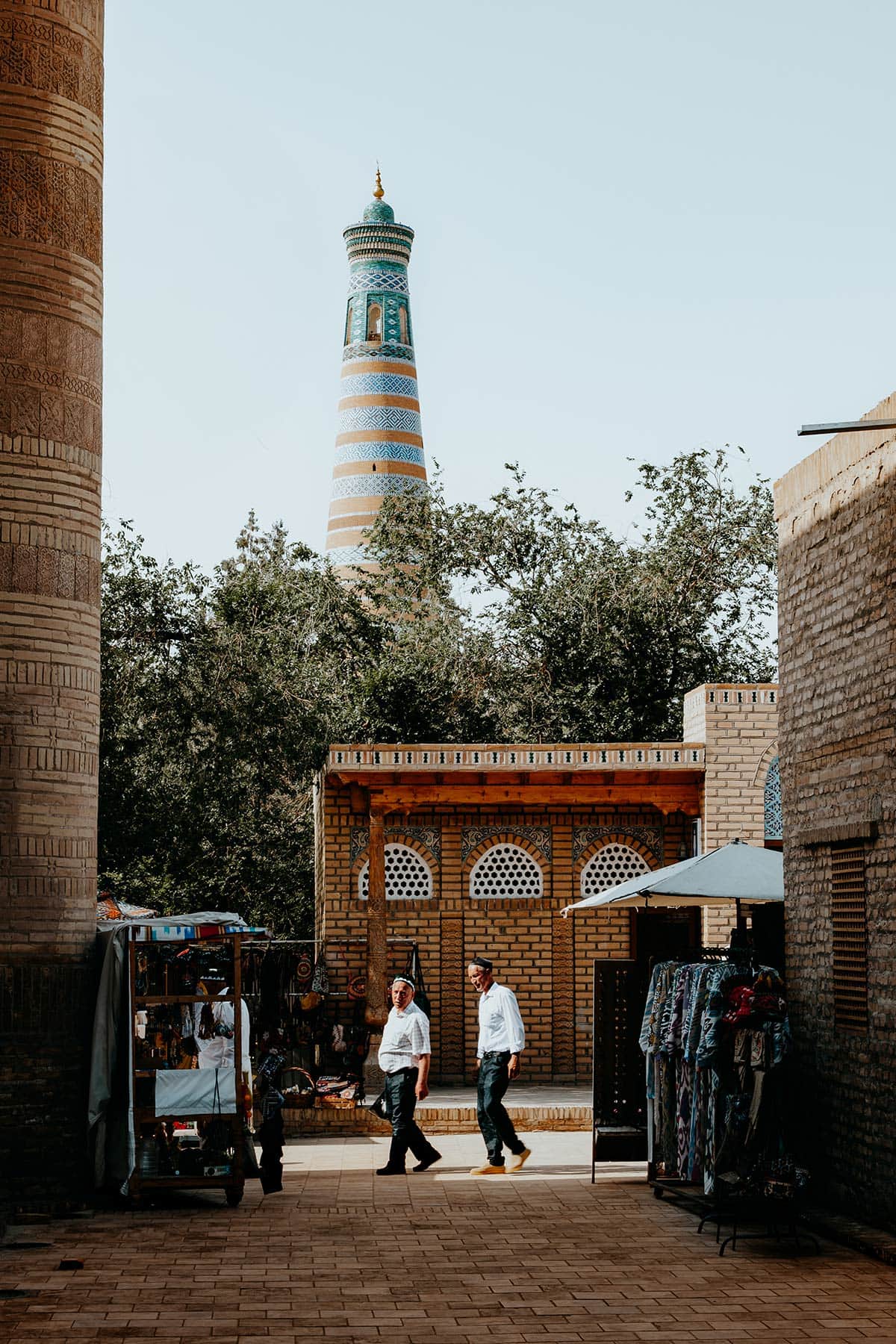
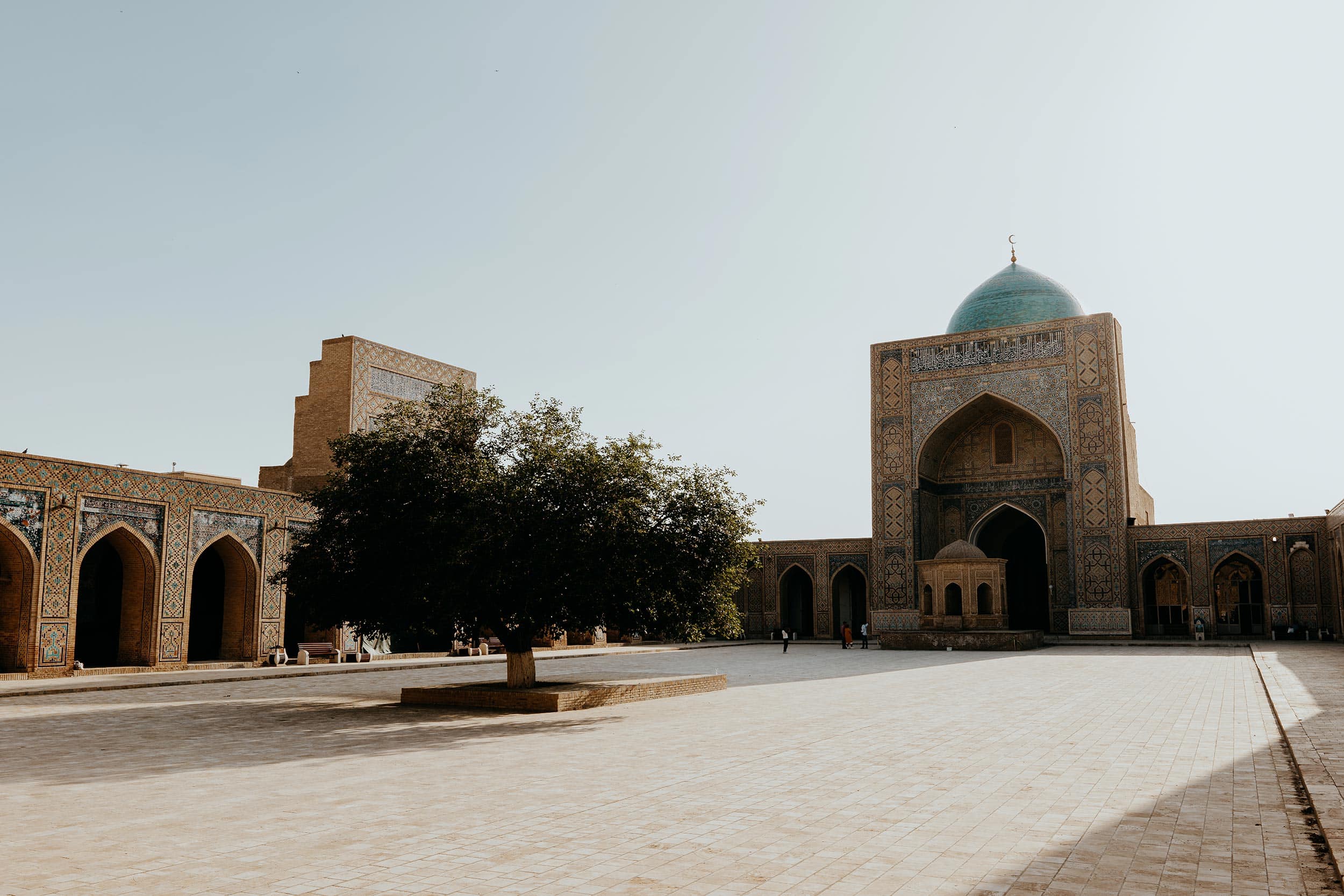
When walking the time-worn streets of Uzbekistan’s famous trading cities, you’ll stumble upon majestic madrasas, iconic blue-tiled domes, towering minarets, and trading domes marked by ornamental brickwork, which are a true testament to the bygone Silk Road era.
It is, after all, Uzbekistan’s architectural brilliance, why most photography enthusiasts and history buffs alike visit Uzbekistan in the first place.
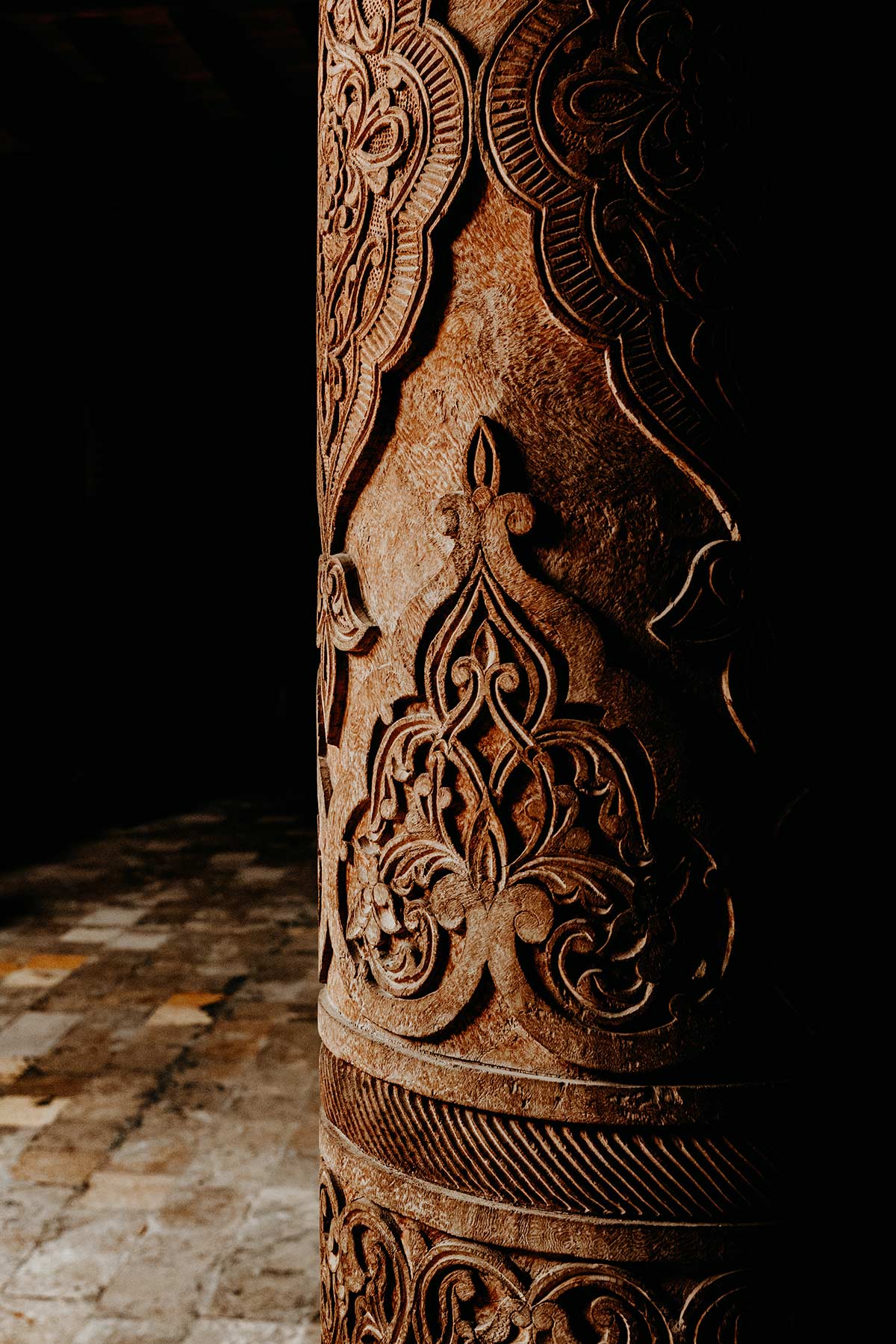
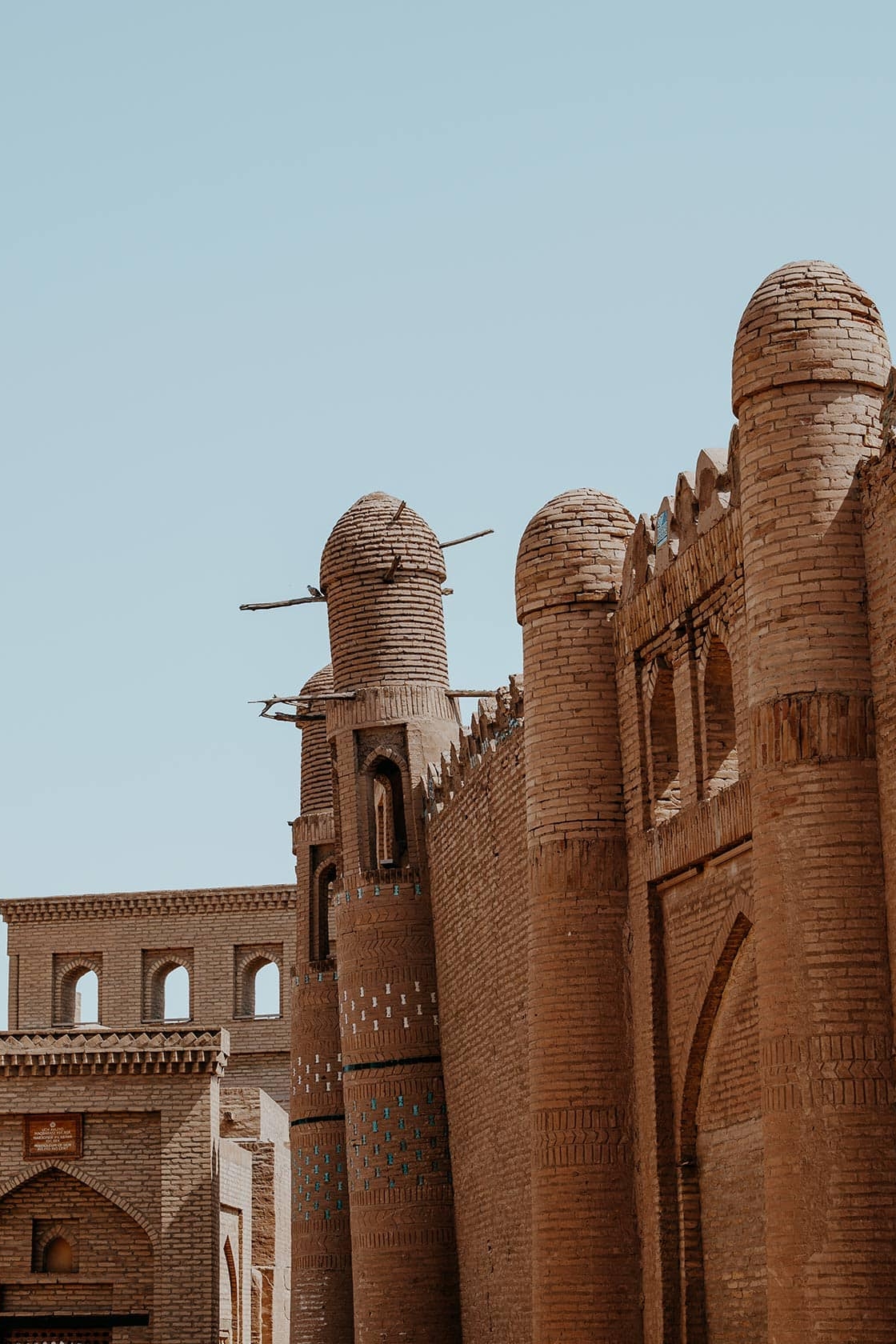
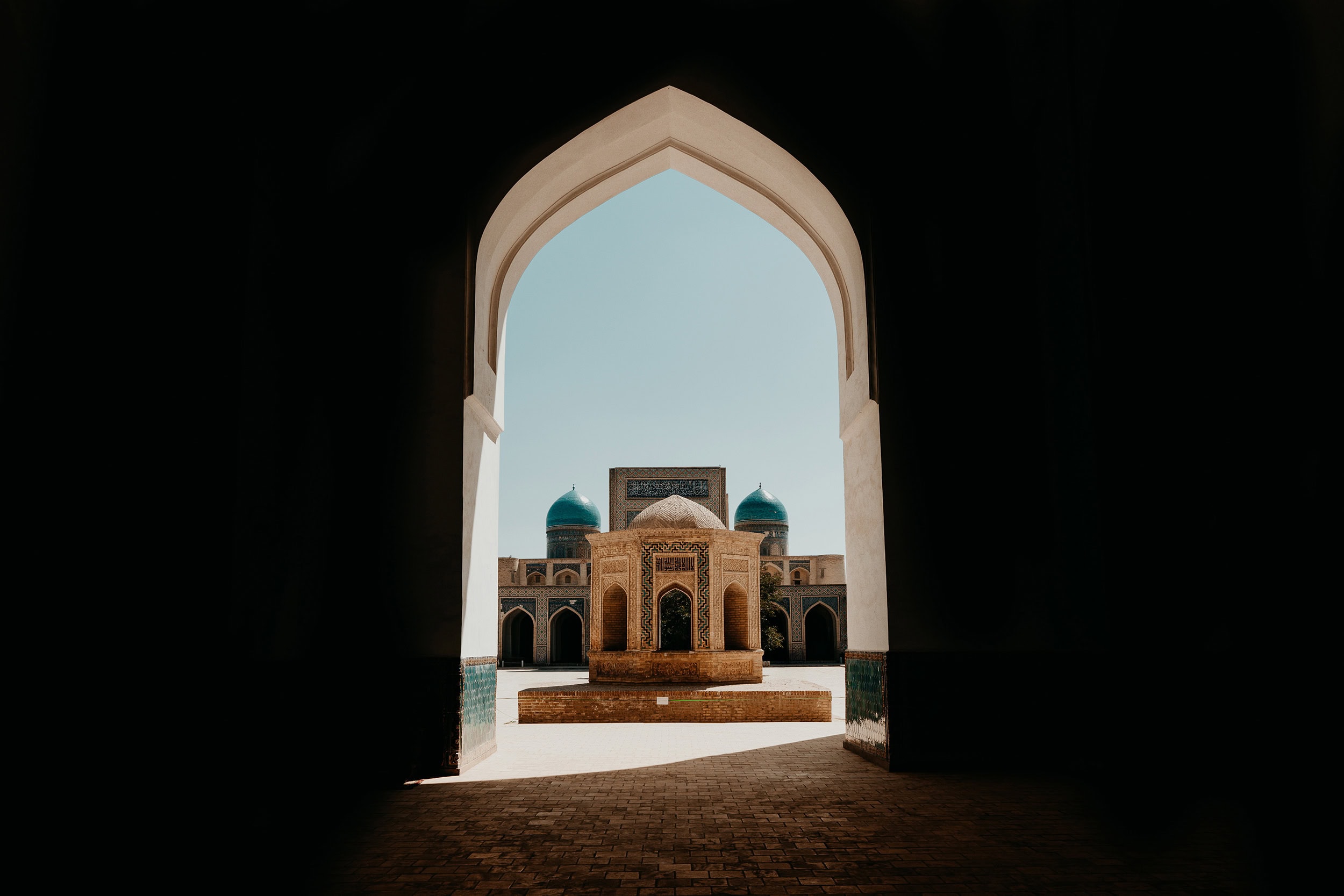
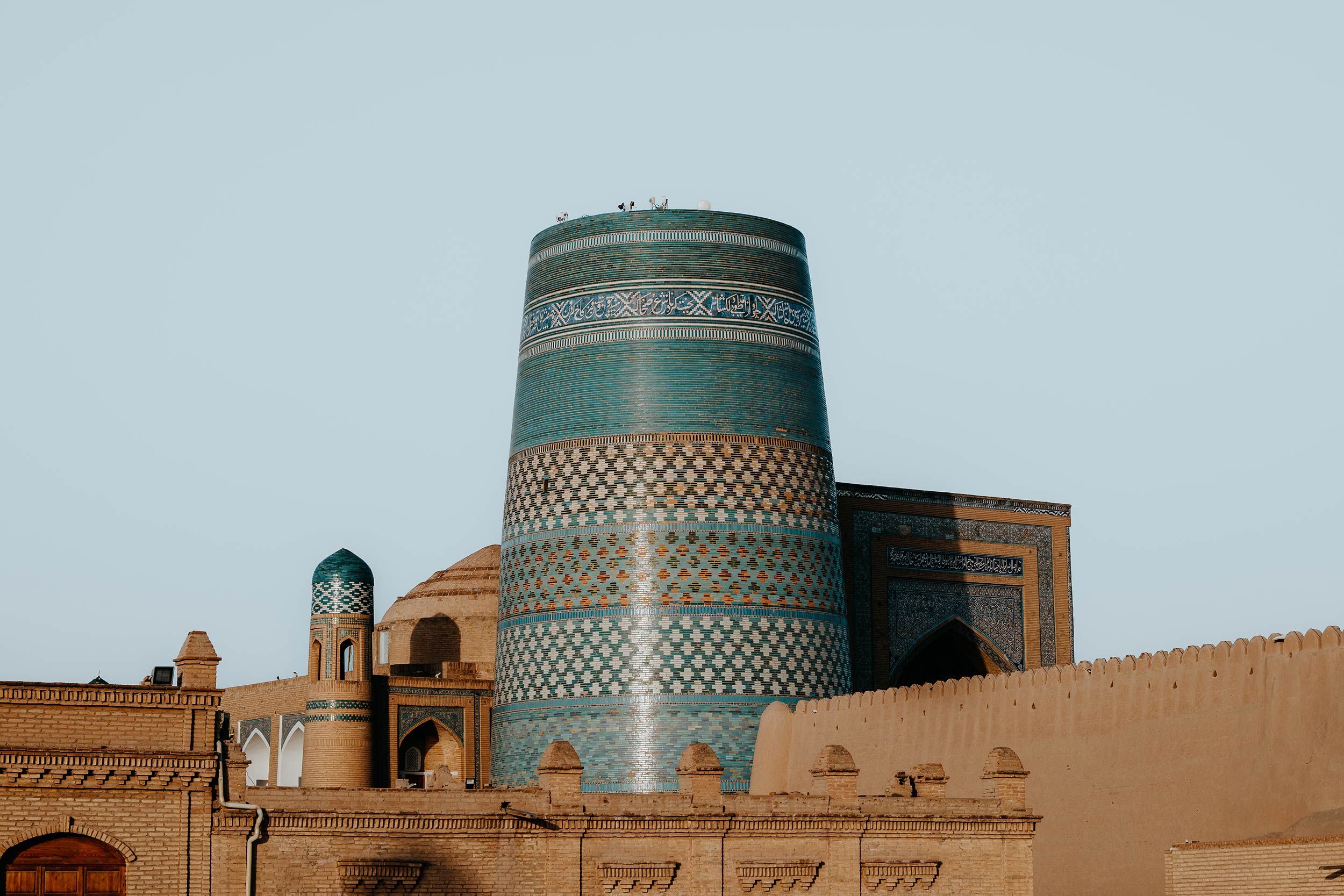
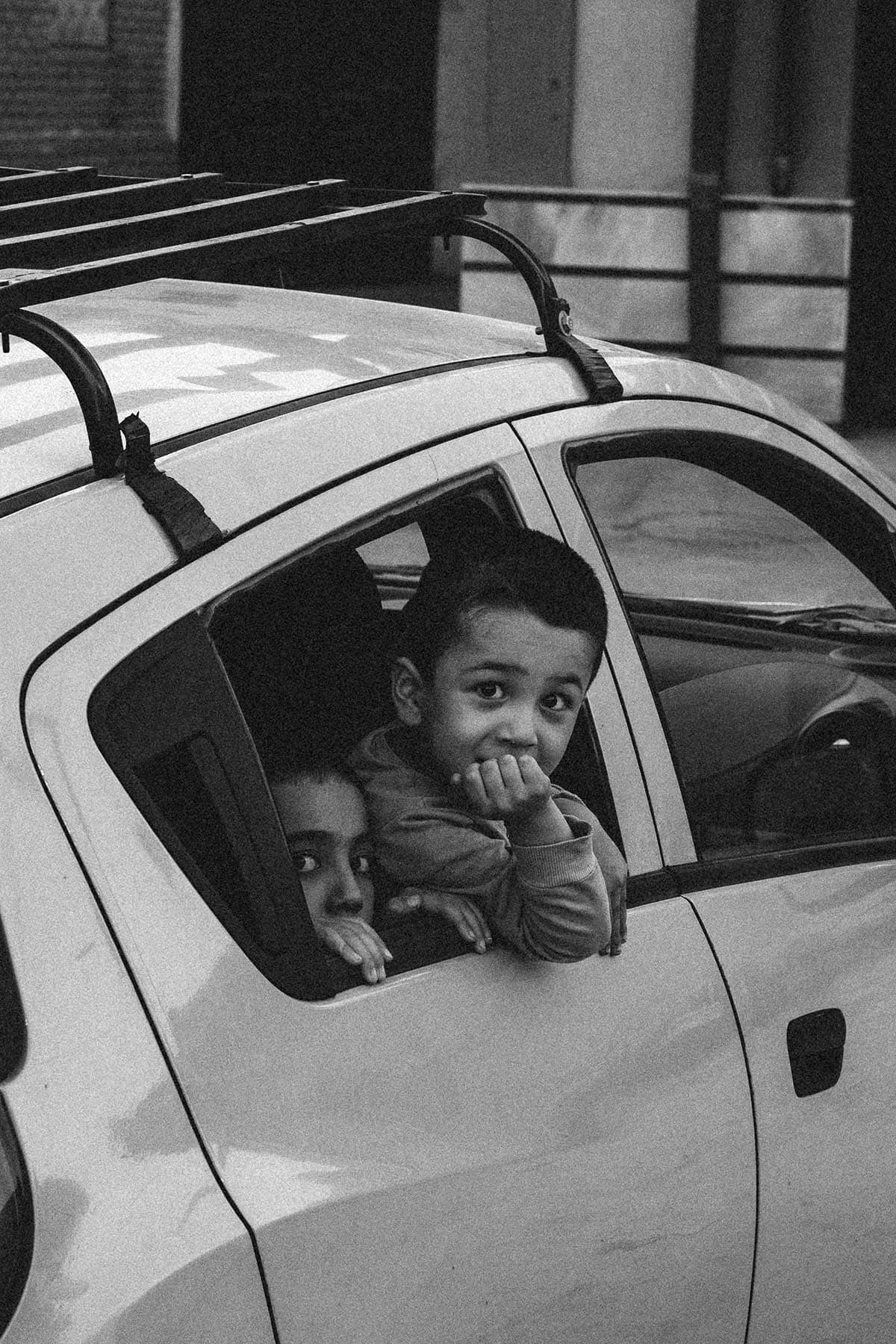
The people of Uzbekistan
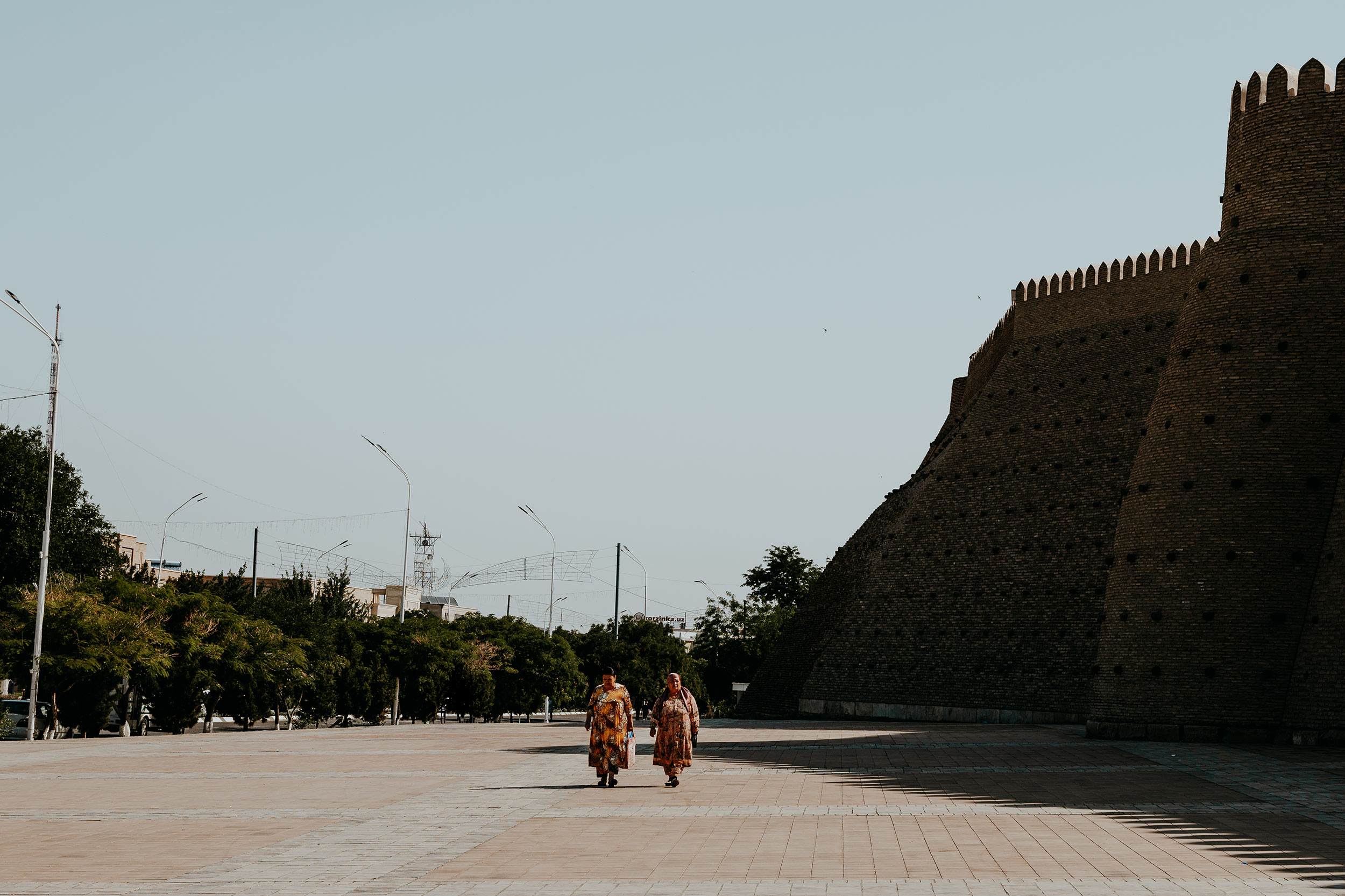
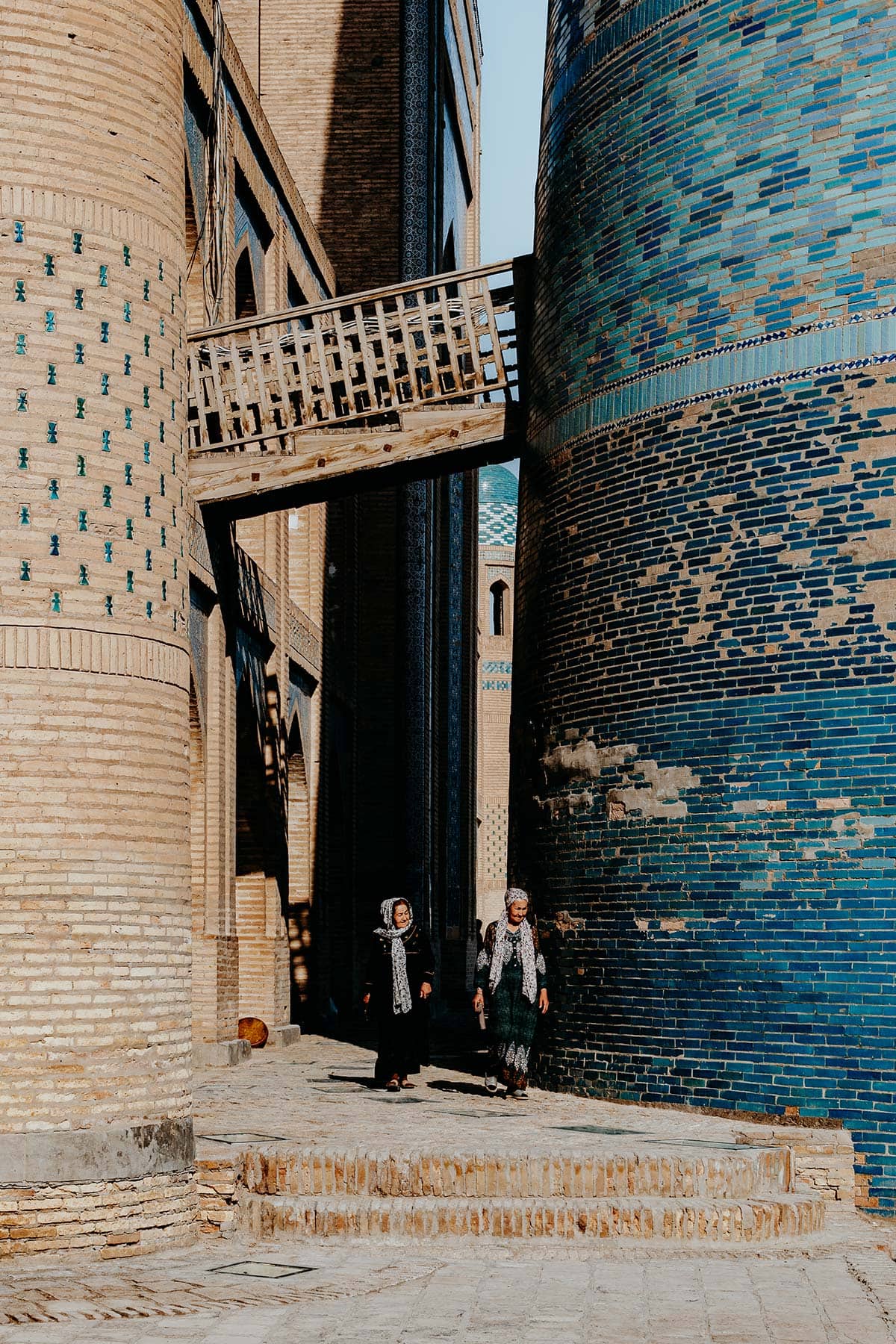
As with the majority of places in Central Asia, Uzbekistan and hospitality go hand in hand.
With a nomadic lifestyle at heart, the Uzbeki people are all too familiar with roaming unfamiliar territories, so when travellers visit their country, they don’t hesitate to offer a helping hand whenever they can.
To be more precise; they do so with heaps of pride and dignity.
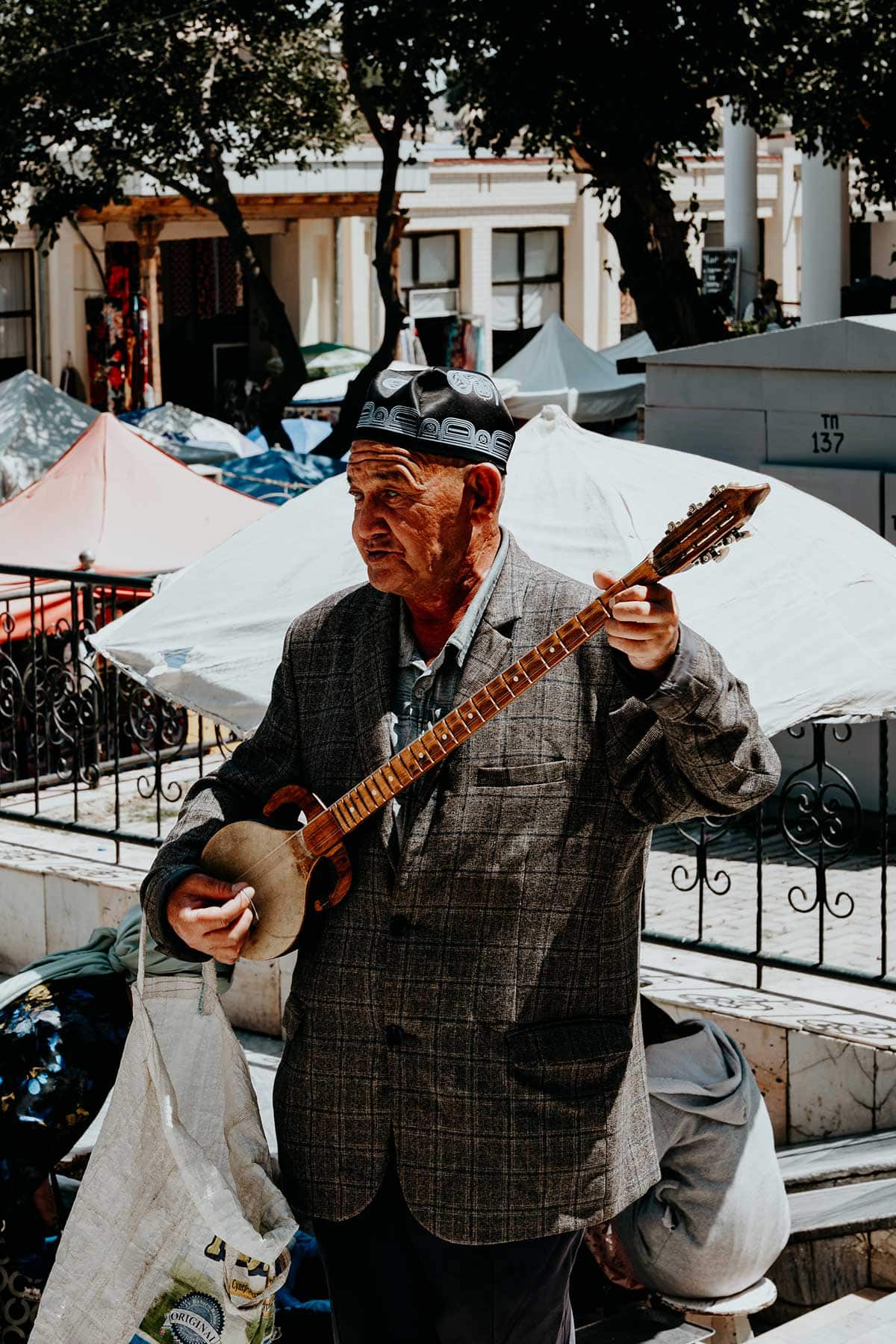
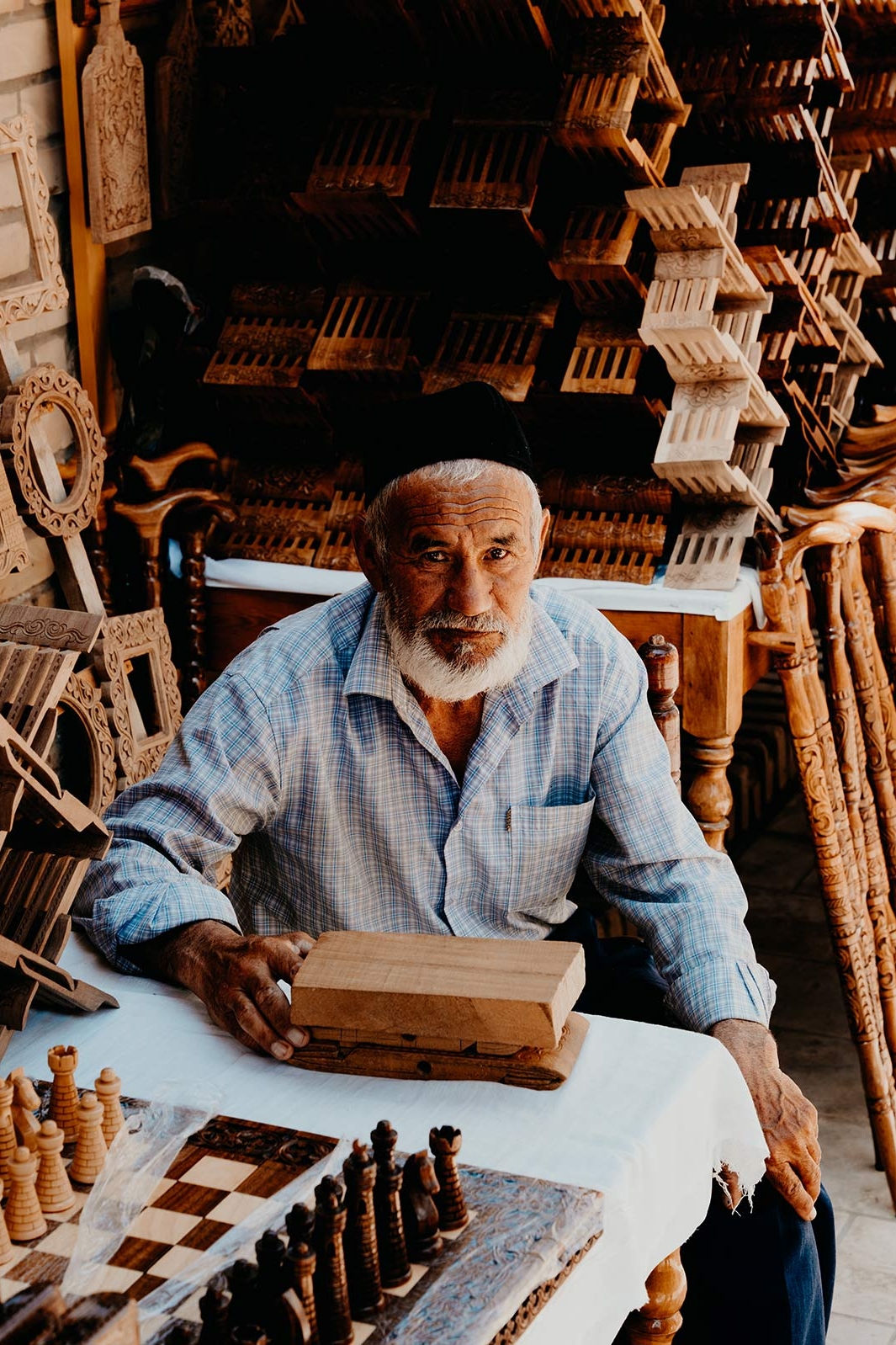
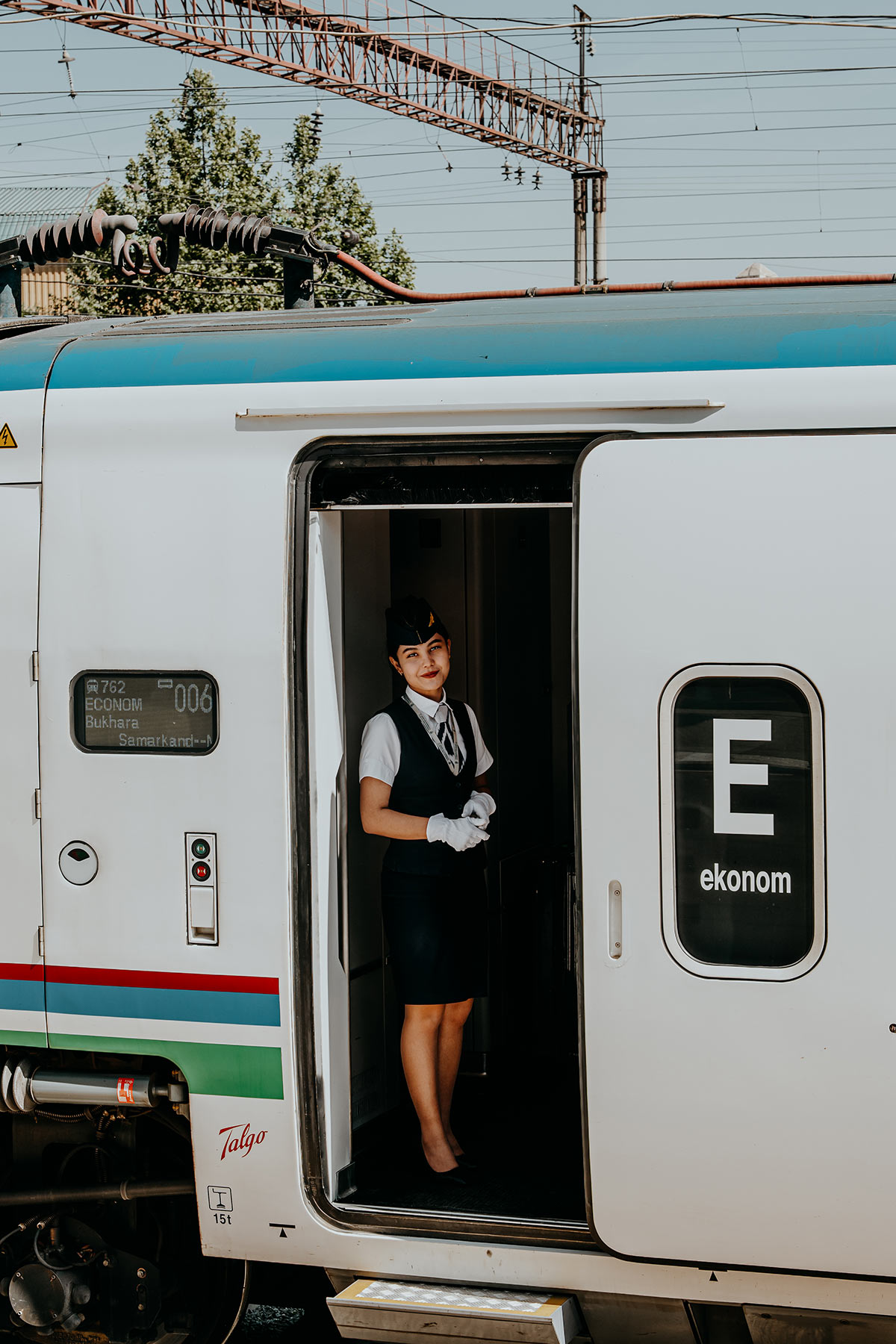
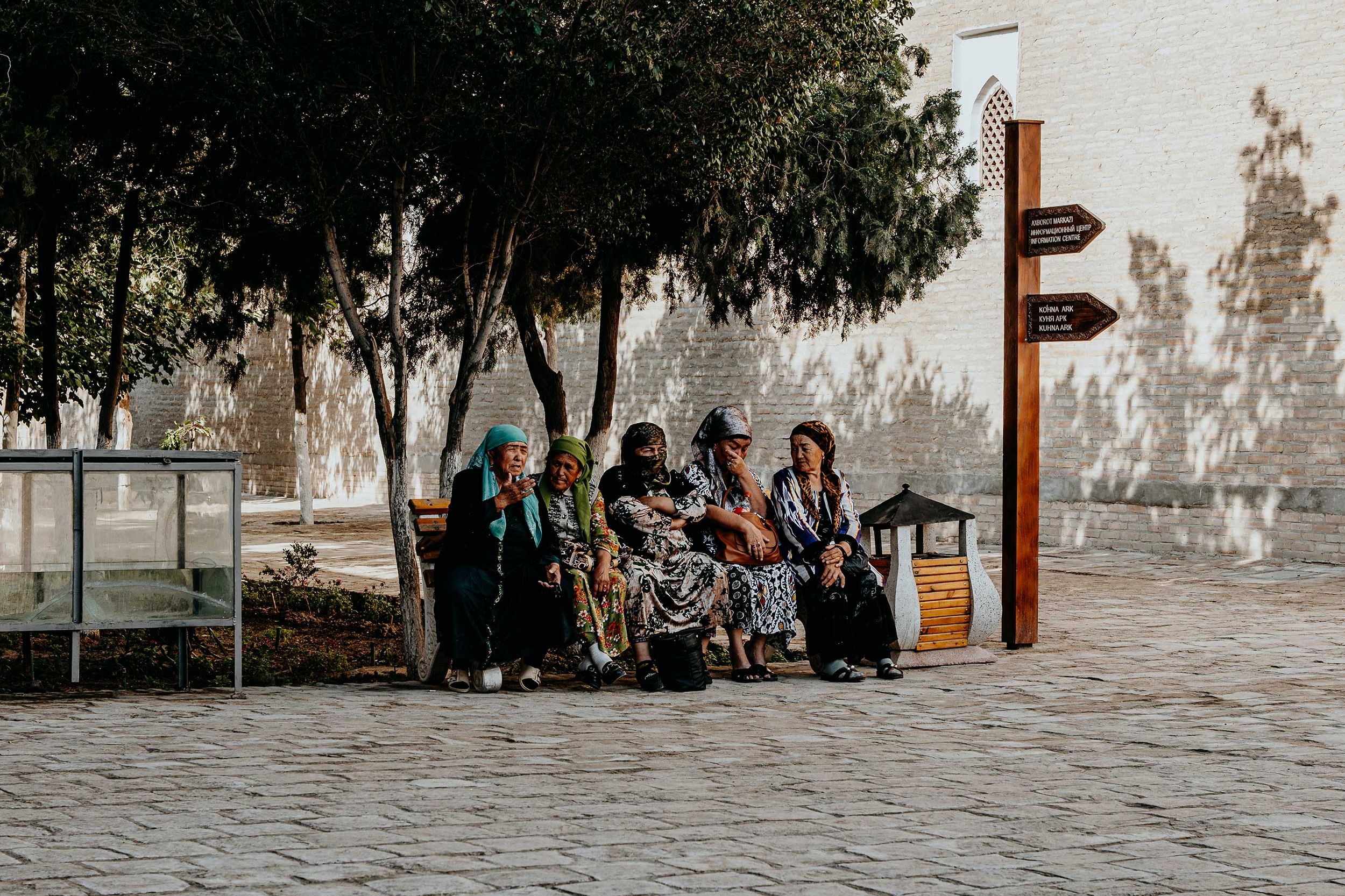
After spending two weeks in Uzbekistan, where I chitchatted with plenty of locals, and experienced genuine day-to-day moments in both the bustling bazaars and lively streets, I felt that the kindness and hospitality of those nomadic traditions are deeply embedded in pretty much every person I’ve met here.
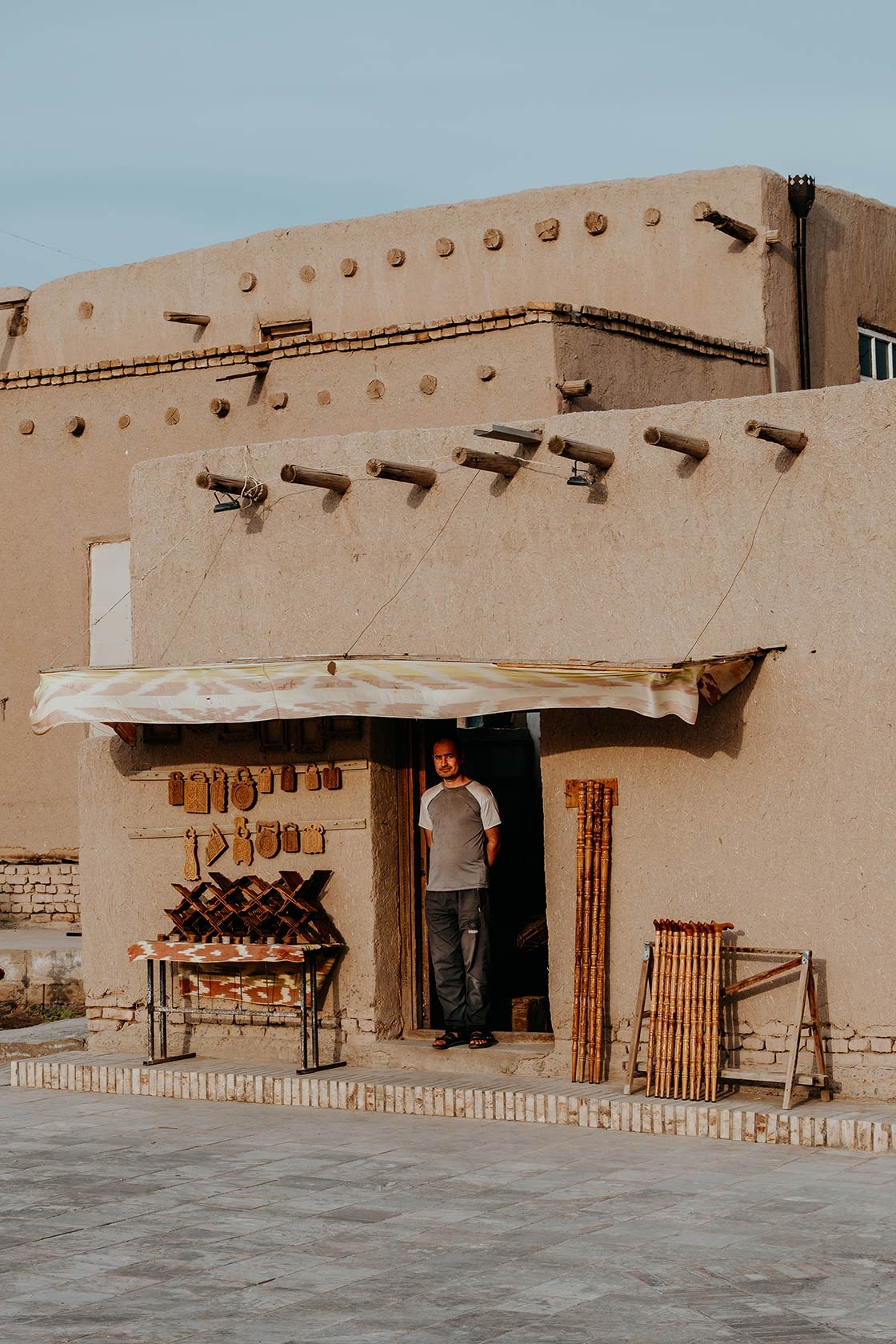
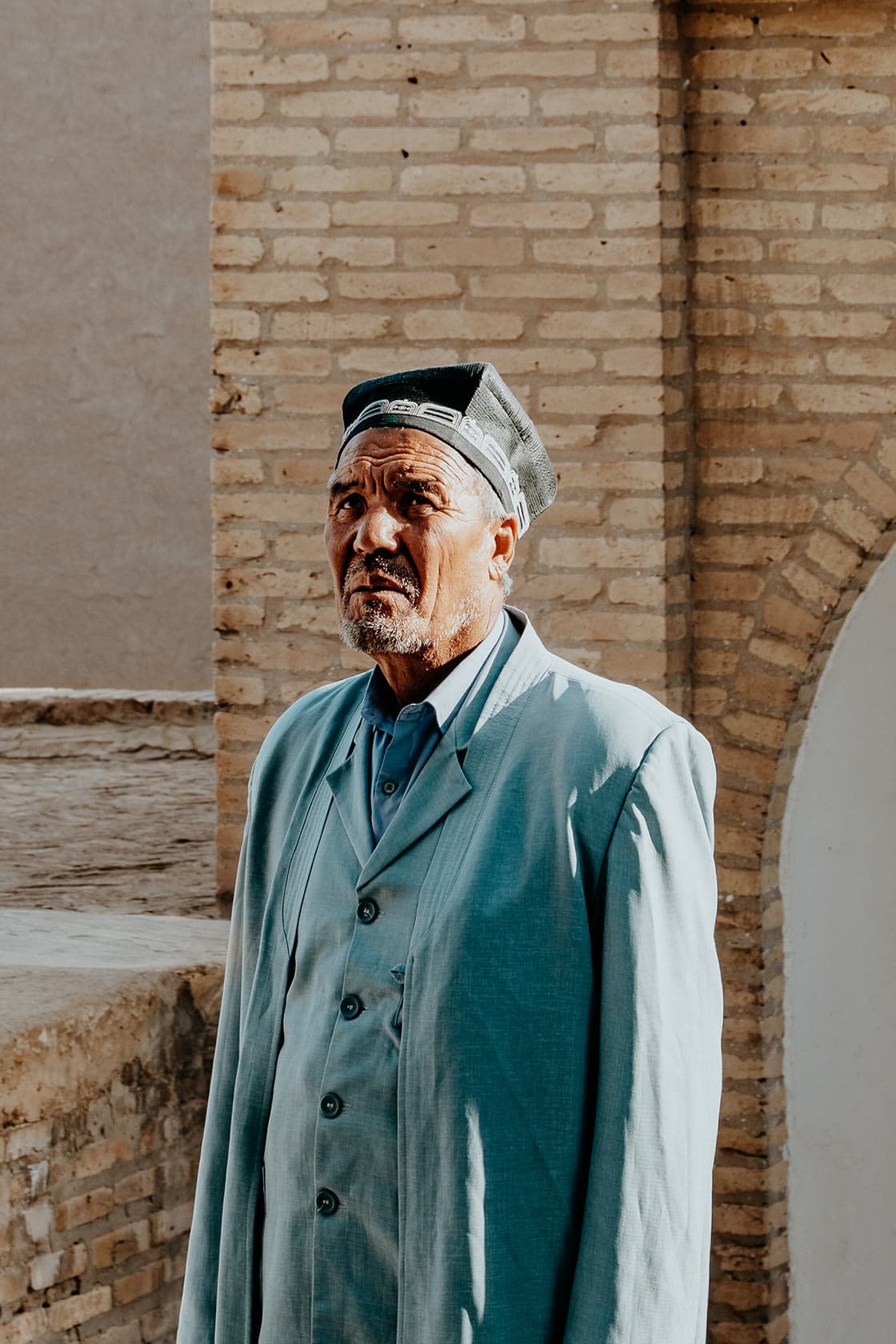
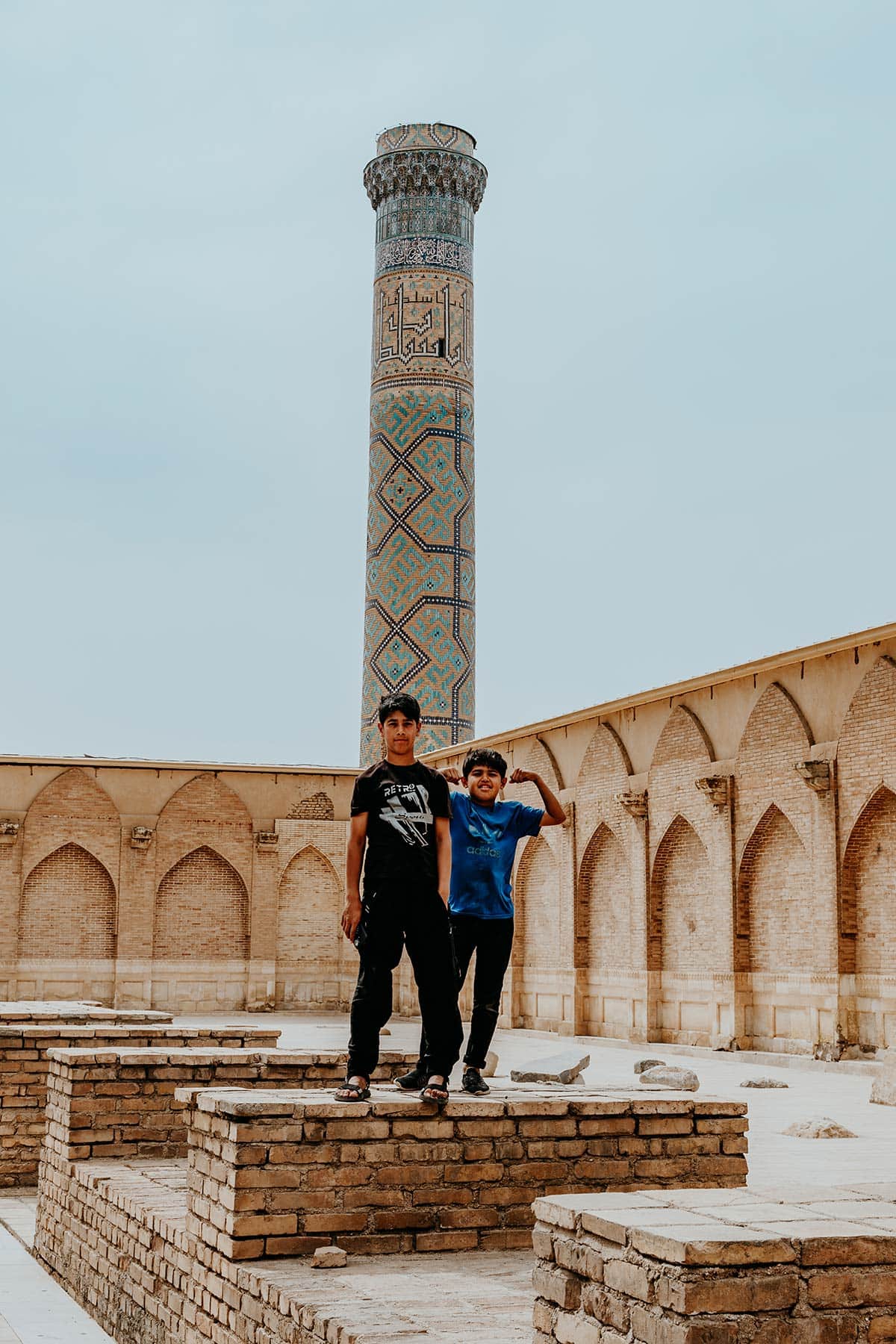
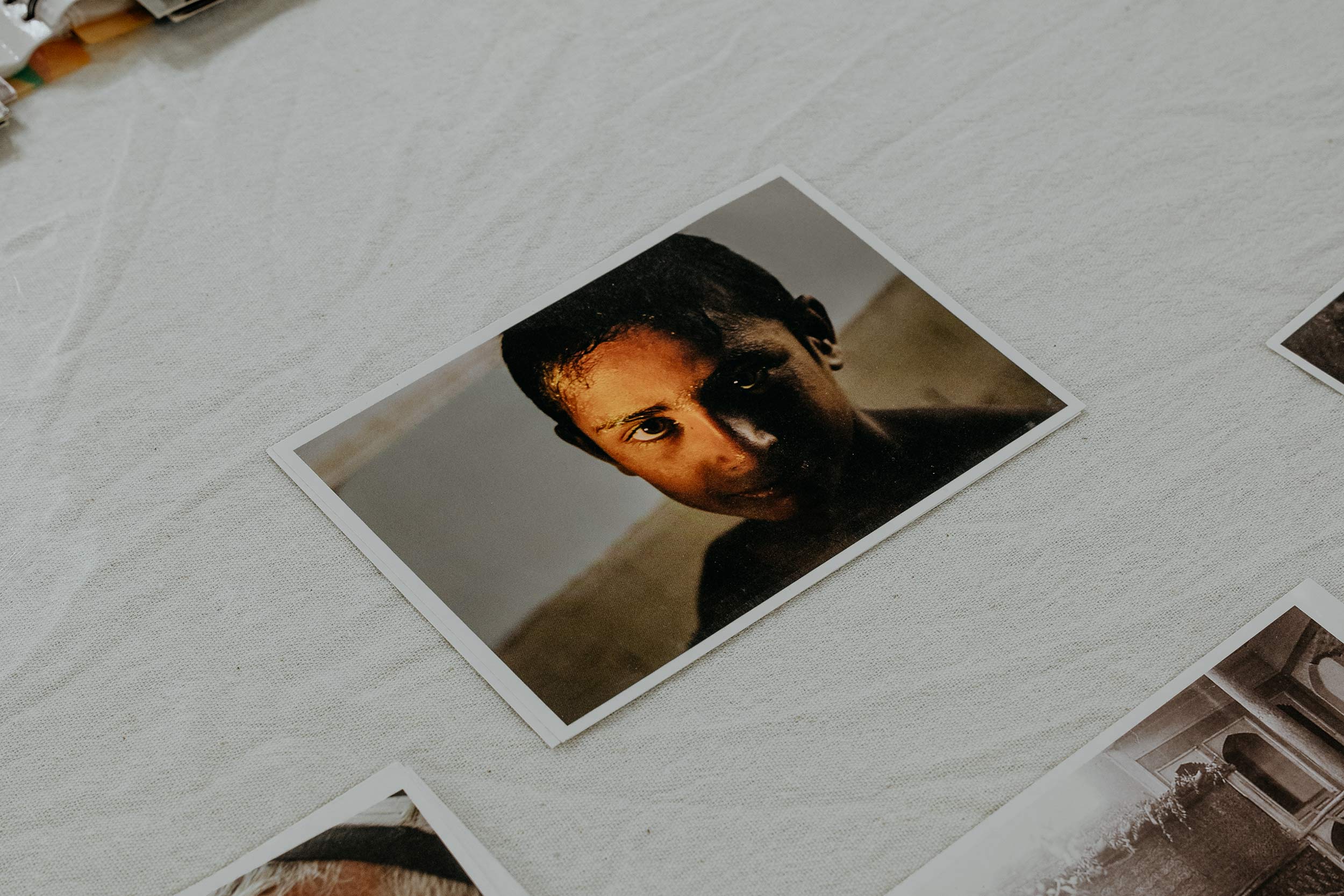
The spices and flavours of Uzbekistan
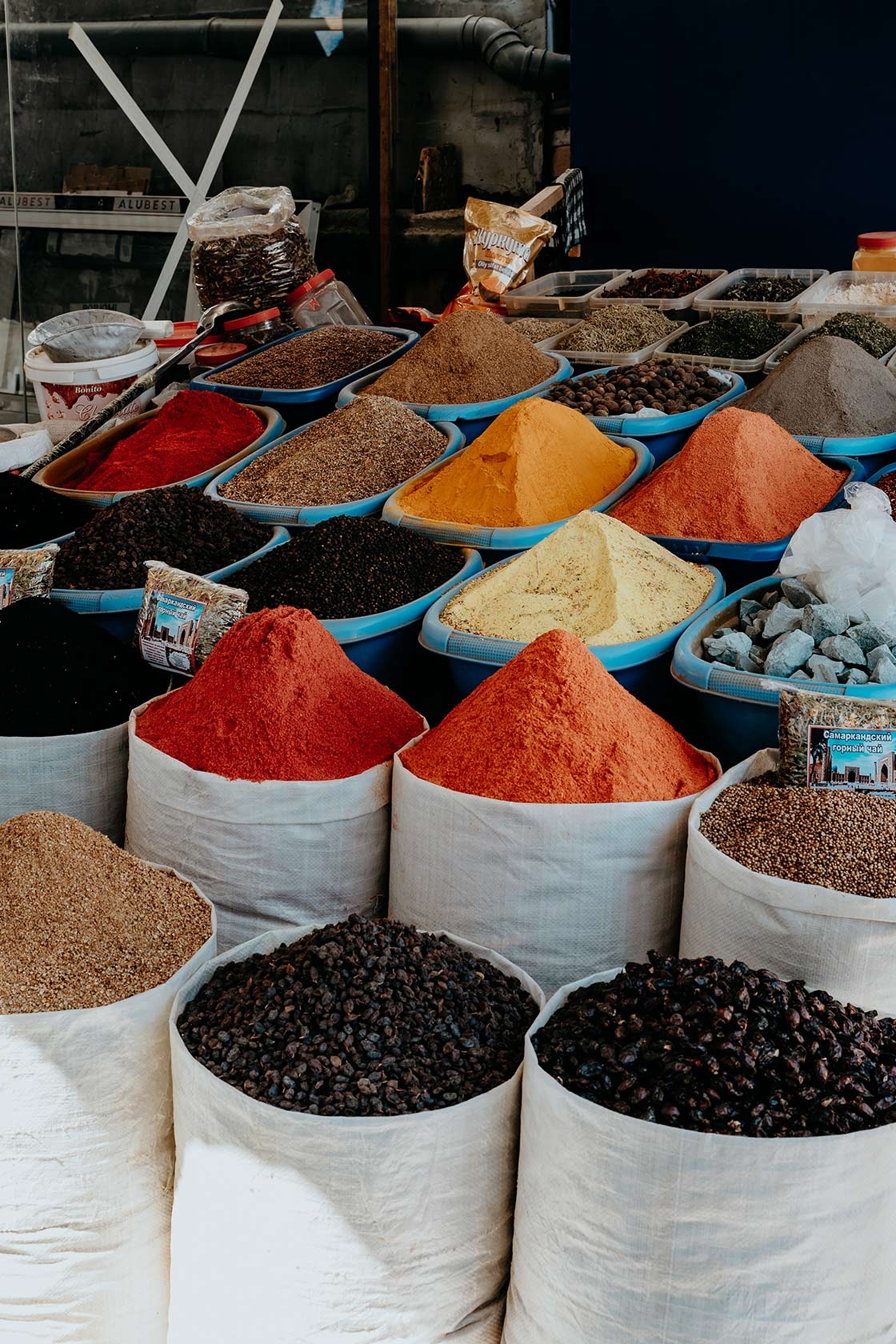
For me, culinary traditions, locally sourced spices, and the distinctive flavours found in specific parts of the world are key ingredients of my desire to travel this big wide world.
You see, food is a unique expression of the people that make a country, and thus, I firmly believe that delving deep into the local cuisine should be one of the main objectives of your travels.
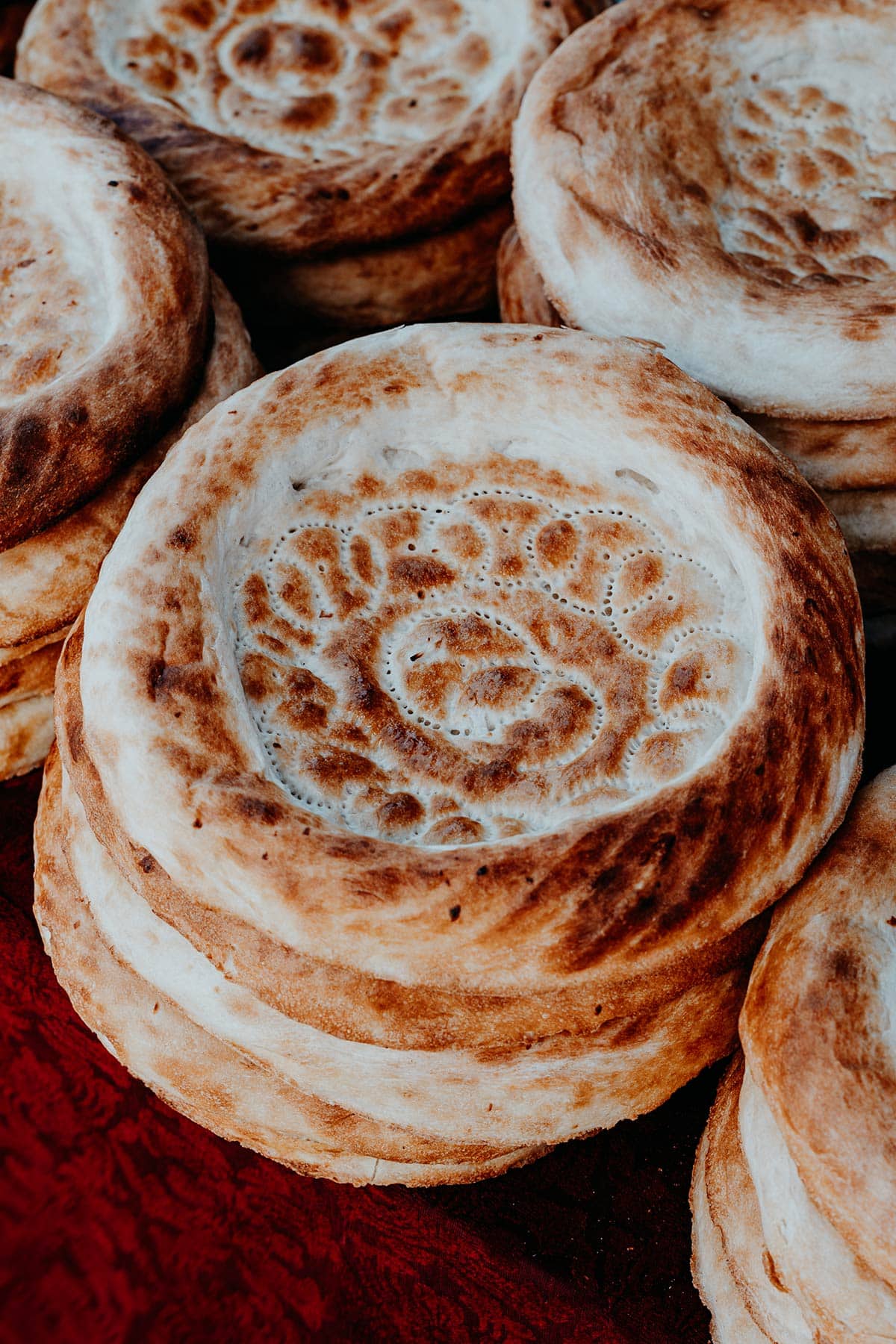
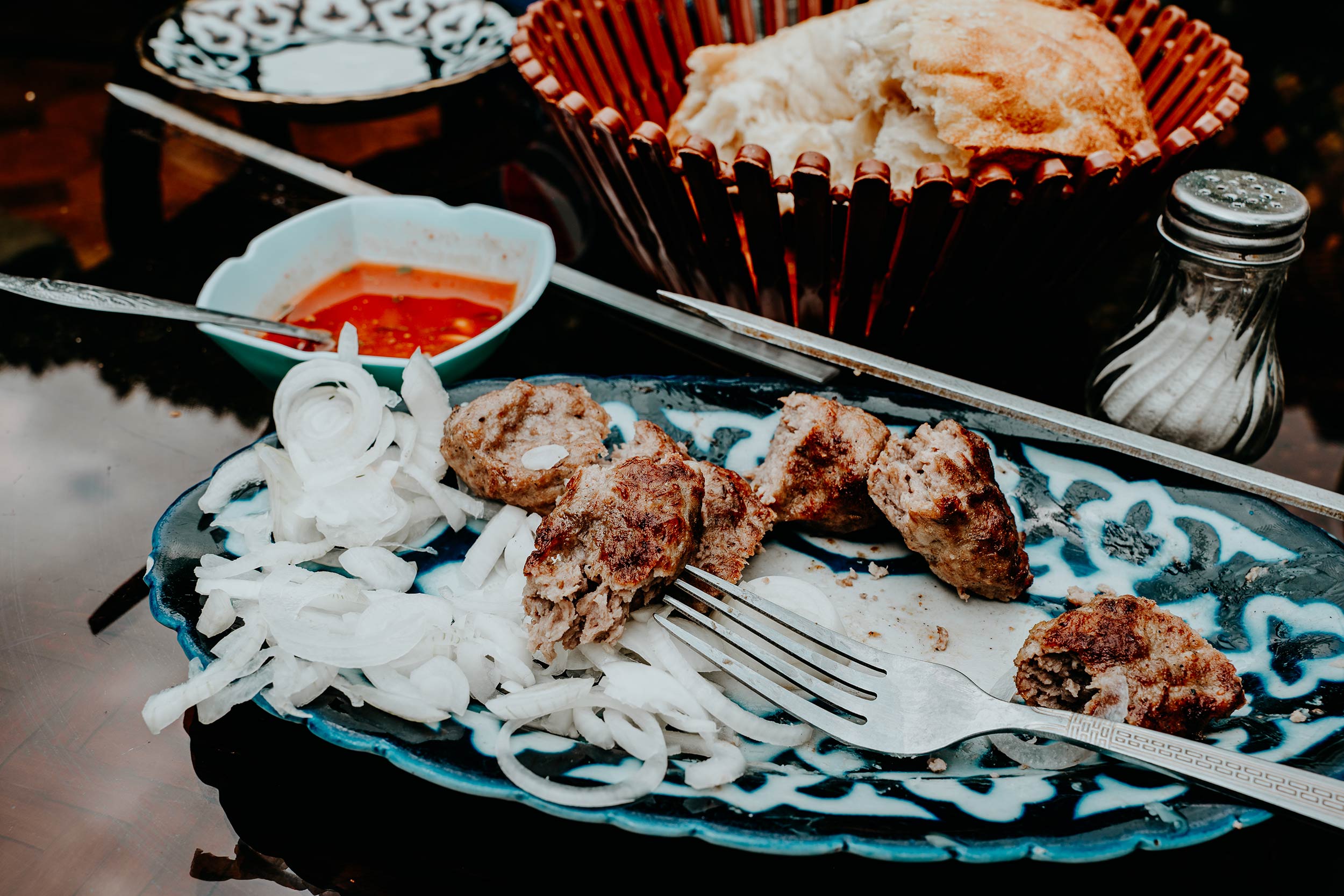
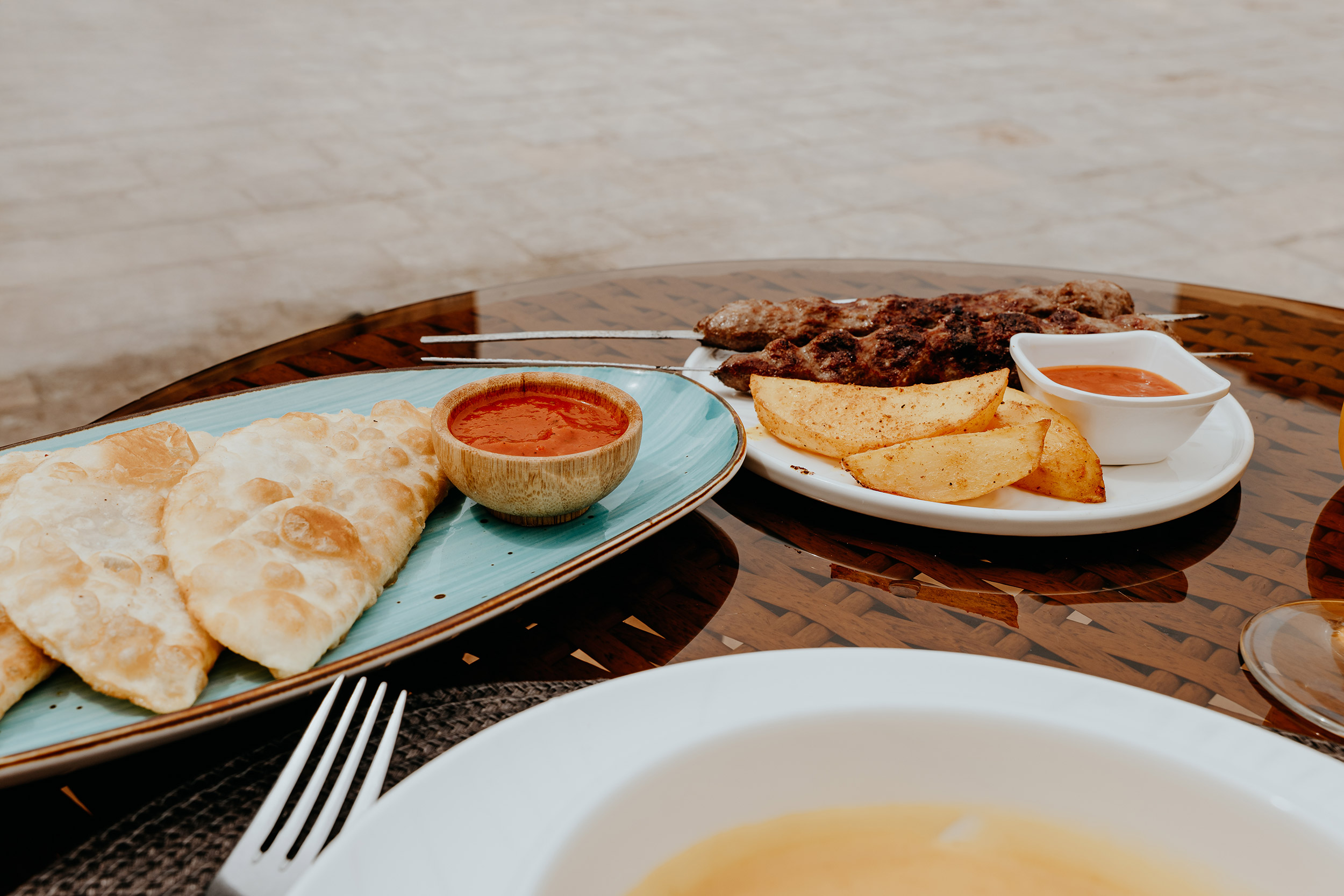
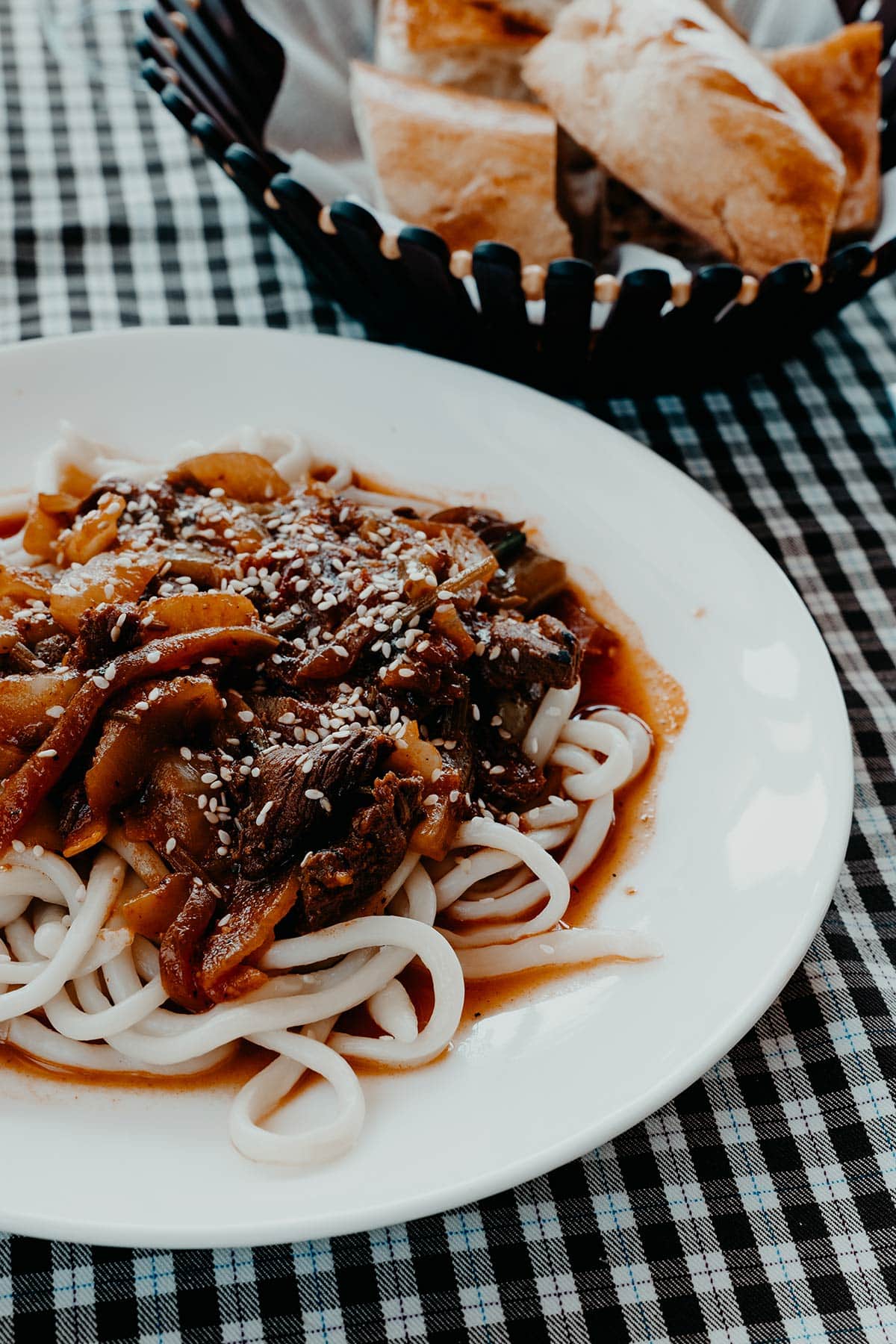
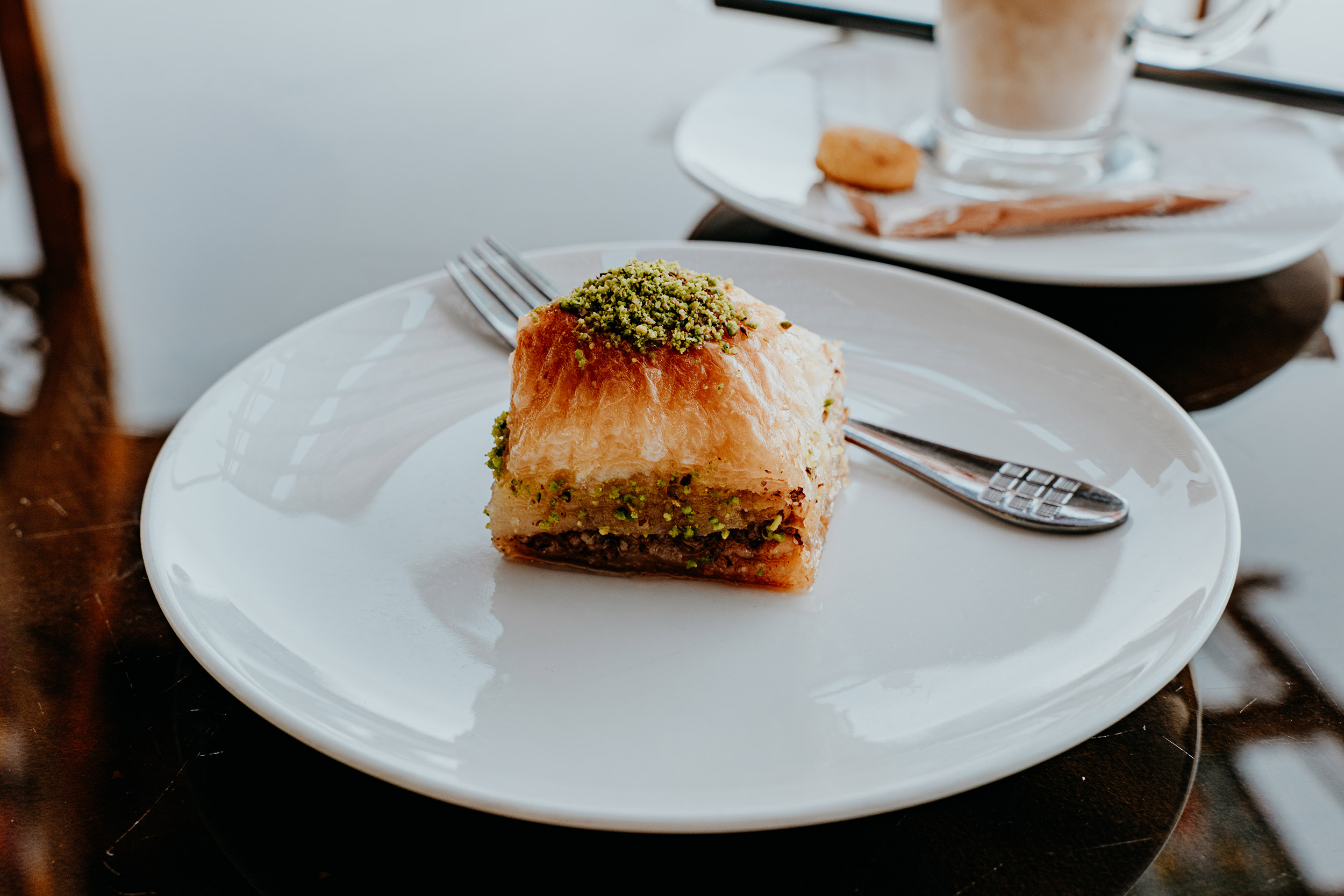
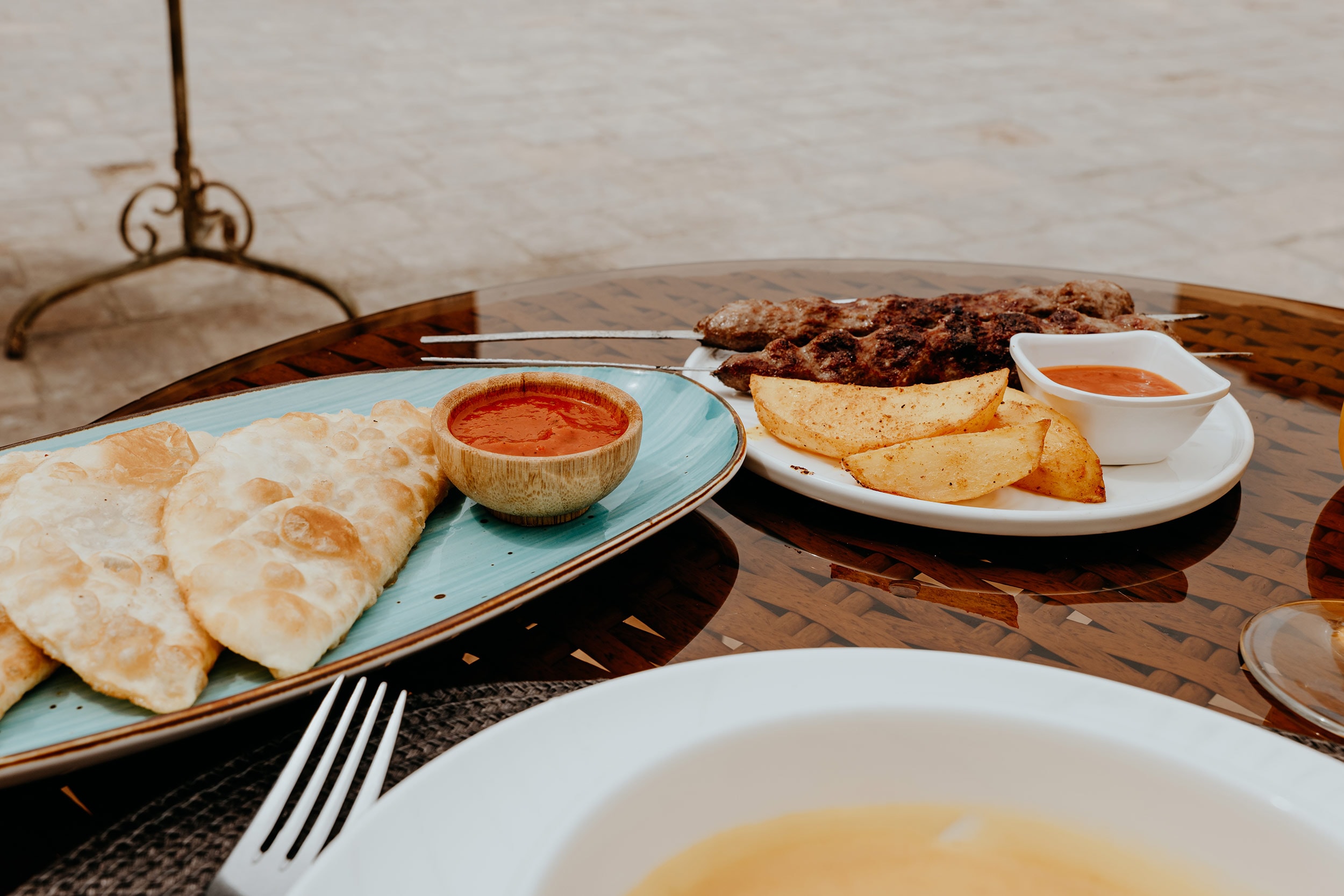
Some of my favourite dishes I savoured in Uzbekistan include Lula kebab, Laghman, Khiva’s famous Shivit Oshi, Gumma, Manti, and of course all the freshly baked bread – because bread and Uzbekistan are like cheese and wine; inseparable.
In short, indulging in local cuisine is simply one of the best ways to get a feel for a country, its people, and its essence – which is why most people love to travel and explore.
The vibrant everyday life and time-worn streets
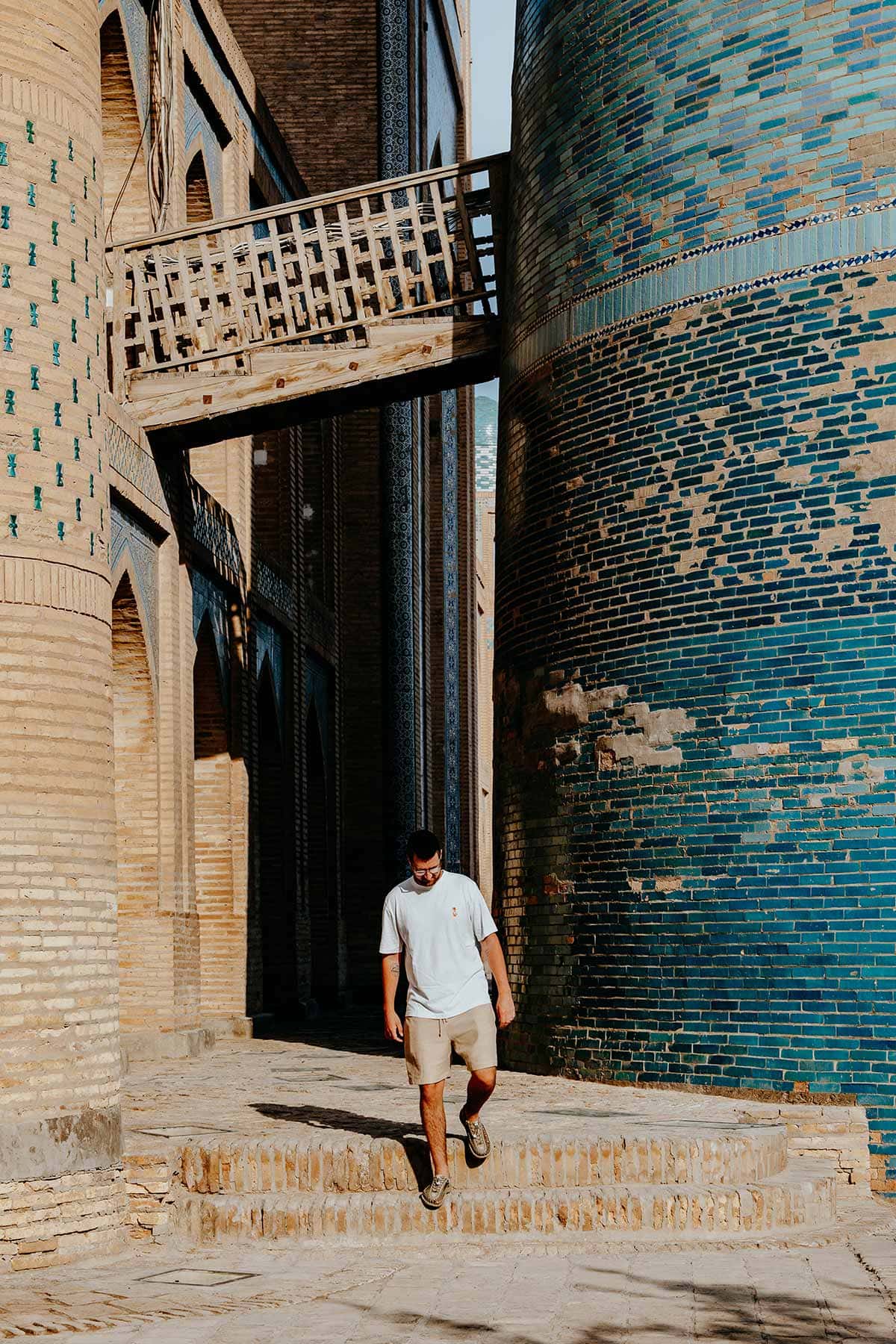
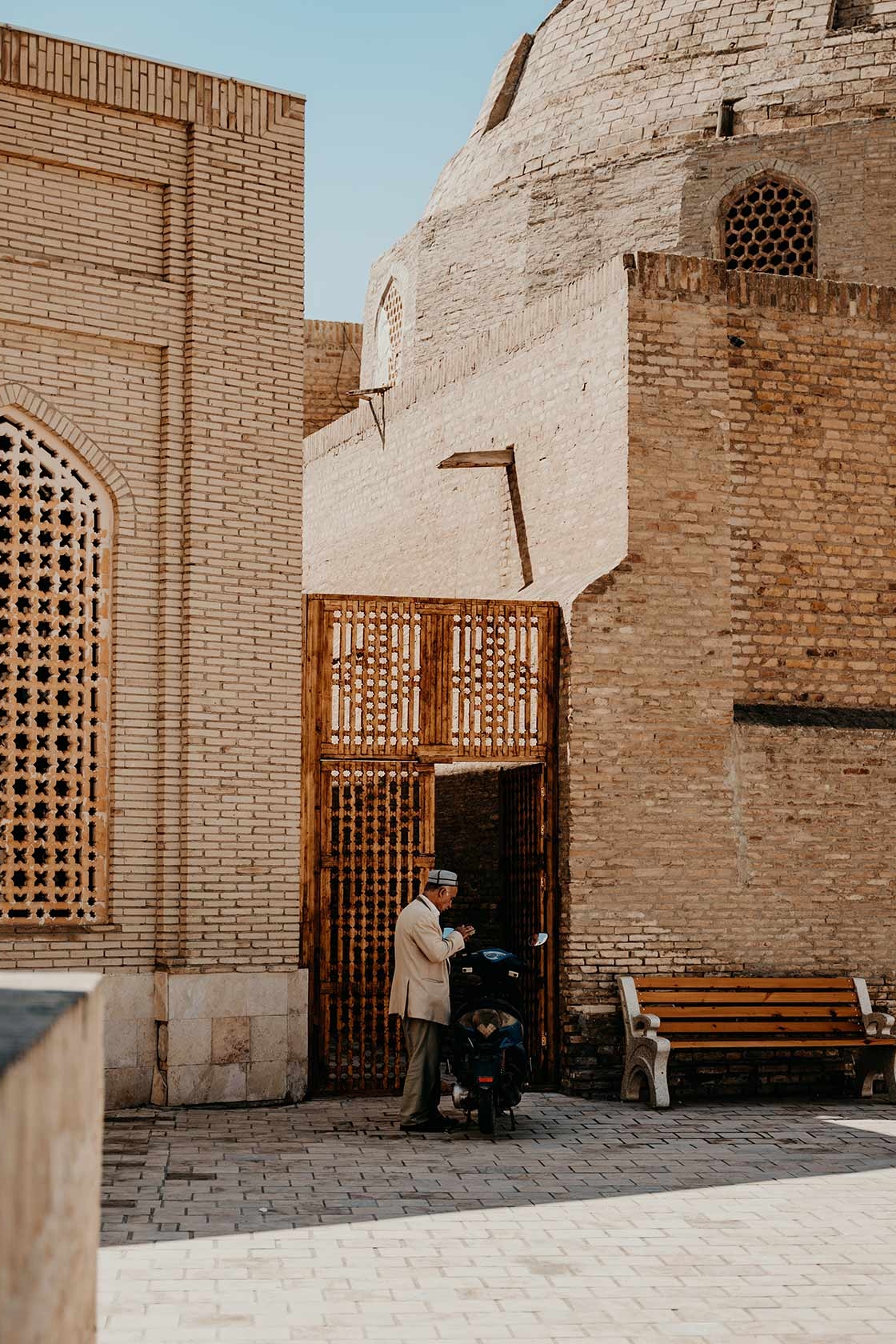
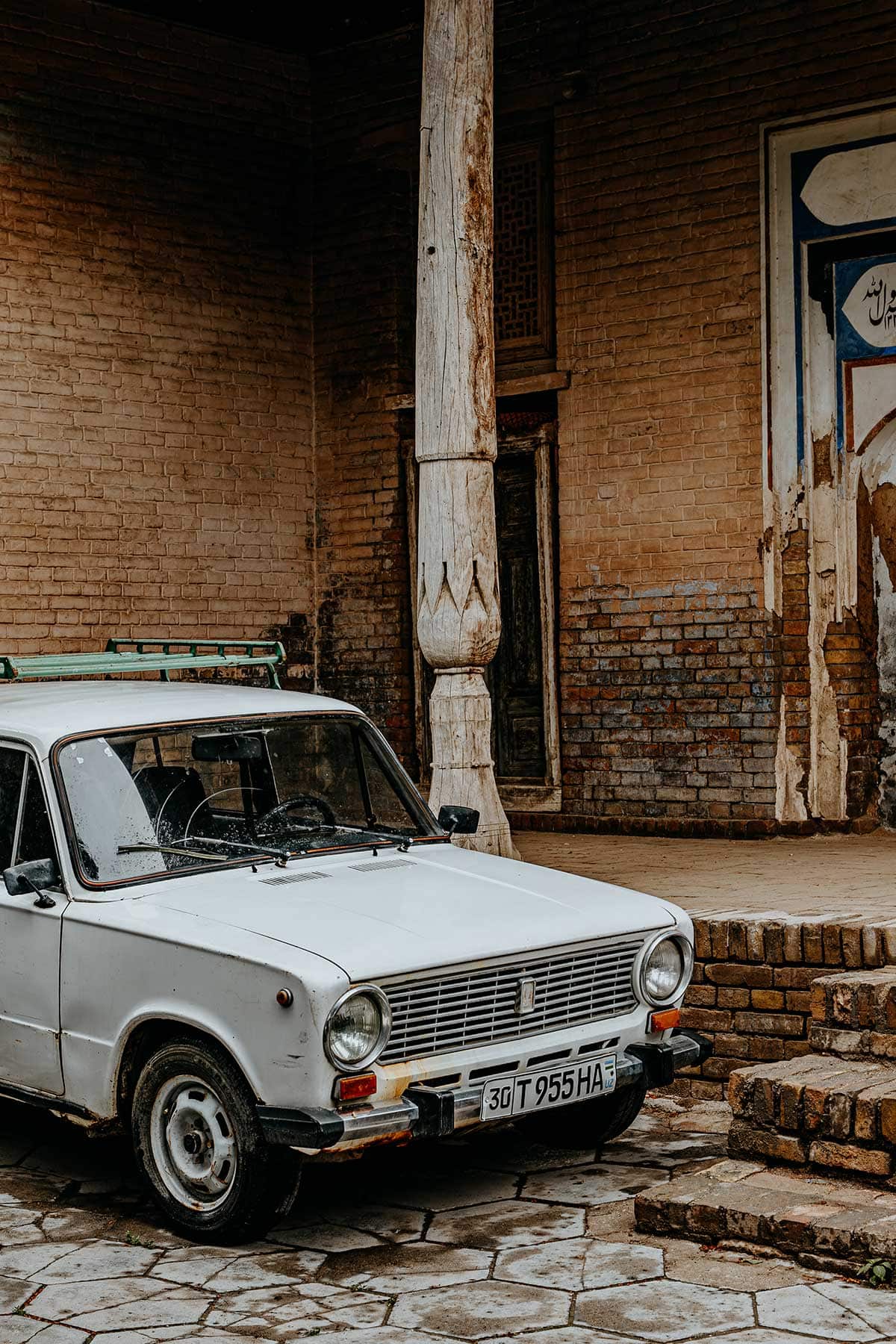
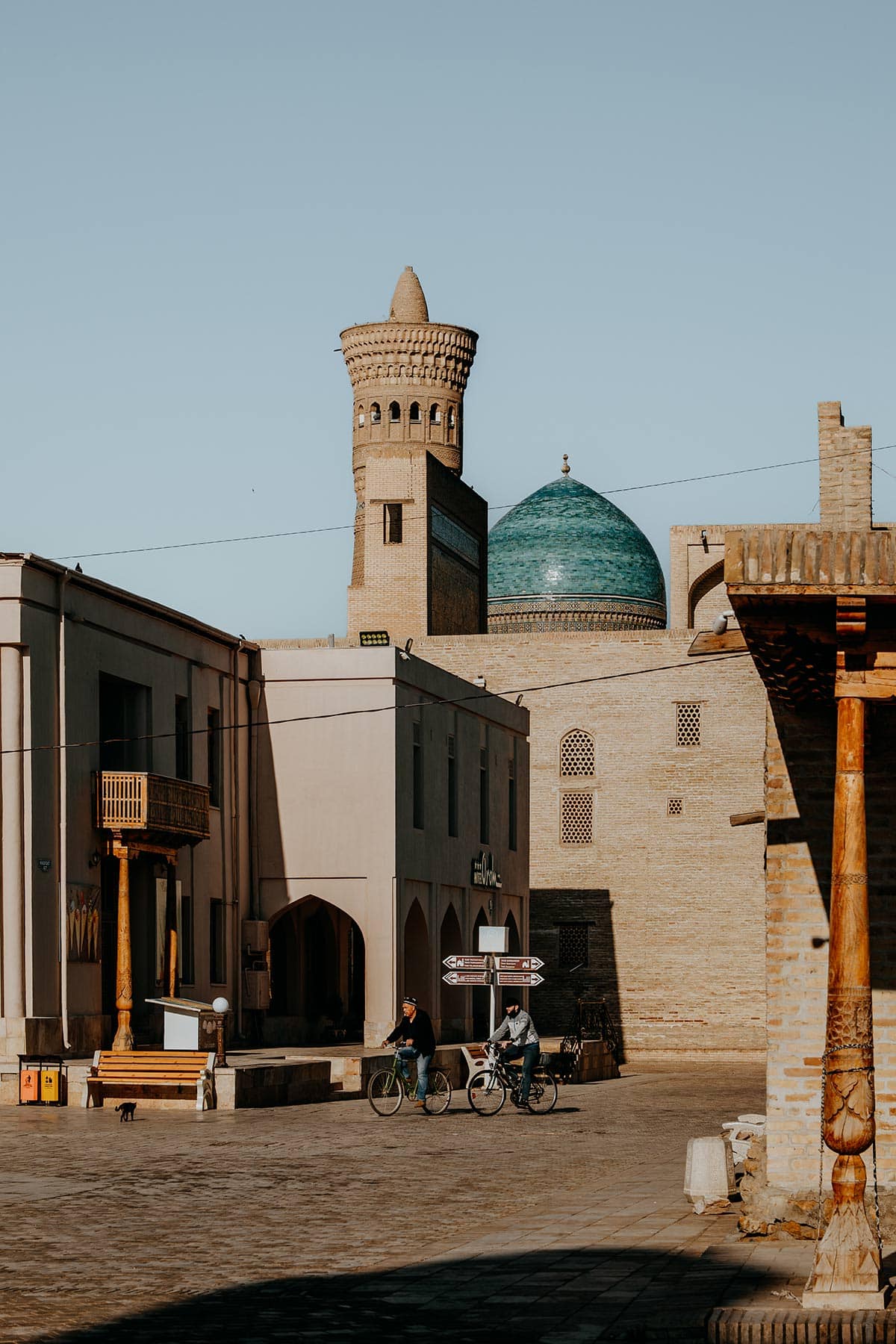
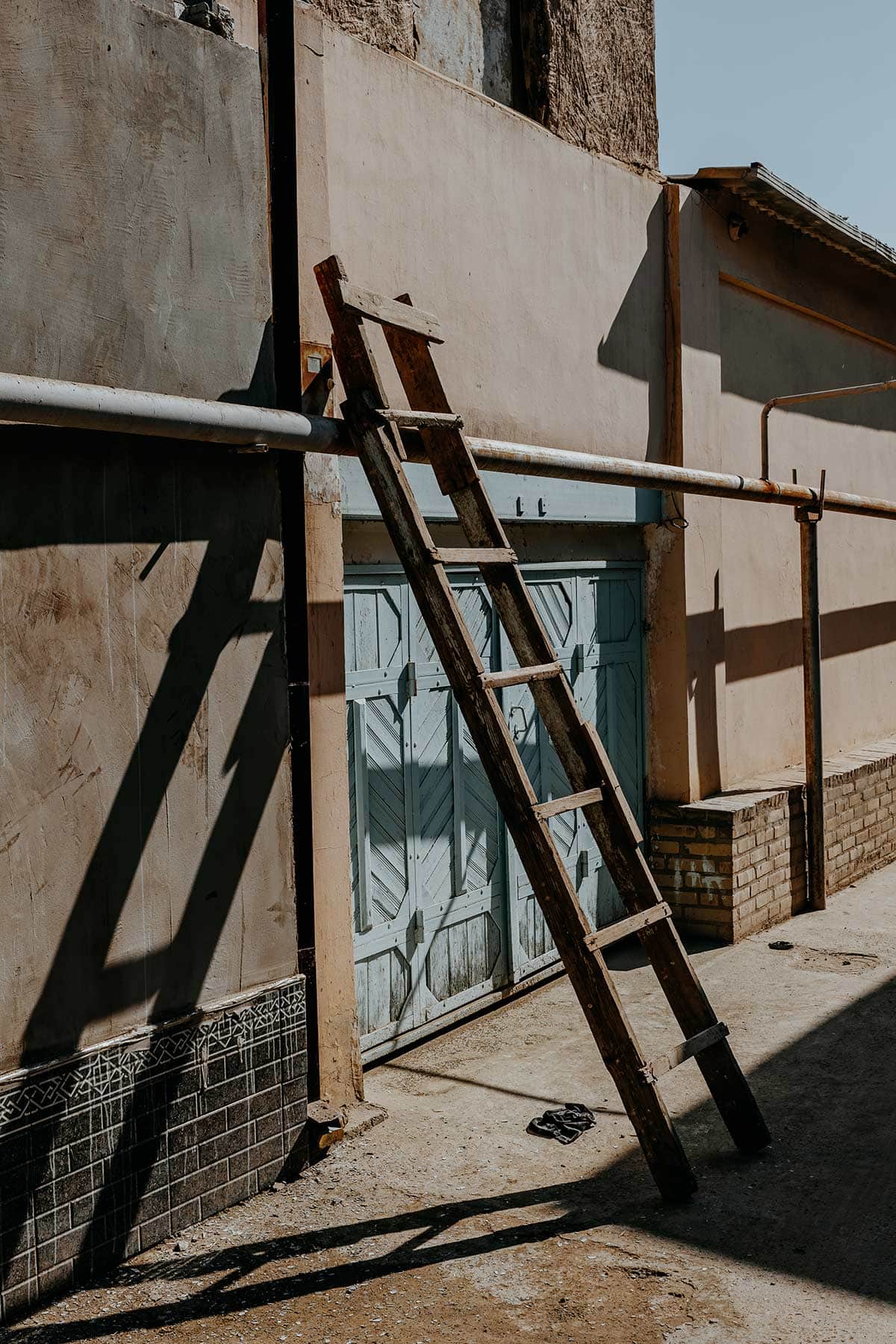
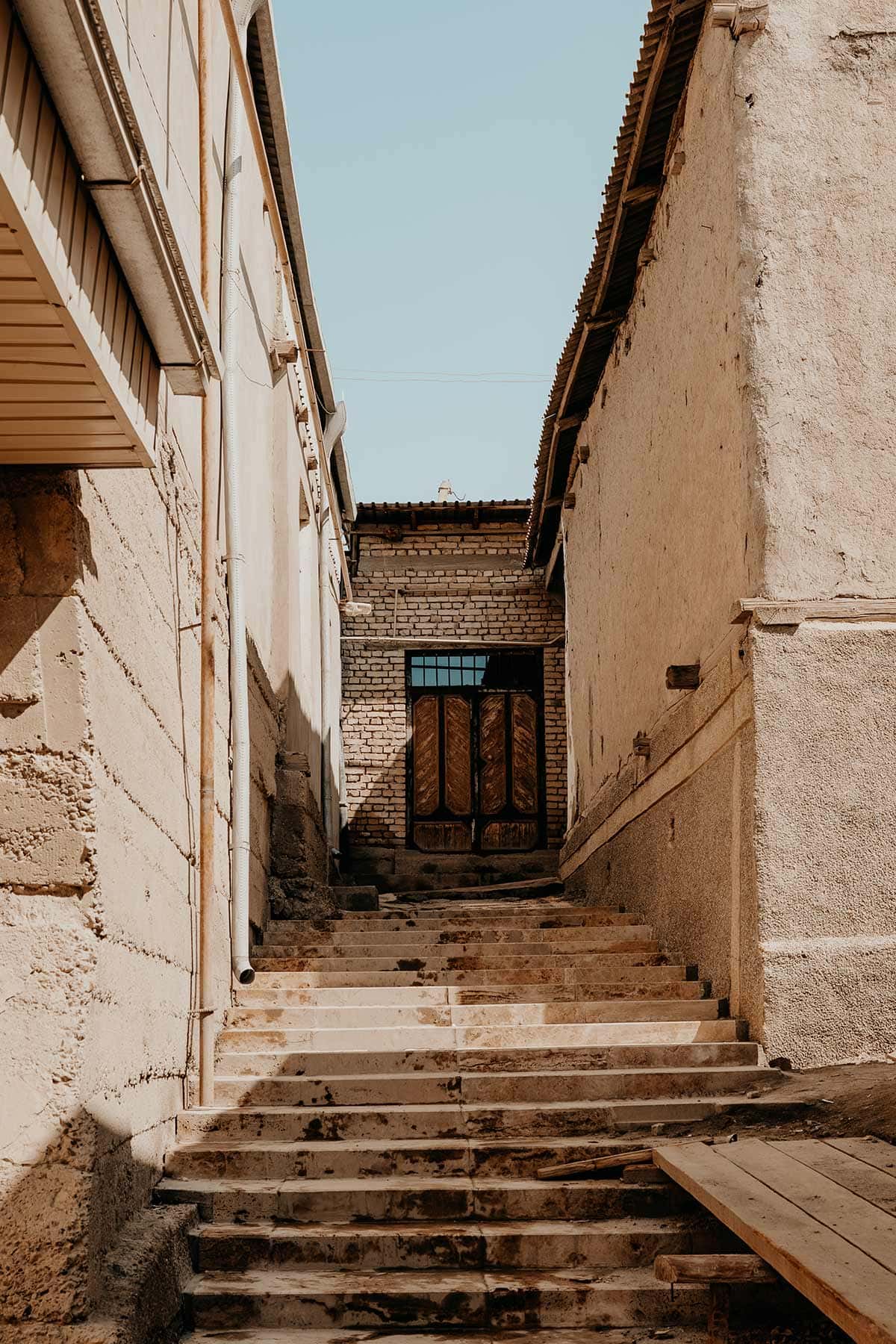
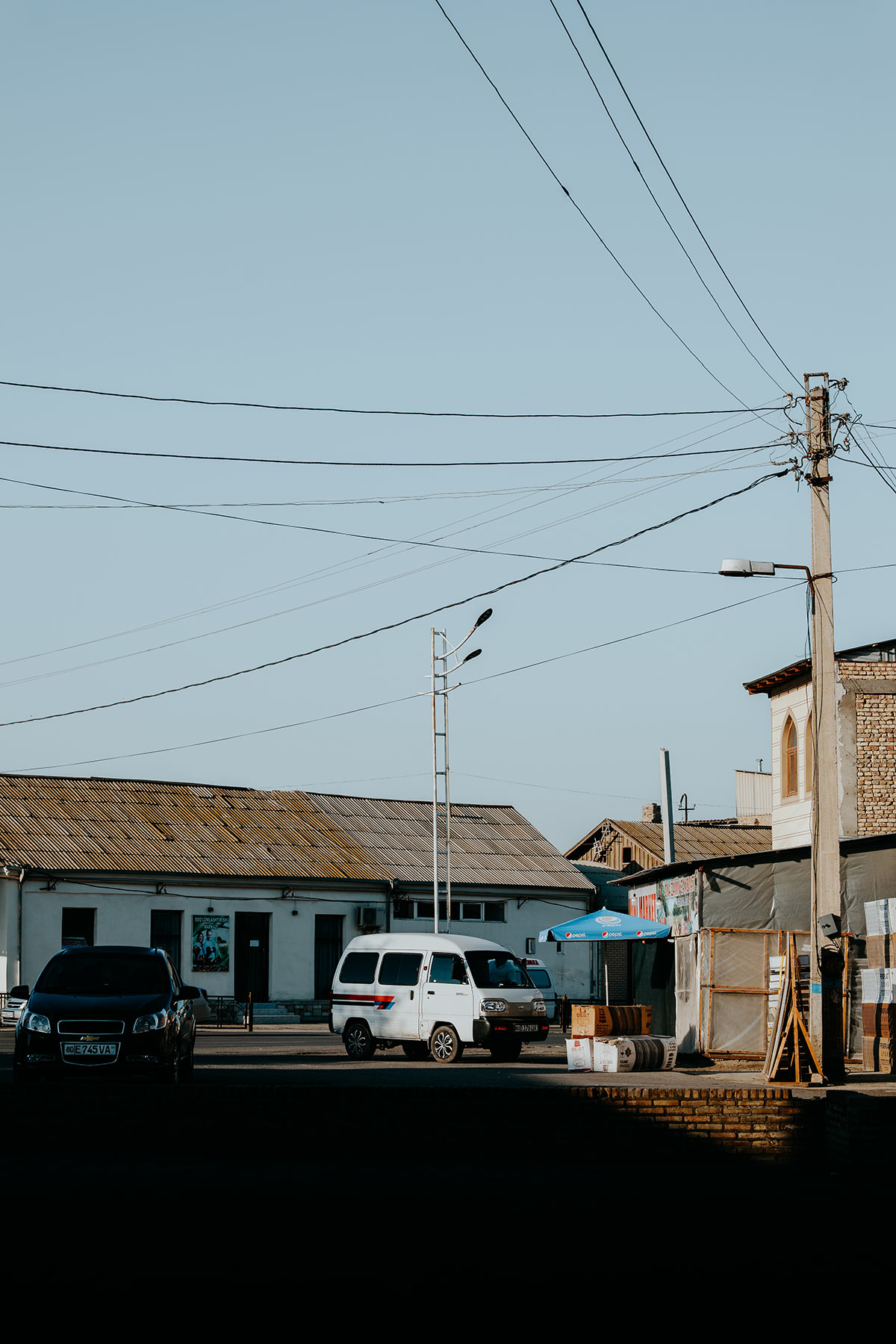
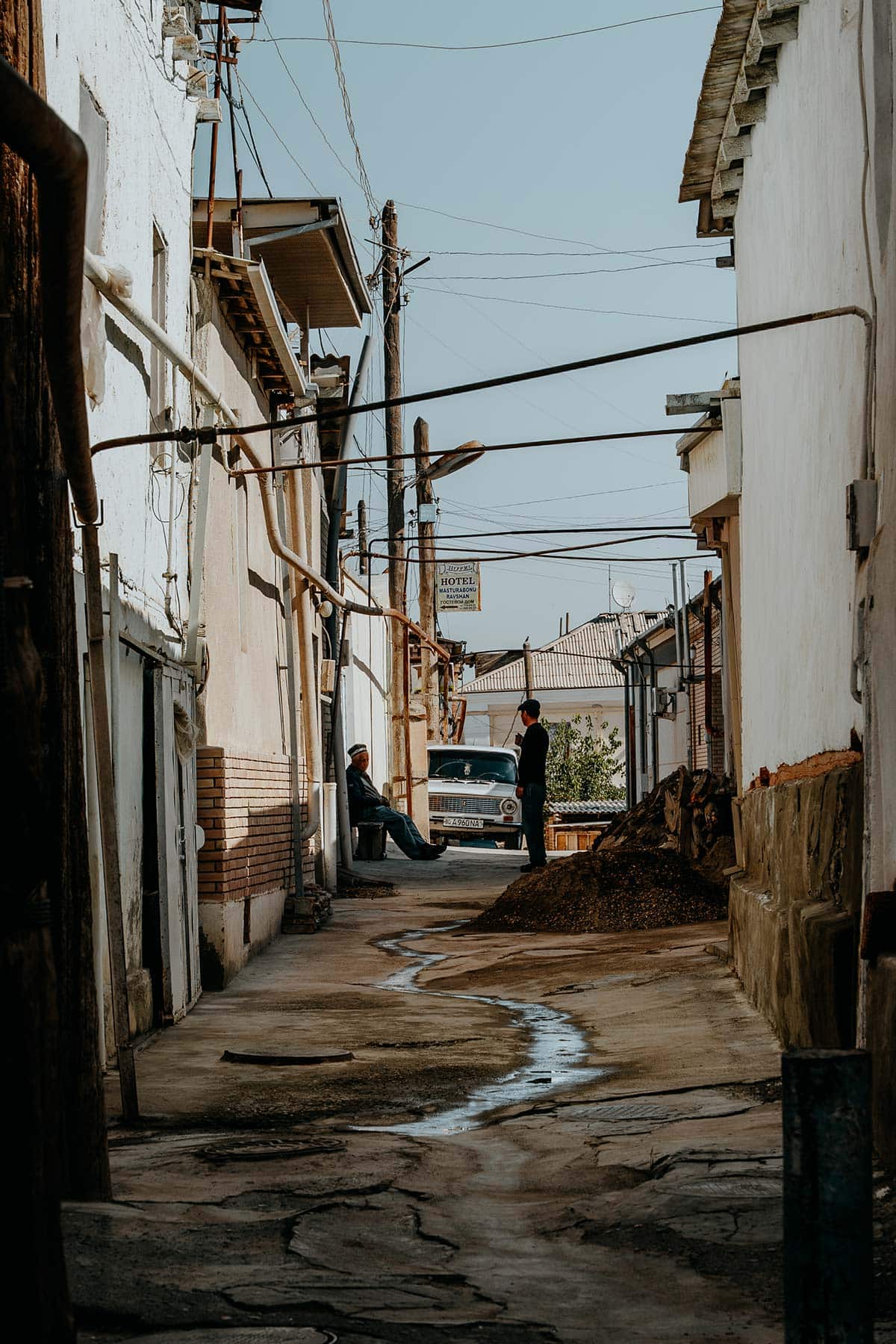
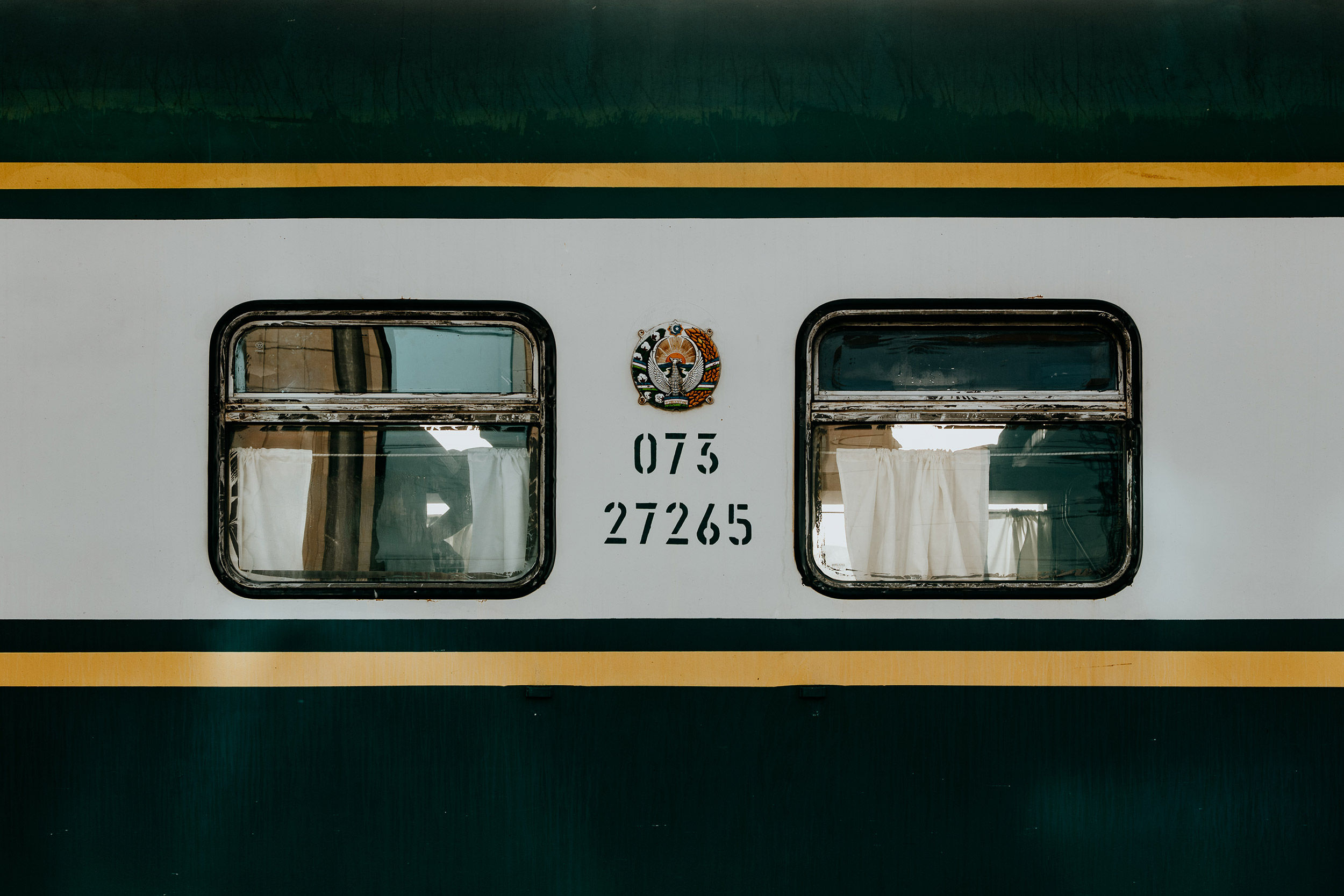
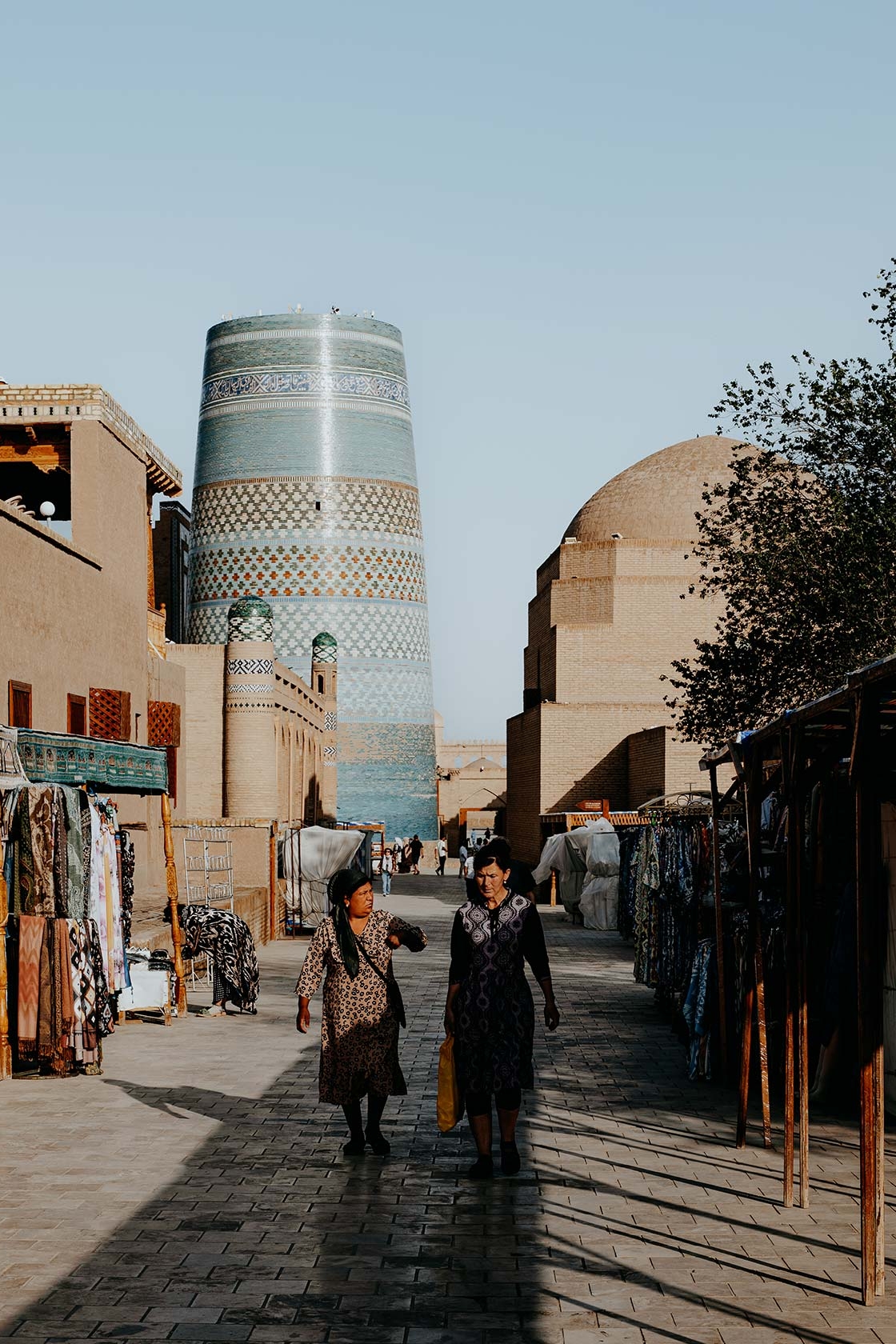
While Uzbekistan has heaps of astonishing architectural masterpieces, some of my favourite moments were uncovered on walks around the time-worn streets with my camera in hand.
From wandering the lively bazaars of Bukhara to getting lost in the maze-like streets of Khiva’s remarkable Itchan Kala to the charming squares found in Uzbekistan’s many historic old towns.
There’s just something magical lingering in the air here – something that is truly undeniable and hard to put into words. An authentic moment is never far away, waiting for you to be clicked.
To sum it up, photographers will be amazed by Uzbekistan’s mesmerizing charm.
The travel photography gear that I used in Uzbekistan
As you’ve seen in this photography story, Uzbekistan and its remarkable charm provide exceptional photography opportunities at just about every moment.
If you’re keen to make the most out of your travel photography while uncovering Uzbekistan, I’d advise bringing your sharpest lenses or investing in some upgrades if you haven’t already.
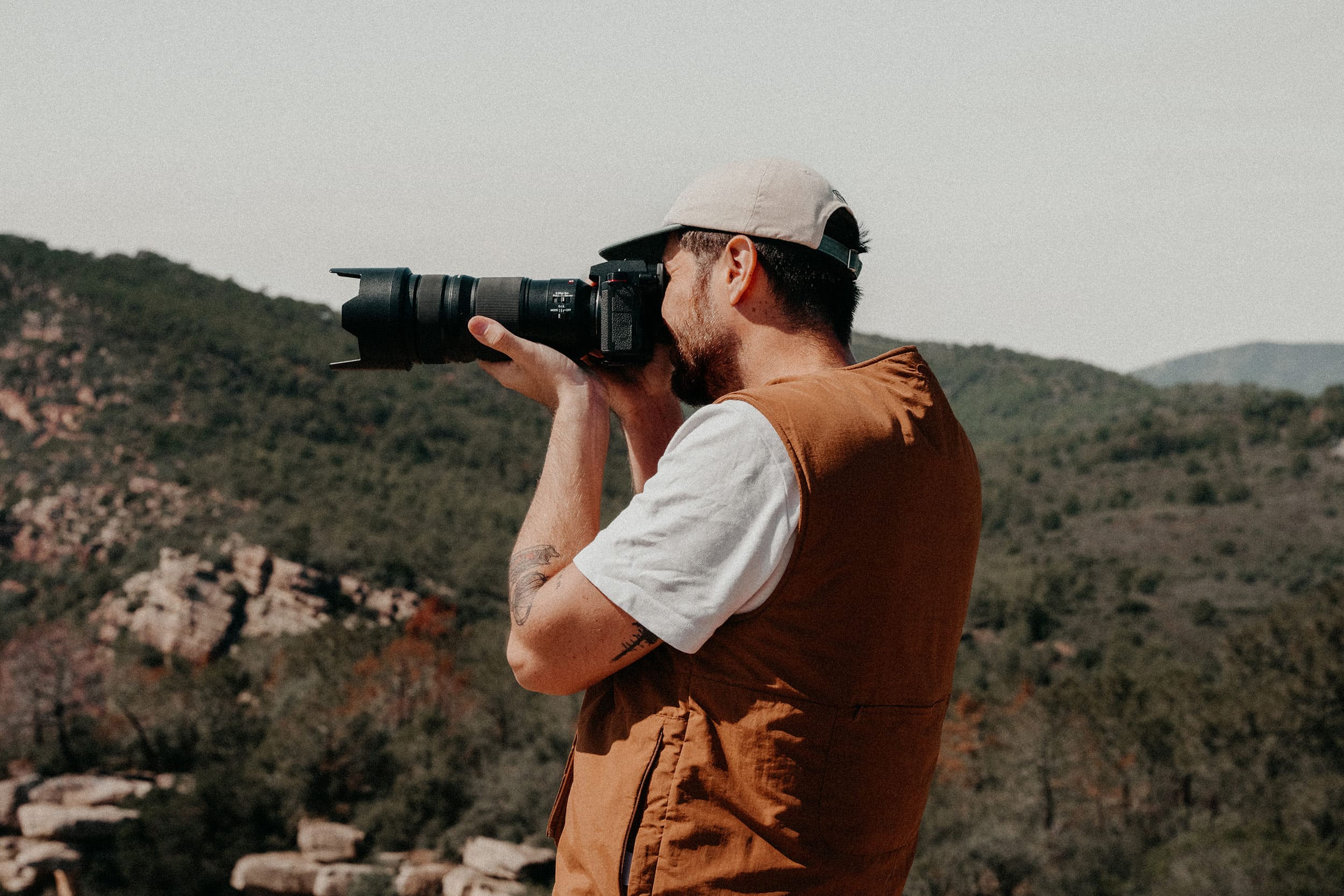
If you like my Uzbekistan photography, this is the gear I used to document my adventures here.
Lumix S5 | For the last two years, I’ve been using the Panasonic Lumix S5, which captures sharp high-quality images, as well as excellent video. While I recently upgraded to the improved S5II, the photos I took in Uzbekistan were all shot on Panasonic’s incredible S5.
SIGMA 24-70 F2.8 | My go-to lens, and basically mounted to my Lumix for 90% of the time, the Sigma 24-70 F2.8 is an absolute beast, as it’s super fast, versatile and sharp.
If you’re curious to learn more about my complete photography setup, make sure you take a look at my ‘What’s in my Camera Bag’ guide here.
Where to stay in Uzbekistan
Even though Uzbekistan is relatively new to tourism, accommodation to suit any travel style and budget can be found here.
Whether you’re after a budget-friendly hostel, a boutique-style luxury hotel, or something in between, Uzbekistan has no shortage of excellent accommodation options waiting for your visit.
One of the first things I noticed, was that the standard of accommodation in Uzbekistan is very good, yet exceptionally cheap in comparison to equivalent options found in the Western world.
Those travelling on a budget could find accommodation for as cheap as €20,- per night, while those keen to splurge have tons of options to choose from in the €50 – €200 range.
Hotels & Guesthouses | Find the best hotels and guesthouses in Uzbekistan on Booking.com
Hostels | Find your hostel in Uzbekistan here
Safety in Uzbekistan | Travel insurance
When travelling this big wide world, I never go on an adventure without my essential travel insurance sorted out, and though I never felt unsafe in Uzbekistan, I advise anyone travelling here to do the same.
While I believe it’s unlikely to experience any problems when following the suggestions in this guide, something unfortunate could happen at any given time, whether it’s an injury, a stolen camera, or an unforeseen cancellation.
For travel insurance, I use Heymondo, as they offer full COVID-19 coverage, as well as a handy app with 24-hour medical assistance. Make sure you check it out – readers of WTSW receive 5% off any insurance policy too.
Cheers!
I’ve been on this travel blogging journey since 2019.
If you appreciate what I do here, these are some ways you can support me.
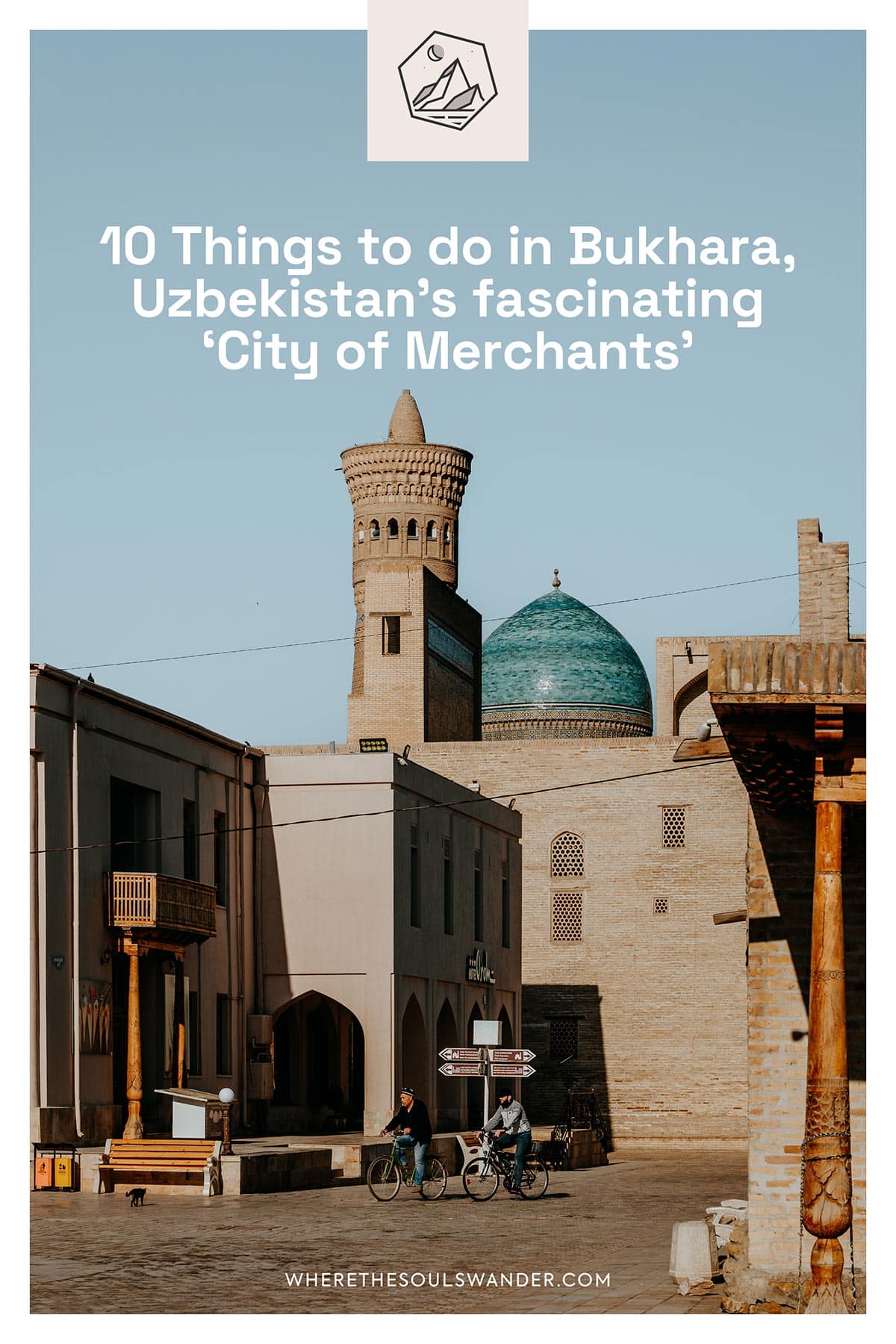
10 Things to do in Bukhara, Uzbekistan's fascinating 'City of Merchants'
Bukhara is a marvellous city that perfectly echoes the tales of years of prosperity and heritage.
The blue-domed madrasas, towering minarets, and time-worn trading domes create a mesmerizing playground for adventure seekers and photography enthusiasts alike, while history and culture buffs will rejoice in centuries of history and mouthwatering culinary treats.
Said to be founded over two millennia ago, Bukhara thrived as a centre of trade, scholarship, and religion, and its strategic position along the famous Silk Road turned it into a captivating melting pot of cultures, beliefs and influences – which are still very much felt today.
The UNESCO World Heritage-listed city boasts over 150 well-preserved monuments, including the enormous Bukhara Ark, the intricate Bolo Hauz Mosque, and the utterly fascinating Po-i Kalyan Complex to name a few – each effectively narrating tales of a bygone era.
It is more than evident that Bukhara is exceptional. To help you make the most of your time here, I’ve curated my take on the best things to do in Bukhara and melted them into an in-depth, yet bit-sized guide.
See this guide as your cheat code to Bukhara, where I share everything from where to stay, how to visit, how to get there, and when to visit, as well as a few of my first-hand tips – enjoy!
If you choose to use any of the links on this page, I may receive a small commission at no extra cost to you. By using these links, you’ll have a direct impact on WTSW and my ability to continue to create free insightful travel content for you. If you find any of my tips useful, you can support me by buying a virtual coffee here.
Where is Bukhara
Bukhara is nestled within a lush oasis in the Zerafshan River Delta, in the heart of Uzbekistan.
Home to approximately 280.000 residents, Bukhara was once a vital trading hub along the ancient Silk Road, facilitating trade and cultural exchanges between Asia, the Middle East, Africa and Europe.
With a history of over two centuries, some of the best preserved Silk Road architecture, and a legacy that is influential in every sense of the word, Bukhara’s historic centre was set to receive the prestigious UNESCO World Heritage site status in 1993.
Where to stay in Bukhara
As one of the most popular destinations in Uzbekistan, Bukhara has plentiful accommodation options within its time-worn streets.
Whether you’re looking for a boutique stay, a budget-friendly hostel, or something more lavish, it doesn’t require too much effort to find something that matches your travel style, budget and unique set of needs.
To make things even more effortless for you, I’ve curated some of my favourite finds below:
Mercure Bukhara Old Town | Situated in Bukhara Old Town, Mercure is one of the pioneers when it comes to upscale accommodation in Bukhara. Inspired by local heritage, the hotel mixes authentic design elements with Mercure’s high level of comfort and hospitality. With spacious rooms, comfortable beds, a spa and wellness centre, and a fitness centre, Mercure is the ideal base from which to discover Bukhara.
Kukaldosh Boutique Hotel | A pleasant boutique stay only a short walk from all the things to do in Bukhara, Kukaldosh is easily one of the best options within the historic old town. The interior design is traditional, colourful and cosy, creating an overall calm and welcoming feel. It’s the perfect spot for those who seek comfort while also having the old town at their doorsteps.
As-Salam Boutique Hotel | If you’re looking for something a little more local, look no further, and be sure to take a look at this minimal yet authentic boutique hotel at the core of Bukhara Old Town. Traditional in every aspect of the word, As-Salam is a banger of an option, with spacious rooms, a large inner courtyard, an absolutely yummy breakfast spread, and, last but not least, a top-tier location near all the popular sights in Bukhara.
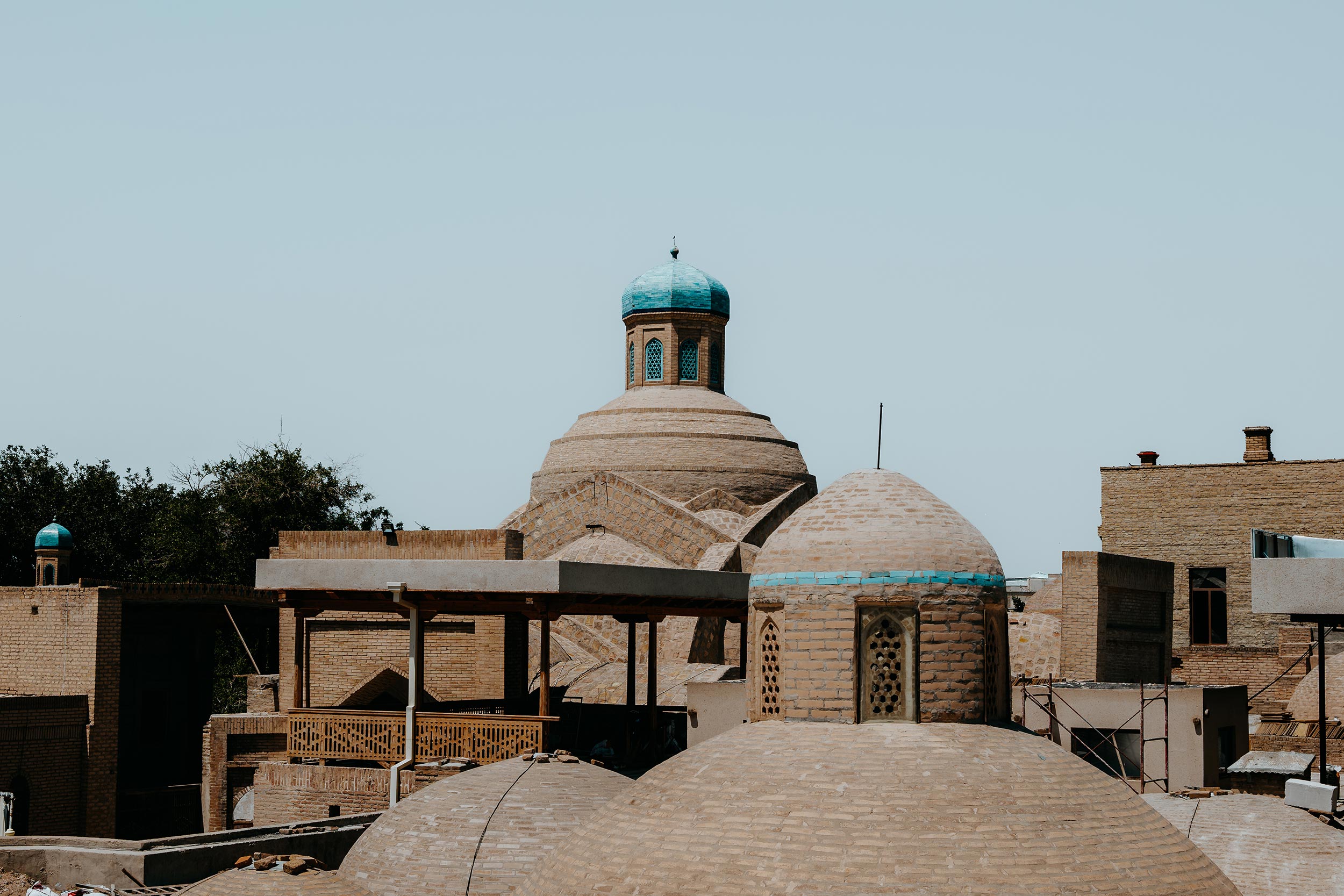
10 Things to do in Bukhara, Uzbekistan
1. Explore the mesmerizing Po-i Kalyan Complex
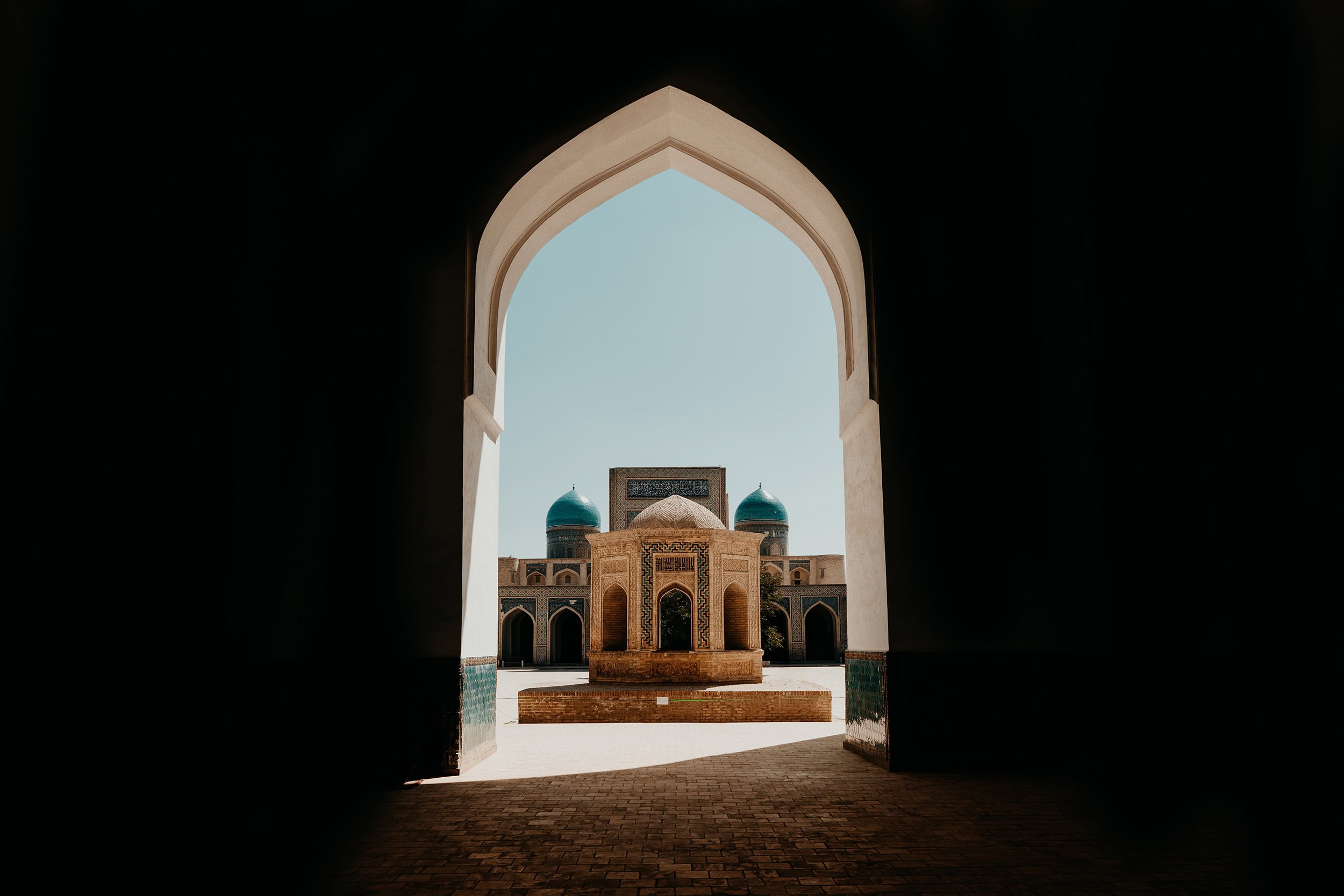
Easily one of the most appealing reflections of Bukhara’s grandeur, the opulent Po-i Kalyan Complex is as stunning as any I’ve seen during my time travelling Uzbekistan.
Situated smack bang in the heart of the historic centre of Bukhara, this complex is home to the incredibly fascinating Kalan Mosque; one of the largest mosques in Central Asia, with a whooping capability to house up to 12.000 devoted worshippers.
But it’s not just the Kalan Mosque that turned the complex into one of the absolute best things to do in Bukhara. No, the complex is home to not just two, or three, but four monumental masterpieces, each truly magnificent in their own right.
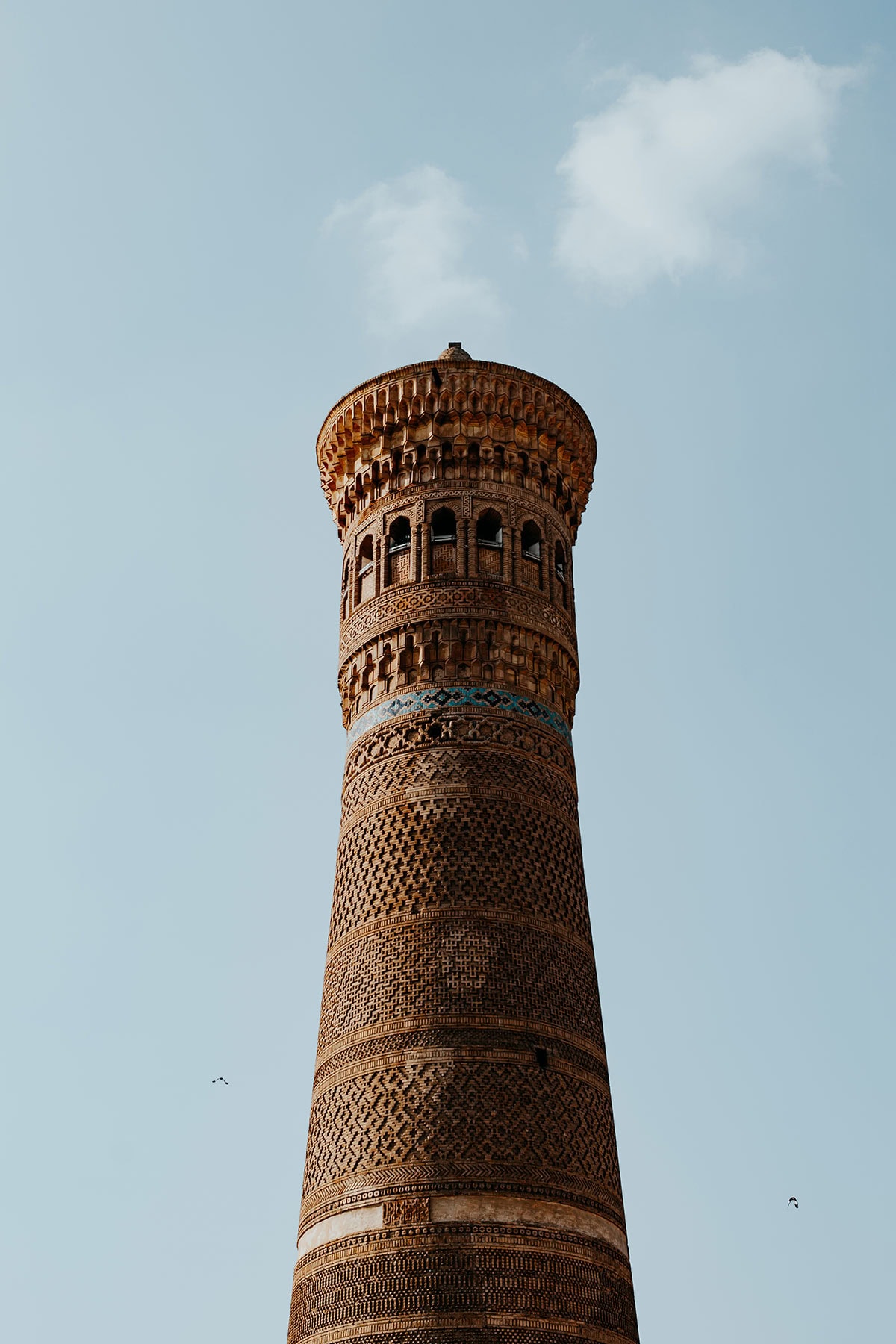
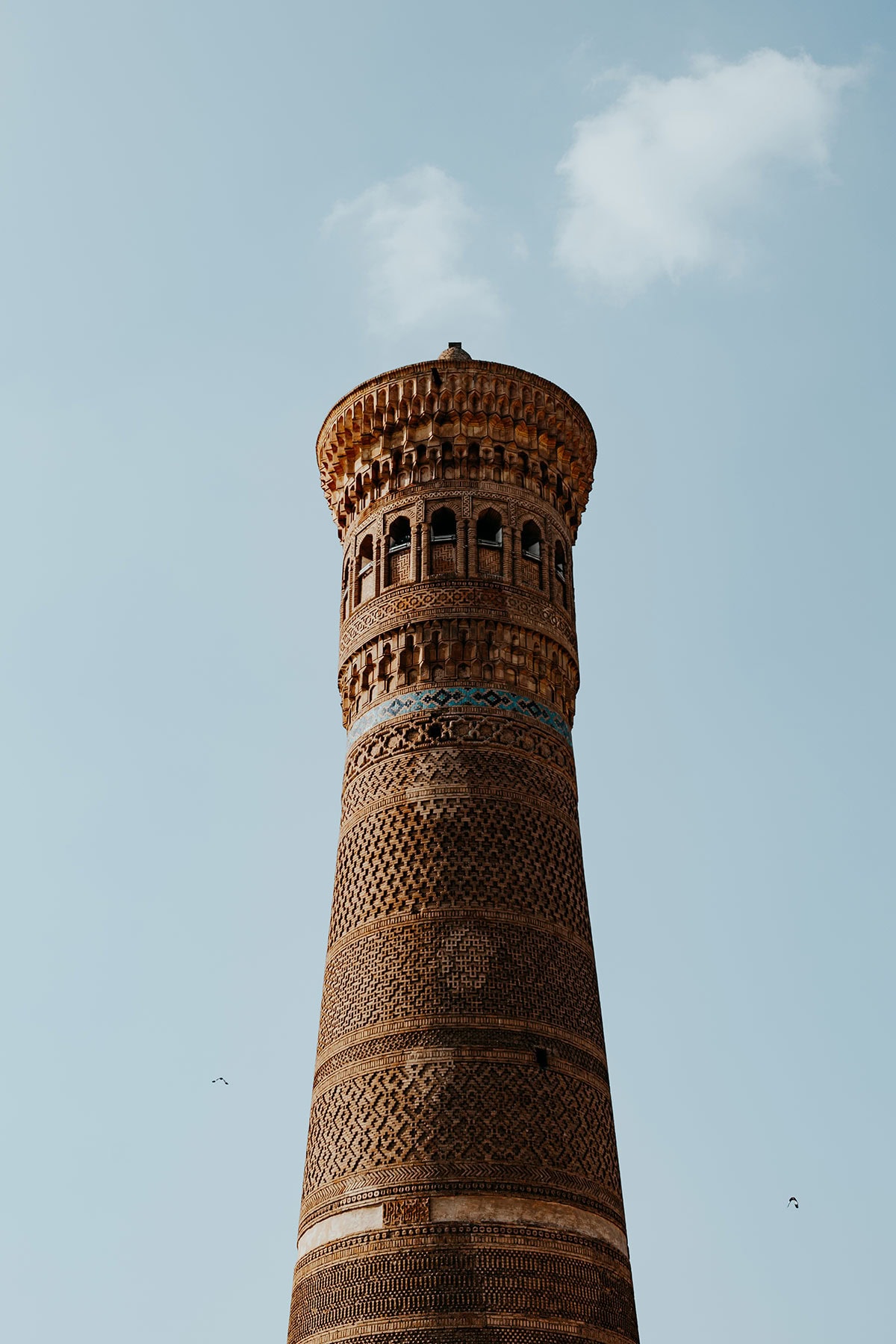
First, there is the Kalyan Minaret, a towering minaret built in 1127 that still dominates the Bukhara skyline until this very day. Standing at 47 metres, this was once the tallest structure in Central Asia.
Then there is the Mir-i-Arab Madrasah, situated adjacent to the Kalan Mosque, this active mosque is one of the most respected spiritual Islamic universities in the post-Soviet territory, and truly a beauty to behold – but solely from the outside, as it is not allowed to enter.
Last, but not least, there’s the Emir Alim Khan Madrasah, a relatively small structure, yet nothing short of impressive and defined by utterly stunning geometric patterns and its iconic octagonal baked brick domes.
There’s no denying that the Po-i Kalyan Complex is absolutely breathtaking, and therefore it is little surprise that a slow roam around its ancient grounds is written atop many travellers’ bucket lists for Bukhara.
Where | Po-i Kalyan
Opening hours | Daily 0900 – 1800
Entrance fee | 10.000 SOM (€0,75) per person
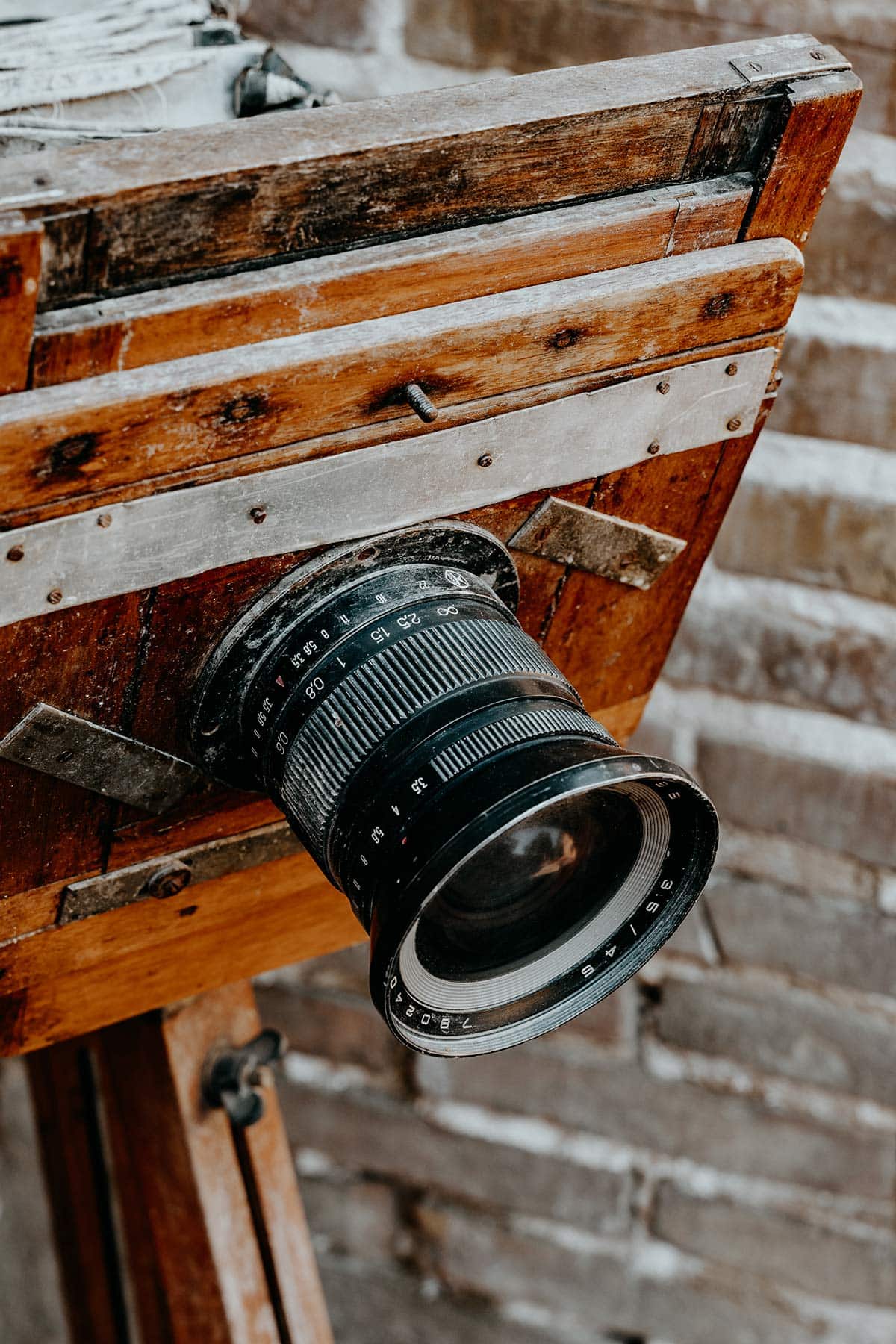
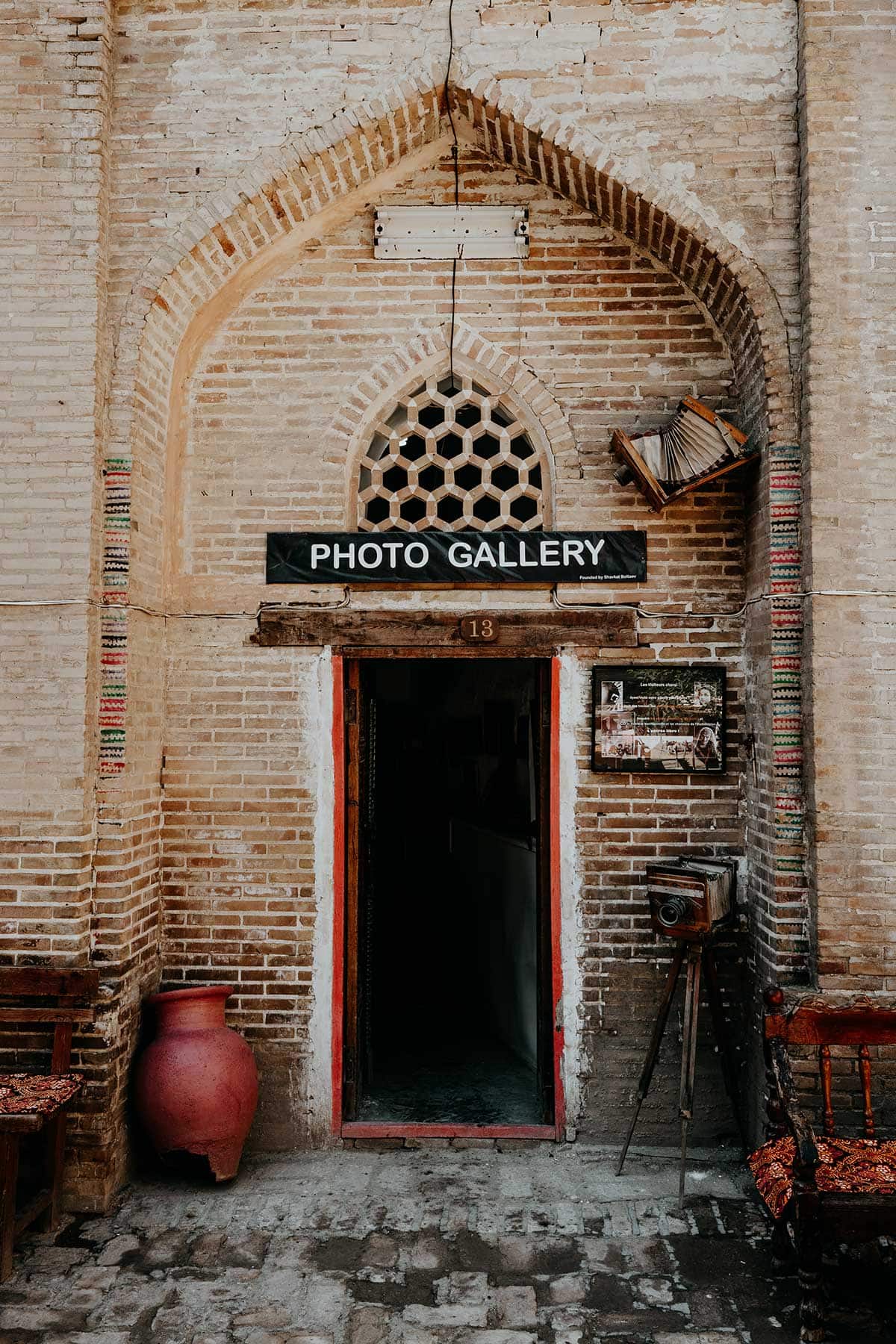
2. Visit the Photo Gallery Shavkat Boltaev on Jubar Street
If you’re anything like me and appreciate all things the artistic side of life, a visit to the Photo Gallery of Shavkat Boltaev will most probably pique your interest.
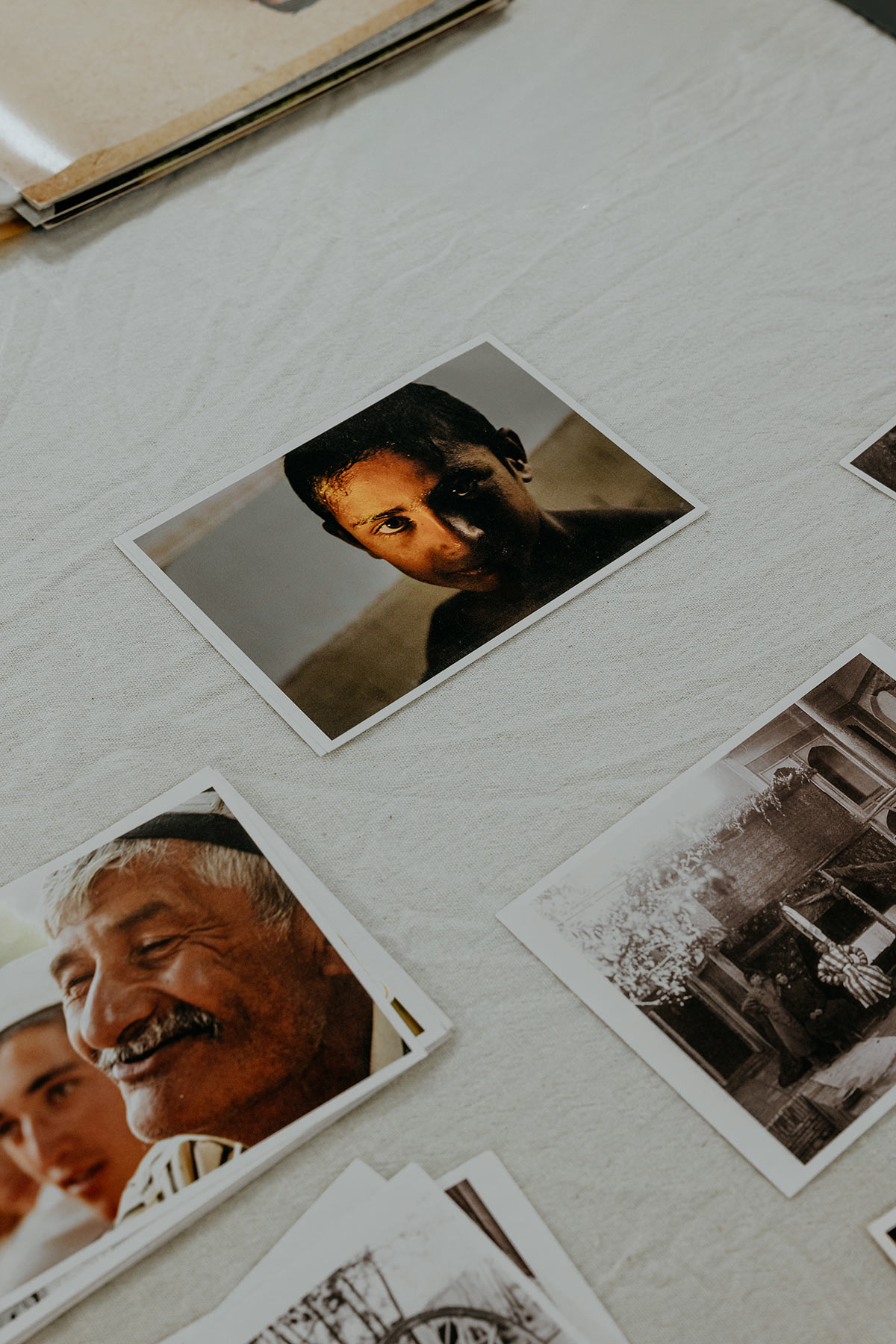
Situated on Jubar Street this small yet interesting photography gallery offers a unique glimpse into both the history of Bukhara and the incredible work of the late Shavkat Boltaev.
Born and raised in Bukhara, Shavkat Boltaev was not solely a photographer, but also a more than capable contemporary artist, focusing mostly on abstract acrylic paintings.
But it was in the field of photography where Shavkat truly excelled, earning him various important awards throughout his career, including the famous exhibition; “The Jews of Bukhara”.
Today, many of his works are found in his quant little photo gallery here in Bukhara, and as a photographer myself, seeing Bukhara through the eyes of a local legend was truly inspiring.
Where | Photo Gallery Shavkat Boltaev
Opening Hours | Monday to Saturday 0900 – 1930, Sunday 0930 – 1930
3. Behold the imposing Ark of Bukhara
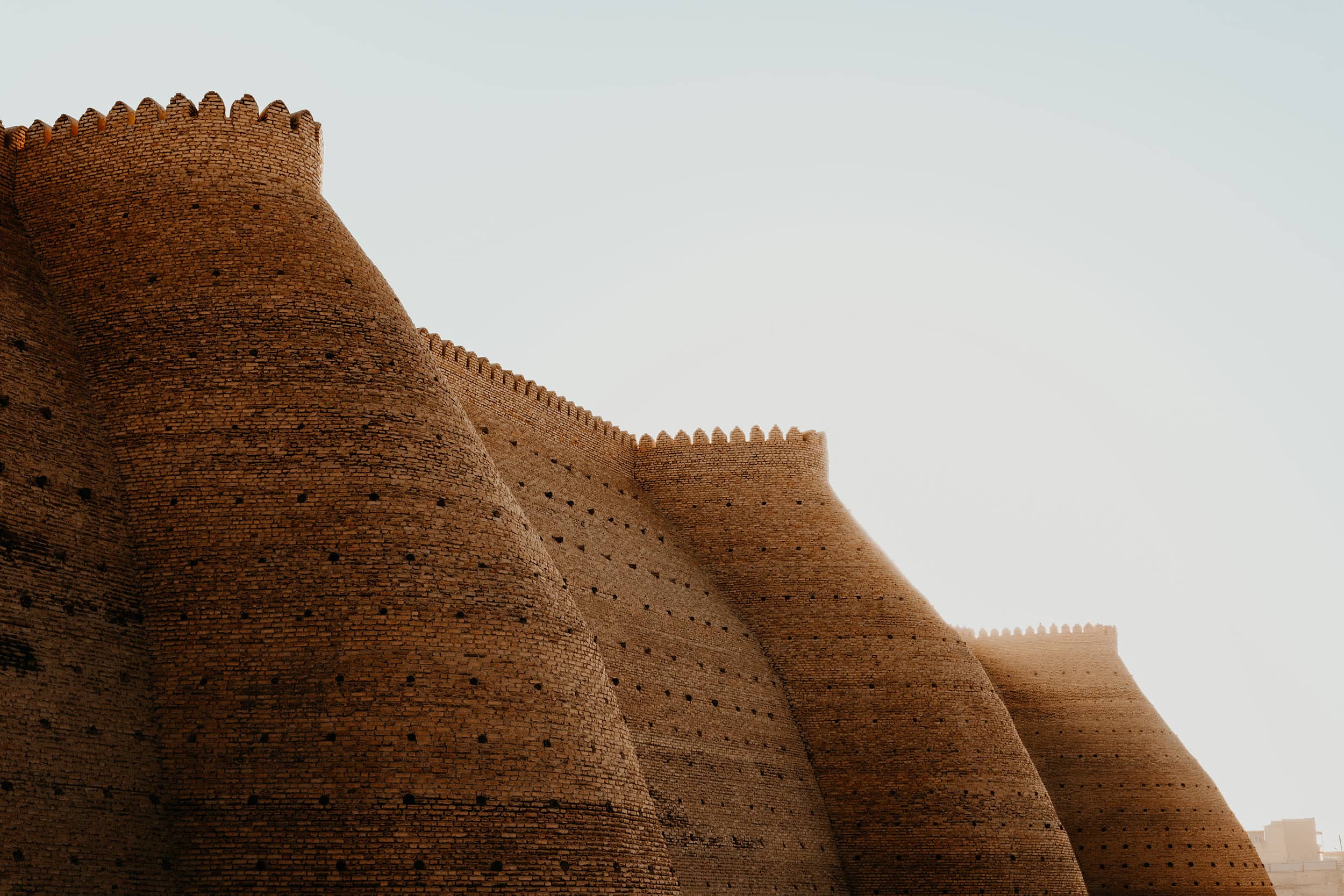
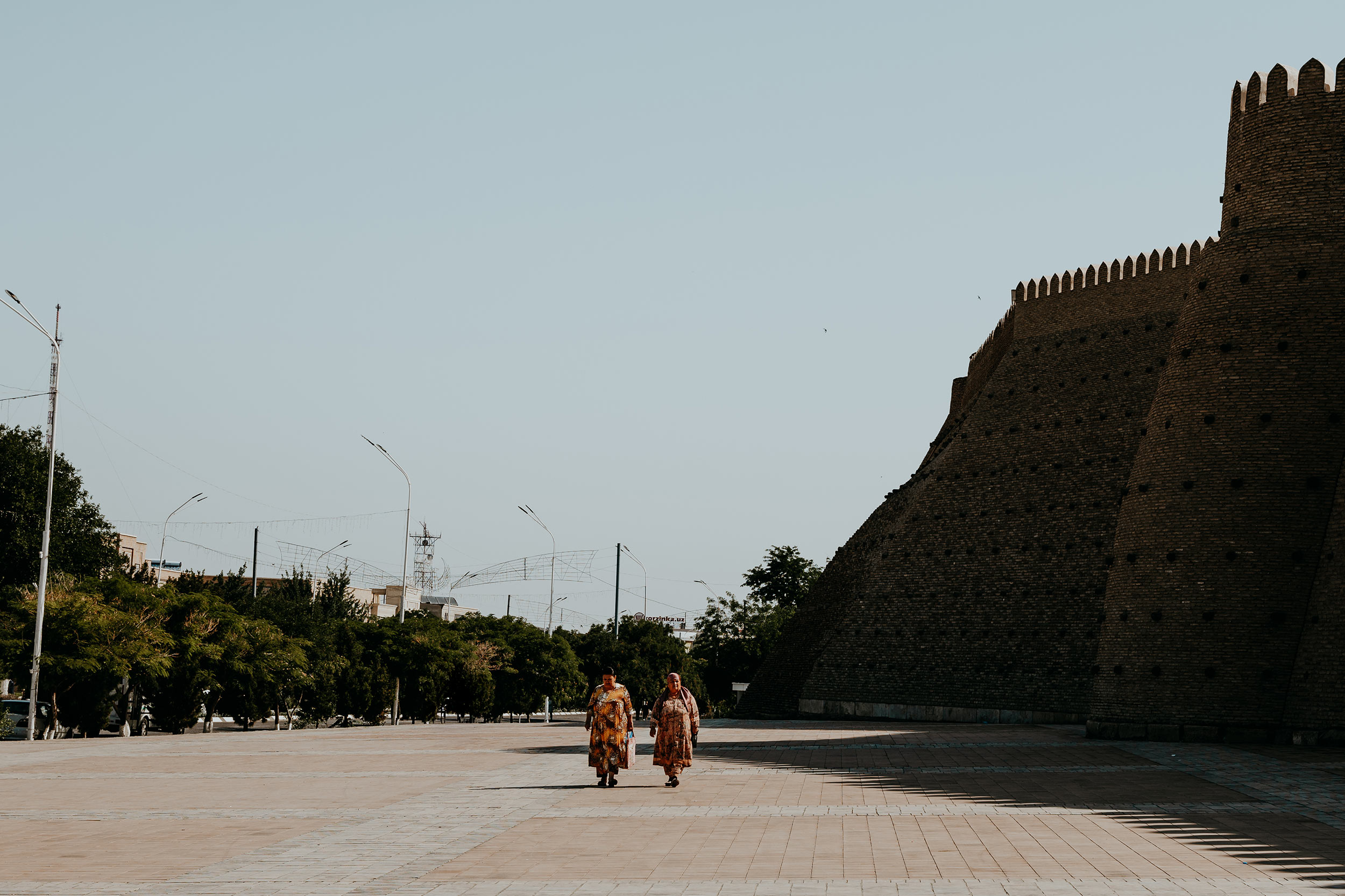
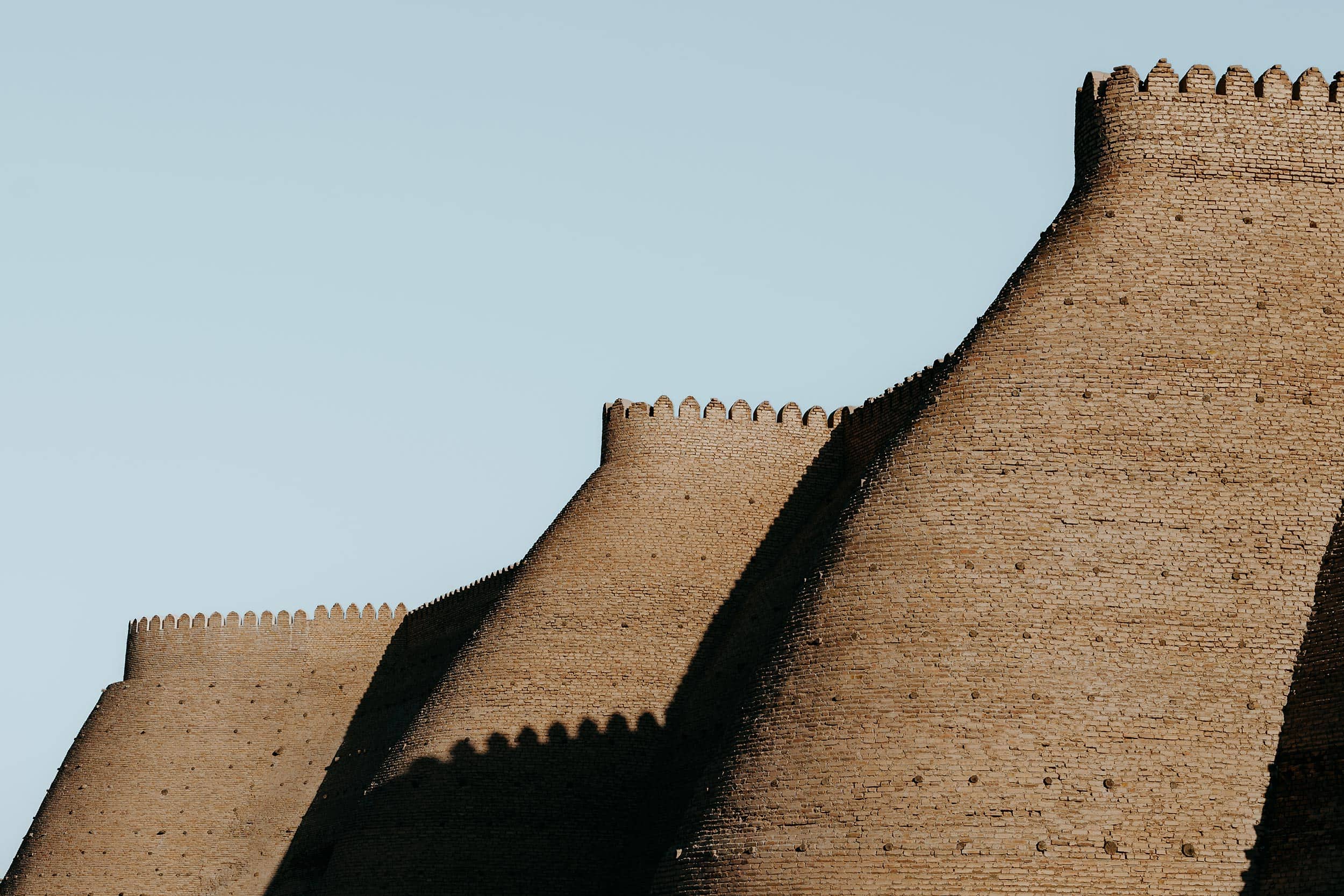
While the opulent madrasahs and towering minarets are Bukhara’s main lure, the Ark of Bukhara is truly a spectacle in its own right.
Imposing, iconic and intriguing, the fortified citadel once housed the royal residences of the Bukhara Khans, besides the town’s impressive military complex.
The enormous Bukhara Ark dates back as far as the 5th century, which led many to believe that it’s the oldest structure in Bukhara.
Throughout its extensive historical timeline, Bukhara, and accordingly its fortress, had been troubled by many conquerors, battles and wars, causing an endless cycle of obliteration and reconstruction.
At present, much of the west side of the Ark is preserved as it was back in the day, and inside you can see the Friday Mosque, the Reception & Coronation Court, as well as a few small exhibitions showcasing historical artefacts.
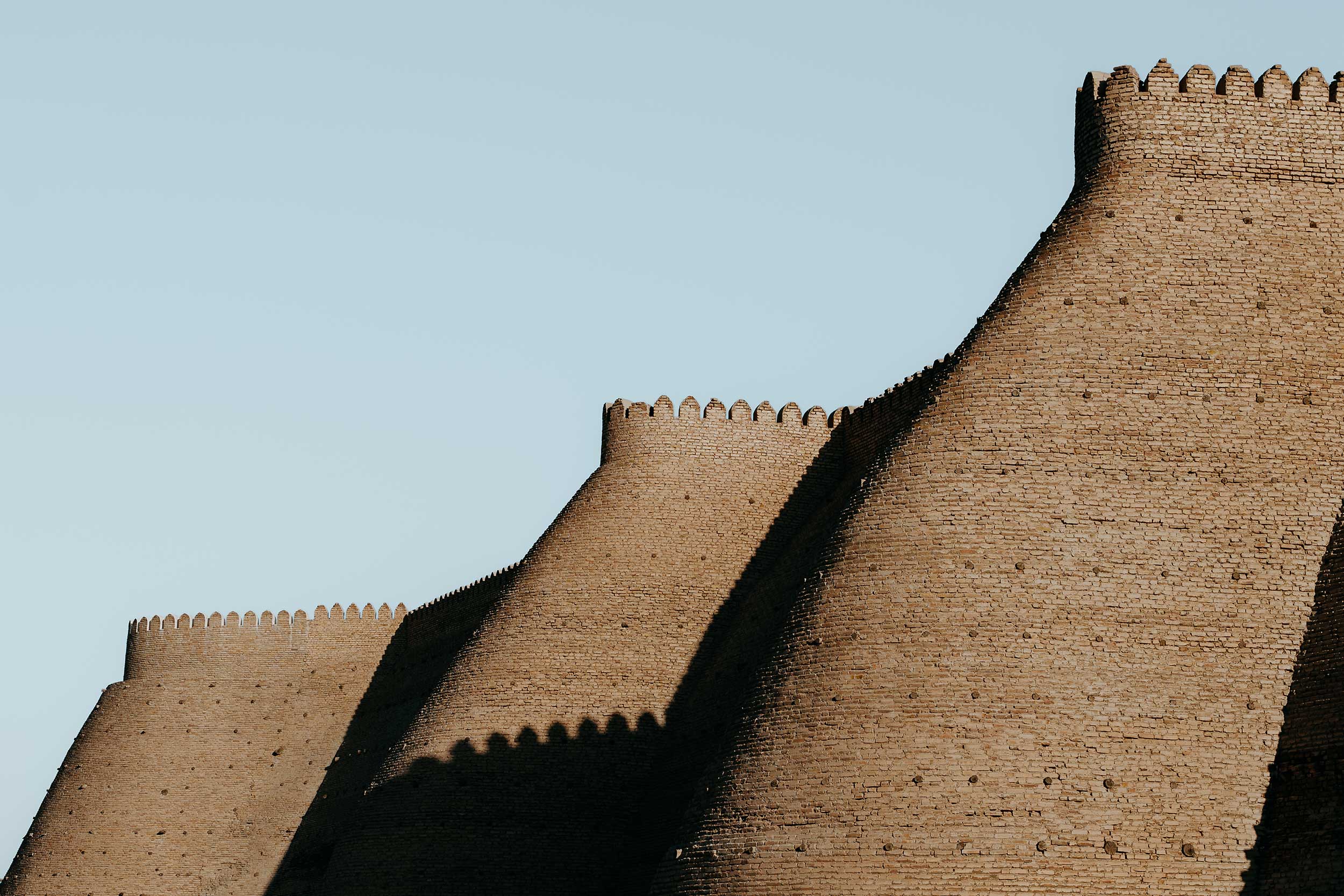
Personally, I believe the interior is a little underwhelming, and for that reason, I believe the Ark is best admired from either the summit of the Bukhara Tower or by taking a leisurely walk around its massive walls.
While I encourage you to find out for yourself, instead of following my advice blindly, I do feel you wouldn’t miss anything noteworthy if you do decide to skip entering the citadel.
Where | Ark of Bukhara
Opening hours | Daily 0900 – 1800
Entrance fee | Entrance to the Ark is 30.000 SOM €2,- per person
4. Roam around the historical centre
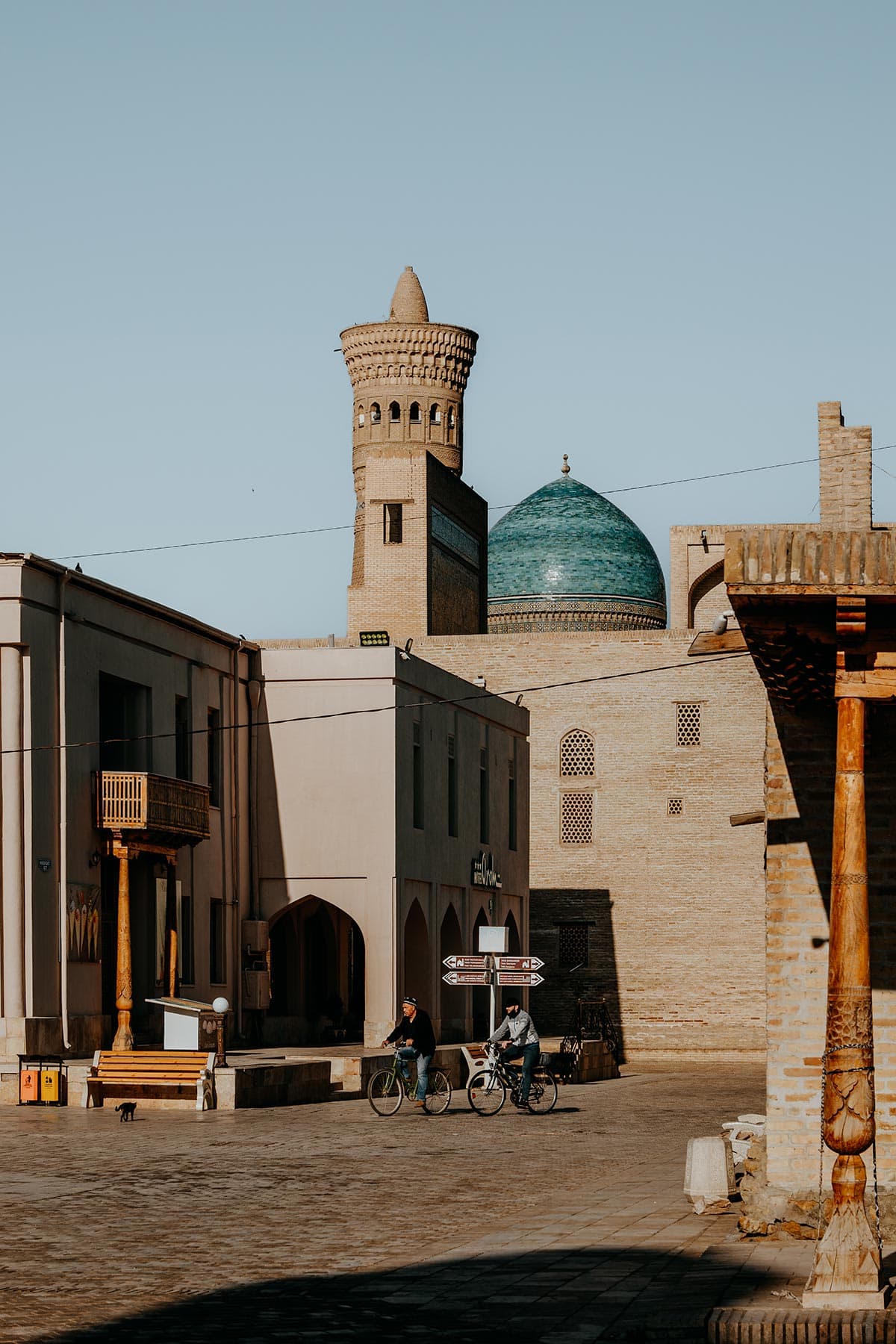
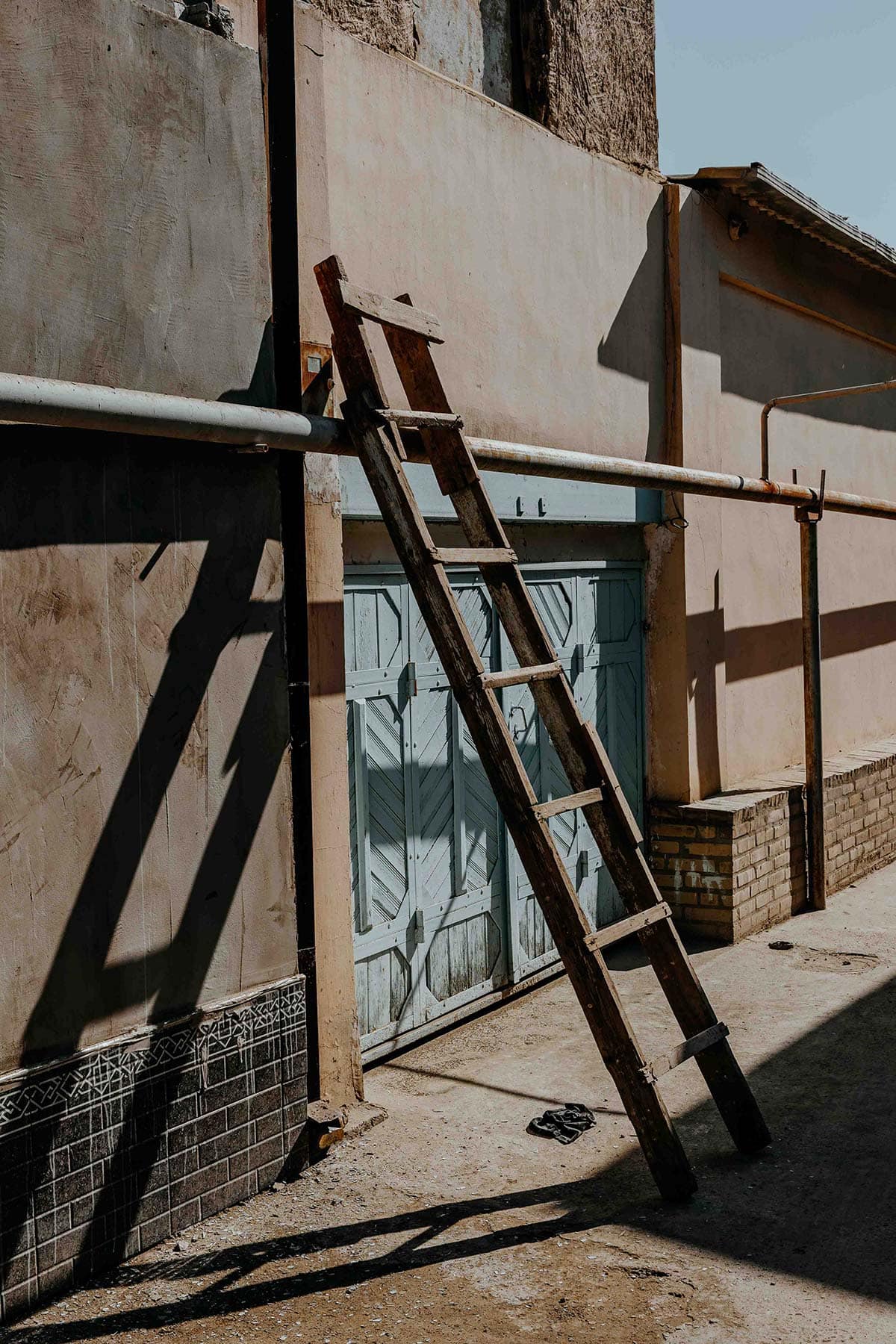
Roaming around Bukhara Old Town for the first time is nothing short of amazing, as the architectural magnificence of the bygone Silk Road era reveals itself at just about every corner, creating an unrivalled, nostalgic atmosphere.
Of course, there are heaps of interesting things to see and do in a place like Bukhara, but as with so many things in life, the real charm is often found in its simplicity.
Taking a leisurely morning walk around Bukhara is one such thing.
You see, roaming around the time-worn streets without a plan and being part of the unique day-to-day moments, is just something no ancient building, local restaurant, or trendy cafe can compare to – especially if it also happens to be a city you eagerly desired to explore for a long, long time.
While I encourage a roam without a plan, some of the sites I would mark down include:
Lyabi Khauz | Nestled in the heart of Bukhara Old Town, Lyabi Khauz is an inviting square where both locals and tourists hang out throughout the day. Not surprisingly, it’s also where you’ll find lots of restaurants, souvenir shops and tea houses.
Nadir Divanbegi Madrasah | Adjacent to Lyabi Khauz is the Nadir Divanbegi Madrasah, a late 16th century that was constructed during the Ashtarkhanid dynasty. Legend has it, that it was initially built as a caravanserai, before they transformed it into the madrasa we see today.
Mizro Ulugbek Madrasah | Constructed in 1417 by renowned astronomer and ruler Mirzo Ulugbek, this impressive madrasah is said to be the oldest surviving madrasah in Central Asiam and a true testament to the architecture splendour of the Timurid era.
Abdulaziz Khan Madrasah | Unlike many of the madrasahs found in Uzbekistan, the colourful facade of the Abdulaziz Khan Madrasah is adorned with unusual mosaics portraying mythical creatures, including a Chinese dragon and a Simurg; a bird of happiness.
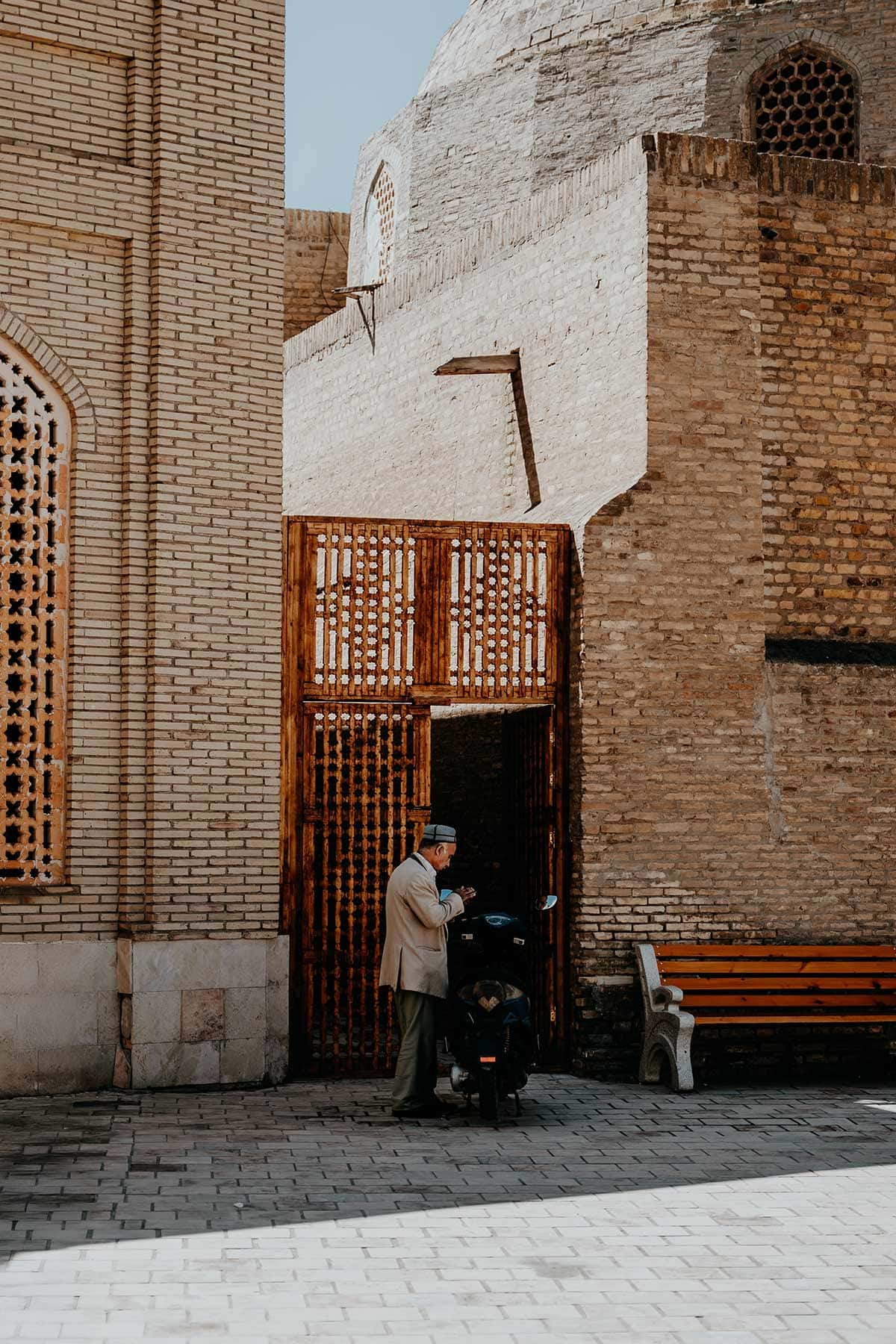
5. Marvel at the intricate Bolo Hauz Mosque
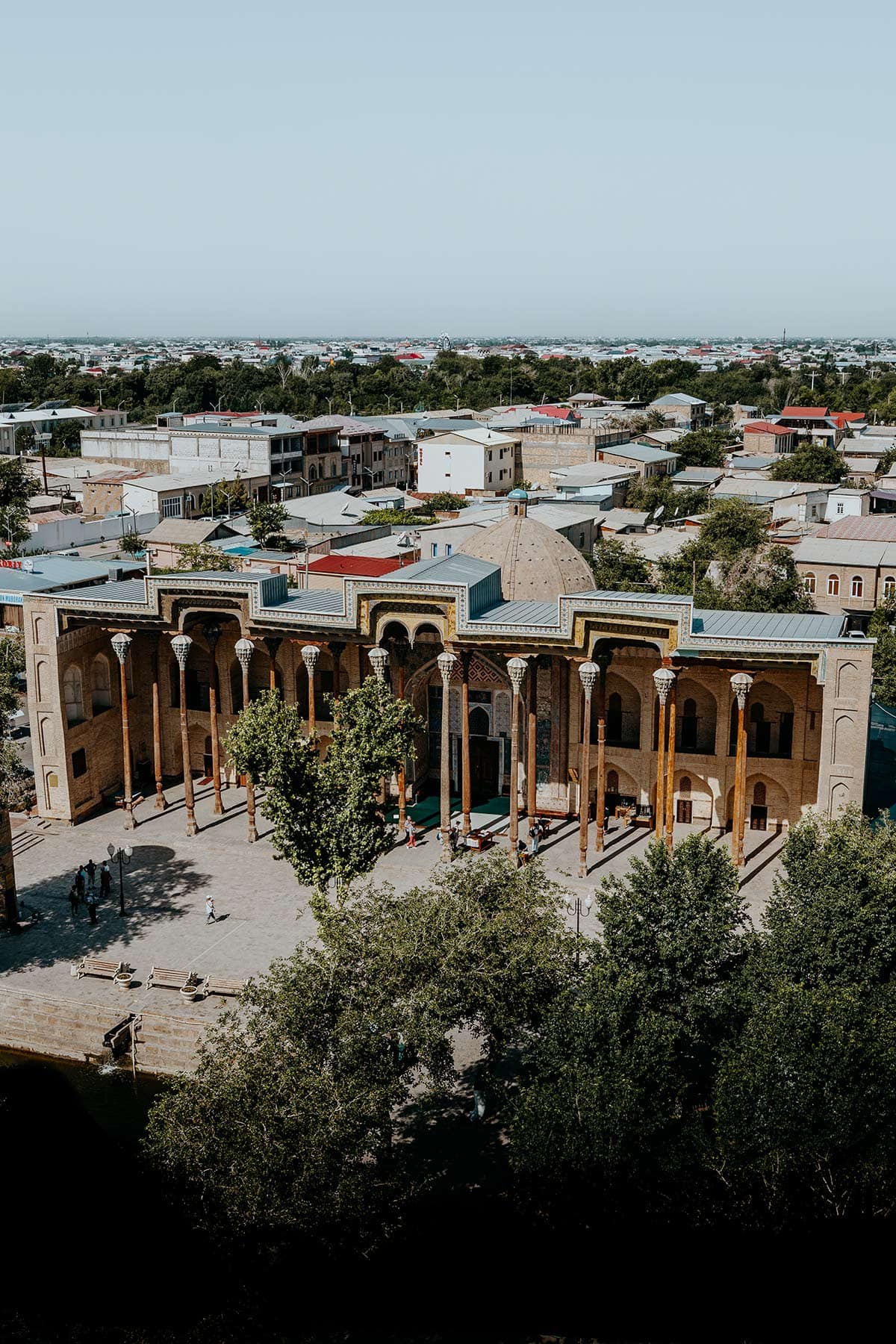
Adjacent to Bukhara Ark lies the Bolo Hauz Mosque, a downright impressive mosque that displays exquisite examples of Central Asian Islamic architecture.
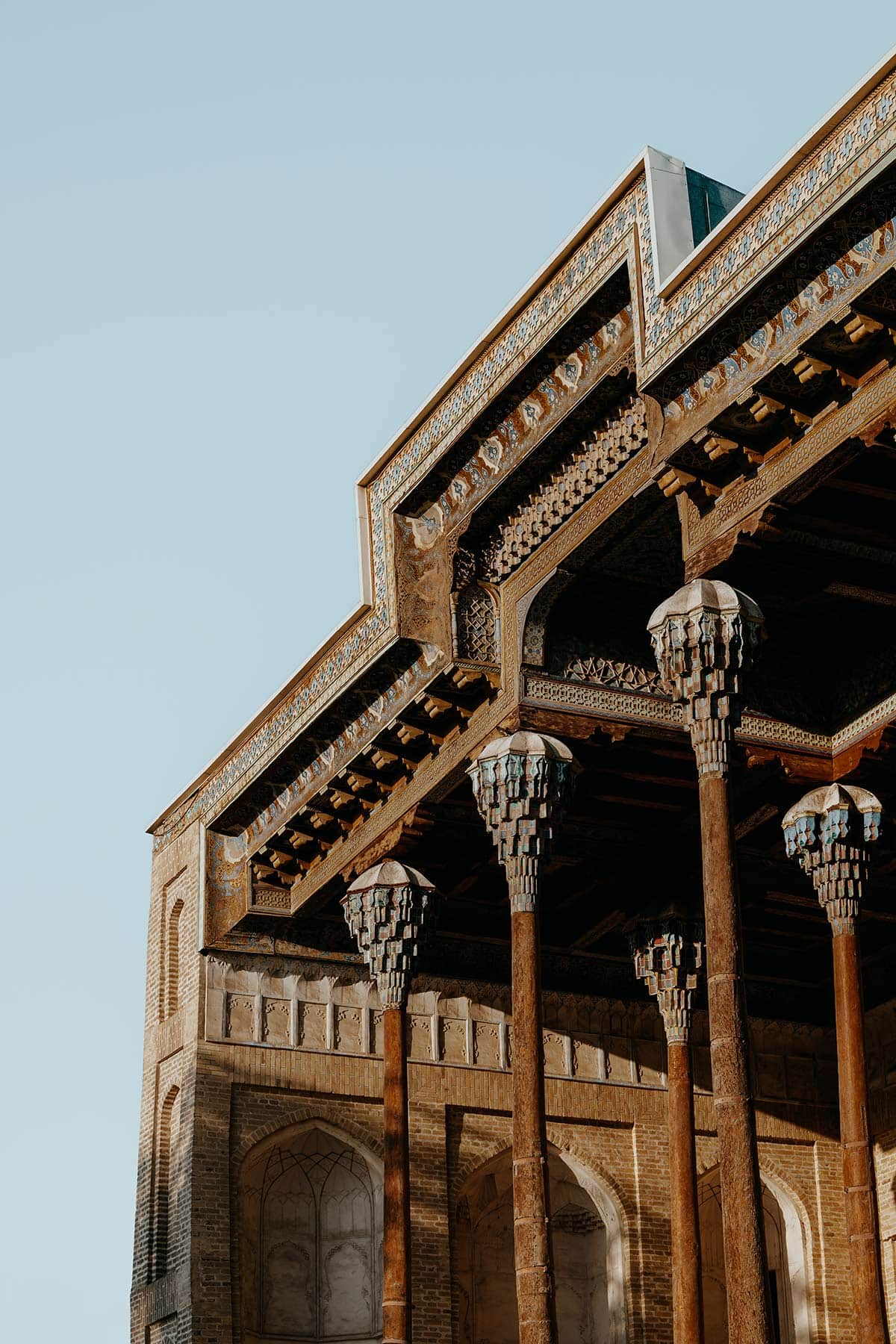
Also known as the ‘Mosque of Forty Pillars’, Bolo Hauz was first built in 1712 to serve as a Friday Mosque, but it wasn’t until the beginning of the 20th century that they decided to add the iwan at the front of the mosque.
Those who look a little more closely will realise that the mosque has only 20 pillars, yet the reflection of the crystal clear water of the Hauz (Persian for pond) in front of it doubles that down to 40, which justifies its name; the ‘Mosque of Forty Pillars’.
The mosque itself is defined by the best of craftsmanship, with stunning artwork throughout; intricate ornaments decorated with flowers, exceptional geometrical patterns, and impressive wooden pillars perfectly carved out of massive chunks of walnut and elm.
While the mosque is stunning, it’s the reflections provided by the pond that make it even more enchanting, as it adds a significant touch of serenity to the mosque and its surroundings.
Where | Bolo Hauz Mosque
Opening hours | Bolo Hauz is an open-air mosque
Entrance fee | Free
6. Roam around the Toqi Telpak Furushon Bazaar
After travelling to Central Asia quite a few times over the past few years, I learned how much of the region’s everyday life is moving around its lively market stalls, intoxicating bazaars, and the goods often found there.
Like all of Uzbekistan’s treasured Silk Road cities, Bukhara was once a prosperous trading hub along the iconic Silk Road, and its legacy as a seat of trade is still very much present today.
One of the best places to get a feel for Central Asia’s deeply rooted trading traditions is under the roofs of Toqi Telpak Furushon, a large, domed bazaar where in bygone days, merchants from India, Russia, China, and Iran among many others use to assemble to sell or trade their goods.
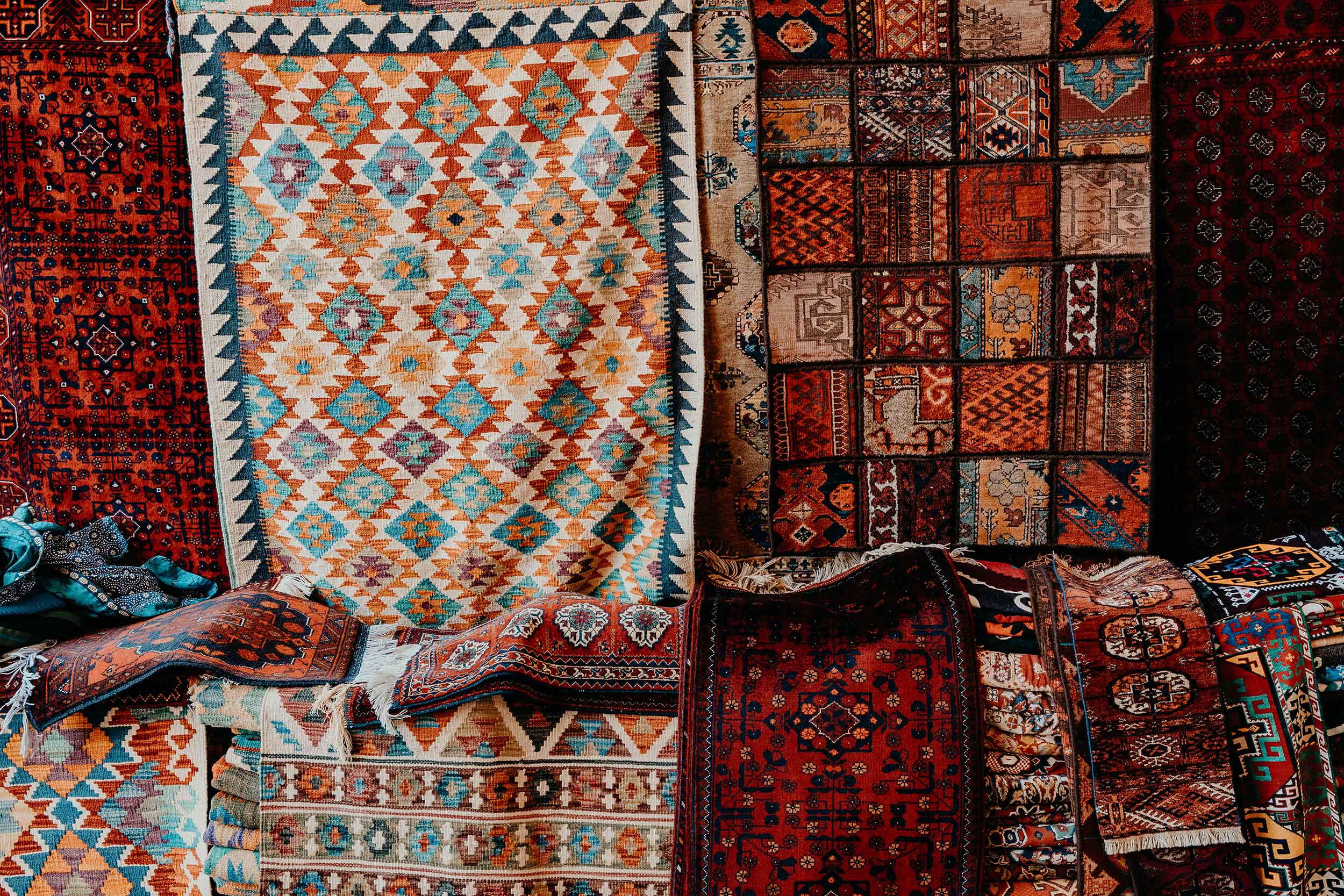
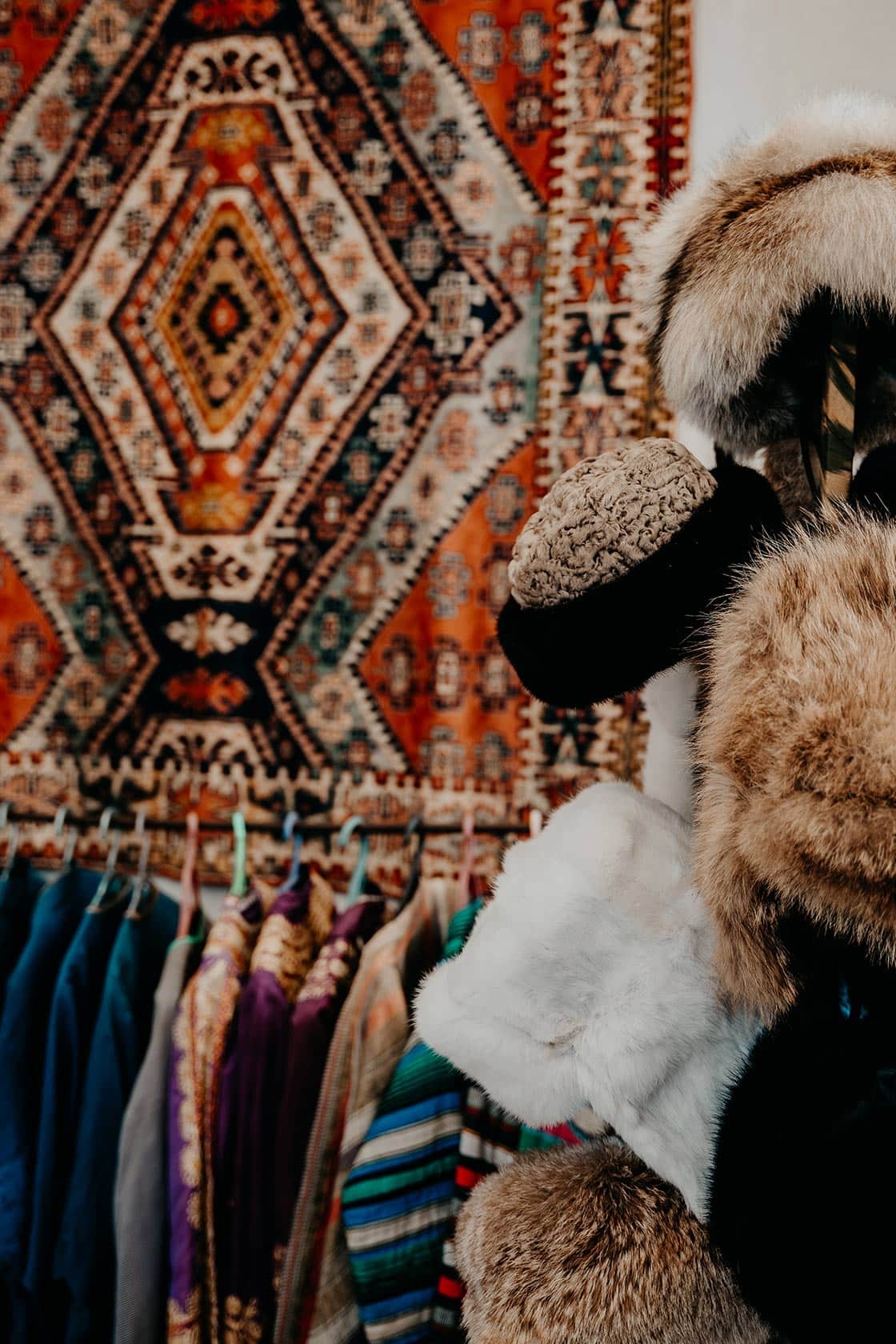
Today, locals and travellers alike are still very much drawn to the age-old grounds of the Toqi Telpak Furushon bazaar, as its unique configuration echoes the stories of Bukhara’s thriving past, while the myriad of stalls offering all sorts of local crafts, including traditional hats, textiles, and jewellery to name but a few.
But it’s not just the Toqi Telpak Furushon Bazaar where Bukhara’s trading magic happens.
Other trading domes worthy of a stroll include Toki-Sarrofon, Toki-Zargaron and Tim Abdullakhan – which if you roam around the city will already come to your attention.
Where | Toqi Telpak Furushon Bazaar
Opening hours | The market stalls are open from 0900 – 1700, the bazaar itself is accessible 24/7
7. Kalyan Minaret
While already name-dropped earlier, I believe the Kalyan Minaret deserves all the praise, as its iconic appearance is witnessed from all over town.
Constructed in 1127, legend has it that the notorious Ghengis Khan was so fascinated by the Minaret’s appearance that he chose to preserve it when he invaded the city in the 13th century.
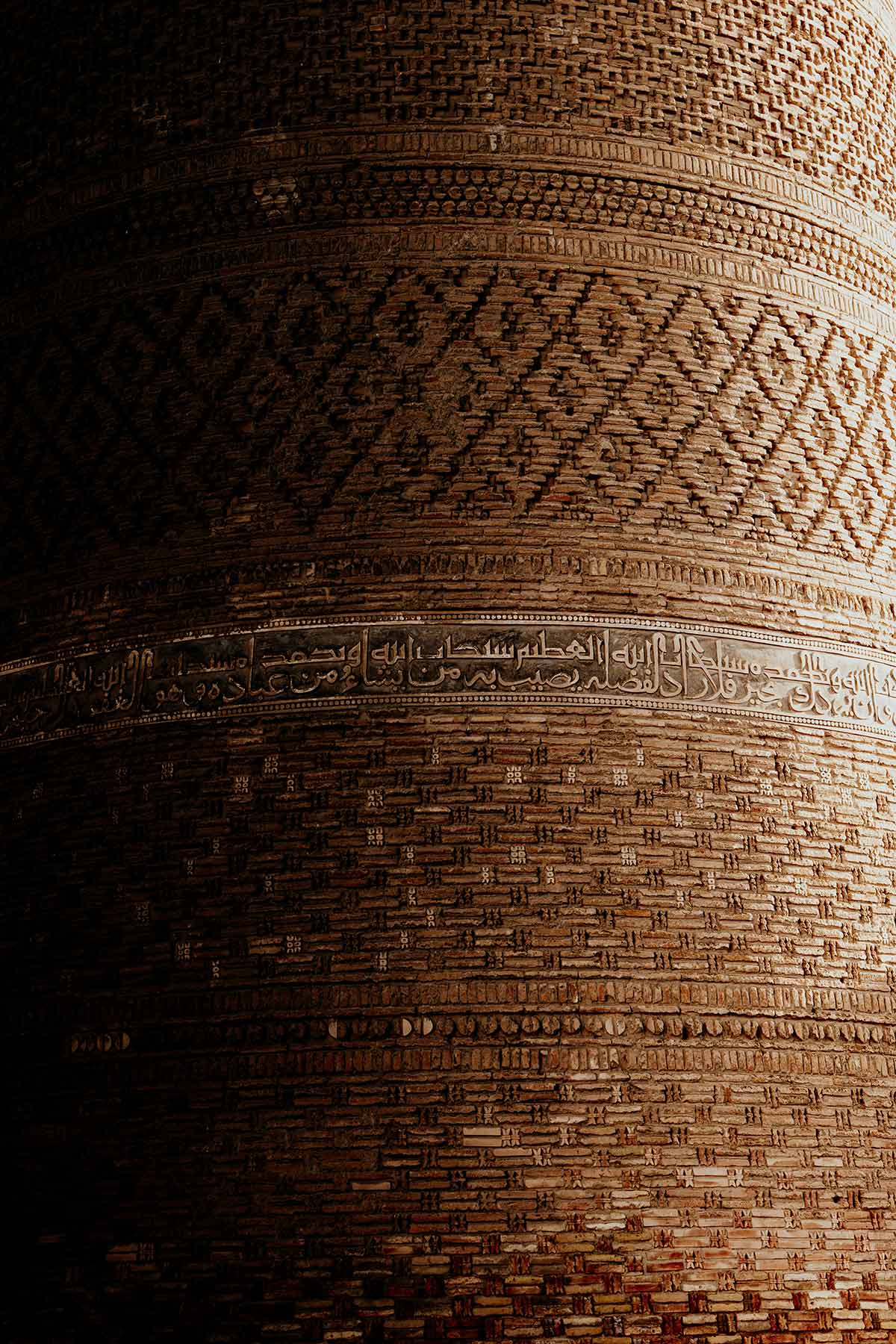
Defined by its complex ornamental brickwork, towering height at 47 metres, and bands of impressive Kufic calligraphy, the towering Kalyan Minaret is indeed a picture-perfect vista to behold.
Also known as the ‘Tower of Death’, given its notorious reputation as a point of execution during the Middle Ages, criminals were often thrown from atop the minaret as punishment for their unrighteous deeds.
Though an absolute spectacle, legend has it that the architect was far from satisfied with his creation, that he asked to be buried exactly 47 metres from the minaret, so it would fall upon his grave if something happened to the minaret.
Luckily for us, the towering Kalyan Minaret is still standing proud and tall above the mudbrick roofs of Bukhara, meaning we can admire the architect’s remarkable artistic brilliance – because despite his perfectionism, there’s no denying that his creation is of impeccable beauty.
Where | Kalyan Minaret
8. Admire the Ismail Samani mausoleum
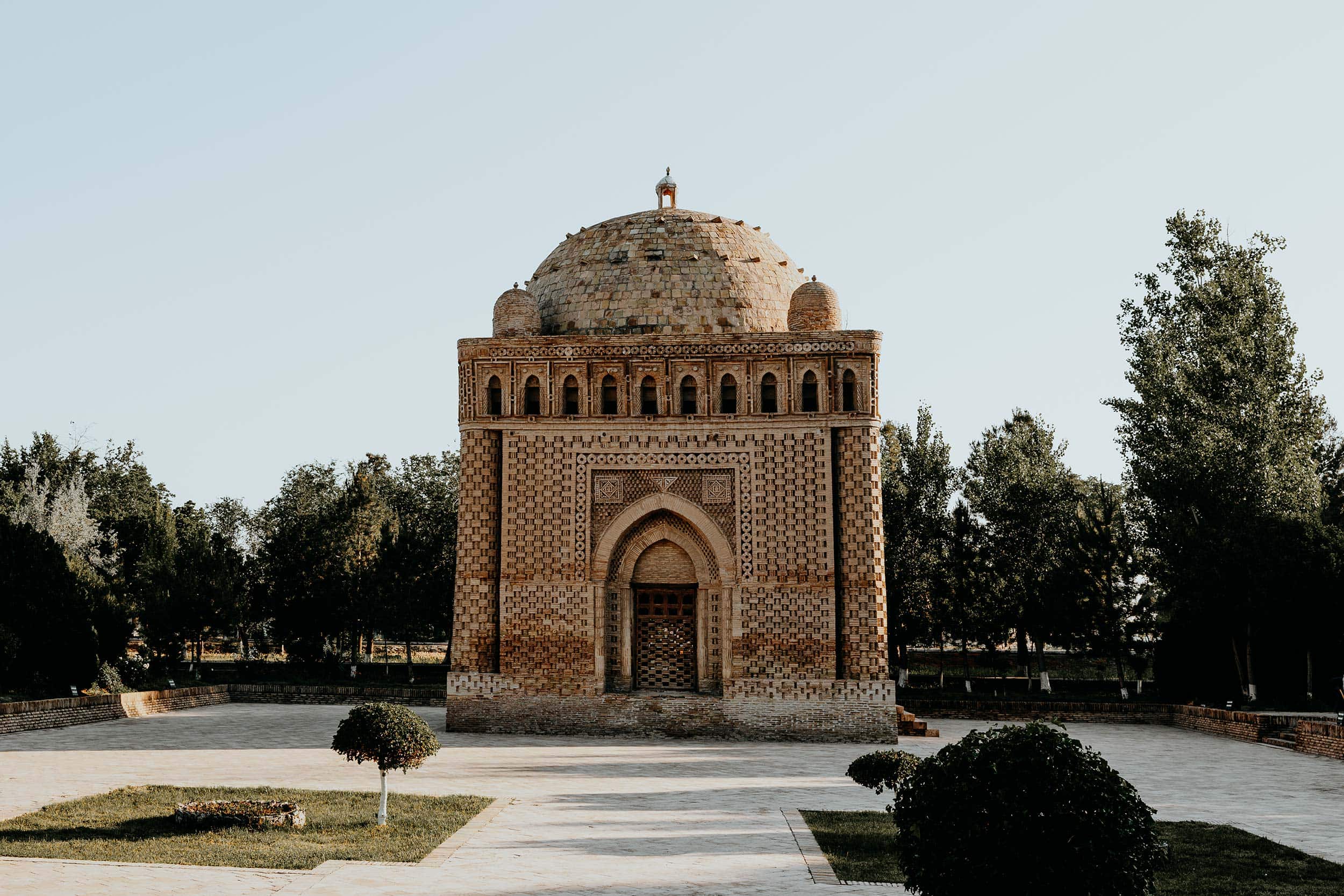
Often overlooked by other more famous architectural highlights in Bukhara, the minimal yet intricate-looking Ismail Samani Mausoleum is stunning in its own right, with enchanting brickwork and noteworthy geometric patterns throughout.
The Ismail Samani Mausoleum is a classic example of Islamic architecture in Central Asia, while also one of the earliest surviving examples of funerary architecture within the Islamic world.
Constructed between 892 and 943 CE during the Samanid dynasty of Bukhara, the Ismail Samani Mausoleum is among the oldest structures in Bukhara and was once located in the heart of an extensive cemetery.
Today, the mausoleum stands peacefully in Samanidov Park, a charming tree-lined park that makes the perfect setting for the age-old artistry of the mausoleum to stand out.
While the mausoleum is a tad away from Bukhara Old Town, it is surely worth making a small detour, as its cubic-shaped design is downright unique and nothing short of amazing.
Where | Ismail Samani Mausoleum
Opening hours | Daily 0800 – 1800
9. Take in the views from the Bukhara Tower
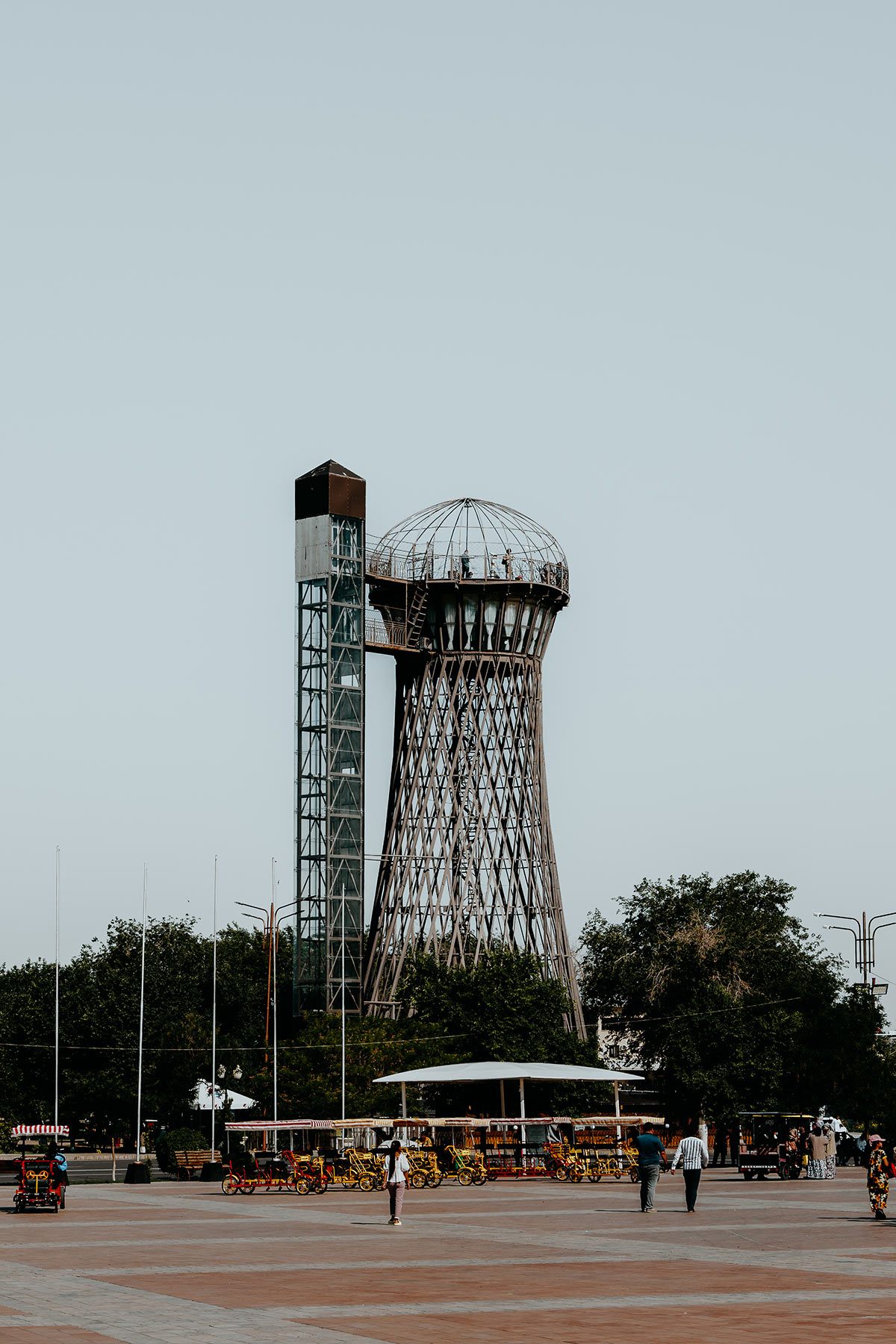
Initially built as a water tower in 1927 by Vladimir Grigorievich Shukhov, the towering structure supplied the people of Bukhara with water for many years, before it went up in flames in 1975.
In the following years, the Bukhara Tower was acknowledged as a historical heritage monument and slowly transitioned into the observation tower we visit today.
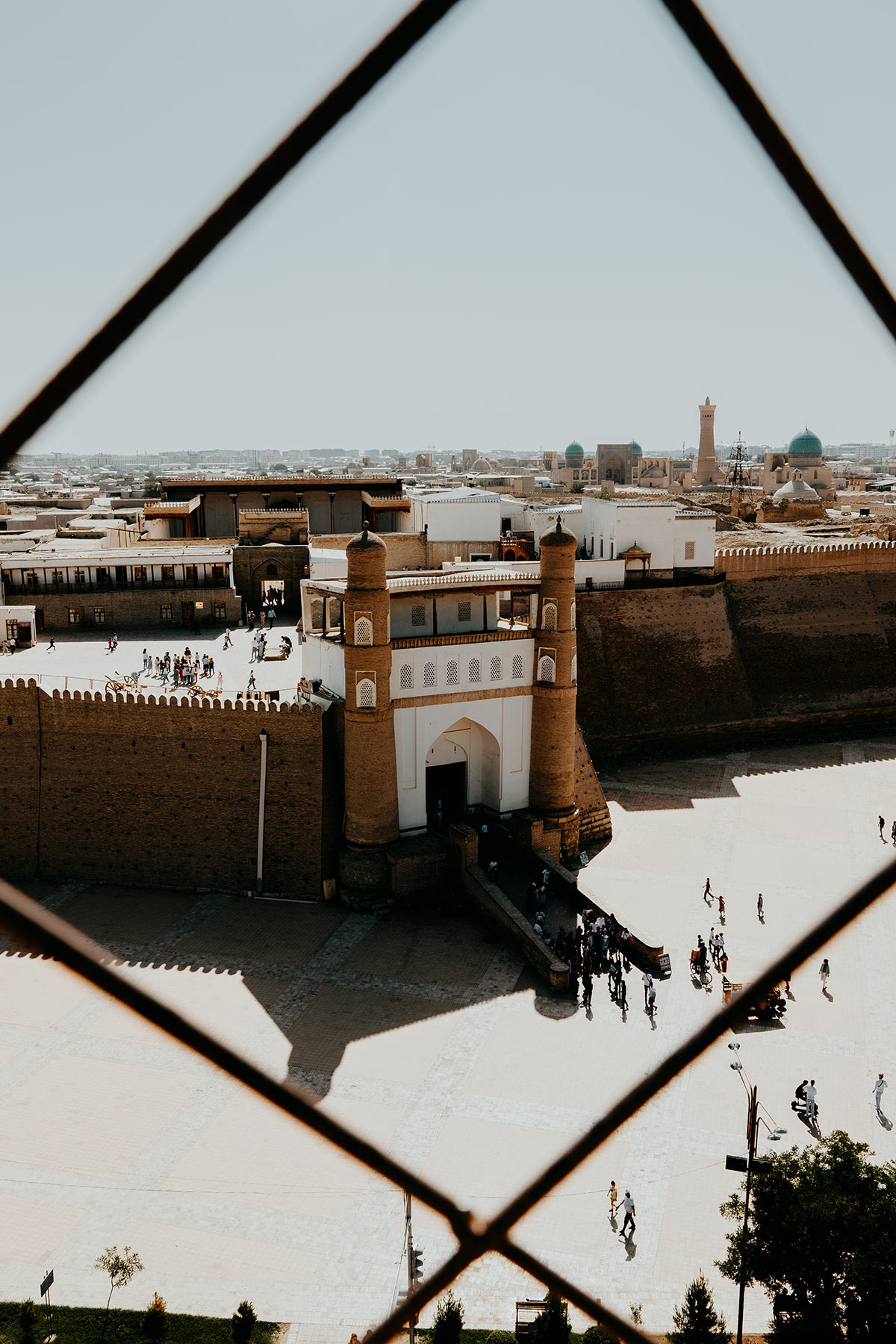
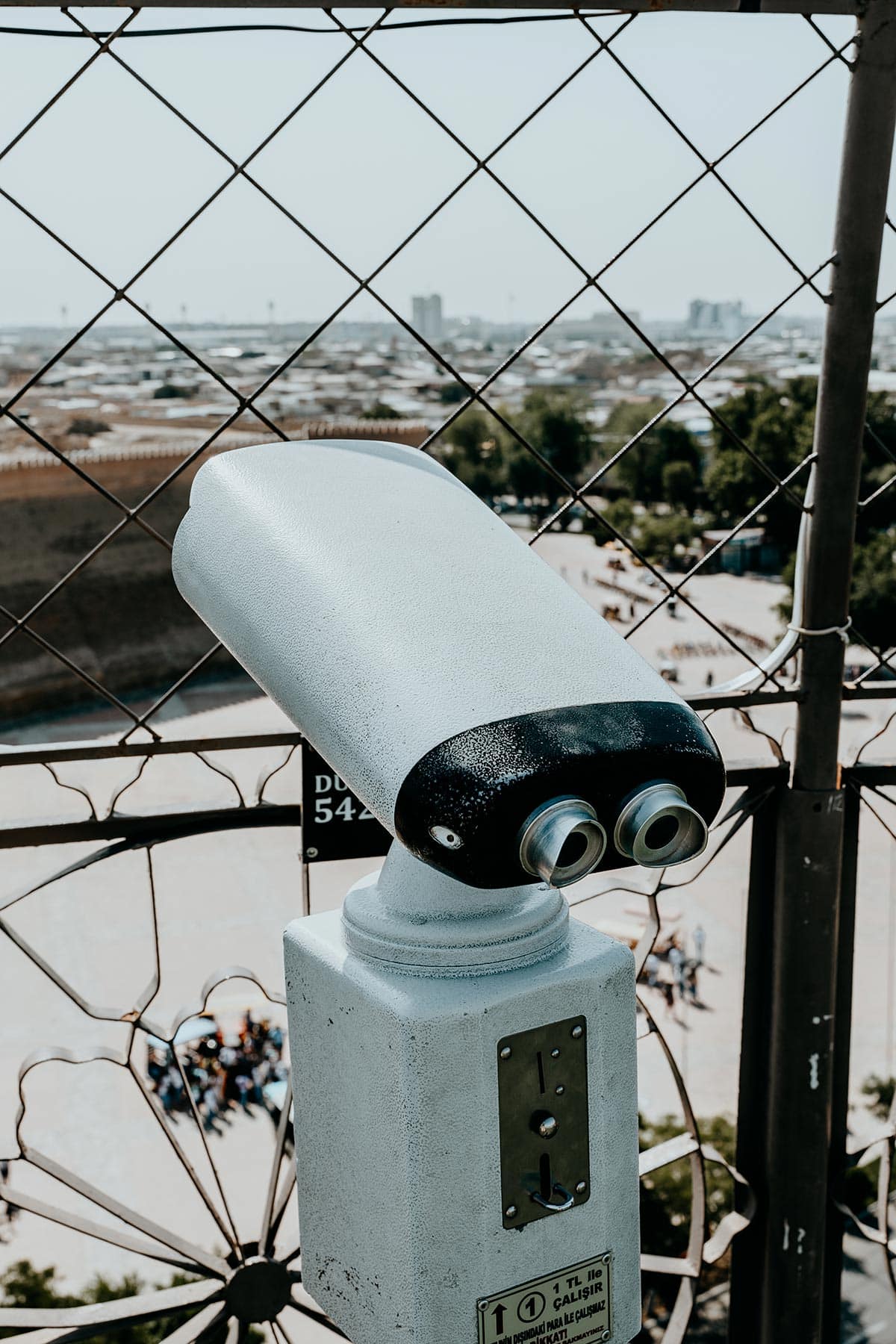
Situated just outside the old town, the Bukhara Tower offers a unique bird’s eye view of the enormous Bukhara Ark, as well as an impressive vista of Bukhara Old Town in the distance.
Also known as the Sukhov Observation Tower, its spiralling metal construction is striking against the ancient architecture of the Bolo Khauz and the Ark of Bukhara which lay down below.
At 33 metres high, the observation deck is considered the highest vantage point in Bukhara.
From atop you’ll be welcomed by the most stunning views of the surrounding area, making it a perfect spot for photography enthusiasts.
Where | Bukhara Tower
Opening hours | Daily 0900 – 2200
Entrance fee | 40.000 SOM (€3,-) per person
10. Behold the unique Chor Minor
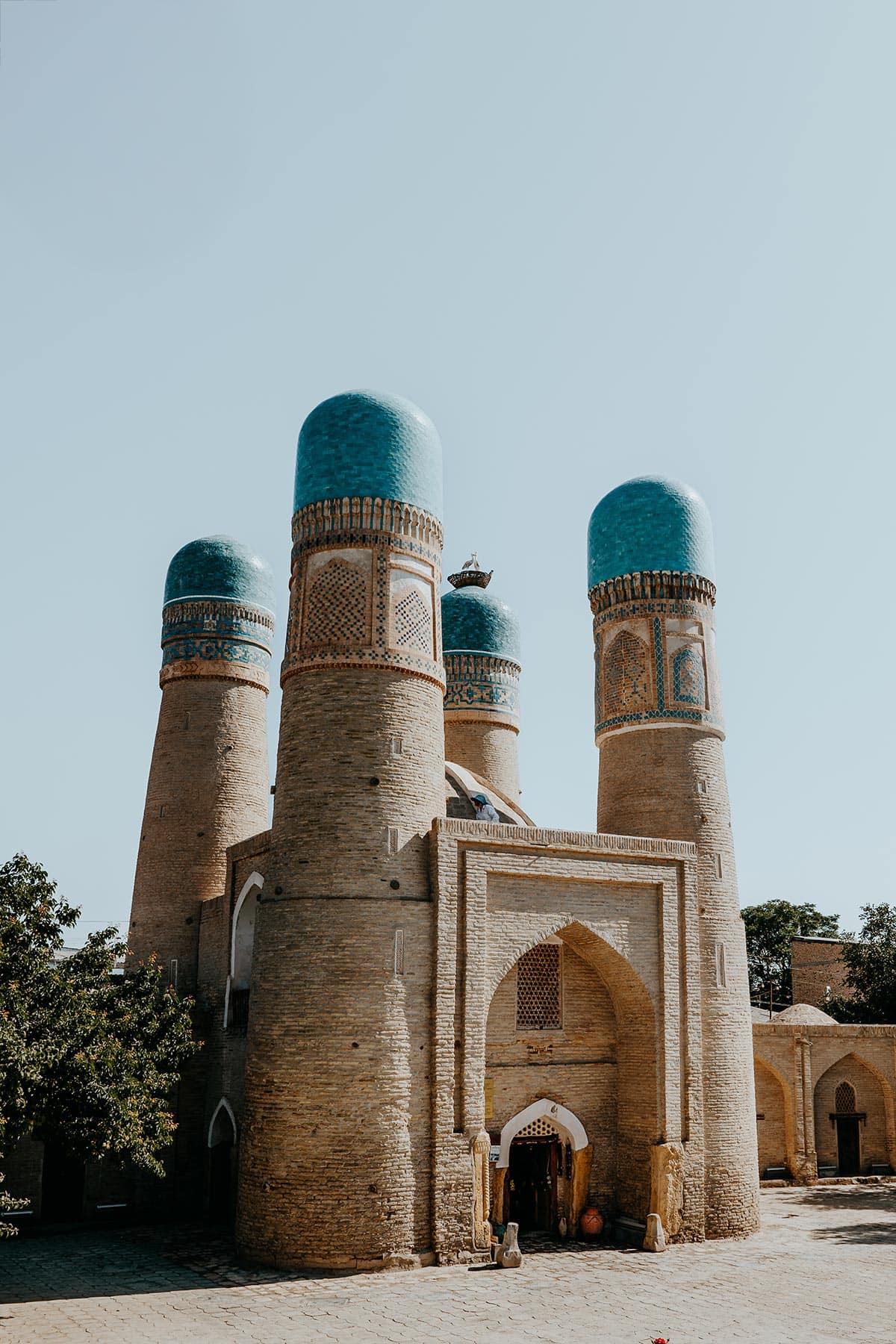
When it comes to unique architectural highlights in Uzbekistan, Chor Minor is definitely one to look out for, as its distinctive design is utterly different from any other structures I’ve seen here.
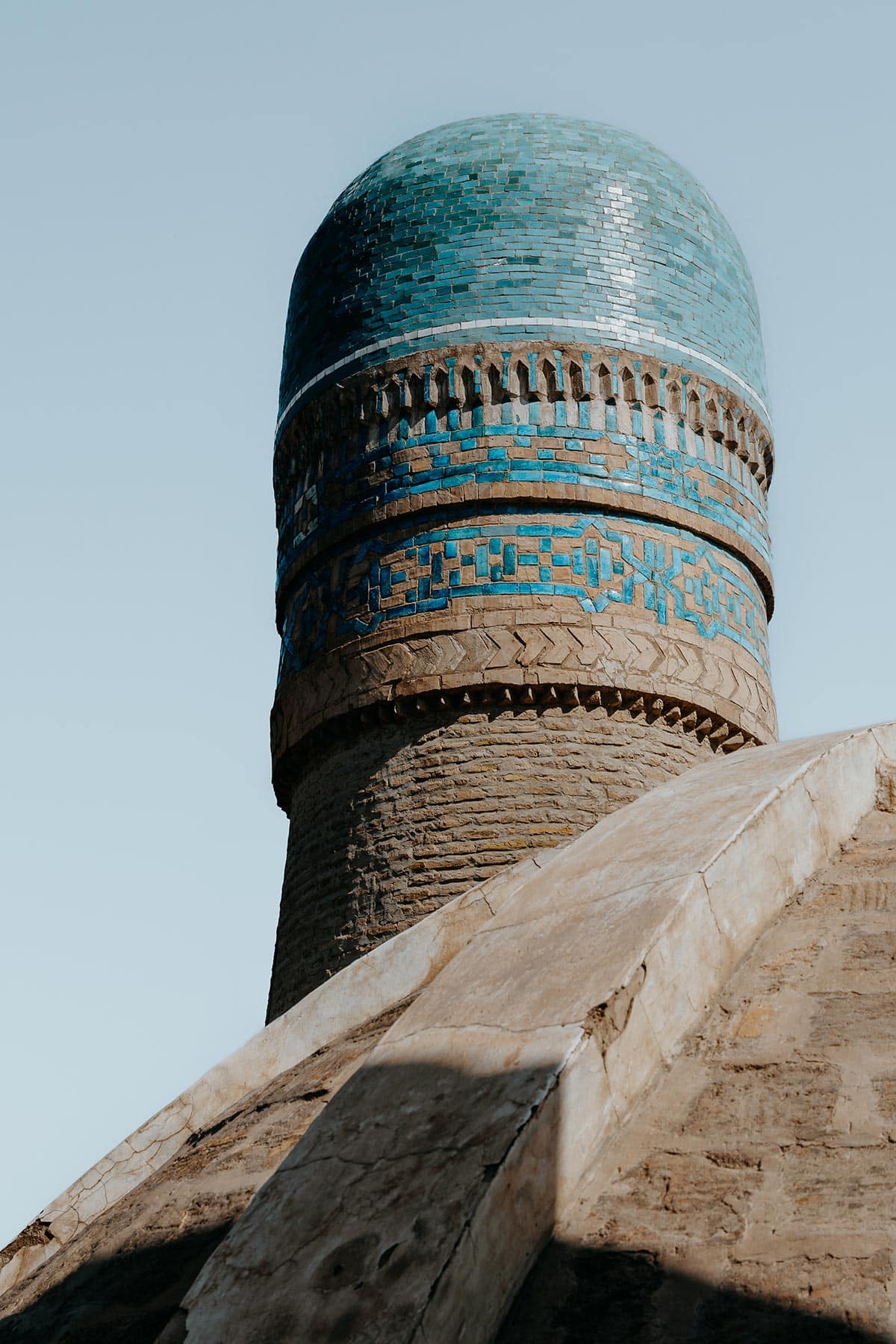
You see, Chor Minor, also known as ‘Four Minarets’ in Persian, is a small, yet remarkable structure defined by four small minarets-like towers that are atypical to traditional minarets typically seen here in Central Asia.
Tucked away in the backstreets of Bukhara, just a short walk away from the historical centre, Chor Minor reflects the four main religions of the world, as well as four dynasties of rulers in Bukhara.
It tells the story of Bukhara’s rich past, and if you look closely, you will find several interesting feats, including elements related to Christianity and Buddhism. It is relatively obvious to spot a Christian fish, while with a little more imagination a Buddhist prayer wheel is to be seen.
Though we never know the exact story, one thing is fairly sure; Chor Minor was not built as a mosque, but more so a gatehouse to a madrasah, which has sadly diminished throughout the centuries.
Another thing I know for sure is the fact that visiting Chor Minor is easily one of the best things to do in Bukhara, so make sure you plan some time to behold its unique charm while there.
Where | Chor Minor
Opening Hours | Monday to Friday 0800 – 2000
Things to do in Bukhara | The essentials
The best time to visit Bukhara
Being located in the southern part of Uzbekistan, Bukhara experiences a dry continental climate that is characterised by incredibly hot summers and significantly colder winters.
If you can, I’d recommend travelling during the offseason, which for Uzbekistan means from March to June and September to October.
During this time, the temperatures are extremely comfortable, providing the perfect circumstances to go out and about exploring all the amazing places Bukhara has to offer.
Personally, I visited Bukhara in late April, which was brilliant as I had comfortable weather, and lengthy days full of sun, while also having the benefits of a quiet overall experience visiting the popular sights, museums and restaurants.
Uzbekistan travel essentials
While Uzbekistan is convenient for travellers, travelling here will come with a unique set of needs, meaning you have to do some kind of preparation before embarking on your journey.
Some items I recommend include:
Uzbekistan SIM card | First things first. Upon arrival in Uzbekistan, I highly recommend buying yourself a local SIM card with a data plan, given it will make anyone’s travels here significantly more convenient. Curious about the details? Read my guide to a Uzbekistan SIM card here.
Reusable water bottle | One travel essential that I carry with me at all times is the Grayl Geopress. This reusable water purification bottle allows me to fill up water from nearly every water source, making it one of my best investments to date.
Sun protection | Since Uzbekistan will most likely be fiery hot during the peak travel months, I’d highly recommend bringing quality sunscreen with at least 30SPF and a hat to cover your head.
Powerbank | When travelling through Uzbekistan, you don’t want to risk being in an uncharted area with an empty device in your hands. For that reason, I believe it’s crucial to carry a power bank with you at all times.
Earpods or headphones | If you’re following this itinerary, I can’t stress it enough to bring some high-end earpods or headphones, given the journey from Bukhara to Khiva by night train can be quite hectic happening.
Camera gear | Like most places in Uzbekistan, Bukhara is absolutely captivating, meaning loads of incredible photography opportunities will arise when exploring. For that reason, I’d highly recommend bringing your camera gear, so you can capture loads of photos while there. If you’re curious to learn about my photography gear, make sure you give my ‘What’s in my Camera Bag’ guide a read too.
Leave no footprints | During my travels in Uzbekistan, I noticed that the cities and their people are really neat when it comes to cleanliness and littering. It’s up to us to respect the locations we’re visiting and keep it that way.
Safety in Uzbekistan | Travel insurance
When travelling this big wide world, I never go on an adventure without my essential travel insurance sorted out, and though I never felt unsafe in Uzbekistan, I advise anyone travelling here to do the same.
While I believe it’s unlikely to experience any problems when following the suggestions in this guide, something unfortunate could happen at any given time, whether it’s an injury, a stolen camera, or an unforeseen cancellation.
For travel insurance, I use Heymondo, as they offer full COVID-19 coverage, as well as a handy app with 24-hour medical assistance. Make sure you check it out – readers of WTSW receive 5% off any insurance policy too.
Cheers!
I’ve been on this travel blogging journey since 2019.
If you appreciate what I do here, these are some ways you can support me.
11 Fascinating things to do in Khiva, Uzbekistan's underrated masterpiece
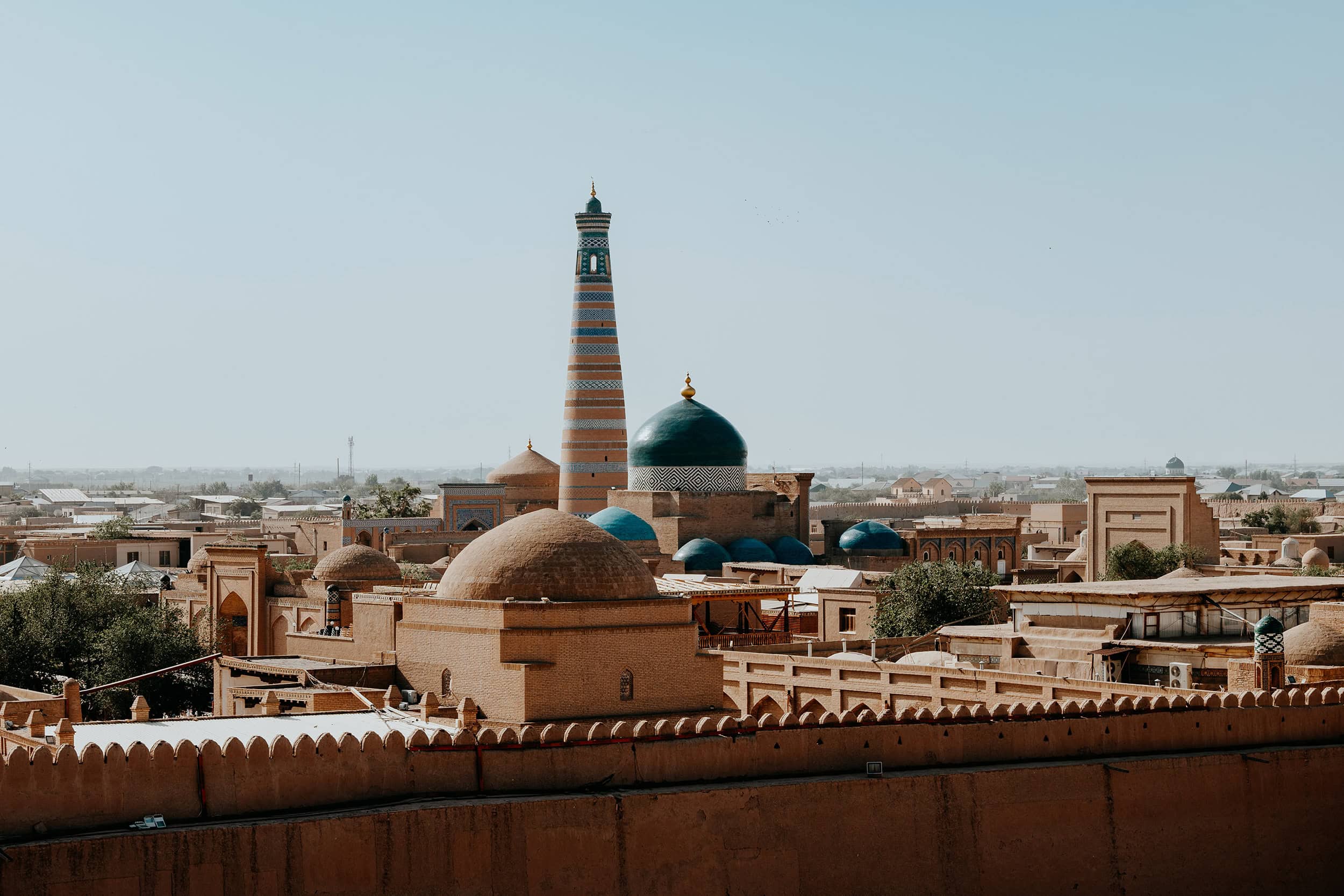
Once an essential stop along the ancient Silk Road, Khiva is an appealing city that offers a unique glimpse into Uzbekistan’s rich and captivating historical and cultural heritage.
Nestled in the secluded Khorezm region in the very West of Uzbekistan, the UNESCO-listed Itchan Kala is in many ways like an open-air museum, with intriguing architecture, maze-like alleyways, and an overall mesmerizing feel, which tends to transport visitors back to a bygone era.
Said to be founded roughly 2,500 years ago, Khiva was considered the epicentre of all things trade, knowledge, and craftsmanship. While Khiva’s golden age as a trading hub may be long gone, its authentic charm is stronger than ever.
From the ornate courtyards of the Tash Hauli Palace to the stunning views obtained from the Khuna Ark, from savouring traditional Uzbek cuisine in one of the rooftop restaurants to roaming around the time-worn streets of Itchan Kala, Khiva is utterly fascinating and a glimpse of its rich and captivating past is found at just about every corner.
Since Khiva is located somewhat out of reach of the other Silk Road cities of Samarkand, Bukhara, and Tashkent, travellers tend to lack the additional effort it takes to travel to Khiva – which I believe is an absolute mistake – as Khiva was by far my favourite in Uzbekistan.
For that reason, I proudly advocate doing everything possible to implement Khiva in your Uzbekistan itinerary – trust me, this underrated gem is everything you imagined the Silk Road to be during its prime days.
Here’s my in-depth guide to the best things to do in Khiva, Uzbekistan, including my personal take on how to visit, where to stay, when to visit, and how to get there, as well as a few first-hand tips that will make the most out of your time here.
If you choose to use any of the links on this page, I may receive a small commission at no extra cost to you. By using these links, you’ll have a direct impact on WTSW and my ability to continue to create free insightful travel content for you. If you find any of my tips useful, you can support me by buying a virtual coffee here.
Where is Khiva
Khiva is located in the heart of a vast oasis in the Khorezm region in the far West of Uzbekistan and has long been one of the most important trading hubs along the ancient Silk Road, the famous trade route that linked the East with the West.
As one of the best-preserved civilizations from the Silk Road era, Khiva was inscribed as a World Heritage Site in 1990, which made it the first UNESCO site in Uzbekistan.
Today, Khiva is home to roughly 93,000 inhabitants, of which, 3000 still live within the age-old walls of Itchan Kala, also known as Khiva Old Town.
Where to stay in Khiva
Given the rapid rise in tourism to Uzbekistan over the last few years, there is no shortage of excellent accommodation options in Khiva.
From budget-friendly hostels to ancient madrasahs turned into boutique hotels, Khiva has something for every traveller, regardless of the preferred travel style, budget, or needs.
Orient Star Khiva | What was once an opulent madrasah, has now been converted into Khiva’s most authentic and exciting hotel. Completely designed to complement the original structure, the Orient Star Khiva provides a unique stay with all the modern necessities. It is rated one of the best hotels in Khiva for a reason.
New Star Boutique Hotel | Another great hotel with an authentic look and feel, the New Star Boutique Hotel is set within the madrasah Muhammad Mahram in the heart of Khiva’s Itchan Kala. The hotel offers comfortable rooms with all the amenities one needs, as well as an exceptional breakfast spread.
Hotel Bankir Khiva | If you’re looking for modern accommodation just a short distance away from all the best things to do in Khiva, Hotel Bankir is for you. It shouldn’t come as a surprise that Hotel Bankir is rated a 9.5 on Booking.com, as they offer spacious rooms with air conditioning, great breakfast, and a prime location, all at an affordable price.
Khiva Entrance Ticket
Given that Khiva’s Itchan Kala is basically an open-air museum, visitors must first obtain a ticket, before they are granted access to the fortified old town.
At the moment of writing, December 2024, the entrance ticket to Itchan Kala is 200.000 SOM (€15,-) per person and is valid for two consecutive days.
Although most sights are included in the Khiva Entrance Ticket, It is worth mentioning that those wishing to visit the Islam Khodja Minaret, Khuna Ark Watchtower, and Pahlavon Mahmud Mausoleum should buy separate tickets to gain entrance to the above mentioned sights.
Entrance tickets come with a QR code and are sold at the west gate. Once you have your ticket, you should keep it with you at all times, as it needs to be scanned individually at all the sights included in the ticket.
11 Things to do in Khiva, Uzbekistan
1. Stroll through the narrow streets of Itchan Kala – Khiva Old Town
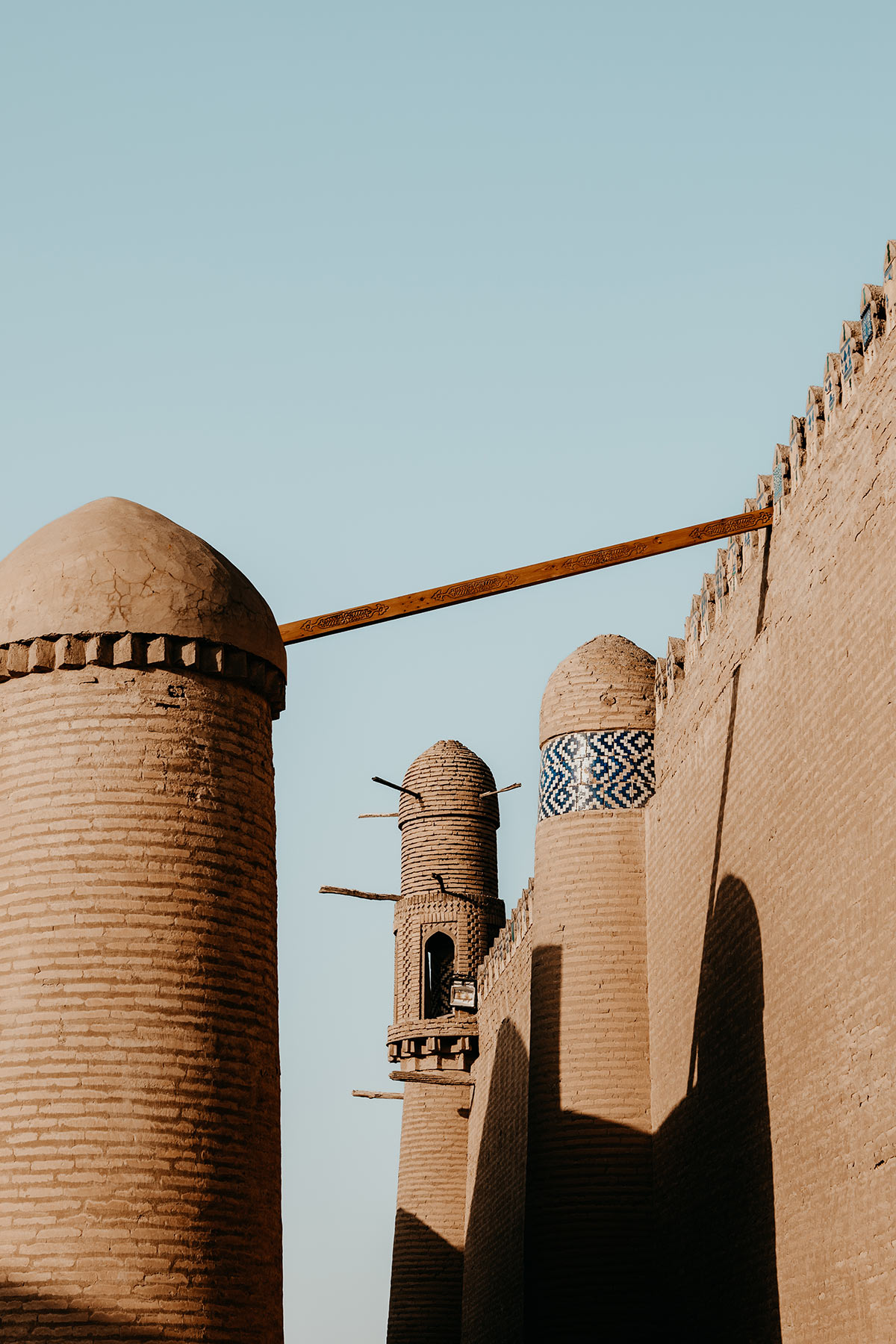
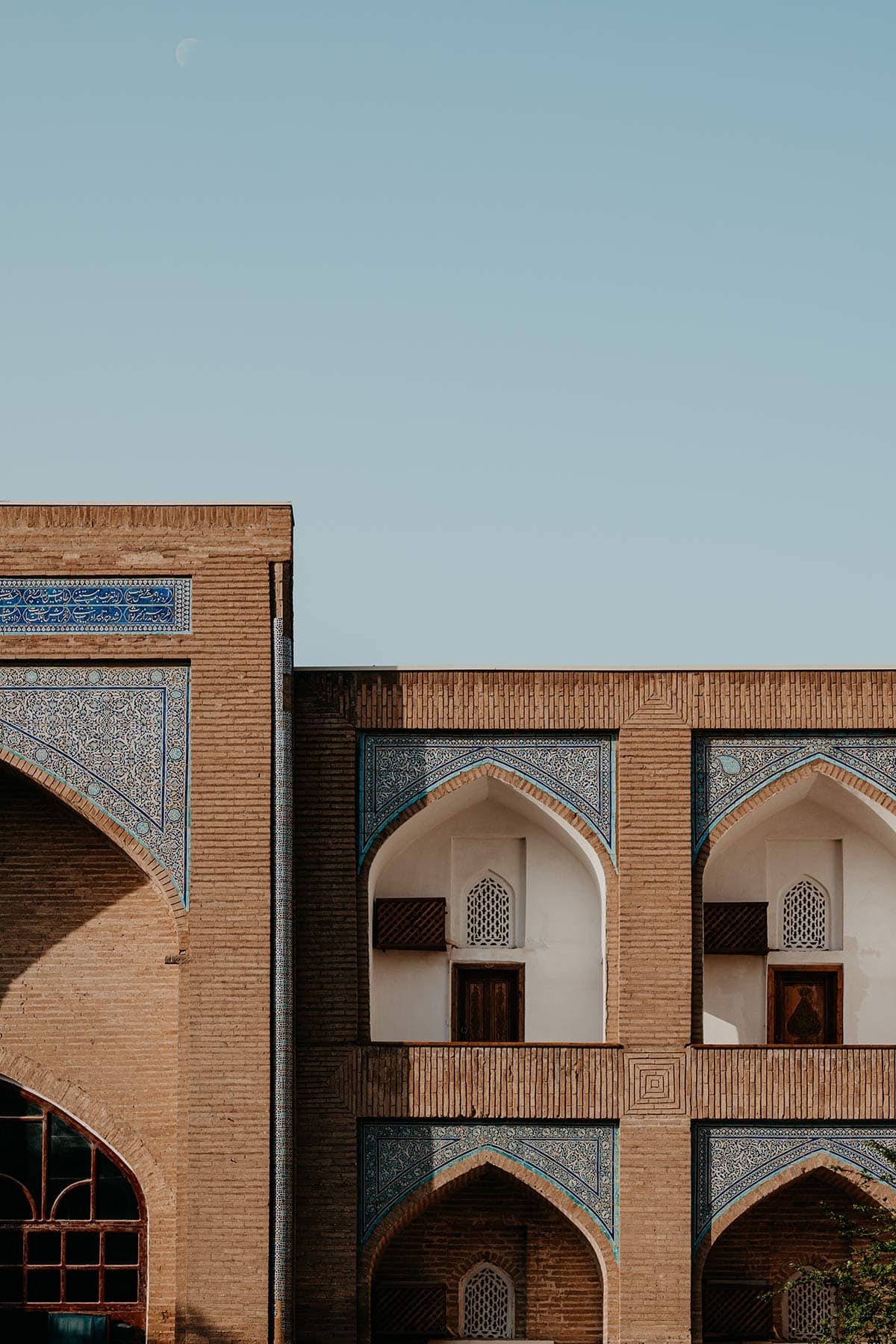
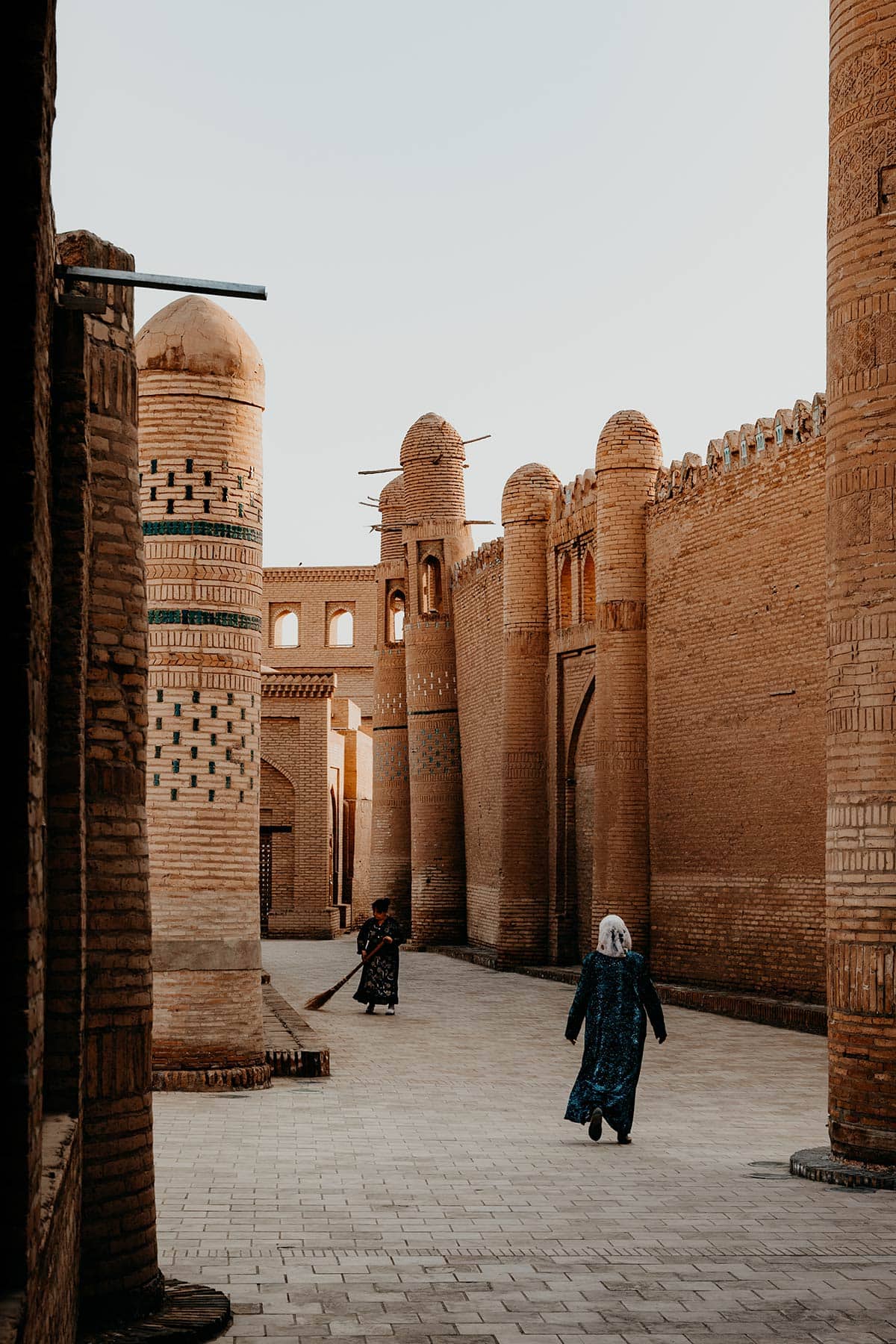
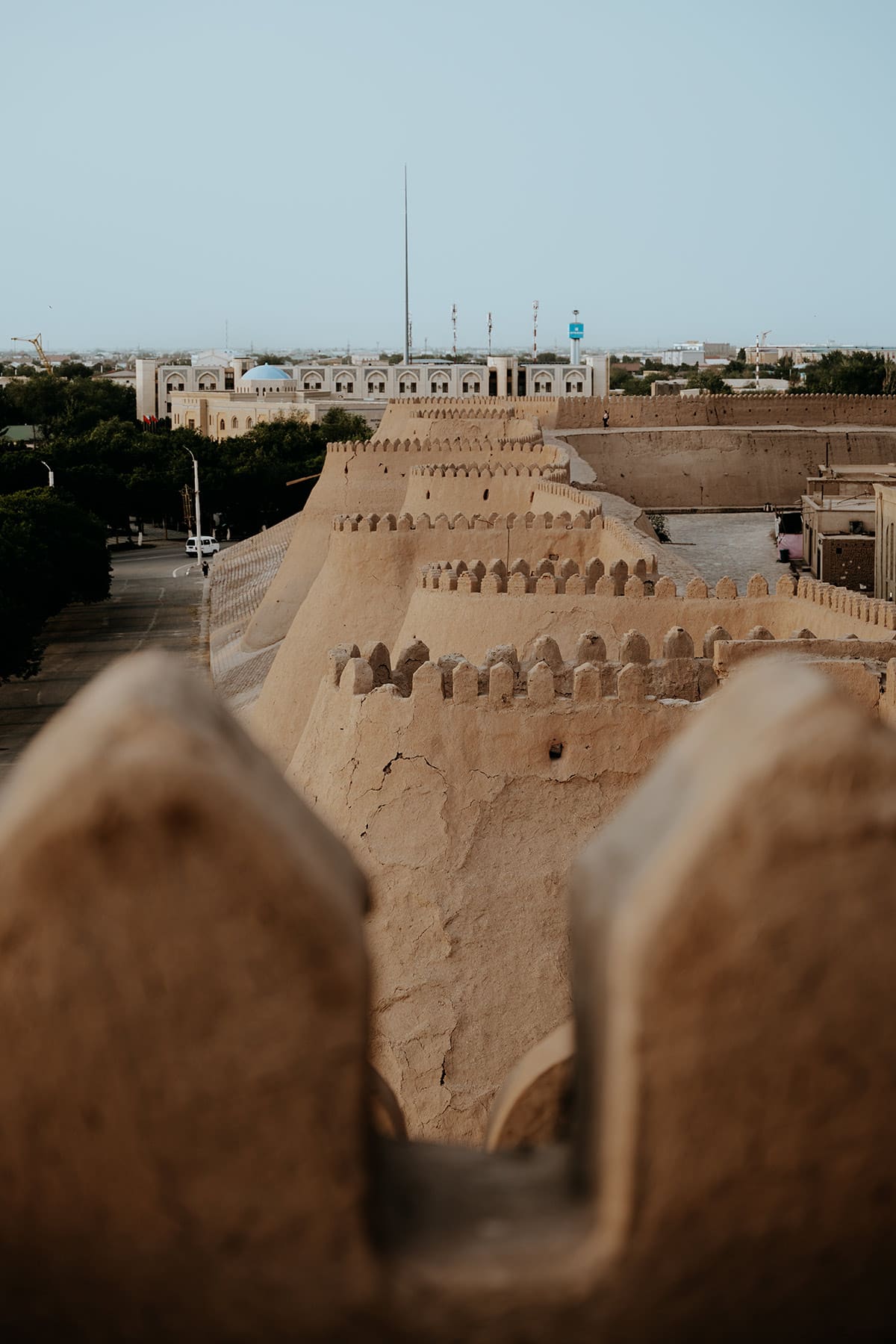
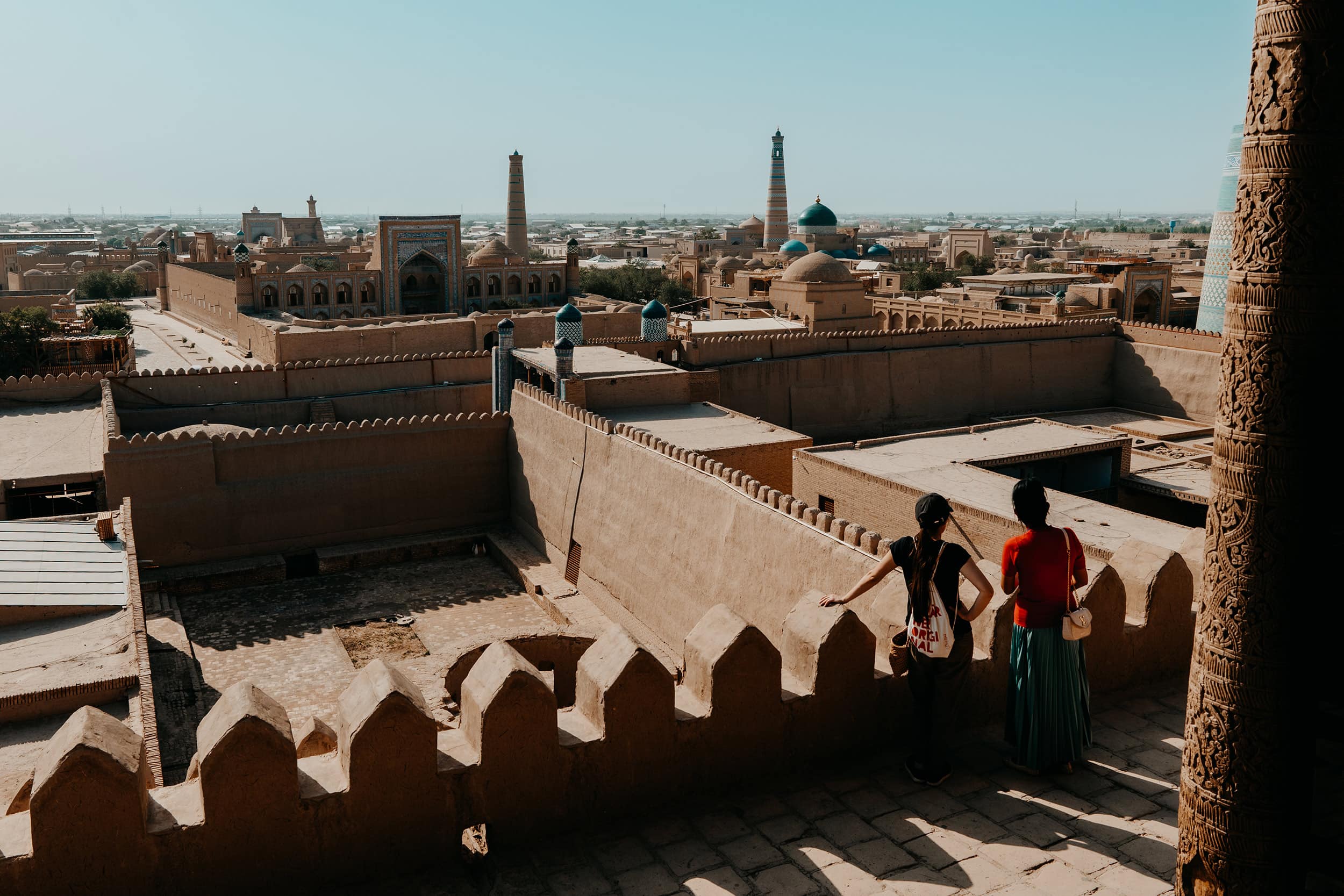
Encircled by towering mud-brick walls, Itchan Kala is what I believe to be the best possible representation of how the Silk Road must have been during its heydays, and wandering around the time-worn streets is truly something spectacular.
Given Khiva is deemed one of the best-preserved legacies of the Silk Road era, the heart of this stunning, UNESCO-heritage-declared old town offers visitors a rare and unforgettable glimpse into a world that feels left untouched for centuries.
As you pass through the gates, you step into a completely different reality, with labyrinths of narrow alleyways, stunning architectural masterpieces, and an ever-present ambience that is tough to describe, yet truly authentic and mesmerizing in every sense of the word.
Since Itchan Kala is rather compact, I believe it’s best explored on a roam without a plan, so you can fully appreciate its distinctive nature, while opening yourself up to the unique rhythm of daily life and authentic little moments that make this old town oh-so-special.
However, if you’re planning to tick off all the highlights, having some sort of structure is essential to make the most out of your time here.
Some sites to keep an eye on include:
- Khoja Minaret
- Kalta Minor Minaret
- Islam Kodja Madrassa
- Allakuli Khan Madrassah
- Palvan Gate
- Zindan
- Sayid Allauddin Mausoleum
2. Watch over the old town from the watchtower at Khuna Ark
Once the residence of Khiva’s rulers, Khuna Ark stands as a symbol of power, wealth and protection, and was basically built as a fortified stronghold within an already fortified town.
First constructed in the 12th century in the order of Ok Shaykh Bobo, then further evolved under the Khans in the 17th century, Khuna Ark is still very much a place of great significance, with several noteworthy buildings one can behold.
Today, much of Khuna Ark’s structures date back to the reign of Arang Muhammad Khan.
Even though Kuhna Ark is stunningly beautiful as a whole, there’s one particular point of call that truly draws the attention here; the Ak-Sheikh Bobo watchtower.
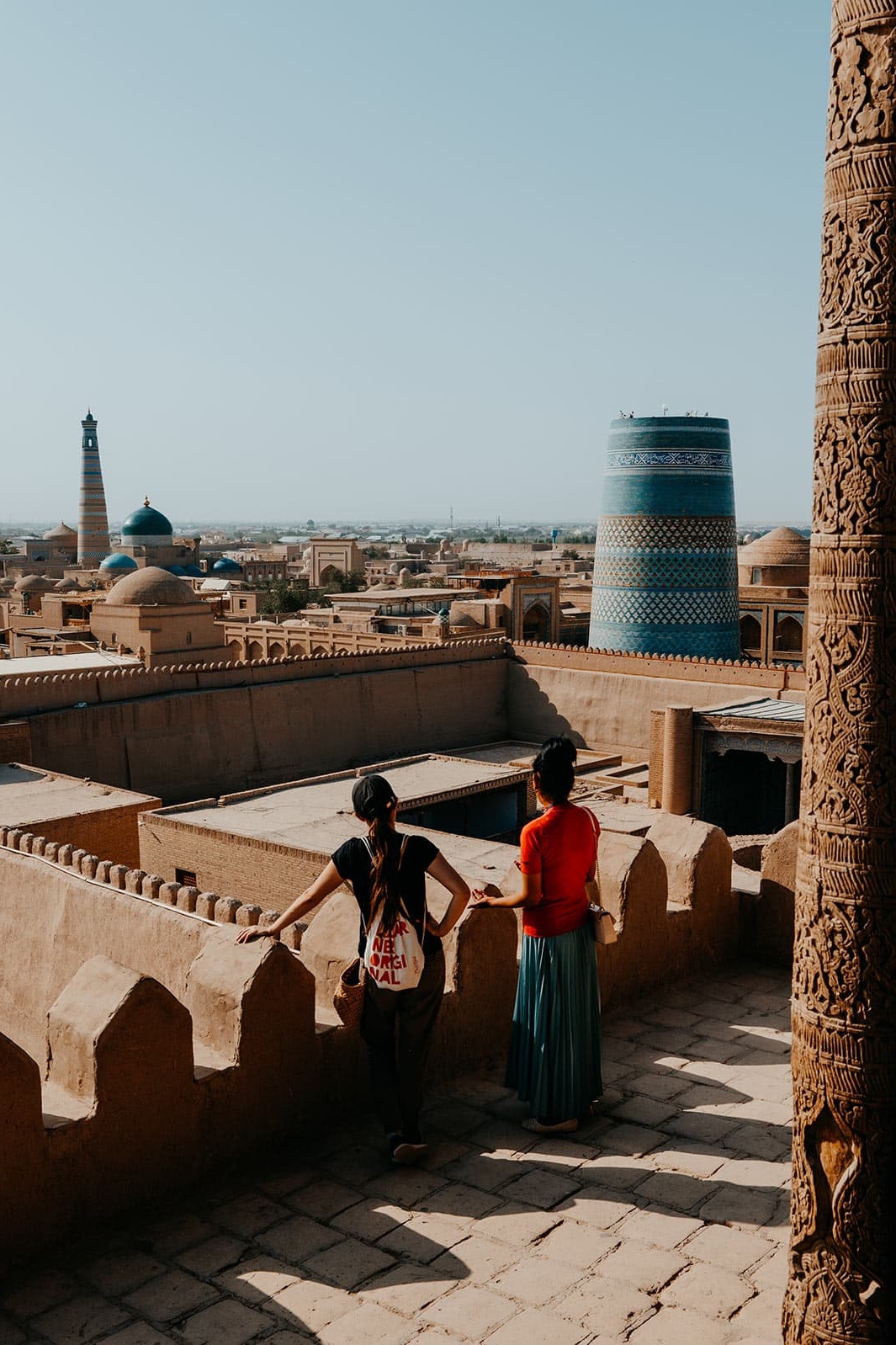
You see, watching over Itchan Kala from the watchtower, was in many ways, one of my absolute favourite things to do in Khiva, as the panorama views from the top are nothing short of amazing.
Planning-wise, I’d highly advise trying to get to the watchtower an hour before sunset, so you have a clear indication of your surroundings, which makes it easier to find the ideal spot from which you’ll witness the golden hour light up Khiva’s intricate turquoise-domed mosques, towering minarets, and iconic mudbrick structures.
Where | Kuhna Ark
Opening hours | Daily 0900 – 1700
Entrance Fee | Kuhna Ark is included in the Itchan Kala entrance ticket
3. Visit the Jumaa Mosque – the Friday Mosque
Built right on top of the ruins of an older mosque, the Jumaa Mosque, also known as the Friday Mosque is a stunning mosque that provides an oasis of calm away from the hustle and bustle often found in the laneways of Itchan Kala.
For me, the best thing about the Jumaa Mosque is the fact that it doesn’t look like anything noteworthy from the outside, given its ordinary mudbrick walls give little away in contrast to other more opulent mosques found in Uzbekistan.
Yet stepping inside instantly reveals why the Jumaa Mosque is as remarkable as it is.
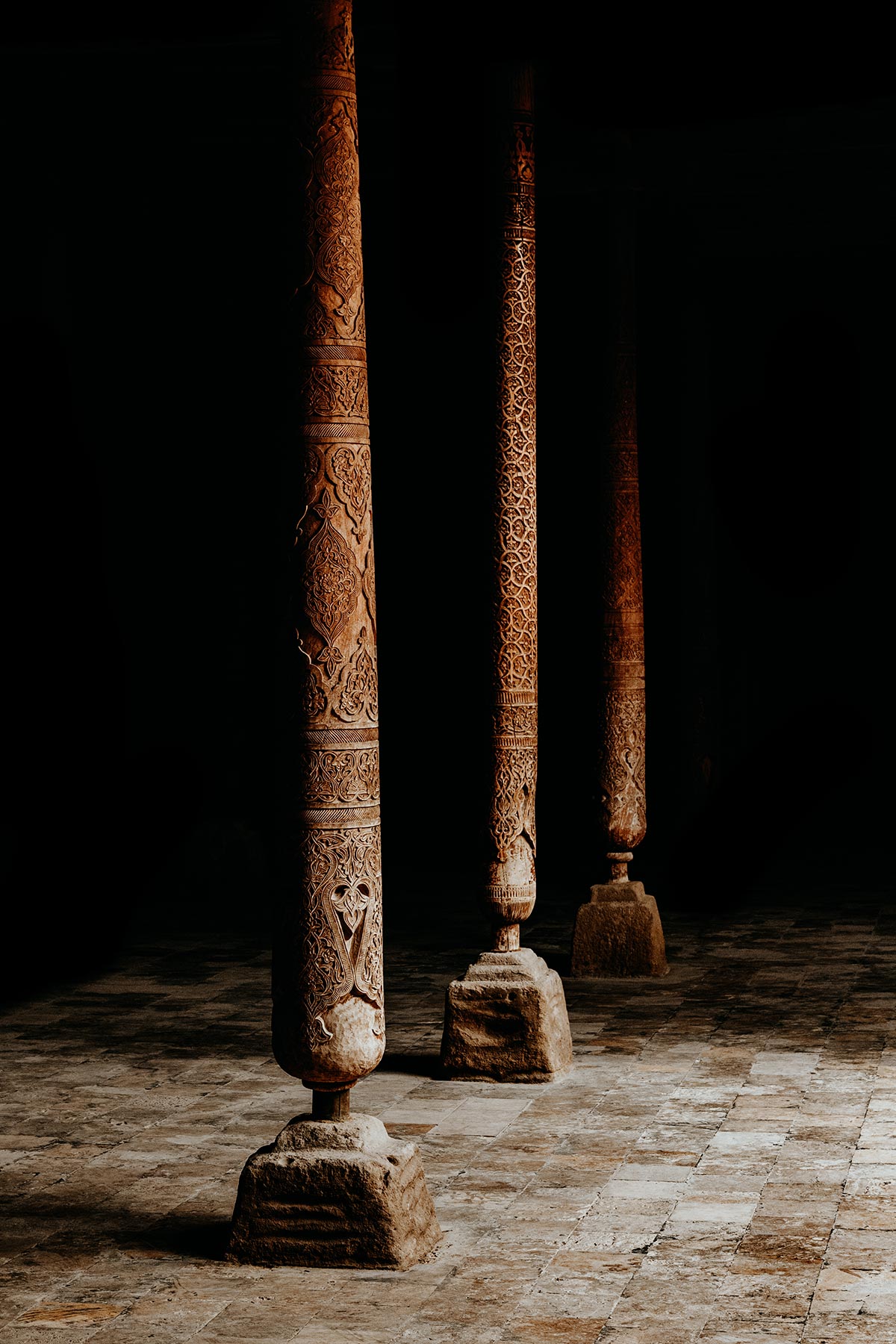
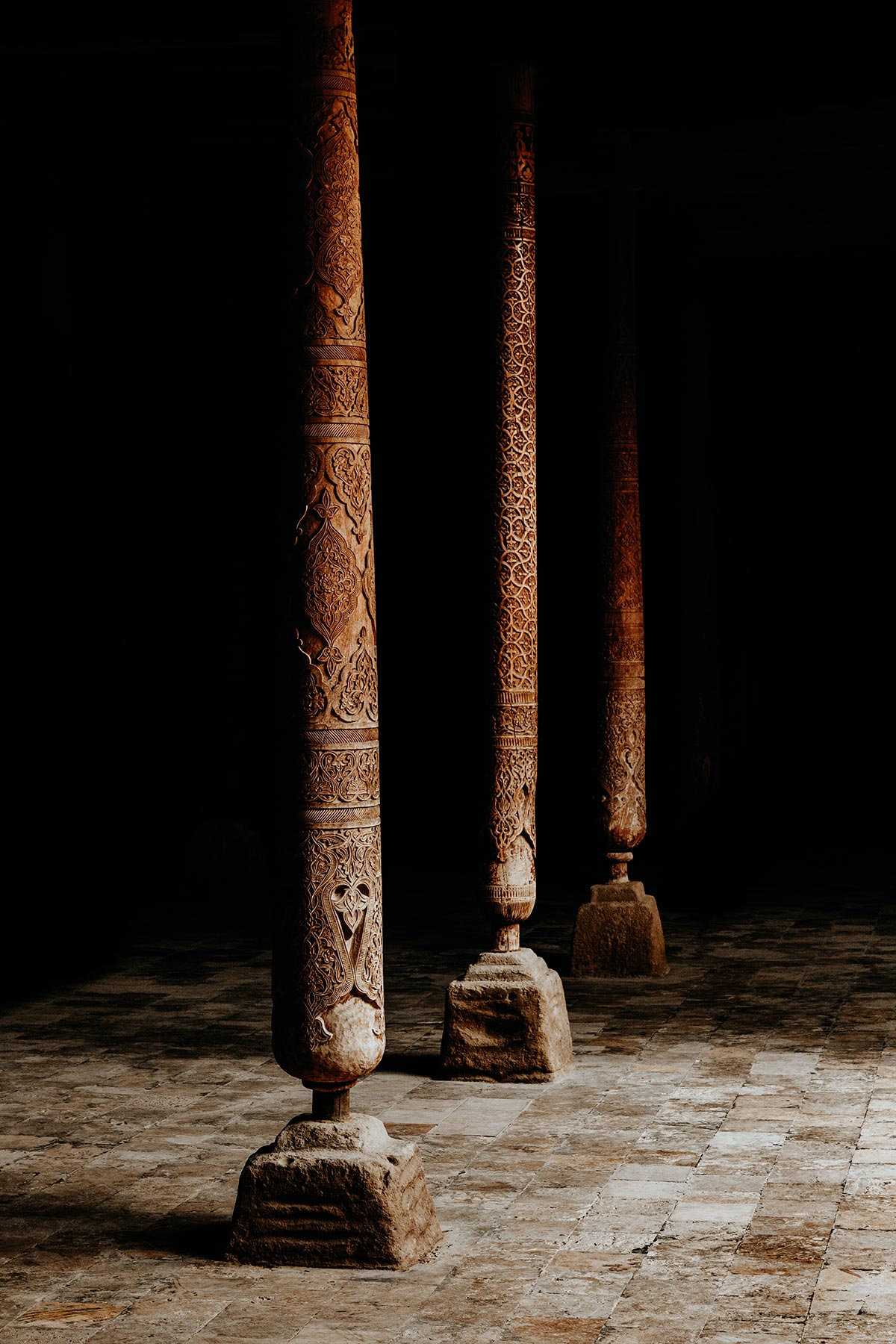
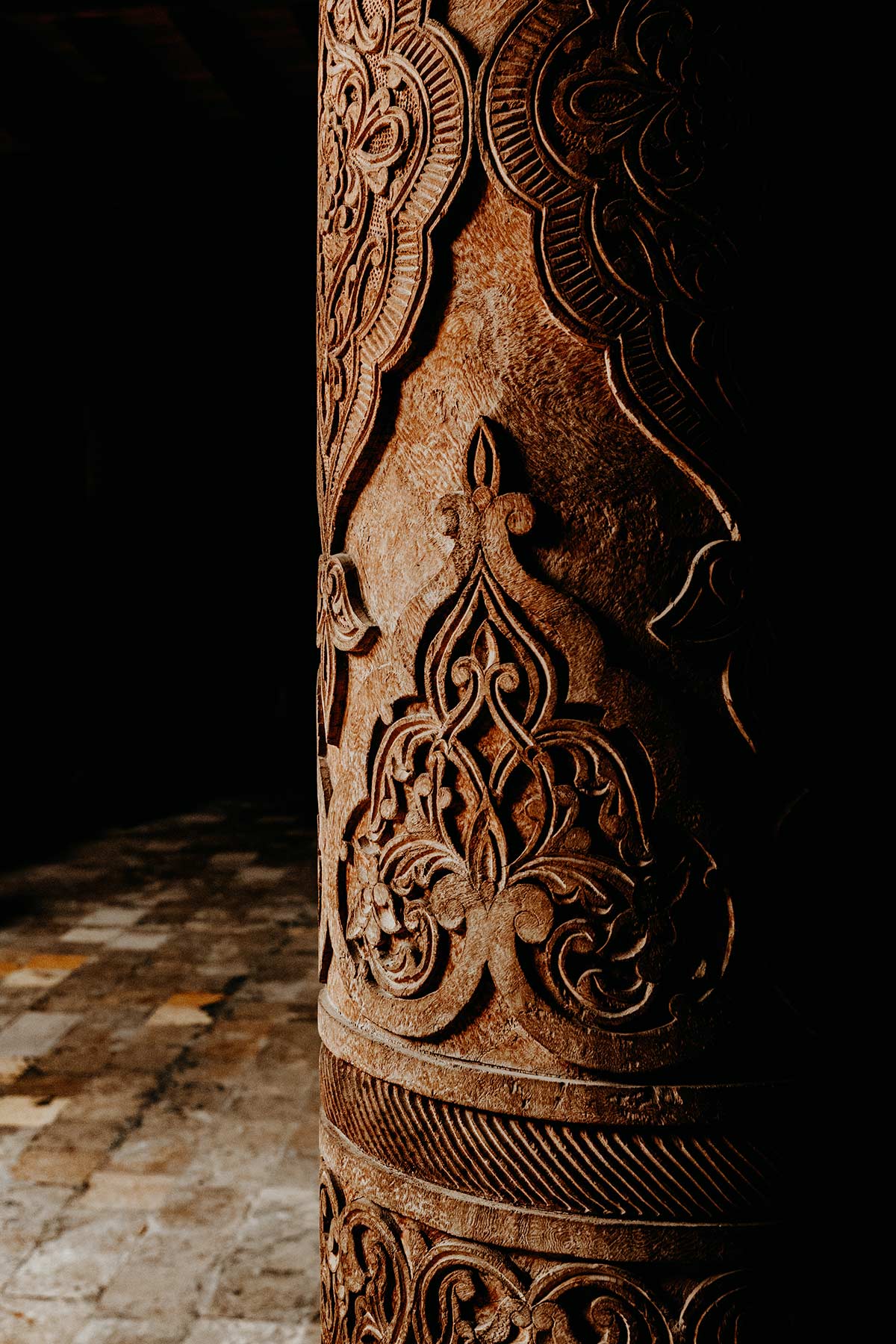
Made up of anywhere between 212 and 218 wooden columns (I can’t state the exact number), aligned in a way commonly done in ancient Arabian mosques, this mosque is simple, minimal, yet truly mesmerising – there’s just something magical about the perfectly aligned columns and the play of light they produce.
The columns themselves are carved to perfection by hand, each representing intricate patterns reflecting different periods in time, some of which have been there since the Mosque’s origins in the 10th century.
As one of the best things to do in Khiva, I’d recommend visiting the mosque first thing in the morning, when the peace that defines Jumaa triumphs, and masses of tourists have yet to arrive.
Where | Jumaa Mosque
Opening hours | Daily 0900 – 1800
Entrance fee | Included in the Itchan Kala Entrance Ticket
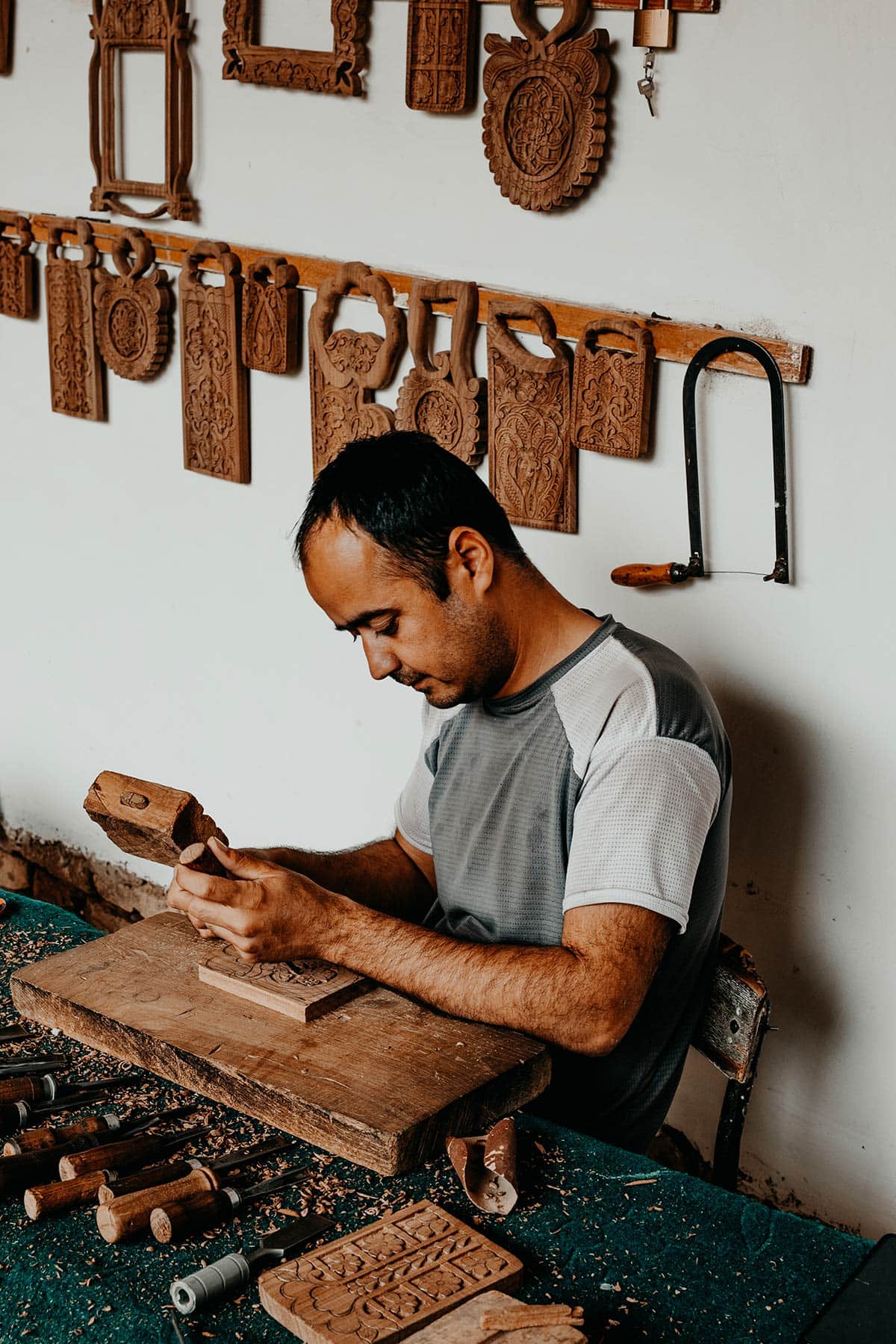
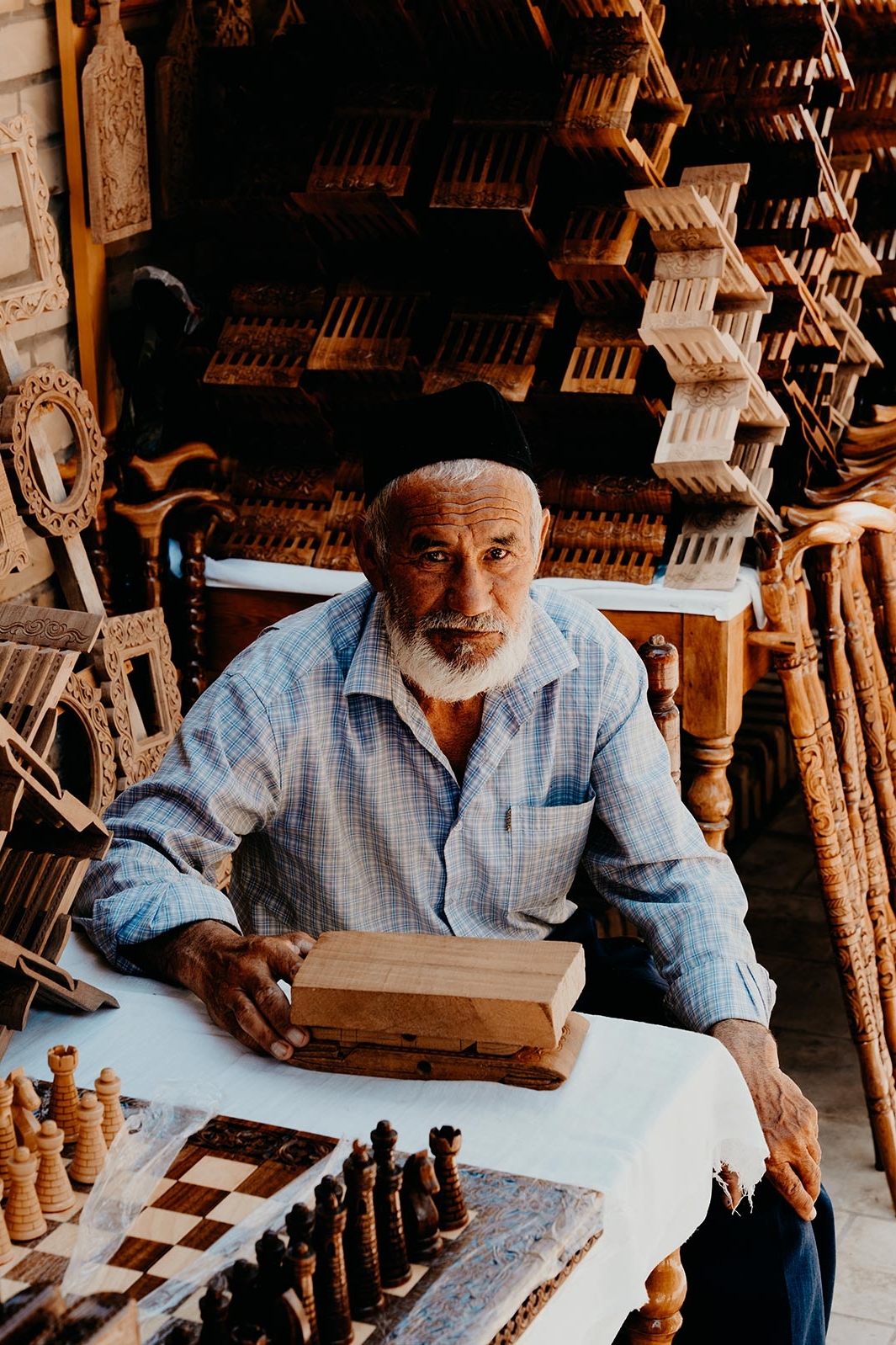
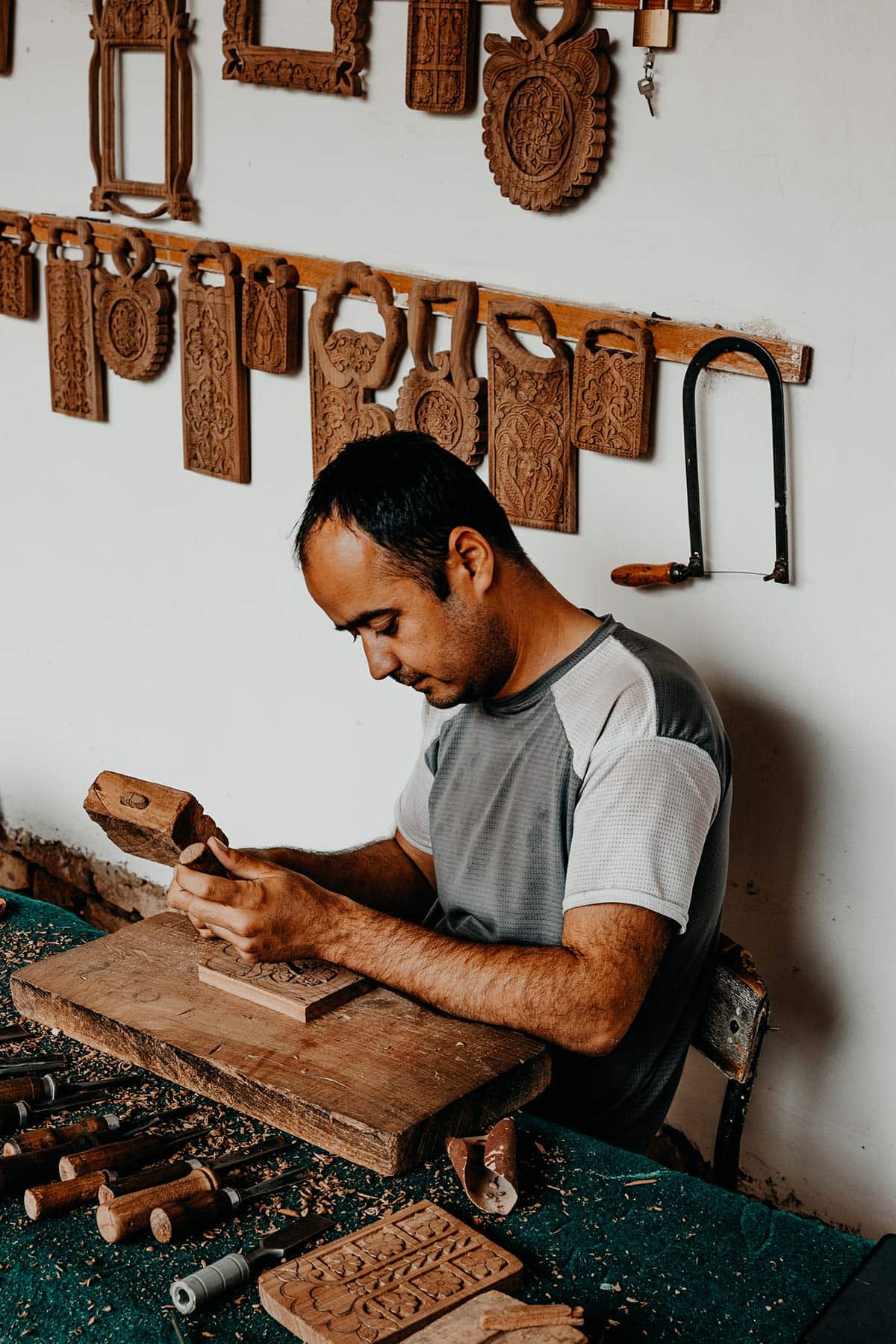
4. Take a look at Suleymon’s wood carvings store
One thing that starts to intrigue me more and more during my travels, is getting to witness amazing local craftsman go about their business.
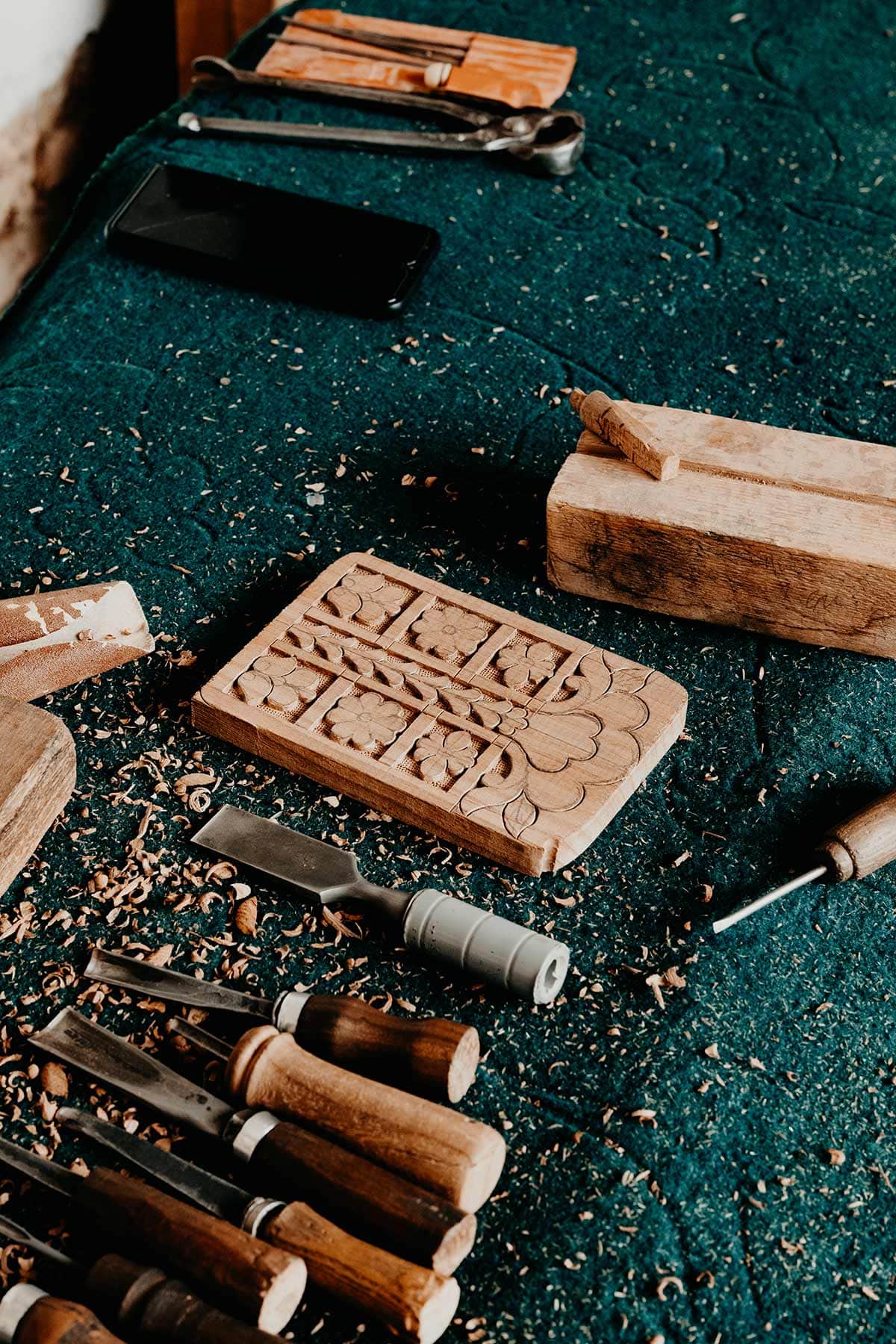
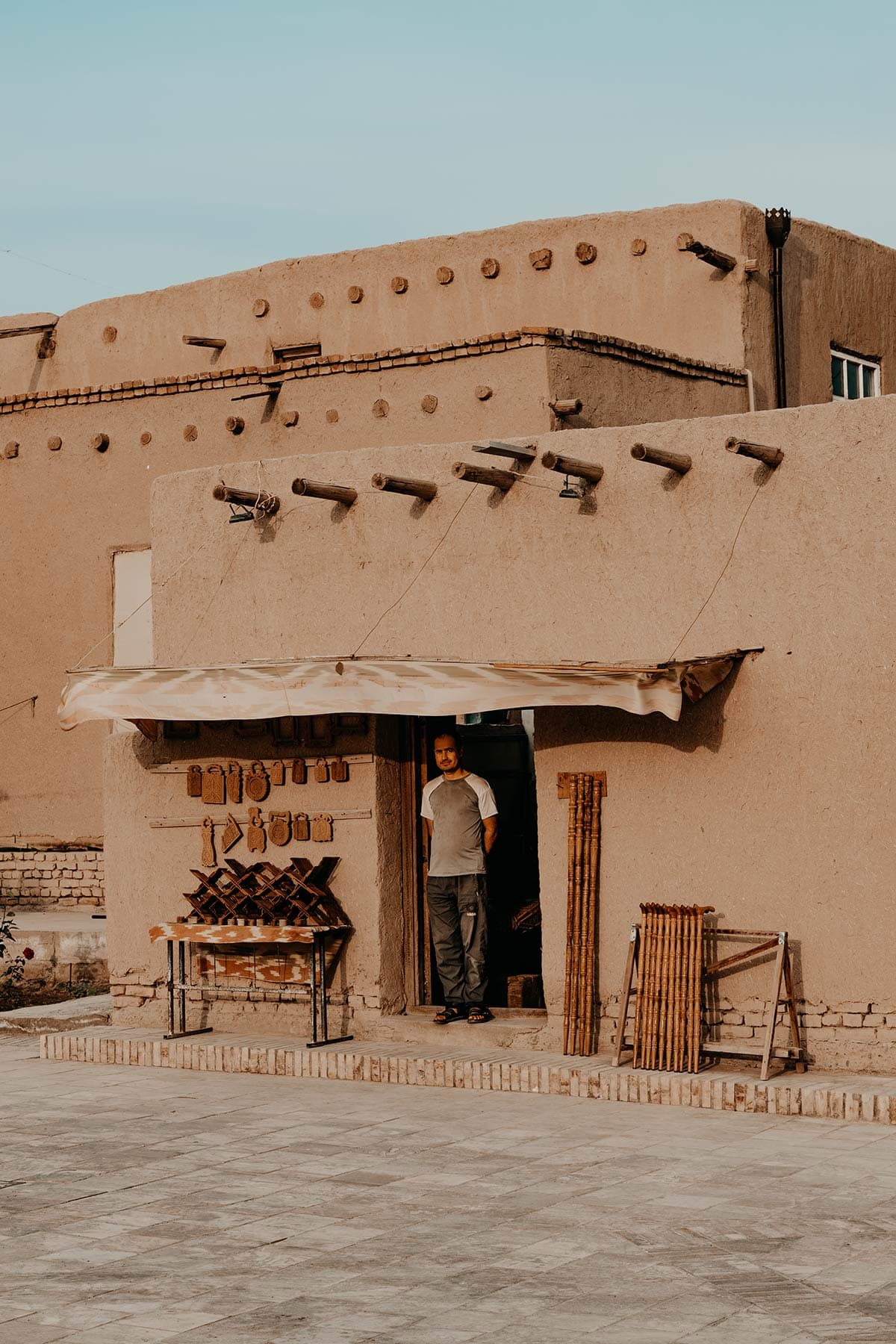
So when I stumbled upon a small wood carving store in the backstreets of Khiva’s stunning Itchan Kala, I was super excited to see the artisanal process of traditional Uzbek woodcarving up close and personal.
With a background in carpentry myself, I naturally get drawn to this form of art, and when Suleymon kindly invited me into his store, I somewhat relived my brief time as an artisanal woodworker.
You see, Suleymon dedicated a fair share of his life to his craft, which resulted in an insanely high level of craftsmanship, and in turn, the most stunning wood-carved objects, each completely unique and defined by exceptional craftsmanship.
But Suleymon’s wood carving store is not just a great place to learn traditional Uzbek wood carving techniques; it is also the perfect place to buy a unique souvenir or a gift for your loved ones, which is exactly what I did myself.
Where | Suleymon’s Woodcarving Store
Opening hours | I am not completely sure if Suleymon works on a fixed schedule
5. Admire the intricate decorations of the Tash Hauli Palace
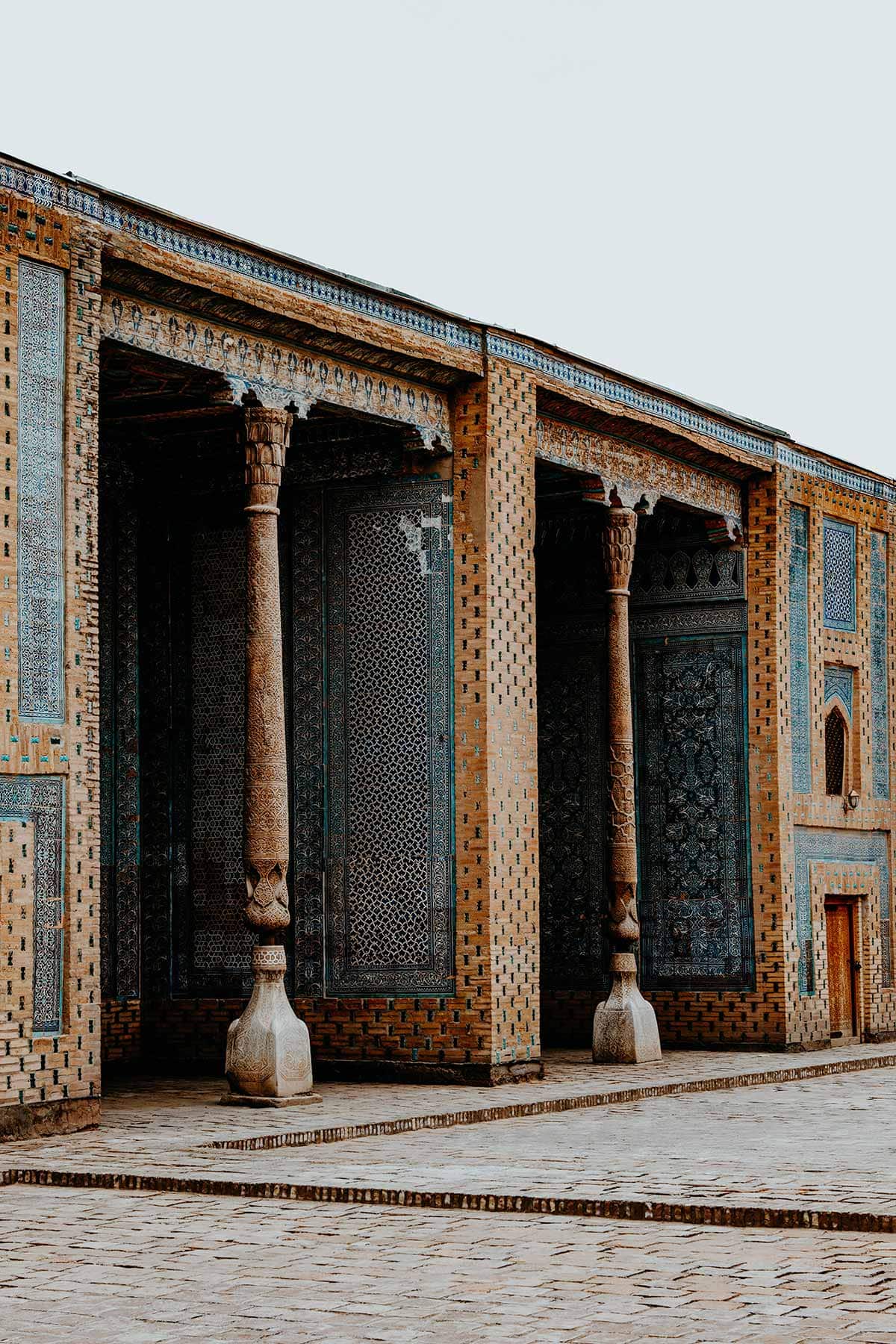
Built as the residence of Allakuli Khan, this palace had one clear objective; to outshine every other palace in Central Asia, which it managed to do pretty well if you ask me.
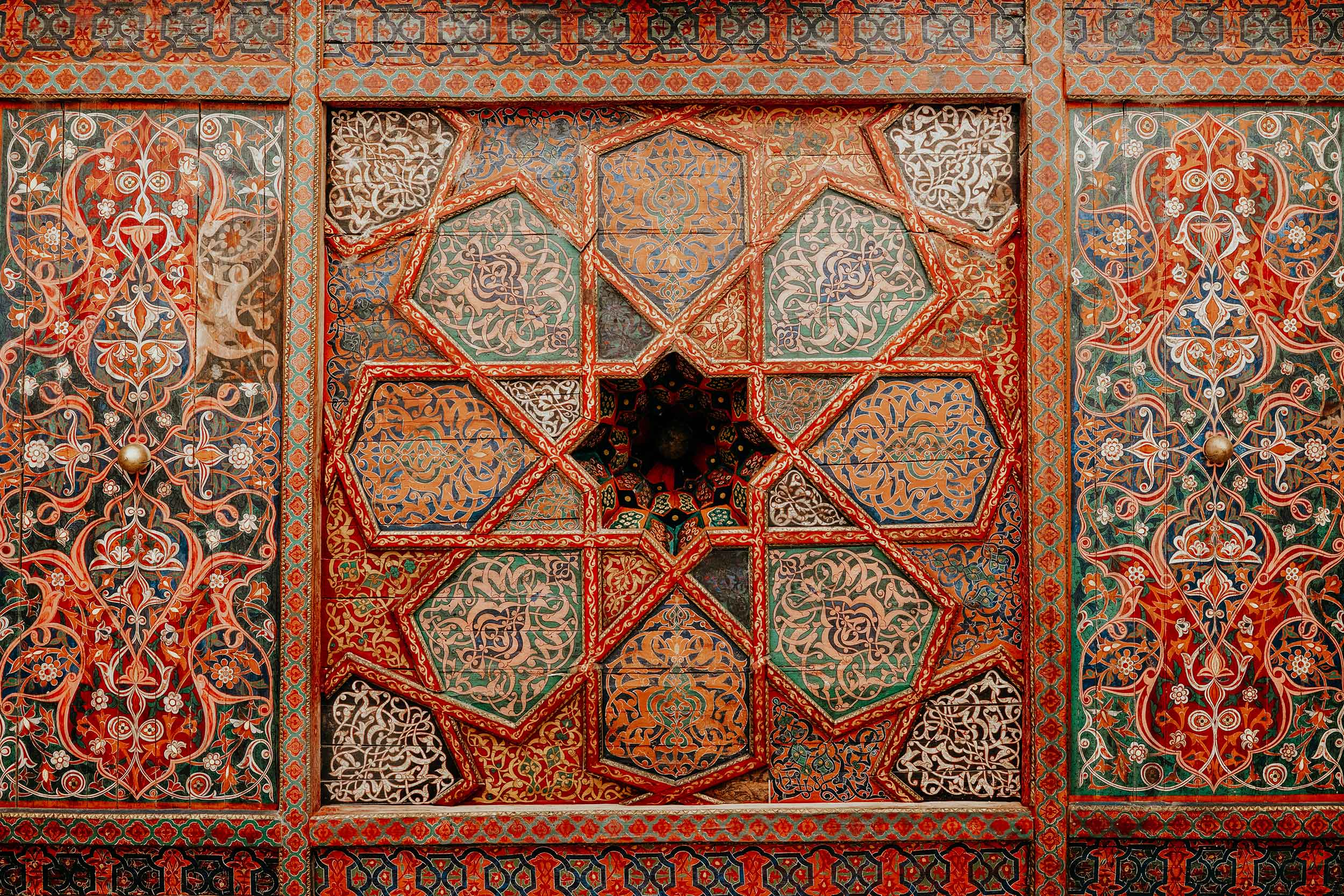
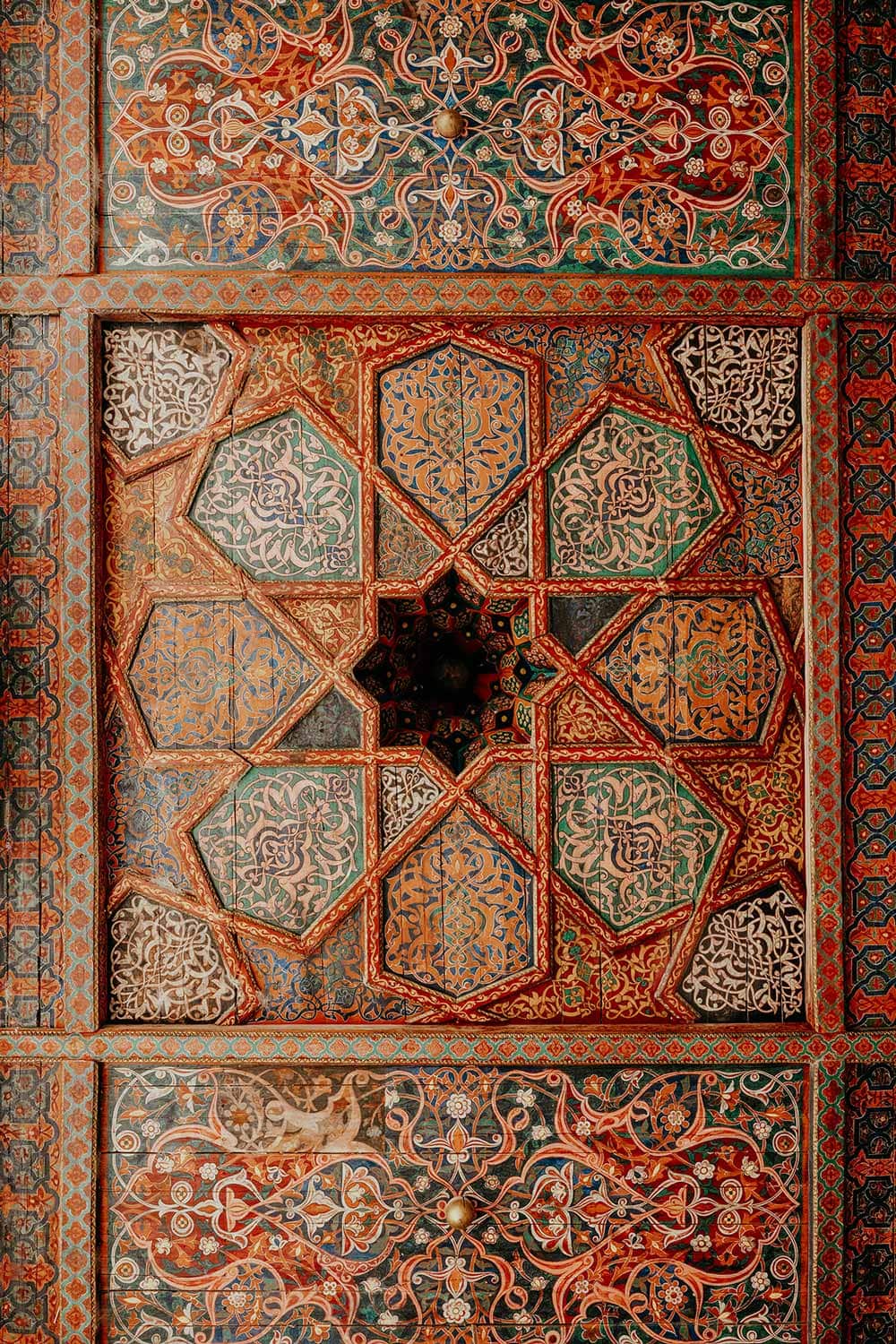
With intricately painted ceilings, stunning geometric patterns, and a vibrant colour palette on just about everything that is touched by the light, the Tash Hauli Palace is as pretty as any I’ve visited in Uzbekistan.
Exploring the Tash Hauli Palace is a great opportunity to step into the lavish world of Khiva’s prosperous, royal past, as it displays breathtaking artistry and architecture throughout the palace.
Something to keep your eye out for are the complex, yet beautifully decorated ceilings, as each design reflects the magnificent craftsmanship of the hands that created them.
The palace is absolutely impeccable, and its mix of ornate architecture and the calm nature found in its open-air courtyards make for the perfect escape from Khiva’s lively alleyways.
Where | Tash Hauli Palace
Opening hours | Daily 0900 – 1800
Entrance fee | Included in the Itchan Kala Entrance Ticket
6. Spend a night in the Orient Star Hotel
To wander around the time-worn grounds of an ancient madrasa is one thing, but having the chance to spend a night in such a place is a completely different experience.
Luckily for you, the 19th-century Mohammed Amin Khan Madrasa has now been transformed into Khiva’s most unique hotel, and for me, spending a night here is easily one of the most exciting things to do in Khiva.
In many ways, staying here is like stepping back in time, as the walls around you share and reflect centuries of Khiva’s fascinating history.
Each room is stunning, mostly original and decorated with furniture that doesn’t only compliment the architectural features but also respects the deeply ingrained roots of the madrasa, preventing it from losing its initial charm.
But it is more than simply a place to rest your head, it’s a unique experience that offers a journey into the past, and we should be honoured that we can spend time here.
Its location smack-bang in the heart of Itchan Kala adds to its charm, with the old town right at your doorstep, making Orient Star the perfect base from which to explore Khiva.
Where | The Mohammed Amin Khan Madrasa
Book | Make sure you check out the Orient Star Hotel
Cost | Doubles start at €55 a night
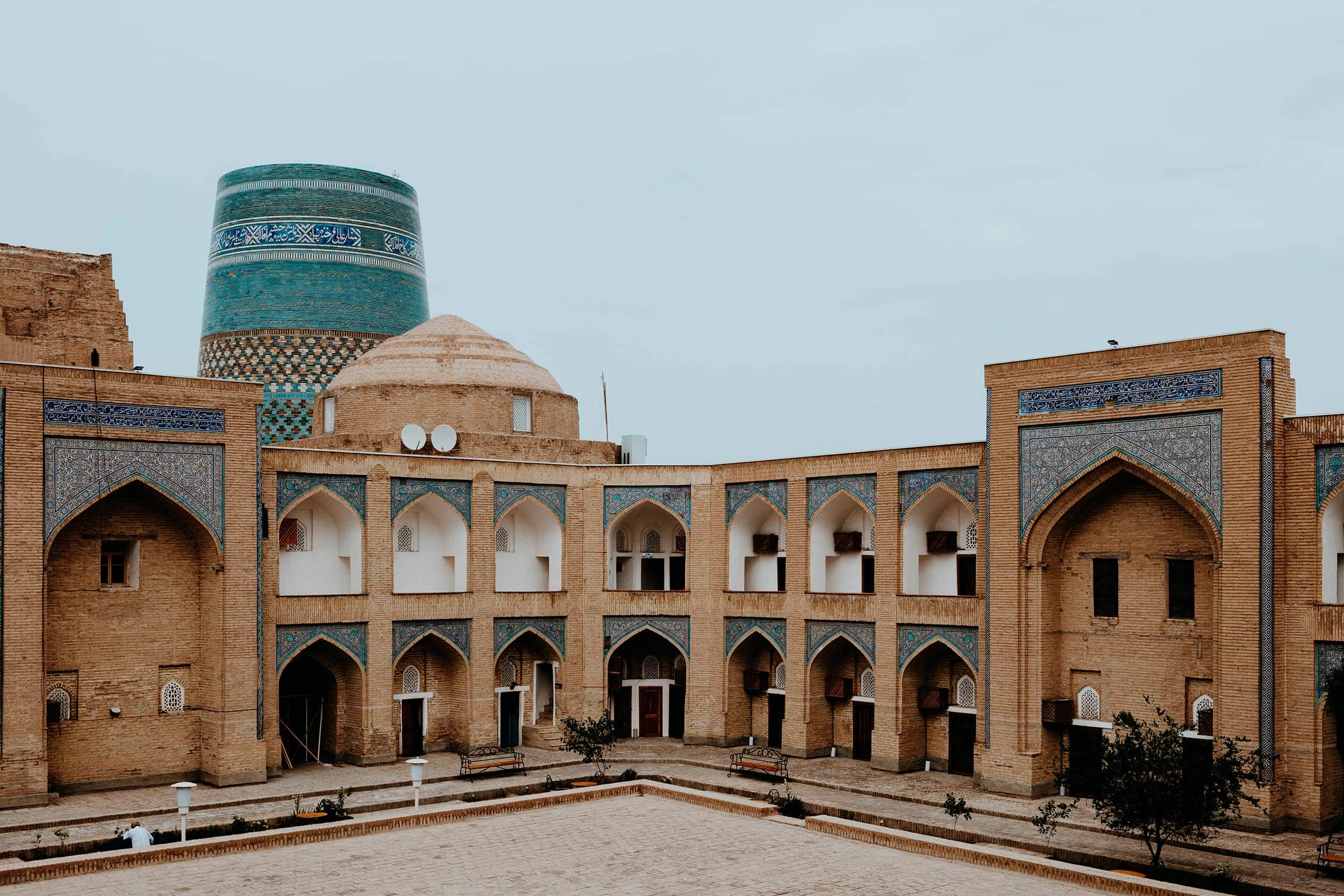
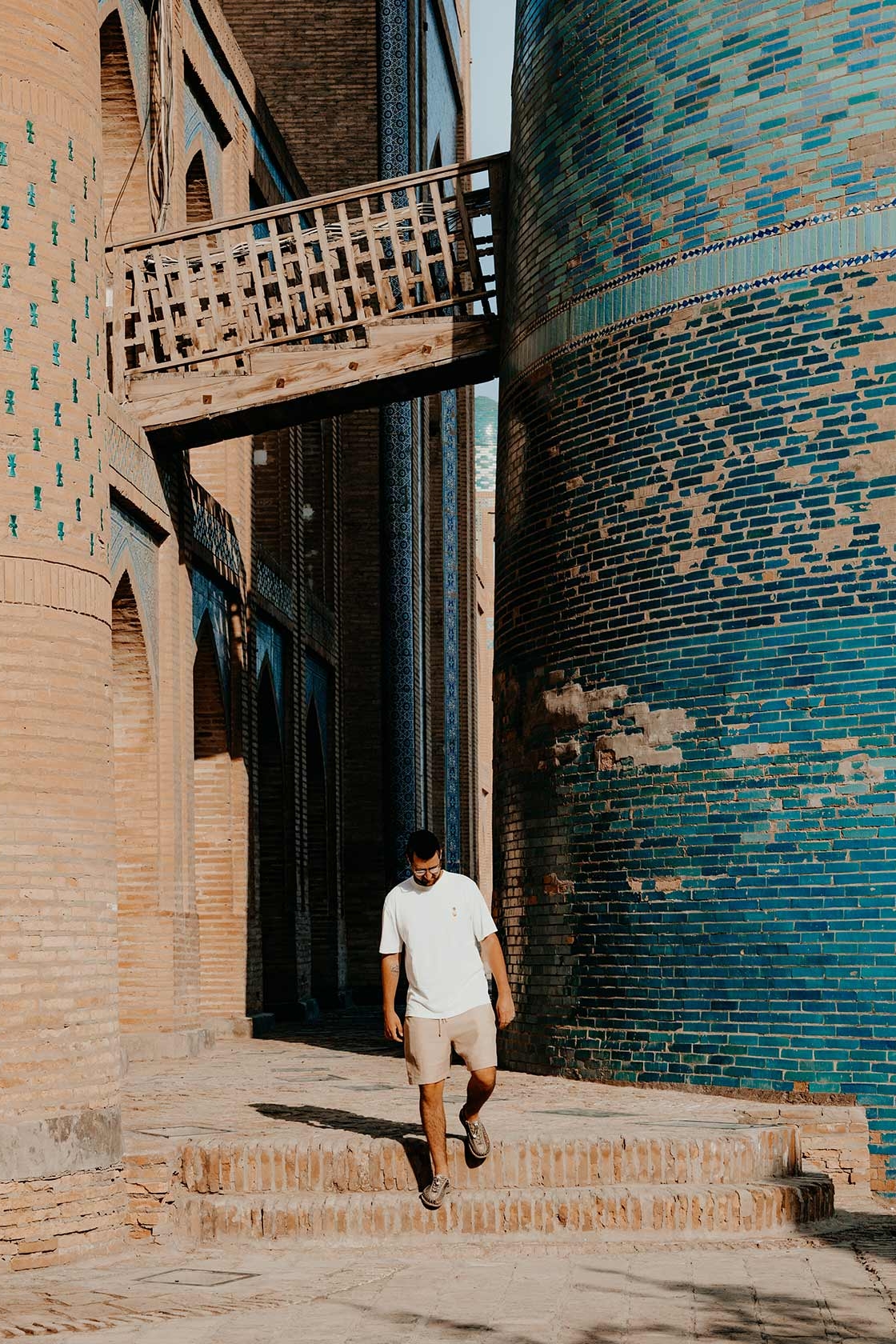
7. Admire the Kalta Minor Minaret
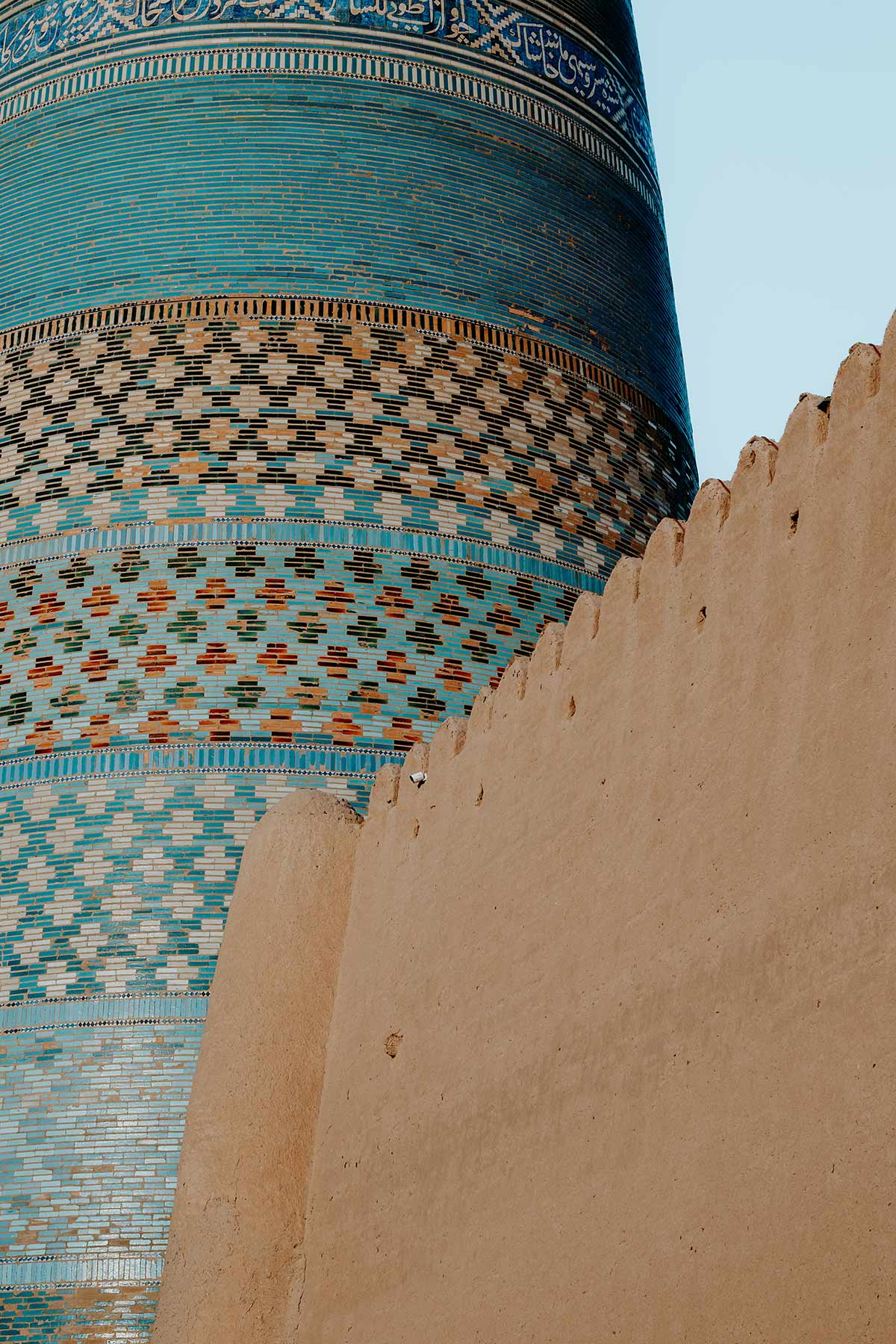
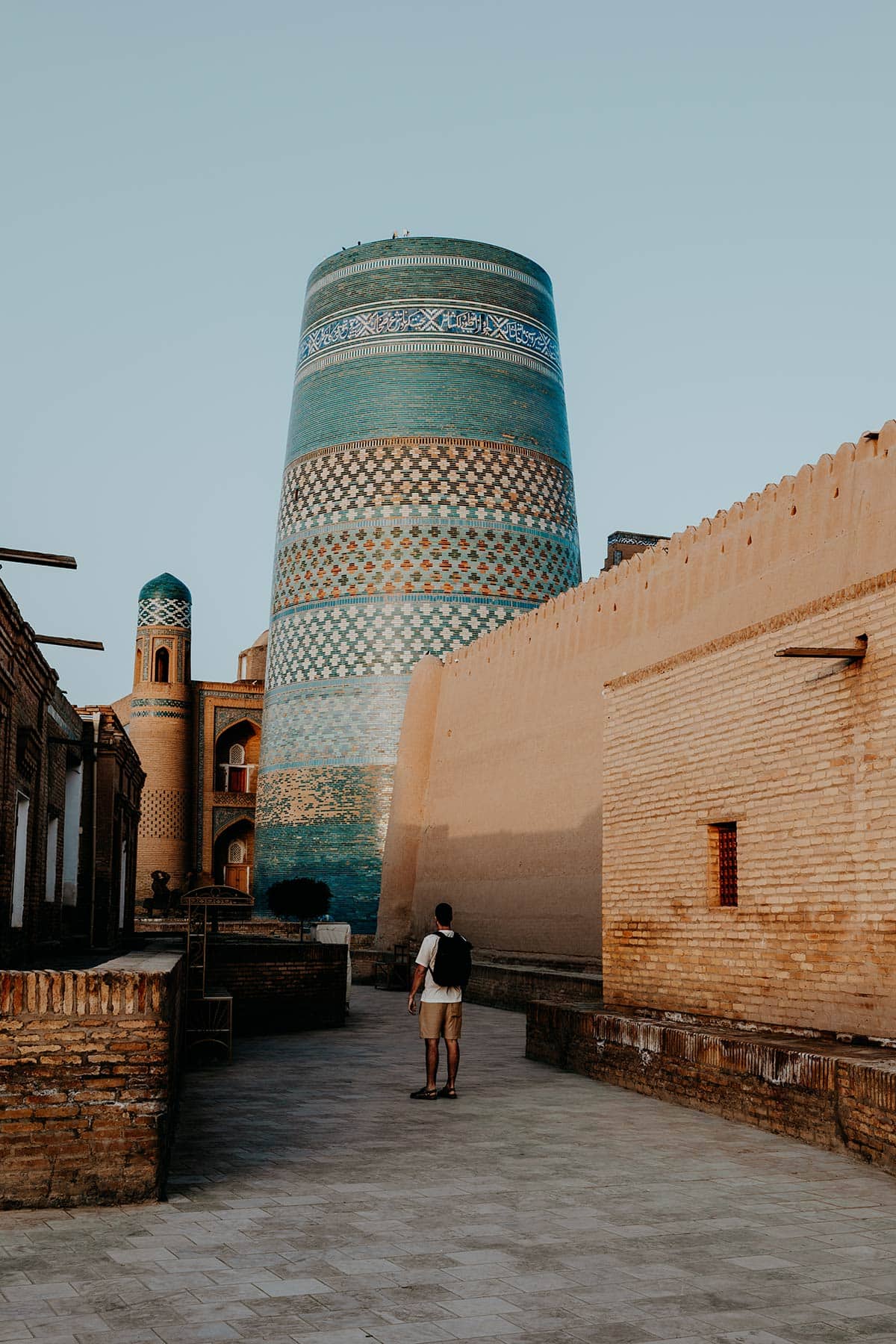
Supposed to become the tallest minaret in Uzbekistan, the Kalta Minor Minaret is unlike other minarets in Uzbekistan, as it was left unfinished due to the sudden death of its initiator Muhammad Amin Khan in 1855.
You see, the base of the minaret, with its 14-meter diameter, was designed so that it was sturdy enough to carry a minaret of an impressive height anywhere between 70 and 110 meters.
Sadly, construction stopped at merely 29 meters, which makes the Kalta Minor Minaret look somewhat comparable to a bodybuilder during the offseason – at least, that’s what I thought when I first witnessed it in person.
All jokes aside, the Kalta Minor Minaret might be far and away from the length it was initially planned to be, but this doesn’t mean it isn’t spectacular.
It is in fact one of the best examples of Uzbekistan’s architectural brilliance, displaying stunning, intricate geometric patterns, while also embodying a captivating story of ambition and prosperity.
Today, Kalta Minor has become one of Khiva’s most iconic landmarks, partly thanks to its history and unusual appearance.
It’s easy to say; imagine how impressive it would have been if it was finished as initiated, but maybe it’s the above story that makes it as captivating as it is – something we’ll never truly know.
Where | Kalta Minor Minaret
8 | Sample all the Khiva specialities at Zarafshon
I am text block. Click edit button to change this text. Lorem ipsum dolor sit amet, consectetur adipiscing elit. Ut elit tellus, luctus nec ullamcorper mattis, pulvinar dapibus leo.
8. Pahlavon Mahmud Mausoleum
Set within the time-worn streets of Itchan Kala is the breathtaking Pahlavon Mahmud Mausoleum, an architectural masterpiece that serves as the final resting place of one of Khiva’s most cherished individuals; Pahlavon Mahmud – a legendary poet, philosopher, wrestler, and patron saint of Khiva.
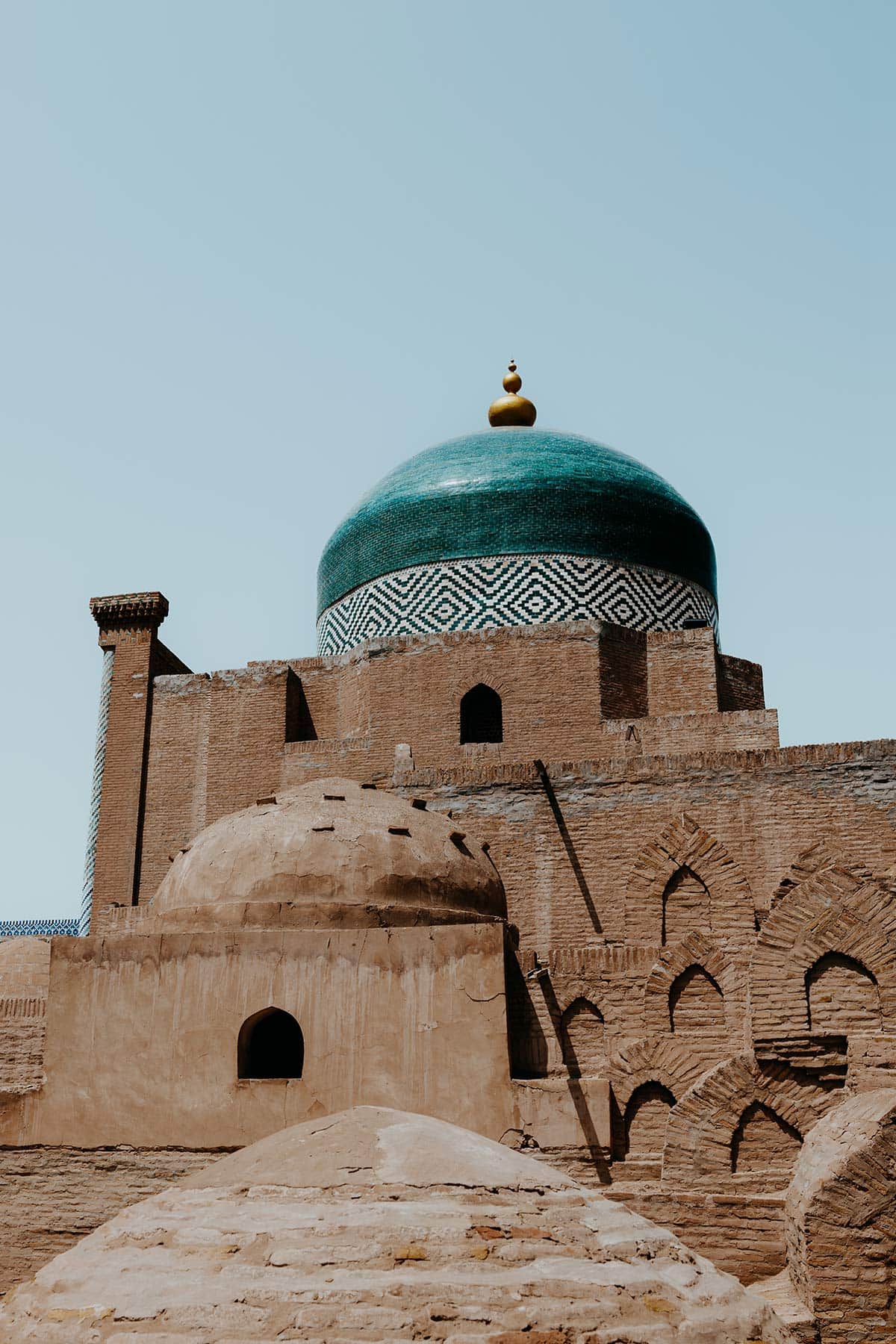
Defined by its iconic turquoise-tiled dome, this breathtaking mausoleum is insanely beautiful from the inside out, with the intricate interior as its absolute centrepiece.
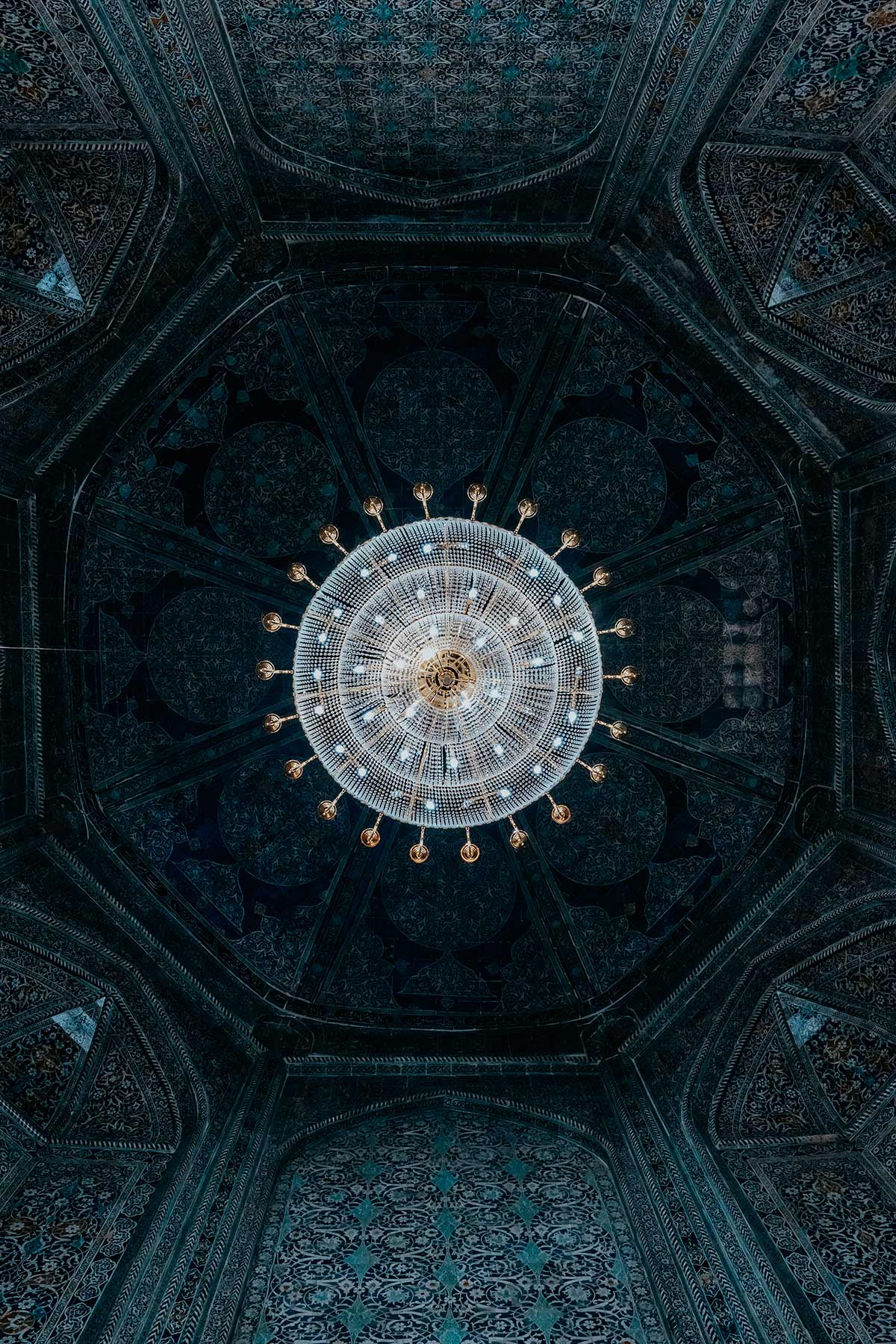
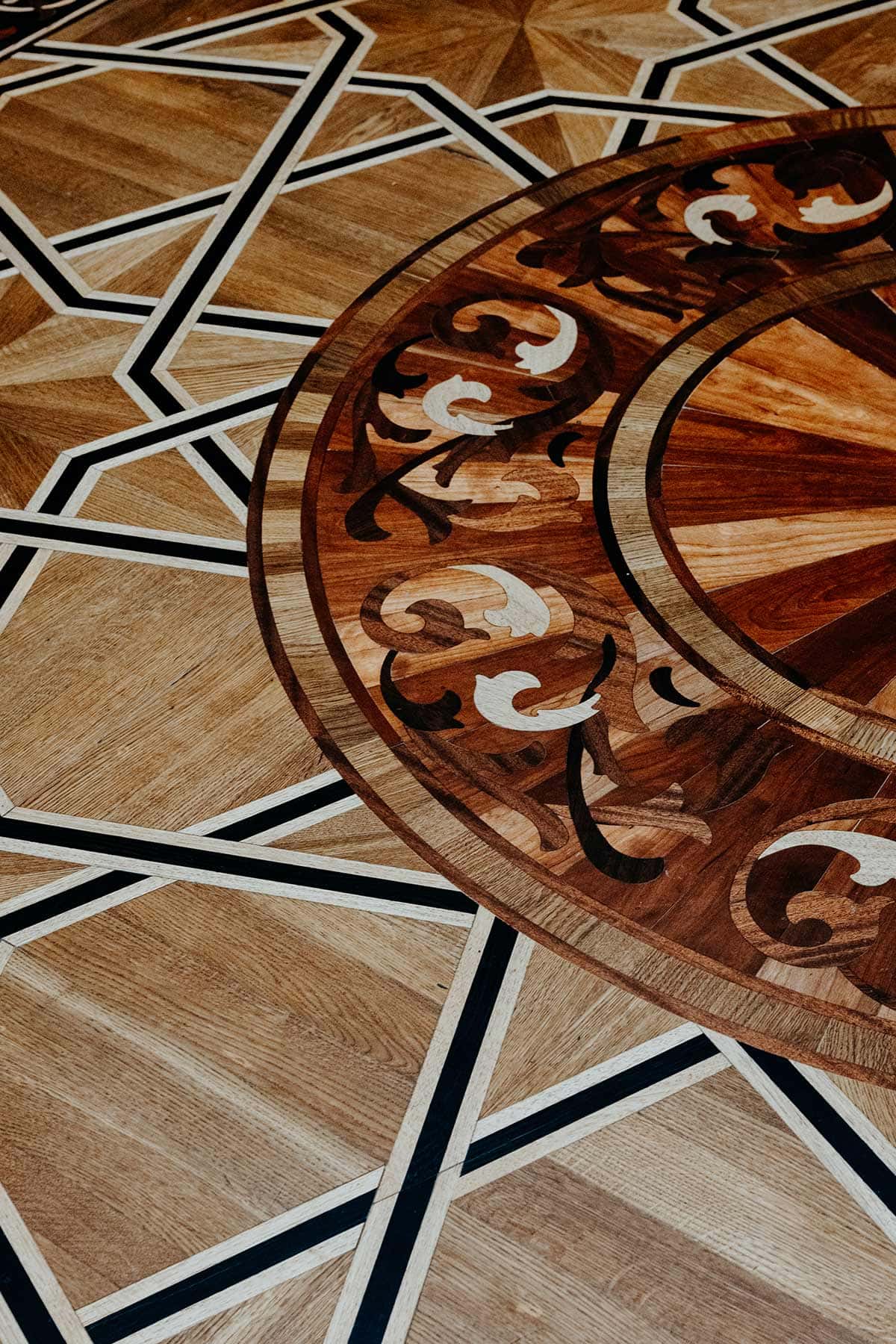
As soon as you set foot within the Mausoleum, you will be stunned by the most ornate 14th-century Khorezm artistry; think floor-to-ceiling tile work, opulent chandeliers, fascinating woodwork, and an extremely calm and serene atmosphere.
Today, the Pahlavon Mahmud Mausoleum also serves as a spiritual retreat for Sufi pilgrims, with a khanaka for those who seek spiritual solace and guidance.
As always, it’s quintessential to adhere to religious customs, so make sure you take off your shoes while entering the mausoleum, dress appropriately, and be calm and quiet.
It is worth mentioning that the entrance fee to the Pahlavon Mahmud Mausoleum is not included in the regular Itchan Kala ticket. But as one of the absolute best things to do in Khiva, I’d advise you to take that lightly.
Where | Pahlavon Mahmud Mausoleum
Opening hours | Daily 0800 – 2200
Entrance fee | 25.000 SOM (€1,90) per person. Not included in the Itchan Kala entrance ticket.
9. Have a coffee with a view at Terassa
Those who have been visiting Where the Souls Wander more regularly will know how much I go out and about to get my hands on a good cup of coffee.
While I have to be honest that coffee and Uzbekistan are not the best of combinations, my coffee at Terassa was actually a lot better than most of the cups I had during my time travelling in Uzbekistan.
Of course, it would be a mistake to expect top-notch speciality coffee in a country that has only become familiar with drinking coffee over the last few years – not to mention the deeply rooted tradition and cultural aspects Uzbeks have with the drinking of tea.
But I was left surprised in the positive sense of the word.
Not sure, if this had anything to do with the incredible views obtained from the Terrace here, which adds a significant amount of extra charm to the experience – it was a welcoming break from the hotel room instant coffees I drank until this point.
You see, Terassa has one of the best views in Itchan Kala, making it an absolutely charming spot to sit down, relax, and watch the world go by while enjoying a good cup of coffee. Don’t forget to grab a mouthwatering Baklava on the side – you won’t regret it.
Where | Terrassa Cafe & Restaurant
Opening hours | Daily 1030 – 2300
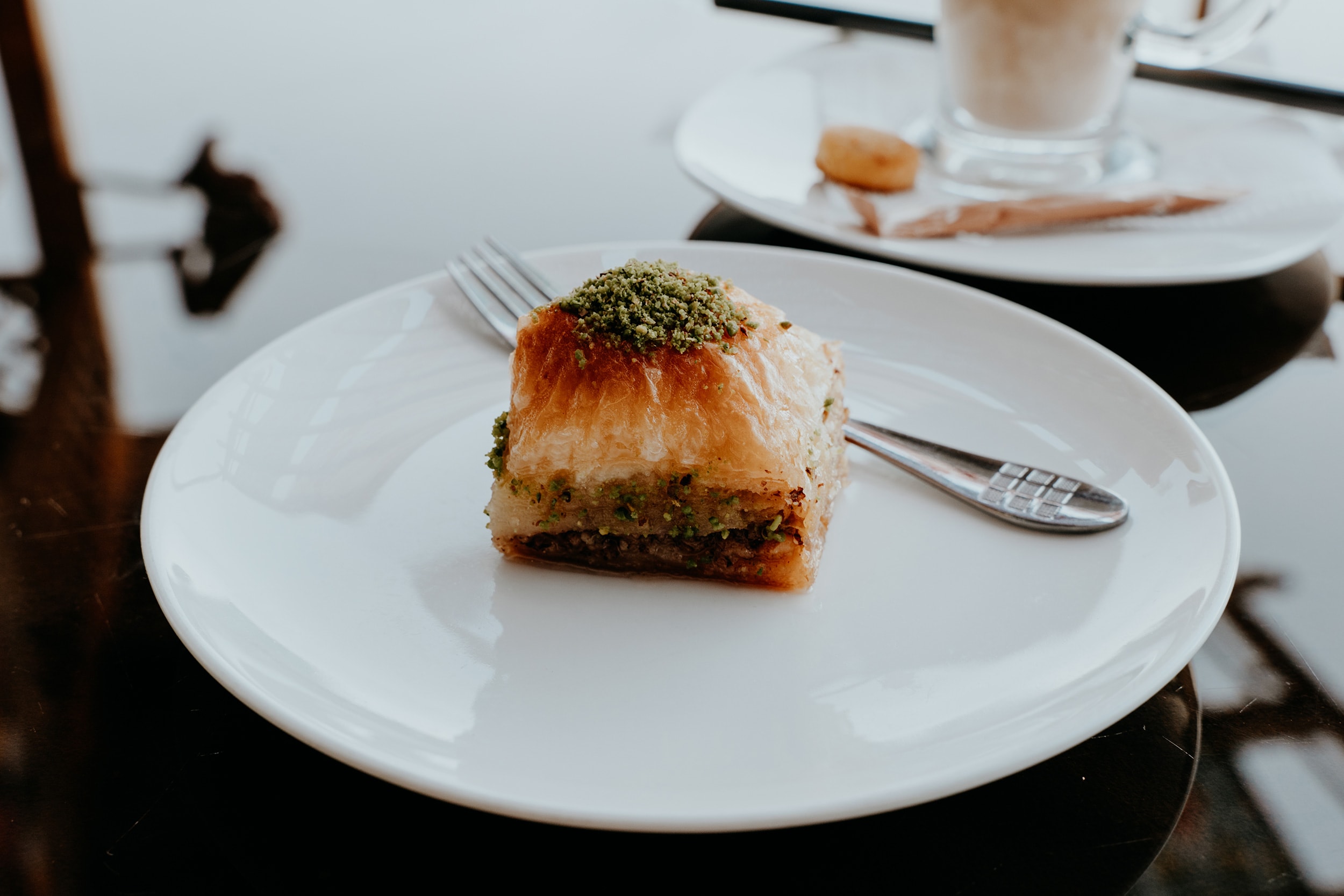
10. Take in the views from the Khoja Minaret
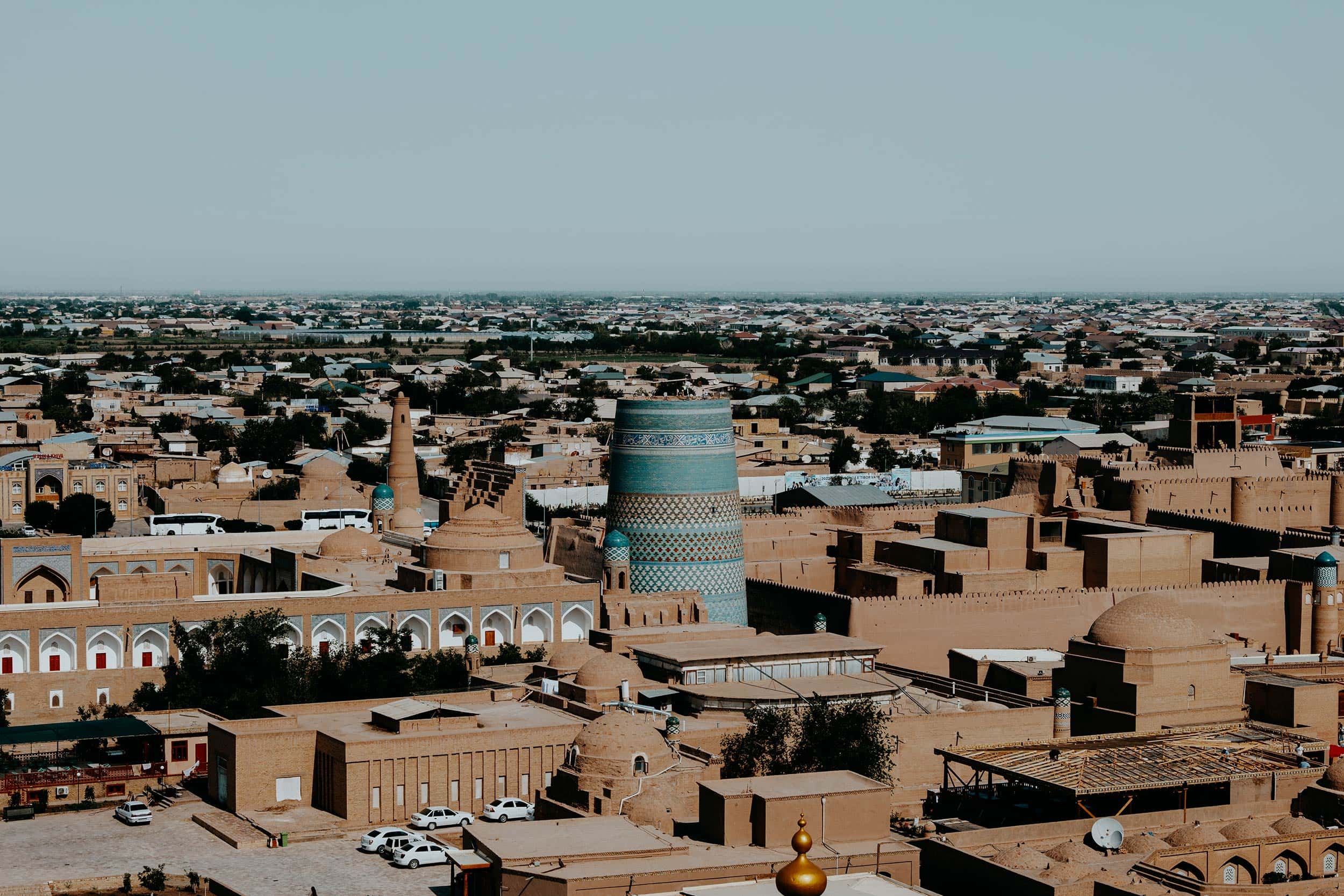
Standing tall and proud above the maze-like laneways of Itchan Kala, the Islam Khoja Minaret, with an impressive height of roughly 56 metres, dominates the skyline of Khiva.
Of course, admiring it from ground level is already something quite special, but to me, climbing the 175 steps to admire Khiva from the top is something different.
You see, as the tallest minaret in the whole of Uzbekistan, and also one of the most charming ones, the Islam Khoja Minaret provides a truly breathtaking panoramic view.
While for some, the ascent to the top can be a bit of a challenge, conquering the winding, narrow staircase to the top is definitely a rewarding one
From atop, you will be reminded of Itchan Kala’s ongoing legacy as a cultural, historical and architectural masterpiece, as its magnificence down below surrounds you from all directions.
But as with most structures in Uzbekistan, the Khoja Minaret is merely one element of a larger complex, in this case, the Islam Khoja Madrasah, which, unlike other complexes in Khiva, is relatively new given its foundations only originated in the year 1908.
Though not as old and historical as its counterparts, the Islam Khoja Madrasah is truly gorgeous, and the region’s iconic mix of blue, turquoise and white tilework makes it blend in seamlessly with the appearance of its older peers.
Where | Islam Khoja Minaret
Opening hours | Daily 0800 – 1800
Entrance fee | 100.000 SOM (€7.50) per person. Not included in the Itchan Kala entrance ticket.
11. Take a stroll through the bazaar
Taking a stroll through Khiva’s lively bazaar is in many ways as if you’re stepping back in time.
Being the centrepiece of all things trade, crafts and culture for centuries, the hustle and bustle found between the endless myriad of market stalls of the Khiva bazaar bring a lively and charming feel to Itchan Kala’s streets. One that I imagine, reflects the unique ambience that prevailed here when Khiva was deemed a major trading hub along the ancient trading route.
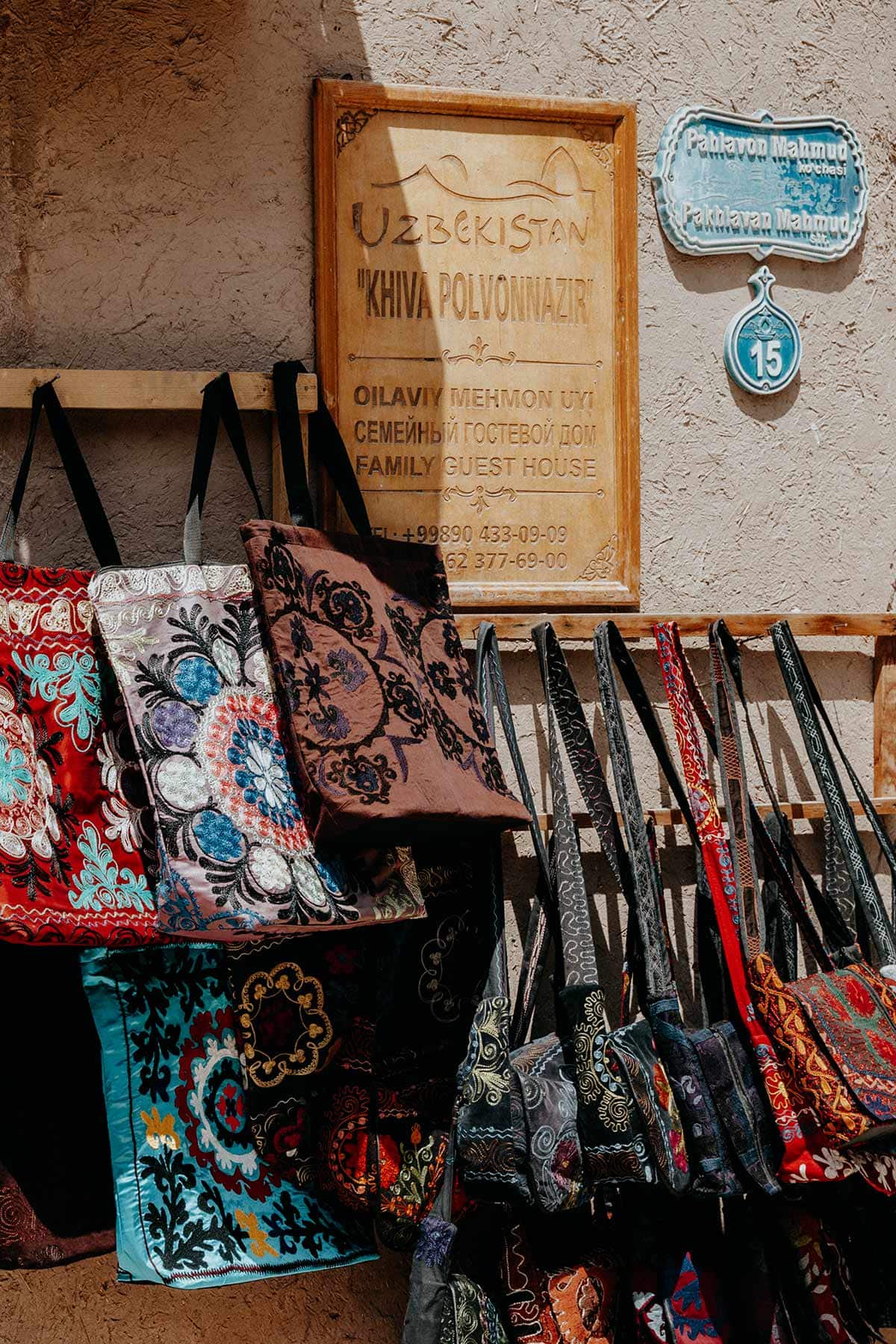
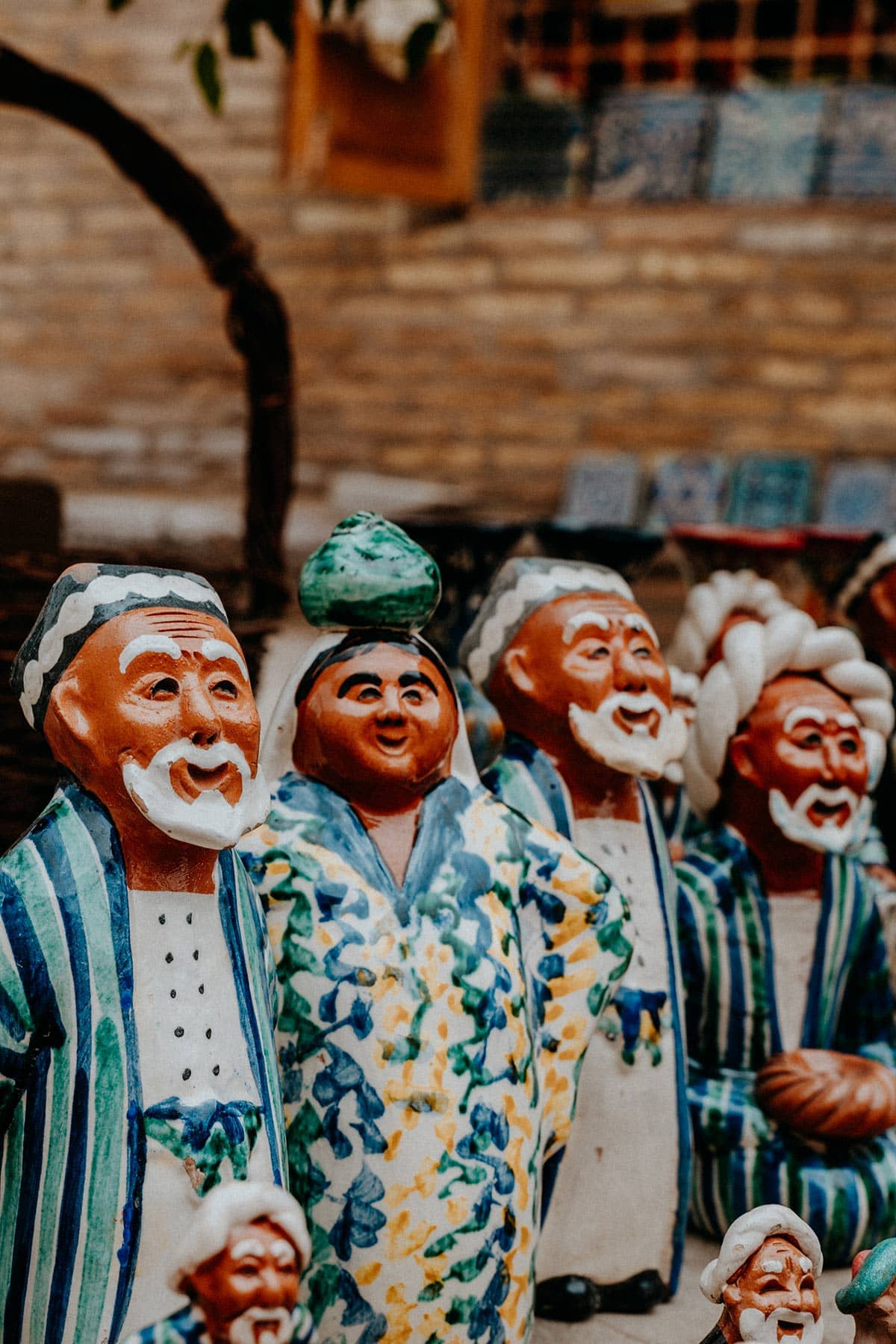
At present, Khiva’s bazaar is known for its artisanal craftsmanship, and accordingly, lots of interesting handicrafts are found here, which makes it a great place to pick up a traditional Uzbeki souvenir for either yourself or a loved one.
Just about everything is found right here; from traditional clothing to handwoven carpets, from intricately crafted wooden pen boxes to colourful ceramics, and last but not least; fur stuffed camels – which, of course, I had to bring back home as a gift to my little nieces.
Whether you’re looking for a unique souvenir or simply wish to take in the lively atmosphere, I believe a roam around the bazaar is truly great and the perfect way to get a feel for Khiva and it’s people.
It is worth mentioning, that I’m referring to the bazaar found in Itchan Kala, instead of the one outside of the historical city walls.
Where | Khiva Bazaar
Opening hours | Daily 0900 to 1800
Things to do in Khiva | The essentials
The best time to visit Khiva
Khiva is nestled in the heart of the Khorezm oasis, meaning it has a desert climate with comfortable, dry weather for most of the year.
However, if you wish to fully appreciate everything this incredible Silk Road treasure has to offer, it is essential to time your visit a little more strategically.
You see, Khiva gets scorching hot during the peak summer months of late June to September, while the colder winter months of November to March, surprisingly bring the temperature slightly under the freezing point.
Considering the above, I believe the best time to visit Khiva is during the shoulder months of March to June and September to October, when the temperatures provide the perfect conditions for explorations around the time-worn alleyways of Itchan Kala.
I personally visited Khiva in April and had lengthy days full of sun, and comfortable weather, while I also noticed it was pretty quiet at most of the popular sights, museums and restaurants.
How to get to Khiva
Given that Khiva is located in the far west of Uzbekistan, it is often skipped due to travel durations, connectivity possibilities, or what I would say the lack of resources and information.
Yes, it is true that visiting Khiva takes a little more time, effort, and planning from a logistic perspective, but that doesn’t mean it’s difficult to get there.
You see, Khiva is connected by both air via the Urgench Airport, and by train from all the major hubs within Uzbekistan.
I’d recommend arriving in Khiva by plane from Tashkent and then taking the (night) train to Bukhara before continuing your Uzbekistan itinerary in Samarkand and Tashkent.
By Plane
Khiva is well connected by domestic flights from the international airport in Tashkent to the airport in Urgench, about 30 kilometres from Khiva itself.
The journey itself is pretty straightforward and takes about 1.5 hours and in general, shouldn’t break the bank, with one-way flights averaging around the €100,- mark.
If you’re looking to find a flight to Uzbekistan, I would advise using Booking.com, a super easy-to-use website that lets you compare a large selection of airlines and travel companies, allowing you to find the best possible rates.
Once you arrive in Urgench, it will take about 45 minutes by taxi to reach Khiva – this will set you back around 450 SOM (€5,-).
By Train
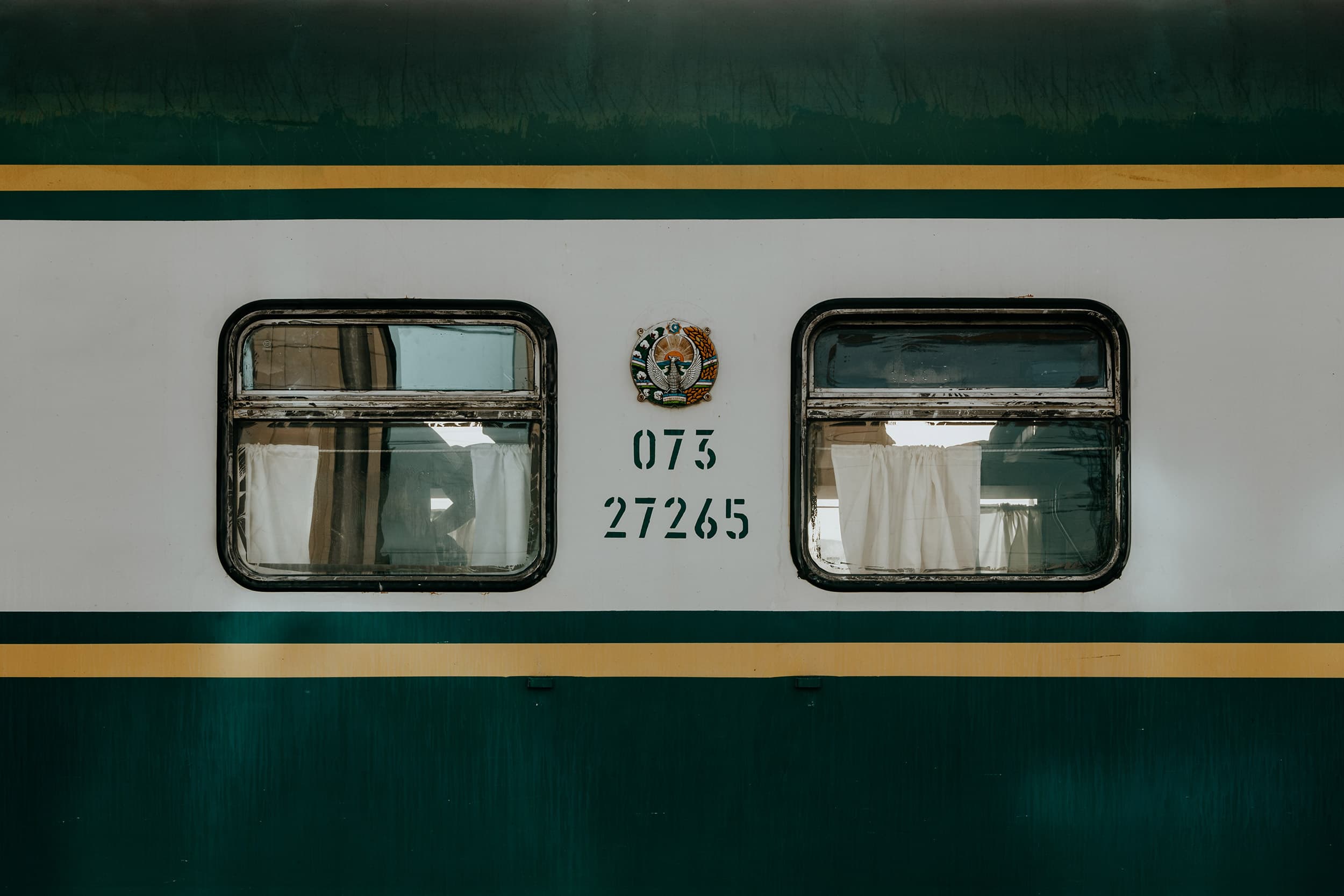
Easily one of the most challenging journeys in Uzbekistan in terms of duration and related fatigue, getting to Khiva by train is not for the faint of heart.
But one thing it definitely is, is rewarding – okay, and a little exhausting too.
You see, I believe taking the journey from Bukhara to Khiva by train (or vice versa) is easily one of the most authentic experiences one can have in the whole of Uzbekistan.
The train from Bukhara to Khiva takes roughly 7 hours and starts from 146.850 SOM (€16,50) for a sleeper, upwards to 195.330 SOM (€21,90) for a coupe, and 332.470 SOM (€37,30) for an SV, which equals First Class in Russian.
For more information on departures, train schedules and tickets, see the official Uzbekistan Rail website.
Uzbekistan travel essentials
While Uzbekistan is extremely convenient for travellers, travelling here will come with a unique set of needs, meaning you have to prepare a little before embarking on your journey.
Some items I recommend bringing include:
Uzbekistan SIM card | First things first. Upon arrival in Uzbekistan, I highly recommend buying yourself a local SIM card with a data plan, given it will make anyone’s travels here significantly more convenient. Curious about the details? Read my guide to a Uzbekistan SIM card here.
Reusable water bottle | One travel essential that I carry with me at all times is the Grayl Geopress. This reusable water purification bottle allows me to fill up water from nearly every water source, making it one of my best investments to date.
Sun protection | Since Uzbekistan will most likely be fiery hot during the peak travel months, I’d highly recommend bringing quality sunscreen with at least 30SPF and a hat to cover your head.
Powerbank | When travelling through Uzbekistan, you don’t want to risk being in an uncharted area with an empty device in your hands. For that reason, I believe it’s crucial to carry a power bank with you at all times.
Earpods or headphones | If you’re following this itinerary, I can’t stress it enough to bring some high-end earpods or headphones, given the journey from Bukhara to Khiva by night train can be quite hectic happening.
Camera gear | Like most places in Uzbekistan, Khiva is truly stunning, meaning loads of incredible photography opportunities will arise when exploring. For that reason, I’d highly recommend bringing your camera gear, so you can capture loads of photos while there. If you’re curious to learn about my photography gear, make sure you give my ‘What’s in my Camera Bag’ guide a read too.
Leave no footprints | During my travels in Uzbekistan, I noticed that the cities and their people are really neat when it comes to cleanliness and littering. It’s up to us to respect the locations we’re visiting and keep it that way.
Safety in Uzbekistan | Travel insurance
When travelling this big wide world, I never go on an adventure without my essential travel insurance sorted out, and though I never felt unsafe in Uzbekistan, I advise anyone travelling here to do the same.
While I believe it’s unlikely to experience any problems when following the suggestions in this guide, something unfortunate could happen at any given time, whether it’s an injury, a stolen camera, or an unforeseen cancellation.
For travel insurance, I use Heymondo, as they offer full COVID-19 coverage, as well as a handy app with 24-hour medical assistance. Make sure you check it out – readers of WTSW receive 5% off any insurance policy too.
Cheers!
I’ve been on this travel blogging journey since 2019.
If you appreciate what I do here, these are some ways you can support me.
A quick guide to the otherworldly Mars Canyon, Kyrgyzstan's untouched canyon
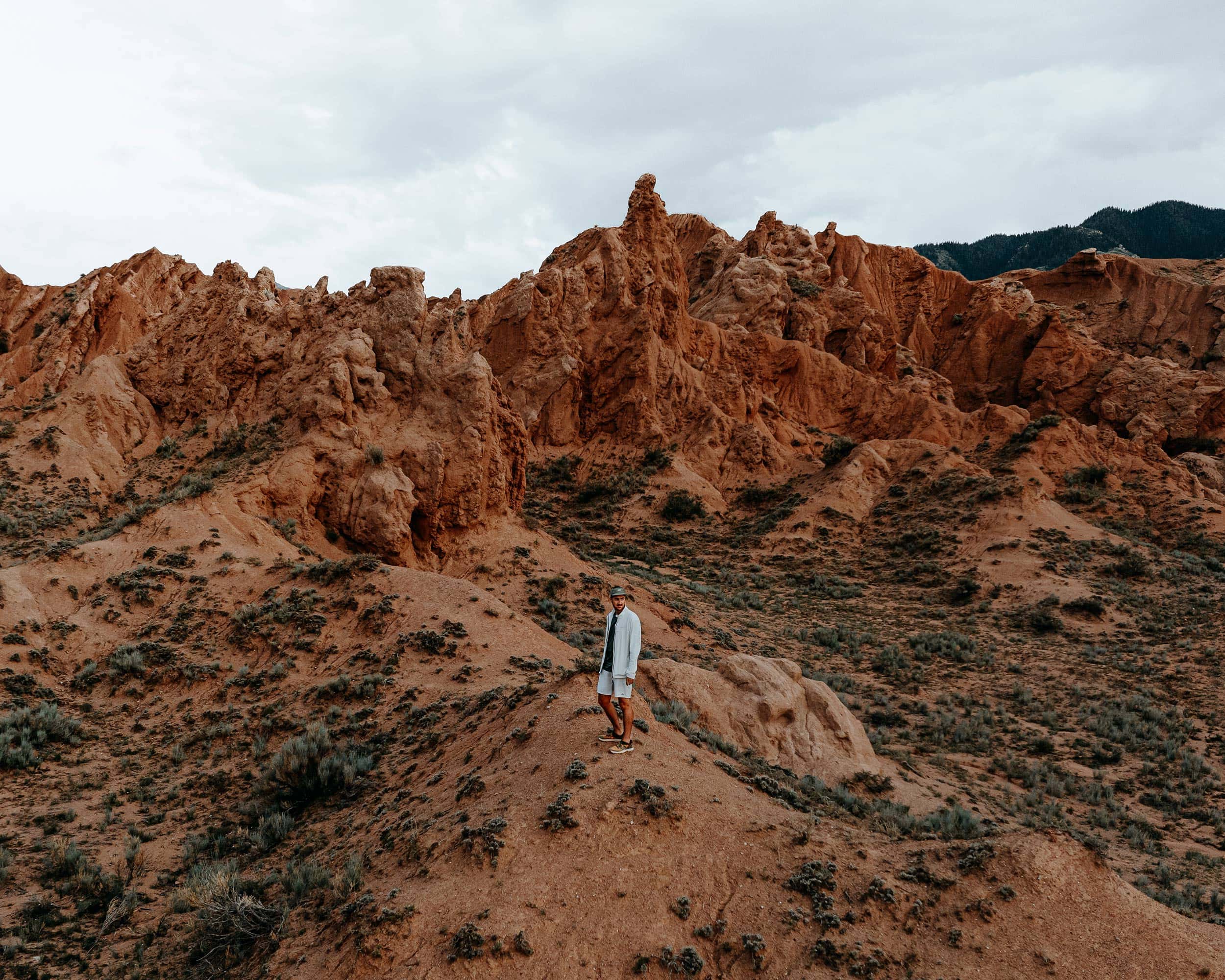
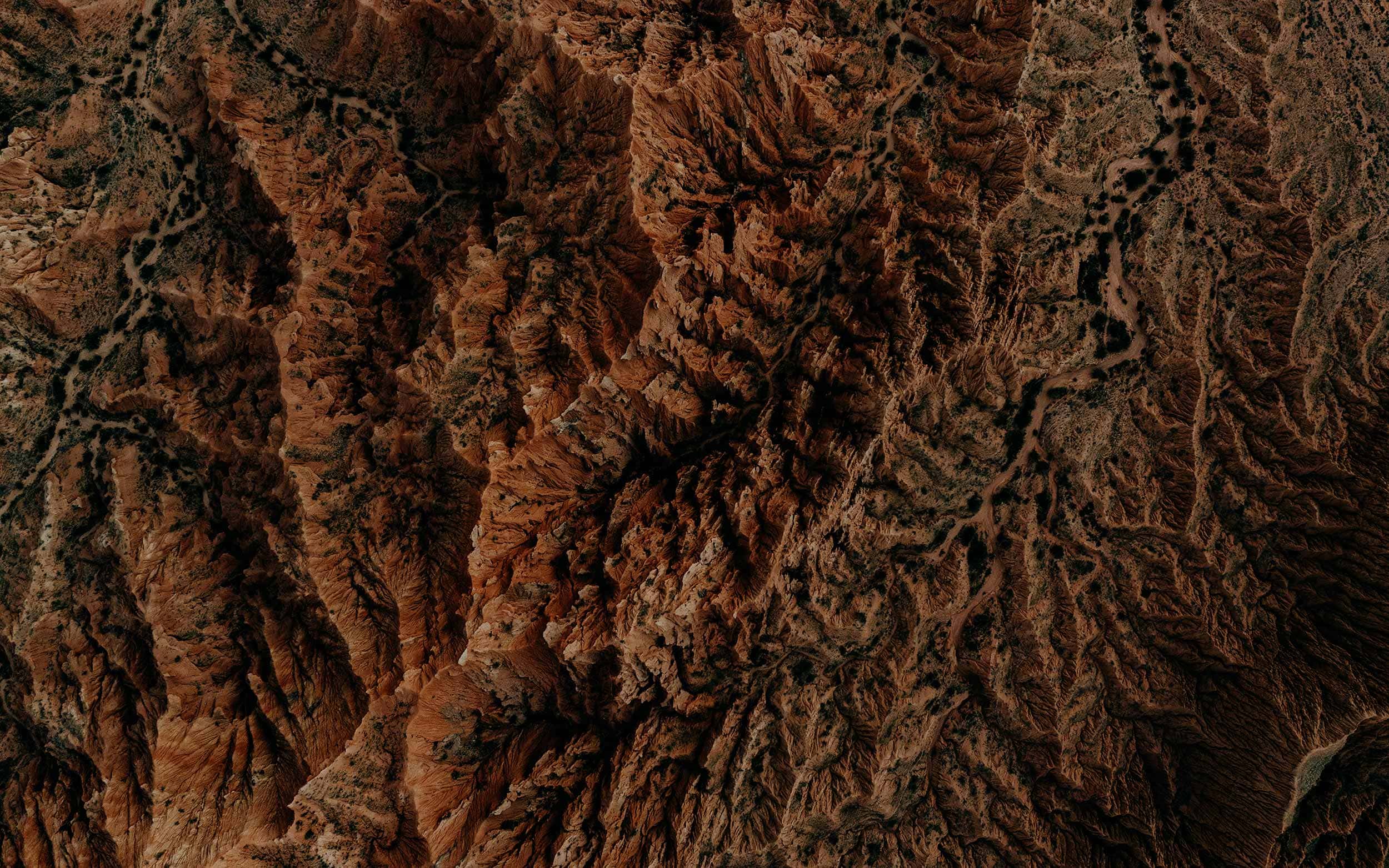
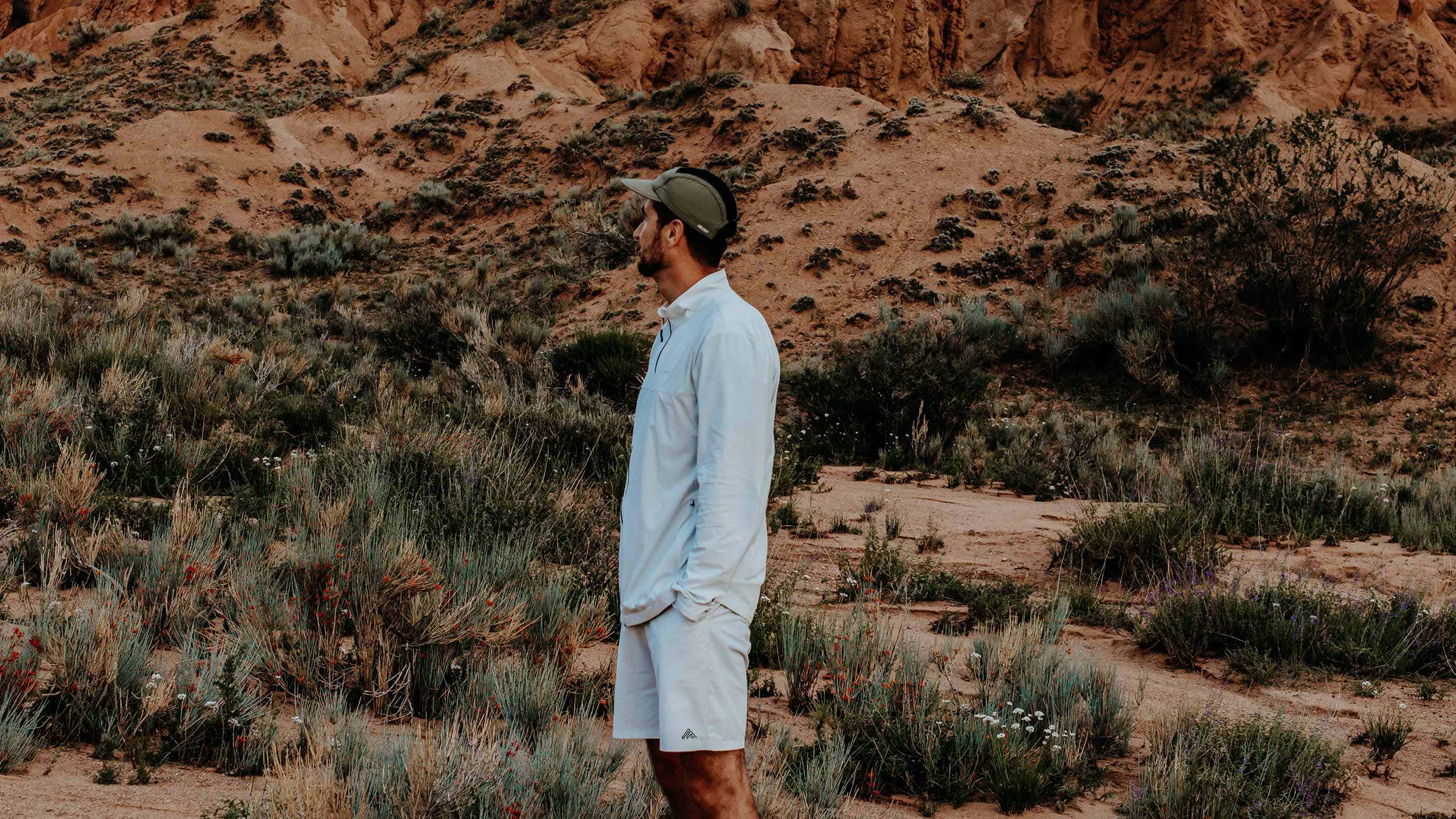
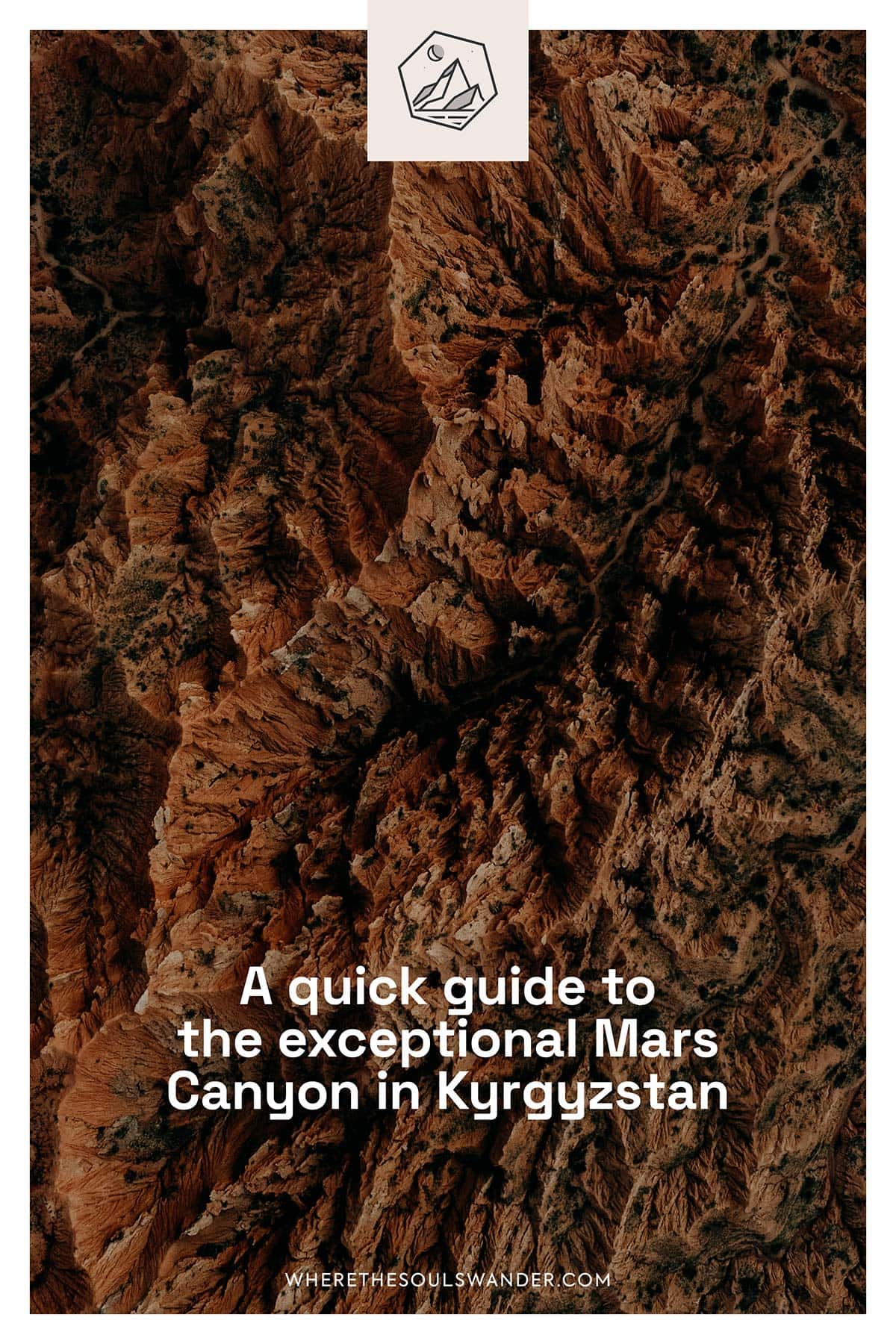
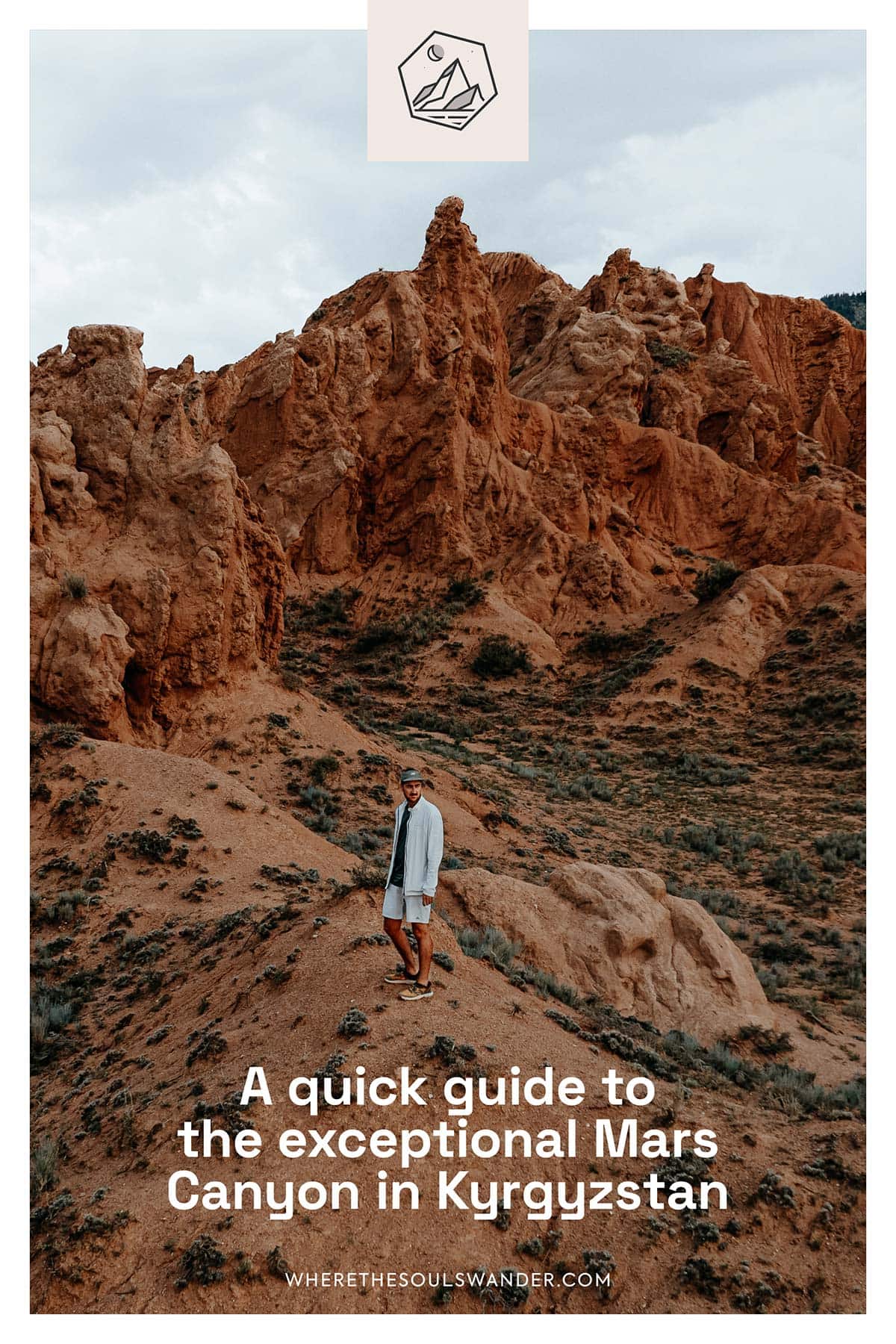
Often overlooked by the likes of Skazka Canyon and the Forgotten Rivers is Mars Canyon, a stunning set of valleys and canyons that resemble the characteristics of the landscape found on planet Mars in a truly remarkable manner, hence the name.
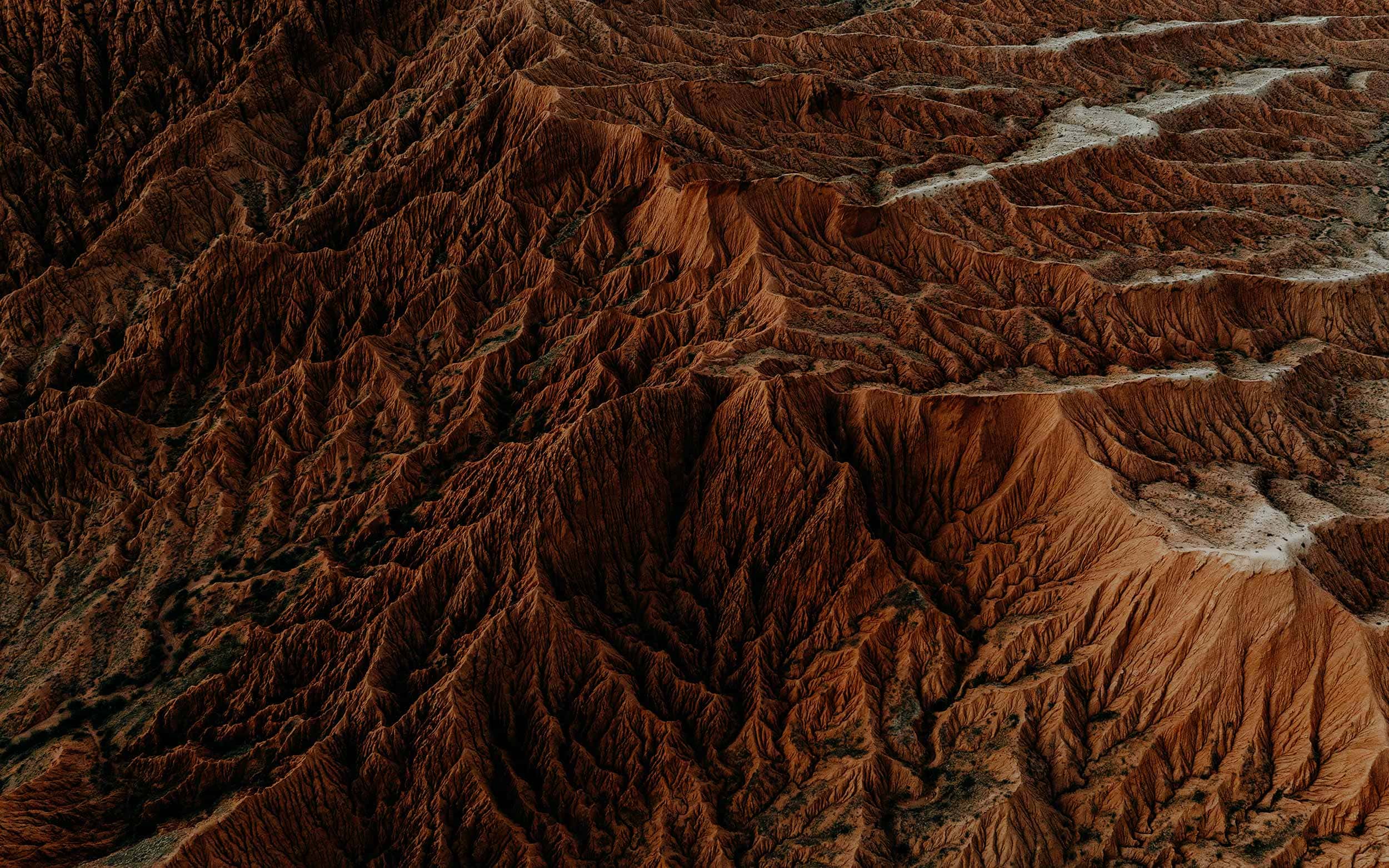
Formed by two of nature’s most powerful forces; water and wind, Mars Canyon is marked by the most rugged of landscapes, with heaps of crazy rock formations, eroded river valleys, and sharp, distinctive mountain ridges.
While still relatively nonexistent on the interwebs, Mars Canyon has been making waves on Instagram more and more over the last few years, largely thanks to the young, curious, and talented Kyrgyz creatives who are eager to explore lesser-known areas of their incredible country.
With a similar curiosity, I followed in their footsteps, knowing I would find a version of Kyrgyzstan that I would truly admire – rough, unspoiled, and stunningly beautiful in every sense of the word.
And long-time readers of Where the Souls Wander may remember how much I love exploring off-the-beaten path places such as the ones described above, but if it’s your first time on here, you will be in for a treat and quickly come to realize why.
Here’s my guide to Mars Canyon in Kyrgyzstan, including my personal take on how to visit, where to stay, when to visit, and how to get there, as well as a few first-hand tips that will help you make the most out of your time here.
If you choose to use any of the links on this page, I may receive a small commission at no extra cost to you. By using these links, you’ll have a direct impact on WTSW and my ability to continue to create free insightful travel content for you. If you find any of my tips useful, you can support me by buying a virtual coffee here.
Where is Mars Canyon
While images of the otherworldly landscape tend to make it look as if it requires some serious space travel to get here, Mars Canyon is, luckily, more conveniently located in the Issyk-Kul region of Kyrgyzstan, about a 2-hour drive from the popular city of Karakol.
Perched between the iconic Issyk Kul Lake and the Terksey Alatau mountain range, this stunning canyon area is criminally underrated, and should always be part of the conversation when planning an adventurous Kyrgyzstan itinerary.
Mars Canyon Entrance Fee
At the moment of writing – September 2024, Mars Canyon is still relatively unexplored, and surprisingly so, many locals aren’t even aware of its existence.
As a result, there’s no official entrance point to Mars Canyon, meaning the area is merely a stretch of rugged nature, free to visit by anyone who feels inclined to do so.
However, given the substantial increase in visibility of Mars Canyon on Instagram, this will likely change sooner rather than later.
Where to stay near Mars Canyon
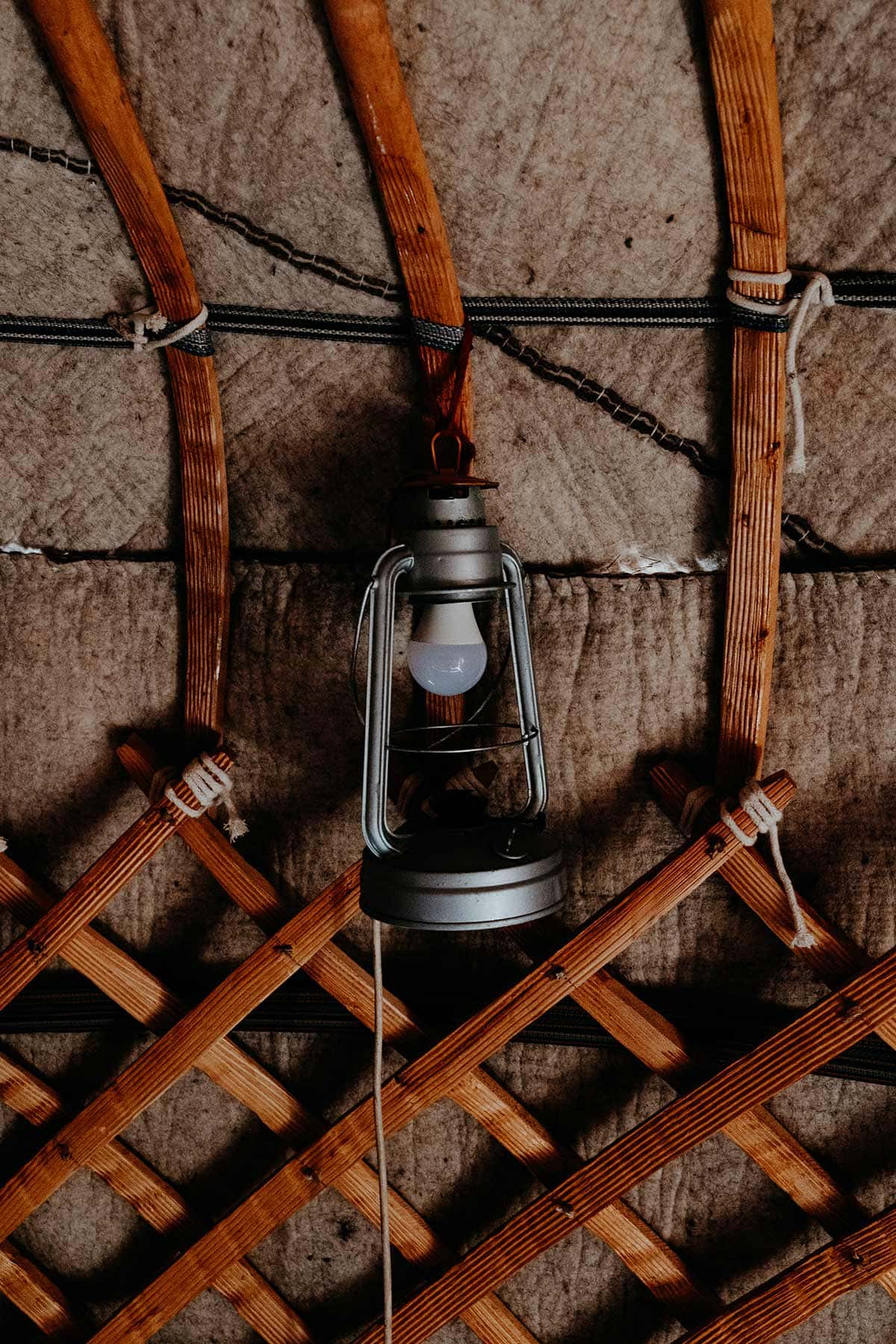
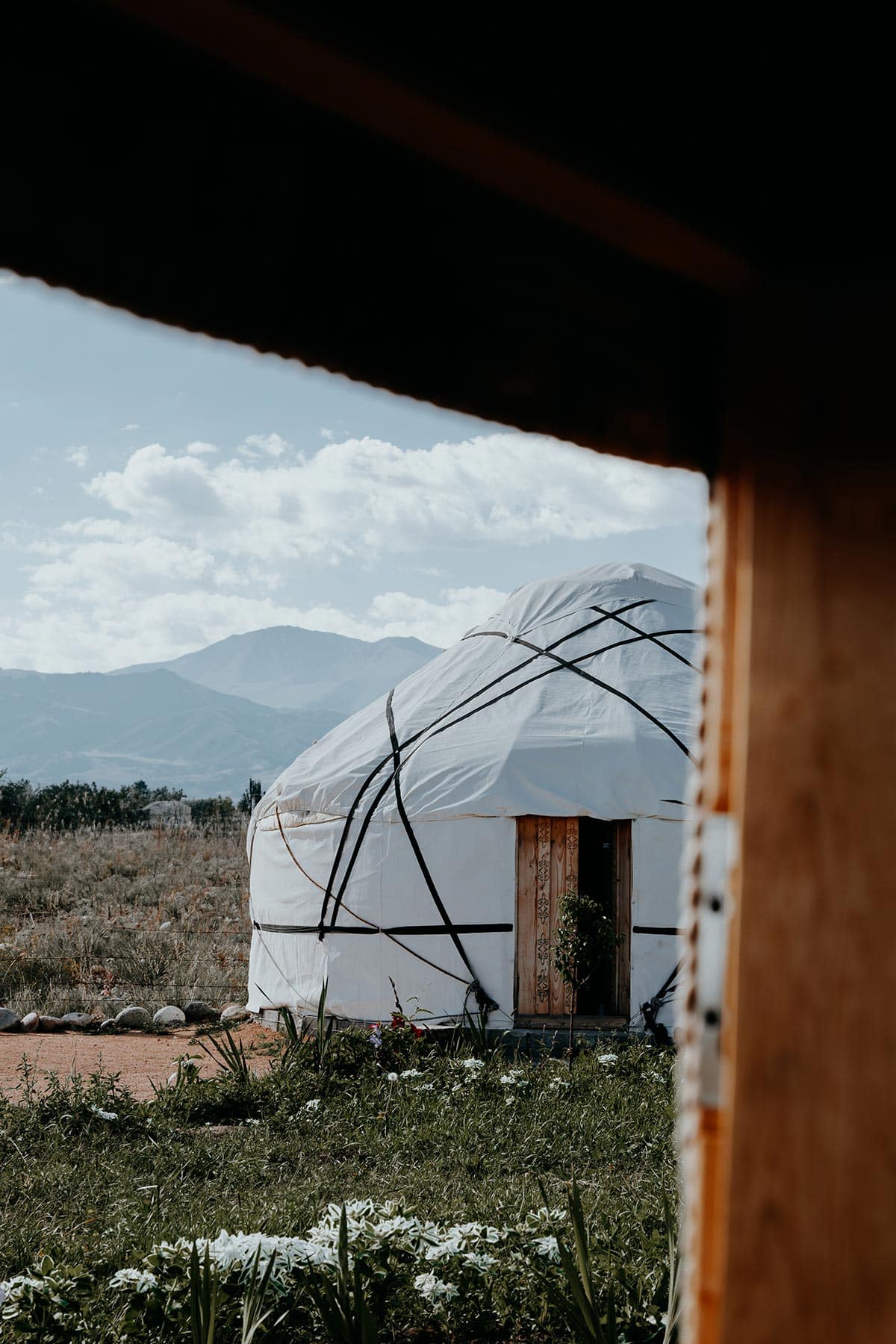
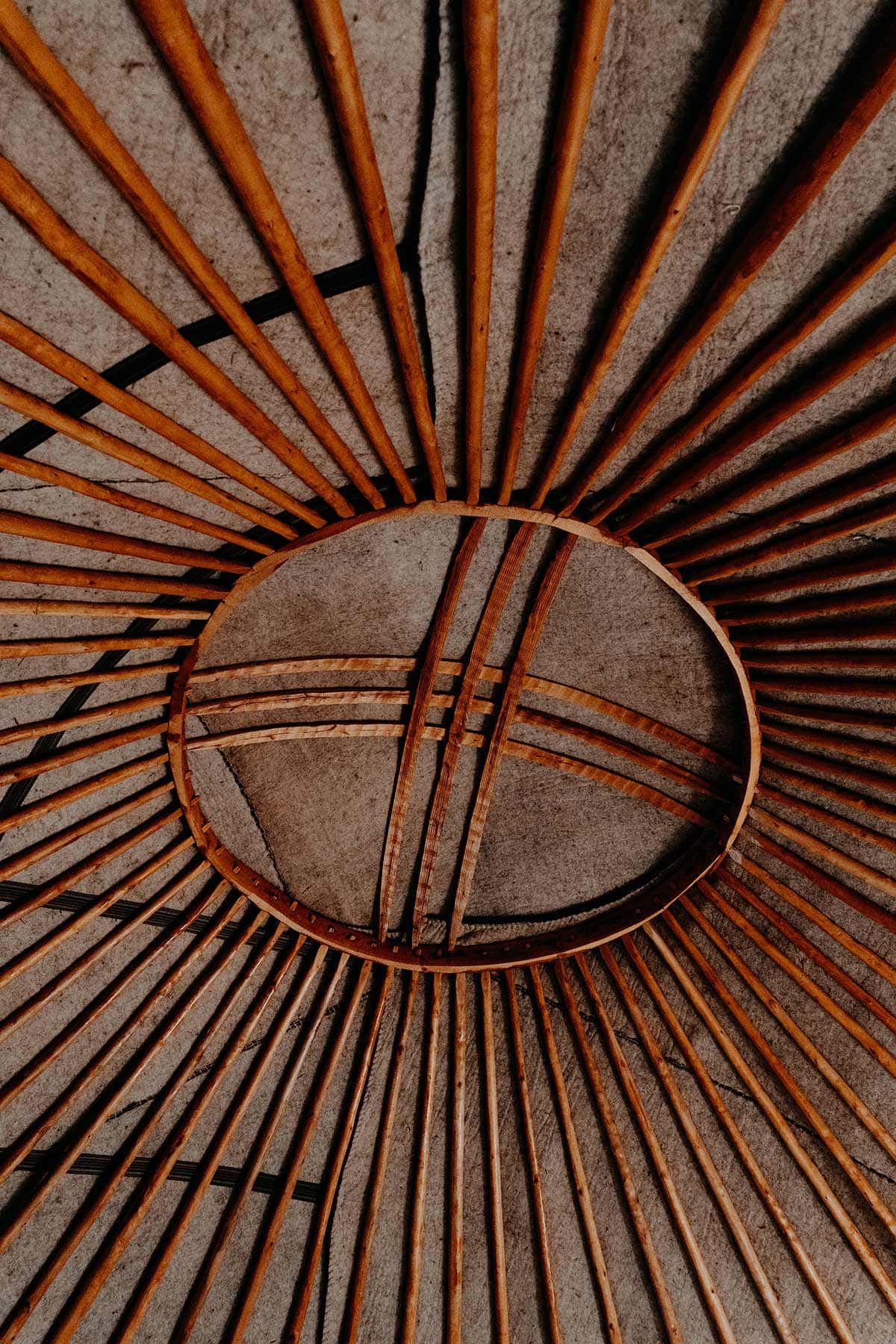
While most travellers spend only little time exploring this part of Kyrgyzstan, and stop here briefly before continuing their drive from Karakol to Song Kul, or vice versa, I can’t stress it enough to spend at least one night in an authentic yurt camp nestled on the shores of Issyk Kul.
You see, choosing the right base from which to explore Mars Canyon will have a significant impact on your experience here, and I believe visiting solely on a short stop will make it quite a limited one, especially if you’re keen to take some amazing photographs – which is why most travellers plan to visit Mars Canyon in the first place.
I chose to base myself in Tong, from which it took only 20 minutes to reach Mars Canyon, which made my visit during sunset super easy and stress-free.
Bel Tam Yurt Camp | My pick if you’re looking for an authentic Yurt experience close to Mars Canyon. The yurts are spacious and comfortable, and the open-air common areas are pretty cosy and welcoming.
Yurt Camp Sonun | Nestled on the shores of the pristine Issyk Kul Lake, Yurt Camp Sonun is an authentic yurt camp that provides a unique and unforgettable travel experience. Run by a lovely family, it’s the warm and welcoming atmosphere that makes this camp even more special.
Curious to find alternatives, make sure you see the available options on booking.com.
How to get to Mars Canyon
Mars Canyon is situated in the Issyk-Kul region, which is considered one of the most popular areas in Kyrgyzstan and is well connected by an excellent road in the A363.
However, since Mars Canyon itself is relatively unknown, getting there will come with a few extra challenges, especially if you don’t have a rental car at your disposal.
You see, while public transportation in Kyrgyzstan is making huge steps in the right direction, it remains relatively limited, with trustworthy connectivity solely between the larger cities.
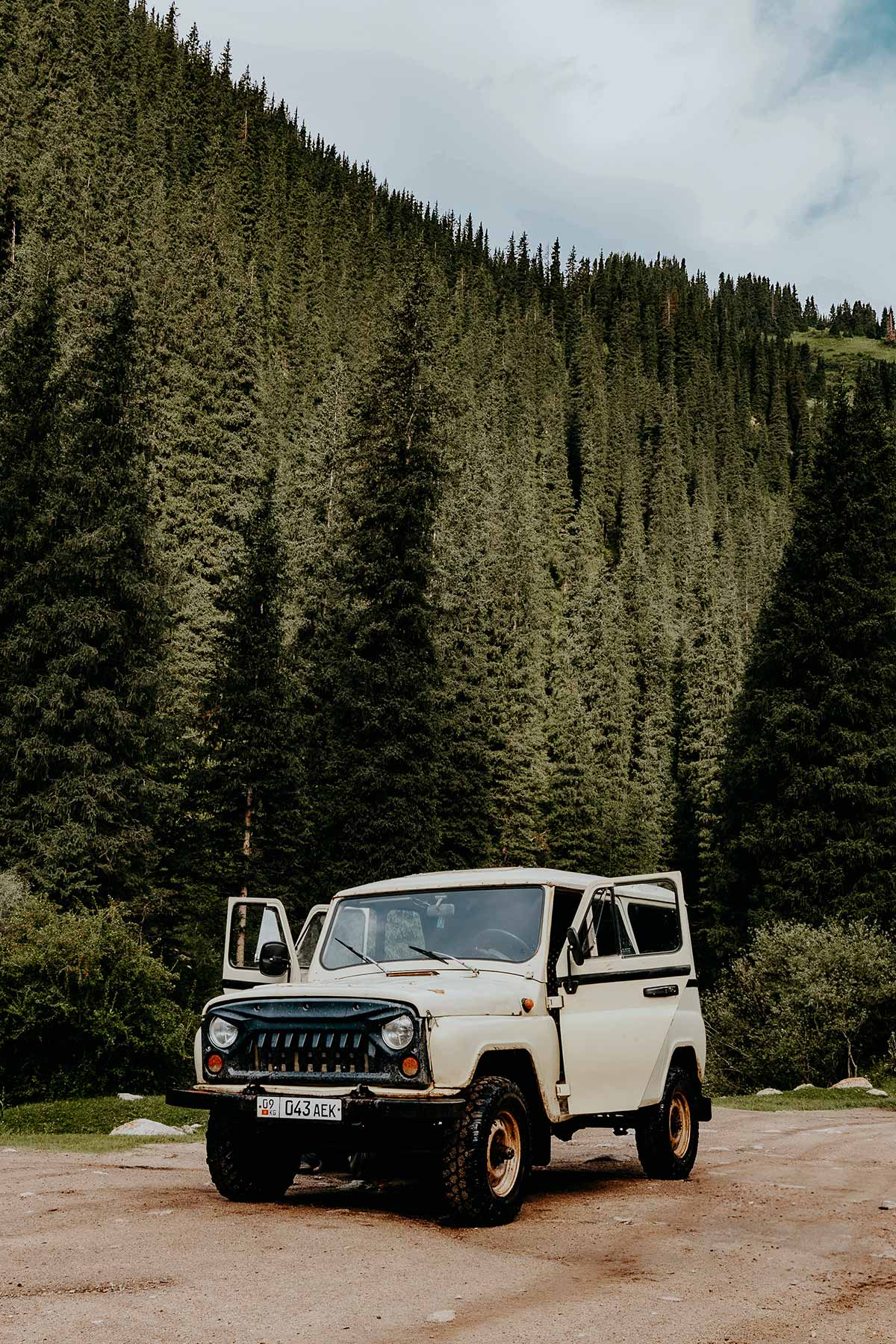
That’s not to say that it’s impossible to get to Mars Canyon without a car. Taking a taxi, having a private driver – Beks is an amazing option, or a hitchhiking adventure, combined with some strategic planning will still work out perfectly fine, it just needs some extra effort.
If you do have your own wheels, those challenges are significantly reduced, and the only thing you have to worry about is the final part of the journey, where you have to drive a dusty road with zero signs for a short bit.
Below I’ve listed a few common driving routes to Mars Canyon:
- Karakol to Mars Canyon: 2 hours
- Barskoon to Mars Canyon: 1 hour
- Tosor to Mars Canyon: 45 minutes
- Tong to Mars Canyon: 20 minutes
I visited Mars Canyon from my yurt camp in Tong; Bel Tam Yurt Camp, where I arranged a taxi that took me to the edge of the canyon, before bringing me back after an hour of explorations, which set me back 1200 SOM (€12,75).
If you’re curious to find out how to fit the Mars Canyon into your own adventures, make sure you read my ‘2-week Kyrgyzstan itinerary’ (coming soon) too.
A quick guide to the otherworldly Mars Canyon
Exploring Mars Canyon
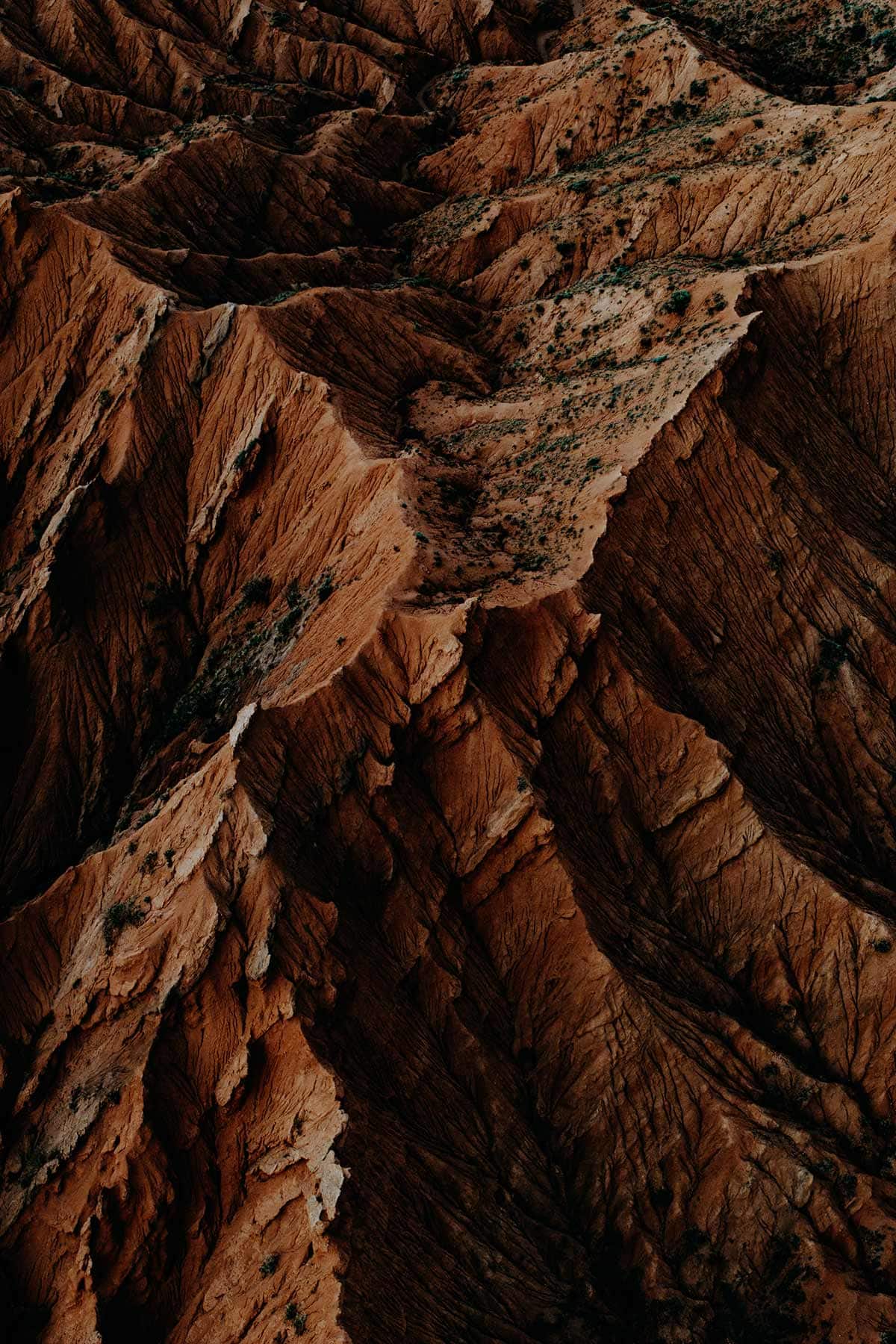
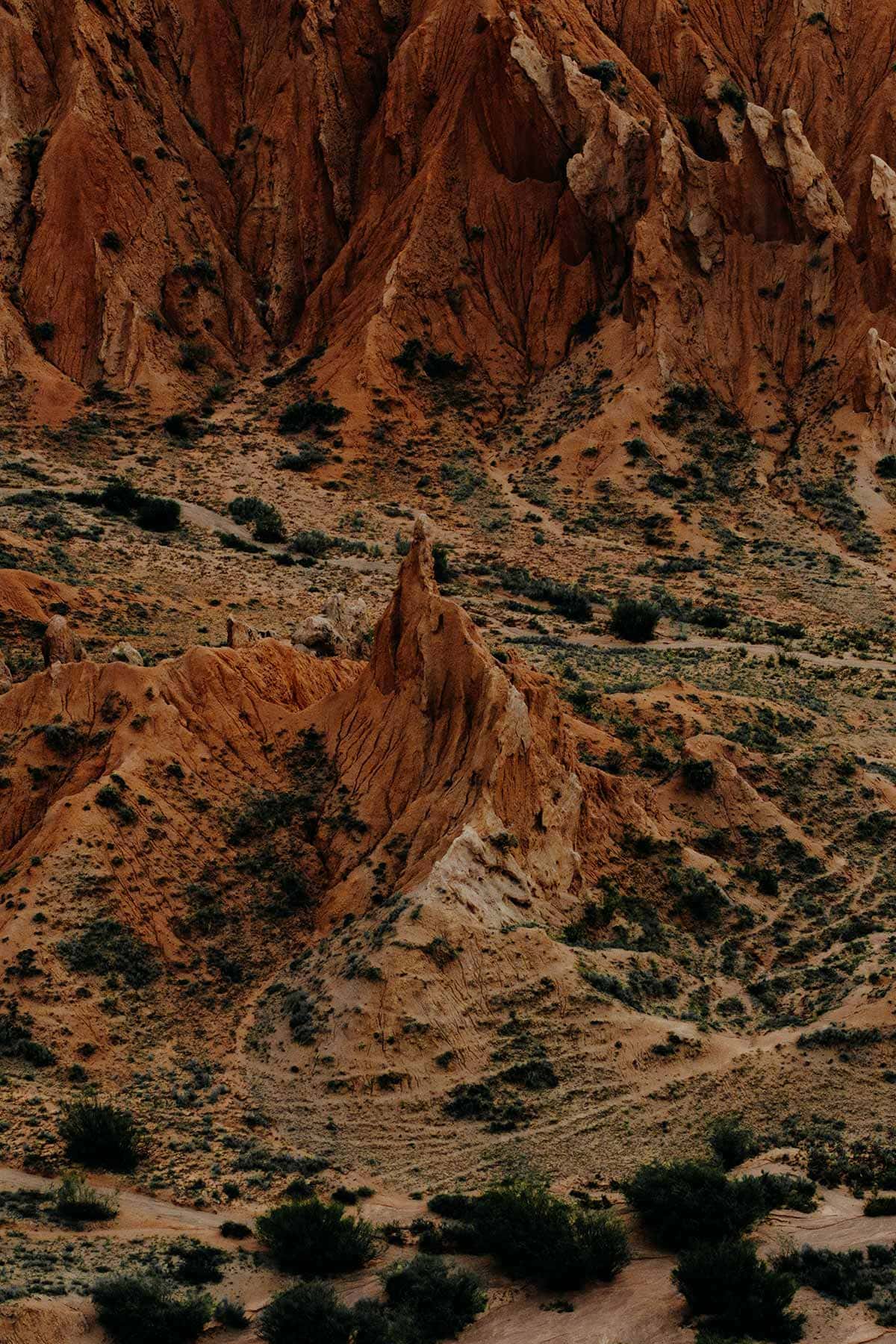
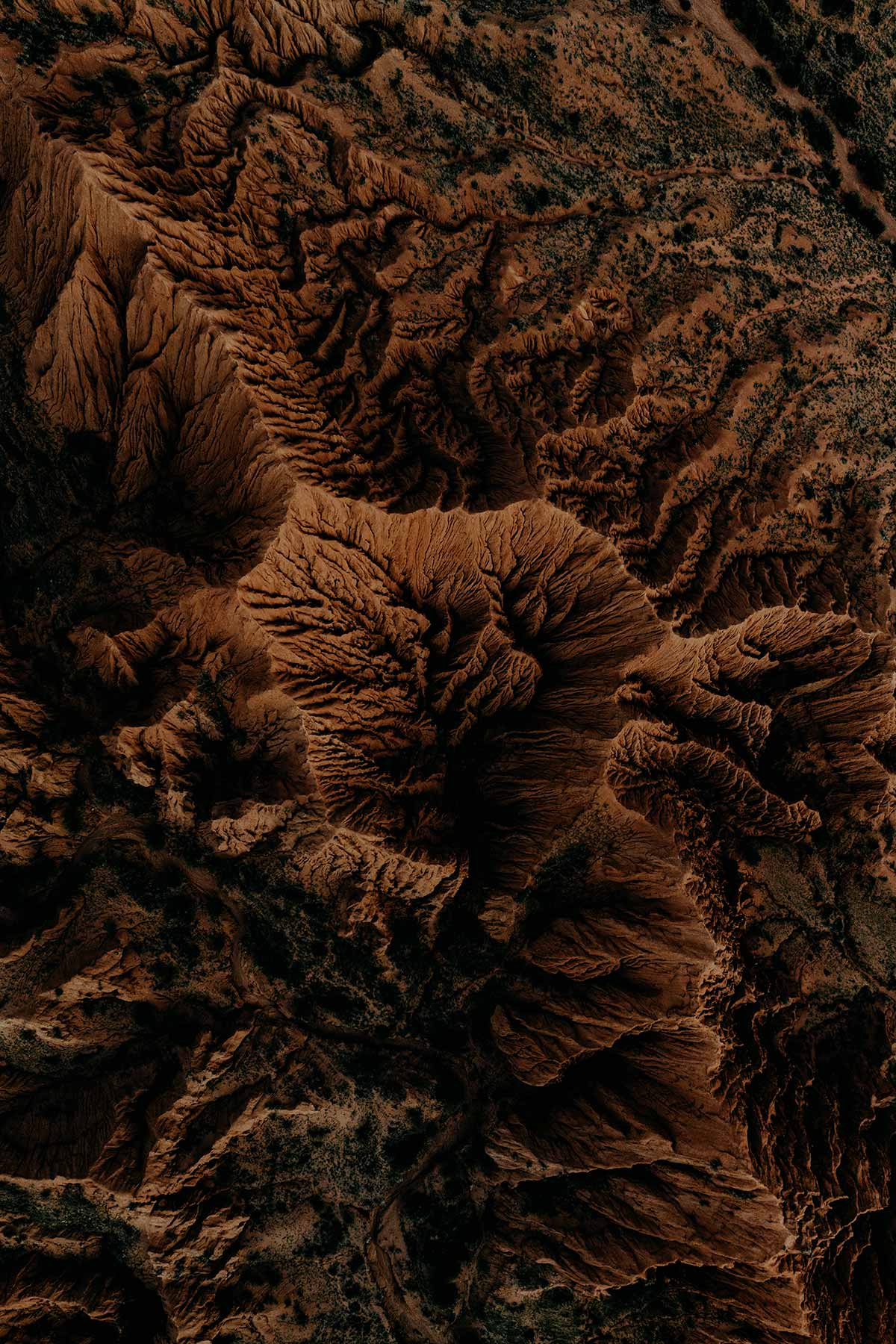
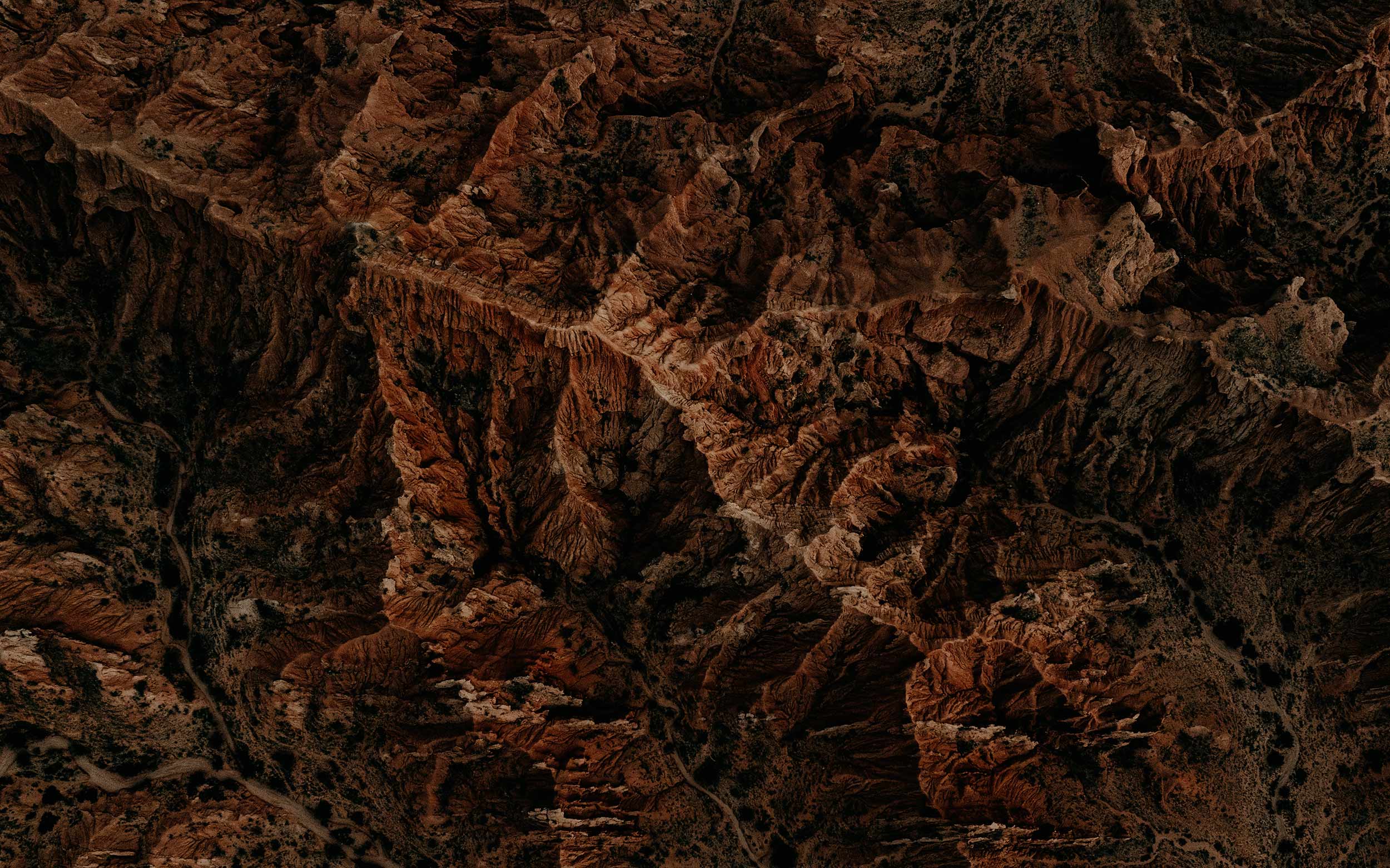
Made up of eroded sandstone walls and dried-up rivers, Mars Canyon is a stunning valley that precisely resembles the distinctive characteristics of the landscapes found on Mars.
Since Mars Canyon is still largely unknown to locals and travellers alike, you will notice that there are no official trails, signs or other guidelines to navigate you through the canyon.
This means that you’re wandering around a wild stretch of nature, which is quite exceptional, and to me, significantly deepens the level of adventure as well as your overall experience here.
While it’s always possible to get lost between the narrow, naturally shaped valleys of the canyon, I found it quite easy to navigate and wandered around the canyon without any hassle.
If you’re planning to visit Mars Canyon at sunset, it is wise to head back well before dusk, as it will be a completely different mission to find your way around in the dark.
Sunrise or sunset at Mars Canyon
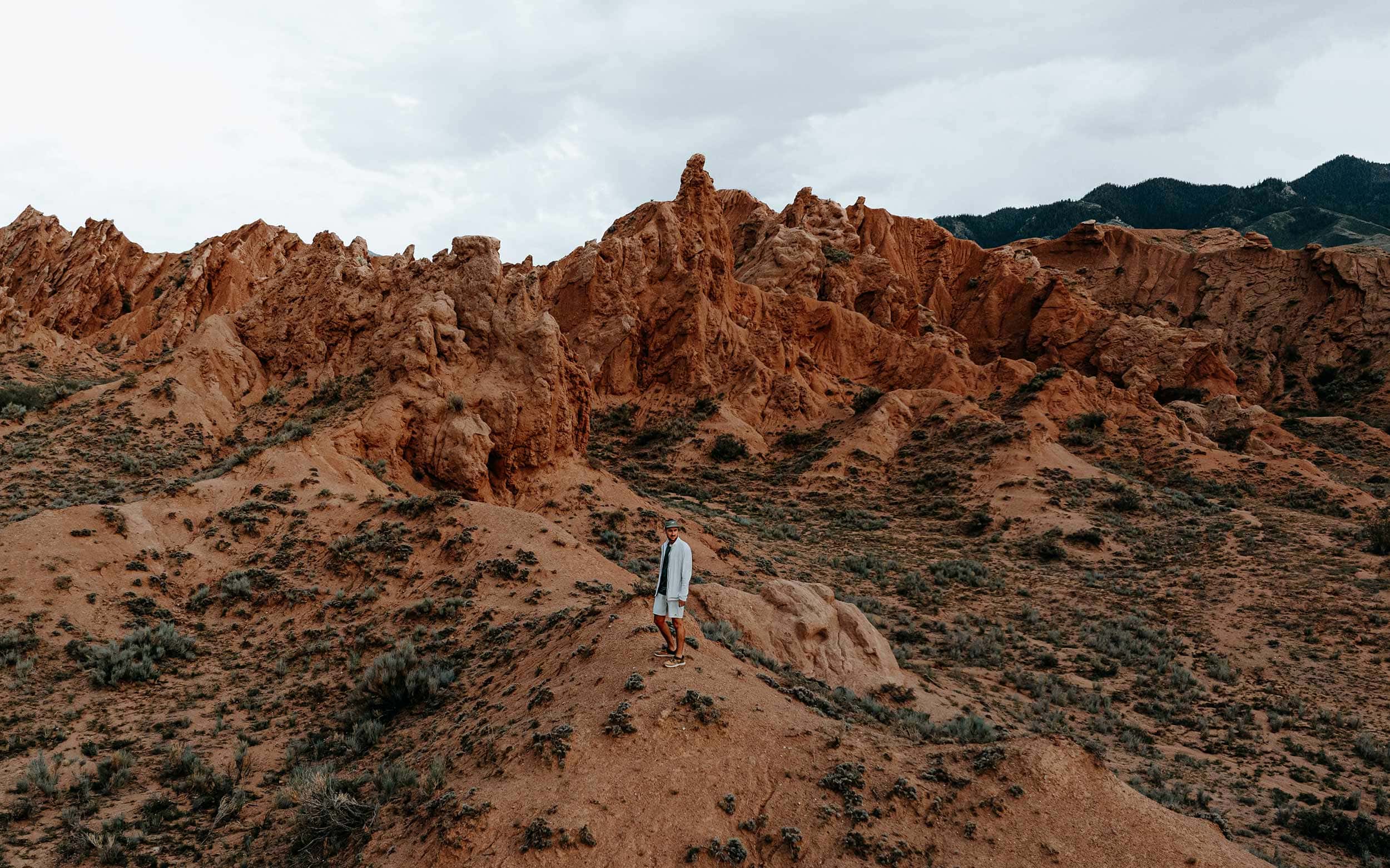
Mars Canyon owes its name to incredible rock formations and a distinctive burnt-orange colour palette, similar to that found on Mars, hence the name.
These characteristics get amplified when visiting during sunrise or sunset, when the shifting light turns the incredible landscape into a somewhat surreal scenery.
When I travelled to Kyrgyzstan in July, I visited Mars Canyon during sunset, which despite a short period of rainfall, offered me the most incredible photo opportunities.
While I didn’t visit Mars Canyon during sunrise, I’m pretty sure it is good too, as I visit Skazka Canyon in the early morning, which is situated only a short drive from Mars Canyon and is characterized by a pretty similar landscape.
Due to their proximate position close to each other, and the fact that both sunrise and sunset are equally as mesmerizing, you can easily pick Skazka for sunrise and Mars Canyon for sunset, or vice versa according to your personal plan of attack.
Bonus – Traditional Eagle hunting
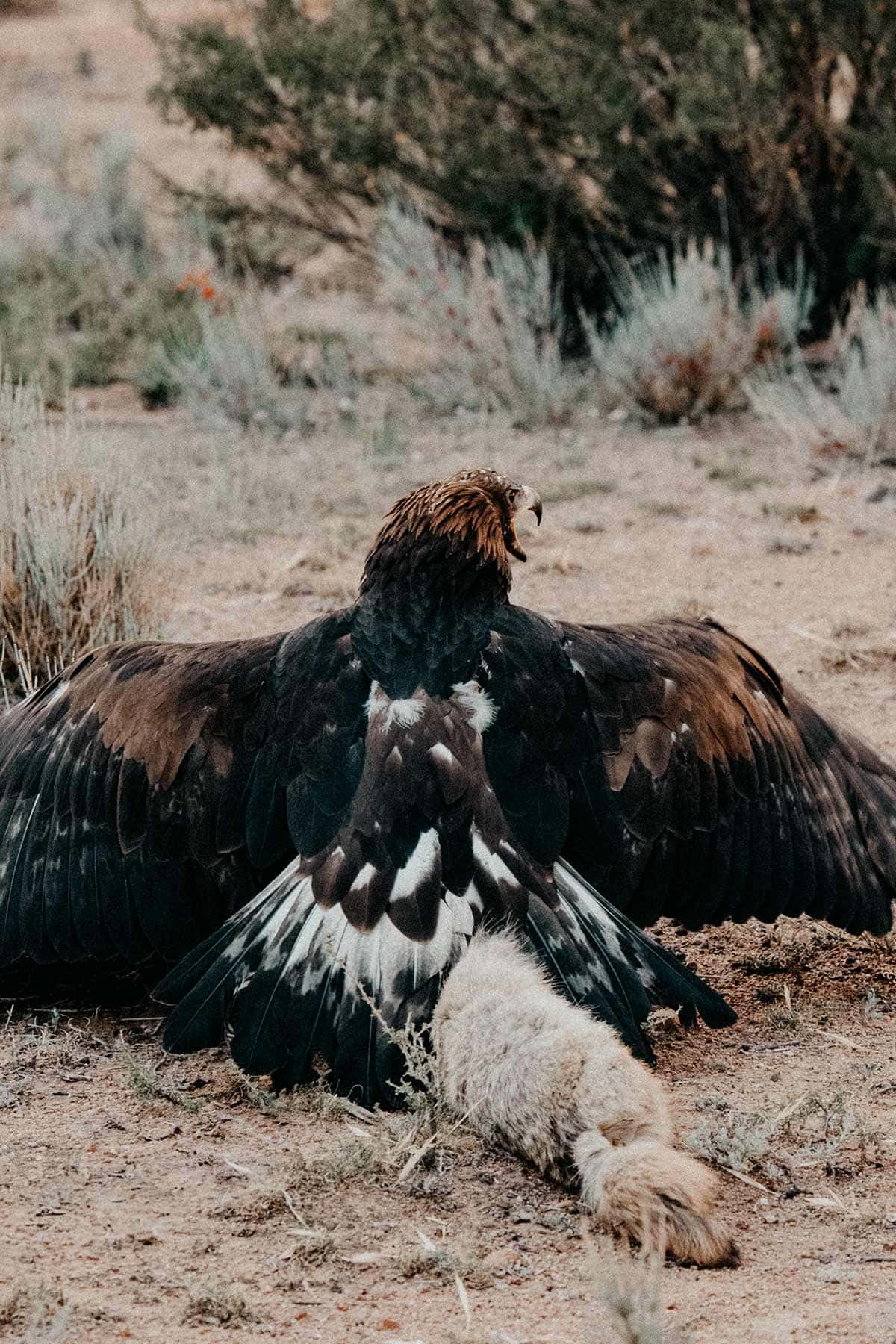
While making my way back along the dusty roads that connect Mars Canyon with my yurt camp in Tong, I stumbled upon a small group of patiently waiting tourists.
At first, I didn’t know why, but I was rather convinced something exciting was bound to happen.
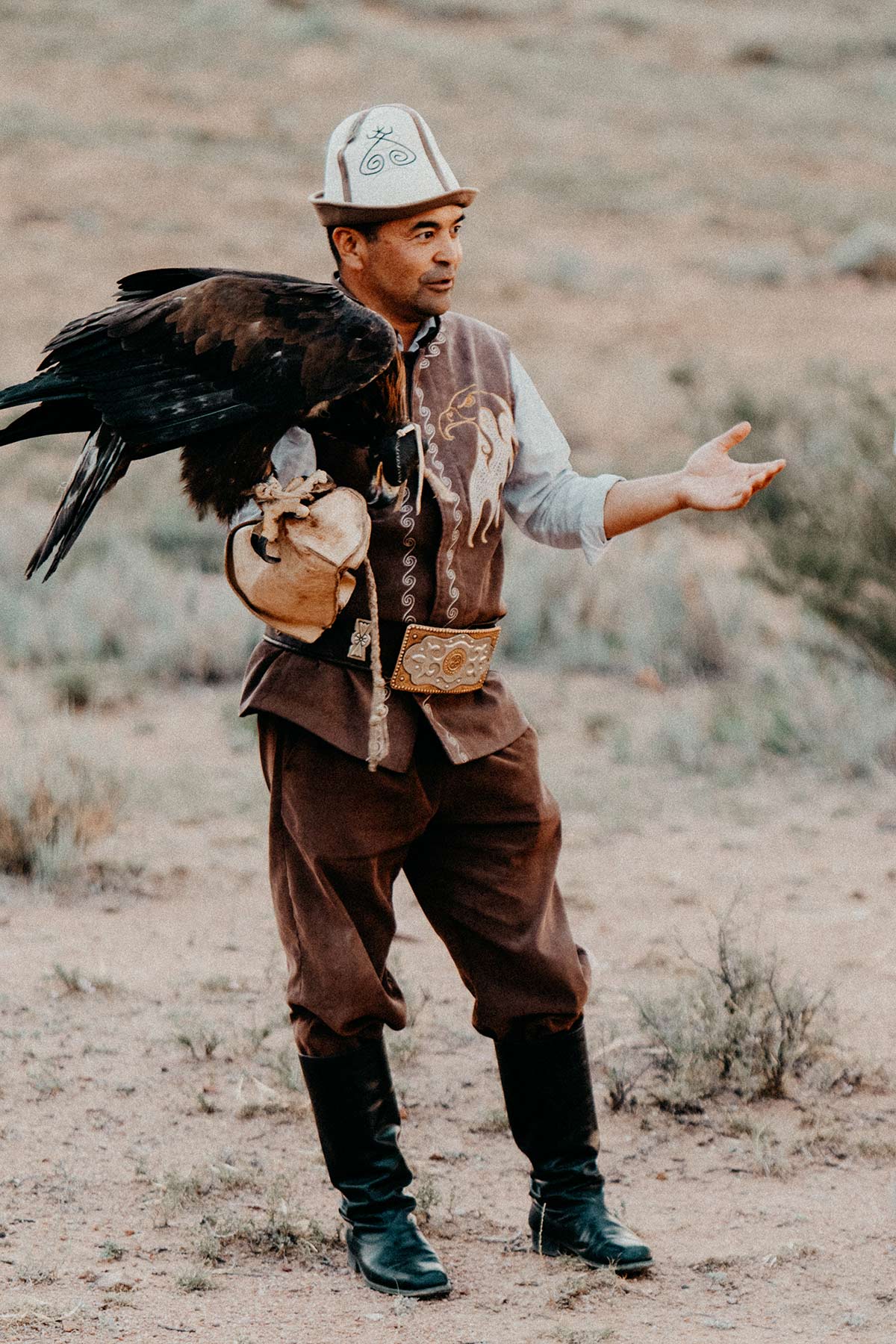
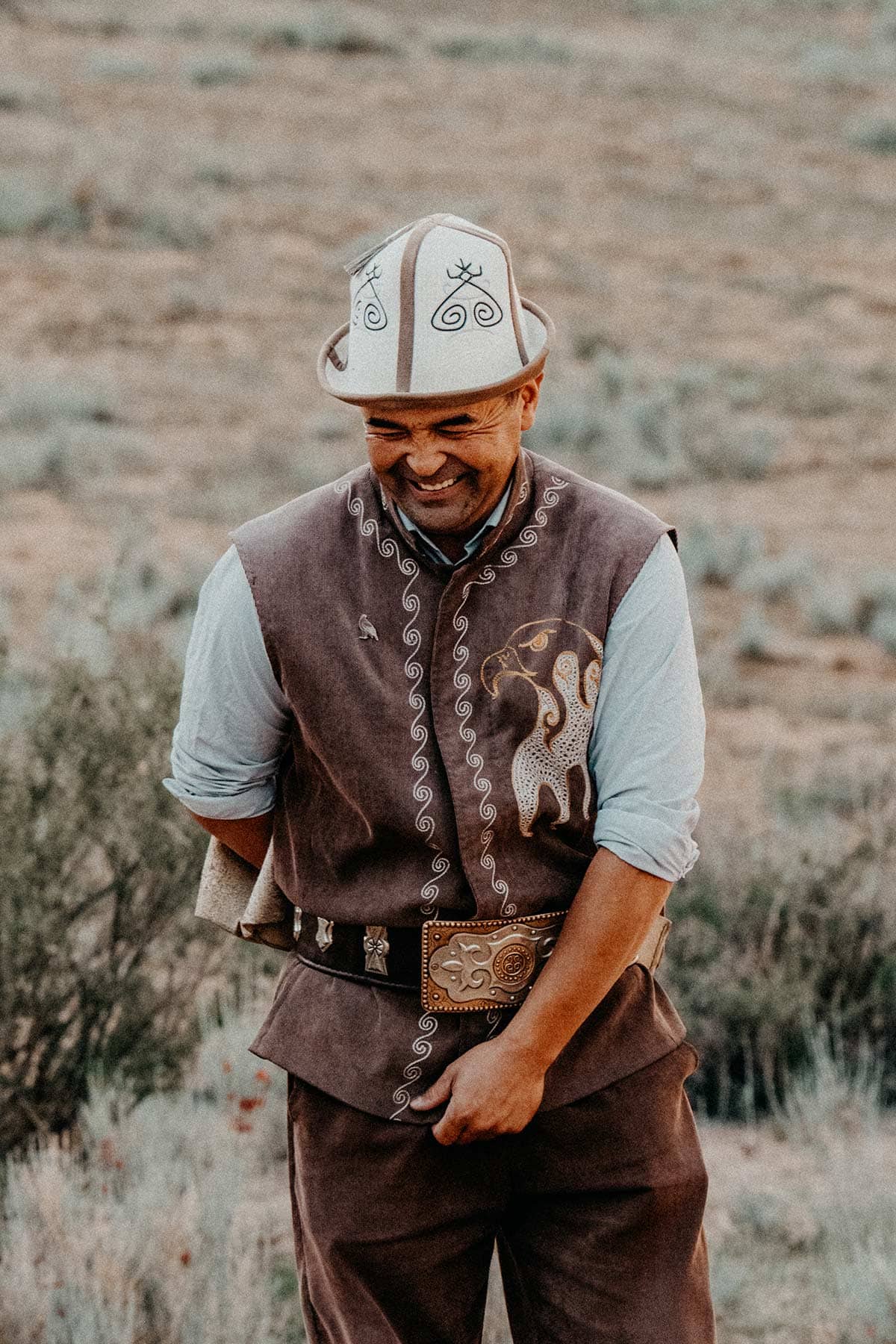
Only a few moments later, when a large silhouette rapidly approached the group, I realised what was going on here; it was a traditional Kyrgyzstan Eagle Hunting show.
Apparently, the area surrounding Mars Canyon is a famous spot for tours that focus on eagle shows, which makes sense given how stunning and extensive the landscape is here.
Eagle hunting (Berkutchi) has been around for ages in the vast steppe and mountain terrains of Central Asia and still plays a huge role in the ever-present Nomadic lifestyle.
Though I always have some inner conflict when it comes to tourism based around animals, Falconry has been practised for centuries, and with Kyrgyzstan’s deeply rooted traditions, the physical and psychological welfare of eagles has always been of the utmost importance.
Keen to learn about eagle hunting in Central Asia, have a more thorough read here.
Things to know before visiting Mars Canyon
The best time of day to visit Mars Canyon
In short, given Mars Canyon is made up of distinctive burned-orange rock formations, it is best visited during sunrise or sunset, when the sun amplifies the natural feats of the canyon.
While you could opt for a visit to Mars Canyon at any time of day, I’d recommend avoiding a visit during noon, when the light is often too harsh for good photography, the temperature unbearable, and zero to no shade to be found.
I visited Mars Canyon from late afternoon to sunset and had excellent light conditions to photograph the incredible mountain ridges – which, as you can imagine, happened to be the main goal of my visit here.
The best time of year to visit Mars Canyon
Given the remoteness of Mars Canyon and the complexity of its terrain, it is best to visit during the summer months of June to September, when the temperature is comfortable and stable.
These peak months generally provide the perfect conditions for explorations around Kyrgyzstan’s exceptional nature, as you can expect days filled with sunshine, minimal rainfall, and an average temperature of around 25 degrees Celsius.
While it’s totally possible to visit during the winter months, you will most likely stumble on a few challenges in terms of weather conditions and accessibility in the colder months.
However, this doesn’t instantly mean that a winter visit should be off the table just yet.
No, you just have to plan your visit a little more strategically, and be more aware of the weather, while also being mentally aware that there might be a chance you have to skip it due to the circumstances.
What to pack for Mars Canyon
Cash | First things first, anytime you plan to visit a place outside of the bigger cities of Bishkek and Karakol, you do wise to carry enough cash to pay for transportation or accommodation when needed. With limited internet reception in most of Kyrgyzstan’s remote locations, cash is king here, so I’d advise bringing at least 8.000 SOM (€95,-) to be safe.
Water Purifier | One travel essential that I carry with me at all times is the Grayl Geopress. This reusable water purification bottle allows me to fill up water from nearly every water source, making it super convenient and one of my absolute best investments to date.
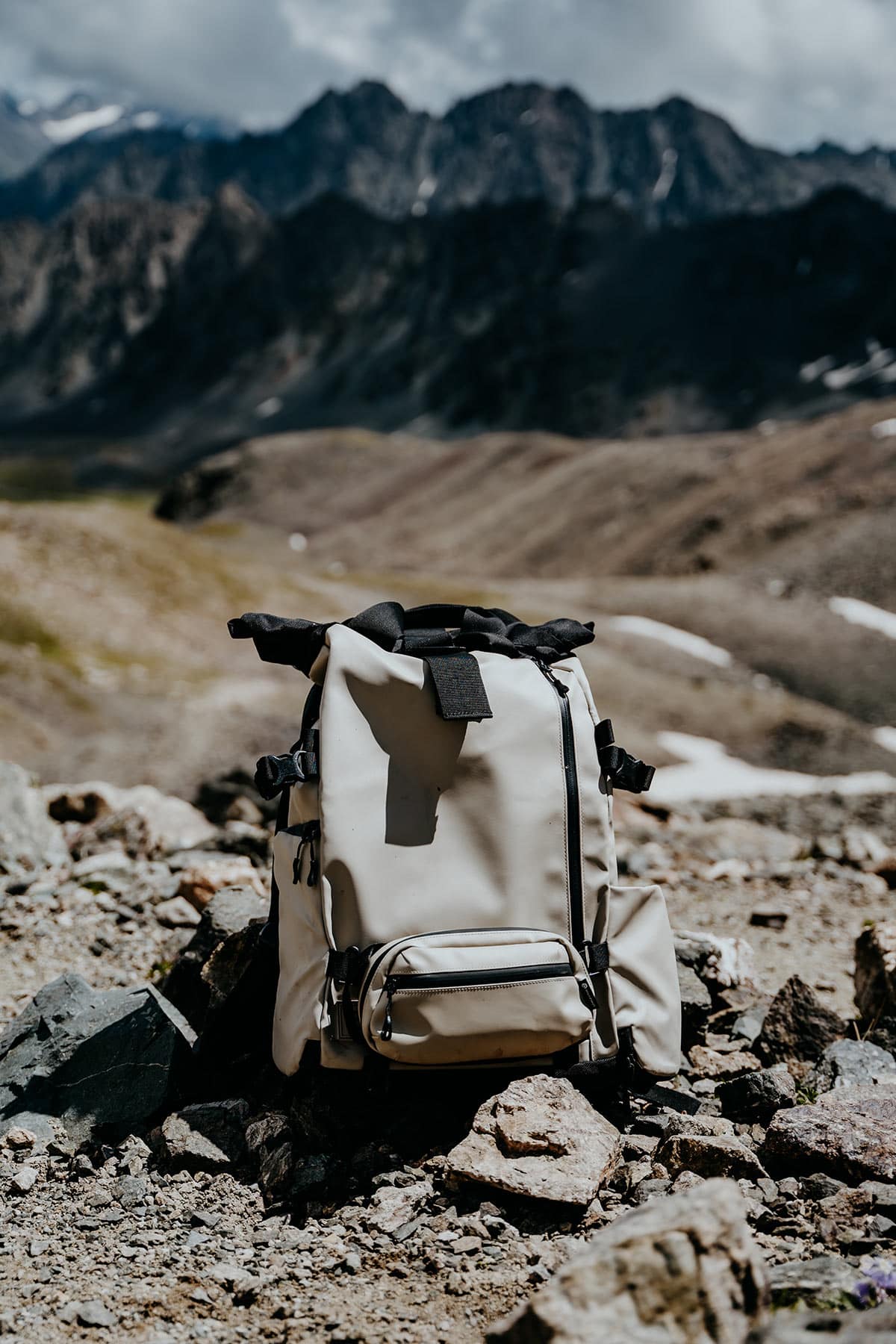
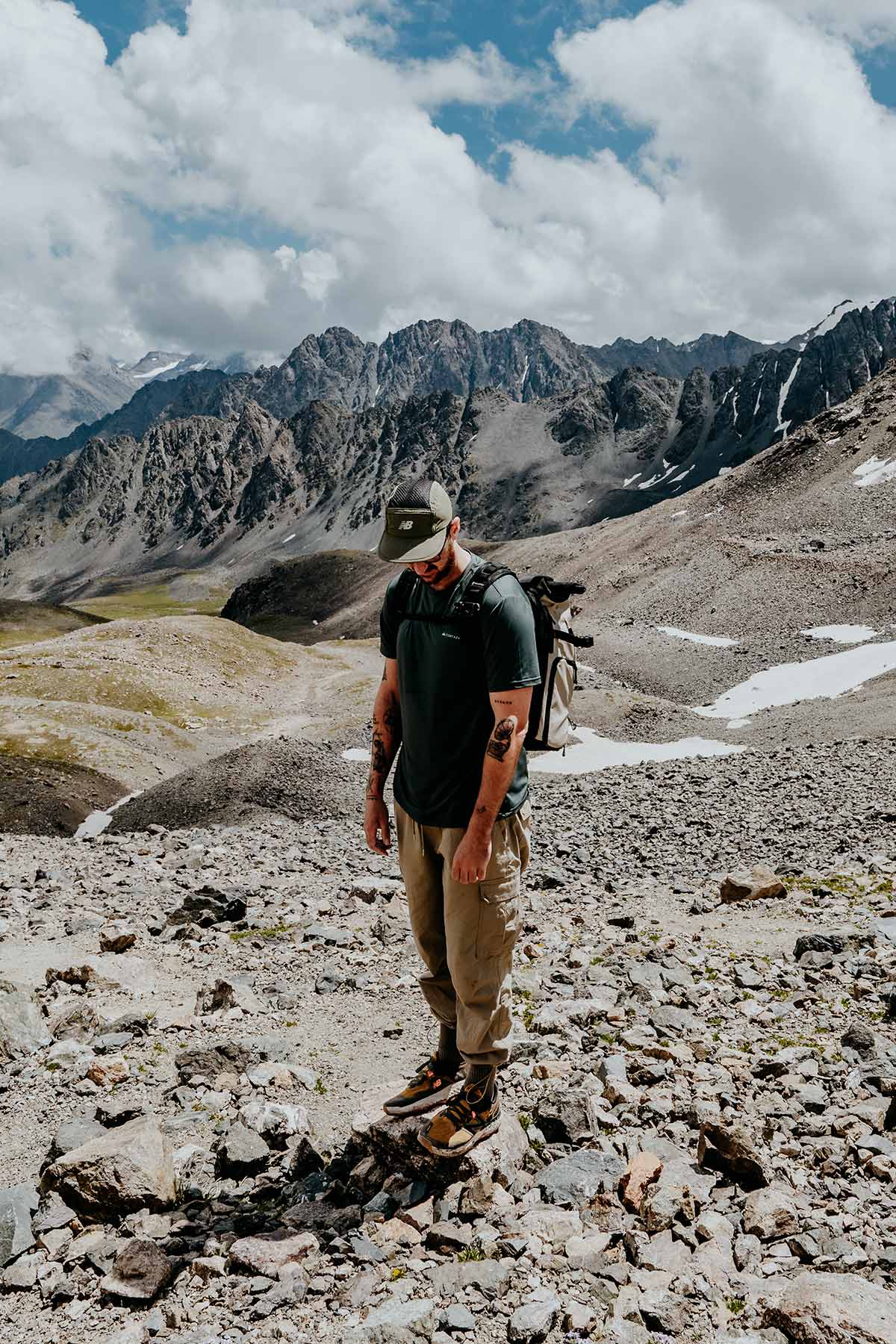
An extra layer | We all know the saying; there’s nothing more unpredictable than the weather, and this also applies to Kyrgyzstan’s climate. For that reason, I believe it’s essential to bring an extra layer to keep you warm when needed. I recently got the Cortazu AR Active Softshell Jacket, which is a perfect piece for moments when the temperature drops.
Hiking boots or a sturdy pair of trail runners | While hiking boots naturally provide more stability to the ankles, a good pair of trail runners with Vibram soles will also get the job done these days. For the last 3 years, I have been using the New Balance Hierro v7, a trail runner that offers all the features of a hiking boot, while still providing the looks of a trendy sneaker.
Lunch box and snacks | Since you’re going to a seriously remote place, there will be a finite amount of food and drink options here. For that reason, I advise bringing sufficient amounts of food and snacks to stay fueled during your visit, including fruits, nuts and a few protein bars, which are generally lightweight and very rich in nutrients.
Sun protection | Given Mars Canyon is wide and open, with zero shelter from the sun, I believe it’s essential to bring sun protection; think sunscreen, a hat, sunglasses, and perhaps even a breathable long-sleeve shirt. Even when the sun disguises behind the clouds, it is still very likely that you’ll get sunburned.
Camera | Like most natural places in Kyrgyzstan, Mars Canyon is absolutely stunning, and I’d highly recommend taking out your camera gear, so you can capture loads of photos while there. If you’re curious to learn about my photography gear, make sure you give my ‘What’s in my Camera Bag’ guide a read too.
Stay safe in Kyrgyzstan | Travel insurance
Since most of your trip in Kyrgyzstan will be related to hiking and the great outdoors, I’d advise anyone travelling here to sort out reliable travel insurance before setting out on their adventures.
Though we always hope that everything runs smoothly during our travels, something unfortunate can always come into play, whether it’s a hiking injury, a stolen camera or an accident on the road.
When it comes to travel insurance, I always use Heymondo, as they offer excellent medical, baggage and Electronic equipment coverage as well as a handy app with 24-hour medical assistance. Make sure you take a look here – readers of WTSW receive 5% off any insurance policy.
Cheers!
I’ve been on this travel blogging journey since 2019.
If you appreciate what I do here, these are some ways you can support me.
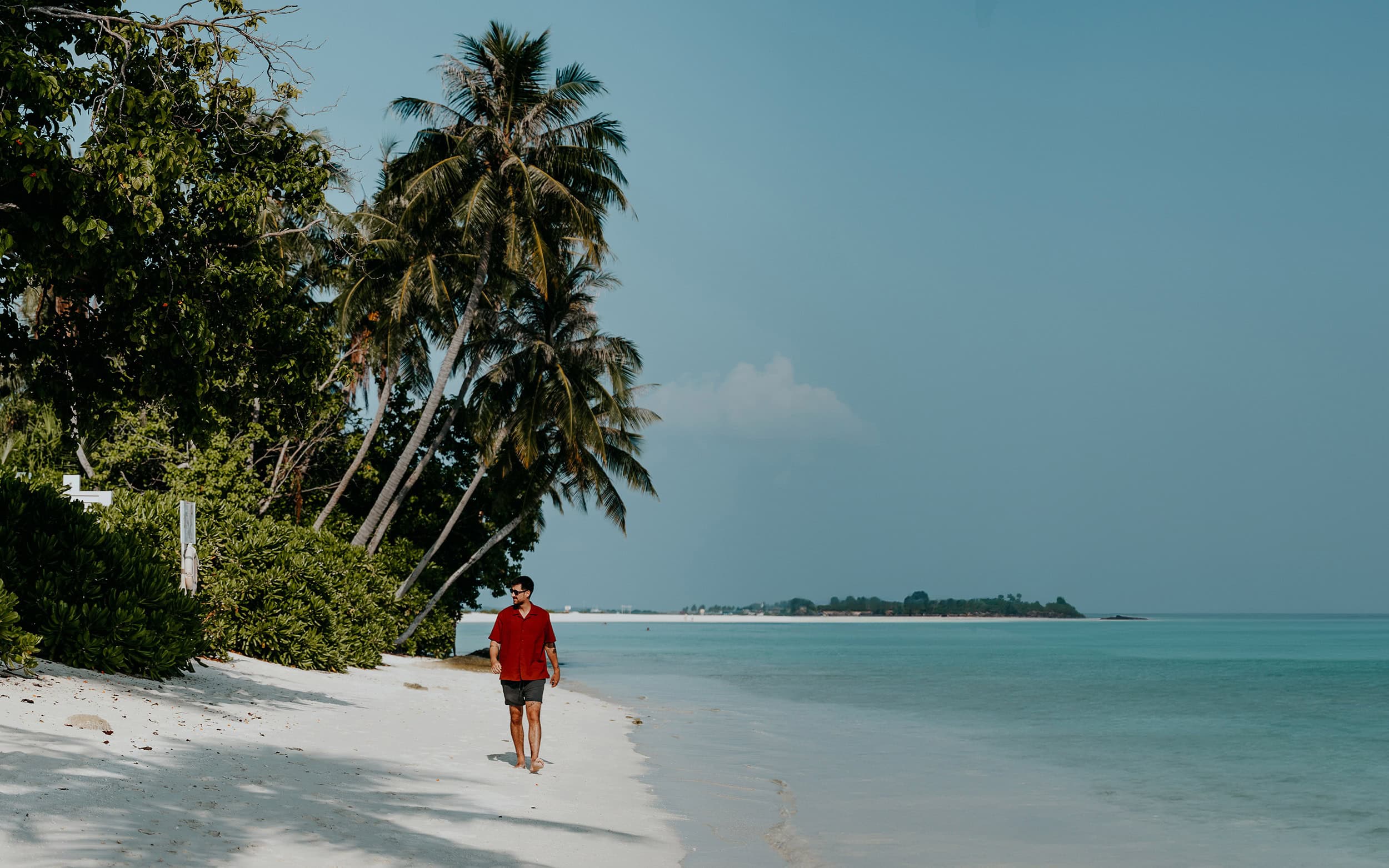
10 Wonderful reasons why you should visit the Maldives sooner rather than later
Lately, only a few destinations occupied more space on my Instagram feed than the Maldives.
Rightfully so.
Scattered throughout the vast Indian Ocean and made up of 26 atolls, embodying 1196 distinct islands, the Maldives is a stunning island nation celebrated for its secluded tropical beaches, spectacular underwater world, and world-class accommodation among others.
Whether you’re keen to explore the exceptional underwater world, wish to experience the world-class hospitality here, plan to set out on thrilling watersport adventures, or simply yearn to chill away the days on the most stunning beaches, it’s all at one’s disposal when visiting the Maldives.
In this guide, you can read my take on the Maldives, as I share my personal reasons why I believe you should visit the Maldives sooner rather than later, as well as advice on where to stay, when to visit, how to get there and more.
Here are 10 wonderful reasons why I believe the Maldives should be a topic of conversation for your next trip – have a nice read!
If you choose to use any of the links on this page, I may receive a small commission at no extra cost to you. By using these links, you’ll have a direct impact on WTSW and my ability to continue to create free insightful travel content for you. If you find any of my tips useful, you can support me by buying a virtual coffee here.
Where is the Maldives
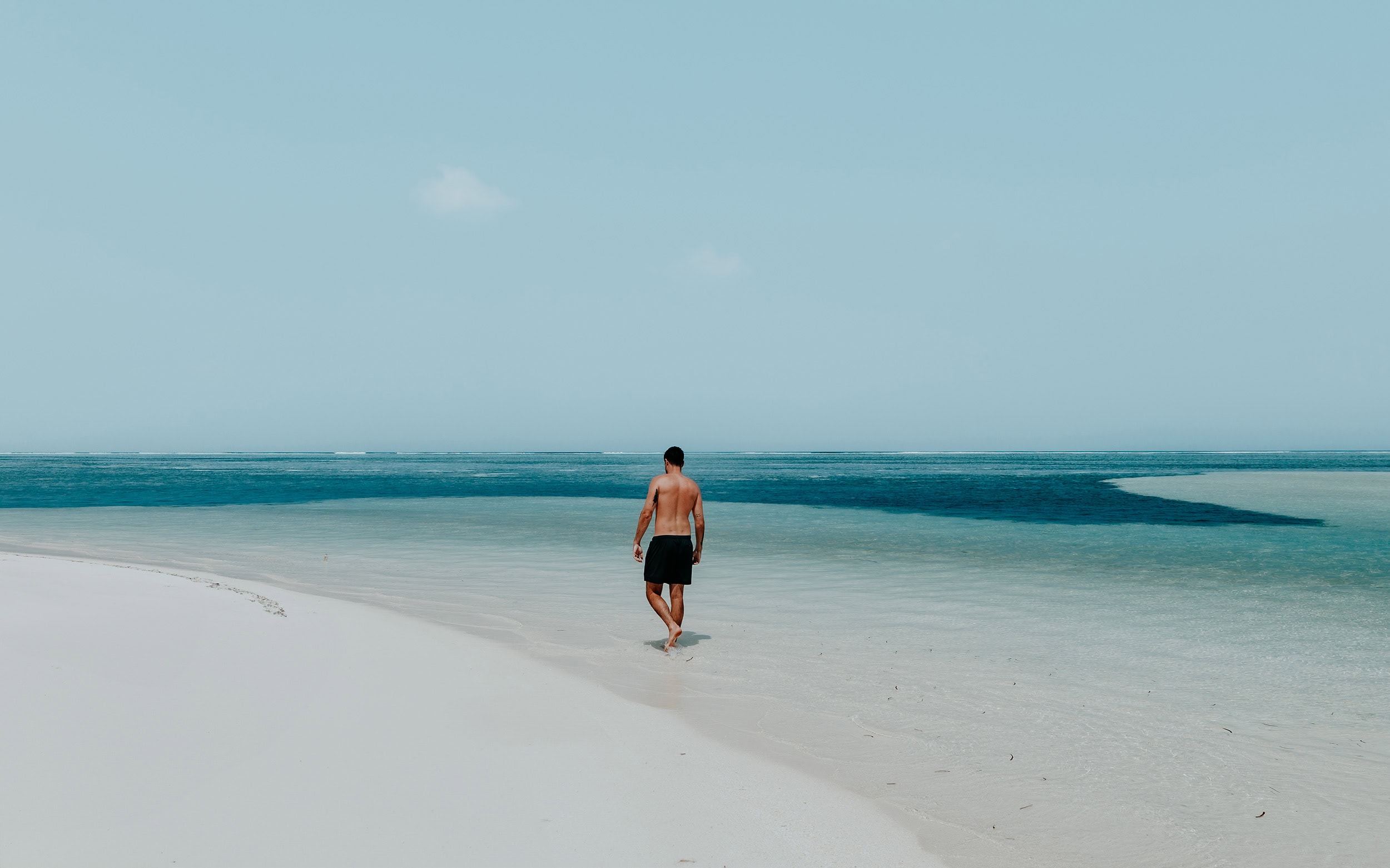
Maldives, also known as the Republic of Maldives is an island nation situated in the heart of the Indian Ocean, about 750 kilometres west of the coastline of both India and Sri Lanka.
Stretching over roughly 800 kilometres from North to South, the Maldives is made up of 26 atolls, which in turn consist of 1196 distinct islands, making it one of the world’s most dispersed countries geographically.
Where to stay in the Maldives
Famous for its extraordinary private islands home to all-inclusive resorts, the most lavish overwater villas, and ultra-luxurious beach bungalows, it is often assumed that the Maldives solely offers options way beyond the average travel budget.
But nothing is further from the truth, as budget-friendly options are still very much found here
Whether you’re looking to splurge on a once-in-a-lifetime experience, wish to have the beauty of the Maldives at a more affordable price tag, or something in between, I’m pretty confident that you’ll find an excellent option that caters to both your travel budget and likings.
Those travelling on a tighter budget could find a comfortable beach villa with a full-board plan for as cheap as €240,- per person, per night, while those keen to splurge have tons of all-inclusive options within the €300,- to €5.000,- per night range.
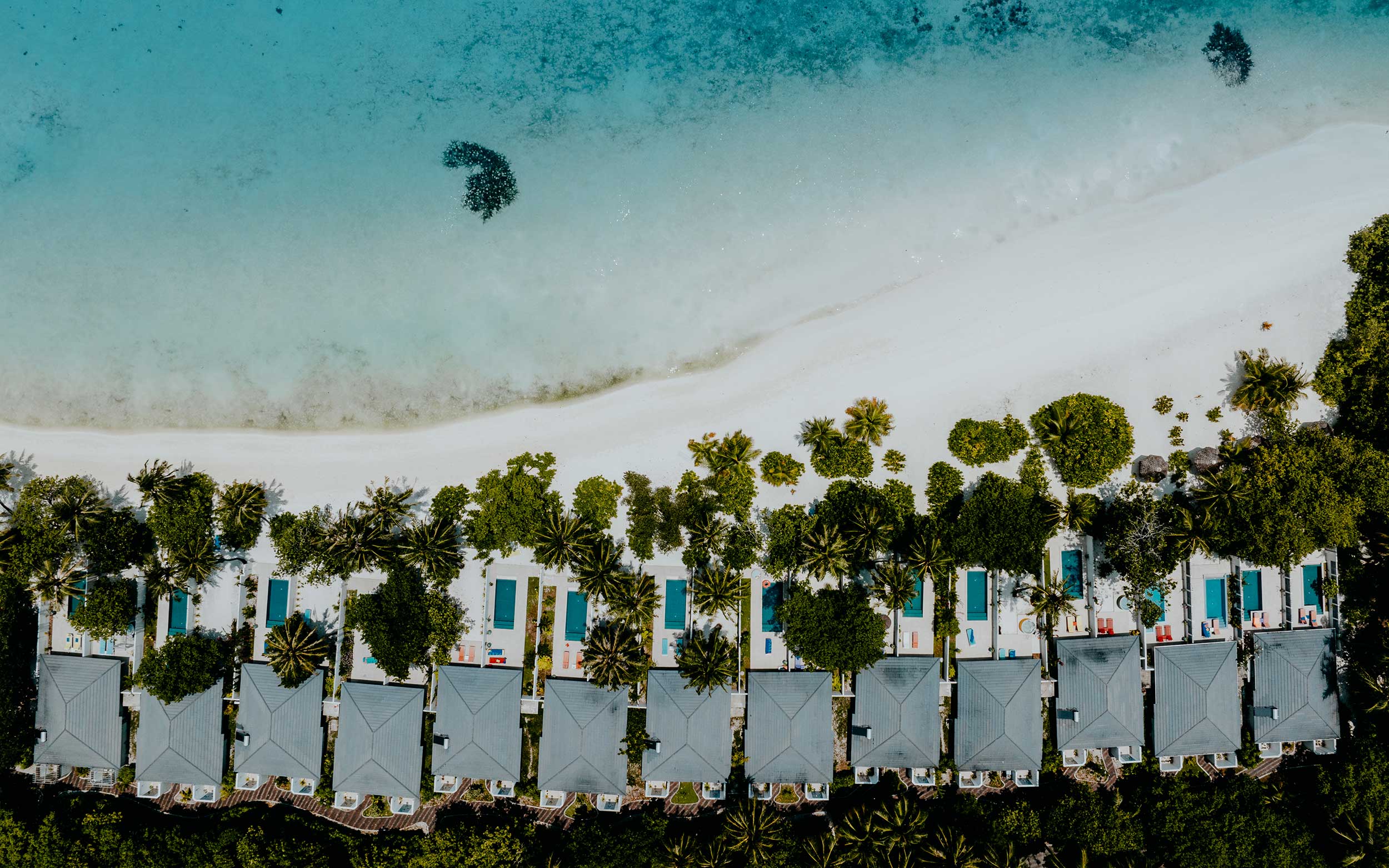
As for my recent trip to the Maldives, I was lucky to stay in an overwater villa at Villa Nautica and a spacious beach villa with a private pool right at the palm-fringed beach of Villa Park.
For direct booking benefits or more information, make sure you visit villaresorts.com.
Ready for a Maldives trip? Find your dream stay in the Maldives on Booking.com.
10 Reasons why you should visit the Maldives
1. Unwind and enjoy the idyllic island life
Let’s get straight to the point, the laidback vibe and slower pace of living found on an island is truly phenomenal, and for many, the main reason to jump aboard a plane to the Maldives.
As one of the most idyllic island destinations in the world, the Maldives offers an unrivalled sense of tranquillity and remoteness, which makes it incredibly popular among those desiring to escape the hustle and bustle of daily life and disconnect from the civilized world.
Imagine yourself waking up to the sound of the waves, you make yourself a delightful morning espresso, before taking in the first light of the day from the sundeck of your Ocean Suite.
That’s exactly how my morning routine looked like in the Maldives, and to date, I haven’t found a better way to start my day – Maldives mornings like these are truly something special.
But the charm of island life comes in many forms.
Chilling away the days in a hammock under the palm trees, early morning walks along the pristine beaches, leisurely dips in the warm crystal clear waters, and calming bike rides around the island are just a few of the persuasive ways the island life will win you over.
2. The Maldives underwater world is absolutely amazing
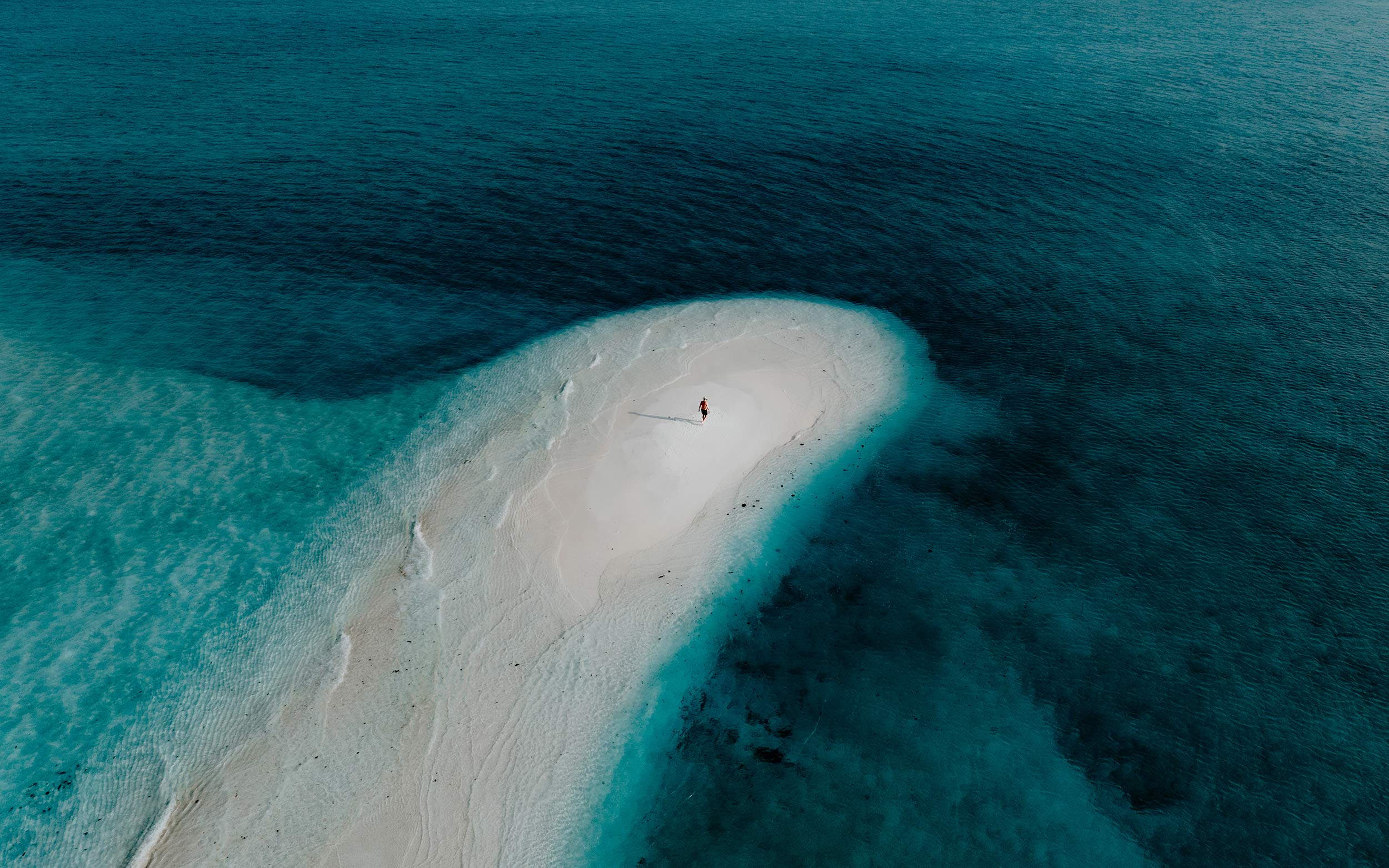
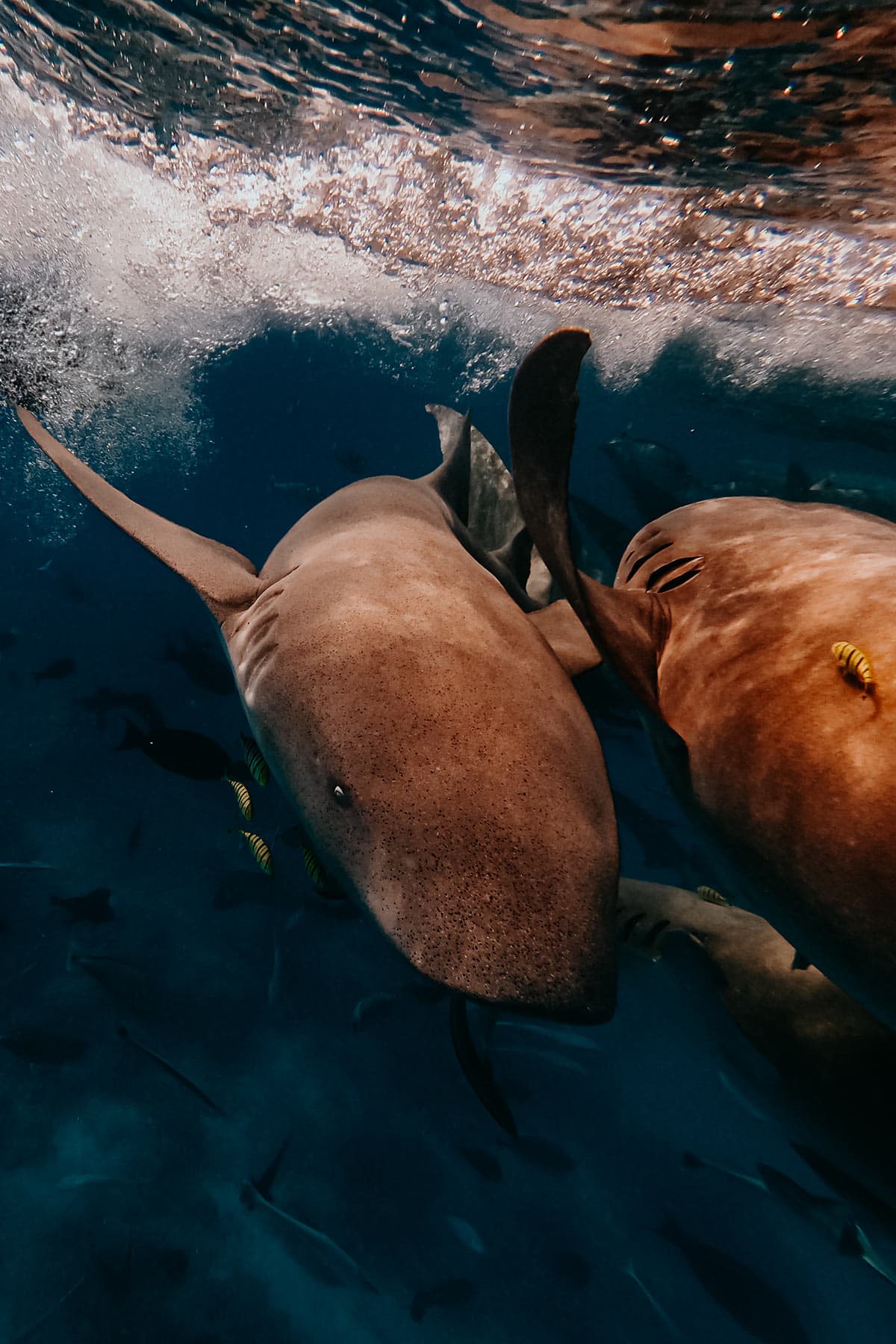
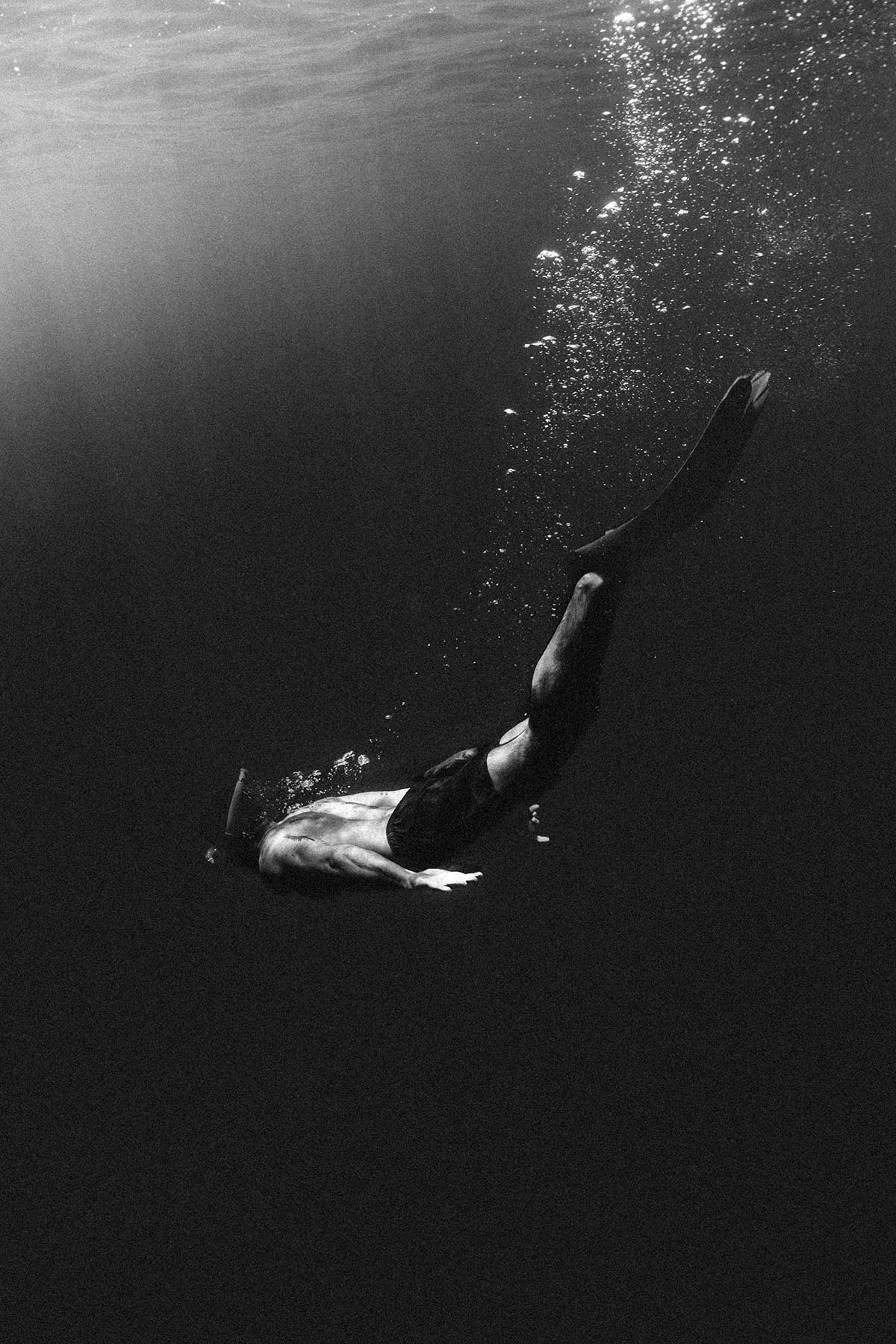
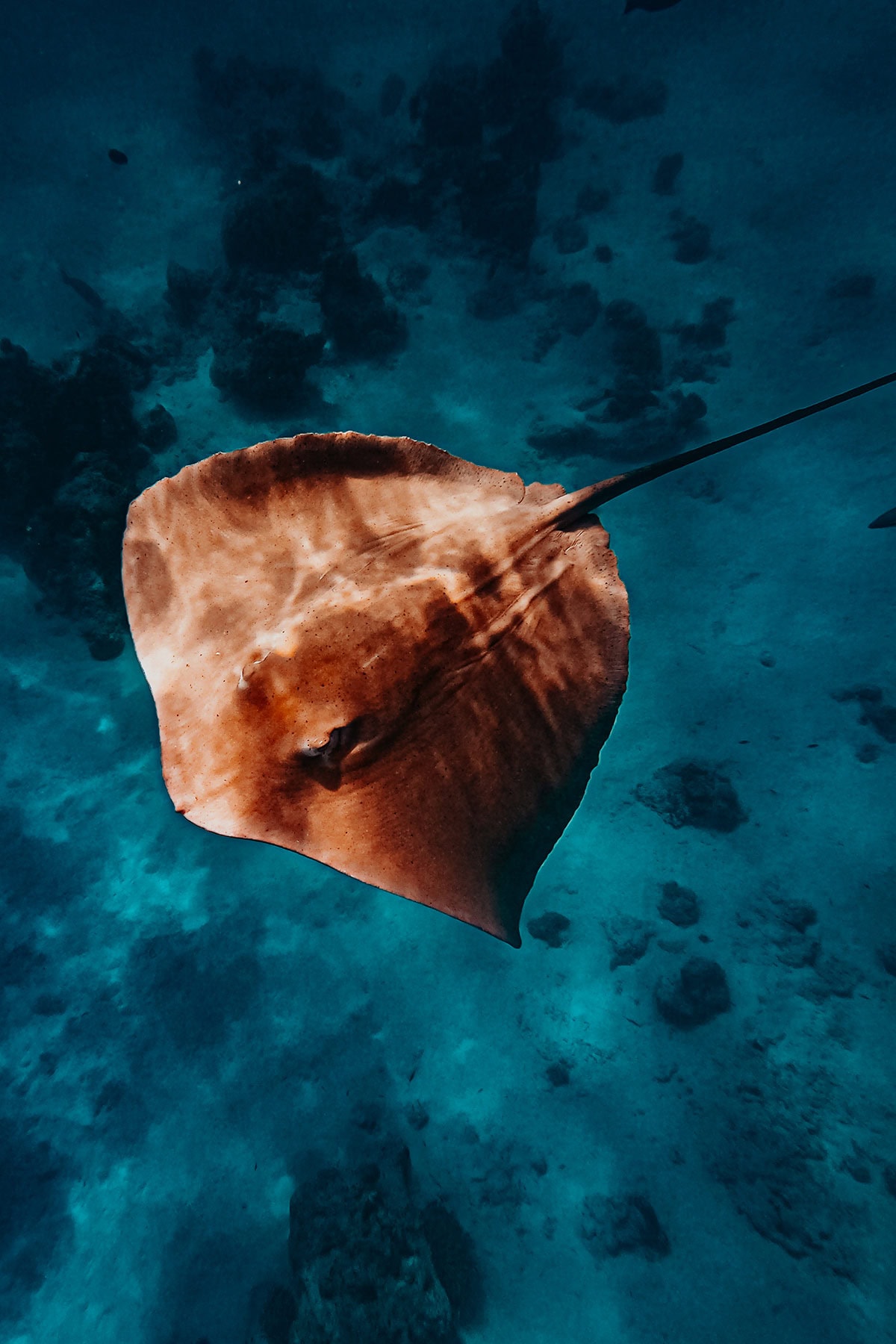
Since the Maldives is defined by crystal clear waters, dreamy atolls, the most stunning reefs and an abundance of spectacular marine life, it is no surprise that the country is referred to as one of the world’s best destinations to explore the underwater world.
Whether you’re a new diver looking to acquire a PADI certificate, an advanced diver keen to catch new sightings, or something in between, the Maldives, and its incredible diving opportunities will easily fulfil those desires.
During my time in the water with Sidney and the DiveOceanus team, I’ve had plenty of incredible sightings, including mantas, Sting rays, Nurse sharks, turtles, and dolphins, as well as heaps of bright-coloured fish.
Unfortunately, the Whale Sharks didn’t show up at the party, but for someone who’s completely new to the underwater world, seeing the above-mentioned marine life up close and personal was already something out of this world.
3. It’s the ideal destination to visit with friends
For many, the Maldives is directly linked to honeymoons, which at first, was also the case for me.
It was also the main reason why I put off a trip to the Maldives for way too long.
Yes, the Maldives is indeed popular for romantic escapes, but it’s not just that.
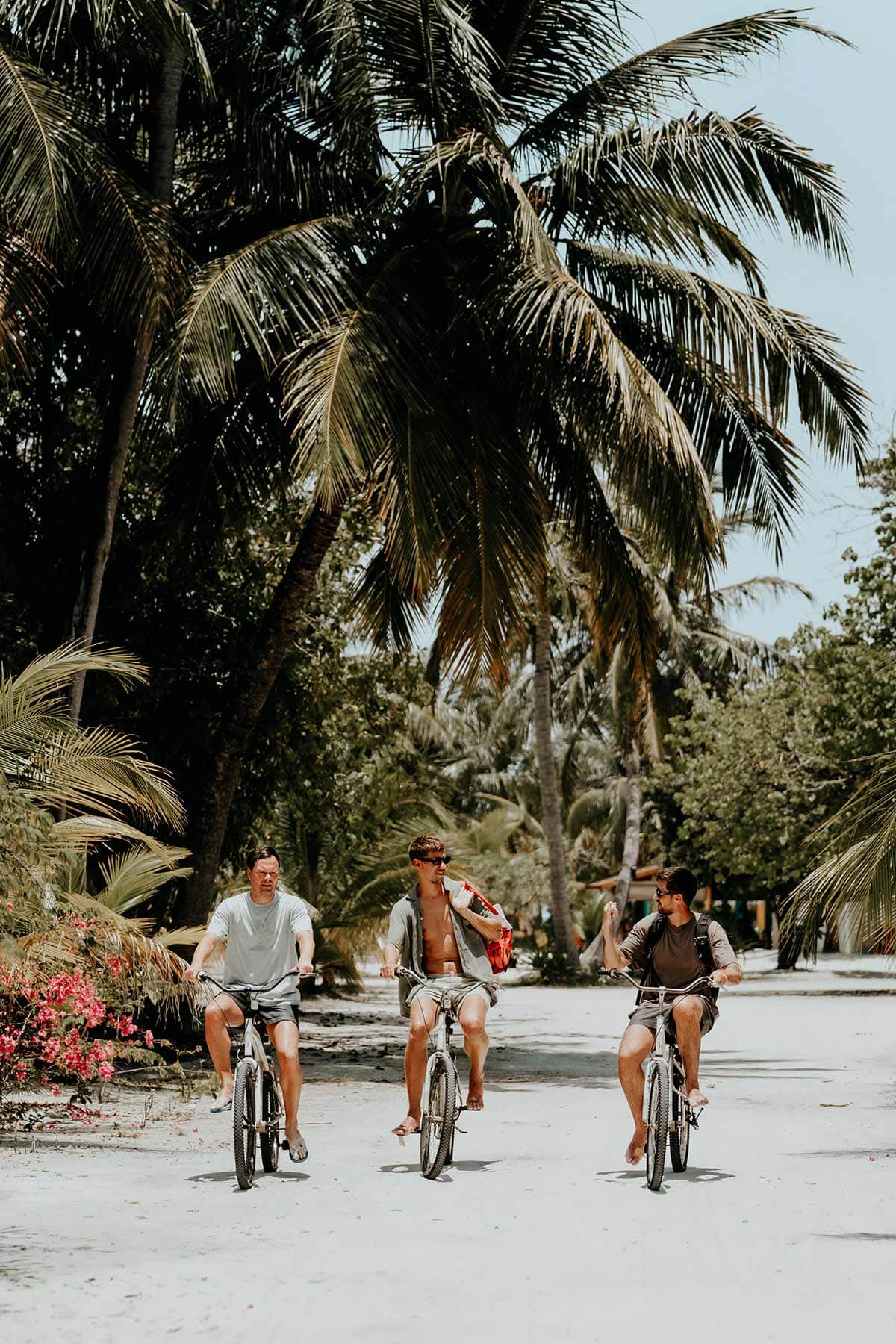
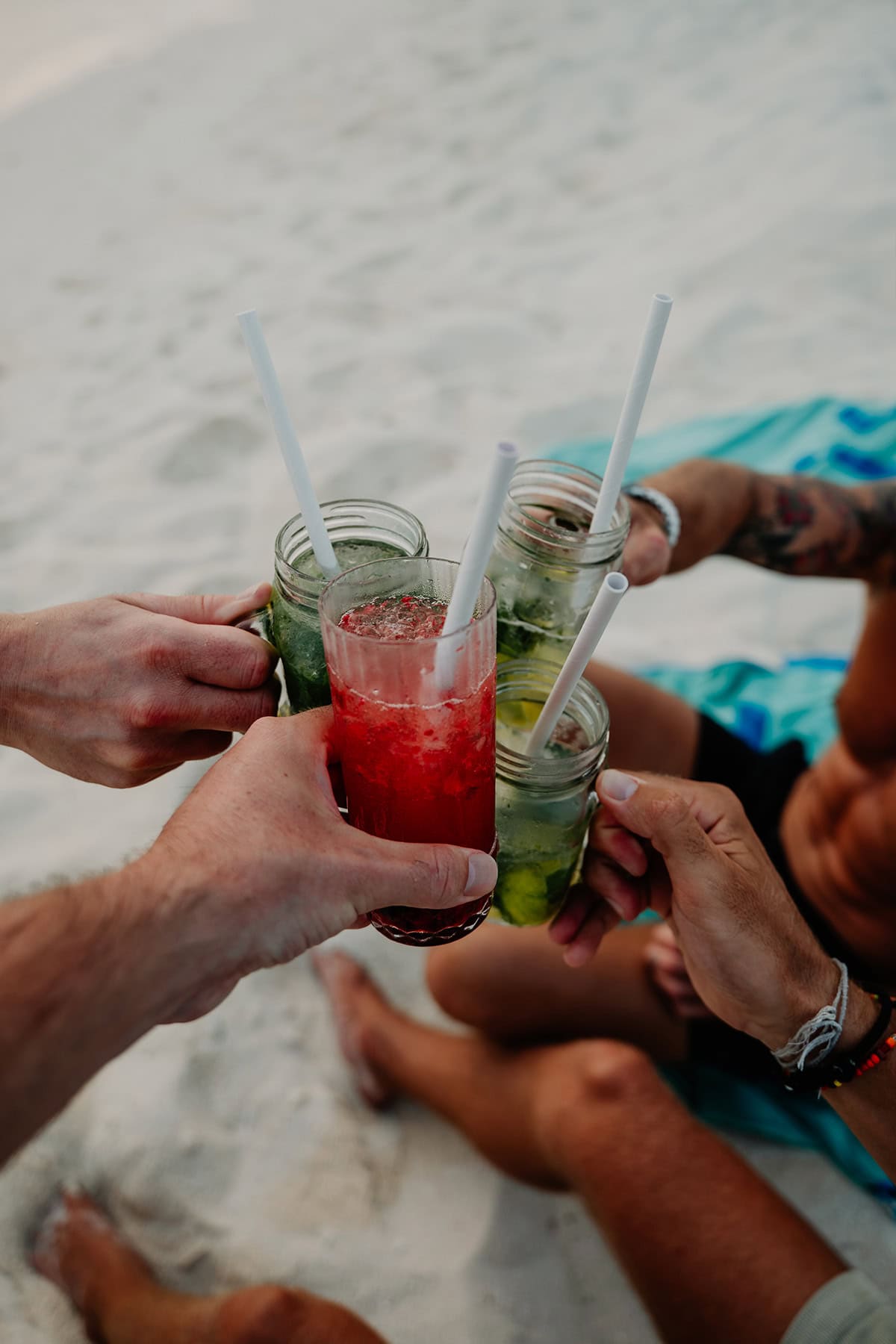
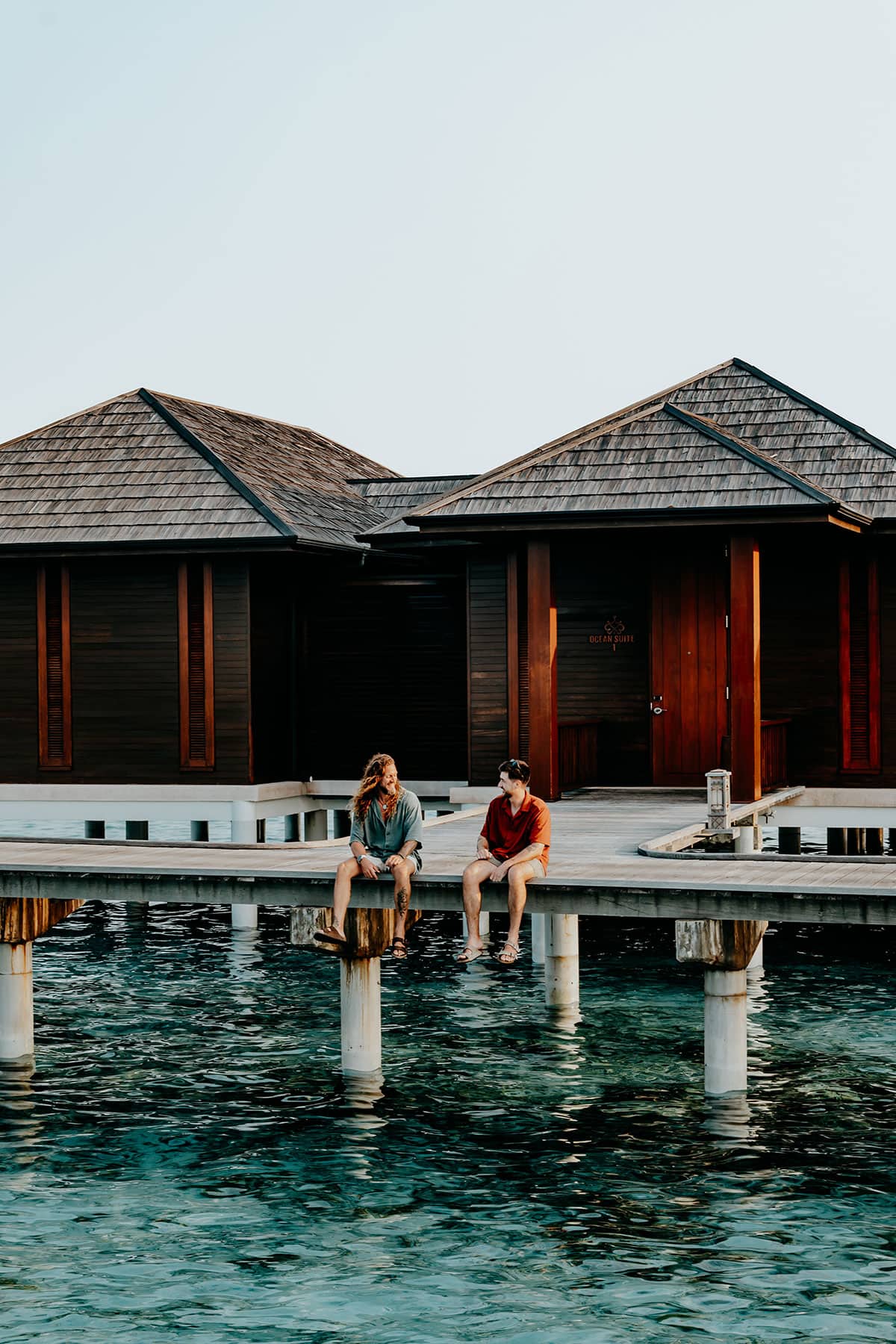
As for my recent Maldives trip, I visited with my buddies Andre, Max and Stefan, and after 10 days, I now realise that it’s an excellent place to have some quality time with friends, as there were a bunch of dope activities I would typically plan to do with the boys.
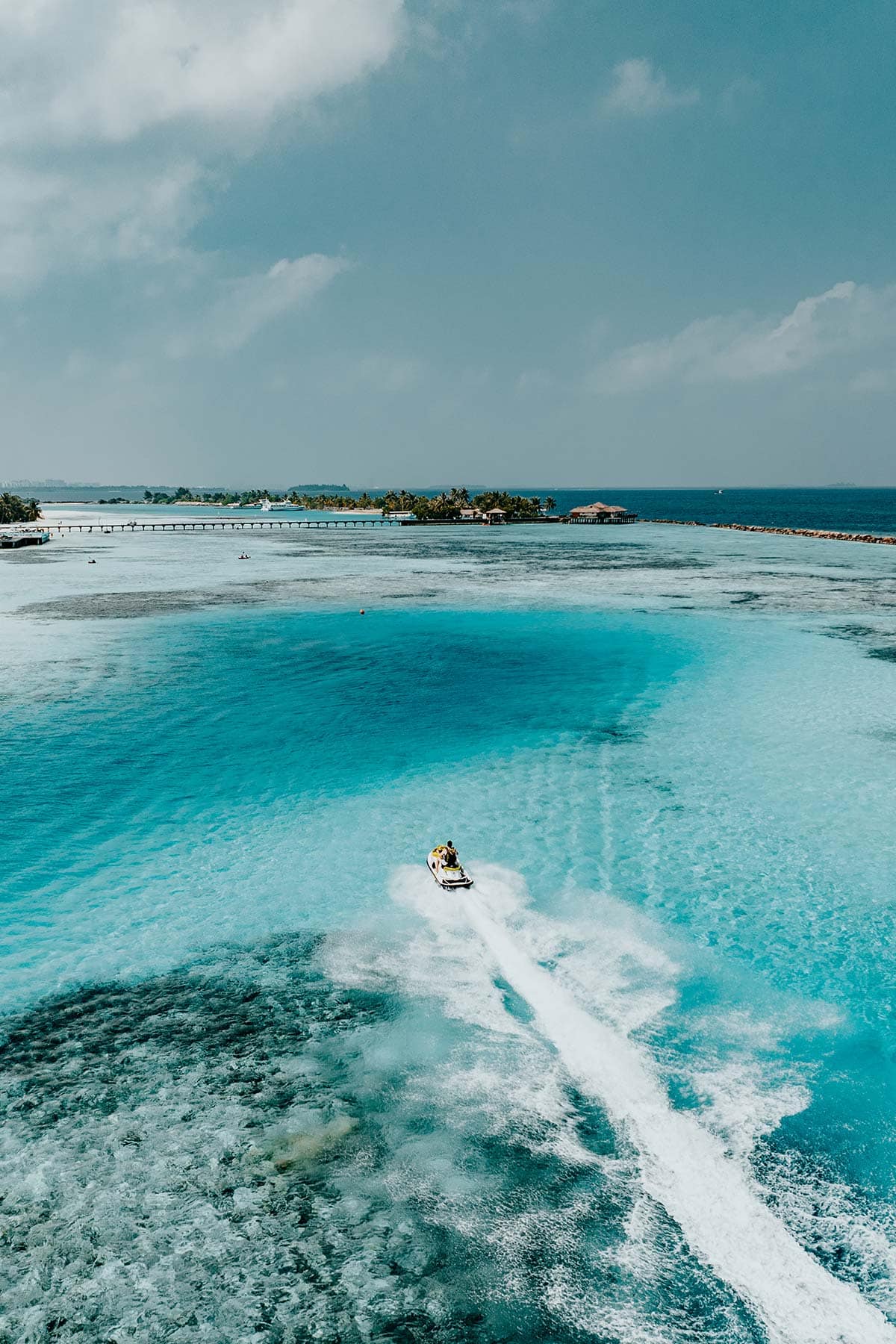
Think pickup Basketball in the middle of the jungle, exploring the exceptional underwater world, cruising along the pristine coastlines on a jet ski, or simply hanging out under the palms, chitchatting all things life with a sundowner in hand.
Whether you’re planning a self-organised retreat focused on fitness and wellness, have to celebrate an important milestone, or simply wish to catch up on some quality time with friends, the Maldives is the ideal pick for an outstanding friend group getaway.
4. Maldives is home to some of the world’s best accommodation
Luxury and Maldives are somewhat like synonyms (budget-friendly options are still found here), and I wouldn’t be surprised if those words are spoken in the same breath 99% of the time.
You see, when it comes to accommodation in the Maldives, the options are second to none.
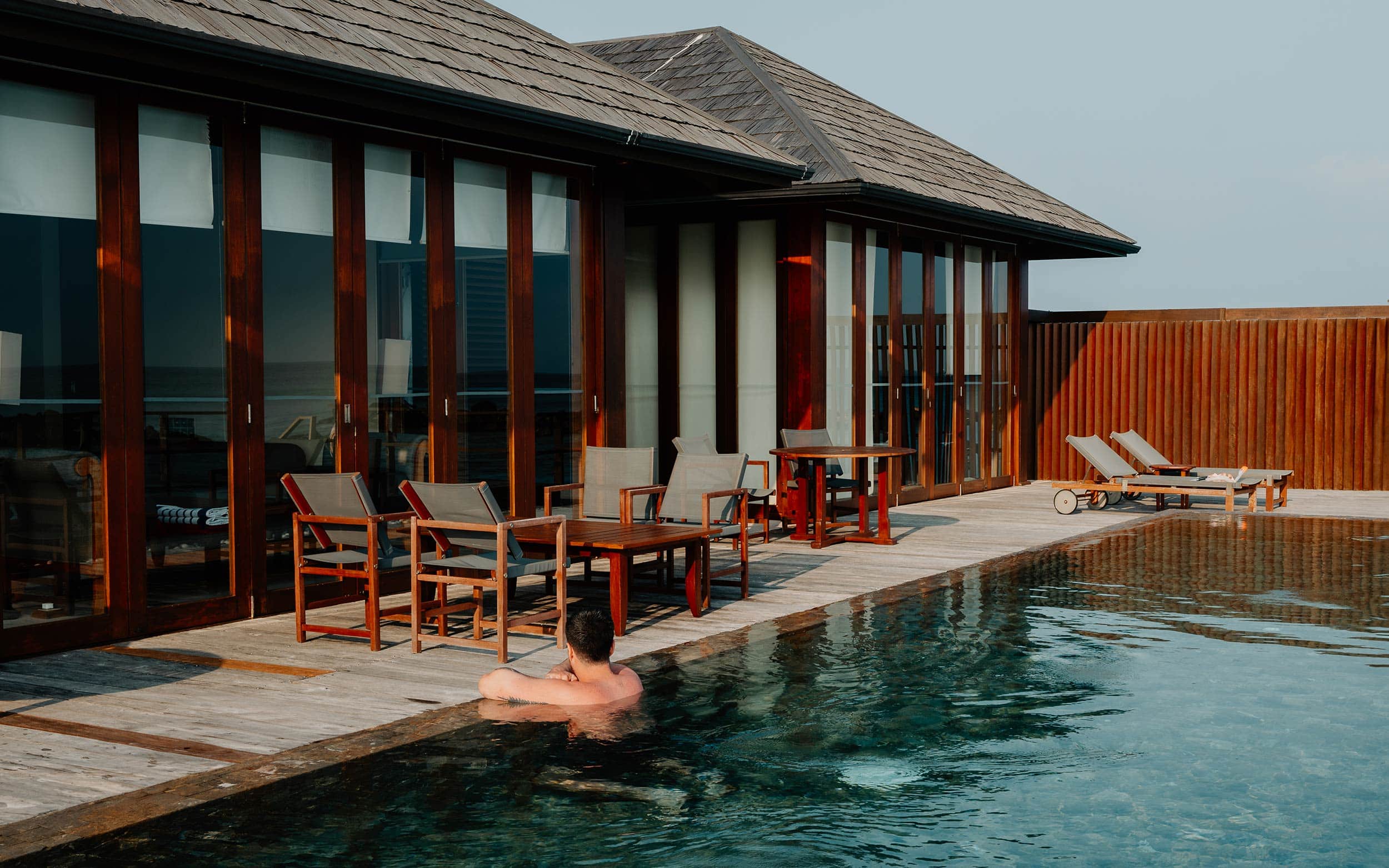
Think overwater villas complete with private plunge pools and a sundeck overlooking the Indian Ocean, super spacious beachfront villas directly at sea, and from what I’ve recently read, floating villas will soon also be an option here, which confirms that nothing is too crazy for the Maldives.
During my time in the Maldives, I was fortunate enough to experience an overwater villa at Villa Nautica and a spacious beach villa right at the palm-fringed beach of Villa Park.
For direct booking benefits or more information, make sure you visit villaresorts.com.
5. You can try all the Watersports
If you’re naturally an adventurous spirit, going to the Maldives solely to spend time lounging on the pearl-white beaches is not going to cut it.
Luckily, the Maldives is much more than whiling away the days on idyllic beaches.
It is, as a matter of fact, a paradise for watersports enthusiasts and adventure seekers alike, with heaps of thrilling water activities to keep your adrenaline pumping.
Add to that calm lagoons and warm waters, and you have yourself a true watersport playground.
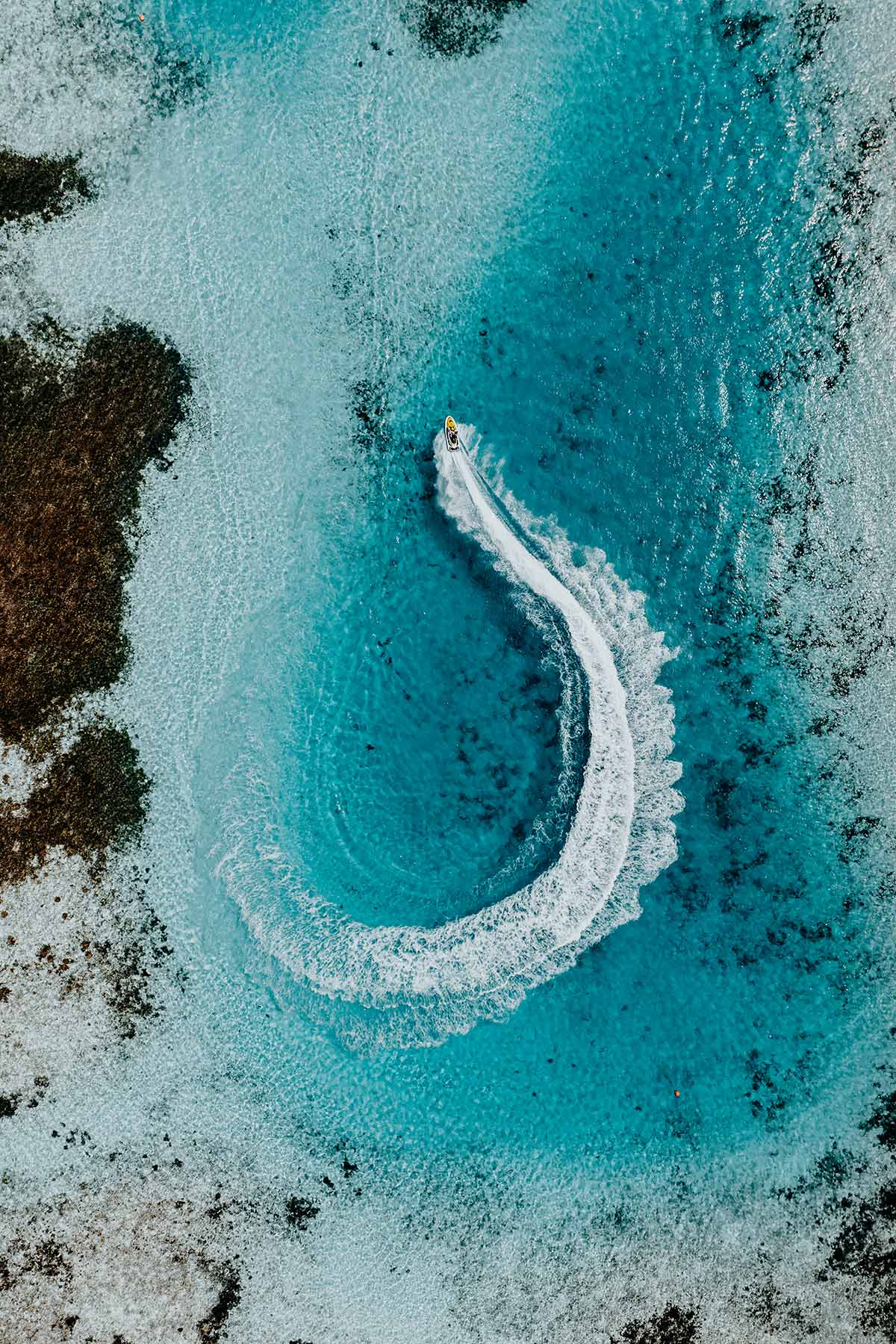
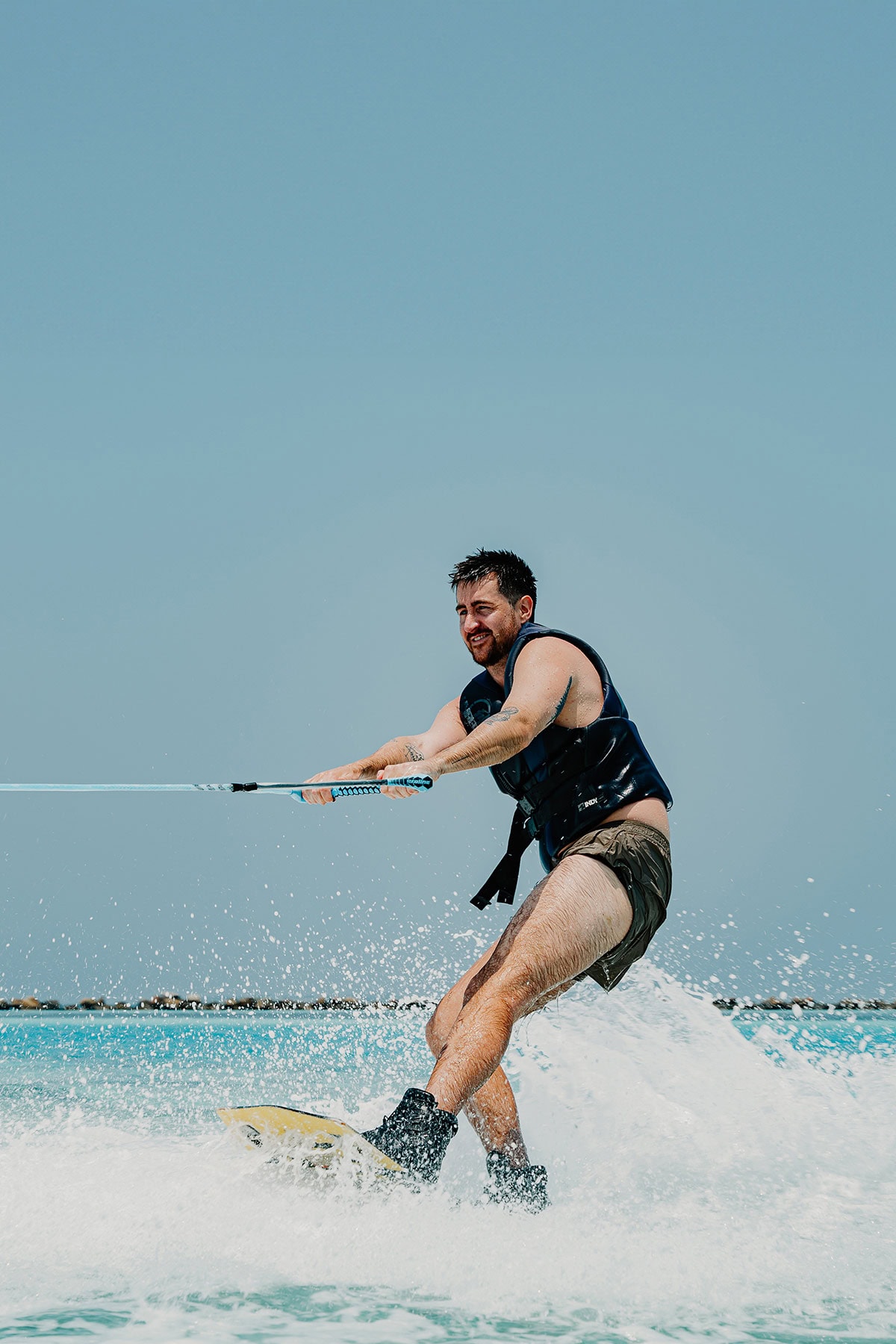
From thrilling wakeboard sessions to parasailing high above the lagoon, to calming afternoons on a stand-up paddle board to cruising around the coastline on a jet ski, those who crave to be active and in the water have options aplenty.
If you’re not familiar with watersports, I would highly encourage you to get out of your comfort zone and try some, as it’s super entertaining – even though I made a serious faceplant while wakeboarding at first.
6. Maldives beaches are paradisiac
If you’re not completely convinced by now, I will state it again: the Maldives are home to some of the most captivating beaches in the world.
Here, pristine white sand beaches stretch as far as the eyes can see, with the clearest turquoise waters on one hand, and low-hanging palm trees on the other.
While beautiful beaches are one thing, having the luxury to share them with only a handful of people means you will have your own slice of paradise at merely a few minutes walk from your villa, which to me, is something truly superb.
Though I’ve been to quite some countries praised for their beaches; the picturesque shorelines of Mexico, the idyllic coves of Croatia, and the palm-fringed beaches of Sri Lanka, to name but a few, the beaches in the Maldives are, so far, the most paradisiac ones I’ve ever set foot on.
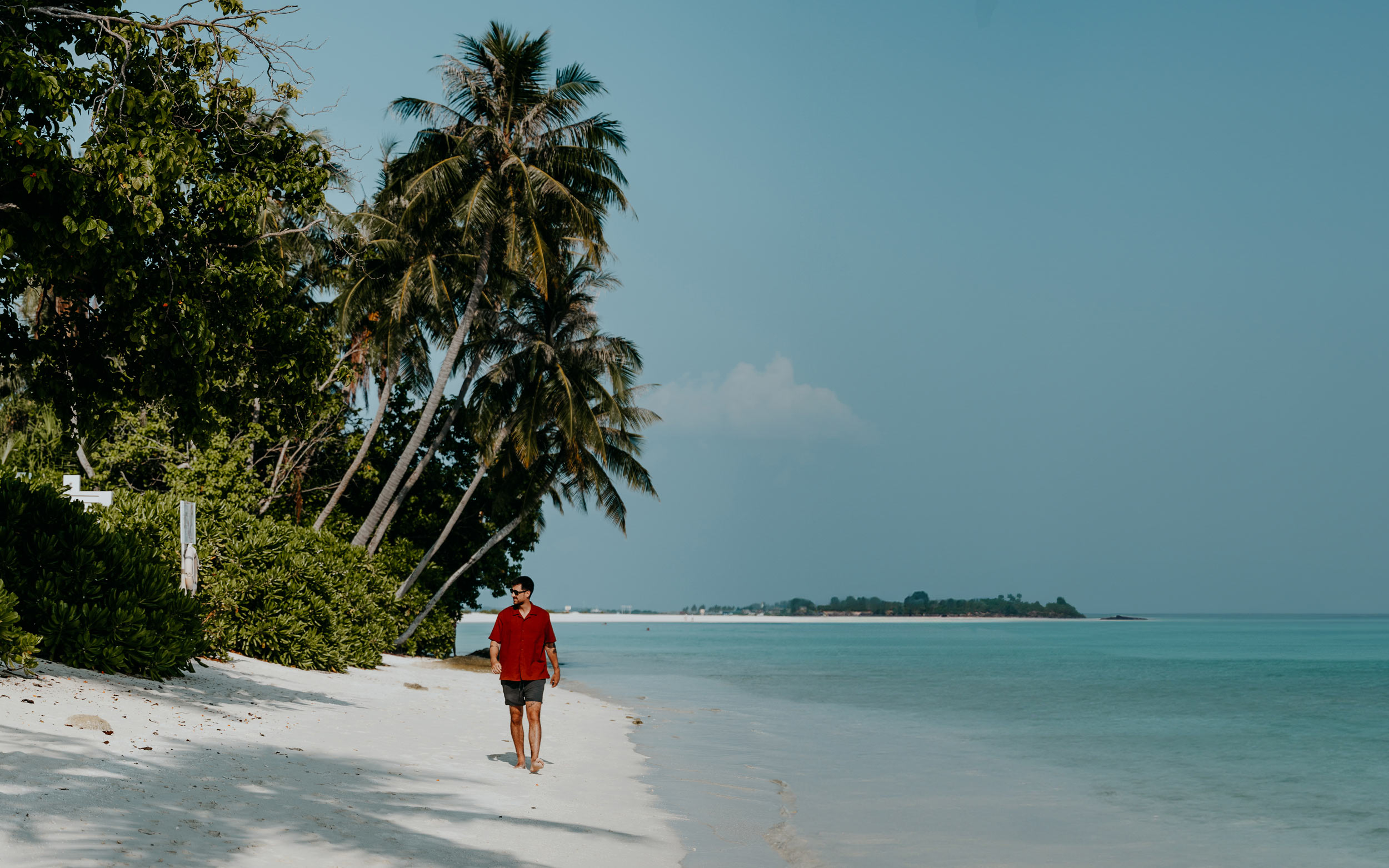
7. World-class hospitality is the norm here
Known for their friendly nature, the Maldivian people are among the most kind in the world, and combining that with the level of luxury and hospitality Maldives is known for is a lethal combination.
When staying in a high-end resort in the Maldives, you will be treated as if you’re a member of a royal family 24/7 (I am not exhilarating here), something I slightly struggled with initially.
As the kind of person who doesn’t typically enjoy the all-inclusive vibe, and someone who likes to treat people as equals, it was somewhat of a challenge to accept all the provided service.
After the initial discomfort, and carefully carrying out that I prefer to have a little less service than commonly offered in the Maldives, the way things work here started to settle in and I embraced the fact that it’s okay to be treated like a king from time to time, as long as you stay humble and kind at all times.
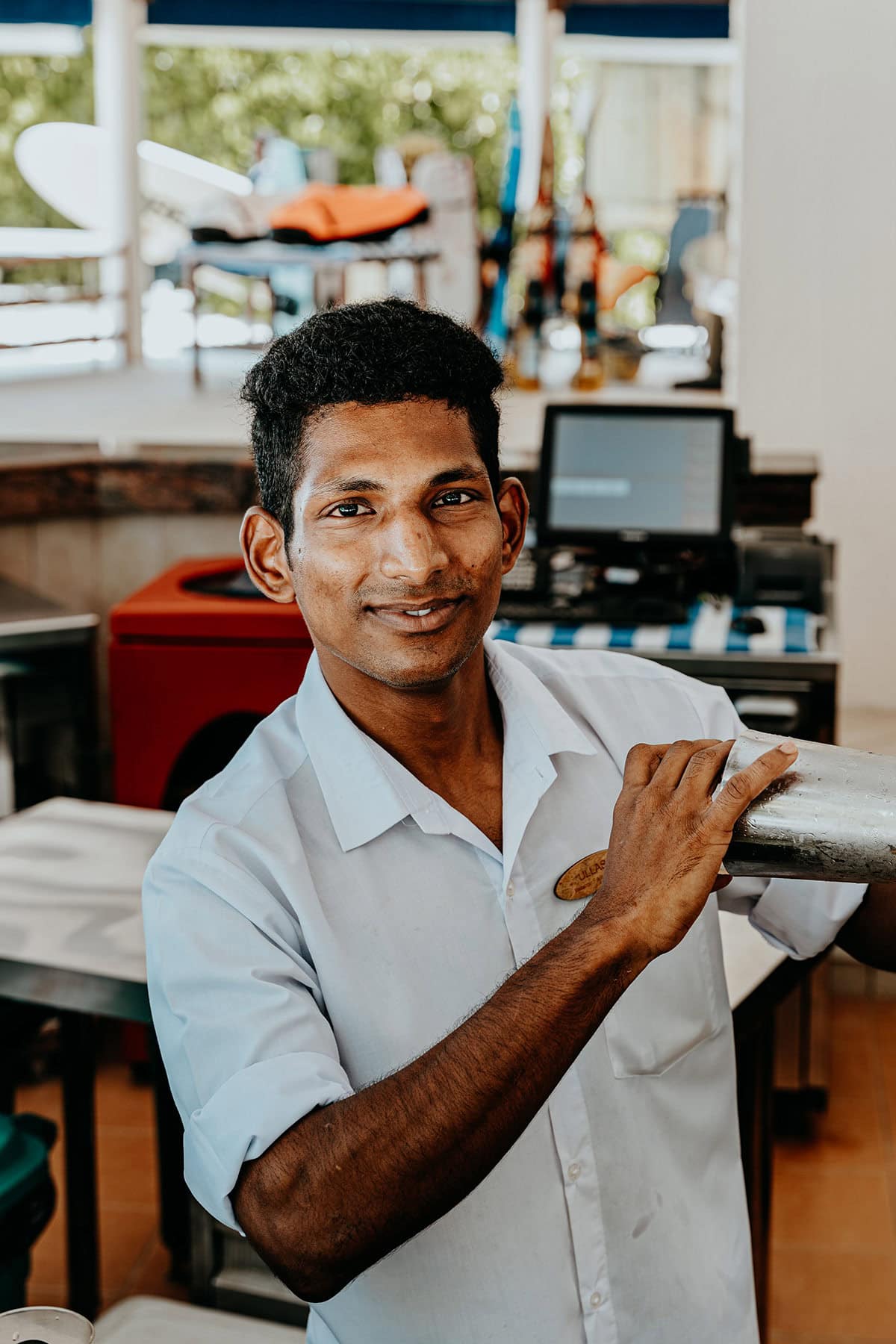
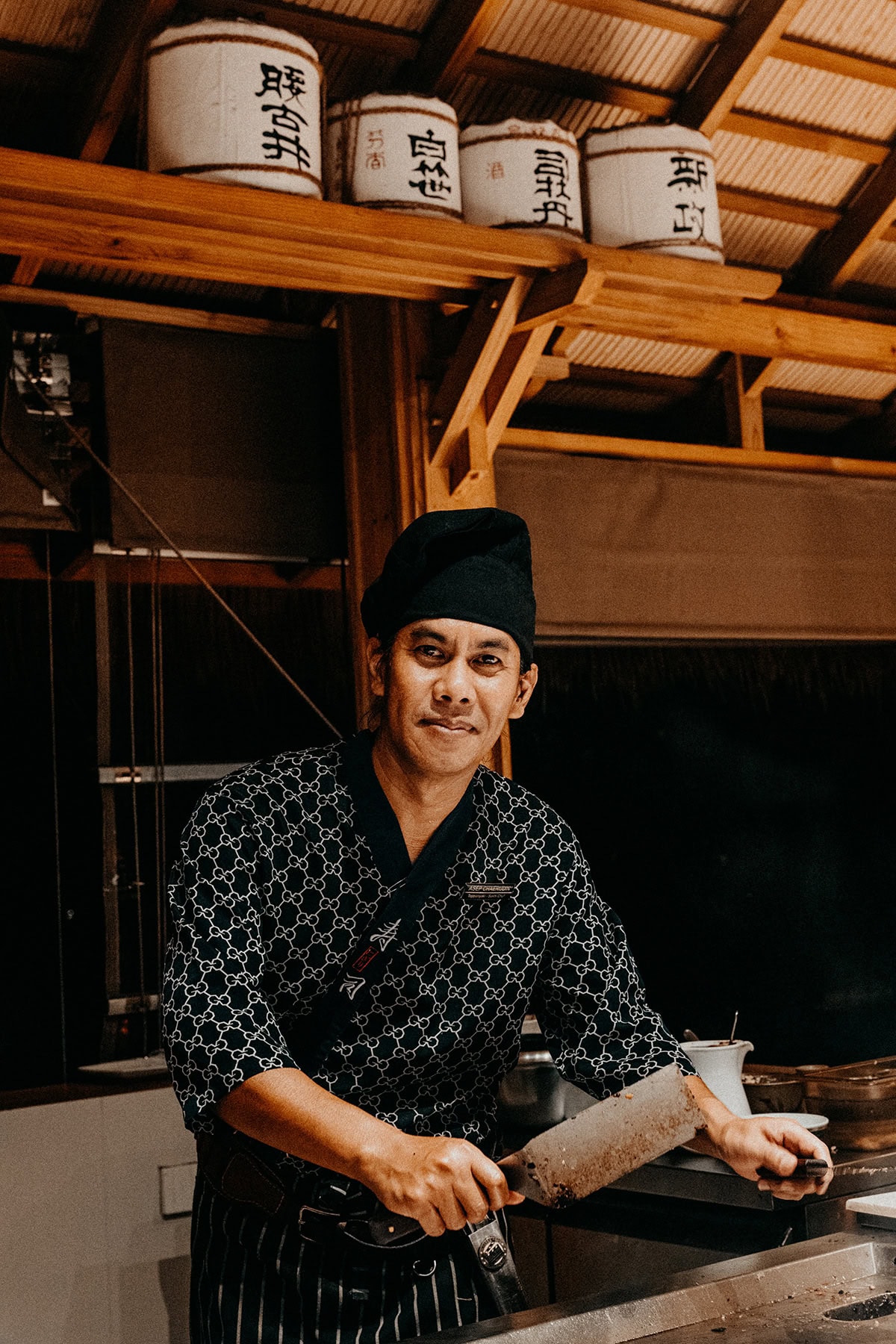
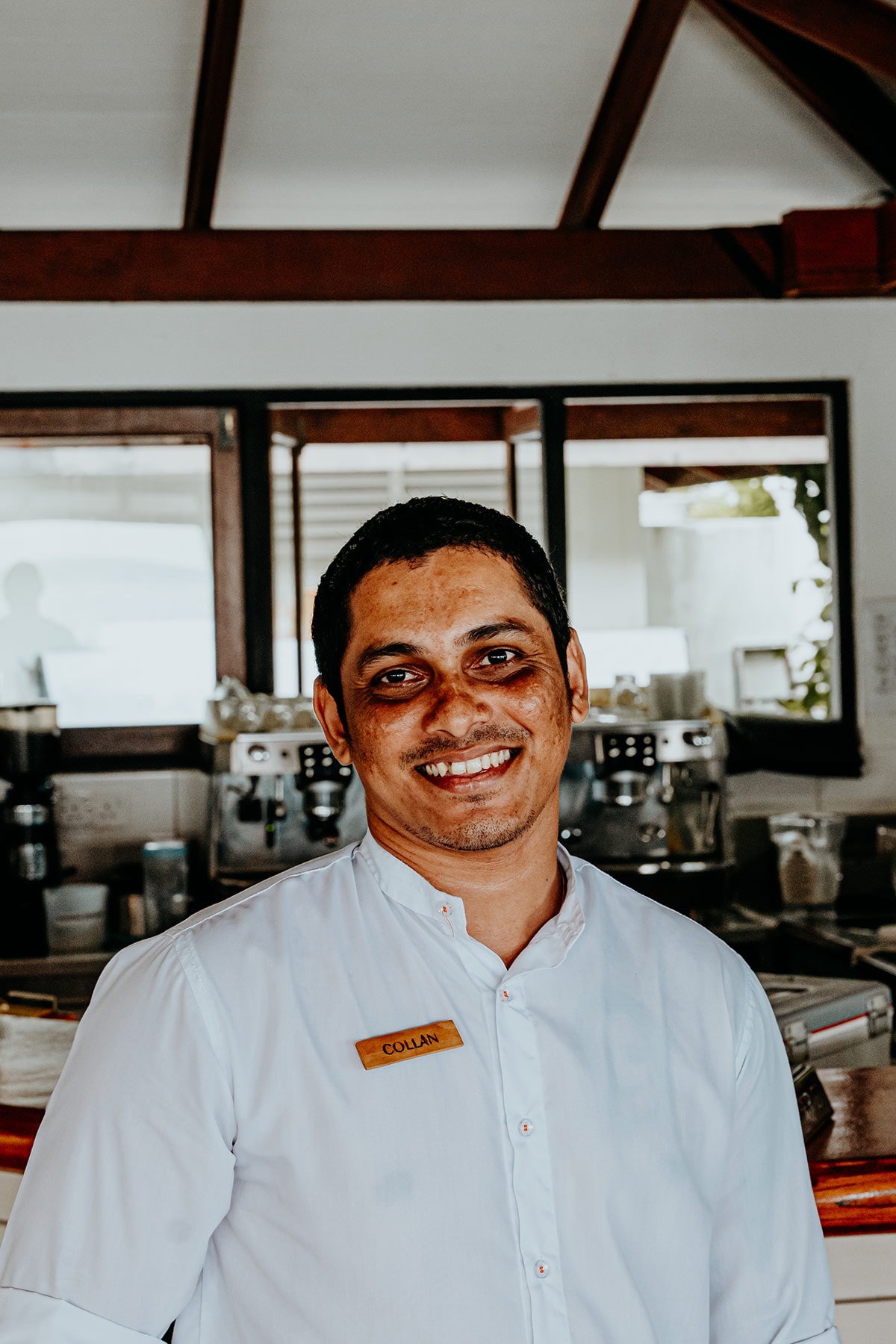
8. Luxury Spa experiences and the Maldives go hand in hand
I wish I had made time to treat myself to a luxurious spa treatment in the Araama Spa at Villa Nautica, but alas, I did not.
You see, the Maldives is a haven for those after wellness and relaxation, with endless luxurious spa and wellness treatments on offer, awaiting for you to experience.
Whether you’re keen to have a classic body massage, a rejuvenating face treatment, an ancient Ayurvedic healing session, a deep tissue massage, or something more specific, the options are unlimited, catering to your needs effortlessly.
Surrounded by lush jungle and the stunning Indian Ocean, with the calming sounds of the waves & tropical birds in the background, and exotic aromas lingering in the air, the Maldives provides the perfect ambience to take your relaxation to a completely new level.
As I haven’t personally experienced a Maldivian spa (I missed my appointment), I have to rely on the words of my buddy Stefan, who was found at the spa just about every day, which should already indicate that these treatments are something exceptional.
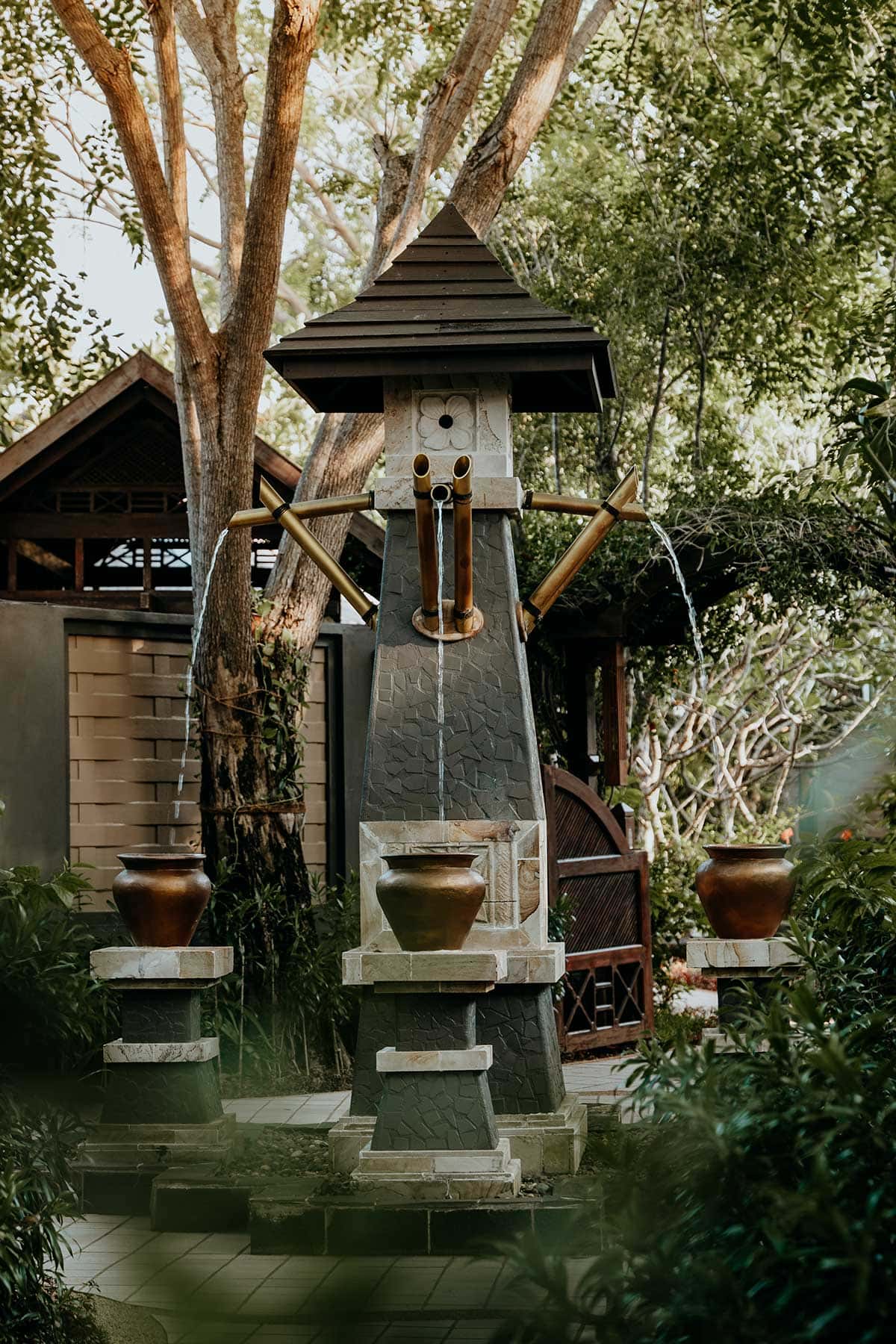
9. It’s easy to combine with other amazing countries in the region
To me, one of the best things about the Maldives is that you can easily combine it with one of the other amazing countries in the South Asia region.
When I planned my trip here, I decided to make the Maldives part of a longer trip through South Asia, where I also dedicated a few weeks to exploring India and Nepal – which was fantastic.
Combining the laidback island vibe with explorations in the unique, yet chaotic cities of India and Nepal was something I truly enjoyed, given the big contrast and differences between the two.
Yet, if I had to change one thing, I would say that ending the trip on the tranquil beaches of the Maldives would be a better option, instead of the other way around.
I also had the chance to visit the Maldives in 2019, when I spent a month in Sri Lanka, but decided to spend a little longer there – luckily, a new opportunity to visit the Maldives appeared this year.
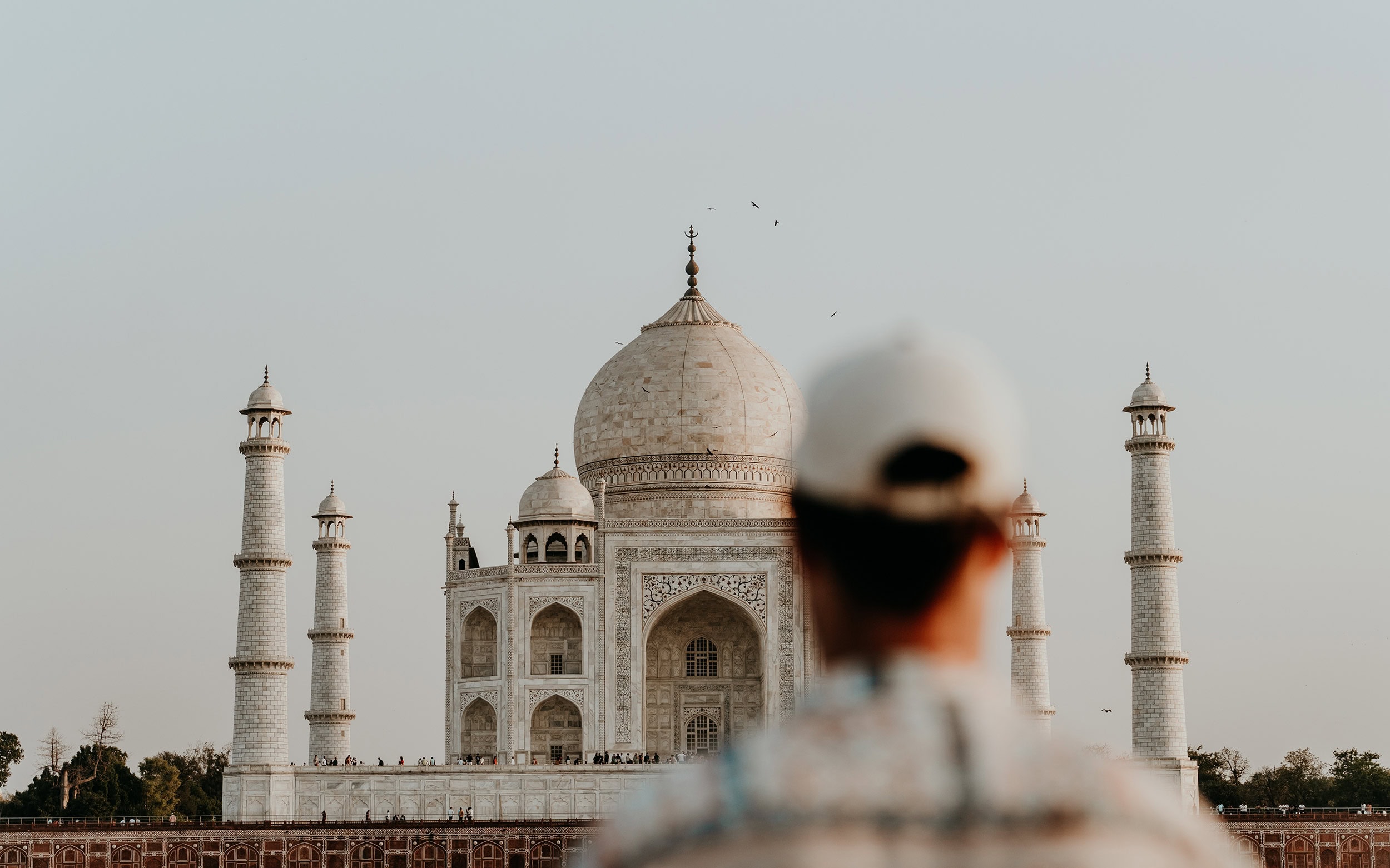
10. It’s more affordable than you think
It’s somewhat of a misperception that those who desire to experience the Maldives should drag a big bag of their hard-earned money around the pristine shores to cover their expenses.
While visiting the Maldives will most likely cost you more than other trips, it is actually more affordable than travellers generally have in mind.
When I was doing my research, I noticed that great options are found here at roughly €240,- per person per night with a full-board package – make sure you check out this beach villa to get a better understanding of what you receive for that price.
The above translates to about €3.400,- for a full week in the Maldives for two people – which to me, is not bad given your breakfast, lunch and dinner are already taken care of.
Also, since Maldives is serviced by the majority of European and international airlines, you could find relatively cheap flights too. For flights to Maldives, I’d recommend the use of Skyscanner.
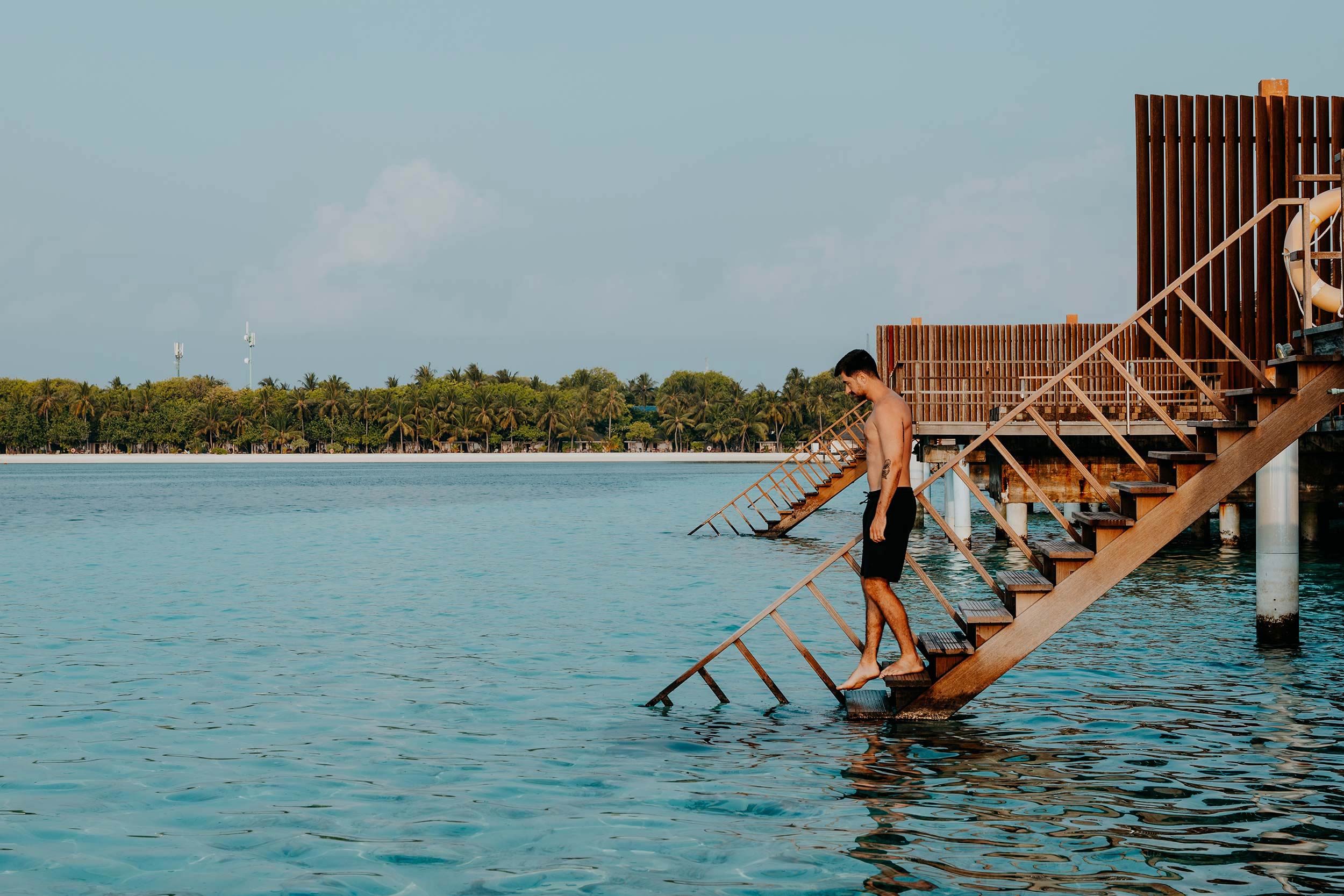
Things to know before visiting the Maldives
Best time to visit the Maldives | When to visit the Maldives
While the Maldives enjoys warm tropical weather year-round, the best time to visit is during the dry season that runs from November to April.
During those peak months, you can expect days filled with sunshine, clear skies, minimal rainfall, and an average temperature that rarely drops below the 29 degrees Celsius mark.
I’ve been told that those looking to explore the underwater world, should aim for a visit between August and November, as this is considered the best time to spot Manta rays and Whale sharks.
My most recent visit to the Maldives was in March, and was nothing short of great, as I had wonderful weather throughout my entire stay, as well as astonishing sightings in the water – despite the absence of Whale sharks.
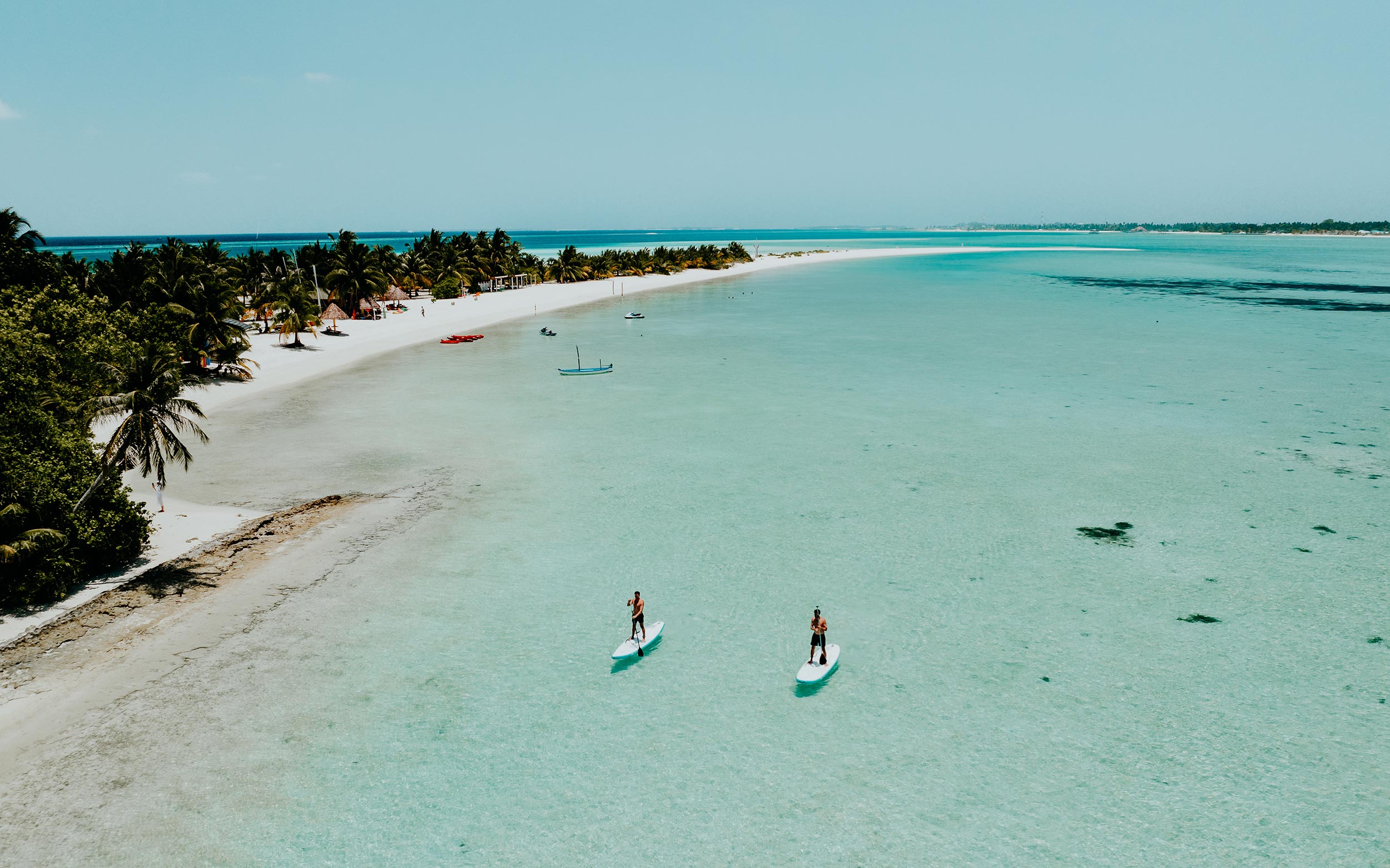
How to get to the Maldives
While the Maldives is remotely located smack bang in the middle of the Indian Ocean, it’s well-connected to the rest of the world, with the Velana International Airport in Male as the leading entry point to the country.
While relatively small, the airport is well-kept and hosts a broad range of international flights, including those from the major hubs in Europe, North America, the Middle East, and Asia.
For flights to Maldives, I’d recommend using Skyscanner; a super convenient platform that lets you compare an extensive range of airlines and travel companies. By doing so, you can find the best possible rates, as well as favourable departure times and connecting flights.
Depending on the resort, you will have to take a private speedboat, seaplane, or domestic flight to get to your final destination, something you should sort out in advance with your resort.
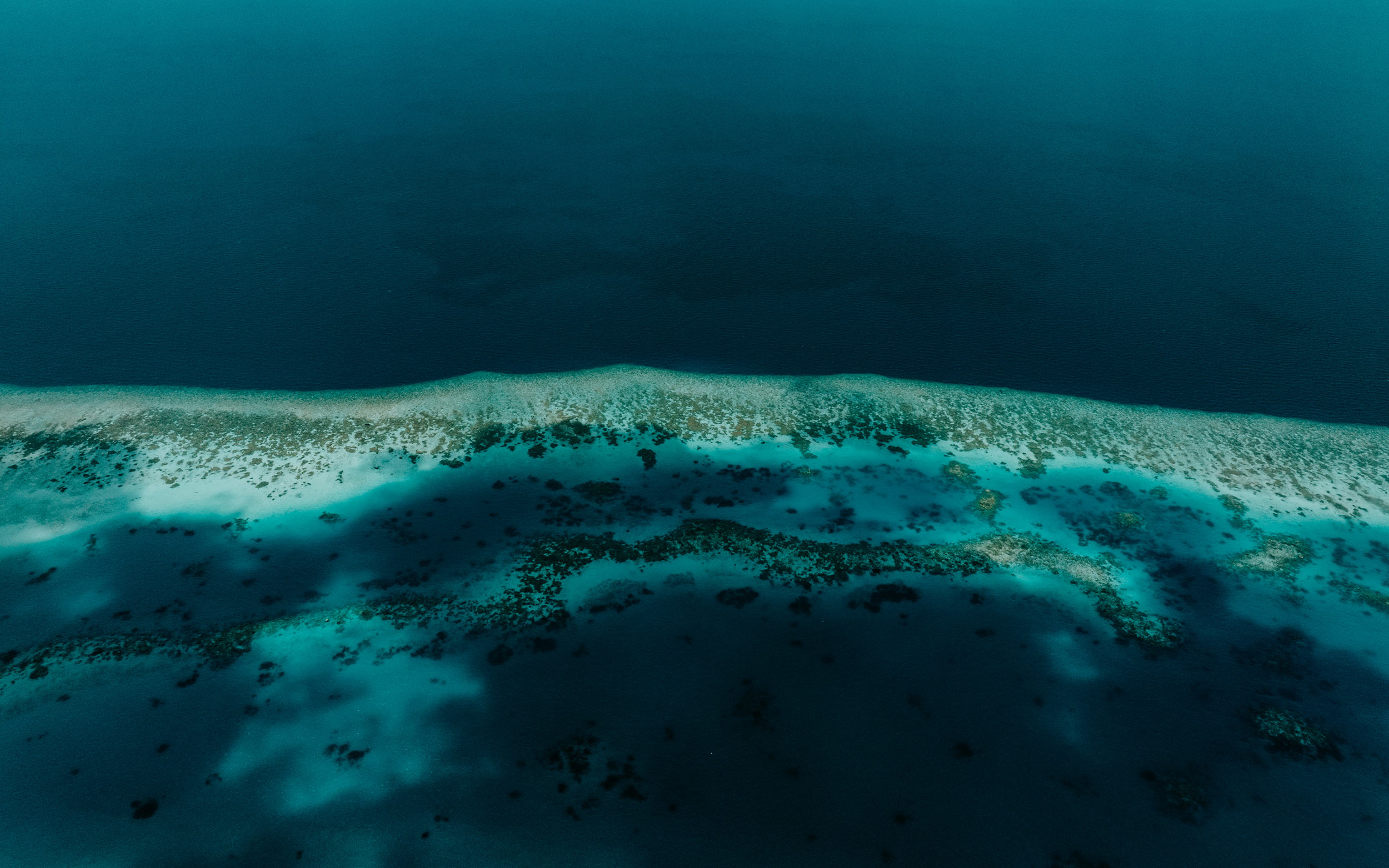
Safety in Maldives | Travel insurance
When travelling this big wide world, I always go on an adventure with my essential travel insurance sorted out, and though the Maldives is completely safe, I’d recommend anyone travelling here to do the same.
While we always hope that everything runs smoothly during our travels, something unfortunate can always come into play, whether it’s an injury, a drowned camera or an accident on the road.
Though we rather not think about things that could possibly go wrong, there’s always a chance that something will happen, and when that’s the case, it is better to be safe than sorry.
For travel insurance, I always use Heymondo, as they offer excellent medical, baggage and electronic equipment coverage as well as a handy app with 24-hour medical assistance.
Make sure you take a look here – readers of WTSW receive 5% off any insurance policy.
Cheers!
I’ve been on this travel blogging journey since 2019.
If you appreciate what I do here, these are some ways you can support me.
Some photographs in this guide are captured by my dear friend Andre Smits – make sure you’ll have a look at his insane work here.
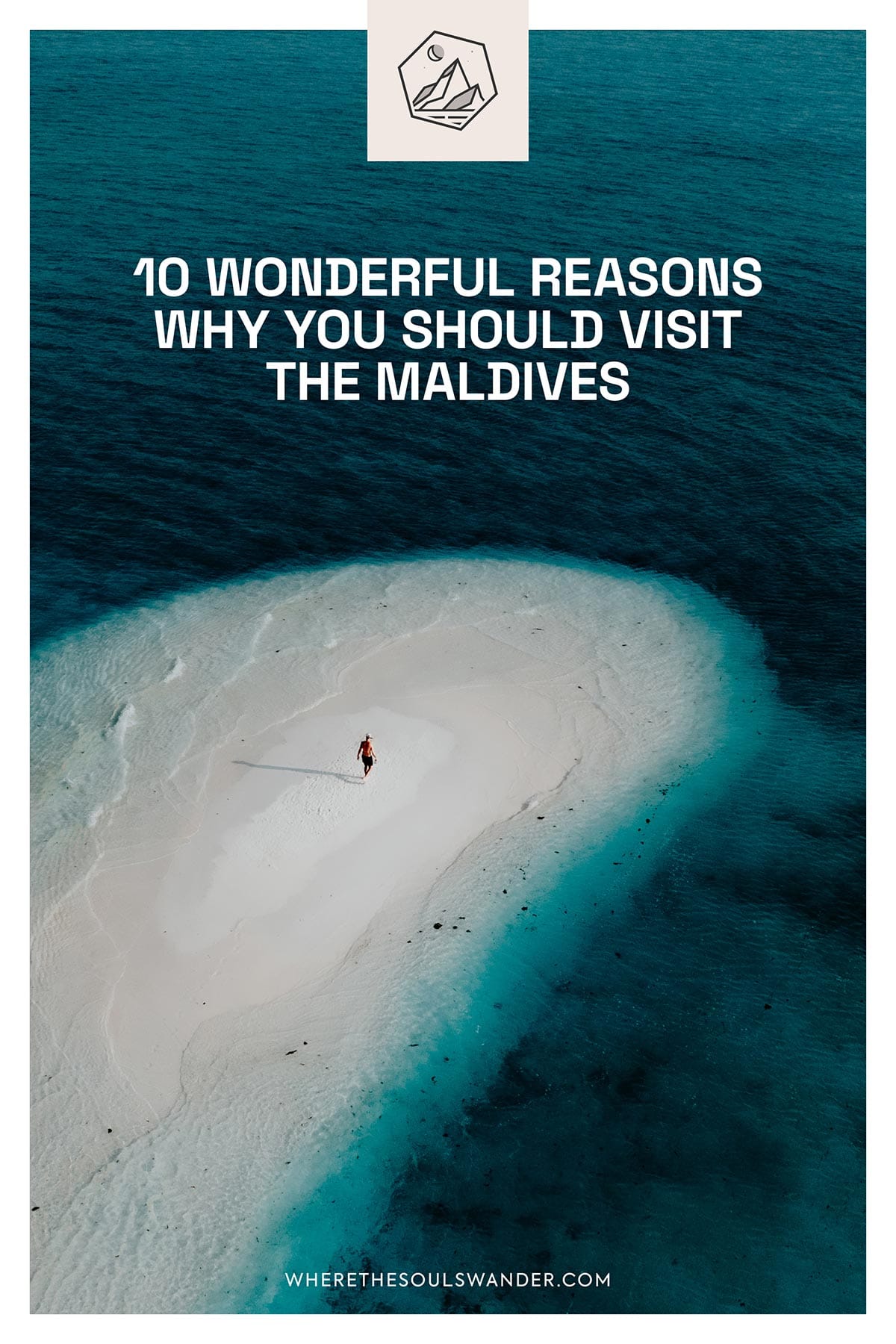
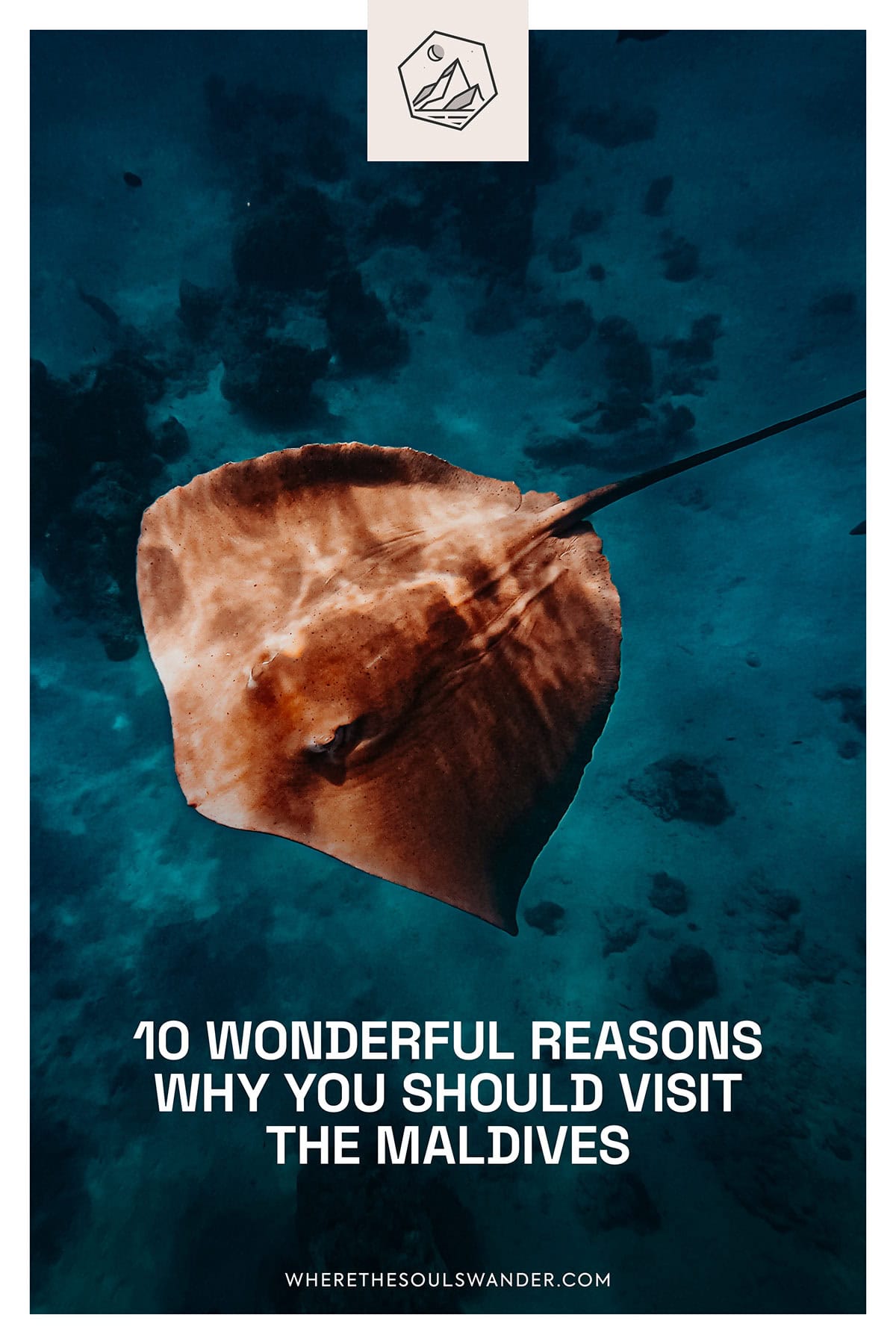
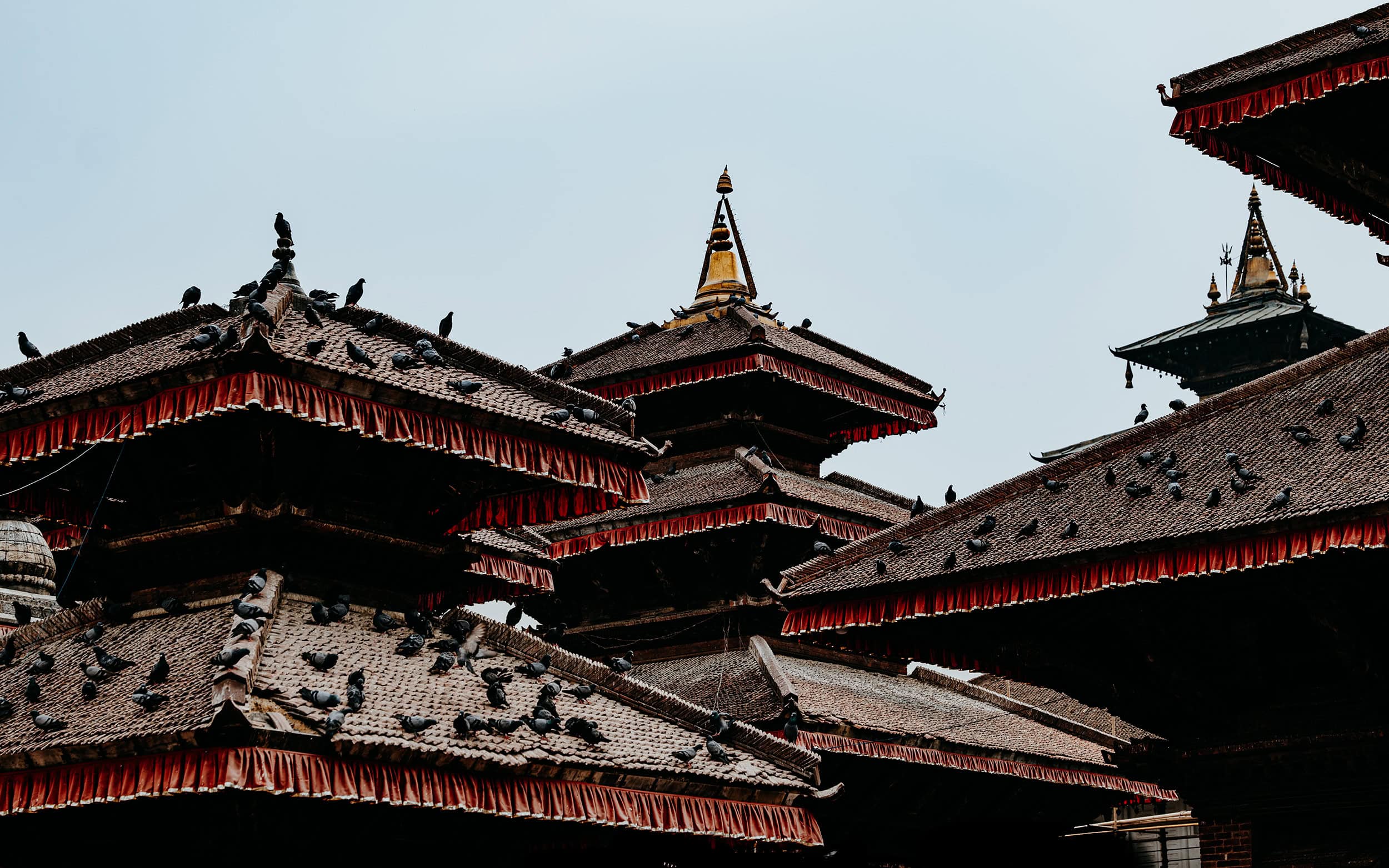
52 Wonderful photos that will inspire you to visit Kathmandu in Nepal
I’ve recently spent a long week in Kathmandu to explore it on a slower, more local pace, and I quickly developed a profound adoration for this amazing city, its people and their ways.
Despite the moped madness (Mario Kart is real over here), heavily polluted air, and overall chaotic tendencies that prevail here, Kathmandu and its irresistible charm made me forget about its little quirks effortlessly, which is usually the case in a love story.
Cause that’s what this is.
You see, Kathmandu is a place like no other.
From the vibrant streets and stunning Durbar squares to the many spiritual and religious beliefs that coexist without tension, the mouthwatering culinary offerings, to the ‘City of Temples’ unmatched inhabitants, by who kindness is imprinted deep inside their DNA, Kathmandu is special, and to me, it’s simply impossible to leave without a mild heartbreak.
It is, therefore, that I will keep Kathmandu very close to my heart.
To do justice to the above words, and of course, to inspire fellow travellers like yourself to visit Kathmandu, I share with you my Kathmandu photography story – a collection of 52 of my favourite photos taken in Kathmandu, Nepal.
If you choose to use any of the links on this page, I may receive a small commission at no extra cost to you. By using these links, you’ll have a direct impact on WTSW and my ability to continue to create free insightful travel content for you. If you find any of my tips useful, you can support me by buying a virtual coffee here.
52 Wonderful photos that will inspire you to visit Kathmandu, Nepal in 2024
Kathmandu’s lively streets
To be fair, some of my favourite moments in Kathmandu were found on a roam without a plan when I was simply discovering the vibrant streets with my camera in hand.
Whether you’re strolling through the buzzing streets of Patan, the chaotic Thamel area, or the maze-like laneways of Bakthapur, authentic moments unfold at just about every corner, waiting for you to be captured.
In short, photography enthusiasts will love it over here.
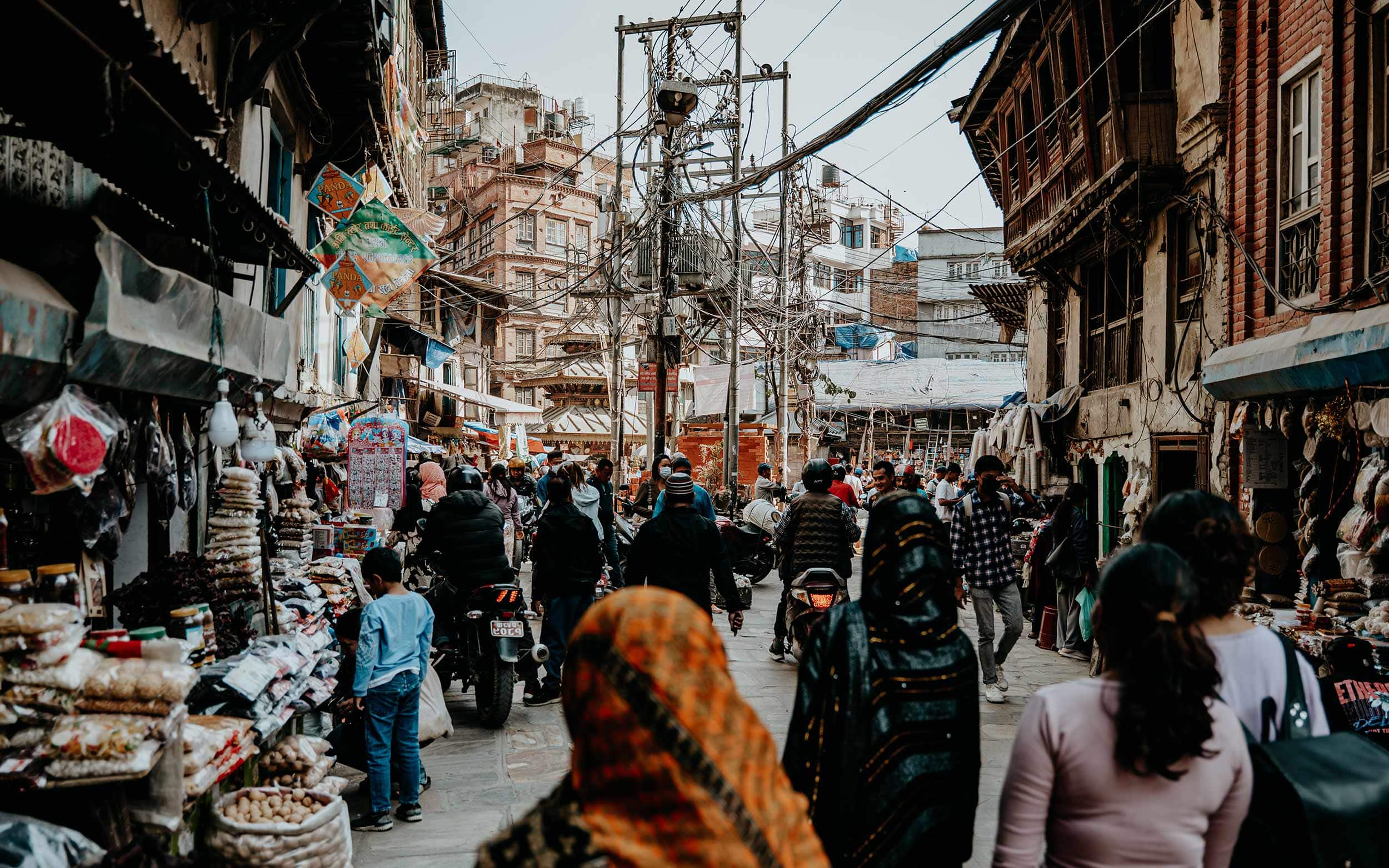
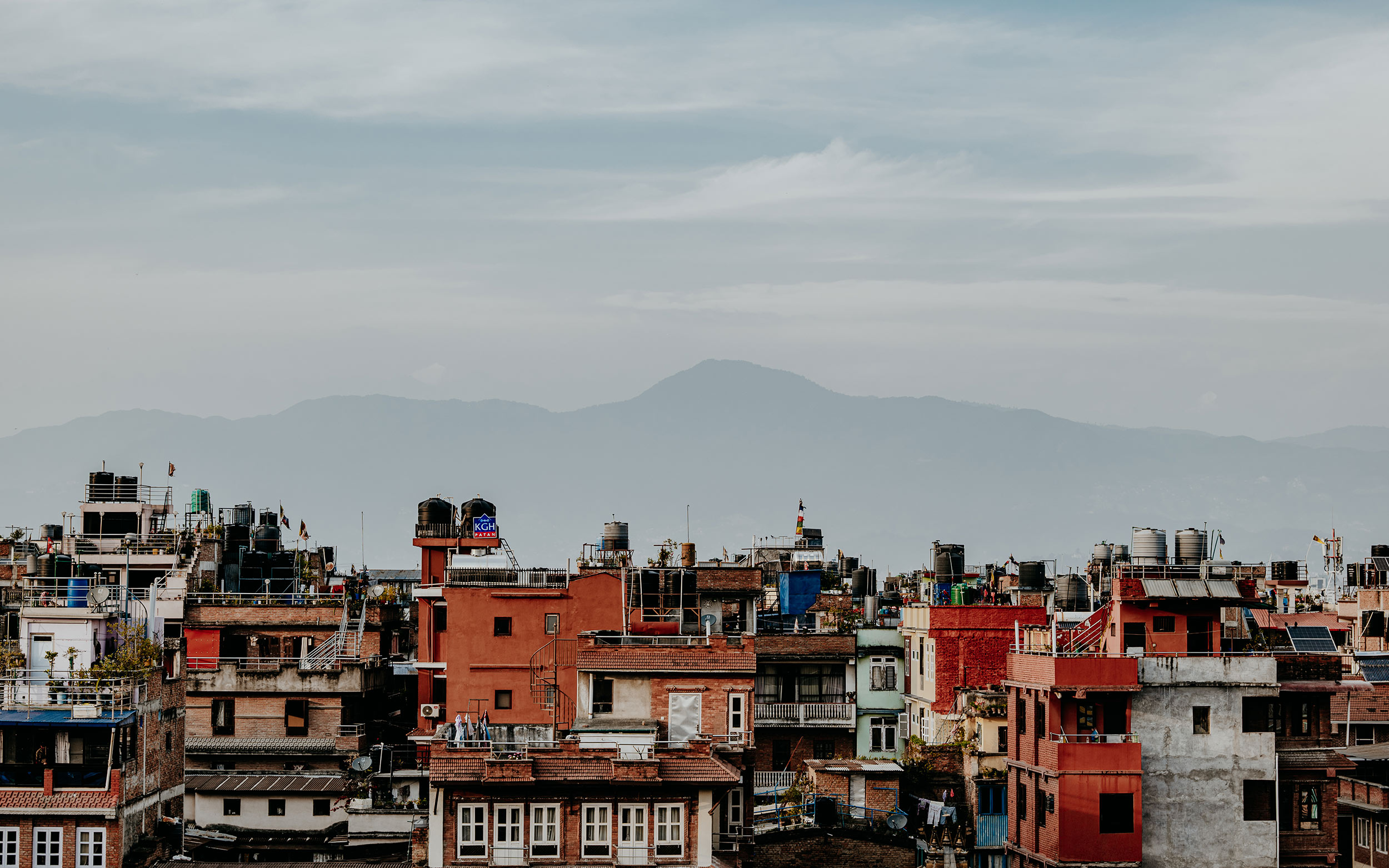
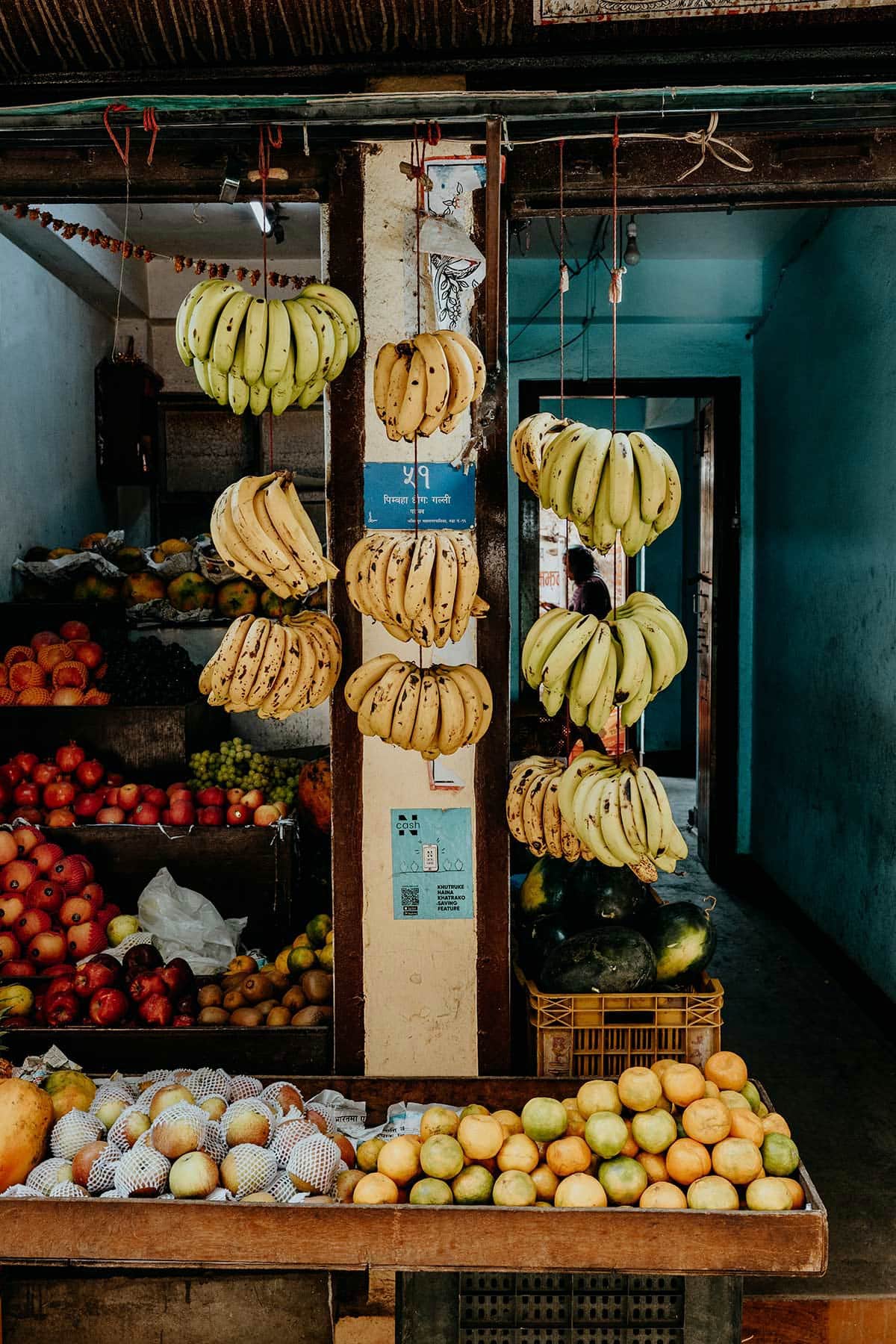
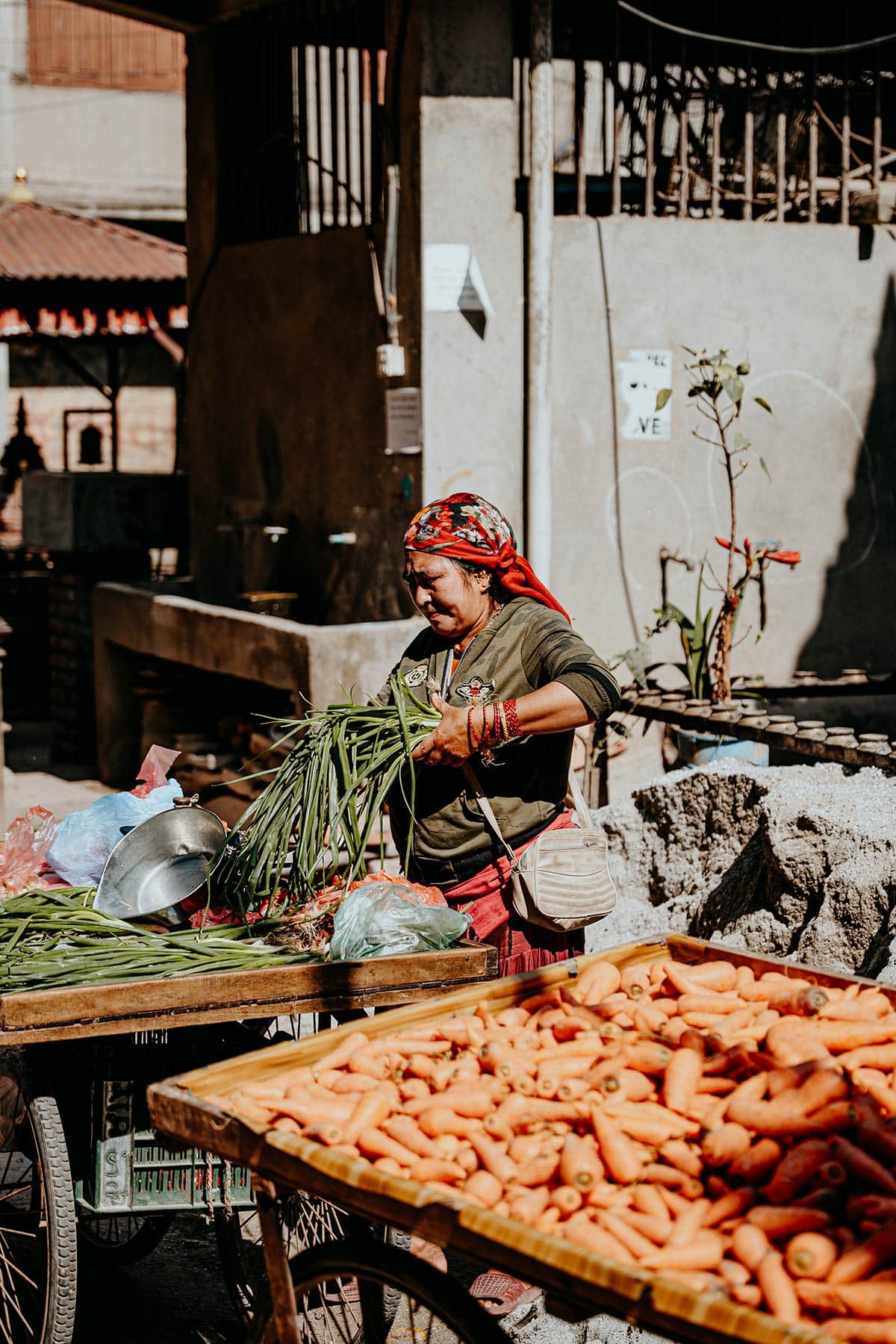
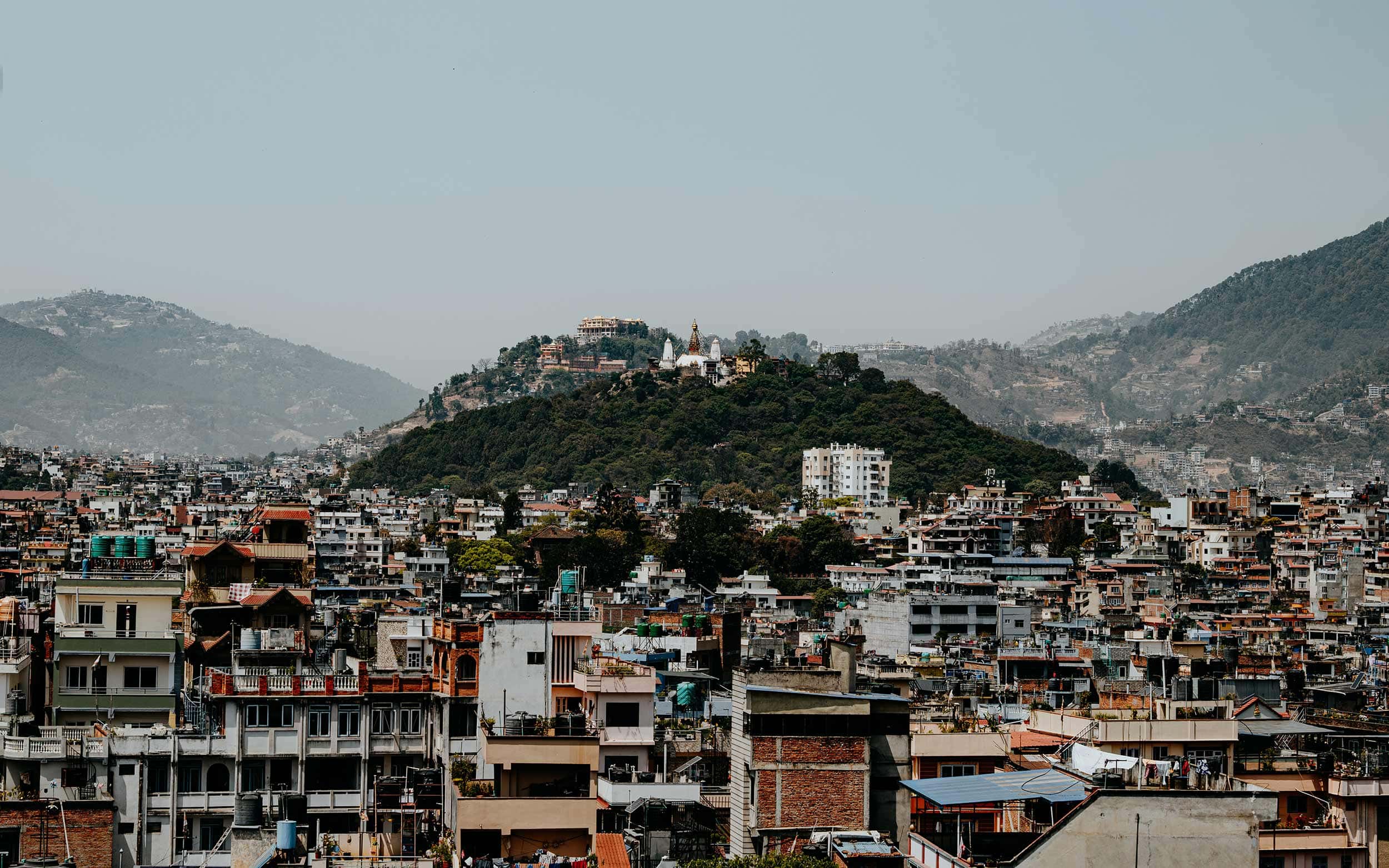
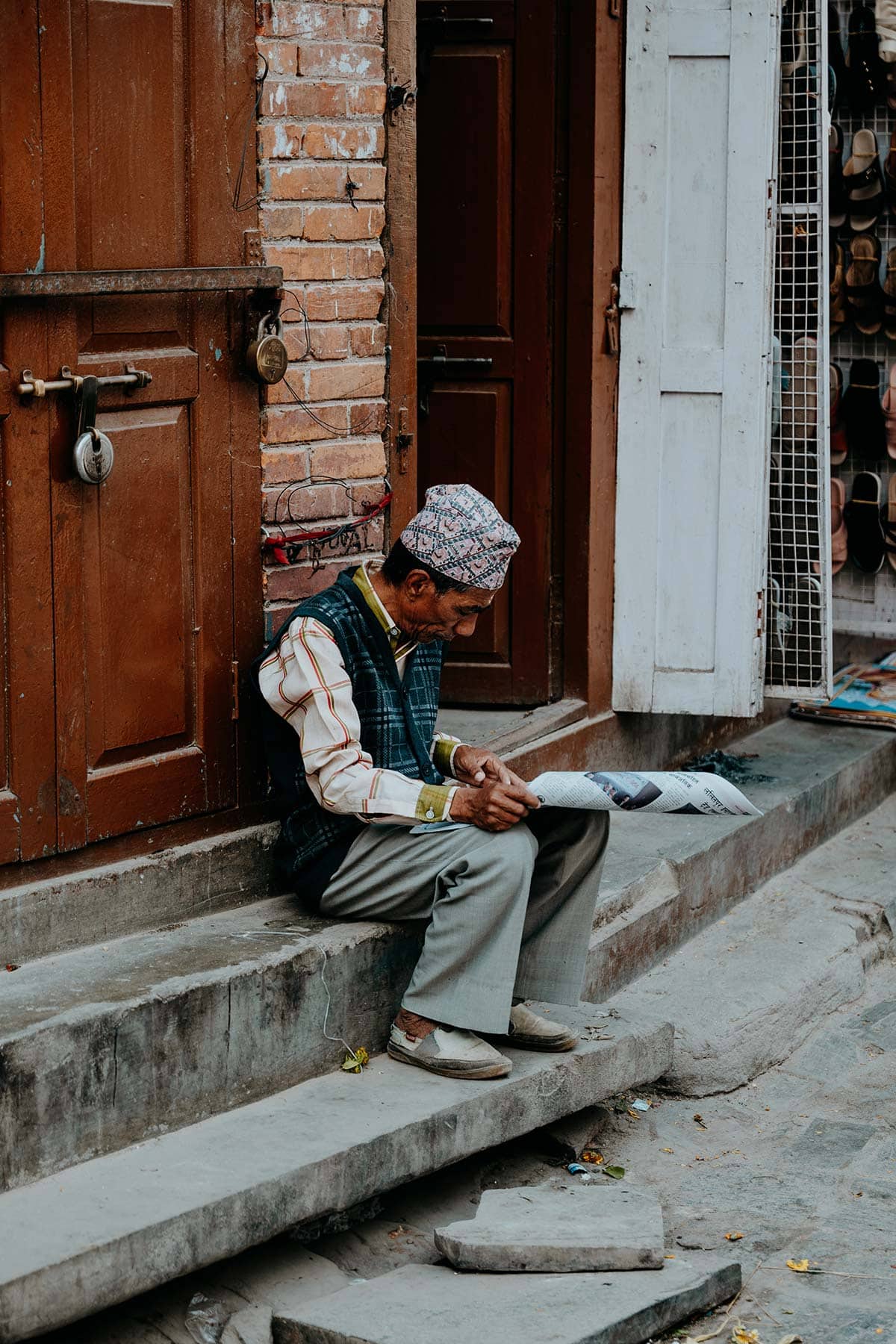
Nepal’s captivating spiritual side
Kathmandu is a melting pot of spiritual and religious diversity, and I’m all for it.
It’s a city home to a wide variety of religious beliefs, and with ten official religions, Nepal has introduced the ‘Freedom of Religion or Belief’ as a foundational right, meaning every human being can practise exactly what beliefs they prefer to align with.
To me, this open-minded, accepting and humble way of respecting one another is exactly what makes Nepal and its people as special as it is – which is extremely special!
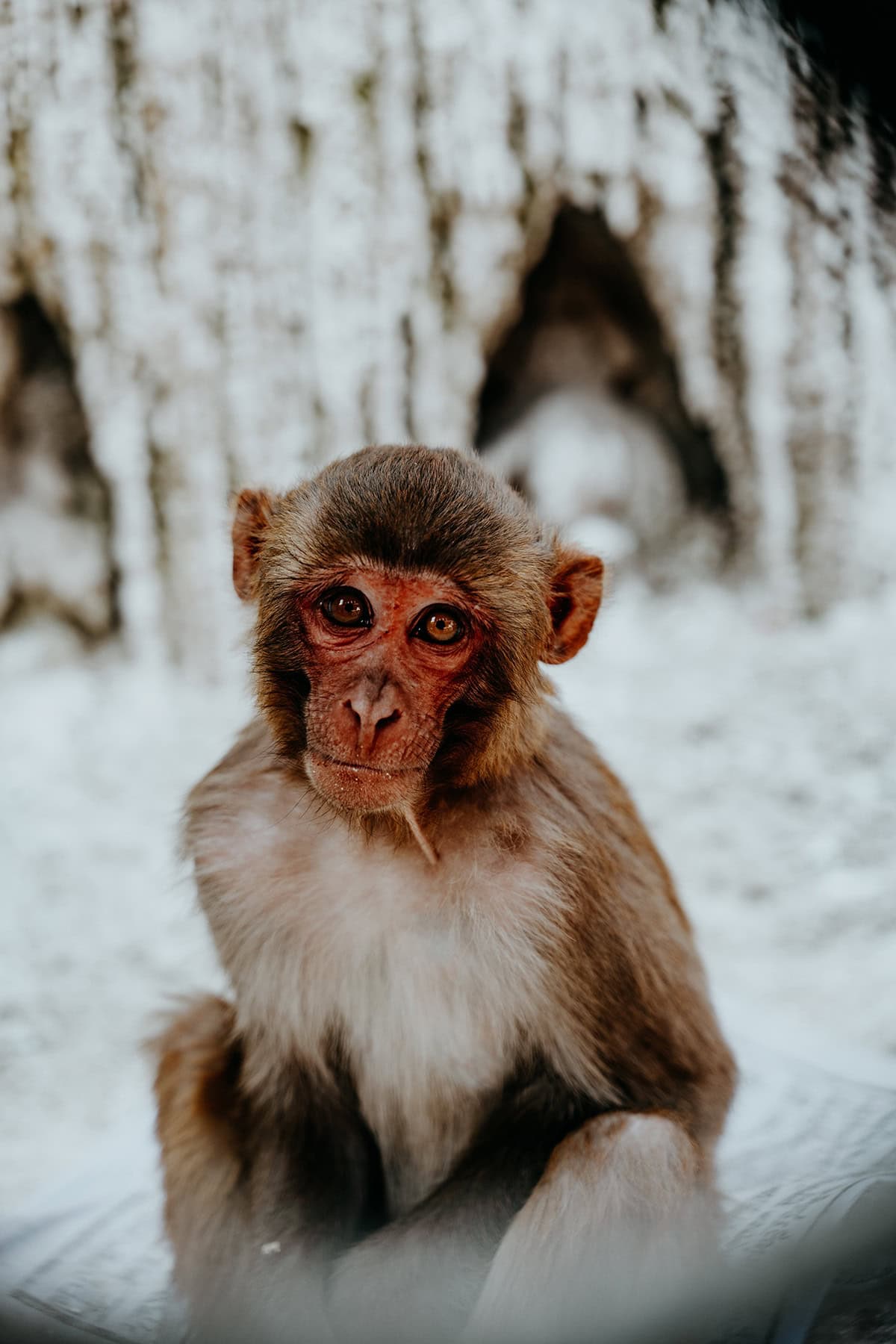
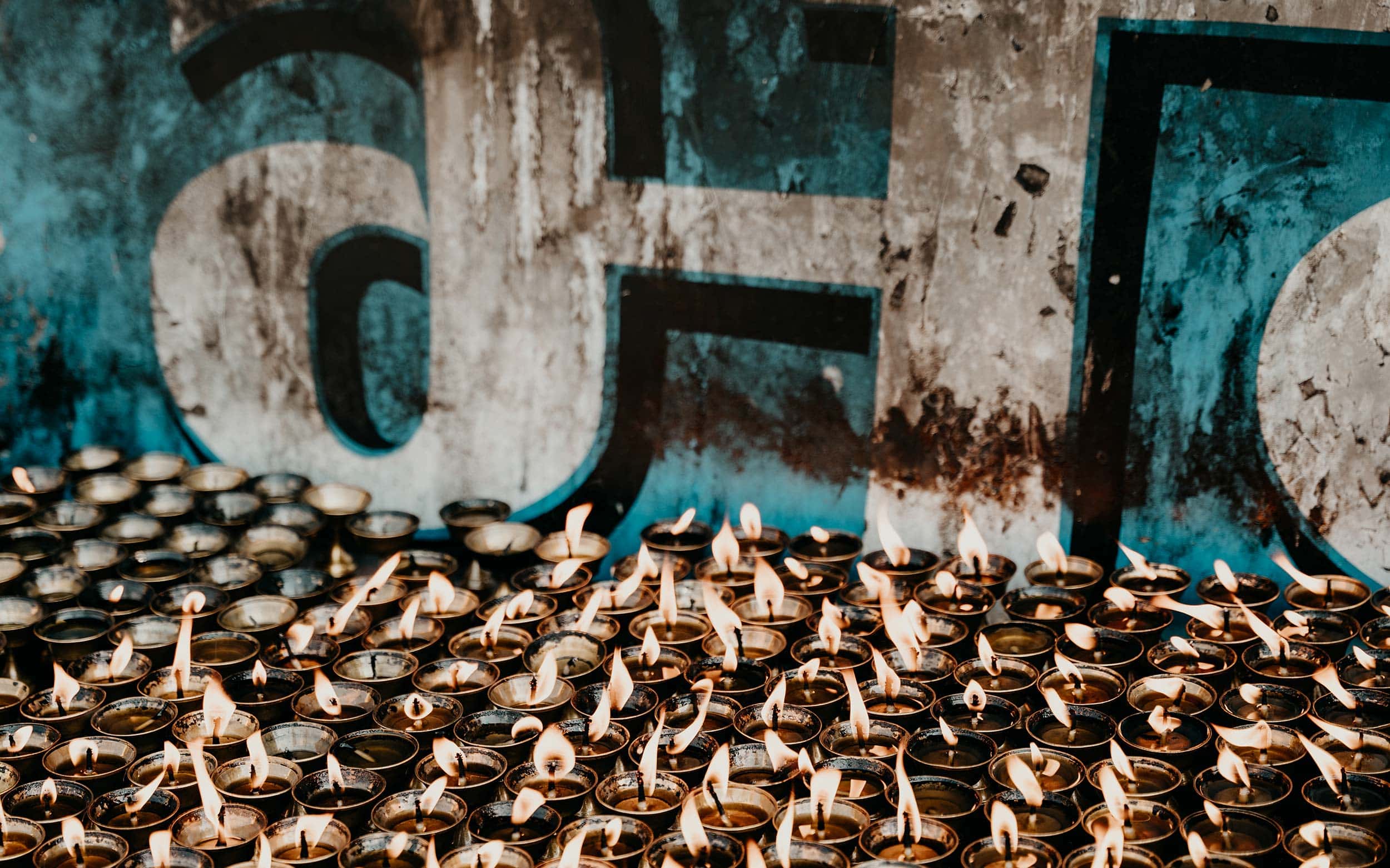
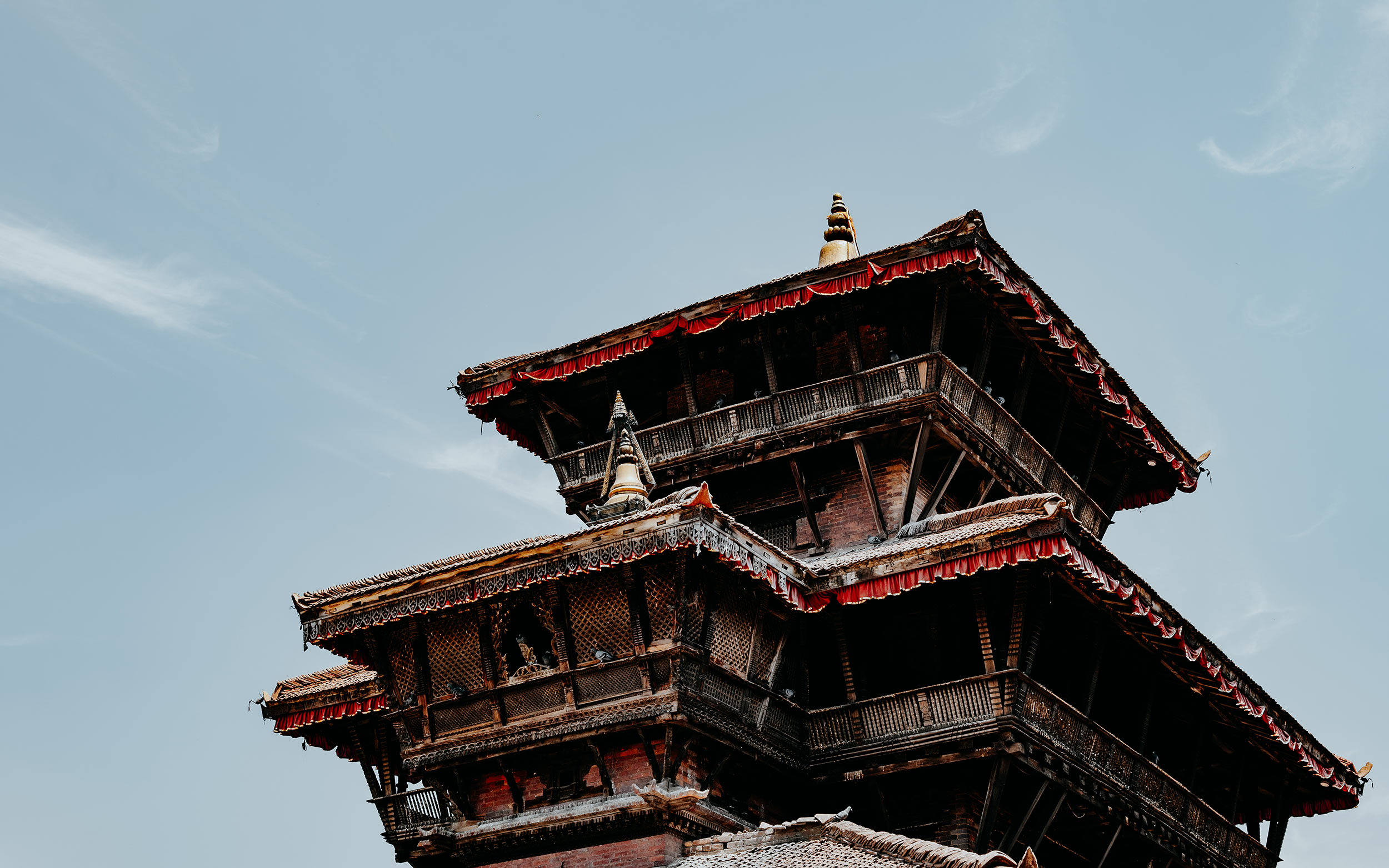
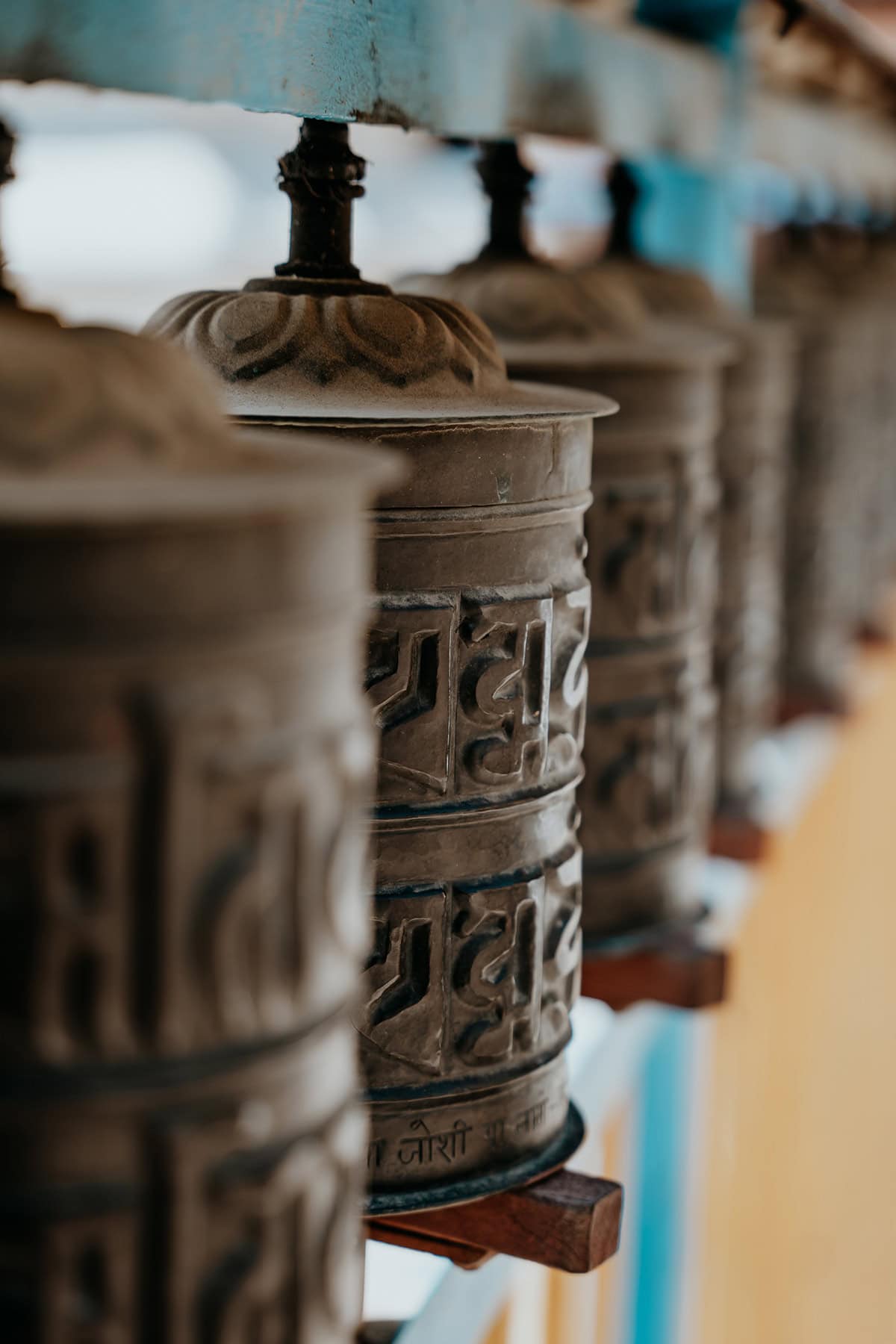
The people of Nepal
From the moment I touched down at the Tribhuvan International Airport in Kathmandu, I knew the people in Nepal were different.
With different I mean warm, welcoming and genuinely kind.
It is said that every Nepali is familiar with the following phrase; ‘Atithi Devo Bhava’, which translates to ‘Guests equals God’.
After spending 8 days in Kathmandu, where I’ve been hosted by the family of my dear friend Reeju, and experiencing plenty of genuine chats and interactions in the lively streets, I’m convinced that the Nepali people truly live by this mantra.
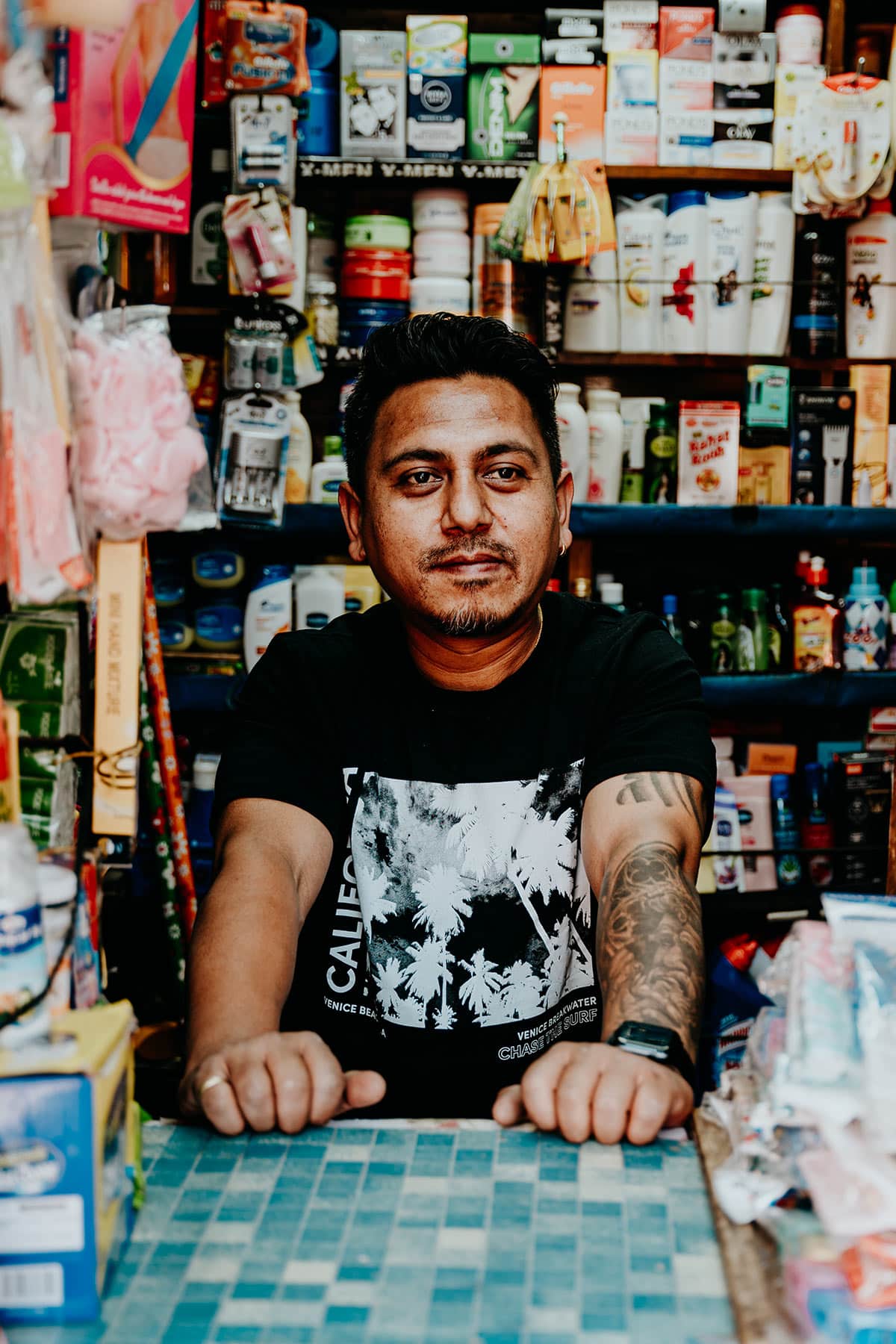
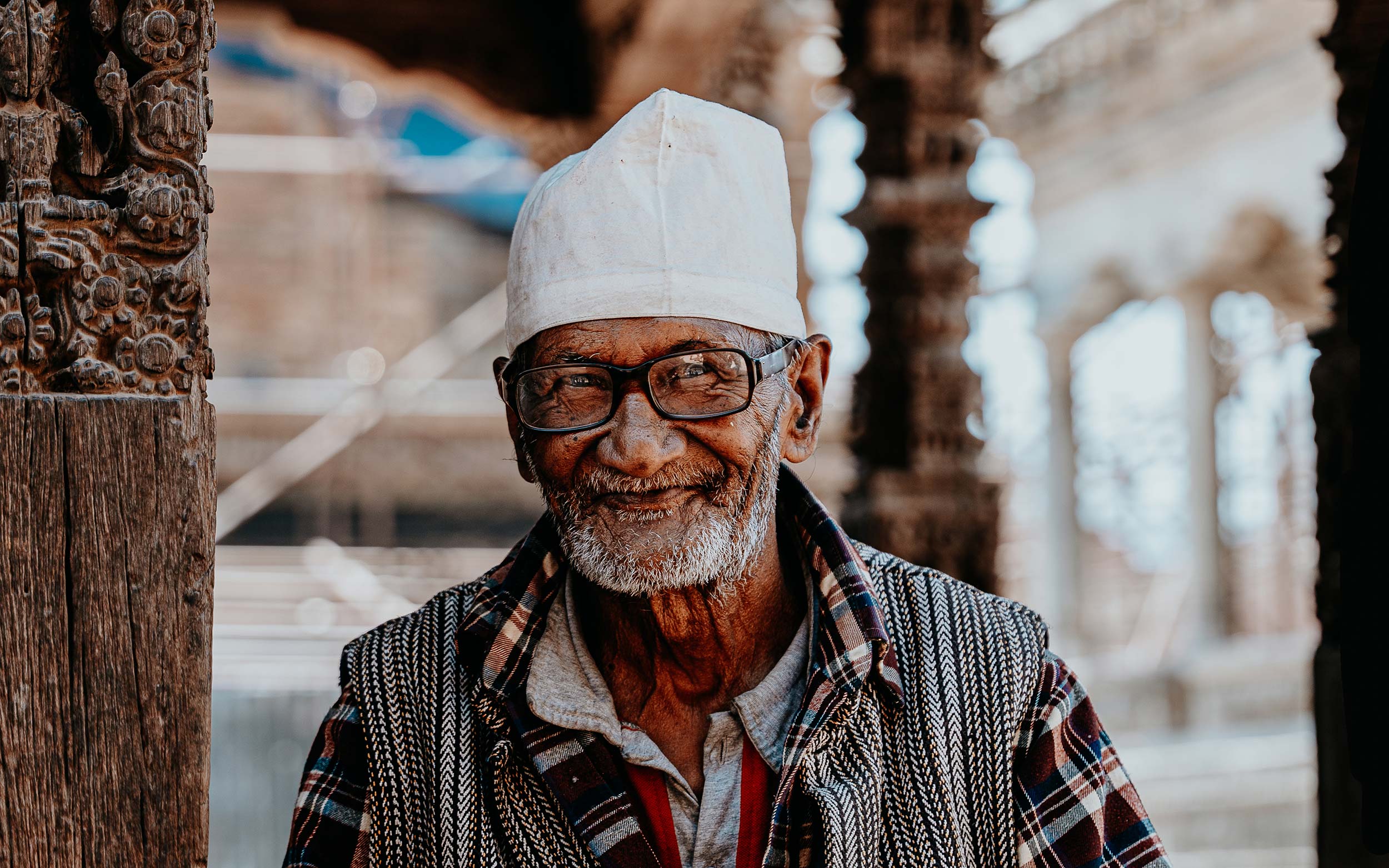
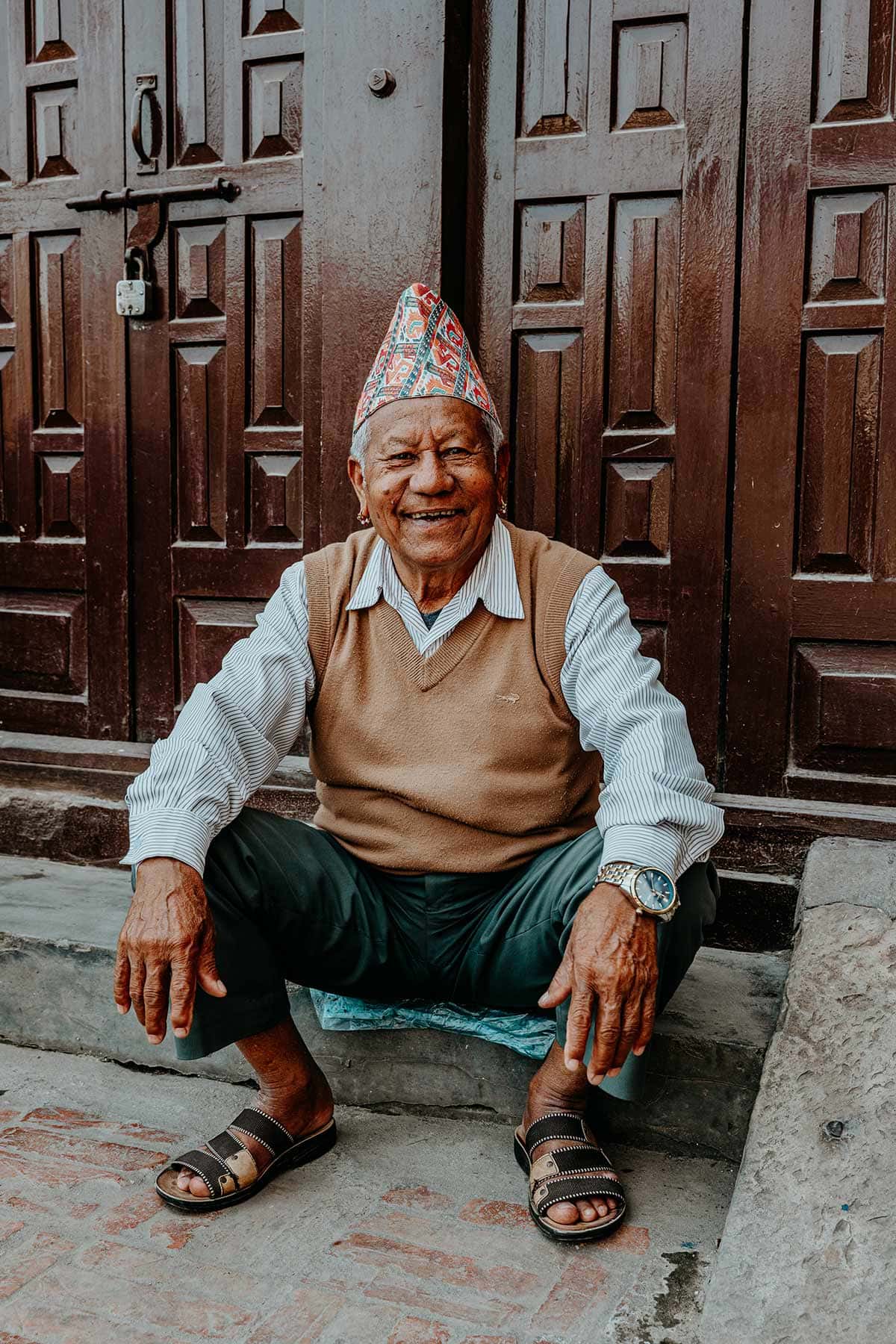
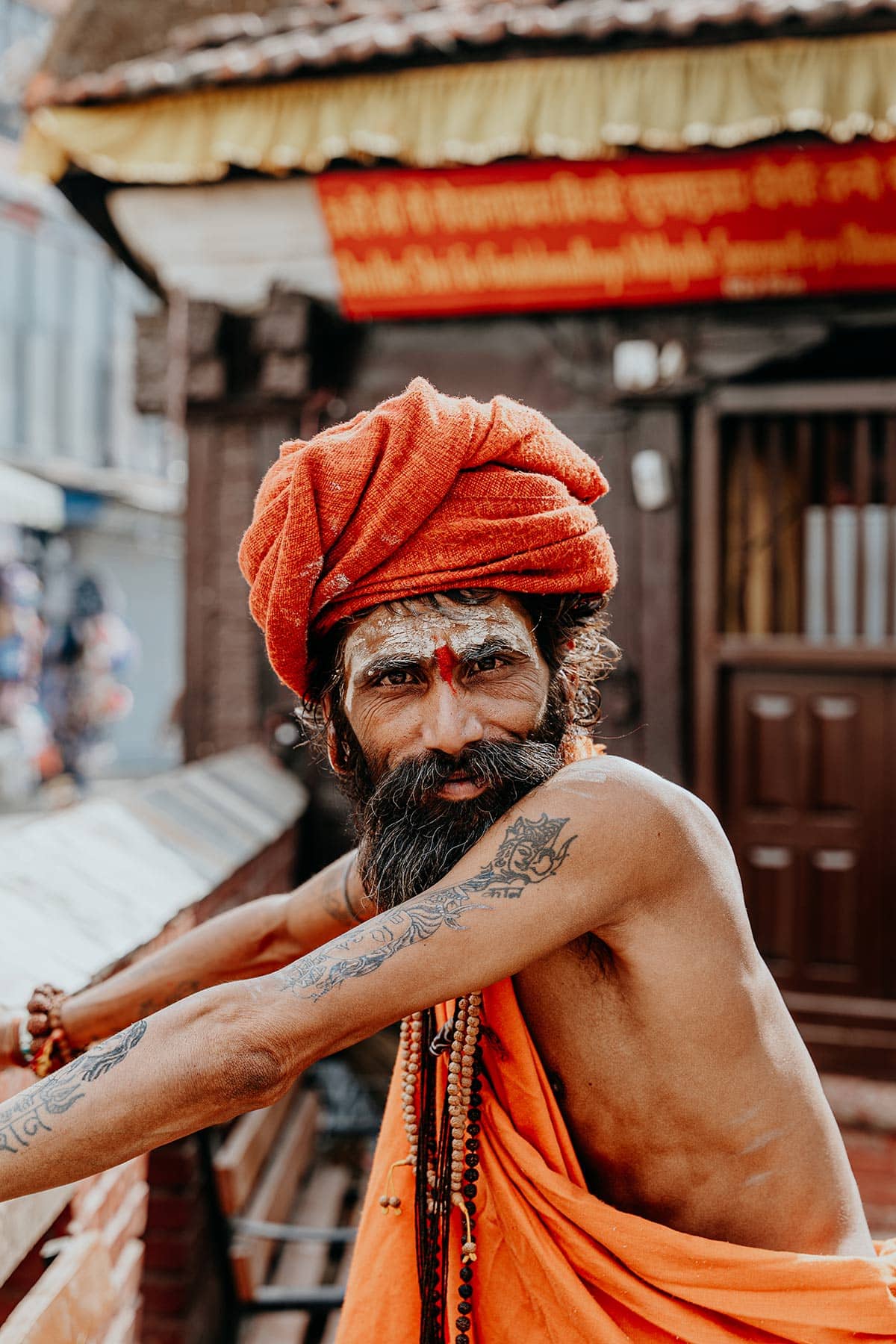
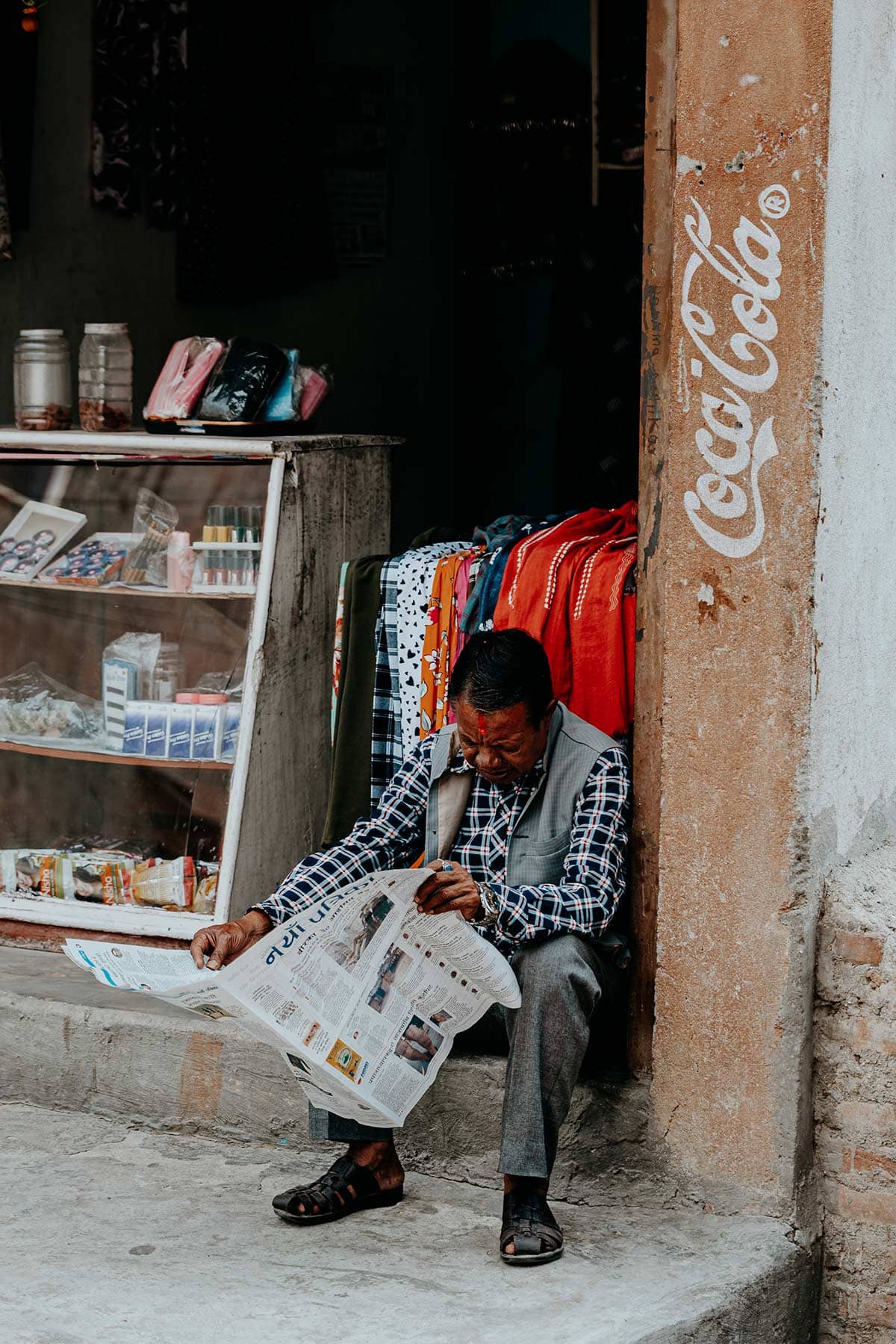
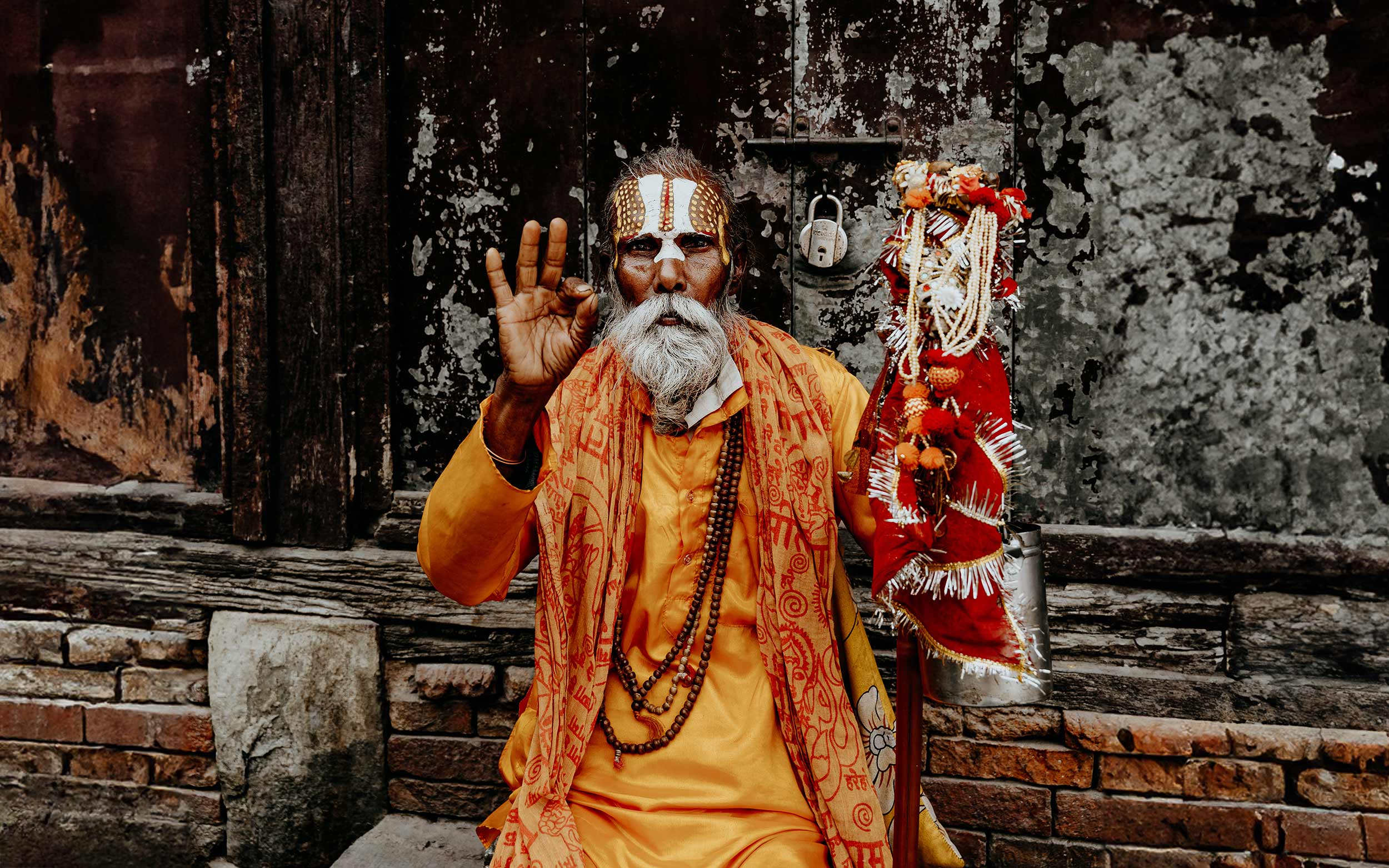
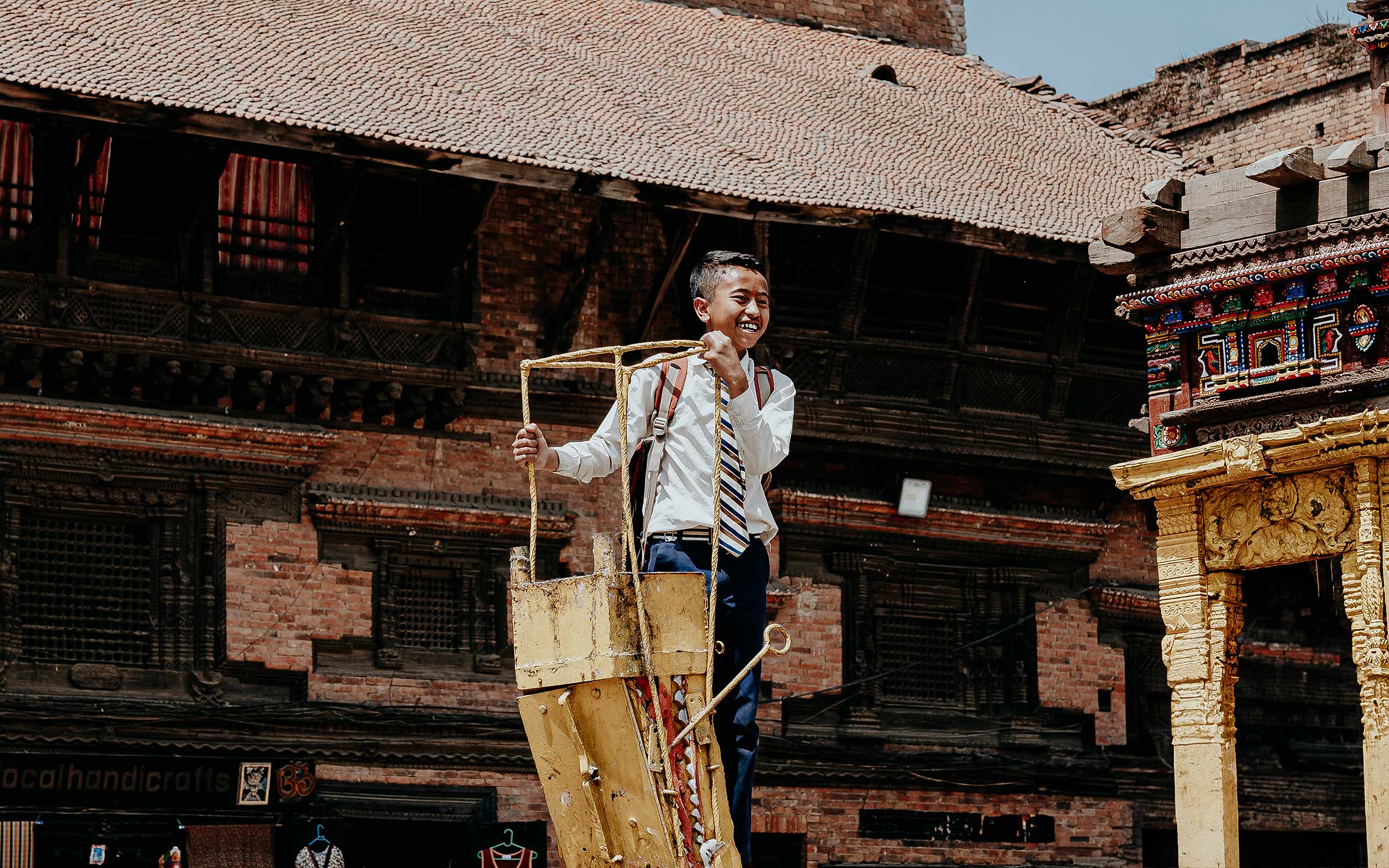
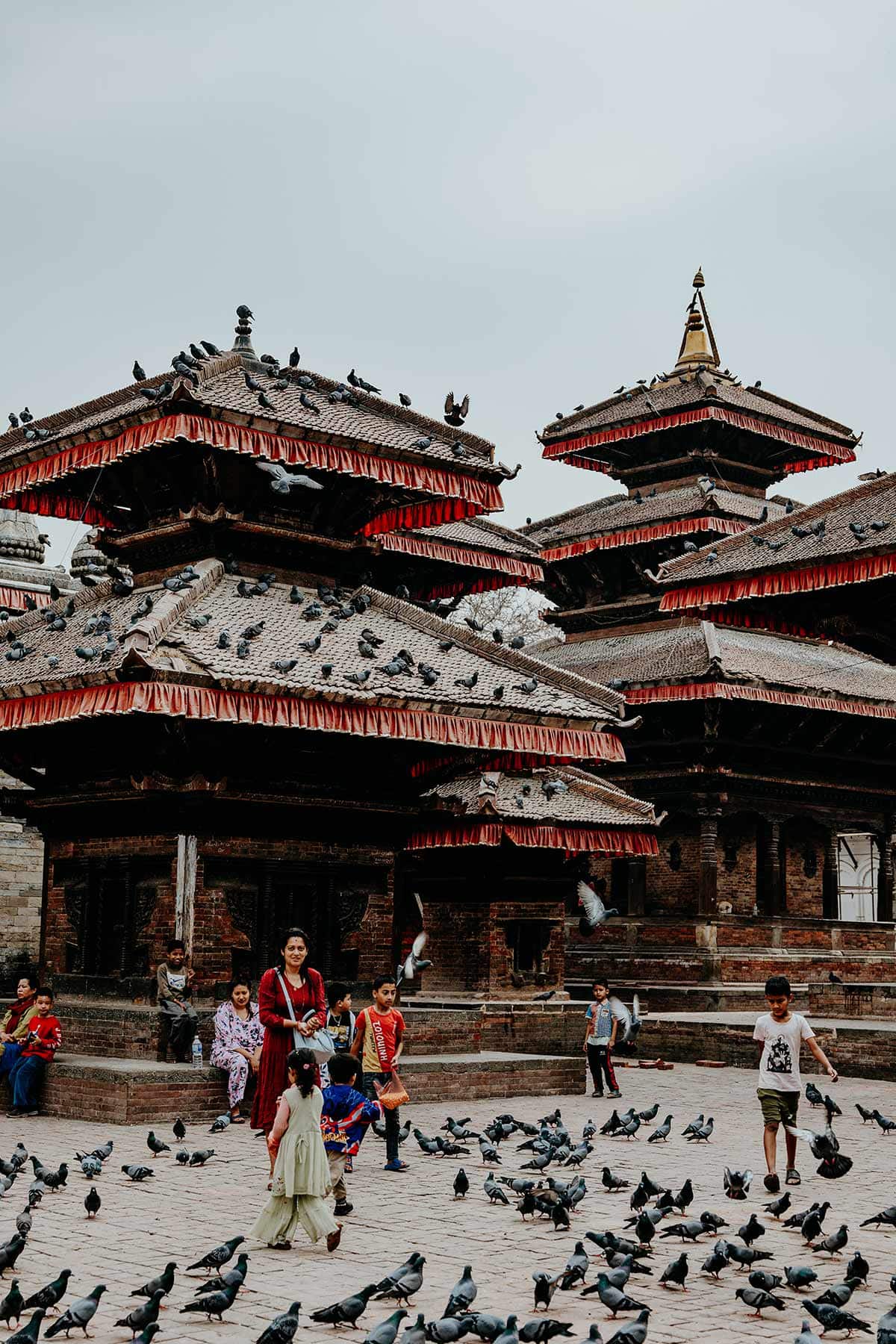
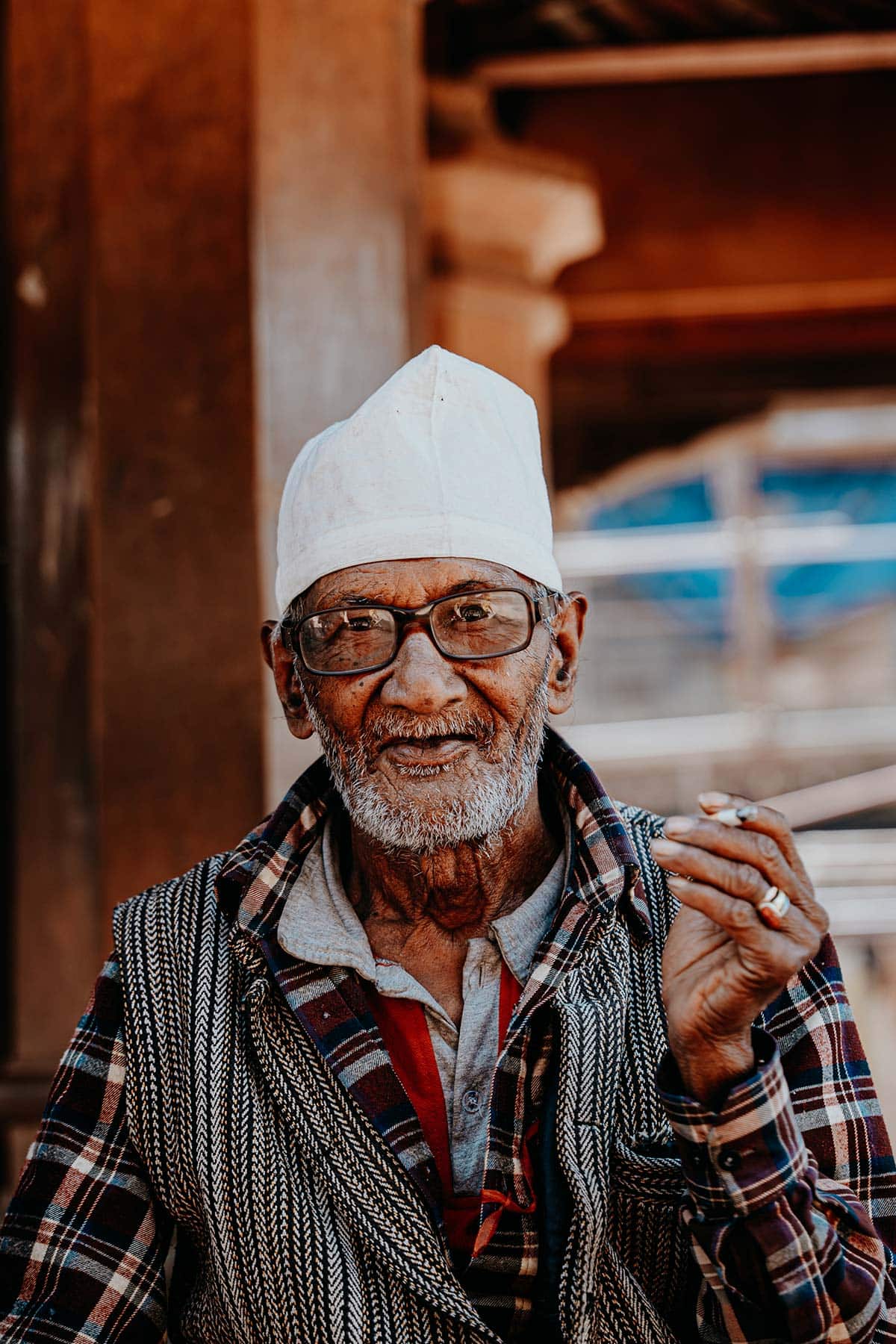
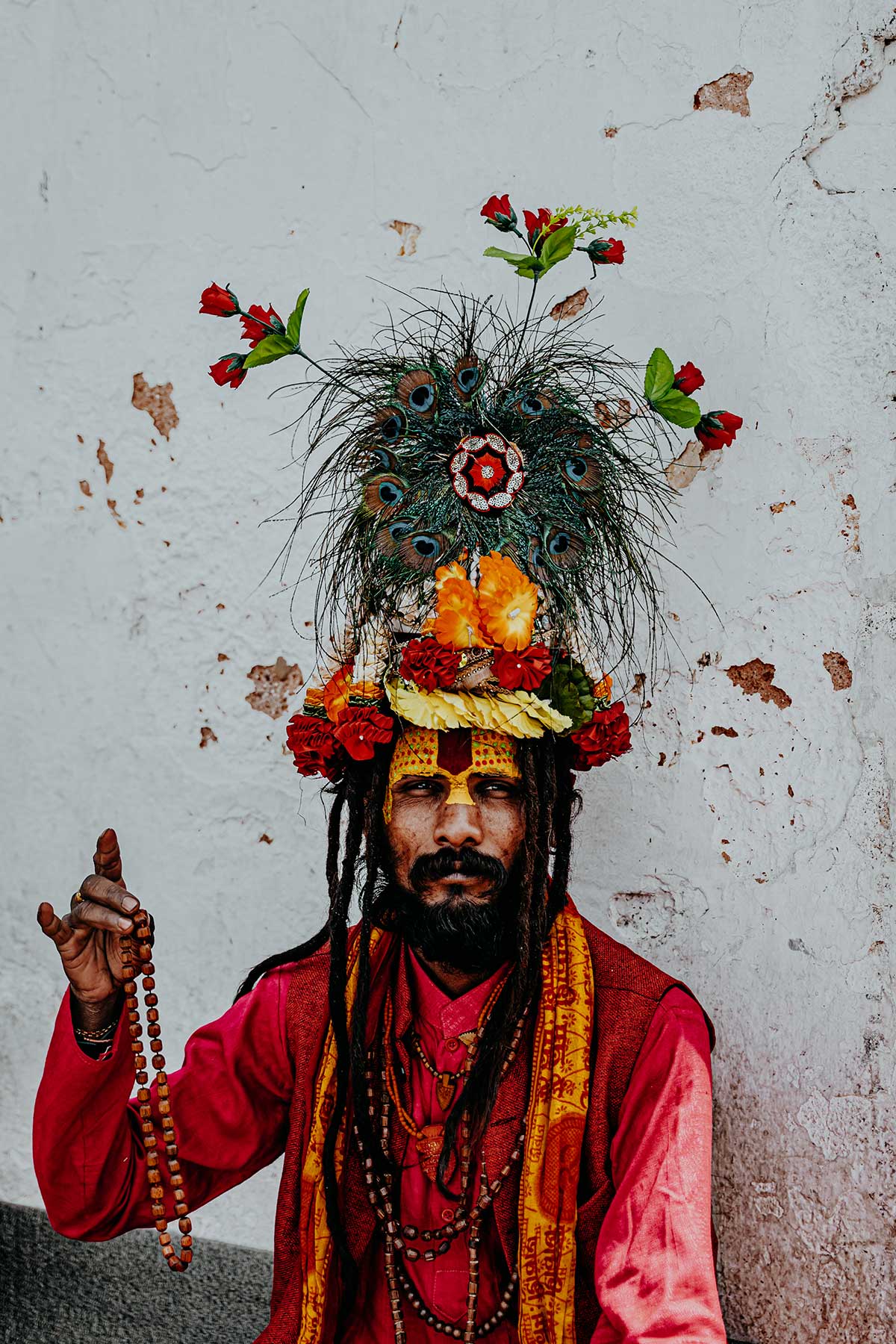
Nepal’s mouthwatering cuisine
To me, travelling and food go hand in hand, and if there’s one place where the cuisine will elevate your travel experience, it must be Kathmandu.
While the cuisine isn’t as renowned as that found in other Asian countries such as Thailand, India or Indonesia to name a few, I believe the Nepali kitchen is absolutely amazing.
I would even say, it’s up there with my favourite cuisines in the world.
Some of my favourite dishes include Aloo Dum (spicey potato salad), Dal Bhat (a rich lentil soup with rice), and buffalo or chicken Choila (a typical and delicious Newari dish).
You thought I forgot about Momos, didn’t you?
Beware, these stuffed Nepali dumplings are a culinary treasure and will play a crucial part in your days in Kathmandu once you take your first bite.
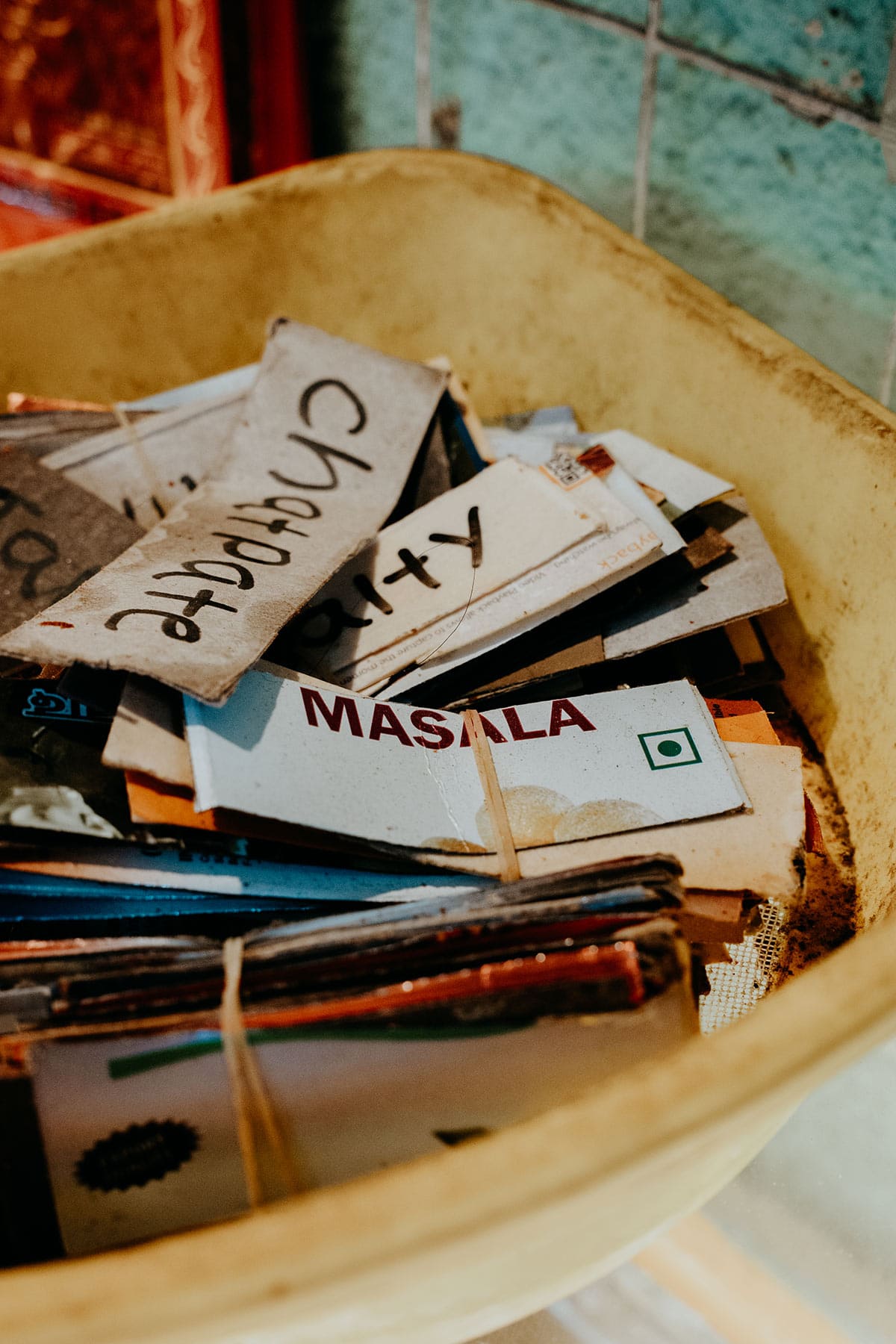
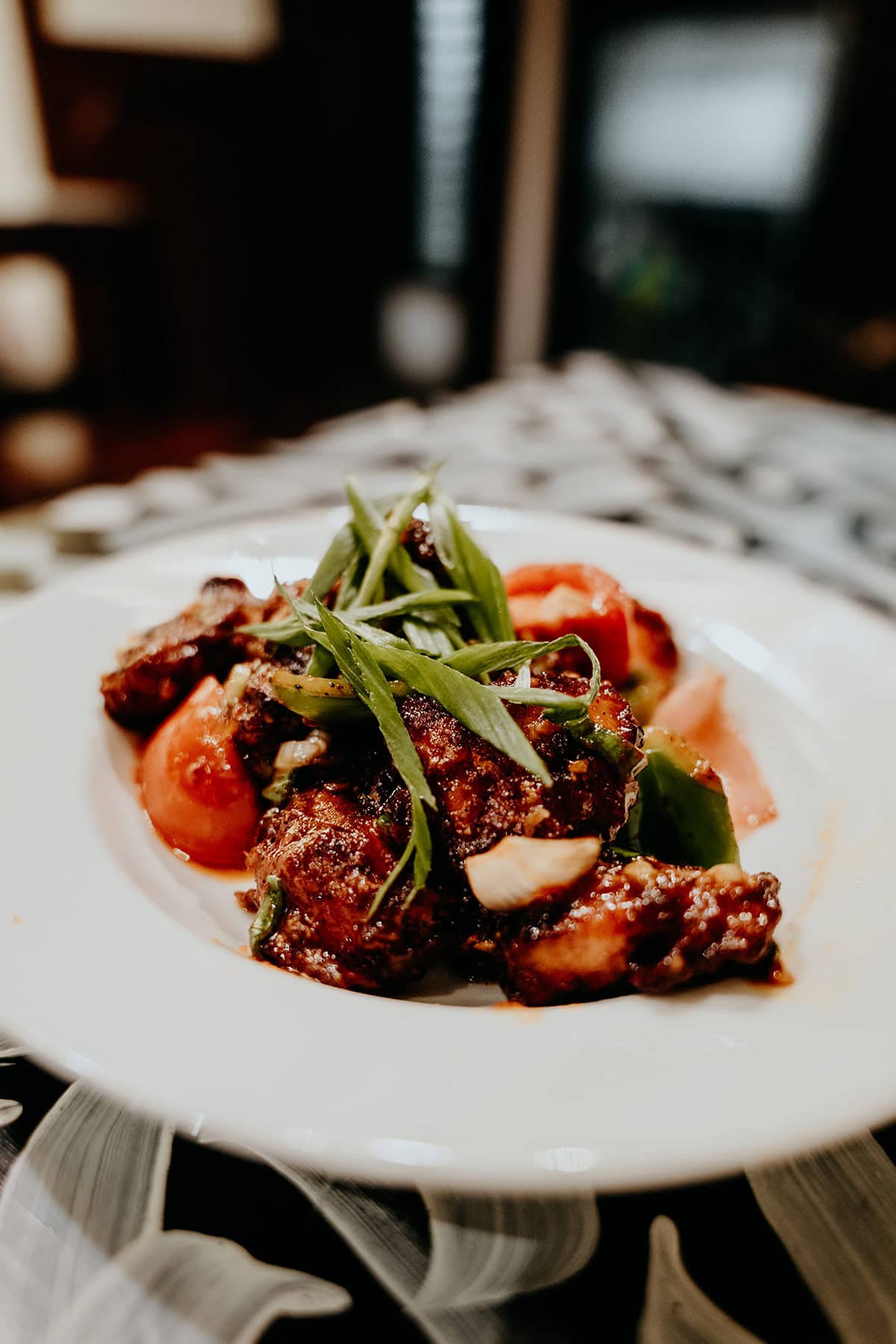
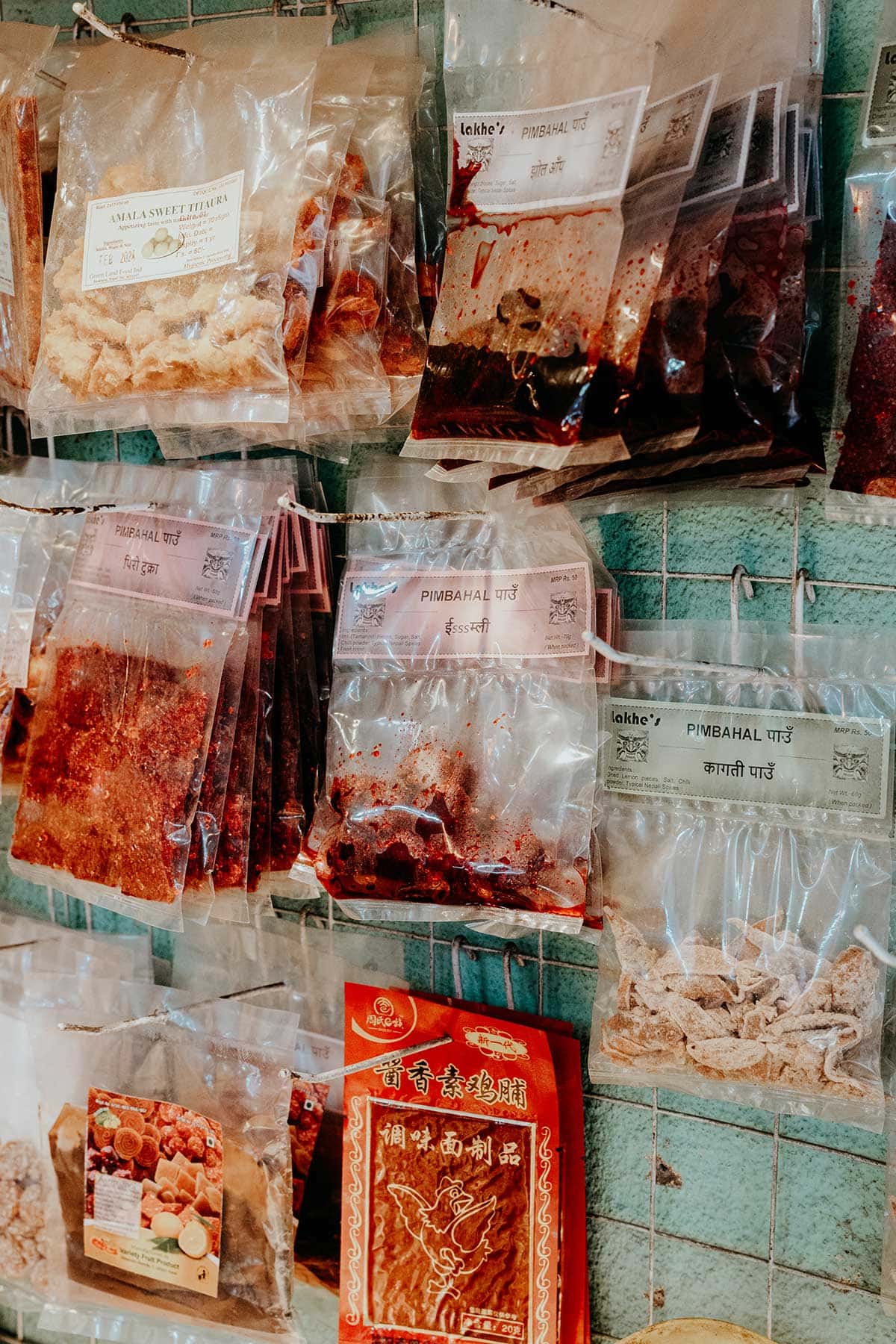
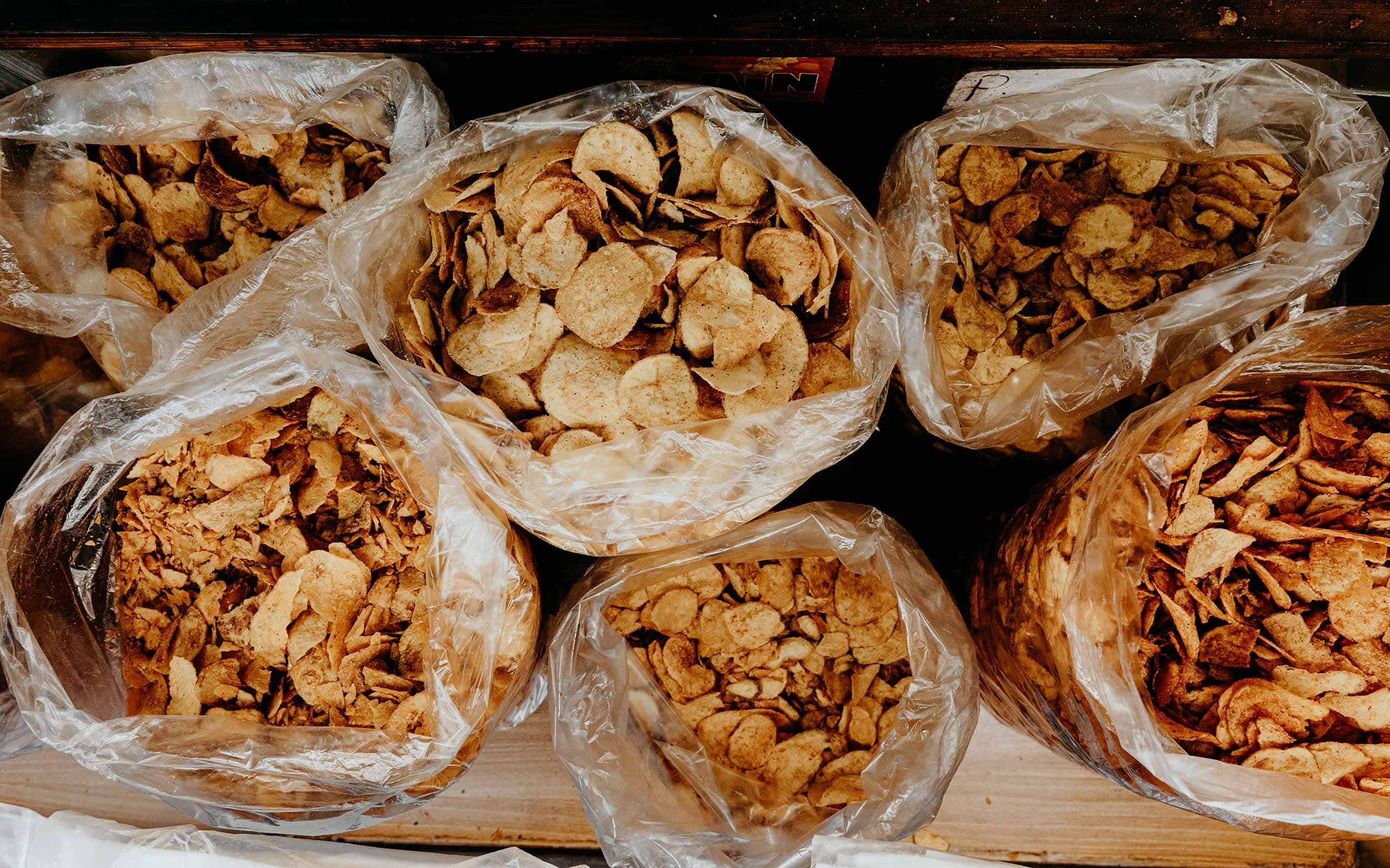
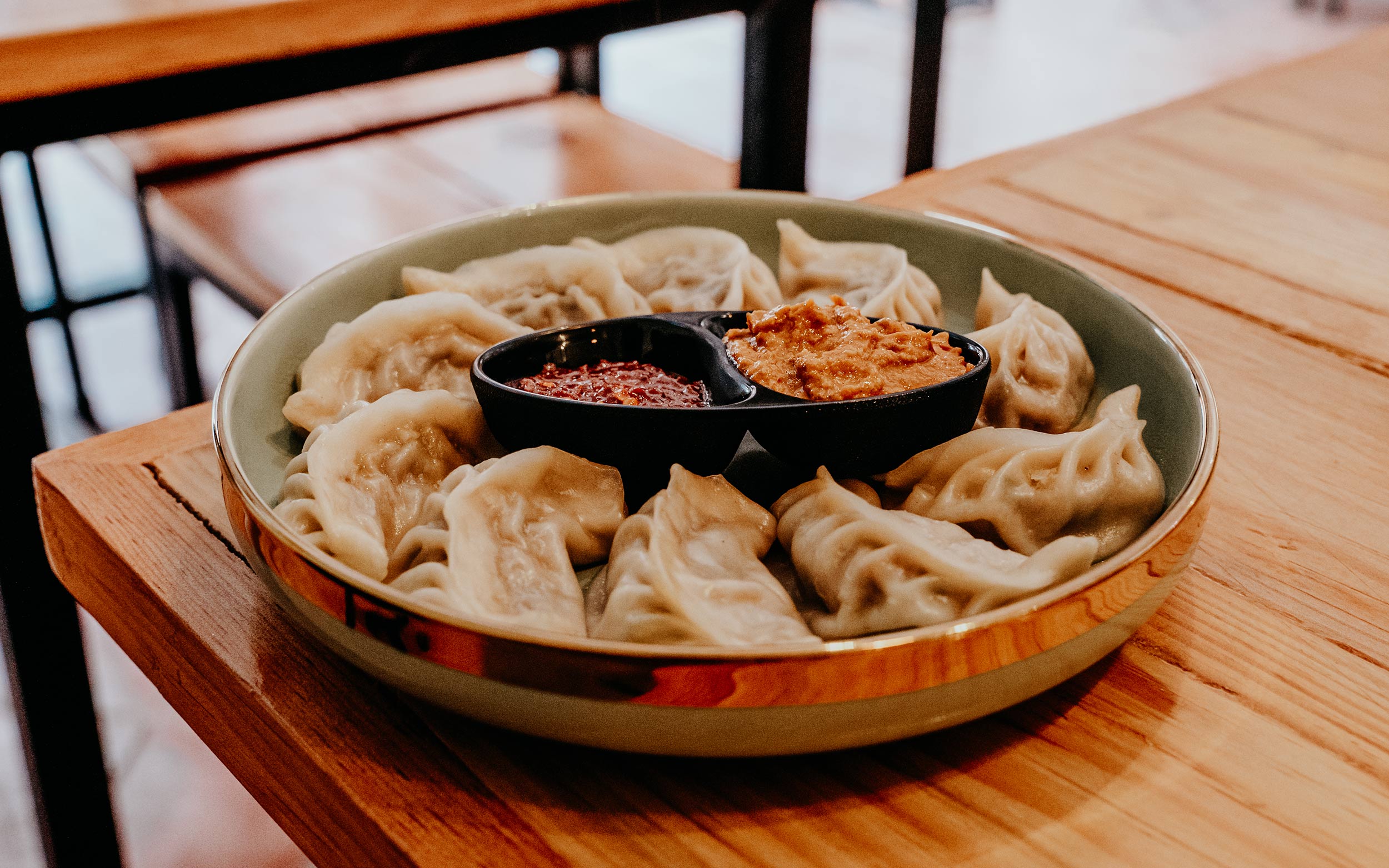
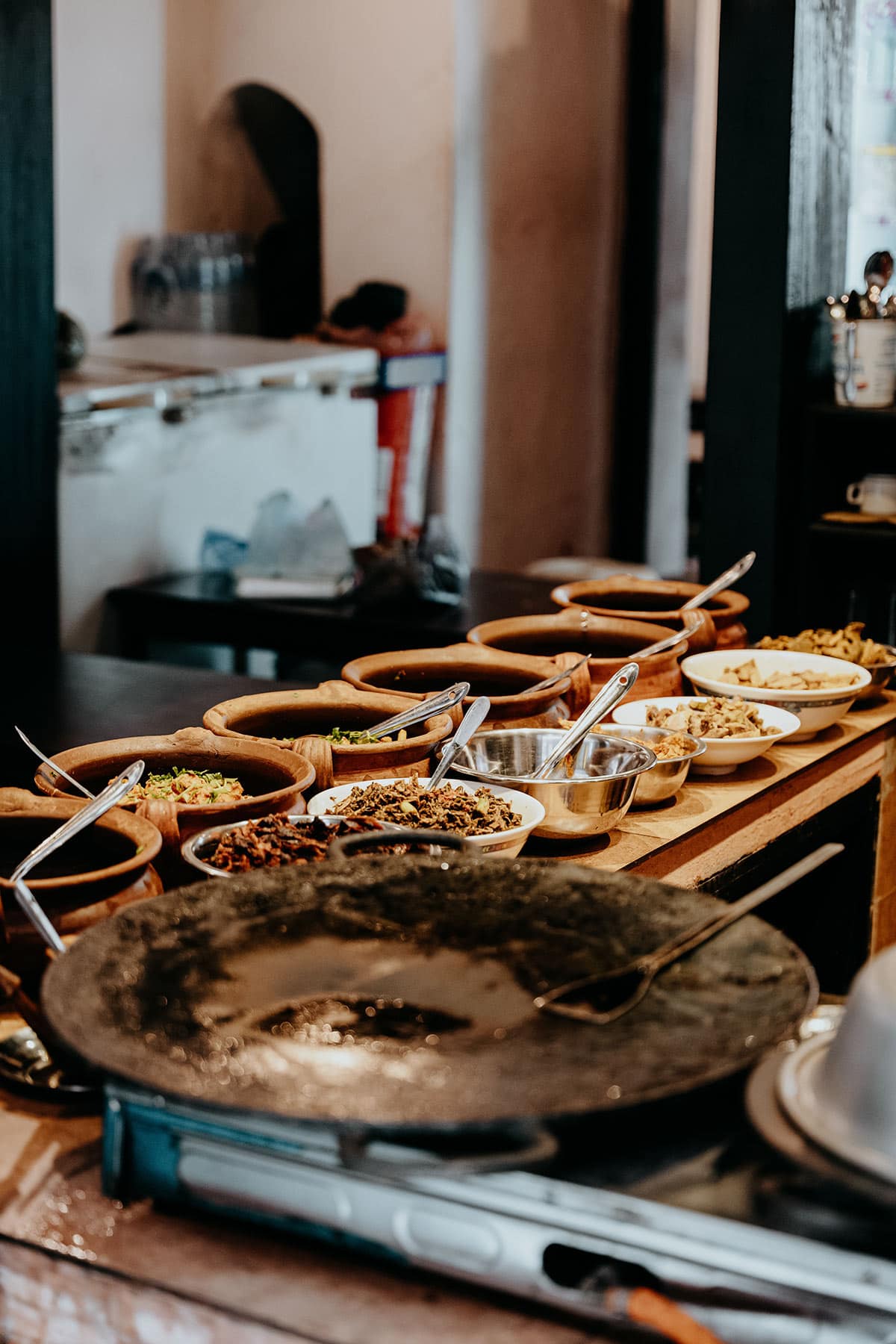
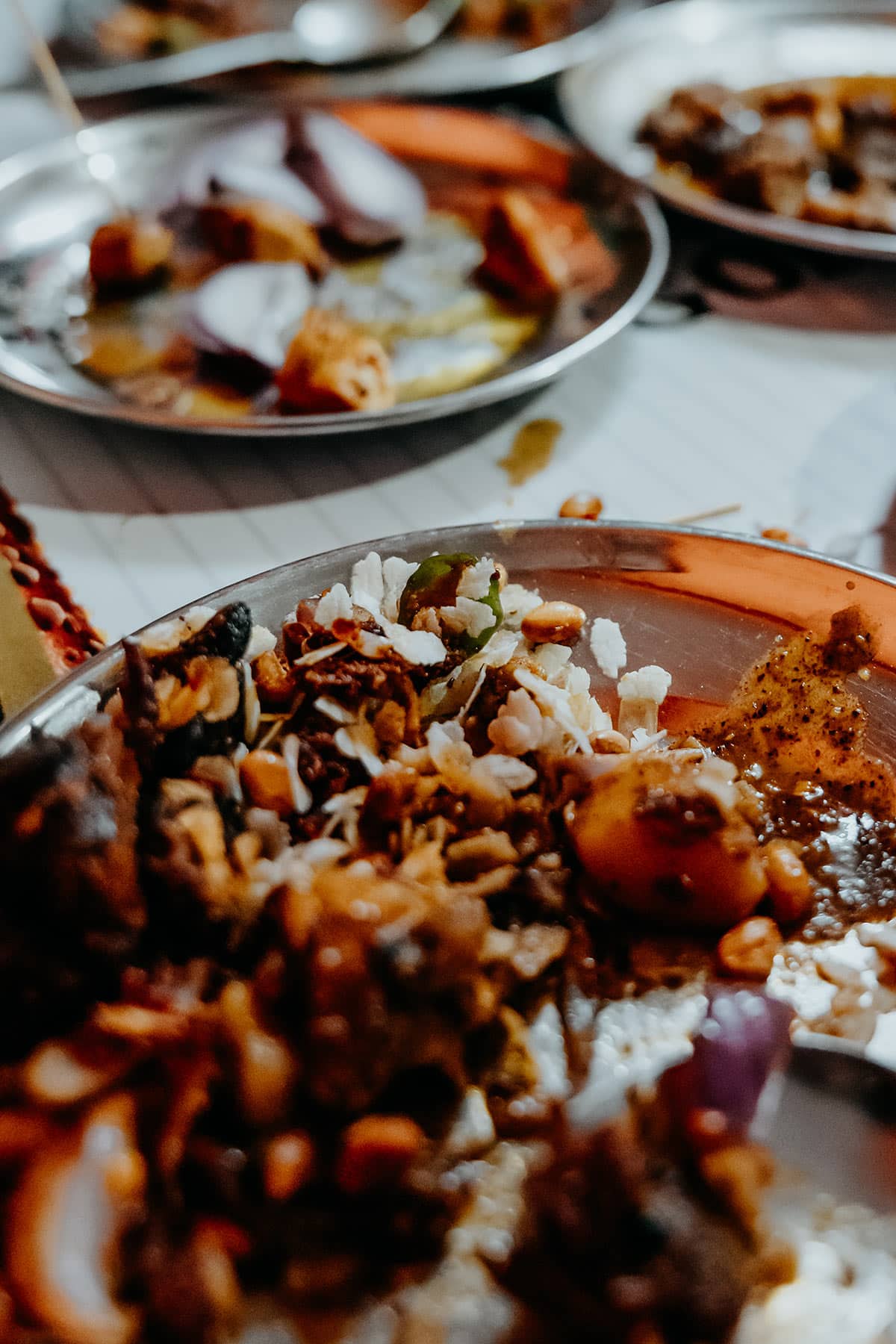
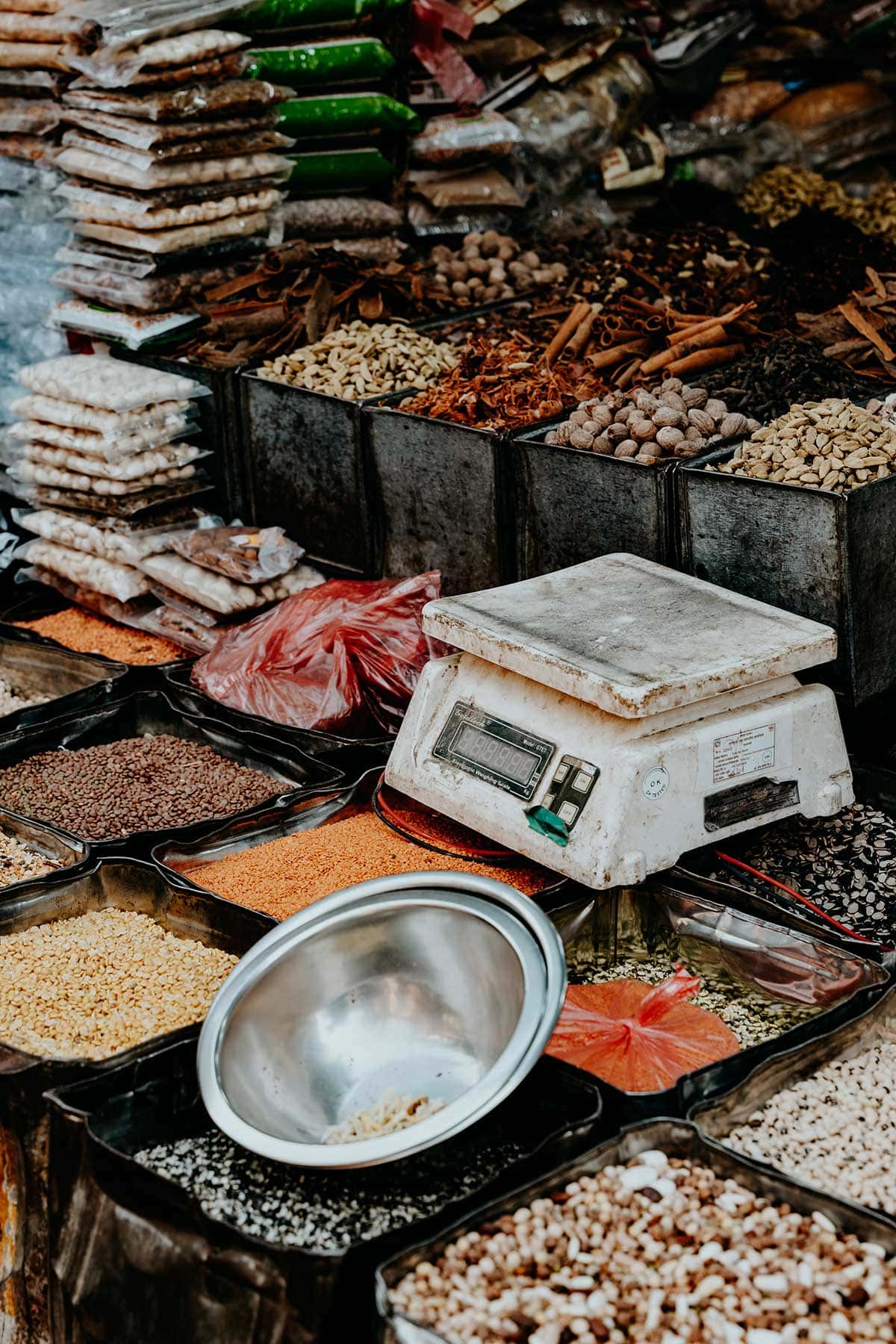
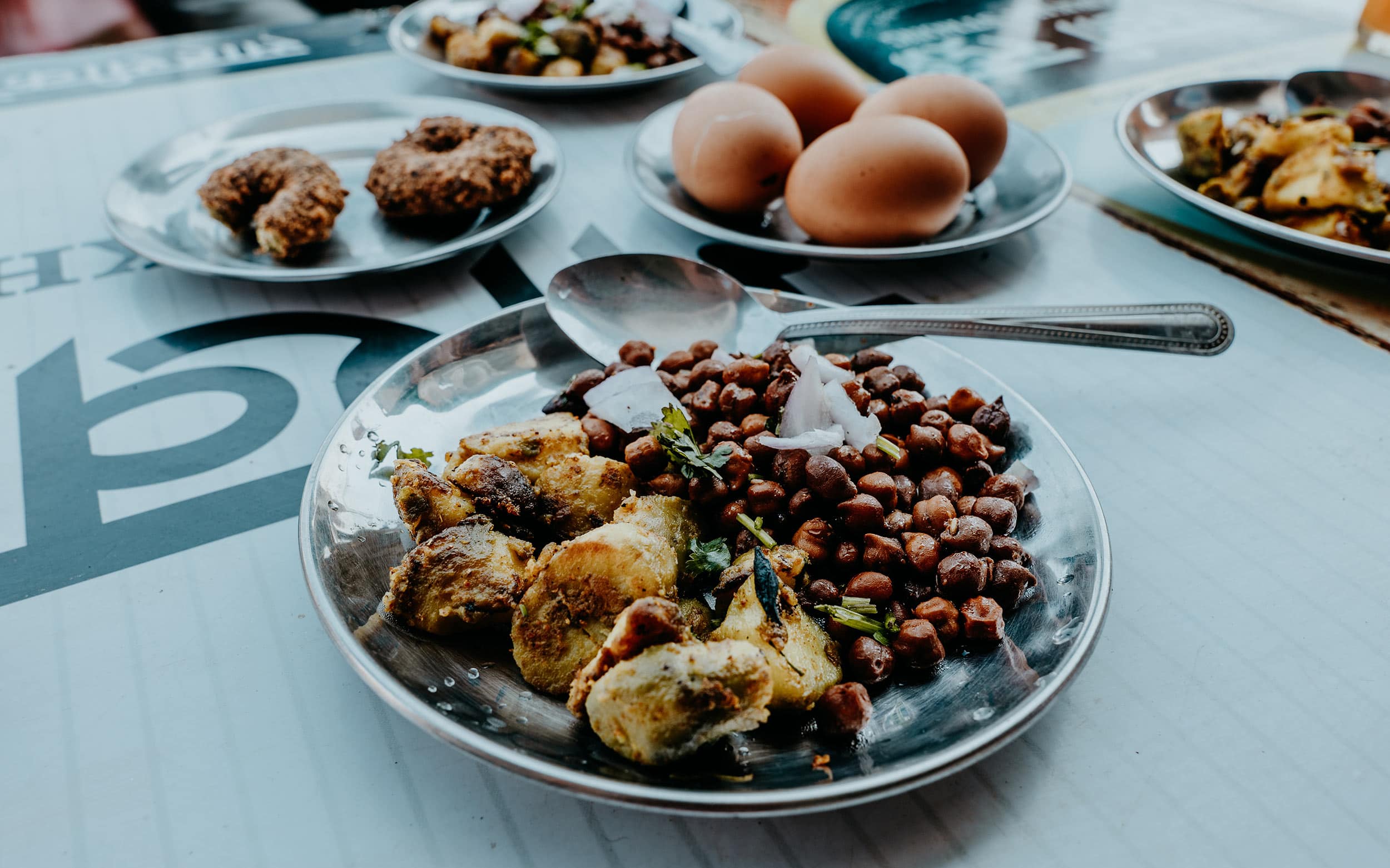
The gear that I used to capture Nepal
As seen above, Kathmandu and its exceptional charm offer exceptional photography opportunities.
If you’re keen to make the most of travel photography while uncovering Kathmandu, I’d advise bringing your a-game photography gear or investing in some upgrades if you haven’t already.
If you like my Kathmandu photography, this is the gear I used to document my photography story of Nepal.
Lumix S5 | For the last two years, I’ve been using the Panasonic Lumix S5, which captures sharp, high-quality images, as well as excellent video. While I recently upgraded to the improved S5II, the photos I took in Nepal were all shot on Panasonic’s incredible S5.
SIGMA 24-70 F2.8 | My go-to lens, and basically mounted to my Lumix for 90% of the time, the Sigma 24-70 F2.8 is an absolute beast, as it’s super fast, versatile and sharp.
If you’re curious to learn more about my complete photography setup, make sure you take a look at my ‘What’s in my Camera Bag’ guide here.
Travel insurance | Stay safe in Nepal
Since most travellers visit Nepal for trekking and outdoor adventures, I’d advise anyone travelling here to sort out reliable travel insurance before setting out on their adventures.
Though we always hope that everything runs smoothly during our travels, something unfortunate can always come into play, whether it’s a hiking injury, a stolen camera or an accident on the road.
When it comes to travel insurance, I always use Heymondo, as they offer excellent medical, baggage and Electronic equipment coverage as well as a handy app with 24-hour medical assistance. Make sure you take a look here – readers of WTSW receive 5% off any insurance policy.
Cheers!
I’ve been on this travel blogging journey since 2019.
If you appreciate what I do here, these are some ways you can support me.
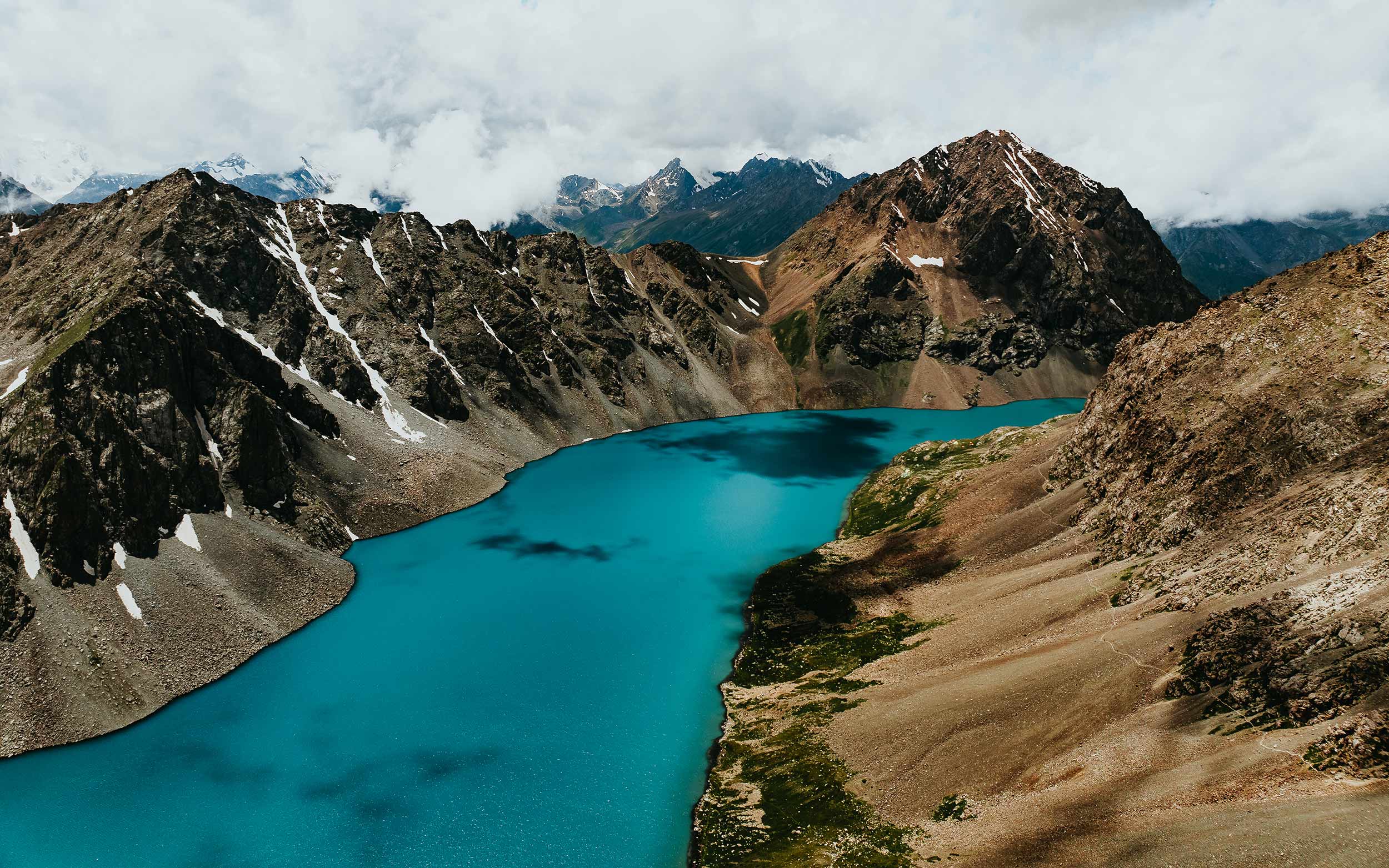
My guide to the stunning Ala Kul Lake and Altyn Arashan (2026): Everything You Need to Know
When I first started researching for my Kyrgyzstan trip, I quickly found out about the Ala Kul Lake and immediately made it one of my top priorities for my trip here in July.
Nestled in the Terksey Alatau mountain range in the Northeastern part of Kyrgyzstan, at about 20 kilometres from Karakol, the Ala Kul Lake is absolutely stunning, making it an unmissable stop on any Kyrgyzstan itinerary.
Completely cut off from the world, this stunning alpine lake is situated at approximately 3.560 metres above sea level, and defined by the bluest of water, with the eponymous Ala Kul Pass viewpoint (3.800m) welcoming you with breathtaking vistas of both the lake and the surrounding peaks and valleys.
But it is not just the lake that will blow your mind. No, the journey is equally a beautiful one.
You see, when venturing to Ala Kul Lake, you will immerse yourself in the extraordinary natural beauty of both Altyn Arashan and the Karakol Valley, which will add a significant amount of charm to your adventures here.
However, getting there also comes with a few challenges, and that’s where this guide will come in handy.
In this guide, I’ll share my take on getting to the Ala Kul Lake via Altyn Arashan, as well as first-hand advice on where to stay, when to visit, how to get there and more.
Here’s my in-depth guide to the stunning Ala Kul Lake in Kyrgyzstan – have a nice read!
If you choose to use any of the links on this page, I may receive a small commission at no extra cost to you. By using these links, you’ll have a direct impact on WTSW and my ability to continue to create free insightful travel content for you. If you find any of my tips useful, you can support me by buying a virtual coffee here.
Where is Ala Kul
The Ala Kul Lake is situated in the Terksey Alatau mountain range in the North Eastern part of Kyrgyzstan, about 20 kilometres from Karakol.
Completely cut off from the world, the stunning alpine lake is surrounded by the immense natural beauty of Altyn Arashan and the Karakol Valley.
The lake is located at an elevation of 3.560 metres above sea level, and the eponymous Pass at 3.800 metres provides the most stunning views of the surrounding peaks and valleys.
Where to stay near Ala Kul Lake
The accommodation you choose to use as your base for the Ala Kul hike depends largely on how you plan your adventures here.
Given I visited Altyn Arashan and Ala Kul as part of a day trip, I decided to explore it from my base in Karakol, which worked out pretty well for me.
This doesn’t mean that this works for you too, so I listed some alternative options below:
Karakol
Modern Loft Lighthouse | During my time exploring Karakol and its beautiful surroundings, I based myself at Modern Loft Lighthouse, a cosy apartment that doubles as a café. With comfortable rooms, a large open space living area, and a trendy cafe serving some seriously good coffee and food downstairs, this place was everything I needed for my time in Karakol.
Other options worth considering include Karakol Yurt Village, Vavilon, and Hotel 78 Cafe.
Altyn Arashan
Another great option is Altyn Arahsan itself, as it makes perfect sense to base yourself here before starting your hike to Ala Kul.
It’s also a great option for those who would like to catch up on some rest or enjoy the hot springs in the surrounding area, before making the trip back to Karakol the next day.
Ala-Kul guesthouse in Altyn-Arashan | Offering stunning views of Altyn Arashan, Ala-Kul guesthouse offers basic accommodation, super serene surroundings and the most delicious food, making it the perfect place to rest up before or after your Ala Kul adventures.
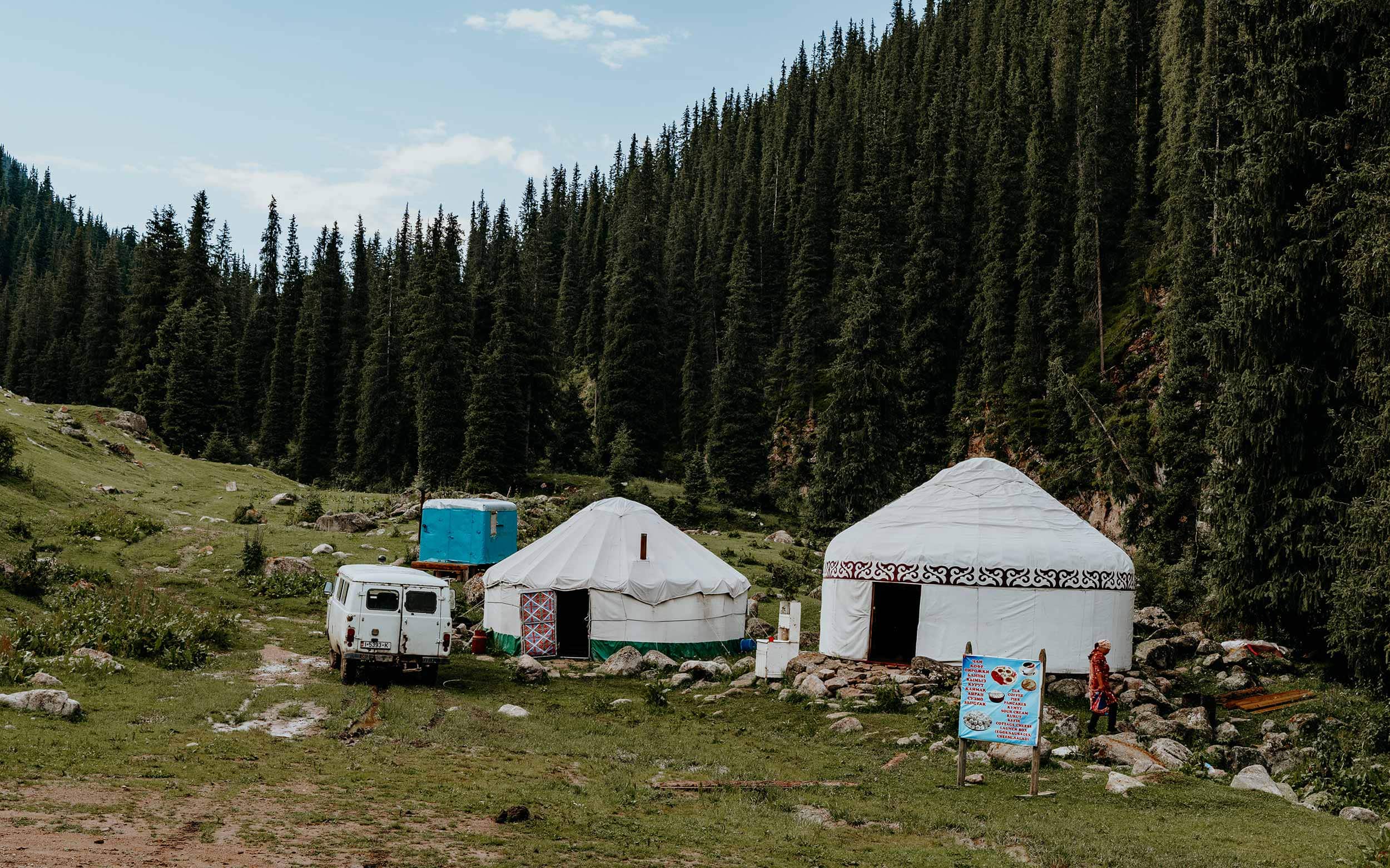
Camp at the Lake
If you’re planning a multiple-day hike, you will most likely spend a night or two in a tent.
Most people who hike the complete trail will set up camp near the Karakol Valley for the first night, and spend the second night at a campsite next to the Ala Kul Lake.
While I didn’t do this myself, camping around the lake sounds like an unforgettable experience, and one I would like to experience myself one day.
Not only will it be a great adventure, but camping will also give you some great benefits, including the opportunity to witness the beauty of the lake during sunset and sunrise – unfortunately, I missed out on this, for which I feel a little sad still.
Those looking to go camping, should know that they need to obtain a tent permit, which adds an extra 100SOM (€1,08) on top of the usual 250SOM (€2,70) National Park entrance fee.
For more insight into the camping grounds, see the map below:
How to get to Ala Kul
Like most places in Kyrgyzstan, Ala Kul is pretty remote, with the lake itself situated at a height of 3.800 metres above sea level.
Though it is super off the beaten path, this doesn’t particularly mean that is impossible to reach.
However, it is wise to do proper research and create a solid plan before you venture into this secluded, yet incredibly scenic wild area of Kyrgyzstan.
To help you decide which option works for you, I’ve created an overview down below:
Hiking the complete Ala Kul Trail
Easily the most popular option, and the one that most people desire to do is a multiple-day trek from Karakol to Ala Kul with camping at the lake, before hiking back down through Altyn Arashan.
While this option is truly majestic, this one isn’t for the faint of heart, and a good level of fitness is an absolute must for anyone considering this option.
You see, a multiple-day trek will not only have you cover a lot of distance (the complete trail is about 55km), but it also has a serious altitude difference throughout, with heaps of steep sections that tend to knock off inexperienced hikers.
If you have the fitness, I would say that this option is the most interesting one, as it will give you the time to take in all the beauty that surrounds you, while also having the benefit of acclimatising to the altitude differences more slowly.
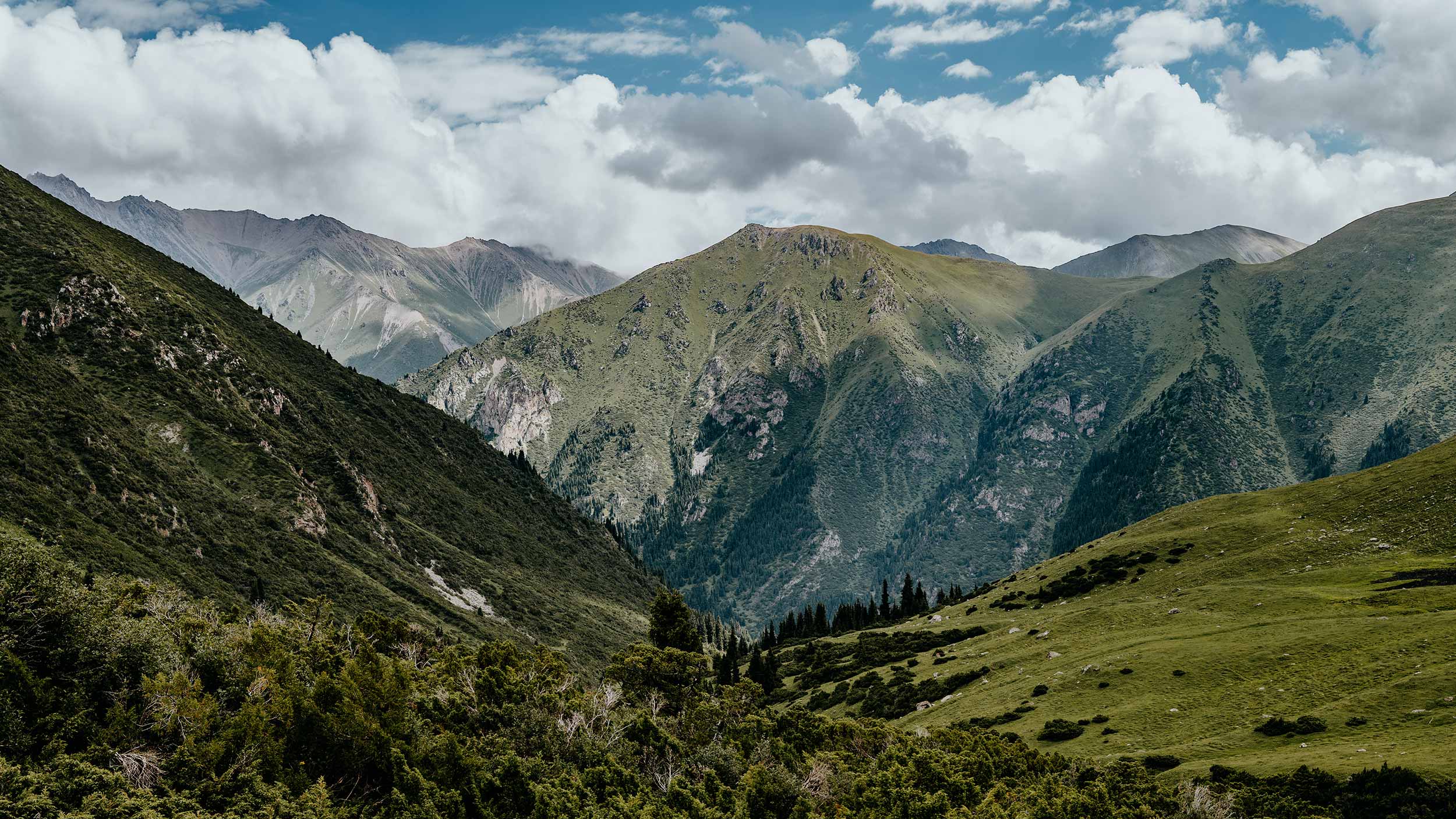
Join a guided tour
Given I was limited on time due to an unfortunate series of events, yet not the desire to miss the opportunity to visit this otherworldly lake, I decided to opt for an organised day trip with TST.KG.
For those limited on time, in doubt if they have what it takes to do the trek, or just want to experience a unique adventure of a lifetime, I’d highly recommend taking a look at this one-day tour of Altyn Arashan & Ala Kul Lake.
Despite being a little exhausting, this tour is absolutely amazing, as it reflects the essence of a trip to Kyrgyzstan perfectly, which I will elaborate on more thoroughly throughout this guide.
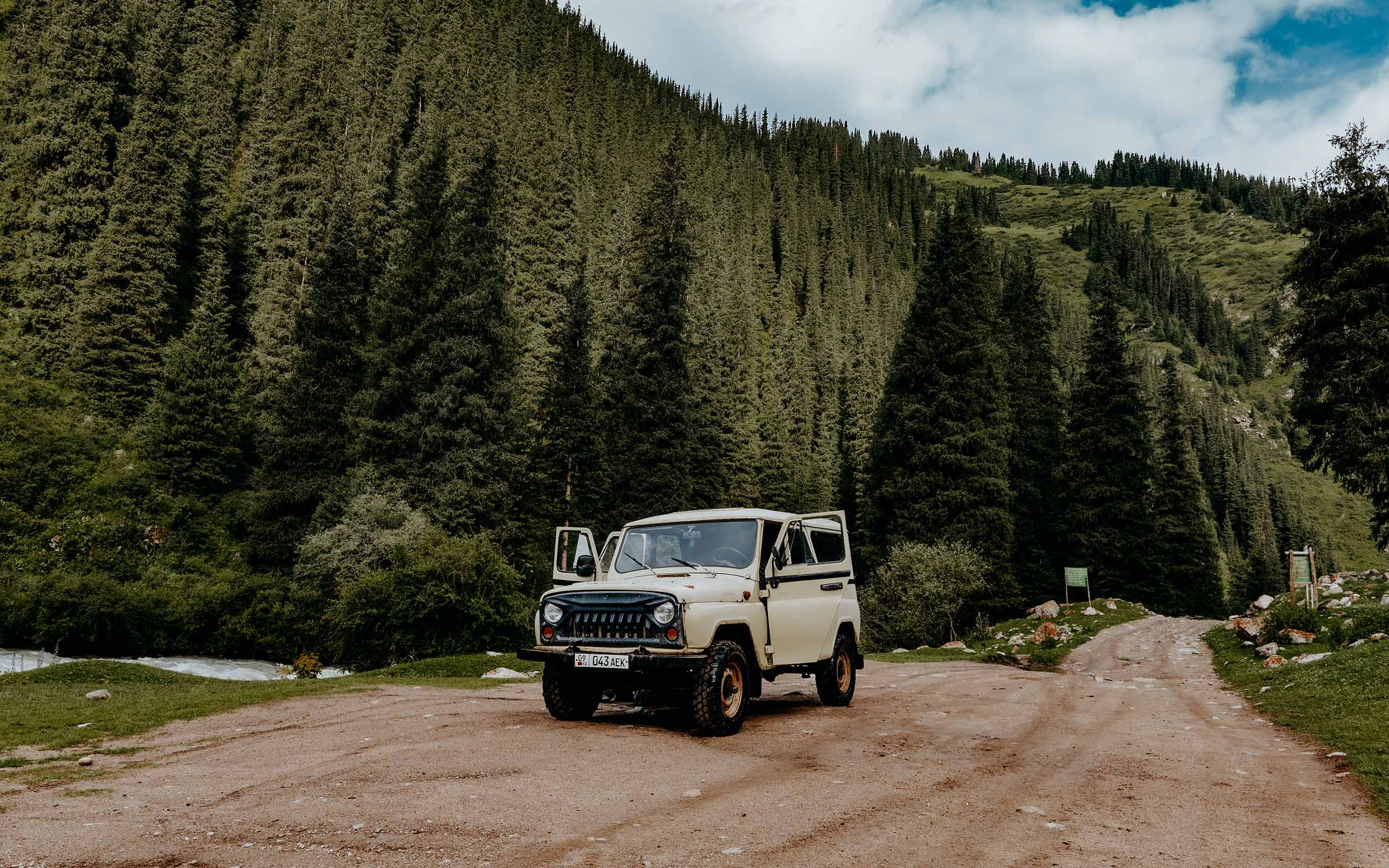
My experience at Altyn Arashan and Ala Kul
A scenic but bumpy 2-hour drive from Karakol to Altyn Arashan
My trip started early at the Modern Loft Lighthouse in Karakol, where an authentic Soviet-style jeep picked me up for the jorney in the direction of Altyn Arashan.
I remember saying the following; the road is actually quite okay, I don’t understand why there are so many horror stories going around on the internet. Just 5 minutes later, I realised those stories were there for a darn good reason.
It is an understatement, to say that the road to Altyn Arashan is just bumpy – it was bumpy as hell, and some parts were even a true challenge for my driver, who from what I could tell looked sturdy and experienced.
While the ride was a rough one, it was also extremely scenic, as the dusty road we drove on is flanked by towering pine trees and takes you along the picturesque Arashan River, as well as through several lush valleys all set with authentic yurt camps.
Though the distance from Karakol to Altyn Arashan was only about 29 kilometres, it still took us roughly 2 hours driving before we arrived in the valley.
Horseback riding through Altyn Arashan
Once I arrived at Altyn Arashan, the excitement kicked in, as I was about to go horseback riding for the first time, ever, with the knowledge that with every step, I would come a little closer to my objective of the day; beholding the enchanting Ala Kul Lake from the summit of the eponymous mountain pass.
But before I get ahead of things, let me state this: to me, the journey to Ala Kul is equally as memorable as the lake itself.
Lush Alpine valleys unfolding in front of me, towering mountain peaks luring in the distance, the fresh air flowing through my hair, and only me and a handful of others there to enjoy it, are merely a few things that turned this journey into a humbling off-the-beaten-path experience.
For someone who had never done horseback riding before, this adventure felt truly magical, and I honestly couldn’t think of a better place to get on the saddle for the first time – it was unquestionably one of the absolute highlights of my Kyrgyzstan trip.
After nearly 3 hours of making my way through the utterly fascinating landscapes on the horse and the necessary aches in both my butt and lower back, I arrived at the Keldike Yurt Camp.
From there, I began the final ascend to the Ala Kul Pass.
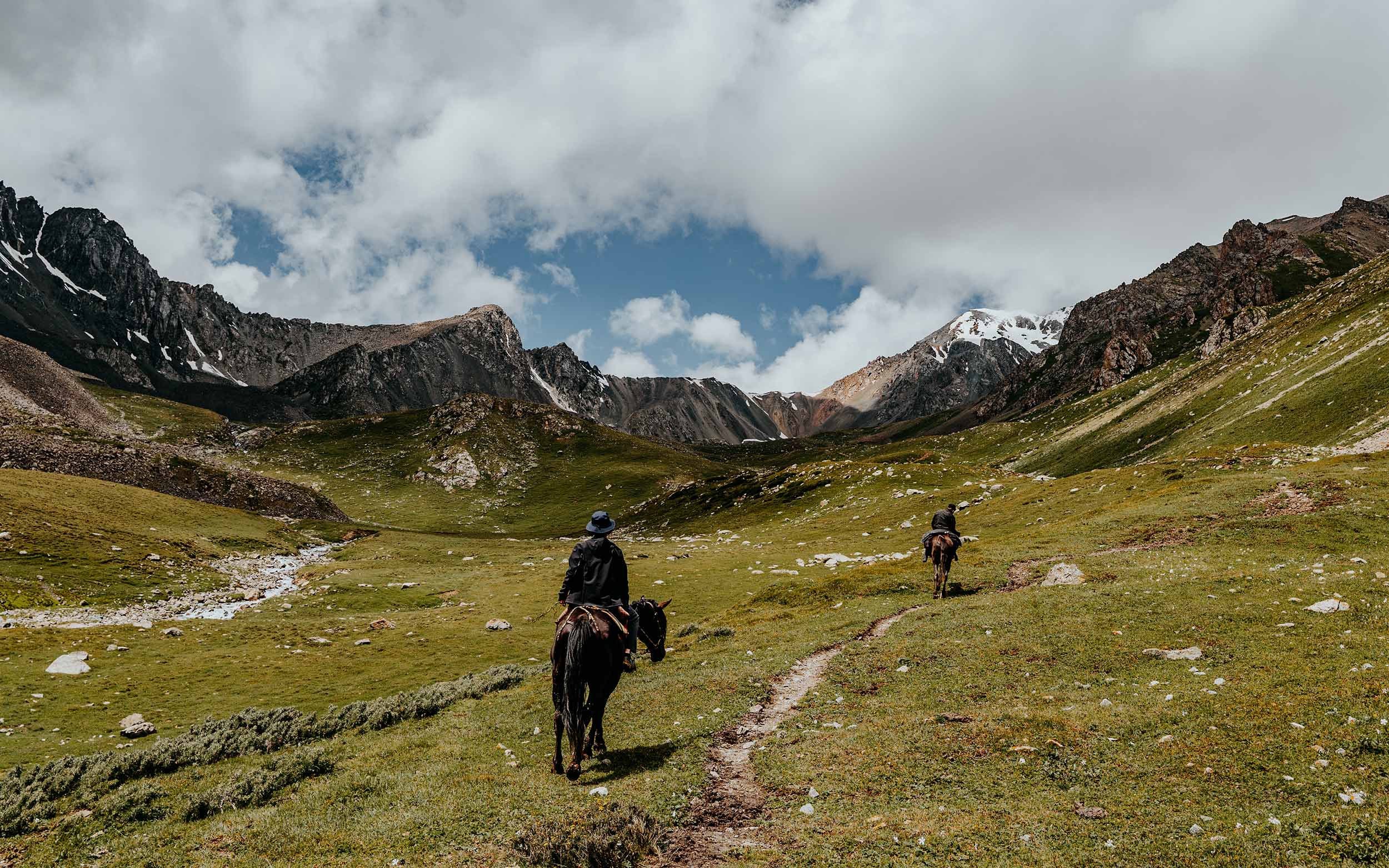
Conquering the Ala Kul Pass
For the final part of the trek to Ala Kul Lake, I had to conquer a short, yet extremely steep pass that was only accessible by foot, meaning it was finally time to put in some work myself.
While I’ve done my fair share of hiking in the past, I’m pretty convinced that this part of the Ala Kul trek is up there with the steepest climbs I’ve ever done.
It is also one of the most rewarding ones.
As soon as I overcame the sketchy gravel path up, which took me about 45 minutes, the panoramic views that welcomed me got me bursting with joy, which made me forget the rigid climb almost instantly.
I also wanted to share one more thing; I talked with a lot of people who were hiking this trail from start to finish and I have mad respect for anyone going for the full experience here, and I will make some time to do so too on my next trip – you guys are legends.
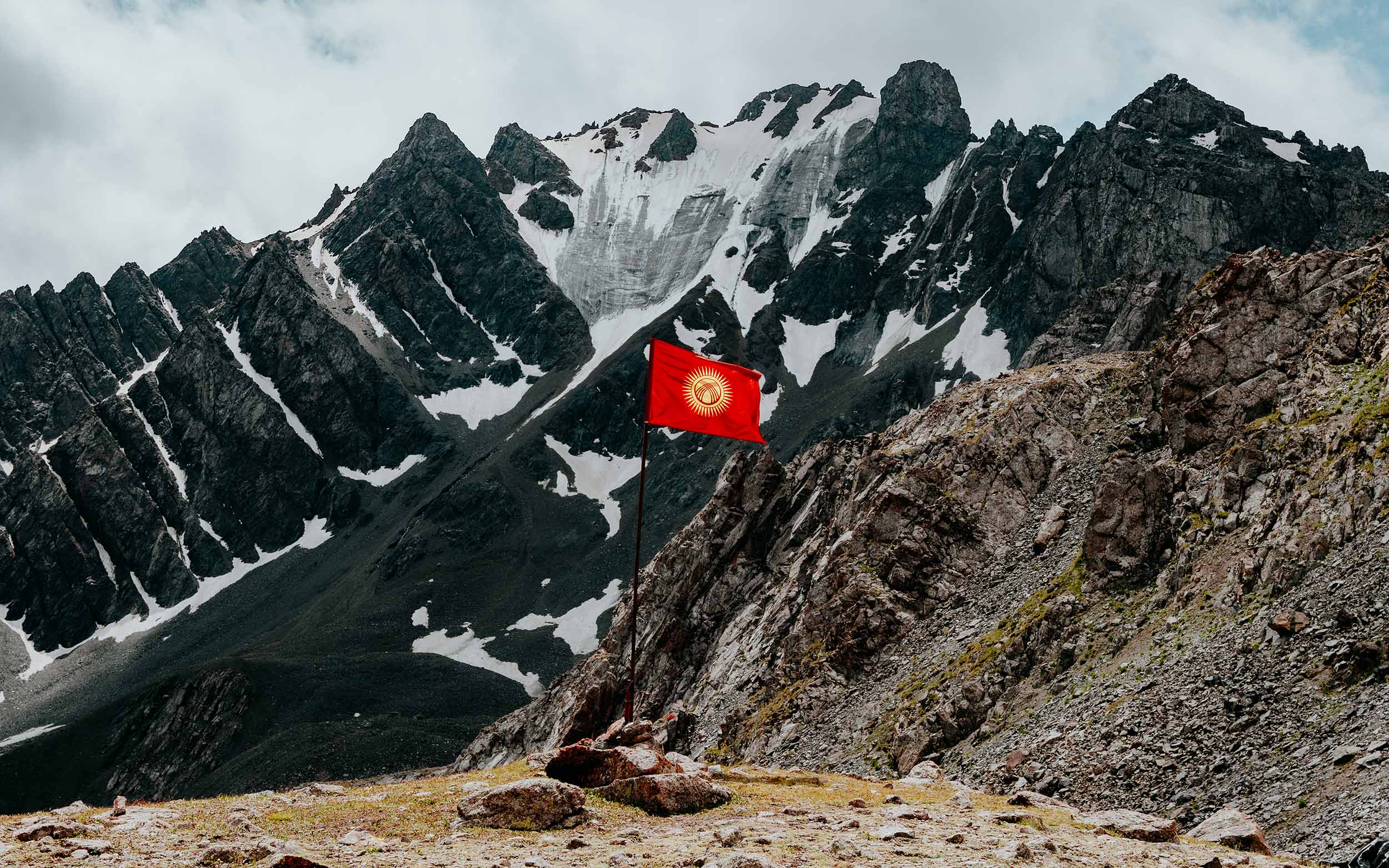
Ala Kul Pass Viewpoint
Then, the moment was finally there, after a 6-hour journey, I made it to the stunning Ala Kul Pass Viewpoint, and it was nothing short of what I expected – it was completely insane!
Situated at a whopping height of 3.800 metres above sea level, the panoramic views acquired from the Ala Kul Pass Viewpoint are easily among the absolute best in the whole of Kyrgyzstan.
It’s truly mindblowing to see the blue waters of the lake for the first time, while multiple peaks of the Terskey Alatau mountain range, including Peak Karakol (5281m), Djigit (5170m), and Oguz-Bashi Peak (5.168m), dominate the horizon from all angles possible.
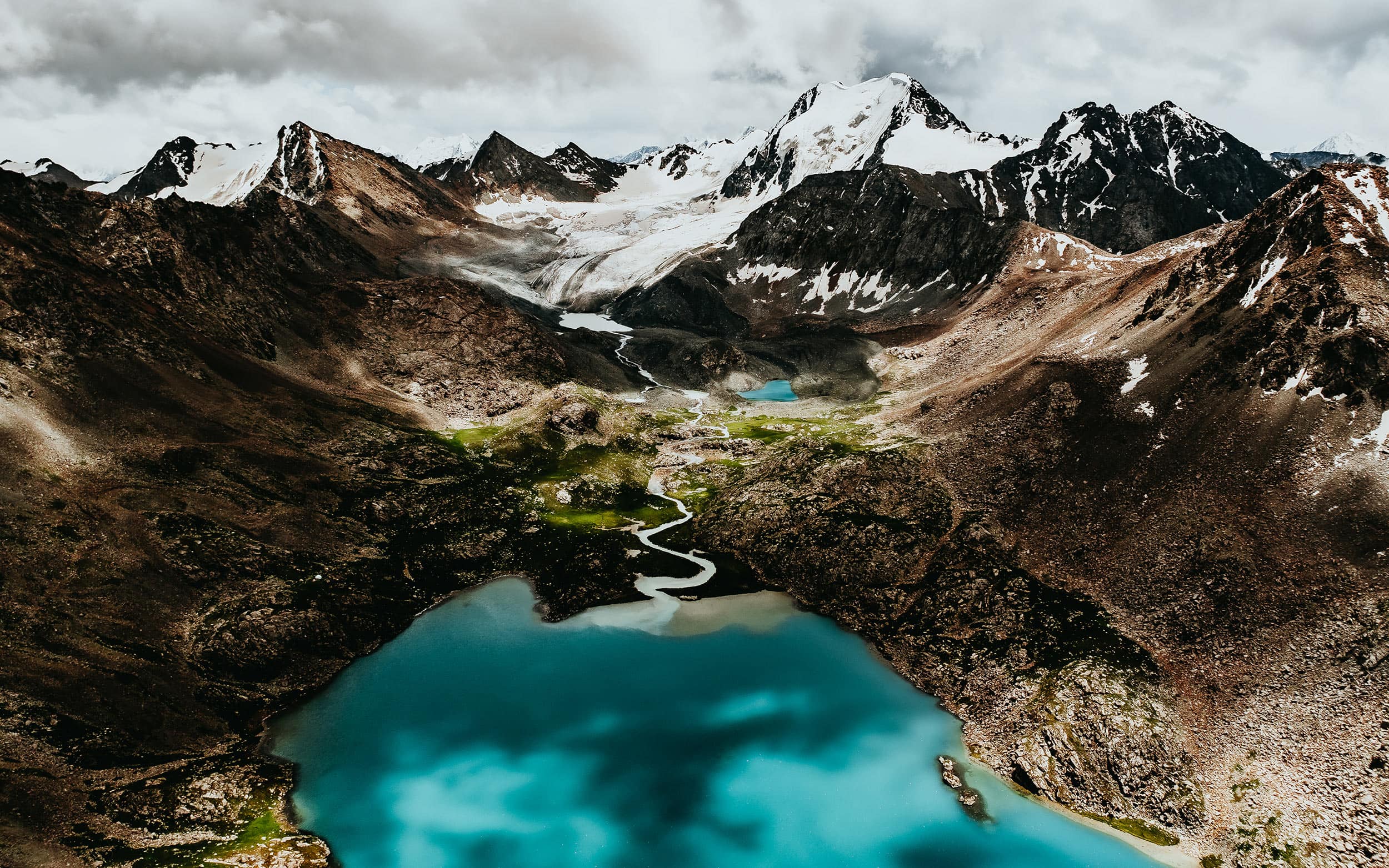
Going down into the Altyn Arashan Valley
First things first, if you think going up was the most difficult part, you will be hard-pressed to find out that the way down is actually the toughest part.
For most people, getting down from the Ala Kul Pass at the Altyn Arashan side will be quite a challenge, as the path is pretty steep and full of loose gravel, which for me, made it a little sketchy as well as mentally challenging at times.
While handling the loose gravel was somewhat problematic, it did become easier and manageable when I started to get the hang of it.
In these situations, it is really important to trust your intuition and take it slower than usual.
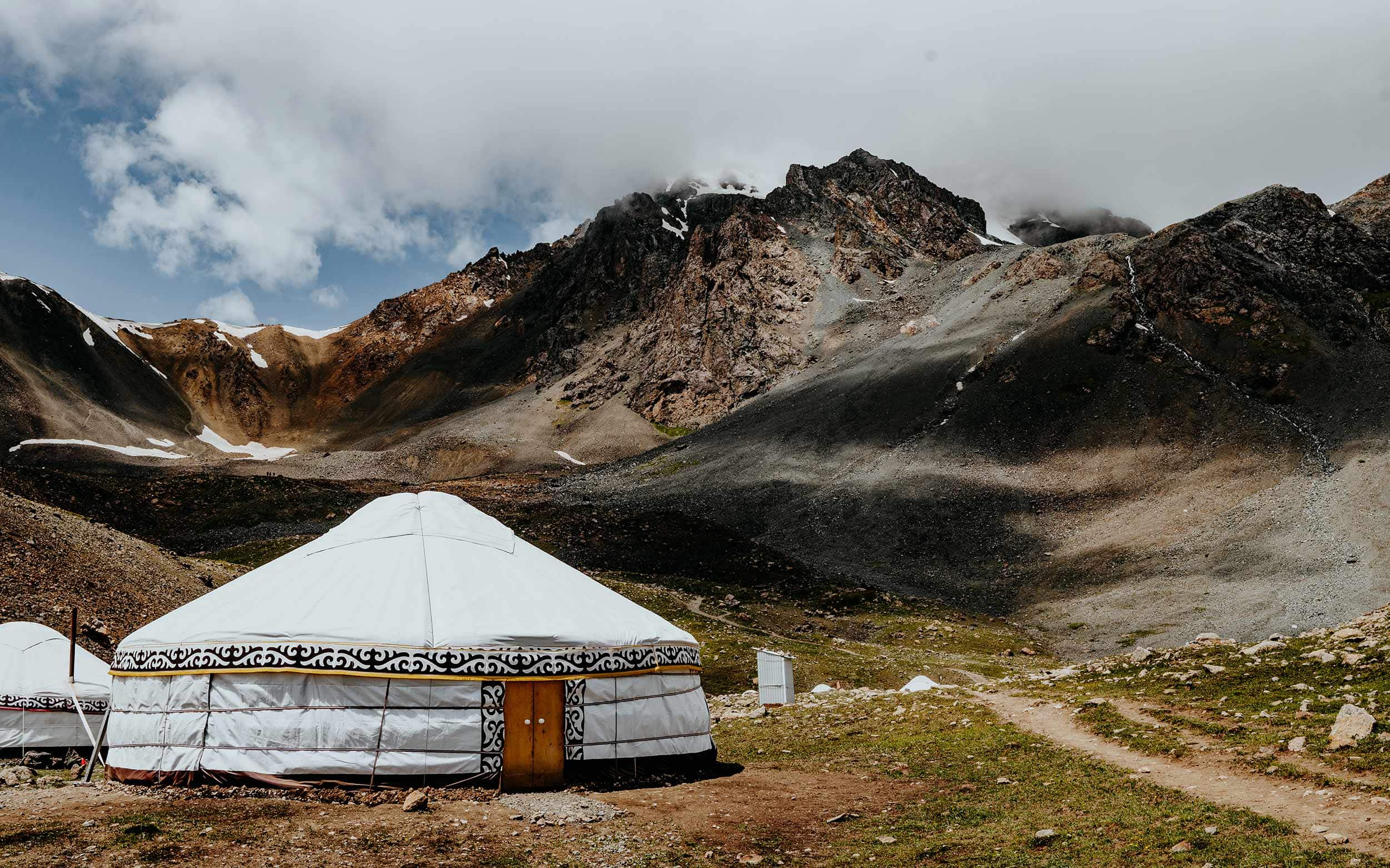
Things to know before visiting Ala Kul
You should have a decent fitness Level
First things first, since the hike to Ala Kul, involves quite a few steep ascents and descents, a moderate to high fitness level is required to make your journey here a success.
While most will handle the walk through Altyn Arashan and the Karakol Valley easily, the final climb along the Ala Kul Pass will seriously put your fitness and agility level to the test.
If you’re worried that you’re fitness level is lacking, rest assured, I managed to finish the climb up in about 45 minutes, and wouldn’t consider myself to be super fit.
As a reference: I go to the gym 3 times a week and walk around 12k steps a day.
Altitude sickness is a real thing
Shortness of breath, headache, fatigue, dizziness, nausea and loss of appetite are all signs that your body has trouble adjusting to the altitude and the change in how much oxygen it absorbs with each breath.
Altitude sickness is a serious thing and could occur when passing the 2.500m mark.
As a result of thinner air found at those higher altitudes, oxygen levels decrease, which can result in the above symptoms – you can basically see it as your body’s warning mechanism.
It particularly happens to those who aren’t acclimated to breathing at higher altitudes, and for that, I believe it’s best to plan your hike to Ala Kul after spending at least a day in Karakol (1700m) itself.
With Ala Kul Lake sitting around 3.500m, and Ala Kul Pass even higher at 3.800, it is highly recommended to stretch your adventures over a few days, so you reduce the risk of getting altitude sickness, requiring to stop before making it to the end, or feel crappy days after.
I personally made the journey from Karakol to Ala Kul in one day, and didn’t had any issues with the height differences – but I did spend 3 days in Karakol, while also having experience with higher altitudes in general.
The path down is a little sketchy
While most of the trail will be a walk in the park for most, there’s a few bits that require a more careful approach, especially the path down on the Altyn Arashan side.
With loose gravel and a pretty steep descend, most individuals will experience some mental resistance to go down, including myself.
While I did find it a tad challenging at times, it did become a lot easier when I got the hang of it by approaching it in a slower and more thoughtful manner.
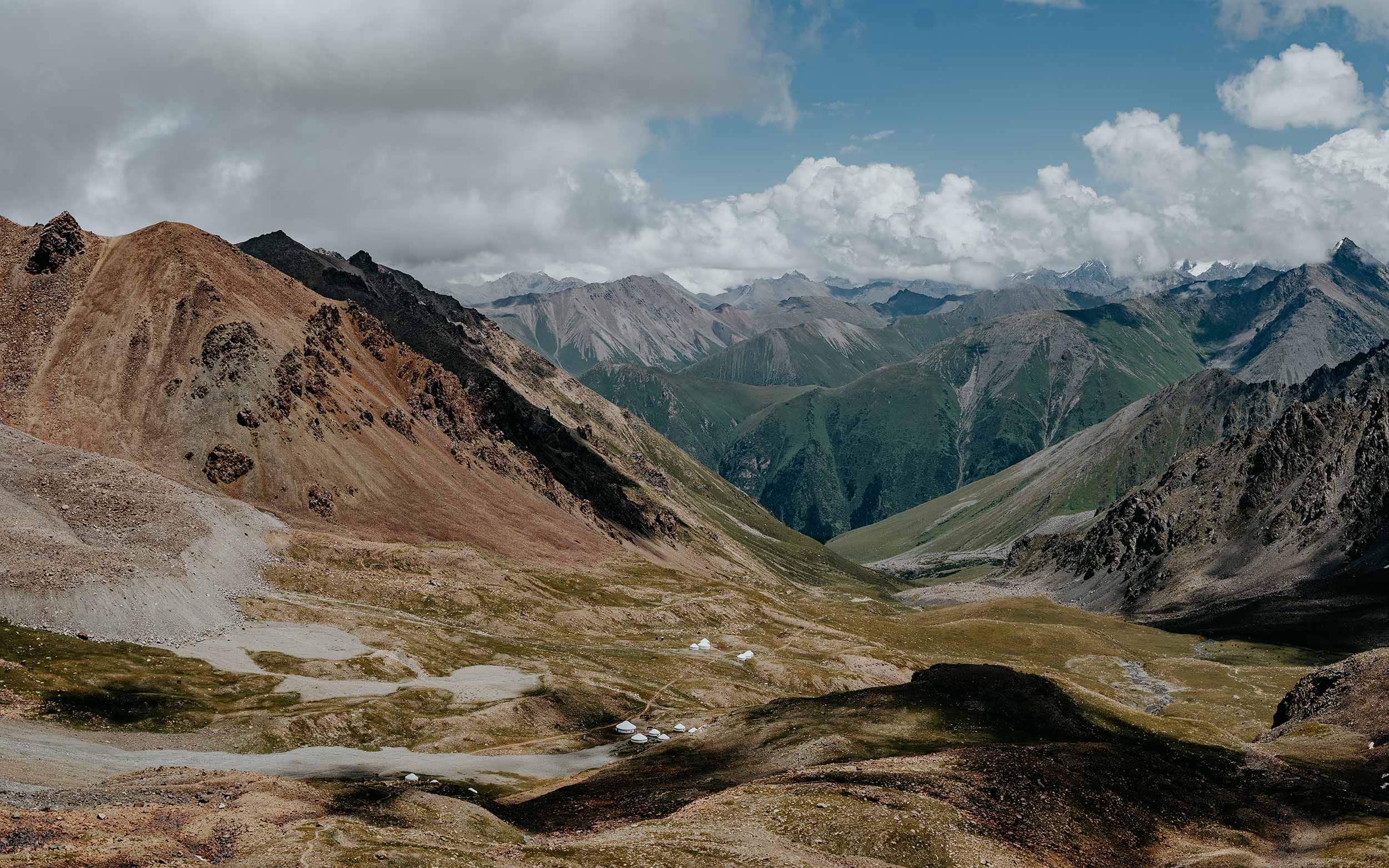
The weather is unpredictable
This one goes hand in hand with the above, as the loose gravel found at the Ala Kul Pass could make for a dangerous situation when rainfall occurs.
While the weather is mostly good during the peak summer months, the weather in the mountains is surprisingly unpredictable, with rain showers occasionally emerging.
If you’re planning a multiple-day trek, I would advise you to educate yourself in advance and bring the necessary equipment to address these changing weather conditions.
Also, if you remain at the lake with some unfavourable conditions, give it some time. Things at this altitude often clear up in the blink of an eye.
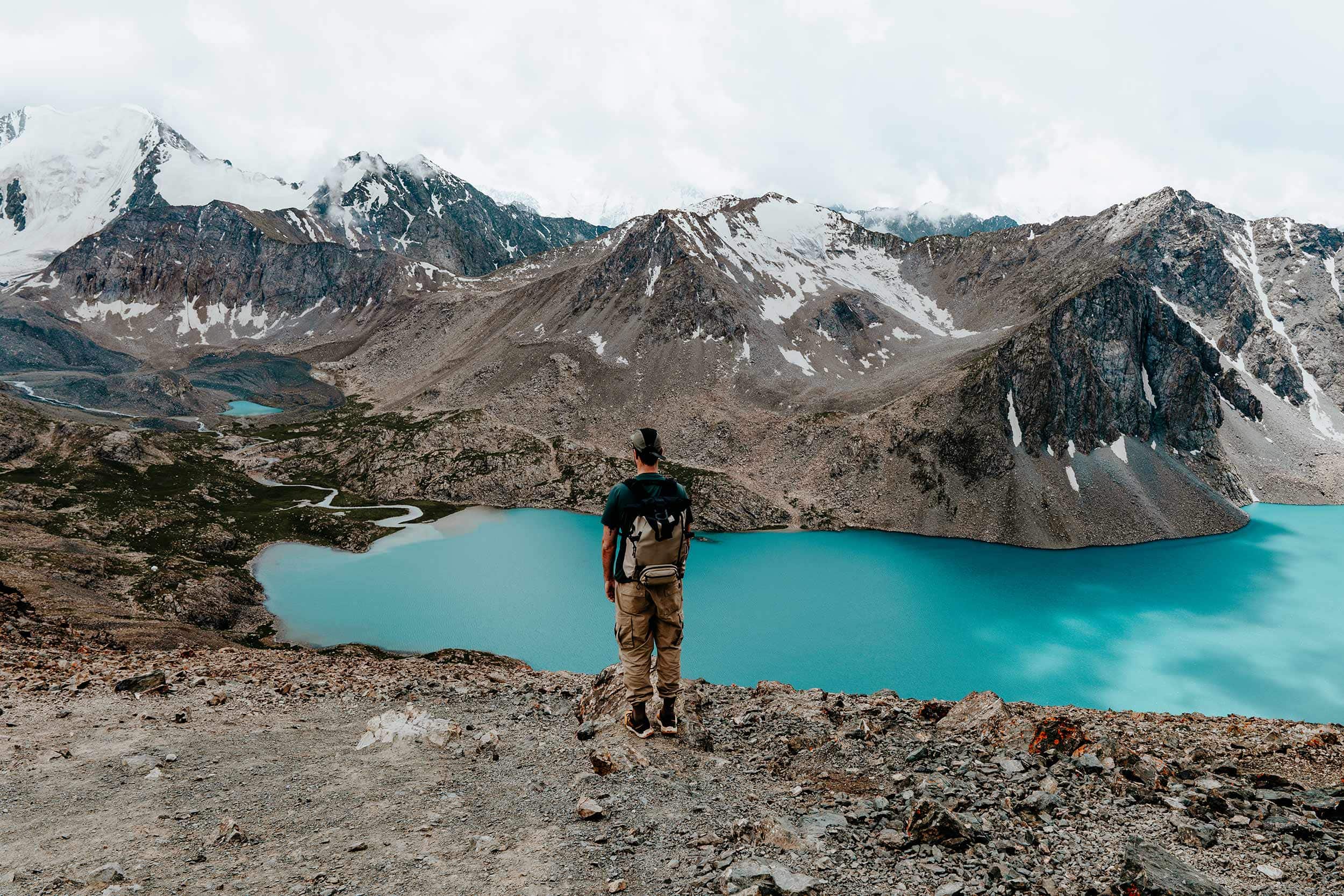
The best time to do the Ala Kul trek
As with most off-the-beaten-path adventures in Kyrgyzstan, the Ala Kul Lake is best visited during the summer months of June to September, when the weather is comfortable, relatively stable, and the trails clear of snowfall.
During this period, Altyn Arashan and the Karakol Valley are in full bloom, so you will be among lush greenery at just about every step in the direction of Ala Kul, making it an exceptional journey.
Even though the weather will most likely be as mentioned above, the weather in the mountains will always remain unpredictable, even during the warmer summer months.
While I had a super clear day when I visited Ala Kul, the day before had some serious rainfall and thunder, so if you’re planning a multiple-day trek, educate yourself well in advance and bring the necessary equipment to address these changing weather conditions.
Outside of the peak summer months, there’s a fairly high chance that the trail is covered in snow, while the temperatures are also too cold for camping, and some sections of the hike too dangerous to attempt.
What to pack for the Ala Kul Lake trek
Cash | First things first, anytime you plan to visit a place outside of the bigger cities of Bishkek and Karakol, it is wise to carry enough cash to pay for transportation or accommodation when needed. With no internet reception throughout most of the Ala Kul hike, cash is also king here, so I’d advise bringing at least 8.000 SOM (€95,-) just to be sure.
Water Purifier | One travel essential that I carry with me at all times is the Grayl Geopress. This reusable water purification bottle allows me to fill up water from nearly every water source, making it super convenient and one of my absolute best investments to date.
An extra layer | We all know the saying; there’s nothing as unpredictable as the weather, and this is also often the case when you go hiking in Kyrgyzstan. For that reason, I believe bringing an extra layer is the way to go. I recently got the new Cortazu AR Active Softshell Jacket, which was a welcoming layer in areas where the wind became more present.
Hiking boots or a sturdy pair of trail runners | While hiking boots naturally provide more stability to the ankles, a good pair of trail runners with Vibram soles will also get the job done these days. For the last 3 years, I have been using the New Balance Hierro v7, a trail runner that offers all the features of a hiking boot, while still providing the looks of a trendy sneaker.
Lunch box and snacks | Since you’re going to a seriously remote place, there will be a finite amount of food and drink options here. For that reason, I advise bringing sufficient amounts of food and snacks to stay fueled during the hike, including fruits, nuts and a few protein bars, which are generally lightweight and very rich in nutrients.
Sun protection | Given the hike to Ala Kul doesn’t provide any shelter from the sun, I believe it’s essential to take the necessary sun protection, including sunscreen, a hat, sunglasses, and even a breathable long-sleeve shirt. Even if the sun hides behind the clouds most of the time, it is still very much possible to get sunburned.
Camera | Since Ala Kul is one of the most stunning places you’ll visit in Kyrgyzstan, I’d highly suggest you bring out the camera, so you can capture loads of photos while there. If you’re curious to learn about my photography gear, make sure you give my What’s in my Camera Bag guide a read too.
Travel insurance | Stay safe in Kyrgyzstan
Since most of your trip in Kyrgyzstan will be related to hiking and the great outdoors, I’d advise anyone travelling here to sort out reliable travel insurance before setting out on their adventures.
Though we always hope that everything runs smoothly during our travels, something unfortunate can always come into play, whether it’s a hiking injury, a stolen camera or an accident on the road.
When it comes to travel insurance, I always use Heymondo, as they offer excellent medical, baggage and Electronic equipment coverage as well as a handy app with 24-hour medical assistance. Make sure you take a look here – readers of WTSW receive 5% off any insurance policy.
Cheers!
I’ve been on this travel blogging journey since 2019.
If you appreciate what I do here, these are some ways you can support me.
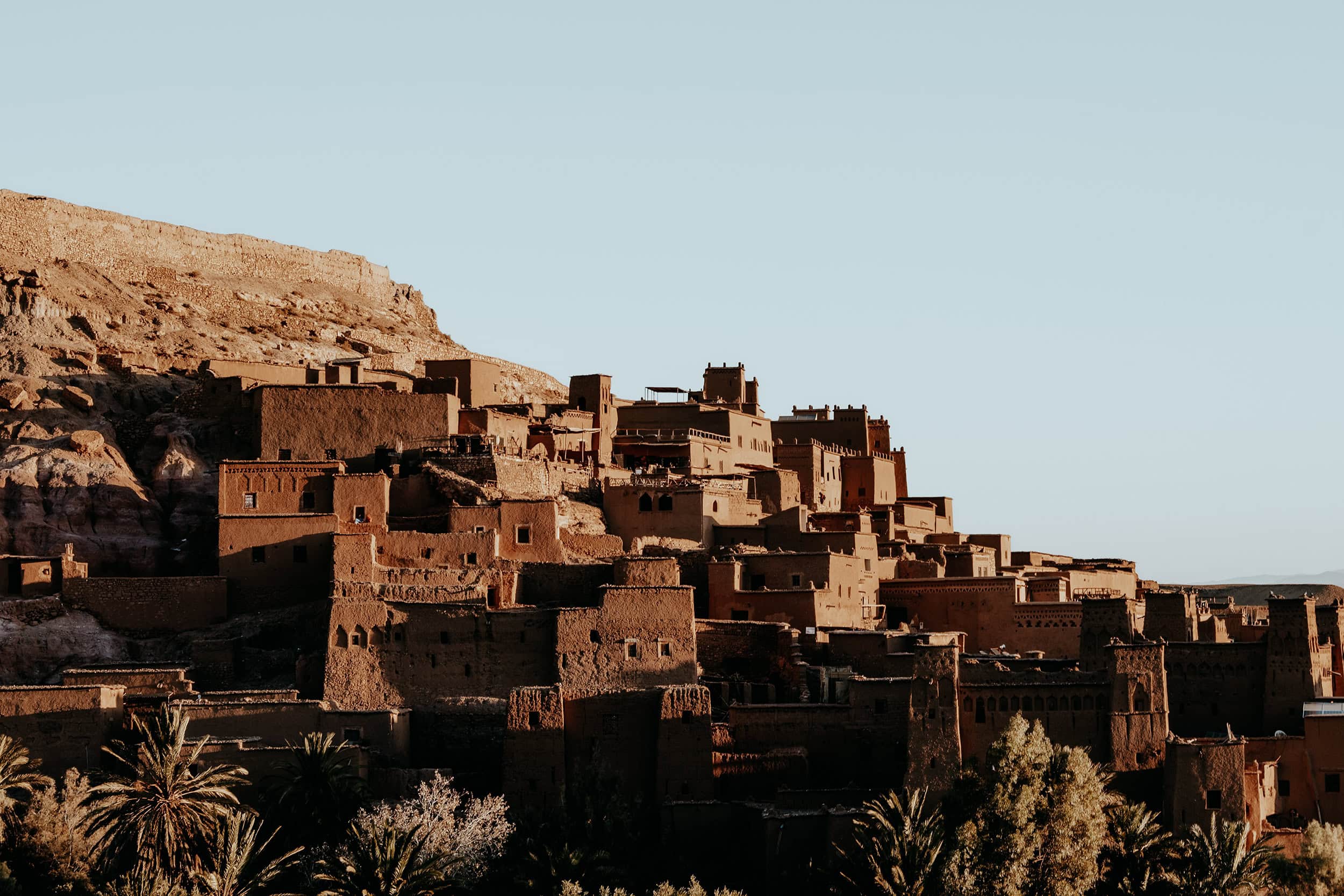
A guide to Ait Ben Haddou, Morocco's extraordinairy fortified village
Once an essential stop among the ancient Trans-Saharan trade route, Ait Ben Haddou is a breathtaking fortified village in Morocco’s deserted region between Marrakech and the Sahara.
Named after its founder; Ben Haddou, who first established a tribe here in 757, the kasbah of Ait Ben Haddou is truly mesmerising, and a roam around the time-worn alleyways makes you feel as though you’ve stepped back in time hundreds of years.
While Ait’s absolute heydays are now long gone, its intriguing remnants of the past still very much attract the interest of all sorts of travellers, and after visiting twice now, it is easy to see why.
From the picture-perfect vistas obtained from the summit of the kasbah to enjoying the many cups of fresh mint tea on one of the many scenic rooftops, the dusty ancient alleys to get lost in to the fact that it doubled as Yunkai in HBO’s blockbuster series Game of Thrones, Ait and its impeccable charm has no shortage of ways to conquer one’s heart.
Today, Ait has once again evolved into one of Morocco’s most significant points of call, and I believe this unique UNESCO World Heritage Site should be regarded as an unmissable stop for anyone crafting an adventurous Morocco road trip itinerary.
In this guide, I’ve gathered all the essential information you need to plan your visit to the utterly stunning kasbah of Ait Ben Haddou in Morocco, with my take on the best things to see and do, where to stay, how to get there, as well as heaps of personal insights.
If you choose to use any of the links on this page, I may receive a small commission at no extra cost to you. By using these links, you’ll have a direct impact on WTSW and my ability to continue to create free insightful travel content for you. If you find any of my tips useful, you can support me by buying a virtual coffee here.
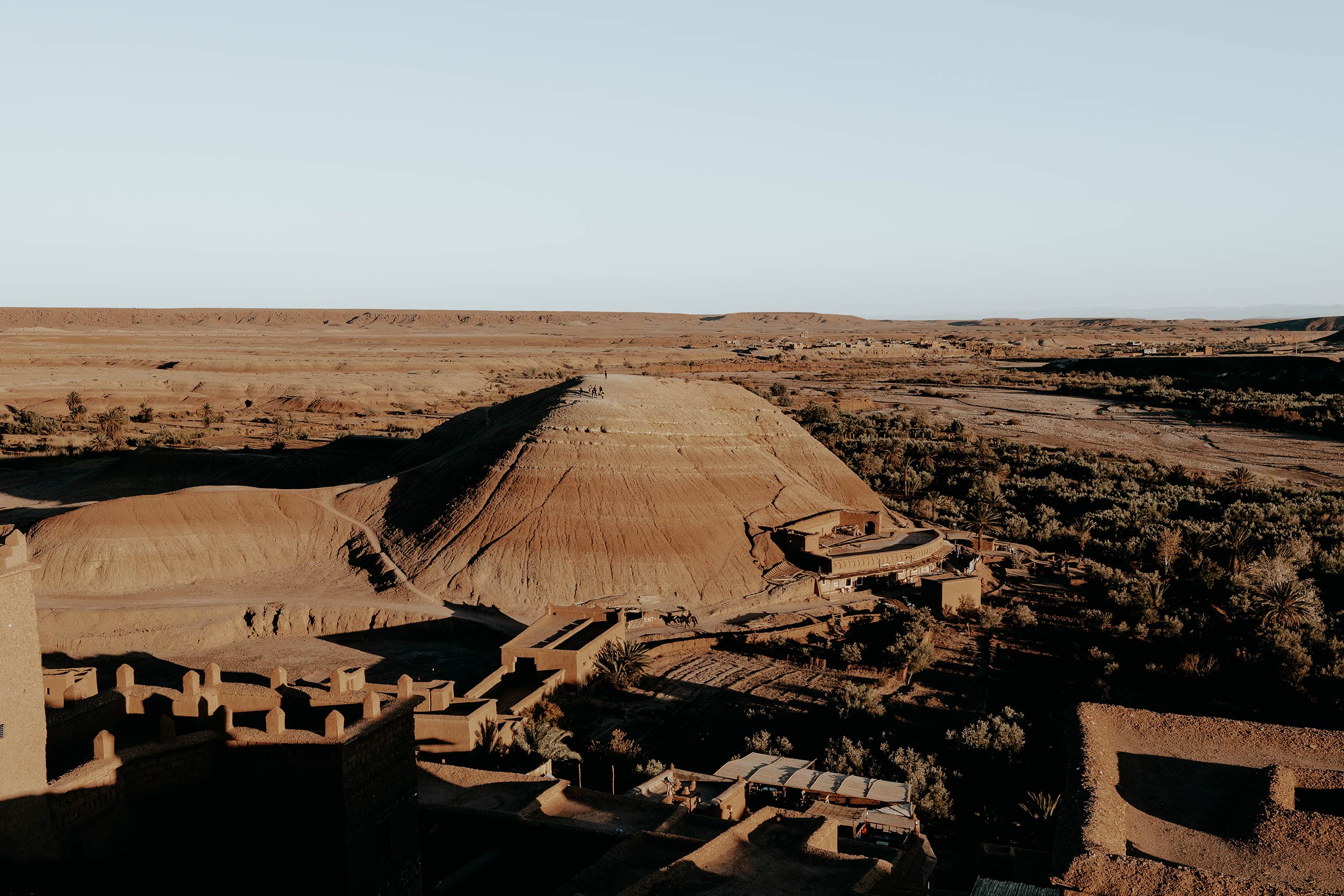
Where is Ait Ben Haddou
Ait Ben Haddou is located in the foothills of the Atlas Mountains in the South of Morocco, about a 3.5-hour drive away from the hustle and bustle of Marrakech.
The fortified village itself is perched along the lush banks of the Ounila River in the charming province of Ouarzazate.
The time-worn Ksar lies on the former caravan route between Marrakech and the Sahara, and has become tremendously popular of late, thanks to HBO’s blockbuster series Game of Thrones.
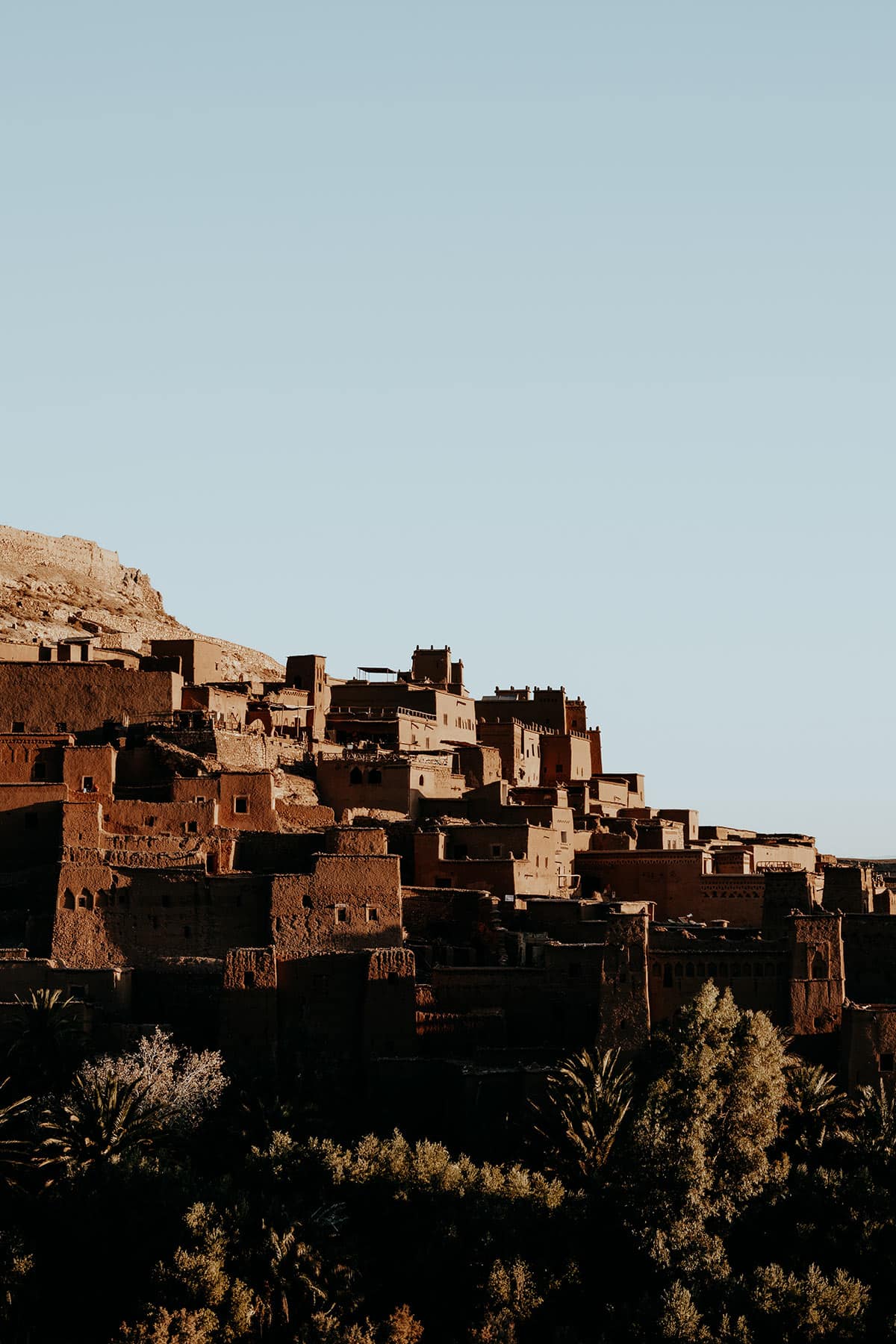
A Brief History of Ait Ben Haddou
Named after its founder; Ben Haddou, who first established a tribe here in 757, the fortified village of Ait Ben Haddou has a lengthy, yet intriguing storyline.
However, it wasn’t until the village came under Almoravid rule in the 11th century that it was first fortified, given Ait gained significant strategic importance in North Africa, while also becoming an essential stop for merchants travelling the Trans-Saharan trade route.
While there’s nothing left from the initial settlement, legend has it that Ben Haddou’s tomb was buried deep beneath the village we visit today, which is said to date back to the 17th century.
Given Ait Ben Haddou’s reputation throughout history, it is no surprise that it has become the best-preserved kasbah complex in Morocco, which eventually resulted in the recognition of UNESCO, who declared the village a World Heritage Site in 1987.
At present, the Ksar is still inhabited by a few families, yet if I’m being completely honest with you, it felt as though most of the buildings are used solely for tourism purposes.
In recent times, Ait Ben Haddou has also made its presence on the big screen, as it has been used as the filming location for many movies and TV shows, including Lawrence of Arabia, Gladiator, and HBO’s blockbuster series Game of Thrones.
Where to stay in Ait Ben Haddou
Since Ait Ben Haddou is one of the most famous sights in Morocco, an abundance of excellent accommodation options are found here, suiting just about every travel preference or budget.
One of the greatest benefits of staying in the area surrounding Ait Ben Haddou is the fact that you could easily opt for a sunrise mission, without having to stress or wake up extremely early to arrive before the crowds arrive.
Here are some of my favourite accommodations around Ait Ben Haddou, one of which is marked, this is the one where I chose to base myself.
+ Taman’art Space | Situated roughly 7 kilometres from Kasbah Ait Ben Haddou, Taman’art Space offers spacious, clean rooms, incredible design, and a comfy artsy common area.
Kasbah Tebi | Looking for the full Ait Ben Haddou experience, seek no further, Kasbah Tebi is located within the walls of the Kasbah and is absolutely stunning. Incredibly intimate, nicely designed in traditional Moroccan style, and super convenient and comfy.
Riad Tamdakhte | Designed in traditional Moroccan style, Riad Tamdakhte is a great value for money, with incredible views from the terrace, and comfortable beds, and is only a short drive away from Ait, making it one of the best picks in the area.
Riad Paradise of Silence | Clean, comfy, and well-designed rooms, just a stone’s throw away from the entrance of Ait. It also has a large outdoor pool, which makes it a favourite among travellers.
6 Things to do in Ait Ben Haddou, Morocco
1. Get your Game of Thrones on
Long-time readers of Where the Souls Wander know how keen I am of HBO’s blockbuster series Game of Thrones, and that when the opportunity arises, I’ll always try to squeeze in a filming location wherever I travel.
If you’re a fan of the series, you’re likely familiar with the fact that Ait Ben Haddou was one of the filming sites in season three, where it doubled as Yunkai, one of the great cities in Slaver’s Bay.
It was at Ait Ben Haddou when Daenerys Targaryen and her army of Unsullied started the battle to free the slaves from the Wise Masters.
While Ait is truly impressive, knowing that it was used for a cinematic masterpiece as Game of Thrones adds a significant touch of additional charm to the mesmerising scenery found here.
Like most things Game of Thrones-related, Ait also gained a tremendous influx of new interest from travellers and locals alike, and discovering the kasbah one step at a time to uncover recognition points of the awarded series feels somewhat like an adventurous treasure hunt.
But Ait Ben Haddou had made it to the big screen long before GOT was a thing.
You see, Ait has been the set for plenty of movies; Kingdom of Heaven, Lawrence of Arabia, Gladiator The Mummy, Alexander and Prince of Persia: The Sands of Time to name but a few.
2. Get lost in the narrow alleyways of the Kasbah
Getting lost in Ait Ben Haddou’s dusty nooks and alleyways is in many ways like taking a journey back in time, and easily the best way to experience the Kasbah.
As you make your way through the maze-like laneways, you will likely stumble upon some of the ksar’s remaining citizens, who in their turn, will try to sell you their goods, play you traditional Berber instruments, or even invite you over for a fresh mint tea or two.
Lined by iconic ochre-coloured houses made of adobe (mud-brick), these narrow streets and laneways are best explored in the early morning when masses of day-trippers have yet to arrive.
While there’s no official fee to enter the Kasbah, you’ll likely stumble upon a man who asks for money if you enter via the entrance near the river. Given he’s pretty pushy and intimidating, I’d highly recommend entering Ait Ben Haddou via the entrance next to the bridge instead.
All in all, it’s quite an experience to wander through the Kasbah, as it offers a glimpse into the town’s history as a thriving merchant village along the Trans-Saharan trade route, while also giving a feel of the present way of life within the Ksar.

3. Hike to the viewpoint
Ait Ben Haddou is built against a hill that is roughly 100 meters high, and climbing it to take in the views from the summit is something I think everyone with the right level of fitness should do.
Whilst exploring the kasbah on a roam without a plan has been my favourite, overlooking the clay rooftops from above with the vast desert on one hand and the lush oasis on the other is really something quite special.
Upon entry into the kasbah, you’ll quickly notice that practically all the laneways lead to either the summit of the hill or one of the many rooftop terraces in the upper ranks of the village – more on that later.
Unless you visit Ait during the shoulder months, it will be scorching hot during a daytime visit, so therefore it is crucial to plan your visit wisely if you have the intention to hike to the viewpoint.
I personally went up in the early morning, and I would highly recommend you to do the same, or opt for a late afternoon, given this is also the best time for seriously good photography, with the soft light turning Ait into a fairytale-like frame.
4. Chat with the Ait Ben Haddou locals
To me, there’s no better way to get a feel for a place than having a friendly chat with its people.
While English is definitely limited here, the friendly locals who live in Ait Ben Haddou will do everything in their power to make you feel welcome.
From an invitation to drink mint tea to showcasing their local arts & crafts, to live exhibitions of traditional Berber instruments to a genuine attempt at a profound conversation, the people at Ait will not miss an opportunity to communicate with its visitors, and this adds significantly to the charms of this amazing fortified village.
Of course, they also try to reap some benefits from visitors and try to sell you their goods, but in my experience, this is always done in a respectful manner. I also think we all do this, no matter the circumstances, location, or place in society – it’s just a way of us humans.
Having said that, the goods found here are pretty awesome and make for an excellent souvenir, so you might as well buy something for your home or to gift to a loved one.
One of my most memorable moments here, was when the guy in the photo down below tried to teach me how to play the Geumbri; a traditional Berber string instrument – which was quite a neat experience and one I will not easily forget.
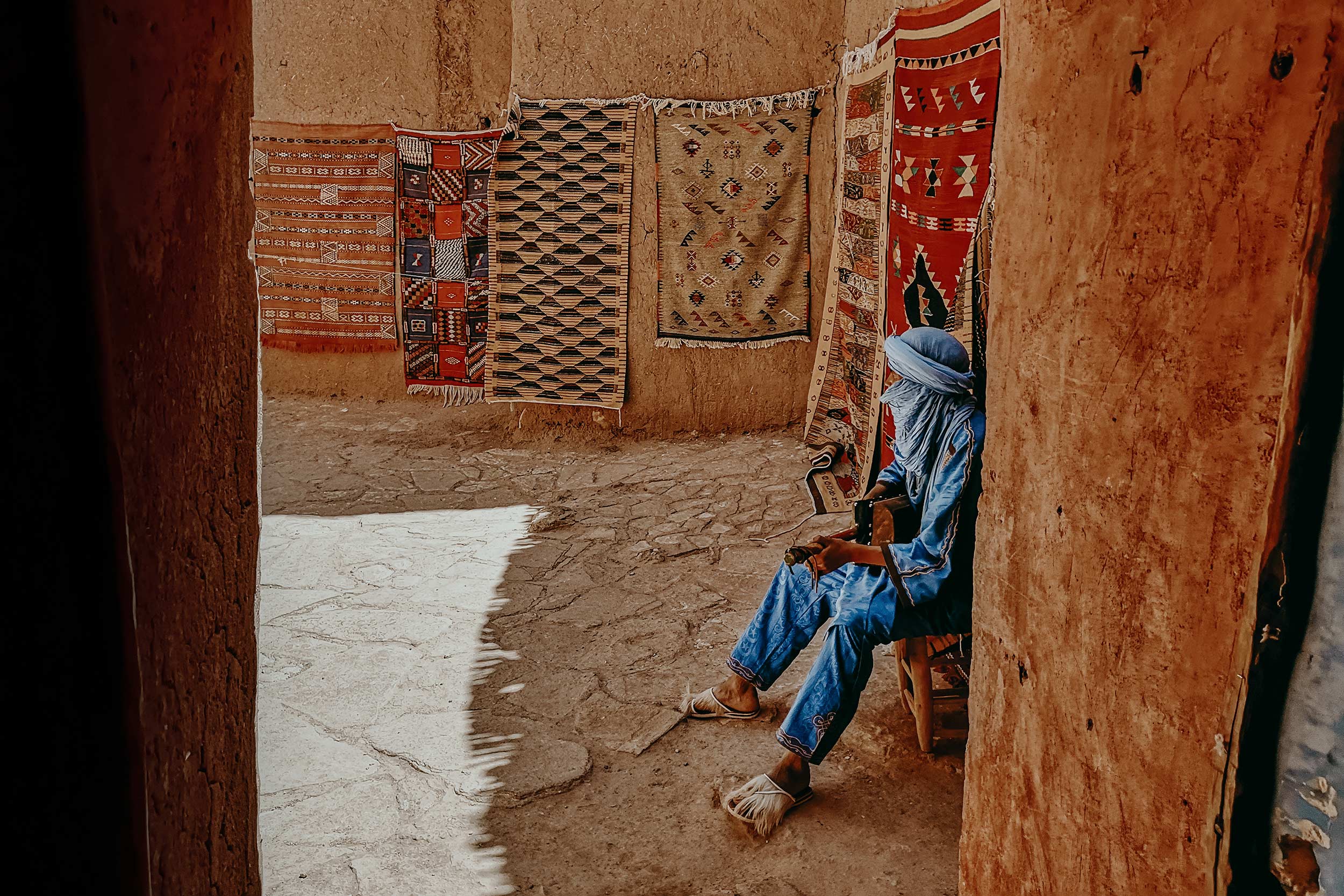
5. Experience the sunrise at Ait Ben Haddou
To me, one of the best ways to behold Ait Ben Haddou is during a sunrise, when the iconic characteristics of the mud-brick buildings get illuminated by the first rays of daylight.
During an early morning visit, the Ait locals will slowly go about their day, while the hoards of tourists are yet to arrive, resulting in a truly intimate experience, with probably only a few other people wandering around the grounds of the Kasbah.
To have the above experience, I believe it’s essential to rent your own set of wheels, so you have the flexibility to arrive at Ait Ben Haddou somewhere in the afternoon.
By doing so, you can slowly explore Ait on the day of arrival, spend a night in one of the many hotels in the surrounding area, and wake up early to experience Ait during sunrise – which to me, is the absolute best way to do so, and absolutely worth a shorter night of sleep.
Besides the more intimate experience, it also offers exceptional photography opportunities, as the light will most likely be perfect, and zero people obstruct your frame, meaning you’ll save a significant time on retouching and clone stamp work in Photoshop – those who know, know.
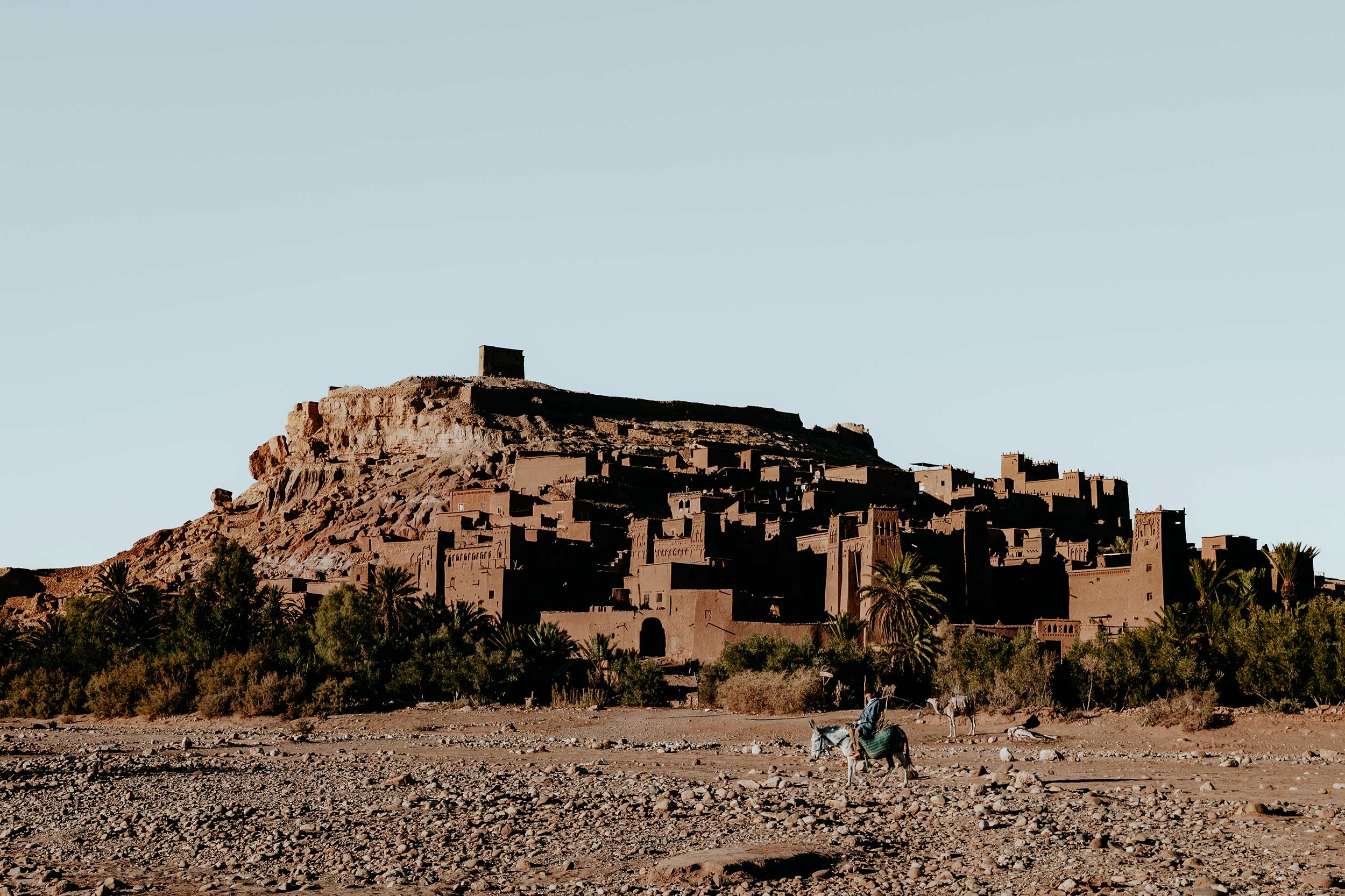
6. Don’t forget to explore the surrounding area
After uncovering Ait Ben Haddou inside and out, it makes perfect sense to continue your exploration mode, as the surrounding area has plenty of impressive sights to uncover.
First, there is the famous Atlas Studios in Ouarzazate, known for the filming of many big-screen productions, including Prison Break, Alladin, The Mummy, Game of Thrones, and Vikings.
While it feels a little outdated, it is still quite an interesting place to have a look, knowing that some excellent films have been filmed right here.
Secondly, there is Tamedakhte, a charming, unrestored kasbah in the heart of the Ounila Valley about a 10-minute drive from Ait Ben Haddou.
Contrary to Ait, the kasbah of Tamedakhte is a hidden gem not yet discovered by the masses, which makes it an interesting sight to roam around for a few moments.
Last but not least is the magnificent Telouet Kasbah, a time-worn ksar also known as the former seat of the powerful El Glaoui tribe.
Don’t be fooled by the decayed outside here, as the inside is actually something quite spectacular, complete with intricate carvings, painted cedar and colourful zellige mosaic tilework.
Telouet could also be your first stop if you’re doing a road trip from Marrakech to the Sahara.
I chose to visit Tamedakhte and Telouet on my way back to Marrakech, as it was a scenery drive from Ait Ben Haddou back to the start of the Atlas Mountains.
If you’re interested in my Morocco road trip itinerary, you can read it here.
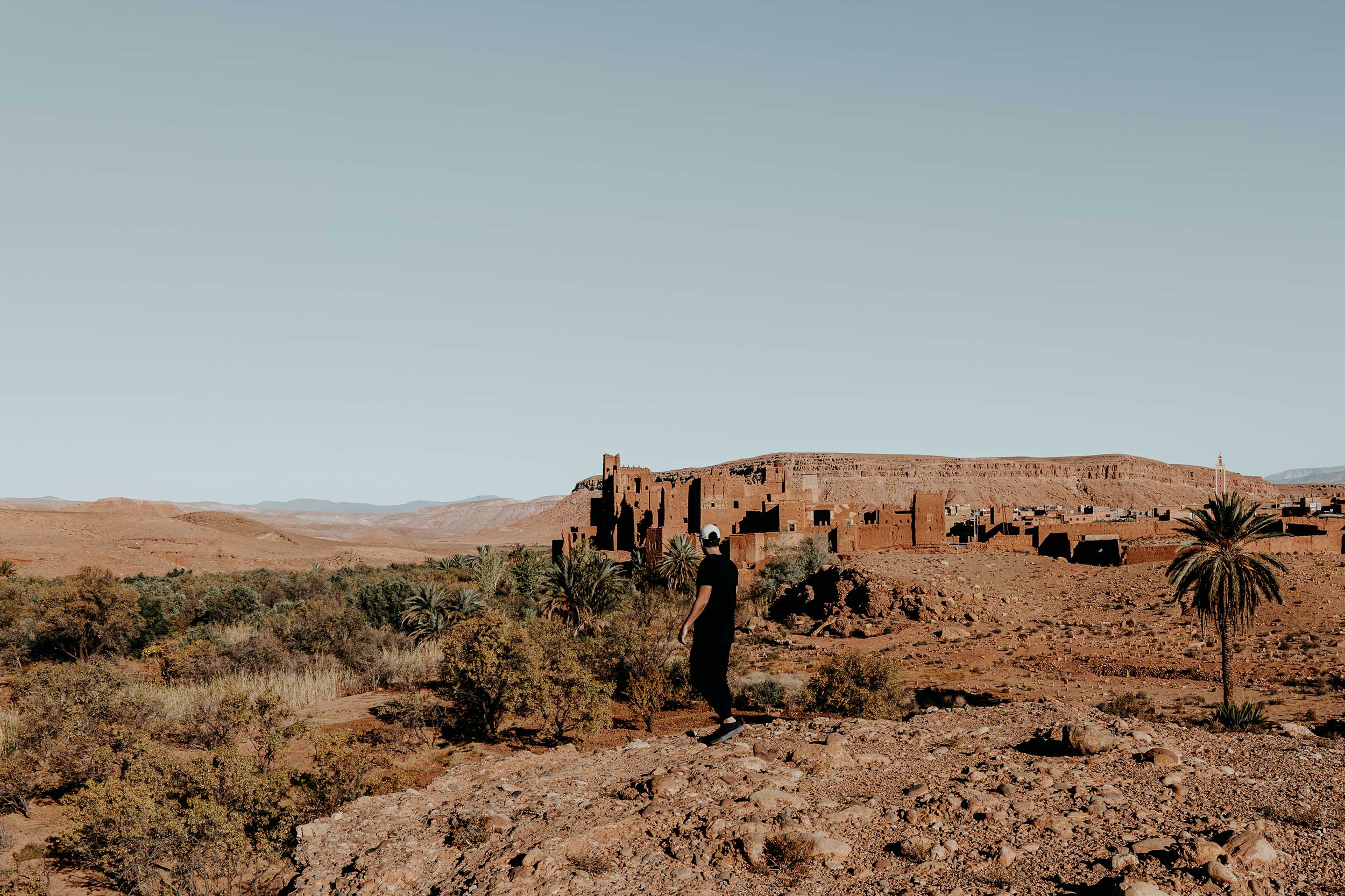
Things to know before visiting Ait Ben Haddou
The best time of year to visit Ait Ben Haddou
While you’ll probably think summer is the best time to visit Ait Ben Haddou, you’ll be surprised how greatly the fierce summer heat will influence your experience here.
You see, the heat that comes with the peak summer months makes it hard to enjoy Ait fully.
For that reason, I believe the best time to visit Ait Ben Haddou is in the shoulder months of March to May, and September to November, when the temperature is a lot more gentle, yet pleasant enough for explorations around Ait and its surroundings.
I’ve made it to Ait Ben Haddou twice, once in April, and one time in October.
While I enjoyed great weather during both trips, I would personally recommend a visit during spring, as the autumn tends to be a little more inconsistent in terms of weather if you ask me.
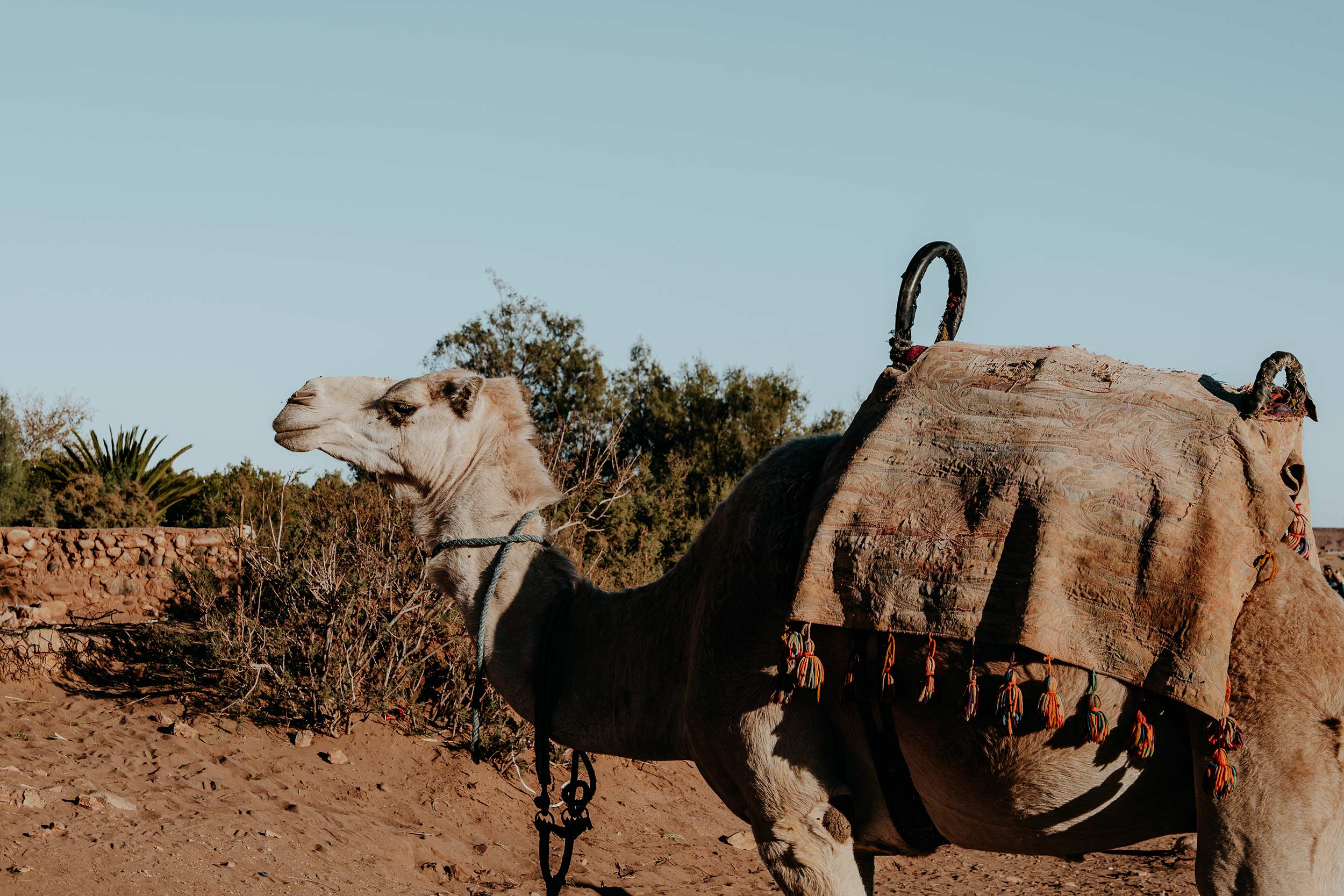
The best time of day to visit Ait Ben Haddou
As with most famous UNESCO World Heritage sites, Ait Ben Haddou is best visited early in the morning, when the organized tour busses have not yet arrived, and hoards of people have not yet invaded the time-worn streets of the kasbah.
Alternatively, a late afternoon visit is also a great option, as most organized tours already ventured onwards in the direction of the Sahara desert.
If you’re not planning to be part of an organized tour and wish to explore this part of Morocco as part of an adventurous road trip (which you definitely should), I would highly recommend arriving at Ait Ben Haddou in the late afternoon, so you can start off with a slow afternoon roam and a stunning sunset from one of the various vantage points or the summit of Ait itself.
I also recommend that you plan to spend the night in one of the many excellent hotels found in the surrounding area, as it gives you one incredible advantage; an early morning rise and a completely empty Ait during sunrise – an experience that truly blew my mind.
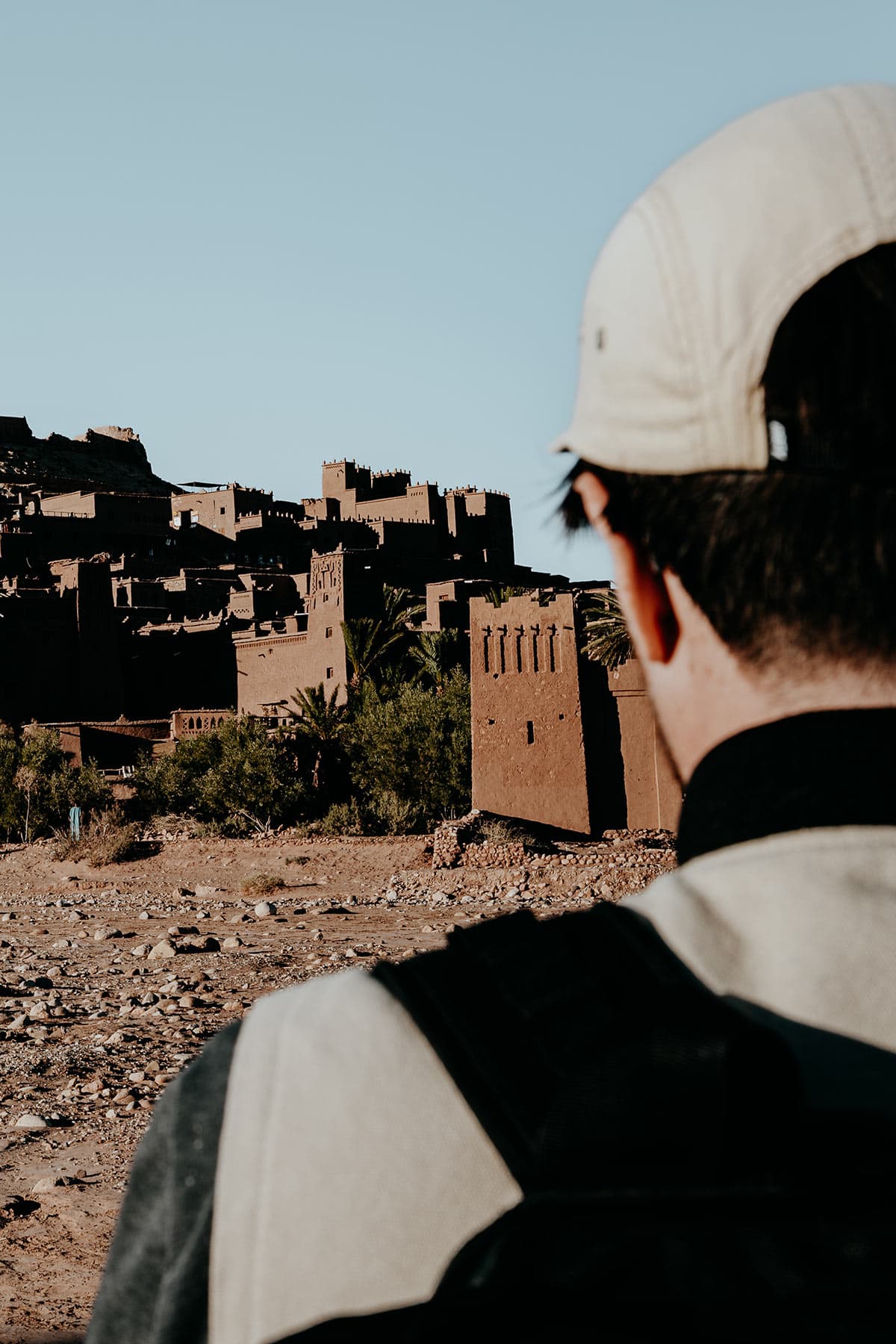
How long do you need at Ait Ben Haddou
Given Ait is super stunning during sunrise and sunset, I recommend spending at least one night in the area so you can easily witness both without the feeling of being rushed.
I personally visited Ait Ben Haddou twice, once on a 3-day guided tour to the Sahara, and once on a self-driven road trip from Marrakech, and if I had to choose one, the latter would win every time.
The reason for this is that the first option will give you solely 2 to 3 hours to roam around the kasbah, which to me doesn’t do justice to this place.
Therefore, I would recommend arriving here late in the afternoon and moving on the next morning right after your sunrise mission, so you have the best of both worlds, while also having plenty of time to take it slow and roam around without a plan.
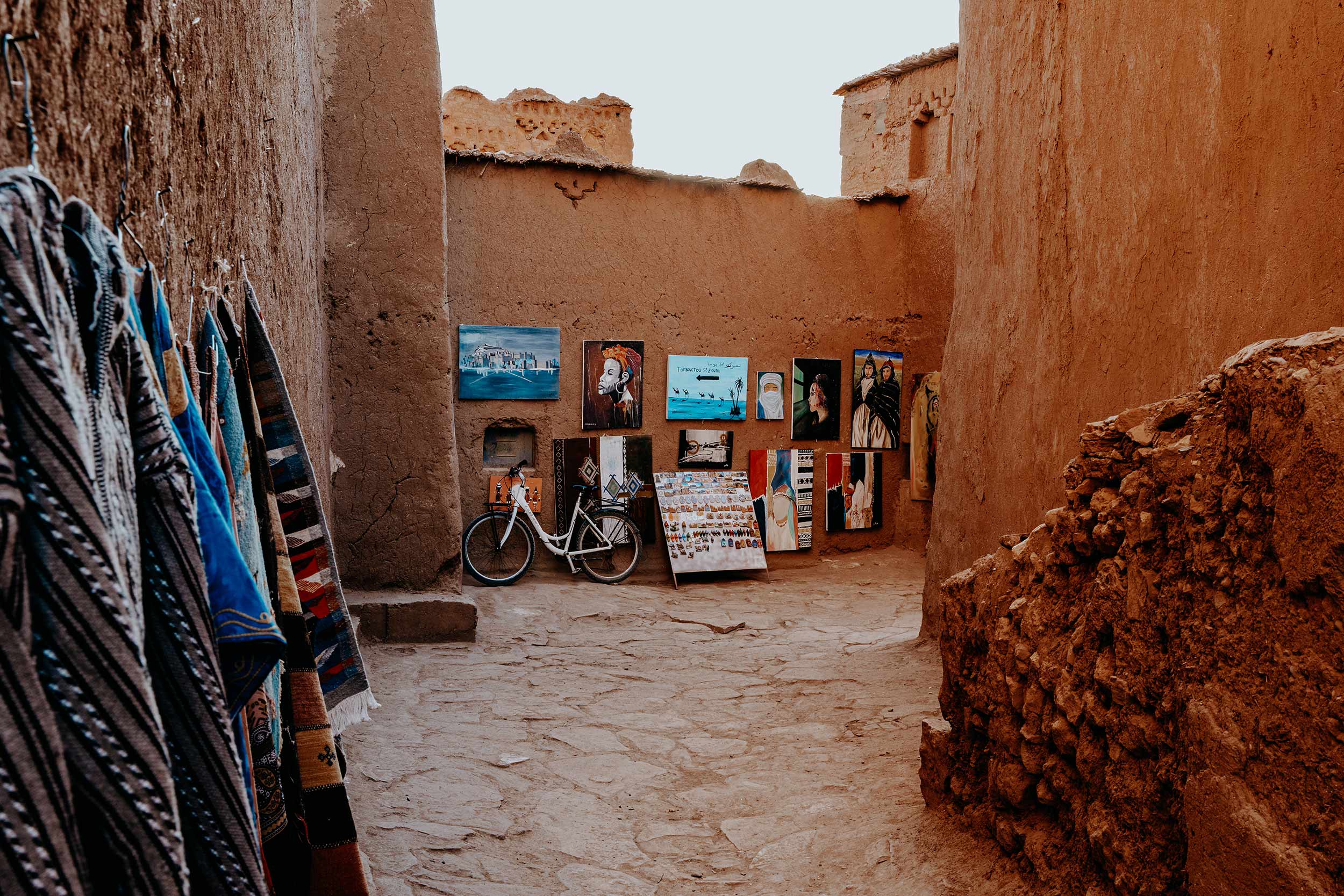
How to get to Ait Ben Haddou
To reach Ait Benhaddou from Marrakech you have to pass the Atlas Mountains. This 4-hour drive will take you along Tizi n’ Tichka, and provide you with some of the most amazing views. The easiest way to visit Ait Ben Haddou is by booking a tour, but there are more options.
BY CAR | Renting a car and driving yourself is an excellent option but keep in mind that driving in Morocco is quite the adventure itself. The roads can lead to difficult situations and you have to be comfortable enough to conquer them. Most car rental companies in Morocco ask you to pay a security deposit of somewhere between €800 and €1200.
BY BUS | In Morocco, you have two major bus companies named: Supratours and CTM. From Marrakech, you can take the bus to Ouarzazate which is the city close to the kasbah. The bus ride will take about 4,5 hours and costs 95 dirhams. One thing that is really important is asking the bus driver to drop you at the intersection road that leads to Ait Ben Haddou. This is about 20km before reaching Ouarzazate.
From this point, it is 8km to Ait Ben Haddou and it cost you 15 dirhams to take a grand taxi. Many locals will offer you a ride if you pay them some money.
This is the most difficult option but the cheapest for travellers on a budget.
One downside about travelling by bus is that you don’t stop in both the High Atlas Mountains and the Tizi n’ Tichka pass. These sceneries are some of the highlights of Morocco and a delight for every travel photographer.
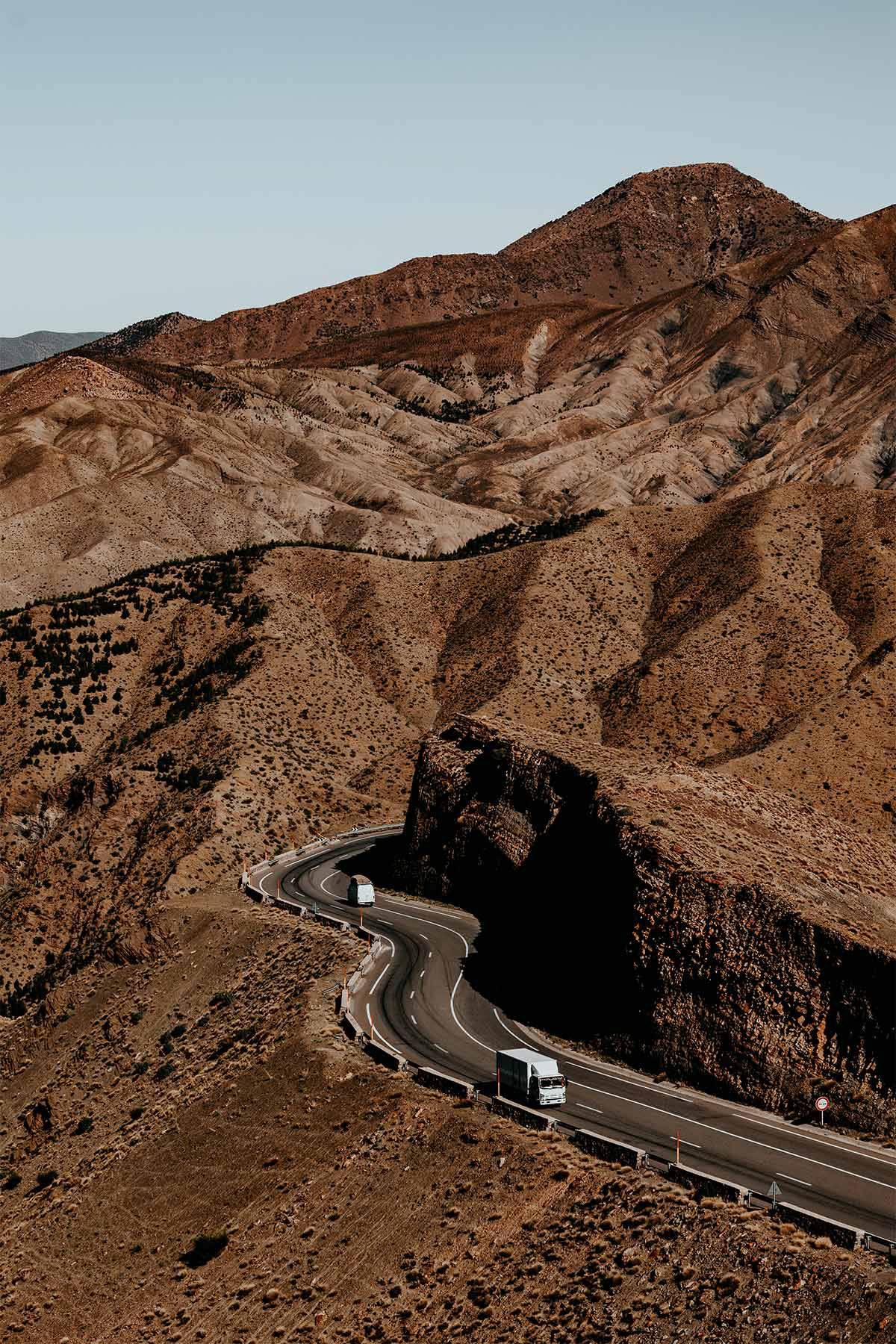
Join a guided tour
The easiest way is by going with a tour operator. Our visit was part of a tour we had with GetYourGuide. A nice thing about going on a tour is that you don’t have to worry about planning at all. We even stopped a few times to take some pictures in the Atlas Mountains.
The only downside about going with a tour is that you have to stick to a schedule and in this case that resulted in only 3 hours at Ait Ben Haddou.
What to pack for your Ait Ben Haddou visit
While I don’t think you need to bring specific things to Ait Ben Haddou itself, I still mention my take on what to pack for your trip here, given you will most likely visit Ait as part of a longer Morocco road trip.
If that’s the case, there are a few things I would advise bringing, so you will not face any surprises.
A Hat | Sun Protection | Warmer Clothes (this area gets surprisingly cold during the nights) | A camera – see what’s in my camera bag here | A power bank (especially if you venture into the Sahara) | Sufficient amounts of Cash | Water Filter Bottle – I’d highly recommend looking into the Grayl Geopress
Safety in Morocco | Travel insurance
When travelling this big wide world, I never go on an adventure without my essential travel insurance sorted out, and though I felt safe in Morocco, I recommend anyone travelling here to do the same.
Though you rather don’t think about the things that could go wrong, there’s always a chance that something will happen, and when that’s the case, it is better to be safe than sorry.
Heymondo | Whether you’re going on a 3-week backpacking trip, or planning a long stay somewhere abroad, Heymondo has excellent insurance options either way – plus full covid-19 coverage and a handy app with 24-hour medical assistance. Readers of WTSW receive 5% off any insurance policy, more information here.
Cheers!
I’ve been on this travel blogging journey since 2019.
If you appreciate what I do here, these are some ways you can support me.